Category Archives: headline

Hopes new Pfizer vaccine supplies will kickstart national rollout

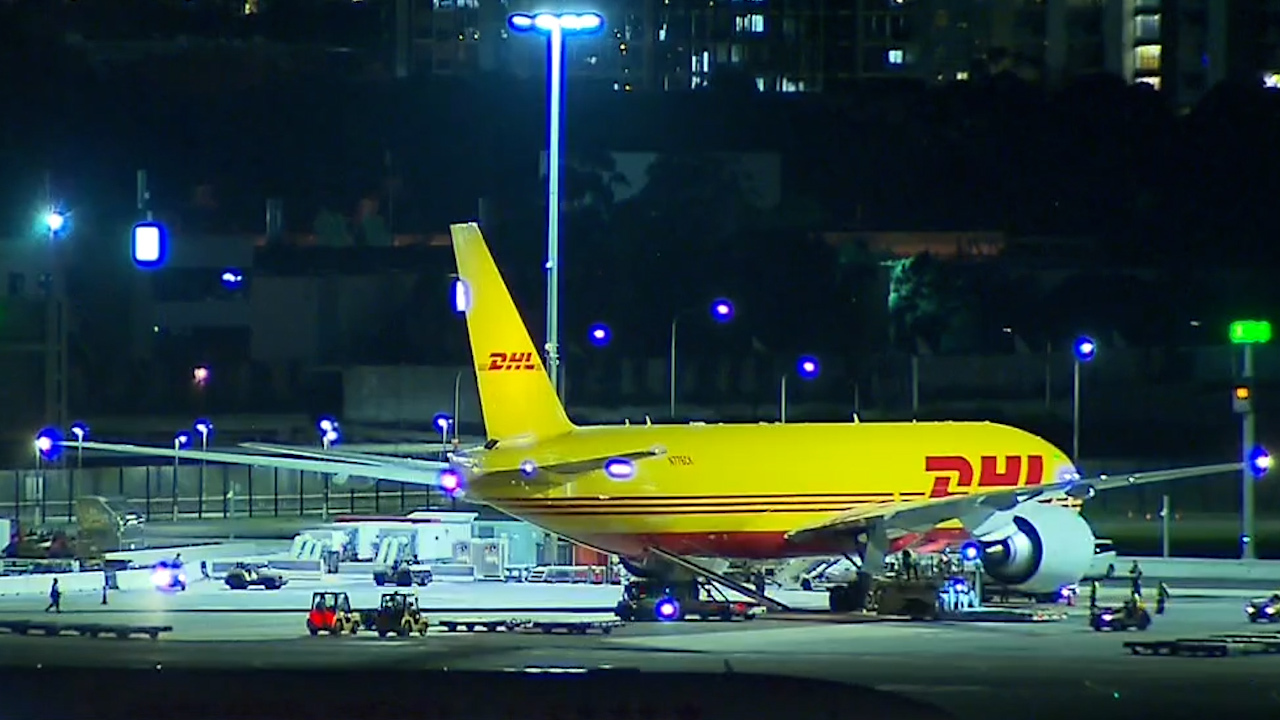
Australia's sluggish vaccination rollout is set to be supercharged from today as one million new Pfizer doses arrive in the country.

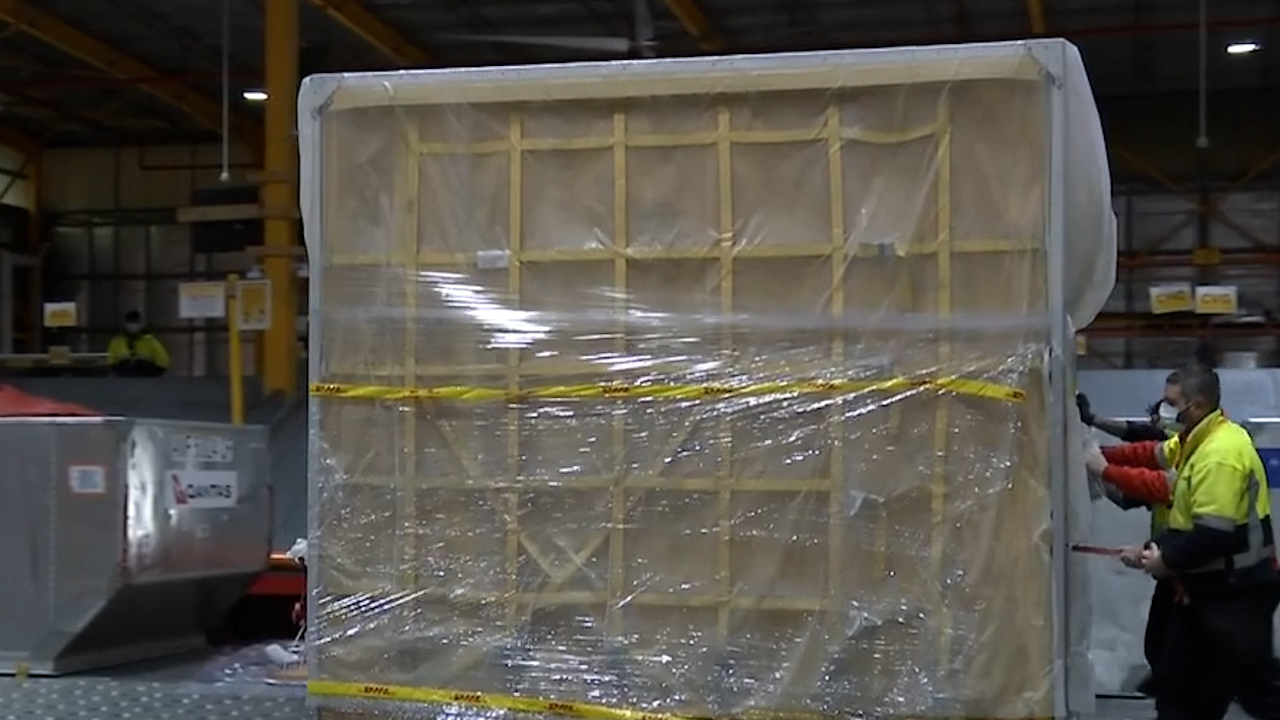
The arrival of the vaccines overnight came after the Federal Government announced one million Pfizer doses will arrive in Australia every week from today.

It is hoped this week will mark a turning point in a vaccine roll-out that to date has been sluggish and held back by lack of supplies.

READ MORE: Can you get a COVID-19 vaccination yet? State by state guide

The first shipment of one million Pfizer doses will be distributed around the country, COVID-19 Taskforce Commander Lieutenant-General John Frewen said.

Australia now has 13 per cent of the population fully vaccinated, with 10 million jabs now administered.

Mr Frewen said modelling on vaccination rates and opening up Australia's borders was "being done now" and will be presented to the government for consideration in the next couple of weeks.

"It is the fully vaccinated rates, ultimately, that will help us together to get back to those freedoms," he told Today.

He said the government was working on "how freedoms will be opened up progressively".

A large number of the newly supplied Pfizer shots – along with AstraZeneca vaccines – are expected to be sent to Sydney's south-west, the epicentre of the city's virus outbreak.

Mr Frewen said the rollout was on track for every Australian who wanted a vaccine to be jabbed by the end of the year.

"I hope we will see a real acceleration in vaccination rates."

NSW authorities hope the new vaccine supplies will boost the vaccinated number of vulnerable people and residents living in areas of concern for virus transmission.

NSW yesterday recorded 105 local cases of coronavirus and one death.

Premier Gladys Berejiklian said 27 of those new cases were infectious in the community

While most of the new vaccines have been flown to Sydney, doses are also shared between Melbourne and Perth.

READ MORE: When will Sydney's lockdown end?

Meanwhile, the opening of new vaccination hubs this morning will boost the vaccine rollout in NSW and Queensland.

One will open on Pitt Street in Sydney's CBD and another clinic will start administering COVID jabs at Belmont, near Newcastle.

In Queensland the new centres are in Ipswich and the Gold Coast in response to growing demand from local residents.

Under Federal Government plans, Australians aged under 40 should be able to get the Pfizer vaccine by September or October, if supply isn't interrupted.

READ MORE: Major tightening of Sydney lockdown restrictions – Here's what you need to know

Haiti: Former Govt. Official Implicated in Moise Murder

Port-au-Prince, Haiti (CNN)Colombia’s National Police chief has claimed that former Haitian Justice Ministry official Joseph Felix Badio was a key player in the assassination of Haiti’s president.

Speaking in an edited video provided to media outlets, Gen. Jorge Vargas alleged that newly obtained information from the ongoing investigation had led Colombian authorities to believe that Badio told two Colombians suspected to have been involved in the operation to assassinate President Jovenel Moise.

Vargas provided no evidence to support these claims against Badio, only reiterating that the information came from the joint commission of Colombian and Haitian authorities involved in the investigation.

Moise was killed last Wednesday during an attack on his private residence, throwing Haiti into political chaos with multiple figures now vying to lead the Caribbean nation.

Authorities say the operation involved at least 26 Colombians, some former members of the Colombian military, hired through a Florida-based security company.

There were no reporters present in the room to ask questions to the Colombian police chief when he recorded the video.

Haiti’s elections minister Mathias Pierre told CNN on Friday that Badio, “is effectively in the heart of the assassination, but we believe he is working for big fishes. The intellectual masterminds are bigger than that. Who financed the operation is still the big question mark.”

Haitian authorities, including the acting Prime Minister Claude Joseph and Police Chief Leon Charles also held a news conference Friday where they made no mention of Badio or the claims made by Colombia.

Badio was fired on May 17 from his position at the Haitian government’s Anti-Corruption Unit, according to a statement issued by the agency on July 13.

According to the statement, he was fired due to serious breaches in professional conduct. The statement also cited a complaint against Badio that had been filed on May 20 but did not disclose the content of the complaint.

The Port-au-Prince prosecutor’s office on Sunday issued an arrest warrant for Badio, CNN learned Friday. The warrant said Badio is accused of murder and armed robbery against President Moise.

CNN has not been able to reach out to Badio for comment and it is unclear if he has legal representation.

Ongoing investigation

The FBI began holding interviews in Port-au-Prince on Friday as part of the investigation into President Moise’s assassination, a source familiar with the investigation told CNN.

On Monday, the Justice Department said it will “investigate whether there were any violations of US criminal law” in connection with the plot to assassinate Moise. Haitian authorities have provided limited details on the investigation, but the growing number of Florida connections to the plot appear to portray an operation at least partly hatched in the United States.

Responding to a CNN question at a news conference on Friday, Haitian police chief Charles said both Colombian and American investigators had interviewed “key suspects” in the case. He also said that some of the 24 police currently under “precautionary measures,” which typically limit movement, had been at the presidential residence on the night of the assassination.

A senior government source with knowledge of the investigation told CNN: “We think four police officers were working with Badio to neutralize the police around President house to facilitate access. One police officer has been arrested, three are at large.”

The four officers are not part of the 24 who are under precautionary measures, and were not members of the president’s security team, according to the source. The officers appear to have been part of a group doing personal security for Badio, the source also said.

The aftermath of an assassination

Moise’s assassination sparked a sprawling ongoing investigation across multiple countries, supported by both the US FBI and Colombian intelligence services.

At least 39 people have been implicated in the killing of President Moise. Citing Haitian authorities, Colombian police said Thursday that some of the 26 Colombian suspects were hired and brought to Haiti on the understanding their job was to detain the leader and hand him over to US law enforcement.

Haitian President Jovenel Moise

Haiti’s leader has been killed. Here’s what you need to know

A number of suspected killers were likely deceived by their compatriots, Colombian President Ivan Duque told a local radio station on Thursday. Preliminary investigation suggests the Colombians were working in two groups, he said: A smaller group who knew of a “criminal” objective and were aware the bigger operation was a cover-up, and a larger group that had been kept in the dark.

The two Colombian suspects named in the video by Vargas are German Rivera and the late Duberney Capador. The pair, both former Colombian military officers, have been accused of leading the operation.

They previously met with Christian Emmanuel Sanon, a Florida-based pastor whom Haitian authorities allege coordinated the military operation in hopes of seizing power for himself, according to Vargas, the Colombian police chief.

Sanon has denied all knowledge of the operation and insisted on his innocence, according to a source close to the investigation who cannot be named because they are not authorized to discuss the affair.

Capador and least two other Colombians were killed by Haitian authorities responding to the assassination.

CNN’s Natalie Gallón, Caitlin Hu and journalist Etant Dupain reported from Port-au-Prince, Haiti. Journalist Karol Suarez in Mexico City and CNNE’s Marlon Soto in Atlanta contributed to this report.

  • Paid Content

The post Haiti: Former Govt. Official Implicated in Moise Murder appeared first on The St Kitts Nevis Observer.

Kremlin Papers: Putin’s Plot to Put Trump in White House

Exclusive: Documents suggest Russia launched secret multi-agency effort to interfere in US democracy

Vladimir Putin and Donald Trump. The documents appear to confirm the Kremlin possesses compromising material on Trump. Photograph: Evan Vucci/AP

Guardian: Vladimir Putin personally authorised a secret spy agency operation to support a “mentally unstable” Donald Trump in the 2016 US presidential election during a closed session of Russia’s national security council, according to what are assessed to be leaked Kremlin documents.

The key meeting took place on 22 January 2016, the papers suggest, with the Russian president, his spy chiefs and senior ministers all present.

They agreed a Trump White House would help secure Moscow’s strategic objectives, among them “social turmoil” in the US and a weakening of the American president’s negotiating position.

Russia’s three spy agencies were ordered to find practical ways to support Trump, in a decree appearing to bear Putin’s signature.

By this point Trump was the frontrunner in the Republican party’s nomination race. A report prepared by Putin’s expert department recommended Moscow use “all possible force” to ensure a Trump victory.

Western intelligence agencies are understood to have been aware of the documents for some months and to have carefully examined them. The papers, seen by the Guardian, seem to represent a serious and highly unusual leak from within the Kremlin.

The Guardian has shown the documents to independent experts who say they appear to be genuine. Incidental details come across as accurate. The overall tone and thrust is said to be consistent with Kremlin security thinking.


The Kremlin responded dismissively. Putin’s spokesman Dmitri Peskov said the idea that Russian leaders had met and agreed to support Trump in at the meeting in early 2016 was “a great pulp fiction” when contacted by the Guardian on Thursday morning.

The report – “No 32-04 vd” – is classified as secret. It says Trump is the “most promising candidate” from the Kremlin’s point of view. The word in Russian is perspektivny.

There is a brief psychological assessment of Trump, who is described as an “impulsive, mentally unstable and unbalanced individual who suffers from an inferiority complex”.

There is also apparent confirmation that the Kremlin possesses kompromat, or potentially compromising material, on the future president, collected – the document says – from Trump’s earlier “non-official visits to Russian Federation territory”.

The paper refers to “certain events” that happened during Trump’s trips to Moscow. Security council members are invited to find details in appendix five, at paragraph five, the document states. It is unclear what the appendix contains.

“It is acutely necessary to use all possible force to facilitate his [Trump’s] election to the post of US president,” the paper says.

This extract from a secret Kremlin document gives details of the Russian operation to help an impulsive and ‘mentally unstable’ Donald Trump to become US president

This would help bring about Russia’s favoured “theoretical political scenario”. A Trump win “will definitely lead to the destabilisation of the US’s sociopolitical system” and see hidden discontent burst into the open, it predicts.

The Kremlin summit

There is no doubt that the meeting in January 2016 took place – and that it was convened inside the Kremlin.

An official photo of the occasion shows Putin at the head of the table, seated beneath a Russian Federation flag and a two-headed golden eagle. Russia’s then prime minister, Dmitry Medvedev, attended, together with the veteran foreign minister, Sergei Lavrov.

Also present were Sergei Shoigu, the defence minister in charge of the GRU, Russia’s military intelligence agency; Mikhail Fradkov, the then chief of Russia’s SVR foreign intelligence service; and Alexander Bortnikov, the boss of the FSB spy agency.Nikolai Patrushev, the FSB’s former director, attended too as security council secretary.

According to a press release, the discussion covered the economy and Moldova.

The document seen by the Guardian suggests the security council’s real, covert purpose was to discuss the confidential proposals drawn up by the president’s analytical service in response to US sanctions against Moscow.

Vladimir Symonenko, the senior official in charge of the Kremlin’s expert department – which provides Putin with analytical material and reports, some of them based on foreign intelligence.

The papers indicate that on 14 January 2016 Symonenko circulated a three-page executive summary of his team’s conclusions and recommendations.

In a signed order two days later, Putin instructed the then chief of his foreign policy directorate, Alexander Manzhosin, to convene a closed briefing of the national security council.

Its purpose was to further study the document, the order says. Manzhosin was given a deadline of five days to make arrangements.

What was said inside the second-floor Kremlin senate building room is unknown. But the president and his intelligence officials appear to have signed off on a multi-agency plan to interfere in US democracy, framed in terms of justified self-defence.

Various measures are cited that the Kremlin might adopt in response to what it sees as hostile acts from Washington. The paper lays out several American weaknesses. These include a “deepening political gulf between left and right”, the US’s “media-information” space, and an anti-establishment mood under President Barack Obama.

The paper does not name Hillary Clinton, Trump’s 2016 rival. It does suggest employing media resources to undermine leading US political figures.

There are paragraphs on how Russia might insert “media viruses” into American public life, which could become self-sustaining and self-replicating. These would alter mass consciousness, especially in certain groups, it says.

After the meeting, according to a separate leaked document, Putin issued a decree setting up a new and secret interdepartmental commission. Its urgent task was to realise the goals set out in the “special part” of document No 32-04 vd.

Members of the new working body were stated to include Shoigu, Fradkov and Bortnikov. Shoigu was named commission chair. The decree – ukaz in Russian – said the group should take practical steps against the US as soon as possible. These were justified on national security grounds and in accordance with a 2010 federal law, 390-FZ, which allows the council to formulate state policy on security matters.

According to the document, each spy agency was given a role. The defence minister was instructed to coordinate the work of subdivisions and services. Shoigu was also responsible for collecting and systematising necessary information and for “preparing measures to act on the information environment of the object” – a command, it seems, to hack sensitive American cyber-targets identified by the SVR.

The SVR was told to gather additional information to support the commission’s activities. The FSB was assigned counter-intelligence. Putin approved the apparent document, dated 22 January 2016, which his chancellery stamped.

The measures were effective immediately on Putin’s signature, the decree says. The spy chiefs were given just over a week to come back with concrete ideas, to be submitted by 1 February.

Written in bureaucratic language, the papers appear to offer an unprecedented glimpse into the usually hidden world of Russian government decision-making.

Putin has repeatedly denied accusations of interfering in western democracy. The documents seem to contradict this claim. They suggest the president, his spy officers and senior ministers were all intimately involved in one of the most important and audacious espionage operations of the 21st century: a plot to help put the “mentally unstable” Trump in the White House.

The papers appear to set out a route map for what actually happened in 2016.

A matter of weeks after the security council meeting, GRU hackers raided the servers of the Democratic National Committee (DNC) and subsequently released thousands of private emails in an attempt to hurt Clinton’s election campaign.

The report seen by the Guardian features details redolent of Russian intelligence work, diplomatic sources say. The thumbnail sketch of Trump’s personality is characteristic of Kremlin spy agency analysis, which places great emphasis on building up a profile of individuals using both real and cod psychology.

Moscow would gain most from a Republican victory, the paper states. This could lead to a “social explosion” that would in turn weaken the US president, it says. There were international benefits from a Trump win, it stresses. Putin would be able in clandestine fashion to dominate any US-Russia bilateral talks, to deconstruct the White House’s negotiating position, and to pursue bold foreign policy initiatives on Russia’s behalf, it says.

Other parts of the multi-page report deal with non-Trump themes. It says sanctions imposed by the US after Russia’s 2014 annexation of Crimea have contributed to domestic tensions. The Kremlin should seek alternative ways of attracting liquidity into the Russian economy, it concludes.

The document recommends the reorientation of trade and hydrocarbon exports towards China. Moscow’s focus should be to influence the US and its satellite countries, it says, so they drop sanctions altogether or soften them.

‘Spell-binding’ documents

Andrei Soldatov, an expert on Russia’s spy agencies and author of The Red Web, said the leaked material “reflects reality”. “It’s consistent with the procedures of the security services and the security council,” he said. “Decisions are always made like that, with advisers providing information to the president and a chain of command.”

He added: “The Kremlin micromanages most of these operations. Putin has made it clear to his spies since at least 2015 that nothing can be done independently from him. There is no room for independent action.” Putin decided to release stolen DNC emails following a security council meeting in April 2016, Soldatov said, citing his own sources.

Sir Andrew Wood, the UK’s former ambassador in Moscow and an associate fellow at the Chatham House thinktank, described the documents as “spell-binding”. “They reflect the sort of discussion and recommendations you would expect. There is a complete misunderstanding of the US and China. They are written for a person [Putin] who can’t believe he got anything wrong.”

Wood added: “There is no sense Russia might have made a mistake by invading Ukraine. The report is fully in line with the sort of thing I would expect in 2016, and even more so now. There is a good deal of paranoia. They believe the US is responsible for everything. This view is deeply dug into the soul of Russia’s leaders.”

Trump did not initially respond to a request for comment.

Later, Liz Harrington, his spokesperson, issued a statement on his behalf.

“This is disgusting. It’s fake news, just like RUSSIA, RUSSIA, RUSSIA was fake news. It’s just the Radical Left crazies doing whatever they can to demean everybody on the right.

“It’s fiction, and nobody was tougher on Russia than me, including on the pipeline, and sanctions. At the same time we got along with Russia. Russia respected us, China respected us, Iran respected us, North Korea respected us.

“And the world was a much safer place than it is now with mentally unstable leadership.”

The post Kremlin Papers: Putin’s Plot to Put Trump in White House appeared first on The St Kitts Nevis Observer.

Former Army officer ignites Afghanistan war medal in protest

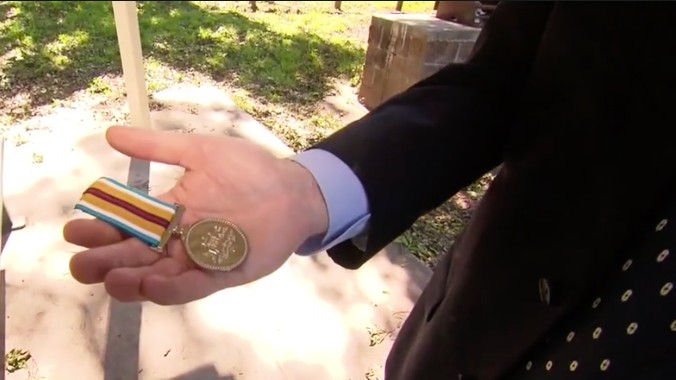
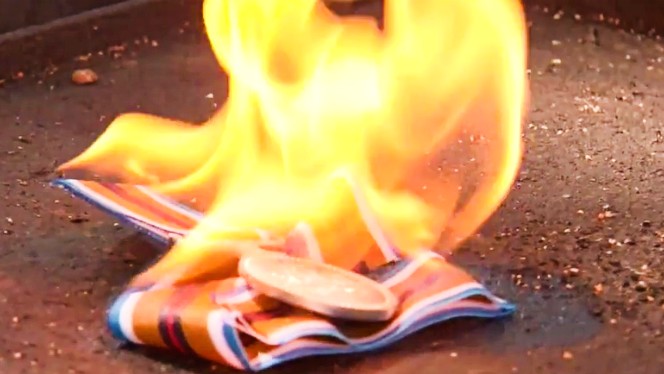
A Brisbane war veteran has burned his Afghanistan medal in a show of protest against the Australian Government that's becoming more common among returned Diggers.

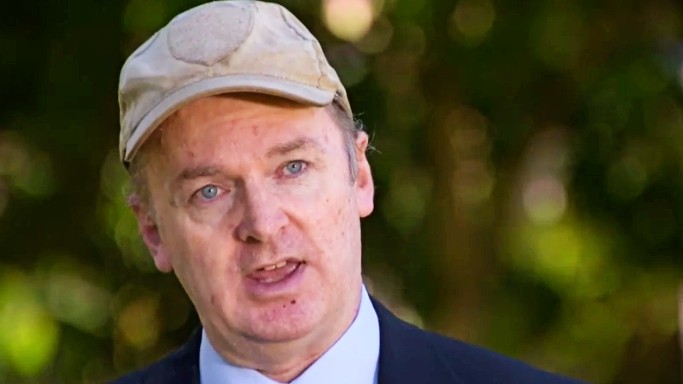
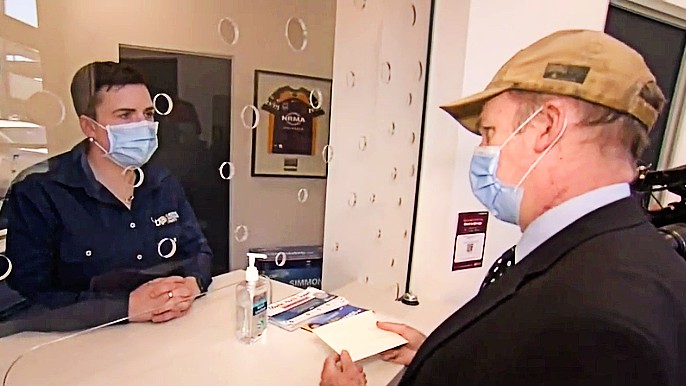
Retired Army Major Stuart McCarthy, a two-tour veteran of Afghanistan, today ignited his campaign medal and hand-delivered the remains to Ryan MP Julian Simmonds' office.

Mr McCarthy said he destroyed the medal to draw attention to the plight of local Afghan soldiers and interpreters who helped the Australian Defence Force while overseas.

READ MORE: Queensland anaesthetist charged after alleged sexual assault

The Federal Government has reportedly issued more than 1,500 visas to Afghan civilians since 2013.Mr McCarthy said he destroyed the medal to draw attention to the plight of local afghan soldiers and interpreters who helped the Australian Army while overseas.

Following the coalition withdrawal from the war-torn country, its estimated up to 1000 former local members and their families still remain, with many living in fear of retaliation for their past alliances.

"These people literally risked their lives to do that work with us," Mr McCarthy told 9News.

"I am in daily contact with a number of these civilians who have already had their colleagues brutally murdered in some cases, and they are in hiding."

A Brisbane war veteran has burned his Afghanistan medal in a show of protest against the Australian Government that's becoming more common among return diggers. Retired Australian Army Major Stuart McCarthy, a two-tour veteran of Afghanistan, today ignited his campaign medal and hand delivered the remains to local Ryan MP Julian Simmonds office.

The Federal Government has reportedly issued more than 1500 visas to Afghan civilians since 2013.

Foreign Minister Marise Payne has also said Afghan civilian applications are being prioritised.

What you need to know as postponed Tokyo Olympics begin

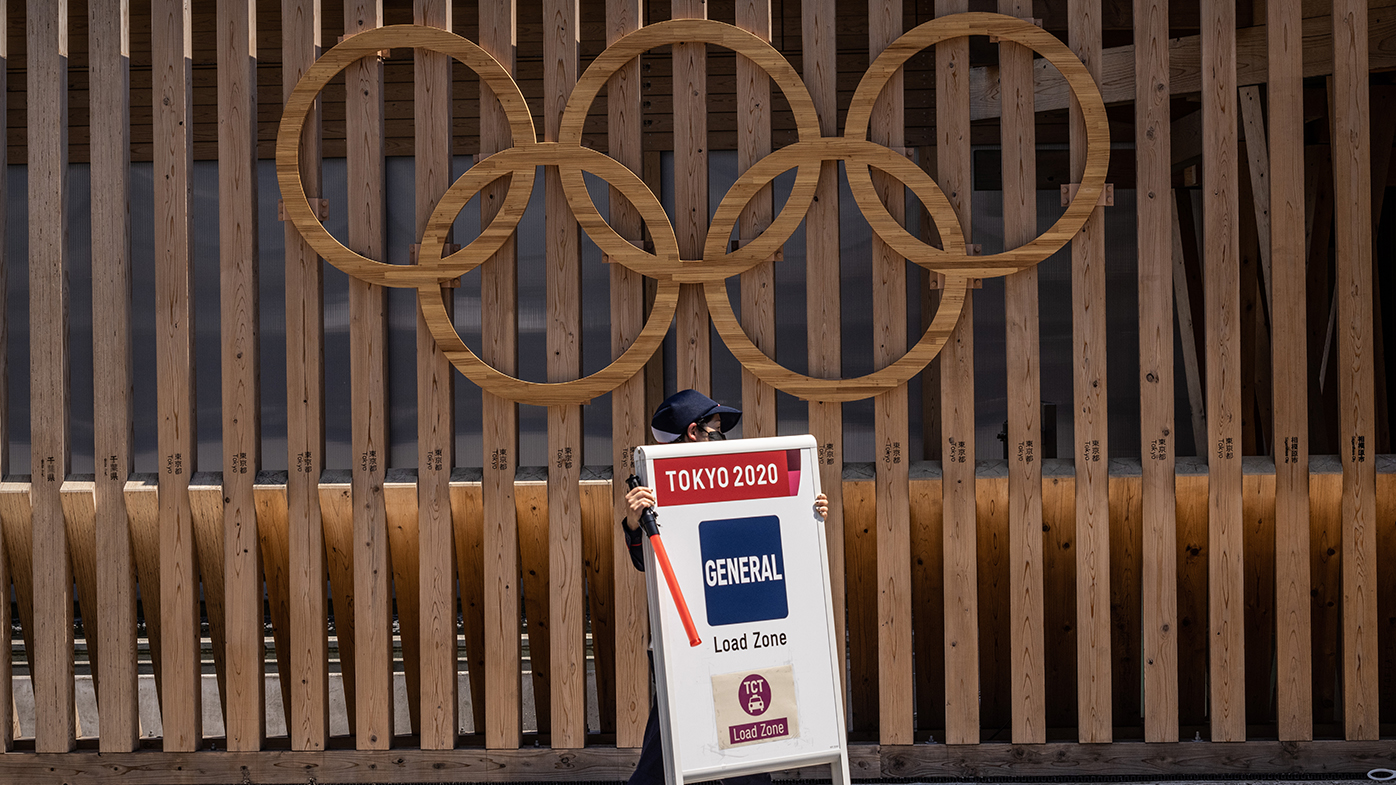
After a 12-month delay due to the COVID-19 pandemic, the Tokyo Olympics finally get underway this week.

High-profile athletes have pulled out, spectators have been banned and the shadow of coronavirus looms large.

But against the odds, the Games are going ahead and an historic Aussie contingent will be chasing gold.

Here's what you need to know.

When do the Tokyo Olympics start and how long do they run for?

The Tokyo Olympics were originally scheduled to run from July 24 to August 9, 2020 but were postponed due to the coronavirus pandemic.

After much debate and speculation, the Games were rescheduled to officially begin on July 23, 2021 and end on August 8.

Competition will begin two days earlier, with women's football and softball beginning on July 21 – and Australian teams are among those playing on the opening day.
When and where are the opening and closing ceremonies?

The opening ceremony is on Friday, July 23 at the Japan National Stadium in Tokyo from 8pm-11.30pm local time (9pm-12.30am AEST).

The closing ceremony will be held on August 8, again at the Japan National Stadium from 8pm-10.30pm local time (9pm-11.30pm AEST).

Why is it called Tokyo 2020 when it's 2021?

Despite being postponed by 12 months, the Olympics are officially still being referred to as Tokyo 2020 for branding purposes.

This is in part due to continuity and the fact that much of the promotional material had already been produced.

Are all the events being held in Tokyo?

Not all, but most.

The marathon and race walking events were moved to the northern city of Sapporo to allow competitors to avoid the brutal summer heat of Tokyo.

Football is being played across six different cites: Tokyo, Kashima, Saitama, Sapporo, Sendai and Yokohama. Baseball and softball are being held in Yokohama and Fukushima, and sailing in Enoshima.

Cycling – road and track – will be held near the famous Mount Fuji, while surfing is being held at Tsurigasaki Beach, about 60km east of Tokyo.
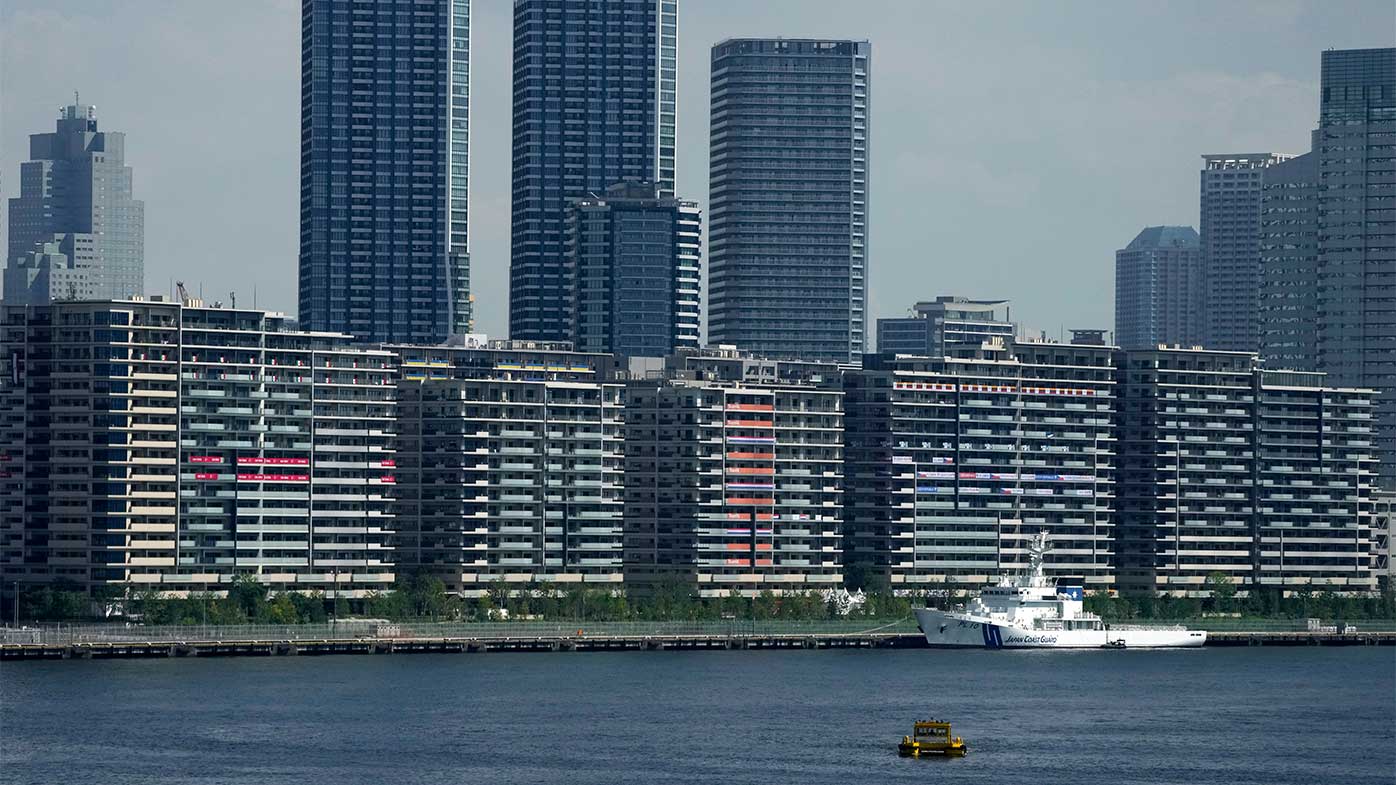
The athlete's village in Tokyo.

How has COVID-19 affected the Games?

In addition to the 12-month delay in competition, COVID-19 has wreaked havoc on the Tokyo Games.

Rigorously planned, four-year training schedules were thrown out and many athletes were stuck in their home countries, unable to access overseas training camps.

As a result, the IOC ruled any athlete who had already qualified for the 2020 Games would automatically keep their slots.

Other qualification and selection trials were pushed back into 2021.

Athletes and officials are being urged to be vaccinated before travelling to Tokyo, but will not be required to do so. They must also live in bubbles and are not allowed to mix with the general public.

Athletes have already tested positive in the Olympics village, while others have been forced to pull out after contracting COVID-19.

Other traditions, such as the medal presentation ceremony, will be altered to accommodate social distancing protocols.

The IOC and Tokyo organisers insist the Games will "stand as a beacon of hope to the world during these troubled times".
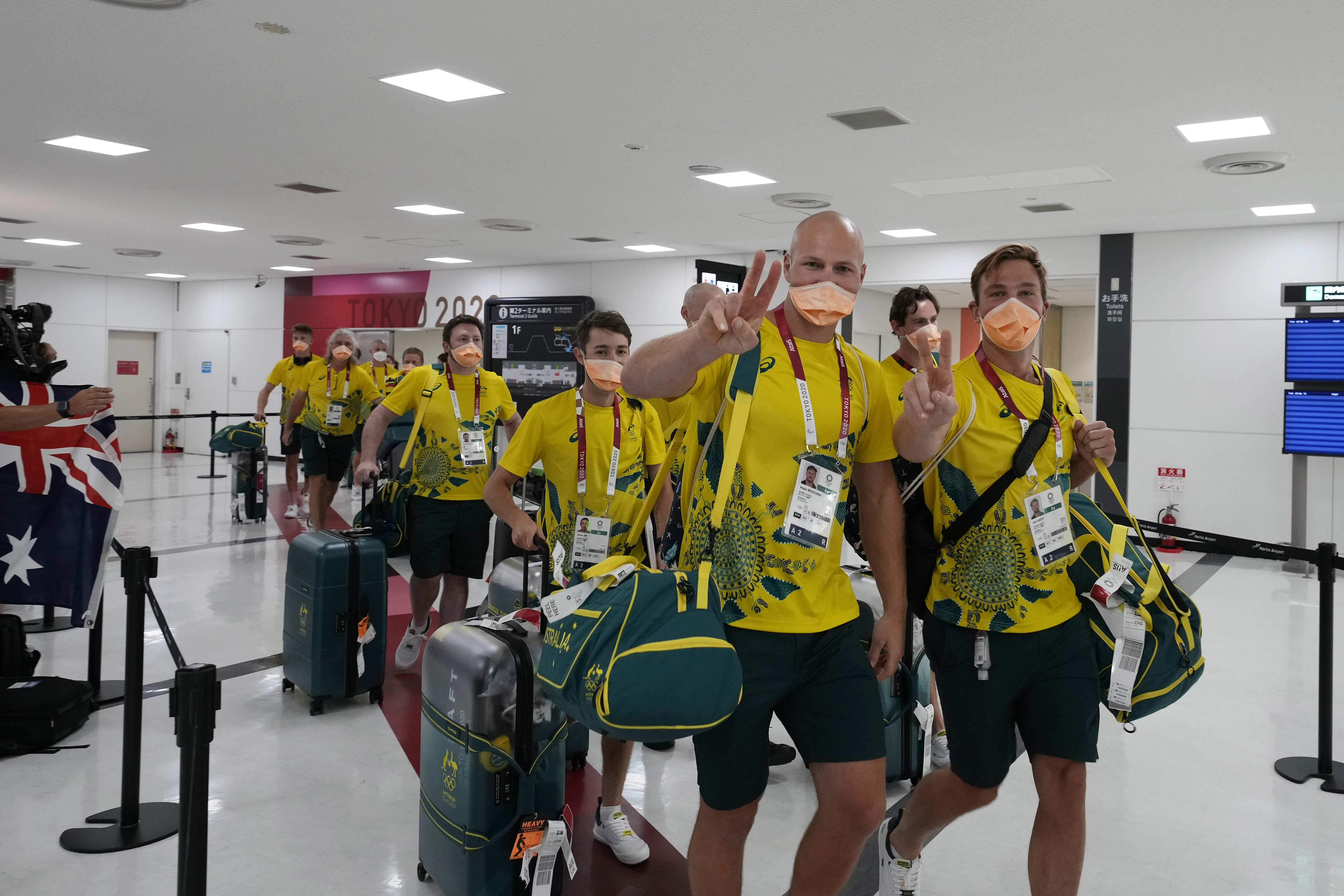
Will there be spectators?

No.

It was quickly decided international fans would not be permitted to travel to Japan for the Games, with international borders shut down and the risk of COVID-19 spread too great.

Initial plans had allowed for Japanese fans to attend the games, at a maximum of 10,000 per venue or at 50 per cent capacity, whichever was lower.

Fans were told they were unable to cheer or shout, and mass viewing areas for Japanese locals were being set up for safe public watching of the Games.

But on July 8, after Japan recorded more than 900 daily COVID-19 cases, Prime Minister Yoshihide Suga declared a state of emergency in the Tokyo area would run from July 12 until August 22.

All events at the Olympics, including those being held outside Tokyo, will now take place behind closed doors.

What time are the events? What is the time difference?

Tokyo is just one hour behind Australian Eastern Standard Time, meaning most events are at friendly times for Australian viewers.

Early rounds of women's football and softball begin on Wednesday, July 21.

The first full day of competition is on Saturday, July 24, including the first medal events.

Swimming begins on Saturday, while the Boomers begin their quest for gold on Sunday.
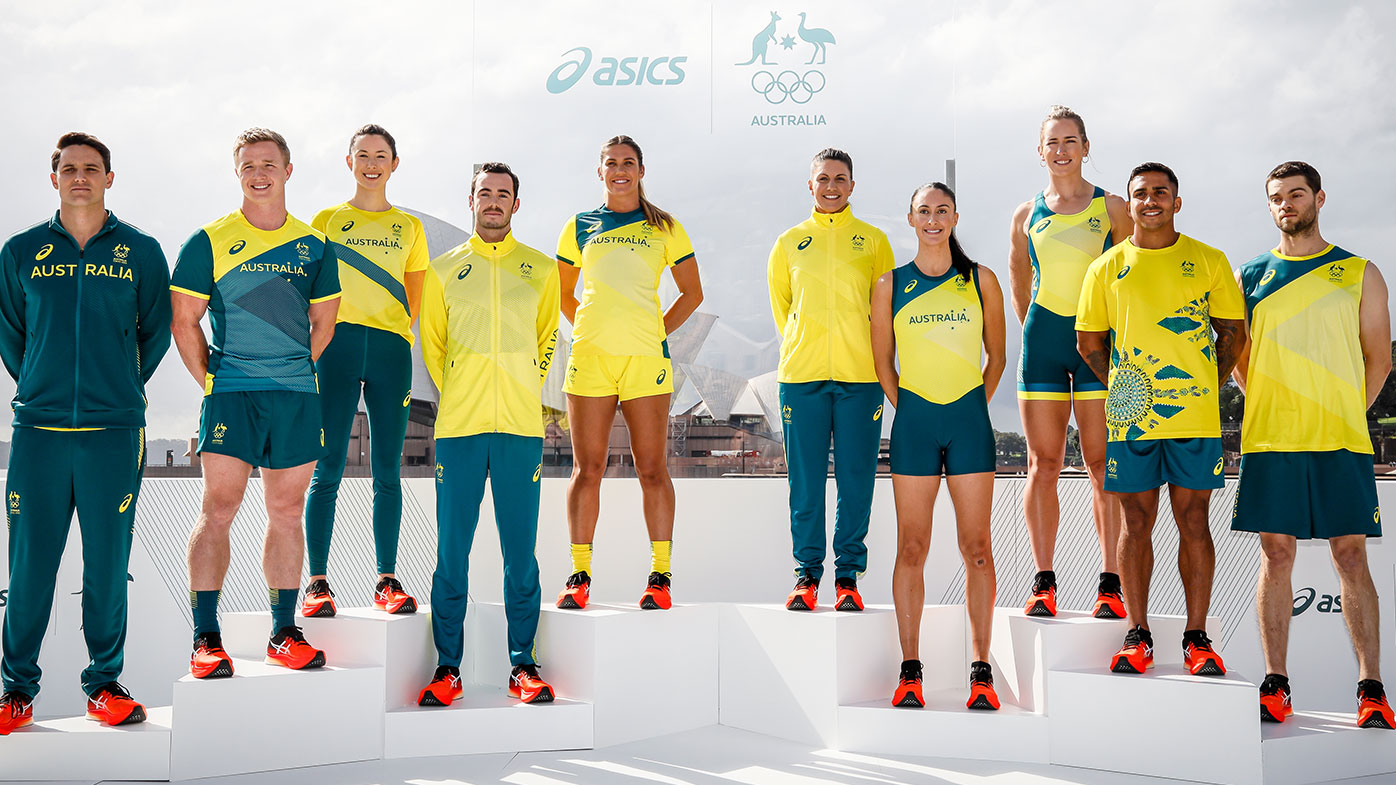
Australian athletes pose during the Australian Olympic Team Tokyo 2020 uniform unveiling at the Overseas Passenger Terminal on March 31, 2021 in Sydney, Australia. (Photo by Hanna Lassen/Getty Images)

How do I follow the Olympics?

Wide World of Sports will be running a daily live blog where you can follow all the action and results.

You can also find the latest stories here.

The full Olympic schedule and results are available on the official site here.

What is the Tokyo Olympics mascot?

Miraitowa is the official mascot of the Tokyo Olympics, while Someity is the Paralympics mascot.

According to organisers, "Miraitowa has a personality inspired by the Japanese proverb, 'learn from the past and develop new ideas'.

"Miraitowa is cheerful and remarkably athletic, with a very strong sense of integrity. It has a special power to instantly teleport anywhere it wants."

The name Miraitowa is based on the Japanese words "mirai", meaning "future", and "towa", meaning "eternity".
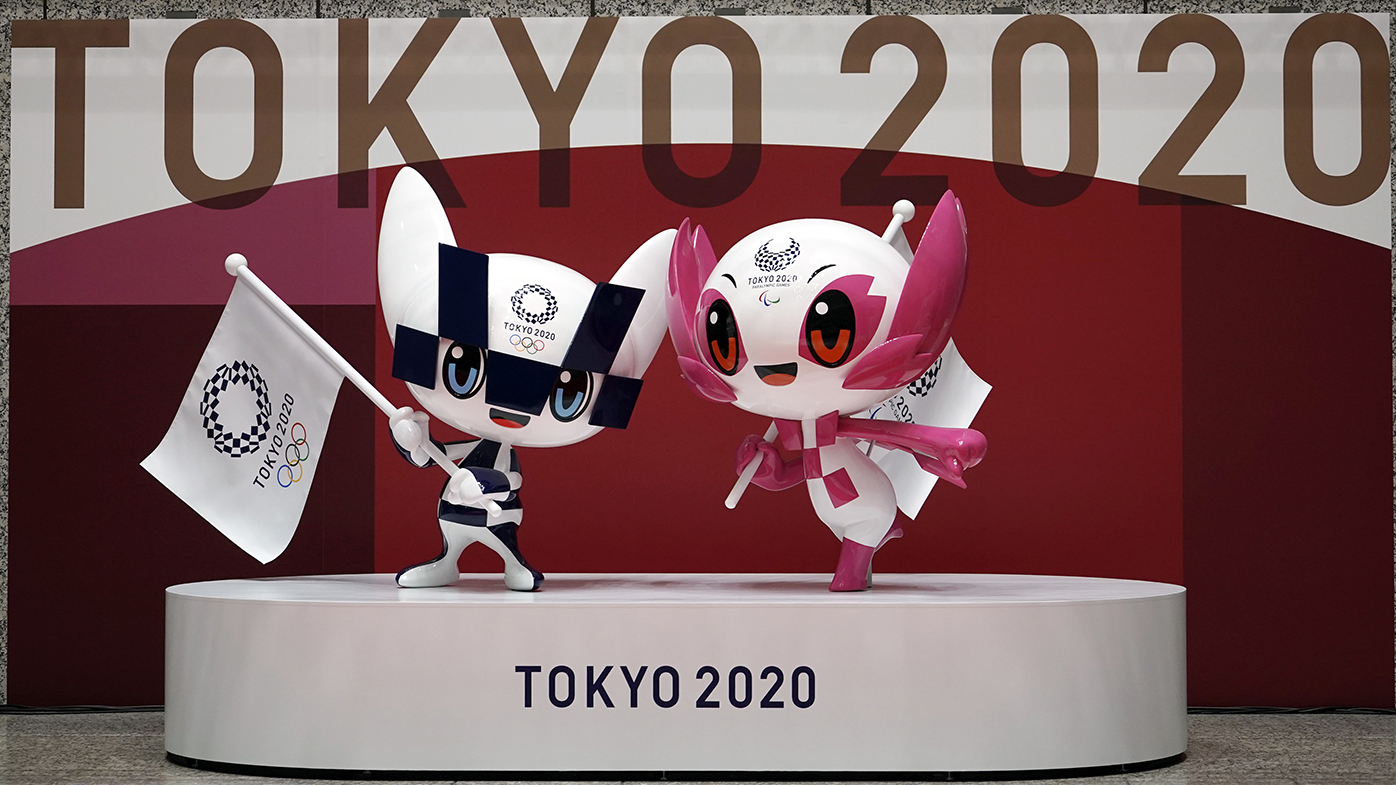
Someity "has a calm and quiet presence, guided by great inner strength, but can display superpowers that embody the toughness and determination of the Paralympic athletes. Someity loves being in nature, and can communicate with natural elements, such as stones and the wind."

The name Someity comes from "Someiyoshino" — a popular type of cherry blossom — and the phrase "so mighty".

Who is in the Australian team?

The Australian Olympic Team for the Tokyo Games is made up of 487 athletes across all 33 sports.

The team is made up by a record 260 female athletes and 227 males. More than 300 will be going to their first Olympics.

It's the largest ever Australian team for a Games on foreign soil, pipped only by the Sydney 2000 squad.

It is also the largest Indigenous representation in an Australian team with 16 athletes, including Wimbledon champion Ash Barty and Boomers star Patty Mills.

Who are Australia's best medal chances? Where will we finish on the medal tally?

Close Olympics-watchers are predicting Australia's best overall tally since 2008.

In Rio, Australia picked up eight golds and 29 medals overall to finish 10th.

But in Tokyo, it's hoped Australia could climb as high as fifth.
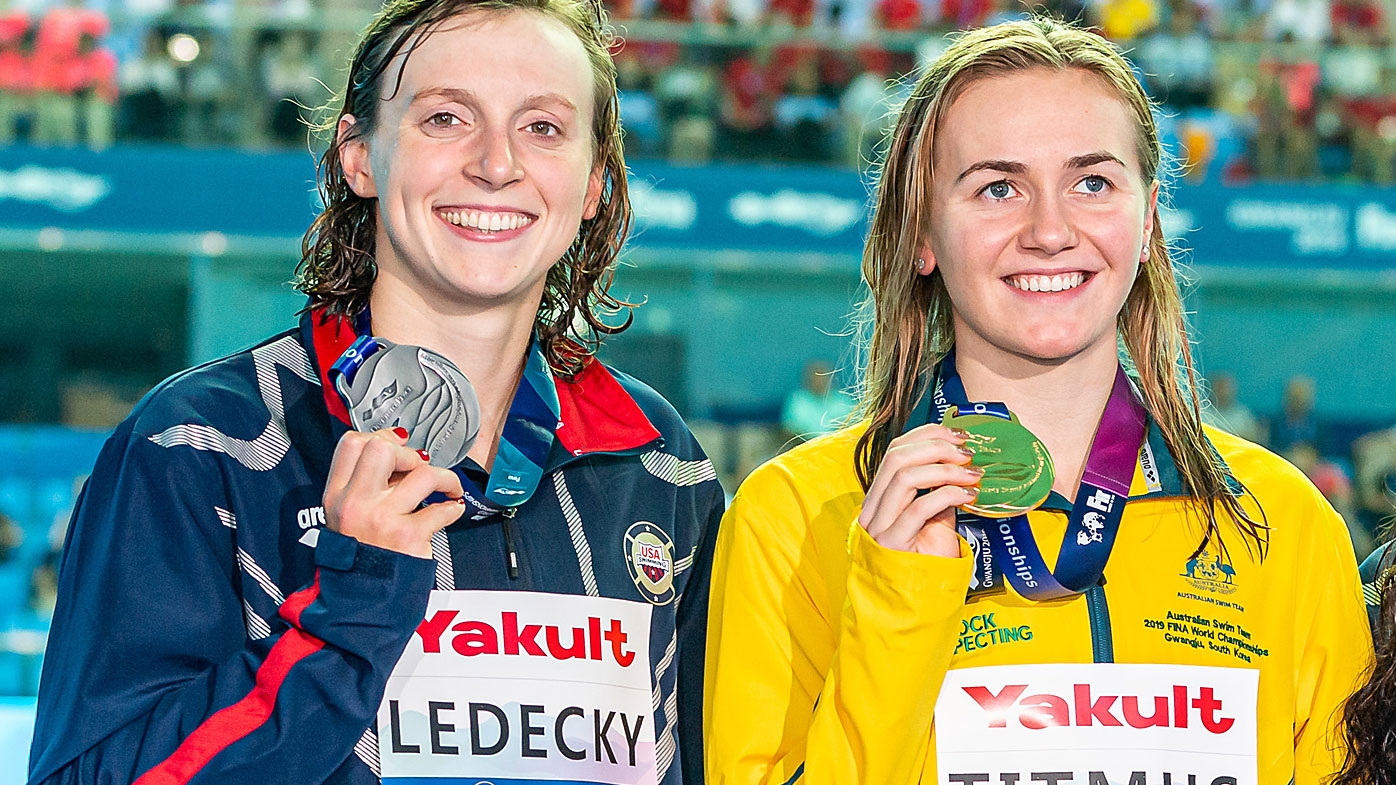
Ledecky was upset by Titmus earlier at the world swim titles

In the pool, rising superstars Ariarne Titmus and Kaylee McKeown are among the strongest medal chances after lighting up the selection trials.

Ash Barty is looking to follow her Wimbledon triumph with an Olympic medal, while Sam Kerr will lead the Matildas in their push for a first-ever medal.

Sally Fitzgibbons is the favourite in the debut of surfing in Tokyo, while Jess Fox is chasing a maiden gold medal after silver and bronze finishes in London and Rio.

Australia also has a strong track and field presence for the first time in years, with Rohan Browning tipped to make the flagship 100m final and middle-distance runner Stewart McSweyn recently clocking the fasting one-mile time in seven years, putting him in good stead for the 1500m in Tokyo.

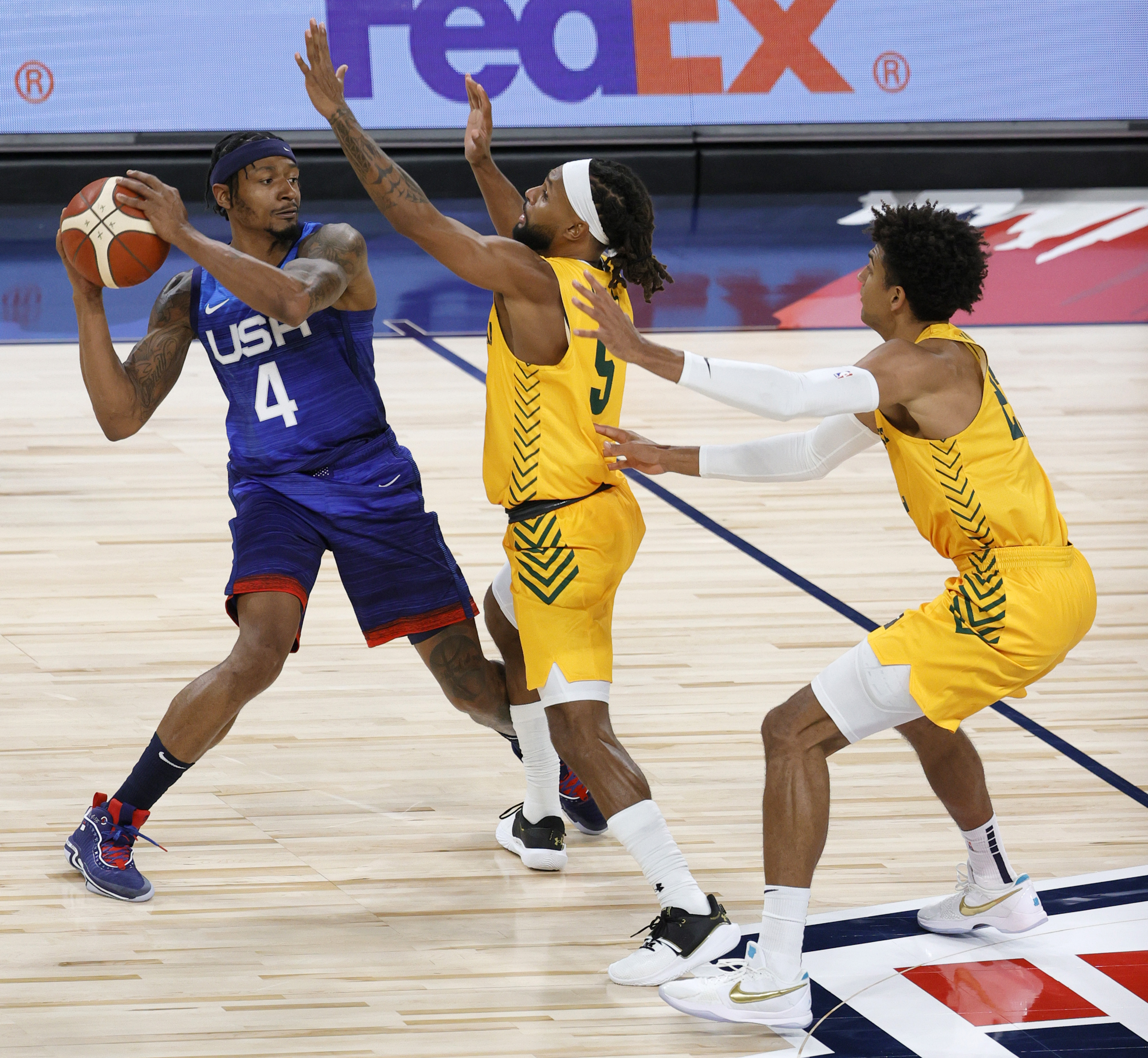
Our basketballers are also in with strong medal homes, with Patty Mills to lead the red-hot Boomers.

The Opals chances took a hit with the shock withdrawal of star Liz Cambage, but the squad is still in the mix for that elusive gold.
How many sports are in the Olympics? Are there any new ones?

The Tokyo Olympics will feature 339 events in 33 different sports

Karate, sport climbing, surfing and skateboarding are the new sports for these Games, selected by the hosts under IOC rules.

There are also new competitions in existing sports, such as 3×3 basketball, freestyle BMX and the return of madison cycling.

Baseball and softball also return for the first time since 2008.

How many countries are competing at the Olympics?

More than 11,000 athletes will compete in Tokyo from 205 countries plus the Refugee Olympic Team.

Is Russia allowed to compete?

After revelations of a state-sponsored doping program, Russia was banned from all international sport for four years in 2019 by the World Anti-Doping Agency.

That was reduced on appeal to two years and Russia was allowed to send athletes to compete at the Olympics – but not under its own name.

In Tokyo, Russian athletes will represent the Russian Olympic Committee, or ROC.

Russia's name, anthem and flag are banned.

Gold medallists will instead be celebrated with music by composer Tchaikovsky.

Nevertheless, Russia will send more than 330 athletes to Tokyo, each wearing the country's red, white and blue on their uniform – even if the name "Russia" is banned.

Will this be a clean Games?

The pandemic severely limited drug-testing of athletes in the lead-up to the Games, with fears this could be among the most compromised in history.

Most anti-doping agencies put their testing on hold last year, citing concerns over the health and safety of officials.

Chinese swimmer and Mack Horton's nemesis, Sun Yang, will miss the Games after being banned over the alleged destruction of blood samples with a hammer during a stand-off with an anti-doping agent.

When are the Paralympics?

The Paralympics will be held between August 24 and September 5, after the Olympics.

It is expected the state of emergency banning fans will be extended for the Paralympics as well.