Category Archives: headline

UK denies claims Russia fired warning shots, dropped bombs near British ship

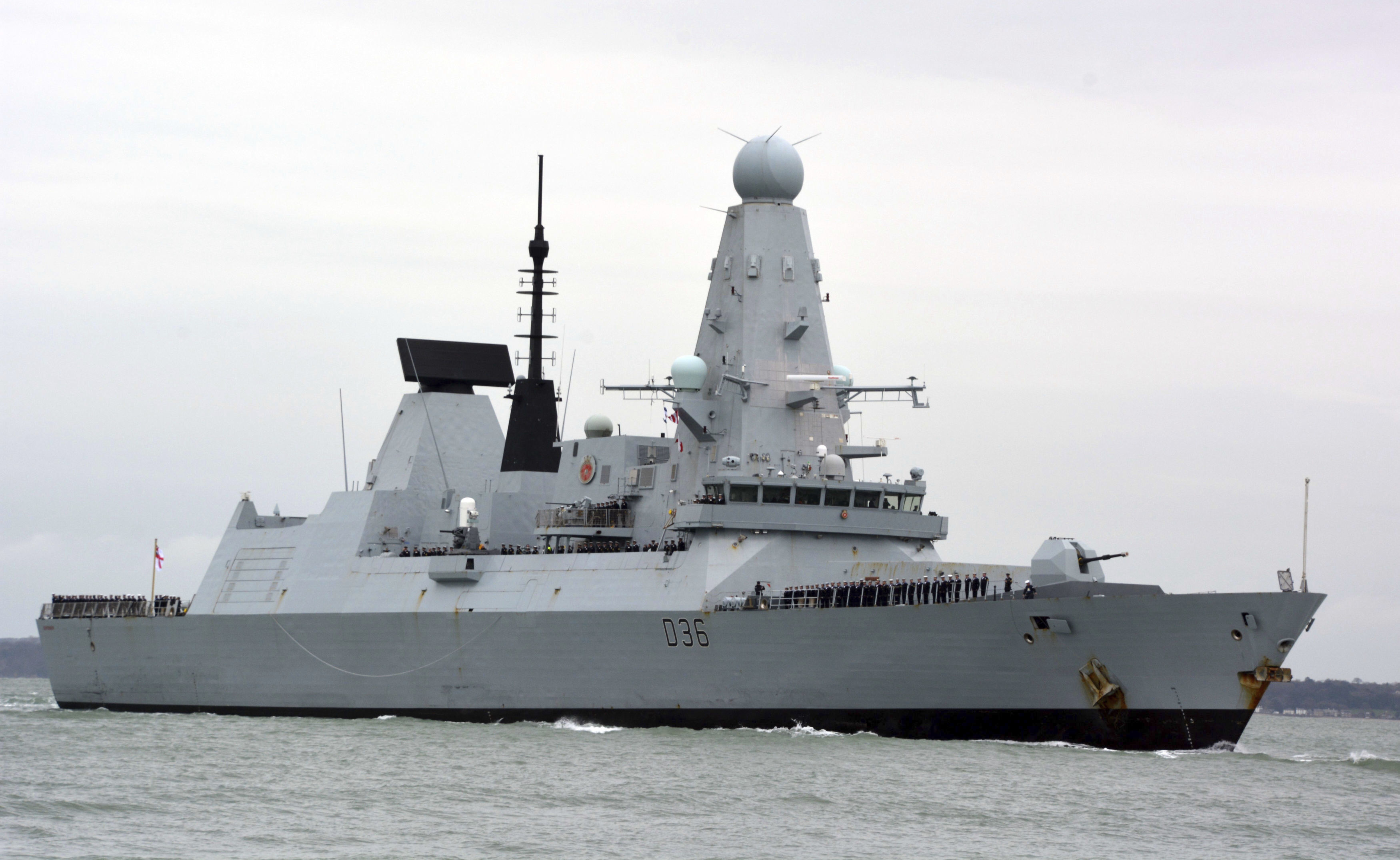
The UK has denied Moscow's claims a Russian warship fired warning shots and a plane dropped bombs to force a British destroyer from waters near Crimea in the Black Sea.

"No warning shots have been fired at HMS Defender," the UK Ministry of Defence Office said in a tweet on Wednesday.

"The Royal Navy ship is conducting innocent passage through Ukrainian territorial waters in accordance with international law."

READ MORE: Biden and Putin clash on cybersecurity but no 'Cold War'

https://twitter.com/DefenceHQPress/status/1407670812262518785

The Russian Defence Ministry had earlier announced the alleged military action, while claiming the waters belonged to Russia.

The Russian ministry said its warship fired warning shots after the British missile destroyer HMS Defender had ignored a notice against intrusion in what it described as Russia's territorial waters.

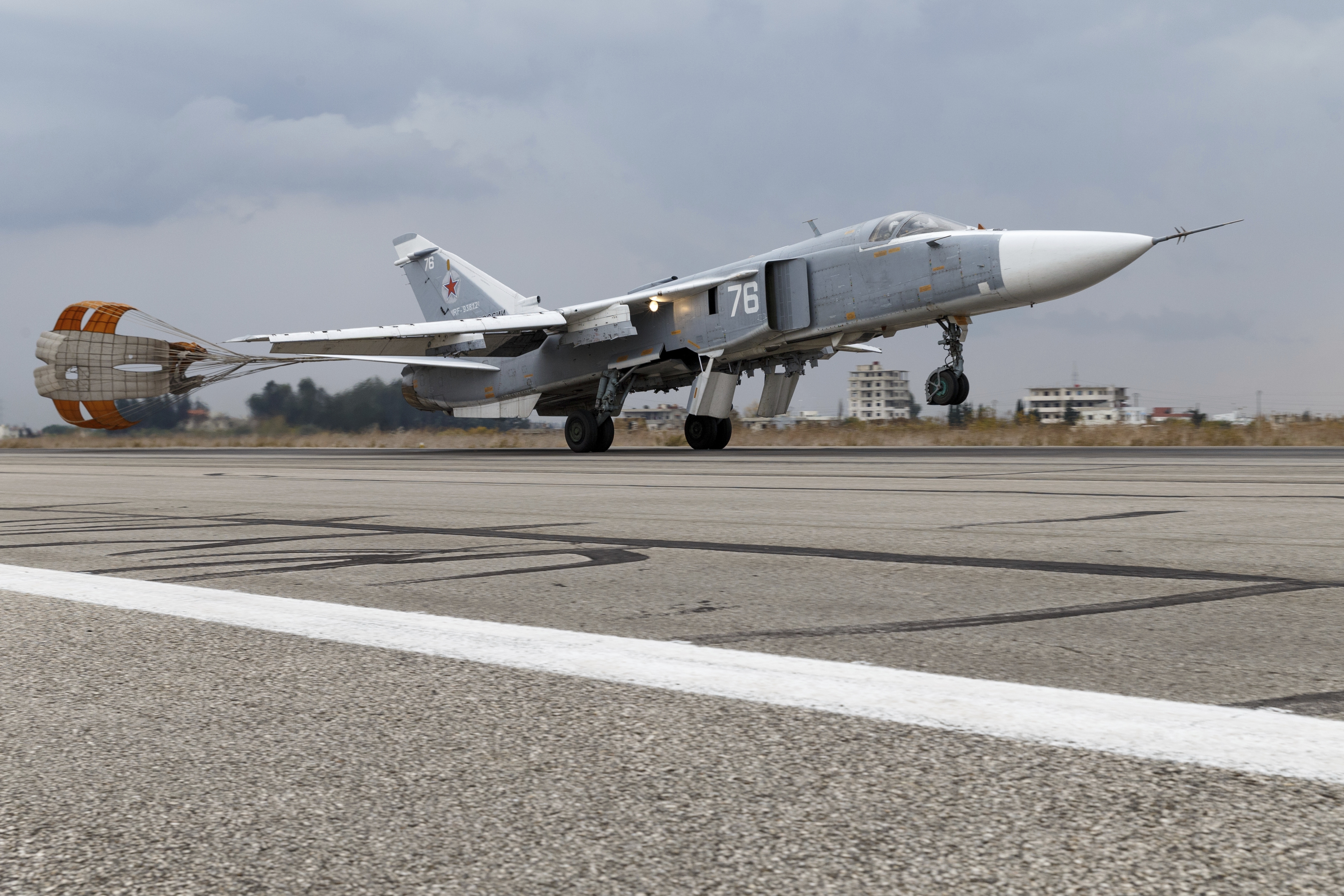
It said a Russian Su-24 bomber also dropped bombs ahead of the British ship to persuade it to change course.

The UK instead said it believed the "Russians were undertaking a gunnery exercise in the Black Sea and provided the maritime community with prior-warning of their activity".

"No shots were directed at HMS Defender and we do not recognise the claim that bombs were dropped in her path," the UK Ministry of Defence said.
UK Defence Secretary Ben Wallace described the British ship's route as a "routine transit" from Odessa in Ukraine towards Georgia across the Black Sea.

"As is normal for this route, she entered an internationally recognised traffic separation corridor," he said, in a statement shared by the ministry on Twitter.

"She exited that corridor safely at 0945 BST (6.45pm AEST).

"As is routine, Russian vessels shadowed her passage and she was made aware of training exercises in her wider vicinity."

https://twitter.com/DefenceHQ/status/1407676488535744518

Eye-witness account from on board UK warship

BBC journalist Jonathan Beale was travelling on the HMS Defender on Wednesday morning (Wednesday night AEST).

In a recorded cross to the BBC interrupted by Russian aircraft "buzzing" the vessel, he said he heard shots fired but the ship did not deviate from its course.

"There've been at times more than 20 aircraft above the warship and there have been warnings from Russian coast guard vessels," he said.

"And indeed we have heard shots fired. We believe they were out of range.

"HMS Defender continued its journey through Crimea's territorial waters, in other words within 12 miles of the coast."

Beale said Russian planes continued to "buzz" the warship after it re-entered international waters.

READ MORE: 'What are you so afraid of?': Reporter's striking question to Vladimir Putin
Differing accounts of what happened

It's unclear why the countries have issued such differing descriptions of the incident.

Any firing of warning shots and dropping of bombs would have marked the first time since the Cold War Moscow had used live ammunition to deter a NATO warship, reflecting growing risks of military incidents amid soaring Russia-West tensions.

The Russian Defence Ministry said it had summoned the UK military attache in Moscow to protest the British destroyer's manoeuvre.

Russia annexed Ukraine's Crimean Peninsula in 2014, a move that was not recognised by most countries in the world.

Russia has frequently chafed at NATO warships' visits near Crimea, casting them as destabilising.

NATO members Turkey, Greece, Romania and Bulgaria all are on the Black Sea but warships from the US, UK and other NATO allies also have made increasingly frequent visits in a show of support to Ukraine.

HMS Defender, a Type 45 destroyer, is part of the UK Carrier Strike Group currently heading to the Indo-Pacific region.

It was announced earlier this month that it would be temporarily breaking away from the group to carry out its "own set of missions" in the Black Sea.

Russia reportedly used SU-24 bombers to conduct the airstrikes.

Russian criticism of NATO operations

Speaking on Wednesday just before the incident, General Valery Gerasimov, the chief of the general staff of the Russian armed forces, sharply criticised the deployments of NATO warships near Russian waters.

"The moves by warships of the US and its allies have been clearly provocative," General Gerasimov said at an international security conference in Moscow organised by the Russian Defence Ministry.

"It creates preconditions for incidents and doesn't help ease tensions in the military sphere."

He charged that the British destroyer Dragon intruded into the Russian waters near Crimea in October, and the US destroyer John McCain violated the Russian border in the Sea of Japan in November.

In April, Russia imposed restrictions on foreign navy ships' movements near Crimea until November in a move that drew strong complaints from Ukraine and the West.

Russia has rejected that criticism and noted that the restrictions wouldn't interfere with commercial shipping.

Earlier this year, Russia also beefed up its troops near the border with Ukraine and warned Ukrainian authorities against using force to reclaim control of the country's east, where a conflict with Russia-backed separatists has killed more than 14,000 people in seven years.

Moscow withdrew some of its forces after sweeping manoeuvres but Ukrainian officials said the bulk of them remained.
People Want Trusted News, Reuters Institute Says

LONDON, June 23 (Reuters) – The coronavirus pandemic stoked hunger for trusted news in a time of global crisis and a clear majority of people want media organisations to be impartial and objective, The Reuters Institute for the Study of Journalism said on Wednesday.

Trust in news grew during the pandemic, especially in Western Europe, helping brands with a reputation for reliable reporting, though mistrust was particularly apparent in the polarised media of the United States.

A clear majority of people across countries believed news outlets should reflect a range of views and try to be neutral, the institute said in its annual Digital News Report (https://reutersinstitute.politics.ox.ac.uk/digital-news-report/2021).

“We’ve been through a very dark time and much of the public recognise that news organisations have often been the ones shining light in that darkness,” said Rasmus Nielsen, director of the Reuters Institute.

“There has been a greater appreciation of trustworthy news overall,” he told Reuters. “It’s very clear in our research, in country after country, in age group after age group, that large majorities want journalism to try to be neutral.”

The report is based on surveys covering 46 markets and more than half the world’s population.

The accelerating technological revolution means 73% of people now access news via a smartphone, up from 69% in 2020, while many use social media networks or messaging apps to consume or discuss news. TikTok now reaches 24% of under 35s, with higher penetration rates in Asia and Latin America.

Facebook is seen as the main artery for spreading false information, though messaging apps such as WhatsApp also play a role.

But the tech giants also served as an avenue for dissent, The Reuters Institute said, citing protests in Peru, Indonesia, Thailand, Myanmar and the United States.

More people distrusted the news than trusted it in the United States, where Donald Trump’s defeat in the 2020 U.S. presidential election reduced demand for news.

Broadly, those who felt the media has been unfair were those with a right-leaning political outlook. Young people aged 18-24, Black and Hispanic Americans, East Germans and certain British socio-economic classes felt they were covered unfairly.

But the overall message was that most people want fair and balanced news, and despite deepening problems for the business model of print news, many will pay for it.

“While impartial or objective journalism is increasingly questioned by some, overall people strongly support the ideal of impartial news,” Craig T. Robertson, a postdoctoral research fellow at the Institute, wrote in the report.

“People want the right to decide for themselves.”

The Reuters Institute for the Study of Journalism is a research centre at the University of Oxford that tracks media trends. The Thomson Reuters Foundation, the philanthropic arm of Thomson Reuters, funds the Reuters Institute.

Reporting by Guy Faulconbridge; Editing by Catherine Evans

The post People Want Trusted News, Reuters Institute Says appeared first on The St Kitts Nevis Observer.

Cuban Scientists Celebrate after Covid Vaccine Shows 92% Efficacy

Cuban scientists celebrating the results of a newly-developed Covid vaccine has emerged on social media – with the communist country boasting one of the highest efficacy rates in the world.

The three-shot Abdala vaccine against the coronavirus proved 92.28 per cent effective in last-stage clinical trials.

The announcement came just days after the government said another homegrown vaccine, Soberana 2, had proved 62 per cent effective with just two of its three doses.

“Hit by the pandemic, our scientists at the Finlay Institute and Center for Genetic Engineering and Biotechnology have risen above all the obstacles and given us two very effective vaccines,” President Miguel Diaz-Canel tweeted.

The announcement came from state-run biopharmaceutical corporation BioCubaFarma, which oversees Finlay, the maker of Soberana 2, and the Center for Genetic Engineering and Biotechnology, the producer of Abdala.

Cuba, whose biotech sector has exported vaccines for decades, has five coronavirus vaccine candidates.

The Caribbean’s largest island is facing its worst COVID-19 outbreak since the start of the pandemic following the arrival of more contagious variants, setting new records for daily coronavirus cases.

The post Cuban Scientists Celebrate after Covid Vaccine Shows 92% Efficacy appeared first on The St Kitts Nevis Observer.

Two killed in Sunshine Coast hinterland plane crash

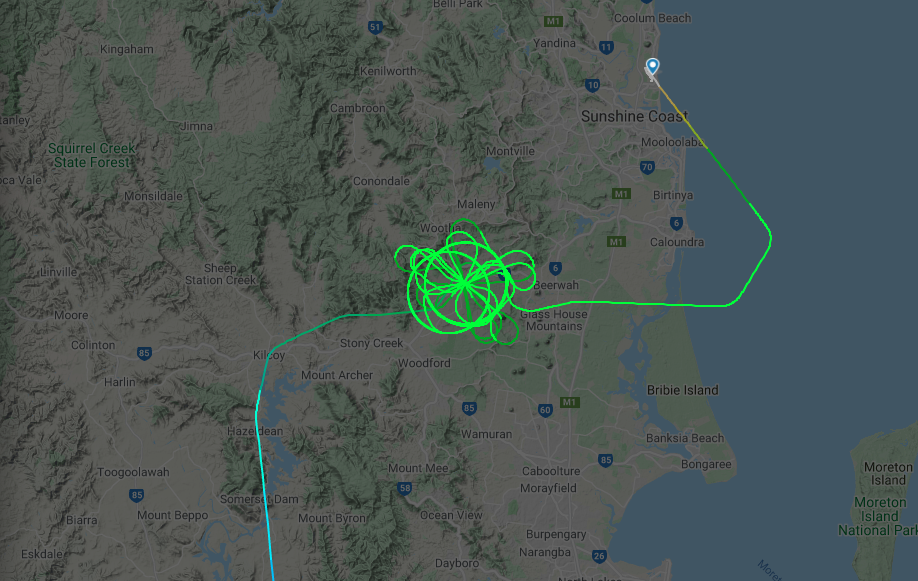
Two men have died in a plane crash in Queensland's Sunshine Coast hinterland.

A search was launched when the men failed to arrive at Maroochydore airport as expected about 5.30pm on Wednesday.

Police said the plane crashed in bushland along Commissioners Flat Road in Peachester and was discovered about 8.30pm.

The men on board, aged 46 and 30, were found dead at the scene.

Police said the forensic crash unit would help the Australian Transport Safety Bureau investigate.

Man's hand almost severed in machete attack outside hotel

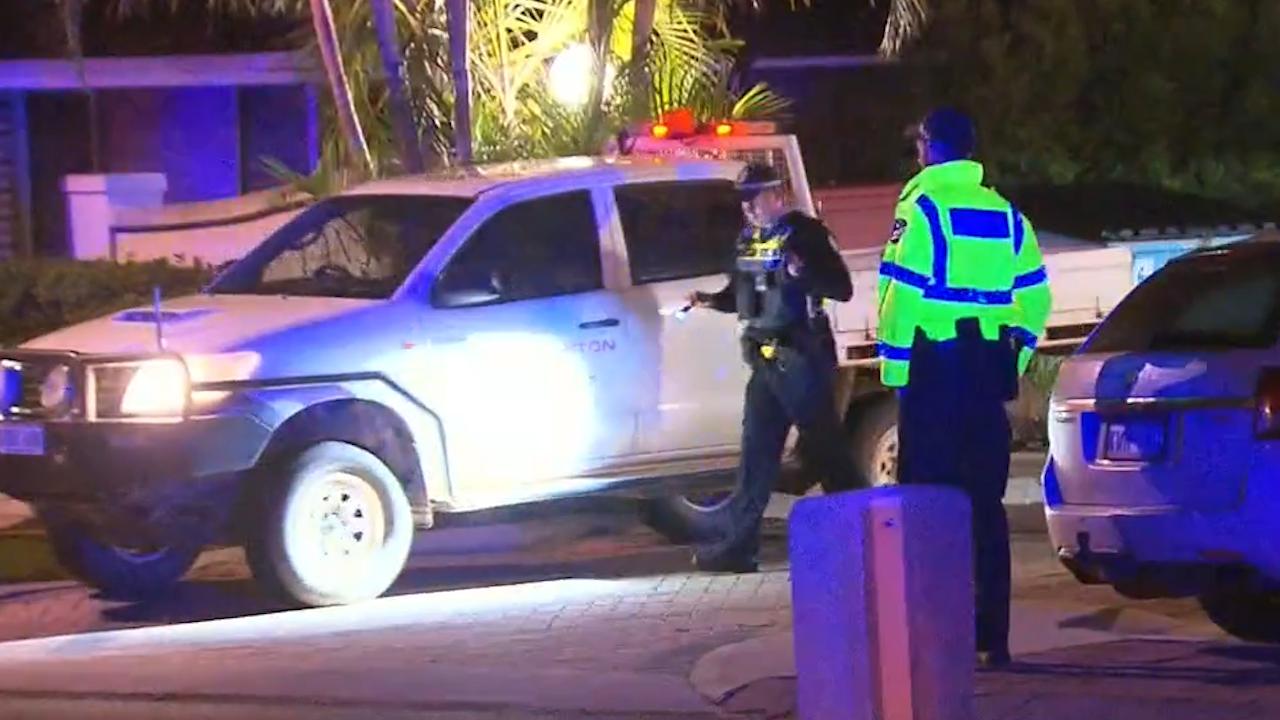
A man has been refused bail after allegedly attacking another man with a machete outside a Perth hotel.

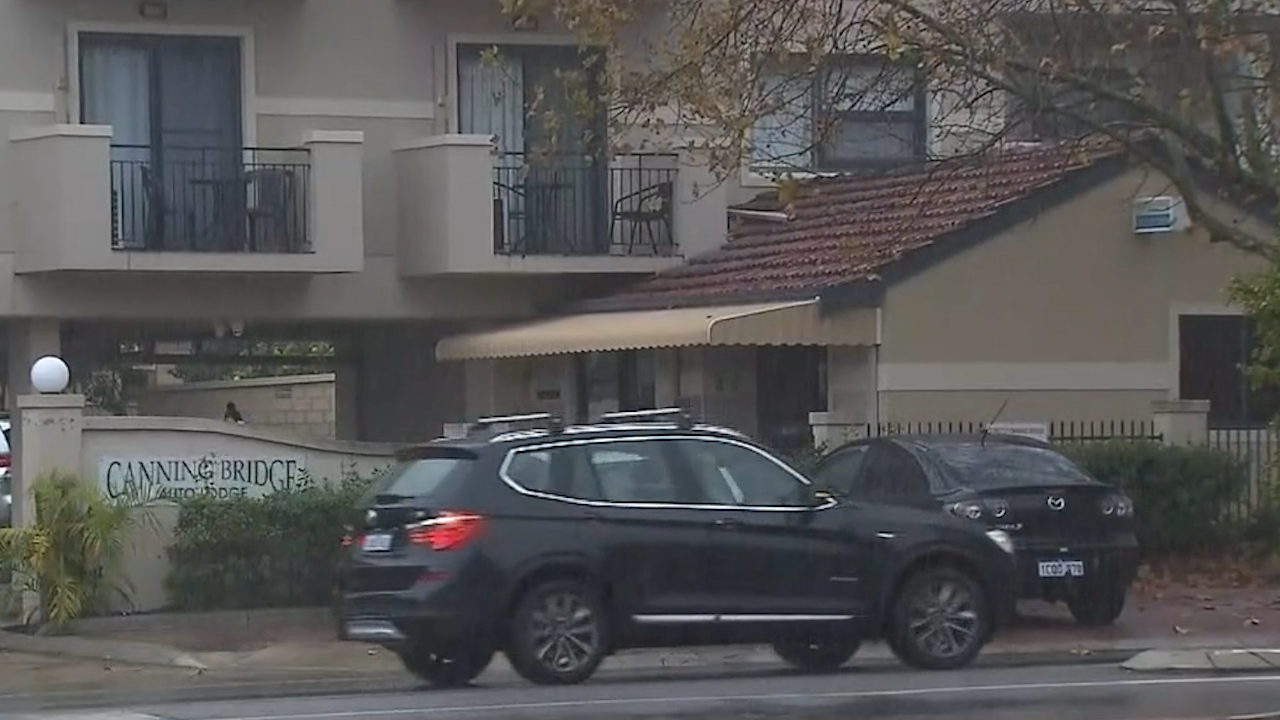
Police allege a 19-year-old man's left hand was almost completely severed in the attack outside the Canning Bridge Auto Lodge, on Sleat Road, Applecross, in the early hours of June 15.

The 27-year-old accused allegedly set upon the younger man after he spoke with a group inside a car nearby.

Applecross machete attack

READ MORE: Man left for dead after gang attacks him with machete

Police say one of the occupants then got out the car and approached the victim with a machete, allegedly hacking into his left wrist with the weapon.

The younger man was rushed to hospital and underwent emergency surgery.

Applecross machete attack

READ MORE: Shirtless customer picks up machete to chase alleged robber in IGA store

Following enquiries, detectives attended a Port Kennedy property yesterday and arrested the older man – charging him with grievous bodily harm, common assault and weapon offences.

The man appeared before Fremantle Magistrates Court today where he was refused bail to appear before the judge again at a later date.

Surfer bitten by shark north of Perth

A man has been bitten by a shark while surfing at Gumtree Bay, Leeman, about 260 kilometres north of Perth.

Emergency crews were called to the beach just after 2pm after a member of the public saw the surfer in trouble.

The man is being treated for injuries to his legs and is in a stable condition.

The Royal Flying Doctor Service was called in from Meekatharra and the man was airlifted to Royal Perth Hospital.

The Department of Primary Industry is yet to confirm the species of shark involved in the attack but Gumtree Bay has been closed for at least 24 hours as a precaution.

Biloela family granted three-month bridging visa to stay in Perth

The Sri Lankan family who was held in detention on Christmas Island after being removed from their Biloela home has been granted a three-month bridging visa.

Immigration Minister Alex Hawke said he made the decision yesterday to intervene and give Priya, Nades and Kopika Murugappan visas while youngest daughter Tharnicaa receives medical treatment in Perth and their legal challenges remain ongoing.

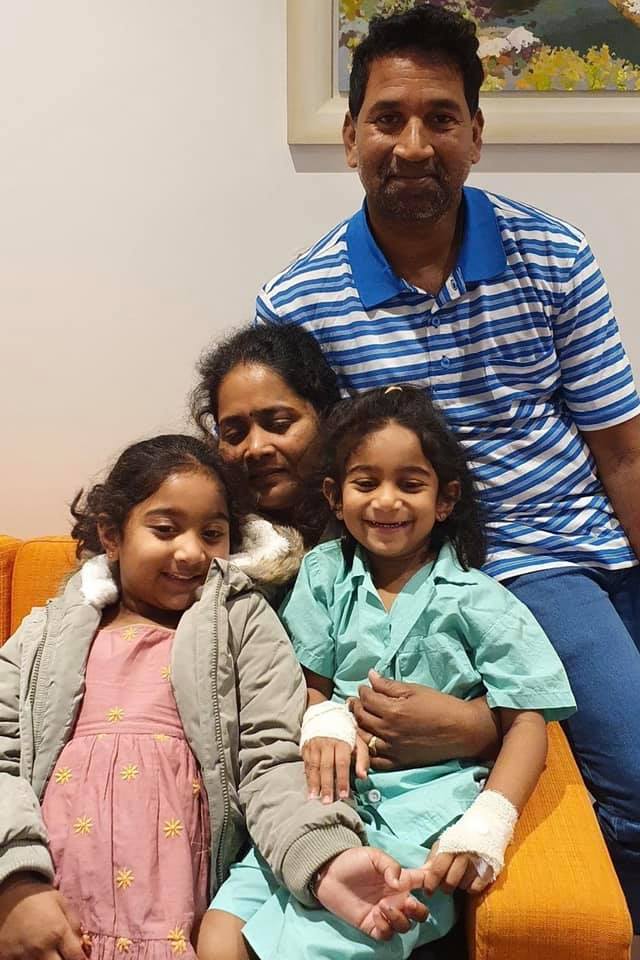
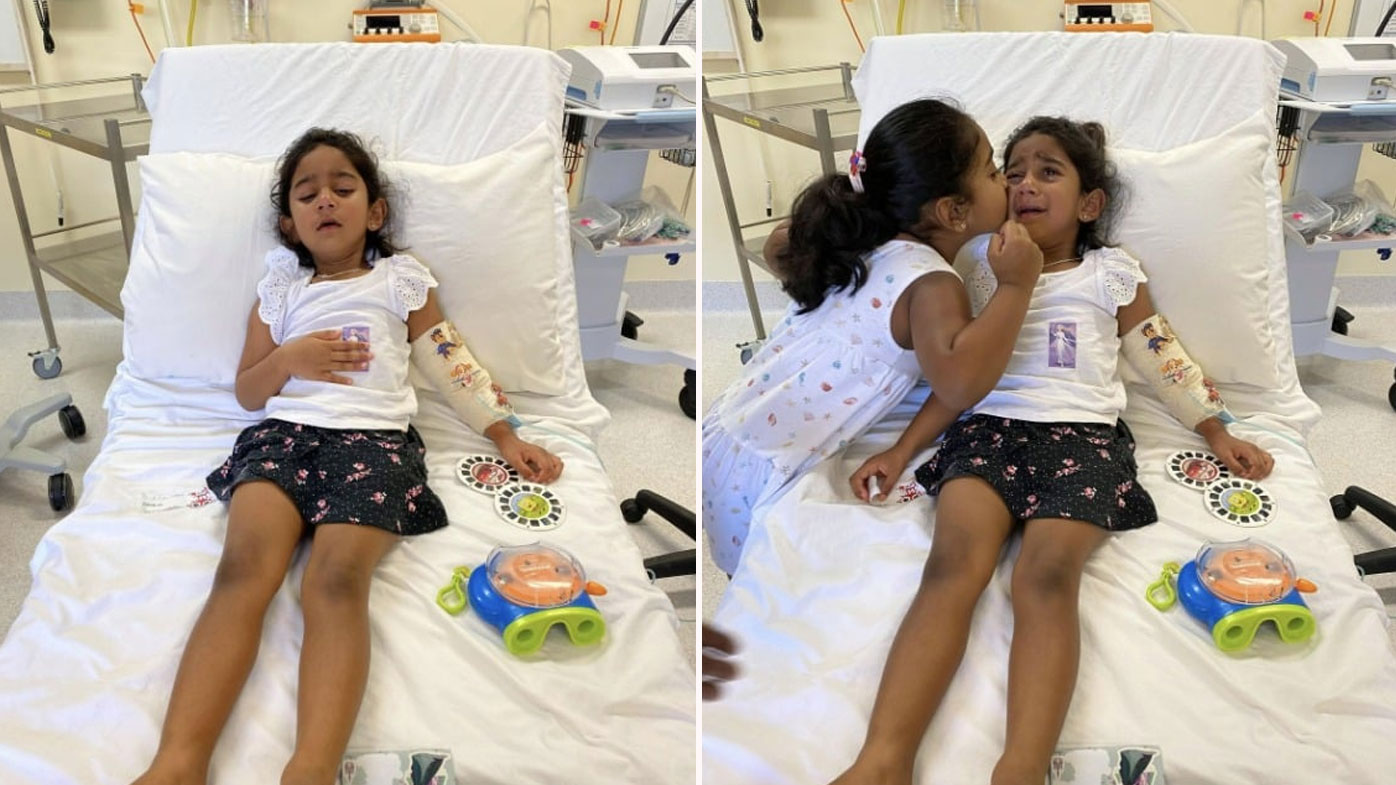
The Tamil family was reunited in Perth last week and moved into community detention while Tharnicaa undergoes treatment for sepsis which developed from pneumonia.

READ MORE: Youngest daughter of Biloela family discharged from WA hospital

Priya, Nades, Kopika and Tharnicaa Murugappan have been in detention in Australia for years.

"Yesterday at the request of the Sri Lankan family formerly resident in Christmas Island, I exercised my power under section 195A of the Migration Act, granting members of the family three-month Bridging Visas, providing work and study rights," Mr Hawke's statement said.

"Under section 195A a Minister can intervene to grant a person a visa if it is in the public interest to do so.

Kopika and Tharnicaa were both born in Australia. Sri Lankan Tamils are considered by many to be a persecuted minority in the country.

"This decision allows three members of the family to reside in the Perth community on bridging visas while the youngest child's medical care, and the family's legal matters, are ongoing. The fourth family member's visa status is unchanged.

"The family will continue to have access to health care, support services, housing and schooling in the Perth community."

The decision means the parents can work and the children can attend school in Perth.

Family friend and advocate Angela Fredericks welcomed the decision but said Tharnicaa should also have been granted a visa.

"Today's news is another huge step in the long journey home for Priya and her family, but still, there is no certain pathway home to Bilo," she said.

"While we welcome Priya, Nades, and Kopika being granted bridging visas, we wonder what precisely is the Minister's objective in denying little Tharni one.

"This family must stay together, and they need to be back in Biloela as soon as humanly possible.

"We know just how many Australians hold this family in their hearts, and have helped get them to this moment today.

"Now, we need Mr Morrison and Mr Hawke to finally acknowledge that widespread support and end this long, painful saga for our dear friends."

Tharnicaa fell ill on May 25 but her mother said detention staff on Christmas Island brushed off requests for her to be taken to hospital, instead giving her Panadol and Nurofen, Ms Fredericks said earlier this month.

When the young girl's temperature eventually passed 40 degrees, she was given medical attention.

After a chest x-ray came back with concerning results, a medical evacuation was arranged.

Three-year-old Tharnicaa is being medically evacuated to Perth from Christmas Island.

Tharnicaa was flown from Christmas Island to Perth before an ambulance took her to Perth Children's Hospital for urgent treatment.

The family was removed from their home in the Queensland town of Biloela and taken into detention in 2018 when their visa expired.

The children were born in Australia after their parents arrived in Australia by boat seeking asylum.

Man risks fine for building own anti-hoon barrier

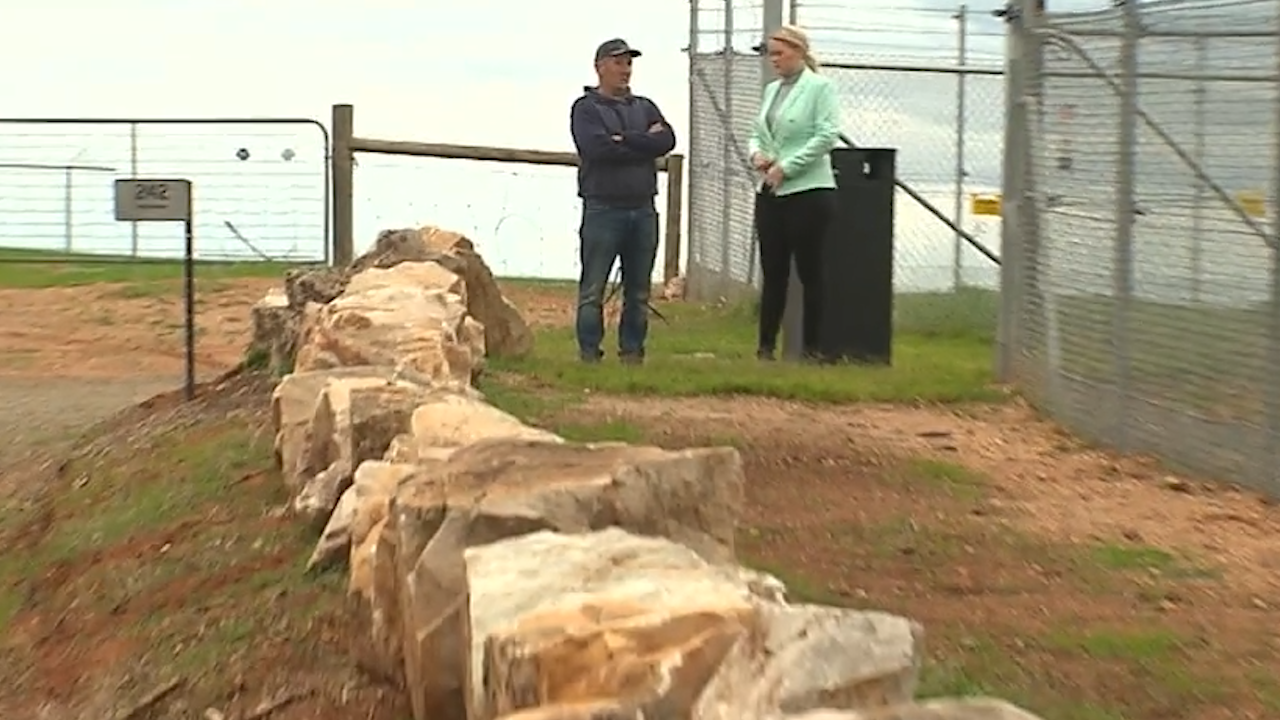
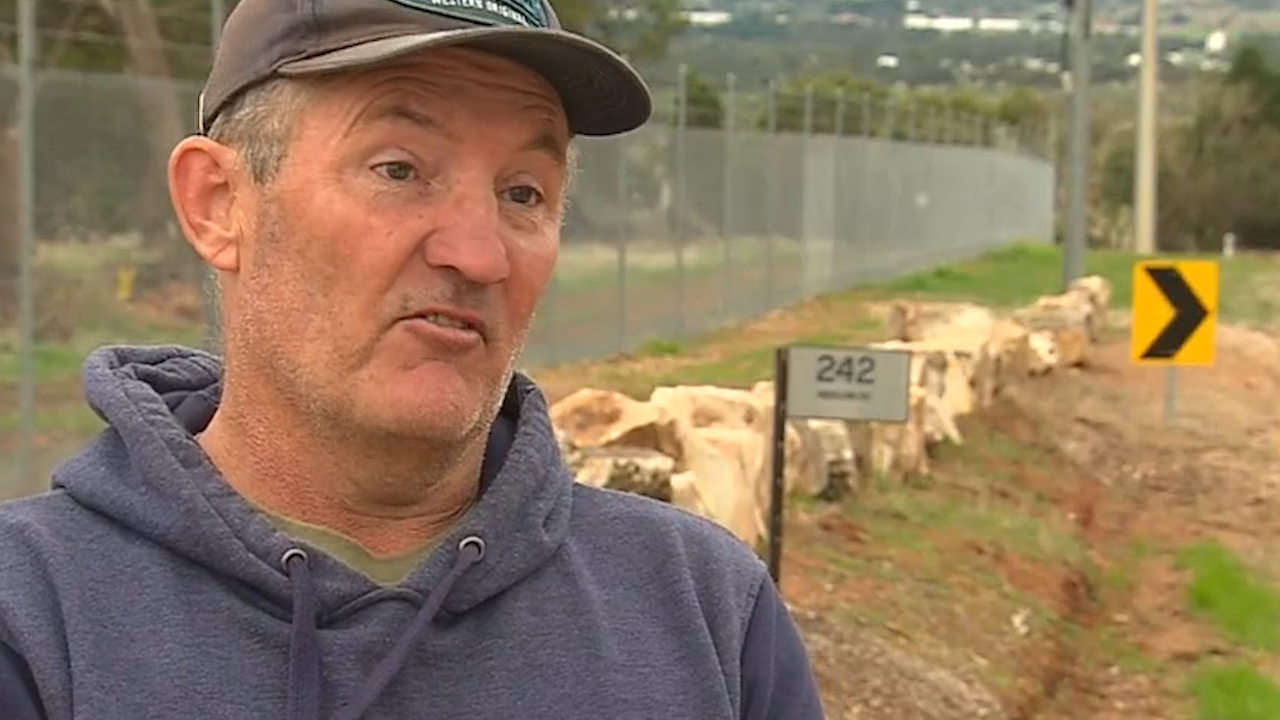
A resident in Adelaide's north has built his own safety barrier on a stretch of road alongside his property in a bid to slow down havoc-wreaking hoons.

Brenton Lawrence says authorities aren't doing enough and the barrier is the only thing slowing the dangerous drivers down.

He says there have been over a dozen crashes along the dangerous bend on Medlow Road, Uleybury, in the past two years.

man risks fine for building own anti-hoon barrier on Medlow Road, Uleybury - Adelaide north

READ MORE: Hoons ram through locked gate after being trapped by locals

"I don't want to see anyone die here," Mr Lawrence told 9News.

"It's through fences, people into trees, signs knocked out – it's just been a constant barrage of accidents."

In an attempt to curb the carnage, Mr Lawrence set up a rock wall outside his property.

"It's stopped the accidents outside our property," Mr Lawrence said.

"Before the rocks, we had 14 accidents in 13 months.

"Since we've had the rocks there, we've had none."

But the local council has received a complaint about Mr Lawrence's rock wall.

It told 9News the safety barrier is actually a hazard and doesn't meet traffic safety standards.

man risks fine for building own anti-hoon barrier on Medlow Road, Uleybury - Adelaide northman risks fine for building own anti-hoon barrier on Medlow Road, Uleybury - Adelaide north

READ MORE: Crackdown on hoons after motorbike videos posted

Mr Lawrence has until the end of June to have the rocks removed, otherwise he faces a fine and costs for having the rocks professionally cleared away.

"It's a visual barrier, you see the rocks and you can hear people slow down when they get here," Mr Lawrence said.

"I've tried contacting (council), I've tried to make other suggestions like temporary plastic barriers and I can't even get a response."

Cuba: Tourists Can Now Buy $1,000 Cash Cards

14ymedio, Havana, 17 June 2021 — The Cuban banking system has devised a new option to keep the foreign currency of tourists starting with Prepaid Cards at the Cadeca currency exchange offices in Varadero and Cayo Coco.

The cards, of 200, 500 and 1,000 dollars, are only for non-resident travelers, who can buy them by presenting their passport and depositing the amount in cash plus a commission of five dollars, only until the 20th. After that they may do so in any other currency among those accepted in the country.

Prepaid cards can only be spent within Cuba and will be valid for two years. Travelers will thus be able to make purchases in hard currency stores without cash, although they can also withdraw Cuban pesos at ATMs. What they do not allow are transfers from abroad, or deposits or movements of funds between similar cards or others that operate in dollars. And unspent balance is non-refundable in foreign currency.

Last Friday, the first vice president of the Central Bank of Cuba (BCC), Francisco Mayobre Lence, explained on television that travelers who arrive on the island after June 21 will not be able, like nationals, to exchange dollars in cash, and so must arrive with a different currency to cover their expenses or use an international card accepted in the Cuba (the embargo does not allow the use of cards issued in the United States).

The new product could solve some of these problems, but it is to be expected that other problems will occur. The measure has not been well received by Cubans residing in the country, who speculate, in social networks and the official press, about the difficulties that this may have for tourists.

“So, does the tourist who comes with dollars after June 20 have to eat them? Can’t he buy these cards? Will the tourist be forced to come to Cuba with a currency other than the USD?” asks a Cubadebate reader to which another responds: “Cuban inventions. Apparently they forgot that there is competition in the Caribbean.”

Some users fail to imagine tourists lining at a Cadeca and believe it is very possible that a black market for dollars will continue to circulate. Meanwhile, others ask insistently if, since the use of the cards is not limited to the personwho acquired them, anyone will be able to use them, a doubt that reveals the aspiration of many to get one of these products by any means.

Last Thursday the government announced by surprise that it would stop accepting cash in US dollars. Yesterday, the General Customs of the Republic issued a statement clarifying that this also affects the payment of customs duties and services for items imported at the border, which can only be paid in currencies other than the United States or by card.

The agency has asked Cubans to take steps to avoid acting out and comply with regulations without giving up import rights.

Cubans and economists debate the reasons for this decision by the authorities, arguing that they have huge amounts of dollars in cash stuck in banks because they are not able to operate internationally with them. The foreign currency stores, which increasingly provide more goods, even basic goods, to Cubans and, at the same time, are more scarce every day, lack products due to the impossibility of buying with all the cash they collect, due to the US sanctions, which prevent them from moving the money, argues the Government.

Critics doubt this argument and offer other hypotheses, together or in combination, ranging from an attempt to pressure the Biden government to relax sanctions through pressure from families who send remittances, to money laundering through a desperate attempt to get hold of as much US currency they can collect, in record time.

Another theory suggests that it is a matter of curbing the rise in the price of the dollar in the informal market. Exchange houses sell dollars at a rate of 1 x 24 Cuban pesos, while in illegal networks the rate has reached 70.

____________

The post Cuba: Tourists Can Now Buy $1,000 Cash Cards appeared first on The St Kitts Nevis Observer.

Bunnings Warehouse goes under the hammer for 'cheap' price

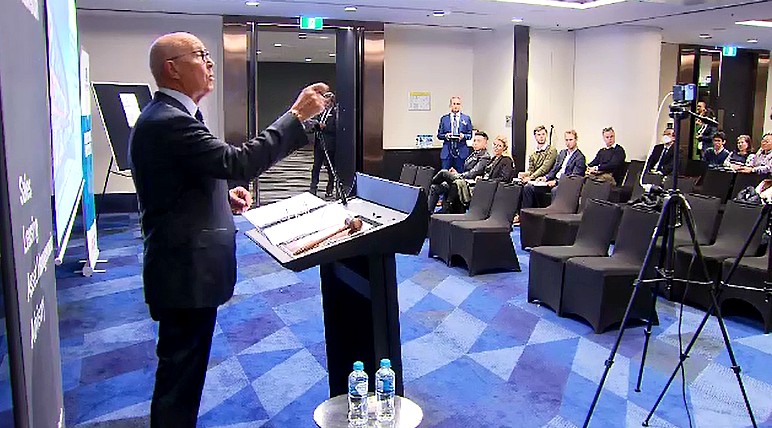
A once in a lifetime opportunity has gone under the hammer today with a Bunnings Warehouse in Queensland fetching an eye-watering multi-million dollar final price.

About 60 kilometres west of Brisbane, the Plainland site has only been open for two weeks but has been earmarked to be in the next big growth corridor for the southeast region.

But before you think about buying your own iconic hardware store, it's worth knowing this isn't your average property purchase.

READ MORE: Queensland records case of Delta variant in hotel quarantine

A once in a lifetime opportunity has gone under the hammer today with a Bunnings Warehouse in Queensland fetching an eye-watering multi-million dollar final price. The Plainland site has only been open for two weeks but has been earmarked to be in the next big growth corridor for the southeast region.

The winning bidder buys the entire facility and becomes its landlord for 10 years, entering into an agreement with Bunnings directly.

The rental agreement will reap the new owner $935,000 in rent annually, which works out to be roughly $18,000 a week.

"There's not many Bunnings that come up for sale very regularly, once landlords get a hold of them they hold them for a while – they're definitely a generational hold," commercial agent Ingrid Scholes told 9News.

After an intense battle between interstate bidders, the site was snapped up for $22.2 million.

Experts predicted the site would go for $19 million, a steal when you consider an average sale price for a Bunnings is just over $50 million.

However, after an intense battle between interstate bidders, the site was snapped up for $22.2 million.