For thousands of years, people have been crossing the Pacific ocean and finding new pieces of land – like Aotearoa. How did they do it? Host and waka navigator Noenoe Barclay-Kerr explains in part 3 of the Land of Voyagers video…
Category Archives: headline
Kiwis' help sought to save Air New Zealand plane from scrap
Kiwis are being asked to put their hands in their pockets to save a flying dinosaur.It is a former Air New Zealand Boeing 747-400 parked at Roswell, in the United States, and soon to be scrapped.A group of aviation enthusiasts,…
Duterte threatens to arrest Filipinos who refuse vaccination
The Philippine president has threatened to order the arrest of Filipinos who refuse COVID-19 vaccination and told them to leave the country if they do not cooperate with efforts to end a public health emergency.
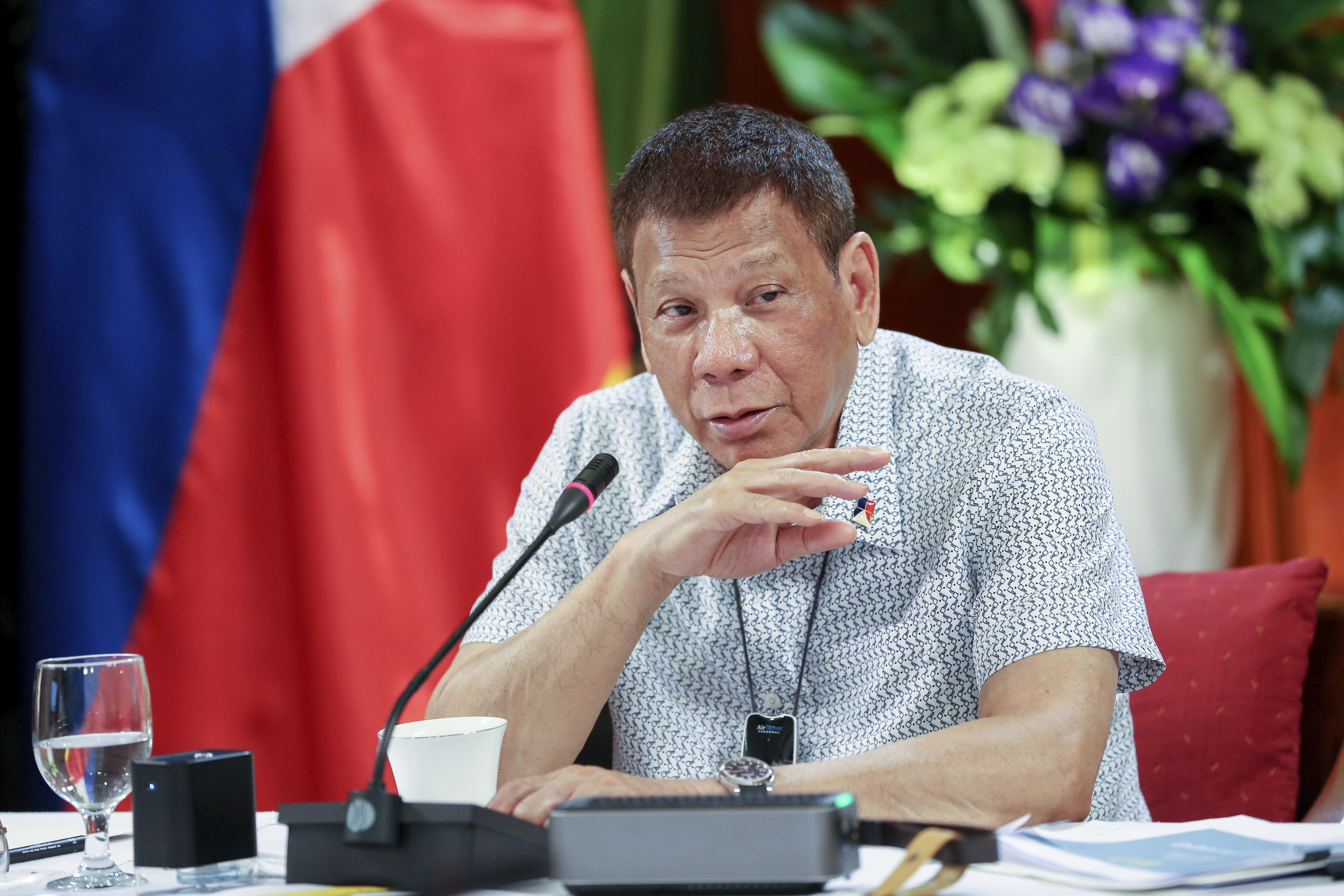
President Rodrigo Duterte, who is known for his public outbursts and brash rhetoric, said in televised remarks on Monday night that he had become exasperated with people who refused to get immunised amid a health crisis.
"Don't get me wrong. There is a crisis being faced in this country. There is a national emergency. If you don't want to get vaccinated, I'll have you arrested and I'll inject the vaccine in your butt," Mr Duterte said, adding he would order village leaders to compile a list of defiant residents.
READ MORE: Sydney man stuck in Philippines for almost 15 months feels 'abandoned'
"If you will not agree to be vaccinated, leave the Philippines.
"Go to India if you want or somewhere, to America."
Justice Secretary Menardo Guevarra acknowledged on Tuesday that there was no Philippine law criminalising refusal to get vaccinated against the coronavirus.
"I believe that the president merely used strong words to drive home the need for us to get vaccinated and reach herd immunity as soon as possible," Mr Guevarra said.
Human rights lawyer Edre Olalia raised concerns over Duterte's threat, saying the President could not order the arrest of anybody who has not clearly committed any crime.
Mr Duterte and his administration have faced criticism over a vaccination campaign that has been saddled with supply problems and public hesitancy.
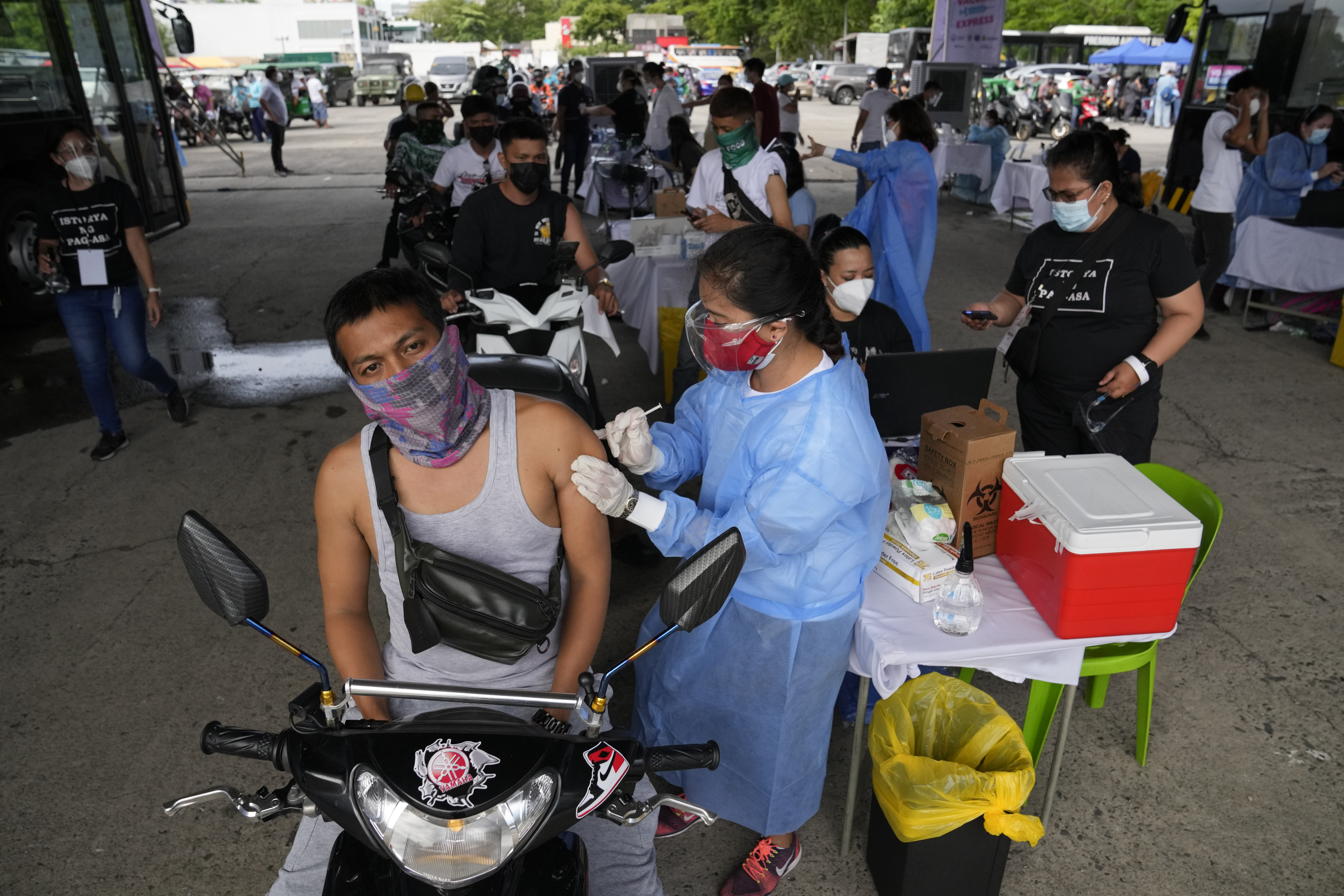
After repeated delays, vaccinations started in March but many still opted to wait for Western vaccines, prompting some cities to offer snacks and store discounts to encourage people to get immunised with any vaccine.
Mr Duterte blamed the problem on wealthy Western countries cornering vaccines for their own citizens, leaving poorer countries like the Philippines behind.
Some officials said the bigger problem was inadequate vaccine supply more than public hesitancy.
Mr Duterte also walked back on an earlier remark that required people to wear plastic face shields over face masks only in hospitals as an added safeguard.
After experts briefed him on the threat of more contagious coronavirus variants, Mr Duterte declared it mandatory for people to continue wearing face shields indoors and outdoors.
The Philippines is a COVID-19 hotspot in Asia, with more than 1.3 million cases and at least 23,749 deaths.
One mystery diagnosis among ten new COVID-19 cases in NSW
Borders have started shutting on New South Wales, including a pause in the travel bubble with New Zealand, after the state's coronavirus cluster grew by 10 cases, one of which crossed the Tasman.
Victoria on Tuesday night declared a large chunk of Sydney a red zone, meaning non-Victorian residents are banned from entering the state and returning residents will need to apply for a permit quarantine at home for two weeks.
Queenslanders have been warned to reconsider travel to the NSW capital and it will be at least three days before quarantine-free flights between Sydney and New Zealand resume.
READ MORE: State-by-state travel restrictions as NSW cluster grows
NSW Health on Tuesday night revealed a confirmed coronavirus case had been linked to two flights between Sydney and Wellington.
Anyone who was on board Qantas flight QF163 leaving Sydney at 7.05pm on June 18 or Air New Zealand flight NZ247 leaving Wellington at 10.13am on Monday was considered a close contact and must get tested and immediately isolate for two weeks, NSW Health said.
Among the 10 new cases revealed on Tuesday, only one is considered a mystery as authorities try to link it to the cluster.
Though primary school student from a school in Sydney's east has not been linked, it's in the the same geographical area as Bondi Junction.
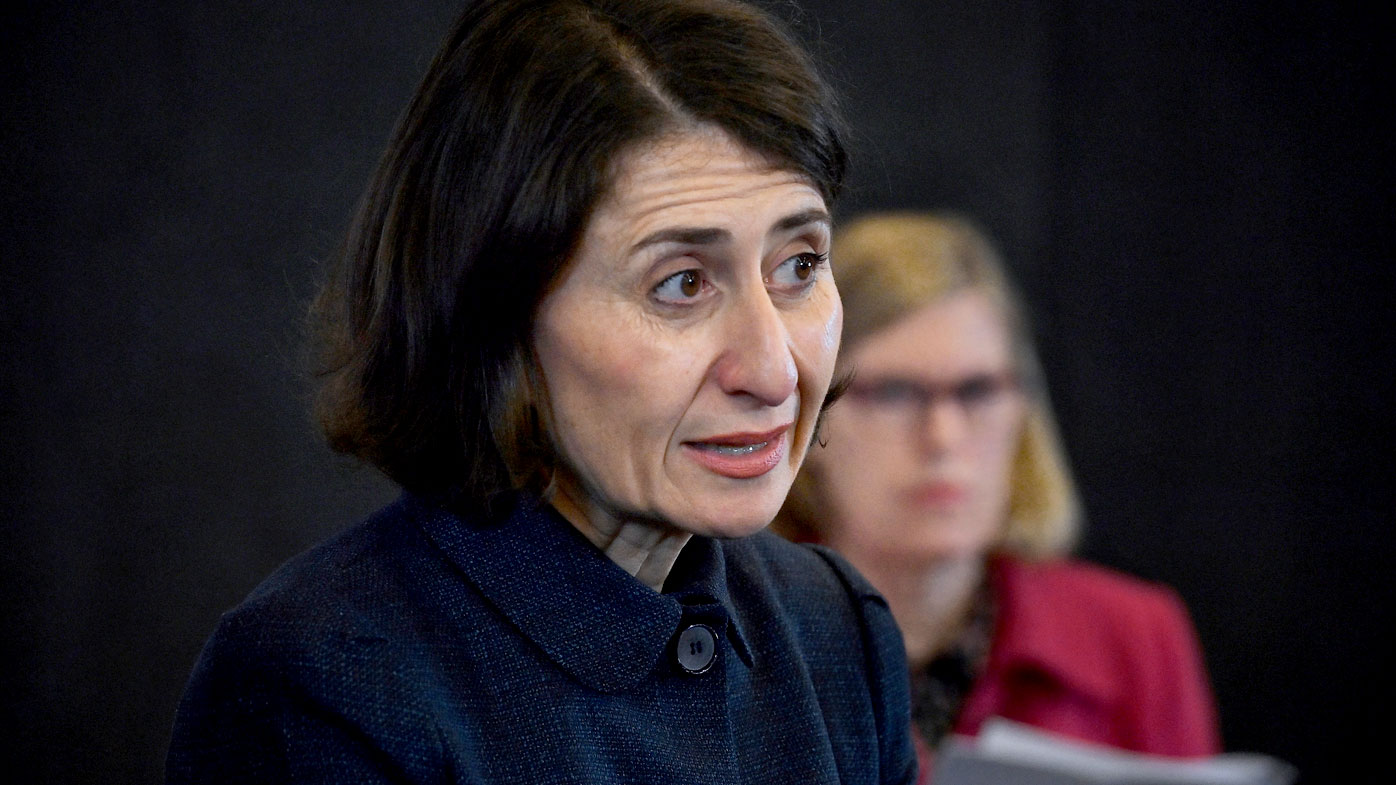
The new cases take the Bondi cluster to 21 and NSW Premier Gladys Berejiklian expects the number to continue to swell as more household contacts of cases test positive in coming days.
https://twitter.com/NSWHealth/status/1407141304207765512?ref_src=twsrc%5Etfw
"Unfortunately, a number of people who contracted the virus have done so in a very fleeting way, literally being within less than a metre of somebody but sharing the same airspace without any physical contact has still meant the virus has transferred," Ms Berejiklian said.
"A very fleeting exchange or a very fleeting coexistence has actually allowed the virus to transfer and highlights how contagious it is."
READ MORE: How to get vaccinated
EXPOSURE SITES: Get tested if you've been here
Ten new cases, some to be counted in tomorrow's figures
Of the 10 new cases revealed on Tuesday, seven will be part of Wednesday's official figures.
Six of the new cases were household members of previously recorded cases and were already in isolation when they tested positive.
Ms Berejiklian said the mystery student attended St Charles in Waverley, and the school was notifying parents.
"I urge parents to wait for instructions from the school because we are keen to make sure that students and parents have access to testing, and we want to make sure there isn't a rush with all parents descending on the school at the same time," she said.
Almost 29,000 tests were carried out.
Among the other new cases were a woman in her 20s and a man in his 30s, both from the eastern suburbs, a woman in her 40s from Sydney's north who was already isolating, and a woman in her 60s from Illawarra who was also isolating.
NSW Health said there were 46 people with the virus in the state, with one person in intensive care but most others not in hospital.
The state is nearing two million vaccine doses injected.
Sydney mask mandate extended
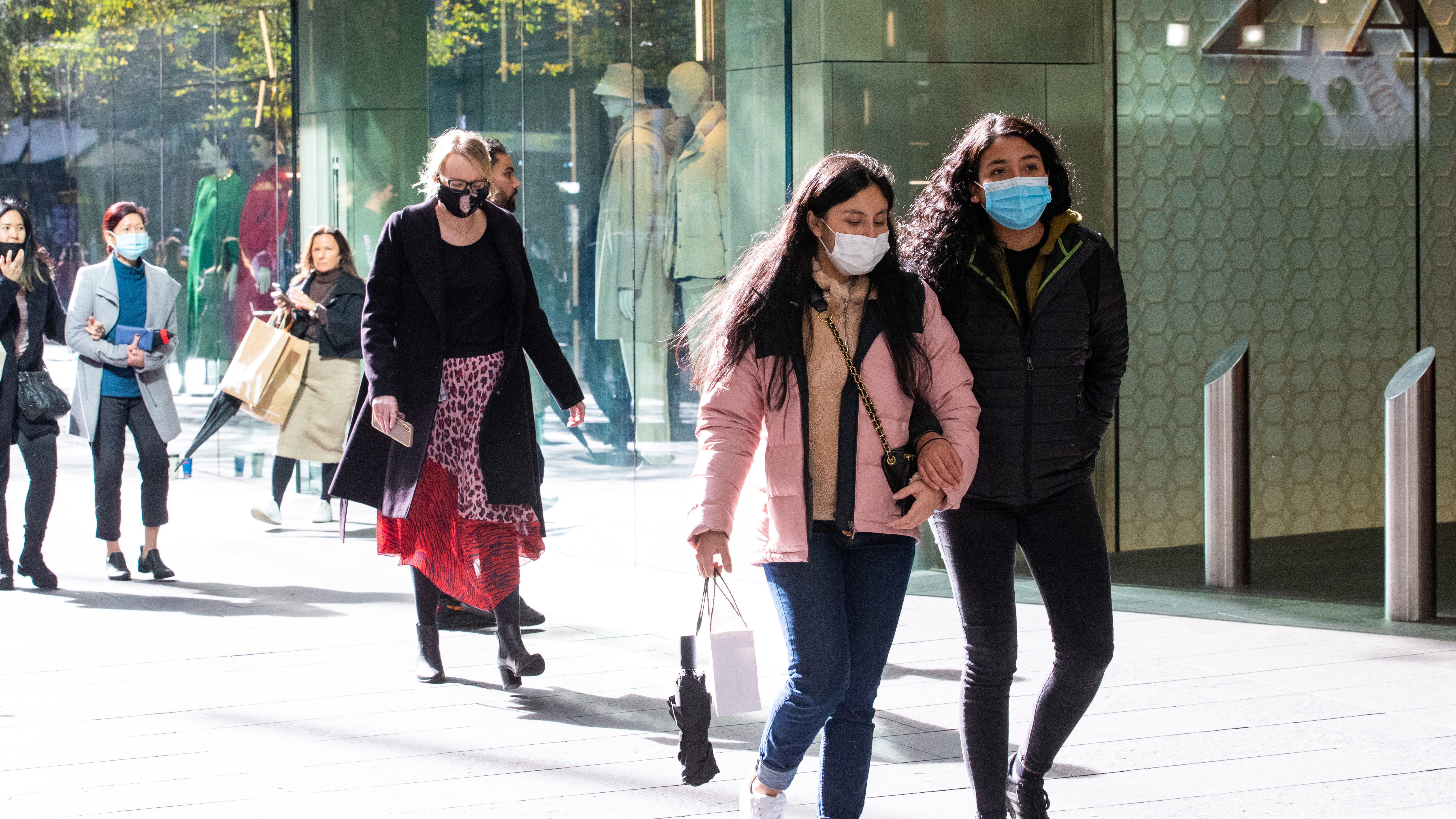
Sydney's mask-wearing restrictions will remain in force for an additional week and have been extended to Greater Sydney.
The restrictions were initially set to lift at 12.01am on Thursday.
The requirement means everybody in the metropolitan area will have to wear masks while at an indoor venue, including hospitality venues, grocery stores, or any indoor events.
A person can only take their mask off at an indoor venue if they are eating or drinking.
Masks are already compulsory on public transport.
Close To 200 Persons Ticketed For Breaching The Emergency Powers (Covid-19) Regulations
Basseterre, St. Kitts, June 22, 2021 (RSCNPF): The Police have issued 191 tickets between the period May 21 to June 20 for the offences of Failing to Wear Masks in Public and for Hosting Social Events Without Permission. The offences are both breaches of the Emergency Powers (COVID-19) Regulations under which St. Kitts and Nevis has been operating.
This information was disclosed by Superintendent Cromwell Henry at the National Emergency Operations Centre (NEOC) press briefing which was held on Monday, June 21, 2021. During his presentation, he gave an update on the enforcement efforts of The Royal St. Christopher and Nevis Police Force (RSCNPF) in that area to date.
“One hundred and nineteen of such tickets were issued on St. Kitts and 72 on Nevis. Further, 31 persons have been arrested for breaching the curfew and, so far, 8 have been charged. We continue to urge our people to take all the COVID–19 control measures seriously and strictly adhere to them as such adherence will facilitate the slowing of the spread of the virus and the eventual easing of all restrictions,” Superintendent Henry told the public.
Superintendent Henry is one of the representatives of the RSCNPF on the National COVID-19 Task Force.
In section 3(1) of the Statutory Rules and Orders No. 24 of 2021 Emergency Powers (COVID-19) Regulations, 2021, it states that “a period of night curfew is imposed every day from 6 p.m. of one day until 5 a.m. of the following day,” while Section 5 prohibits mass gatherings.
Section 20 speaks to penalties and states that, “a person who contravenes or fails to comply with these Regulations shall be liable on summary conviction to a fine not exceeding five thousand dollars or to a term of imprisonment not exceeding 6 months or to both and to forfeiture of any goods or money in respect of which the offence has been committed.”
The post Close To 200 Persons Ticketed For Breaching The Emergency Powers (Covid-19) Regulations appeared first on The St Kitts Nevis Observer.
PM hits out at Queensland over man blocked from seeing dying dad
The Prime Minister has blamed Queensland authorities for failing to resolve the "tragic" case of a couple left stranded in hotel quarantine while trying to visit a dying relative.
Mark Kilian and Anneli Gericke are stuck in isolation in Sydney after travelling from the US to visit Mr Kilian's dying father in Queensland.
A last-minute rejection from Queensland Health — following successful appeals to Border Force and NSW Health for exemptions — came through as the fully vaccinated husband and wife sat on the tarmac waiting to depart Los Angeles International Airport.
READ MORE: Man hospitalised after allegedly scaling wall to escape Queensland quarantine
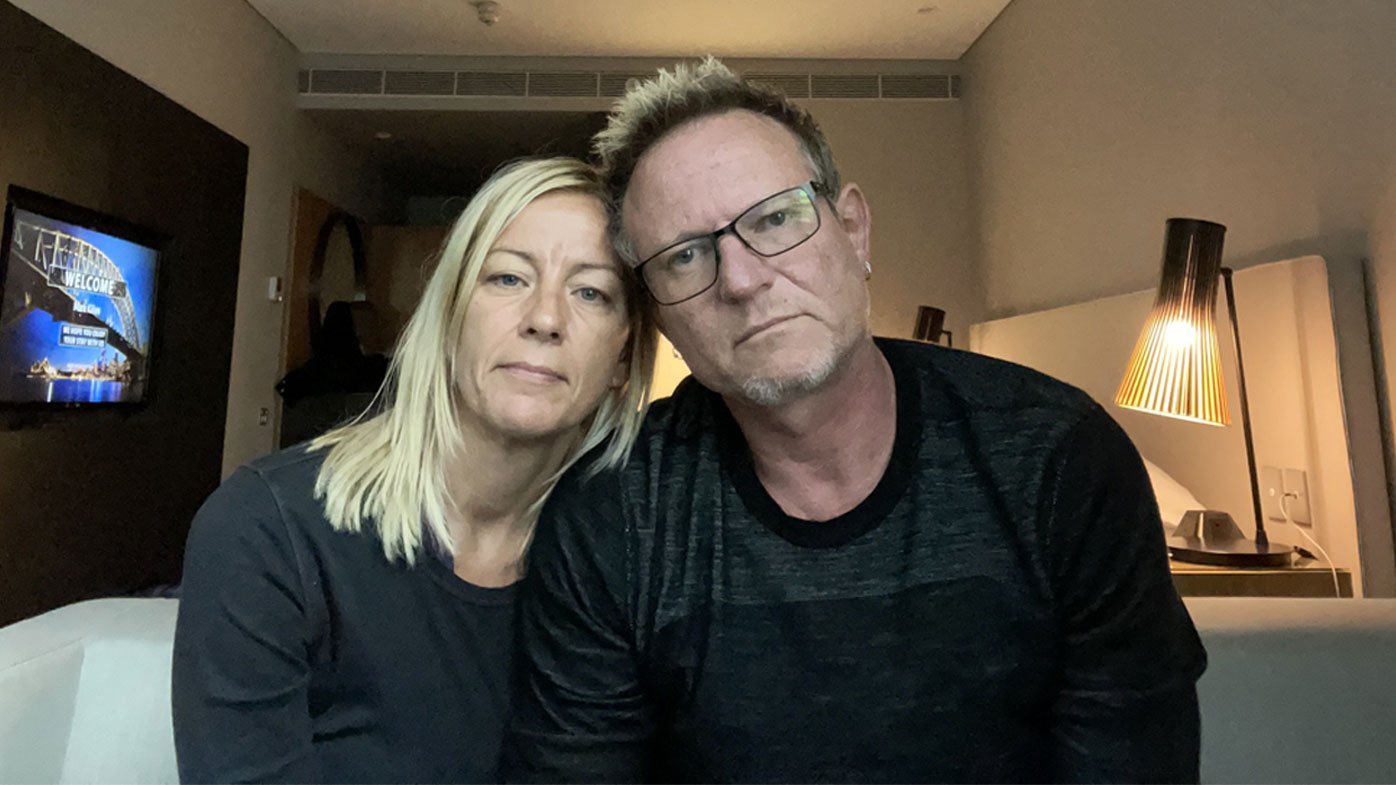
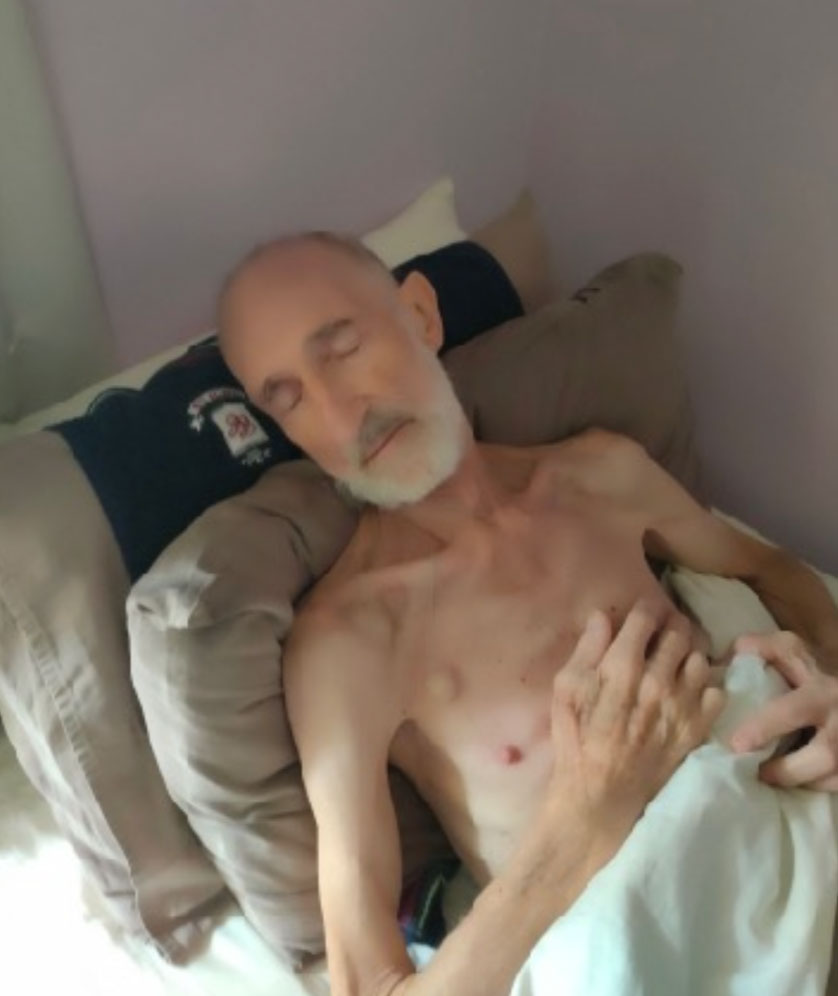
Prime Minister Scott Morrison, in a letter shared online overnight, chided Queensland authorities for their handling of the situation, saying Mr Kilian had done "everything you possibly can" to see his dying father. Frans Kilian, 80, was moved to hospital last week as his pancreatic cancer worsened.
"We didn't think he was going to make it through yesterday, I think he'd been holding on for us to get there,' Mr Kilian told 9News last week
"When he heard we weren't coming he just took a turn."
Mr Morrison said having farewelled his father last year, he knew how important times like these were to families, which was why the Department of Home Affairs granted an exemption for the couple to travel to Australia.
"I know what an important time this is for you and that you can never get these days back," he said in a letter to Mr Kilian dated June 22.
"I am disappointed the Queensland Government has not found a workable and compassionate solution.
"However, the Australian Government does not have authority to step in and provide exemptions from hotel quarantine for travel into Queensland. Under our federation, these decisions are made by the Queensland Government."
READ MORE: Two trans-Tasman flights added to Sydney COVID-19 exposure list
https://twitter.com/TimArvier9/status/1407299109653041154
On Tuesday, Queensland Premier Annastacia Palaszczuk admitted the situation was "absolutely tragic" but said her hands were tied by national guidelines on hotel quarantine.
However, she did allow a sliver of hope to shine through for the stranded couple.
"If the Federal Government wants to talk to both states, I'm happy to facilitate that," she said.
"But this [hotel quarantine] applies to everybody. This applies to everyone. Every single person."
Mr Kilian fears if he and his wife are made to complete their two weeks in hotel quarantine he won't get to say goodbye to his father.
NSW Premier Gladys Berejiklian previously asked her counterparts to show compassion on border exemptions, calling for decisions about reuniting families to be based on "human dignity".
"My heart breaks when I hear about stories like this," she said, while refusing to intervene in individual cases.
"New South Wales has always tried to have a compassionate approach especially when there are circumstances such as this one.
"I just ask all of my colleagues to think carefully before preventing families from being united at a very difficult time."
You can find out more details about how to book your vaccine through the Federal Government health site here.
Australians optimistic after horror 2020 – but trust in China plunges
Australians have rebounded strongly from a traumatic 2020, but nervous eyes are fixed on various looming threats, with distrust of China at record levels.
That is, in brief, the picture painted by the Lowy Institute's Annual Poll for 2021, which gauges Australians' feelings on everything from the local economy to world affairs.
The phone survey, conducted in March of this year, found that 70 per cent of Australians felt "safe" or "very safe" – up 20 points on last year.
READ MORE: Why the US-China rivalry is extending from Earth into space
Of course, in March 2020, the world was reeling under what was then a terrifying, all-but-unknown threat.
"It speaks to the fact that in March 2020, Australia was just going into lockdown, and there was really a quite unprecedented panic," Lowy director of public opinion and foreign policy program Natasha Kassam told nine.com.au.
"The vast majority of Australians feel we've managed the pandemic well."
But the view wasn't all rosy.
Trust in China plunges
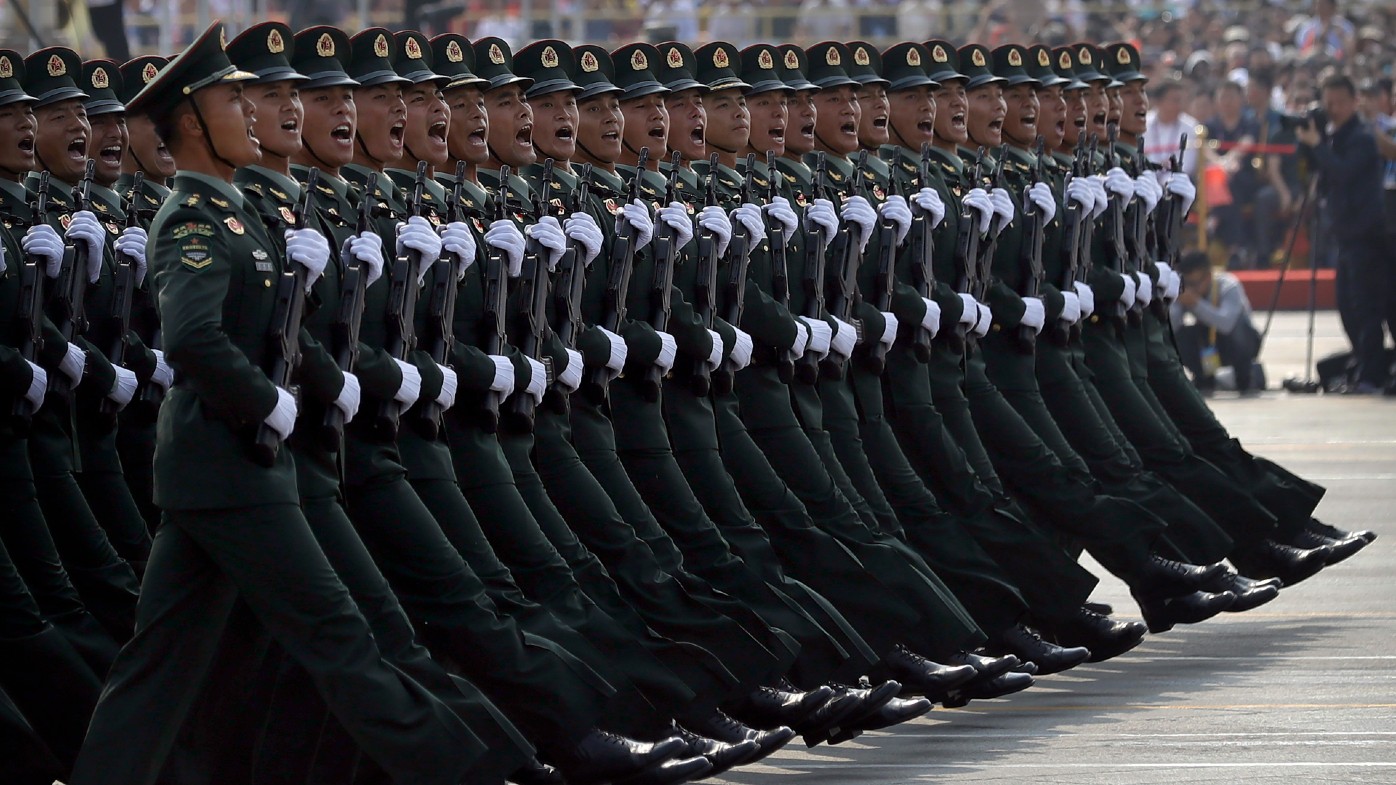
Only 16 percent of Australians said they trusted China "a great deal" or "somewhat" to act responsibly in the world – down from 52 per cent in 2018.
Most Australians now see China as a greater security threat than an economic partner, though there is a reluctance to join the US in any hypothetical conflict with Beijing, with 57 per cent of respondents opting for neutrality.
However, Australian distrust of China appears to be focused on government actions and policy, with most Australians saying Chinese history and culture, and Chinese people they meet, positively influence their view of the rising superpower.
READ MORE: Australia taking China to trade watchdog over wine tariffs
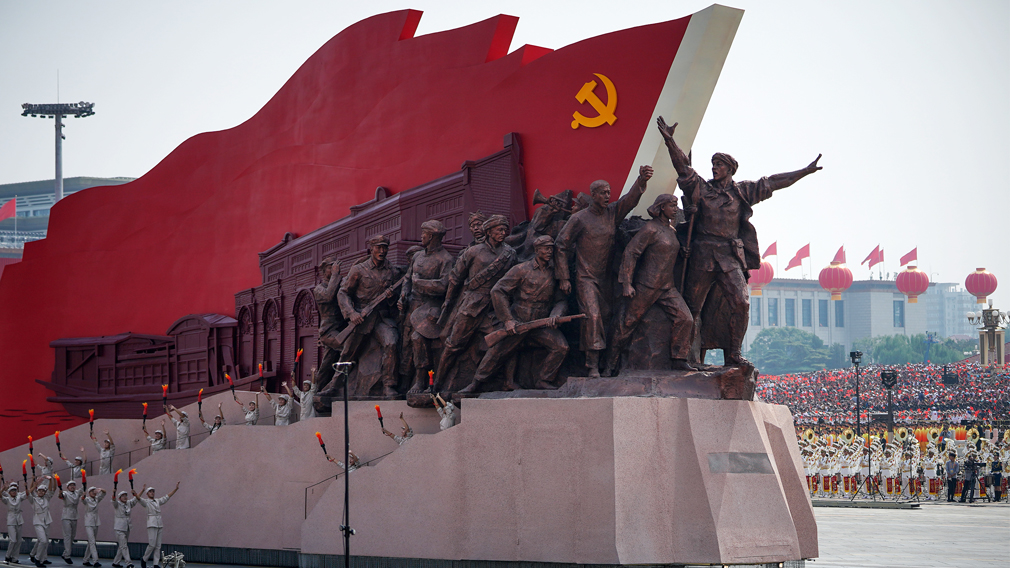
"The Australia-China story has changed dramatically," Ms Kassam said.
"In the 2019 election, foreign policy was not mentioned once – that simply wouldn't happen today."
She said while Australians had traditionally taken a dim view of Chinese authoritarianism, what had changed recently was that the nation's economic growth was increasingly being regarded as a threat (50 per cent agreed, up 31 per cent from 2016).
"China's targeted sanctions have had an effect on how Australians see its economic power," Ms Kassam said.
However, she pointed out that most Australians still recognised China as our biggest trading partner, with 72 per cent still maintaining it was possible to have good relationships with Beijing and Washington.
Threats on the horizon
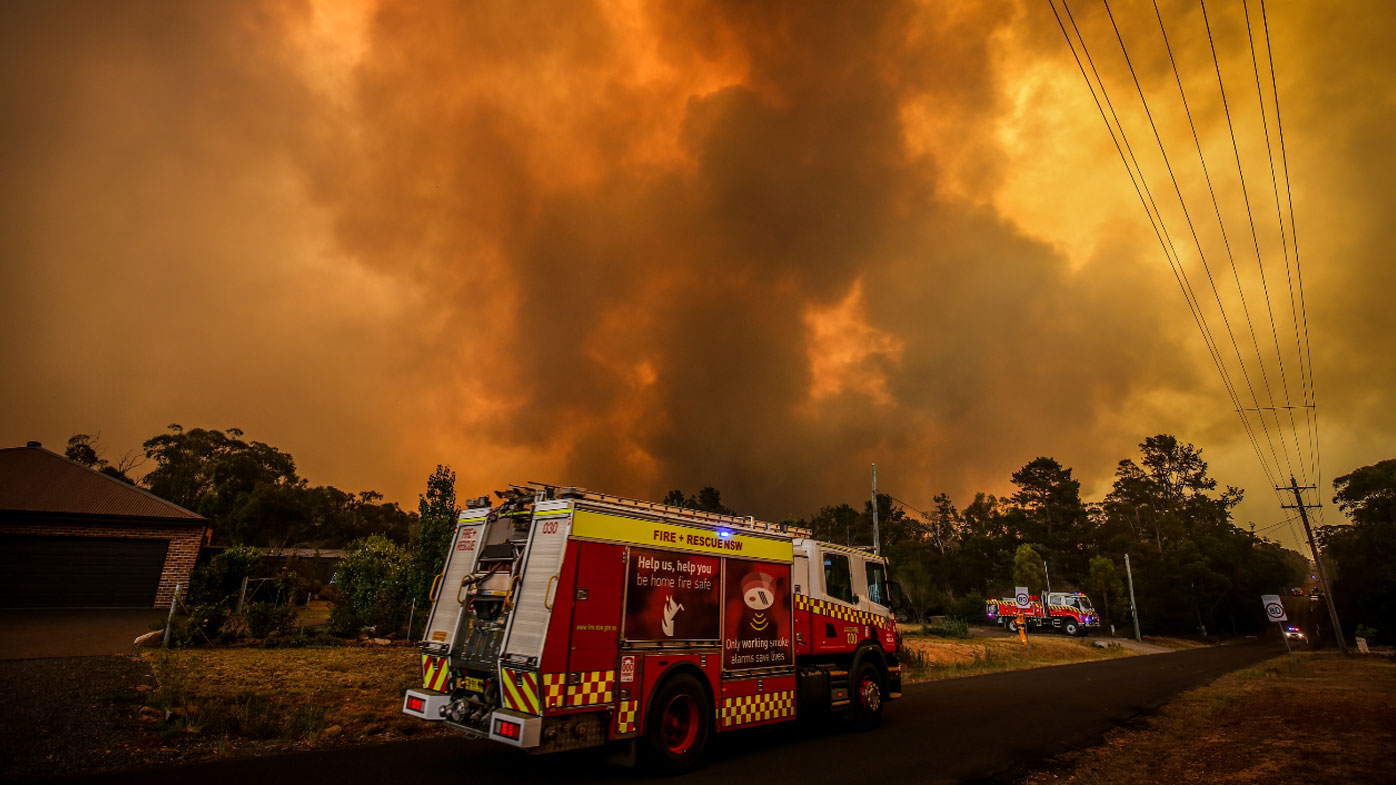
As well as conflict with Beijing, Australians rated cyberattacks from other countries (62 percent) and climate change (61 per cent) as critical threats to the national interest in the next decade.
And 59 per cent rated COVID-19 as a critical threat for 2021 – but that was down 17 percent from 2020.
READ MORE: Thousands of school students strike to demand climate change action
"Support for action on climate change has been going up since 2013," Ms Kassam said.
"There was a minor dip in 2020, when people were obviously more focused on the coronavirus.
"But the vast majority of Australians think we should be doing more to confront the issue, even to the extent of supporting emissions trading or a carbon tax."
The good stuff
Australians are overwhelmingly optimistic about the economy, with 79 percent adopting a cheery outlook – up a record 27 per cent from last year.
And 97 per cent of people believe the national response to COVID-19 will have a positive effect on Australia's international reputation.
The federal government received a mark of 7.6 out of 10 for its response to the pandemic, while Prime Minister Scott Morrison (67 per cent) and Opposition Leader Anthony Albanese (56 per cent) also appeared to pass muster.
READ MORE: A 'complete refresh' for Australia's vaccine rollout
Around the world
Trust has increased in India (61 per cent, up 16 per cent since 2020) and Indonesia (48 per cent, up 12 per cent), but New Zealand Prime Minister Jacinda Ardern once again took the crown as Australians' favourite national leader, with 91 per cent giving her a tick of approval.
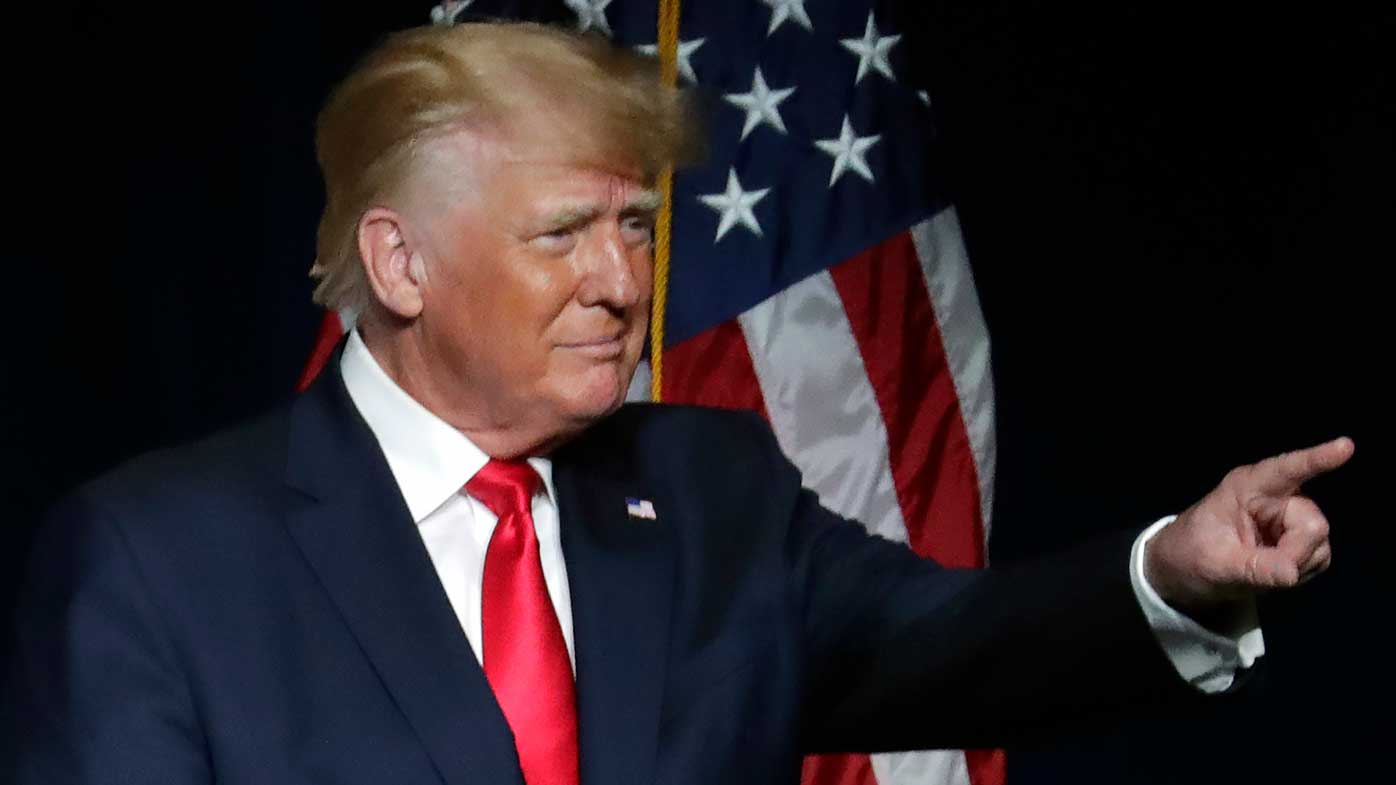
Australians also appeared to welcome the election of US President Joe Biden, with trust in Mr Biden rebounding to 69 per cent, more than doubling last year's result of 30 perc ent for his predecessor Donald Trump.
And 58 per cent of Australians still agreed Mr Trump had damaged the US-Australia alliance.
READ MORE: Biden and Putin clash on cybersecurity but no 'Cold War'
"Trump was not popular in Australia," Ms Kassam said.
"But what we're seeing is that levels of trust and confidence in the US under Biden are not as high as they were under (former US President Barack) Obama.
"Trump's legacy has left Australians questioning the old alliance with the US."
The full results of the Lowy Poll can be found online here.
You can find out more details about how to book your vaccine through the Federal Government health site here.
Possible Storm Forming Near Eastern Caribbean
The US National Hurricane Centre is keeping close watch over a tropical wave located about 750 miles east-southeast of the Windward Islands.
It says the area of disturbance is producing disorganised showers and a few thunderstorms.
The NHC in its 2 pm update notes although shower activity has diminished somewhat this afternoon, recent satellite-derived surface wind data indicate that the wave has become better defined since yesterday.
It says some additional development of this disturbance will be possible during the next couple of days before upper-level winds become less conducive for further organisation by Thursday. The system is expected to move westward to west-northwestward at 15 to 20 miles per hour.
The disturbance has a 30 per cent chance of cyclone formation in the next 48 hours.
The post Possible Storm Forming Near Eastern Caribbean appeared first on The St Kitts Nevis Observer.
Haiti to Finally Get Vaccines, Jamaica Faces Shortage
Haiti is the only Caribbean Community (CARICOM) country expected to benefit directly from a U.S. donation of 14 million doses of the COVID-19 vaccine to Latin America and the Caribbean. Meanwhile, Jamaica reports it is running low on vaccines.
Up to now, Haiti still hasn’t received a single dose of vaccine.
On Monday, the White House announced the final allocations for the doses President Joe Biden promised to donate last month. Some 60 million shots will go to the global COVAX vaccine sharing alliance and 20 million being directed to specific partners.
COVAX is the vaccines pillar of the Access to COVID-19 Tools (ACT) Accelerator, which a ground-breaking global collaboration to accelerate the development, production, and equitable access to COVID-19 tests, treatments, and vaccines.
COVAX is co-led by Gavi, the Coalition for Epidemic Preparedness Innovations (CEPI) and the World Health Organization (WHO). Its aim is to accelerate the development and manufacture of COVID-19 vaccines, and to guarantee fair and equitable access for every country in the world.
Washington revealed plans for 55 million more shots. It said through COVAX, the latest batch of doses will include about 14 million for Latin America and the Caribbean, approximately 16 million for Asia and about 10 million for Africa.
About 14 million doses will be shared directly with Colombia, Argentina, Haiti, Dominican Republic, Costa Rica, Panama, Afghanistan, Bangladesh, Pakistan, Philippines, Vietnam, Indonesia, South Africa, Nigeria, Kenya, Ghana, Cabo Verde, Egypt, Jordan, Iraq, Yemen, Tunisia, Oman, Bank and Gaza, Ukraine, Kosovo, Georgia, Moldova and Bosnia.
Jamaica Facing Shortage
But, Jamaica is now facing a COVID-19 vaccine shortage, three weeks after receiving over 55,000 doses of the Oxford-AstraZeneca vaccine.
In May, Health Minister Dr Christopher Tufton had said that those doses would have been reserved for persons due for their second vaccine shot this month. But during a press conference last week, Tufton revealed that those vaccines are close to running out and the ministry will now have to prioritize Jamaicans over the age of 50.
Dr Tufton said the country is now at a stage in its vaccination program, where many persons will be turned away when they go to get their shot.
“We are now at a stage in the administration of vaccines when supplies are tightening up. I want to advise the public that it will mean that we have to prioritize in terms of who gets access at this time and certainly over the next two weeks. So what it means is that for the next two weeks, we’re going to have to tell some persons “no” when they come to get their first shot, and perhaps a second dose if you’re below the age of 50,” he said during a digital press conference on Thursday.
Dr Tufton said that the shortage of vaccines is not a problem that is unique to Jamaica. He says the limited availability of vaccines is affecting poor countries around the world.
“It’s a difficult management because in a sense, we can’t demand and there is no automatic availability. We have a need; we want the vaccines. But, we have to negotiate access based on what is available and the willingness of the manufacturers to make it available,” said Tufton.
As for Jamaicans under the age of 50 years old currently due for their second shot, Dr Tufton has assured that they still have time. He says Jamaicans have up to 12 weeks to get their second vaccine shot of the Oxford-AstraZeneca after getting the first.
Dr Tufton said that Jamaica is expected to get additional vaccines from the United States at the end of June. Shipments of the Johnson and Johnson vaccine are also expected to arrive in August.
To date, more than 220,000 Jamaicans have received at least one dose of the AstraZeneca coronavirus (COVID-19) vaccine. Of this number, 51,908 persons are fully vaccinated while 168,758 have received their first dose of the vaccine.
The post Haiti to Finally Get Vaccines, Jamaica Faces Shortage appeared first on The St Kitts Nevis Observer.
USVI: Environmentally Troubled Oil Refinery Closes
Shuttered since May 12 under a 60-day suspension issued by the Environmental Protection Agency, Limetree Bay Energy said it has suspended plans to restart the 210,000 barrel-per-day facility on the island of St. Croix because of “severe financial constraints.”
“Our personnel have demonstrated tremendous commitment and dedication in restarting the refinery, and we continue to be proud of their hard work. Unfortunately, this is our only option, given the extreme financial constraints facing the company,” he said
Rinker said the company will lay off all of its 271 employees effective Sept. 19.
Formerly operated by Hovensa LLC, the St. Croix facility is an integrated petroleum refinery consisting of refinery process units and supporting operations including sulfur recovery plants, steam and electric power generation and a marine terminal.
It has long been a key employer in the Virgin Islands — in its heyday in the 1970s, the facility produced 650,000 barrels of crude oil per day, making it the largest refinery in the Americas.
But it has also long been the subject of environmental complaints. It was closed for eight years before the Trump administration issued a permit for it to be restarted by its new owners in December 2020.
Shortly after the February restart, however, low-income residents living nearby reported becoming sickened by air pollutant and oil releases from the facility.
The EPA under the Biden administration last month ordered the 60-day pause of its operations to determine whether the plant presented “an imminent risk to public health.
The refinery had experienced “multiple major mishaps resulting in significant air pollutant and oil releases,” EPA Administrator Michael Regan said in a statement. “These repeated incidents at the refinery have been and remain totally unacceptable.”
The agency has since been working to provide relief and assistance to the surrounding St. Croix community.
The post USVI: Environmentally Troubled Oil Refinery Closes appeared first on The St Kitts Nevis Observer.