There’s concern rising house prices in Auckland’s lower socio-economic suburbs are forcing families out of their communities – and could be damaging the economy.OneRoof data reveals high-demand, white-hot prices and densification…
Category Archives: headline
Bridge over troubled waters: Ashburton Mayor wants a much-needed bridge after Government treats Auckland to brand-new one
Ashburton Mayor Neil Brown says if Auckland can get a new $685 million bridge, his Canterbury town should get a new bridge at a fraction of the cost.”If there is money there for that project, there should also be money there for…
Operation Trojan Shield: Dozens appear in court after major organised crime bust
Dozens of people charged as part of a major trans-national police operation targeting organised crime have appeared at the Auckland and Hamilton district courts this afternoon. In Auckland, a Henderson man, 39, was charged with…
Hamilton woman scoops life-changing $16.5m in Lotto Powerball
A Hamilton woman who hit the jackpot with a $16.5 million Lotto win at the weekend will spend the fortune on making sure her kids are looked after, and her retirement. The woman was on holiday during Queen’s Birthday weekend with…
Australia's average salary revealed
The average salary in Australia is now just over $60,000, new data from the Australian Tax Office has revealed.
Data from the 2018-2019 financial year shows that the average salary for Australians who submitted tax returns was $63,085, up by $1634 from the year prior.
The median reported salary (which provides a more accurate picture of the "average" Aussie as the figure is not pulled higher by millionaires) for 2018-19 was $52,732.
READ MORE: Australia's top 10 richest people revealed
READ MORE: The city with highest minimum wage in the world
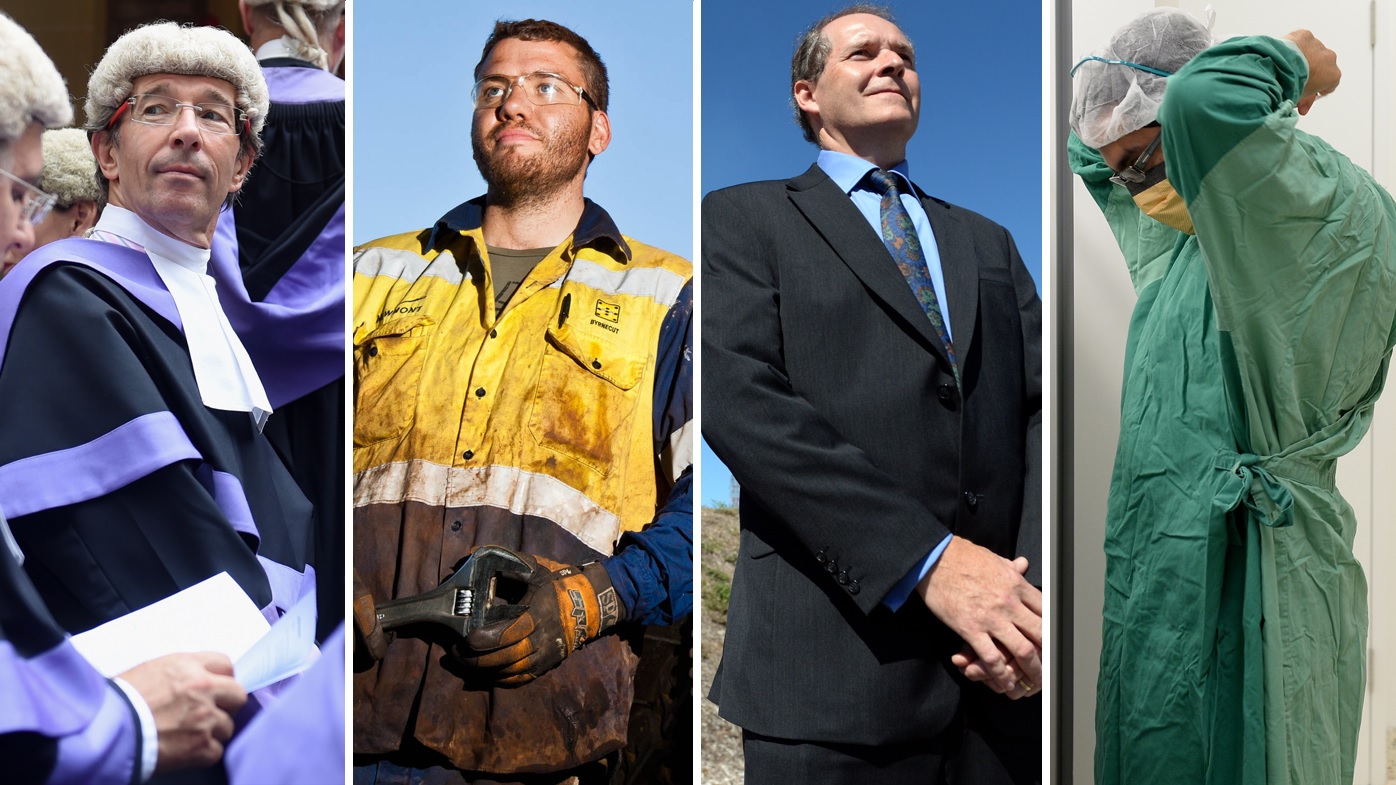
The data revealed a stark difference between the earnings of Australian men and women.
In 2018-19, Australian men earned a median taxable income of $55,829, compared to $40,547 for women.
For that same financial year, Australians paid a median net tax of more than $11,000.
READ MORE: Australia's minimum wage to rise
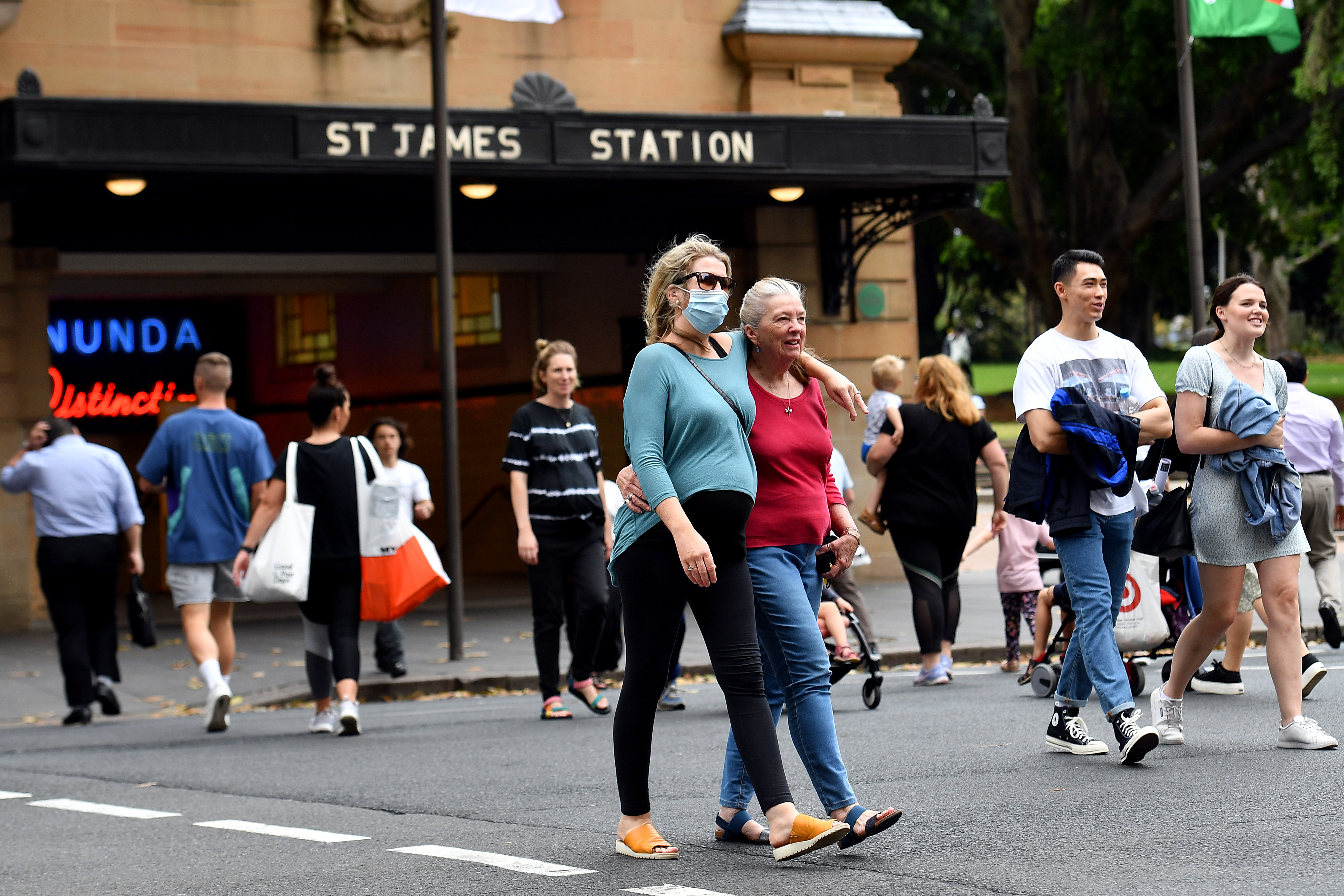
When broken down by locality, NSW home by the lion's share of high-income earners.
Australia's wealthiest suburb was Double Bay (postcode 2028) in Sydney, where individuals boasted an average taxable income of $202,598.
It was closely followed by Toorak (3142) in Melbourne, with an average income of $201,926.
The only suburb in the top 10 that was not in NSW or Victoria was Cottesloe (6011) in Western Australia.
Cottesloe ranked six, with its residents earning an average income of $179,376.
READ MORE: Australia's top 10 highest earning chiefs of public office
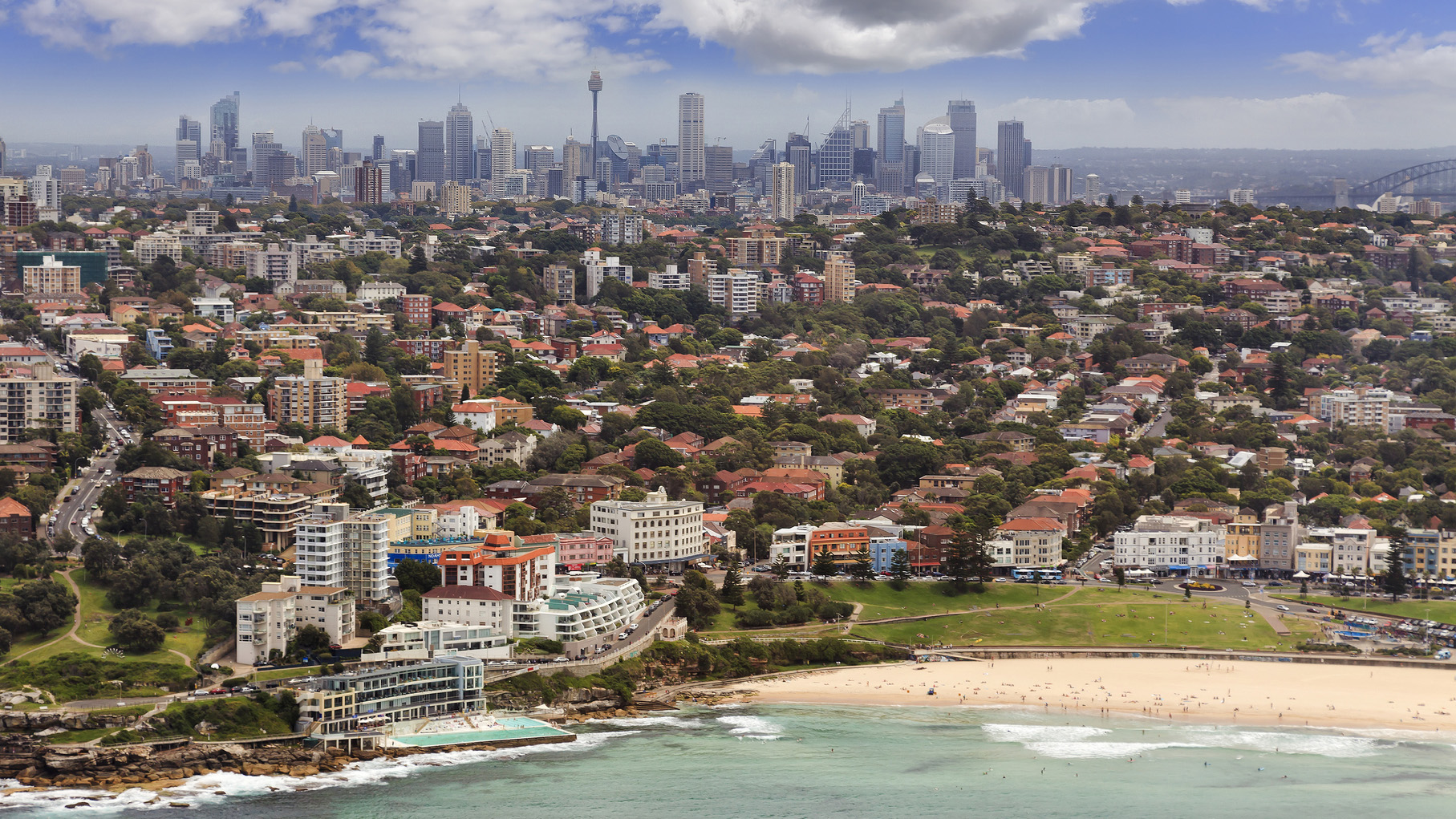
A full list of the top 10 postcodes – and highest-earning occupations – can be found below.
Surgeons were once again the country's highest-paid individuals on average, earning $394,303.
They were closely followed by anaesthetists on $386,065 and internal medicine specialists on $304,752.
Other noticeable inclusions were financial dealers ($275,984), mining engineers ($184,507) and chief executive officers ($164,896).
READ MORE: Australians losing out on $6 billion a year in super
Australian's Average Taxable Income 2018-2019*
|
Male |
Female |
Total |
|
|
Average taxable income ($) |
73,218 |
51,382 |
62,549 |
|
Median taxable income ($) |
55,829 |
40,547 |
47,492 |
Top 10 Postcodes by Average Taxable Income 2018-2019*
|
Rank |
Postcode |
Suburb |
State |
Income |
|
1 |
2028 |
Double Bay |
NSW |
$202,598 |
|
2 |
3142 |
Hawksburn, Toorak |
VIC |
$201,926 |
|
3 |
2027 |
Darling Point |
NSW |
$199,813 |
|
4 |
2030 |
Dover Heights, Vaucluse |
NSW |
$197,886 |
|
5 |
2025 |
Woollahra |
NSW |
$183,418 |
|
6 |
6011 |
Cottesloe |
WA |
$179,376 |
|
7 |
3944 |
Portsea |
VIC |
$175,356 |
|
8 |
2023 |
Bellevue Hill |
NSW |
$173,356 |
|
9 |
2088 |
Mosman |
NSW |
$171,135 |
|
10 |
2063 |
Northbridge |
NSW |
$168,891 |
Top 10 Occupations by Average Taxable Income 2018-2019*
|
Rank |
Occupation |
Income |
|
1 |
Surgeon |
$394,303 |
|
2 |
Anaesthetist |
$386,065 |
|
3 |
Internal Medicine Specialist |
$304,752 |
|
4 |
Financial Dealer |
$275,984 |
|
5 |
Psychiatrist |
$235,558 |
|
6 |
Other Medical Practitioner |
$222,933 |
|
7 |
Judicial or other legal professionals |
$188,798 |
|
8 |
Mining Engineer |
$184,507 |
|
9 |
Chief Executive Officer |
$164,896 |
|
10 |
Engineering Manager |
$159,940 |
*Australian Tax Office data for financial year 2018-2019.
Prison murder trial: Lethal weapon snuck into Paremoremo yard a shock, lawyer says
One among a trio of murder-accused Paremoremo inmates says he just wanted to help his new friend fight off a rival gang member.Paul Simon Tuliloa arrived at Auckland Prison in Paremoremo the same day Blake John Lee was killed in…
Mt Ruapehu crater lake temperature lowers after reaching 40C
Mt Ruapehu’s crater lake temperature has again cooled after a period of heightened temperatures earlier this year. Geonet duty volcanologist Agnes Mazot said the temperature was now sitting at a cooler 26C after the crater lake…
Police seek Head Hunters gang member in connection to Sofitel Hotel shooting
A Head Hunters gang member, Fred Tanuvasa, is being sought by the police in connection with the shooting at the Sofitel Hotel in downtown Auckland on April 15.The police are appealing to the public about the whereabouts of Tanuvasa,…
Covid 19 coronavirus: Pfizer to deliver 1 million vaccine doses in July, PM Jacinda Ardern confirms
Prime Minister Jacinda Ardern says she breathed a sigh of relief when told that 1 million doses of the Pfizer vaccine will be delivered to New Zealand during July.She announced confirmation of the deliveries at her post-Cabinet…
Mysterious origin of the northern lights proven
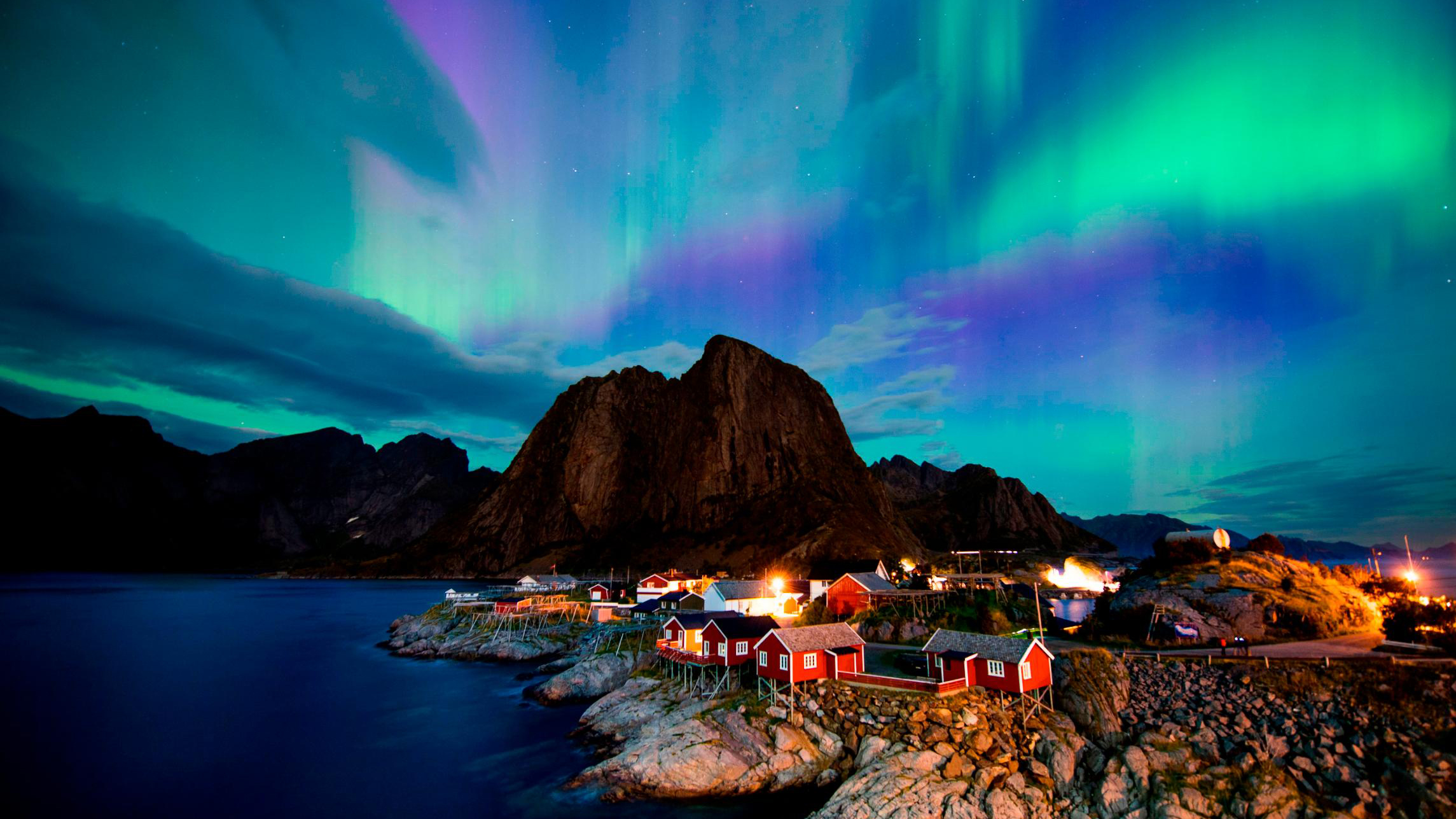
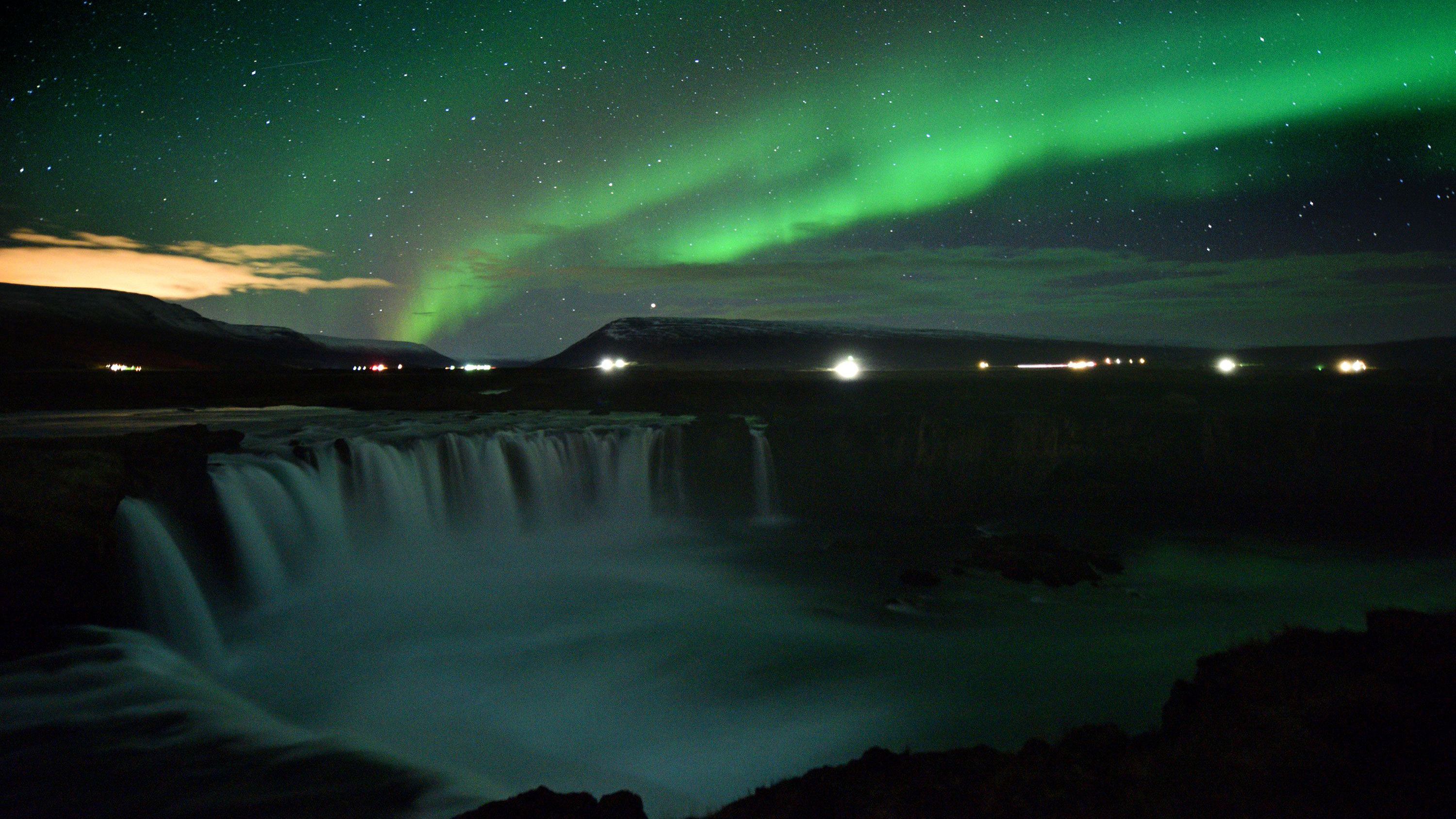
The aurora borealis, or northern lights, could easily be described as Earth's greatest light show.
A phenomenon that's exclusive to the higher latitudes has had scientists in awe and wonder for centuries.
The mystery surrounding what causes the northern lights has been speculated but never proven, until now.
READ MORE: Bezos set to win billionaire space race
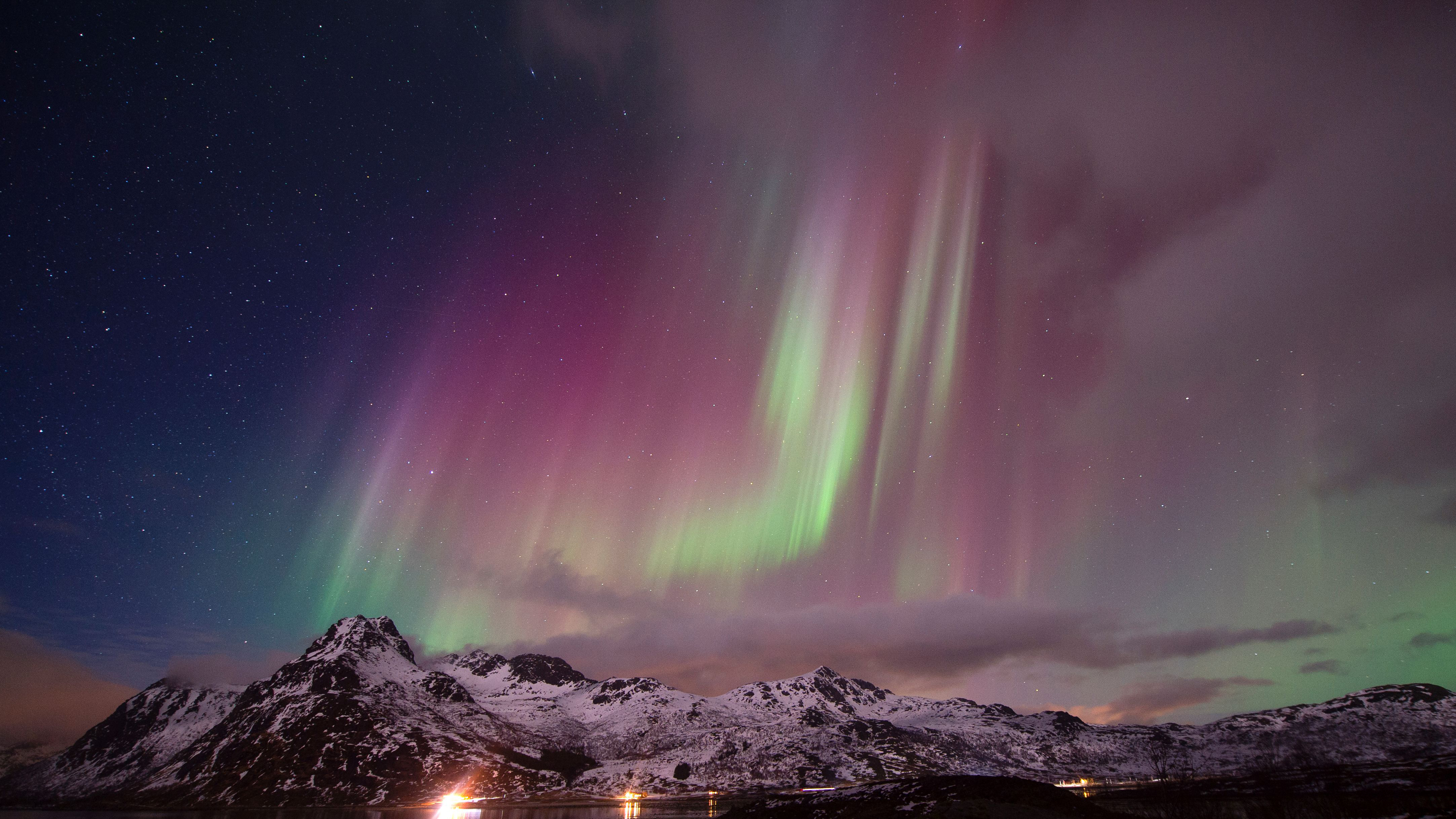
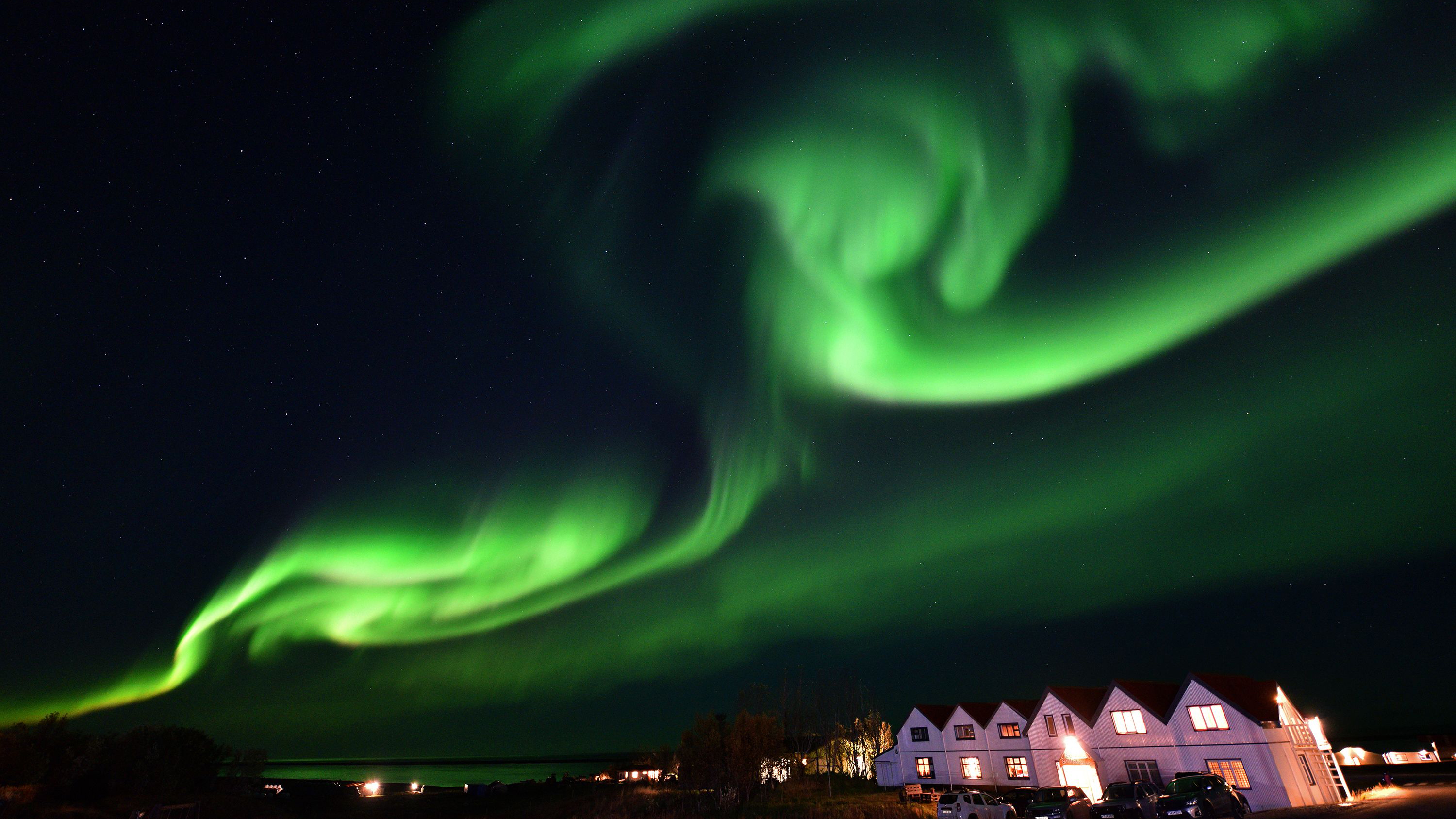
A group of physicists from the University of Iowa, USA have finally proven that the "most brilliant auroras are produced by powerful electromagnetic waves during geomagnetic storms," according to a newly released study.
The study shows that these phenomena, also known as Alfven waves, accelerate electrons toward Earth, causing the particles to produce the light show we know as the northern lights.
"Measurements revealed this small population of electrons undergoes 'resonant acceleration' by the Alfven wave's electric field, similar to a surfer catching a wave and being continually accelerated as the surfer moves along with the wave," said Greg Howes, associate professor in the Department of Physics and Astronomy at the University of Iowa and co-author of the study.
This idea of electrons "surfing" on the electric field is a theory first introduced in 1946 by a Russian physicist, Lev Landau, that was named Landau damping. His theory has now been proven.
Recreating the northern lights
Scientists have understood for decades how the aurora most likely is created, but they have now been able to simulate it, for the first time, in a lab at the Large Plasma Device (LPD) in UCLA's Basic Plasma Science Facility.
READ MORE: Glow-in-the-dark squid launched into space
Scientists used a 20-metre-long chamber to recreate Earth's magnetic field using the powerful magnetic field coils on UCLA's LPD.
Inside the chamber, scientists generated a plasma similar to what exists in space near the Earth.
"Using a specially designed antenna, we launched Alfven waves down the machine, much like shaking a garden hose up and down quickly, and watching the wave travel along the hose," said Prof Howes.
As they began to experience the electrons "surfing" along the wave, they used another specialised instrument to measure how those electrons were gaining energy from the wave.
READ MORE: Captain of Boeing 777 shoots incredible time-lapse
Although the experiment didn't recreate the colourful shimmer we see in the sky, "our measurements in the laboratory clearly agreed with predictions from computer simulations and mathematical calculations, proving that electrons surfing on Alfven waves can accelerate the electrons (up to speeds of 45 million mph) that cause the aurora," said Prof. Howes.
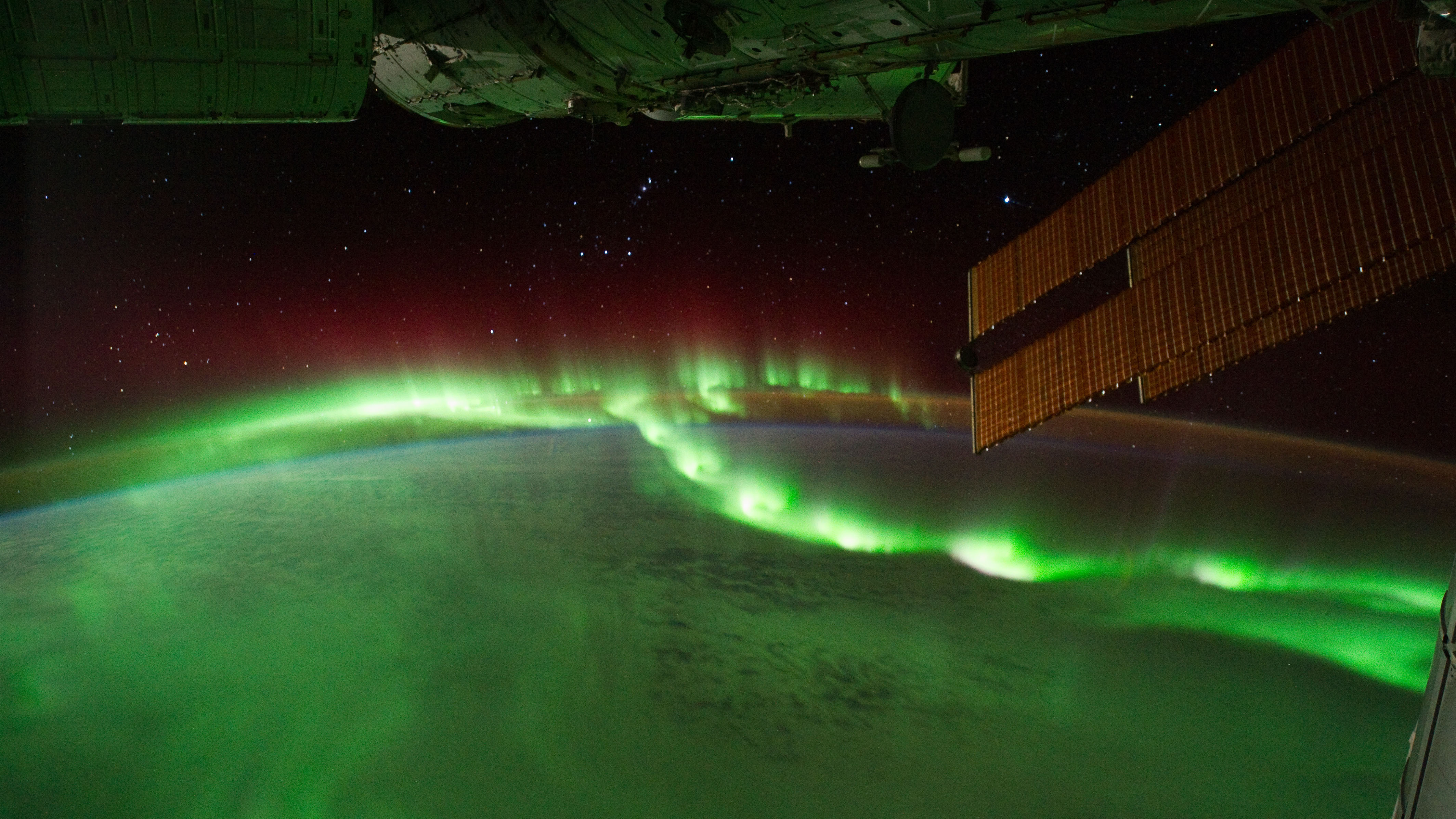
"These experiments let us make the key measurements that show that the space measurements and theory do, indeed, explain a major way in which the aurora are created," said Craig Kletzing, the study co-author.
Space scientists around the country were ecstatic to hear the news. "I was tremendously excited! It is a very rare thing to see a laboratory experiment that validates a theory or model concerning the space environment," said Patrick Koehn, a scientist in the Heliophysics Division of NASA.
"Space is simply too big to easily simulate in the lab."
Mr Koehn said he believes being able to understand the acceleration mechanism for the aurora-causing electrons will be helpful in many studies in the future.
"It does help us understand space weather better! The electron acceleration mechanism verified by this project is at work elsewhere in the solar system, so it will find many applications in space physics. It will be of use in space weather forecasting as well, something that NASA is very interested in," Mr Koehn said in an email to CNN.
A long way to go
Now that the theory of how the illuminating aurora is created has been proven, there's still a long way to go in forecasting how strong each storm will be.
"Predicting how strong a particular geomagnetic storm will be, based on observations of the Sun and measurements from spacecraft between the Earth and the Sun, remains an unsolved challenge," said Prof Howes in an email.
"We have established the link of electrons surfing on Alfven waves about 10,000 miles above the Earth's surface, and now we must learn how to predict the strength of those Alfven waves using spacecraft observations," he added.