Category Archives: headline

UWI to Assist St. Vincent Students

The University of the West Indies (UWI) has formulated a financial aid strategy for new and returning St. Vincent students, who had their lives put on hold by the recent volcanic eruptions on that island.

The financial aid package, which UWI Vice-Chancellor Professor Sir Hilary Beckles recently discussed with St Vincent and the Grenadines Prime Minister Dr. Ralph Gonsalves, will benefit approximately 1,200 Vincentian students enrolled in programs across all the university’s campuses.

A statement from The UWI’s regional headquarters here said that “in August this year, Vincentian students on all campuses will receive a special provision of tuition and accommodation assistance for the academic year 2021/2022 of up to 50 percent, based on each campus’ capacity and students’ individual needs”.

“Vice-Chancellor Beckles also identified that 30 percent of the proceeds from the New York and Toronto fundraising galas would be earmarked to provide specific financial support for students from Saint Vincent and the Grenadines,” it added

Sir Hilary described the initiative as part of The UWI’s overall monitoring and management of the affairs of students from the islands; those pursuing education online, from their homes; and those who will be returning to various landed campuses; and the new, incoming generation of students.

In his dialogue with Prime Minister Gonsalves, he also pledged The UWI’s continued support in the management of the volcanic/seismic activity at the La Soufriere volcano which began erupting explosively in April but has been quieter since earlier this month.

To date, The UWI has provided a range of support including scientific support, mobilizing relief and financial resources towards health care, education and for students displaced by the eruptions.

Sir Hilary also took the opportunity to congratulate the tremendous work of The UWI Seismic Research Centre team on the islands since December 2020, and the relief support team coordinated by Dr. Francis Severin, Deputy Principal of The UWI Open Campus.

He said the financial and material relief support through the “Rally Round SVG” initiative has amassed significant aid to the country already.

Turning attention to the islands’ recovery, Sir Hilary pledged his personal support to the Government of St Vincent and the Grenadines in negotiation and diplomacy with international agencies under the rubric of the Sustainable Development Goals (SDGs) in order to enable the country to get back on its feet after being knocked off its targeted development goals as a result of this seismic crisis.

Prime Minister Gonsalves, himself a UWI alumnus and former lecturer, conveyed his satisfaction with the efforts of The UWI and expressed gratitude on behalf of the nation.

The post UWI to Assist St. Vincent Students appeared first on The St Kitts Nevis Observer.

World View: Gaza Ceasefire, Olympic Mess, Spain-Morocco Migrant Surge, More

May 21, 2021

Alternate text

AP Morning Wire

The Associated Press


The Rundown

I'm an image

GAZA CITY, Gaza Strip (AP) — Palestinians rallied by the thousands early Friday after a cease-fire took effect in the latest Gaza war, with many viewing it as costly but clear victory for the Islamic militant group Hamas over a far more powerful…Read More

I'm an image

The diplomatic flurry was over and Israel’s Benjamin Netanyahu was on the phone telling President Joe Biden that it appeared the furious fighting between Israel and Hamas was about to end. But Biden remained wary even after the afternoon phone c…Read More

I'm an image

TOKYO (AP) — As she struggled to breathe, Shizue Akita had to wait more than six hours while paramedics searched for a hospital in Osaka that would treat her worsening COVID-19. When she finally got to one that wasn’t overwhelmed with other pati…Read More

I'm an image

WASHINGTON (AP) — In the early days of the pandemic, New Jersey Rep. Tom Malinowski scolded those looking to capitalize on the once-in-a-century health crisis. “This is not the time for anybody to be profiting off of selling ventilators, vaccin…Read More

I'm an image

NEW YORK (AP) — For Harry, returning to London to attend Prince Philip’s funeral last month meant once more facing a place where he felt trapped and hunted by cameras. It would be a test of his ability to cope with the anxiety that was bubbling …Read More

OTHER TOP STORIES

BOSTON (AP) — A highly contagious disease originating far from America’s shores triggers deadly outbreaks that spread rapidly, infecting the masses. Shots are available, but a…Read More

FNIDEQ, Morocco (AP) — They are desperate teenagers and jobless men. They come from Morocco’s coastal towns, its mountainous east or even farther away — from sub-Saharan Afric…Read More

WASHINGTON (AP) — Negotiations between the White House and Senate Republicans over President Joe Biden’s $2.3 trillion infrastructure plan are hitting a crucial stage ahead …Read More

WASHINGTON (AP) — The Trump administration Justice Department secretly obtained the 2017 phone records of a CNN correspondent, the network said Thursday in revealing the exist…Read More

The post World View: Gaza Ceasefire, Olympic Mess, Spain-Morocco Migrant Surge, More appeared first on The St Kitts Nevis Observer.

Grenada PM Looks to Construction Sector for Recovery

ST GEORGE’S, Grenada, (CMC) — Grenada’s Prime Minister Dr. Keith Mitchell says the construction sector will play a significant role in Grenada’s economic recovery in the era of the novel coronavirus pandemic.

Mitchell said 2021 could be a watershed year for the Ministry of Infrastructure Development.

“Infrastructure development will lead to economic recovery and job creation. Therefore the Ministry of Infrastructure Development, in collaboration with the Ministry of Finance, must play a significant role. The tourism industry and the services sector have been hard hit by the pandemic.

“It, therefore, means that the public sector investment programme will play a more critical role in job creation through the implementation of the many government projects we have planned and already secured funding for,” Mitchell said as he urged the management team and senior staff to further improve the ministry’s implementation rate.

Mitchell noted that the ministry has already experienced improvement in the implementation rate but that there is room for further improvement.

“Looking ahead, we have to challenge ourselves and measure our performance by the level of implementation. If we can achieve 75 per cent this year, that would be ideal. One of the problems was lack of engineers but we have invested heavily in the technical aspect to address that problem, therefore our rate of implementation should improve significantly this year.”

Prime Minister Mitchell reaffirmed his Administration’s commitment to moving ahead with major infrastructure projects, including a new residence for the governor general, a new police headquarters, fire station and a legal complex.

The post Grenada PM Looks to Construction Sector for Recovery appeared first on The St Kitts Nevis Observer.

Air Canada to Resume Flights to L. America, Caribbean

Air Canada has announced that it will resume flights to Mexico, Cuba, and other Caribbean destinations that were previously suspended due to the agreement with the Canadian government to ground most sun flights during the Covid-19 pandemic.

The airline updated its schedule online for June and July, which has several new routes added to popular sun destinations from Toronto and Montreal.

Air Canada To Resume Flights To Cancun and Other Caribbean Destinations

Where will flights be resuming?

Cuba

Air Canada will resume its weekly flight to Varadero and Cayo Coco starting July 3 from Toronto and Montreal

Cuba has made it easier for Canadian tourists to visit by removing the pre-flight PCR testing requirement for Canadian visitors and making it easy for Canadians to get the pre-flight PCR test they need to return home.

beach in cuba

Cancun, Mexico

On June 26th, Air Canada will resume flights to Cancun, Mexico four times a week from Toronto and Montreal.

Cancun has been one of the most popular destinations for travelers during the Covid-19 pandemic, setting a record high in March with 1.5 million visitors.

It is currently open for tourism with no entry requirements but could see new restrictions amid a surge in Covid-19 cases.

Dominican Republic

Flights to Punta Canada, Dominican Republic will resume four times a week from Toronto and Montreal starting on June 26th.

beach in dominican republic

The Dominican Republic has been another one of the top destinations for Americans this past winter, making it easy for tourists to visit with no quarantine and free insurance.

Covid-19 entry requirements for the Dominican Republic

Jamaica

Flights will resume to Montego Bay, Jamaica five times a week on July 1st from Toronto only.

While Jamaica is open for tourism, it’s not as easy to visit compared to Mexico and the Dominican Republic. Since opening, they have added new testing rules and mandatory insurance for travelers visiting the country.

Jamaica island, Montego Bay

Here’s everything you need to know about visiting Jamaica during Covid-19

Bermuda

Weekly flights to Bermuda will resume on July 3rd from Toronto only.

Bermuda is open for tourism but has some of the strictest travel requirements in the Caribbean, including five tests and a quarantine.

Here’s everything you need to know about traveling to Bermuda during Covid-19

The drone aerial view of Bermuda island and the Gibbons lighthouse

Flight Resumptions Are Based on Prediction of travel Restrictions Easing

Air Canada told PAX news that the schedule is based on a prediction that travel restrictions will ease by then.

“As we’ve done since the onset of the pandemic, we will continue to dynamically adjust capacity as the situation evolves,” said Lucie Guillemette, executive vice-president and CCO at Air Canada.

“Looking ahead, we are optimistic about the continued vaccine rollout in Canada and around the world, the guidance supporting vaccinated travel from health agencies, including the CDC and the European Medicines Agency, and the increased adoption and acceptance of vaccine passports.Once the critical mass of Canadians is vaccinated and the number of COVID cases begin to flatten which the government’s modeling predicts could be this summer, we anticipate restrictions and lockdown measures will begin to be lifted.”

Air Canada also updated its booking policy last month with an extension of its policy that allows customers to make a one-time change without a fee for new and existing bookings made through May 31st, 2021 for travel until May 31st, 2022.

If a flight is canceled or rescheduled by more than three hours, customers have the choice of receiving a refund, an Air Canada Travel Voucher, or the equivalent value in Aeroplan Points with a 65% bonus.


The post Air Canada to Resume Flights to L. America, Caribbean appeared first on The St Kitts Nevis Observer.

Hospital staff 'should have checked for blood clots', say SA family

South Australian health experts say it is "highly unlikely" that the blood clots an Adelaide man has suffered was connected to his recent coronavirus vaccine.

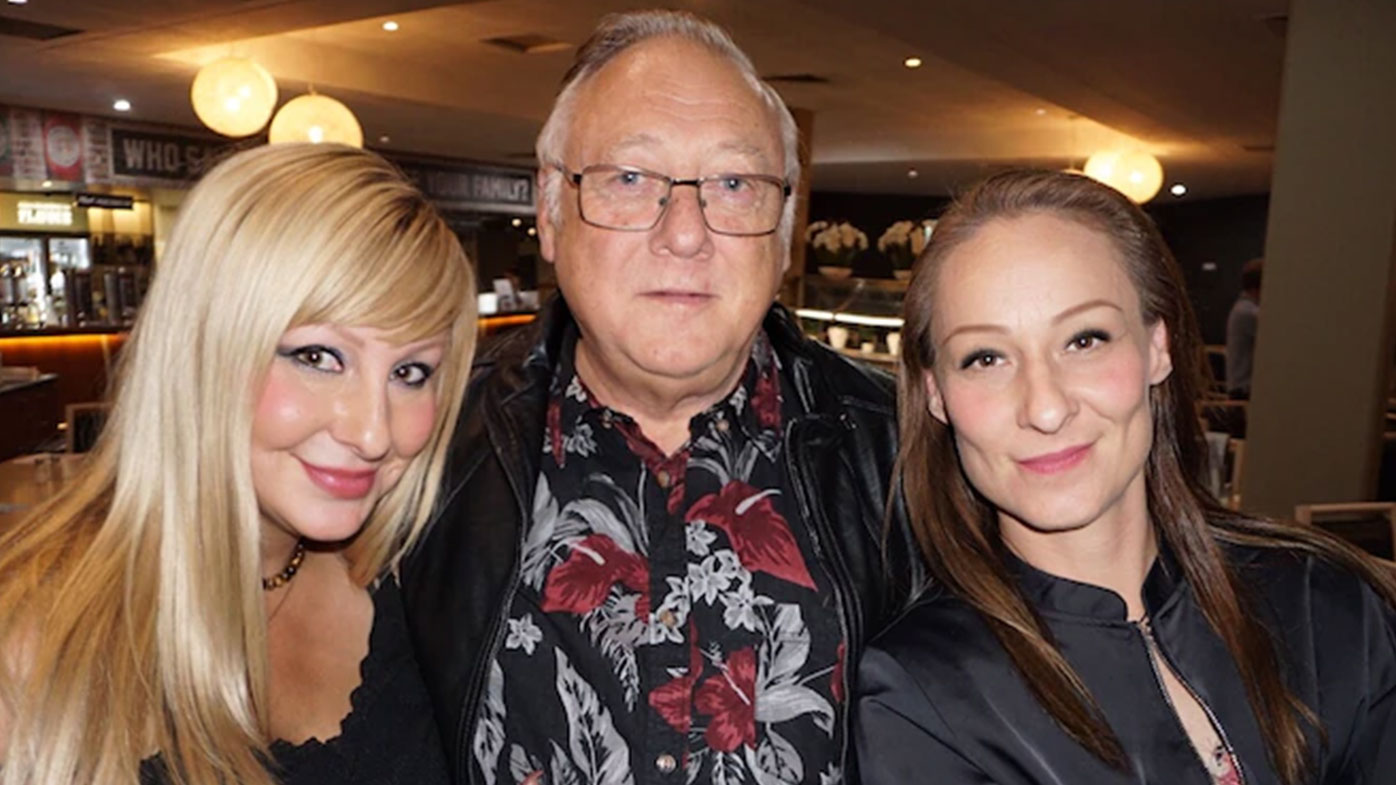
Clive Haddon is on life support at Royal Adelaide Hospital after suffering a stroke following an operation to remove blood clots.

His daughter is now rushing home from Queensland trying to get back to say goodbye before his life support is switched off.

READ MORE: Student nurse's AstraZeneca blood clot hell

Clive Haddon and two of his daughters.

Mr Haddon went in an ambulance to Modbury Hospital last week bleeding and with severe abdominal pain.

He was told he had a urinary tract infection and was sent home.

But after his condition worsened on Saturday, he was rushed back to hospital, where doctors began removing blood clots.

His family said doctors and nurses were told each time he was in hospital that'd he'd had the AstraZeneca vaccine.

They are now arguing that the vaccine and his symptoms mean medical staff should have checked for blood clots from the outset.

"If he had proper treatment on the Thursday night, he would definitely be in a better position than he is right now," his daughter Michelle told 9News.

South Australia's Deputy Chief Public Health Officer Michael Cusack said it was "highly unlikely that his recent illness is linked to the AstraZeneca vaccine".

READ MORE: 'The snakes will follow': Ominous sequel to NSW mouse plague

Soaring International Prices Fuels Cuban Food Crisis

Marc Frank

Soaring international food and shipping prices and low domestic production are further squeezing import-dependent Cuba’s ability to feed its people.

Cuba traditionally imports by sea around 70% of the food it consumes, but tough U.S. sanctions and the pandemic, which has gutted tourism, have cut deeply into foreign exchange earnings.

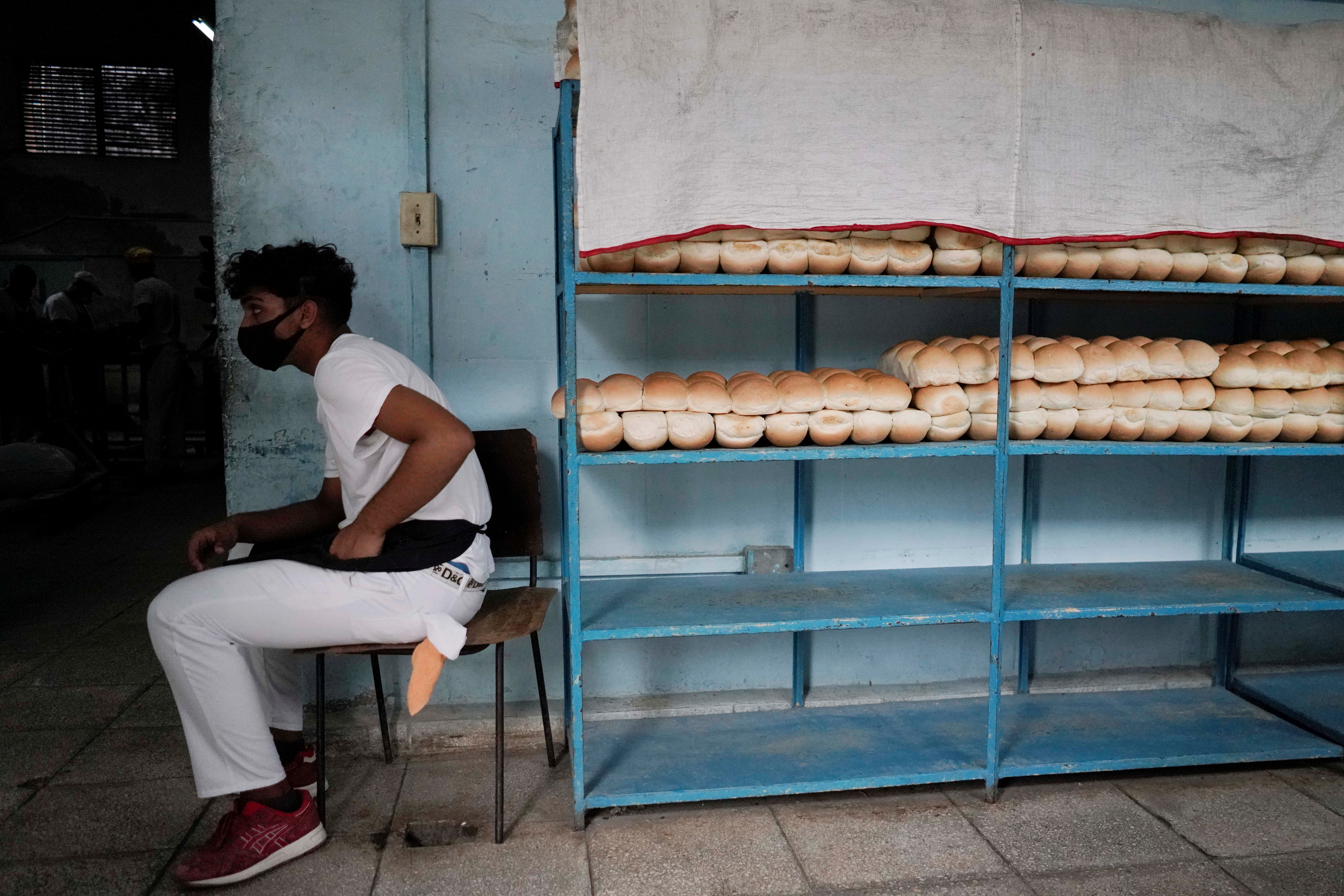
For more than a year Cubans have endured long waiting lines and steep price rises in their search for everything from milk, butter, chicken and beans to rice, pasta and cooking oil. They have scavenged for scant produce at the market and collected dwindling World War II-style food rations.

This month the Communist-run government announced flour availability would be cut by 30% through July.

Diorgys Hernandez, general director of the food processing ministry, said when he announced the wheat shortage that “the financial costs involved in wheat shipments to the country” were partly to blame.

That was bad news for consumers who had been buying more bread to make up for having less rice, pasta and root vegetables at the dinner table.

“People eat a lot of bread and there is concern there is going to be a shortage of bread because that is what people eat the most,” Havana pensioner and cancer survivor Clara Diaz Delgado said as she waited in a food line.

Cuba does not grow wheat due to its subtropical climate. The price of the commodity was $280 per tonne in April, compared with $220 a year earlier.

The government has also said the sugar harvest was short of the planned 1.2 million tonnes by more than 30%, coming in at less than a million tonnes for the first time in more than a century.

Cuba will have trouble making up for a shortage of domestically produced sugar as international prices are around 70% higher than a year ago.

COST OF SHIPPING

Adding to the pain, the cost of international container shipping is up as much as 50% over the last year and bulk freight more.

The U.N. Food and Agriculture Organization reported its international food price index was up 30.8% through April compared with the same month last year, and the highest since May 2014.

The Cuban state has a monopoly on foreign trade and purchases around 15% of the food it imports from the United States for cash under a 2000 exception to the trade embargo.

John Kavulich, president of the U.S.-Cuba Trade and Economic Council, which follows the trade, said sales fell 36.6% last year to $163.4 million, compared with 2019. They recovered in the first quarter, reaching $69.6 million, though that represented less food due to higher prices.

Chicken, Cuba’s most important U.S. import, is badly affected. A U.S. businessman who sells chicken to Cuba said he shipped drumsticks at 24 cents a pound in January and 48 cents in April. He did not wish to be named.

“Resuming global demand, increased prices for product inputs and labor shortages suggest that commodity prices will not decrease soon,” Kavulich said.

The economy declined 11% last year and according to local economists contracted further during the first trimester of 2021 as a surge in the new coronavirus kept tourism shuttered and much of the country partially locked-down.

The government reported that foreign exchange earnings were just 55% of planned levels last year, while imports fell between 30% and 40%.

Incoming container traffic was down 20% through April, compared with last year, according to a source with access to the data, who requested anonymity.

The government has not published statistics for the notoriously inefficient and rustic agricultural sector since 2019 but scattered provincial and other reports on specific crops and livestock indicate substantial declines for rice, beans, pork, dairy and other Cuban fare.

This was confirmed by a local expert who requested anonymity and said output was down by double digits due to a lack of fuel and imported fertilizer and pesticides.

The post Soaring International Prices Fuels Cuban Food Crisis appeared first on The St Kitts Nevis Observer.

Farmers forced to dump tonnes of fruit

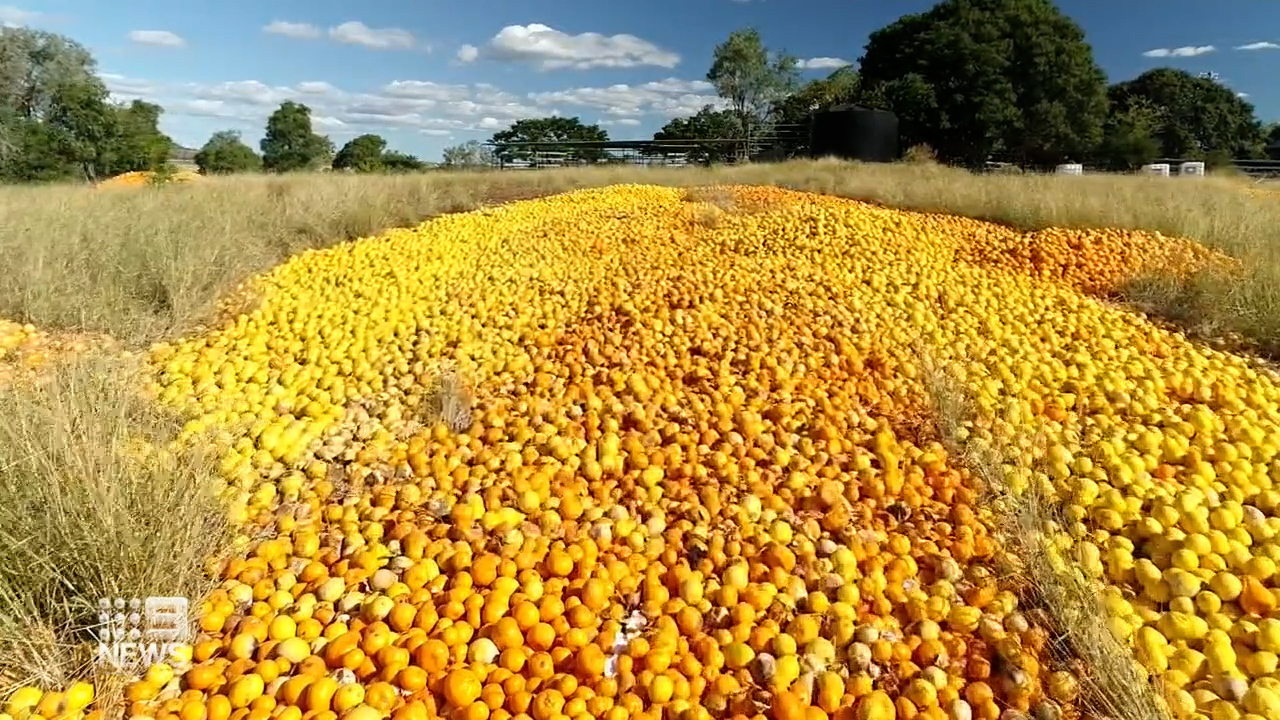
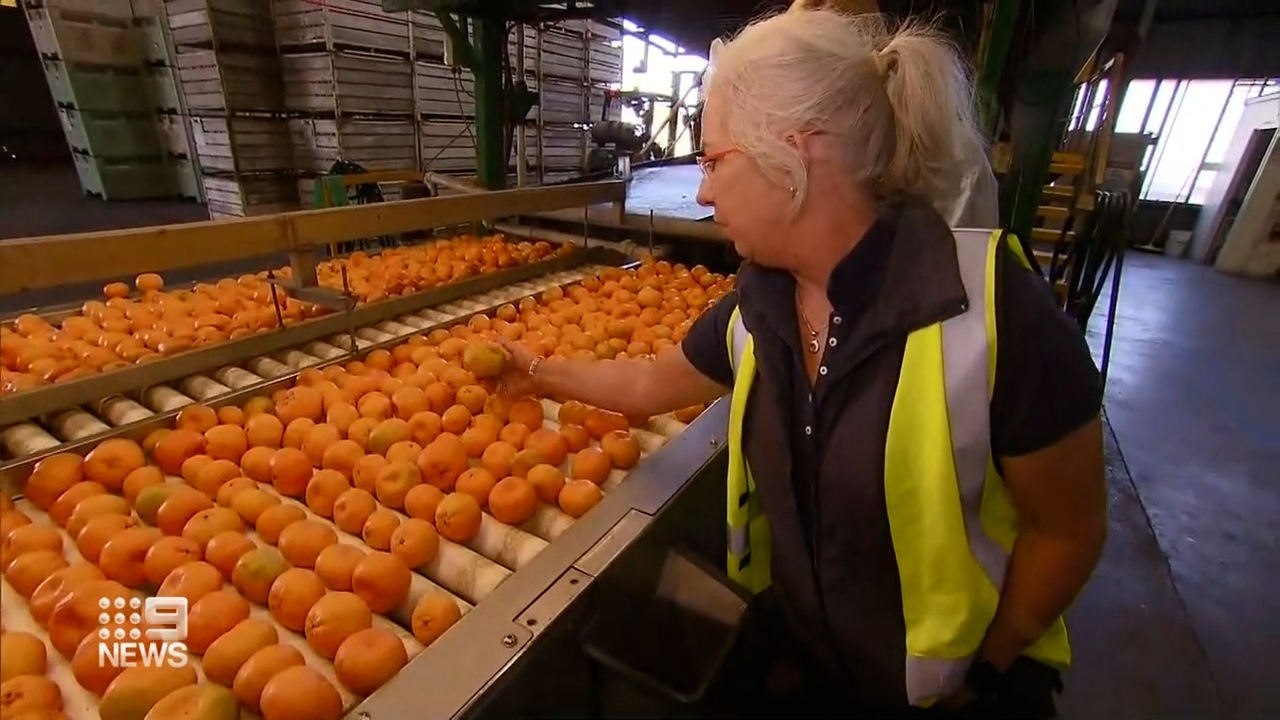
Hundreds of tonnes of Australian citrus fruit is being dumped due to labour shortages and a lack of demand at supermarkets.

Across Queensland's North Burnett region, the country's largest citrus supplier, entire paddocks of mandarins, lemons and grapefruits rot on the ground, deemed unsellable.

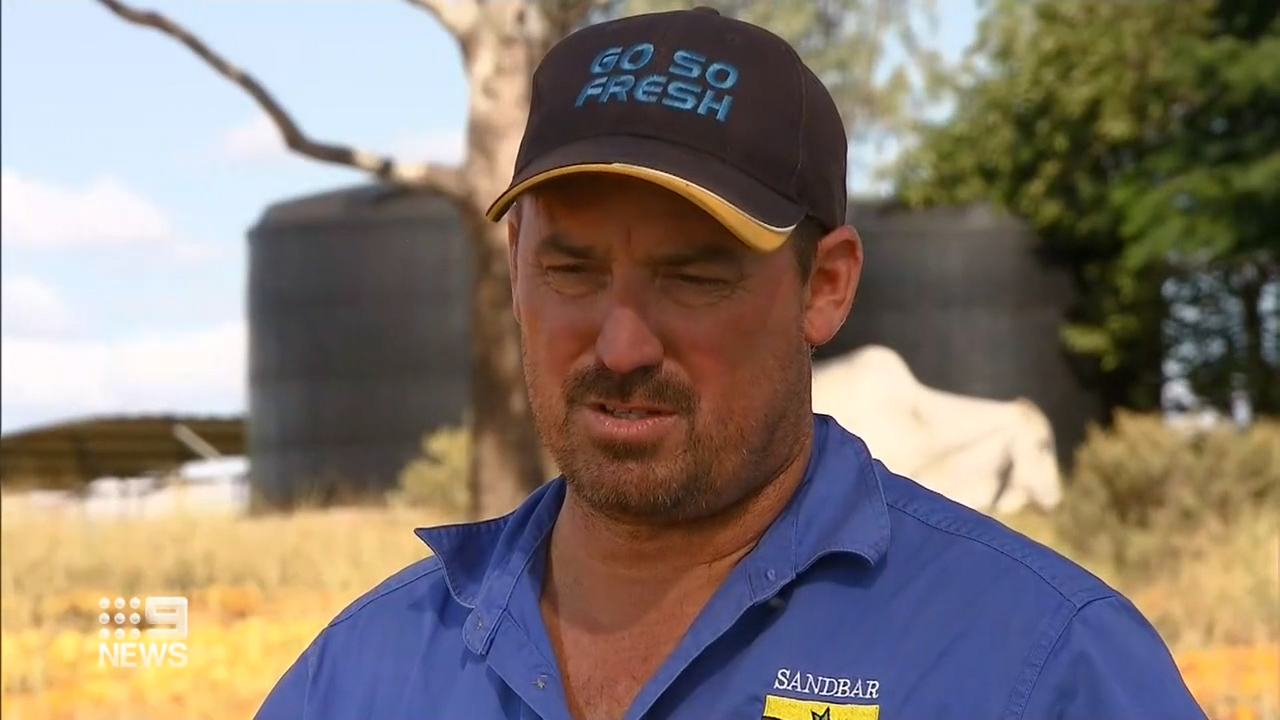
Citrus grower Bevan Young said a shortage of workers early on pushed harvest later into the season which has created an oversupply of fruit as Queensland growers are forced to compete with fruit from other regions.

READ MORE: Palaszczuk on why she hasn't had COVID-19 jab amid growing pressure

Farmers dumping tonnes of citrus fruit due to labour shortagesFarmers dumping tonnes of citrus fruit due to labour shortages

He said it's likely he'll have to toss half his crop.

"The returns are as bad as I have seen them," Mr Young said.

Citrus farmers have conceded they don't expect to turn a profit this season but are hopeful for next year if they get support from the government to expand quarantine facilities for seasonal workers.

Farmers dumping tonnes of citrus fruit due to labour shortages

"In the long term we would like to see a regional hub which could services at least this state (Queensland), but other states too," Nathan Hancock from Citrus Australia said.

Consumers can do their part by choosing more Australian fruit at the checkout.

US: Medical Care Legislation for Officials Hit with ‘Havana Syndrome’

(CNN) A bipartisan group of lawmakers has unveiled legislation to boost medical care for those afflicted with “Havana syndrome,” charging that the Trump administration failed to do enough to care for CIA officers and State Department diplomats struck by the inexplicable illness.

Maine GOP Sen. Susan Collins and the leaders of the Senate Intelligence Committee introduced a bill on Thursday that would authorize the CIA and the State Department to provide injured employees with more financial support for brain injuries

House Intelligence Chairman Adam Schiff, a California Democrat, is introducing a companion measure in the lower chamber.

While an initial wave of incidents beginning in 2016 affected US personnel abroad in Cuba, China and Russia, there have been new possible cases reported on US soil — including two potential incidents CNN first reported that occurred late last year near the White House.

The Senate Intelligence Committee said last month that the number of incidents where US officials have suffered mysterious symptoms consistent with “Havana syndrome” appeared to be increasing.

Federal investigators have struggled for years to understand who or what was causing the strange array of symptoms and sensory experiences that some diplomats and intelligence officers were reporting while stationed overseas — including vertigo, headaches, nausea and sometimes a “piercing directional noise.”

Some victims of these episodes have suffered lingering and serious health problems, including traumatic brain injury, and have been forced to retire from service.

Several victims and former officials have publicly accused the CIA and the State Department under Trump of failing to take their injuries seriously. One official with direct knowledge of incidents said that victims who reported were treated as if they were “crazy.”

Until recently, victims were denied medical care at Walter Reed National Military Medical Center and the National Institutes of Health, forcing them to muddle through a series of physicians in the private sector to try to find a diagnosis — and relief — for their ongoing symptoms.

“Some of the victims did not receive the financial and medical support they should have expected from their government when they first reported their injuries. This is an outrageous failure on the part of our government to care for those who serve,” Collins, a Senate Intelligence panel member, said on the Senate floor introducing the legislation.

The new Senate legislation is sponsored by Collins, Senate Intelligence Chairman Mark Warner of Virginia, the panel’s top Republican, Sen. Marco Rubio of Florida, and New Hampshire Democratic Sen. Jeanne Shaheen. The House’s bill has a half-dozen Democratic co-sponsors, including House Foreign Affairs Chairman Gregory Meeks of New York, as well as Rep. Devin Nunes of California, the Intelligence Committee’s top Republican.

Lawmakers on the Intelligence and Armed Services committees have grown increasingly frustrated with the government’s handling of these cases.

Committee members and some victims say there has been a marked difference in the handling of the cases — and the investigation into their cause — since CIA Director William Burns was confirmed earlier this year. Burns committed publicly to getting to the bottom of the mystery during his confirmation hearing and is receiving daily briefings on the matter. The CIA’s chief medical officer, who faced criticism that he was too skeptical of victims’ accounts, also announced his retirement in recent weeks.

But the cause of these episodes remains a point of debate and investigation. And victims and some lawmakers are still seeking accountability for the agency’s alleged failures under then-CIA Director Gina Haspel to care for victims.

“The bill demonstrates that the US government may finally take seriously the long-term health care needs of the victims,” said Marc Polymeropoulos, a longtime CIA officer who was struck by the hallmark symptoms of Havana syndrome in Moscow in 2017 and was forced to retire. “And, given the moral injury that we have all faced of initially not being believed by our own agencies, we are grateful that a bipartisan group of senators has been so resolutely supportive.”

Even now, officials responsible for tracking and investigating these cases are on the lookout for psychosomatic episodes, current and former officials say. Because the array of symptoms that victims report is so inconsistent — and because intelligence and military officials are still struggling to understand what technology is at work here — diagnosing the cases remains an inexact science.

The bill would require the CIA and the State Department to create regulations “detailing fair and equitable criteria for payment” to victims. It would also require the departments to report to Congress how they are using their new funding authorities — including telling Congress the number of employees and dependents who received payments, according to a copy of the bill reviewed by CNN.

Intriguingly, the statement from Collins and Warner announcing the legislation refers to the episodes as “probably microwave attacks,” offering a degree of certainty about the technology underpinning these episodes that the intelligence community has been reluctant to assign. Although some officials in the Defense Department are convinced that microwave energy is responsible, a number of scientists and academics have publicly criticized that explanation as unsupported by the evidence.

The post US: Medical Care Legislation for Officials Hit with ‘Havana Syndrome’ appeared first on The St Kitts Nevis Observer.