A weather bomb off New Zealand is expected to bring “very strong” southeasterly winds and heavy swells – potentially higher than four metres – to parts of the North Island later this weekend.”A low-pressure system develops northeast…
Category Archives: headline
Palaszczuk on why she hasn't had COVID-19 jab amid growing pressure
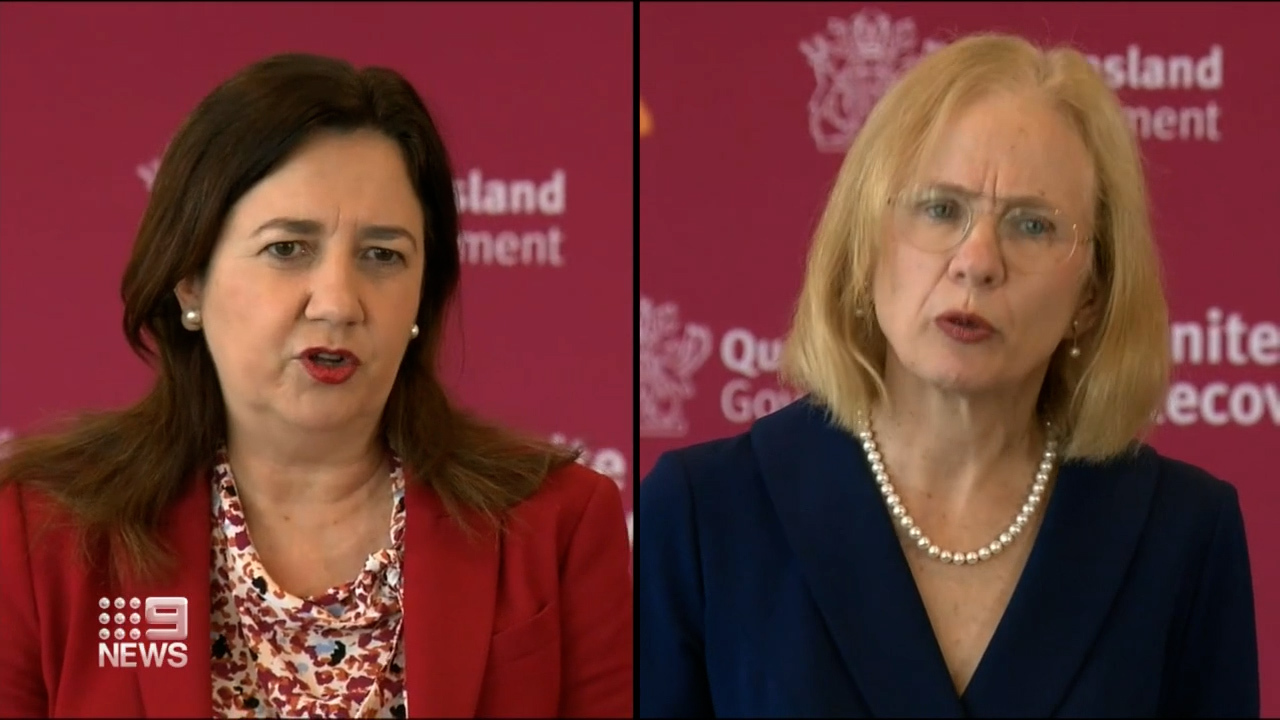
Pressure is mounting on Queensland's premier and chief health officer to receive the COVID-19 vaccine, despite their insistence they are waiting to receive their flu shot first.
Annastacia Palaszczuk is the only eligible Australian premier or chief minister yet to receive the vaccine and CHO Dr Jeanette Young is also yet to receive her vaccine despite being part of the phase 1B health response group.
"I will be getting my flu shot with Dr Young first next week," Ms Palaszczuk said this morning, reiterating comments she has made previously.
READ MORE: India grapples with 'black fungus' drug shortage as cases rise among COVID patients
"A lot of people are getting their flu shots first because we're coming into flu season.
"I'll be doing that and then I'll be getting my COVID vaccine."
The two vaccines must be spaced out.
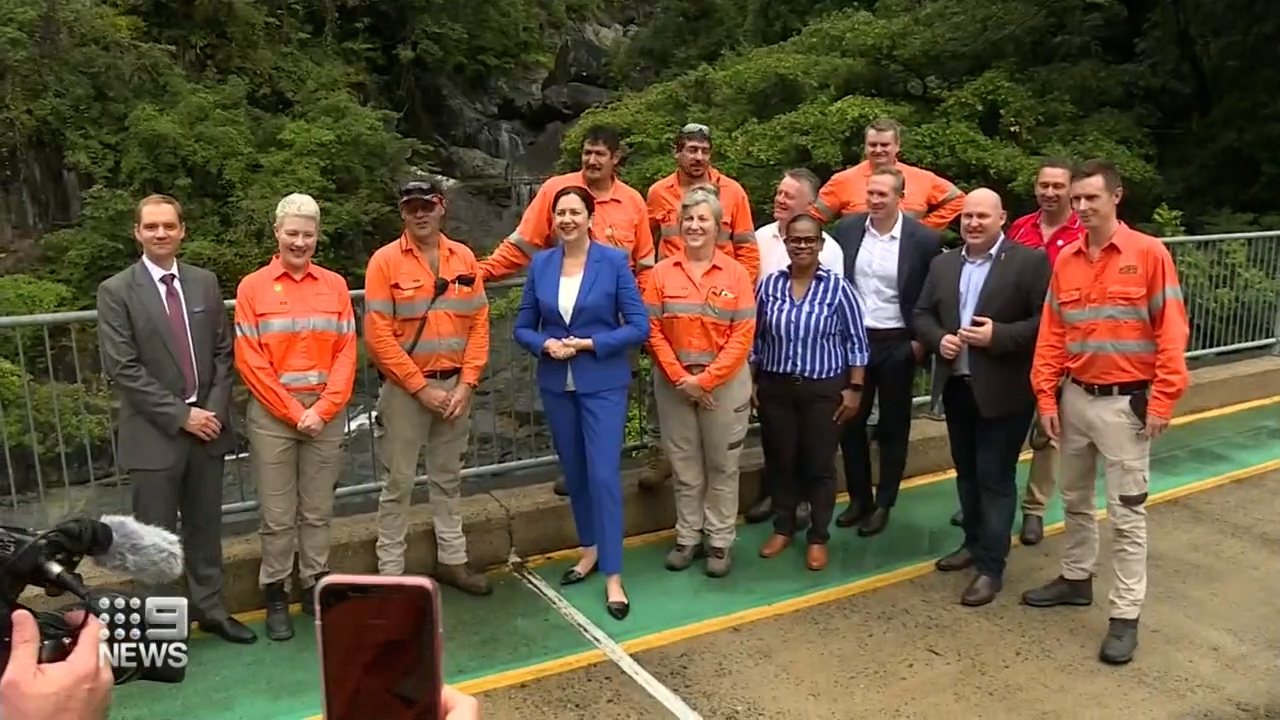
9News has confirmed Dr Young is set to receive the Pfizer vaccine, not the AstraZeneca, as she is part of phase 1B.
Ms Palaszczuk said Dr Young was "happy to wait her turn just like everybody else".
"She's not on the vulnerable category like other people are so she'll get her vaccine at the appropriate time," she said.
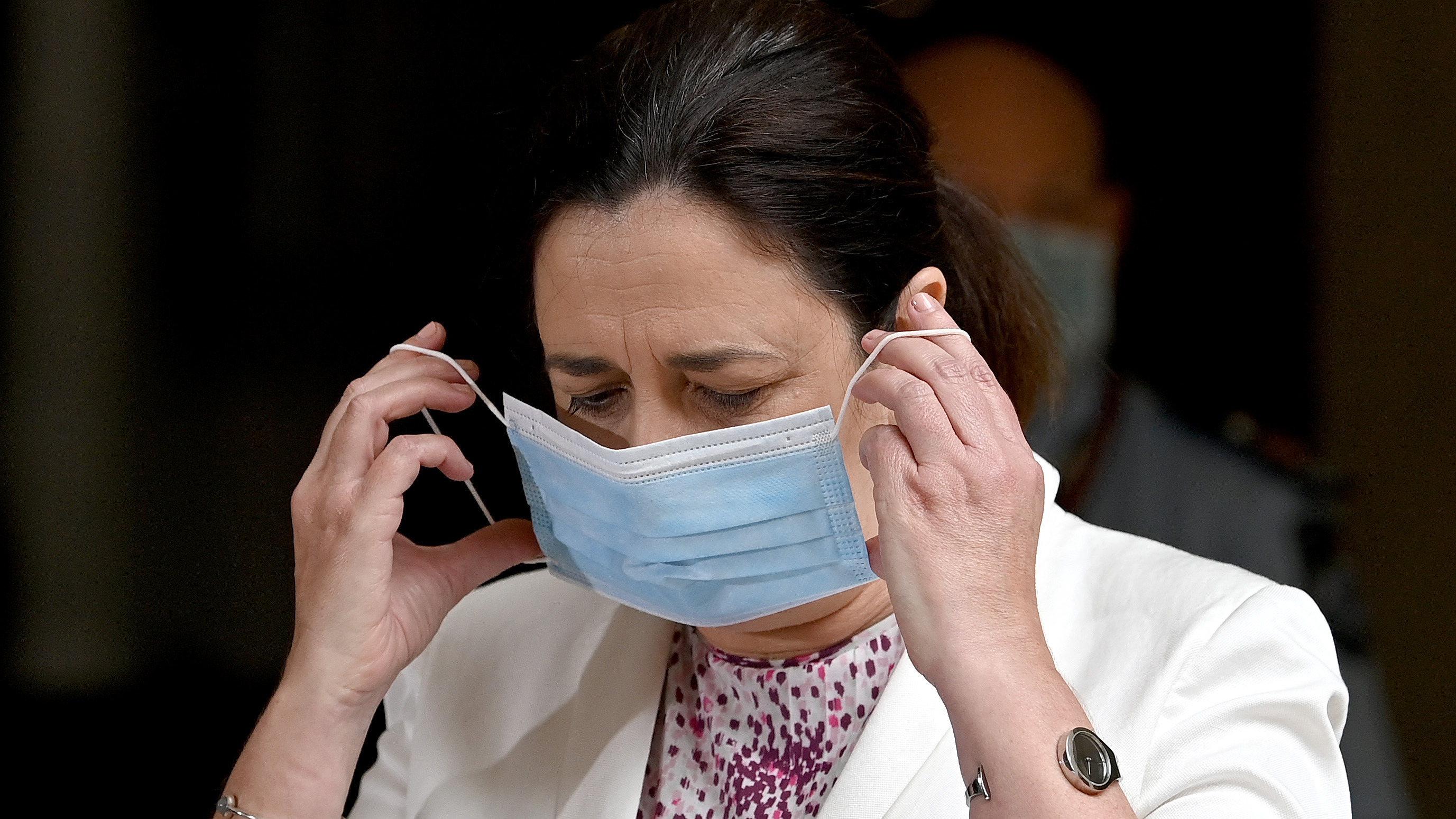
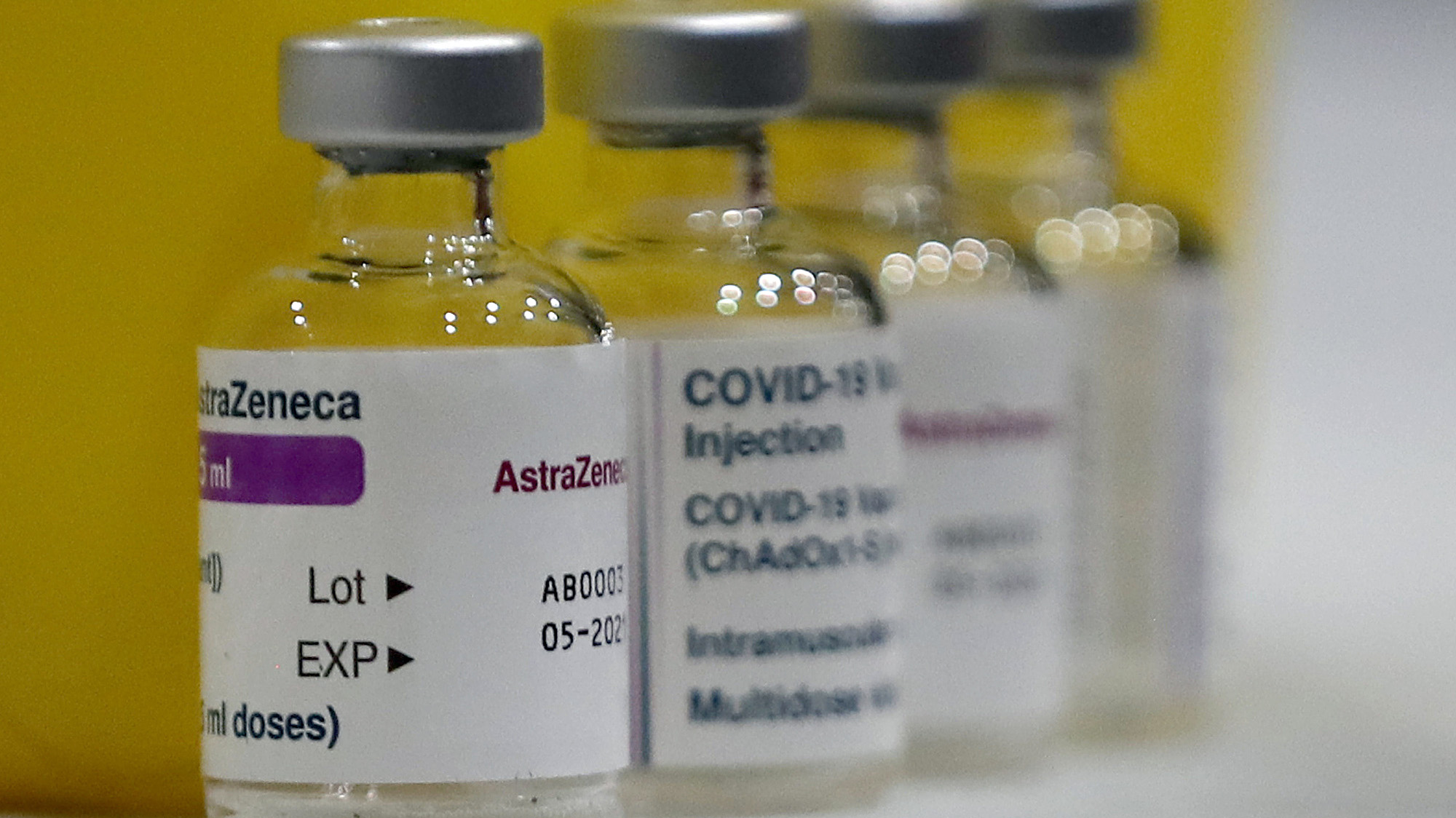
The news comes after the TGA confirmed six more blood clot cases – four with links to the AstraZeneca vaccine and the other two with probable links to the AstraZeneca vaccine.
Despite the development, the health advice remains that people should visit their GP and receive their vaccination as soon as they are eligible.
'Roll your sleeve up'
Federal MP Peter Dutton today criticised the pair for not having had their vaccinations, saying they had let Queenslanders down.
"I really don't understand the premier's position. I think in a position of leadership it is important, particularly now, to demonstrate that leadership and to make sure that you lead by example," he said.
"They need to, I think, go out today, roll their sleeve up and make a very public statement about the fact that they have got the vaccine and encourage other people to do it."
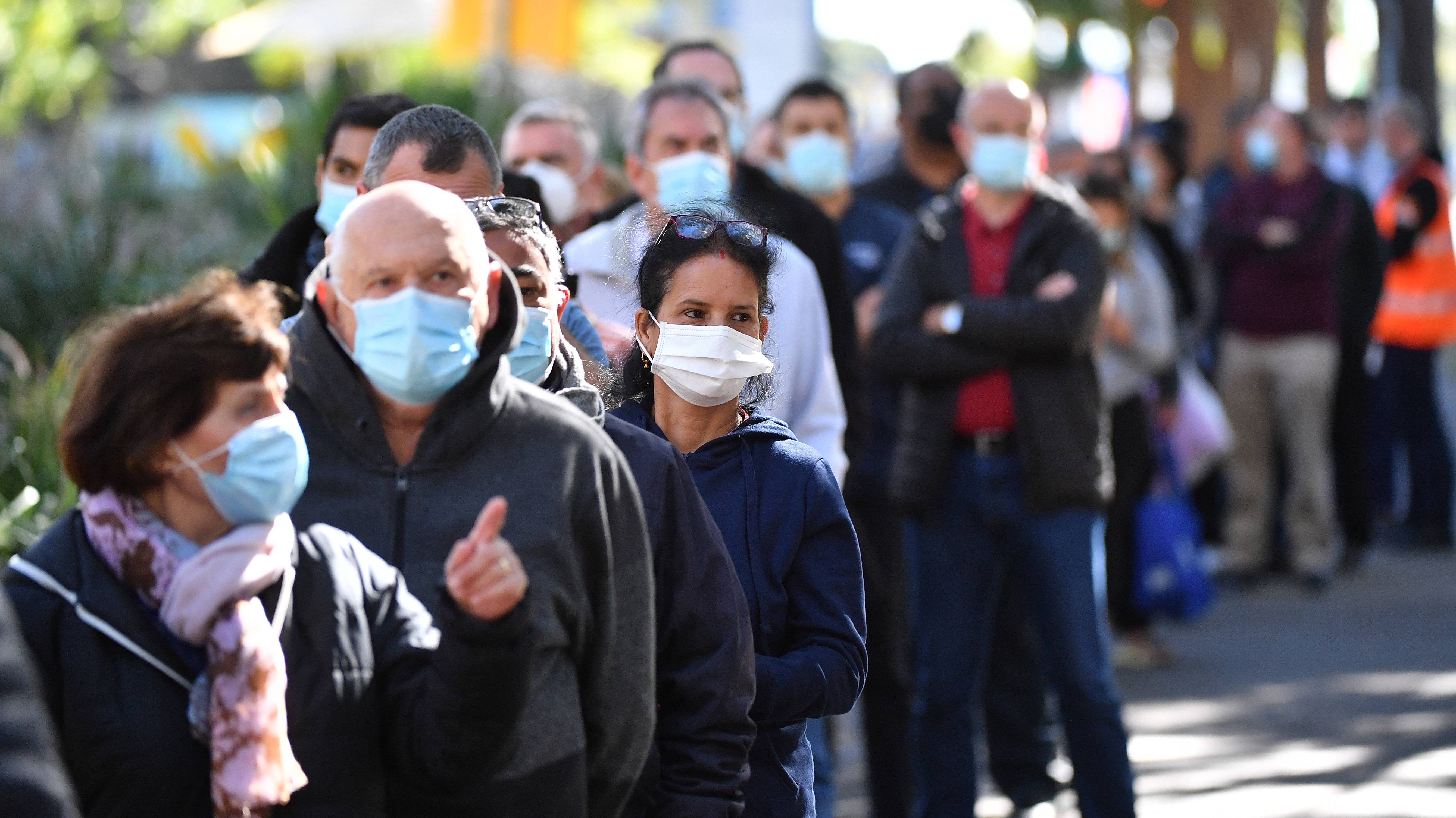
Prime Minister Scott Morrison today urged older Australians to get vaccinated.
"By early next week we will have vaccinated more than half the over-70s population in Australia and very soon we will have fully completed the vaccination of all those in residential aged care facilities," he said.
READ MORE: Cancer fraudster Belle Gibson's home raided by authorities
"This is important because these are our most vulnerable populations.
"I would encourage families to have that discussion with their elderly parents."
He declined to comment on Dr Young receiving the Pfizer vaccine, saying only that being in phase 1B meant she could pick either.
Anyone over 50 as well as people in phase 1A and phase 1B are now eligible to be vaccinated. Check if you are eligible here.
Herald afternoon quiz: May 21
Test your brains with the Herald’s afternoon quiz. Be sure to check back on nzherald.co.nz for the morning quiz tomorrow. To challenge yourself with more quizzes, CLICK HERE.
US warship backs up Biden's tough words in South China Sea
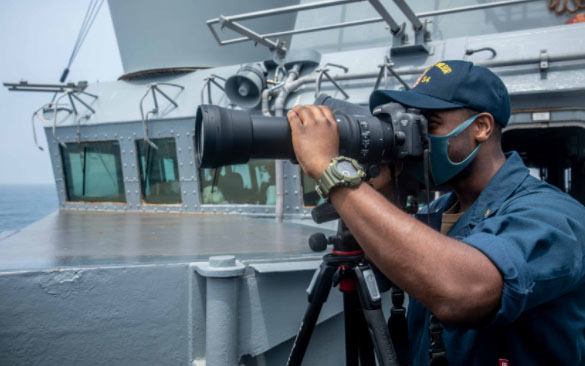
A US Navy warship has sailed near disputed Beijing-controlled islands in the South China Sea – just hours after US President Joe Biden said the US must protect open access to the waterway.
The guided-missile destroyer USS Curtis Wilbur performed what the US Navy calls a "freedom of navigation" operation near the Paracel Islands, asserting "navigational rights and freedoms… consistent with international law," Lieutenant Nicholas Lingo, spokesperson for the US Seventh Fleet, said in a statement.
China calls the Paracels, in the north-western portion of the South China Sea, the Xisha Islands.
READ MORE: China has deep-sea purpose for claim over disputed sea

They have been under Beijing's control for more than four decades – despite competing claims from Vietnam and Taiwan – and China has fortified them with military installations.
Beijing, which claims almost all of the South China Sea as its territory, said the movement of the US warship violated its sovereignty.
"US behaviour violates international law and basic norms of international relations, increases regional security risks, and are prone to misunderstandings, misjudgments, and accidents at sea," Tian Junli, spokesperson of the People's Liberation Army's Southern Theatre Command, said in the statement.
But Mr Biden, in a speech at the US Coast Guard Academy on Wednesday, accused China – and also Russia – of "disruptive actions" challenging decades-old international rules protecting maritime commerce in the South China Sea and other waterways.
https://twitter.com/USPacificFleet/status/1395250111651844099?ref_src=twsrc%5Etfw
"Longstanding, basic maritime principles like freedom of navigation are a bedrock of a global economic and global security," Mr Biden told the graduating class at the academy in New London, Connecticut.
"When nations try to game the system or tip the rules in their favour, it throws everything off balance.
"It's of vital interest to America's foreign policy to secure unimpeded flow of global commerce.
"And it won't happen without us taking an active role to set the norms of conduct, to shape them around democratic values, not those of autocrats."
READ MORE: From polar bears to nuclear bombers: Russia's minus-42-degree Arctic base transformed
Lieutenant Lingo, the US Navy spokesperson, emphasised that point in his statement yesterday.
"Unlawful and sweeping maritime claims in the South China Sea pose a serious threat to the freedom of the seas, including the freedoms of navigation and overflight, free trade and unimpeded commerce, and freedom of economic opportunity for South China Sea littoral nations," he said.
Yesterday's operation was the third conducted against Chinese claims in the South China Sea this year, a Department of Defence spokesperson told CNN.
'The snakes will follow': Ominous sequel to mouse plague
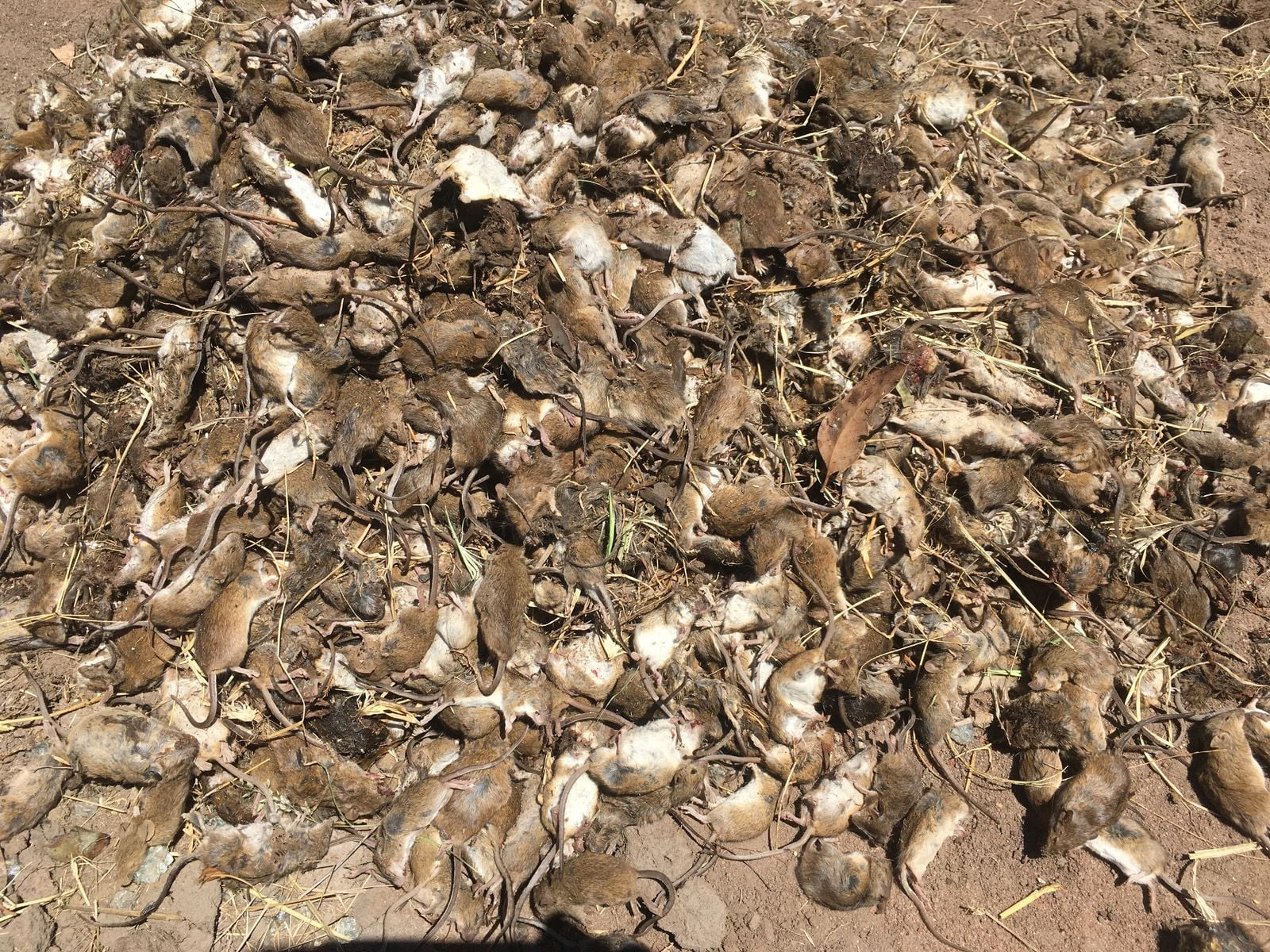
As the mouse plague continues to ravage western New South Wales, pest control experts have played down fears the rodents could roll over the mountains to Sydney – but there's an ominous warning about what might come next.
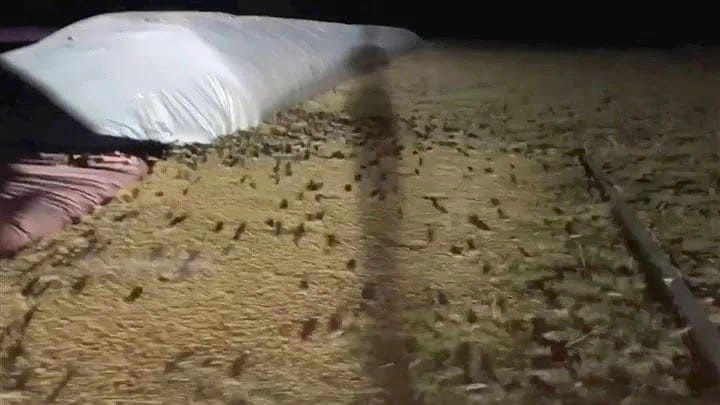
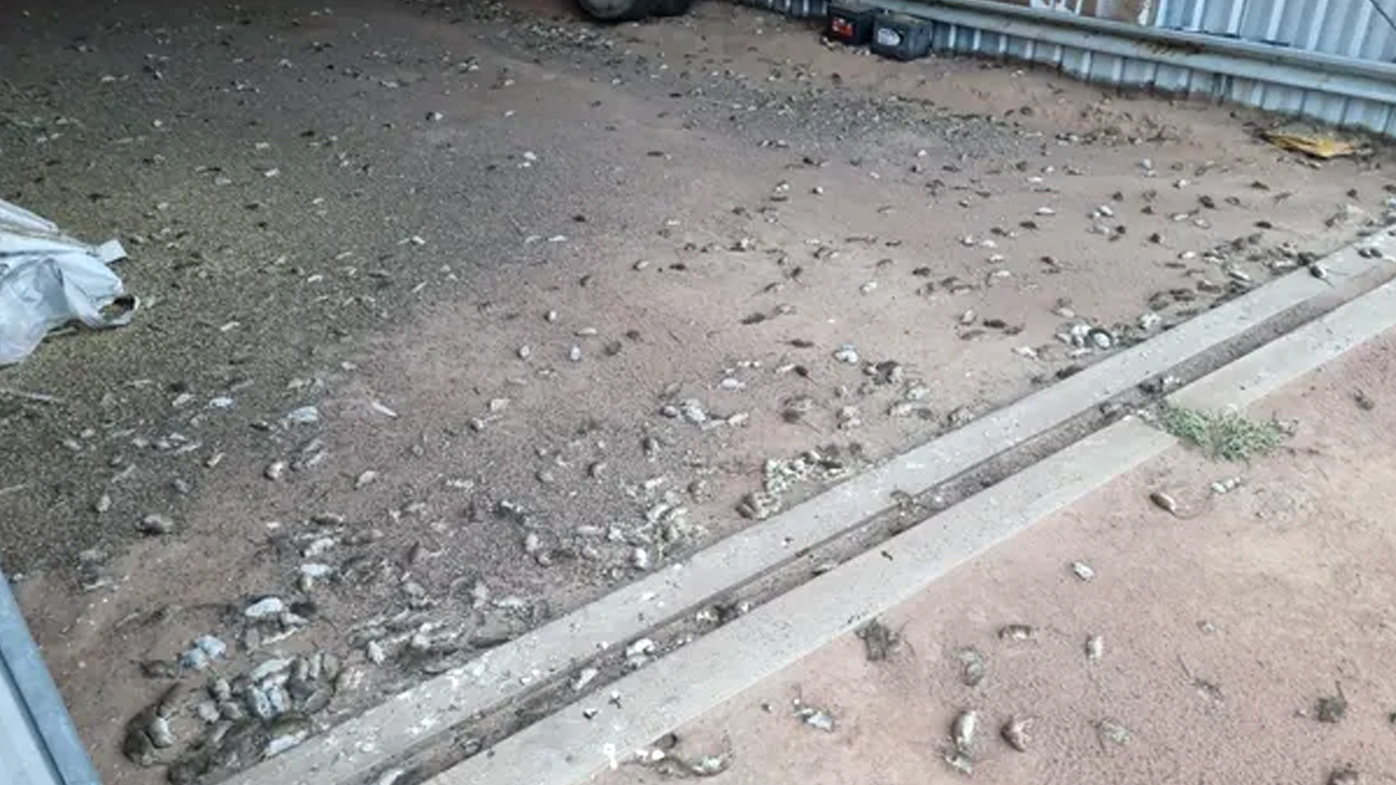
Footage of the mega-mischiefs of mice tearing through crops and infesting homes and vehicles in rural NSW have made headlines worldwide.
Farmers have estimated their losses of fodder and stored grain as worth up to $150,000 apiece, an especially hard blow coming as it did on the back of the best crop many have had for years after an extended drought.
READ MORE: Winter may sound death knell for giant NSW mouse plague
There have been reports the mouse plague could continue pressing on, eventually even reaching Sydney after hitching a ride on food trucks.
However, Pestworks spokeswoman Anna told nine.com.au it was unlikely to be the case.
"This time of year, we do treat more rodent infestations," she said.
"But it spikes because it's a seasonal thing, they are coming indoors for warmth. I don't think there's a correlation."
Gerard Dallow from Sydney-based Micropest told nine.com.au that he had previously worked in South Australia's wheat belt area, where mouse infestations were a more frequent occurrence.
READ MORE: Farmers to get access to free poison to tackle mouse plague
"This is fairly normal for South Australia, it doesn't happen so much in NSW," he said.
"The mice aren't likely to leave the food sources and head into the city."
He said mouse numbers in regional NSW were likely to take a hit during winter – and come summer-time, the mice would turn from predators to prey.
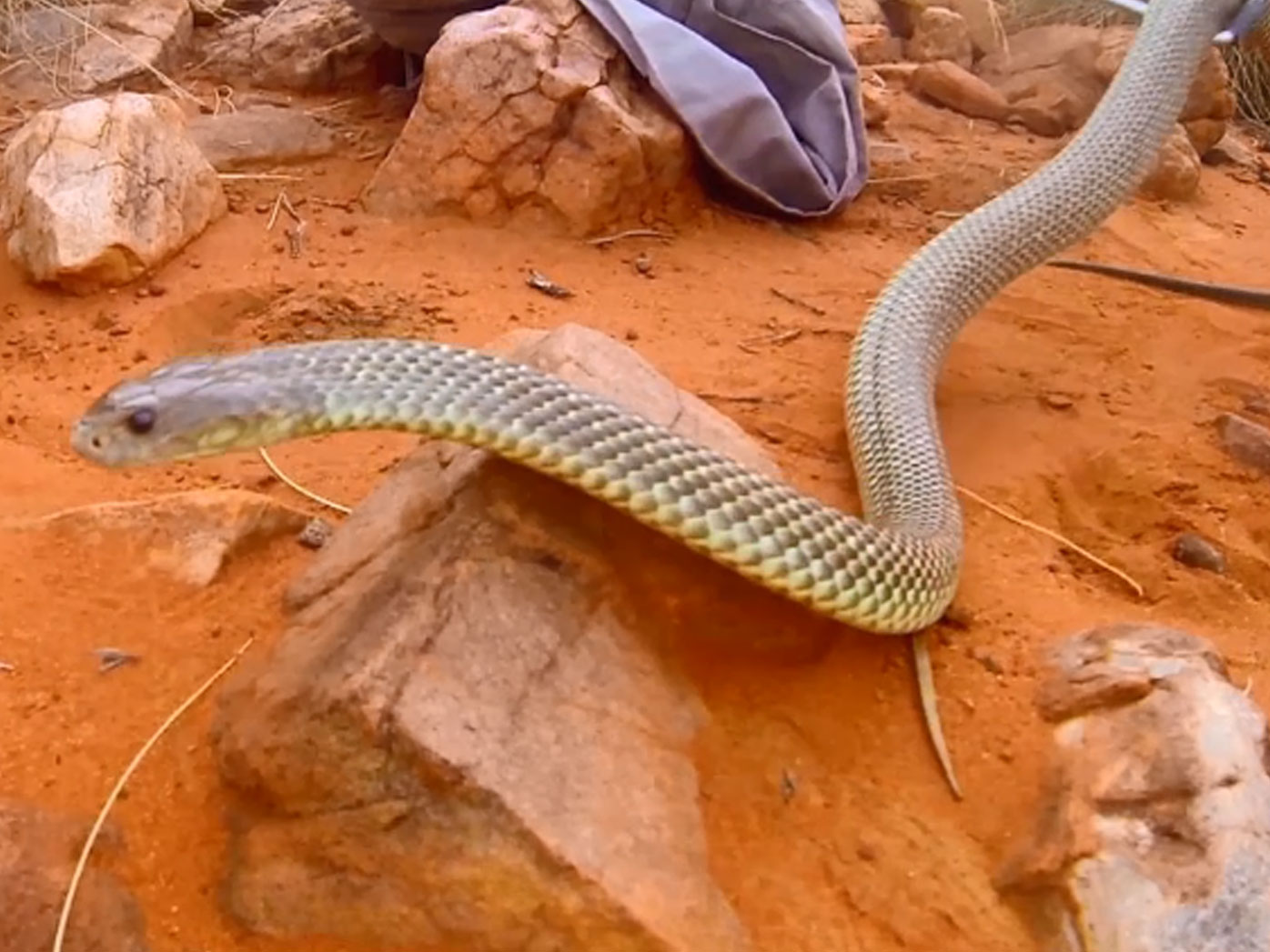
"After the mice, the snakes will follow," he said.
Essentially, a plague of snakes is set to follow the plague of mice.
Snakes are of course less damaging to crops and homes, but could still be a cause for concern for people.
Professor Karl Vernes, a senior lecturer in mammal ecology and conservation at the University of New England, previously told nine.com.au the mouse population was likely to diminish during colder months, but that it was "hard to know" when the plague would end.
"Mice are driven by the same constraints as other animals – food, shelter and resources," Professor Vernes said.
"If those things are there they will go on breeding."
Nine.com.au has contacted the CSIRO for comment.
Relief from 'scourge' mouse plague on the way for NSW farmers
Regional areas in NSW badly affected by the mouse plague will soon receive some relief, as the state government prepares to roll out 20 grain treatment sites.
Pending approval from the Australian Pesticides and Veterinary Medicines Authority (APVMA) for the use of bromadiolone around crops, the sites will use perimeter baiting in combination with zinc phosphide.
Bromadiolone is a rodenticide that has been specially manufactured to kill rats and mice.
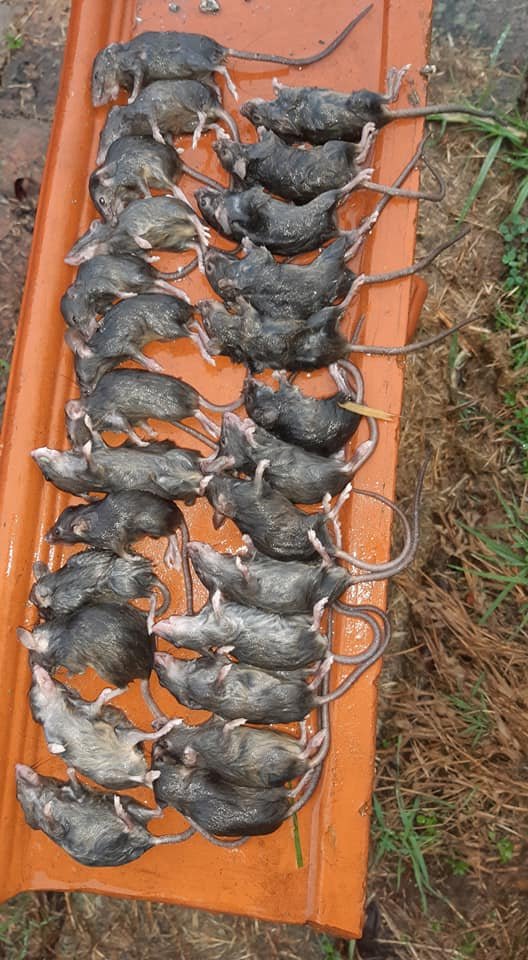
READ MORE: Thousands of mice captured in giant water trap on NSW farm
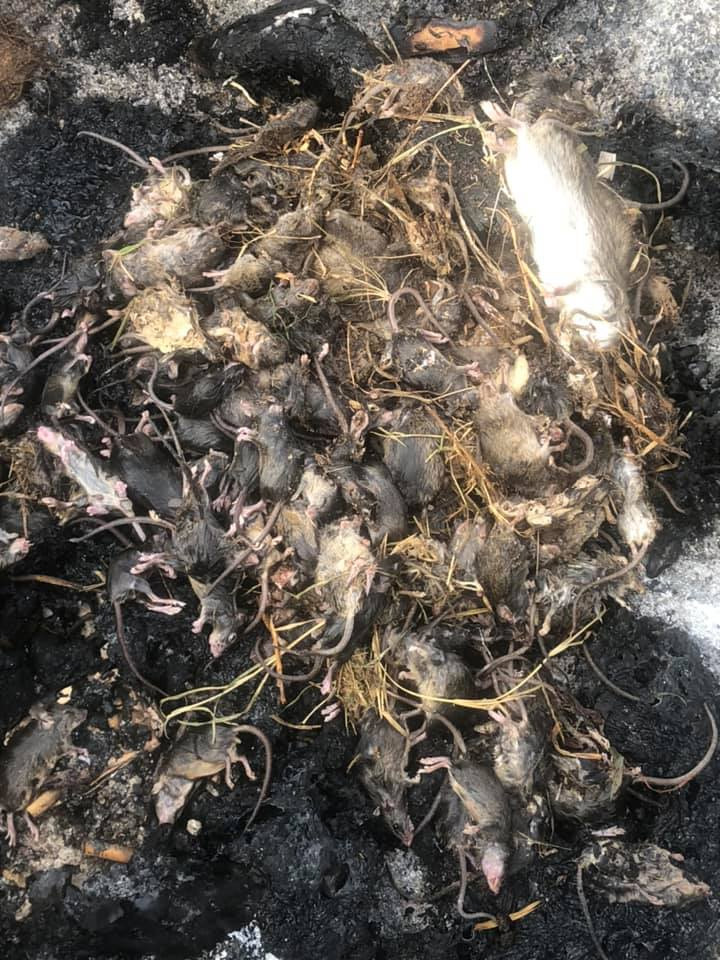
The substance works by disrupting the recycling of vitamin K, which prevents the animal's blood from clotting.
It can be lethal from just one day's feeding and is toxic to all mammals.
Minister for Agriculture Adam Marshall said farmers desperate for some respite from the pests will be able to have their grain treated for free and those living in the worst affected regions will be prioritised.
"Instead of the initially suggested eight to 10 sites, we've now made our grain treatment even easier for farmers to access and doubled that number to 20," Mr Marshall said.
"These mice are a scourge on our regional communities, but these 20 sites will be strategically located throughout the state's most affected areas, from Warialda to Jerilderie, and Condo to Scone, to help ease the burden.
"When I'm on the ground talking to farmers, they tell me they need additional weapons against this pest and bromadiolone will help achieve that alongside zinc phosphide."
However, Mr Marshall warned that the scheme is still "entirely up to APVMA approval".
READ MORE: Rat's nest found in engine after car fire
If given the green light, the program will be rolled out "in a matter of days", he added.
"We have already secured 5,000 locally-sourced litres of bromadiolone, with an additional 5,000 litres arriving from overseas in the coming days, so our certified staff will be ready to start treating grain completely free of charge for farmers."
High priority site locations include Condobolin, Coonabarabran, Coonamble, Dubbo, Forbes, Gunnedah, Holbrook, Inverell, Jerilderie, Merriwa, Moree, Mudgee, Narrabri, Narrandera, Nyngan, Scone, Tamworth, Wagga Wagga, Walgett and Warialda.
Farmers can register for grain treatment at www.lls.nsw.gov.au/mice or by calling their nearest Local Land Services office.
Sites will operate in rotation and by appointment to ensure safe chemical handling and access for staff and customers.
India sees 'rapid increase' in virus-related 'black fungus'
Several Indian states are facing shortages of a drug used to treat black fungus, a rare and potentially fatal infection that is increasingly being detected in COVID-19 patients, health authorities in the country have warned.
The infection, known by doctors as mucormycosis, had been seen in India before the pandemic, but cases are mounting rapidly in coronavirus patients and those who have recently recovered.
It is caused by mould found in wet environments and can attack the respiratory tract, particularly of those with compromised immune systems.
READ MORE: Brother of Aussie who died from COVID-19 in India 'devastated'
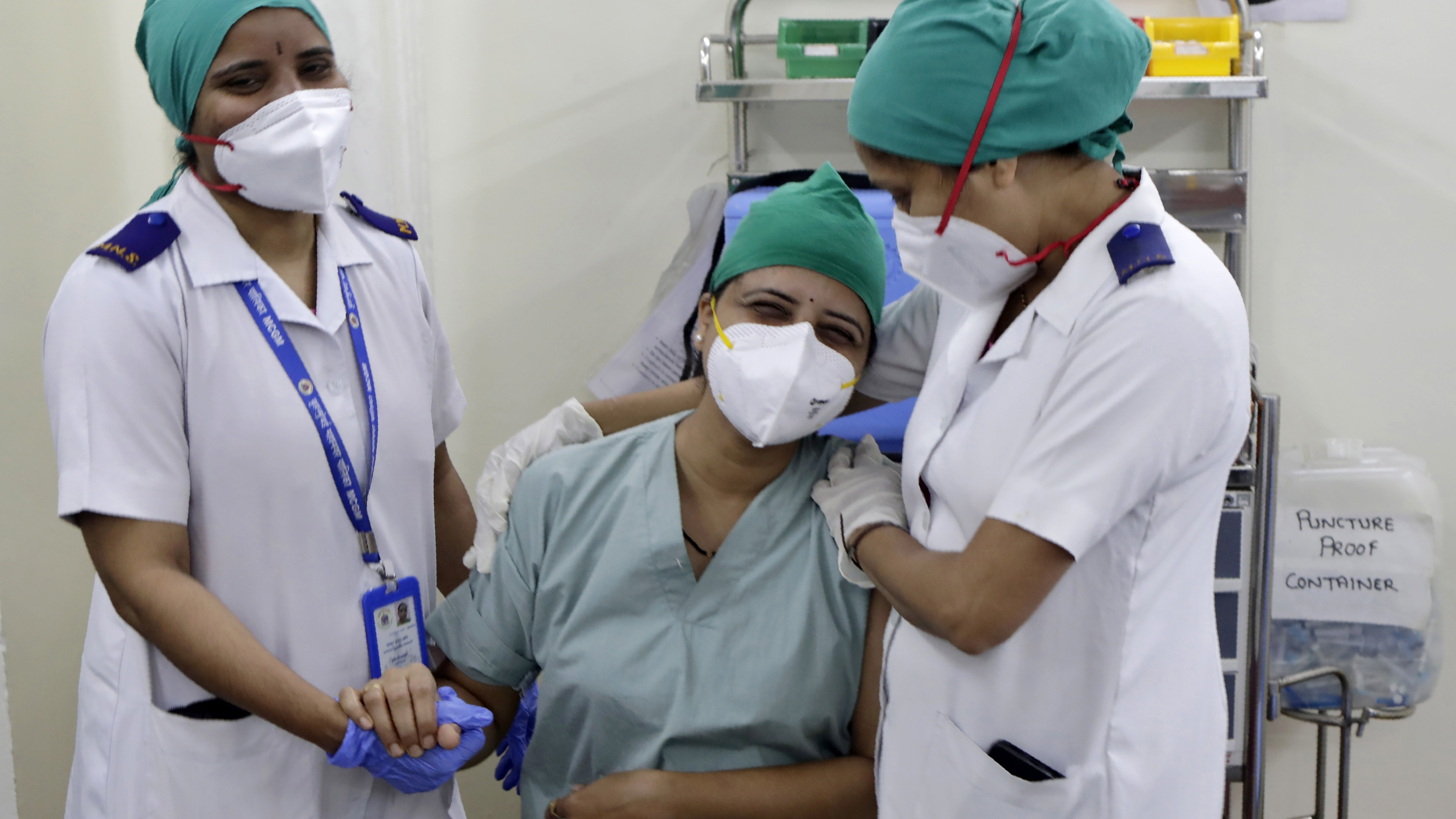
At least 90 people have died of black fungus in the western state of Maharashtra, which includes the bustling financial centre Mumbai and has been hit hard by the pandemic, said the state's health minister Rajesh Tope on Wednesday.
At least 800 people are currently hospitalised with the infection.
READ MORE: Australian cricketers touch down in Sydney after leaving India
Some 2000 cases have so far been recorded, according to local health officials.
"We are now getting 100 cases daily on average," Dr Tatyarao Lahane, a senior state health official, told CNN.
The state of Rajasthan, which has also reported cases of black fungus, has declared it an epidemic and a "notifiable disease".
Two other states, Haryana and Telangana, have also declared it a notifiable disease, to be reported to the central Indian government.
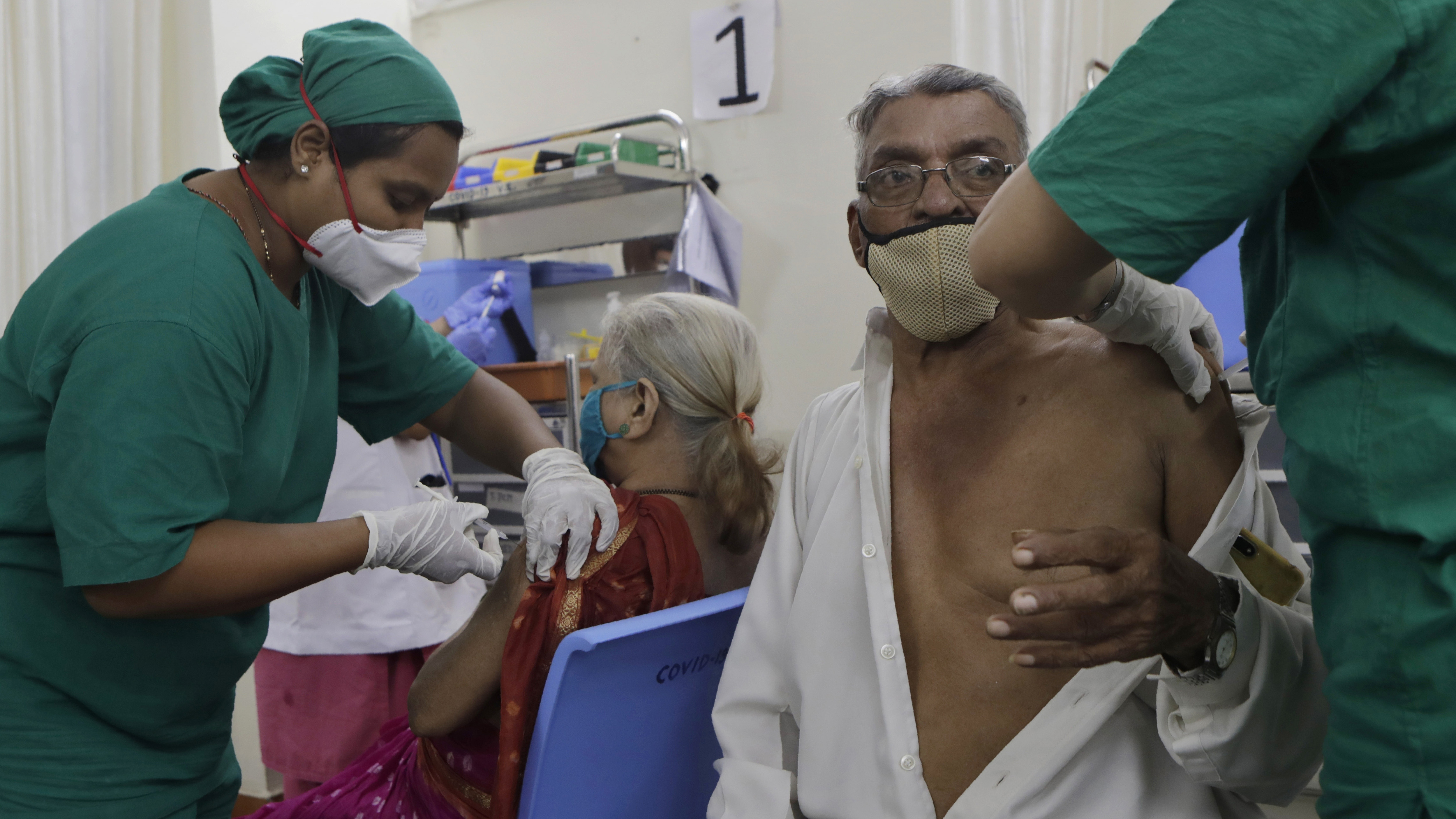
Some 115 cases were found in Haryana and at least 150 in Telangana, according to state officials.
Black fungus cases have also been found in New Delhi, according to Padma Srivastava, head of the department of neurology at the All India Institute Of Medical Sciences in the capital.
READ MORE: Wealthy Indians shut out of Maldives as COVID-19 cases surge
"Every single day in emergency it is average 20 and above (cases reported)," Mr Srivastava told local media, adding a separate ward had been created for black fungus patients at the hospital.
Supplies of the antifungal drug amphotericin B are now arriving in Maharashtra, but there had been an initial shortage as such case numbers had not been anticipated, said Dr Lahane, the state official.
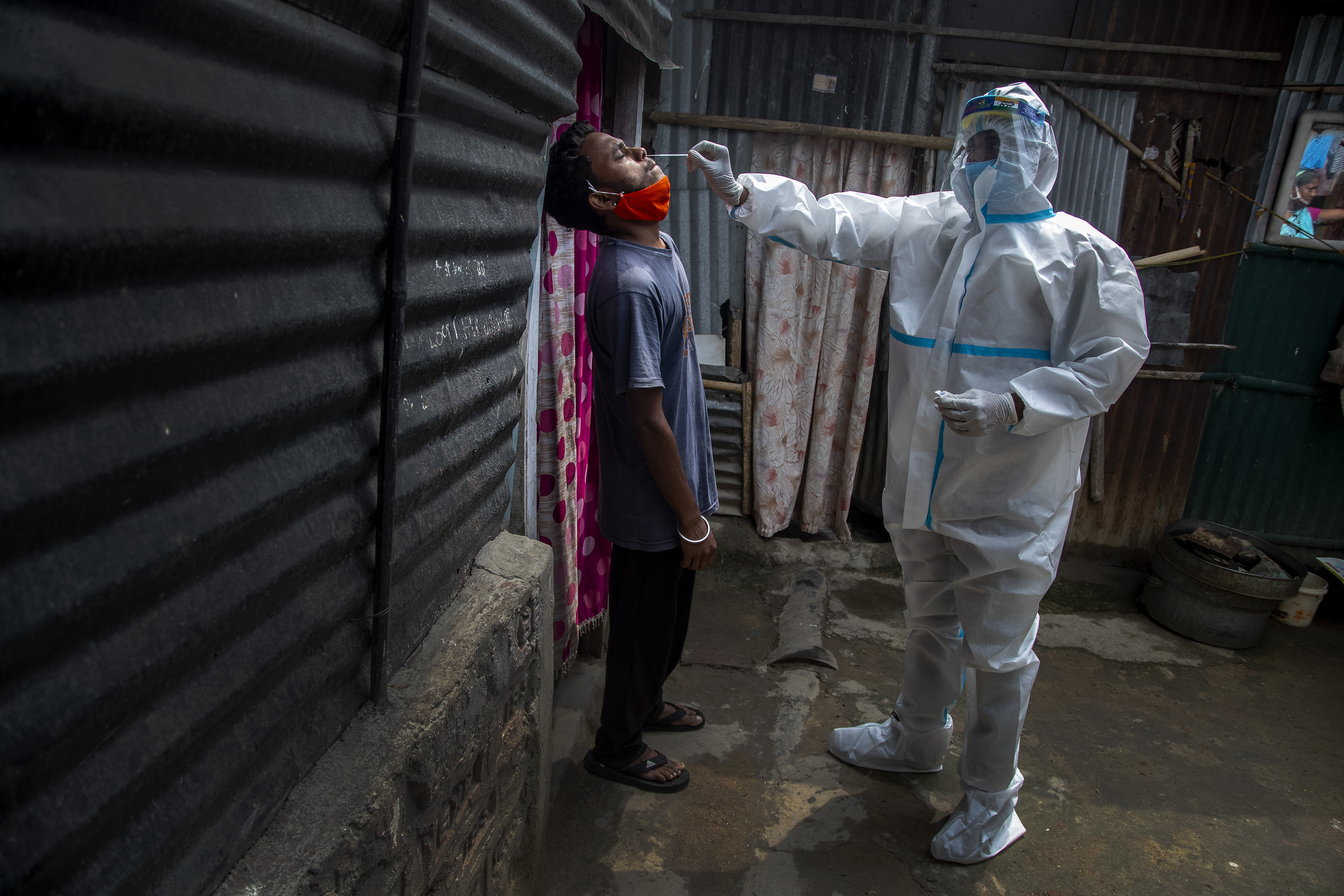
The state ordered 100,000 vials of amphotericin B last week, according to Mr Tope.
"There are very few districts where there aren't patients (with black fungus)," Mr Tope said, as people across several states, including Uttar Pradesh, Maydhya Pradesh, Delhi and Telangana, appealed for supply of the drug.
In Gujarat, a western state north of Maharashtra, the High Court issued an order on Monday warning of "the rapid increase in the cases of flesh-eating black fungal infection called 'mucormycosis'".
"The shortage of injections being administered for the said disease and the cost of its treatment are also the issues which deserve to be seriously and immediately considered by the State," the order said.
Following the announcement, Gujarat's state government said it had put purchase orders in for 100,000 vials of liposomal amphotericin B injections used to treat the infection.
India's Ministry of Chemicals and Fertilisers said in a statement on Tuesday that there was a sudden surge in demand for the drug, which is manufactured domestically, adding that "the Government is committed to making all possible and necessary efforts to make it available to needy patients… the shortage is expected to get resolved at the earliest".
Doctors and medical experts say mucormycosis seems to be infecting some COVID-19 patients whose immune systems have been weakened by the virus or who have underlying conditions, like diabetes.
Some have also said that the infections may be linked to humidifiers used in delivering oxygen to COVID patients.
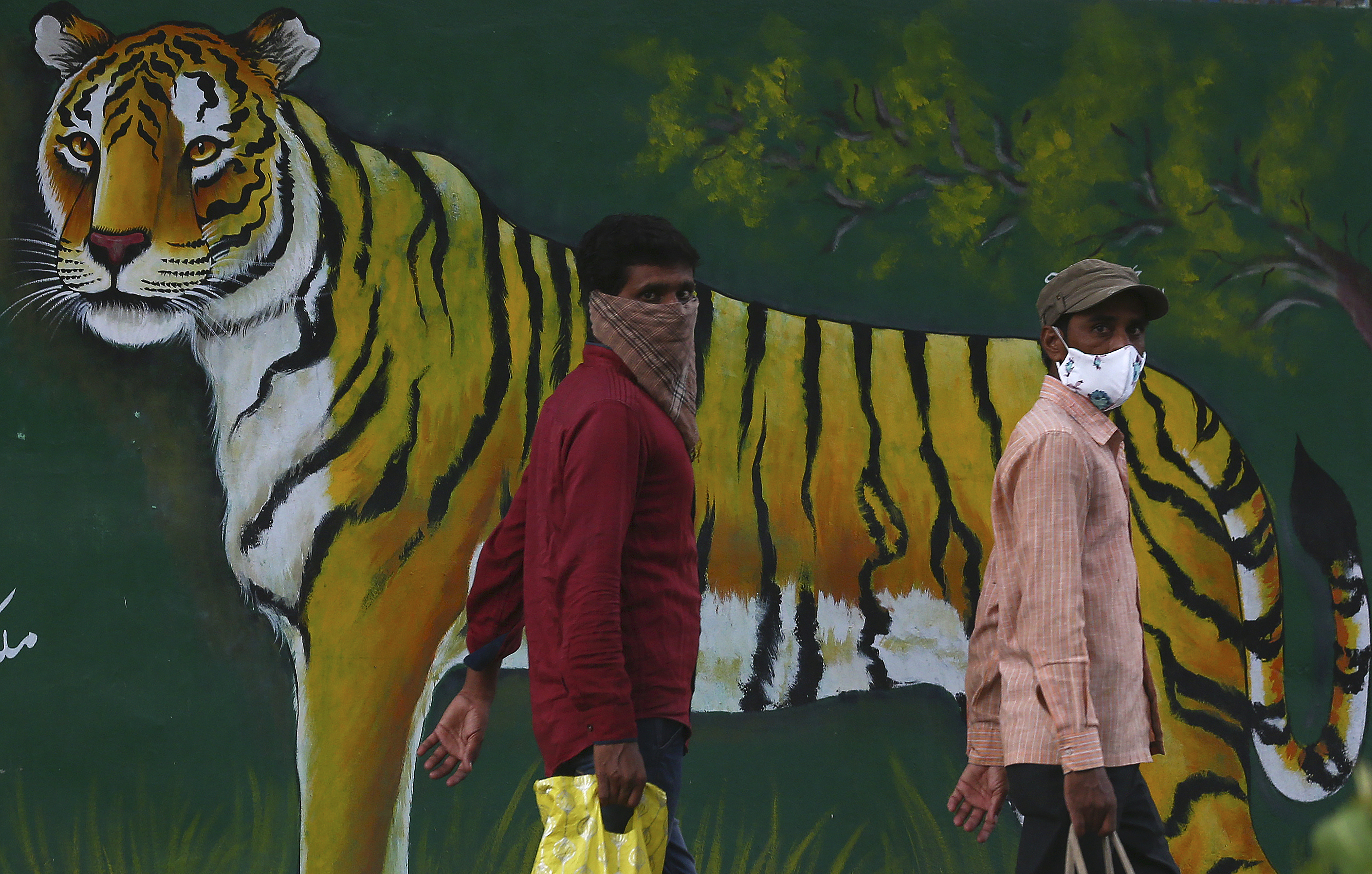
The infection is caused by a fungus called mucor, which is found on wet surfaces, VK Paul, head of India's COVID-19 task force, said on May 14.
"If someone has a disease or takes medication which suppresses the immune system or is exposed to wet surfaces they can contract the disease… (for COVID-19) we are using drugs which suppress our immune system… when COVID-19 patients receive oxygen which has a humidifier which has water collection which can increase the tendency of the fungus," Mr Paul added.
Vaccine refusal is as dangerous a pandemic as COVID-19
By Sir Ronald Sanders
(The writer is Antigua and Barbuda’s Ambassador to the United States and the Organization of American States. He is also a Senior Fellow at the Institute of Commonwealth Studies at the University of London and Massey College in the University of Toronto. The views expressed are entirely his own)
Vaccine refusal is fast becoming as dangerous to human health and to economies as the COVID-19 pandemic.
In 2019, even before the novel coronavirus was confirmed and began its spread around the world, the World Health Organization (WHO) revealed that vaccine refusals had led to a resurgence of diseases such as measles in countries that were close to eliminating them. The WHO identified vaccine refusal as one of the 10 leading threats to global health. At that time, complacency, inconvenience in access, and a lack of confidence were said to be the driving factors for people’s refusal to inoculate against disease.
Since the advent of the COVID-19 pandemic, the problem has become worse and so widespread that a comprehensive approach by all governments and non-governmental organizations, globally, is now necessary to overcome it.
Promoted on social media platforms by far-right organisations and church groups in the U.S., the anti-vaccine propaganda has spread like wildfire, convincing persons at all levels of societies that they would either die from an inoculation or some harmful material would be injected into their bodies.
Religious groups in the Caribbean, influenced by fundamentalist U.S. churches, also encourage their followers not to vaccinate. Research done by the New York Times reported, on April 5, that “among evangelicals in the U.S., Pentecostal and charismatic Christians may be particularly wary of the vaccine, in part because their tradition historically emphasizes divine health and miraculous healing in ways that can rival traditional medicine”. Charismatic churches also attract followers in the Caribbean.
The most popular social media platforms used by anti-vaxxers are Facebook, Twitter and Instagram which have all committed to banning anti-vaccine content. But, accounts on these platforms turn up as quickly as they are taken-down. In turn, the propaganda, which includes fabricated videos purporting to show actual events, are communicated tens of thousands of times around the world on WhatsApp.
Governments and social media platforms, such as those named in this commentary, as well as organizations such as the WHO and the Pan-American Health Organization (PAHO), must gather specialists together to find ways to counter the anti-vaccination propaganda campaigns and to strengthen educational progammes showing the benefit of vaccines. PAHO has started using Facebook to educate about the benefits of vaccines, but more effective communications techniques should be used, including dropping huge images of syringes and needles, that may be reinforcing reticence to inoculate.
Groups of persons in many parts of the world, who decline taking the COVID-19 vaccine, now pose a risk to themselves and the people with whom they come into contact, especially their families. They also pose a risk to the opening-up of the economies of their countries.
Data, gathered worldwide, shows that the claims of the anti-vaxxers, concerning detrimental effects of the vaccine, are wrong. Figures confirm that the COVID-19 vaccine prevents severe infection and deaths at astounding rates.
Studies show that, in Israel for instance, vaccines prevented hospitalization among adults 65 and older by 94%. They also prevented symptomatic infection among health-care workers by 97% and blocked severe disease by 97.4% in Qatar. Dr. Monica Gandhi, an Infectious-Diseases Specialist, and Professor of Medicine at The University of California at San Francisco, reports that serious infections among vaccinated individuals are extremely rare. She points out that “of over 115 million vaccinated Americans, only 0.0009% contracted severe COVID-19 after vaccination despite the virus continuing to circulate in their communities. As she concluded: “Vaccines truly defang the virus”. In the U.S. and Britain where (at the time of writing on 20 May) 48.09% and 55.49% of the populations have been vaccinated, data shows that vaccines also block transmission.
People, who have been inoculated against the coronavirus, are rightly concerned that, despite their responsible action in taking the vaccine, irresponsible persons are asserting their right to refuse it. The question that has to be asked is: whose rights are greater? Are the rights to safeguard lives and livelihood less than the right to put lives and livelihoods at risk by refusing to be vaccinated? This is not a moral dilemma; it is a common sense question, deserving a common sense answer.
However, no answer is being attempted as individual governments and their health authorities shy away from the question for political reasons. No ruling political party wants to risk losing electoral support to its rivals on the back of an accusation of depriving people of their rights. Yet, when that right is upheld, it threatens others and entire societies. Just as measles has returned in countries where groups of people decline to be inoculated against it, COVID-19 will not be subdued or eliminated in countries where groups of people refuse to be vaccinated.
This conflict must be tackled and resolved by global agreement and action. No one country can act alone. Maybe the answer lies in an intense education programme globally constructed, financed, and implemented.
The mantra that “we’re all in this together” assumes a profound global relevance for maintaining life and sustaining livelihoods. Doing nothing is not a solution. The 74th World Health Assembly being held from May 24 to June 1, is the ideal place to start.
Responses and previous commentaries: www.sirronaldsanders.com
The post Vaccine refusal is as dangerous a pandemic as COVID-19 appeared first on The St Kitts Nevis Observer.
Australia set to shiver through more cold nights as cold snap lingers
Much of Australia will continue to shiver through a cooler-than-normal May this weekend, with temperatures at night set to remain icy across the board.
There is even the possibility of snow in WA on Sunday.
While highs during the day are expected to warm up regions affected by the recent cold snap, as soon as the sun sets many states will see single-digit lows.
The south-western parts of the nation will cop the brunt of the extreme weather in the coming days, with widespread rain and two cold fronts making their way across WA from tomorrow.
READ MORE: William, Harry condemn BBC over 'deceitful' Diana interview
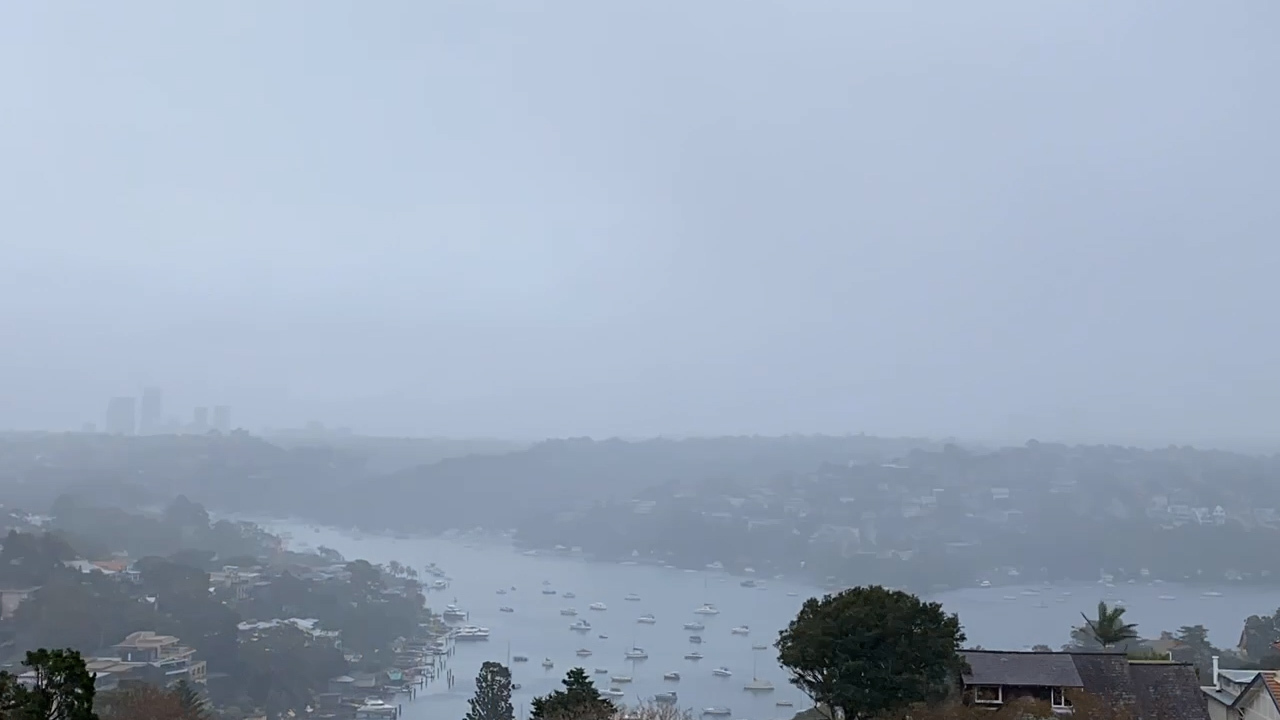
The Bureau of Meteorology has forecast that the second of the cold fronts will make its way across the state on Sunday, bringing with it the coldest weather WA has seen this year.
There is a possibility of snow on Sunday night at Bluff Knoll in WA's Stirling Range.
Elsewhere in the country, NSW is set for a sunny Saturday, and a partly cloudy Sunday.
Yesterday, Sydneysiders woke up to a freezing 9C morning, marking the longest stretch of cold days in May for some 54 years.
A broad high is behind the frosty conditions in the country's southeast this week, causing unusually cold conditions and clear skies, which have remained dry.
Cloudless skies means that heat from the earth's surface effectively evaporates into space at night.
Further south, Melbourne will see minimum temperatures of just 6C tomorrow, but will see sunshine during the day, while in Canberra temperatures are expected to remain cool again, with a minimum of -2C forecast over the weekend.
Queensland is set for some rain, with a downfall expected in most coastal regions over the weekend.
Most of South Australia is expected to see sun over the weekend, with chilly temperatures setting in at night and a high of 23C.
William and Harry condemn BBC over 'deceitful' Diana interview
Prince William and his brother Prince Harry have issued strongly worded statements criticising the BBC and British media for unethical practices after an investigation concluded that one of the broadcaster's journalists used "deceitful behaviour" to secure Princess Diana's most explosive TV interview in 1995.
The circumstances surrounding the interview from more than 20 years ago came under scrutiny after Diana's brother, Charles Spencer, made renewed complaints that journalist Martin Bashir used false documents and other dishonest tactics to persuade Diana to agree to the interview.
The BBC appointed a retired senior judge in November to lead an investigation into the matter. On Thursday (local time), a report from the inquiry said Bashir acted in a deceitful way and breached BBC rules by mocking up fake bank statements and showing them to Charles Spencer to gain access to the princess.
READ MORE: Israeli Cabinet approves Gaza ceasefire, local media reports
https://twitter.com/KensingtonRoyal/status/1395484854272335875?ref_src=twsrc%5Etfw
The report also criticised the BBC for covering up what it knew about Bashir's actions, and said the corporation's own probe into the matter fell short of its usual standards of integrity and transparency.
In the interview, a major scoop for Bashir, Diana famously said that "there were three of us in this marriage" — referring to Prince Charles' relationship with Camilla Parker-Bowles. Her candid account of her failing marriage with Charles was watched by millions of people and sent shockwaves through the monarchy.
In his statement, William, 38, alleged that "the deceitful way the interview was obtained substantially influenced what my mother said."
"The interview was a major contribution to making my parents' relationship worse and has since hurt countless others," he said. "It brings indescribable sadness to know that the BBC's failures contributed significantly to her fear, paranoia and isolation that I remember from those final years with her."
READ MORE: Pedestrian dies in south Sydney truck crash

He went on to say that Diana "would have known that she had been deceived" had the BBC properly investigated the concerns first raised in 1995.
Harry went further, saying the issue was bigger than just the BBC – and that "the ripple effect of a culture of exploitation and unethical practices ultimately took her life."
"To those who have taken some form of accountability, thank you for owning it. That is the first step toward justice and truth," he wrote. "Yet what deeply concerns me is that practices like these—and even worse—are still widespread today."
The BBC's chairman, Richard Sharp, said the corporation accepts the investigation's findings, adding "there were unacceptable failures." The broadcaster has written to the royal family to apologise.
Bashir, who was the BBC News religion editor, left the corporation last week on health grounds. The 58-year-old journalist has been seriously unwell with COVID-19-related complications.
READ MORE: Delta Goodrem's stalker denied bail over alleged AVO breach

In a statement, he said he deeply regretted faking the bank statements, calling it "a stupid thing to do." But he added that he felt it had "no bearing whatsoever on the personal choice by Princess Diana to take part in the interview."
Mr Spencer alleged Bashir showed him forged bank documents relating to his sister's former private secretary and another former royal household member that falsely suggested the individuals were being paid for keeping the princess under surveillance.
He accused Bashir of using the documents to gain his trust so he would introduce Diana to the journalist. He also alleged that Bashir made up stories about the royal family to strengthen Diana's belief there was a conspiracy against her.
John Birt, director-general of the BBC at the time of the interview, called Bashir a "rogue reporter" who "fabricated an elaborate, detailed but wholly false account of his dealings with Earl Spencer and Princess Diana."
"This is a shocking blot on the BBC's enduring commitment to honest journalism; and it is a matter of the greatest regret that it has taken 25 years for the full truth to emerge," he said.

Diana divorced from Charles in 1996 and died in a Paris car crash in 1997 as she was pursued by paparazzi. Charles, the heir to the throne, married Camilla, now the Duchess of Cornwall, in 2005.
"In most organisations, the police would have been called to see if Martin Bashir should have been prosecuted for forgery, and he would have been instantly dismissed for deceit," media lawyer Mark Stephens of law firm Howard Kennedy, who is not involved in the case, said. "Instead, the BBC made him their religious correspondent."
The report released on Thursday means the BBC will be subjected to more public scrutiny, he added.