Category Archives: headline

Corona Effect: India, Brazil, South Africa,UK on SKN Travel Ban List

St. Kitts & Nevis has extended the travel advisory for people arriving from the U.K., Brazil, South Africa and now India, as of May 4 to June 4, 2021.

Persons from the aforementioned destinations are advised not to travel to St. Kitts & Nevis at this time. Entry into the Federation will be denied. Citizens and Residents of St. Kitts & Nevis who are arriving from any of these countries must process their travel request through the online platform www.knatravelform.kn and will be required to quarantine for 14 days upon arrival, even if they have been fully vaccinated.

The decision to extend and expand the advisory is based on the advice of the Ministry of Health and enacted by the Government of St. Kitts & Nevis through the National COVID-19 Task Force in the interest of protecting its borders and the health of its citizens.

The Government is extending the advisory in response to Covid-19 variants that have originated in the UK, Brazil and South Africa and the widespread rates of COVID-19 currently being experienced in India. The Federation of St. Kitts & Nevis will continue to monitor the developing situation and will provide updates accordingly.

Travelers should regularly check the St. Kitts Tourism Authority (www.stkittstourism.kn) and Nevis Tourism Authority (www.nevisisland.com) websites for updates and information.

The post Corona Effect: India, Brazil, South Africa,UK on SKN Travel Ban List appeared first on The St Kitts Nevis Observer.

T&T’s Deadliest Day, US CDC: Vaccinated People Can Go Maskless, More

Thursday, May 13 marked the deadliest day for COVID-19 in Trinidad and Tobago since the pandemic began, with 21 deaths recorded.

The latest deaths, reported by the county’s Ministry of Health, took the toll to 256. With 87 of those occurring this month, May is now also the month in which the most deaths have been recorded.

The Ministry said the 21 latest deaths include six elderly females – five of them with comorbidities; six middle-aged women – half of them with comorbidities; five elderly men – four of them with comorbidities; three middle-aged males – one with comorbidities; and a young man without comorbidities.

The number of active cases is now 4,814. Since March 2020 when the first case of COVID-19 was recorded in twin-island republic, there have been 14,814 cases.

The Ministry also reported in its update on Thursday that 342 patients currently are hospitalized and being treated for COVID-19, while 103 persons are in step-down facilities, recovering from the virus.

CDC Says Fully Vax People Can Go Maskless

The Hill

People who are fully vaccinated against COVID-19 can safely resume life without any restrictions, according to long-awaited federal guidance released Thursday.

The Centers for Disease Control and Prevention (CDC) says if you are fully vaccinated — two weeks past the last required COVID-19 vaccine dose — you don’t need to wear masks indoors or outside, and you don’t need to maintain physical distance.

The change is a monumental shift in how the agency has communicated about the risks of the coronavirus and the benefits of vaccines, and is a major step towards reopening America in time for the July 4th holiday.

Essentially, for vaccinated people, life can begin to return to normal.

“Anyone who is fully vaccinated, can participate in indoor and outdoor activities, large or small, without wearing a mask or physical distancing,” CDC Director Rochelle Walensky said during a White House briefing. “If you are fully vaccinated, you can start doing the things that you had stopped doing because of the pandemic. We have all longed for this moment, when we can get back to some sense of normalcy.”

The new guidelines do not apply to health care settings, correctional facilities or homeless shelters, the agency said. People will also need to follow local business and workplace guidances, so masks are likely to continue to be required in private businesses.

In addition, CDC emphasized fully vaccinated people should still wear well-fitted masks where required by laws, rules and regulations, including on airplanes, trains and public transportation.

It also urged those who are immune-compromised to speak with their doctors before giving up their masks.

The update comes as the agency has been criticized for being too slow to react to changing science, overly cautious and even contradictory in its recommendations to the public.

More than 117 million Americans are now fully vaccinated, which is about 35 percent of the population. New cases are down by a third over the last two weeks, and daily deaths have dropped to the lowest point since April 2020.

But the announcement puts even more pressure on businesses and local governments. There is no way to know who is vaccinated and who is not, and the idea of some kind of “vaccine passport” or digital identifier has become a partisan flashpoint vehemently opposed by Republicans.

States across the country have been easing restrictions and reopening businesses as local vaccination rates increase, despite the CDC and federal health officials who continued to urge caution.

Health experts said they feared the agency’s overly conservative approach could result in fewer people getting shots, if they failed to show the benefits of being vaccinated.

The agency relaxed some of its rules for fully vaccinated people last month, but still advised wearing masks indoors in most public settings, and in many outdoor places.

That guidance included an elaborate color-coded chart for various activities that was widely mocked for being confusing and contradictory.

The agency’s recent guidance on summer camps was also panned as being overly restrictive.

The CDC had said masks should be worn at all times, even outdoors, by everyone, including vaccinated adults and children as young as 2 years old.

Walensky denied that the changes were being made because of the criticism, or as an incentive to get more people vaccinated.

“We follow the science here,” Walensky said. “While this may serve as an incentive for some people to get vaccinated, that is not the purpose.”

She said additional data in the past few weeks has shown the effectiveness of the vaccines in the real world, the vaccines work against variants, and vaccinated people are unlikely to transmit the virus.

But as recently as Wednesday evening, the message hadn’t changed.

During an interview with CNBC’s Shepard Smith, Walensky said that masks were still advised for people indoors, even if they were fully vaccinated because the science wasn’t clear if the vaccine worked against COVID-19 variants or whether vaccinated people could be asymptomatic carriers.

=================================================

Delay in giving second jabs of Pfizer vaccine improves immunity

Study finds antibodies against Sars-CoV-2 three-and-a-half times higher in people vaccinated again after 12 weeks rather than three

Pfizer-BioNTech vials at a British vaccination centre
Pfizer-BioNTech vials at a British vaccination centre, January. A Birmingham University blood analysis study of people over 80 found elevated antibodies when the booster was given after a three-month gap. Photograph: Neil Hall/EPA
Science editor
Guardian(UK)

The UK’s decision to delay second doses of coronavirus vaccines has received fresh support from research on the over-80s which found that giving the Pfizer/BioNTech booster after 12 weeks rather than three produced a much stronger antibody response.

A study led by the University of Birmingham in collaboration with Public Health England found that antibodies against the virus were three-and-a-half times higher in those who had the second shot after 12 weeks compared with those who had it after a three-week interval.

Most people who have both shots of the vaccine will be well protected regardless of the timing, but the stronger response from the extra delay might prolong protection because antibody levels naturally wane over time.

Dr Helen Parry, a senior author on the study at Birmingham, said: “We’ve shown that peak antibody responses after the second Pfizer vaccination are really strongly boosted in older people when this is delayed to 11 to 12 weeks. There is a marked difference between these two schedules in terms of antibody responses we see.”

In the first weeks of the vaccine programme the UK took the bold decision to delay administering booster shots so that more elderly and vulnerable people could more quickly receive their first shots.

The move was controversial because medicines regulators approved both the Pfizer/BioNTech and Oxford/AstraZeneca vaccines on the basis of clinical trials that spaced out the doses by only three or four weeks.

Researchers from Oxford University showed in February that antibody responses were more than twice as strong when boosters of their vaccine were delayed for 12 weeks. But the latest study is the first to compare immune responses after different timings with the Pfizer/BioNTech jab.

The scientists analysed blood samples from 175 over-80s after their first vaccine and again two to three weeks after the booster. Among the participants 99 had the second shot after three weeks, while 73 waited 12 weeks. After the second dose, all had antibodies against the virus’s spike protein, but the level was 3.5 times higher in the 12-week group.

The researchers then looked at another arm of the immune system, the T cells that destroy infected cells. They found that T cell responses were weaker when the booster was delayed, but settled down to similar levels when people were tested more than three months after the first shot. Details are published in pre-print form and have yet to be peer reviewed.

“This study further supports the growing body of evidence that the approach taken in the UK of delaying that second dose has really paid off,” said Dr Gayatri Amirthalingam, consultant epidemiologist at Public Health England.

“Individuals need to really complete their second dose when it’s offered to them because it not only provides additional protection but potentially longer lasting protection against Covid-19.”

The findings come as new data from Public Health England suggested that the vaccination programme had prevented 11,700 deaths by the end of April 2021 in those aged 60 and over, and at least 33,000 hospitalisations in those aged 65 and over in the same period.

“Overall, these data add considerable support to the policy of delaying the second dose of Covid-19 vaccine when vaccine availability is limited and the at-risk population is large,” said Eleanor Riley, professor of immunology and infectious disease at the University of Edinburgh.

“Longer term follow-up of this cohort will help us to understand which vaccine interval will be optimal in the future, once the immediate crisis is over.”

==================================================

Taiwan reports another record rise in domestic Covid-19 cases

Almost half the Australians booked on India repatriation flight barred after Covid tests

3h ago07:28

Updated at 7.37am BST

1 of 2

Newest

Older Oldest


The post T&T’s Deadliest Day, US CDC: Vaccinated People Can Go Maskless, More appeared first on The St Kitts Nevis Observer.

Half of repatriation flight from India unable to board after COVID tests

Nearly half of the 150 passengers scheduled to leave on the first repatriation flight out of India will not be allowed on the plane due to COVID-19 test results.

Of the planned passenger group, 72 were banned from the flight home to Australia after 48 tested positive for coronavirus.

The other 24 were family members of positive cases and deemed close contacts.

READ MORE: WHO updates advice on airborne spread of COVID-19

https://twitter.com/cokeefe9/status/1393064686397005828https://twitter.com/cokeefe9/status/1393070515254829056

High Commissioner to India Barry O'Farrell said it was tragic for those who were set to be on Australian soil by tomorrow.

"This is a tragedy for them today, and equally for their families in Australia," Mr O'Farrell said.

"We're in the middle of a COVID crisis here in India and it takes 24 hours at least to get the results of a COVID test, so the likelihood of people quickly taking places on the plane is harder than it seems."

Akriti Gupta from Melbourne is another passenger hoping to have her results cleared so she can board the plane.

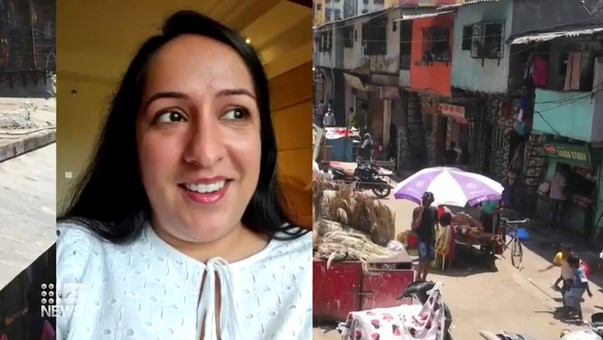
"We are booked for the flight tonight and we are waiting for our COVID results," Ms Gupta told 9News.

"It's very heartbreaking because people here have already quarantined for three days in Delhi and have already said goodbye to their families."

The first repatriation flight is due to leave New Delhi after the ban on returned travellers was lifted today.

The positive diagnoses mean they will be stuck in India until they recover.

The Department of Foreign Affairs and Trade are working to fill the flight with more passengers but the obstacle of 48-hour pre-flight testing will make this difficult.

READ MORE: 'Your borders don't just one day open up': PM's travel hint

The plane has departed Darwin, bringing valuable medical supplies to India, and is set to return to Australia tomorrow with the passengers who have been allowed to board.

They are due to spend quarantine at a facility in Howard Springs in the Northern Territory.

Foreign Affairs Minister Marise Payne said tomorrow's flight will bring the total number of repatriation flights from India to 39.

READ MORE: Every Australian adult could be vaccinated by Christmas

https://omny.fm/shows/the-drive-program/nine-news-reporter-kathleen-gazzola-crosses-to-jim/embed

"These government-facilitated flights will be focused on returning Australian citizens, residents and families who have registered with our high Commission and consular offices within India and will prioritise the most vulnerable people," Ms Payne said.

The next government repatriation flight from India is expected to arrive in Darwin on May 23.

Arrangements for further facilitated flights into Australia are underway.

Mexico: Amateur Sleuths Trace Stolen Cortés Papers to U.S. Auctions

Drazen Jorgic

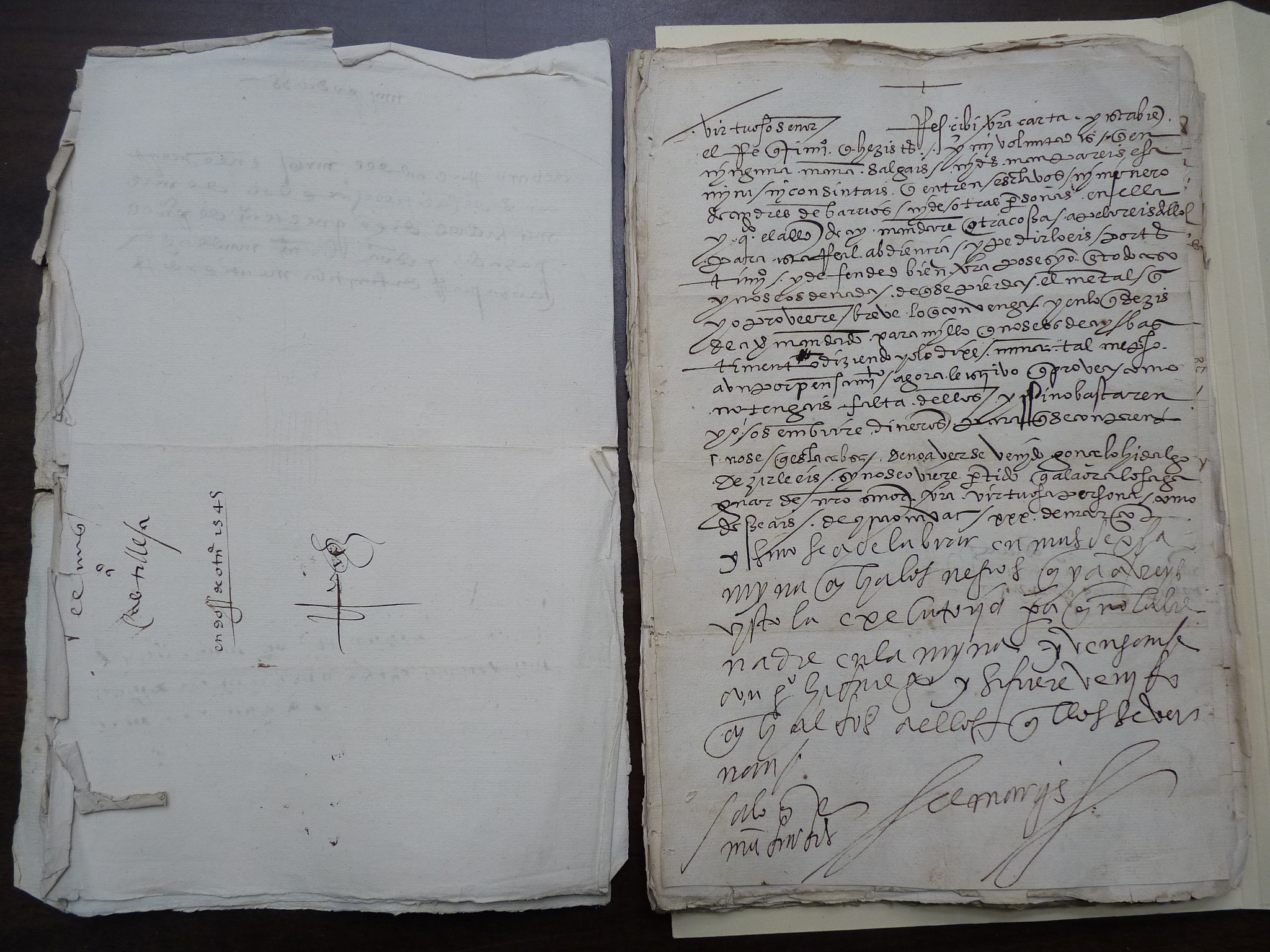
In September, a New York auction house had a rare treasure up for sale: a five-centuries-old letter revealing political intrigue involving Hernán Cortés, the famed leader of the Spanish force that colonized what is modern-day Mexico.

Cortés papers seldom come to market. The 1521 document, offered by Swann Galleries, was expected to fetch $20,000 to $30,000. That is, until a plucky group of academics in Mexico and Spain helped thwart the sale.

Searching online catalogues of global auction houses and mining one of the researchers’ personal trove of photos of Spanish colonial documents, they traced its provenance to the National Archive of Mexico (AGN), the nation’s equivalent of the National Archives in Washington. An image of that 1521 letter captured by a Mormon genealogy project would play a supporting role.

What’s more, these amateur detectives unearthed nine additional Cortés-linked papers put on the block from 2017 to 2020 in New York and Los Angeles by auction houses – including the well-known British firms Bonhams and Christie’s – that are now confirmed to be missing from AGN, officials at the Mexico City-based archive told Reuters. They said some of those documents, once bound in weather-beaten books, had been surgically removed as if with a scalpel.

“It’s scandalous,” said one of the gumshoes, María Isabel Grañén Porrúa, a prominent Mexican cultural figure and a scholar of 16th-century Spanish colonial books. “We are very worried, not just by this theft, but also about all the other robberies and looting of national heritage.”

Names of the buyers and sellers of the Cortés documents were never disclosed publicly by the auction houses. Such anonymity is commonplace in an industry whose well-heeled patrons prize secrecy.

Swann Galleries, which handled a half-dozen Cortés papers, denied wrongdoing. London-based Christie’s, which put two out for bid, said it carefully vets the provenance of all items it puts up for auction. Bonhams, another London firm, auctioned one; it declined to comment. Los Angeles auction house Nate D. Sanders, which put one Cortés document on the block, did not respond to a request for comment.

The Cortés flap comes at a time of intensifying scrutiny of the global antiquities trade. Countries including Mexico are watching auction houses for potentially pilfered objects. Others are demanding repatriation of relics displayed in foreign museums.

The researchers’ sleuthing has sparked law enforcement investigations in Mexico as well as in the United States by U.S. Homeland Security Investigations (HSI), Reuters reporting has revealed.

A spokesperson for HSI declined to comment.

The news organization is also the first to reveal that Mexico’s Foreign Ministry has enlisted the help of the U.S. Department of Justice (DOJ) in repatriating the 10 missing manuscripts, according to Alejandro Celorio, the ministry’s legal advisor.

“We are already in cooperation with the federal prosecutor in the New York district,” Celorio said.

The DOJ declined to comment.

Separately, Reuters tracked down the Brazilian buyer of one of the allegedly purloined Cortés manuscripts handled by Swann Galleries who said he returned it to the auction house.

Manhattan-based Swan Galleries has emerged as a key player in the unfolding drama. It cancelled its scheduled Sept. 24 auction of the 1521 Cortés letter on Sept. 9, one day after Reuters contacted the firm about the researchers’ allegations.

Swann Galleries said it works diligently to ascertain the provenance of antiquities it auctions. It keeps extensive records and cooperates fully with law enforcement, said Alexandra Nelson, Swann Galleries’ chief marketing officer. “Knowingly moving stolen material through an auction house is just about the silliest thing a person can do,” Nelson said.

Robert Wittman, a former special agent who founded the Art Crime Team at the U.S. Federal Bureau of Investigation (FBI), said big auction houses aren’t doing enough to safeguard the world’s antiquities.

“They are not in the business of recovering stolen property or protecting cultural property,” Wittman said. “They’re in the business of buying and selling.”

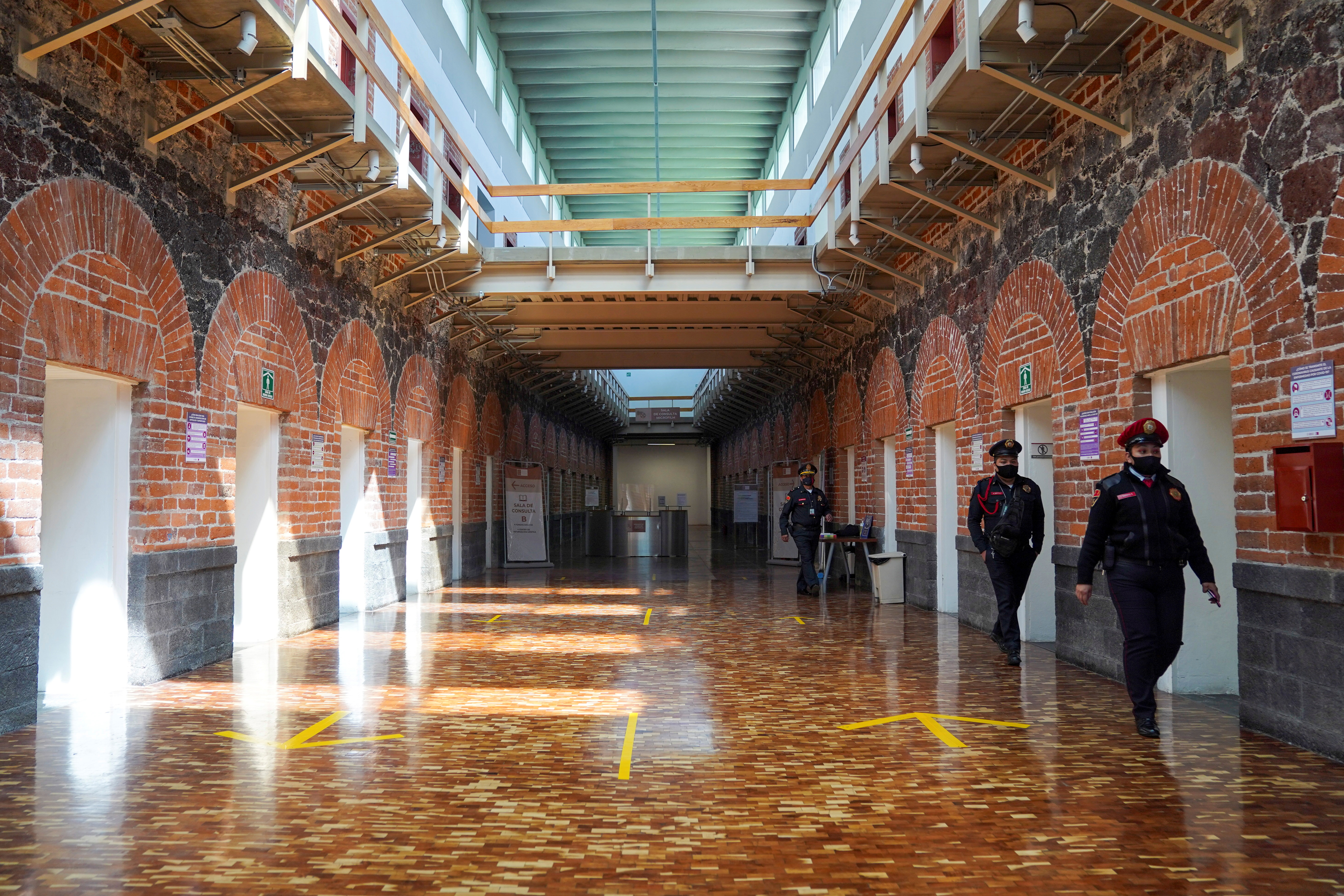
Also under scrutiny is the AGN, Latin America’s largest archive. Mexican academics have long warned that the holdings of the cash-strapped institution are vulnerable to decay and theft.

“We are not ruling out any hypothesis,” about how the Cortés papers were stolen, Marco Palafox, legal counsel for the AGN, told Reuters. “We are not discounting the possibility that the person responsible for the thefts of these documents was a manager, a worker or a researcher.”

THE AMATEUR SLEUTHS

Key to the discovery of the alleged Cortés heists was a small group of Mexico-based academics. They included Grañén, the researcher of Spanish colonial books, and Michel Oudijk, a Dutch philologist at Mexico’s National Autonomous University of Mexico. They also recruited María del Carmen Martínez, a renowned Cortés scholar at the University of Valladolid in Spain.

They said their suspicions were first aroused when a handful of Cortés-signed letters suddenly appeared at auctions in 2017 after three decades of no public sales.

The mini-boom began in April that year at Swann Galleries, which touted a 1538 letter from Cortés to his property manager as the first such document sold publicly since 1984. “Cortés letters are quite scarce on the market,” the auction house said on its website.

The document fetched $32,500, according to the website. The name of the buyer was not published. But in 2018, the letter was displayed at The Morgan Library & Museum in New York. The institution said it did not own the letter and that it was part of an exhibition based on the private manuscript collection of Brazilian art historian Pedro Corrêa do Lago.

Reuters contacted Corrêa do Lago last month to inquire about the document.

“I have returned the letter, acquired in good faith, to Swann Galleries,” Corrêa do Lago said in an e-mail. He declined further comment on what he termed a “very rare and unfortunate occurrence”.

Swann Galleries declined to comment on Corrêa do Lago’s remarks.

Bonhams, Christie’s and Nate D. Sanders also auctioned one Cortés document each in 2017, according to the academics and information on Bonhams and Christie’s websites.

Nate D. Sanders did not respond to requests for comment. Bonhams declined requests for comment.

Christie’s said it devotes “considerable resources to investigating the provenance and authenticity” of auctioned objects and it “does not comment concerning ongoing investigations.”

The researchers said they alerted Mexican antiquities authorities in 2018 and 2019 about their suspicions as fresh Cortés manuscripts kept appearing at auction, including four in 2019. When two more surfaced in 2020, with still no action from the government, the academics launched their own investigation around mid-year.

MORMON CONNECTION

One of the group contacted Martínez, the Spanish scholar, for help. Not only was Martínez a leading Cortés expert, she had taken thousands of photographs of AGN manuscripts documenting his colonial administration during two trips to Mexico City in 2010 and 2014.

The academics quickly compiled a list of nine documents that had been put up for auction since 2017. A tenth was to be sold by Swann Galleries on Sept. 24, 2020: a 1521 missive to Cortés from some allies imploring him to avoid an emissary of the Spanish crown intent on stripping him of his powers.

It sounded familiar to Martínez. Poring over her photos, she found a match. The document shown on Swann Galleries’ website was identical to one she had photographed at AGN years earlier – down to the penman’s swooping cursive and a small triangle-shaped chunk of parchment missing from the left-hand margin.

In all, Martínez had photographed eight of the 10 manuscripts allegedly swiped from Mexico’s national archive.

“We really shouldn’t have situations like this in the 21st century,” Martínez told Reuters.

The researchers went public with their concerns in early September. Swann Galleries cancelled its Sept. 24 sale following inquiries from Reuters.

Palafox, the archive’s legal counsel, said AGN didn’t contact the U.S. auction house to stop the sale because it could not quickly establish – beyond Martínez’s photos – that the 1521 manuscript and others were, in fact, missing from its collection.

AGN houses hundreds of thousands of documents, but only about 40% have been catalogued, Palafox said. “The other 60% we don’t know what’s there,” he said.

For help, the archive staff turned to microfilm images recorded at AGN in 1993 by the Genealogical Society of Utah, an arm of The Church of Jesus Christ of Latter-Day Saints. The non-profit, now known as FamilySearch, has photographed archives worldwide to assist Mormons and others in tracing their ancestry.

Within that microfilm, Palafox said, AGN staff found images of nine of the 10 manuscripts that had come up for auction; a written description was found of the 10th. From there, AGN employees pinpointed where those papers should have been housed in its stacks. All were missing, Palafox said, some cut cleanly from their colonial-era bindings.

In October, Palafox said he hosted a video call with U.S. investigators. He displayed images of the Cortés documents from the websites of the auction houses alongside those of the 1993 microfilms and researcher Martínez’s photos to show the similarities.

“This was enough to get their attention,” Palafox said.

A senior source at Mexico’s Foreign Ministry told Reuters that the U.S. Department of Homeland Security, the U.S. State Department and one of the federal U.S. Attorney’s offices in New York state were working to retrieve the documents. The State Department said it could not comment on specific cases, but said the government was committed to combating the theft and trafficking of cultural heritage. The other U.S. authorities declined to comment.

Palafox said Mexican federal prosecutors have also launched a probe. The Mexican Attorney General’s office did not respond to requests for comment.

Wittman, the ex-FBI agent, said U.S. investigators would likely subpoena the auction houses to identify the sellers and consignors who handled transport of the documents. The strategy, he said, is to work down the chain until they reach the suspected thieves in Mexico.

Our Standards: The Thomson Reuters Trust Principles.

Read Next
  • Read NextMagnitude 6.6 quake strikes off coast of Indonesia’s Sumatra -GFZ
  • Read NextIndonesia police say Papuan separatist commander killed in shootout
  • Read NextLightning strike may have killed 18 wild elephants in India, officials say

  • Read NextTaking the call in Gaza before Israel takes out the building
Read Next
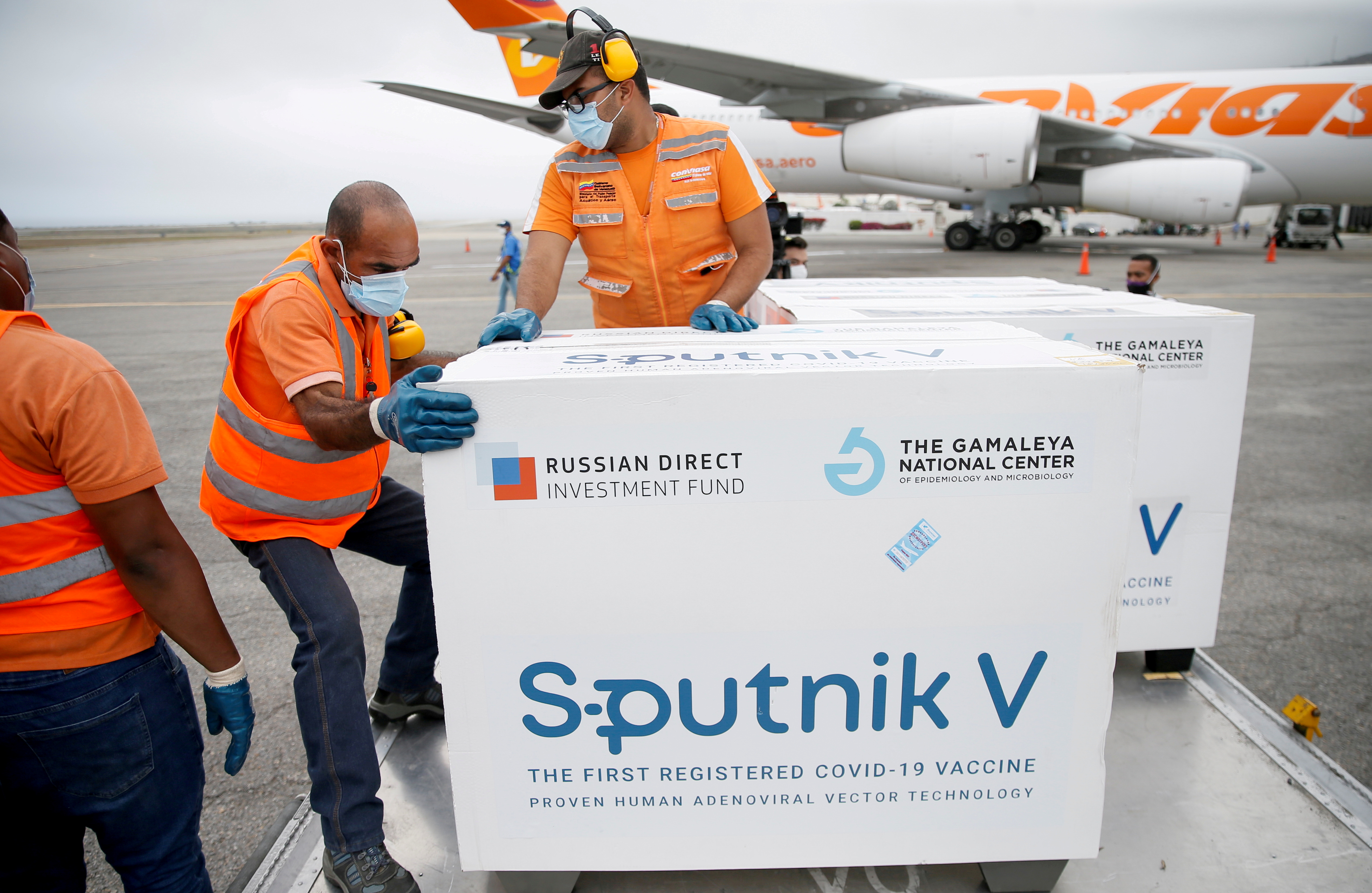
  • Read NextBig promises, few doses: why Russia’s struggling to make Sputnik V doses
  • Read NextCOVID-19 lab leak theory cannot be ruled out, leading scientists say
  • Read NextEgypt’s road building drive eases jams but leaves some unhappy
  • Read NextTurkey’s Karpowership shuts down power to Lebanon
Read Next
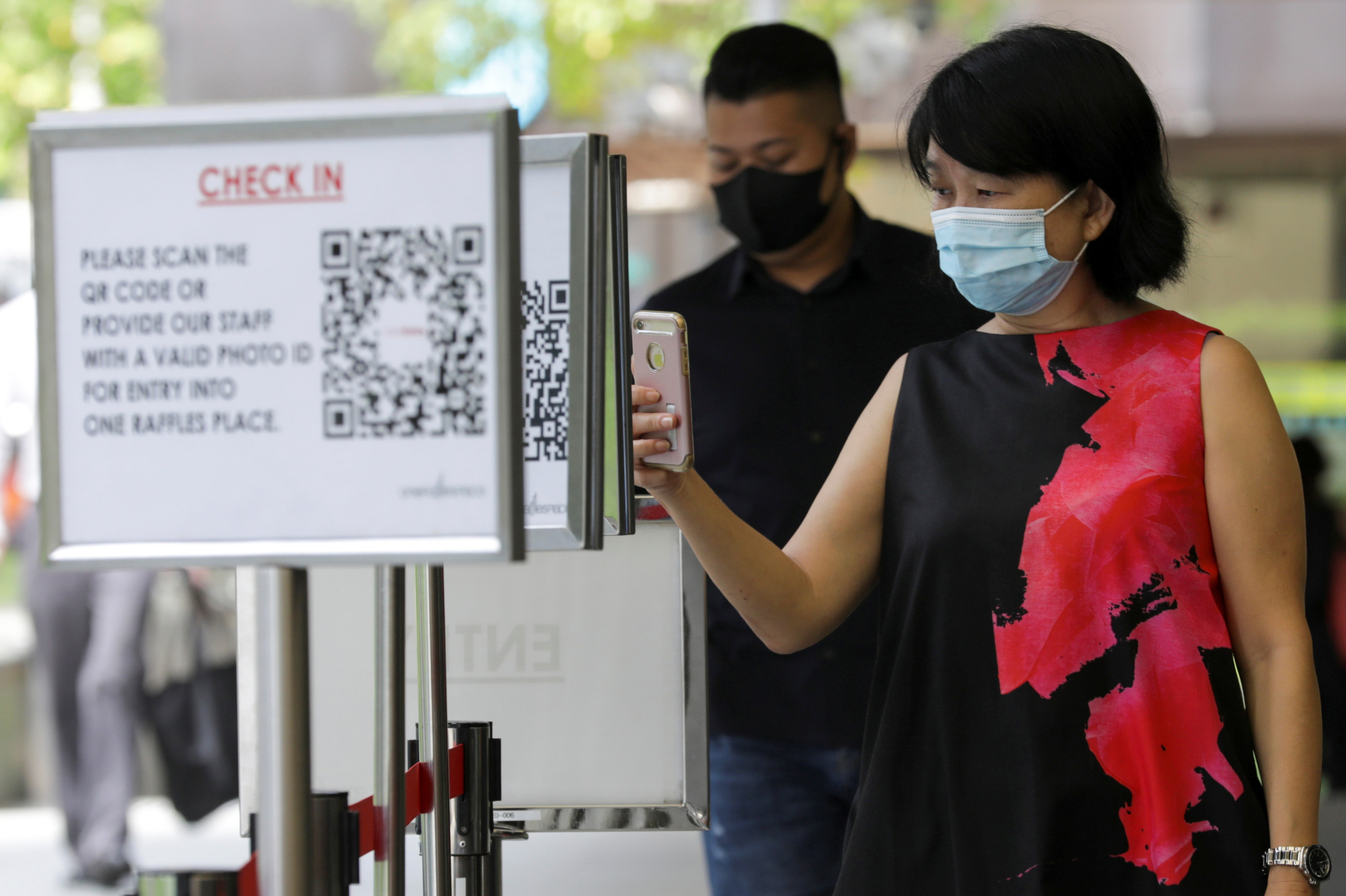
  • Read NextSingapore coronavirus cases could burst hopes for Hong Kong travel bubble
  • Read NextMarkets slump as Singapore brings in strictest COVID-19 curbs since lockdown
  • Read NextMyanmar junta declares martial law in town after attacks on bank, police
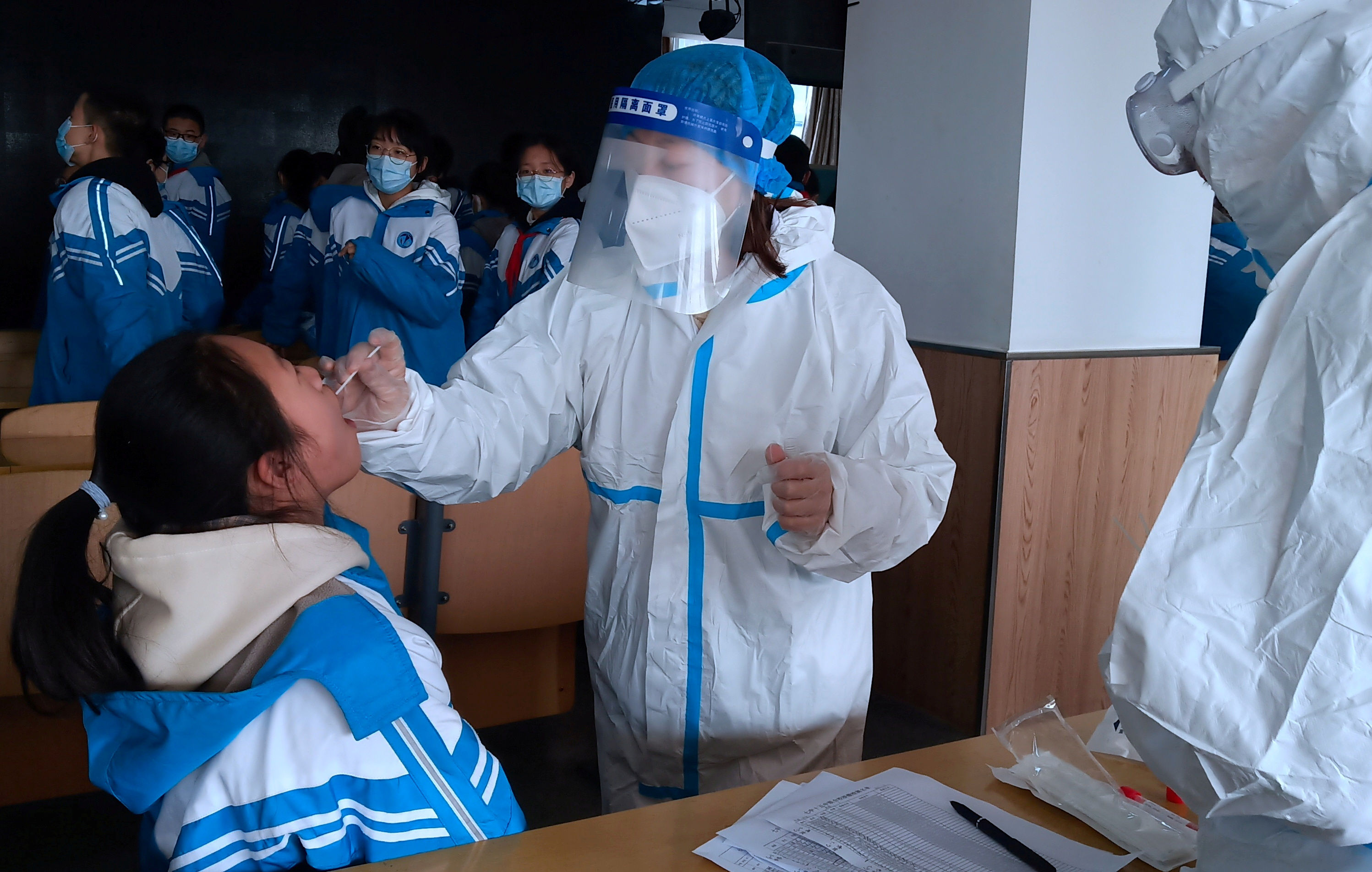
  • Read NextMainland China reports first local COVID-19 cases in more than 3 weeks
Read Next
  • Read NextPositive virus tests keep 75 Australians off flight home from India
  • Read NextChinese firm’s COVID-19 drug claims draw skepticism
  • Read NextBlack Brazilians protest racism, police violence
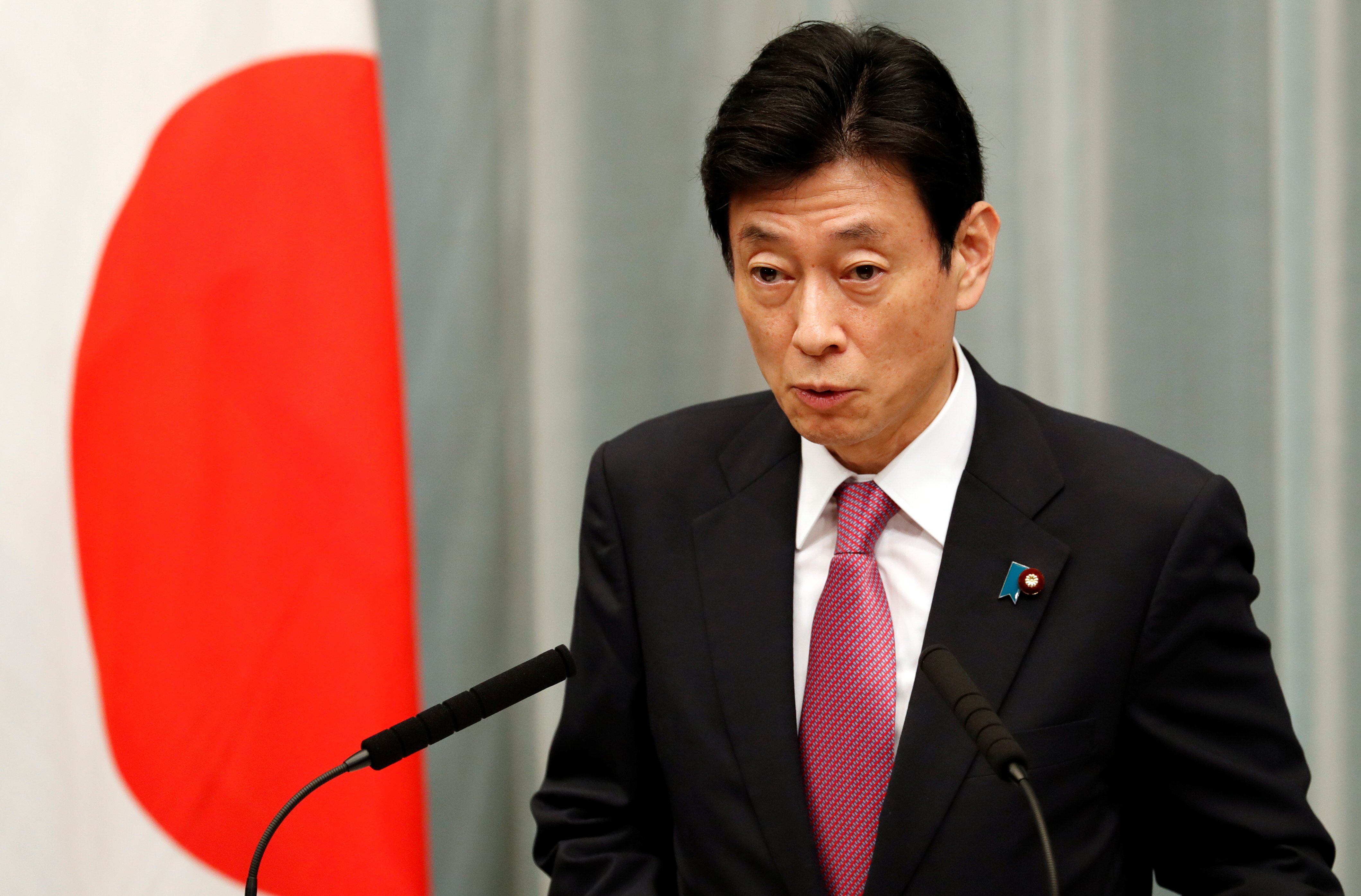
Read NextIn surprise move, Japan adds 3 prefectures to virus state of emergency

Sign up for our newsletter

Subscribe for our daily curated newsletter to receive the latest exclusive Reuters coverage delivered to your inbox.

The post Mexico: Amateur Sleuths Trace Stolen Cortés Papers to U.S. Auctions appeared first on The St Kitts Nevis Observer.

Two men sentenced over horrific road rage attack on young tradie

A man left partially paralysed.

A grieving father in jail.

A judge called it a "completely unnecessary" melee.

READ MORE: New warnings for dog owners as heartworm spike hits Queensland

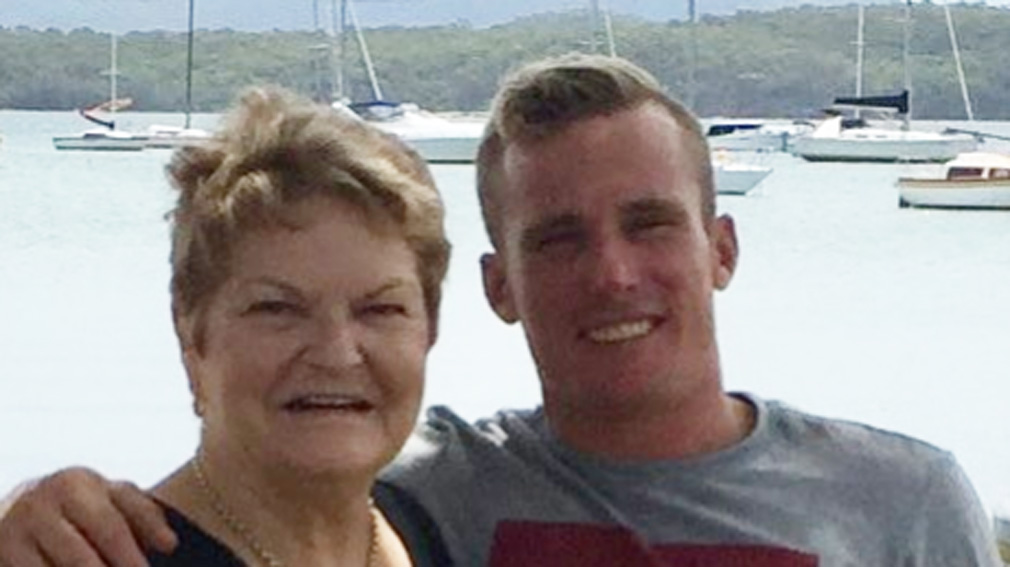
Brock Prime, 29, has been working six days a week to support his mother and younger siblings after the sudden death of his father, his family told 9NEWS. (Supplied)

And once you scratch below the surface, you may find this devastating turning of events stemmed from the perfect storm.

Strangers, each in the midst of their own personal tragedies, when tempers flared, and lives were irrevocably changed.

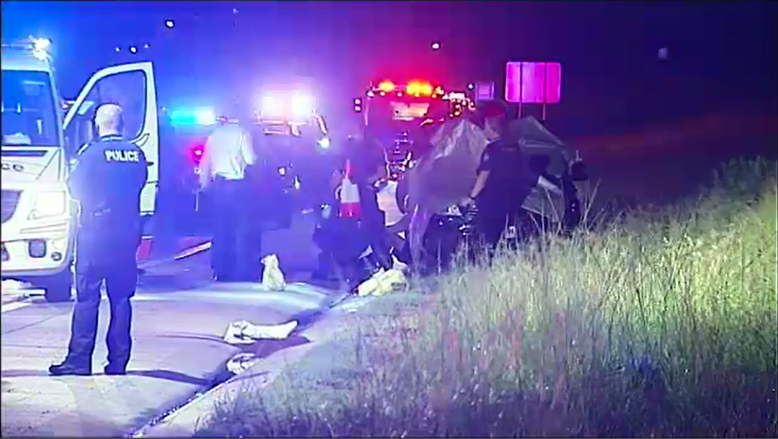
A bucks party, around a dozen men had spent the day drinking, their (sober) driver taking them home in their rented van about 9.30pm.

Travelling the same route on the M-1 – tradesman Brock Prime, driving with a mate in the passenger's seat.

READ MORE: $30 million boost for Queensland domestic violence services

The court heard it all started when Prime cut off the bucks party van in his car.

There was some interaction – fist-shaking, yelling.

The court heard the bucks party had been doing what bucks parties do – drinking heavily. Some had consumed cocaine.

It's here the details get a little fuzzy.

Police managed to glean there was a dangerous game of cat and mouse along the highway as the two cars chased each other, weaving through traffic.

Tempers flared in both vehicles, before Prime pulled over on the side of the highway, followed by the van.

Outnumbered, Brock Prime armed himself with a concrete trowel.

Two men sentenced over horrific road rage attack on young tradie

There was a verbal altercation, some pushing and shoving. Jordan Jonathan Baklas was angry when Prime damaged the group's rental car.

In retaliation, a man from the bucks party jumped onto Prime's car bonnet, smashing his windscreen.

Punches were thrown, some men spilled onto the highway, cars forced to try and dodge them.

Baklas delivered at least three blows to Prime's head, by then he was on the ground.

Jonathan Christopher Lawrence struck Prime with his own weapon, the trowel. First to his leg, fracturing it.

Then to his head.

The group then fled, leaving Prime on the ground, unconscious.

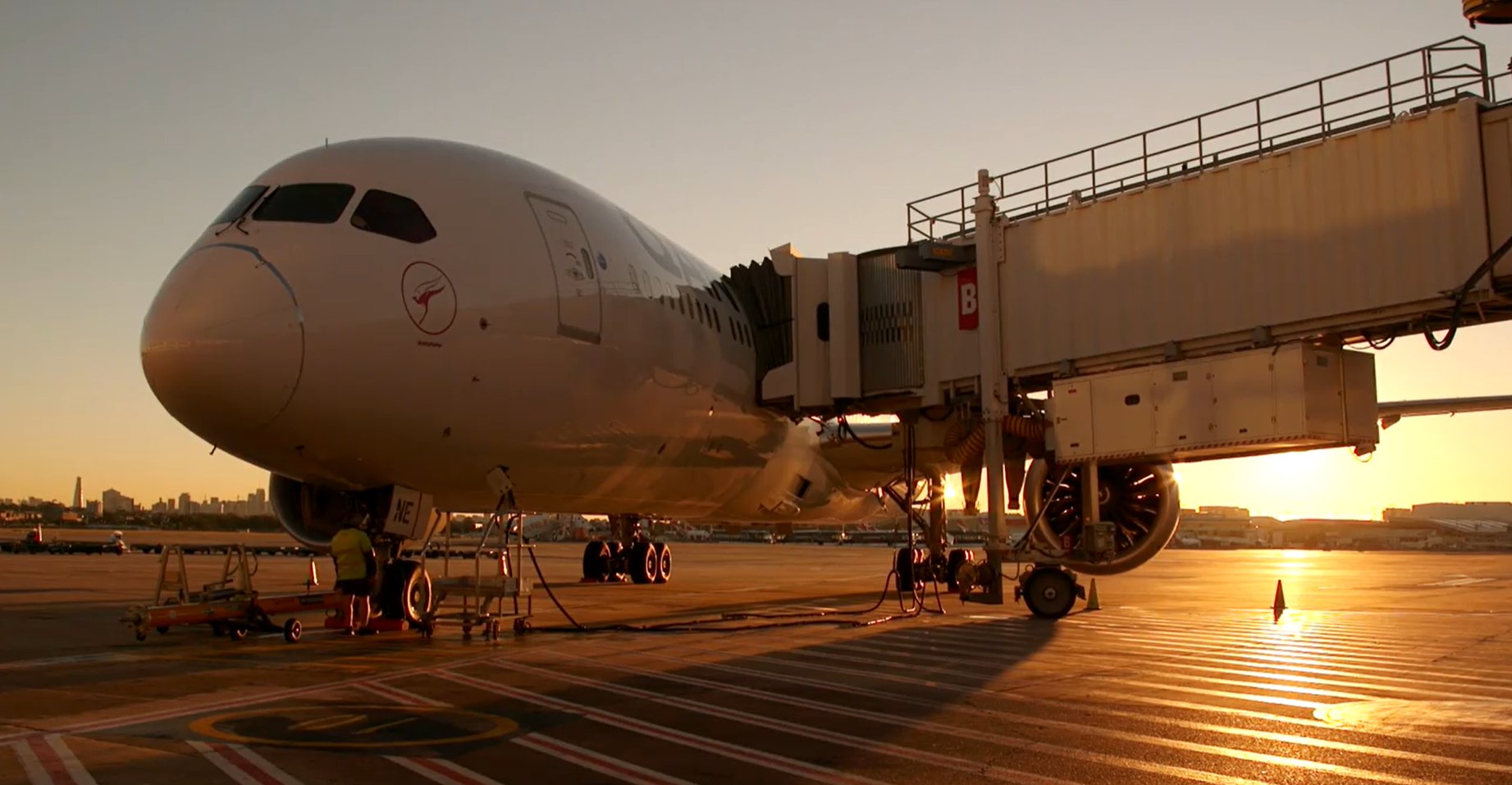
READ MORE: Qantas blames 'faulty sensor' for 'priority landing' at Brisbane Airport

They didn't even call an ambulance.

Prime's own passenger, his mate, had deserted him during the melee.

Paramedics found the young man, in a critical condition by the side of the highway.

They'd been called by witnesses, frightened by what they'd driven past.

A police appeal followed the next morning – how did young Brock Prime, a promising tradie end up with his head bashed in by what was clearly a weapon?

The scene of the M1 assault that saw Brock Prime left for dead.

The bucks party assailants handed themselves in to Beenleigh police the next day.

The court heard the men initially downplayed their involvement.

Lawrence telling officers when they left the scene, Prime was "fine" and "standing". He was neither.

A judge found the group had attempted to collude, with Baklas telling an undercover police officer planted in his jail cell that he feared someone had "rolled".

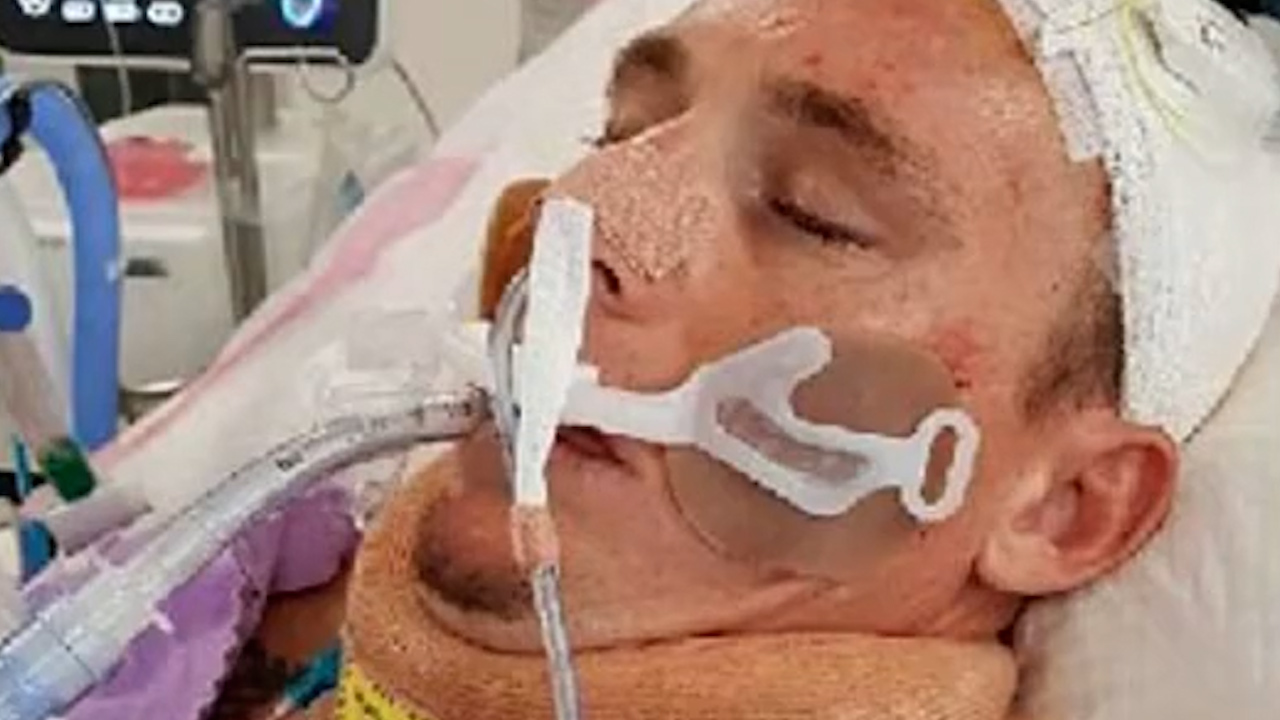
Prime spent two weeks in a coma, and now faces permanent paralysis down his left side.

He suffers frequent epileptic fits, his younger sister juggles full-time study with her role as Prime's carer.

It was a double tragedy for the Prime family.

Their patriarch – Brock's father – had died suddenly six weeks earlier.

Brock had moved back into the family home to help pay the bills before he was hospitalised.

He wasn't the only man involved who was dealing with significant grief.

Brisbane District court hearing Jonathan Lawrence, charged with delivering the serious blows with the trowel, had been recovering from his own personal tragedy when the melee occurred.

READ MORE: Reduction in vaccine doses received by Queensland government 'due to GP rollout'

Lawrence's three-year-old daughter was killed in a manslaughter interstate a couple of years prior.

The long-winded court process had been finalised just weeks before the fateful bucks party.

While it wasn't a significant factor in the sentence he received, it may well have played a role in why he lost his temper the way he did.

Judge Byrne said in sentencing, it's difficult to understand how any of this occurred.

Two men, confronting grief, tempers flaring, in the perfect storm.

Lawrence has been jailed for five years, suspended after 20 months.

Baklas was sentenced to 100 hours of community service, with no conviction recorded.

Prime will never fully recover from his injuries.

Biden: US to Identify & Assist Vulnerable Migrants

(CNN) The Biden administration plans to coordinate with nongovernmental organizations to identify vulnerable migrant families in Mexico and allow them to enter the United States, instead of turning them away under a Trump-era border policy, according to a source familiar with discussions.

The administration has been facing fierce criticism for relying on a public health authority, known as Title 42, that was put in place under the Trump administration in early 2020 at the onset of the coronavirus pandemic.

The policy allows border officials to expel migrants encountered at the US-Mexico border. Immigrant advocates argue it has put migrants in harm’s way, leaving many, including those seeking asylum, in dangerous conditions in Mexico. In some cases, families have opted to separate from their children, since unaccompanied migrant children are not subject to the policy.

On Thursday, Democratic Sen. Jacky Rosen of Nevada told Homeland Security Secretary Alejandro Mayorkas, who’s defended the policy, that she remains “concerned about the continuation of Title 42, that policy that the Trump administration used to expel migrants across the board, including children and families desperately attempting to come here for our asylum process.”

The administration’s move appears designed to quell those concerns by addressing more families who are deemed exceptions to the policy. The latest plan is kicking off on a pilot basis, the source said, adding that families will be put in immigration proceedings.

“As the United States continue​s to enforce the CDC Order under its Title 42 public health authority, we are working to streamline a system for identifying and lawfully processing particularly vulnerable individuals who warrant humanitarian exceptions under the order,” said Sarah Peck, a Department of Homeland Security spokesperson.

“This humanitarian exception process involves close coordination with international and non-governmental organizations in Mexico and COVID-19 testing before those identified through this process are allowed to enter the country,” she added.

The public health order remains the subject of litigation. Since February, plaintiffs in a case concerning families being subject to the order have been in negotiations with the government.

An immigrant mother and son, 10, weep after completing their monthlong journey from Honduras to the US on April 14, 2021, in Roma, Texas.

Some exceptions have been made to the policy, including exempting 35 families daily who are referred by the American Civil Liberties Union to be admitted to the United States.

“The Title 42 order has always had an humanitarian exemption for especially vulnerable individuals and it is critical that the exemption process work efficiently through the ACLU process and the new consortium of global NGOs,” said Lee Gelernt, lead attorney in the litigation over the public health order.

The approach is similar to one taken by the administration earlier this year to process migrants who had been subject to the “remain in Mexico” policy. That Trump-era policy forced asylum seekers to stay in Mexico until their immigration court dates in the US.

The administration has similarly collaborated with international organizations to help identify and process thousands of migrants into the US with active cases under that policy. Migrants processed through that program are tested for the coronavirus before being allowed entry into the United States.

The post Biden: US to Identify & Assist Vulnerable Migrants appeared first on The St Kitts Nevis Observer.

Black Brazilians Protest Racism, Police Violence

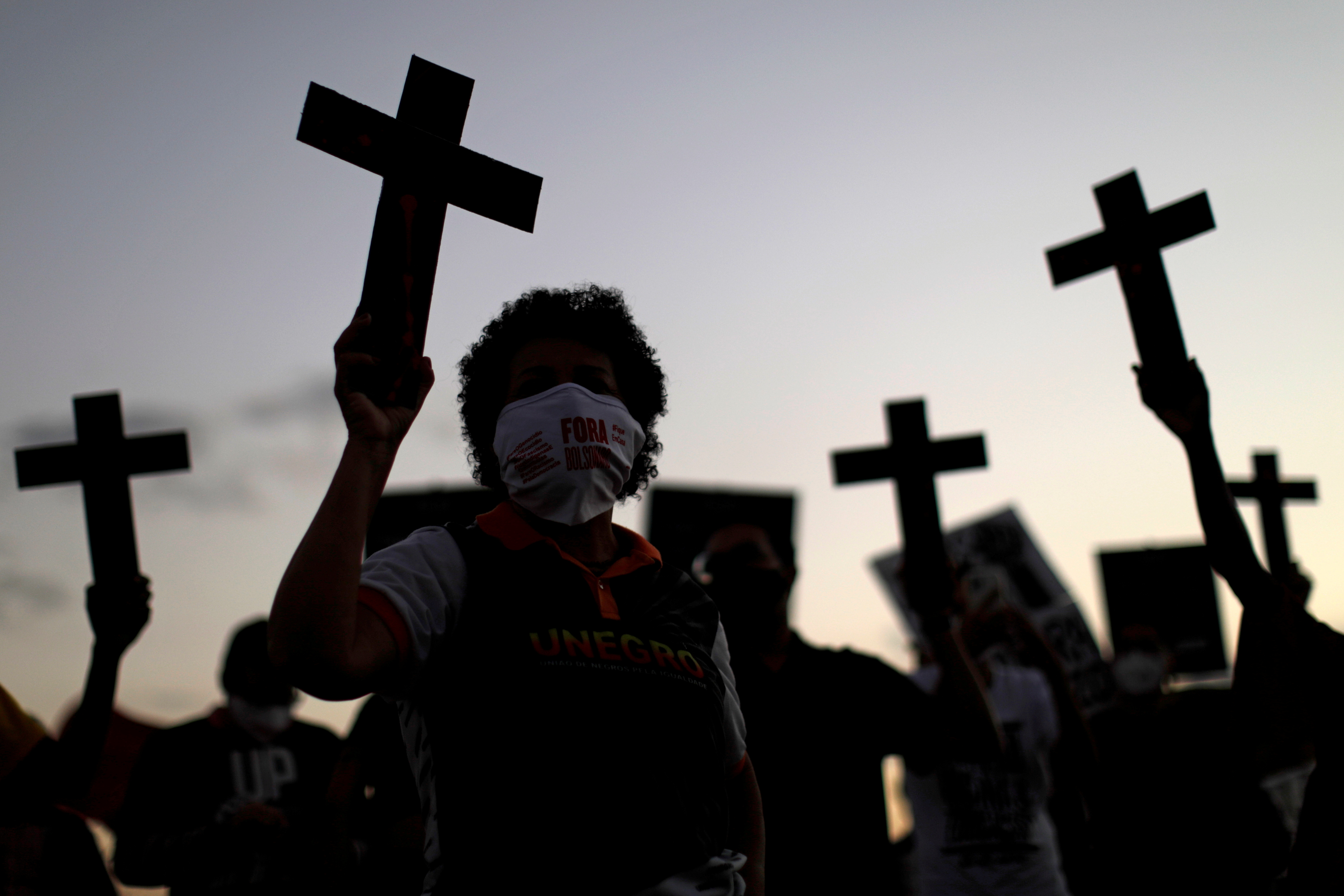
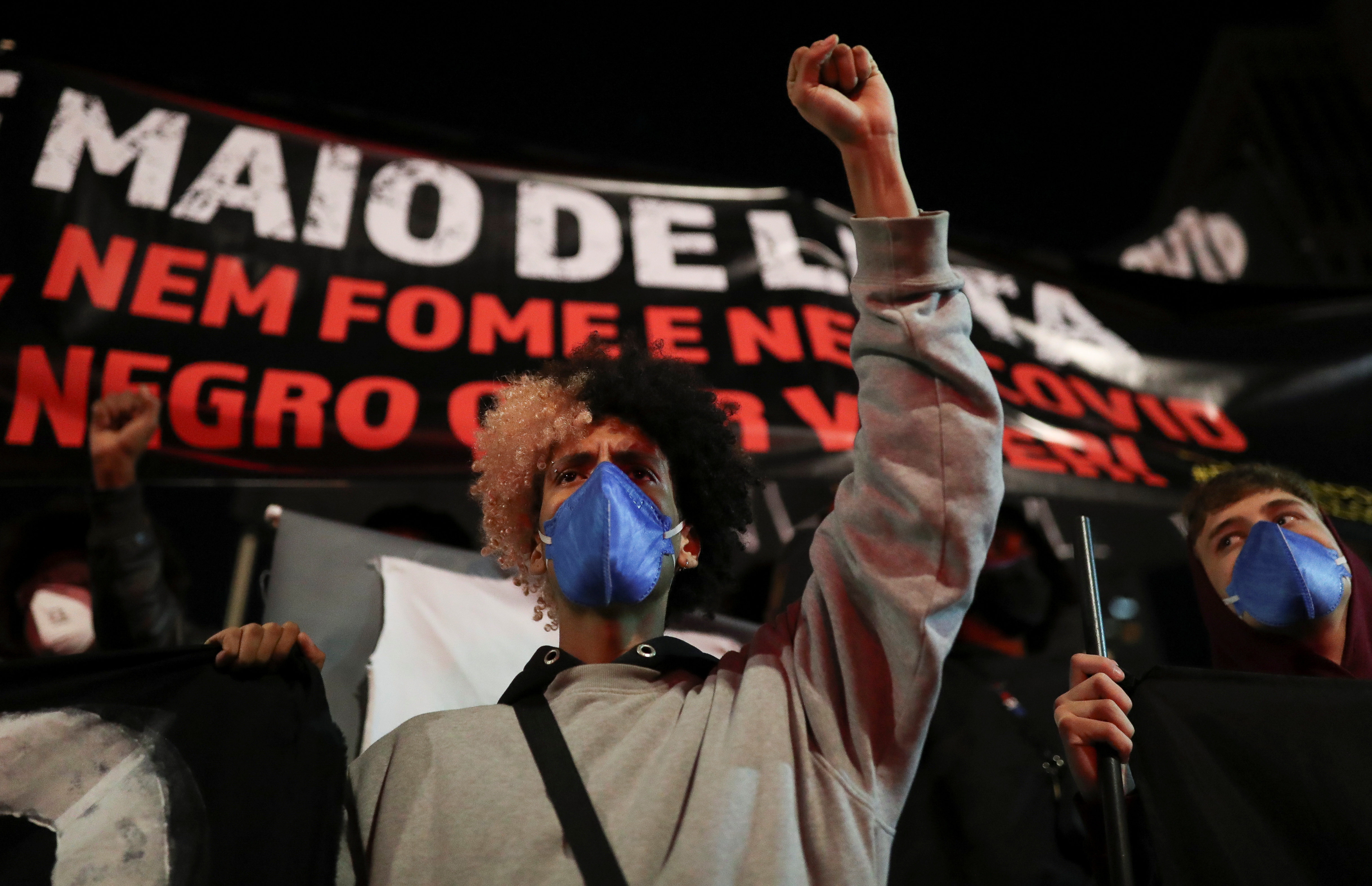
Reuters- Black Brazilians demonstrated in the country’s two largest cities on Thursday to protest against racism and police violence toward their communities in a local version of the Black Lives Matter movement in the United States, with some accusing the country’s president of genocide.

They were also protesting what they called the “false” anniversary of the abolition of slavery, officially marked for the day in 1888 when the Brazilian monarch’s daughter, Princess Isabel, signed the law freeing slaves.

Black Brazilians celebrate the end of slavery on Nov. 20, the anniversary of the killing of Zumbi, a figure of resistance against slavery and the last leader of a runaway slaves community called Palmares.

Around 1,000 people marched through downtown Rio de Janeiro in the evening holding candles and signs saying, “Don’t kill me, kill racism,” and accusing far-right President Jair Bolsonaro of genocide through police violence.

Other signs decried the shooting deaths of 28 people in a slum called Jacarezinho on the outskirts of Rio de Janeiro a week ago during an operation that police said targeted drug traffickers.

Human rights activists accused the police of “extrajudicial killings” saying many of the dead where not under investigation. A Supreme Court justice said he saw signs of “arbitrary execution” in the raid on Jacarezinho. read more

In São Paulo, a similar number of demonstrators crowded onto a main avenue to oppose racism and police violence.

“We are marking the date of the false abolition of slavery, and the tragedy in Jacarezinho where police ambushed 28 people to kill them in cold blood,” said João de Oliveira.

“President Bolsonaro and his vice president even applauded the slaughter. He committed genocide. We are here to protest

The post Black Brazilians Protest Racism, Police Violence appeared first on The St Kitts Nevis Observer.

Colombia Protesters: We’re Not Scared Anymore

By Manuel Rueda
Bogotá, Colombia

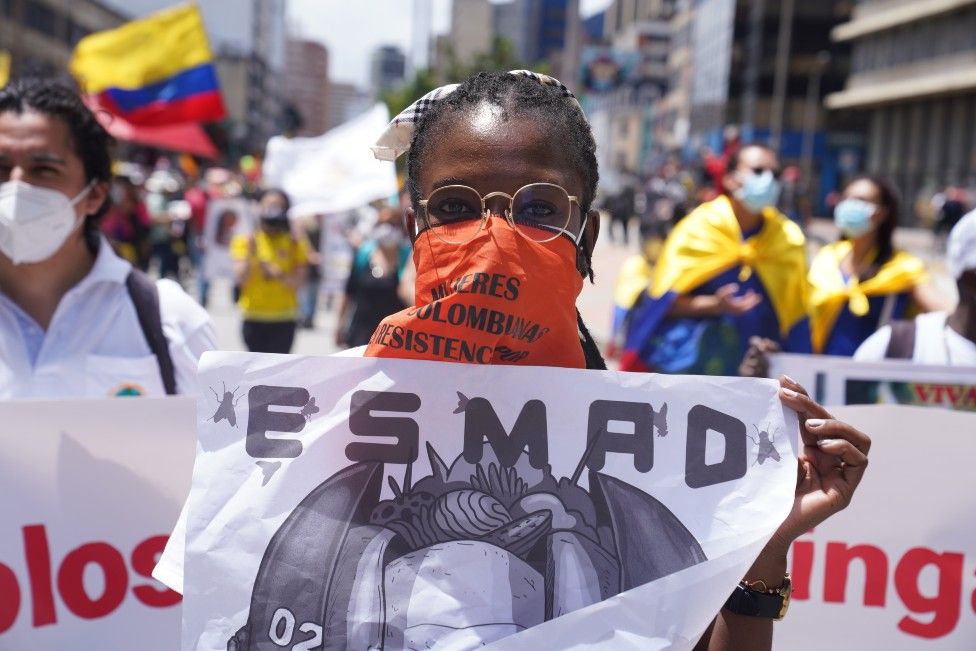
BBC- Anti-government protests in Colombia entered their third week on Wednesday. The demonstrations were sparked by a government proposal to increase taxes as millions of people have seen their incomes shrink due to Covid. But they have continued for days even after the government withdrew its proposed tax plan.

Protest leaders say their demands now go much further and include calls for a basic income scheme, free tuition at public universities and a reform of the police. Forty-two people have been killed during the protests, according to Colombia’s human rights ombudsman.

Protesters spoke to the BBC about their reasons for keeping up the demonstrations, which are the largest to sweep through Colombia in decades.

Yacila, political scientist

Yacila at a protest in Bogotá on 12 May 2021

There is a lot of discontent at the national level and it goes further than the issue of taxes. It’s caused by all the injustices that have been taking place during the [Iván] Duque government and during previous governments.

Hundreds of community leaders have been killed since the peace deal with the Farc (the Revolutionary Armed Forces of Colombia) was signed in 2016, including indigenous and black leaders.

We have a poster here with the names of almost 300 former Farc fighters who were killed after laying down their weapons. On top of that what we are seeing is that when people come out to protest there is repression, so that just makes us want to continue to mobilise.

I think that these protests should continue until people have satisfied their need to express their frustration with what is happening.

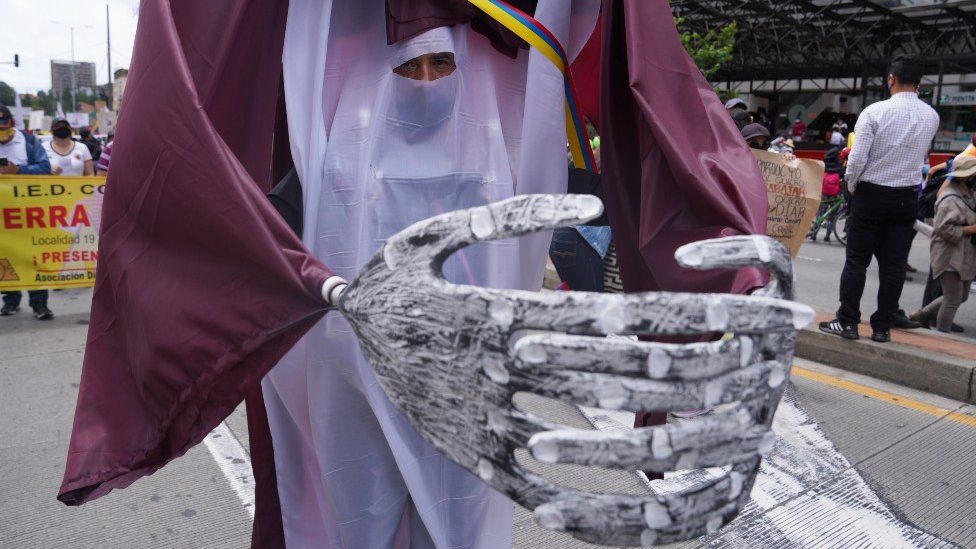
Ramiro Velasco, art teacher

Ramiro Velasco dressed in a costume at a protest in Bogota on 12 May 2021

I’m wearing a costume that represents death: it represents the massacres that have been occurring in Colombia under this government, the killings of community leaders in the countryside, deforestation, the growth of poverty and everything else related to death.

At this moment there is a very strong lack of government in this country. The government has no clear plans on how to improve healthcare, it has let the peace deal with the Farc wither. For all those reasons, I’m here. We have to demand that the government do its job because at this moment they are making us an unviable country.

They told us not to go out because we were going to get sick and we were going to die. But these demonstrations are proof that people are not scared anymore. We have to come out and express ourselves.

Liliana Rodríguez, classical singer

Liliana Rodriguez at a protest in Bogotá on 12 May 2021

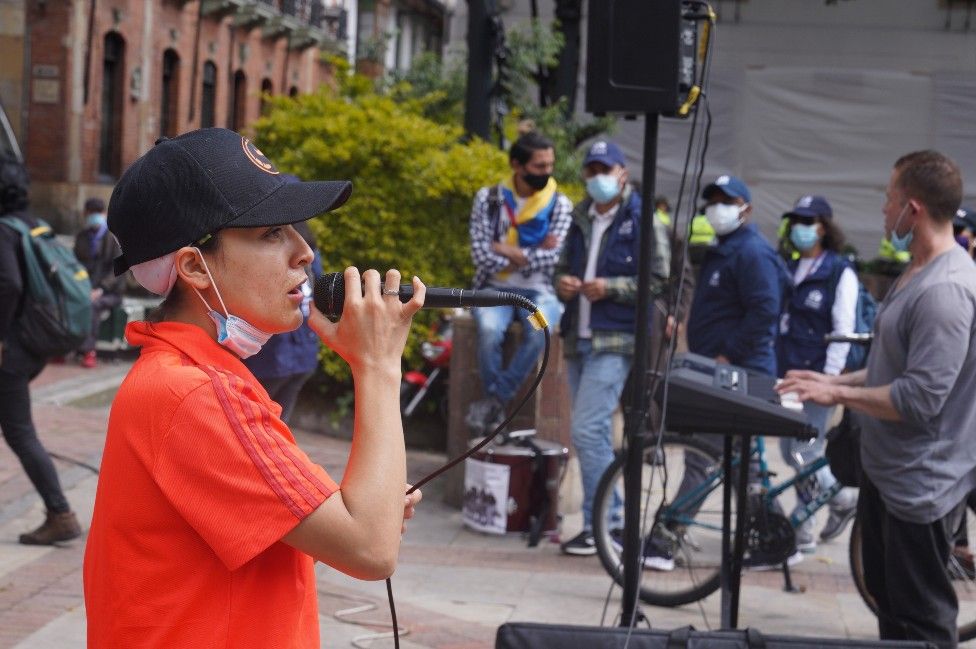
I’m showing my support for the protests by coming out here to sing opera. What you see people expressing here is general discontent. It’s not just about a tax reform, or reform to the health system, and all the other laws. It’s people showing the discontent that they have been feeling for a long time.

Young people are especially frustrated because we study a lot, but we don’t have a place to continue our careers afterwards. I used to sing for the choir at the Bogotá Philharmonic but that’s just a youth choir. Now there is no choir where I can sing full-time, because in Colombia there are no choirs that pay professionals to sing.

There’s no work and things like food are more expensive now, there’s government corruption, that’s what makes people frustrated. The tax reform was just a fuse. But what is really going on is that we are tired of this bad governance we have.

Ernesto Herrera, leader of the Santa Fé Football Club fan group

Ernesto Herrera (right) at a protest in Bogotá on 12 May 2021

We support these protests because we are victims of the state. We’ve had members killed by the police.

Our youth have lots of needs that are not being met. There are drug addiction problems, economic problems, problems just not being recognised. But we want to get ahead and change things and have a different kind of government.

We don’t feel represented by politicians. But we want to sit down with them and show them that from our experience as football fans, we know what young people are going through. We have youth that need basic incomes, access to education, and need access to a decent healthcare system.

Daniela Sánchez, hospital worker

Daniela Sánchez (right) and a friend at a protest in Bogotá on 12 May 2021

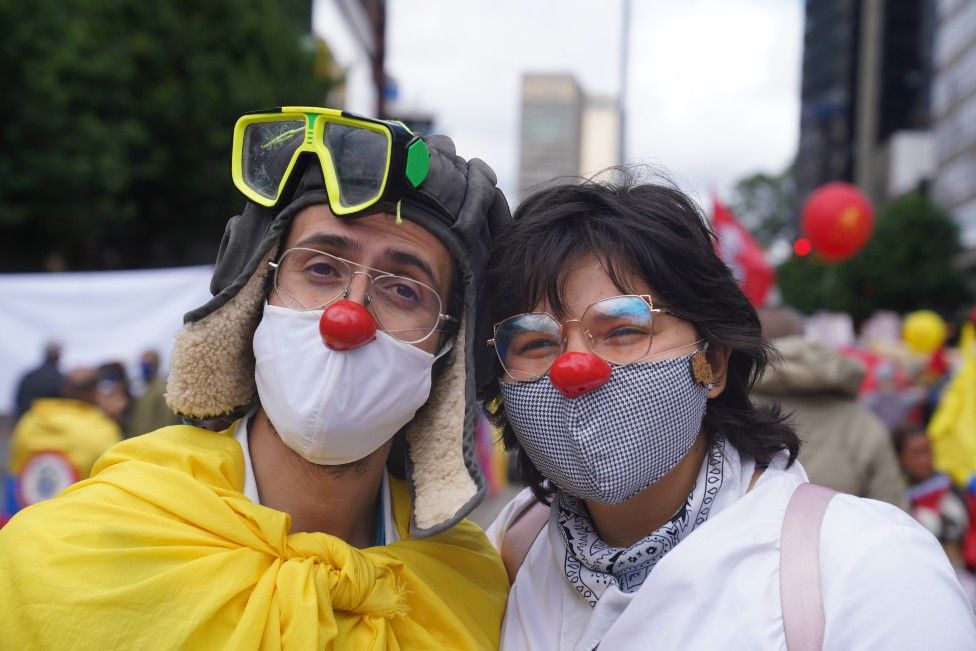
I am a clown, and I do laughing therapy for children in hospital as well as for older people with terminal illnesses.

We decided to participate in these protests because we are fed up with inequality in this country. There are people in the countryside, and in cities, too, who can no longer afford three meals a day, people who have no access to education or to proper healthcare, we have seen that during our work as hospital clowns.

The pandemic exposed the big differences between the rich and the poor in Colombia. It showed how many people have no access to the internet, for example, or how many people lack savings and need to work on the streets to eat.

So I think this has to continue until the government shows remorse for its actions and hopefully it will show people that it is important to vote. We need to make good choices in next year’s election.

Miguel Morales, member of the Misak indigenous group

Miguel Morales at a protest in Bogotá on 12 May

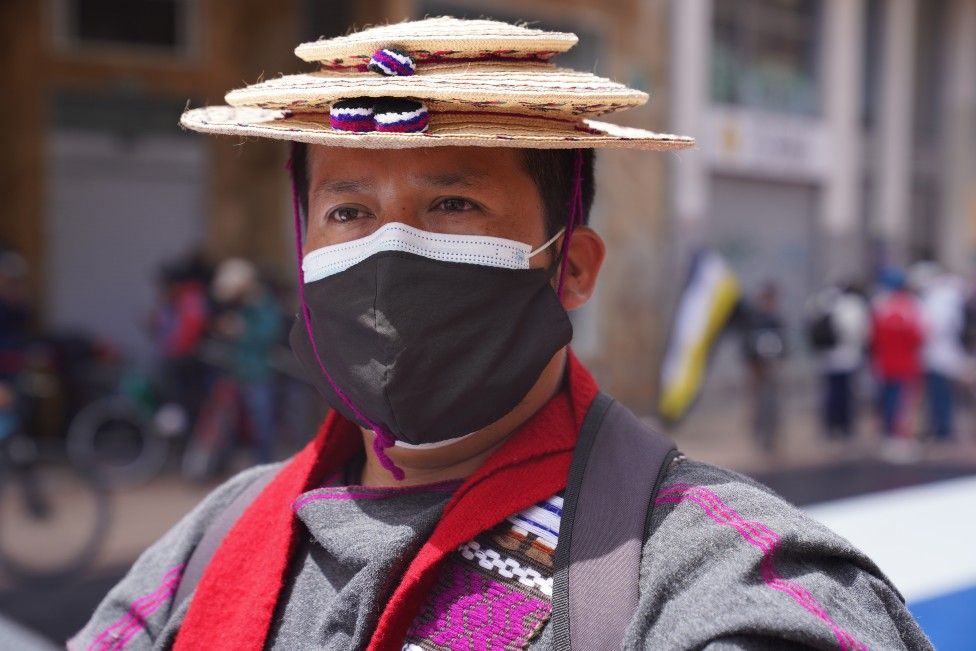
This protest is not just about taxes. We are from the Cauca region, but we have about 200 families that have been here in Bogotá for 10 years because of the violence in our territories.

We think that these protests must continue because the president must realise that his job is not to do what his party wants, or what [his mentor] former President Álvaro Uribe wants, but to carry out the will of the people.

While he doesn’t hold real conversations with the people the protests will continue.

We have pulled down statues [of Spanish conquistadors] during the protests. These are symbolic acts of justice. In order for a country to live in peace, the histories of all its inhabitants must be heard.

Wendy Monroy, student at a public university

Wendy Monroy at a protest in Bogotá

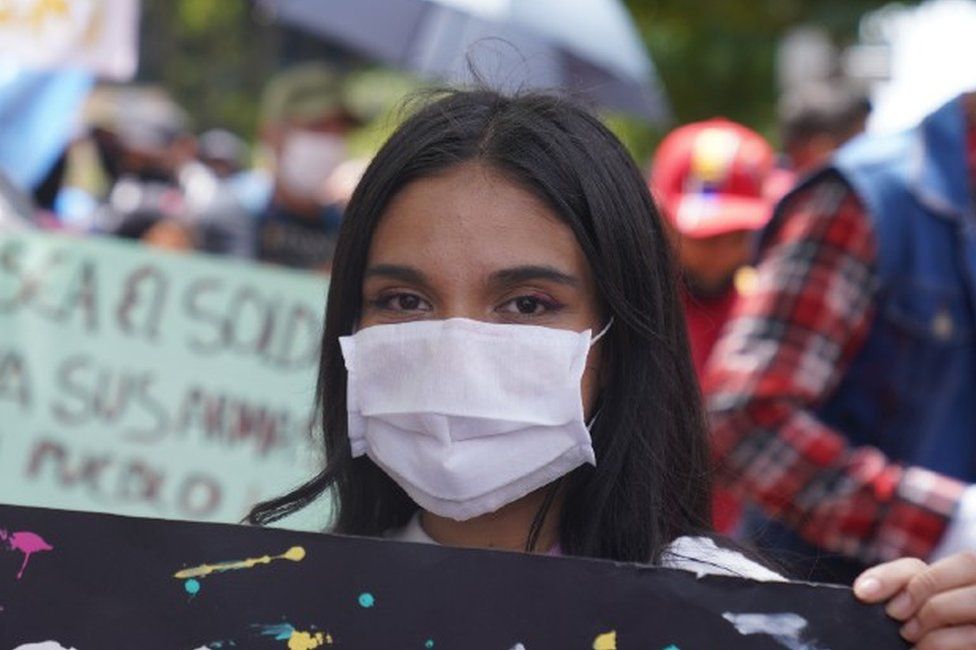
I was in the second semester of my teaching degree when the pandemic broke out. Classes got suspended for some weeks and then they adjusted things so that we would continue our studies online.

I kept on studying but many of my fellow students dropped out. They dropped out because they had to work to support their families, because their parents didn’t have money any more.

So I’m here to ask for things like better healthcare but also to ask for better conditions for students.

At my university, we haven’t been able to go back to face-to-face classes yet. At private universities they’re already having regular classes again, but that’s because they have funds to take bio-security measures, simple things, like providing hand sanitizers, but at my university that hasn’t been done.

I believe that there are solutions for this country and we have to fight for that. These are the biggest protests I can remember. It shows that young people are willing to take control of this country and maybe in some years time, things can change.

The post Colombia Protesters: We’re Not Scared Anymore appeared first on The St Kitts Nevis Observer.