Category Archives: headline

Vaccines and blood-clot risks: Your questions answered

A leading Australian infectious diseases and vaccine expert has answered some of the growing questions about the country's vaccine rollout, including the topic of choosing between AstraZeneca and Pfizer.

9News talked with Associate Professor Paul Griffin, who has worked on COVID's frontline at the Mater Hospital in Brisbane. He has overseen more than 100 clinical trials of vaccine as a part of the Nucleus Network.

READ MORE: 'Don't do it': Brisbane father hospitalised following junior rugby brawl
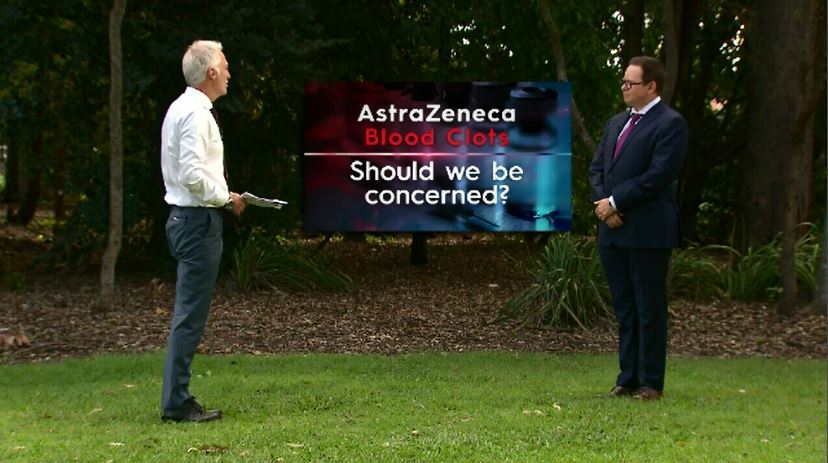
9News sat down with Associate Professor Paul Griffin, who has worked on COVID's frontline at the Mater Hospital in Brisbane.

With the number of blood clotting cases in Australia due to the COVID vaccine now in the double figures, how concerned should we be?

Dr Griffin: Well, obviously, it would be better if we had a vaccine with no significant side effects, but unfortunately, such a vaccine doesn't exist. It's been really good; we've identified this early, we've changed the vaccine to address this risk, and we're constantly assessing the benefits versus the risks – and it's very clear at the moment the benefits far outweigh the risks.

Is it natural for the community to be worried, though? 

At this stage, the vaccine is still very effective, especially when you compare it to the small risk, and this risk, while significant, remains very rare, and we're still talking about less than once per 100,000 people vaccinated.

Talk to me in simple terms, if you can, about what's happening with this immune response we're getting in these cases

We're still looking into what's driving this – it does appear to be an immune response that's causing that, potentially one against a clotting cell … so there are some antiplatelet antibodies involved. Still, there's lots of good work to work out exactly what's causing this.

What we'd like to see is a way of knowing who's at risk and not subjecting them to this vaccine, and maybe using an alternate in those people if we can identify it.
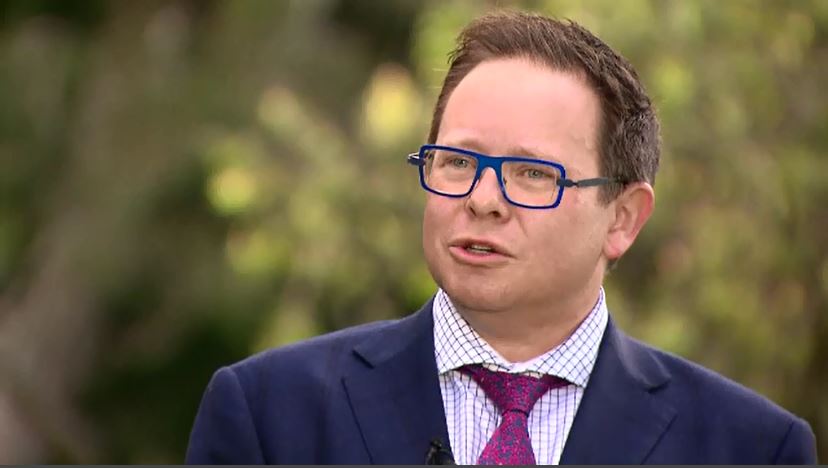
Dr Griffin has overseen over 100 vaccine clinical trials.

Now, the occurrence (of clotting) at the moment is being assessed at one in 150,000 -170,000 people? 

That's exactly right, and what that means is it's extremely rare – so the vast majority of people won't get this very rare side effect and of the people who do and we're now talking of around 11 cases.

While in our country right now, the risk of getting COVID-19 is very low, that might not be the case forever. But also, the risk of not getting vaccinated includes our need to rely on things like border restrictions and lockdowns to keep the virus at bay – so if we get enough people vaccinated, we won't need to use those measures as much.

Could we talk a bit about underlying health problems and the extent to which that could make you more at risk of clotting, such as if you're overweight, a smoker or if you're on the pill?

While they all might be risk factors from traditional clots, which you might get while you are flying or after an operation, they don't seem to be risk factors for this rare, unusual clotting syndrome."

What about the family history – we're hearing people say, "Oh, my mum had a blood clot problem", does that put that person at greater risk?

No, again, that's a risk factor for traditional clotting, not for this rare clotting syndrome that's likely associated with the vaccine.

What about the comparison with Deep Vein Thrombosis? We know people are saying this has happened to me after a long-haul flight. Are those people right to be concerned?

I think they're right to ask the question, but again … this is a really rare, unusual clotting syndrome, so those kinds of deep vein thrombosis are very common, but it's a very different process to this one that we're concerned about.

And is there anything we can do to reduce the risk of (the clotting) from happening?

Not at the moment, a lot of good work is happening to see if we can predict who might be of higher risk, but at the moment, we don't know of any way to change that.

And what are the symptoms (of blood clotting) that we should be aware of?

The main symptom occurs not in the first day or (second day) where we do expect things like a headache or some aches and pains. It typically occurs between (the fourth and 20th day) and involves more significant pain or discomfort.

Can you ask your GP, for example, if 'I don't want to have the AstraZeneca, can I wait for the Pfizer?' 

That's a bit tricky at the moment because we still have issues with that Pfizer vaccine and we're still using that in a prioritised manner, so if people are genuinely concerned, I'd encourage them to discuss with their GP or vaccine provider.

So what do you say to people who say "I'm going to wait"?

I understand that there's some concerns … at the moment we've heard so much about these events, but what we know is that the vaccine remains very effective and while there are some risks, the benefits of this vaccine still far outweigh those risks.

Is there an urgency about getting the vaccine as soon as possible?

While we know the risk of severe complications from COVID is very low, that's unlikely to be the case forever, and in the age group who are recommending this vaccine, the complications from COVID infection are very significant.


Shirtless customer picks up machete to chase alleged robber in IGA

A man buying a Mother's Day gift at an Adelaide IGA armed himself with a large knife to chase an accused robber out of the store, following a violent scuffle.

The incident took place at Hackham IGA yesterday afternoon, when a man allegedly refused to pay for the goods he'd gathered.

"He was screaming, yelling, abusing all the staff," owner Baggio Wang said.

READ MORE: Trio accused of murdering Adelaide man refused bail

One staff member, a 15-year-old girl, was reduced to tears.

A shopper approached the man and tried to get him to leave.

The pair wrestled, with the shopper eventually having his shirt torn off.

READ MORE: Hoon caught driving at 181km/h in South Australia

He ran into the back of the store and emerged with a machete used to cut fruit, chasing the alleged robber and a friend out of the store.

Mr Wang said the shopper was "a really nice guy" who had been in to buy some Mother's Day gifts.

Police are investigating the incident.

World View: Jerusalem Riots, Senegal’s Women, Coloardo Mass Murder, More

May 10, 2021

Alternate text

AP Morning Wire

  •  Dozens of Palestinians have been hospitalized after violent clashes with Israeli police at a flashpoint Jerusalem holy site.
  • A cyber extortion attempt that has forced the shutdown of a US pipeline was carried out by a criminal gang.
  • In the first story in a year-long series about how the pandemic is affecting women in Africa, the AP looks at women who process fish along Senegal’s coast. The first true fishing season since the pandemic devastated the industry has kicked off, bringing some renewed hope to the women and their communities.

Also this morning:

  • American forces destroy unwanted equipment in Afghanistan
  • Some of those charged in the Jan. 6 insurrection make dubious claims about encounters with officers at the Capitol
  • Catholic progressives in Germany openly defy the Vatican by offering blessings of same-sex unions in churches

VANESSA GERA

The Associated Press

Warsaw, Poland

The Rundown

I'm an image

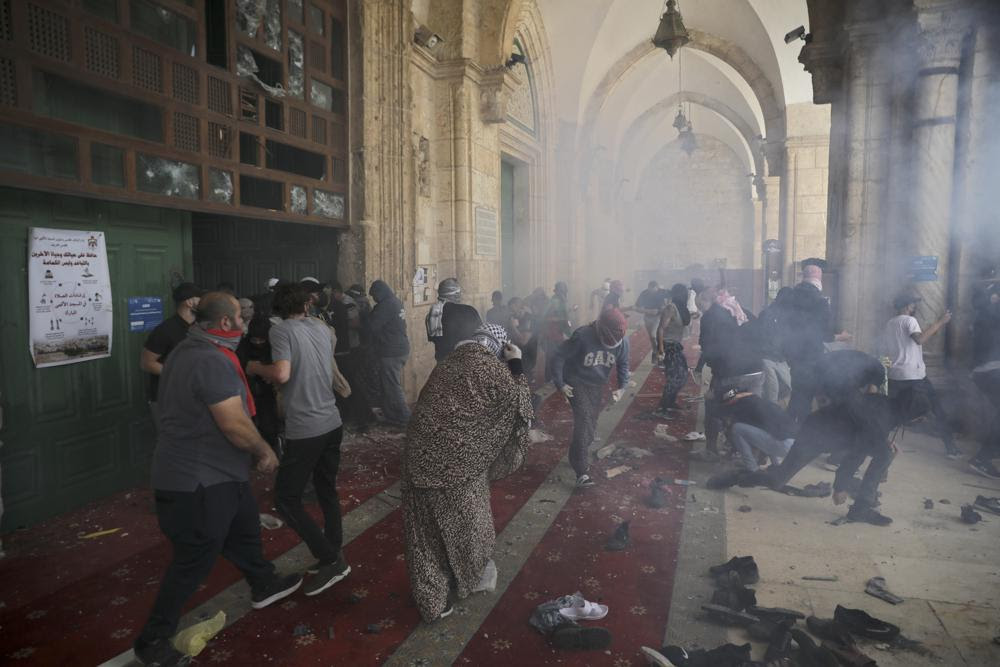
JERUSALEM (AP) — Israeli police clashed with Palestinian protesters inside a flashpoint Jerusalem holy site on Monday. Officers fired tear gas and stun grenades and protesters hurled stones and other objects at police……Read More

I'm an image

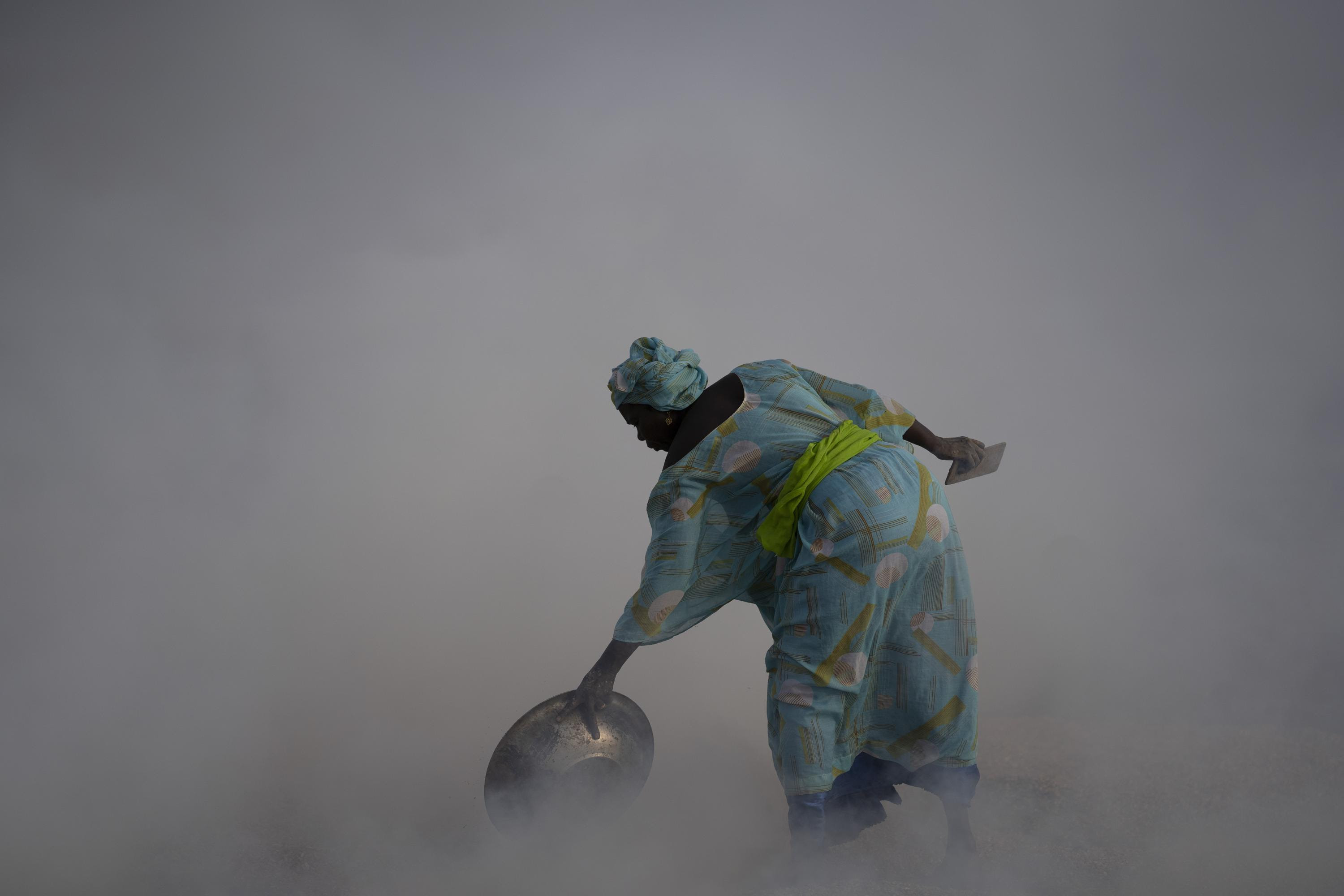
BARGNY, Senegal (AP) — Since her birth on Senegal’s coast, the ocean has always given Ndeye Yacine Dieng life. Her grandfather was a fisherman, and her grandmother and mother processed fish. Like generations of women, sh…Read More

I'm an image

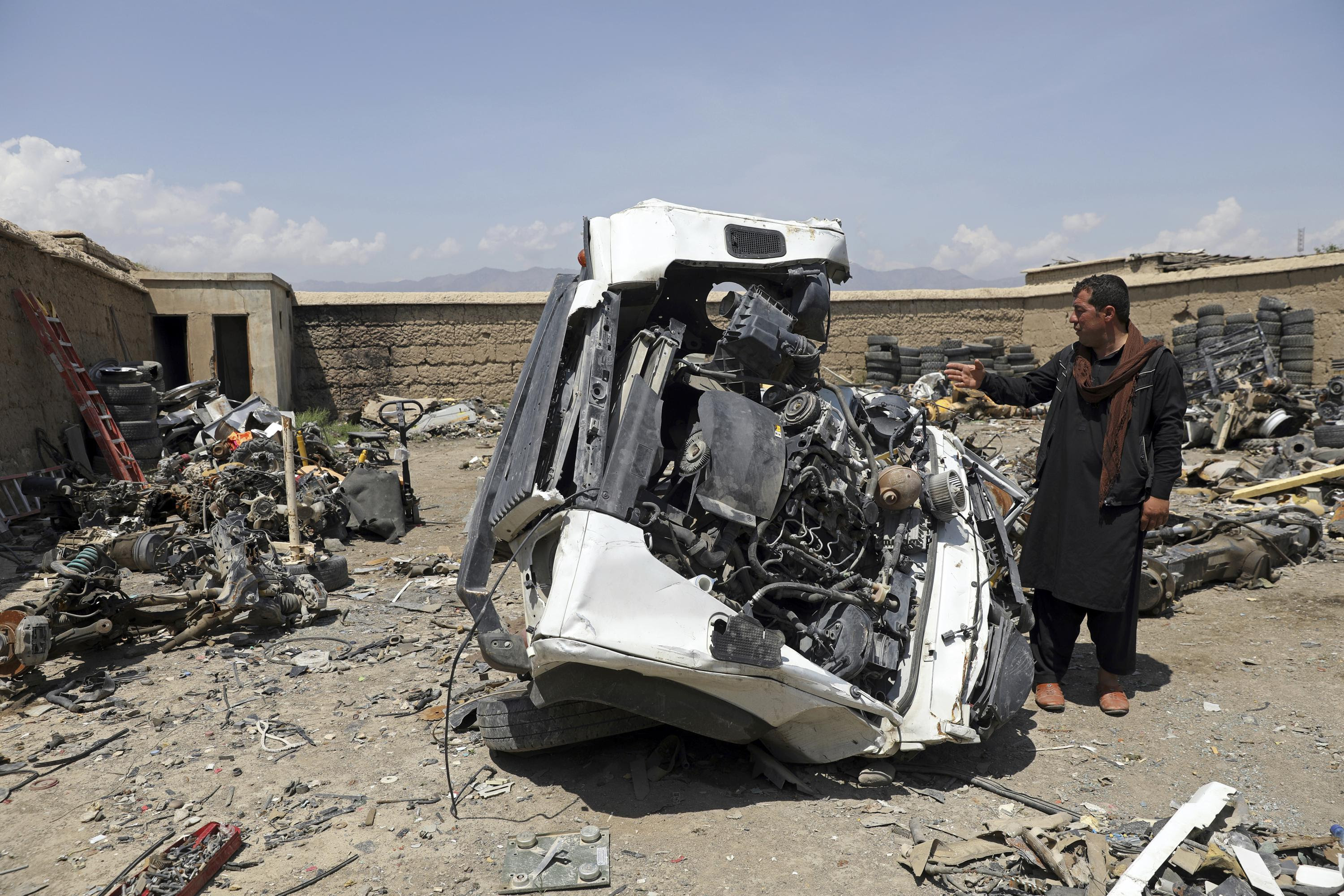
BAGRAM, Afghanistan (AP) — The twisted remains of several all-terrain vehicles leaned precariously inside Baba Mir’s sprawling scrapyard, alongside smashed shards that were once generators, tank tracks that have been dis…Read More

I'm an image

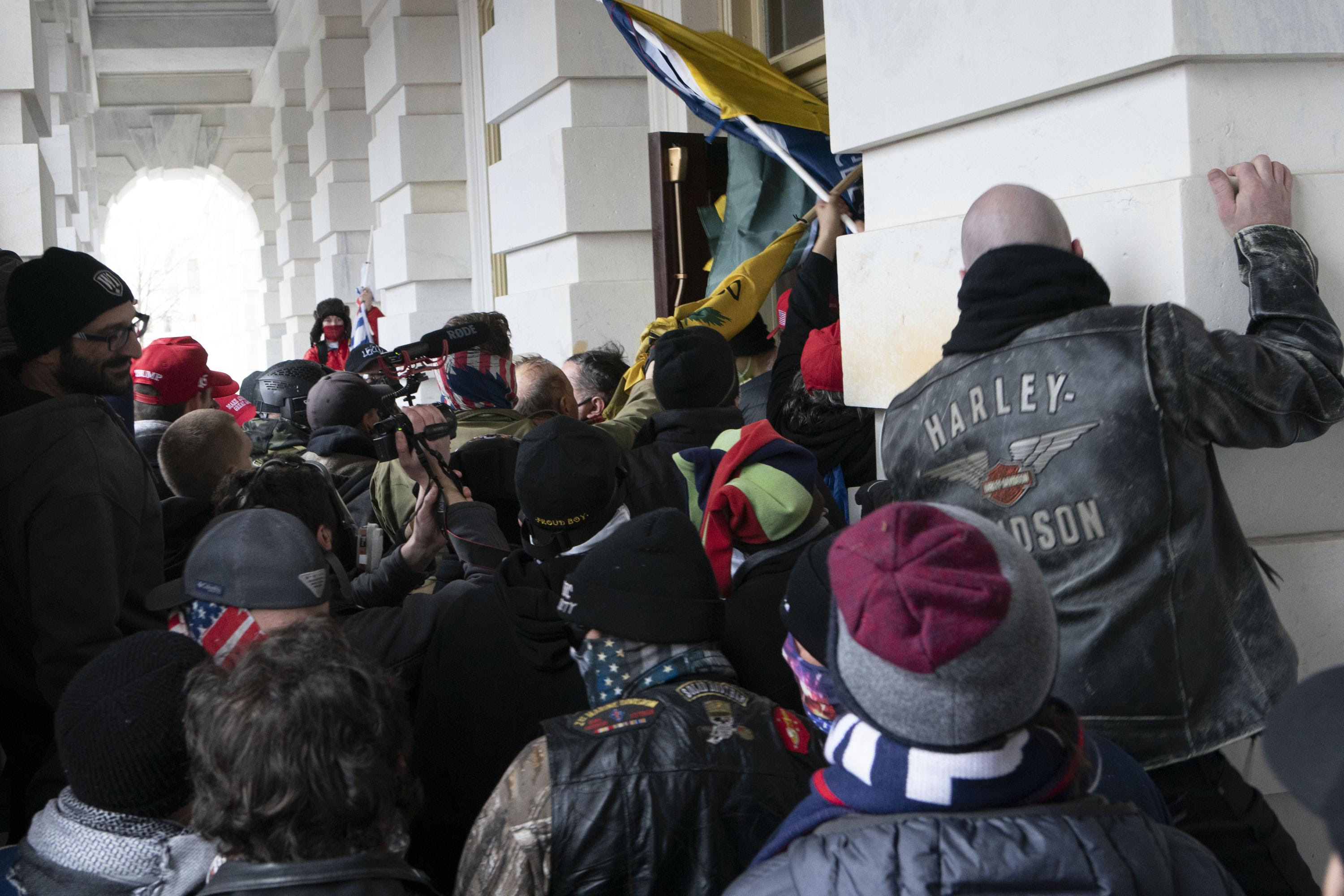
PHOENIX (AP) — Joshua Matthew Black said in a YouTube video that he was protecting the officer at the U.S. Capitol who had been pepper sprayed and fallen to the ground as the crowd rushed the building entrance on Jan… …Read More

I'm an image

WASHINGTON (AP) — The federal government is working with the Georgia-based company that shut down a major pipeline transporting fuel across the East Coast after a ransomware attack, the White House says… …Read More

OTHER TOP STORIES

BERLIN (AP) — Germany’s powerful Catholic progressives are openly defying a recent Holy See pronouncement that priests cannot bless same-sex unions by offering such blessings …Read More

PHOENIX (AP) — On the floor of Veterans Memorial Coliseum, where Sir Charles Barkley once dunked basketballs and Hulk Hogan wrestled King Kong Bundy, 46 tables are arrayed in …Read More

COLORADO SPRINGS, Colo. (AP) — A gunman opened fire at a birthday party in Colorado, slaying six adults before killing himself Sunday, police said. The shooting happened just…Read More

LOUISVILLE, Ky. (AP) — Churchill Downs suspended trainer Bob Baffert from entering horses at the track and suggested that it would invalidate Medina Spirit’s Kentucky Derby vi…Read More

“There are only two forces that can carry light to all the corners of the

The post World View: Jerusalem Riots, Senegal’s Women, Coloardo Mass Murder, More appeared first on The St Kitts Nevis Observer.

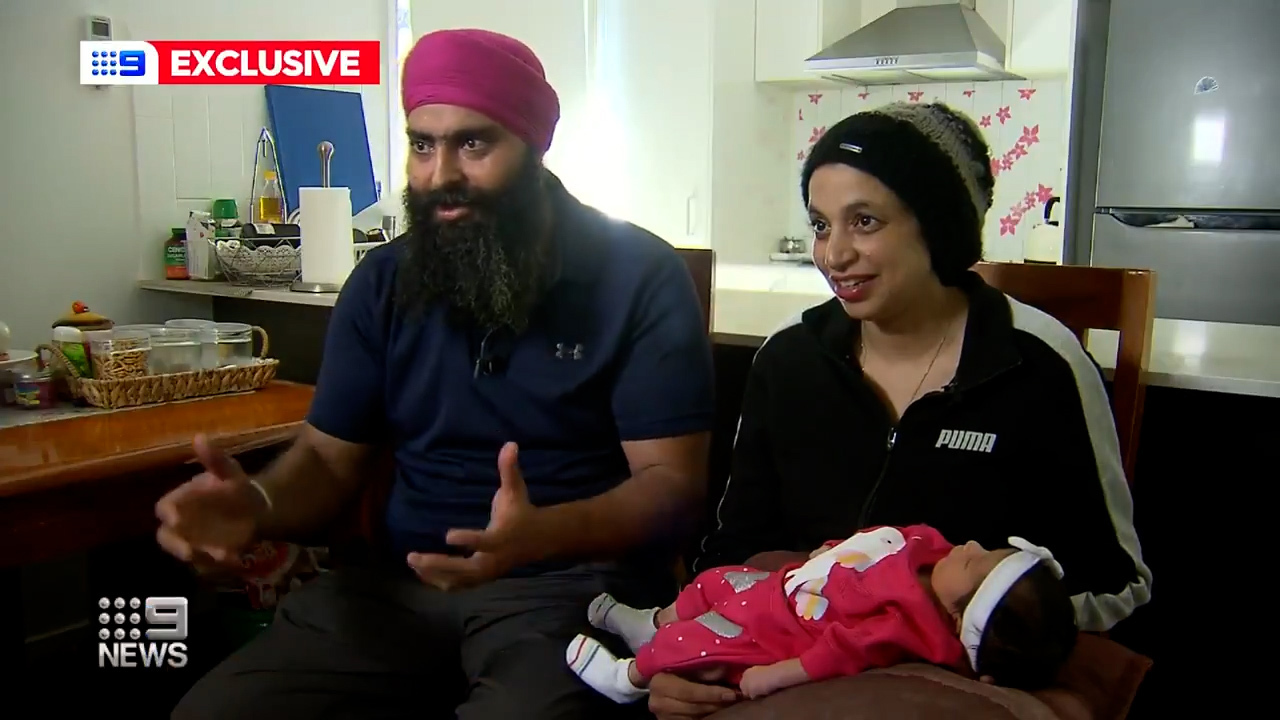
Queensland dad delivers own daughter while on the phone to Triple Zero

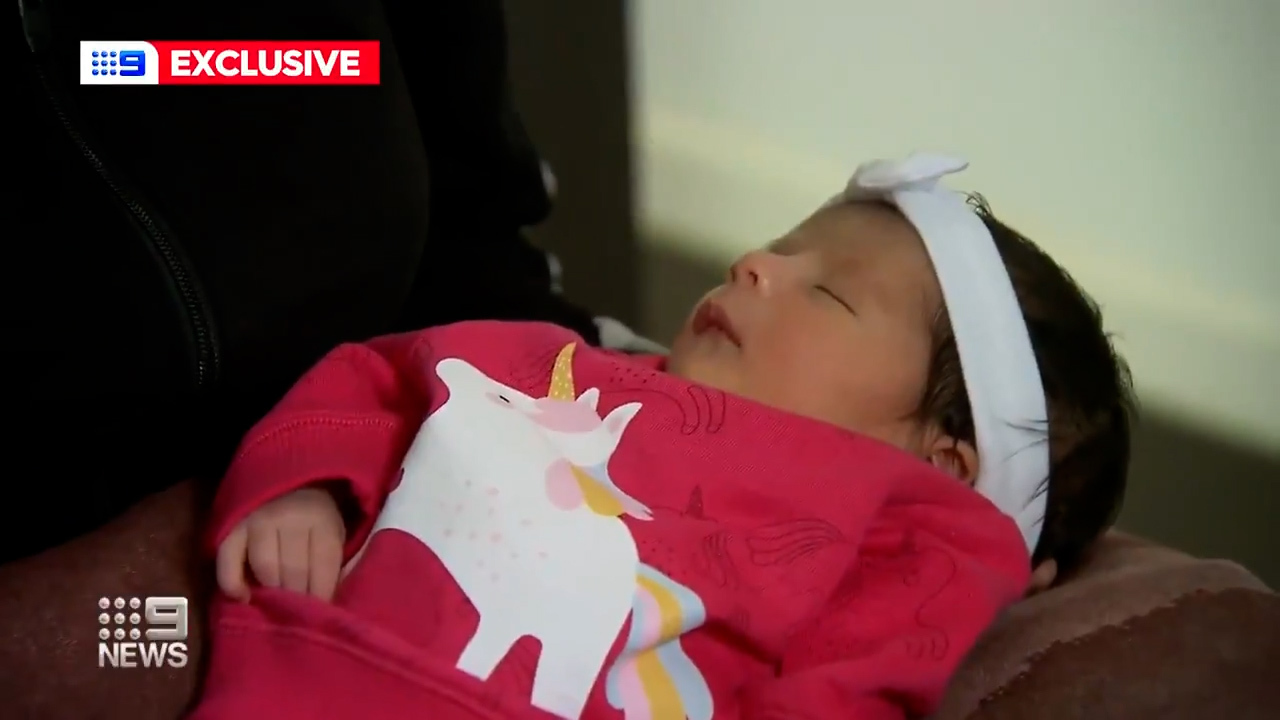
A Queensland dad who called Triple Zero after his pregnant wife's waters broke found himself being coaxed through handling his own daughter's delivery.

It was about 6am last Wednesday when Ipswich woman Navjot Kaur rang her husband Ravideep Singh to tell him their new baby was on the way.

"She was saying, can you come here quickly, the baby's coming – and I was saying, try not to push, just hold it a little," Mr Singh said.

READ MORE: Woman gives birth to nine babies after expecting seven

Informed by Ms Kaur that there was no question of "holding" the baby, Mr Singh called Triple Zero when he got home.

Emergency medical dispatcher Allie Roser took it as her first call of the day, and after sending an ambulance, helped talk Mr Singh through delivering the baby.

"You can see part of the baby now?" she said at one point during the call.

READ MORE: Woman gives birth in Brisbane bike lane

"Exactly, I can see the hairs," Mr Singh replied.

The paramedics arrived just minutes before the couples' new daughter entered the world. A relieved Mr Singh cut the umbilical cord.

Less than a week on, the emergency personnel have been reunited with the family.

"Thanks are not enough," Ms Kaur said.

Truck driver's life destroyed after he stopped to help at deadly crash

It was a Good Samaritan act that turned Troy Logan's life into a living nightmare.

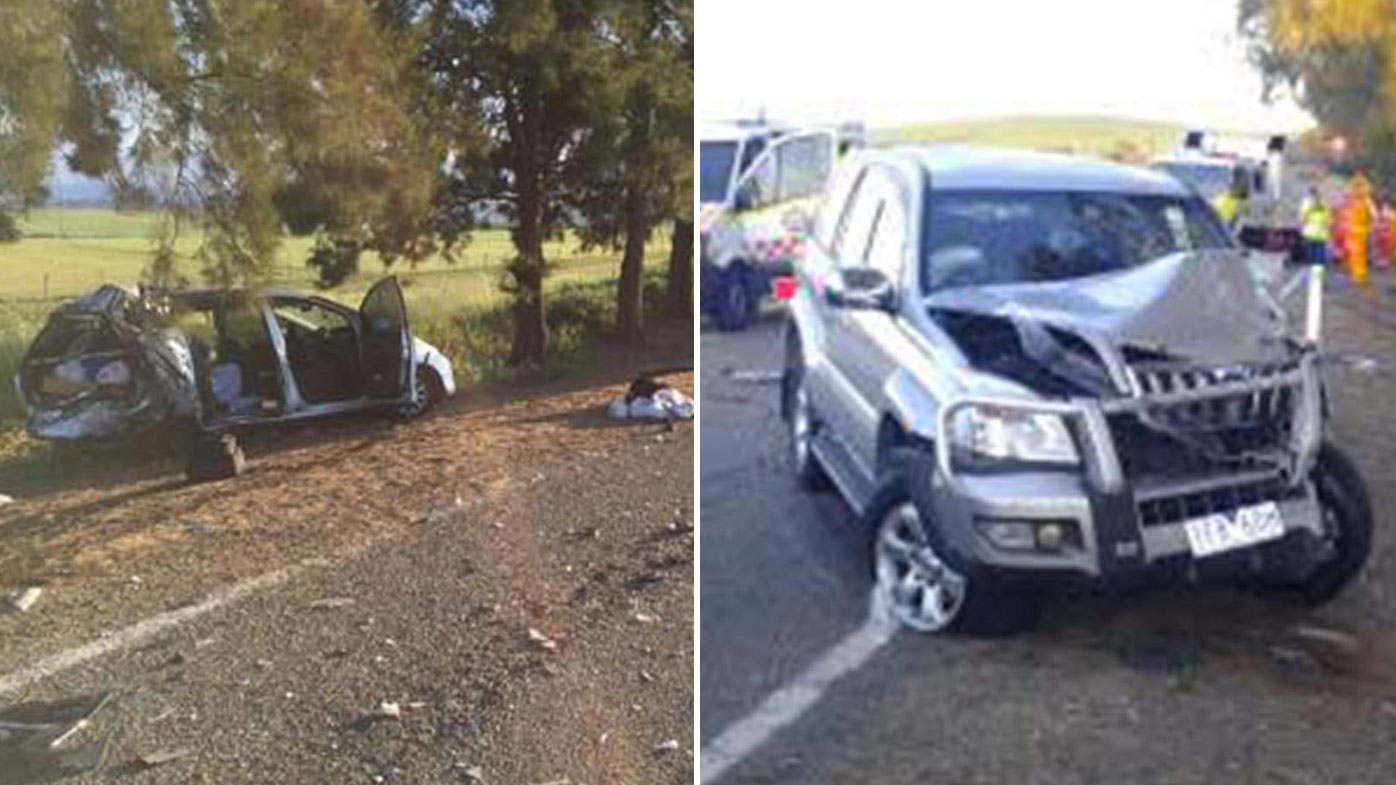
The interstate truckie was on his way to visit his brother in Sydney when he witnessed a four-wheel drive plough at high speed into a family sleeping in their car in a rest bay.

Jumping from his car, Mr Logan called Triple Zero. Confronted by a horror scene, he immediately sprang into action.

READ MORE: Boy taken to hospital after crashing go-kart into kangaroo in NSW

Switching off the smoking engine of the four-wheel drive, Mr Logan helped occupants out, calming a panicked toddler whose unconscious mother lay over him in the back of the family car and reassuring another boy trapped in the rear shelf.

Then, in long grass nearby, Mr Logan discovered a man in his 20s groaning with severe head injuries after being thrown from the car in the crash.

Flagging down emergency services and directing bystanders, Mr Logan cradled the young man in his arms, used a towel to try to stem the bleeding from his head, and consoled him as his condition worsened.

Within minutes, the young man had a seizure, his eyes rolled into the back of his head and he drew his last breath.

Four and a half years later, the trauma and horror of that day have taken over Mr Logan's life.

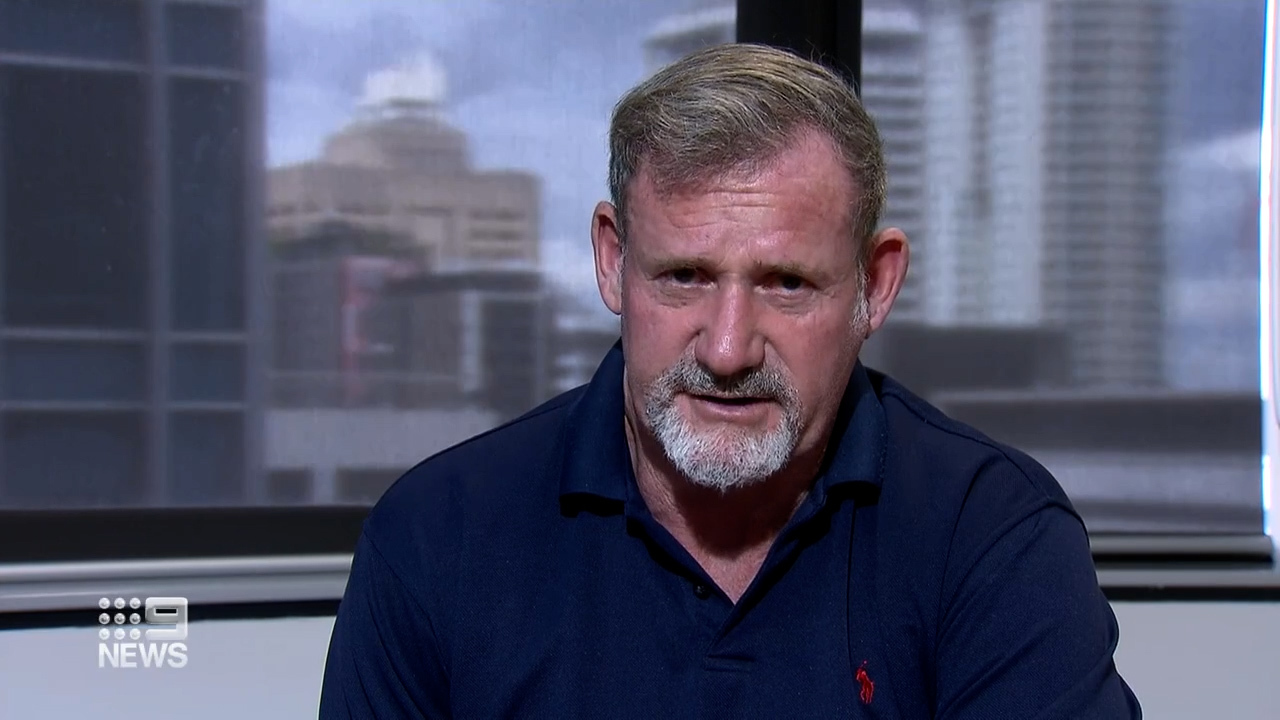
"I don't have much of a life anymore," he told 9News.

"I've had two nervous breakdowns, I have had 12 lots of electric shock therapy, I don't go out of the house unless I have to and I used to drive trucks all over Australia.

"It's just destroying me from the inside out."

READ MORE: Melbourne truck driver bailed after allegedly hitting five pedestrians

The cars at the scene of the crash where Troy Logan stopped to help.

Compulsory third party insurance (CTP) is supposed to help people like Mr Logan.

Drivers each pay hundreds of dollars a year into CTP, also known as green slips, to ensure victims of accidents are compensated for injuries, treatment, and time off work.

But in practice, the system is failing people like Mr Logan, who has received zero compensation to date.

He is one of many NSW road accident victims who can't reach an agreement on claims with an insurer and are instead facing years of delays to see medical assessors, the independent experts appointed by the NSW Government's Personal Injury Commission, to get a resolution.

Lawyers report it's becoming a major issue, prolonging victim suffering and making cases more complicated and difficult to resolve because of elapsed time.

Court cases cannot proceed until the assessments are undertaken.

READ MORE: 'Our world fell apart': Families mourn Eastern Freeway victims a year on

In Mr Logan's case, a medical assessor found last year his psychiatric injuries were caused by the accident he attended on the Hume Highway near Gundagai on October 29, 2016 — but then the insurer contested his claim again and so Mr Logan is again waiting to see another medical assessor.

"The longer this goes on, the more it actually destroys me," Mr Logan said.

"It's hard to keep going each day, it's a struggle.

"[CTP] is supposed to help people but when you need the help, they do everything to actually call you a liar or a con artist … fair enough, there are people like that, but there are genuine people like myself who have got so much overwhelming evidence.

"The system is definitely broken … there's so many people left out in the cold. It's just wrong."

Paul Singh, of Shine Lawyers, says he has up to 40 clients who have waited more than a year to see a medical assessor.

"No one knows how unfair the system is unless you have actually been in a motor vehicle accident which has changed your life around due to someone else's negligence," he said.

READ MORE: Driver found guilty of causing fatal Sydney motorway crash

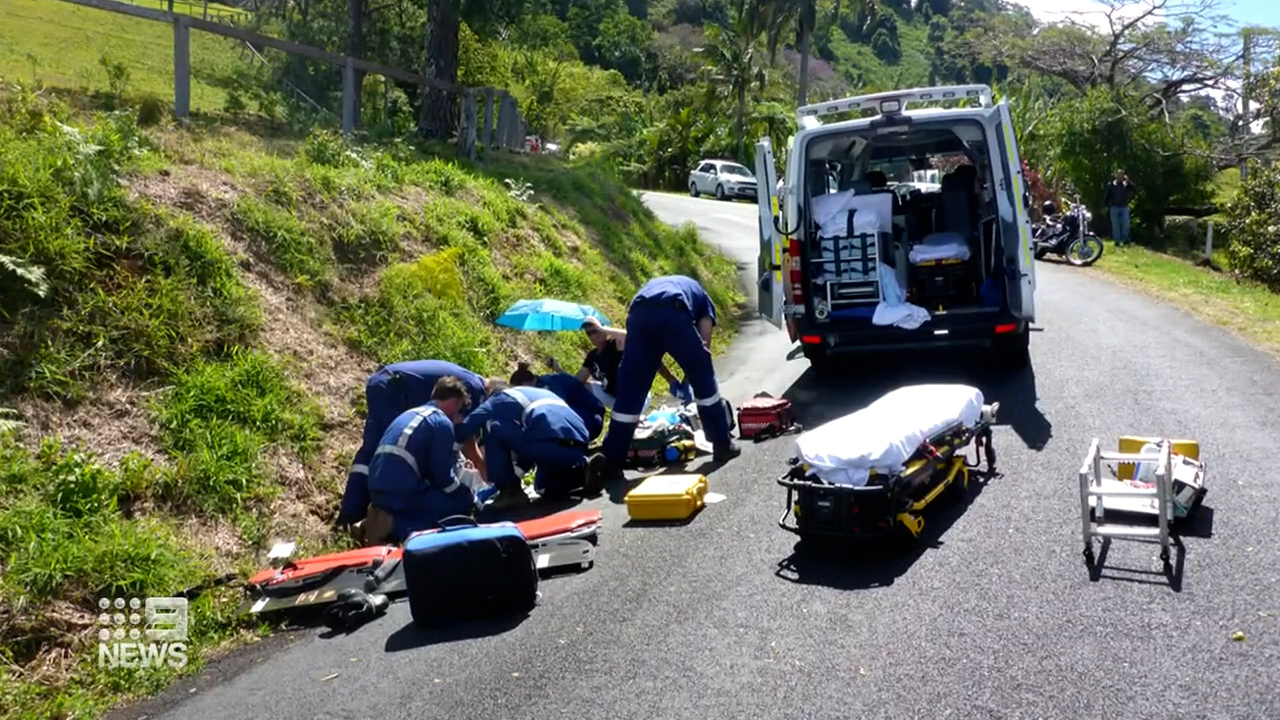
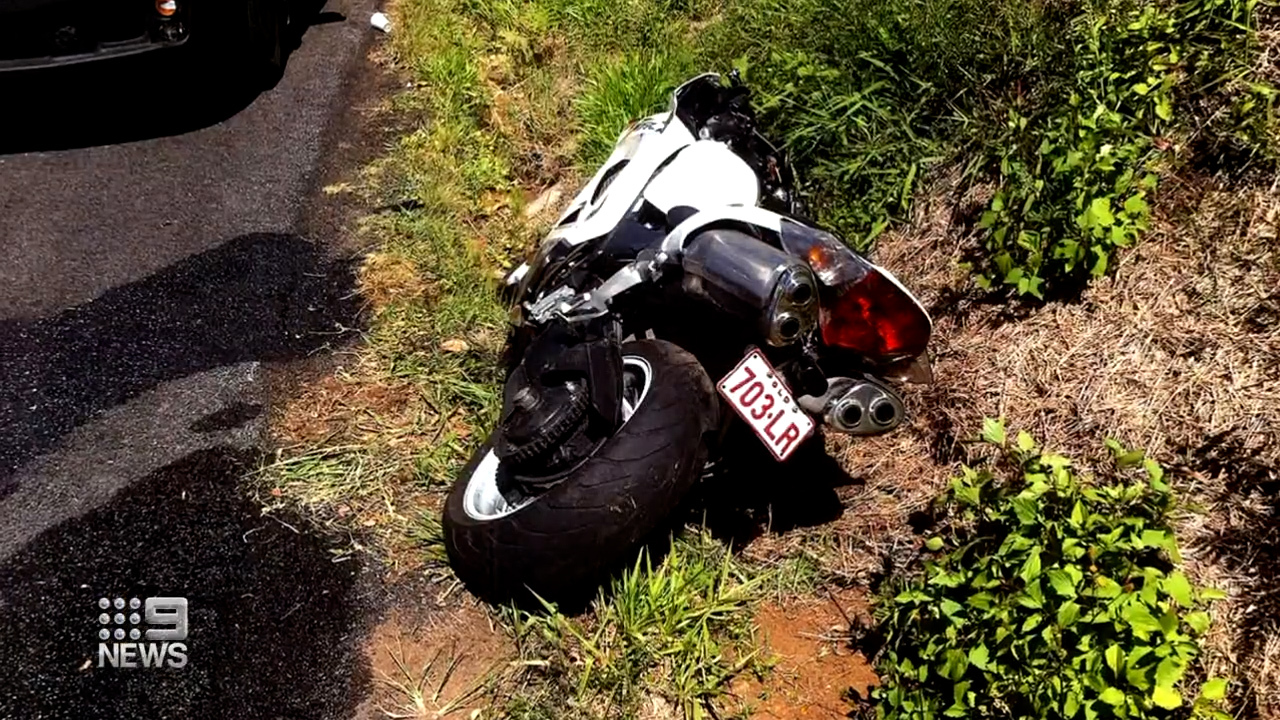
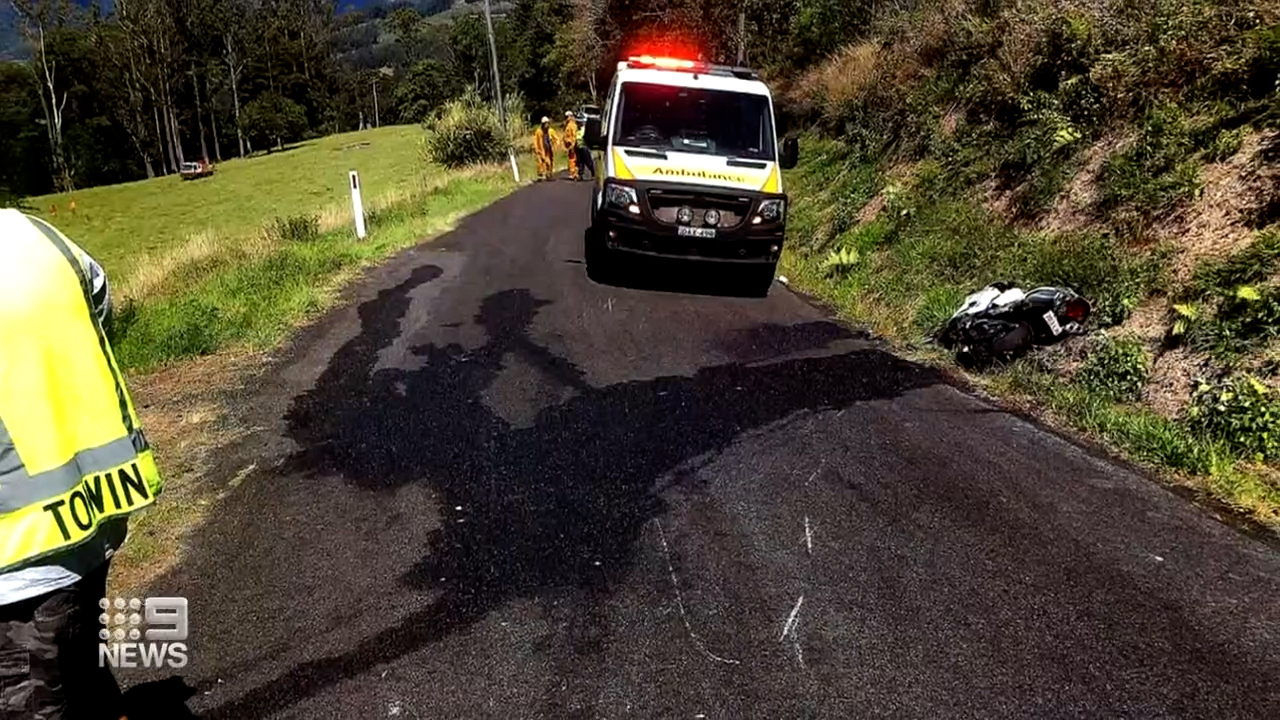
Adam Cook is another accident victim who has faced years of waiting. He was hit head-on by a car while riding his motorbike in the Tweed Valley on October 16, 2016.

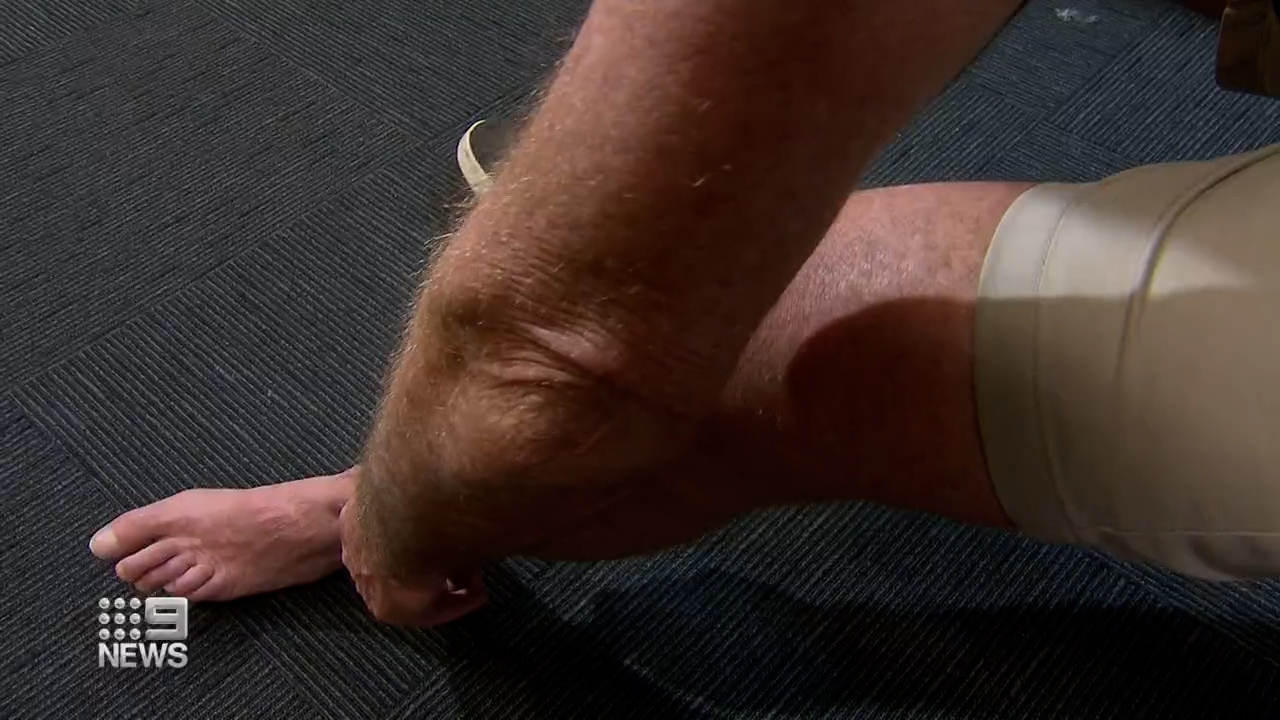
"My left leg shattered, from the knee right down to the ankle, and my left shoulder was broken," he says.

The 59-year-old still hasn't received a cent for loss of income and medical costs. Proceedings have stalled while he waits to see a medical assessor.

"It's just been an absolute joke," he said.

To add insult to injury, Mr Cook took time off work and caught a flight to Sydney for a scheduled assessment last month, only to be told by the doctor it had been cancelled.

He doesn't have a new appointment.

His life has been irrevocably damaged.

"I can't surf anymore and I've surfed all my life, I can't dance anymore and I've danced all my life," he said.

"It just wrecked my life."

The NSW Personal Injury Commission (PIC), a newly formed independent statutory tribunal that took over from the State Insurance Regulatory Authority's former Dispute Resolution Service, is responsible for CTP claim disputes.

In a written statement, a PIC spokesperson said in-person medical examinations had to be suspended last year as a result of the pandemic.

"Since 1 March, the new Commission has been working to reduce the numbers of medical assessments delayed by the pandemic as quickly as we can," the spokesperson said.

"As restrictions have eased, we have recommenced in-person examinations and are endeavouring to give priority to those cases that have been on the list for the longest period.

"We are confident that we can achieve a normal operating situation in the short to medium term."

Dominica and UAE-CREF to Sign $50m Clean-Energy Plant Contract

TR- Dominica and the United Arab Emirates-Caribbean Renewable Energy Fund (UAE-CREF) have announced a deal for a hurricane-resistant clean energy project.
The $50 million development in Dominica will support a 5-megawatt/2.5 megawatt-hours battery energy storage system that will aid the island’s clean energy objectives.
The system is forecasted to stabilise the electricity grid and deliver reserve power and frequency control to the extreme weather prone nation. It will also give the people of Dominica secure access to clean, renewable energy and pave the way to achieving the UN Sustainable Development Goals.
In light of the new contract, Prime Minister Dr The Hon Roosevelt Skerrit conveyed gratitude to the UAE government for their significant contribution to Dominica’s development. “The 5MW battery storage system will enable us to move more quickly to the transition from fossil fuel to renewable sources of energy in the electricity sector. We look forward to continued partnership with the UAE in the area of sustainable development and other areas of mutual interest both bilaterally and multilaterally.”
For years, Dominica and its people have prioritised the fight against climate change. With funds from sources like the Citizenship by Investment Programme, the country has supported initiatives like the geothermal plant currently under construction. The plant aims to generate 7MW of clean energy to supply nearly the whole Dominican population and drive the country’s energy mix to 51 percent renewables.
The CBI Programme enables highly vetted foreign investors to obtain Dominica’s citizenship in exchange for a $100,000 investment to the Economic Diversification Fund (EDF) or $200,000 into pre-approved luxury real estate that also props Dominica’s blossoming ecotourism.
With a clear focus on sustainability, Dominica channels investments from the CBI Programme into its energy security, infrastructure and housing reinforcement. This puts the ‘Nature Isle of the Caribbean’ on track to become “the world’s first climate-resilient nation,” as pledged by Prime Minister Skerrit after Hurricane Maria hit the island in 2017. PwC experts and other government representatives credit the CBI Programme for Dominica’s rapid recovery post-Maria.
Investors hoping to get approved under Dominica’s CBI Programme – classed by FT specialists as the world’s best for economic citizenship – and wishing to contribute to its journey towards climate resilience can find all the details on the government’s official website. — TradeArabia News Service

Click Here!

The post Dominica and UAE-CREF to Sign $50m Clean-Energy Plant Contract appeared first on The St Kitts Nevis Observer.

Biden’s Policies Have Created Another Mex. Border Refugee Camp

Mimi Dwyer/ Lizbeth Diaz

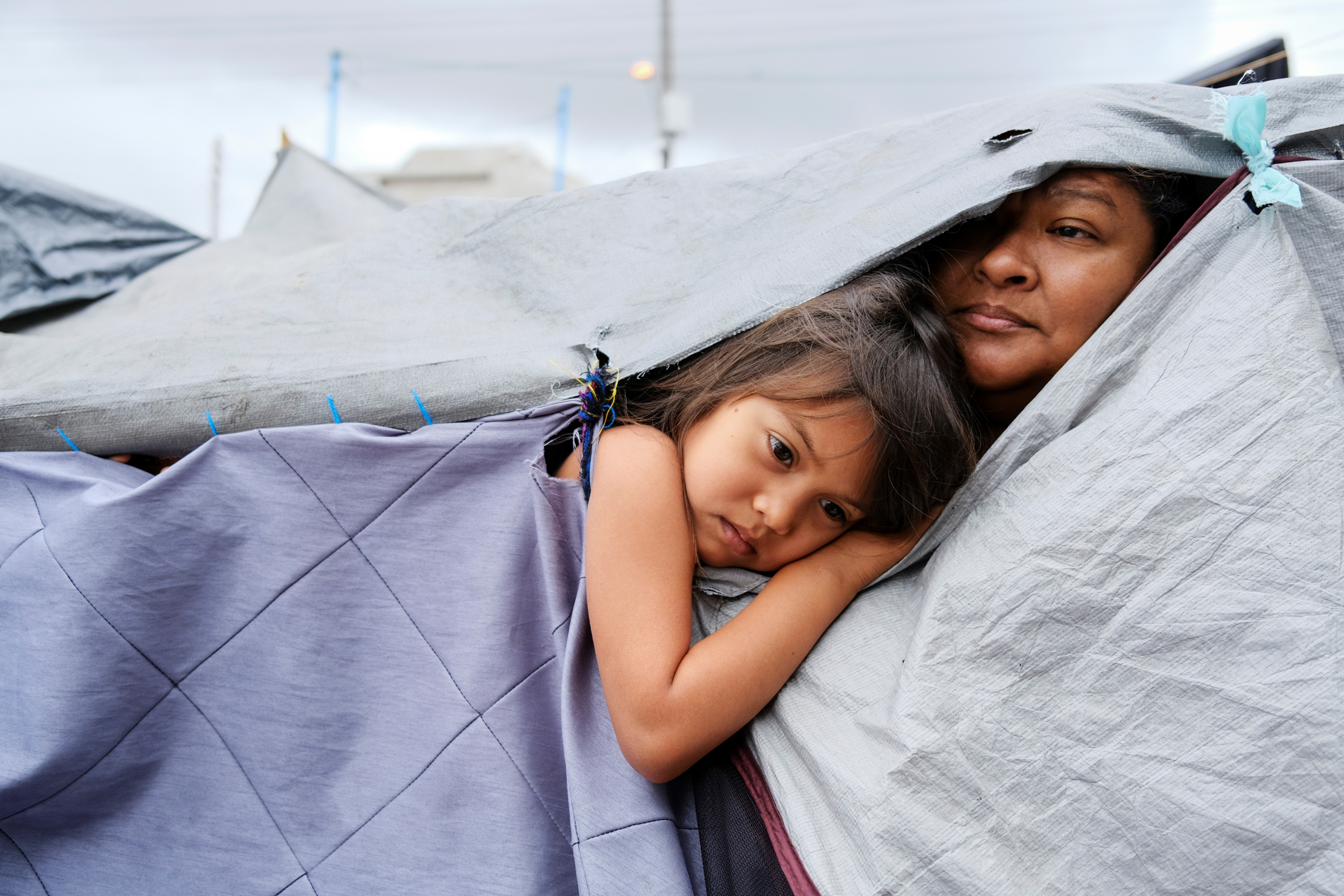
Reuters- A red pickup truck pulls up next to a migrant tent encampment in the Mexican city of Tijuana, its bed filled with loaves of bread and clothes. Men, women and children run to meet it.

“A line! Form a line!” someone yells. A woman in a long skirt climbs into the truckbed and begins to preach into a microphone: “You all are hoping to cross into the United States!” she says. “You all are hoping to be blessed! Well, take God’s hand!”

Migrants raise their hands in prayer. Food can be scarce in the encampment, and the line stretches back down the road, past dozens of tents and dirty portable restrooms.

Right up against the popular pedestrian crossing from Mexico to the United States at El Chaparral, a refugee camp has mushroomed in recent months, filled with asylum seekers desperate to cross the still-closed U.S.-Mexico border.

Migrant activists say the camp, which started growing in February and now numbers some 2,000 migrants by one count, sprang up in part as an unintended consequence of U.S. President Joe Biden’s mixed approach to undoing the hardline immigration policies of his predecessor, Donald Trump.

The camp is growing increasingly dangerous, migrants and activists told Reuters, with unsanitary conditions, drug use, and gangs entering the area. Governmental organizations are largely absent, and humanitarian presence is only intermittent. Rumors fuel hope among migrants that they will soon be able to enter the United States.

Reuters spent four days speaking with more than two dozen migrants in the camp, which consists of tents and tarps sprawled out in different directions in a concrete plaza and under an overpass.

Hundreds of children, including infants, live in the camp. Most of the migrants are Mexican and Central American.

Talk of kidnapping attempts is rampant, and many migrants avoid leaving their tents for fear of their safety and the safety of their children. The only consistent state security are Tijuana municipal police cars parked at the camp’s edge. But migrants say that is not enough to make them feel safe.

“I don’t sleep at night,” said Rosy, a migrant from the Mexican state of Guerrero who is terrified that her three children, aged 5, 3, and 5 months, will be kidnapped.

The camp has no running water other than a diverted pipe used for cooking and bathing. Activists say its portable toilets are cleaned too infrequently to be hygienic. There is no governing structure within the camp, which relies on donations from churches, nonprofits and individuals for basic sustenance.

MIXED POLICIES

In February, the Biden administration announced it would begin phasing out Trump’s Migrant Protection Protocols (MPP) program, which had forced thousands of asylum seekers to wait in Mexico for their asylum cases to be heard. People with active MPP cases would be allowed into the United States. By March, the notorious Matamoros refugee camp just across the border from Texas – where many in the MPP program had waited for their turn to be processed – was closed.

Activists told Reuters that the announcement directly influenced the start of the new camp in Tijuana, opposite San Diego and some 2,500 miles (4,000 km) away from Matamoros. Migrants began to camp on Feb. 18, the night before processing began for the MPP migrants, amid confusion about who exactly would be admitted to the country.

The U.S. border remains closed to the vast majority of asylum seekers under a Trump-era COVID-19 health-related order which Biden has not revoked.

But the confusion remains. Many migrants Reuters spoke to said they had believed they would soon be able to claim asylum in the United States once they got to the camp, based on rumors and news items that the situation at the border had changed under Biden, who took office in January.

Honduran migrant Kevin, wearing a U.S. flag, holds his daughter Keiry, during a multicultural activity at a makeshift camp at the El Chaparral border port of entry with the U.S., in Tijuana, Mexico April 22, 2021. REUTERS/Toya Sarno Jordan

Biden is trying to balance a more humane immigration policy with a desire not to encourage further migration from Mexico and Central America. He is already contending with growing criticism from opposition Republicans and even Democrats over a rise in the number of people crossing the southern border illegally.

The White House said in a statement it would take time to rebuild the country’s immigration system after the Trump administration. It did not address questions from Reuters about the wind-down of MPP influencing the start of the Tijuana camp, referring further queries to the Department of Homeland Security (DHS).

“The Biden administration has made it clear that our borders are not open, people should not make the dangerous journey, and individuals and families are subject to border restrictions, including expulsion,” a DHS spokesperson said in a separate statement. “Physical presence at a port of entry or an encampment” does not provide access to the phased system for entry into the United States, the spokesperson said.

The Mexican foreign ministry said in a statement that government representatives had tried to encourage migrants to go to shelters.

Tijuana’s director of migrant affairs, José Luis Pérez Canchola, said officials were trying to find a safe space for the migrants, but there was no concrete plan yet.

Migrants said they feared that if they moved away from the encampment they might lose their place in a line that does not really exist, or that conditions in shelters would be worse than in the camp. Some were afraid to leave their tents for safety.

Some had lived elsewhere in Tijuana for months, while others had arrived only recently. Others said they had crossed into Texas and been expelled into Tijuana, and came to the camp because they did not know where else to go.

GROWING DANGERS

New families arrive every day at the Tijuana camp, entering what activists and camp dwellers say is an increasingly dangerous situation, with reports of gang members walking through the camp, selling drugs or checking for members of rival gangs.

The Matamoros encampment was widely seen as a result of Trump’s hardline policies, but some activists say that in many ways the situation in Tijuana is even worse.

While Matamoros was dangerous and squalid, there was eventually a strong NGO presence, and it was demarcated by barriers. Migrants there were also on a path to potential entry to the United States.

“The migrants in the Tijuana camp are definitely worse off,” said Erika Pinheiro, legal and policy director for Al Otro Lado, a nonprofit which initially went in person in the encampment but has stopped, due in part to a lack of in-person volunteers and security concerns.

“There is less infrastructure, more security concerns, and migrants aren’t connected to any functioning asylum process,” she said. The organization is serving migrants, including some from the camp, through a remote screening process.

Dulce Garcia, executive director of Border Angels, a nonprofit that has been working in the camp, said she regularly gets messages from terrified camp dwellers at night. They have reported beatings and kidnapping attempts. She no longer goes to the encampment alone, she said, because she fears for her safety, and is hoping that more volunteers will start working in the camp to make it safer.

“You stay quiet, but you live in fear,” said Ana, a 21-year-old from Guatemala who is desperate to enter the United States to rejoin her father. “I was kidnapped and bad things have happened to me, and I live with the fear that it’s going to happen again.”

In recent days, the migrants have begun marching to the San Ysidro port of entry with protest signs that read things like “BIDEN SOLUTION,” “WE WANT TO BE HEARD,” and “WE NEED POLITICAL ASYLUM.” There is talk in the camp of a hunger strike.

“The only thing we want is an answer from the president,” said Claudia Melendez, a Honduran asylum seeker who came to the camp a month ago. “He hasn’t said a thing.”

The post Biden’s Policies Have Created Another Mex. Border Refugee Camp appeared first on The St Kitts Nevis Observer.

Government 'banking' on international travel in 2022

The Federal Government is "banking" on international travel returning to some form of normal next year as it prepares to deliver the 2021-22 Budget tomorrow.

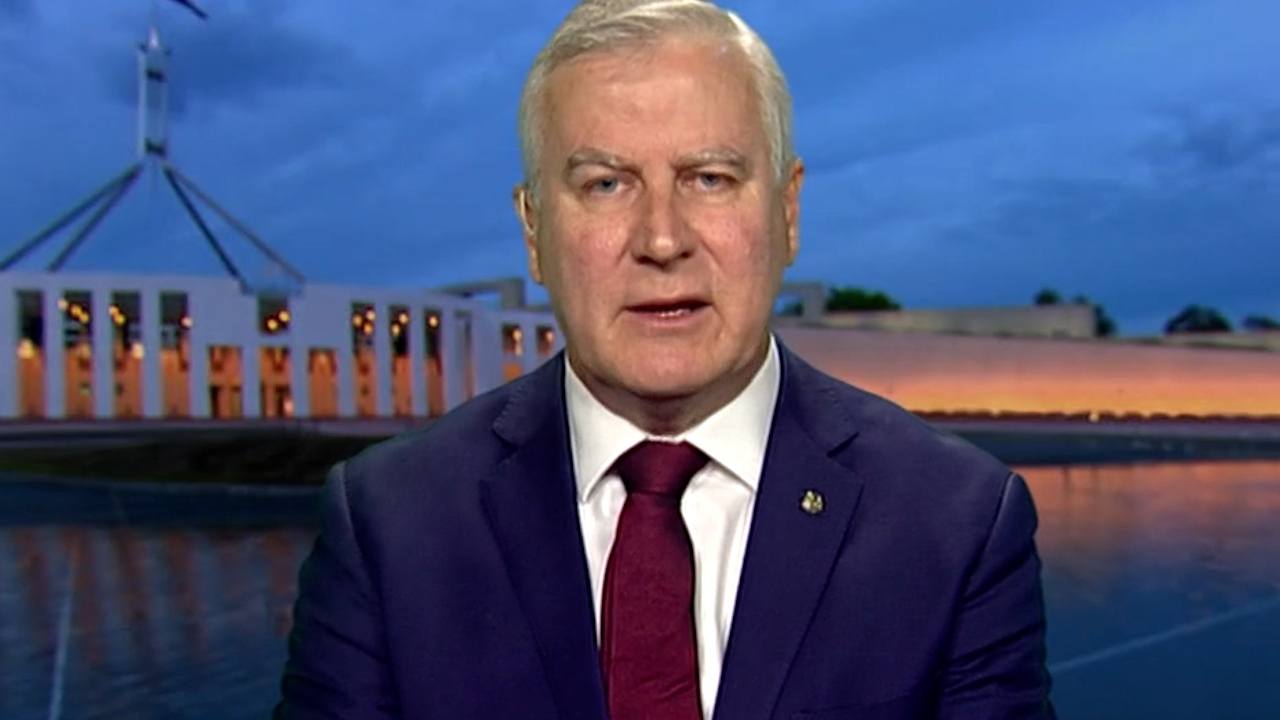
Deputy Prime Minister Michael McCormack told Today the government was hopeful 2022 could be the year that Australia opens its borders.

"We're hoping, we're counting, we're banking on, of course, international travel being back to some sort of pre-COVID normality next year," he said.

LIVE UPDATES: New advice on airborne spread of COVID-19

"We'll take the best advice from medical experts as we've done the whole way through."

However, messaging continues to be inconsistent, with Prime Minister Scott Morrison at the weekend suggesting there was no appetite for international borders to open anytime soon.

In a Facebook post yesterday, Mr Morrison clarified the country's borders would only open when it is "safe to do so", but rejected the idea of "fortress Australia" posed by media reports.

READ MORE: More travel bubbles likely as NZ flights resume

"We still have a long way to go, and there are still many uncertainties ahead," he said.

"Australia's COVID suppression strategy has not changed to an 'elimination' strategy nor is 'zero cases' our goal."

https://www.facebook.com/scottmorrison4cook/posts/4229454307098940

Mr McCormack today said the government was on the same page when it came to borders reopening.

"We want open borders, of course we do," he said.

"We want our planes bringing migrants, we want planes bringing tourists, we want planes bringing people who will seek permanent residency to fill those 43,000 jobs that are going in regional Australia right now.

"We'll only do it when it's safe to do so."

The Federal Budget is set to deliver 30,000 more jobs through spending on "vital infrastructure" including roads, rail and freight networks.

READ MORE: Another week of COVID-19 restrictions as authorities hunt 'missing link'

Qantas plane.

The aged care sector is also set to get a cash injection of an extra $18 billion over four years, while the national disability insurance sector will get an additional $12 billion.

Despite the government staring down a trillion-dollar debt, Mr McCormack said he had "every confidence" in the ability of Australians to grow the economy.

"This budget is going to secure Australia's future through the recovery process and I've got every confidence in Australia's ability to do just that," he said.

9News Political Editor Chris Uhlmann said the government aimed to force the unemployment rate down below five per cent.

"If you go back to the 1970s, unemployment rose above that mark and has been on average about six per cent ever since," he said.

"The government will keep spending until it gets down."

Amazon Rainforest Being Destroyed Much Faster

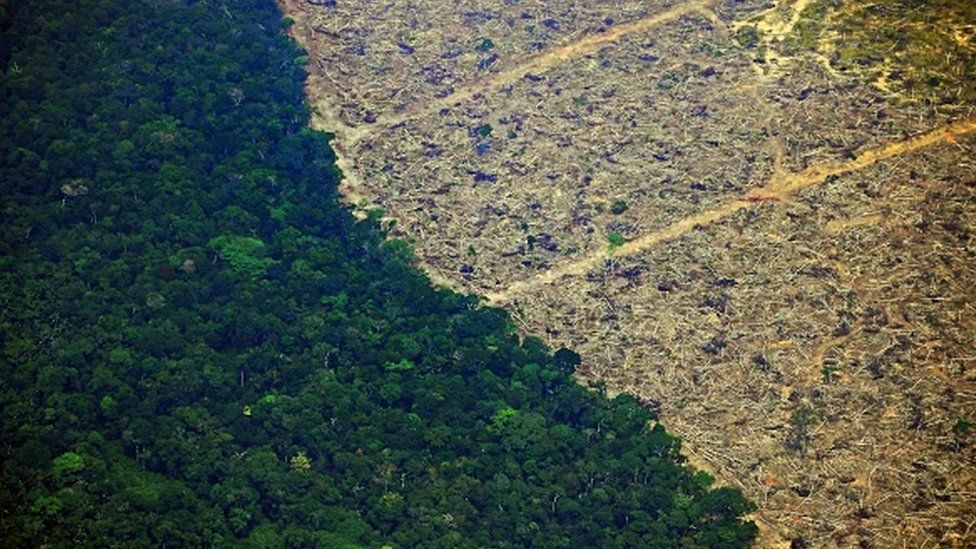
Deforestation of the Amazon rainforest in Brazil rose by 43% in April compared to the same month last year, government data has shown.

A total of 1,157 sq km (446 sq miles) of rainforest were destroyed in the first four months of 2021. This was down 4% from a year earlier.

The Amazon is a vital carbon store that slows down the pace of global warming.

Scientists say the loss of forest has accelerated since Brazilian President Jair Bolsonaro took office in 2019.

The president has encouraged agricultural and mining activities in the world’s largest rainforest, and rolled back environmental legislation.

Conservationists are fearing the worst ahead of this year’s dry season, when deforestation usually peaks from May to October.

In November last year the country’s space agency (Inpe) reported that deforestation of the Amazon had surged to its highest level since 2008.

In recent months, the international community – led by the US administration of President Joe Biden – has put greater pressure on Brazil to scale back deforestation of the Amazon.

At a US-led climate summit last month, President Bolsonaro promised to double the money reserved for environmental enforcement and to end illegal deforestation by 2030.

But critics have questioned his commitment to those pledges.

They have pointed to a recent cut to the environment ministry’s budget as an example of President Bolsonaro reneging on his promises.

Aerial picture showing a deforested piece of land in the Amazon rainforest in Brazil in 2019image copyrightGetty Images
Brazilian President Jair Bolsonaro has come under international pressure to curb deforestation 

They have also condemned proposed legislation that could legalise the private occupation of public land.

Next week, Brazil’s upper house of parliament – the Senate – is expected to vote on a bill, which critics say could accelerate deforestation in the Amazon.

“The Amazon has become an open bar for land grabbers, illegal loggers and miners,” says Marcio Astrini, executive secretary of Observatorio do Clima, a campaign group.

“And several attempts are being made by the government and Congress to eliminate legal protection of forests, such as the amnesty for land grabbing and now the licensing bill.”

The post Amazon Rainforest Being Destroyed Much Faster appeared first on The St Kitts Nevis Observer.

UN Blasts Brazil Drug Raid Where 28 Were Killed

BBC- The United Nations human rights office has strongly criticised a police raid against suspected drug traffickers in Rio de Janeiro, amid allegations of abuse and extrajudicial executions.

The deadliest police operation in the city’s history has left 28 dead, including a police officer.

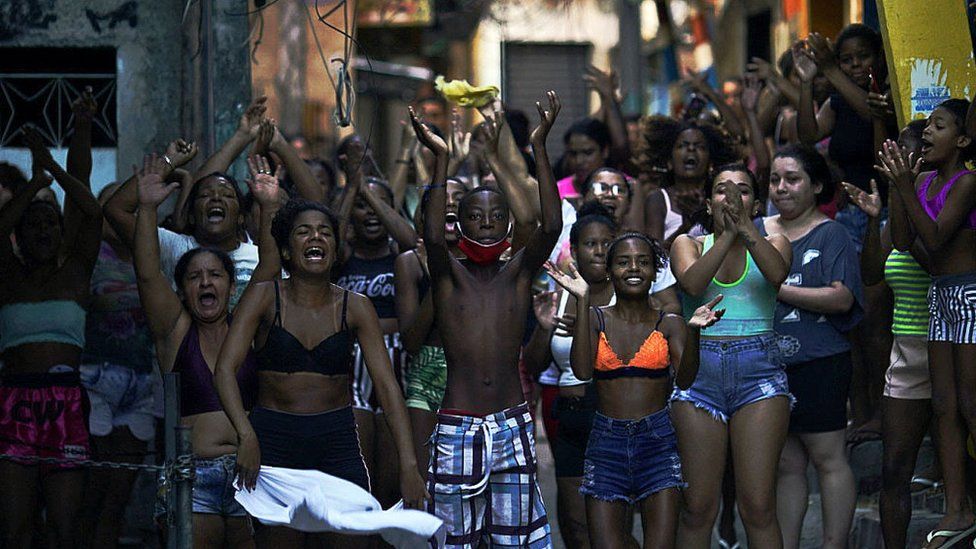
Residents say police killed suspects who wanted to surrender and entered homes without a warrant.

Police have denied any wrongdoing, saying officers acted in self-defence.

Rio de Janeiro is one of Brazil’s most violent cities, and vast areas are under the control of criminals, many of them linked to powerful drug-trafficking gangs. Security forces are often accused of disproportionate force during their anti-crime operations.

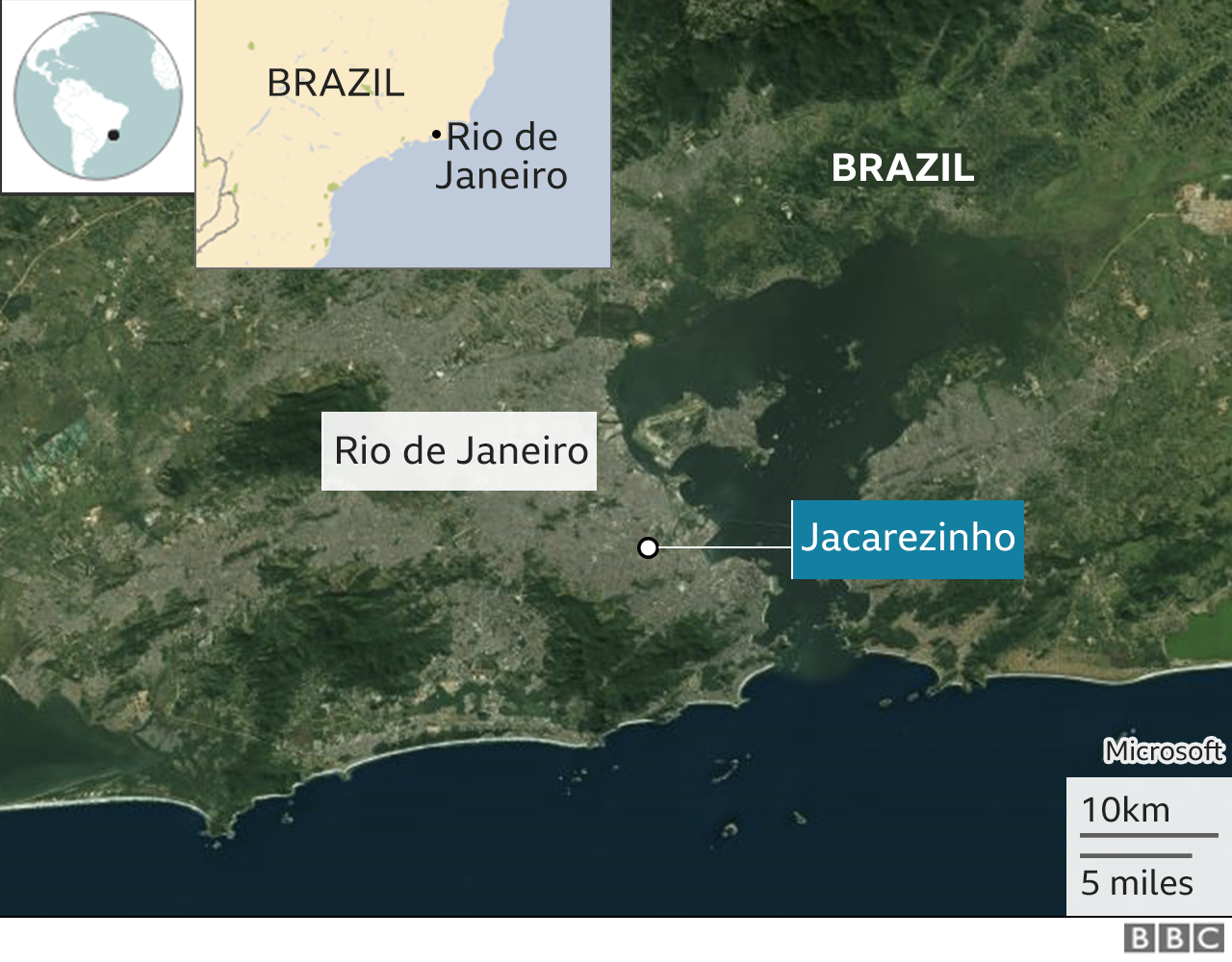
Thursday’s raid in Jacarezinho, one of the city’s largest slums known as favelas, was carried out by about 200 heavily armed police officers and included an armoured helicopter with a sniper. The area is dominated by Comando Vermelho, or Red Command, one of Brazil’s largest criminal organisations.

A television helicopter filmed men jumping from rooftops, while desperate residents posted videos on social media showing intense shootouts as they claimed police had invaded their houses and used excessive violence.

Residents in Jacarezinho protested on Thursday after the deadly police operationimage copyrightAFP
image captionResidents in Jacarezinho protested on Thursday after the deadly police operation

“There are boys who have been cornered in the house and want to surrender,” one resident said, referring to the suspects. “And the police want to kill them. They have even killed some in front of us.”

In another video, a resident filmed a police officer standing next to a house and said: “They’re cornering [the suspects]. They don’t want to let the boys surrender.”

‘Lots of pools of blood’

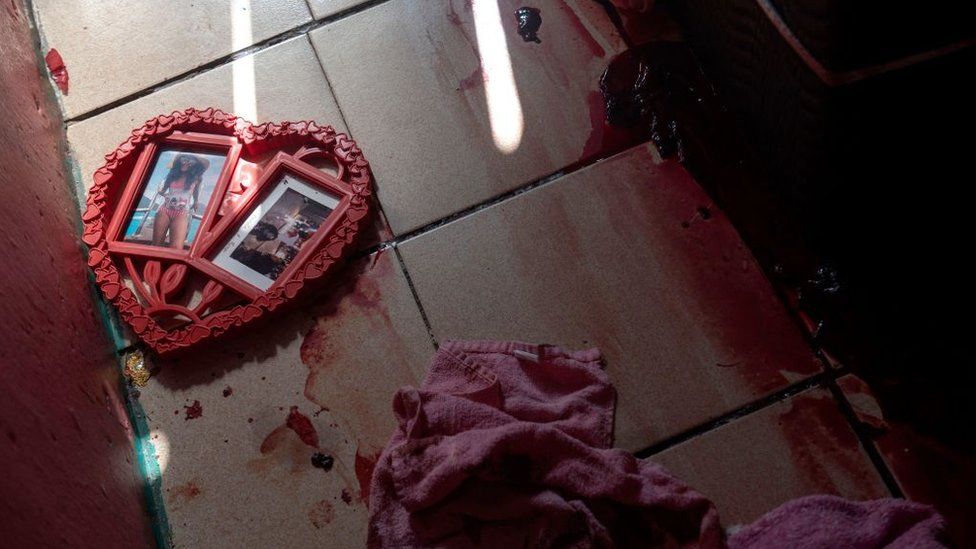
Public defender Maria Júlia Miranda said residents told her a suspect was killed in the bedroom of an eight-year-old girl where there were blood stains on the floor and on her bed, and that the family had witnessed the alleged execution.

Ms Miranda said she was “shocked” by seeing “lots of pools of blood… and walls with bullet marks” when visiting the favela. There was also evidence that the scenes of the killings were not preserved, she said, with bodies being removed. “On these cases,” she added, “there was probably an execution.”

View of the scene where an alleged drug trafficker was reportedly killed by civil police while trying to escape and ran into the room of a nine-year-old girl who witnessed the shooting, in Jacarezinho favela, Rio de Janeiroimage copyrightAFP
image captionA suspect is alleged to have been shot dead in this child’s bedroom

Human rights groups, including Amnesty International, said they had also received reports and images from residents saying that their houses had been invaded, and that the police had killed people when they already offered no risk.

“It’s completely unacceptable,” Jurema Werneck, executive director of Amnesty International Brazil, said in a statement. “Even if the victims were suspected of criminal association, which has not been proven, summary executions of this kind are entirely unjustifiable.”

The level of violence caused shock even in Rio, which for decades has been plagued by high levels of crime and police brutality. Between January and March, 404 people were killed in police operations in the city’s metropolitan area, according to official figures.

Almost all raids happen in communities where residents are mostly black and poor, and some of the victims are not even suspects. Critics say the operations are often badly planned and frequently end in bloodshed while allegations of misconduct by officers are rarely investigated, with impunity virtually the norm.

“This kind of operation doesn’t dismantle criminal groups, it only causes pain and distrust,” the Igarapé Institute, a Rio-based think tank, said in a statement. “The social impact of this case is still unknown but will certainly last for years.”

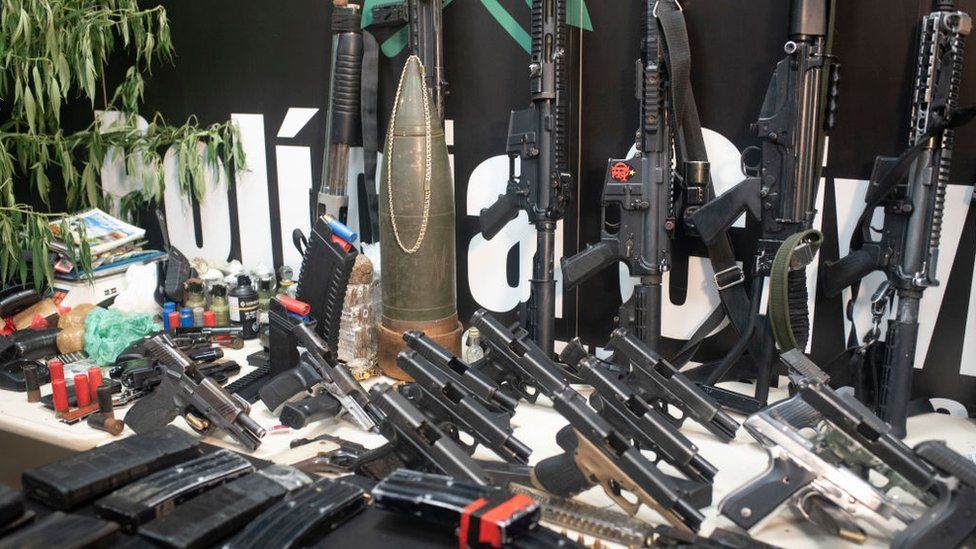
Police show the weapons they say were seized during the operationimage copyrightGetty Images
image captionPolice show the weapons they say were seized during the operation

Amid widespread condemnation, the United Nations human rights office called for an independent investigation, describing it as a “long-standing trend of unnecessary and disproportionate” police operations.

“You have the institutions which control these operations… So, it appears that collectively, they are not succeeding in stopping these kinds of really disturbing, over-the-top, lethal operations. So something is clearly wrong there,” spokesman Rupert Colville said in Geneva.

The officer killed was named as 48-year-old Inspector André Leonardo de Mello Frias, who was shot in the head while trying to remove a barricade set up by the criminals. Police have not yet identified the other people killed but said six suspects had been arrested.

Map
Presentational white space

Deputy Police Chief Rodrigo Oliveira defended the police’s actions, saying that officers acted within the law. “The only execution that took place was that of the police officer,” he said at a news conference where police displayed an arsenal of weapons that had been seized, including six assault rifles and a submachine gun.

Police say they launched the operation to serve 21 arrest warrants as part of a year-long investigation that suggested gangs were recruiting children, among other crimes. Experts again questioned the force used given that minors are used by criminals across the city.

“This is cruel, barbaric,” Joel Luiz Costa, a lawyer from Jacarezinho, said in a video posted on Twitter. “Twenty-five people or more were killed. Did it end drug trafficking? Will this end drug trafficking?”

The raid happened despite a court ruling last June that restricted police action in poor areas of Rio during the pandemic unless it was deemed essential. The Rio state public prosecutor’s office said it would launch an investigation while the police said they would also open an inquiry.

Far-right President Jair Bolsonaro, a former army captain, has not commented. He supports changes in legislation that would protect officers from prosecution if they kill suspects, and has previously said that “a good criminal is a dead criminal”.

The post UN Blasts Brazil Drug Raid Where 28 Were Killed appeared first on The St Kitts Nevis Observer.