Category Archives: headline

'Horrible' weeks ahead as India catastrophe worsens

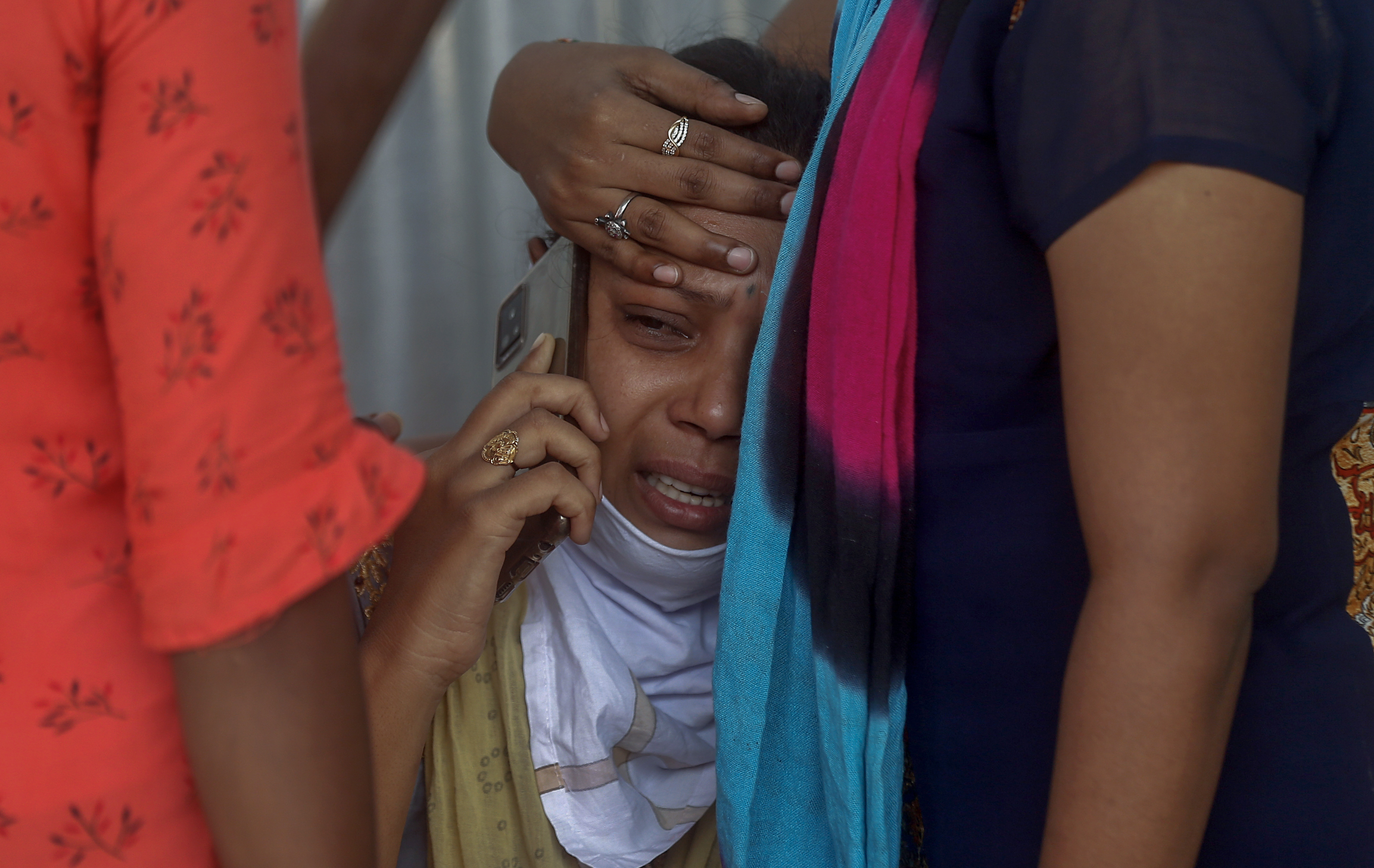
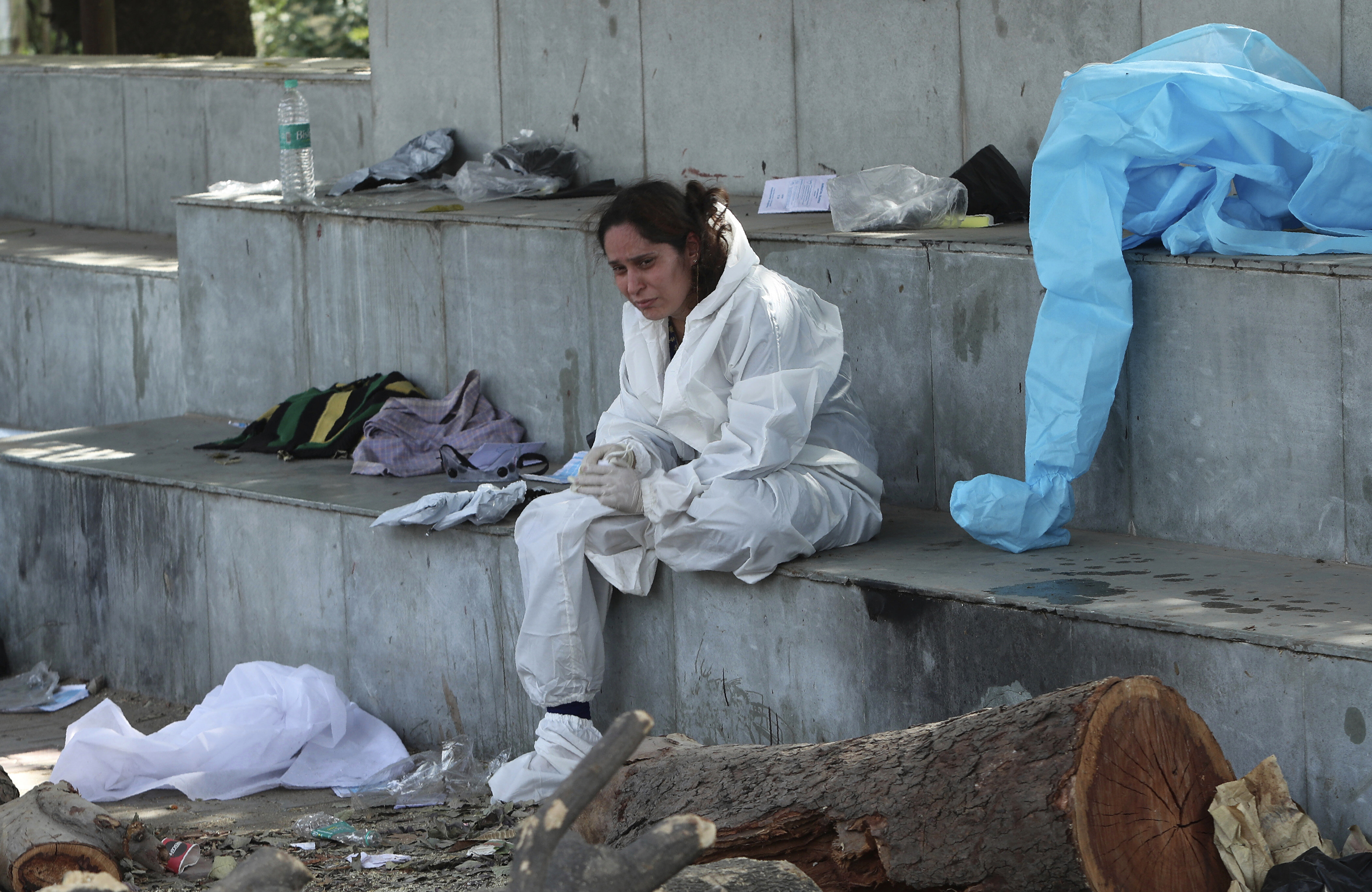
COVID-19 infections and deaths are mounting with alarming speed in India with no end in sight to the crisis and a top expert warning that the coming weeks in the country of nearly 1.4 billion people will be "horrible".

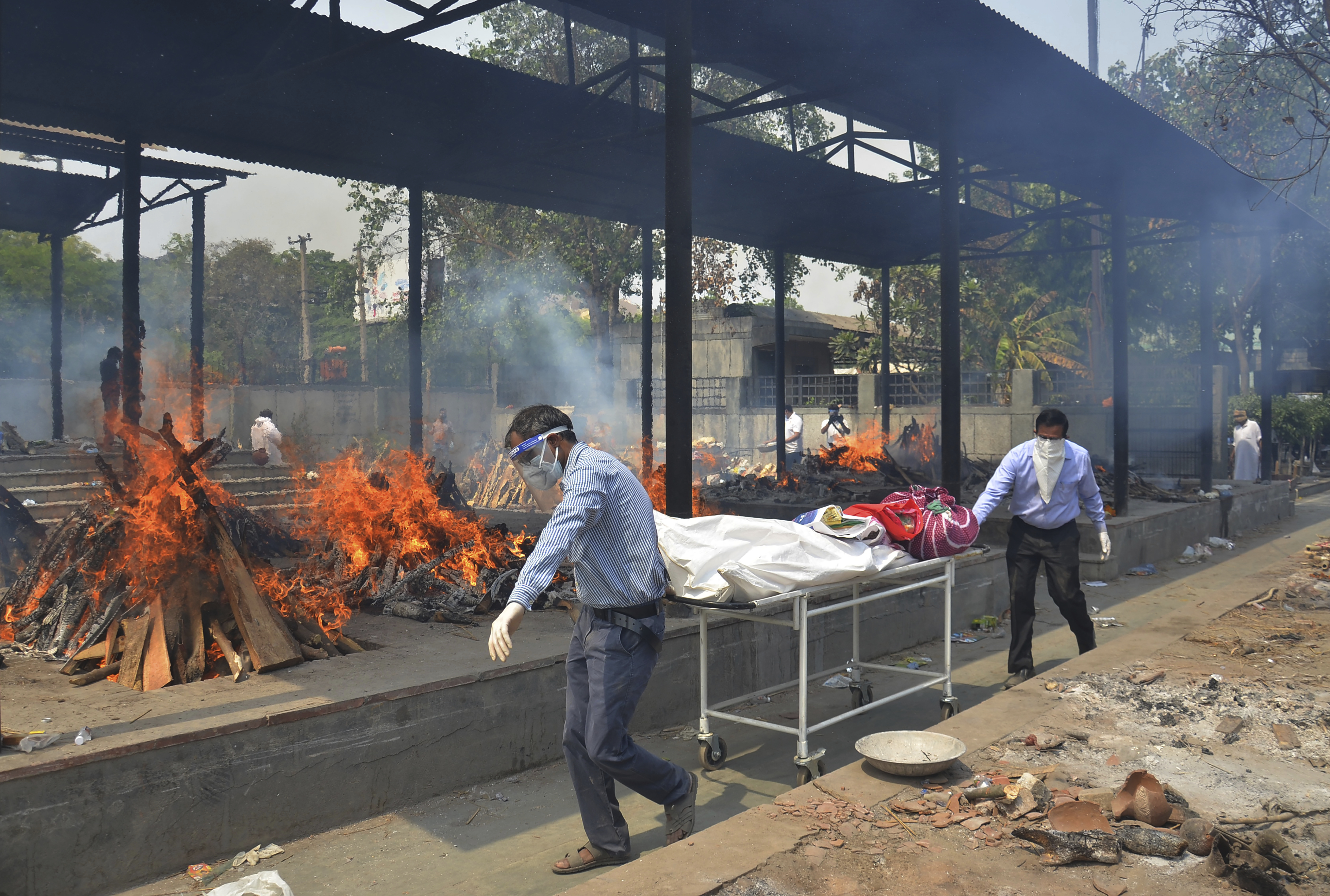
India's official count of coronavirus cases surpassed 20 million Tuesday, nearly doubling in the past three months, while deaths officially have passed 220,000. Staggering as those numbers are, the true figures are believed to be far higher, the undercount an apparent reflection of the troubles in the health care system.

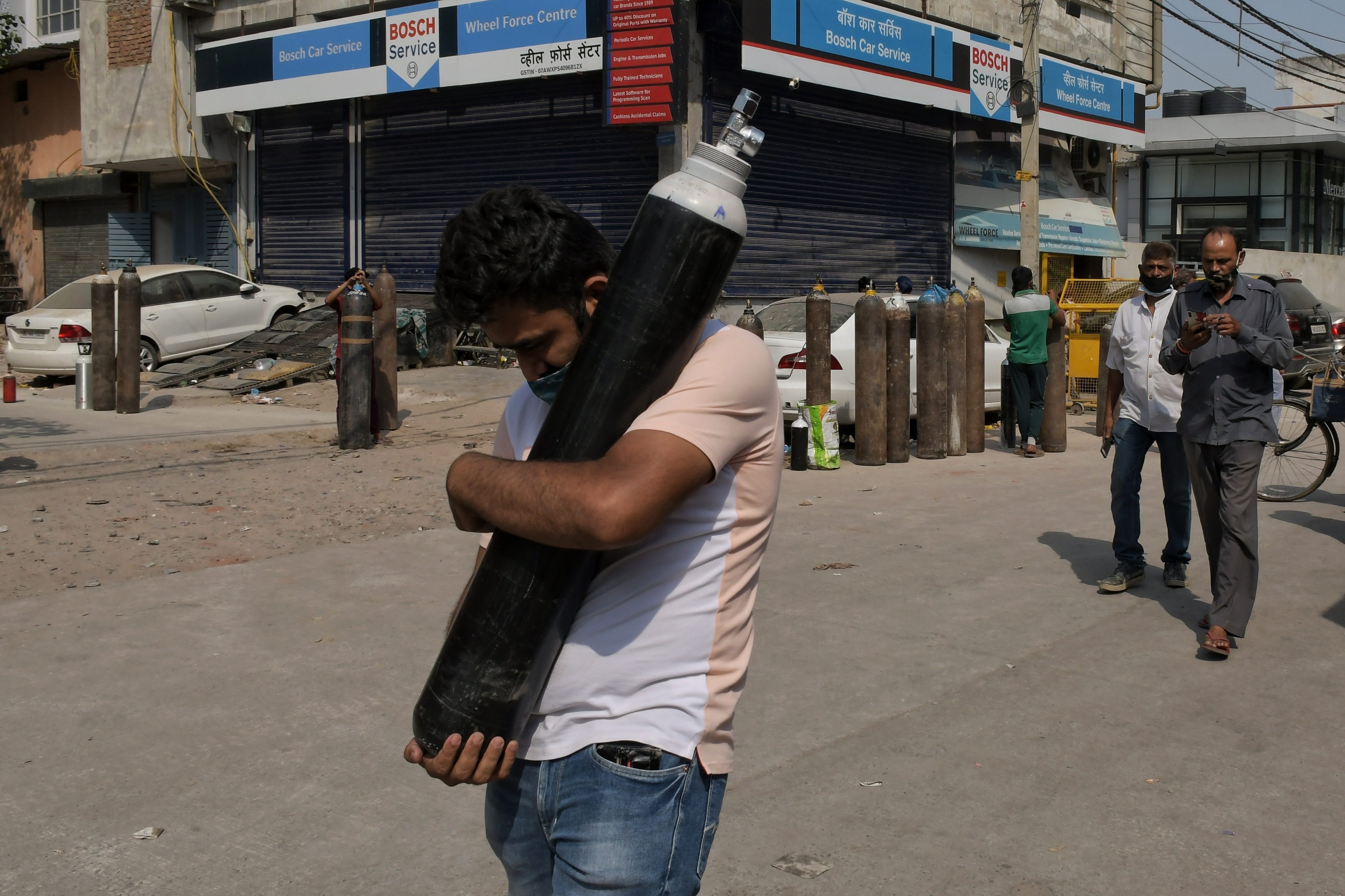
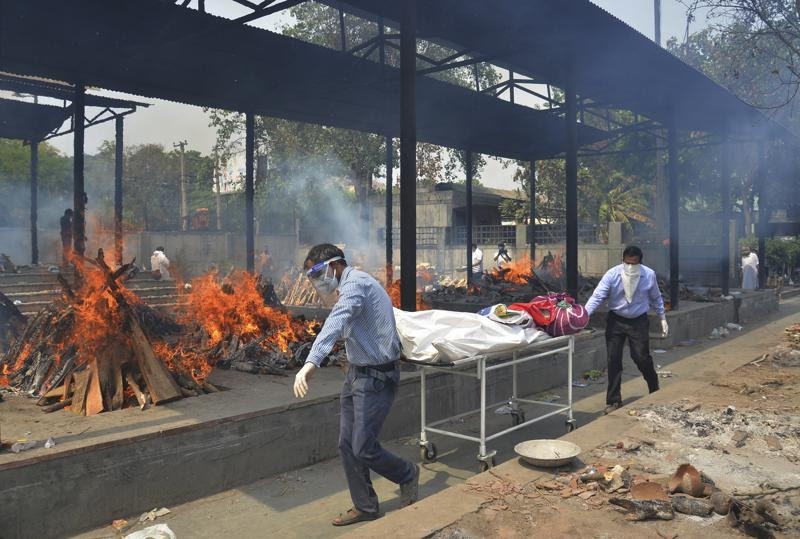
The country has witnessed scenes of people dying outside overwhelmed hospitals and funeral pyres lighting up the night sky.

READ MORE: 'Highly unlikely' any returning Australians will be jailed
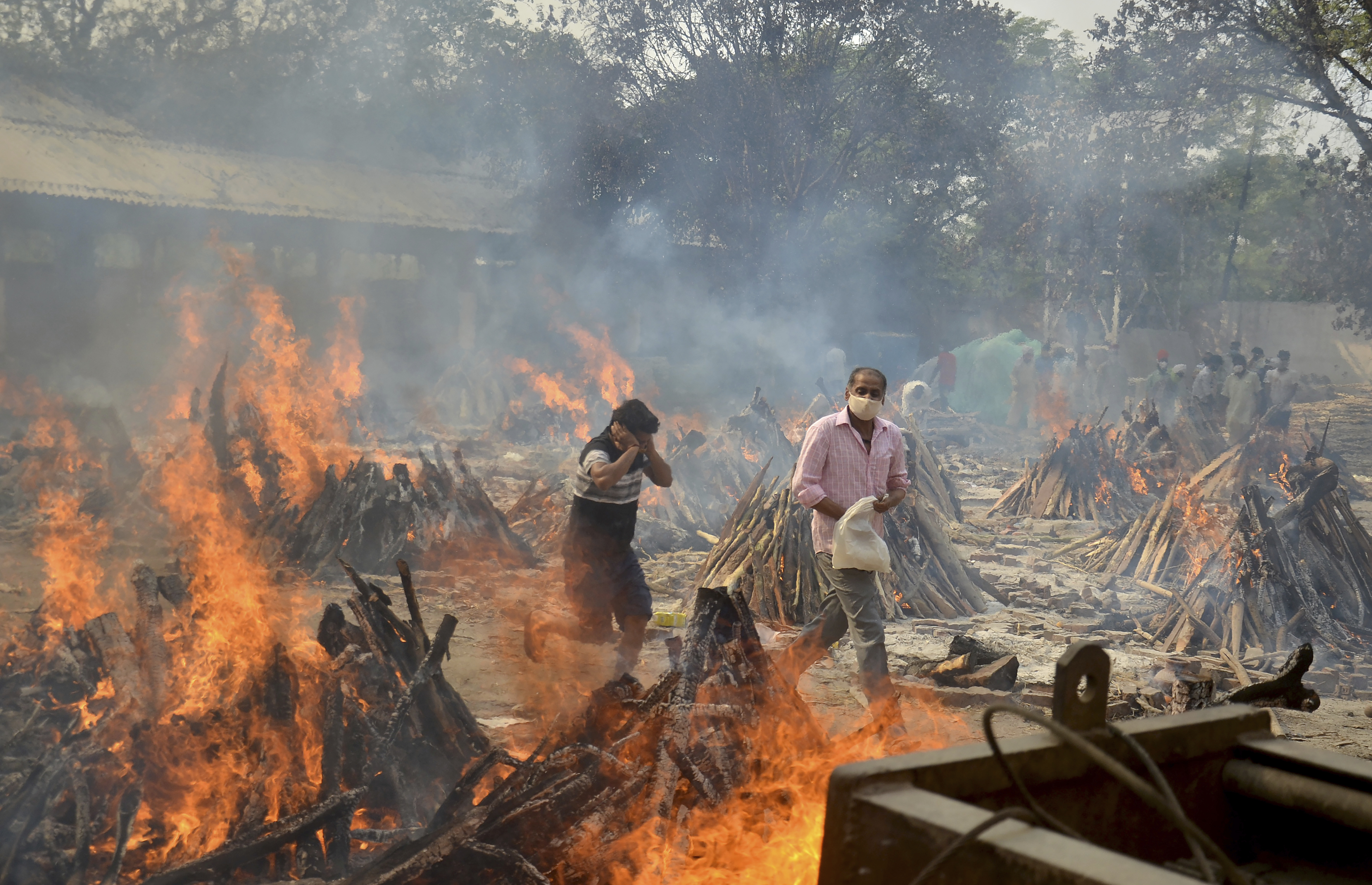
Infections have surged in India since February in a disastrous turn blamed on more contagious variants of the virus as well as government decisions to allow massive crowds to gather for Hindu religious festivals and political rallies before state elections.

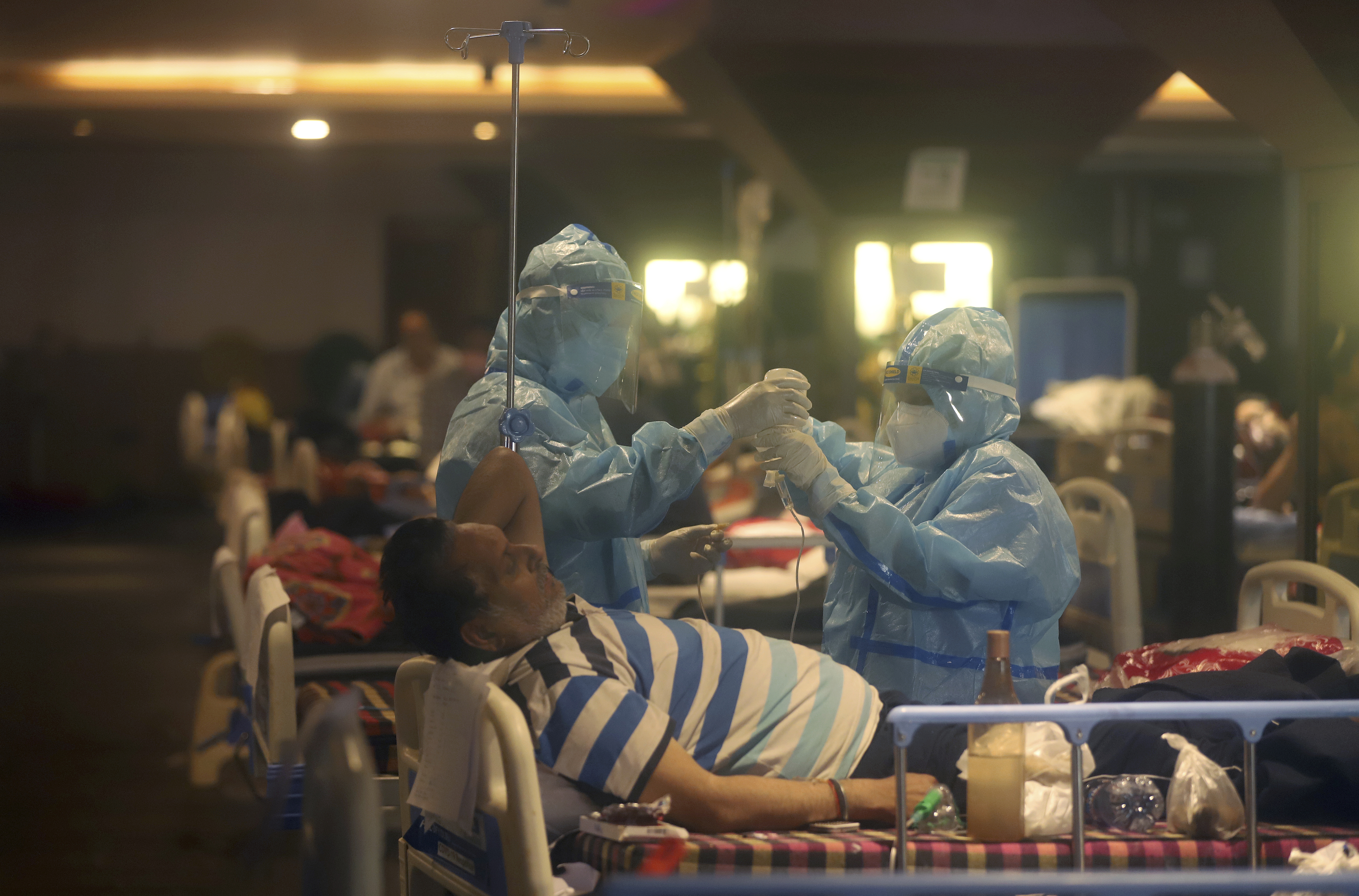
India's top health official, Rajesh Bhushan, refused to speculate last month as to why authorities weren't better prepared. But the cost is clear: People are dying because of shortages of bottled oxygen and hospital beds or because they couldn't get a COVID-19 test.

India's official average of newly confirmed cases per day has soared from over 65,000 on April 1 to about 370,000, and deaths per day have officially gone from over 300 to more than 3000.

READ MORE: Leaving Australians in India riskier than letting them come home: AMA head
On Tuesday, the health ministry reported 357,229 new cases in the past 24 hours and 3449 deaths from COVID-19.

Dr Ashish Jha, dean of Brown University's School of Public Health in the US, said he is concerned that Indian policymakers he has been in contact with believe things will improve in the next few days.

"I've been … trying to say to them, 'If everything goes very well, things will be horrible for the next several weeks. And it may be much longer'," he said.

READ MORE: The Indian COVID-19 hospital so bad patients want to get out
Jha said the focus needs to be on "classic" public health measures: targeted shutdowns, more testing, universal mask-wearing and avoiding large gatherings.

"That is what's going to break the back of this surge," he said.

The death and infection figures are considered unreliable because testing is patchy and reporting incomplete. For example, government guidelines ask Indian states to include suspected COVID-19 cases when recording deaths from the outbreak, but many do not do so.

The US, with one-fourth the population of India, has recorded more than 2 1/2 times as many deaths, at around 580,000.

READ MORE: Victoria doubles vaccine jabs after hubs inundated
Municipal records for this past Sunday show 1680 dead in the Indian capital were treated according to the procedures for handing the bodies of those infected with COVID-19. But in the same 24-hour period, only 407 deaths were added to the official toll from New Delhi.

The New Delhi High Court announced it will start punishing government officials if supplies of oxygen allocated to hospitals are not delivered. "Enough is enough," it said.

The deaths reflect the fragility of India's health system. Prime Minister Narendra Modi's party has countered criticism by pointing out that the underfunding of health care has been chronic.

But this was all the more reason for authorities to use the several months when cases in India declined to shore up the system, said Dr Vineeta Bal of the Indian Institute of Science Education and Research.

READ MORE: EU drug regulator evaluating Pfizer vaccine for youngsters
"Only a patchwork improvement would've been possible," she said. But the country "didn't even do that".

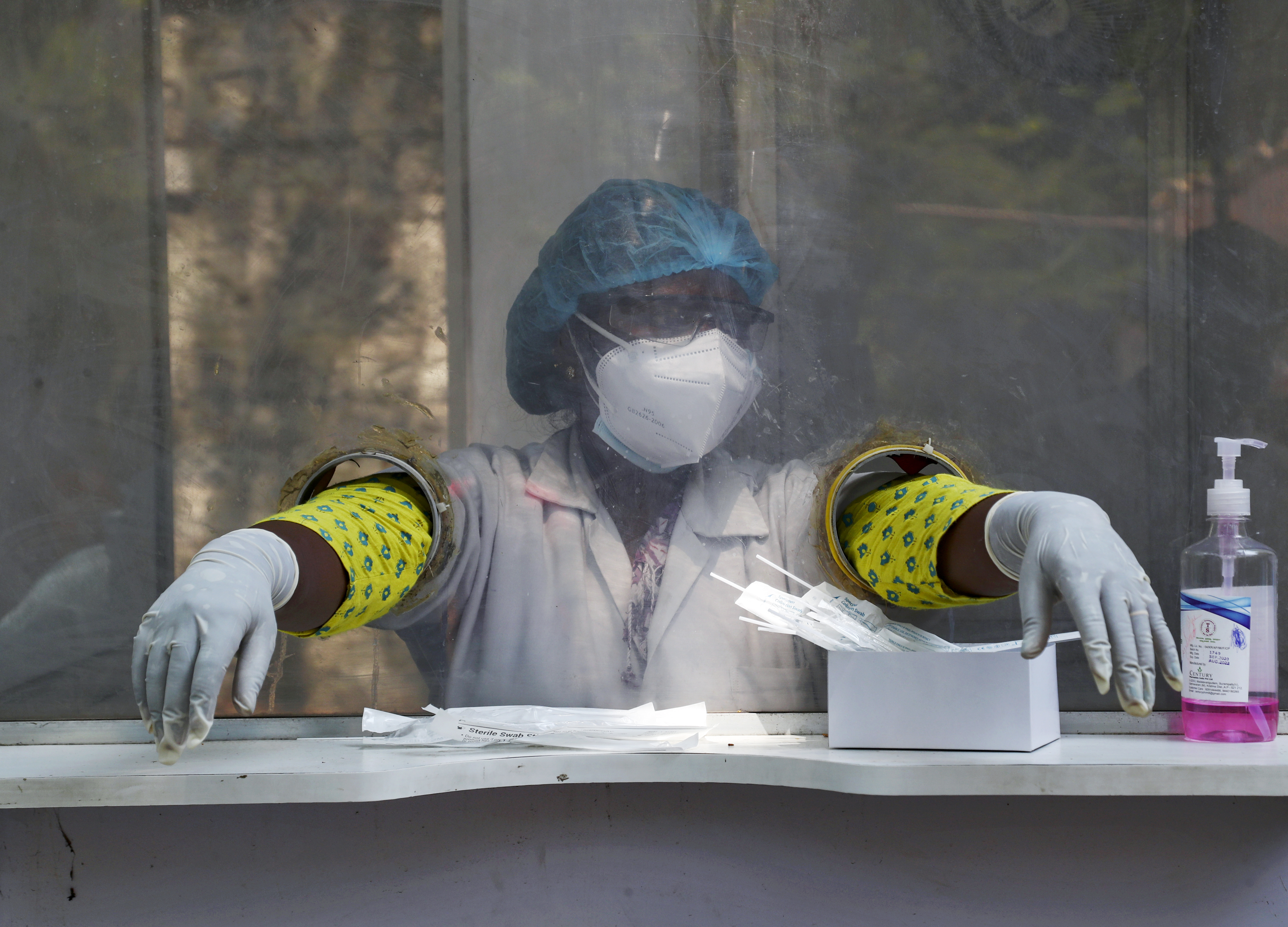
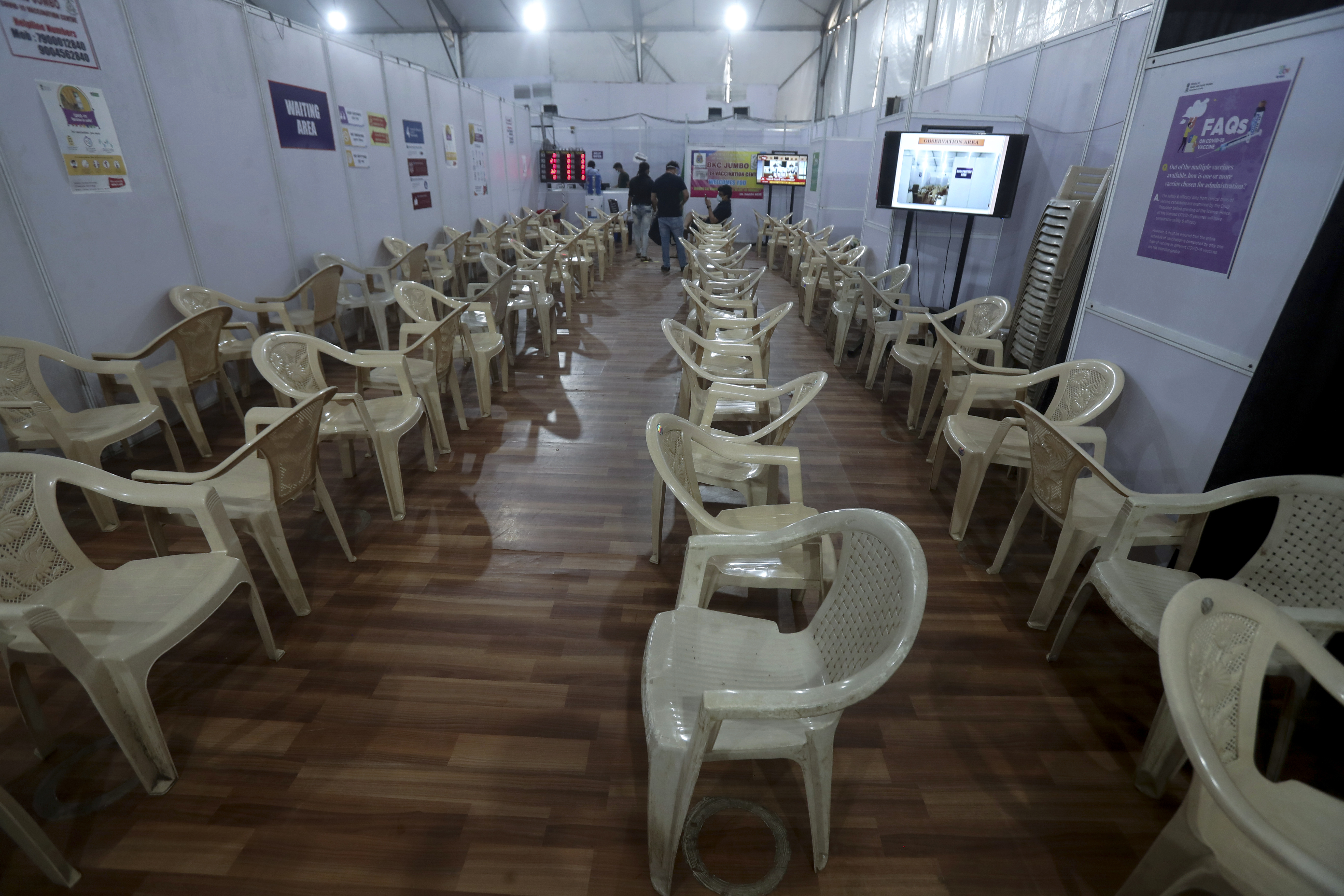
Now authorities are scrambling to make up for lost time. Beds are being added in hospitals, more tests are being done, oxygen is being sent from one corner of the country to another, and manufacturing of the few drugs effective against COVID-19 is being scaled up.

The challenges are steep in states where elections were held and unmasked crowds probably worsened the spread of the virus. The average number of daily infections in West Bengal state has increased by a multiple of 32 to over 17,000 since the balloting began.

"It's a terrifying crisis," said Dr Punyabrata Goon, convener of the West Bengal Doctors' Forum.

READ MORE: Geoffrey Robertson 'outraged' by India ban
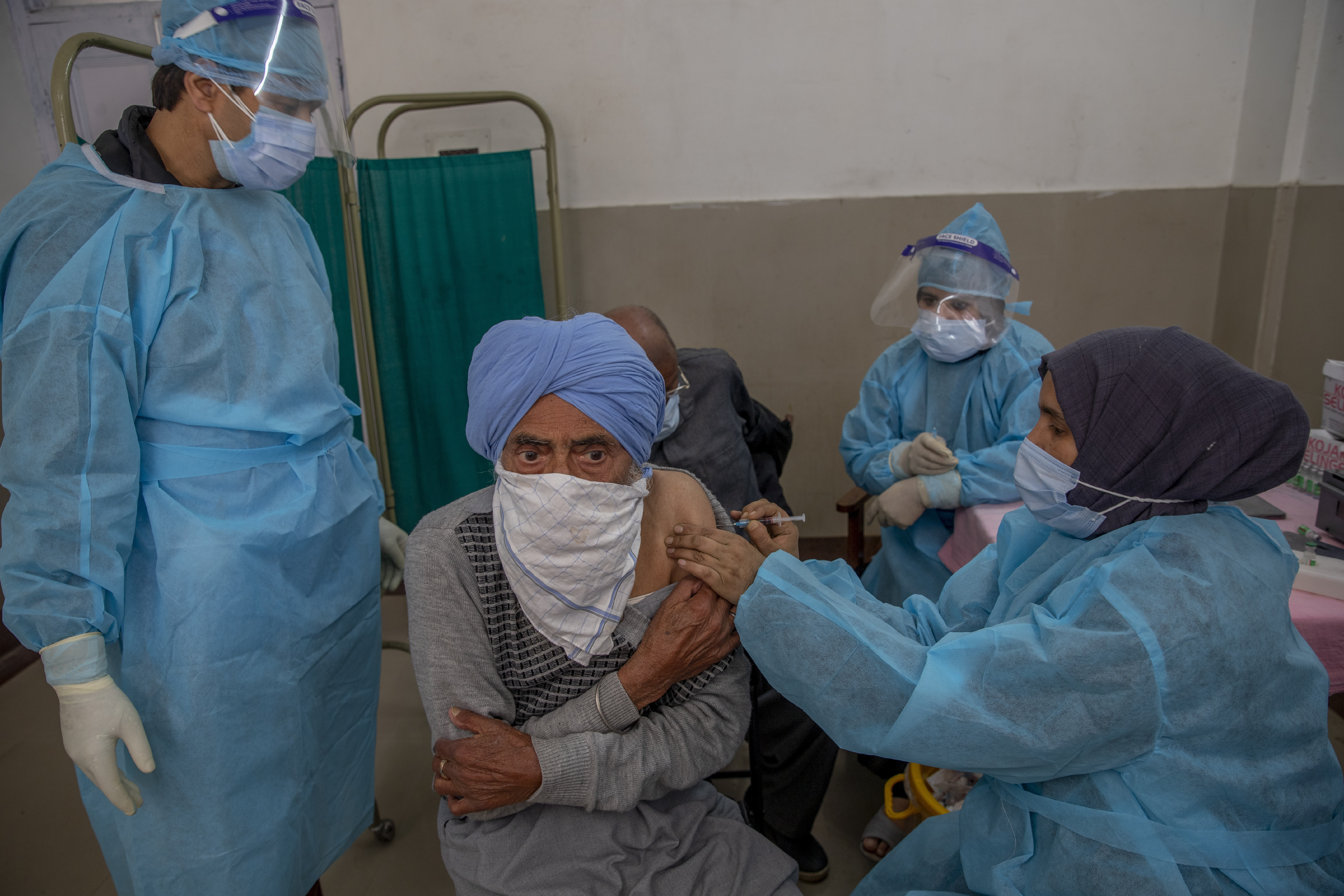
Goon added that the state also needs to hasten immunisations. But the world's largest maker of vaccines is short of shots — the result of lagging manufacturing and raw material shortages.

Experts are also worried the prices being charged for shots will make it harder for the poor to get vaccinated. On Monday, opposition parties urged the government make vaccinations free to all Indians.

India is vaccinating about 2.1 million people daily, or around 0.15 per cent of its population.
"This is not going to end very soon," said Dr Ravi Gupta, a virus expert at the University of Cambridge in England. "And really … the soul of the country is at risk in a way."


Small states might benefit from the rivalry of large states for 21st century dominance

By Sir Ronald Sanders 

(The writer is Antigua and Barbuda’s Ambassador to the United States and the Organization of American States.   He is also a Senior Fellow at the Institute of Commonwealth Studies at the University of London and Massey College in the University of Toronto.  The views expressed are entirely his own) 

US President Joseph Biden’s address to a Joint Session of the US Congress on April 28 was strikingly different from the speeches of his predecessor, Donald Trump.

The address was free of the bombast and repeated references to the exceptional qualities that Trump ascribed to himself, including the frequent claim that he had either done more than any other President or that he had more knowledge of everything than anyone else.

Biden succeeded in presenting an image of ‘father of the nation’.  He was calm in his presentation, measured in his remarks and open-handed to his political opponents, many of whom were seated in the hall.  Unlike Trump, while he was firm that the US would act to prevent excesses by China and Russia, he did not adopt a tone of belligerence to these two top rivals for global political, economic, and military dominance.

Equally impressive was President Biden’s participation in the “Summit of 40 Leaders on Climate” that he organized on April 22 and 23.  Except for one brief period, when he personally excused himself to all the delegates present, he sat through every session, participating actively far beyond any expectation.  If his deep involvement in the discussions is a measure of the seriousness of his stated desire to tackle Climate Change robustly, then the world might yet be at what he calls “a great inflection point in history”.  He offers hope that greenhouse gas emissions can be dramatically reduced, global warming can be tempered and sea-level rise can decline – all of which would be immensely beneficial to small states.

Of course, as Biden pointed out to the Congress, the US accounts for “less than 15% of carbon emissions”.  He went on to state that even if the US does “everything perfectly, it’s not going to ultimately matter” because “the rest of the world accounts for 85%”.  This latter statement is an oversimplification of the situation.  Fifteen percent of carbon emissions is a high figure for one country, and it needs to be reduced; so US emissions do ultimately matter.  At the Climate Summit of 40 Leaders, the President  committed to reducing US emissions by 50%-52% below its 2005 emissions levels by 2030.  However, no concrete plans to achieve this has yet been revealed.   These plans must be rolled out publicly and soon if the US is to be credible as a global leader on Climate.

And while it is statistically true that the rest of the world accounts for 85% of the carbon emissions, it is misleading for it to be stated in this way.  For instance, as Antigua and Barbuda’s Prime Minister, Gaston Browne, pointed out at the summit, the 44 small island and low-lying states of the world “collectively emit just 1.5 % of the emissions of industrialized nations”.   The main contributors, apart from the US are China (28%), India (7%), Russia (5%) and Japan (3%).  These five countries account for 58 % of global emissions. The remaining 42% comes from 188 countries.

It was, therefore, important that Biden include the other big emitters in his Climate Summit to try to reach a consensus on the way forward.  Whether such a consensus was achieved will be better measured in the coming months, leading to the global Climate meeting, COP26, in Glasgow in November.  But it should be clear that large carbon emissions in the five countries come from industrial production and lifestyles.  It is cheaper for the offending countries to continue this pattern in order to be competitive in the global economic market. So, no one should hold their breath for dramatic change unless these countries are pushed.

Biden’s policies look set to be the push factor. The President has tied reducing carbon emissions to a massive economic programme, providing jobs and massive new infrastructure in the US.   His success in growing the US economy, increasing employment, and retaining the US competitiveness, is now tied to his Climate programme.

He emphasised in his address to Congress that “the most important word when it comes to meeting the climate crisis is ‘jobs’.”   Earlier, at the Summit on Climate, he stressed that: “Within our climate response lies an extraordinary engine of job creation and economic opportunity ready to be fired up.  That’s why I’ve proposed a huge investment in American infrastructure and American innovation to tap the economic opportunity that climate change presents our workers and our communities, especially those who have been, too often, left out and left behind”.

This is the circumstance that, realistically, should give small states, that are the worst victims of the effects of Climate Change, the greatest reason for hope.  President Biden contemplates spending US$2 trillion on his “American Jobs Plan”, creating tens of thousands of jobs, many of them linked to clean energy projects.  It will not be easy. Accounting shows that 29% of US emissions comes from transportation and a further 23% comes from electricity generation.   Americans are accustomed to driving cars for long distances and to air-conditioned homes, offices and vehicles; they will have to be convinced of the benefits of changing from their traditional sources of energy.

But the political fortunes of President Biden’s administration are now tied to achieving this goal.   Therefore, he and his team will work hard at accomplishing their objectives across all sectors of the society.   At the same time, they will not yield their competitiveness to China or Russia, as the President told the US Congress.  Consequently, the world should expect that the US Government will do everything within its power to push its rivals to cut their emissions.

In this regard, this may be one of the few cases in world history, when small countries might truly benefit from the rivalries of large and rich nations.  For this reason, President Biden’s Climate plan, tied to his  “American Jobs Plan”, should be given every support by small states.

Responses and previous commentaries: www.sirronaldsanders.com 

The post Small states might benefit from the rivalry of large states for 21st century dominance appeared first on The St Kitts Nevis Observer.

Cayman Islands Sea Turtles Back From Brink of Extinction

Sea turtles in the Cayman Islands are recovering from the brink of local extinction, new research shows.

Monitoring from 1998-2019 shows loggerhead and green turtle nest numbers increased dramatically, though hawksbill turtle nest numbers remain low.

In the first counts in 1998-99, just 39 sea turtle nests were found in total on the three islands. By 2019, the figure was 675.

Captive breeding of green turtles and inactivity of a traditional turtle fishery due to tightening of restrictions in 2008 contributed to this – but populations remain far below historical levels and still face threats including illegal hunting.

The study was carried out by the Cayman Islands Department of Environment and the University of Exeter.

“Our findings demonstrate a remarkable recovery for sea turtle populations that were once thought to be locally extinct,” said Dr Janice Blumenthal, of the Cayman Islands Department of Environment.

“A combination of factors is thought to have led to this conservation success story.

“It is likely that a captive breeding operation by the Cayman Turtle Farm (now the Cayman Turtle Centre) drove the increase in Grand Cayman’s green turtle population in the early years of monitoring.

“For loggerhead turtles, the most important factor was the restrictions placed on the legal turtle fishery in 2008.”

Dr Jane Hardwick, also of the Cayman Islands Department of Environment, added: “For both species, the recovery was assisted by protection efforts by the Cayman Islands Department of Environment on nesting beaches, including patrols by conservation officers to reduce illegal hunting.

“However, our study finds that illegal take is an ongoing threat, with a minimum of 24 turtles taken from 2015-19, many of which were nesting females.

“Artificial lighting on nesting beaches, which can direct hatchlings away from the sea, increased over the period of our study.

“Additionally, as highly migratory endangered species, sea turtles are influenced by threats and conservation efforts outside of the Cayman Islands, showing a need for international co-operation in sea turtle management.”

Historically, the Cayman Islands had among the world’s largest sea turtle nesting populations, with turtles numbering in the millions. By the early 1800s, the populations had collapsed due to human overexploitation.

The new study shows that, despite reaching critically low levels, nesting populations of green and loggerhead turtles have recovered significantly.

Hawksbill turtle nest numbers have not increased in tandem with loggerhead and green turtles – with a maximum of 13 hawksbill nests recorded in a single monitoring season.

Information on turtle nests is being used by the Cayman Islands authorities to target management efforts.

This includes “turtle-friendly lighting” initiatives, and a greater level of habitat protection for key areas has been proposed under the National Conservation Law of the Cayman Islands.

Professor Brendan Godley, of the University of Exeter, said: “I was fortunate to have been involved in establishing the turtle monitoring programme with the Department of Environment in the Cayman Islands back in 1998 and it is fantastic to see how protection and awareness has resulted in an increase in nesting turtles.

“The wonderful team and leadership of the Department of Environment have been instrumental in driving the monitoring and conservation.”

Department of Environment Director Gina Ebanks-Petrie said: “We are extremely grateful to the many volunteers, interns, property owners, businesses, organisations and members of the public who have assisted with sea turtle conservation efforts over the past two decades.

“Sea turtles are a national symbol of the Cayman Islands and our community has come together to demonstrate our commitment to their protection. This research gives us essential information for strategically targeted management efforts to secure future survival of these populations.”

The paper, published in the journal Frontiers in Marine Science, is entitled: “Cayman Islands sea turtle nesting population increases over 22 years of monitoring.”

The post Cayman Islands Sea Turtles Back From Brink of Extinction appeared first on The St Kitts Nevis Observer.

Is St. Vincent Volcano Now Dormant?

One of the scientists monitoring the La Soufriere volcano said that while there has been little seismic activity at the volcano in recent days, “we are not ready to say that the volcano has gone back to sleep as yet”.

Speaking on the state-owned NBC Radio, Roderick Stewart said there have been no signs of reactivation or pressurisation at the volcano.

“So we think it is looking good,” he said, adding “we will need to get a good look at the crater to work out what’s going on there exactly and we are not ready to say that the volcano has gone back to sleep yet, but it is definitely in a quieter stage than it was during all the explosions”

The volcano erupted explosively on April 9 forcing the evacuation of thousands of people and according to the latest bulletin issued by the Seismic Research Centre (SRC) of the University of the West Indies (UWI), seismic activity at La Soufrière has remained low since the tremor associated with the explosion and ash venting on April 22.

It said in the past 24 hours, only a few long-period, hybrid and volcano-tectonic earthquakes have been recorded and there was no further seismic tremor.

“The volcano continues to be in a state of unrest. Explosions with accompanying ashfall, of similar or larger magnitude to those that have already occurred in this eruption, can take place with little or no warning.

“Caution should be taken in traversing river valleys on the volcano due to the increased risk of lahars (mudflows) during periods of rainfall on the volcano. The volcano is at alert level RED,” the SRC added.

Stewart, who appeared on the radio programme with Prime Minister Dr Ralph Gonsalves, said “fingers crossed” he is hoping that the volcano would remain quiet and ‘we would start getting back to normal.

“There are no tremors we are only getting the occasional small earthquakes,” he said, noting however that “one of the problems I have is that before the eruption we had a station near the summit and now we don’t have that it has been destroyed.

“We can’t directly compare the activities. So one of our tasks as soon as it is safe to do so will be to put the station back online or put a new one in so that we can make a much better comparison between the activities now and the activities before.”

Stewart said while he was supportive that a person who had been evacuated from the Orange Zone could return to the area, he would want it done under a government programme and away from the Red Zone.

“Yes I think we are at the stage where we can re-occupy the Orange Zone …but that has to be qualified by saying people should not be going into the (nearby) Red Zone unless it is for official purposes and sanctioned by the government.

“We have seen videos online, we have seen posts on social media of people exploring in the Red Zone, people going hiking and this is utter foolishness. Deposits up there are …really hot underneath, they may appear cool on the surface but they are hundreds of degrees, maybe only a few feet down and you could sink into those deposits and you will suffer live threatening burns.

Stewart warned of “so many hazards that could happen” adding “it is foolish for people to be in the Red Zone.

“So I think occupying the Orange Zone is good but ensure people are not doing any activities I the Red Zone unless they are sanctioned by the government”.

He said Georgetown, which is in the Red Zone area should not among the villages that residents are allowed to re-enter.

“Georgetown was put in the Red Zone for a reason. There are hazards there and therefore we should not be doing activities in Georgetown,” he added.

The post Is St. Vincent Volcano Now Dormant? appeared first on The St Kitts Nevis Observer.

India Cricket: IPL Postponed, World Cup Venue Changed Over Pandemic Fears

This year’s T20 World Cup is set to be moved from India to the UAE with the BCCI acknowledging that none of the participating teams would be “comfortable” coming to India.

This comes after the indefinite postponement of the Indian Premier League Schedule over the coronavirus pandemic ravaging the nation.

While a final decision will be taken in a month’s time, it is understood that even the Indian cricket board is jittery about holding the 16-team tournament in October-November after the ongoing IPL had to be suspended because of multiple COVID-19 cases inside the bio-bubble.

PTI has learnt BCCI officials have had very recent discussions with some of the top decision-makers in the central government and a shift to the UAE has been more or less agreed upon. The dates of the marquee competition, which was planned across nine venues, have not yet been finalised.

“The suspension of IPL within four weeks is an indicator that it’s not really safe to host a global event of that magnitude at a time when the country is fighting its worst health crisis in last 70 years,” a senior BCCI source privy to development said on conditions of anonymity.

The dire situation in India, where a daily addition of over 3 lakh new cases has continued for the past many days, has shaken most of the member boards and the ICC is unlikely to take a risk with safety of international cricket teams.

“You can be rest assured that most of the top nations wouldn’t like to tour India within next six months unless the situation comes to normalcy. The players and their families would be very wary to travel if they are in the middle of another surge. So expect BCCI to agree with shift of tournament to UAE,” another source also chipped in.

He said IPL’s suspension after a string of positive cases has made the officialdom very jittery of taking any more risks.

“The IPL in India was a platform to prove to the world as well as participating nations that it is safe to host a tournament even when the second wave is hitting its peak.

“It was going well but the bio bubble has now become porous. What’s the guarantee it won’t happen again in October-November. Nations like Australia, England and New Zealand are almost certain to have travel advisories in place,” he argued.

One of the biggest reasons for conducting the tournament in the UAE is that it can be kept to three grounds — Sharjah, Dubai and Abu Dhabi — and there is no air travel.

“Look, six venues for IPL was always a dangerous proposition when they successfully managed with three during the last edition,” the source said.

“In UAE, all of them were in one bubble from start to finish while here each team was travelling to three bubbles. Most of the positive cases emerged after bubble travel.

“Therefore even if you reduce the number of venues from 9 to 5 in October, still there will be air travel unlike UAE. Also for players, they would not be mentally in a space to play in India unless the situation drastically improves,” he added.

There is an ICC meeting in June where a final decision will be taken but retaining the tournament in India after cancellation of IPL seems far-fetched at this poi

The post India Cricket: IPL Postponed, World Cup Venue Changed Over Pandemic Fears appeared first on The St Kitts Nevis Observer.

Mexico Apologises to Mayan People for Historic Abuses

image copyrightGetty Images
image captionNative Americans in traditional costume in Mexico (file image)


BBC- Mexico’s president has apologised to the indigenous Mayan people for abuses committed against them over the five centuries since the Spanish conquest.

Andrés Manuel López Obrador spoke at an event also attended by Guatemalan leader Alejandro Giammattei in the south-east state of Quintana Roo.

He focused on the 1847-1901 Caste War revolt in which around 250,000 people are believed to have lost their lives.

Mexico is due to hold legislative and municipal elections shortly.

“We offer the most sincere apologies to the Mayan people for the terrible abuses committed by individuals and national and foreign authorities in the conquest, during three centuries of colonial domination and two centuries of an independent Mexico,” Mr Lopez Obrador said.

Guatemala’s Alejandro Giammattei said the Mayan people still faced suffering and neglect.

“We have managed as a region to overcome aspects such as slavery, internal wars, and open confrontations between peoples,” he said.

“However, by revisiting our history, we can analyse the present and realise that we are still facing the loss of human lives but now at the hands of organised crime, because of malnutrition, and the tireless search for the dream and opportunities that so many people pursue.”

Presentational grey line

Historic but unsurprising

Will Grant, BBC Mexico and Central America correspondent

It isn’t entirely surprising that Andrés Manuel López Obrador is the president to make this official apology to the Mayan people: he first made his name as a vocal activist for indigenous rights in his home state of Tabasco.

But that makes it no less historic.

It will come as something of an important milestone to Mayan leaders who have long pushed for greater recognition of the wholesale slaughter of their people and near eradication of their culture and customs by the Spanish and Mexican governments.

However, the timing will also be met with some scepticism. There is just a month before vital legislative and municipal elections, and President López Obrador continues to push forward with his pet project of the Tren Maya – a tourist train which will run through a region called the Riviera Maya – despite overwhelming local opposition.

The post Mexico Apologises to Mayan People for Historic Abuses appeared first on The St Kitts Nevis Observer.

World View: Mexico City Tragedy, India Virus, Iran Deal?, Trump’s Big Lie, More

March 19, 2021

Alternate text

Here are today’s selection of top stories from The Associated Press at this hour to begin the U.S. day.


The Associated Press

Advancing the Power of Facts

The Rundown

I'm an image

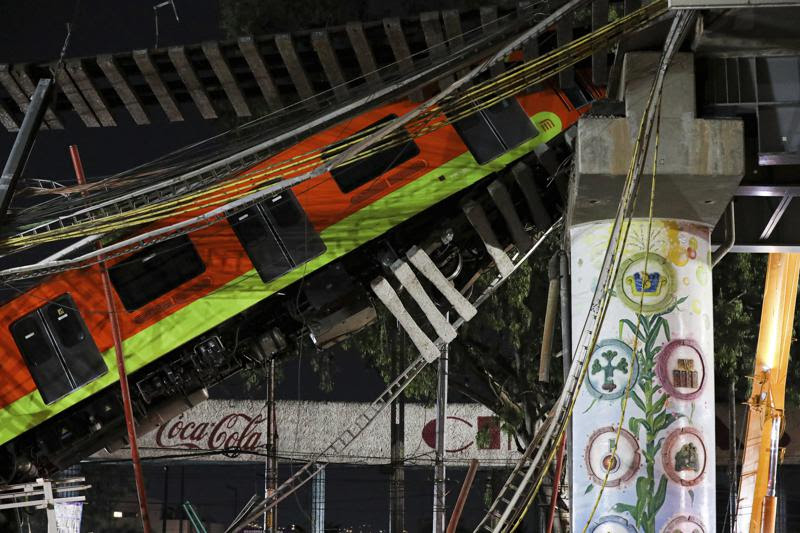
MEXICO CITY (AP) — An elevated section of the Mexico City metro collapsed and sent a subway car plunging toward a busy boulevard late Monday, killing at least 23 people and injuring about 70, city officials said. Rescuers searched a car left dangling…Read More

I'm an image

NEW DELHI (AP) — COVID-19 infections and deaths are mounting with alarming speed in India with no end in sight to the crisis and a top expert warning that the coming weeks in the country of nearly 1.4 billion people will be “horrible.”…Read More

I'm an image

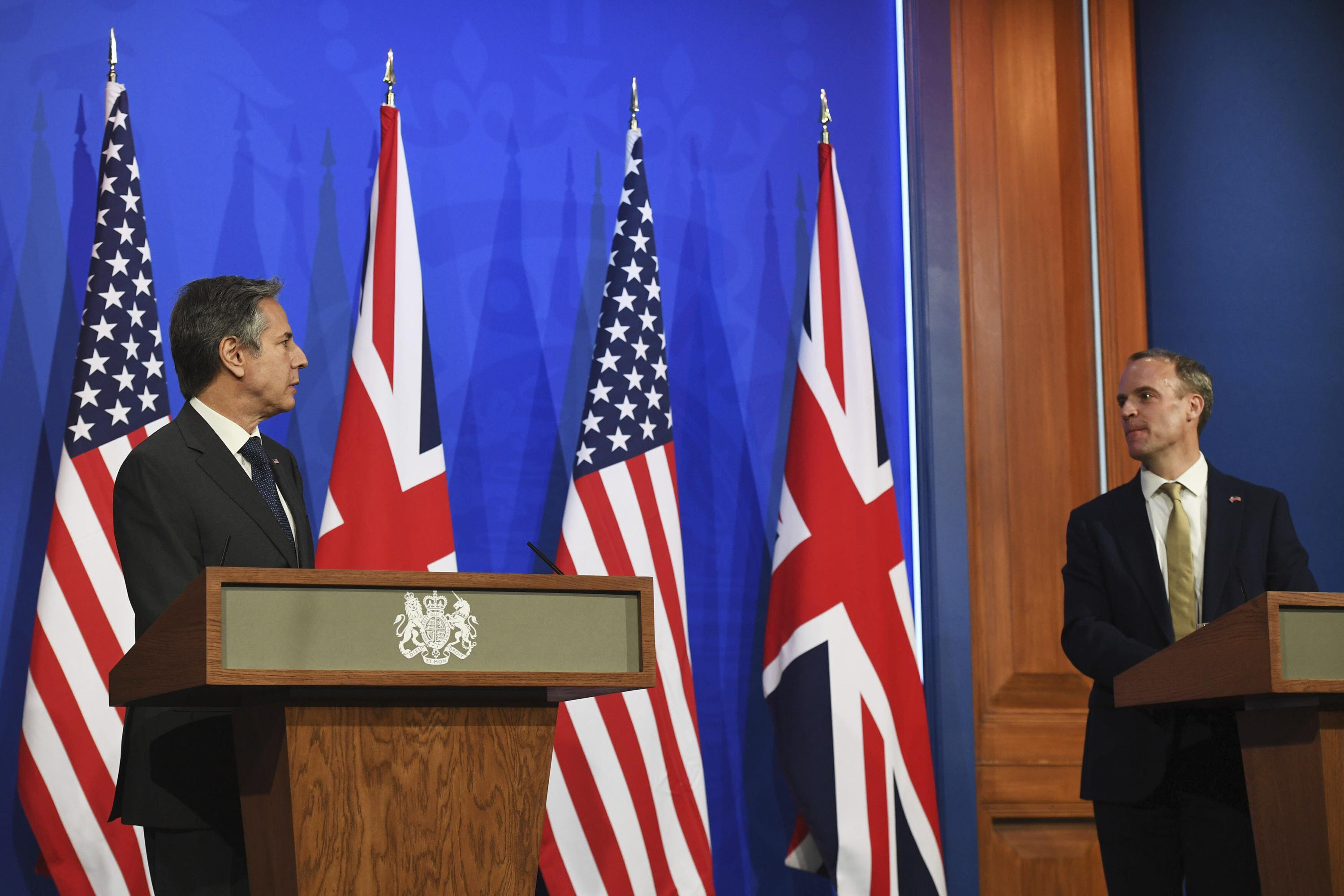
WASHINGTON (AP) — A flurry of diplomatic contacts and reports of major progress suggest that indirect talks between the U.S. and Iran may be nearing an agreement. That’s despite efforts by U.S. officials to play down chances of an imminent deal that …Read More

I'm an image

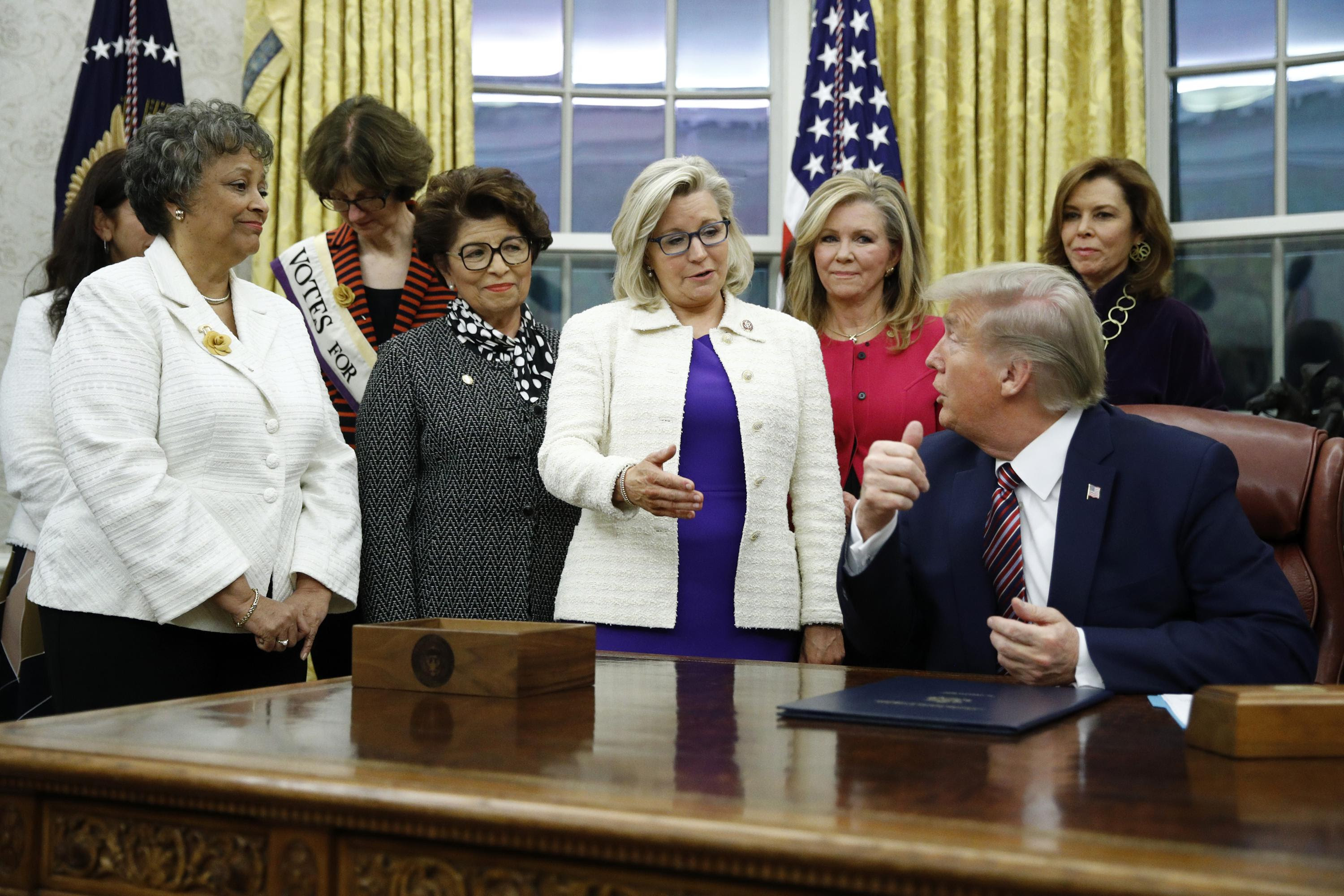
WASHINGTON (AP) — Donald Trump and his supporters are intensifying efforts to shame — and potentially remove — members of their party who are seen as disloyal to the former president and his false claims that last year’s election was stolen from him….Read More

I'm an image

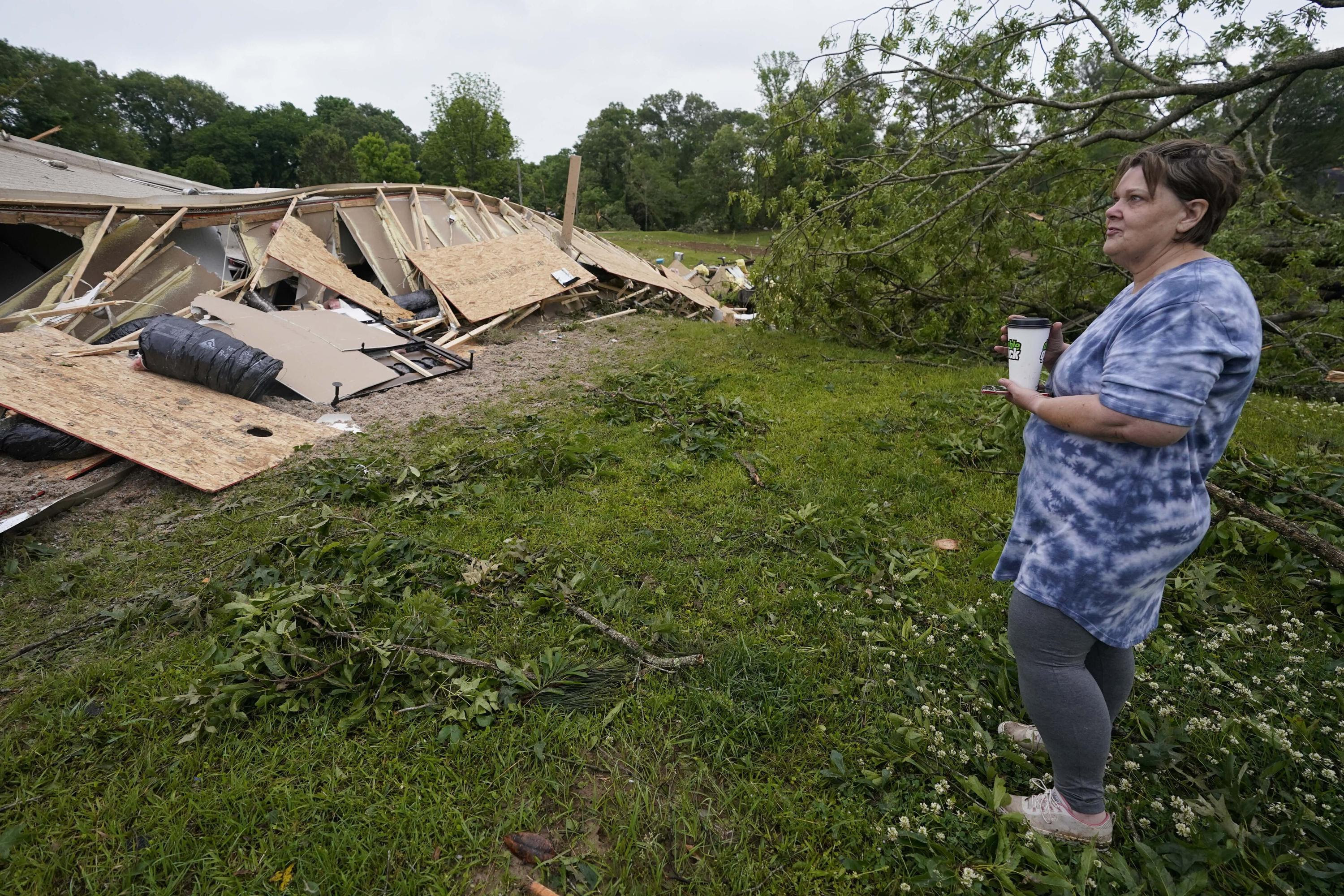
YAZOO CITY, Miss. (AP) — Much of the South is again at risk of severe weather Tuesday, forecasters say, after tornadoes struck parts of the region Sunday night and Monday, causing heavy damage in some parts of Mississippi. Large parts of Louisiana, M…Read More

OTHER TOP STORIES

Already battered by long shifts and high infection rates, essential workers struggling through the pandemic face another hazard of hard times: employers who steal their wag…Read More

WASHINGTON (AP) — President Joe Biden formally raised the nation’s cap on refugee admissions to 62,500 this year, weeks after facing bipartisan blowback for his delay in re…Read More

SEATTLE (AP) — Bill and Melinda Gates announced Monday that they are divorcing. The Microsoft co-founder and his wife, who launched the world’s largest charitable foundatio…Read More

NEW YORK (AP) — Mister Rogers’ neighborhood is expanding. In rare welcome news of sprawl, PBS Kids is releasing a new puppet-led series called “Donkey Hodie,” inspired from…Read More

The post World View: Mexico City Tragedy, India Virus, Iran Deal?, Trump’s Big Lie, More appeared first on The St Kitts Nevis Observer.

End of an era as last Aussie-made cop car takes final patrol

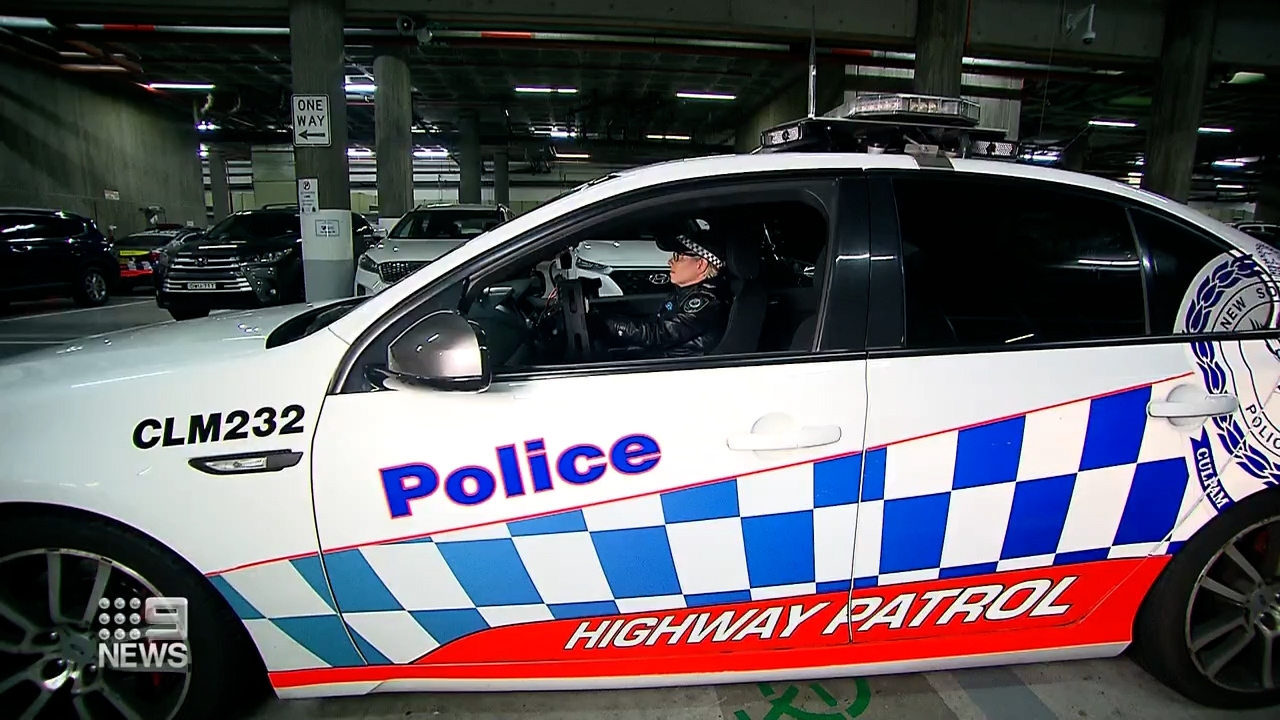
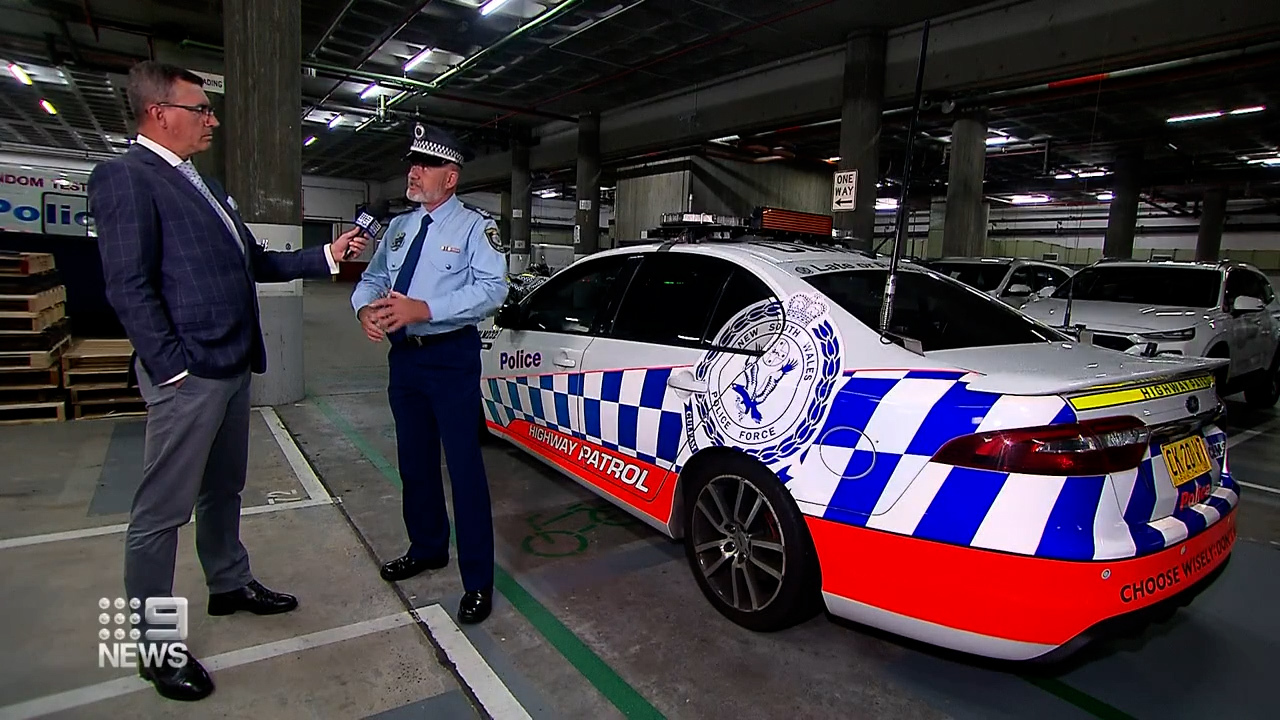
It was a grey and gloomy autumn morning, when Highway Patrol car call sign CLM 232 pulled off the concrete ramp leading from the belly of the Sydney Police Centre, to begin its ultimate reconnaissance.

For call sign CLM 232 is the last Australian-made Ford to wear the livery of the constabulary, and this was its last patrol.

It's been a decades-long relationship between Australian police and the local car-making industry. When the V8s of Ford and Holden battled the racetracks and ruled the roads from the late 1960s, police in all states were quick to enlist the muscle cars into their service.

READ MORE: Police rescue deaf man from apartment fire in Queensland

Most would ensure there would be a 50-50 split between both badges, as Sergeant Ashley Pearsall of NSW Police Fleet Services explained.

"Should there be a problem, or recalls, or product not being available for one of the badges, we would always have the second back-up," Sergeant Pearsall said.

Little, if anything, would be changed as the cars graduated to police duties. In the last model Ford, the XR6, there were some tweaks needed to toughen its brakes, for what the coppers call the "turn and burn", when a Highway Patrol hits the anchors for an about-face and chase with alleged travelling miscreants.

It's a scenario very familiar to Surry Hills Highway Patrol Senior Constable Claire Hume.

"The car takes off very quickly, and continues very steadily," Constable Hume said.

READ MORE: Police officer reunites family with WWI medal lost almost 100 years ago

I wondered if having a six-cylinder turbo restricted to the inner city streets, was like putting a thoroughbred on a milk run.

"Not much of a chance to slam the accelerator round these parts of the world really, is there?" I asked.

"Oh," corrected the Senior Constable, "at some points, you can."

Constable Cameron Edwards rides shotgun with Senior Constable Hume, and he is sad to see the Aussie-made patrol car going.

"I love it," he said.

"Oh mate," I commiserated, "one car door closes, another opens."

"That's right," said Constable Edwards. "It's onto the next, but I definitely won't forget her, that's for sure."

READ MORE: Fire erupts behind policeman while he talked to media about unrelated house fire

Across the country, there remain a few dozen Holden SS Commodores, the final links to the local industry, but their time is also nigh.

The next era in mobile crime fighting will feature the overseas-made BMW 530D and the Chrysler SRT.

"For us, it's just about, does it do the job?" Sergeant Pearsall said.

But even for a copper with decades of patrol street smarts, saying farewell to the Ford is bittersweet.

"It's the end of an era, you can't buy these cars anymore," says the Sergeant, as he prepared to take CLM 232 away to be fully decommissioned.

"I drove these things, I grew up with these things, so it is the end of a very special time."

Slavery: Napoleon’s Legacy No Celebration In French Colonies


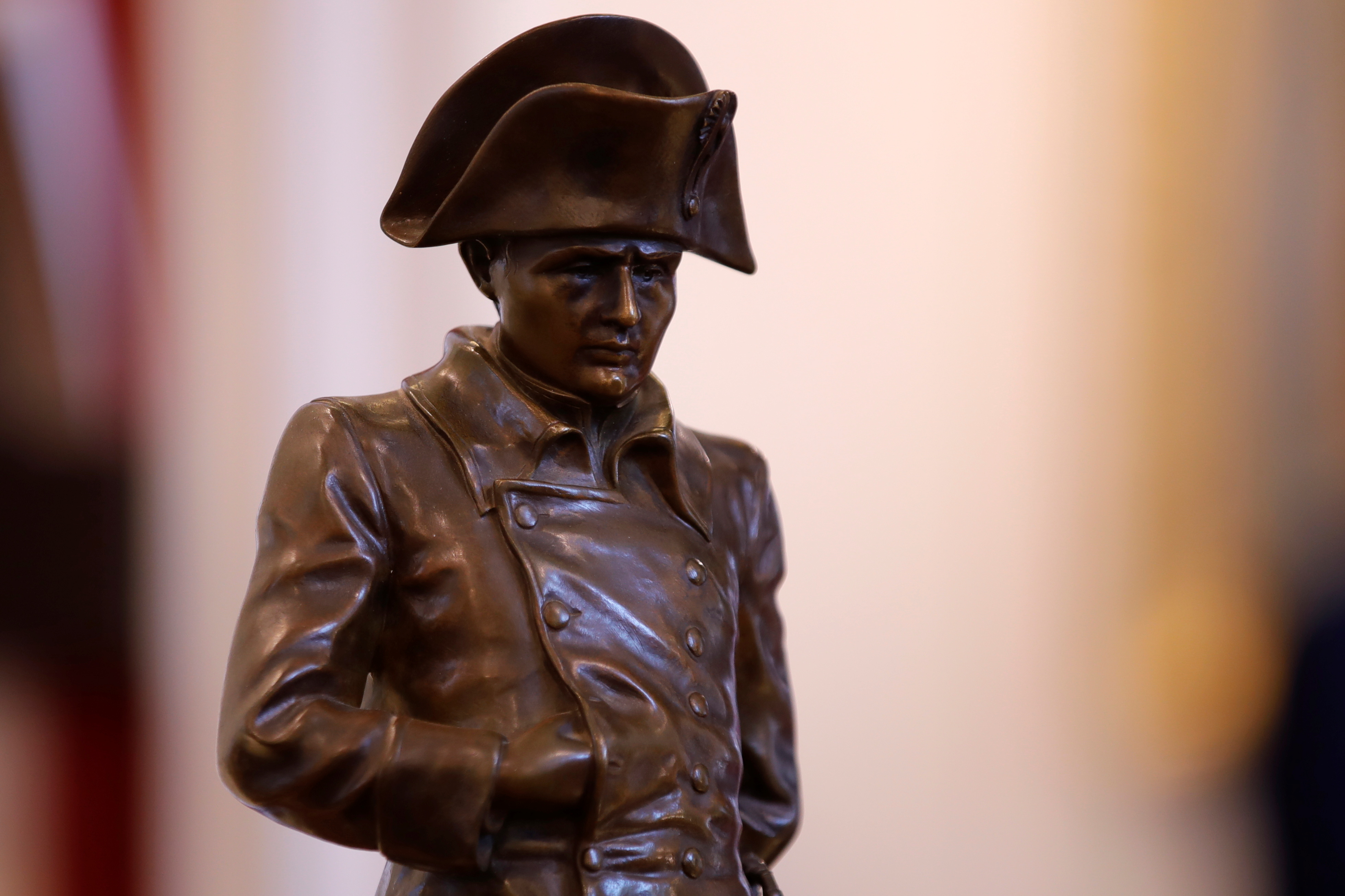
The micro-mosaic “Napoleon Coming out of his Tomb, 1869” by De Rossi from Horace Vernet (1788-1863) is displayed in the Musee de l’Armee (Army Museum) at the Hotel des Invalides in Paris, France, April 27, 2021. REUTERS/Sarah Meyssonnier

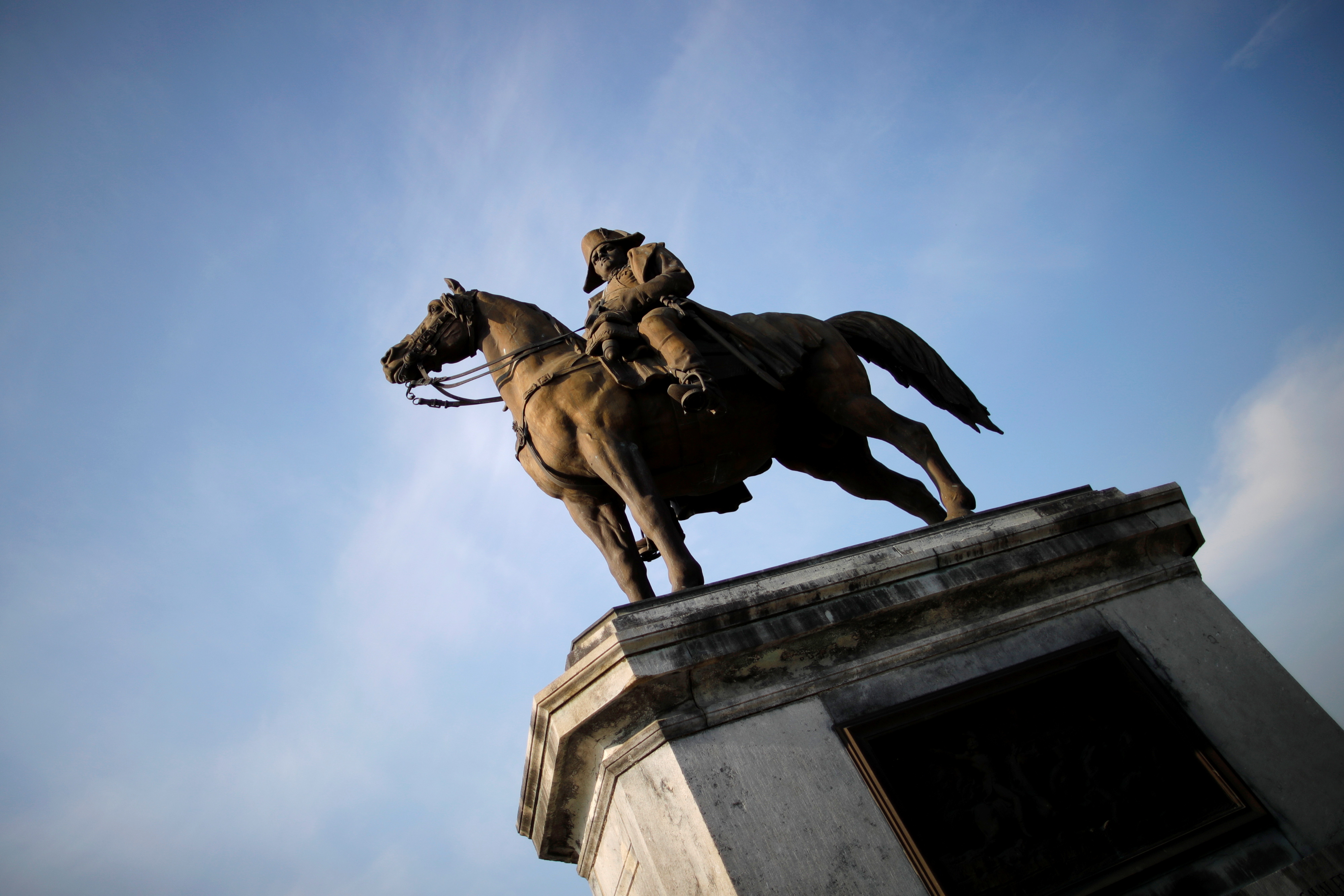
When France commemorates the bicentenary of Napoleon Bonaparte’s death on May 5, Aurelie Ramassamy will remember a tyrant who reversed the abolition of slavery rather than an emperor often lionized as a hero for his battlefield triumphs.

Like most Creoles on the Indian Ocean island of Reunion, one of France’s overseas departments, Ramassamy is a descendant of slaves. Family folklore says her mother’s ancestors were shipped to the island to labour on its coffee and sugar plantations.

Her conviction that France turns a blind eye to the harsher aspects of Napoleon’s rule comes at a time the Black Lives Matter movement is emboldening those who denounce the honouring of a leader who placed economic prosperity above universal rights.

“In no circumstances should he be celebrated,” Ramassamy said after laying flowers at the foot of a shrine to the Black Madonna. Local legend says the Black Madonna hid a fugitive Black from slave-hunters, saving his life.

In 1802, Napoleon restored slavery by decree in the French Caribbean and Reunion, even if the 1794 abolition had never been applied on the island more than 9,000 km southeast of Paris.

Revolts were violently put down while white landowners, and the empire, got richer.

Black historians say Napoleon’s links to slavery remain unaddressed in France, which still grapples with its colonial past and charges of deep-rooted racism by ethnic minorities.

It was no longer possible to reduce his legacy to an account of military adventure and French grandeur, said Dominique Taffin of the Slavery Memorial Foundation.

“It’s not re-writing history, it’s enriching history,” she said.

MYTH OF NAPOLEON

Napoleon is widely revered as a military genius and a master administrator who created France’s penal code, the administrative system of prefets and Lycee high schools.

He ruled initially as First Consul after a coup in 1799 and then as emperor, dominating European affairs for more than a decade.

He was neither pro-slavery, nor racist, but a pragmatist who responded to the social and economic circumstances of the era, said Pierre Branda, a historian at the Napoleon Foundation.

Branda said Napoleon’s views on slavery evolved in his final years when he lived in exile on St. Helena, a rocky island in the South Atlantic Ocean where he died.

“We cannot reduce the history of Napoleon to slavery,” Branda said. “He made a bad decision that he later regretted.”

The 200th anniversary of Napoleon’s death falls at a sensitive time.

The global Black Lives Matter movement has resonated on French streets. The outpouring of anger against police brutality and racism in past months has spurred demonstrations in France and its overseas territories.

In Martinique, protesters in July tore down a statue of Napoleon’s empress, Josephine, who was born to a wealthy colonial family on the island.

President Emmanuel Macron will make a speech before laying a wreath at Napoleon’s tomb in the crypt of Les Invalides.

Talk shows have debated for weeks what tone Macron will strike.

The bicentenary provided an occasion to start reshaping the myth that Napoleon was a national hero, said historian Frederic Regent, a descendant of slaves on the Caribbean archipelago of Guadeloupe.

“I hope the president’s speech is aligned as closely as possible to historical reality,” he said.

The post Slavery: Napoleon’s Legacy No Celebration In French Colonies appeared first on The St Kitts Nevis Observer.