Category Archives: headline

T&T Hits Record COVID Cases, Tightens Lockdown

Trinidad and Tobago said it was tightening lockdown restrictions for three weeks starting at midnight as the number of new COVID-19 cases hits record highs and the Caribbean twin-island nation faces a potential shortage of hospital beds.

Prime Minister Keith Rowley said that under the new restrictions, only businesses deemed essential services such as supermarkets, pharmacies and financial services would remain open, for reduced hours, in addition to the key energy and manufacturing sectors.

The government shut down shopping malls, cinemas, theaters, restaurants, bars, places of worship, beauty salons and fitness centers last week in a bid to prevent the spread of the virus. Other non-essential retail and food businesses such as street-food vendors will close from midnight.

“Our healthcare system is now in danger of (being) overrun because of the rate of infection we are experiencing,” Rowley said on Monday.

The country of more than 1.3 million people managed to curb COVID-19 infections during much of last year. Its total tally of 11,313 cases and 174 deaths since the start of the pandemic is still less than half the global average per capita.

Yet contagion has surged lately, with Trinidad and Tobago currently registering 2,506 active COVID-19 cases. Health officials warn the healthcare system could be overwhelmed in 10 days if the trend continues

One particular factor for concern is the arrival of the highly transmissible Brazilian P1 variant, first identified in a Venezuelan migrant.

Only 42,455 people in Trinidad and Tobago have been vaccinated to date as small Caribbean island nations complain of inequitable global access to vaccines for countries without the financial or political heft to seal deals. read more

The post T&T Hits Record COVID Cases, Tightens Lockdown appeared first on The St Kitts Nevis Observer.

Colombia Tax Protests: At Least 17 Killed

BBC- Colombia’s office of the ombudsman has confirmed that at least 17 people were killed in five days of protests against a proposed tax reform, which have now been shelved.

At least 800 people were injured as the police clashed with demonstrators in major cities.

Human rights groups and protesters have accused riot police squads of using unnecessary force.

The reforms, which would have increased taxes on low- and middle-income groups, have now been shelved.

The casualty figures were made public by Colombia’s office of the ombudsman which used data provided by the police and the attorney general’s office.

A person talks to a police officer during a protest against the tax reform of President Ivan Duque's government in Bogota, Colombia, May 1, 2021.

Reuters
1px transparent line

They confirm reports by human rights groups which had reported more than a dozen people killed in protests in Colombia’s major cities.

Colombia’s ombudsman, Carlos Camargo, told Caracol Radio that the figure of those killed could be higher than the 17 they have so far listed. He said his office had received reports of 20 deaths but had not yet been able to verify all the reports.

Colombia’s ombudsman’s office is an official government agency tasked with overseeing the protection of citizens’ human and civil rights.

Among those injured in the clashes were hundreds of police officers, according to the ombudsman’s tally.

What were the protests about?

The protests started on Wednesday, when the largest trade unions called for a national strike to oppose the now shelved tax reform.

The government argued that the reform was key to mitigating Colombia’s economic crisis. Its gross domestic product (GDP) dropped by 6.8% last year, the deepest crash in half a century, and the coronavirus pandemic has further driven up its unemployment rate.

The proposed reform would have lowered the threshold at which salaries are taxed, affecting anyone with a monthly income of $656 (£470) or more. It would also have eliminated many of the current exemptions enjoyed by individuals, as well as increasing taxes imposed on businesses.

It caused outrage among Colombians already battered by the pandemic and the protests were joined by many middle-class people who feared the changes could see them slip into poverty.

How did they get out of hand?

Protesters took to the streets in defiance of a court order ruling that the marches should be postponed because of a current spike in Covid-19 cases.

Police were deployed in force to the major cities where members of trade unions, indigenous groups and civil society organisations converged to protest.

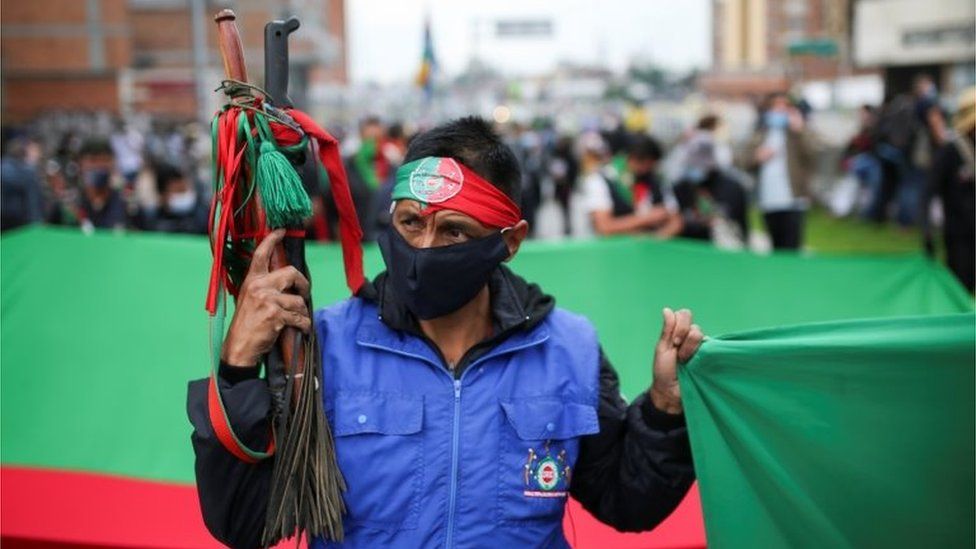
An indigenous man takes part in a protest against the tax reform of President Ivan Duque"s government in Bogota, Colombia April 28, 2021.image copyrightReuters
image captionThe protests were joined by members of various indigenous groups

Footage shared on social media showed police firing tear gas and clashing with demonstrators.

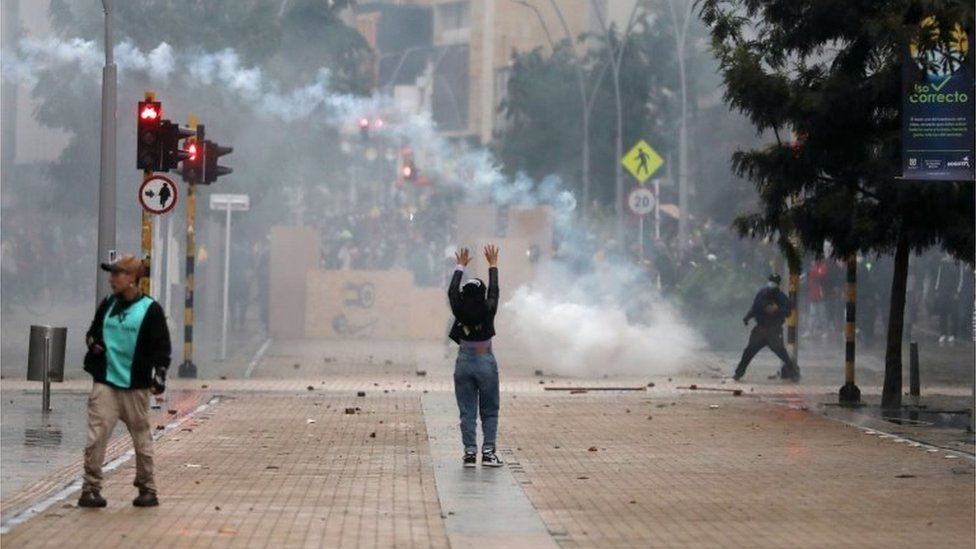
A protester raises her arms during a protest against the tax reform of President Ivan Duque's government in Bogota, Colombia, May 1, 2021.image copyrightReuters
image captionPolice tried to disperse the protesters with tear gas

The protests were particularly violent in Cali, Colombia’s third largest city, which experienced several days of street confrontations between protesters and security forces.

Local media named on of those who died in the city’s protests as Nicolás Guerrero, a 27-year-old artist. The mayor of Cali, Jorge Iván Ospina, said Guerrero had died of a gunshot wound to the head.

“I condemn this and I ask of all police to not even think about using guns in these protests,” the mayor said.

Police reported making more than 400 arrests nationwide. They also said that across the country 20 public transport buses had been set alight by protesters, 59 businesses had been looted and more than 250 had been vandalised.

What’s the background?

It is not the first time that anti-government protests have turned deadly in Colombia.

The post Colombia Tax Protests: At Least 17 Killed appeared first on The St Kitts Nevis Observer.

White House Raises Refugee Cap to 62,500 From Trump’s 15,000

The Hill- The White House on Monday lifted the refugee cap to 62,500, ending a dizzying policy reversal by sticking with President Biden‘s original plan to dramatically increase from Trump-era levels the number of refugees who can be admitted into the U.S.

“Today, I am revising the United States’ annual refugee admissions cap to 62,500 for this fiscal year,” Biden said in a statement. “This erases the historically low number set by the previous administration of 15,000, which did not reflect America’s values as a nation that welcomes and supports refugees.” 

“It is important to take this action today to remove any lingering doubt in the minds of refugees around the world who have suffered so much, and who are anxiously waiting for their new lives to begin,” Biden added.

The administration announced in a separate memorandum that of the 62,500 slots being made available, 22,000 would be allocated to refugees coming from Africa, 13,000 to those from the Middle East and South Asia, 6,000 to those from East Asia, 4,000 to those from Europe and Central Asia, 5,000 to those from Latin America and the Caribbean and the remaining 12,500 would remain unallocated.

The president acknowledged that the country would not hit the cap this year, cautioning that it would take time to rebuild the infrastructure needed to take in and support tens of thousands of refugees as the U.S. has traditionally done. He expressed a commitment to setting the cap at 125,000 refugees during his first full fiscal year in office.

“The sad truth is that we will not achieve 62,500 admissions this year,” he wrote in the announcement.  

“We are working quickly to undo the damage of the last four years. It will take some time, but that work is already underway.”

The administration in February called for raising the refugee cap to 125,000 by the end of Biden’s first year in office — a target that would require allowing 62,500 refugees fleeing persecution to enter the United States this fiscal year. 

The high figure was set to be a dramatic turnaround from the Trump administration, whose 15,000 cap during its last three years in office was an all-time low.

But the Biden administration later hedged those figures as it was being hammered by Republicans for the influx of migrants at the southern border.

In an April letter to the State Department, the White House said it would keep the 15,000 limit set under former President Trump.

After a day of backlash, however, press secretary Jen Psaki walked that back slightly, suggesting only that Biden would be unable to meet his original goal and that the 15,000 was not final.

“For the past few weeks, he has been consulting with his advisers to determine what number of refugees could realistically be admitted to the United States between now and Oct. 1. Given the decimated refugee admissions program we inherited, and burdens on the Office of Refugee Resettlement, his initial goal of 62,500 seems unlikely,” Psaki said at the time. 

Biden’s decision to set the cap at 62,500 even as he conceded it would be unlikely to be met further raises questions about why the White House did not just raise the cap in the first place and not hit its ceiling.

Instead, the administration’s handling of the issue prompted a days-long news cycle where officials faced questions about the White House’s priorities and endured criticism from lawmakers who noted hundreds of refugees had already scheduled flights and gone through health and security screenings expecting the cap would be lifted sooner.

Psaki told reporters last month that Biden made the initial announcement about raising the cap in February, only to learn more about potential issues that would prevent him from being able to follow through.

Lawmakers who had pushed Biden on the issue in recent weeks, such as Reps. Ilhan Omar (D-Minn.) and Pramila Jayapal (D-Wash.), were not given advance notice of the cap announcement on Monday.

“I am grateful that President Biden listened to our call to action and is building on the swift work he did during his first 100 days to begin reversing Trump’s all-out draconian assault on immigrants,” Jayapal said in a statement. “While this new administration inherited a broken immigration system that was gutted and sabotaged by the previous president, it is on all of us to fix it — quickly. Today’s announcement is a critical step.”

Biden nodded to the about-face in his official notification to the State Department, noting that those responsible for administering the U.S. Refugee Admissions Program said they could handle the increase in refugees while responding to other demands.

“Upon additional briefing and a more comprehensive presentation regarding the capacity of the executive departments … and given the ongoing unforeseen emergency refugee situation, I now determine, consistent with my Administration’s prior consultation with the Congress, that raising the number of admissions permissible for FY 2021 to 62,500 is justified by grave humanitarian concerns and is otherwise in the national interest,” Biden wrote.

The move was cheered by a number of humanitarian and immigration groups that had been lobbying Biden to keep his original promise.

“We are relieved that the Biden administration has, after a long and unnecessary delay, kept its promise to raise the refugee admissions cap for this year to 62,500,” Noah Gottschalk, Oxfam America’s global policy lead, said in a statement.

“This announcement means the United States can finally begin to rebuild the life-saving refugee resettlement program and welcome the tens of thousands of people who have been left stranded by four years of the Trump administration’s xenophobic policies and three months of the Biden administration’s inaction.”

The post White House Raises Refugee Cap to 62,500 From Trump’s 15,000 appeared first on The St Kitts Nevis Observer.

NSW Deputy Premier threatens to sue YouTuber over allegedly racist videos

The Deputy Premier is threatening to take legal action against a YouTube personality over a string of videos his lawyers claim are racist and defamatory.

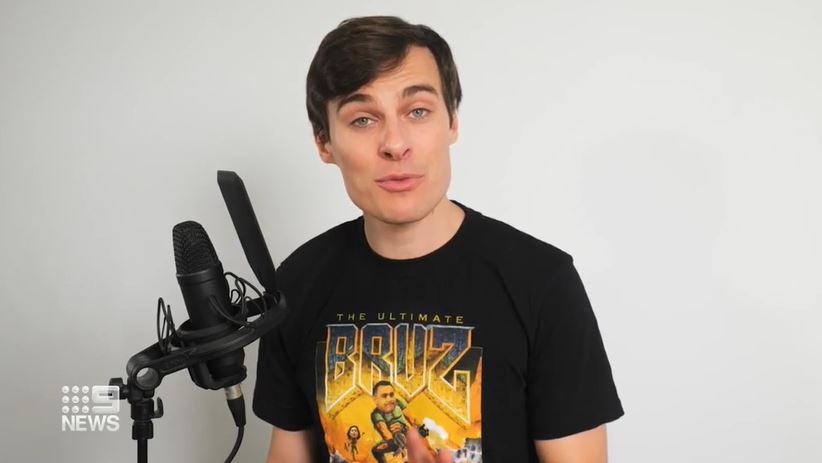
Jordan Shanks – known online as friendlyjordies – has posted a series of claims, including labelling John Barilaro a "conman to the core, powered by spaghetti", mimicking him with a thick Italian accent, and nicknaming him "bruz".

One of his videos was filmed inside Mr Barilaro's luxury Airbnb listing, Dungowan Estate.

READ MORE: Former NRL star Sam Burgess pleads guilty to traffic offences

YouTuber Friendly Jordies

In his latest installment, Mr Shanks has revealed "bruz himself, has threatened to sue" and tweeted a legal letter, dated from December.

In it, lawyers acting for John Barilaro, say the accusations are false and assert Mr Shanks has been "engaging in an indefensibly racist and defamatory campaign against our client".

READ MORE: Terrifying moment toddler stumbles onto dark Sydney street

The letter asks for a public apology, for the videos to be taken down, and for costs and damages to be paid.

It also shows Mr Shanks and one of his colleagues confronting Mr Barilaro at a National Party function, asking why he's threatening to sue.

Mr Barilaro responds "I'm not threatening to sue, I'm suing… Because you guys are liars".

READ MORE: Indian Premier League suspended amid country's devastating COVID toll

9News contacted both Mr Shanks and Mr Barilaro requesting on-camera interviews, at the time of this publication – neither had accepted the invitation.

In the past, MPs from the Shooters, Fishers and Farmers and Labor have been interviewed by Jordan Shanks, including the Opposition Leader.

India-20m Covid Cases, Moderna Donates Vax, UK Summer Travel

BBC- India has recorded more than 20 million Covid infections, but the government says that cases are “slowing down”.

The country added more than 355,000 cases on Tuesday, down from more than 400,000 daily cases on 30 April.

But testing numbers have have dipped as well, sparking fears that India’s true caseload is far higher.

Case numbers, however, been consistently falling in Maharashtra state, which had driven the second wave since early April.

Meanwhile an oxygen shortage has shown no signs of abating and people in several hotspot cities, including the capital Delhi, are struggling for treatment.

India’s second wave, fuelled by lax safety protocols and massive public festivals and election rallies, has also overwhelmed its hospitals. Delays in testing, diagnosis and treatment, as well as a shortage of critical care beds and crucial drugs, has resulted in a spike in deaths too.

The country has so far reported more than 222,000 deaths due to the virus. But experts say India’s Covid death toll is vastly under-reported as official tallies don’t appear to match what people are witnessing on the ground – long lines at crematoriums, mass funeral pyres and cities running out of space to bury or cremate the dead.

Many states have introduced restrictions, from full lockdowns to night curfews. The northern state of Bihar, which has been adding about 13,000 daily cases in recent days, is the latest to announce a full lockdown -only essential services, such as government offices, groceries and hospitals, will be open.

Are infections actually slowing down?

While India’s daily caseload does appear to have fallen, it’s too early to say if infections are slowing down.

Given delays in testing and official record-keeping, experts typically look at weekly averages rather than daily cases for a more accurate picture. And on average, India’s cases were rising this past week – but at a slower rate than the previous week.

But it’s also true that daily cases have fallen, on average, in Delhi, Uttar Pradesh and Maharashtra, all hotspot states.

Erratic testing, however, makes it hard to gauge the significance of these numbers. While Maharashtra’s testing numbers have been consistent, Delhi’s have dropped in recent weeks.

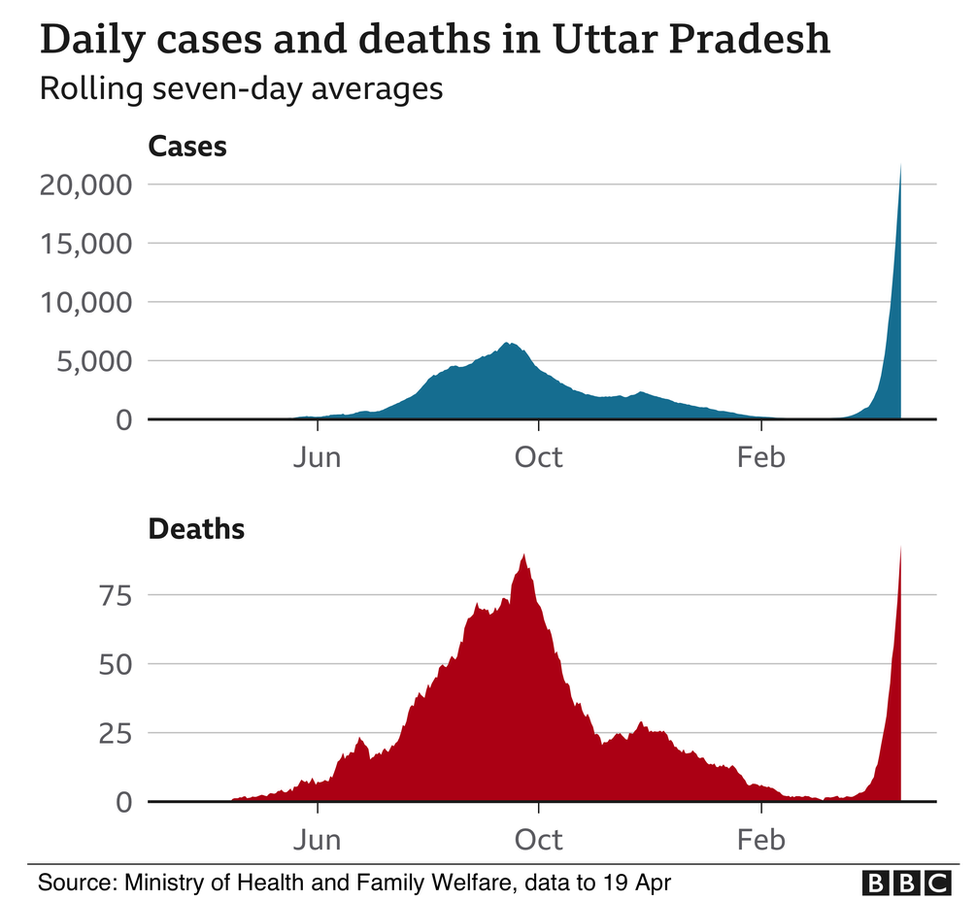
The other issue, experts say, is insufficient testing. While Uttar Pradesh, one of the worst-affected states, has recorded no drop in testing figures, it’s testing far less than other states.

It’s India’s most populated state, with more than 220 million people and is doing about 184,000 tests per million people. Compare that to Tamil Nadu, which has about 75 million people and is doing more than 300,000 tests per million of its population.

Uttar Pradesh cases and deaths - graph

Health officials said there was “cautious hope” of some respite from the second wave. But Lav Agarwal, joint secretary of the health ministry, said that the “gains” were very early and needed to be sustained by “containment measures at district and state level”.

Experts also say that other hotspots are likely to emerge in the coming weeks as the pandemic moves through the country.

A struggle for oxygen

Delhi’s government has said it wants the army to run Covid care facilities and intensive care units.

Delhi Chief Minister Arvind Kejriwal has repeatedly said that the city is not getting enough oxygen from the federal government, which allocates oxygen quotas to states.

But federal officials deny there are shortages, saying the challenge has come from transportation.

India produces thousands of tonnes of oxygen a day, but some experts say the supply crunch comes from a lack of investment in distribution networks.

Delhi hospitals have resorted to sending SOS messages on social media to secure supplies. For residents, hours spent in queues to top up portable canisters have become part of daily life.

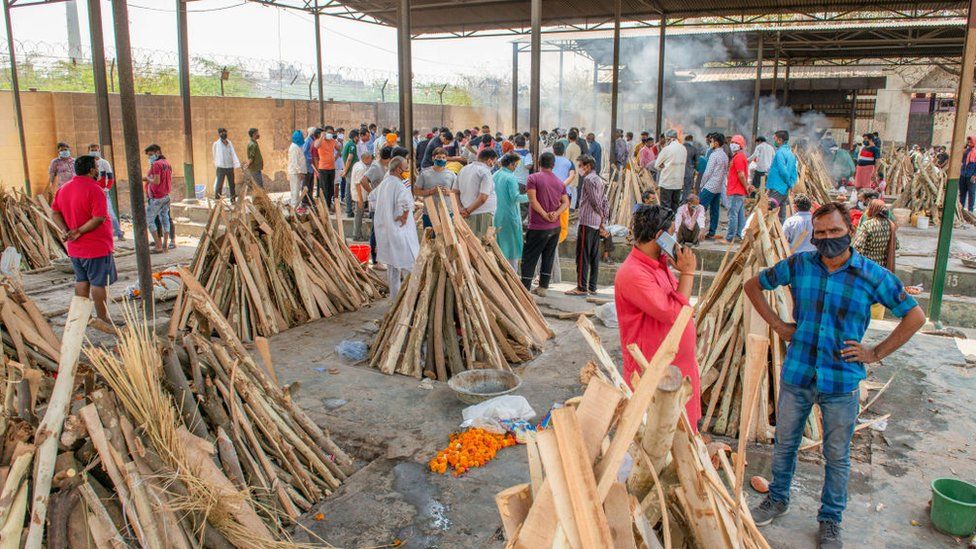
Officials have also been urged to find more sites for cremations as the city’s morgues and crematoriums are overwhelmed by masses of Covid deaths.

People perform the last rites for relatives who died of Covid-19 disease as other funeral pyres are seen during a mass cremation at Ghaziapur Municipal crematorium.image copyrightGetty Images
image captionCrematoriums in the capital have been overburdened in recent weeks

Is India’s vaccination drive helping?

A sluggish vaccination campaign has compounded the crisis.

Since January, India has administered more than 157 million vaccine doses so far – it ranks third in the world, after China and the United States. But just over 10% of India’s 1.4 billion people have had one dose and only about 2% have got both doses.

Despite being the world’s biggest producer of vaccines, India is facing a shortage of supplies. And vaccination rates are down, from 3.7 million doses a day about a month ago to just 1.7 million a day.

The chief executive of India’s Serum Institute, the world’s biggest vaccine manufacturer, has warned shortages will last for months. It’s set to deliver 220 million doses over the next few months, which would still only cover 8 per cent of India’s population.

The Indian government is reported to be in discussions with Pfizer, which is seeking an “expedited approval pathway” for its Covid-19 vaccine.

=================================================

Moderna providing up to 500M vaccine doses to Covax program for lower-income countries

The Hill- Moderna committed to providing up to 500 million doses of its COVID-19 vaccine to a United Nations-backed initiative designed to supply vaccinations to middle- and low-income countries.

The company announced an agreement with Gavi, the Vaccine Alliance to sell an initial 34 million doses to COVAX at the “lowest tiered price” within the fourth quarter of this year. The deal also permits Gavi to purchase 466 million additional vaccine doses in 2022.

But while the move will help with global access, the vaccines won’t be delivered until the second half of the year. That means the short- and even medium-term supply issues won’t be solved by the sale.

What’s COVAX? Gavi co-leads, along with the Coalition for Epidemic Preparedness Innovations and the World Health Organization (WHO), the COVAX program, which aims to give lower-income nations access to shots by 2022. Covax aims to distribute up to 2 billion doses this year, with a goal of reaching 20 percent of the population in participating countries. To date, it has delivered 49 million doses.

The COVAX program hit a roadblock in recent weeks when India outlawed exports of COVID-19 vaccines as the nation deals with rapidly rising case and death numbers. India hosts the world’s largest vaccine manufacturer and has been a main supplier of AstraZeneca doses.

Follows: Moderna’s pledge comes three days after the WHO authorized the company’s vaccine for emergency use – the fifth vaccine to get such approval.

===================================================

UK likely to give green light for travel to fewer than 10 EU countries

Traffic light system to be used cautiously despite European plan to let in Covid-vaccinated tourists from June.

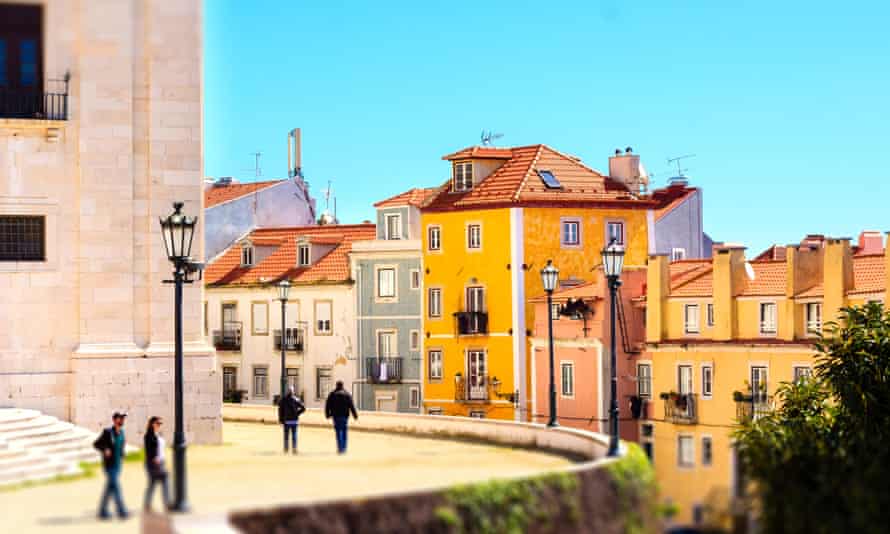
Colorful houses in Lisbon, Portugal
Lisbon. Portugal is expected to be one of the few EU countries from which returning travellers will not have to go into quarantine. Photograph: Rrrainbow/Alamy
Guradian (UKK)
Britons’ summer holiday plans were given a major boost on Monday, as the EU confirmed vaccinated travellers will be able to fly to Europe from June, though it’s understood the UK could give the green light to travel to fewer than 10 countries.

The changing quarantine requirements for popular holiday destinations looks set to make 2021 the year of the last-minute booking.

The EU will reopen to holidaymakers from countries with low Covid infection rates such as the UK, and to anyone who has been fully vaccinated, by the start of June under a European Commission plan.

A traffic light system will be announced this week under which countries will be added to green, amber and red lists, with different rules regarding issues such as quarantine of returning travellers for each list.

Senior UK government sources said the number of destinations to which Brits can travel quarantine-free from 17 May could be in single figures – despite pressure from Conservative MPs for the UK to greenlight travel to the whole of Europe as vaccine rates improve. A significant number of countries on the list are unlikely to be major holiday destinations, one source warned.

One Whitehall source said changes could come quite rapidly over the summer as the list of green countries is reviewed every three weeks.

“It will be a cautious approach, but then things could start to change quickly,” the source said.

On Monday, Johnson said that he did not want to see an “influx of disease” once international travel resumes, which is why the government said it is being “as cautious as we can” with the roadmap.

“We do want to do some opening up on 17 May but I don’t think that the people of this country want to see an influx of disease from anywhere else,” the prime minister told reporters during a campaign visit to Hartlepool. “I certainly don’t and we have got to be very, very tough, and we have got to be as cautious as we can, whilst we continue to open up.”

The government will have the right to rapidly remove countries from the green or amber lists if cases spiral quickly, but more routinely countries will be added to a “watch list”, raising questions about the implications for cancellations and insurance.

Portugal, Malta and Gibraltar are likely to be green list countries, where testing will be required before travel but not quarantine after returning. Popular destinations like Spain and France are expected to be on the amber list initially where home quarantine is still required. Red list countries, which are likely to include Brazil, UAE and South Africa, require quarantine in government-mandated hotels.

Advice to UK ministers will be given by the Joint Biosecurity Centre, which will give its final verdict on Wednesday, meaning an announcement is likely to be delayed until Friday because of local elections on Thursday. However, one government source said there was a possibility Johnson could make the announcement on Wednesday, a vital morale boost before the polls after a week battling stories of Tory sleaze.

The government will give the go-ahead for international travel to recommence on 17 May, and official advice to “minimise travel” will change to “travel safely, plan ahead” with no advice on limiting travel around the UK.

The Labour leader, Keir Starmer, warned there should not be a repeat of the “chopping and changing” of the travel corridors list introduced last summer. “We need to be very careful. I think it’s clear that the virus is increasing in some countries around the world, so we have to be very, very careful,” he told reporters during a campaign visit to Lewisham.

Agreement on opening of European borders is due to be sought from EU member states during meetings on Tuesday and Wednesday.

The existing requirement to undergo Covid testing before or after arrival or to quarantine could still be enforced by member states but EU officials hope there will be a gradual phasing out of these conditions.

Under the commission’s proposals, member states would allow travel into the EU of those people who had received, at least 14 days before arrival, the final dose of an authorised vaccine.

Even those who have not been fully vaccinated, which is likely to be a younger demographic in the UK, will be allowed into the EU if they are coming from a country with a “good epidemiological situation”.

As it stands, only seven countries worldwide are on a green list allowing for non-essential travel. The commission is proposing to increase the threshold of 14-day cumulative Covid-19 case notification rate from 25 to 100. The UK’s rate is about 23.2 per 100,000 people.

A senior official said the UK could be added to the green list but that it would depend on a reciprocal willingness to open its borders to all EU citizens. “The figures for the UK are good,” the EU official said. “Those vaccinated in the UK will be eligible to travel to the EU but [we are] mindful of other aspects: reciprocity. It is still a principle under this new recommendation.”

The commission is proposing, however, an emergency brake. When the epidemiological situation of a non-EU country worsens quickly and in particular if a variant of concern or interest is detected, a member state will be able to “urgently and temporarily suspend all inbound travel by non-EU citizens resident in such a country”.

Johnson also confirmed that the UK is likely to relax social distancing measures on 21 June when the government intends to loosen all remaining restrictions on hospitality and social gatherings. However, it is likely to mean that masks remain mandatory in some indoor settings.

“I think we have got a good chance of being able to dispense with the one-metre plus from 21 June,” Johnson said. “That is still dependent on the data, we can’t say it categorically yet, we have got to look at the epidemiology as we progress, we have got to look at where we get to with the disease. But that’s what it feels like to me right now.”

On Monday, the UK recorded 1,649 new coronavirus cases and just one death within 28 days of a positive Covid test, the lowest figure since 30 August last year. However, there is always a lag in reporting deaths – greater at weekends and bank holidays – so it does not necessarily mean only one such death has occurred the previous 24 hours.

 

The post India-20m Covid Cases, Moderna Donates Vax, UK Summer Travel appeared first on The St Kitts Nevis Observer.

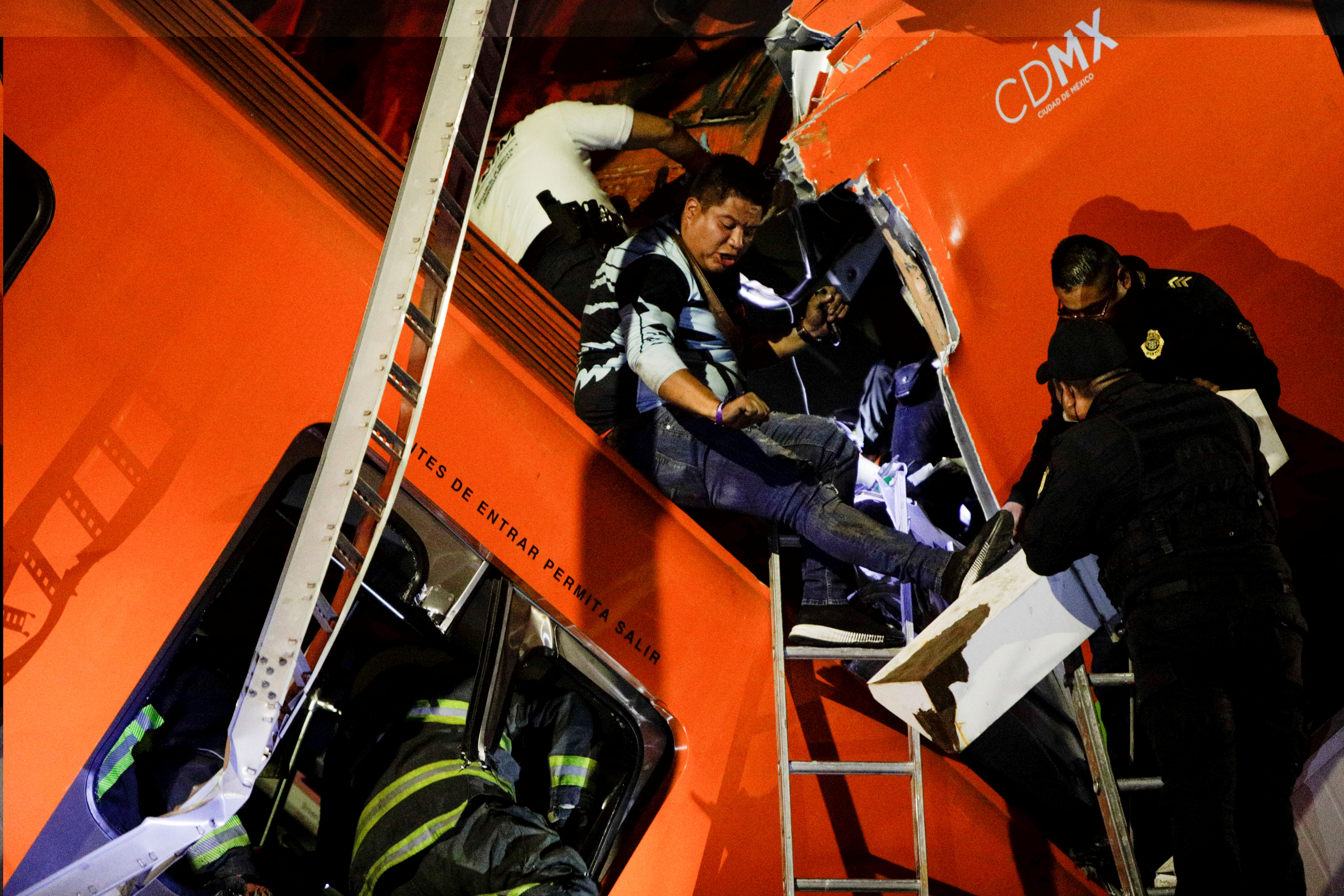
Mexico City Rail Overpass Collapses Onto Road, Killing 20 People

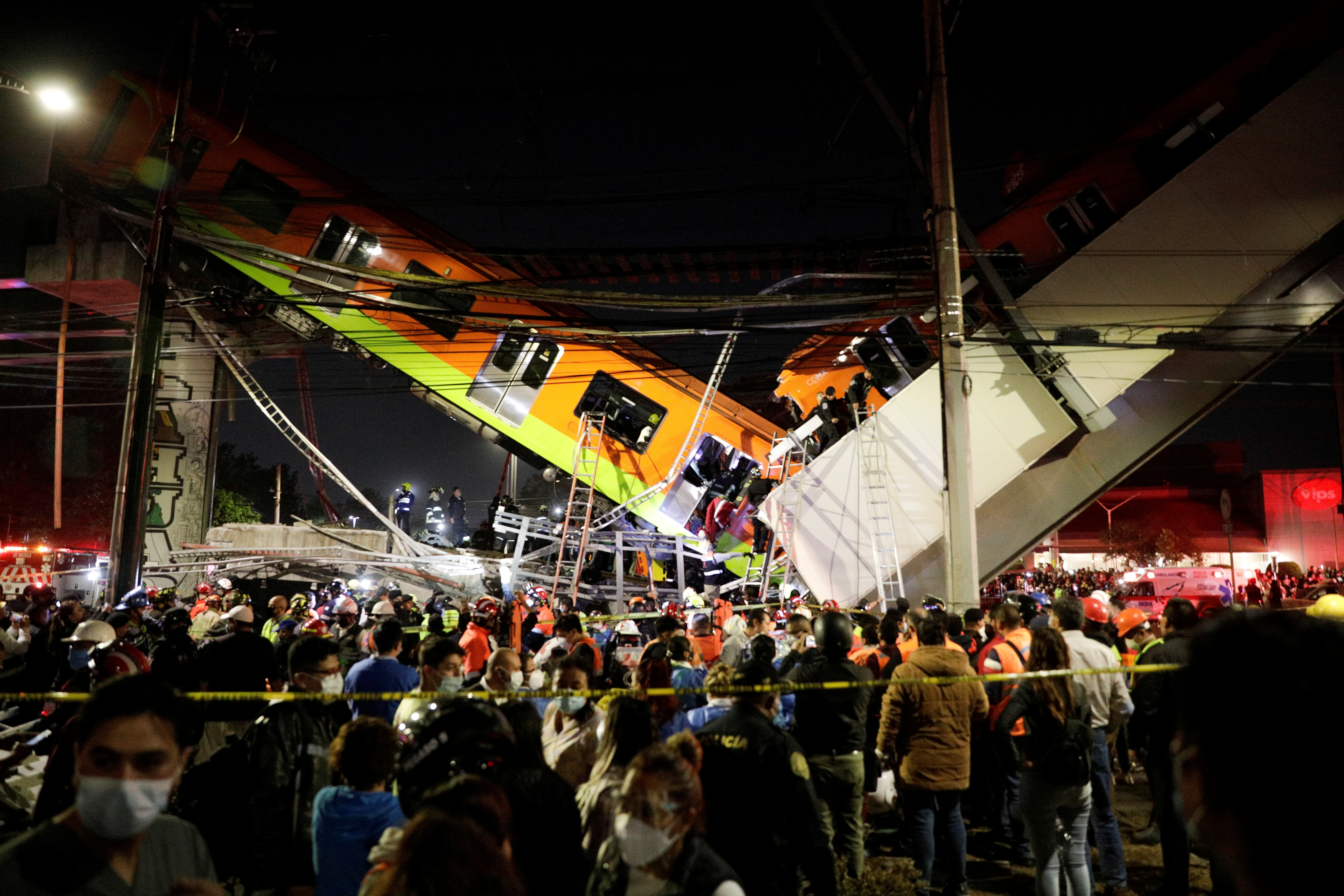
Twenty people were killed, including children, and 49 were hospitalised when a railway overpass collapsed onto a busy road in Mexico City on Monday night.

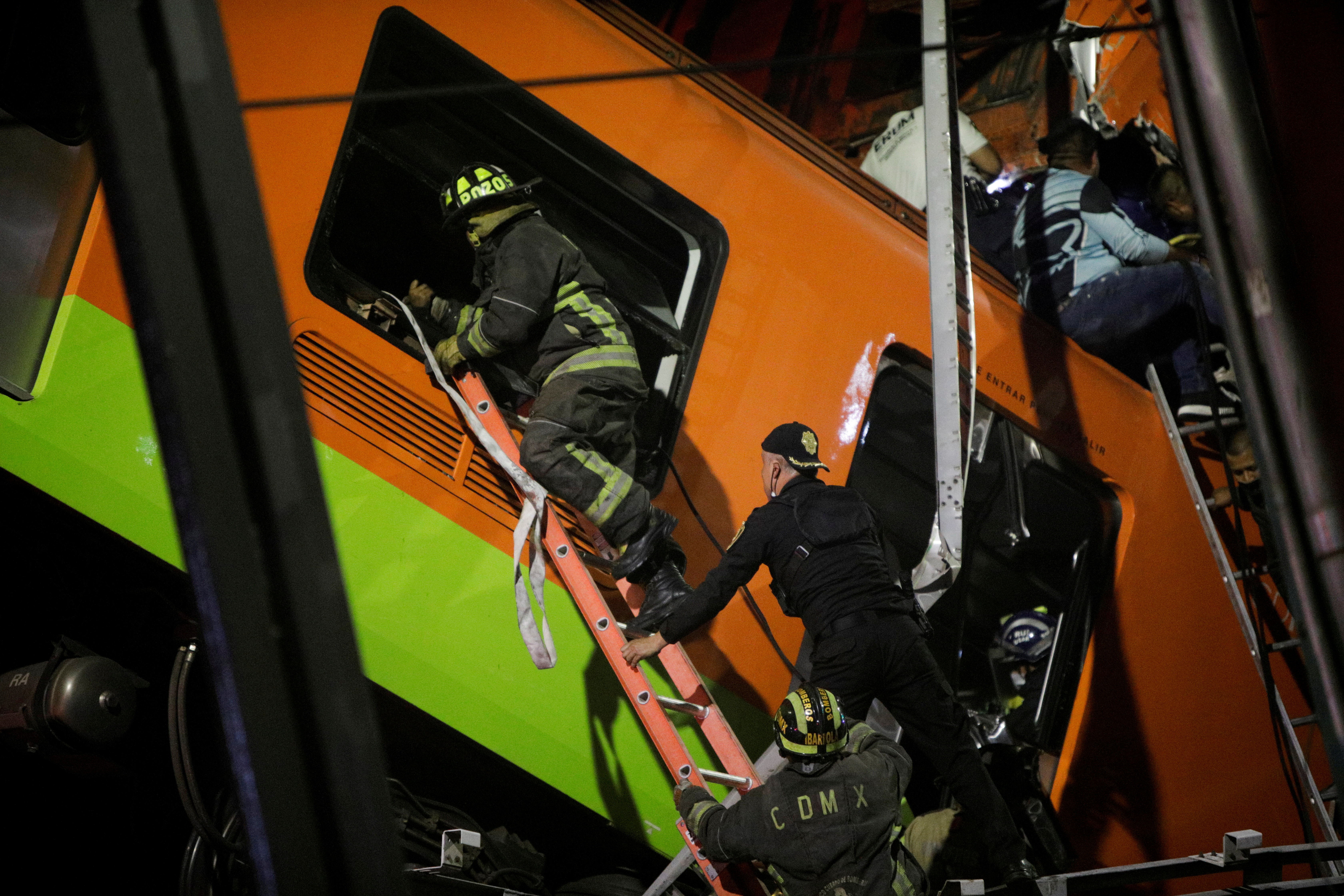
Rescue efforts for potential survivors were paused shortly after the accident, authorities said, because of the risk that more of the Metro overpass and train cars could slam down onto the road.

A video on local channel Milenio TV showed the structure plummeting onto a stream of cars near Olivos station in the southeast of the city at around 10.30 p.m. local time, sending up clouds of dust and rubble.

Other images showed at least two train carriages precariously hanging from the damaged overpass as emergency fire and medical crews initially used ladders to access the carriages.

However, Mexico City Mayor Claudia Sheinbaum said the rescue had been suspended “because the train is very weak”.

A crane transported to the site was working to stabilise the train carriages so rescuers could resume their search to see “if there are more people inside the train car,” she said.

1/7

Rescuers work at a site where an overpass for a metro partially collapsed with train cars on it at Olivos station in Mexico City, Mexico May 3, 2021. REUTERS/Luis Cortes

Sheinbaum said a person trapped in their car underneath the rubble had been rescued alive and was taken to hospital. Seven of the people transported to hospital were in a “grave condition” and undergoing surgery, she said.

Sheinbaum said authorities were working to identify the people who were killed. She earlier said a total of around 70 people had been injured.

Sheinbaum said seven of the people . She earlier said

Wearing a hard hat and face mask to speak to reporters at the accident site, Sheinbaum said it appeared a girder had given way on the overpass but the cause was being investigated.

The Metro 12 line that runs over the collapsed overpass was built almost a decade ago when Foreign Minister Marcelo Ebrard was mayor of Mexico City.

“What happened today with the Metro is a terrible tragedy. My solidarity is with the victims and their families,” Ebrard said on Twitter. “Of course, the causes must be investigated and responsibilities defined.”

Ebrard and Sheinbaum are seen by many political observers as the most likely successors to President Andres Manuel Lopez Obrador once his six-year term is over in 2024.

The post Mexico City Rail Overpass Collapses Onto Road, Killing 20 People appeared first on The St Kitts Nevis Observer.

Boy attacked by dingo on Fraser Island, the second attack in weeks

A dingo has bitten a young boy on Queensland's Fraser Island, the second dingo attack in weeks.

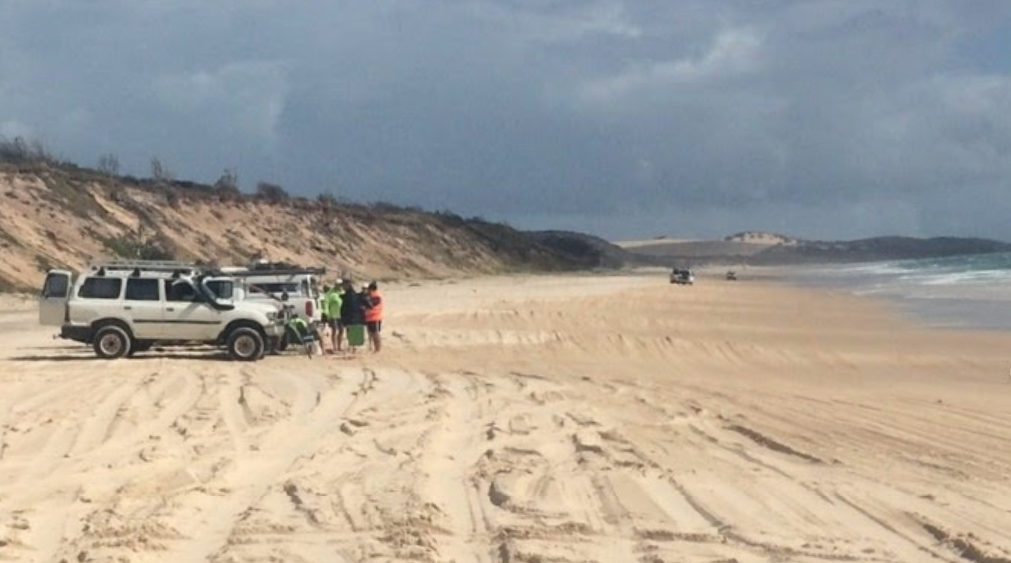
The Department of Environment and Science said two boys, aged four and five, were near a vehicle outside a home at Orchid Beach on Saturday when a dingo approached them.

The Department said the dingo sniffed the older boy before biting the younger boy on the thigh.

READ MORE: Queensland travel vouchers offered in bid to increase tourism

A young boy has been bitten by a dingo on Queensland's Fraser Island for the second time in weeks.

The younger boy suffered two minor red marks and an abrasion to the bite area but luckily did not require medical assistance.

The boy's parents were then able to chase the dingo away.

Queensland Parks and Wildlife Service (QPWS) rangers are still trying to determine which dingo was involved in the incident, with the attack being the third of its kind at the beach this year and the second within the past few weeks.

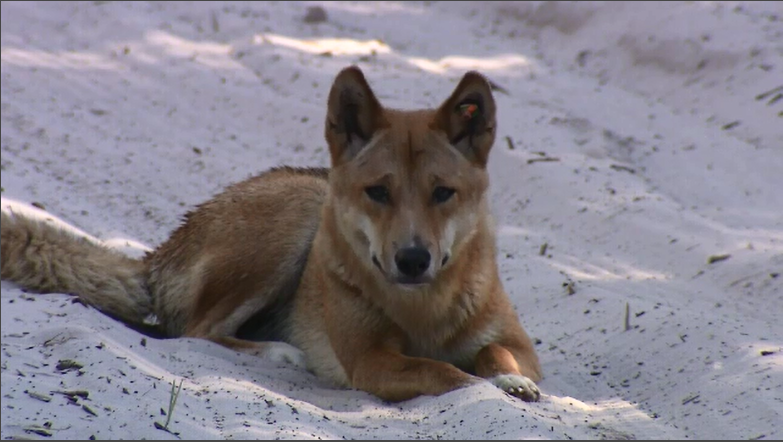
A Dingo on Fraser Island.

A two-year-old was flown to hospital after being set upon by a dingo on April 17, while a nine-year-old boy was attacked on February 4.

Local rangers have warned that a pack of dingoes in the area of Orchid Beach are approaching people for food.

"It's believed the dingo pack has been inadvertently or deliberately fed by residents and visitors and has lost its natural wariness of people," a Department of Environment Statement said.

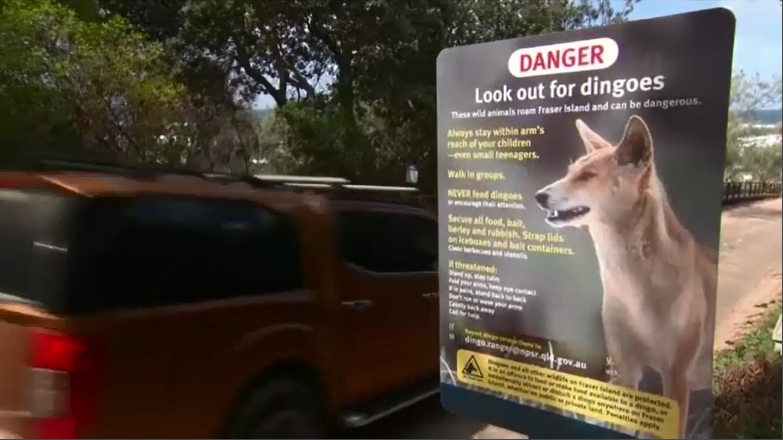
A Dingo danger sign on Fraser Island.

"People are reminded to be dingo safe and not to feed or interact with dingoes, as this can contribute to their habituation and cause them to become aggressive while seeking food.

"People are encouraged to remain vigilant and report any negative dingo encounters to a QPWS ranger or to phone (07) 4127 9150 or email di**********@*********ov.au as soon as possible."

Dani Laidley sues Victoria Police

Dani Laidley is suing Victoria Police over leaked photos of her while in custody last year, claiming they breached a duty of care.

Ms Laidley's legal team alleges the distribution of a mugshot and another of her in an interview room subjected her to "humiliation and ridicule".

In a document released by the Supreme Court of Victoria today, it is alleged Detective Senior Constable Murray Gentner distributed the first photo of Ms Laidley to a WhatsApp Group called the "SD1 Gentleman's Club which comprised approximately nine police officers."

READ MORE: Man breaks in for cook up and a Milo at Melbourne butcher

Ms Laidley's lawyers are accusing the police officers involved of using derogatory language while spreading the images across social media, which ultimately lead to her credit and reputation being brought into public ridicule.

The writ also names Senior Constable Shane Reid, who allegedly showed the photo taken in an interview room of Ms Laidley and allowed a third unnamed officer to make a copy.

"Publication of the first and second photographs and the words by Gentner, Reid, Hall and other police officers whose identities are presently unknown to the plaintiff was actuated by malice," the document states.

READ MORE: Rogue tyre smashes through Victorian pub

Court documents also allege that police officer David Hall sent photos to two other people which were then published on social media.

The 54-year old is suing the state government for aggravated and exemplary compensation.

Three police officers are currently facing criminal charges, while 36 more have faced internal disciplinary action.

READ MORE: How far behind a car towing a trailer is it safe to drive?

Laidley was photographed wearing a long blonde wig and a dress after her arrest outside a St Kilda home in May last year.

Within hours, her mugshot was shared widely on social media, along with a photo taken inside the police station of Laidley inside an interview room.

Dozens of police officers and public servants have faced internal disciplinary action as a result of alleged privacy breach.

Common but unknown virus causing birth defects in infants

Parents around Australia are hoping to raise awareness about a rarely discussed but common virus that causes more birth defects than any other viral infection in infants.

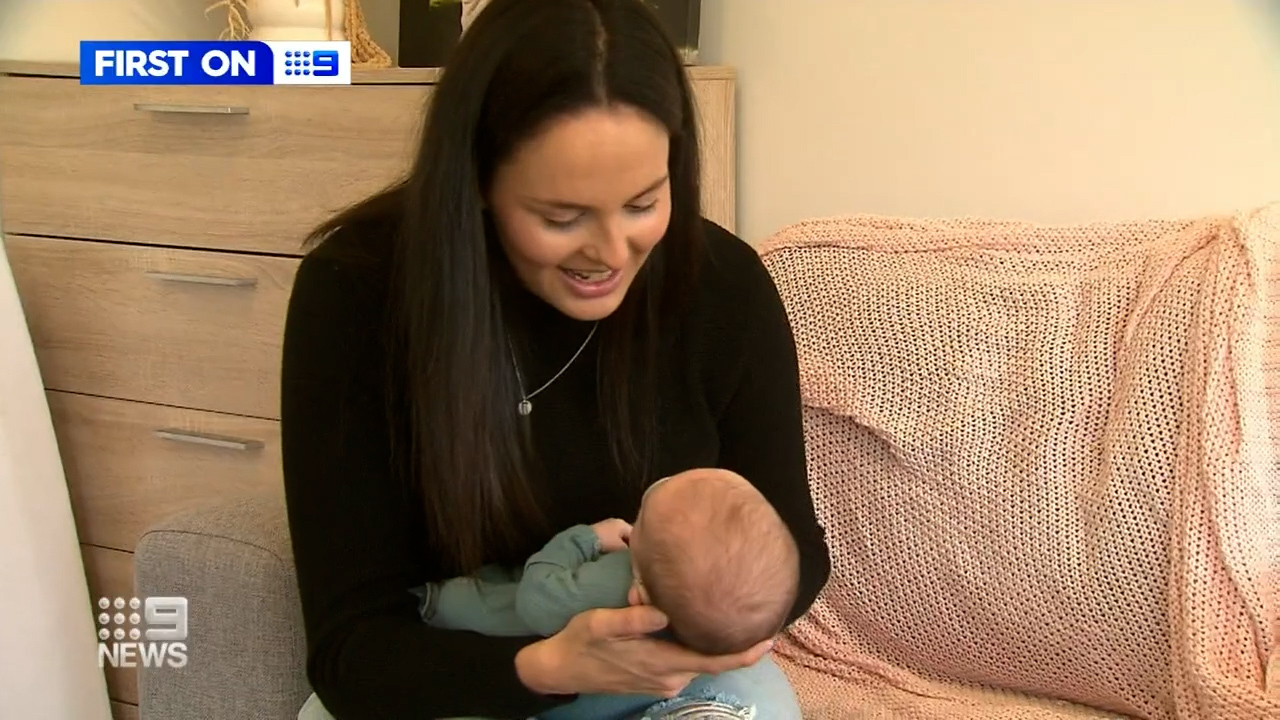
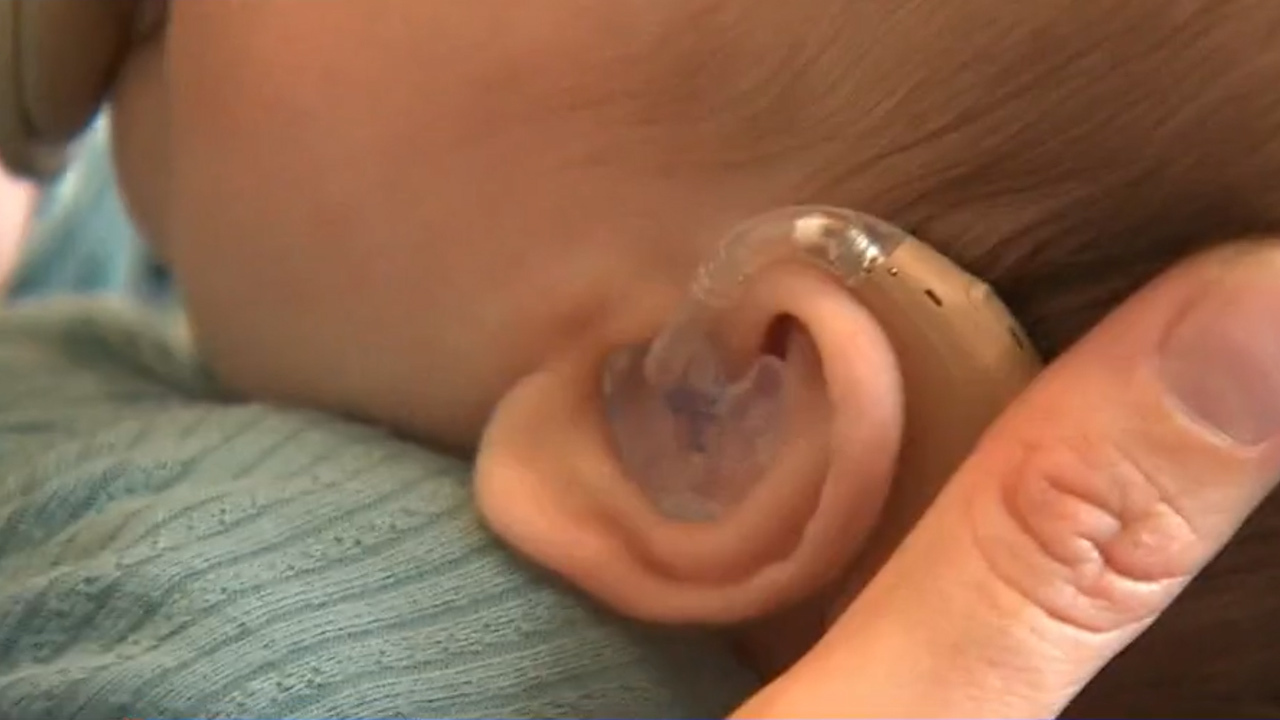
Shanie James' son Knox was diagnosed with profound hearing loss at just eight-days old but was baffled as she had no family history of deafness.

The 27-year-old mum wants more people to know about the danger of the common virus that caused it.

READ MORE: Victoria doubles vaccine jabs after hubs inundated

Parents around Australia are hoping to raise awareness about a rarely discussed but common virus that causes more birth defects than any other viral infection in infants.

Doctors told the 27-year-old-mum the cause was a common infection – Cytomegalovirus (CMV).

"It makes me feel sick just thinking about it, but the list of things that can come from CMV like cerebral palsy, the hearing loss which he's got … I still don't know what's going to come from this," Ms James said.

In healthy people, CMV infection causes a minor flu-like illness.

READ MORE: Instagram for kids under 13 a 'stepping stone to get young children hooked'

But in pregnant women, it can be transmitted to their unborn child and cause a range of birth defects, including deafness.

Virologist Professor William Rawlinson from UNSW says one baby is born with a CMV-related disability every day.

"There are more CMV babies born in Australian than are born with Down's Syndrome," Professor Rawlinson said.

It's estimated around half of adults carry the virus – and young children can be spreaders.

"It's typically through acquisition from young children, often their own toddler who gets it from childcare … perfectly healthy, might have a sniffle, might have a bit of a fever … but really gets better in a day or two," Professor Rawlinson said.

READ MORE: Leaving Australians in India riskier than letting them come home: AMA head

Common but unknown virus causing more birth defects in infants than other viral infections

Ms James, already a mum of two boys before Knox came along, was also working in childcare during her pregnancy.

She and her husband – like most parents – had no idea about danger posed by CMV.

"If I knew about it maybe I wouldn't have kept changing nappies at work or maybe I wouldn't have shared my children's drink bottles or kissed them on the lips for the nine months that I was pregnant," she said.

To reduce the risk of (CMV) infection pregnant women should avoid sharing food and drinks with young children.

Do not put a young child's dummy in your mouth and always wash hands after nappy changes.

READ MORE: New immunotherapy drug could be used to treat melanoma of the eye

At the moment there is no pre-delivery screening program for CMV or vaccine to prevent the virus, but medical researchers are working on both.

"I think in the future it's very likely that we'll be considering screening pregnant women," Professor Rawlinson said.

Ms James said she hopes by talking about the infection, less families will be impacted by CMV.

"I hope in sharing this, women can make that decision to try and prevent it from happening."