Category Archives: headline

'Curled up in a ball, I was inconsolable': Living with endo

Taylor Gartner was still a teenager when a doctor advised her to start thinking about having a baby – not in the years ahead, but right away.

Ms Gartner had newly turned 18 when she was confronted with the diagnosis the chronic pelvis pain she had lived with for the past five years was in fact endometriosis.

It left the then-Western Australian student facing the prospect of years of surgery that could affect her chances of falling pregnant. It was overwhelming.

READ MORE: 'I spent the entire flight in nine out of 10 pain, I wasn't screaming but I was close'

Taylor Gartner in a hat

"That led to a lot of mental health difficulties for me, being told that I might not be able to be a mum," the now 25-year-old told 9News.

"I know that's something that gets told to a lot of young women when they are diagnosed with endo… I don't know confidently whether it will impact on my chance of being able to conceive. It may or it may not.

"But that is something that I think about and has had quite a bit impact on the way I live my life."

The escalating pain

Ms Gartner's first experience with pelvic pain was when she was about 13 or 14, suffering through severe periods with heavy bleeding. Then, the pain dramatically intensified outside her cycle.

'I was curled up in a ball, I was inconsolable, I was crying. It was really the worst pain that I have to-date experienced'

"When I was younger it sort of started to escalate so at the beginning it would kind of be like one or two days of my period would be so bad that I wouldn't be able to go to school or I'd miss some classes throughout the day," she said.

"And then as my pain persisted it got a little bit more complex. So, I was having pain on different days in the month, not just when I was bleeding and different kinds of pain. So, it got to the point where it was disruptive throughout the month, not in just one point in the month."

She describes the pain at its worse as debilitating.

"I was curled up in a ball, I was inconsolable, I was crying. It was really the worst pain that I have to-date experienced," she said.

"I think it is quite a taboo topic. It wasn't necessarily something that was spoken about very freely and when it was, it was more 'oh you've just got your period' and 'you need to toughen up, you're being a sook or you're being weak'".

What is endometriosis
What is endometriosis explained gif

Endometriosis Australia describes the disorder as when the tissue that is similar to the lining of the uterus (womb) occurs outside this layer and causes pain and/or infertility.

One in nine women are affected by endometriosis, representing about 200 million worldwide.

On average, it can take more than six years for those living with endometriosis to be diagnosed. An endo diagnosis can only be given through surgical intervention.

Symptoms of the condition include cramping, bloating, fatigue and nausea.

'I think particularly because you can't see endo, it's often called an invisible illness'

Dr Susan Evans, co-founder of the Pelvic Pain Foundation of Australia, said in her experience women find it very difficult to find all the support networks and practitioners to manage their pain.

"One day, I believe we will find the underlying cause that includes both endometriosis and chronic pain but right now, we don't know what that is and so we have to manage the symptoms as they are present," Dr Evans told 9News.

READ MORE: 'There's a lot of us out there that just can't even get out of bed': Living with crippling migraines
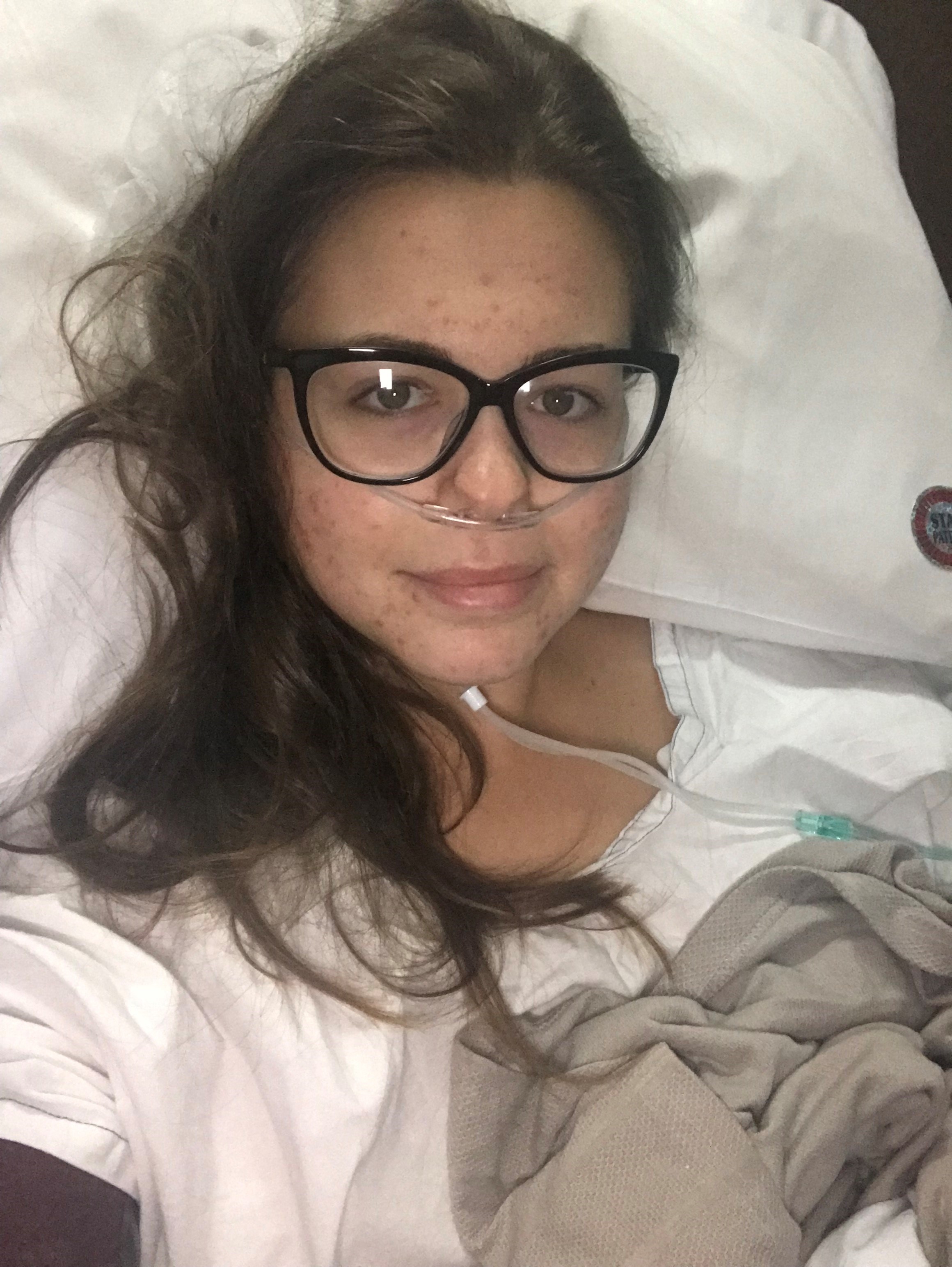
Taylor Gartner recovering in hospital.

"So, unfortunately it comes down to each individual woman considering the different aspects of their pain, taking the time to learn a lot about it themselves so they can be discerning consumers of the health services available to them.

"When we think of Australia, there's probably a million women with pelvic pain in Australia. Services are hard to find and that's where at the Pelvic Pain Foundation we've done our best to provide online services that can help women no matter where they are."

The normal, not normal pain

In the early days of her pain, Taylor Gartner popped anti-inflammatories and paracetamol back-to-back at the max dosage. She also relied on heat packs, baths and showers, the warmth offering subtle relief. She even tried a hormonal treatment, so she could skip her periods.

Yet, as it was familiar pain for her mother and grandmother, Ms Gartner said she grew up with the pain being normalised in her home environments and felt well supported.

"I think you end up internalising it and you do think that you are weak and that it is normal and you should just kind of get on with it, to the point where I didn't really explore my pain," she said.

"I think I'm very lucky in that even though it was quite normalised and they didn't necessarily think anything was wrong with me, they were very supportive of my pain and were definitely there for me. I feel very lucky in that regard."

Ms Gartner finally learned of her endometriosis diagnosis after a visit to a gynaecologist for another matter. It was then she was told her level of pain was not normal.
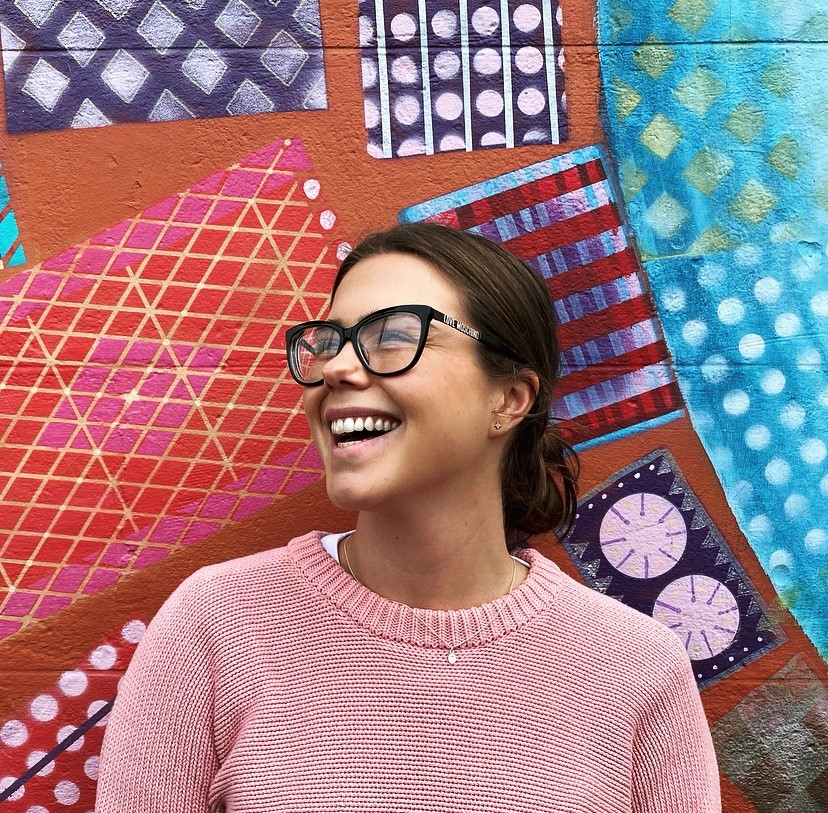
The former WA student developed severe pelvic pain when she was in her early teens.

She underwent a laparoscopy – a common and minor procedure – which backed up the specialist's suspicions. She had severe endometriosis lesions, which were treated while Ms Gartner was under the general anaesthetic.

"I would say I was never out of pain after my procedure, but it definitely lessened my pain," she said.

"I noticed a difference, definitely for a year post. But I was still in pain and I guess the way it was discussed with me at the time was that you would just have ongoing surgeries. I definitely thought there had to be a better way or another way."

Ms Gartner went on to have another surgery a few years later, which offered some relief but not enough. At the time, she was studying to be a speech pathologist.

"In my early 20s I still had a lot of pain so I missed work, I was studying at the time so I would miss university classes. I had to miss exams which was really difficult for me… I think particularly because you can't see endo it's often called an invisible illness," she said.

"It was hard to explain to my boss or my teachers or friends why I couldn't come to certain things."

It was after her second surgery that she focused her energy on options outside the operating theatre.
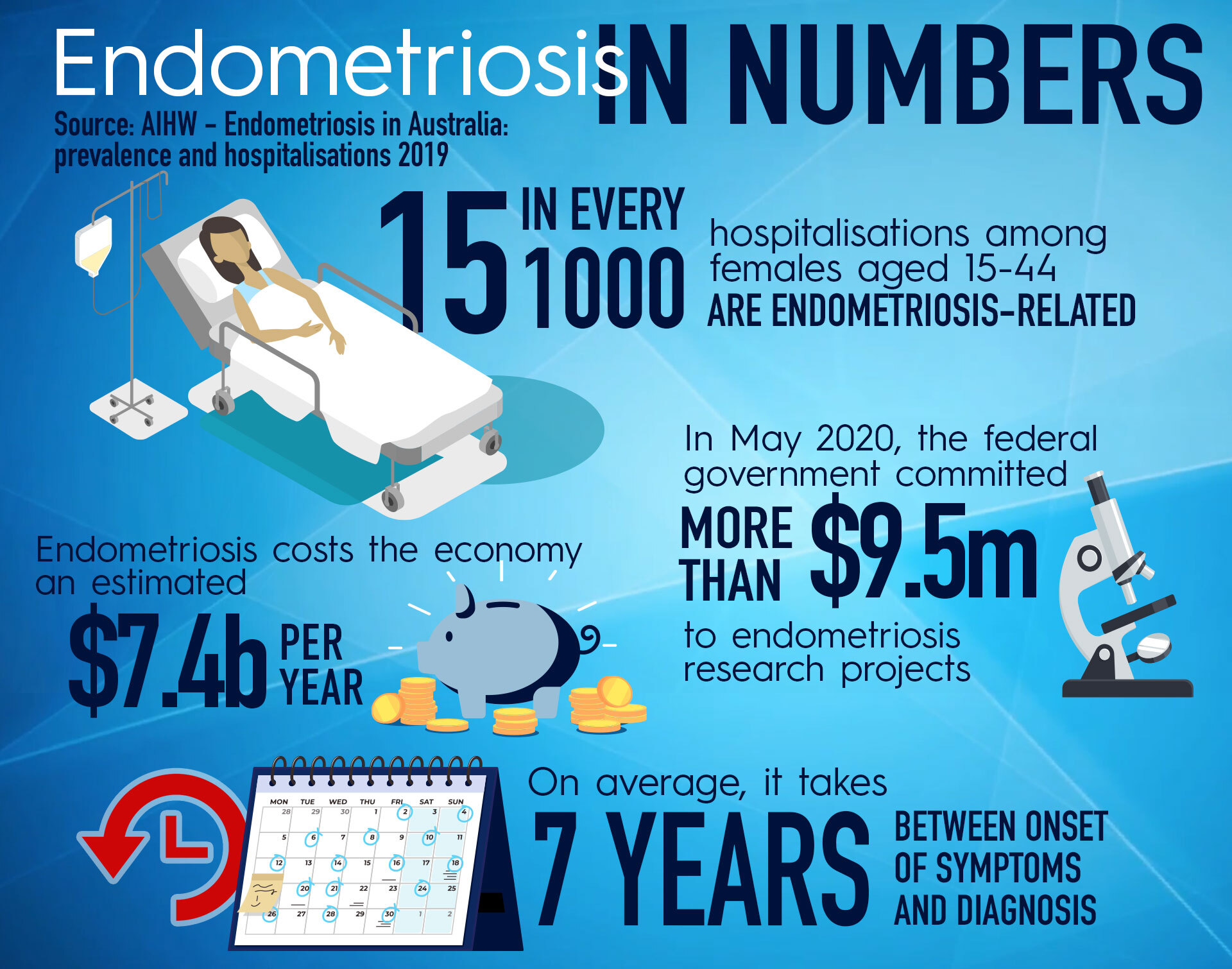
Endo graphic explainer

"I think for me it was about becoming proactive and active in my healthcare and becoming informed, so doing my own research and getting a bit of a team around me," she said.

"So, not just a surgeon but other healthcare professionals and combining everybody's expertise and applying it to my life and my circumstances. And that's when I noticed a shift in my pain."

She said it was the holistic aspects of life – such as mental health, reducing stress, exercising and avoiding inflammatory foods that helped with her pain.
Pain Explained: Endometriosis

"I think with more information coming out about endo, there's been a lot more support networks and support groups and it really nice to know that people are experiencing thing," she said.

Dr Evans said it is her hope that one day there will be better education for all health practitioners so a wide range of practitioners understand "the big picture".

"Those who don't just manage their tiny little area, but think about outside and know how to recognise the different types of pain and either manage it themselves or know how to advise her as to who can help her," she said.

READ MORE: Living with crippling migraines

Ms Gartner looked to other alternatives when she was told future surgeries were her only option.

"We've had too much reliance on surgery or just hormones and she (women) deserves a much broader approach. At the moment, that's hard for her to find."

Ms Gartner, a former speech pathologist, is now a clinical educator who focuses on period pain. She visits high schools teaching students about the signs of pelvic pain.

"I would say that it's really hard to live with pain and if your pain means you're missing out on things you would typically do and things you want to do, that's not normal and it's important that you do access support and speak to somebody that you trust about that," she said.

"I think we're very lucky that we live in an age where there is a lot information online, there's a lot of support network online.

"If you don't have that support network around you right now, there's definitely people who are willing and able to help you through that."

This article is part of a collaborative journalism project with the Australian Science Media Centre and Judith Neilson Institute.
Hospital fire kills 18 virus patients as India steps up jabs

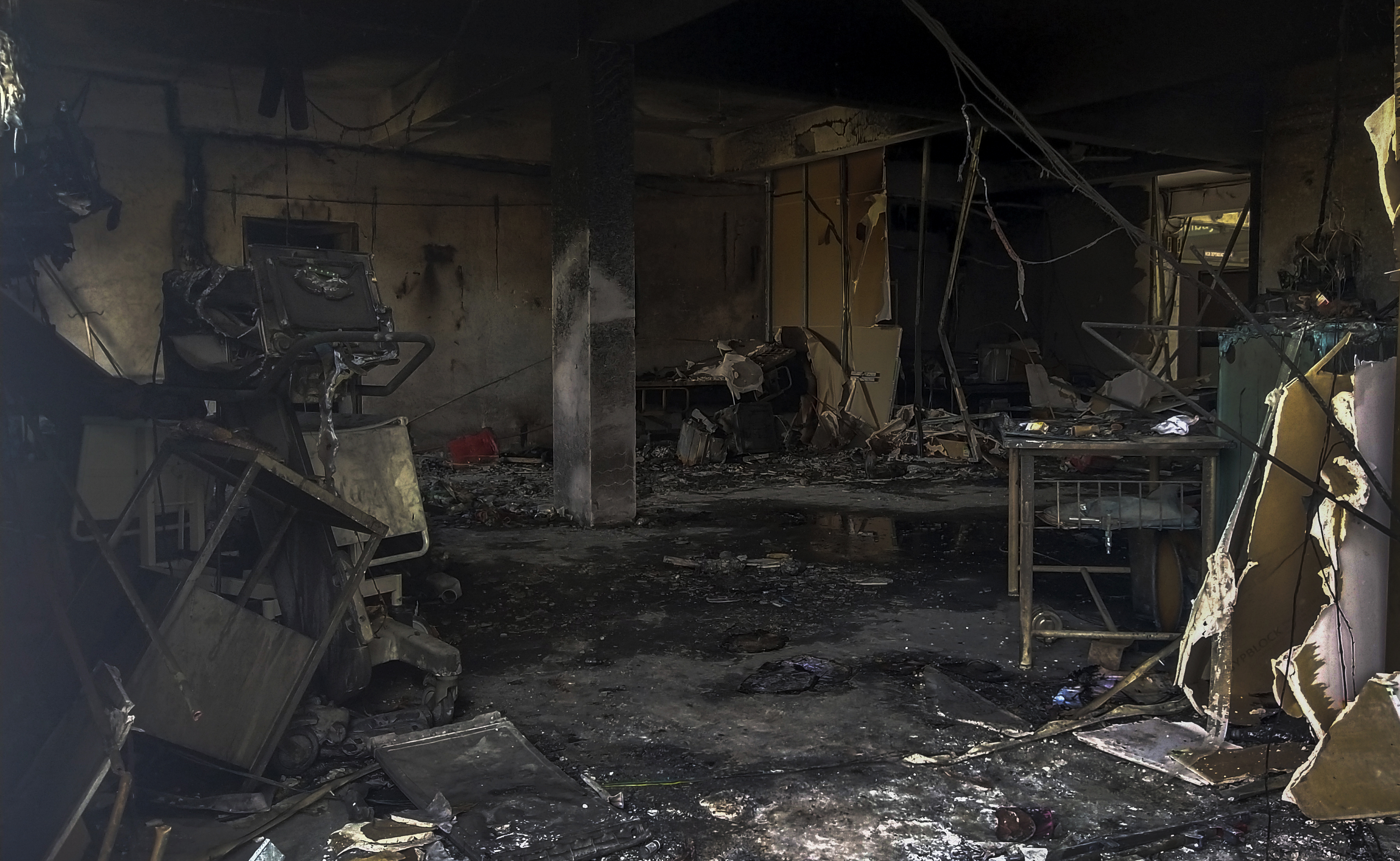
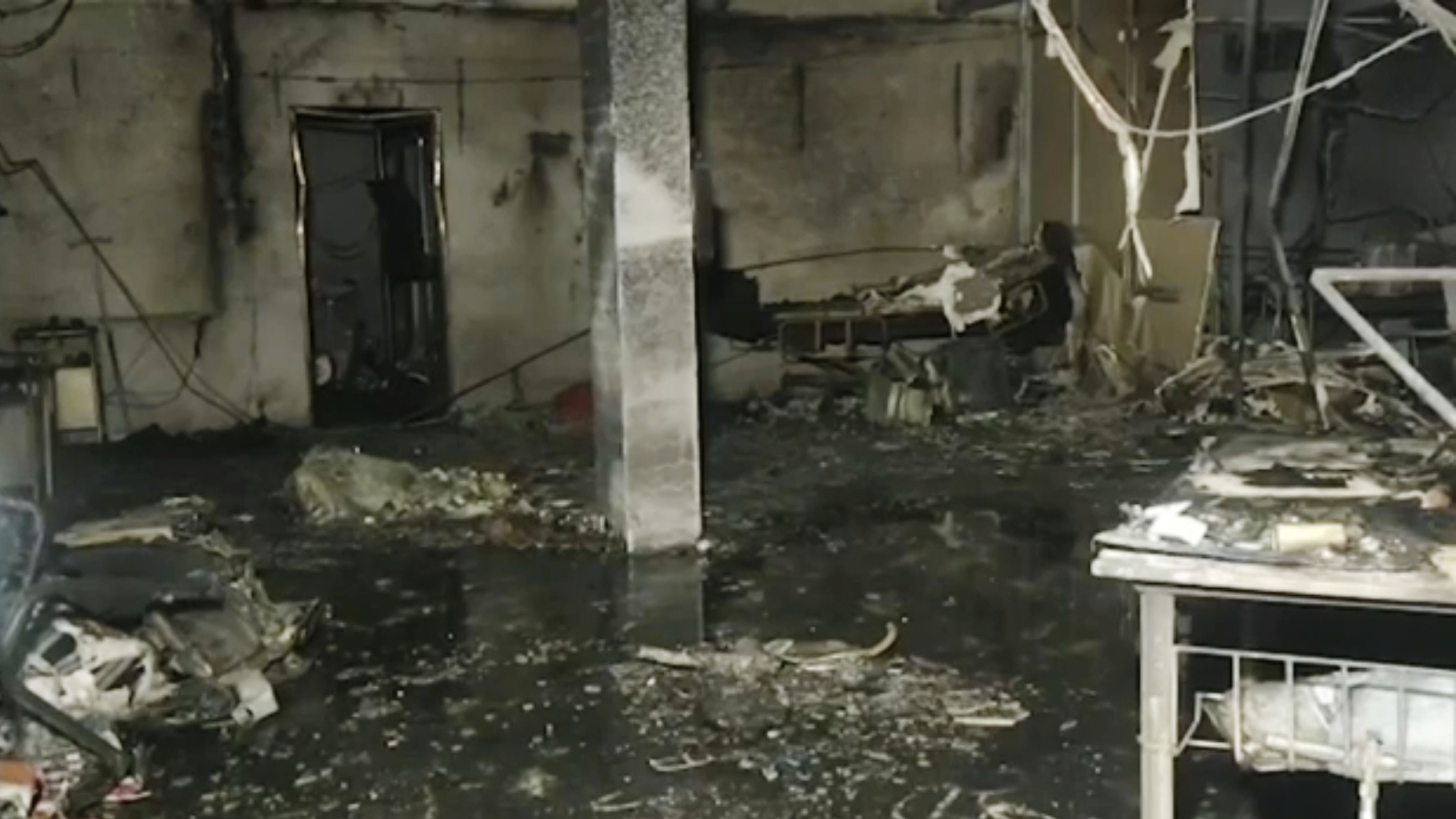
A fire in a COVID-19 hospital ward in western India killed 18 patients early Saturday, as the country grappling with the worst outbreak yet stepped up a vaccination drive for all adults even as some states said they don't have enough jabs.

India on Saturday set yet another daily global record with 401,993 new cases, taking its tally to more than 19.1 million. Another 3,523 people died in the past 24 hours, raising the overall fatalities to 211,853, according to the Health Ministry. Experts believe both figures are an undercount.

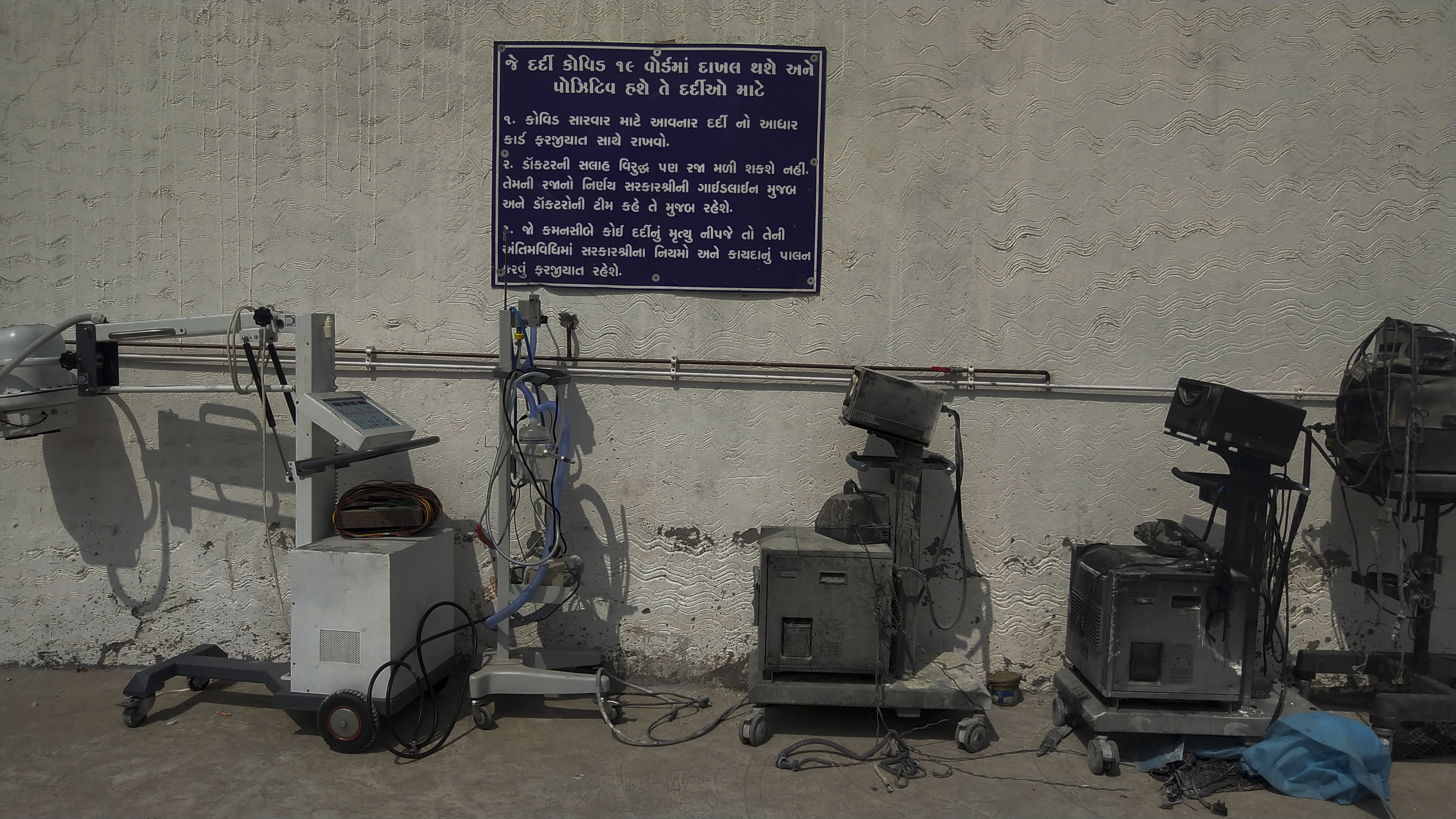
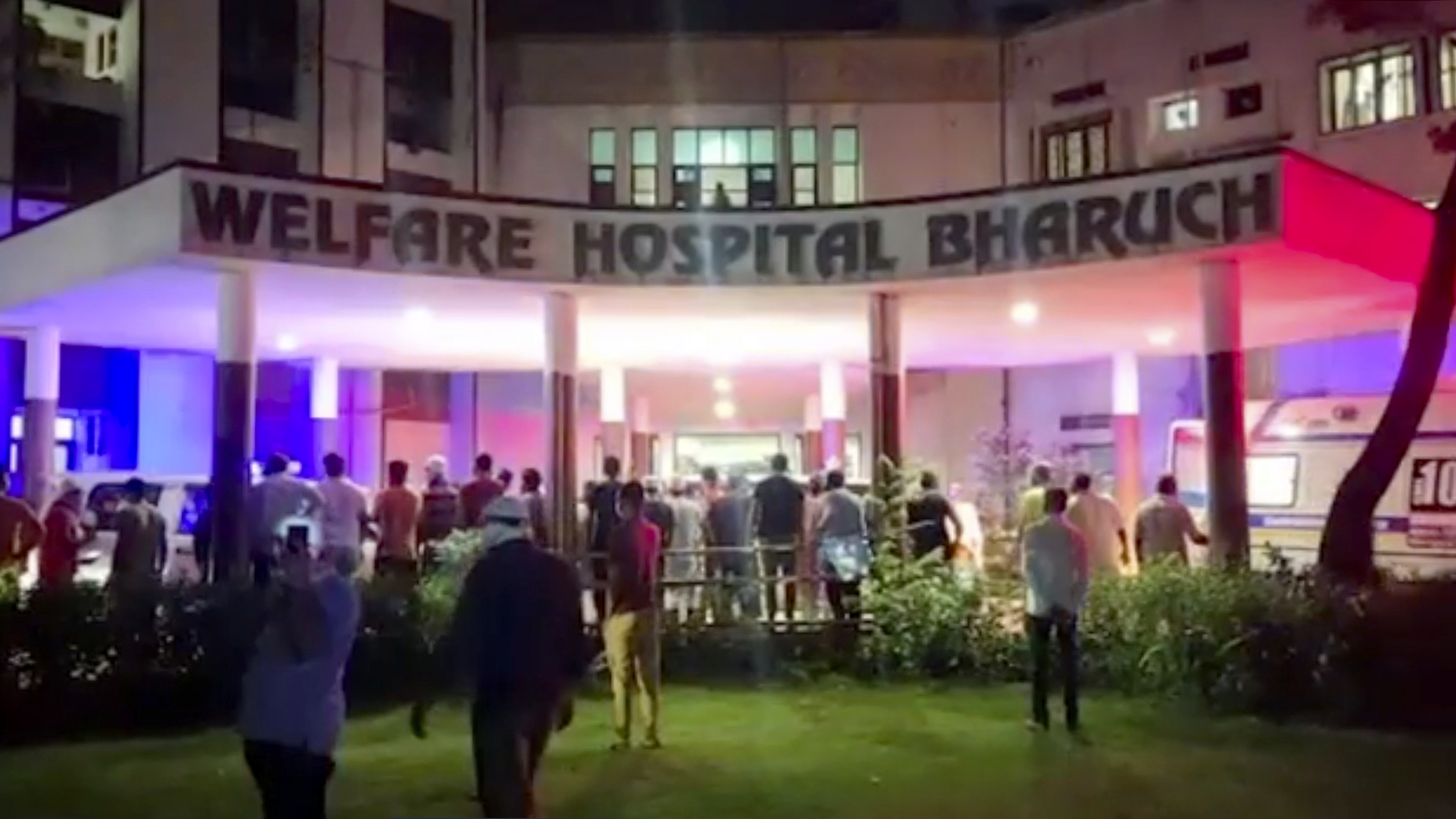
The fire broke out in a COVID-19 ward on the ground floor of the Welfare Hospital in Bharuch, a town in Gujarat state, and was extinguished within an hour, police said. The cause is being investigated.

READ MORE: 'I cannot leave him to die alone': Aussie teacher torn by travel bans

Thirty-one other patients were rescued from the blaze by hospital workers and firefighters and their condition was stable, said police officer B.M Parmar. Late last month, a fire in an intensive care unit killed 13 COVID-19 patients in the Virar area on the outskirts of Mumbai.

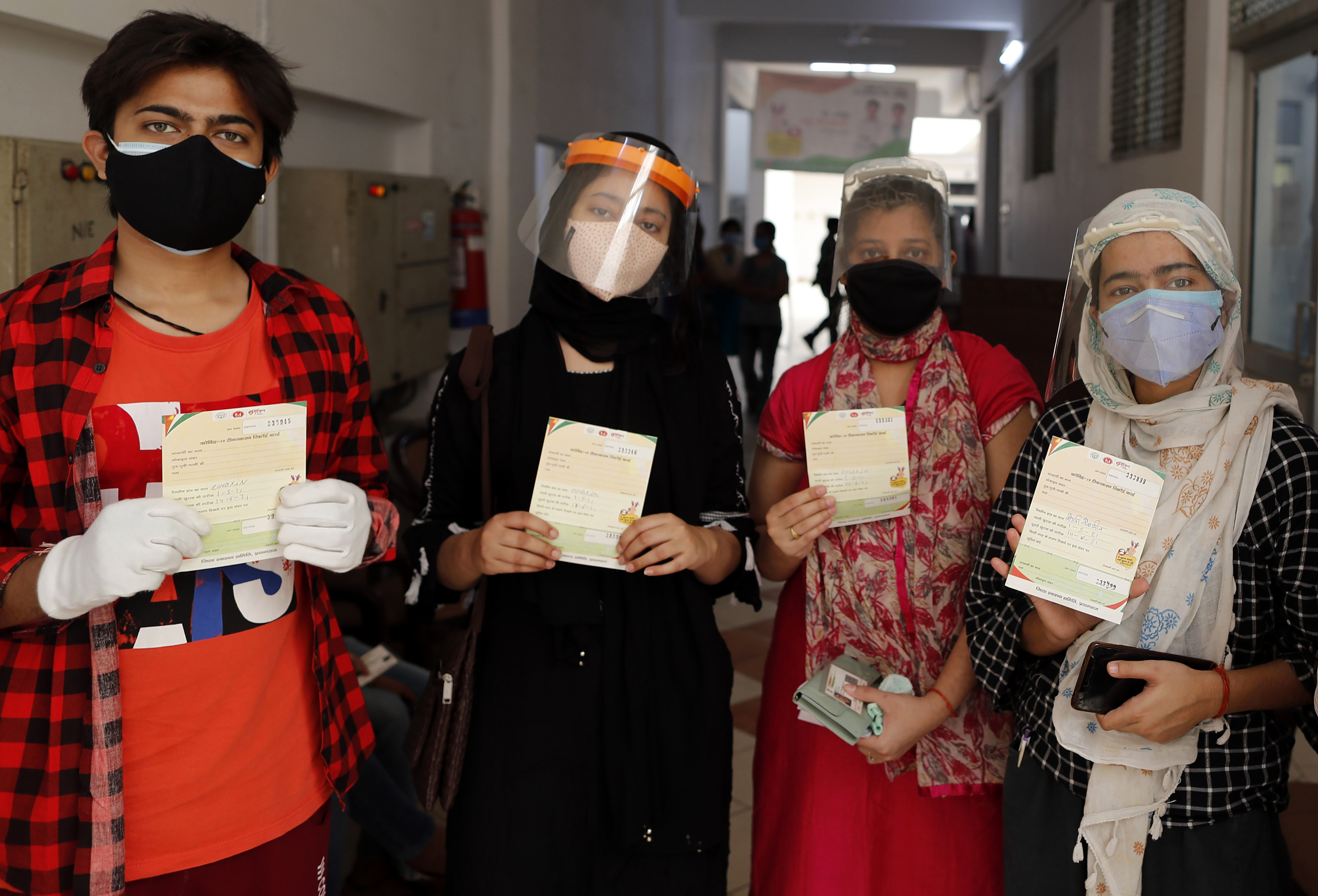
India's government on Saturday shifted its faltering vaccination campaign into high gear by saying all adults 18 and over could get shots. Since January, nearly 10 per cent of Indians have received one dose, but only around 1.5 per cent have received both, although India is one of the world's biggest producers of vaccines.

Some states have already said they don't have enough doses for everyone, and even the ongoing effort to inoculate people above 45 is sputtering.

The state of Maharashtra has said it won't be able to start the expanded vaccinations on Saturday. The health minister for the capital New Delhi, Satyender Jain, said earlier this week that the city doesn't have enough doses to vaccinate people between the ages of 18 and 44.

India's capital also extended its week-old lockdown by another week to curb the explosive surge in virus cases, tweeted Arvind Kejriwal, a top elected official.

All shops and factories will remain closed until May 9, except for those that provide essential services such as grocery stores. People are not supposed to leave their homes, except for a handful of reasons like seeking medical care or going to the airport or railroad stations. Daily wage earners and small businesses are expected to suffer a further blow to their livelihoods.

Separately, eight COVID-19 patients, including a doctor, died Saturday at a hospital in New Delhi after it ran short of oxygen supplies, the Press Trust of India news agency reported. There was no confirmation by hospital officials.

The New Delhi television news channel also said an attorney for the Batra hospital told a New Delhi court that the hospital ran out of its oxygen supply for 80 minutes before the tank was replenished.

Hospitals in the Indian capital have been complaining of emergencies caused by irregular oxygen supplies from manufacturers due to the sudden rise in demand caused by the massive spike in infections.

Faced with an unprecedented COVID-19 surge that has filled hospitals and crematoriums, Prime Minister Narendra Modi's government described the pandemic as a "once-in-a-century crisis." Modi held a Cabinet meeting Friday that discussed steps to save the country's crumbling health system by adding hospital beds, resolving issues in production, storage and transport of oxygen and tackling the shortage of essential medicines.

In a now-familiar scene, television images showed a woman gasping for breath in her car while her family looked for a hospital bed on the outskirts of New Delhi. The 33-year-old woman couldn't find room at three hospitals and died in the car on Friday, The Times of India newspaper reported.

The US meanwhile joined a growing list of countries restricting travel from India, the White House said, citing the devastating rise in COVID-19 cases and the emergence of potentially dangerous variants of the coronavirus.

President Joe Biden spoke Monday with Modi about the growing health crisis and pledged to immediately send assistance. This week, the US began delivering therapeutics, rapid virus tests and oxygen to India, along with some materials needed for India to boost its domestic production of COVID-19 vaccines.

Additionally, a CDC team of public health experts was expected to be on the ground soon to help Indian health officials move to slow the spread of the virus.

Other nations have also sent assistance, and the Indian air force airlifted oxygen containers from Singapore, Dubai and Bangkok.

A German military aircraft with 120 ventilators for India departed Saturday morning, and plans were being made for other flights with more supplies. Also on board was a team of 13 that will help prepare to set up a mobile oxygen production unit that will be flown to India next week, German news agency dpa said.

Disneyland reopening marks California's COVID-19 turnaround

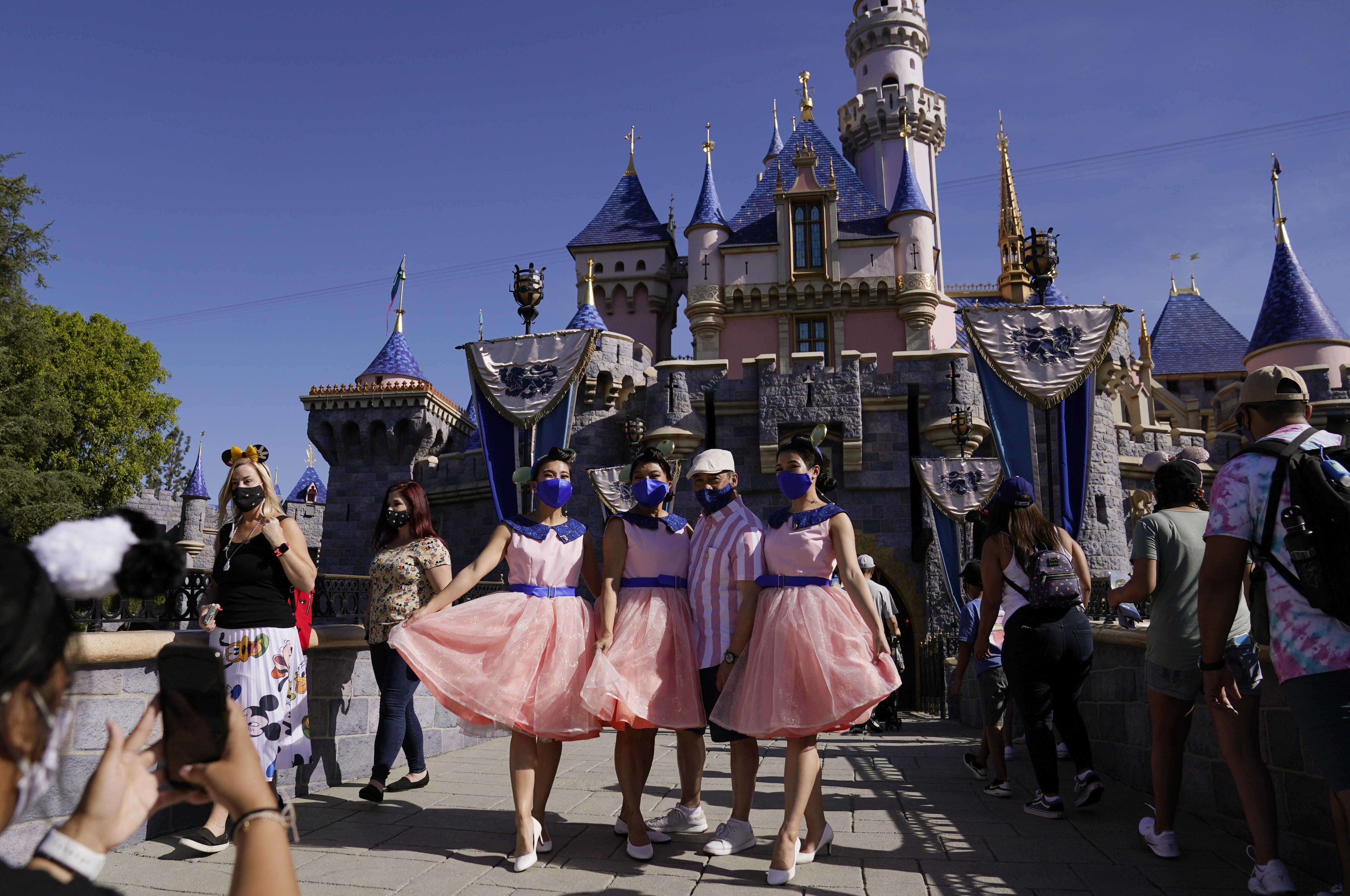
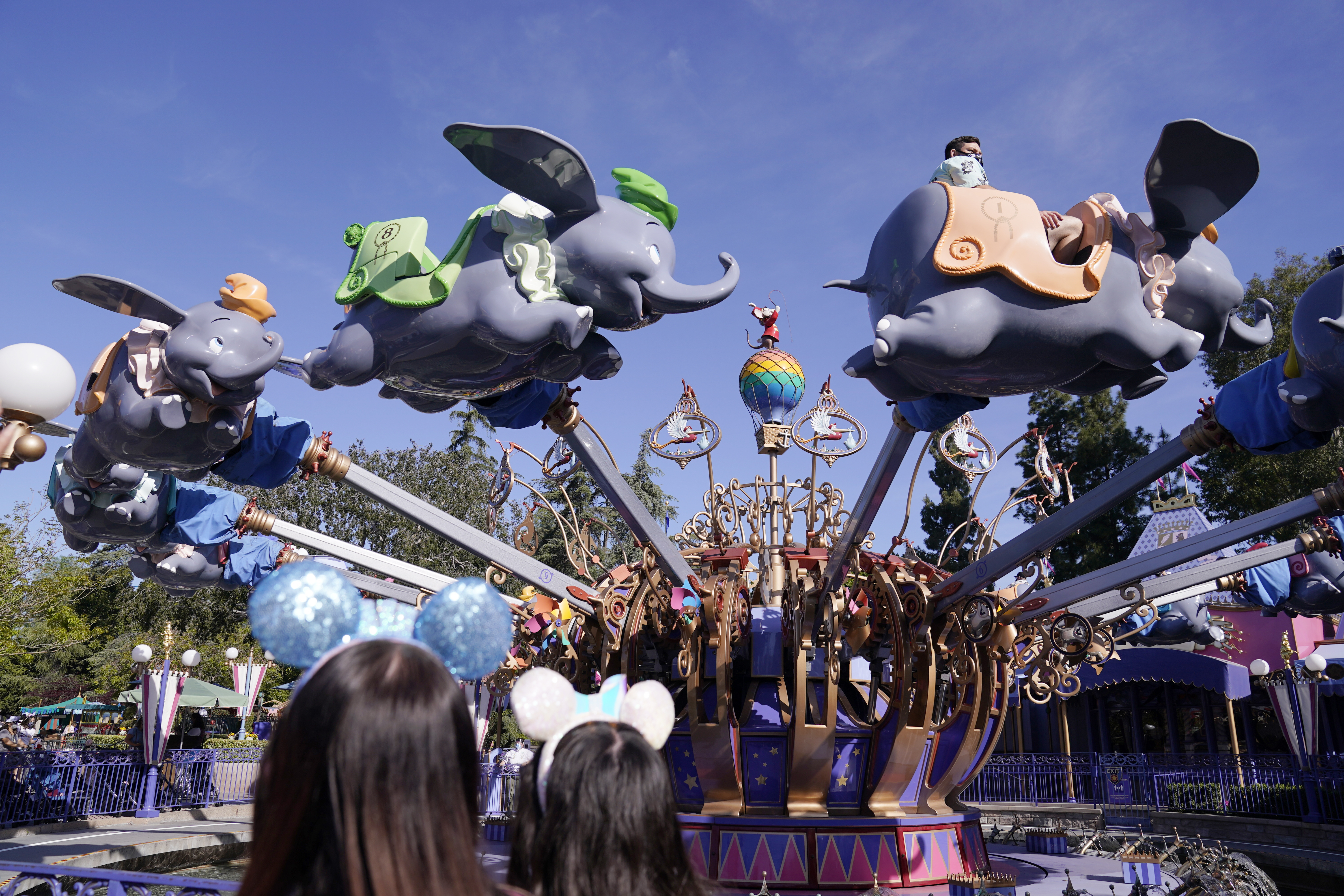
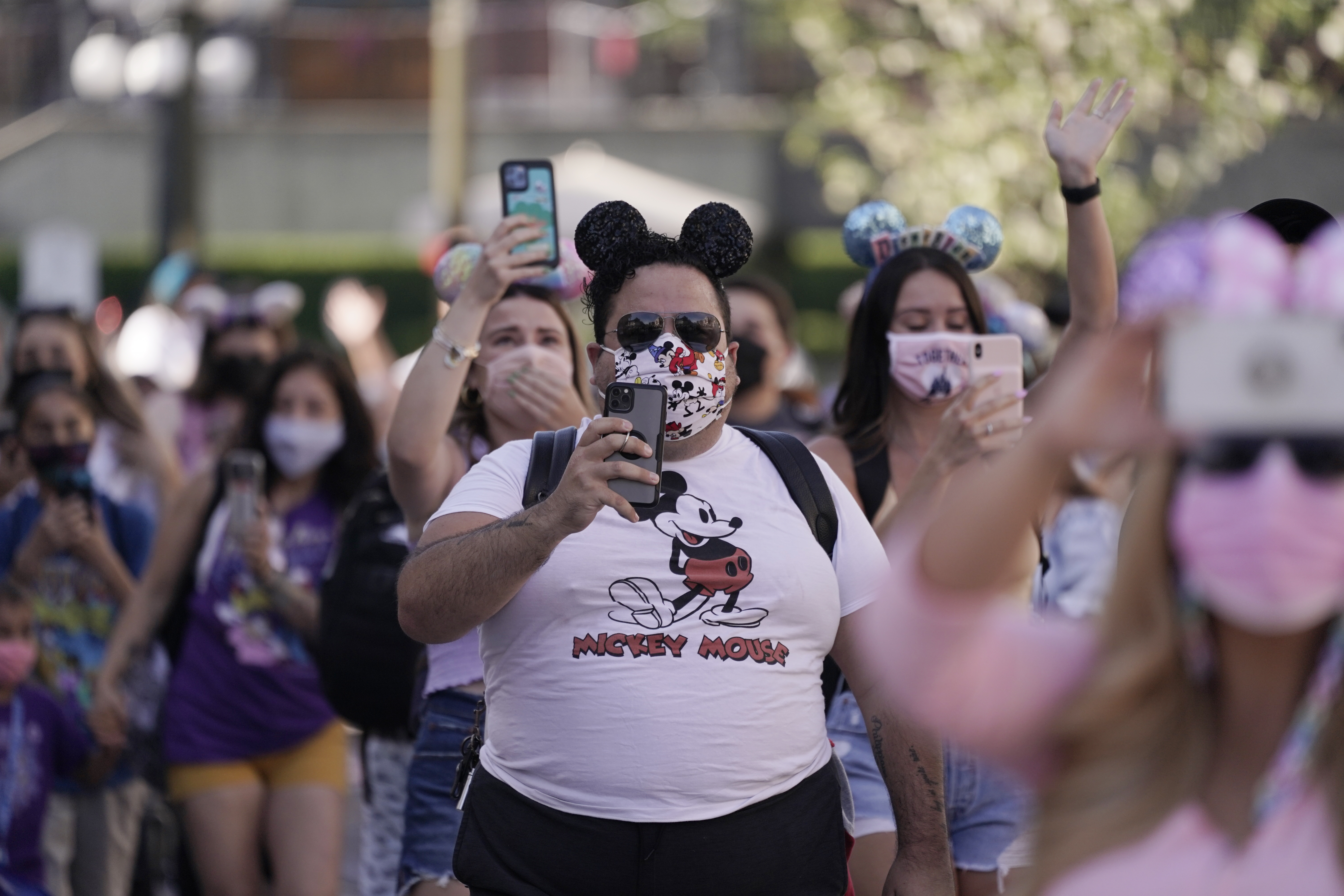
Disneyland swung open its gates to cheering visitors donning sequined Minnie Mouse ears and snapping selfies Friday, marking a dramatic turnaround in a state so overwhelmed with coronavirus cases just four months ago that patients were being treated in outdoor tents.

California's world-famous theme park, which reopened after an unprecedented 13-month closure, is admitting only state residents and operating under a limited capacity for now.

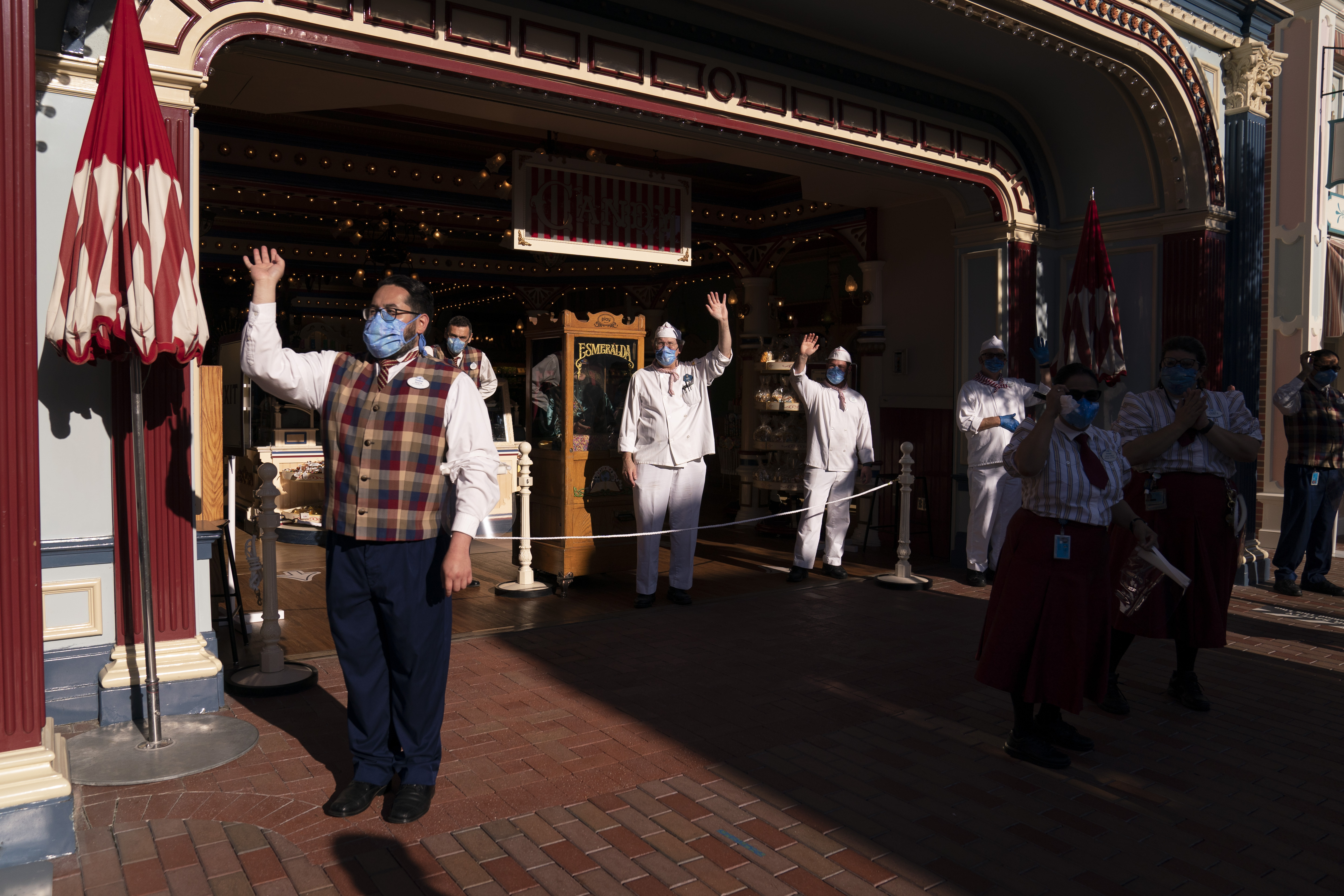
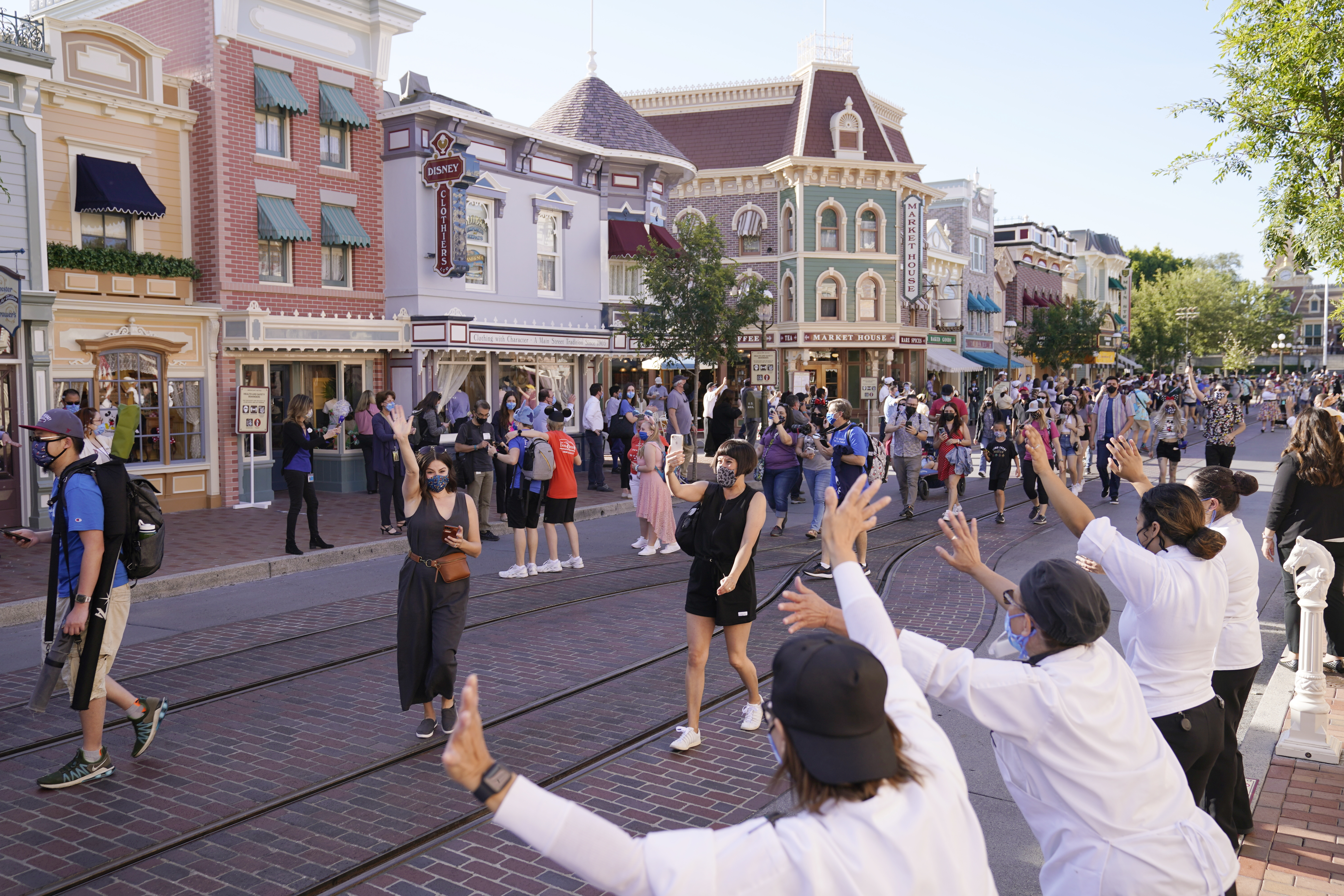
Once inside, guests decked in Disney gear waved excitedly at employees tidying up the park's hallmark Main Street, which was lined with hand sanitising stations and signs reminding people to wear face coverings.

After spending the year mostly teaching her third-grade class from a tent in her backyard, Libby Birmingham was thrilled to be there. The 38-year-old, who attended the park regularly before the pandemic with an annual pass, took the day off work to make the trip down from Pasadena with friends.

"Disneyland is like my happiest place, to be totally honest," she said. "It's one of those places that I can always enjoy, and it lets me be the kid — not always be in charge of the kids."

The reopening highlights a big shift for the nation's most populous state from just months ago when COVID-19 cases were surging, hospitals were running out of ICU beds, and hundreds of people died from the virus each day.

Now, California boasts the country's lowest rate of confirmed coronavirus infections and more than half of the population eligible for vaccination has received at least one dose. Children have been returning to in-person classes, shops and restaurants are expanding business, and Gov. Gavin Newsom set June 15 as a target date to further reopen the economy, albeit with some health-related restrictions.

"It has such a symbolic nature to really quantifying that we're finally rolling out of COVID," said Caroline Beteta, president and CEO of state tourism promoter Visit California.

Theme parks were among the last California businesses allowed to reopen, in contrast to states with fewer restrictions such as Florida, where Disney World's Magic Kingdom resort has been up and running, though at lower-than-usual capacity, since July. Another major US amusement park, Ohio's Cedar Point, opened last summer and will do so again for the upcoming season — only this time, it won't require masks on rides.

At Disneyland, visitors must wear masks and can remove them to eat only in designated areas. Hugs and handshakes with characters are off limits, and parades and fireworks shows have been shelved to limit crowding.

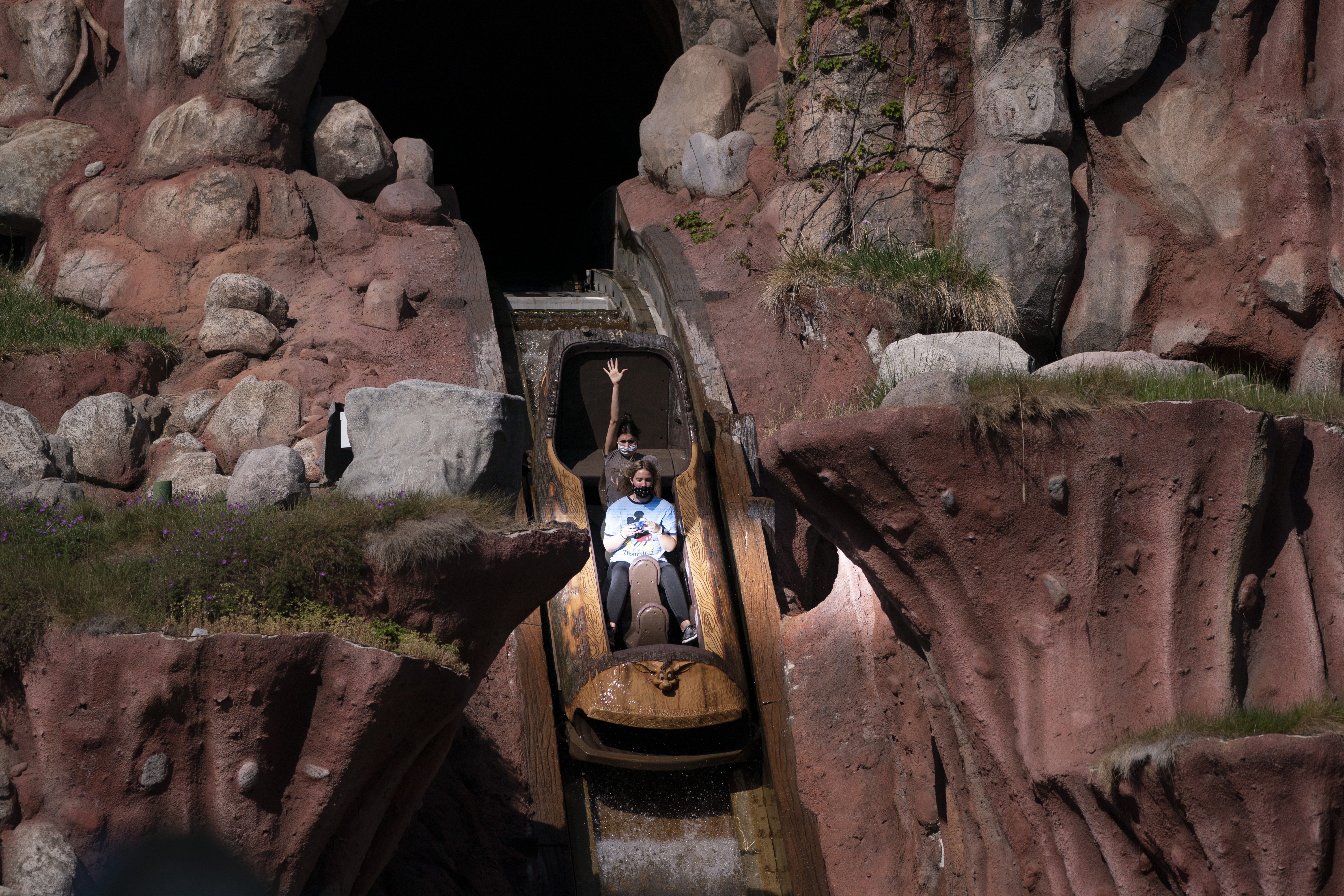
On Friday, an updated Snow White ride drew throngs of visitors who were methodically spaced out in a winding outdoor line to prevent congestion indoors. Other areas of the park had fewer people. In a section devoted to Star Wars, there was ample space for children to run freely, and visitors waved from a distance to Rey, who flashed a smile and waved from a platform overlooking the park.

Outside a popular boat ride, Allison Sanger and her 4-year-old daughter, Emily, stopped by a cordoned-off patio to chat with a parasol-twirling Mary Poppins and Bert. The 28-year-old said she was glad her daughter could get close enough to see the characters and snap photos even with the new rules.

"We honestly have so many memories here," she said. "We missed our memories and our magic."

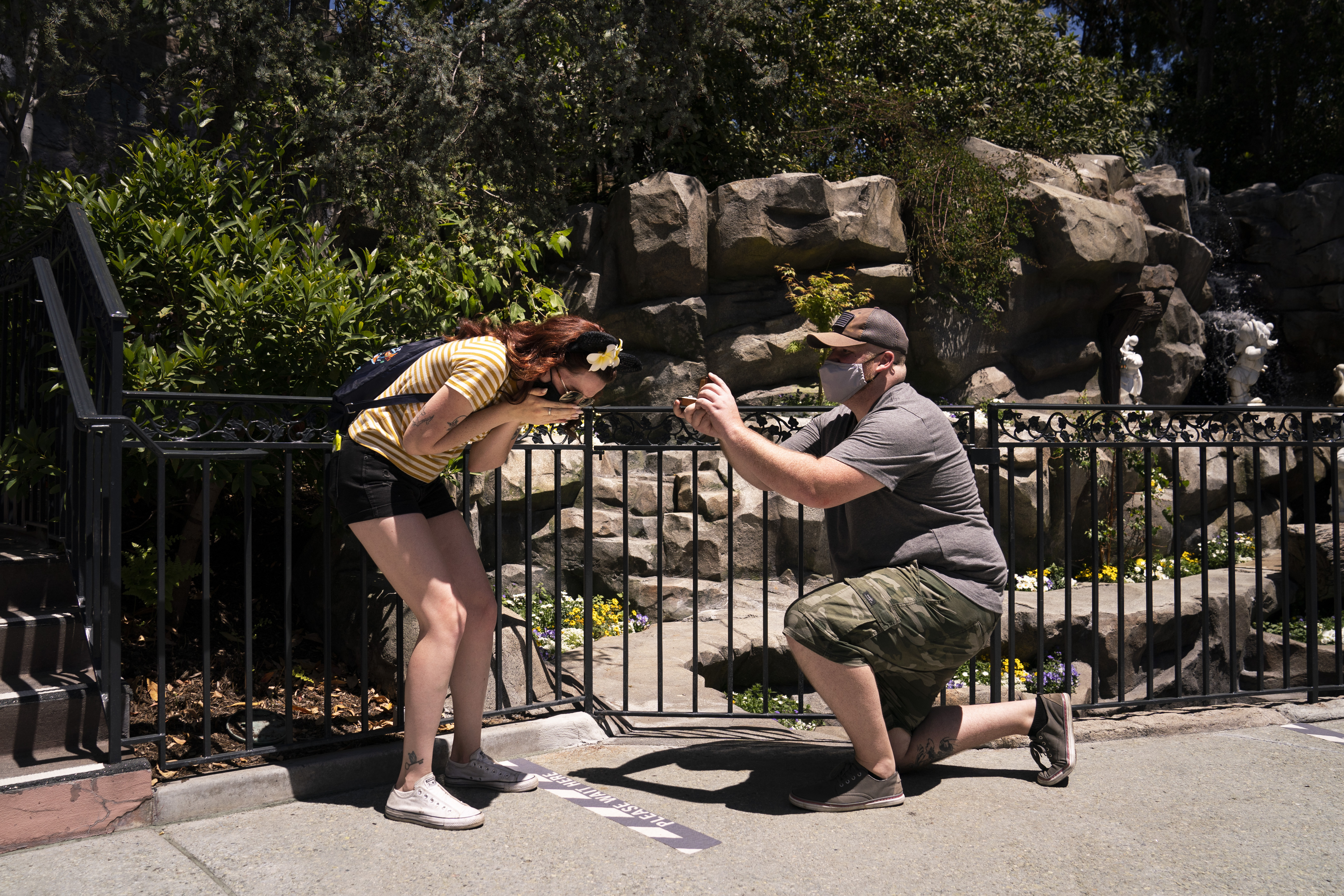
There was even a marriage proposal.

Zach Bolger, 35, said he met his girlfriend, Mackenzie Brown, 26, some three years ago at Disneyland trading collectable pins. The couple returned to the park Friday, and Bolger pulled out a ring box near Snow White's wishing well. Brown cried tears of joy.

While California continues to "strongly discourage" anyone from visiting the state as tourists, the travel industry is banking on pent-up demand from its own nearly 40 million residents for a comeback. An advertising campaign encourages Californians to travel within the state, mirroring a pitch made after 9/11.

In a state with so many people shut in for so long, even in-state tourism could be a huge boost. Disney's California parks have long had a loyal local fan base while its Florida locations rely more heavily on international tourists, said Carissa Baker, assistant professor of theme park and attraction management at University of Central Florida's Rosen College of Hospitality Management.

Disneyland is a major economic engine in California, drawing nearly 19 million in attendance the year before the coronavirus struck, according to the Themed Entertainment Association. It and other such attractions were shuttered in March 2020 as Newsom imposed the nation's first statewide shutdown order.

For now, the park and neighbouring Disney California Adventure are restricted to operating at 25 per cent capacity under state health rules. Disney is only taking reservations from state residents, though California also allows fully vaccinated out-of-state visitors to attend theme parks.

The reopening was also welcomed by park employees eager to get back to work and owners of hotels and shops in the surrounding city of Anaheim. The city's convention centre saw more than 300 cancellations since the pandemic and so far has re-booked a quarter of them, said Jay Burress, president of Visit Anaheim.

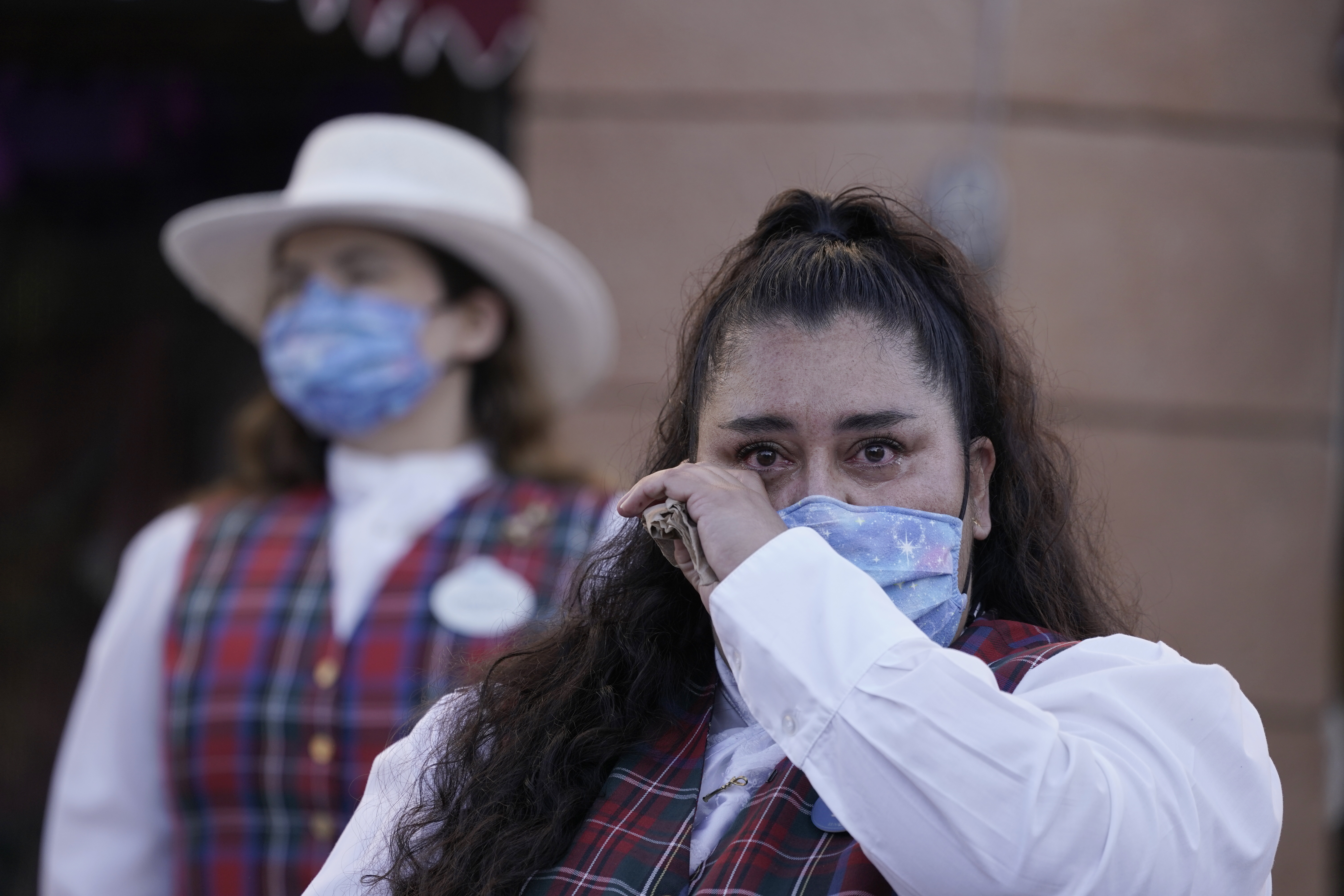
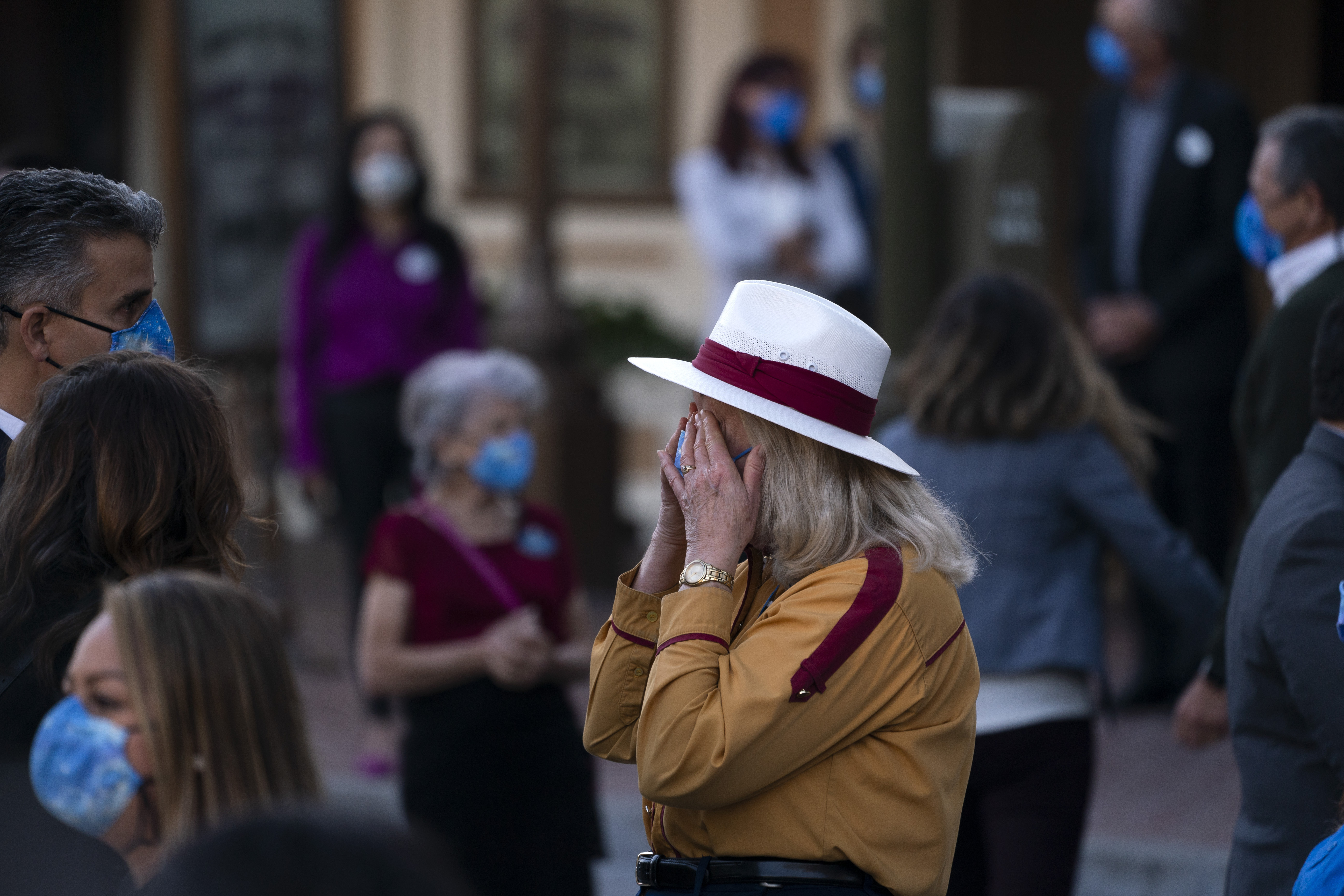
At an early morning flag ceremony, Disney chief executive Bob Chapek thanked the park's employees, many who greeted each other with fist-bumps and bright-eyes, though their smiles were concealed by constellation face masks. He asked them to "bring the magic back" for visitors who were kept away during the 412-day closure.

"We're not just another theme park," Chapek said. "We're something special, and we're something special because of all of you, because you bring magic to the world."