Category Archives: headline

Trump allies worry Giuliani raid sent 'strong message' to ex-President's inner circle

A Wednesday raid by federal agents of an apartment and office belonging to former New York City mayor and one-time Donald Trump lawyer Rudy Giuliani has left allies of the former President feeling uneasy about what could come next, according to sources close to Trump.

"This was a show of force that sent a strong message to a lot of people in Trump's world that other things may be coming down the pipeline," one Trump adviser told CNN.

The searches, which Giuliani and his attorney Robert Costello have criticised as unnecessary due to what they claim is his ongoing cooperation with investigators, were linked to a criminal probe of the former mayor's business dealings in Ukraine and resulted in the seizure of several communications devices.

READ MORE: FBI warned Rudy Giuliani directly of Russian influence campaign
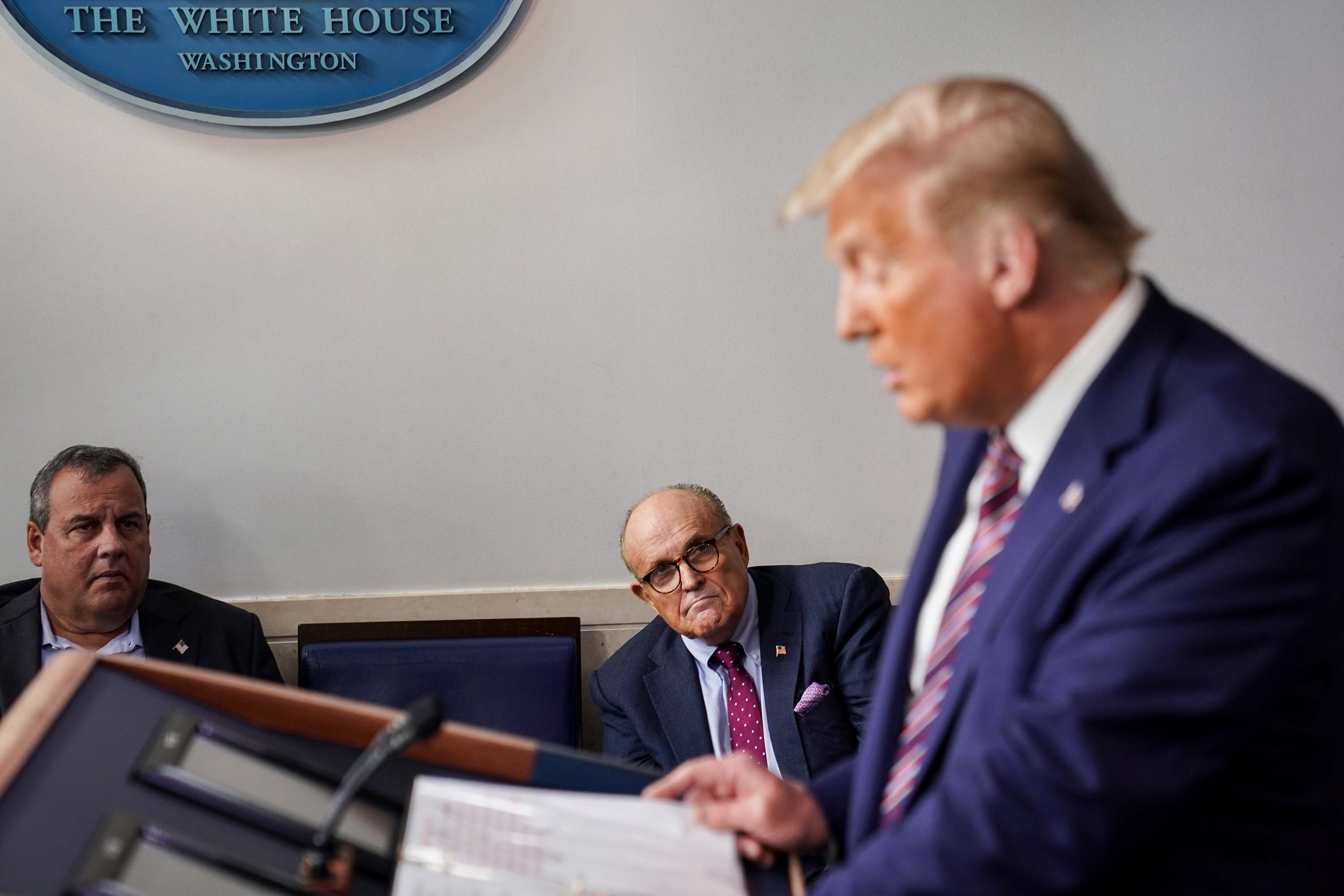
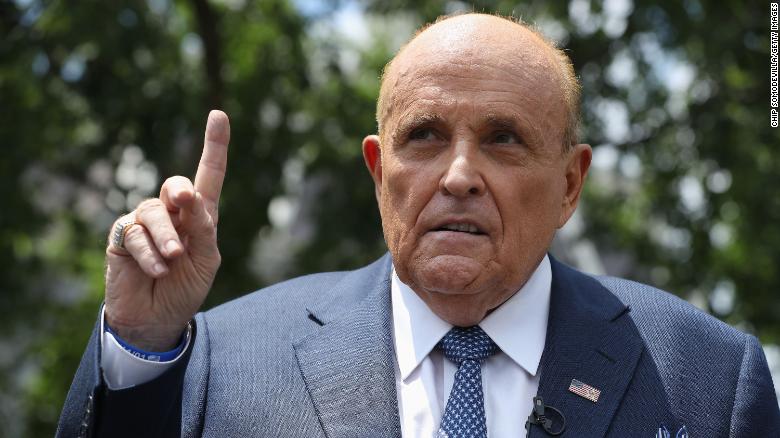
According to the Trump adviser, the raid ignited a sense of fear inside the former President's orbit that Justice Department officials may be more willing to pursue investigations of the 45th president or his inner circle than many Trump allies had previously believed. Two other people close to the former President, who echoed these sentiments, declined to be quoted for this story.

New York State Attorney General Letitia James is currently conducting a civil probe into allegations that the Trump Organisation improperly inflated and deflated the value of its assets for tax purposes. Trump has repeatedly denied any wrongdoing.
"I can't for the life of me think why you would need to send seven FBI agents to go and collect a cellphone and laptop," said the adviser, who also described the Giuliani raid as "overkill."

But the raid has also raised the question of whether Giuliani's seemingly steadfast loyalty to Trump could withstand the weight of potential criminal charges. Giuliani has not been charged and has denied any wrongdoing.

"Even the most loyal people have their breaking point," said a person close to the former President. The Trump adviser separately added that a potential shift in Giuliani's fealty to his former client "wouldn't shock me at all."

"I think we've seen some more surprising instances of things like that happening, especially with Michael Cohen," the person close to Trump said.
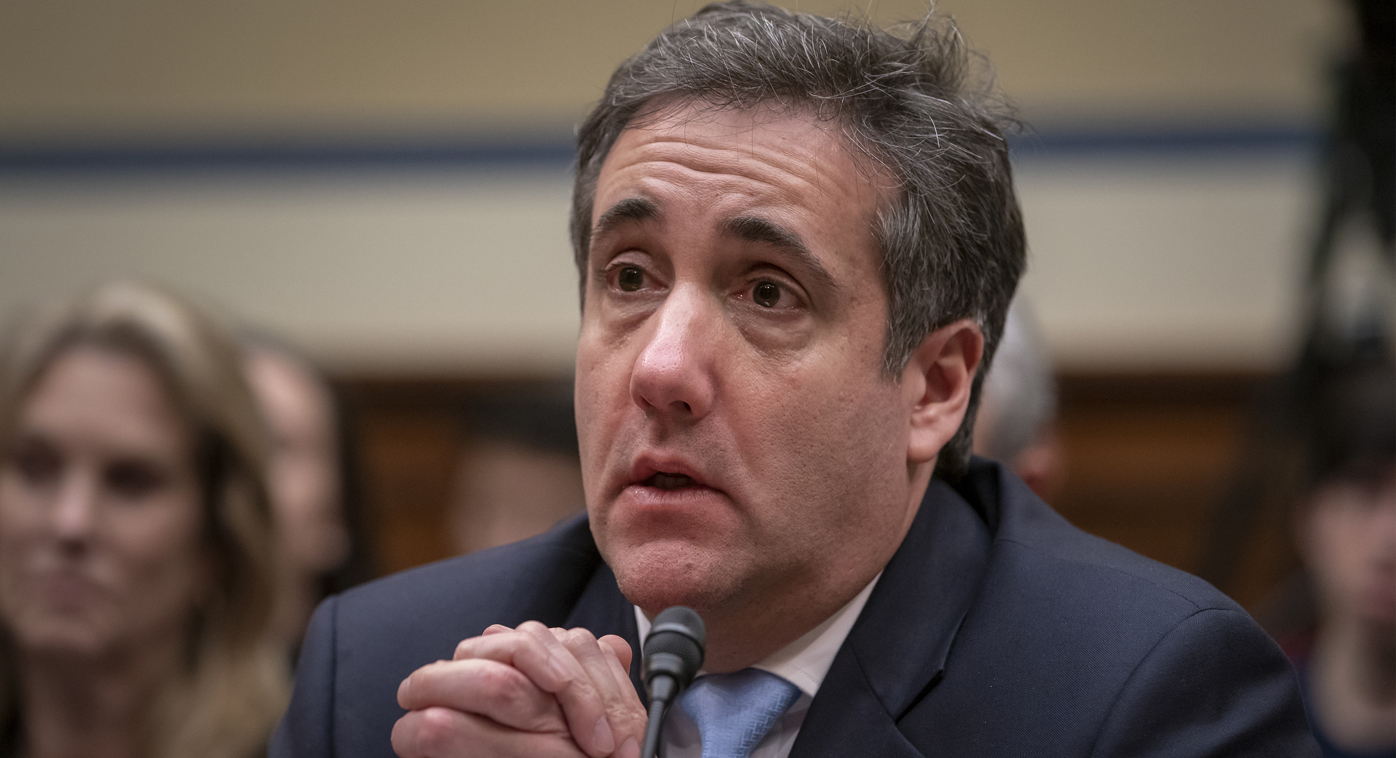
Indeed, longtime Trump fixer Michael Cohen, who once said he would be willing to "take a bullet" for his former boss, became a self-avowed Trump critic in 2018 after he flipped on the then-President following an FBI raid of his own home, office and hotel room. The raid was part of a probe led by the US Attorney's office for the Southern District of New York, which later resulted in charges of tax fraud, false statements to a bank and campaign finance violations that Cohen pleaded guilty to.

During an appearance on CNN earlier this week, Cohen himself speculated that Giuliani could "give up Donald in a heartbeat" if faced with an indictment.

"Prior to Donald becoming president, Rudy didn't like Donald and Donald didn't like Rudy," Cohen claimed. "He certainly doesn't want to follow my path down into a 36-month sentence."

A spokesperson for Trump did not respond to CNN's request for comment in time for publication.

In an email to CNN, Costello said the former mayor "has done nothing wrong" and claimed that Giuliani has repeatedly offered "to answer any questions the SDNY might have about anything including crimes, attempted crimes, conspiracy to commit crimes, (or) aiding and abetting crimes."

In a statement released by Costello earlier this week, Giuliani denied any wrongdoing and claimed the search warrants that resulted in raids of his office and apartment indicated a "corrupt double standard" by the Justice Department in its treatment of Trump associates versus Democrats.

"Republicans who are prominent supporters and defenders of President Trump… are subjected to false charges and procedures used in the past, if at all, in cases involving terrorists and organised criminals," read the statement.
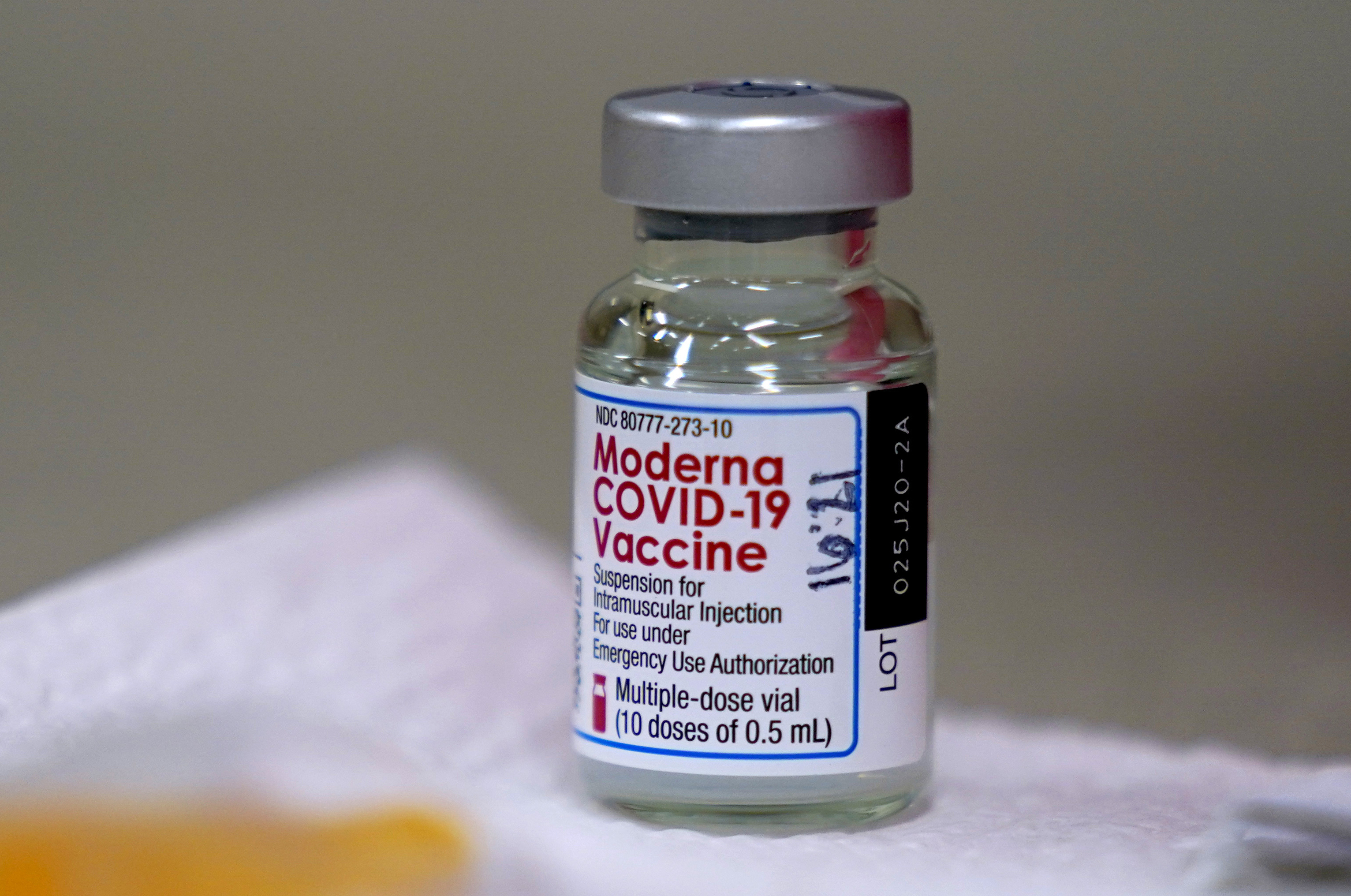
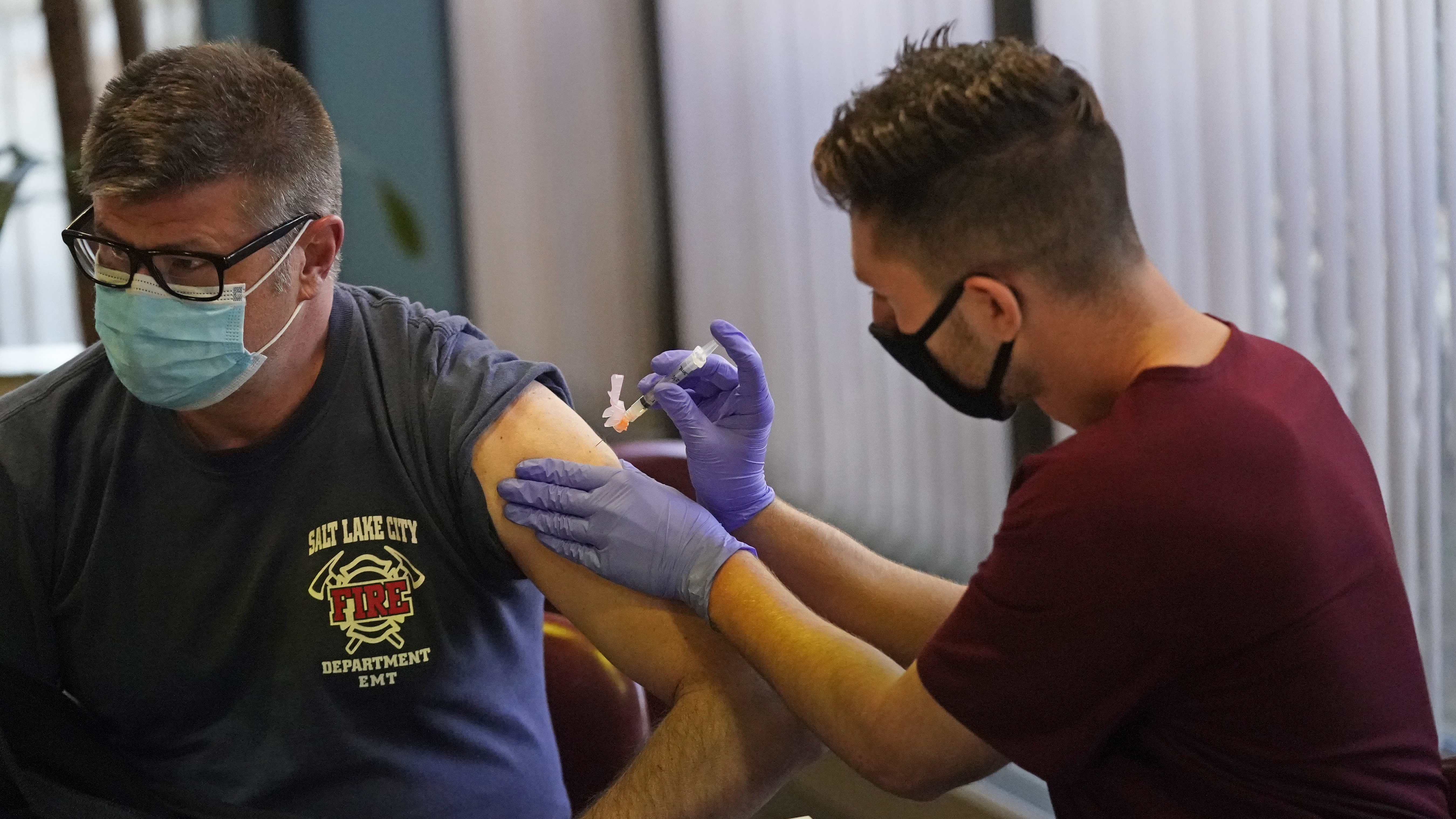
WHO approves Moderna vaccine for emergency use

The World Health Organization has given the go-ahead for emergency use of Moderna's COVID-19 vaccine.

The mRNA vaccine from the US manufacturer joins vaccines from AstraZeneca, Pfizer-BioNTech and Johnson & Johnson in receiving the WHO's emergency use listing.

Similar approvals for China's Sinopharm and Sinovac vaccines are expected in the coming days and weeks, WHO has said.

The greenlight for Moderna's vaccine, announced late Friday, took many months because of delays that WHO faced in getting data from the manufacturer.

Many countries without their own advanced medical regulatory and assessment offices rely on the WHO listing to decide whether to use vaccines. UN children's agency UNICEF also uses the listing to deploy vaccines in an emergency like the pandemic.

The announcement, however, wasn't likely to have an immediate impact on supplies of Moderna's vaccine for the developing world. The company struck supply agreements with many rich countries, which will have already received millions of doses.

In a statement Friday, CEO Stephane Bancel said Moderna was "actively participating in discussions with multilateral organisations, such as COVAX, to help protect populations around the world."

He was referring to a UN-backed program to ship COVID-19 vaccines to many low- and middle-income countries, based on need.

Vaccines’ impact remains relevant – Health Minister


Minister of Health Akilah Byron-Nisbett has noted the impact that vaccines has had on the socio-economic systems of St. Kitts and Nevis, and has indicated that these mechanisms are important, if the federation is to turn the tide for COVID-19.

Byron-Nisbett was at the time making an address in observance of World Immunization Week, that runs April 24 to 30.

She said the week was the time of year when there is substantial focus on vaccines to protect people of all ages against disease, and being cognizant that immunization saves millions of lives every year, and is widely recognized as one of the world’s most successful and cost-effective public health interventions.

She said the week is celebrated under the theme “Vaccines bring us closer”.

“This is a compelling reminder of the power and strength of vaccines to save lives, through collective efforts and successful immunization campaigns.”

The Minister of Health said the theme is even more important when at this juncture, globally, the world is confronted with the Coronavirus pandemic, that is wreaking havoc on lives and livelihoods. 

“Only vaccines and immunization can foster physical proximity and bring us closer to each other. 

“As more people are protected from COVID-19 through vaccination, our goals of achieving maximal closeness again, reducing travel restrictions, masking and distancing requirements will undoubtedly be closer to attainment.”

Byron-Nisbett noted that vaccines have been protecting the people of St Kitts and Nevis and the world over for decades. 

“Not only have vaccines protected us for decades, but it has been proven that vaccines will continue to help us with our usual, traditional, existential way of life.”

She said the COVID-19 vaccines can free the Federation, as other vaccines have done in relation to other dangerous diseases.

“The COVID-19 vaccines will allow us to freely gather safely, whether for work, leisure, learning, duty or worship; will facilitate the building of bridges across generations, protecting the very young and old, by preventing disease transmission within households, and among caregivers.”

She said a successful vaccination campaign will help to reach full potential and safeguard from dangerous vaccine-preventable diseases 

“It is the Ministry’s fervent desire to see our citizens and residents venture out into communities, the workplace, and the wider world, with confidence to contribute and thrive throughout their lifespan.”

The Minister of Health said that the potential can only be realized with the COVID-19 vaccine. She said the Ministry can effectively roll out the COVID-19 vaccine. 

“With a childhood immunization rate of over 96%, our citizens are accustomed to vaccinations. It has become imperative to depend on effective vaccines to turn the tide of this pandemic.

“However, the tide can only be turned when we reach a large number of our population, no matter where they live or who they are.”

She warned that the consequences can be dire, if vaccinations are too slow.

“If we fail to achieve this, the impact on our health and socio-economic systems will take months or even years to reverse.

“The Ministry of Health will vigorously engage in its COVID-19 vaccination campaign and remains committed to demonstrate the value of vaccines in the health of children, communities and the world.”

The Health Minister also spoke about the successes of the Federation’s National Immunization Programme, which includes vaccines for the prevention of the diseases mentioned above, and boasts of an admirable childhood immunization success rate of 96 to 98 percent from birth to grade six. 

In addition to the common childhood vaccines, the influenza vaccine was introduced in the St. Kitts and Nevis immunization programme in 2018, with a focus on clients and groups identified as high risk. 

“The targets and groups are health care workers, pregnant women, older adults and persons with chronic diseases. Further, the Human Papillomavirus (HPV) vaccine , was introduced into the St Kitts and Nevis National Immunization programme in October 2019 to grade six students with an impressive 92% coverage, having seen 758 students vaccinated, from a target population of 824.”

The post Vaccines’ impact remains relevant – Health Minister appeared first on The St Kitts Nevis Observer.

Labor concedes defeat in Tasmanian election

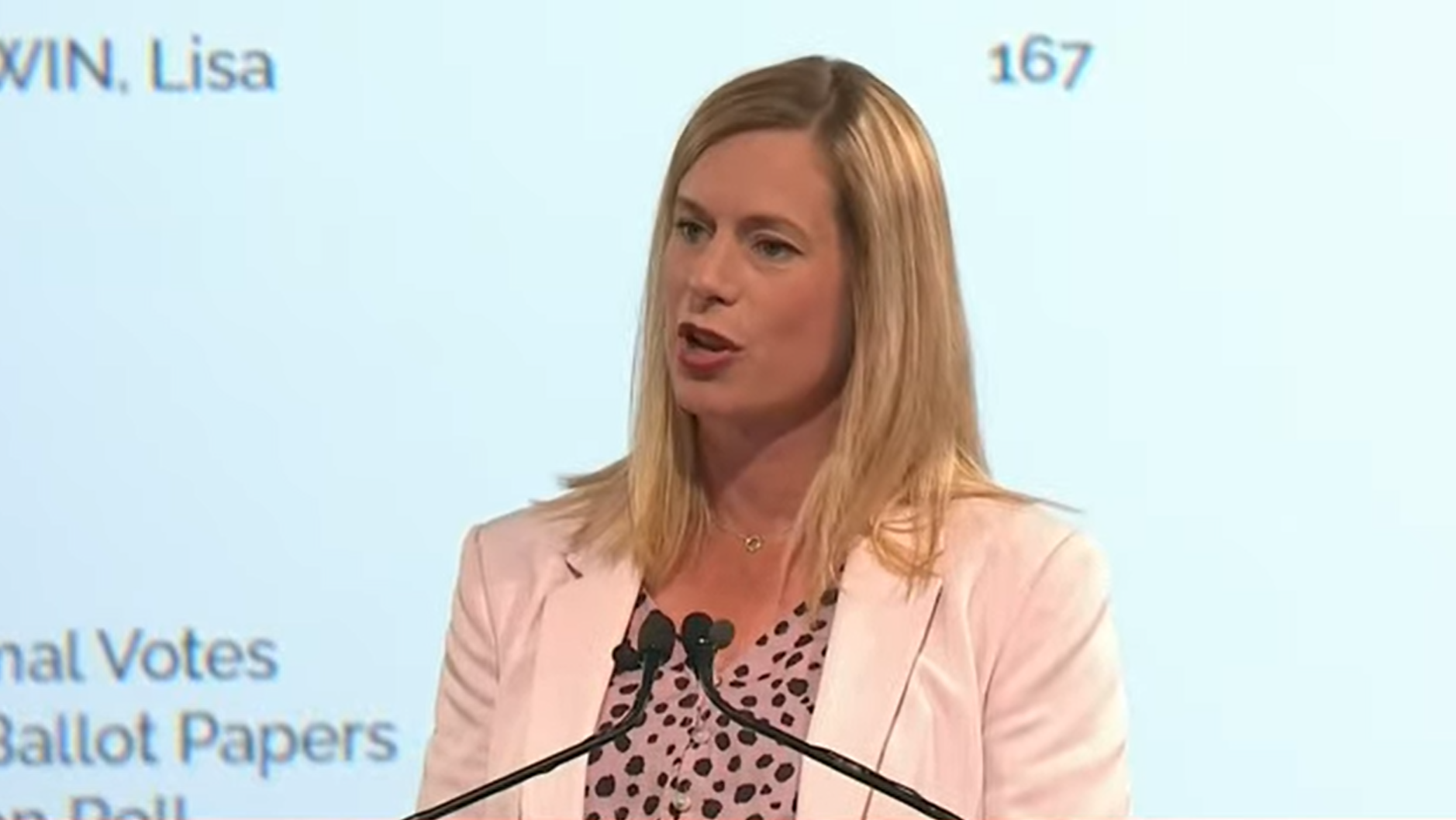
Labor leader Rebecca White has conceded defeat in the Tasmanian election tonight.

In conceding defeat during an address to the tally room, White admitted it was "clear tonight that we have fallen short of our goal to win a majority Labor government".

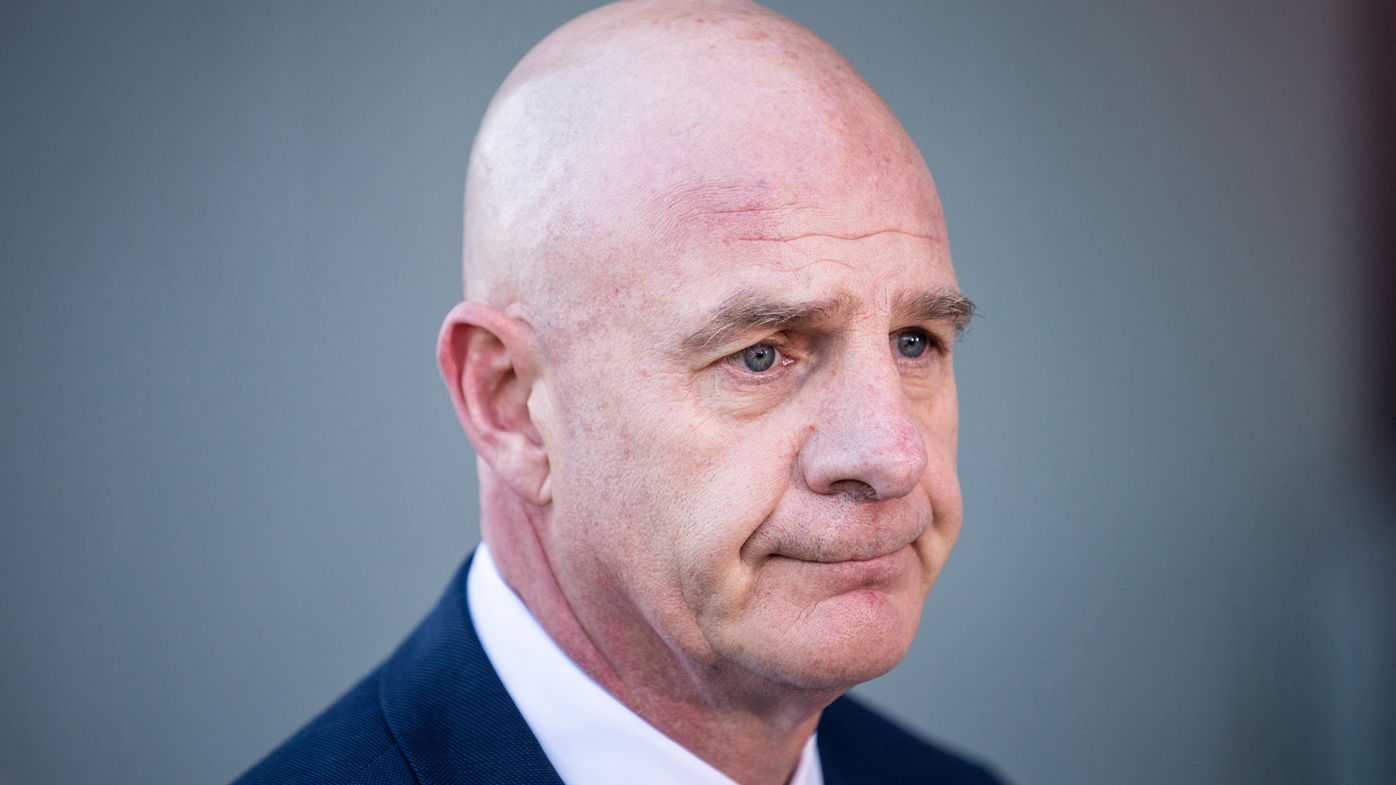
"A short time ago, I rang Peter Gutwein to congratulate him on his re-election and his impressive personal result," the Opposition Leader said in her speech.

Tasmanian Labor Leader Rebecca White concedes defeat in Tas election

"All around the country we have seen incumbent governments rewarded for their management of COVID-19 and there is no doubt that Peter Gutwein and our public health officials kept our community safe and tonight's result reflects that.

"Peter Gutwein did call an early election because he wanted to be about his management of COVID-19 and tonight's outcome is a strong result for the Liberal Party and Peter Gutwein's leadership.

"But this election has also seen the elevation of other issues that matter, so important that the government listens to the concerns that have been raised throughout this campaign. The stories of the left-behind cannot continue to be ignored."

White vowed to keep fighting for Tasmanians going forward and promised to hold the government accountable in their next term.

"I hope this is a wake up call for the Liberals. Tasmanians will not tolerate this from the Liberal government, surgery waiting that are the worse the country, ambulance response rates that are the slowest in the country, Tasmanians dying in the emergency department because they [Liberals] can't acknowledge the healthcare. Tasmanians will not continue to tolerate the endless infrastructure policies never fulfilled.

"Just because we fell short, it doesn't mean we will stop fighting to make Tasmania a better and fairer place."

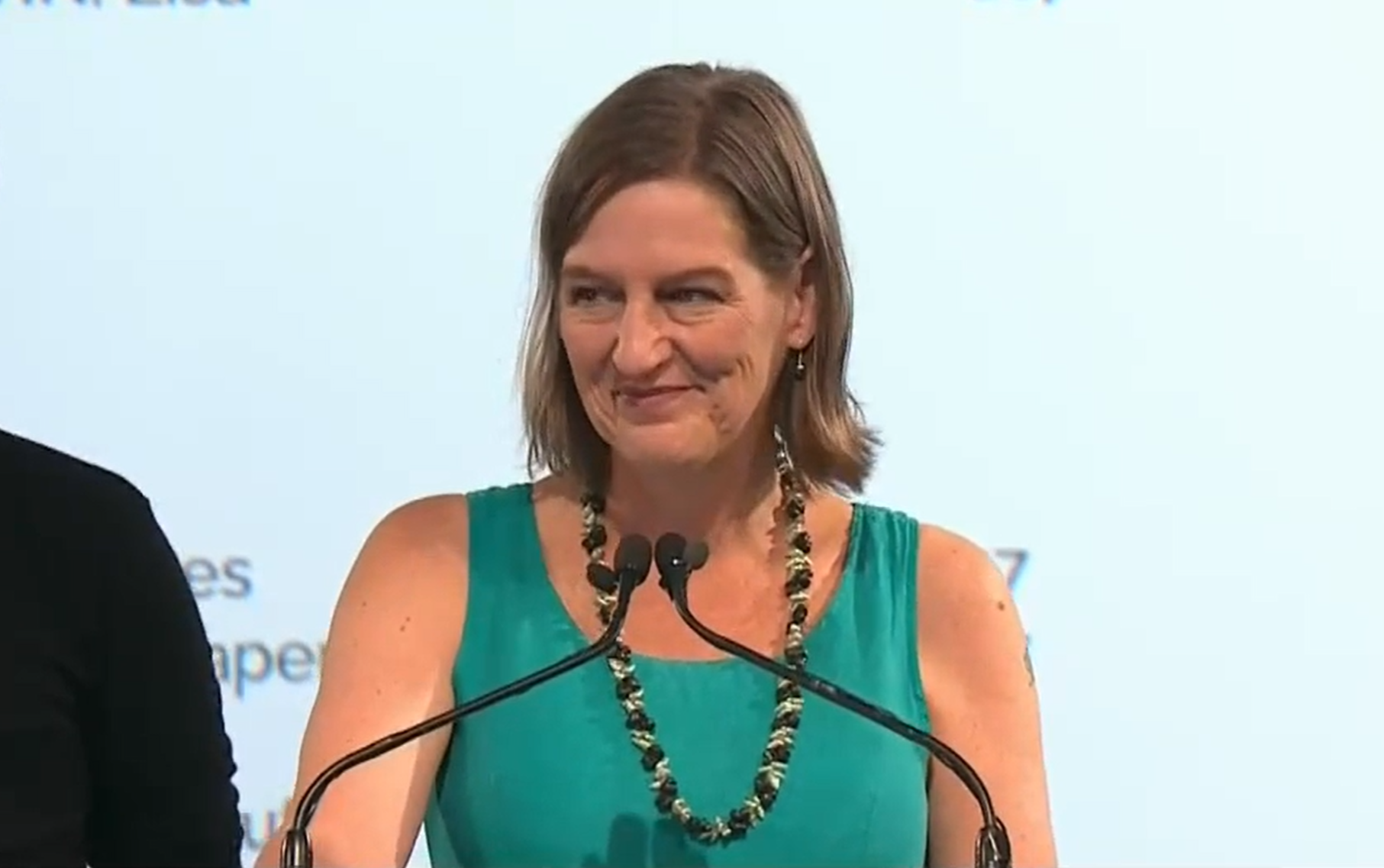
White, the Member for Lyons, was re-elected to her seat as were the other major political party leaders, including Greens MP Cassy O'Connor.

Green's Leader Cassy O'Connor

While a number of seats are still in doubt Gutwein's Liberal party are projected to have 12 candidates elected but need 13 seats for a majority in the lower house.

Labor have a projected seven seats, while the Greens are projected for two, leaving four seats up for grabs in current projections.

However, in his victory speech Gutwein appeared confident of a majority win for the Liberal Party.

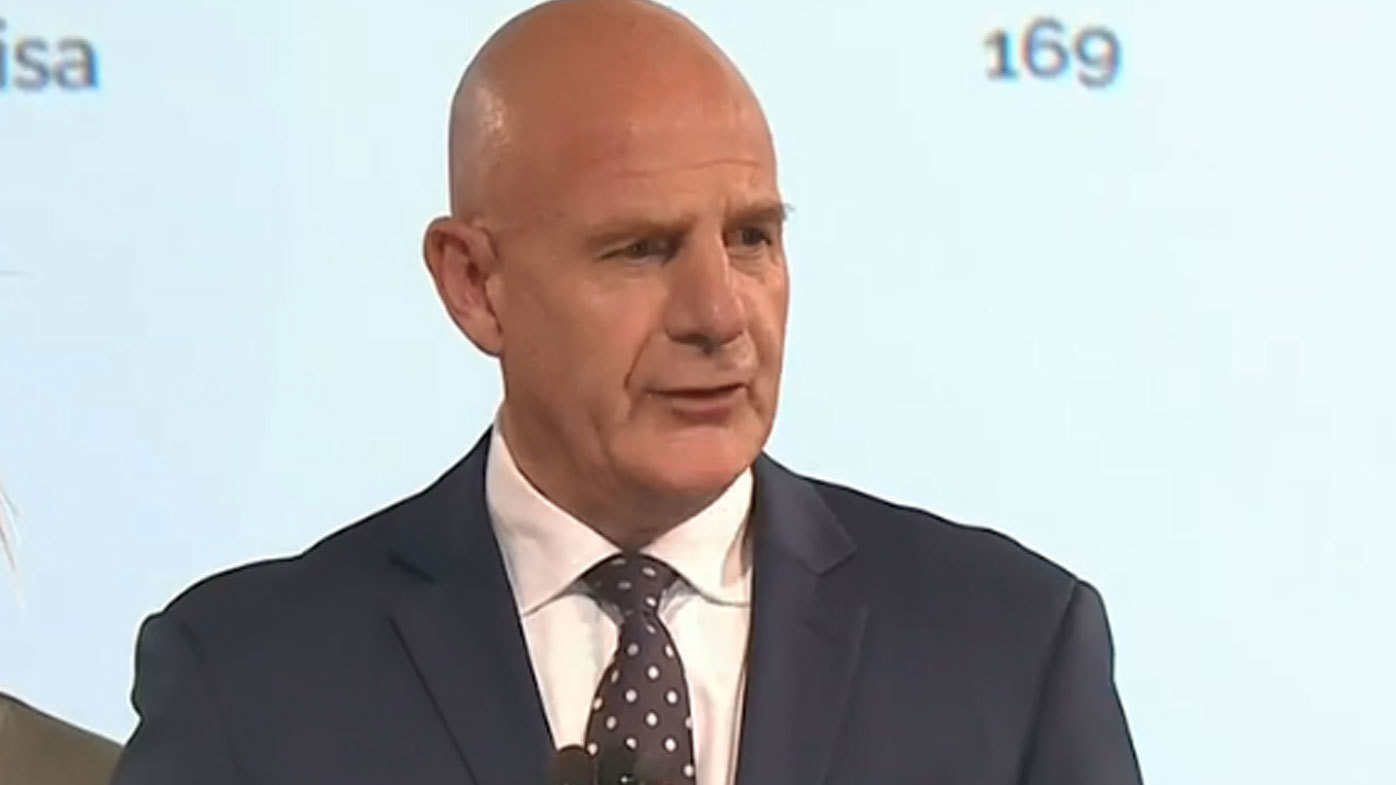
"Ladies and gentlemen, what a night. What a night. And while we have won this election convincingly, it appears increasingly likely that we will also govern in majority," he told the tally room to raucous cheers.

Peter Gutwein addresses the tally room in victory speech of Tasmania election

"While obviously there is some counting to be done, it would be an absolute honour and privilege to be given that opportunity by the Tasmanian people."

He also praised locals for their efforts during the coronavirus pandemic over the past year.

"Tasmanians regardless of religion, of race, of politics, circumstances or background held out their hands to each other in the most extraordinary and extravagantly outstanding displays of humanity that I have ever witnessed and I want to say to Tasmanians thank you for that because in doing so, we turned Tasmania into one of the safest places in this country and, without doubt, one of the safest places on this planet!"

NZ pauses travel bubble with WA

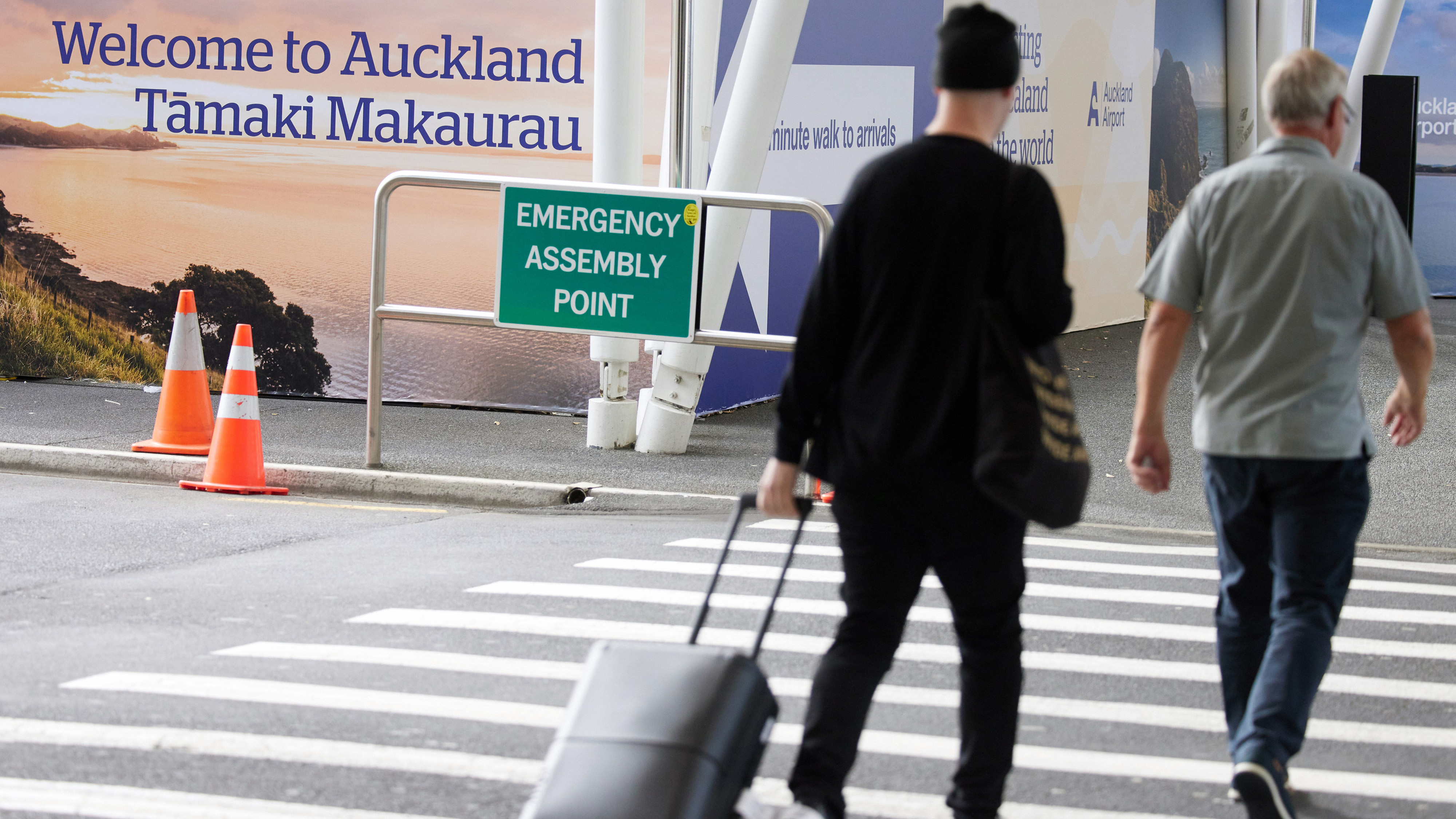
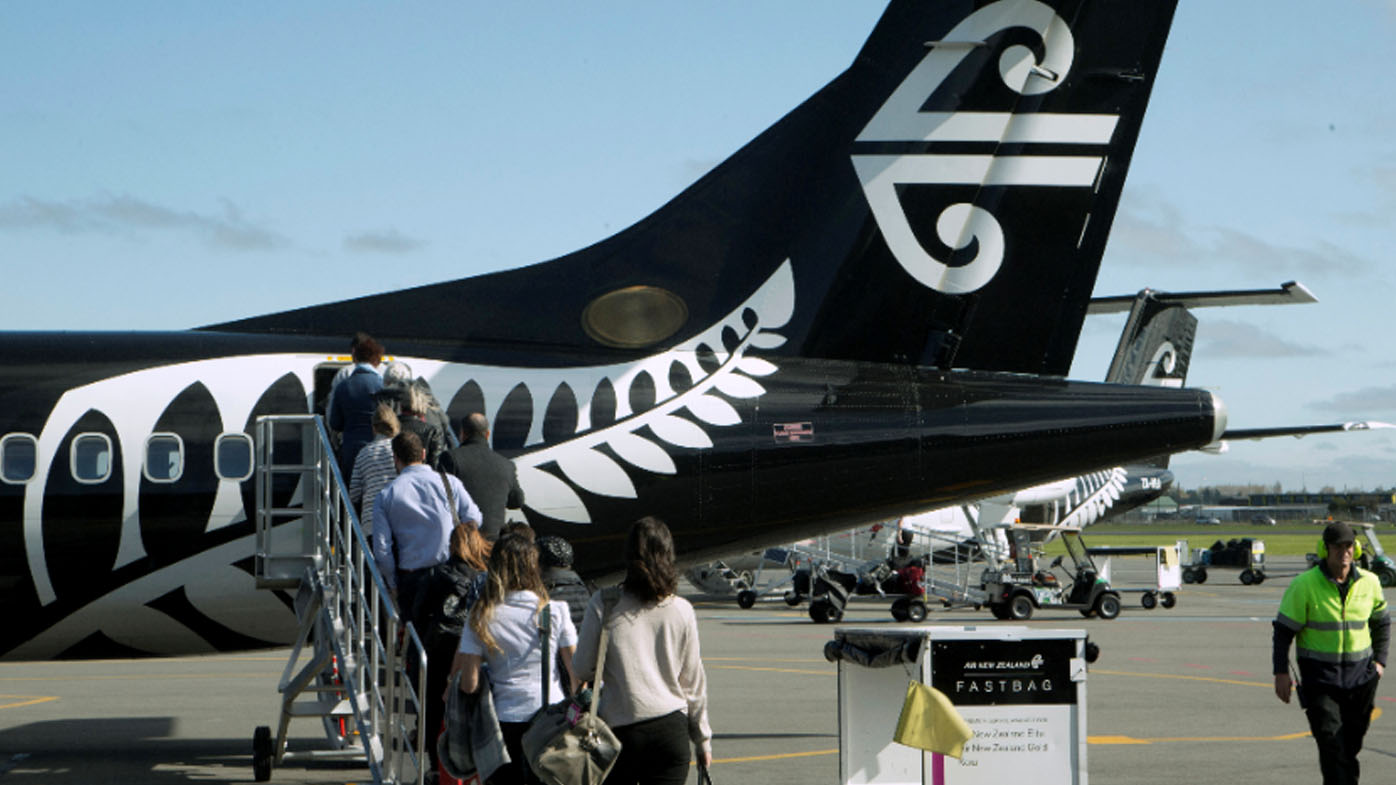
New Zealand's Ministry of Health is pausing the trans-Tasman travel bubble between the country and Western Australia.

Following news earlier today of three new COVID-19 cases in Perth, officials conducted a rapid public health assessment, deciding to pause the quarantine-free travel.

"Scheduled direct flights from Western Australia to New Zealand should be immediately paused while a further assessment is carried out, including a further assessment and information from Australian health officials," a Ministry of Health statement said.

READ MORE: Traveller moved to hotel quarantine after trans-Tasman bubble breach

New Zealand

A flight from Perth due to land in Auckland at 5:50am on Sunday morning has since been cancelled, according to Stuff NZ.

The NZ government is also advising anyone who has arrived into the country from the WA capital in the last four days to check the exposure sites (listed below).

Those who have visited any of these sites will need to self-isolate immediately and get in touch with authorities.

NSW Health is similarly asking any recent arrivals from Perth to check exposure sites and to isolate and get tested if they have been in any of the venues of concern.

https://twitter.com/covid19nz/status/1388440115966406660?ref_src=twsrc%5Etfwhttps://twitter.com/NSWHealth/status/1388457054315061251?ref_src=twsrc%5Etfw

There will be screening teams deployed to Sydney Airport to meet all new arrivals from 5.30am Sunday and all travellers are required to complete an entry declaration if they've been in WA within the 14 days prior to entering NSW.

The changes come after three new COVID-19 cases of community transmission were recorded in WA – a Perth hotel quarantine guard and his two housemates.

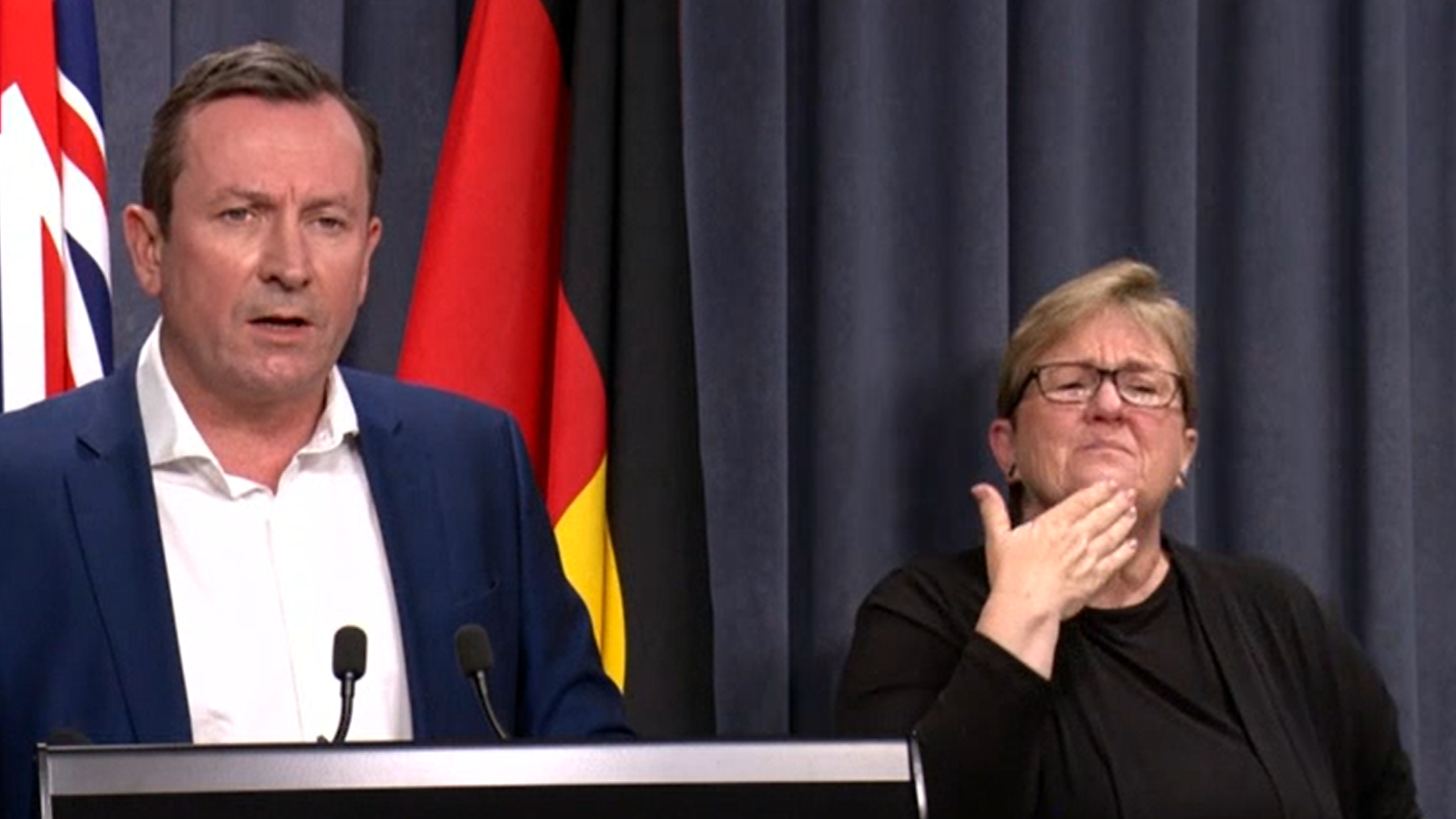
The man, who is in his 20s, has had his first vaccine and had previously tested negative to the virus, West Australian Premier Mark McGowan said at a snap press conference this afternoon.

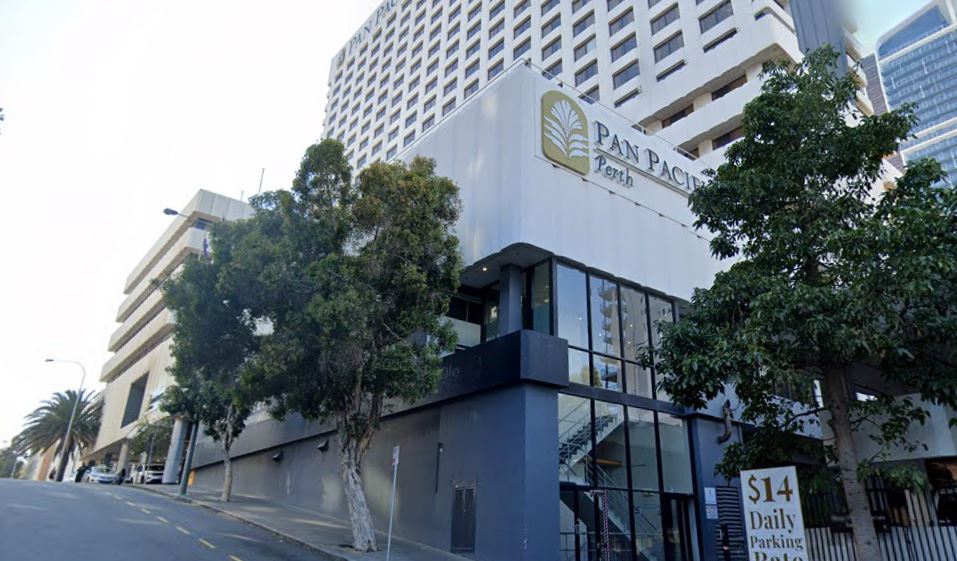
Mr McGowan said the man worked at the Pan Pacific Hotel on April 24 to 26.

https://twitter.com/jacquelinrobson/status/1388394947670208515?ref_src=twsrc%5Etfw

The man underwent mandatory testing as part of his role, and his positive COVID-19 result was detected this morning. He attended a number of locations while potentially infectious.

"On his first day off, Tuesday, 27 April, is the day our health authorities expect he may have become infectious in the community," Mr McGowan said.

"I understand on this day he dropped friends to their workplace and went to a friends house."

The premier said he visited a shopping centre in Stirling, a Coles in Northside and met with friends later.

READ MORE: India breaks record again with over 400,000 new coronavirus cases

"We understand later that evening he developed symptoms which he thought were related to his COVID Pfizer vaccine," Mr McGowan said.

"On Friday morning, that is, yesterday, he visited a mosque for about 30 minutes and then went to a hotel quarantine facility for his weekly PCR test under the requirement we have in place for hotel quarantine workers. Test results came back and were confirmed to be positive."

He was living with seven other people in a share house, including two guests from Canberra, and two of those people have also tested positive.

They are all now in quarantine.

Exposure sites

  • Mirrabooka: Mirrabooka Mosque: Masjid Al Taqwa on 30/04 between 1:15pm – 2:00pm
  • Balcatta: Coles – Prime West Northlands Shopping Centre on 29/04 between 4:30pm – 5:15pm
  • Joondanna: Agha Juice Cafe on 28/04 between 6:50pm – 8:00pm
  • Balcatta: Smokemart – Prime West Northlands Shopping Centre on 28/04 between 1:30pm – 3:15pm
  • Balcatta: Northlands Fresh – Prime West Northlands Shopping Centre on 28/04 between 1:30pm – 3.15pm
  • Stirling: Spudshed on 28/04 between 1:30am – 2:30am
  • Victoria Park: Swan Taxi Victoria Park on 27/04 between 1:50pm – 2:45pm

Premier's lockdown plans

Mr McGowan said there is no plan for a lockdown to be implemented in Perth at this stage.

The premier said there were two positive returned travellers on the floor of the hotel the guard worked on, however he said there is not yet a clear link between him and the two cases, but CCTV is being reviewed.

COVID-19 restrictions eased overnight, with masks made mandatory indoors and on public transport in Perth and neighbouring Peel region.

This afternoon, following the announcement of the new cases, Mr McGowan said masks are now being made mandatory outside again.

"What has helped enormously is that, due to the interim restrictions we have had in place since Tuesday, they have significantly reduced movement in the community and everyone has been wearing masks," he said.

"That gives us some confidence that the risk of transmission is significantly lower than it would normally be. These factors and the fact we have picked up this case as early means we can avoid moving into a lockdown at this point. But it is possible this could change by tomorrow or the day after."

Cafes and restaurants will return to "pretty much business as usual" but hospitality venues must comply with either the two-square-metre rule or 75 per cent capacity; nightclubs can reopen but will be forced to comply with the four-square-metre rule.

As a result of the latest COVID-19 cases there have been long queues at COVID drive-thru testing clinics.

https://twitter.com/MiaEgerton/status/1388420849015812098

Woman breached trans-Tasman bubble

The news comes after a woman was ordered into Perth's hotel quarantine system after she breached the trans-Tasman bubble.

She originally travelled from the Cook Islands to Auckland but the Western Australia Health Department said she did not quarantine before boarding a flight to Perth.

'Shattered' parents hold hunger strike over daughter's hospital death

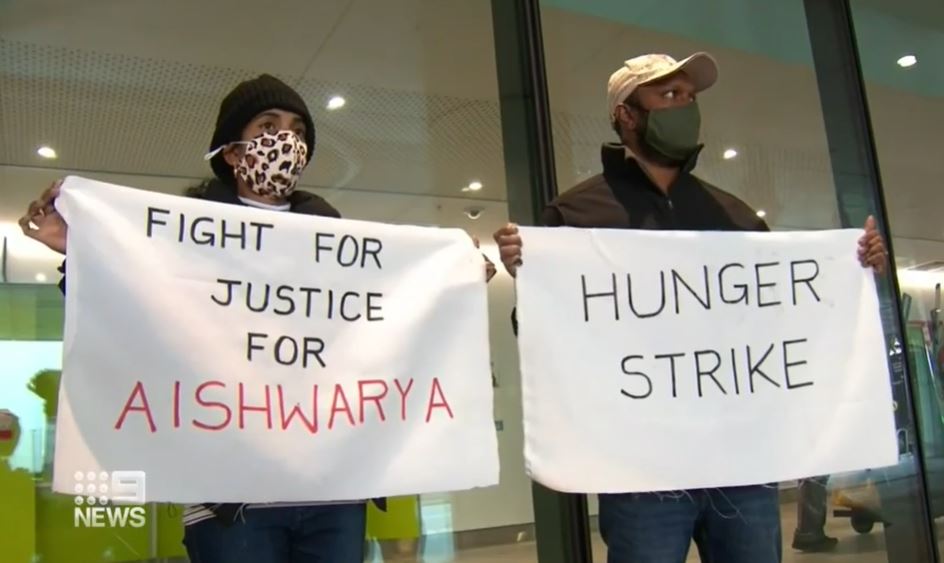
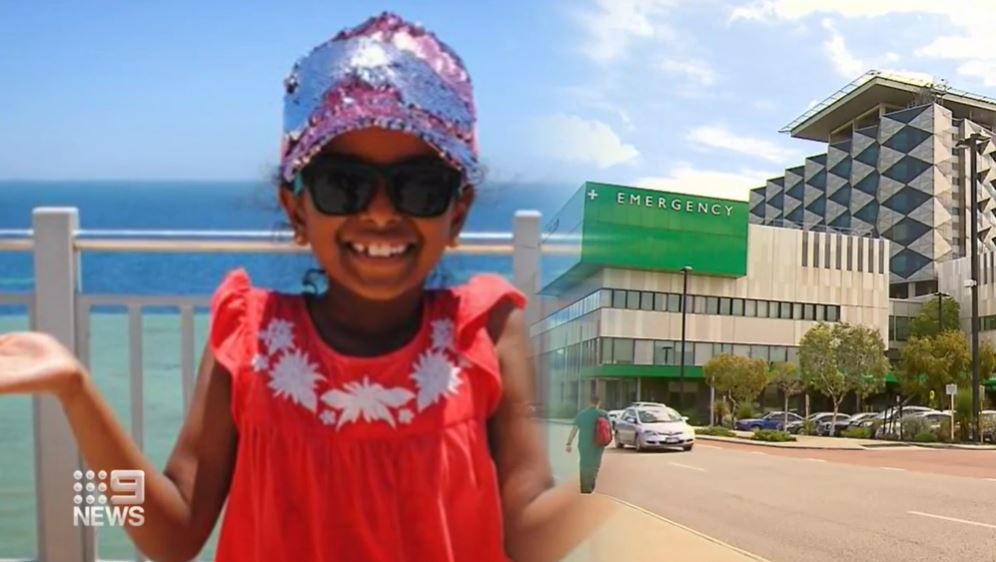
The parents of a young girl who died after being admitted to Perth Children's Hospital with a fever last month have held a hunger strike, demanding answers from health authorities.

Aishwarya Aswath developed a fever on Good Friday and was rushed to hospital the next day.

The seven-year-old's parents said her condition deteriorated rapidly, her eyes cloudy and hands cold.

READ MORE: Distraught parents call for hospital review

Perth Children's Hospital strike

Mother Prasitha Sasidharan said she told doctors what was happening with her daughter's eyes was not normal and was told a doctor would come to investigate.

As Aishwarya's condition worsened, the couple from Morley in north-east Perth pleaded for help but told 9News medical staff ignored them.

"I actually went to the reception four or five times and I asked them to look at her," Ms Sasidharan said.

"I was begging."

The family said by the time doctors looked at little Aishwarya it was too late. She died within hours of treatment beginning. 

Since Aishwarya's death, her parents Aswath Chavittupara and his wife Prasitha have been calling for an urgent review into how the emergency department is run, to stop this happening to any other child.

Still waiting for answers, the couple waited until Perth restrictions had lifted and at midnight, began their hunger strike out the front of the hospital's emergency department.

Armed with a sign that reads: "Fight for justice for Aishwarya", her parents say they would remain outside the hospital until they get a response from health authorities.

Perth Children's Hospital strike

READ MORE: Funeral held for seven-year-old girl who died waiting for emergency treatment

"Maybe it isn't an important issue for them, but it is for me – I need answers," Mr Chavittupara told 9News today.

"The minimum we are going to be here is 24 hours, it doesn't matter if they accept or don't accept our conditions.

"Everyone is going back to their life, but our life is shattered."

The hospital has already started a review to discover the cause of death and the coroner is also investigating.

After almost 10 hours, Perth Children's Hospital CEO of Children and Adolescent Health Dr Aresh Anwar and a social worker met with the couple and promised the review will be completed within two weeks.

"They just said this is the final stage of the process and they want to do things right," Mr Chavittupara said.

Tough new COVID-19 rule for Queenslanders who visit other states

Queensland residents who have visited a COVID-19 exposure site in another state must enter quarantine for 14 days, the state's health authorities announced.

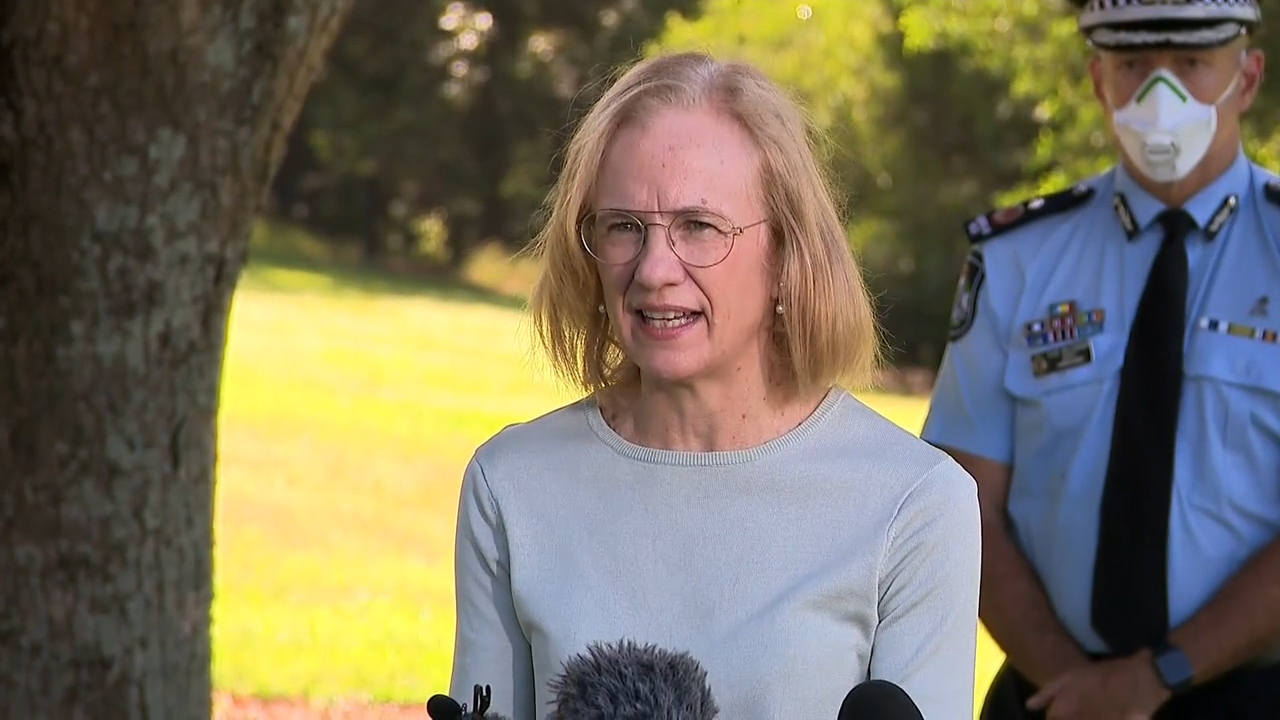
Chief health officer Jeannette Young said the new rule aimed "to protect the health and safety of Queensland residents, and interstate travellers that come into Queensland".

The measure applies to Queensland residents who are returning from interstate exposure sites or who have already returned to the Sunshine State after visiting one.

READ MORE: COVID-19 positive passenger at Brisbane airport poses 'low risk' to community

Anyone who has entered Queensland and has been to an interstate exposure venue during the specified exposure period, will be ordered to quarantine for 14 days in government-organised accommodation.

Anyone already in Queensland and who has been to an interstate exposure venue during the specified exposure period, must call 13 HEALTH (13 43 25 84) and explain their situation. They must immediately travel by private transport directly to their home or accommodation and quarantine until they receive further advice from state health authorities.

All people are encouraged to monitor the Queensland Health interstate exposure venue lists for 14 days after they arrive in the state to ensure no new venues have been added. This includes venues in New Zealand.

Interstate exposure sites are listed on each state health website.

Dr Young said anyone with symptoms, no matter how mild, should come forward and get tested immediately.

"Symptoms include fever, cough, sore throat, runny nose, fatigue, diarrhoea, nausea or vomiting, and loss of taste or smell," she said.

"As we've seen over the past couple of weeks, we're still in this pandemic and we can't be complacent.

READ MORE: Tens of thousands allowed at AFL derby as WA eases COVID-19 restrictions

"It is critical we detect any cases that we may not be aware of as quickly as possible through our testing system."

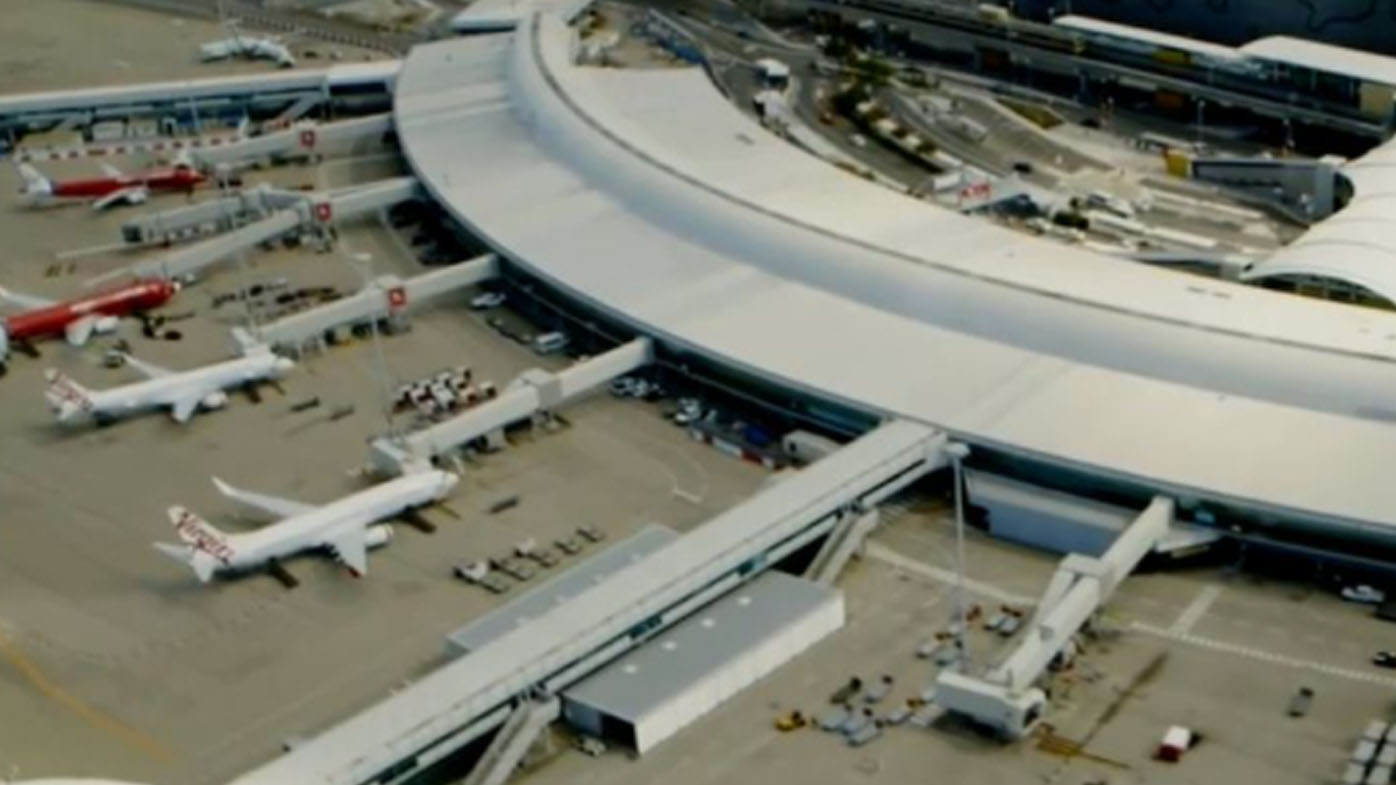
Dr Young said yesterday the risk of infection was "very low" after man tested positive to COVID-19 after unwittingly entering the green zone at Brisbane International Airport on Thursday.

Two passengers from Papua New Guinea travelling on a red flight, who had initially both tested negative, were accidentally allowed to wander into the green zone at the airport for around two hours.

One man was later revealed to be positive to COVID-19, sparking fears he could have exposed hundreds of passengers to the virus.

Risk of transmission is highest in the 48 hours before someone develops symptoms, Dr Young said, and serology results indicated the man was at the end of his illness.

She said there were no COVID-19 "variants of concern" in PNG at the time.

"I can never, ever be 100 per cent confident that even when people have followed all processes that there isn't some remaining risk. But the remaining risk is very low."

India records almost 402,000 new COVID-19 cases overnight

India has reported another 401,993 new coronavirus cases for the previous 24 hours – the first time the country has surpassed 400,000 cases in a single day.

Today's figures bring the country's total COVID-19 caseload to more than 19 million since the pandemic began, and marks the 10th consecutive day of more than 300,000 daily cases, according to a CNN tally of figures from the Indian Ministry of Health.

It's the first time any country has recorded more than 400,000 cases in a single day.

READ MORE: 'I cannot leave him to die alone': Aussie teacher torn by travel bans

India also reported another 3523 related deaths, taking its total death toll to 211,853. It is the fourth day in a row the daily number of deaths has exceeded 3000.

Vaccine rollout continues

As of yesterday evening local time, 154,854,096 vaccine doses had been administered.

A total of 27,889,889 people had received their second doses — equal to 2.1 per cent of India's population of 1.3 billion people, according to a health ministry news release.

This figure is significantly lower than the United States, where 29.8 per cent of the population are fully immunised.

India launched its vaccination drive on January 16, and expanded the program to everyone above the age of 18 from today.

However, a number of states are warning they have no shots to give.

With hospitals running out of space and India's authorities reporting more than 300,000 coronavirus cases each day, Prime Minister Narendra Modi announced last month that he would extend the vaccine rollout beyond health care workers and the country's most vulnerable in a bid to tackle India's spiralling COVID-19 crisis.

Almost 13.3 million people applied for vaccinations on the first day of registrations opening, according to the government's dedicated website, CoWIN.

But ahead of the expanded rollout, multiple states have said they are short on supply.

India

CNN has confirmed at least seven states or union territories where Saturday's rollout is being impacted by vaccine shortages. Although some are run by opposition party governments, they also include Madhya Pradesh and Gujarat, both populous states run by Modi's Bharatiya Janata Party.

During a press conference yesterday, Delhi Chief Minister Arvind Kejriwal urged citizens not to queue up for shots as the union territory, which includes the Indian capital New Delhi, has not received vaccine supplies yet.

"As soon as the vaccines come, we will make proper announcements. Only then people with appointments can start coming to the centers," he said.

Chief Minister Shivraj Singh Chouhan, from the central Indian state of Madhya Pradesh, said another 25 million doses had been ordered to meet the rollout — but those vaccines wouldn't arrive in time.

"Therefore, the over-18s vaccination program will not begin in Madhya Pradesh from May 1," he said.

The western state of Gujarat is also pushing its expanded rollout to May 15, Chief Minister Vijay Rupani announced.

Vaccination for those age 18 and above "will begin once we get substantial doses of vaccines from the pharma companies, which is likely to happen soon," Mr Rupani said in a virtual address posted on social media.

And in Andhra Pradesh state, the chief minister said Thursday the expanded rollout might not start until September, according to CNN affiliate CNN-News18.

Other states have made no mention of shifting the rollout date, even as their health authorities warn of shortages. Maharashtra, the worst-hit state, has made repeated appeals for more vaccines, with its capital Mumbai suspending all vaccinations across the city due to shortages on Thursday.

India

Vaccination difficulties

India started the year with an ambitious goal: to fully vaccinate 300 million people by August.

The vaccination program began in mid-January, but the rollout has been riddled with problems. It had a slow start, with logistical issues as well as vaccine hesitancy among the population — especially towards India's homegrown Covaxin vaccine, which was approved for emergency use before the efficacy data of its third phase trial was released.

Public confidence slowly rose and the rate of vaccination picked up — but then the second wave hit.

With demand skyrocketing, supplies quickly dwindled. There are several contributing factors to the ongoing shortages.

For one, India rapidly exported a large number of vaccine doses to other countries and through COVAX, the global initiative to provide vaccines to low-income countries. To date, India has exported 66 million vaccines.

There is also a shortage of materials, with the United States prioritising raw vaccine materials for its own domestic rollout — though the Biden administration has since said it intends to send vaccines to India.

The Indian government has scrambled to catch up, with increasing urgency as the second wave accelerate. To date, the government has purchased at least 205.5 million doses of vaccines, according to data from the Duke Global Health Innovation Centre — placing India in the top 10 vaccine buyers in the world.

On Thursday, the country's health ministry announced more than 10 million vaccines were in storage with states across India, and two million more would be distributed within the next three days.

But the delays and shortages have sparked frustration among some local authorities, who say the central government has been too slow and disorganised in its response to the crisis.

All through April, vaccination centres in various states complained of vaccine delays and shortages, with dozens forced to temporarily close.

In the state of Maharashtra, volunteer teams and health workers went door to door, bringing eligible people to get inoculated — only to be turned away at the vaccination site because there were no more shots left.

States urged the central government to send more vaccines. But the government has pushed back, claiming any shortages were due to the states' own mismanagement or inaccurate reporting.

As frustrations grow between local, state and federal authorities, patience has long run out on the ground, where the health care system is collapsing and thousands are dying each day.

Securing a steady vaccine supply with smoother nationwide distribution may be crucial to minimise the damage as the second wave sweeps the country, experts say.

"The only solution for India is to vaccinate itself out of this pandemic," said Ramanan Laxminarayan, director of the Centre for Disease Dynamics, Economics and Policy in New Delhi.

"And the world really needs to help, because if India doesn't fix this problem, the world is not done with COVID."