Category Archives: headline

Australia cuts direct flights from India after mass COVID outbreak

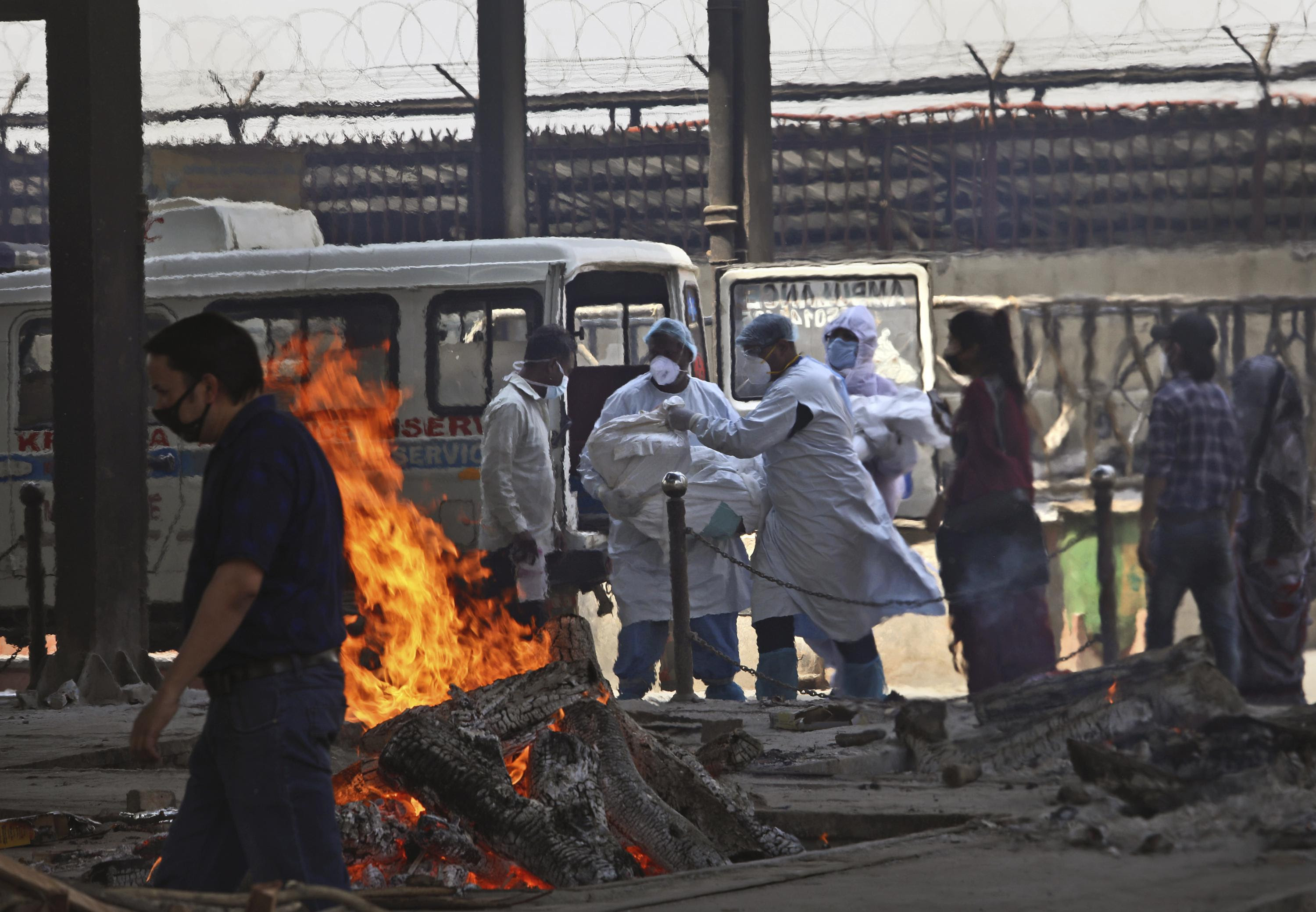
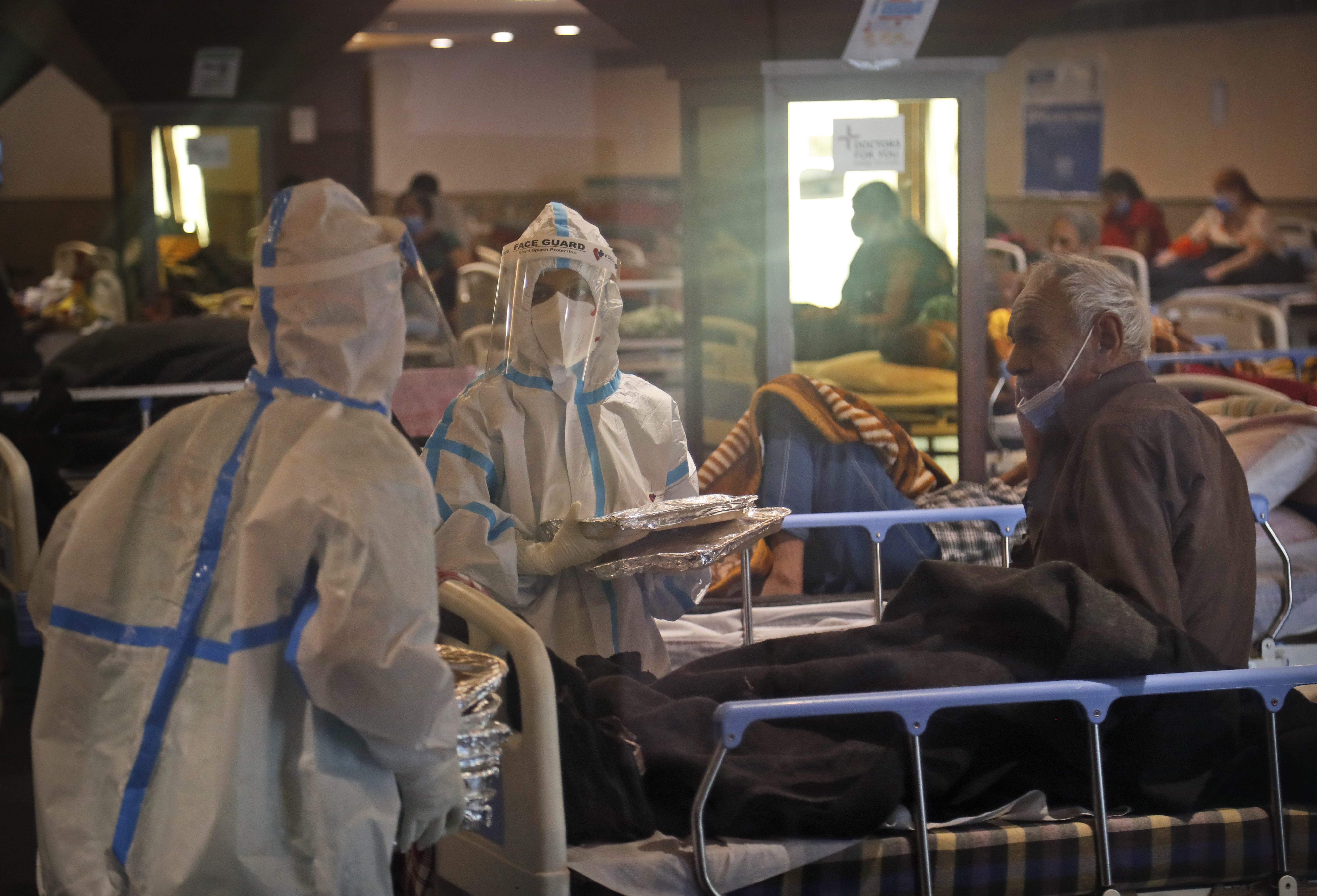
Australia will reduce flights from India, which is seeing a surge in coronavirus cases, and will also limit Australians who need to go there to "only very urgent cases".

Some flights are coming in from India to Darwin, under special arrangements, as well as to Sydney.

There are more than 34,000 Australians overseas who want to come back, including from India.
LIVE UPDATES: Latest breaking Australian and international news

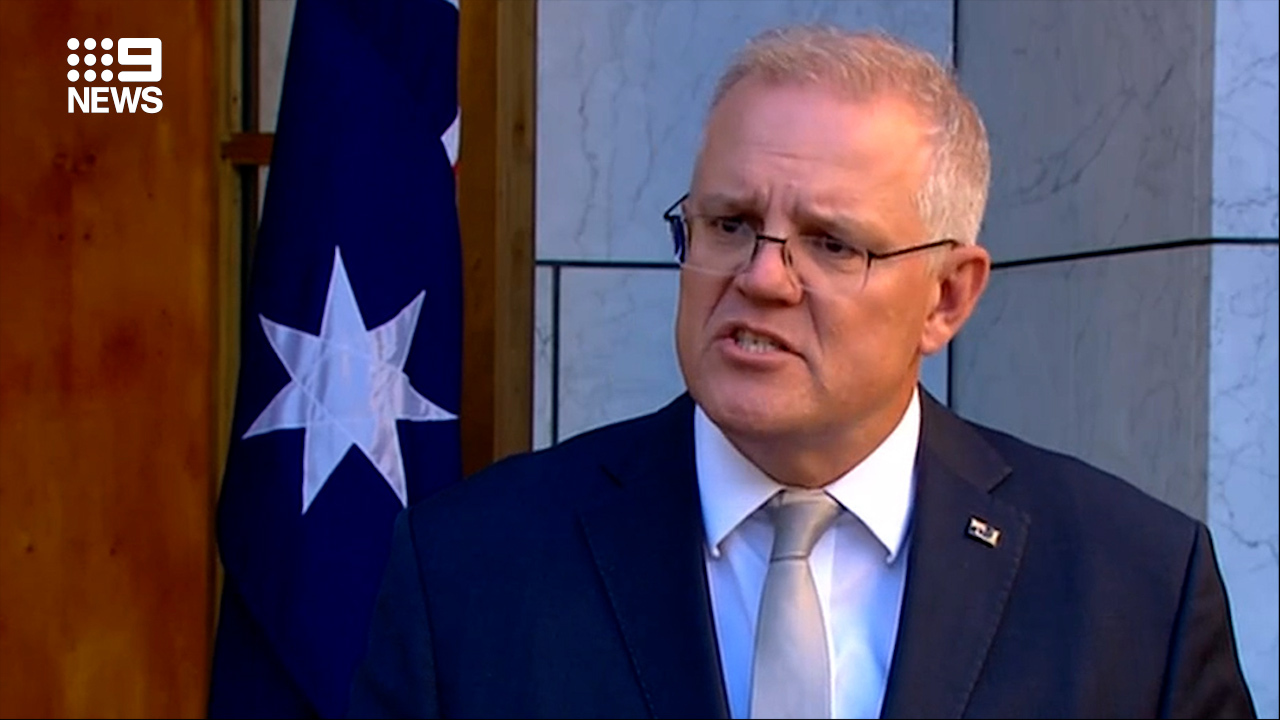
"What we have agreed to do, and this particularly relates to the chartered services we're running into the Northern Territory, we will be reducing by some 30 per cent the numbers coming through our chartered services in the months ahead," Prime Minister Scott Morrison said.

"We will also be limiting the departure exceptions for Australians travelling to high-risk countries … to India.

"So those who may have been going for family events such as weddings or sadly funerals, these were things that were restricted in Australia for Australians, in this country.

"There are some exemptions that are provided in these circumstances, and we'll be instructing the Border Force to ensure only very urgent circumstances would an exemption be permitted for someone to travel to a high-risk country."
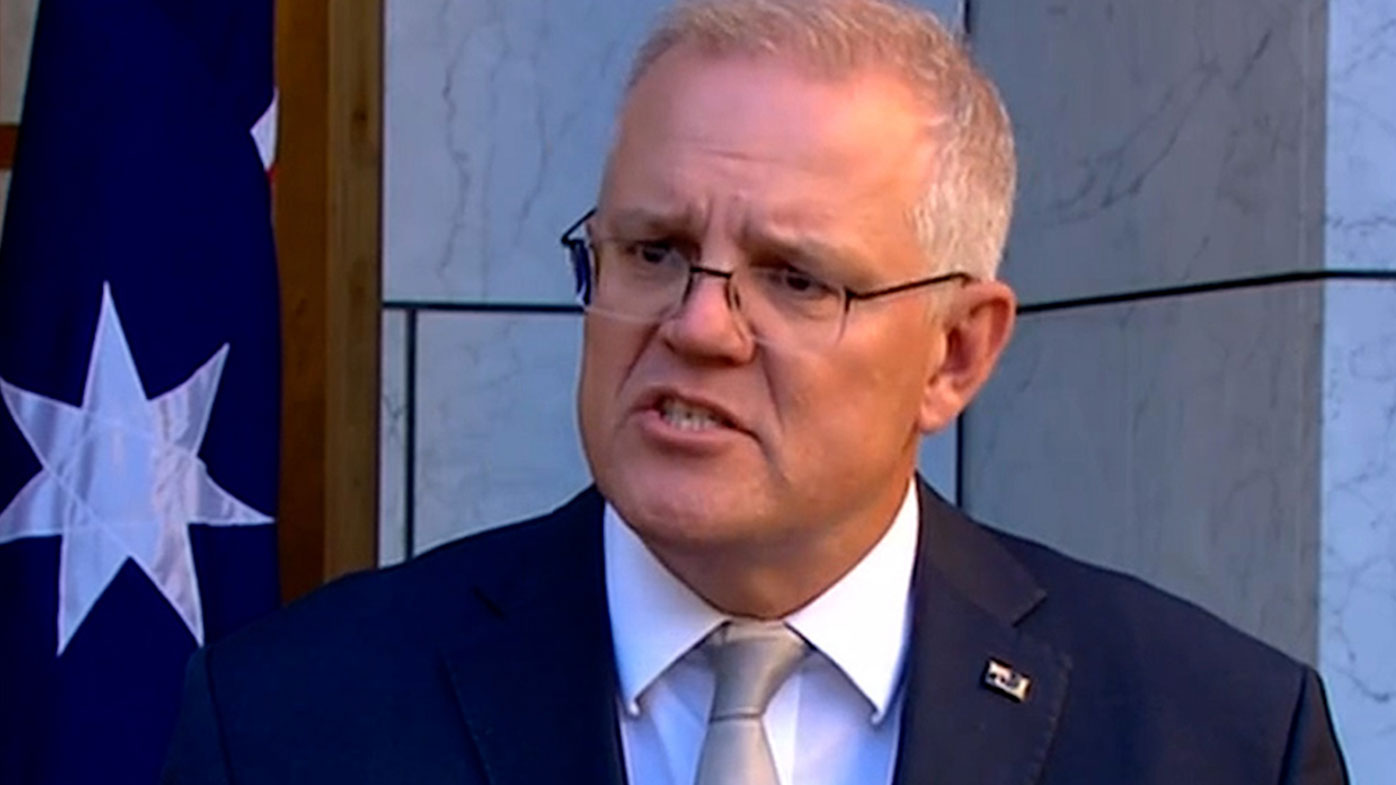
Scott Morrison.

Flights coming into Sydney from India will be cut by 30 per cent. Australians already need an exemption to go abroad and can only go for a small list of reasons.

"There are many countries in the world, the Prime Minister was talking about India, that is in very serious situations with COVID and the risk of COVID importation and outbreak in Australia is ever present," Chief Health Minister, Brendan Murphy said.

High risk countries not yet finalised

Mr Morrison said a list of high risk countries could be identified soon.

"To give you an idea about high risk countries, the UK, who allows people to enter, have got a list of red list countries that only residents, only citizens can return from," he said.

"While we're not adopting that list, it gives you somewhat of an idea of the type of approach we'll be seeking to put in place from those high risk countries.

"The chief medical officer working with others and DFAT will be seeking to put a list of high risk countries in place."
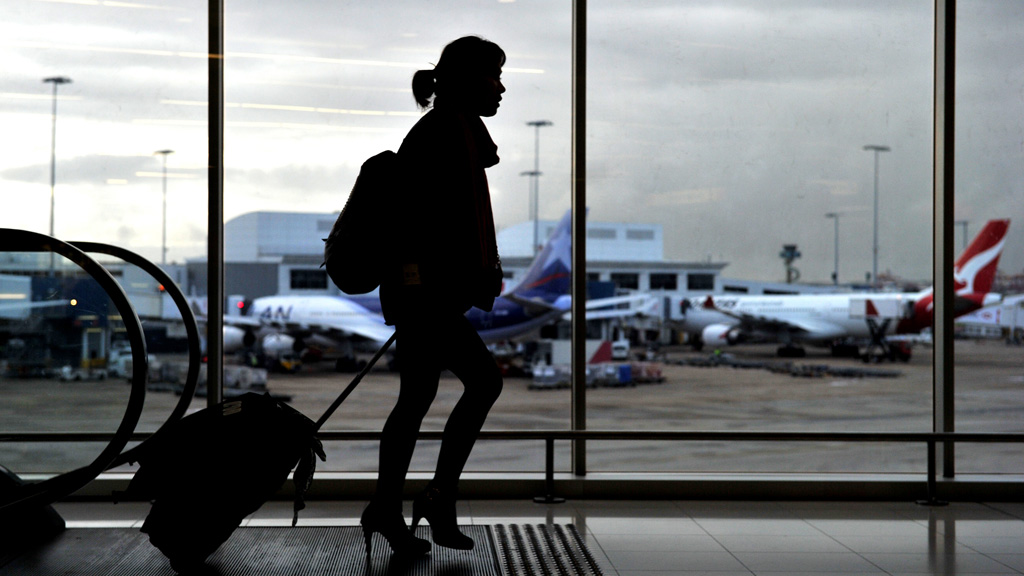
A passenger walks through the international terminal at Sydney Airport. (AAP stock)

Other flights could be reduced

More flights could be cut from other high risk countries, the PM said.

There are new rules for testing for Aussies coming home from 'high risk' countries.

People need to have had a PCR coronavirus test 72 hours before leaving.

That is in addition to other testing rules, including by airlines.

'Not something we could ignore'

The PM has been asked about the flights being cut, despite thousands of expats still trapped in India.

India is one of the main countries Aussies are stuck, including dual citizens.

Everybody who returns has to do strict hotel quarantine, but he said there has been an increase in people with the virus arriving in Australia from India.

"It reflects that we're in the middle of a global pandemic that is raging," he said.
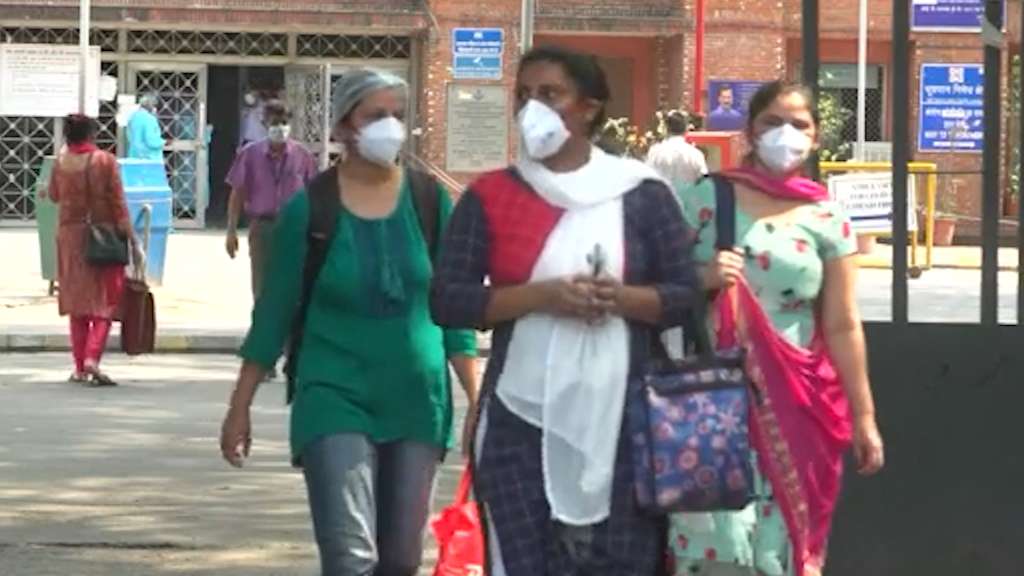
India's second Covid wave hits like a 'tsunami'

"And Australia has been successful throughout this pandemic, working together with the states and territories, to have very effective border arrangements.

"Countries that didn't follow that practice have found themselves in the situation they're in.

"Australians are living like few others anywhere else in the world.

"We take those border arrangements very seriously.

"This is a way of matching that risk.

"We have seen the proportion of total cases from that one particular cohort from about 10 per cent to 40 per cent of cases.

Australian testing requirements to change

Australia will change testing requirements for people returning from badly hit countries overseas.

Mr Morrison said if people have been in a 'high-risk country' for 14 days, they will need a PCR test- a common type of COVID test – 72 hours before leaving the last place they got on a plane to come to Australia.

The high risk list which has not yet been identified except for Morrison indicating it would include India.

People already need to have a negative virus test before boarding a flight, plus are tested twice in hotel quarantine, but this will be an extra rule.
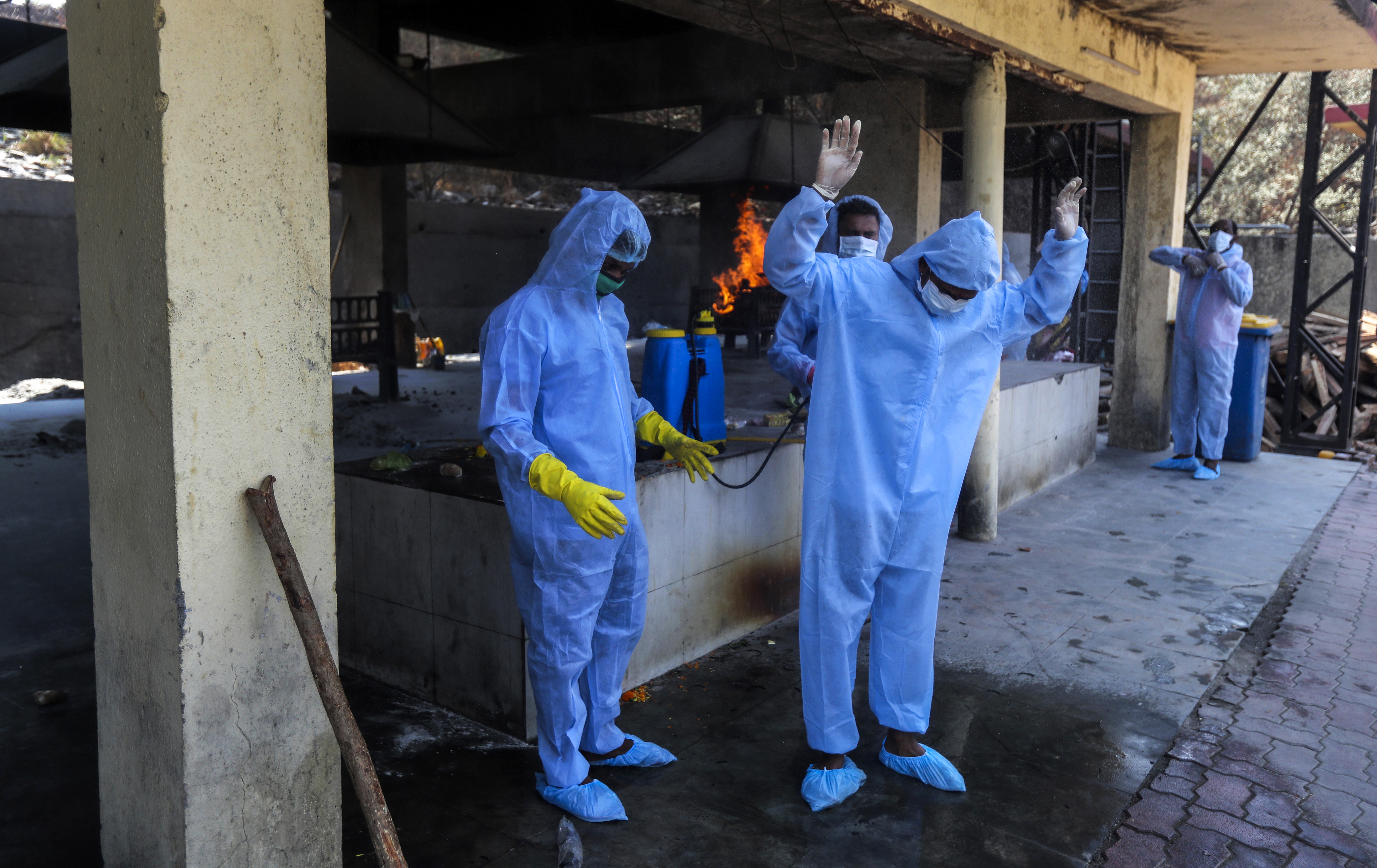
"That means if people change planes somewhere, they would need to stop and do a test," he said.

"We have to work through with officials and others before we put this in place but in the interests of transparency – we're saying in that last point of embarkation which would be Doha or Singapore or Kuala Lumpur, you would need a PCR test 72 hours before that takes place."

He said Sydney has direct flights from India but other Australian cities don't.

Only Australian citizens and residents and their families can fly in, unless people get special permission.

"That's not something we could ignore.

"We have been working hard to get Australians home, particularly since last September.

"And there will continue to be the opportunity for those to return from places like India, but in very controlled circumstances."

He said he expects an update on flights from India to Sydney within 24 hours.

READ MORE: India sets new global record for daily COVID-19 cases

Over 1.8 million Australians vaccinated so far

Mr Morrison said just over 1.8m people have been vaccinated in the nation now, including his mum, who is among the over 70s group who can go for vaccinations.

That includes more than 67,000 people in 24 hours, with numbers of about 60,000 each day.

He said the vaccination program has ramped up since GPs started giving jabs out too.

He said Australia is pulling ahead of regions like France, Italy, New Zealand and Canada at the same time of their vaccination rollout.
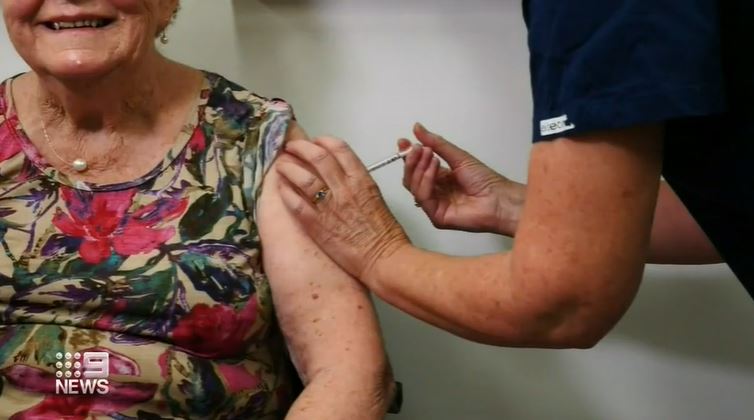
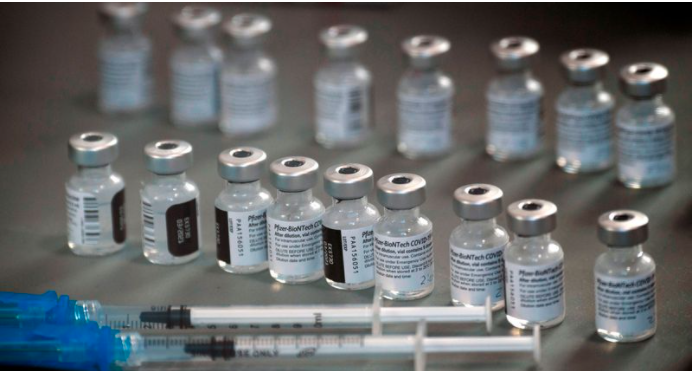
COVID vaccine.

He said National Cabinet has agreed Pfizer doses will be prioritised for those under 50 who qualify now for vaccinations, such as health workers.

Leaders agreed AstraZeneca vaccines will be brought forward for over 50s from May 3 at special respiratory clinics.

From May 17, GPs will get them too.
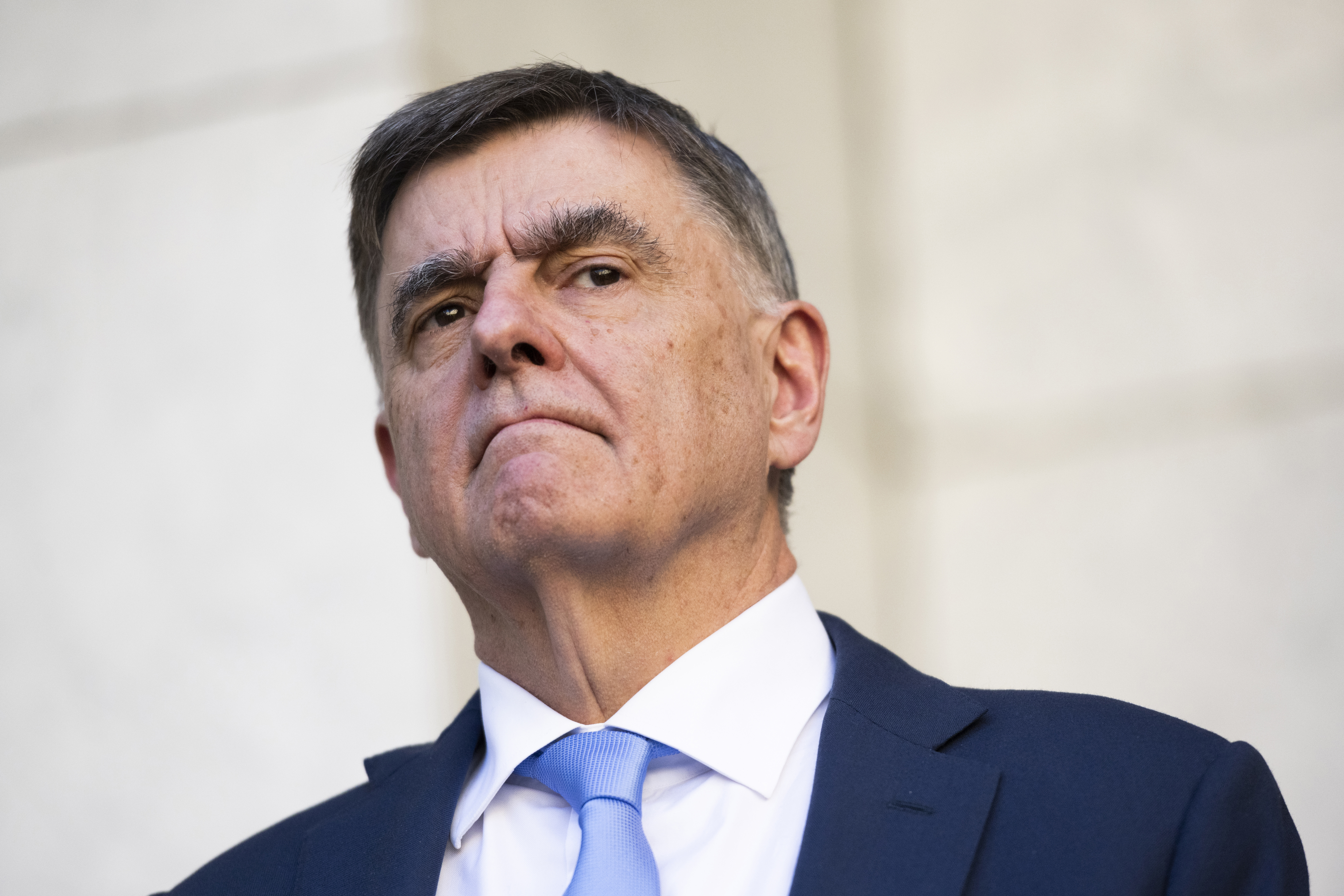
Pfizer vaccine restricted to Australians under 50

The Federal Government has limited the COVID Pfizer vaccine to Australians aged under 50.

Speaking after National Cabinet today, Secretary of the Department of Health Brendan Murphy said the Pfizer vaccine is "restricted to those under 50", despite earlier advice that it was "recommended" for that age group.

"With a few exceptions, Pfizer is now restricted to those under 50," he said.

READ MORE: India sets new global record for daily COVID-19 cases

"But people always have a choice and more Pfizer will be available later in the year. At this stage we will not be making Pfizer available to those 50 and over."

"(For over 50s) we recommend AstraZeneca, the risk-benefit for over 50 is vastly in favour of being vaccinated."

Professor Murphy said the vaccine rollout was going well and aged care residents were "almost done".

"We have to finish off residential aged care. It's nearly finished," he said.

"Only a few more weeks to go and we have efficient teams going in there giving Pfizer to our aged care residents.

"We will soon have them completely protected and they are the single most high-risk group in this country and all around the world from COVID."

READ MORE: Health experts warn against flu shot complacency as numbers expected to flare up this year

Professor Murphy confirmed people aged over 50 will be able to receive AstraZeneca vaccine as soon as May.

Prime Minister Scott Morrison confirmed that the Pfizer vaccine will be prioritised for people under 50.

"Once again we enforce that Pfizer would be prioritised, the doses available for those under 50 and those 1A and 1B groups.

"They will also be prioritised to those in residential aged care facilities and disability care in remote and very remote locations, and for quarantine and those essential front-line workers who are working in those areas which are vaccinated by the states and territories," Mr Morrison said.

Professor Murphy gave more details on changes to the vaccine rollout, which will see people aged 50-70 allowed to book in.

READ MORE: Bunnings 'open' to using warehouses as vaccination hubs

Pfizer has responded to reports a Queensland police officer was hospitalised in Brisbane with blood clots three days after receiving the companies coronavirus vaccine.

That's because many under 50s who qualify now, such as health workers, are opting not to have their the AstraZeneca vaccine because of the very rare chance of blood clots.

Officials earlier said people were eight times more likely to get blood clots from coronavirus itself.

"We also now have the capacity because we're not giving under 50s AstraZeneca in the GP clinics and in some of the state clinic," he said.

"We have the capacity to bring forward some of the other people in phase 2A who would have access to AstraZeneca, those between 50 and 70, for people 50 and over can get access to AstraZeneca in coming weeks.

READ MORE: 'There's no end goal': Expats' heartbreak over COVID-19 border closures

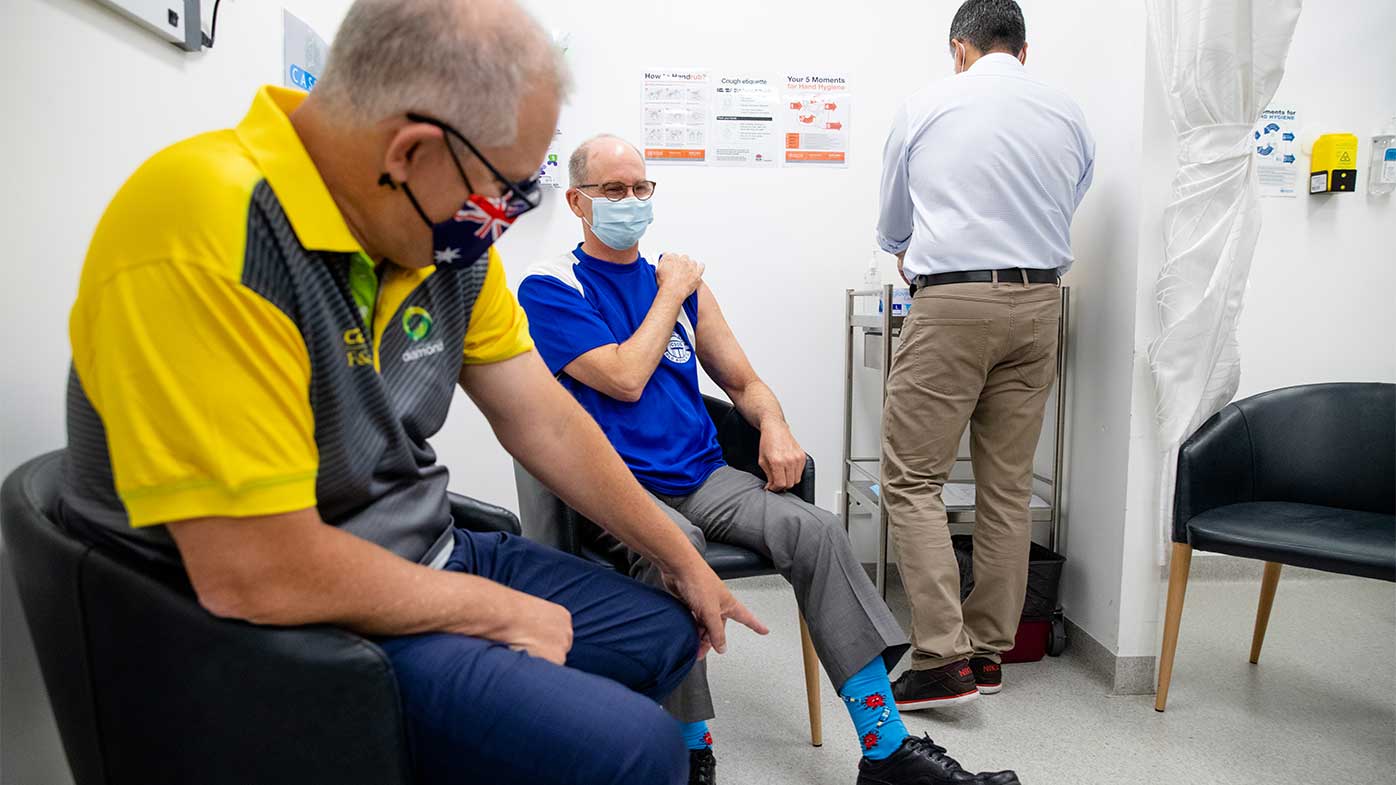
Scott Morrison and Dr Paul Kelly getting their second Pfizer vaccine at a GP clinic in Castle Hill, Sydney.

"We hope that Australians heed the call to come out and get vaccinated," Professor Murphy said.

He added the risk factor was "vastly" in favour of getting vaccinated.

"I think our over 70s are getting the message that the risk of COVID is far, far, far greater than this very rare condition," he said.

He said three suspected or confirmed cases of blood clots have occurred in Australia from the 1.8m people who have been vaccinated.

Those instances had the AstraZeneca vaccine and were people aged under 50.

Haiti Lottery Scandal Forces Chief’s Resignation

The director of Haiti’s State Lottery has resigned after a finance report revealed potential misappropriation of funds at the agency.

The lottery’s employee union, which earlier complained about not being paid for three months, had accused General Manager Margareth Fortuné of embezzlement. The government’s anti-corruption unit then searched the state’s lottery on Tuesday.

Fortuné had been the lottery manager since 2016. Source

address will not be published. Required fields are marked *

The post Haiti Lottery Scandal Forces Chief’s Resignation appeared first on The St Kitts Nevis Observer.

Internal review to probe Kelly Wilkinson's interactions with police before death

Kelly Wilkinson's interactions with police in the days before she died will be subject to an internal police review as questions remain as to how and why her accused killer was on bail.

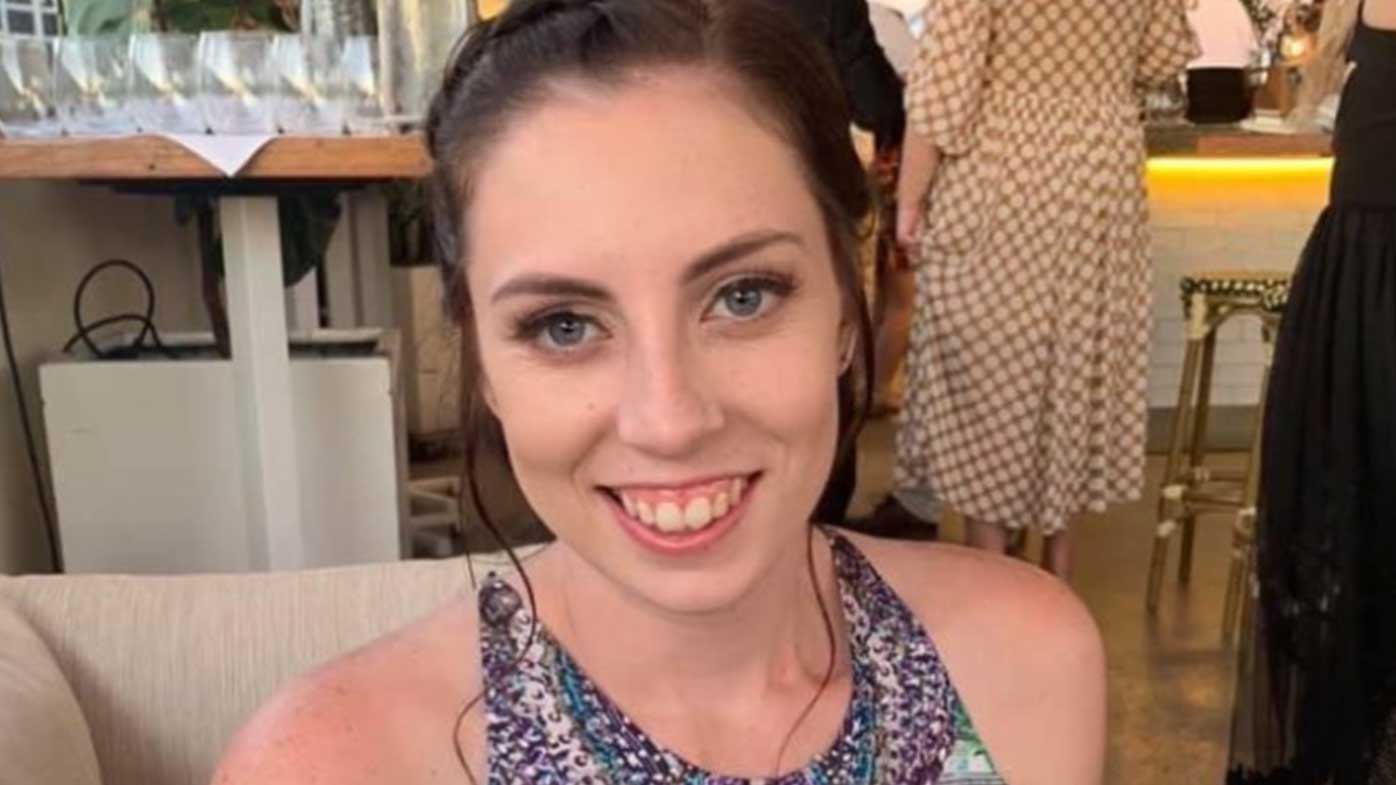
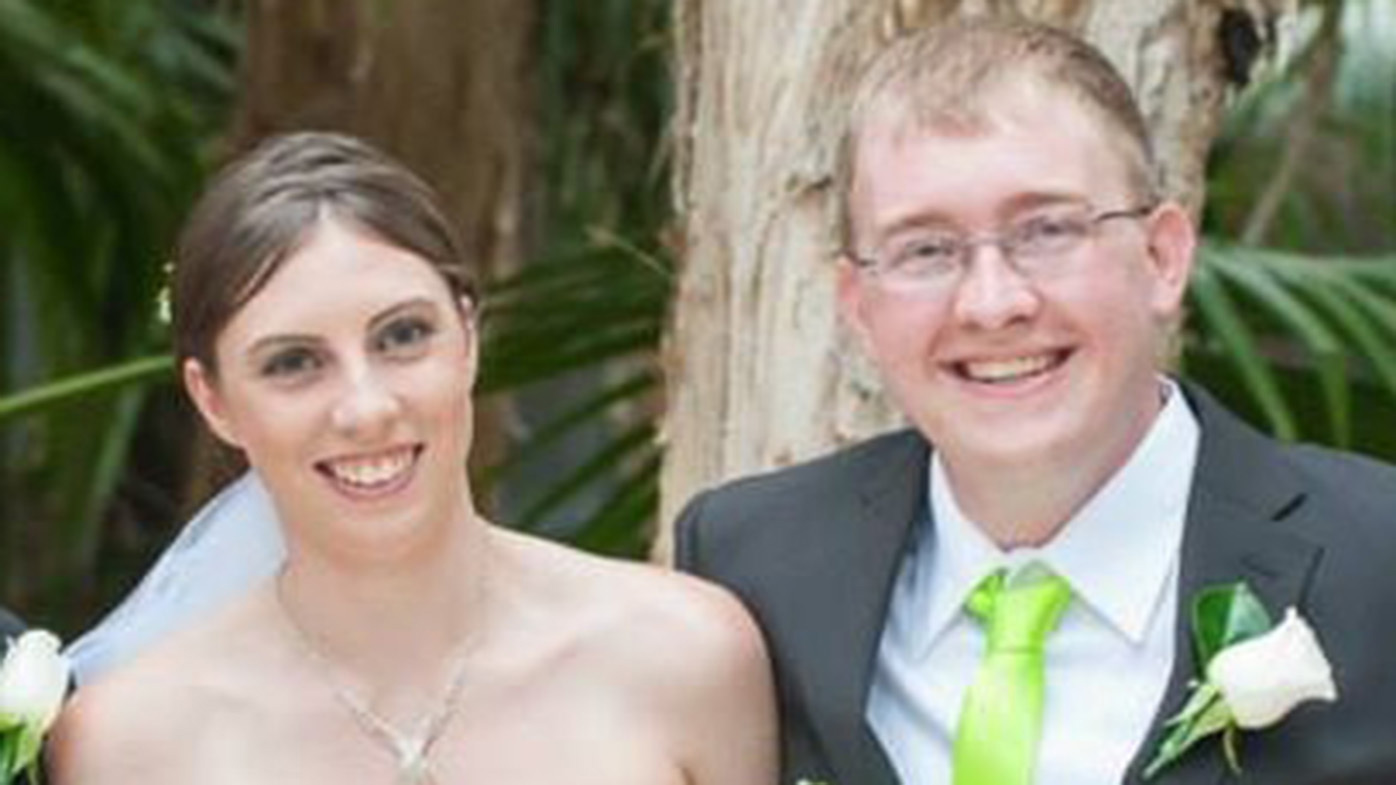
The 27-year-old mother-of-three was allegedly murdered at her home at Arundel on the Gold Coast on Tuesday morning by her estranged partner Brian Johnston, who was released on bail just eight days earlier.

Assistant Commissioner Brian Codd today said the review would run alongside but separate to a coronial investigation and the criminal investigation currently underway.

READ MORE: Thousands raised for Kelly Wilkinson's children

Kelly Wilkinson was allegedly murdered by her estranged partner.

"Somewhere along the line she had engaged with the system. With us. And we were unable to prevent that from happening," Assist. Comm. Codd said today.

"It doesn't matter that 999 times out of a thousand, we get it right. Our job is to try and prevent the horrific circumstances that occurred on this occasion from occurring. We weren't able to do that.

"Ultimately it's a failure, a woman has died.

It doesn't matter that 999 times out of a thousand, we get it right. Our job is to prevent the horrific circumstances that occurred on this occasion from occurring. We weren't able to do that.

"The circumstances around bail decisions will certainly be part of the review that we will be undertaking."

Assist. Comm. Codd leads the Domestic and Family Violence Vulnerable Persons Command which was set up in February after Queensland woman Doreen Langham and her partner died in an apparent murder-suicide in Browns Plains.

Kelly Wilkinson and Brian Johnston.

Prime Minister's 'profound sorrow'

Today Prime Minister Scott Morrison was asked about the alleged murder of Ms Wilkinson as well as the death of a man and a baby girl near the Barossa Valley in a suspected murder-suicide.

"My response is one of profound sorrow," he said.

"Like it would be for all Australians. These are horrific and sadly they're not the first of these sorts of terrible and awful events that have taken place."

READ MORE: Australia cuts direct flights from India after COVID-19 outbreak

Mr Morrison went on to say governments are continuing to invest in ending violence against women.

"It is truly awful," he said.

"And my heart is profoundly sad at this terrible event and of the impact on the families that are involved, the friends, the trauma of this will be unspeakable.

"And we must continue to just further increase our efforts to do all we can in these circumstances.

"The events that lead to this is hard to understand and how people can take these such violent and appalling acts, but it is something our society has been sadly living with for too long.

"We'll try and prevent it and do all we can. The work that's done in the community is so important to that end. There are people who work in this area.

"Whether they're on the end of phone lines or working in the community, these services are incredibly important.

"There are so many contributing factors. They are incredibly complex issues," he said.

US Coast Guard in Major Maritime Drug Busts

by

5The USCG revealed on Tuesday that the crew of Coast Guard Cutter Tampa successfully offloaded some 5,500 pounds (2,495 kilograms) of cocaine in Miami, Florida, following an interception well over a week ago.

In a separate bust, the aircrew of US Coast Guard (USCG) MH-60T Jayhawk intercepted a vessel transporting almost 1,052 pounds (477 kilograms) of cocaine near Puerto Rico. The seized haul, valued around $20 million, was offloaded at USCG Sector San Juan by Coast Guard Cutter Richard Dixon.

Agents conducting a maritime patrol flight reportedly spotted a “low profile vessel” near the coast of Punta Gallinas, Colombia, on April 9 and alerted a fellow law enforcement team of the vessel.

Video of the interdiction was also released by the service.

Soon after, the crew of Coast Guard Cutter Tampa discovered 87 bales of cocaine, with an estimated street value of $94.6 million.

Three suspects were detained and their “vessel was destroyed as a hazard to navigation.”

Coast Guard Cutter Tampa's crew offloaded approximately 5,500 pounds of cocaine, worth an estimated $94.6 million at Base Miami Beach, Miami, Florida, April 20, 2021. The interdiction was the result of multi-agency efforts in support of U.S. Southern Command's enhanced counter-narcotics operations in the Western Hemisphere, the Organized Crime Drug Enforcement Task Force (OCDETF) and High Intensity Drug Trafficking Area (HIDTA) programs, and the Caribbean Corridor Strike Force (CCSF).
USCG/Chief Petty Officer Charly Henge
Coast Guard Cutter Tampa’s crew offloaded approximately 5,500 pounds of cocaine, worth an estimated $94.6 million at Base Miami Beach, Miami, Florida, April 20, 2021. The interdiction was the result of multi-agency efforts in support of U.S. Southern Command’s enhanced counter-narcotics operations in the Western Hemisphere, the Organized Crime Drug Enforcement Task Force (OCDETF) and High Intensity Drug Trafficking Area (HIDTA) programs, and the Caribbean Corridor Strike Force (CCSF).

“This event is the perfect example of numerous key partners unifying our efforts to counter transnational criminal organizations who look to exploit the maritime environment,” said Lt. Cmdr. Jason Neiman, public affairs officer for the USCG’s Seventh District.

The release highlights that suspects taken into custody are provided, shelter, food, water and “basic medical attention.” Furthermore, USCG crew members reportedly donned personal protective equipment to minimize risk of COVID-19 exposure.

“The suspects are reported to be in good health,” USCG claimed.

The same cannot be said for the cocaine trafficking suspects apprehended some 45 miles north of Aguadilla, Puerto Rico, on April 17, as “one of the suspected smugglers was injured and needed to be medevaced,” according to a news release on the haul.

All three of the suspected smugglers were from the Dominican Republic and may face drug trafficking charges via the US Attorney’s Office for the District of Puerto Rico.

A total of 18 bales of cocaine were offloaded. The USCG estimates the street value of the haul to be around $20 million.

The Coast Guard Cutter Richard Dixon crew offloaded nearly $20 million in seized cocaine at Coast Guard Base San Juan Tuesday, following the interdiction of a suspected drug smuggling vessel, approximately 45 nautical miles north of Aguadilla, Puerto Rico.
USCG
The Coast Guard Cutter Richard Dixon crew offloaded nearly $20 million in seized cocaine at Coast Guard Base San Juan Tuesday, following the interdiction of a suspected drug smuggling vessel, approximately 45 nautical miles north of Aguadilla, Puerto Rico.

“Stopping illegal drug trafficking vessels like the one interdicted Saturday is inherently dangerous and involves a high level of skill and risk,” said Capt. Gregory H. Magee, commander of USCG Sector San Juan.

AJ Collazo, a special agent with the US Drug Enforcement Administration, noted “more seizures like this one can be expected” as US federal law enforcement agencies continue to investigate alleged transnational criminal operations out of South American, the Dominican Republic and Puerto Rico.

The post US Coast Guard in Major Maritime Drug Busts appeared first on The St Kitts Nevis Observer.

World View: US Police Chiefs Hail Chauvin Verdict, India’s Record Virus Cases, US Rejoins Climate Fight, More

April 22, 2021

Alternate text

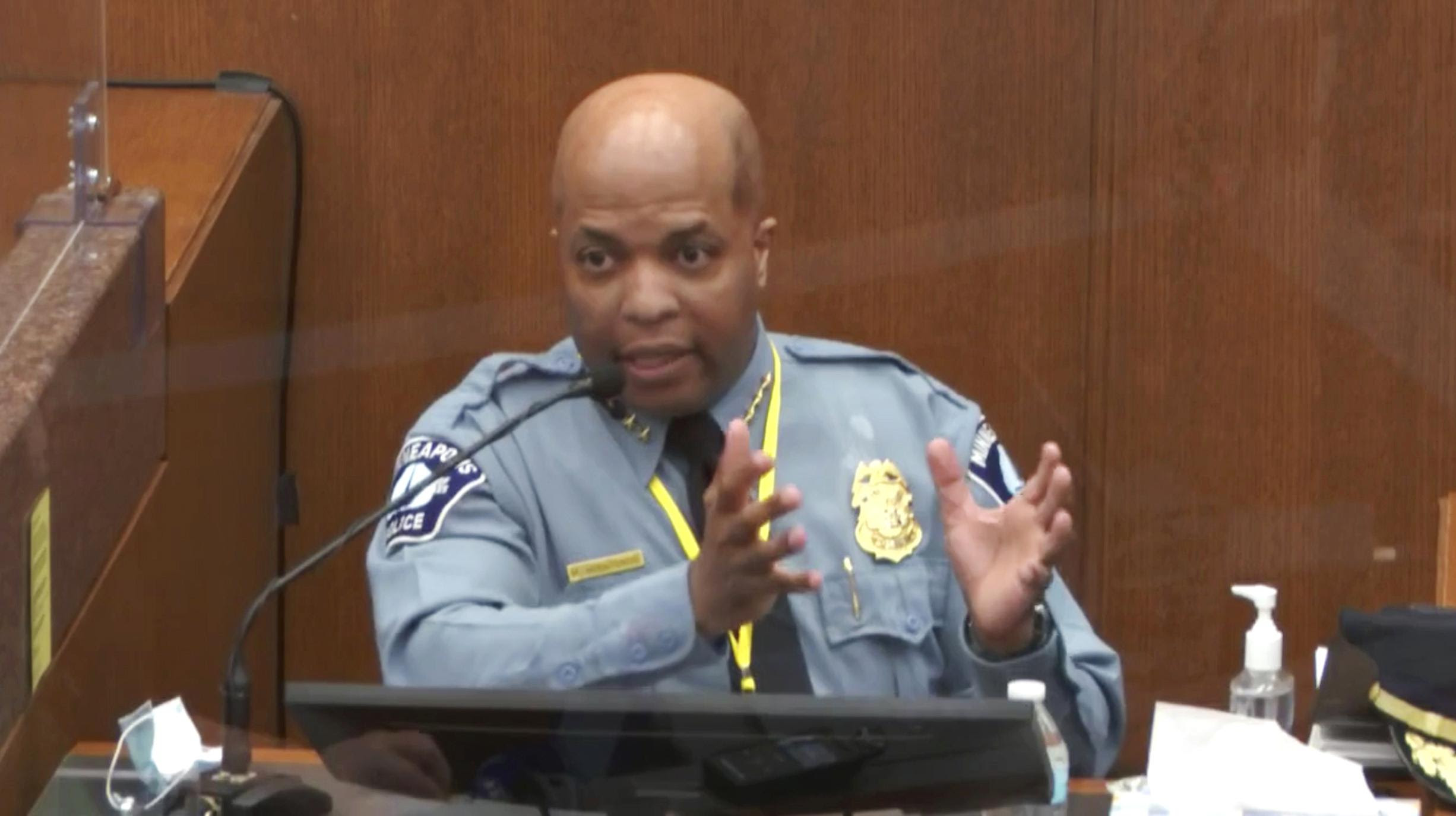
Police chiefs across the U.S. say Minneapolis police officer Derek Chauvin’s conviction for the death of George Floyd is a step toward restoring trust in the justice system.

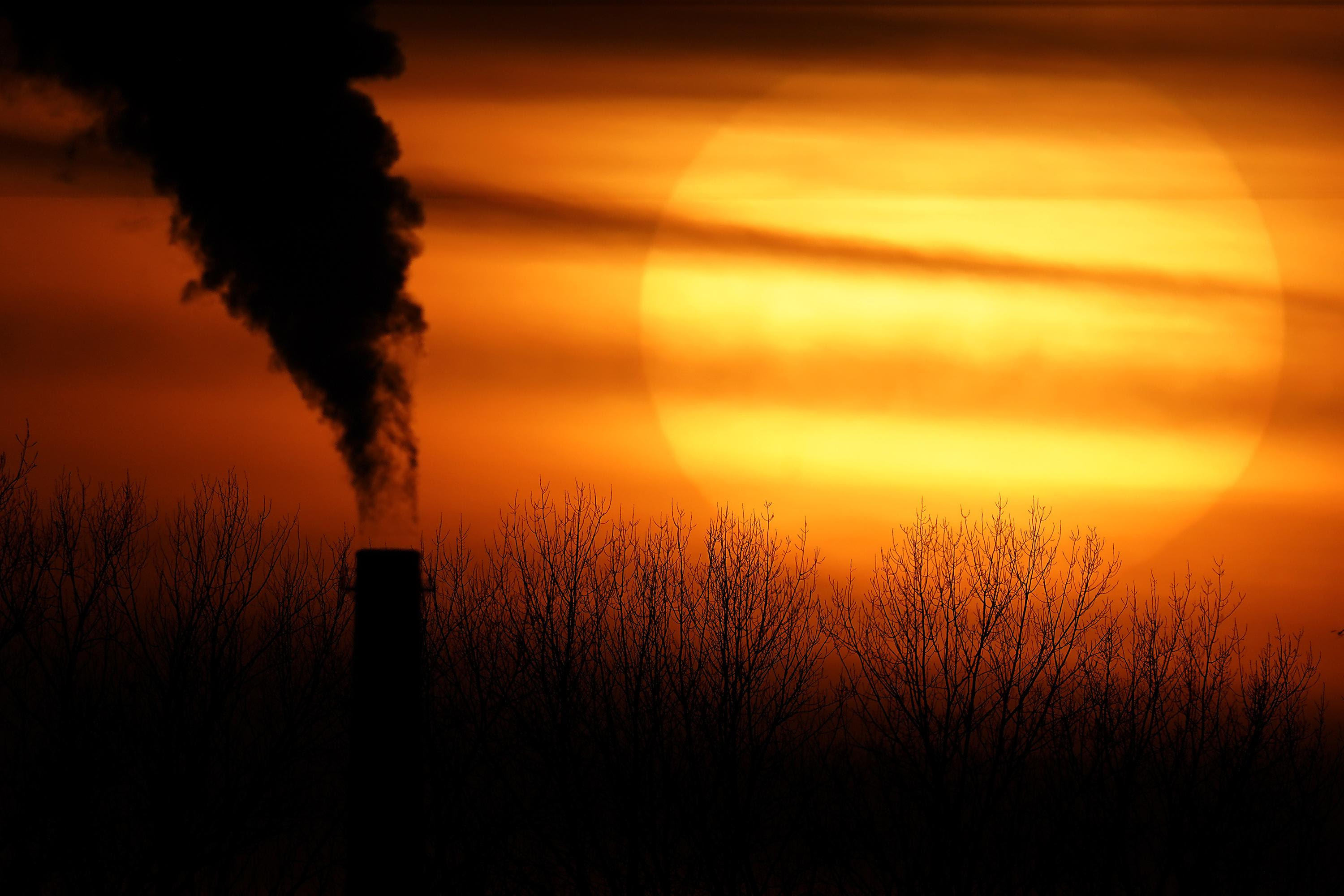
President Joe Biden is convening a virtual summit to rally the world’s worst polluters to move faster against climate change.

In India, where authorities not long ago thought the worst of the pandemic was behind them, infections are now soaring to record levels, pushing health systems to the breaking point. AP explains the situation.

Also this morning:

  • Indonesia searches for missing sub that may be too deep to retrieve
  • US officials say Biden preparing to recognize Armenian genocide
  • Burning Man organizers consider vaccine requirements

KARL RITTER

Southern Europe News Director

The Associated Press

Rome

The Rundown

I'm an image

Not long after a jury convicted former Minneapolis Police Officer Derek Chauvin of killing George Floyd, police chiefs across the U.S. started speaking up. And it wasn’t to defend the police. New Orleans Police Superintendent Shaun Ferguson said…Read More

I'm an image

Just as the guilty verdict was about to be read in the trial of former Minneapolis police officer Derek Chauvin, police in Ohio shot and killed a Black teenager in broad daylight during a confrontation. The shooting of Ma’Khia Bryant, 16, who was…Read More

I'm an image

WASHINGTON (AP) — President Joe Biden is convening a coalition of the willing, the unwilling, the desperate-for-help and the avid-for-money for a global summit Thursday aimed at rallying the world’s worst polluters to move faster against climate …Read More

I'm an image

NEW DELHI (AP) — The world’s fastest pace of spreading infections and the highest daily increase in coronavirus cases are pushing India further into a deepening and deadly health care crisis. While India is massive — it’s the world’s second-most …Read More

I'm an image

NEW YORK (AP) — How long does protection from COVID-19 vaccines last? Experts don’t know yet because they’re still studying vaccinated people to see when protection might wear off. How well the vaccines work against emerging variants will also de…Read More

OTHER TOP STORIES

AUSTIN, Texas (AP) — George Floyd’s killing last year and the protests that followed led to a wave of police reforms in dozens of states, from changes in use-of-force polic…Read More

WASHINGTON (AP) — President Joe Biden is facing calls to recognize the Armenian genocide of more than a century ago, something he pledged to do as a candidate but that coul…Read More

JAKARTA, Indonesia (AP) — The search for a missing Indonesian submarine on Thursday focused around an oil slick north of the resort island of Bali with help from Australia,…Read More

RENO, Nev. (AP) — Burning Man organizers have said that they are considering requiring attendees to prove they have been vaccinated for COVID-19 if the organizers move forw…Read More

The post World View: US Police Chiefs Hail Chauvin Verdict, India’s Record Virus Cases, US Rejoins Climate Fight, More appeared first on The St Kitts Nevis Observer.

US driver killed by exploding air bag inflator

A driver in the US state of South Carolina is the latest person to be killed by an exploding Takata air bag inflator.

Honda said on Wednesday that a faulty driver's air bag blew apart in a crash involving a 2002 Honda Accord in Lancaster County, South Carolina.

The company wouldn't give details of the crash on January 9 near Charlotte, nor would it identify the person who was killed.

READ MORE: More than 6000 Toyota Corolla vehicles added to Takata airbag recall

Honda officials and the US National Highway Traffic Safety Administration inspected the car and the air bag parts on Wednesday and determined that the inflator had ruptured, the company said.

The death is the 19th in the US since 2009 and the 28th worldwide caused by the faulty inflators.

Takata used volatile ammonium nitrate to create a small explosion to inflate air bags in a crash.

READ MORE: More than 155,000 cars on Aussie roads still have deadly Takata airbags

But the chemical can become more volatile over time when exposed to moisture in the air.

The explosion can blow apart a metal canister and hurl shrapnel into the passenger compartment.

The problem caused the largest series of auto recalls in US history, with at least 63 million inflators recalled.

The US government says that as of last year, more than 11.1 million had not been fixed. About 100 million inflators have been recalled worldwide.

Most of the deaths have been in the US, but they also have occurred in Australia and Malaysia.

Honda said it has shared all the information it has with NHTSA and will continue to cooperate in the latest investigation.

The company said the Accord in the South Carolina crash was recalled in April 2011.

Starting in June of 2011, the company made more than 100 attempts to reach owners of the car including mailed notices, phone calls, emails and even in-person visits, the statement said.

“Our records indicate that the recall repair was never completed,” the statement said.

The company said the driver who was killed was not the registered owner of the Accord, and Honda does not know if the driver knew about the unrepaired recall.

The car has changed ownership several times, most recently in October of 2020, Honda spokesman Chris Martin said.

The company sent the current owner a recall notice on November 17, 2020, Mr Martin said.

Honda says it has adequate supplies of replacement inflators, and it is urging people to get recall repairs done, especially of older models.

The recalls drove Japan’s Takata into bankruptcy and brought criminal charges against the company.

Eventually it was purchased by a Chinese-owned auto parts supplier.

A Look at Cuba’s New Post Castro Leader

Havana (CNN) The shift in power away from Cuba’s Raul Castro is finally afoot.

The country’s Communist Party hierarchy on Monday selected Cuban President Miguel Diaz-Canel to the powerful position of First Secretary, replacing Raul Castro after he announced his retirement last week.

As head of state and leader of the only political party permitted by law on the island, Diaz-Canel must chart the course forward for the Cuban revolution, now that the guerrilla comandantes who seized power in 1959 have all died or aged.

“Comrade Raul will be consulted on the most important strategic decisions of greatest weight for the destiny of our nation. He will always be present,” Diaz-Canal said of Castro, as he accepted the new position.

Born in 1960, the same year the Castro family nationalized all US-owned property in Cuba, Diaz-Canel exudes neither Fidel’s charisma nor Raul’s authority. While he did a three-year stint in the army, unlike the Castros, Diaz-Canel is a pencil-pushing bureaucrat rather than an olive-green-uniformed revolutionary. That said, he will make history as the first Cuban at the helm of the government and communist party not named Castro.

And knowing how to navigate Cuba’s dysfunctional bureaucracy may prove to be a more vital skill than commanding a battalion as even many of Raul Castro’s signature proposals—remaking the port of Mariel into a manufacturing hub and unifying Cuba’s two currencies—became ensnared in the bog of red tape that seems to plague every endeavor pursued by the Cuban government.

The new Cuban leader has made climbing the ranks in the communist-run system his life work, while enjoying Raul Castro’s enduring full-throated support.

“Diaz-Canel is not the fruit of improvisation but a thought-out selection of a young revolutionary with the conditions to be promoted to superior offices,” Castro said in his speech on Friday at the Communist Party Congress, which was convened to select the aging revolutionary’s replacement.

The Castro legacy

Since taking over the Cuban presidency in 2018, Diaz-Canel has put forward the image of a younger, more dynamic leader‚ one who posts messages on social media and reads from a tablet at government meetings. His policies, however, have been as conservative if not more so than Raul Castro’s. It’s a strategy bent on assuring the elder generation still occupying key political positions that he will not undermine their revolution.

The post A Look at Cuba’s New Post Castro Leader appeared first on The St Kitts Nevis Observer.

Reality TV star Suzi Taylor found not guilty in extortion trial

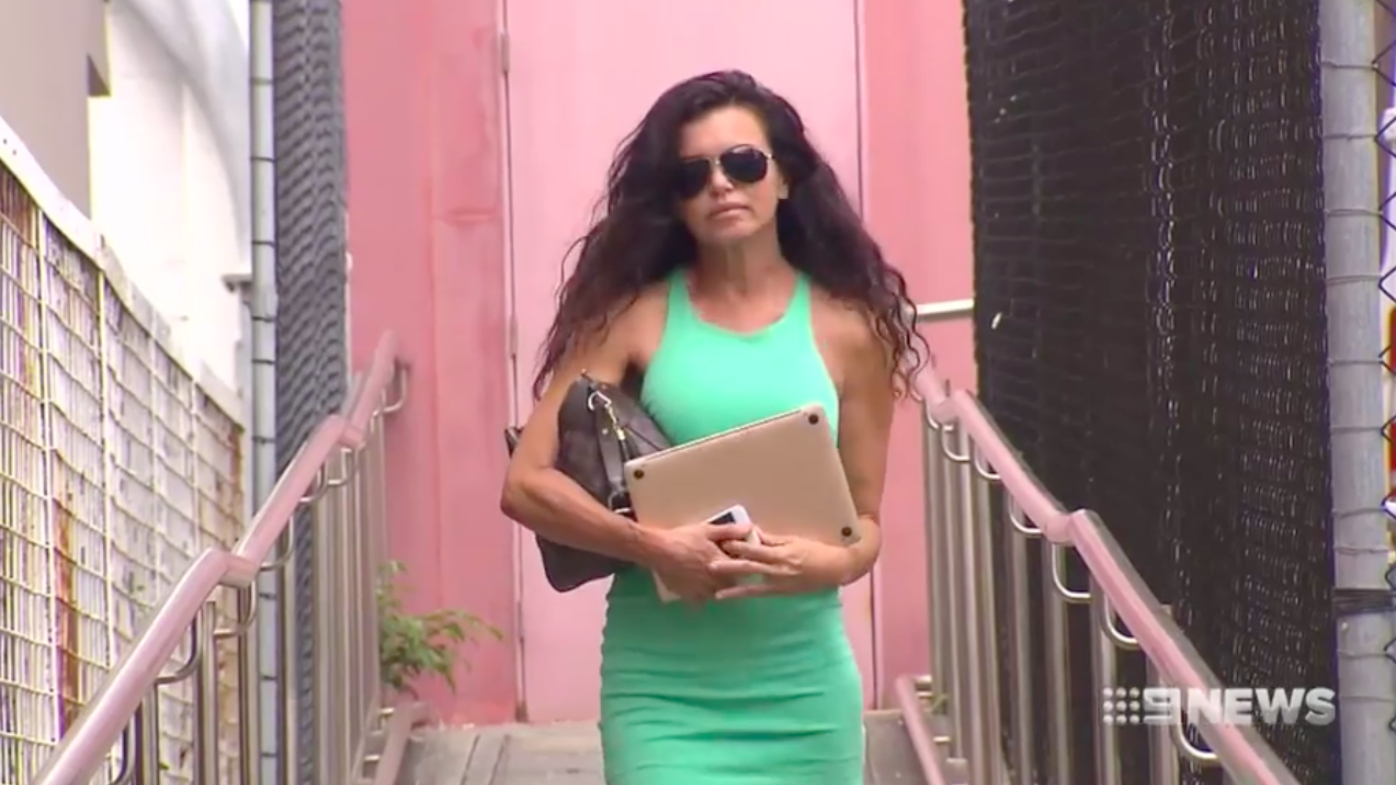
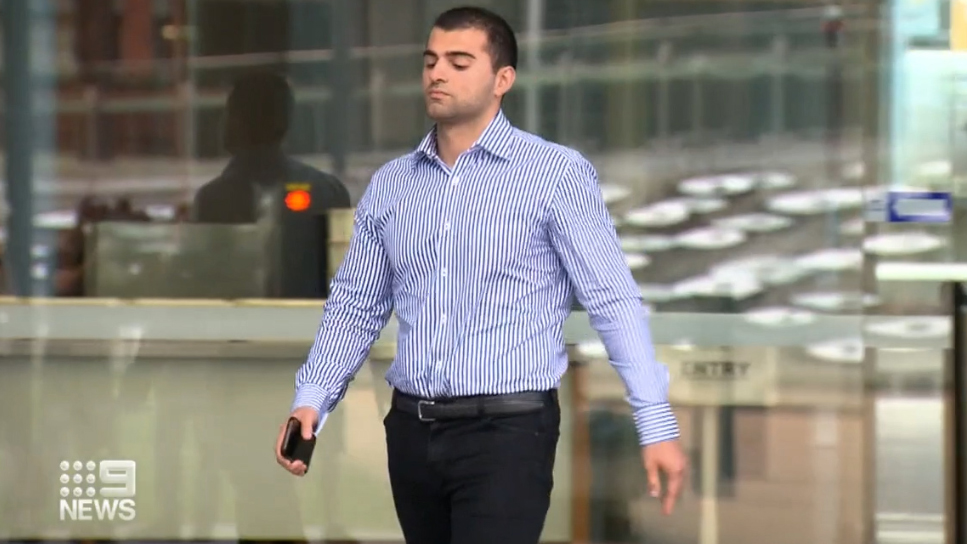
Reality TV star Suzi Taylor and her co-accused Ali Ebrahimi have today been found not guilty in their extortion trial.

Ms Taylor, 50, and Mr Ebrahimi were accused of holding a man hostage, assaulting and demanding money from him.

They were both found not guilty in Brisbane District Court.

Michael

The former contestant on The Block was accused of holding David Butler against his will for hours, tying him up and bashing him at a Newfarm apartment in 2019, after he refused to pay Ms Taylor for escort services.

Mr Butler was caught in a number of inconsistencies about what he told police at the time, and what he said in his evidence.

Outside court, Ms Taylor's lawyer Michael Gatenby, said it was "absolutely disgraceful this woman has been locked up by something as spurious, as this outrageous complaint by the complainant".

The Newfarm Unit in Brisbane.

"This man had made up a story that quite frankly wasn't true."

However, Ms Taylor remains in custody, facing charges of breaches of bail and failing to appear.

COVID: Ecuador Implements Curfew and Mobility Restrictions

Ecuador on Wednesday implemented a nighttime curfew and other mobility restrictions as a spike in coronavirus cases again overwhelms hospitals in the Andean country, which in 2020 experienced one of the region’s worst COVID-19 outbreaks.

In 16 of the country’s 24 provinces, only workers in the healthcare, food and other sectors deemed essential will be allowed to circulate over weekends and during evenings from Monday through Thursday, according to the decree signed by President Lenin Moreno.

The measures will take effect on Friday and last for 28 days.

The new restrictions come as tents hospitals are maintaining waitlists for a bed and setting up tents outdoor to attend to a surge in coronavirus patients, part of a resurgence in the virus across Latin America as several countries’ vaccination programs have gotten off to slow starts. read more

Ecuador, which has reported 362,000 COVID-19 cases and 17,804 deaths, is currently vaccinating only the elderly, police, members of the military and teachers. Moreno has pledged to accelerate inoculation.

During weekdays, the decree will allow restaurants, malls gymnasiums and movie theaters to operate at a reduced 30 capacity.

The pandemic overwhelmed the public health system in Ecuador’s largest city of Guayaquil last March and April, as authorities struggled to collect dead bodies and cemeteries ran out of space.

The post COVID: Ecuador Implements Curfew and Mobility Restrictions appeared first on The St Kitts Nevis Observer.