A man who twice raped his host after she had noticed his drunkenness and offered him a bed for the night has lost his appeal.Anaru Leigh Tutanekai Wetere, 38, was jailed for six years and nine months after being found guilty of…
Category Archives: headline
Mexico: Drug Cartels Bomb Cops with Drones
Suspected criminals in Mexico have used drones to drop explosives on police, injuring two officers.
Officials think the powerful Jalisco New Generation Cartel (CJNG) is behind Tuesday’s attack in the western state of Michoacán.
In August, two rigged drones were found in the car of suspected CJNG members.
The drones are thought to be the latest weapons in a deadly war between the drugs cartel and the security forces and vigilantes opposed to them.
New weapon in a deadly fight
Not much detail has been released about Tuesday’s attack but local media said two drones had been used.
It is believed they were rigged in a similar way to the two drones that were found in the car boot of suspected cartel members.
The drones seized last year had containers taped to them which had been filled with plastic explosives and ball bearings. Experts said they had been set up to be detonated remotely and could have inflicted deadly damage.
The officers injured on Tuesday had been deployed to clear roads leading to the city of Aguililla, in Michoacán, which had been blocked by the cartel to impede the access of the security forces.
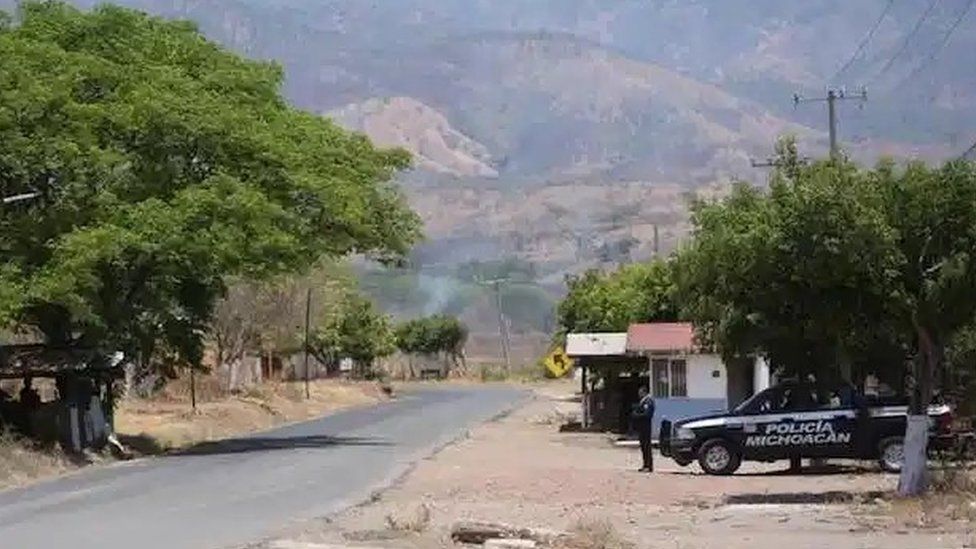 image copyrightMichoacan State Security Department
Over the past weeks, hundreds of residents have been fleeing the city in fear as the CJNG and a rival group calling itself United Cartels (Cárteles Unidos), fight for control of the city.
Earlier this month, eight mutilated bodies were found in the area after a particularly deadly fight between the two groups.
Aguililla is the birthplace of CJNG leader Nemesio Oseguera Cervantes, also known as “El Mencho”.
“El Mencho” is one of Mexico’s most wanted men and the US Drug Enforcement Administration is offering a $10m (£7.2m) reward for information leading to his capture.
His cartel is one of the most powerful in the country and has been behind some of the deadliest attacks on Mexican security forces, such as a 2015 ambush in Jalisco which left 15 officers dead.
It has spread from his original power base in the state of Jalisco to have an almost nationwide presence.
Security officials say it was also behind the brazen assassination attempt on Mexico City’s police chief, Omar García Harfuch, last June.
The cartel is believed to have further stepped up its attacks on the security forces in retaliation for the extradition to the United States of El Mencho’s son, Rubén Oseguera González, known as “Menchito” (Little Mencho), on drug trafficking charges.

The post Mexico: Drug Cartels Bomb Cops with Drones appeared first on The St Kitts Nevis Observer.
COVID-19: South America Seen as ‘Most Worrying Region’
(COVID-19) vaccine in Lima, Peru March 23, 2021. REUTERS/Sebastian CastanedaSouth America is now the most worrying region for COVID-19 infections, as cases mount in nearly every country, the director of the Pan American Health Organization (PAHO) said on Wednesday.
“Nowhere are infections as worrisome as in South America,” Director Carissa Etienne said during a weekly news conference.
Brazil has seen the most merciless surge. Scientists forecast it will soon surpass the worst of a record January wave in the United States, with daily fatalities climbing above 4,000 on Tuesday.
“The situation in Brazil is concerning countrywide,” said COVID-19 incident director Sylvain Aldighieri. “Our concern at the moment is also for the Brazilian citizens themselves in this context of health services that are overwhelmed.”
Brazil needs access to more COVID-19 vaccines now and should be able to receive them through global partnerships, Aldighieri said.
PAHO can expand its help to Brazilian states if requested, he said, adding it is already aiding with virus genetic sequencing, procuring oxygen and coronavirus testing.
Intensive care units are nearing capacity in Peru and Ecuador, and in parts of Bolivia and Colombia cases have doubled in the last week, Etienne said, adding that the southern cone is also experiencing an acceleration in cases.
The United States, Brazil and Argentina are among the 10 countries seeing the highest number of new infections globally, she added.
The Americas recorded more than 1.3 million new coronavirus cases and over 37,000 deaths last week, Etienne said, more than half of all deaths reported globally.
“We cannot ease public health and social interventions without good data and justification,” Etienne said, adding slowing and stopping transmission “requires decisive action by local and national governments.”
More than 210 million vaccine doses have been administered across the Americas, Etienne said.
Bolivia, Nicaragua and Haiti may be affected by Serum Institute of India vaccine shipment delays, said sub-director Jarbas Barbosa, but the World Health Organization is appealing to the Indian government to ensure shipment agreements.
The post COVID-19: South America Seen as ‘Most Worrying Region’ appeared first on The St Kitts Nevis Observer.
Magnitude 4.9 earthquake strikes near Haast, West Coast
A “light” earthquake struck near Haast, on the West Coast of the South Island, this evening.The 4.9 magnitude quake was only 9km deep and had its epicentre 45 km southwest of the Haast township.It struck at 8:07pm. M4.9 earthquake…
India Reels from Record 2nd Covid Wave- Families Beg For Help…. For Sale: Astra Zenica Vaccine to Govts.,Private Hospitals
Rapid glut of cases stretches supplies of beds in intensive care units, ventilators and oxygen
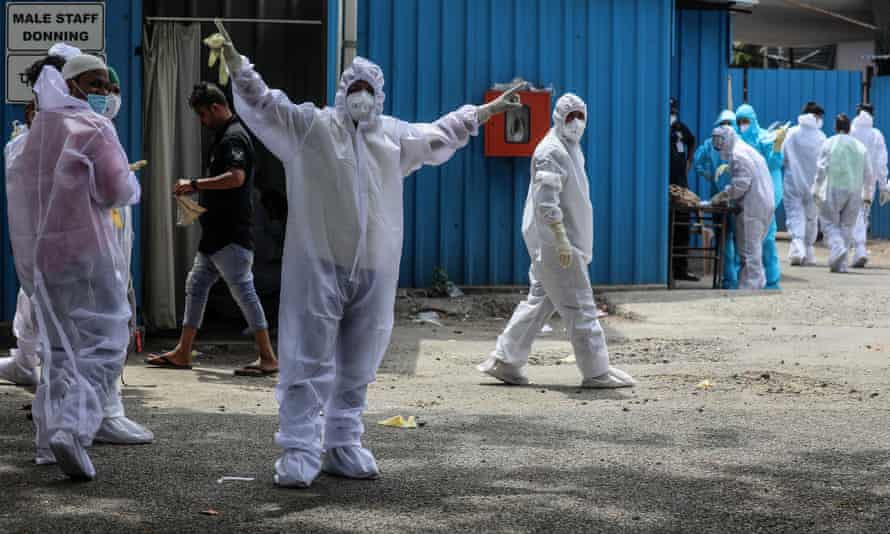
India has reported 314,835 new coronavirus cases in the last 24 hours – the highest one-day tally recorded anywhere in the world. Deaths rose by 2,104 in the same time period, India’s worst daily toll.
Guardian (UK) Hundreds of Indians, including Delhi government administrators, have begged for help finding oxygen and other crucial medical supplies on social media as India reels from a devastating second wave of coronavirus, leading to caseloads growing by nearly 300,000 every day.
Faulty oxygen supplies at a western Indian hospital have killed more than 20 Covid-19 patients, adding to the country’s highest-ever daily death toll from the virus.
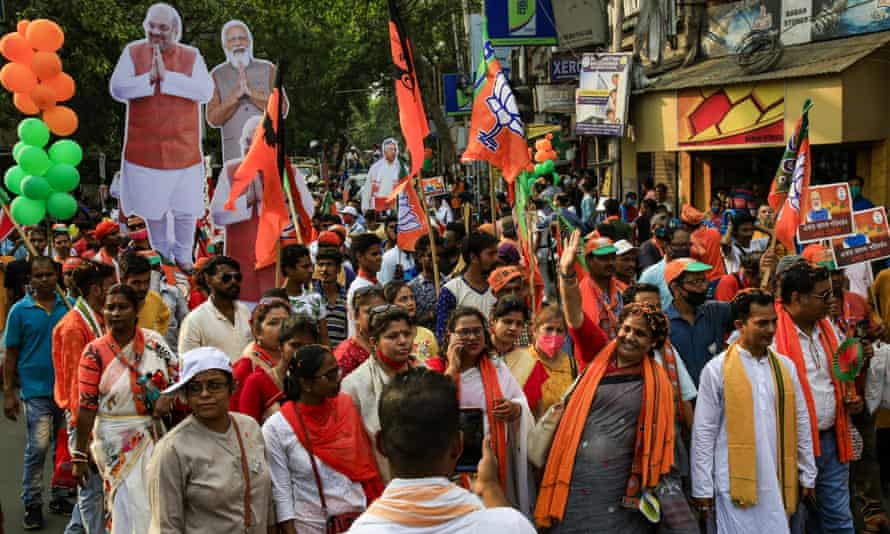
The Indian prime minister, Narendra Modi, who has been fiercely criticised for continuing to hold large election rallies throughout last week as the scale of the outbreak was becoming clear, said the virus was hitting the country “like a storm”. Hospitals are overwhelmed, many migrant workers are leaving cities and people are turning to social media for help finding medical attention, hospital beds and drugs.
The rapid rise in cases – including a record 295,000 on Tuesday, close to the largest number recorded on a single day anywhere since the pandemic emerged – has stretched supplies of beds in intensive care units, ventilators and oxygen. There was shock across the capital, Delhi, on Tuesday night when the city’s chief minister warned on Twitter that oxygen supplies in the city’s hospitals could run out within eight hours in public hospitals and sooner in some private facilities.
Adding to the sense of crisis, at least 22 patients died in a hospital in western India on Wednesday after a leak interrupted its oxygen supply, the Maharashtra state health minister said. The incident in the city of Nashik, one of India’s worst-hit areas, happened after the tank of gas leaked, said Rajesh Tope, the minister.
“Patients who were on ventilators at the hospital in Nashik have died,” he said in televised remarks. “The leakage was spotted at the tank supplying oxygen to these patients. The interrupted supply could be linked to the deaths of the patients in the hospital.”
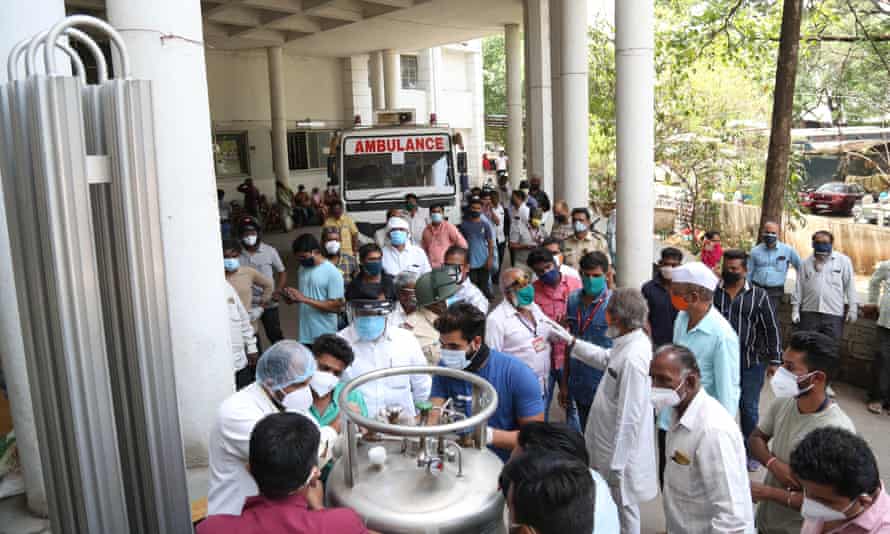
With medical infrastructure overwhelmed even in large cities, residents have been forced to use their own networks to find medical assistance and equipment. Seema Choudhury, an English tutor in a south Delhi neighbourhood, put out a plea for help on WhatsApp when she discovered her neighbours, a couple in their 70s with Covid-19, were becoming iller.
“Urgent help needed. The Guptas are in pretty bad shape. They need oxygen but can’t find any. Please help,” she wrote to a neighbourhood group. By the evening, the couple had managed to source oxygen tanks marked up to twice their ordinary price.
Such assistance was harder to get in smaller cities such as Lucknow in northern India, where Anil Tiwari said he spent Monday trying to find medical assistance for his father, Ranjan, whose Covid-19 symptoms had worsened in their 10th day.
Tiwari said he had tried 10 hospitals without finding a free bed. When he did find room at a smaller medical facility, he was told on Tuesday that supplies were running low and his father – whose oxygen levels were dipping – needed to be moved to another hospital.
“Some friends, God knows how, managed to get a small oxygen cylinder and I drove around with Papa in the back seat attached to the cylinder hoping to get a bed,” Tiwari said. “His anxiety level was high. I kept reassuring him, giving him hope. But he died in the car.”
He said his blamed his father’s death not on Covid but, “a failure of the system, of the leadership, to create medical infrastructure for which I pay taxes”.
Testing infrastructure has also been overwhelmed by the wave, which is combined with bureaucratic hurdles to prevent many from being admitted to hospital. “When I tested positive on Saturday, I wanted my parents to get tested too, but the lab told me not to come until Friday as it had a huge backlog,” said Swati Arora, 28, in Delhi.
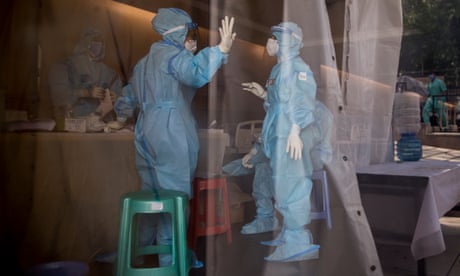
Oxygen leak kills 22 in Indian hospital as Covid crisis worsens
Without a positive test result, many hospitals are refusing to admit patients, and some are dying in the interim as they await proof they have the disease. “With this delay in testing, we are getting patients who have deteriorated while waiting and when they reach us in this condition, we can’t save them,” said a doctor in Delhi who asked not to be named.
Experts have speculated the resurgence of cases over the past eight weeks may be the result of highly infectious variants that have taken advantage of the resumption of normal life in most of India in recent months as cases sharply declined. Modi and other political leaders have held mass rallies in West Bengal, where elections are being fought, while the Kumbh Mela religious festival attracted more than 10 million adherents to the northern city of Haridwar this month.
The latest daily death toll of 2,023 people on Tuesday suggests the virus is still significantly less deadly among India’s young population than it has been elsewhere in the world, although official statistics are thought to be highly unreliable and sometimes deliberately undercounted.
“The best way to figure out [the death toll] is to see the jump in use of crematoria and graveyards,” said Dr Shahid Jameel, a virologist and director of the Trivedi school of biosciences at Ashoka University. “There are reports that crematoria that would take 10 to 20 bodies a day are now piling up about 100 a day.”
The central government said on Monday it would lift age restrictions on Covid-19 vaccines to anyone over 18 from 1 May, although supplies are already thought to be under pressure and it is unclear whether the vaccination rate could exceed 3m a day, one of the fastest rates in the world but short of what is required to rapidly inoculate an adult population of about 900 million people.
Underscoring the fact that India will not be able to vaccinate its way out of the crisis in the medium term, the country’s largest vaccine manufacturer, the Serum Institute of India, said on Wednesday it would not be able to increase its production rate to 100m until July, later than its earlier estimate of the end of May. It currently produces between 60m and 70m doses a month.
Despite the soaring infections, Indian leaders are reluctant to reimpose widespread lockdowns of the kind that led to an exodus of migrant workers from cities last year, the largest mass migration in the country since partition in 1947.
Modi has instead advised state leaders to try to quarantine neighbourhoods and villages where infections are most acute, though bus and railway stations have been packed over the past week with people fearing they might again be forced to stop going to work and be stranded in cities without salaries.
==================================================
India to Sell Astra Zenica Vaccine to Governments, Private Hospitals
NEW DELHI (Reuters) – The Serum Institute of India said on Wednesday it would sell the AstraZeneca vaccine to the country’s state governments at 400 rupees ($5.30) per dose and to private hospitals at 600 rupees ($7.95).
“Furthermore, owing to the complexity, and urgency of the situation it is challenging to supply it independently to each corporate entity,” it said in a statement. “We would urge all corporate and private individuals to access the vaccines through the state facilitated machinery and private health systems.”
==============================================
US: Vaccination slowdown could threaten recovery
By Justine Coleman – 04/21/21 06:42 PM EDT
The post India Reels from Record 2nd Covid Wave- Families Beg For Help…. For Sale: Astra Zenica Vaccine to Govts.,Private Hospitals appeared first on The St Kitts Nevis Observer.
Covid 19 coronavirus: Restaurateurs based at MIQ hotel going to court after business 'just died'
By Katie Todd of RNZ The Government did not consult surrounding businesses before approving hotels for use as MIQ facilities.Now a dispute between the owners of the Stamford Plaza Hotel in Auckland and the owners of a restaurant…
Drop in foreign students: The University of Auckland spent $44m on redundancies
By John Gerritsen of RNZ Annual reports show the Covid-19 pandemic wiped millions of dollars off universities’ balance sheets last year.The impacts included a $44 million bill for redundancies at The University of Auckland and…
'There's no end goal': Expats' heartbreak over border closures
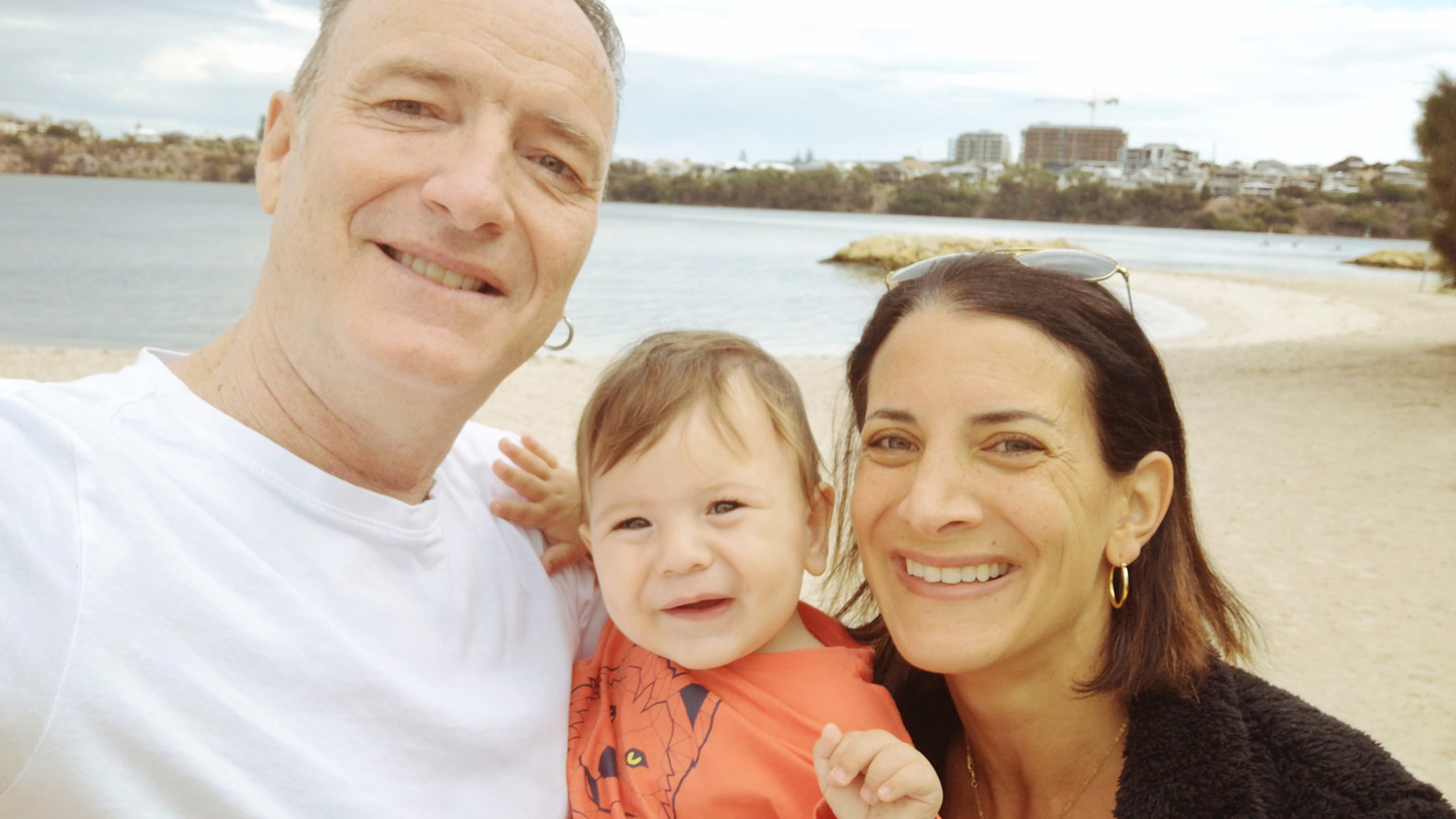
Chris Mottershead is desperate for his nine-month-old daughter Dylan to meet her grandmother for the first time.
Lorraine Mottershead, 59, lives in the UK. Her son Chris is in Sydney.
He jokingly tells his mother the only way he'll get to go home and see her for the foreseeable future is if the worst happens.
But the whole situation is no laughing matter.
"I say, 'to be honest, mum, unless you die, I can't get an exemption," he told 9News.
"Even though I say it jokingly, it would appear the only grounds to obtain an exemption, so I'm also being serious."
READ MORE: Australians who defy New Zealand bubble to travel to another country could face prison
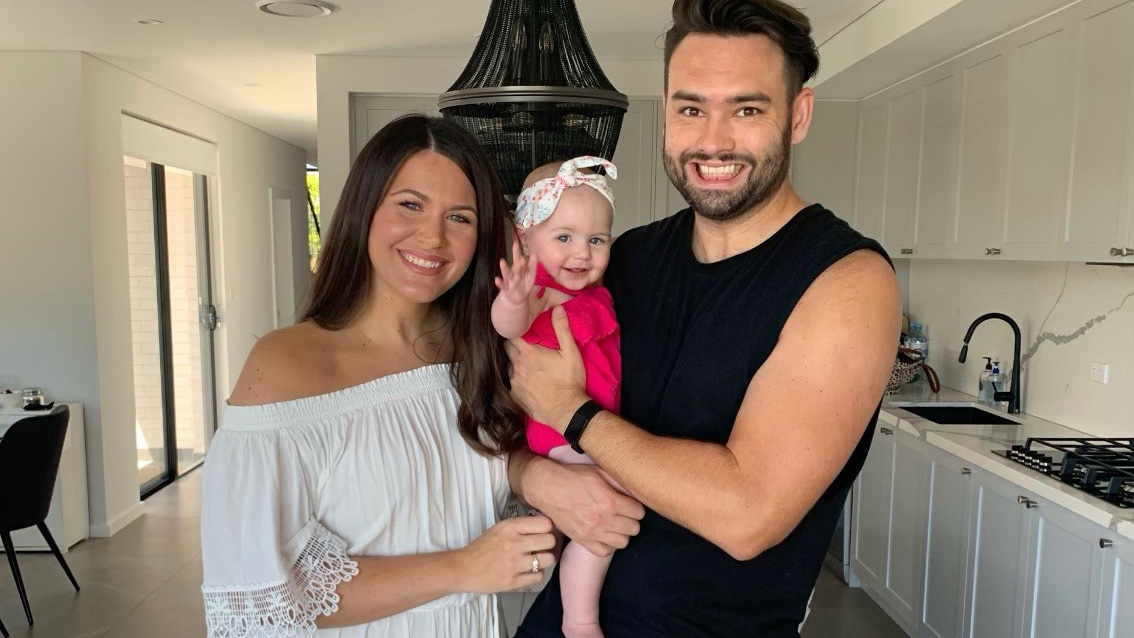
Mr Mottershead, 37, is one of the nation's millions of expats growing increasingly upset by the lack of clarity on when international borders will reopen.
He is a permanent resident and soon-to-be citizen of Australia, having lived here for a decade. His partner Courtney, mother to Dylan, is an Australian.
LIVE UPDATES: Flights from India reduced, as PM flags changed for 'high risk' nations
But he can't go home to visit his family in northern England due to the ongoing travel ban.
Permission can only be only granted for a small list of reasons, including a death or serious illness, or if you are to leave for more than three months.
And even if Mr Mottershead could leave his sales and marketing job for three months there's no guarantee of being able to get back to Australia due to the flight caps in place – only 6000 people can fly into the country per week.

And while Australians can bring 'immediate family' in, that government definition does not include parents – even if they are vaccinated and take part in $3000, 14-day hotel quarantine.
Mr Mottershead says his mental health has got so bad he's had to leave the Facebook groups campaigning for change on the issue.
And he's is far from alone. A total of 7.5million migrants live in Australia.
Then there are hundred of thousands more people in Australia on working visas.
Mr Mottershead says if there's no positive news soon, he faces making tough decisions to uproot his family for the UK, even though they've just bought a house in Sydney.
READ MORE: Pfizer and Moderna could be produced in Australia
England was one of the worst-hit countries for coronavirus but there is hope: Thirty-three million people have been fully vaccinated and the death toll has dropped dramatically.
He believes Australia's focus on maintaining zero virus cases means there's little hope of reopening borders.
"Obviously, I totally understand and appreciate the good work they've done in keeping everybody safe, I'll never complain… I think though we're at a point though where we've overmanaged this," he said.
"I feel there's no end goal.
READ MORE: Bunnings offers to become vaccination hubs
"You get empathy from very few people. I say 'I don't want to go on a holiday."
New mum's heartbreak over sick father
New mum Tamara Yousry, 42, from Perth, is preparing for the fact she may not see her father again.
He's sick in hospital in Egypt, and while the permanent Australian resident, who is married to an Australian citizen, could probably get compassionate permission to go visit, she dare not go as she fears not being able to get a flight back.
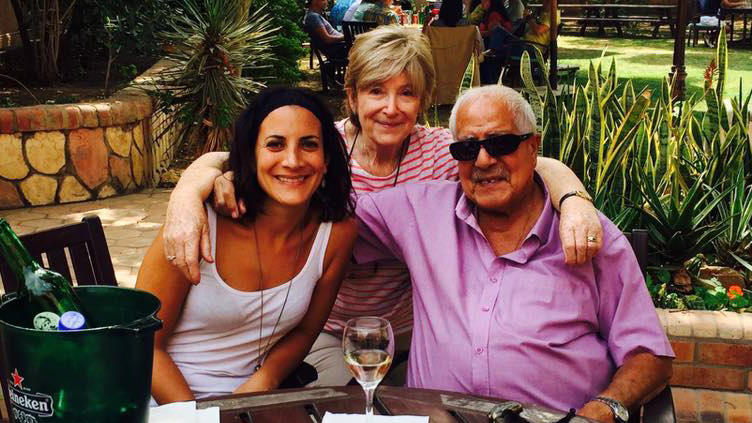
She wouldn't want to take baby Sharif, almost one, with her or leave him at home in Perth with husband, Shakir, either.
She said Australia should look to places such as Singapore, which are allowing expats' parents to apply for permission to visit, as long as they take part in hotel quarantine.
"There are safe ways to do it," she said.
READ MORE: NSW Health 'urgently' contacting hotel quarantine arrivals after possible virus transmission
"My father might not pull through. And I won't see him again, and won't be able to go to his funeral.
"It's heartbreaking."
Home Affairs told 9News.com.au there are no current plans to change the system.
"The Government acknowledges the difficulties with respect to extended families seeking to reunite, however, there are currently no plans to include parents in the definition of immediate family for the purpose of travel exemptions," a spokesperson said.
What are international travel rules?
Citizens and permanent residents have been locked in Australia since borders closed in 2020, in some of the toughest rules in the world.
The New Zealand travel bubble aside, Home Affairs says permission to leave can only be granted: as part of the pandemic outbreak; for work; for medical treatment; for a 'compelling reason' for over three months; on compassionate or humanitarian grounds, or in the national interest.
However, last year, more than 11,000 Australians were given permission to head overseas each month – most for three months or more, including those leaving for good.
But returning is hard, with 34,400 Aussies registered with DFAT as wanting to get back.
The nation's strict flight caps of around 6000 per week means planes are travelling almost empty, but getting on a flight without having a ticket cancelled by the airline is difficult, and can be expensive.
READ MORE: Australian man trapped in Philippines lockdown forced to buy boat and fish for food
There's also the mandatory, 14-day hotel quarantine, which costs around $3000 per person, or $5000 for a family.
Prime Minister Scott Morrison has indicated home quarantine might be an option in future but has given no timescale.
Meanwhile, only Australian citizens and permanent residents can come into the country – along with immediate family members- spouses or de facto partners, dependent children, or legal guardians.
Contact journalist Sarah Swain: Ss****@******om.au
Emergency services at fatal crash in Ruakākā in Northland
A person has died and three other people seriously hurt following a two-vehicle crash involving a truck in Ruakākā this afternoon.Two people seriously injured in the accident on Pokapu Rd near the intersection with One…
Māngere Bridge death: Witness claims woman stuck to car before falling to ground
A string of workers at an Auckland packaging factory have described to a jury how a man allegedly left their colleague dripping with blood from stabs wounds before hitting two others – one fatally – with his car, sending them flying…