A heavy soaking forecast this weekend is hoped to help relieve Auckland’s dams – sitting at near 50 per cent capacity after another summer dry.As at yesterday, capacity across Watercare’s 10 dams stood at 51.1 per cent – compared…
Category Archives: headline
Gold Coast charity bin death: Victim Kiwi mum Charmaine 'Mikki' O'Shea
A mum-of-three found dead in a Gold Coast charity bin this week was originally from Greymouth.Charmaine ‘Mikki’ O’Shea was found half inside the bin, which was behind Stockland Burleigh Heads Shopping Centre, on Easter Monday.Police…
Pasifika Festival in Auckland back after two years – and with a new venue
What : Pasifika Festival When : Today 10am-8pm. Tomorrow 10am-4pm. Don’t forget : Your mask if using public transport, a drink bottle and possibly an umbrella.Auckland will welcome back one of its biggest annual events, the Pasifika…
Bernie Smith: Budget a chance to address insufficient income support
In more than 40 years of working in this sector, I don’t remember ever seeing this level of unmet need Bernie Smith, Monte Cecilia Housing Trust CEO OPINION: You may have heard an increasing number of child poverty experts…
Cartoons: April 1 – 30
Our cartoonist Guy Body shares his view on current events.
Herald morning quiz: April 10
Test your brains with the Herald’s morning quiz. Be sure to check back on nzherald.co.nz at 3pm for the afternoon quiz. To challenge yourself with more quizzes, CLICK HERE.
Prince Philip dead at 99
Follow live reactions from around the world after the death of the Duke of Edinburgh.
Proposed global minimum tax rate would be crippling
By Sir Ronald Sanders
(The writer is Antigua and Barbuda’s Ambassador to the United States and the Organization of American States. He is also a Senior Fellow at the Institute of Commonwealth Studies at the University of London and Massey College in the University of Toronto. The views expressed are entirely his own)
Officials of the Organisation for Economic Co-operation and Development (OECD) – the rich countries’ club – are no doubt delighted at the proposition by the U.S. Treasury Secretary, Janet Yellen, for a global minimum corporate tax rate of 21 per cent.
Developing countries, including those in the Caribbean, need to monitor this development closely. Their already suffering economies could end up being hurt by it even more.
Tax rates are a sovereign matter. Governments set tax rates in the context of several factors including their domestic financial demands; a judgement on the ability to pay; and the need to attract foreign investment to drive economic and social development.
The U.S. government is exercising its sovereign right to raise its domestic corporate tax to 28 per cent, particularly as it wants to spend $2 trillion over the next eight years on building expensive infrastructure in a range of areas. There should be every appreciation of this ambition.
However, conscious that this high tax rate might push U.S. companies to migrate to lower tax countries, the U.S. government wants a global minimum tax rate of 21 per cent. Its belief is that a sufficiently high minimum global tax rate would discourage U.S. companies from leaving.
The U.S. proposal has been welcomed by the OECD and the European Union nations, France and Germany, that have always been the ‘hawks’ on setting and enforcing global tax rates. Pascal Saint-Amans, head of tax administration at the OECD, welcomed the U.S. proposals, saying “This reboots the negotiations and is very positive.”
If this proposition is accepted, it will be enforced on all countries. Experience with the OECD, the European Union (EU) and the U.S. demonstrates that by various methods, Caribbean countries have been coerced into compliance with rules or demands to their disadvantage.
Once the OECD member states agree it amongst themselves, they will enforce it. The method in the past on matters such as what they called “harmful tax competition”, has been to identify countries they pejoratively list as ‘uncooperative jurisdictions’. The mere naming of countries injures the standing of their financial services sectors, causing loss of business and the capacity to participate effectively in the world’s trading and financial systems. To avoid these consequences, countries have complied, eroding sovereignty over their tax policies and, importantly, jobs and income.
Remarkably, the OECD has described its efforts for ‘tax harmonisation’ and an end to ‘tax competition’ as “levelling the playing field”. In other words, the playing field for competition in taxation, is levelled by forcing developing countries to meet high taxation levels needed by the rich. Other areas, in which level playing fields are necessary, are conveniently ignored. A current example is the purchase and hoarding of COVID-19 vaccines by many OECD countries. At the time of writing, of the 674 million vaccines that have been administered globally, 77 per cent are in the 10 richest nations.
The U.S. has reportedly sent documents, proposing the new tax, to 135 countries negotiating international taxation at the behest of the OECD. The tax would apply to global profits of large companies, including big U.S. technology groups, regardless of their physical presence in any country. Agreement on the tax would allow the U.S. administration to increase corporate taxes on U.S. companies without fear of competition from other countries.
Alarmingly, a senior representative of the International Monetary Fund (IMF) has already endorsed the U.S. government proposal. IMF Chief Economist, Gita Gopinath, said that “We’re very much in support of having this kind of global minimum corporate tax.” It is unclear if she was speaking for the Board of the Fund or for her division. Fortunately, the Head of the World Bank, David Malpass, has taken a more balanced position on the matter. He has warned against setting a global minimum tax rate that is too high, adding that he did not want to see new rules “that would hinder poor countries’ ability to attract investment”.
And, this really will be the crux of the issue. Every country has the right to set its own domestic tax rates, but not to impose rates on others – which is what the OECD has been trying to do since 1998.
Small countries, including those in the Caribbean, have lower corporate tax rates because they need investment not only to compete with larger countries but also to survive. A mandated tax rate of 21 per cent would cripple many of them and retard their growth.
An example of this currently exists in the OECD and the EU. Ireland, one of the smallest of their member countries, has a corporate tax rate of 12.5 per cent and has been one of the biggest beneficiaries of foreign investment. A few decades ago, Ireland was much poorer than Britain, but its implementation of a low corporate tax rate has helped its growth and raised its living standards.
No doubt, Ireland will face considerable pressure from other OECD and EU countries to accept the proposed new corporate tax rate, but it has resisted bullying in the past, and it is likely to do so again. If that is the case, other smaller countries, including Caribbean ones, should join it in arguing for a sensible minimum corporate tax rate that is agreed and not imposed.
The World Bank’s David Malpass has set a reasonable tone stating that any new minimum tax should not be too high. Hitherto, the OECD itself has been working on a rate of 12.5 per cent.
On this matter, Caribbean and other small countries should stand up in unison for their rights by strong representation and informed argument.
Responses and previous commentaries: www.sirronaldsanders.com
The post Proposed global minimum tax rate would be crippling appeared first on The St Kitts Nevis Observer.
UK: Prince Philip, the Queen’s Husband of 73 Years, has Died at 99
The post UK: Prince Philip, the Queen’s Husband of 73 Years, has Died at 99 appeared first on The St Kitts Nevis Observer.
Obituary: Philip was longest-serving royal consort
The Duke of Edinburgh Prince Philip has died aged 99, Buckingham Palace says.
"It is with deep sorrow that Her Majesty The Queen has announced the death of her beloved husband, His Royal Highness The Prince Philip, Duke of Edinburgh. His Royal Highness passed away peacefully this morning at Windsor Castle," the palace said in a statement at 12.01pm on Friday (9.01pm AEST).
Prince Philip was the longest-serving royal consort in British history and the oldest serving partner of a reigning monarch.
The Duke had been rarely seen in public life following his retirement from royal duties in 2017.
LIVE UPDATES: Prime Minister Scott Morrison reacts to news of Prince Philip's death
ROYAL PROTOCOL EXPLAINED: What happens now
https://twitter.com/RoyalFamily/status/1380475865323212800
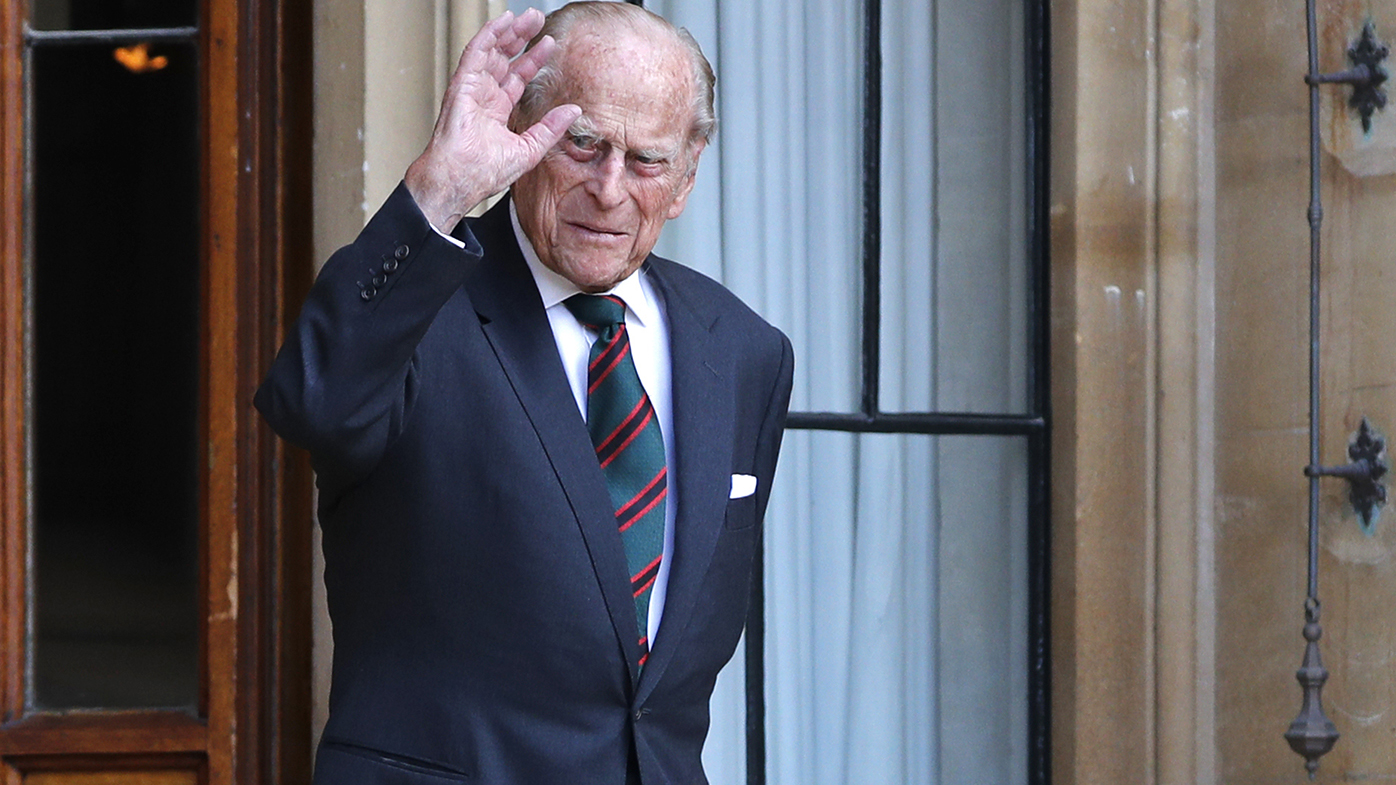
From there he remained at Wood Farm, part of the royal family's Sandringham estate in Norfolk, with the Queen spending most of her time in London and Windsor to attend to her royal duties.
However, when the coronavirus pandemic hit the United Kingdom in March 2020, Philip was relocated to Windsor Castle to self-isolate with Her Majesty.
In April 2020, he issued a rare public statement recognising the "vital and urgent work" of medical and scientific professionals "tackling" COVID-19, as well as essential workers like rubbish collectors and food distribution staff.
READ MORE: World reacts to death of Prince Philip
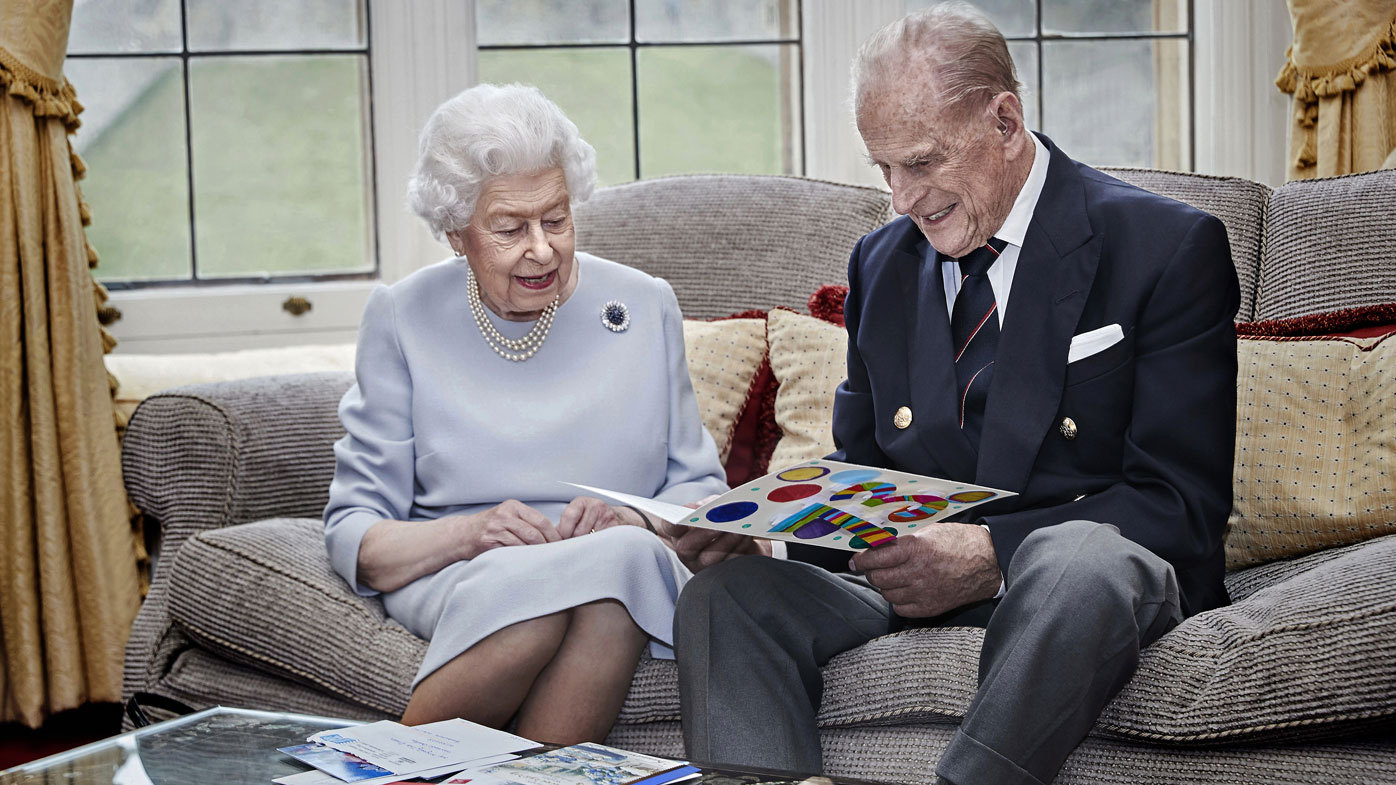
The Duke was admitted into hospital in February 2021 and spent one month being treated for an infection at left King Edward VII Hospital in London. It was his longest ever hospital stay.
In that time, he had a heart procedure at St Bartholomew's Hospital.
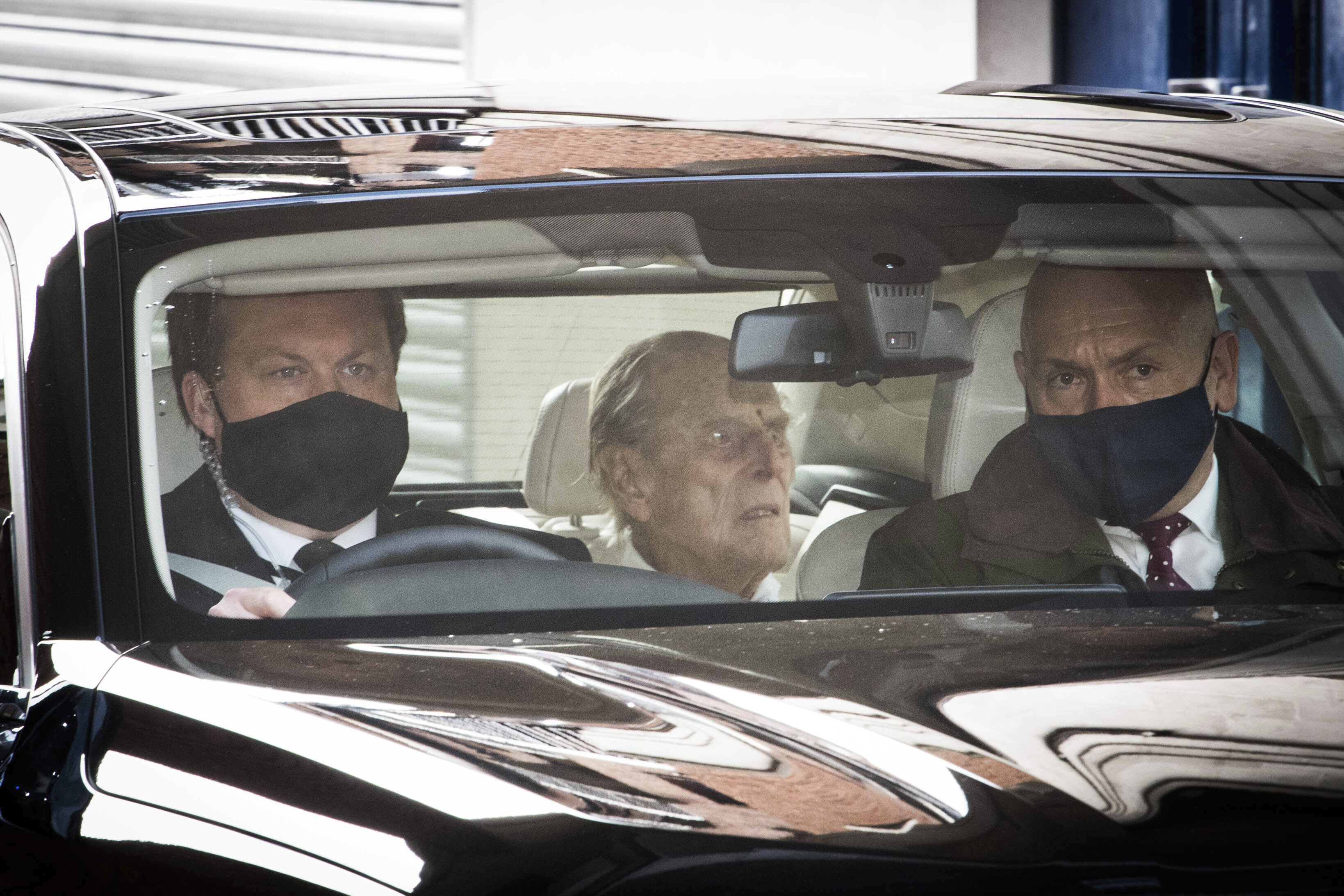
The Palace said it was not related to coronavirus.
It followed a previous admission in December 2019, the Duke was admitted to a London hospital for treatment relating to a pre-existing condition.
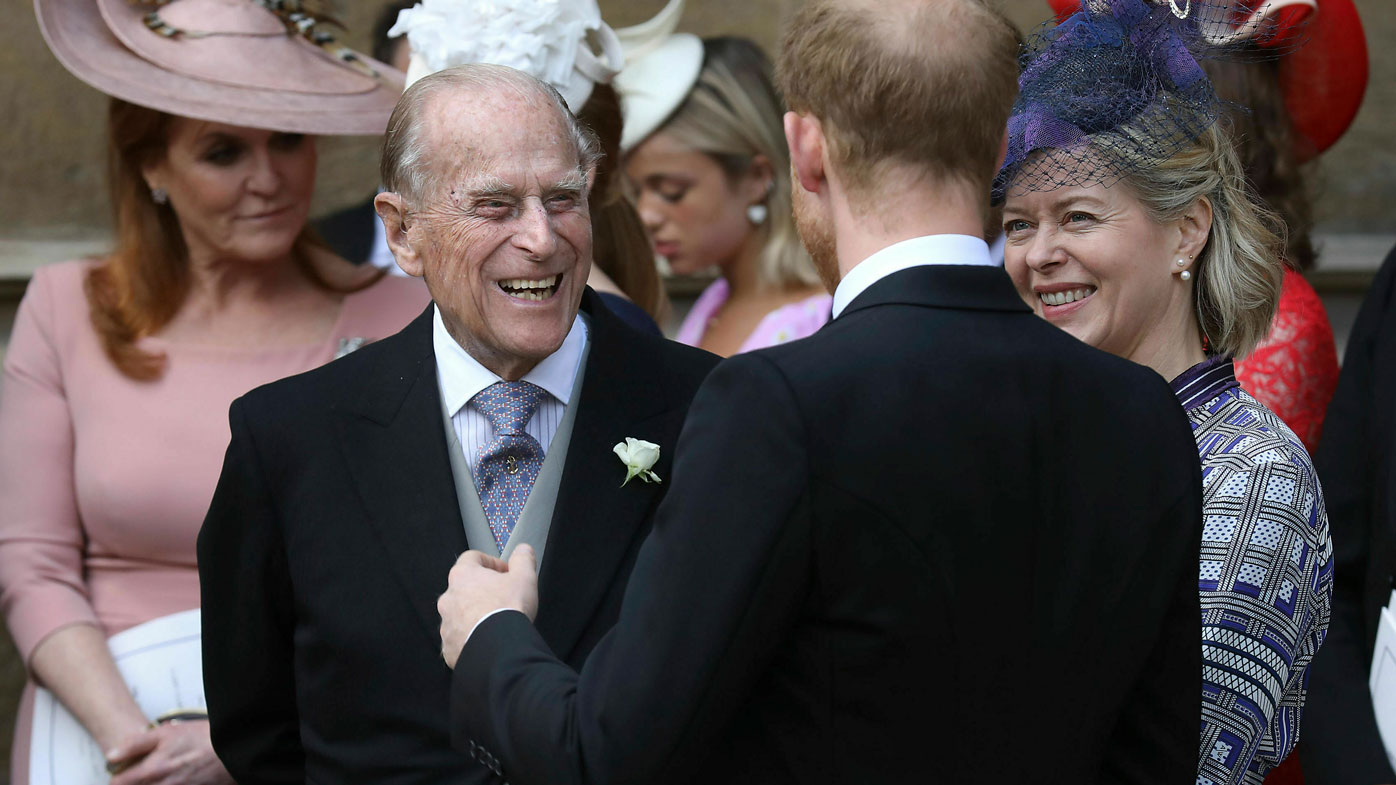
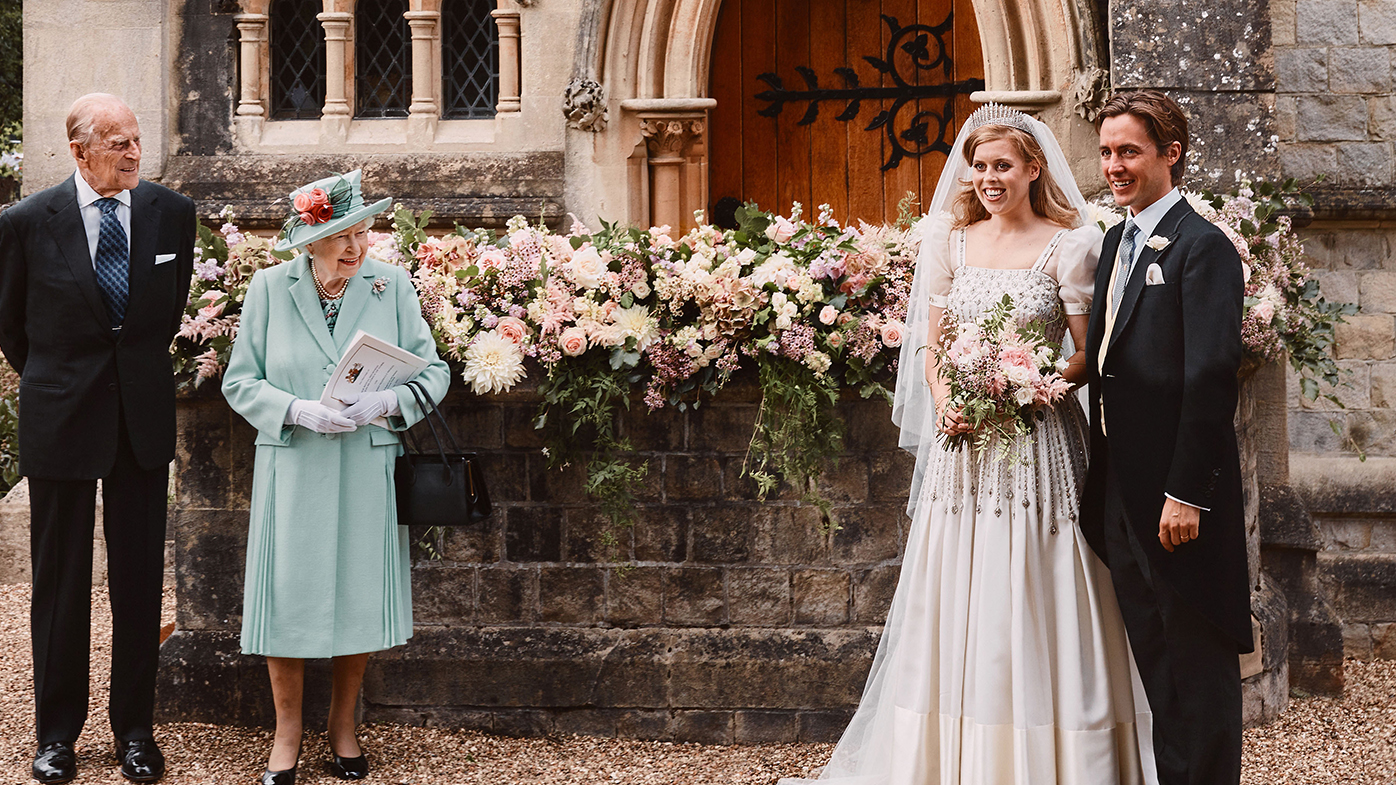
Over the past four years, he had been hospitalised for a number of ongoing health issues, including surgery for an ongoing hip problem, which forced him to miss Easter celebrations with other members of the royal family last year.
The 99-year-old suffered a bout of illness in 2012, forcing him to miss some of the Queen's Diamond Jubilee celebrations. The previous year, he was hospitalised for a blocked coronary artery.
A LOYAL PRINCE
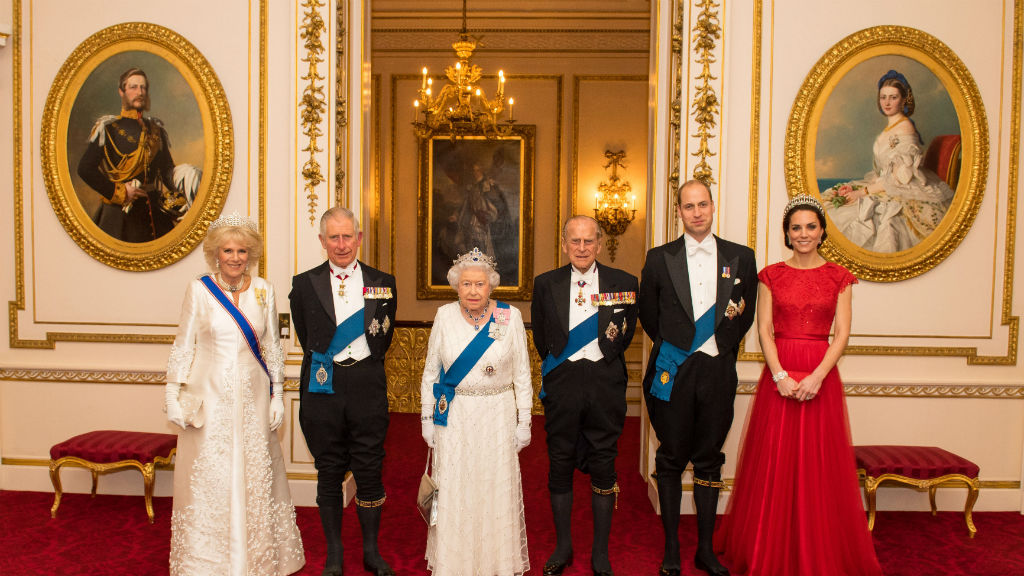
Prince Philip was at the forefront of the royal family as the Queen's consort for more than six decades.
One of his biggest roles was the establishment of the Duke of Edinburgh award, which he launched in 1956.
The program now involves schools in more than 60 countries, including Australia.
Throughout his life, he took a strong interest in encouraging British industry and science and was patron or president of some 800 organisations.
He was also made a chancellor of number of universities including Edinburgh and Cambridge.
Prince Philip will long be remembered for his outspoken nature, smile and embarrassing errors, which often shocked or amused the public.
He has never been afraid to speak his mind, but made headlines over the years with a series of one-liners, insults and comments that caused offence to many.
In 2002, he asked "aren't we going to need ear plugs?" after being told Madonna was singing the Die Another Day theme.
On a visit to Australia the same year, he asked Aboriginal leader William Brin "do you still throw spears at each other?" at the Aboriginal Cultural Park in Queensland.
Decades earlier, he told the Scottish Women's Institute in 1961 that "British women can't cook".
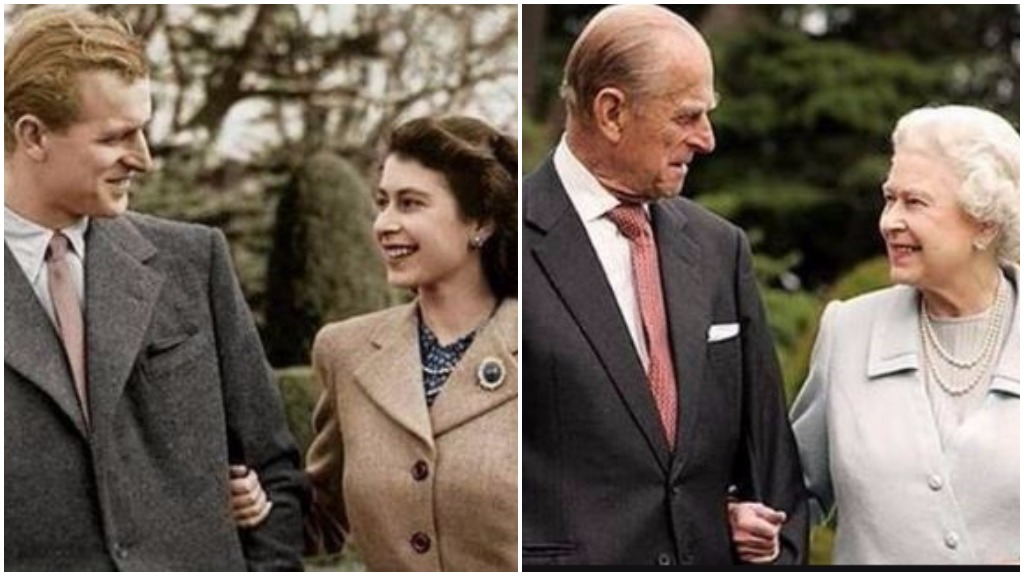
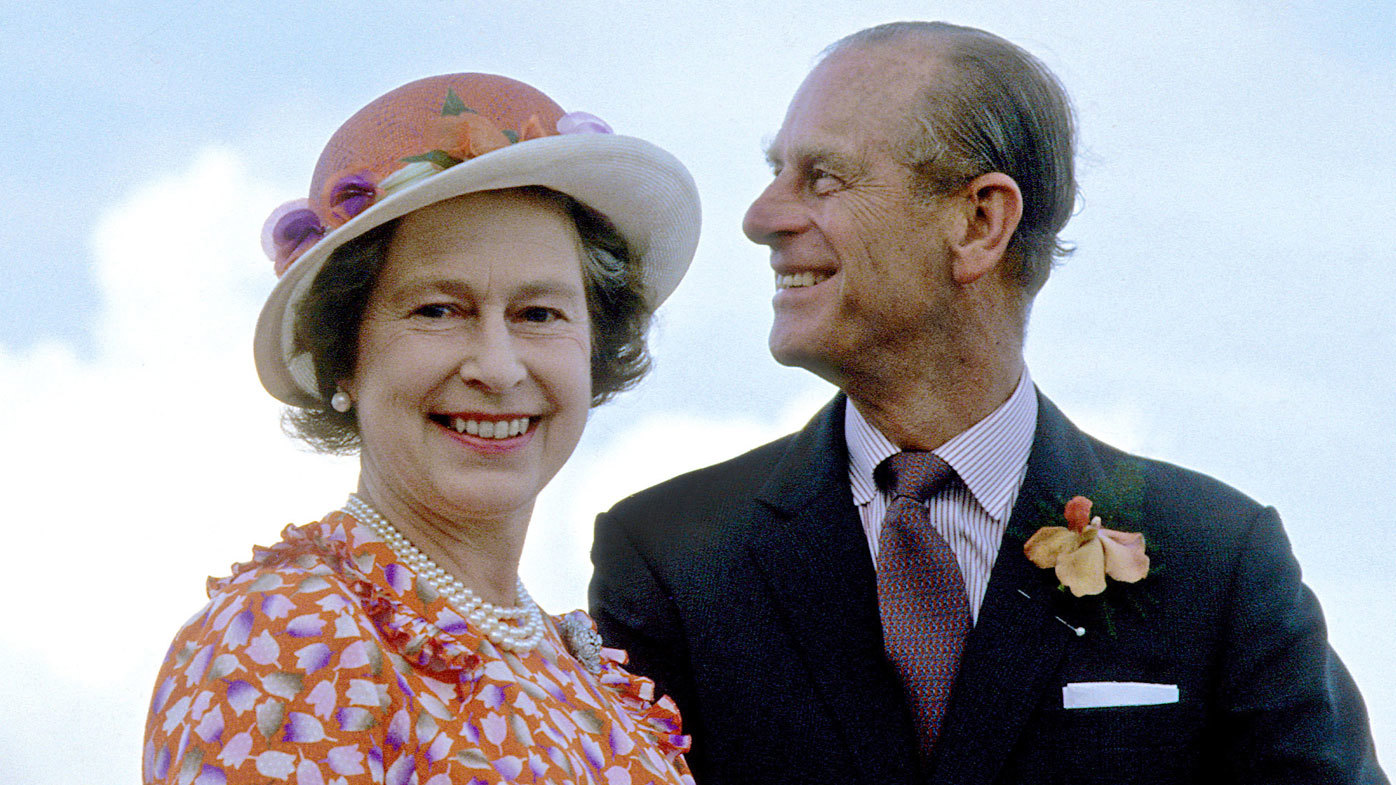
Aside from his contribution to Australia, with the Duke of Edinburgh award, Prince Philip was controversially made a knight affiliated with the Order of Australia in 2015 for his decades of royal service, with the award granted by then-prime minister Tony Abbott.
GREEK ROYALTY
Prince Philip was born on the Greek island of Corfu in 1921, the only son of Prince Andrew of Greece and Princess Alice of Battenberg, as a Prince of Greece and Denmark.
He had four elder sisters – Cecilie, Sophie, Margarita and Theodora.
The prince's childhood was troubled, with his mother eventually committed to a psychiatric clinic, and his exiled father was mostly absent throughout his upbringing.
When the Greek royal family was ousted in the early 1920s, the Duke was carried to safety in a fruit box, with the family eventually resettling in Saint-Cloud in Paris.
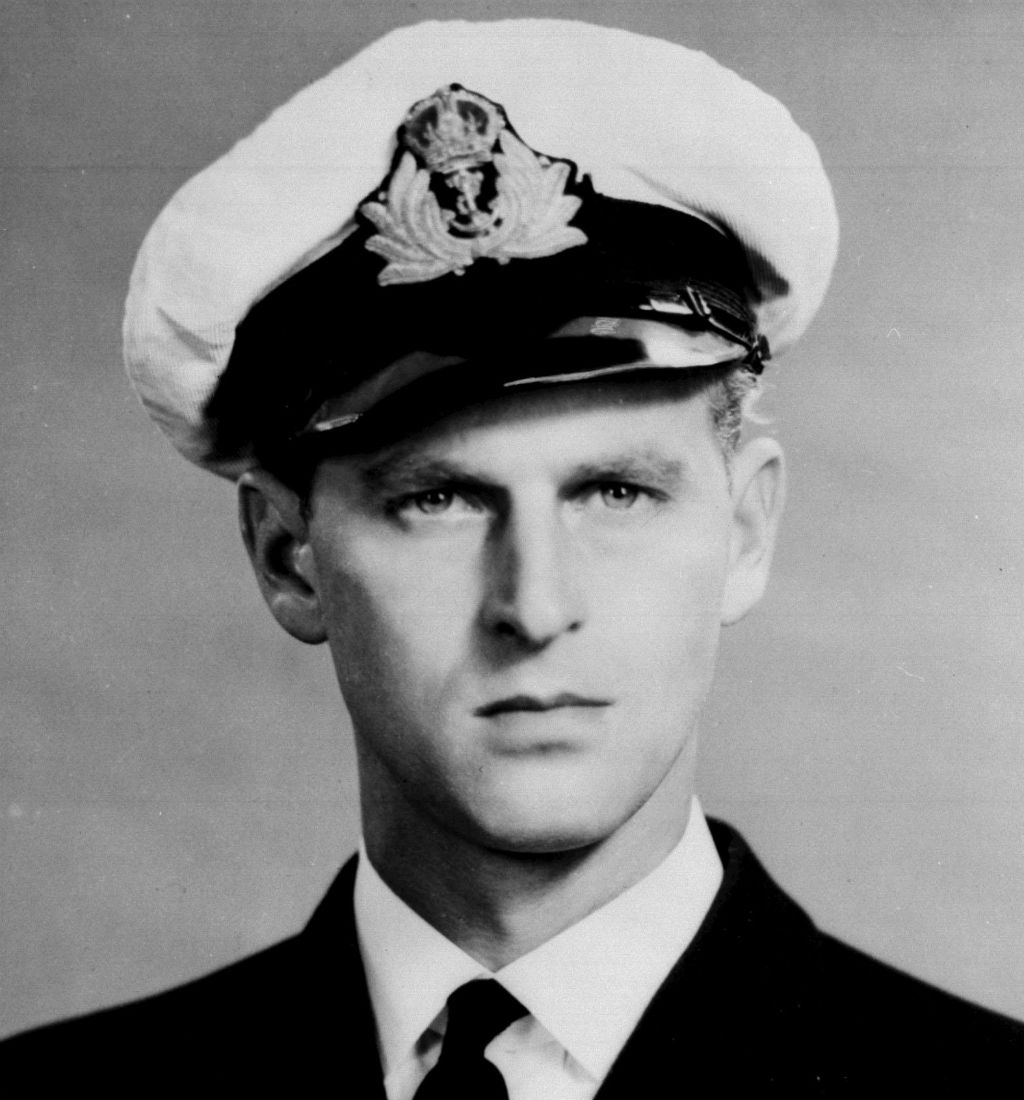
He was educated in France, Germany and the United Kingdom and joined the Royal Navy at aged 18 in 1939 where he took part in the battle of Crete and the Allied invasion of Sicily. The Duke was on-board the HMS Whelp in Tokyo Bay when the Japanese surrendered on 2 September 1945.
He met Queen Elizabeth II at the wedding of his cousin, Princess Marina of Greece to The Duke of Kent.
He was 18 and she was 13.
The pair exchanged letters throughout World War II where he was serving as first lieutenant of HMS Wallace.
The Queen's parents did not approve of Philip at first as he was a "prince without a kingdom".
He proposed in secret in 1946 and she accepted without consulting her parents.
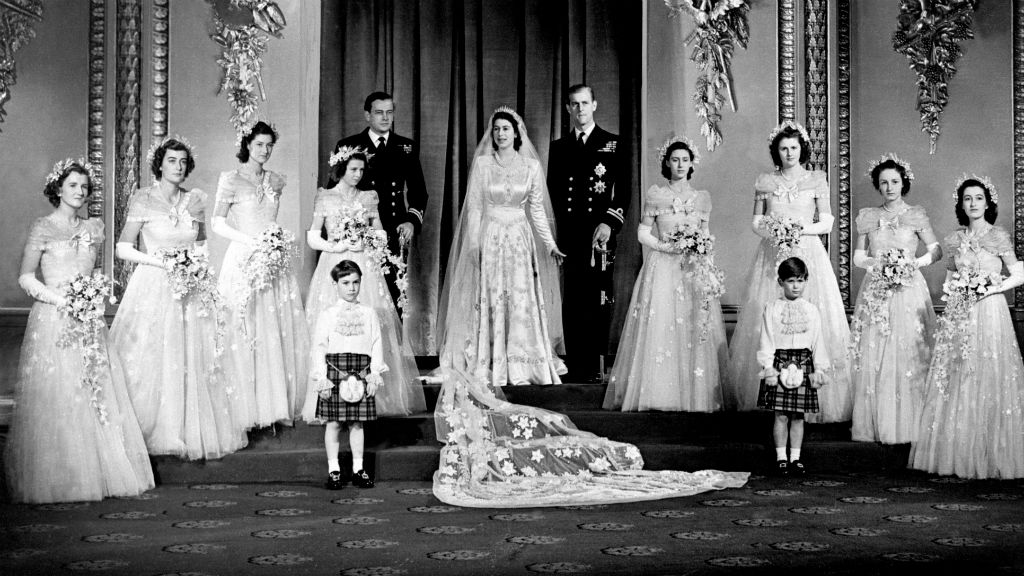
They eventually announced the engagement in 1947 and the pair was married at Westminster Abbey in 1947 on live radio broadcast around the world.
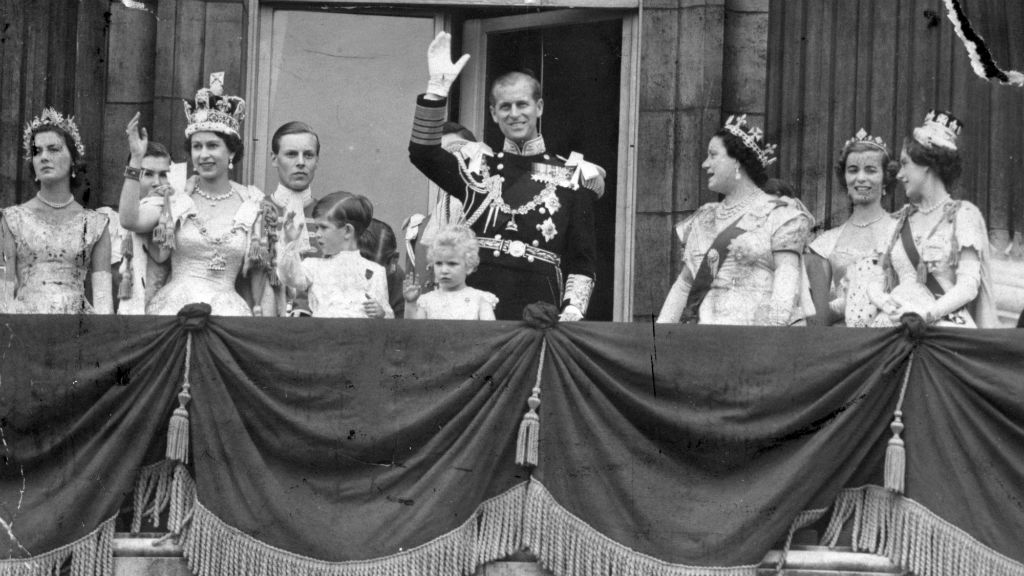
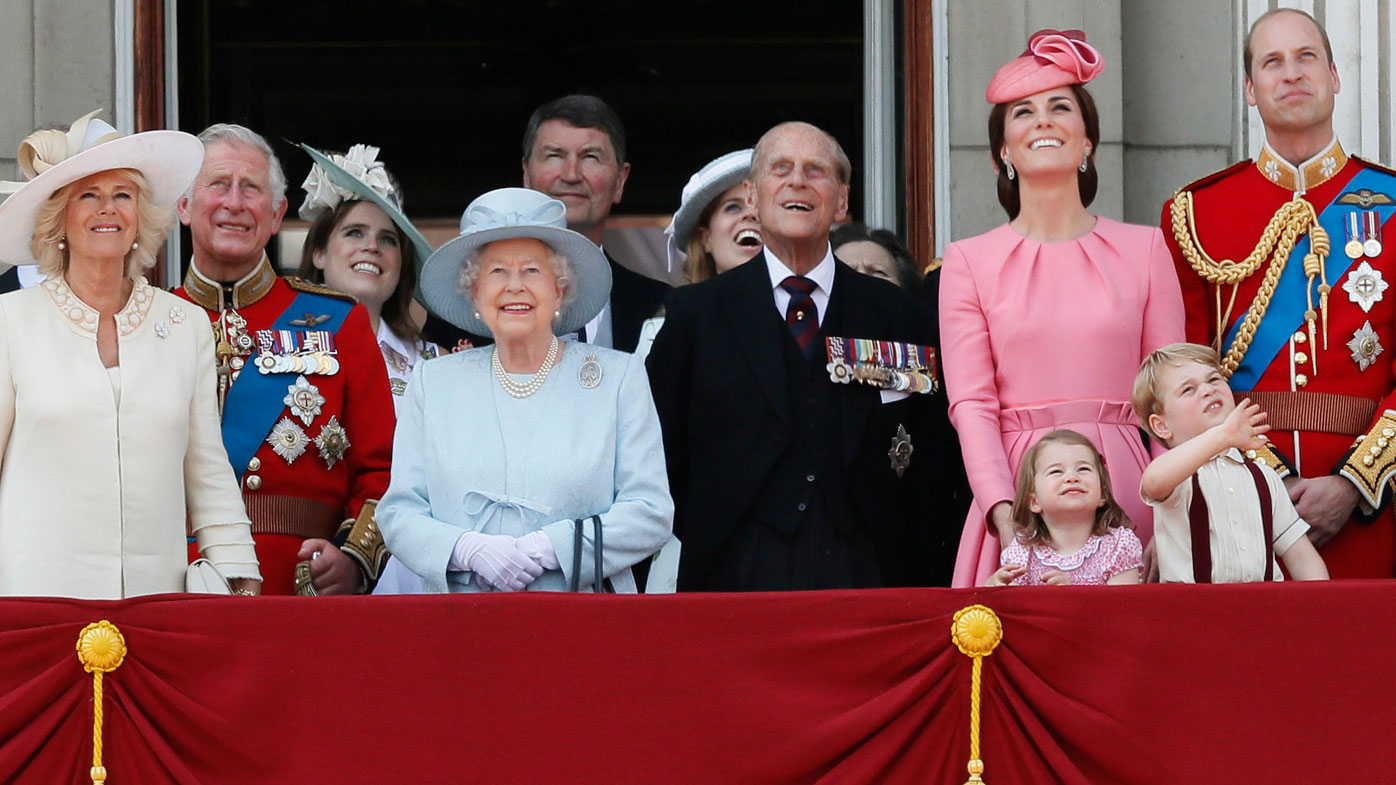
They went on to have four children: Charles, Anne, Andrew and Edward. His life was dedicated to royal service.
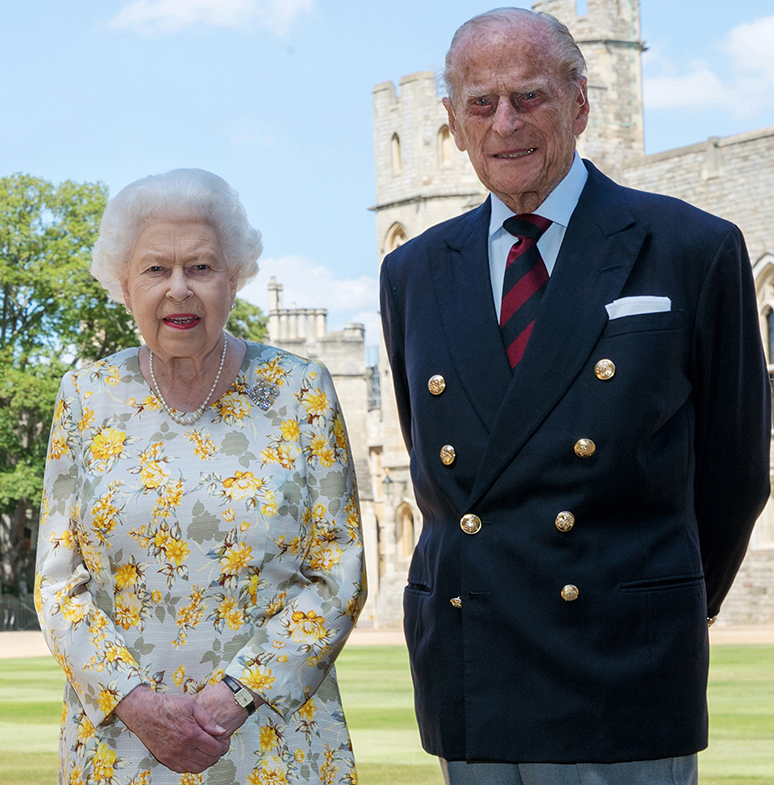
RETIRED LIFE
Since his retirement, Philip has been based at the family's estate in Sandringham, Norfolk.
In February, Prince Philip was involved in a road accident near the home. He was driving a Land Rover and collided with another car.
He was uninjured, but the woman hurt her wrist and the Duke then surrendered his licence.
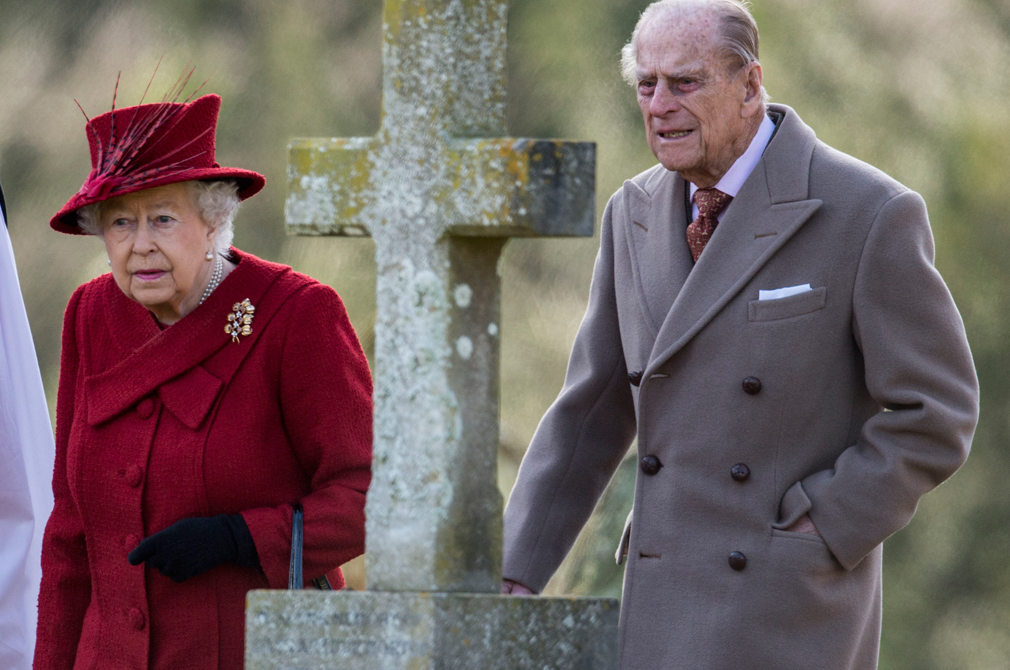
The prince kept a low profile in recent years. He was seen sometimes at church with the Queen, or at the Royal Windsor Horse Show.
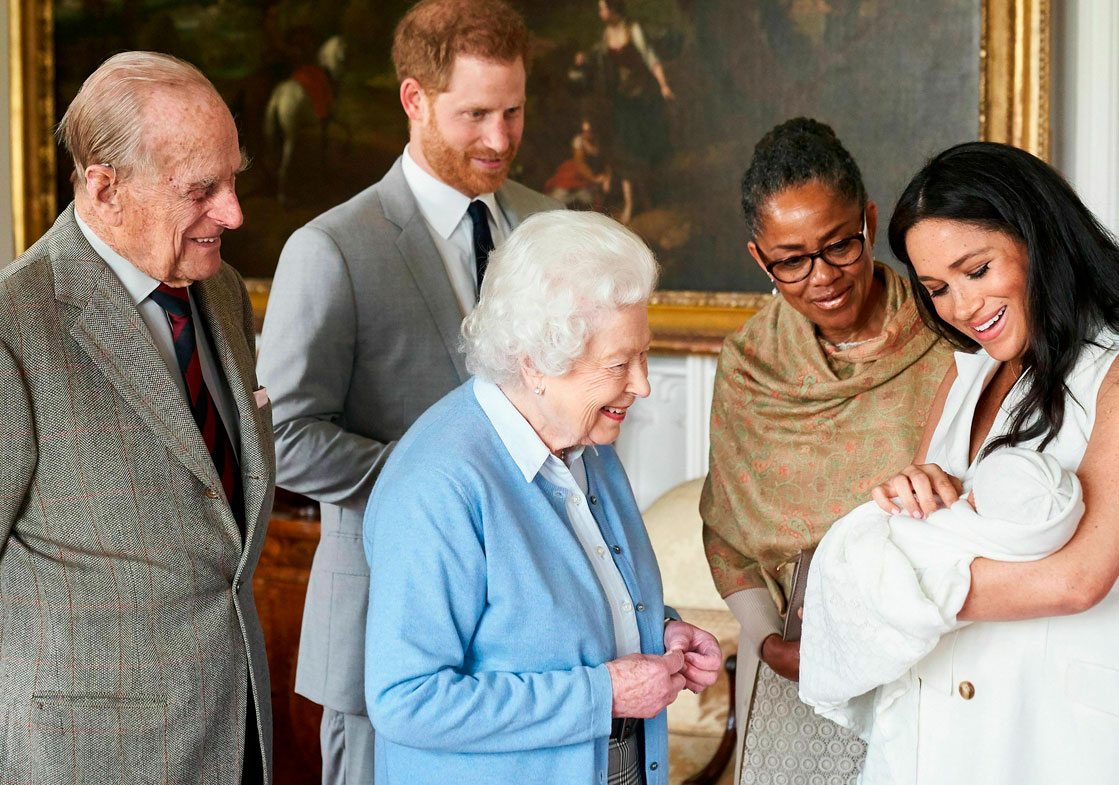
He handed his patronages over to other members of the family, although he kept his military honours.
A stalwart royal, and forever by his Queen's side, Prince Philip will be eternally remembered by those whom he served.