Category Archives: headline

Pfizer vaccine recommended over AstraZeneca for adults under 50

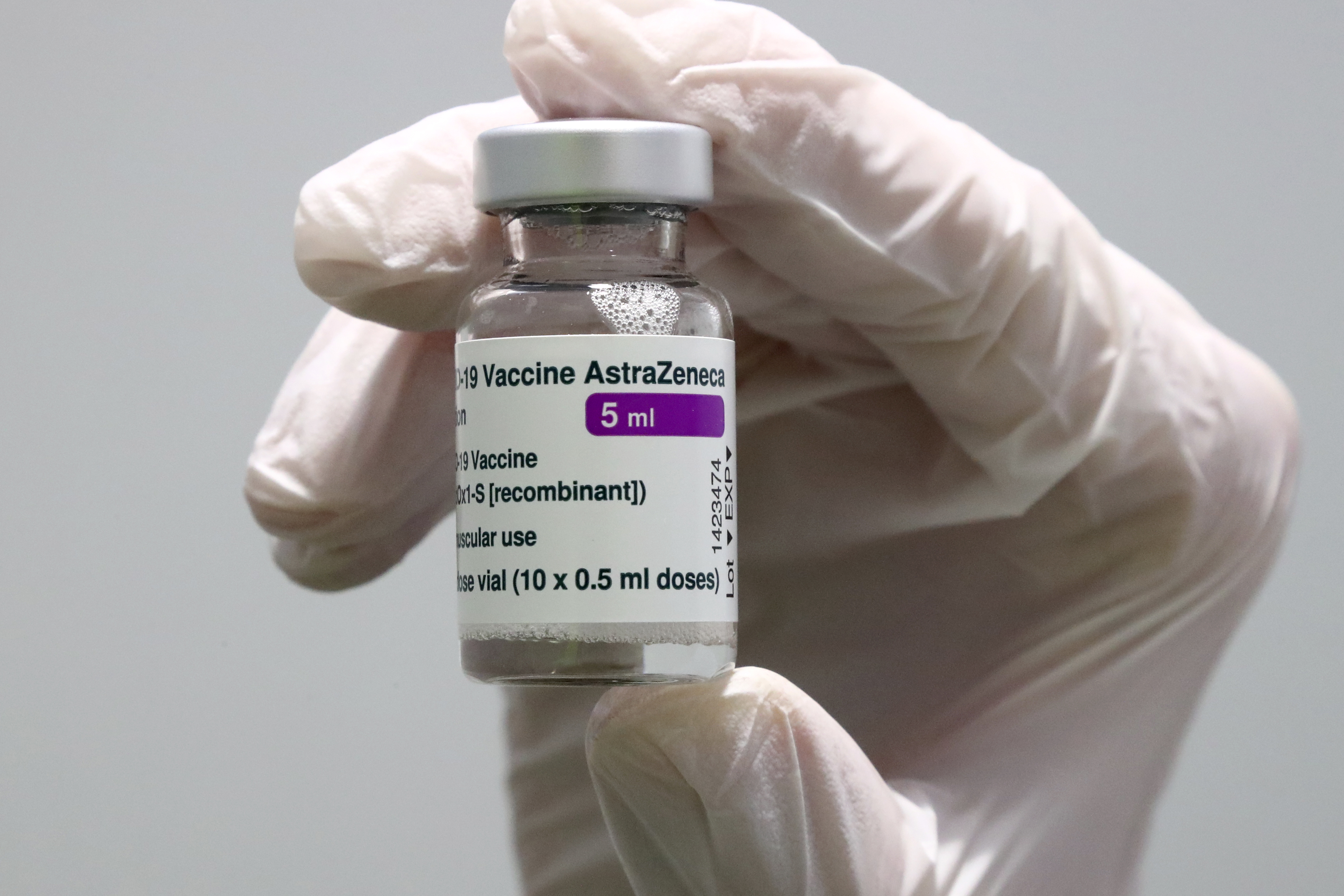
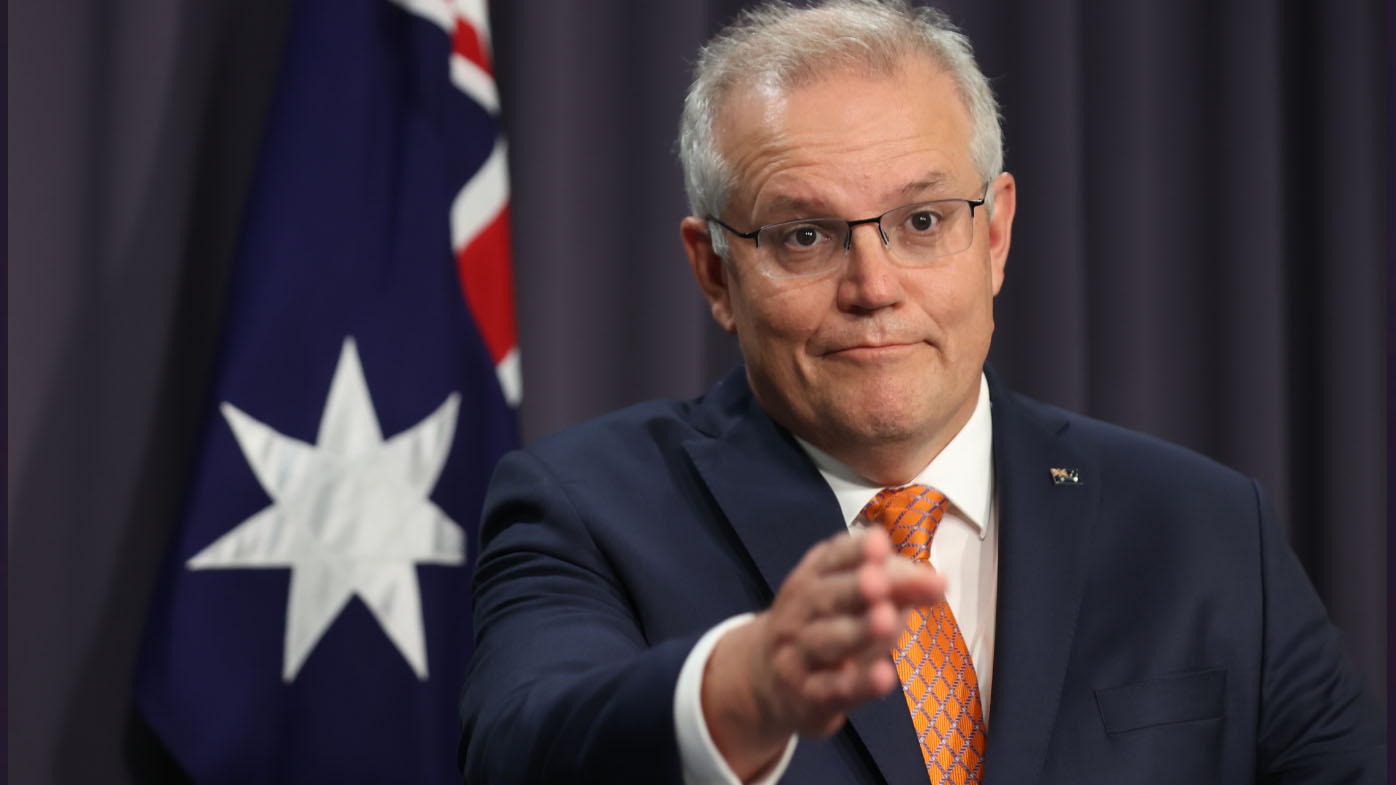
The Australian COVID-19 vaccination rollout is up in the air after Scott Morrison advised the AstraZeneca jab should not be used by people under the age of 50.

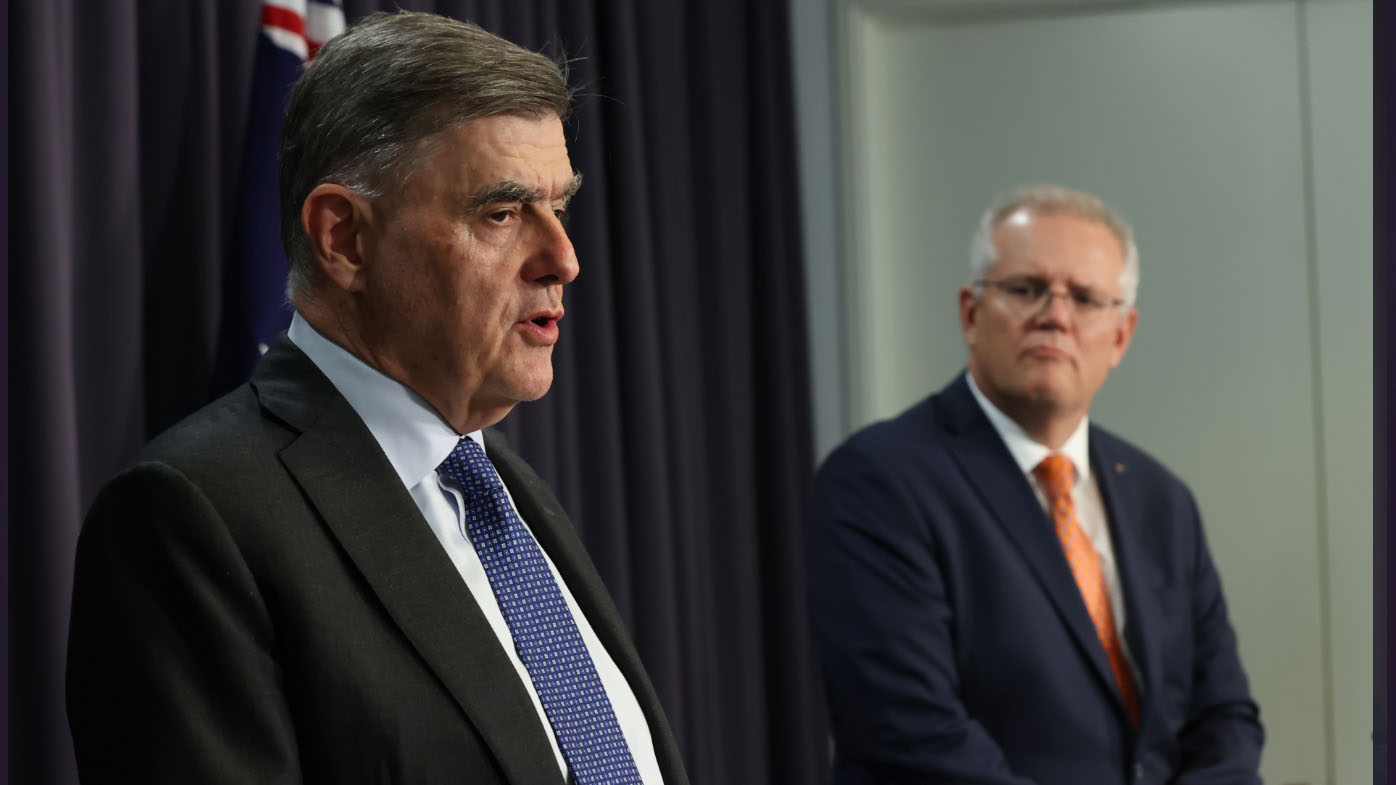
The Prime Minister called a snap press conference at 7.15pm AEST to announce the "recalibration" of the Australian rollout, after receiving medical advice in "the last 15 minutes" over the potential blood clot risks for younger people.

The Australian Technical Advisory Group on Immunisation (ATAGI) recommends the AstraZeneca coronavirus vaccine should be used by those over the age of 50, while the Pfizer jab should be taken up by younger Australians.

READ MORE: AstraZeneca vaccine 'very safe' says Chief Medical Officer

It gave three main recommendations:

  • People under 50 should be given the Pfizer vaccine instead of AstraZeneca
  • A first dose of AstraZeneca COVID-19 vaccine should only be given to adults under 50 years of age where benefit clearly outweighs the risk for that individual's circumstance
  • People that have had their first dose of the COVID-19 AstraZeneca without any serious adverse events can safely be given their second dose

"We thought it was important that we came and briefed you on that this evening so it was available immediately to Australians," Mr Morrison said.

Vaccine rollout could be further delayed

The change to the advice regarding vaccines has now raised questions about whether all Australians will be vaccinated by the end of 2021.

When asked, the Prime Minister said he did not have an update to the rollout timeline and "we have to take the time to assess the implications for the program".

"When we've done that, we may be able to form a view. But I don't think anyone should expect that any time soon," Mr Morrison said.

"It won't stop the work that we're doing in rolling out the vaccination program right now with the doses that we have, particularly from Pfizer, but also rolling out from AstraZeneca, which are predominantly for older Australians above 50 in phases 1A and 1B."

READ MORE: How long will coronavirus vaccines protect people?

Reactions 'very rare'

Australia's Chief Health Officer Paul Kelly said an adverse reaction from the AstraZeneca vaccine is very rare.

"At the moment, it seems to be around four to six per million doses of vaccine," Dr Kelly said.

"It's only been found in the first dose of the AstraZeneca vaccine, usually within four to 10 days after that vaccine.

"But it is serious, and it can cause up to a 25 per cent death rate when it occurs."

Late Thursday night, AstraZeneca Australia put out a statement saying it respected the government's decision and had been collaborating with regulators and advisory groups around the world, including in Australia, to understand any possible cause of the clots.

"The World Health Organisation (WHO) noted today that, whilst concerning, the events under assessment are very rare, with low numbers reported among the almost 200 million individuals who have received the AstraZeneca COVID-19 vaccine around the world," the Anglo-Swedish drugmaker said.

"Overall, regulatory agencies have reaffirmed the vaccine offers a high-level of protection against all severities of COVID-19 and that these benefits continue to far outweigh the risks."

Professor Kelly said the use of the Pfizer vaccine is preferred over the AstraZeneca vaccine in adults "aged less than 50 years who have not already received a first dose of AstraZeneca vaccine".

https://twitter.com/Fi_Willan/status/1380093646079356928

"Immunisation providers should only give a first dose of AstraZeneca COVID-19 vaccine to adults under 50 years of age where benefit clearly outweighs the risk for that individual's circumstances," the Chief Medical Officer said.

"The third recommendation is people that have had their first dose of the COVID-19 AstraZeneca without any serious adverse events can safely be given their second dose."

Professor Kelly said it is nearly impossible to predict who will develop a blood clot after getting the AstraZeneca vaccine.

'It seems it comes virtually spontaneously," he said.

"It can't be predicted because of what people have had in the past, particular diseases – the only one thing is, if you've had this with the first AstraZeneca vaccine, you don't have the second."

'Precautionary position'

Secretary of the Department of Health Professor Brendan Murphy said the decision to attach an advisory for under 50s to the AstraZenca vaccine is a precautionary measure.

"This is a very, very rare event, and it is a highly precautionary position that Australia can take because we're in a fortunate position with COVID," Professor Murphy said.

"All vaccines have adverse effects. Some serious. Flu vaccines do. The Pfizer vaccine has a risk of anaphylaxis, which we've seen.

"But this syndrome, after all of the work we've done with the UK and Europe, does seem to be a real syndrome, and we now feel that, at an abundance of caution, given that this syndrome seems to occur mainly in younger people for whom the risk of severe COVID is not so great, that there is a basis to have a preferred recommendation for those under 50."

There is now work in place to exchange Pfizer vaccines already sent to aged care facilities with AstraZeneca shots.

So. America Now Center of Coronavirus Infections

Coronavirus figures released by health authorities across South America on Monday show a number of countries grappling with a spike in infections and deaths.

Uruguay and Paraguay registered record numbers of daily deaths, while the total number of Covid cases surpassed the 13-million mark in Brazil. The surge has been attributed to the spread of the Brazil variant. The variant is thought to be more than twice as transmissible as the original.

What is the Brazil variant?

Brazilian public health institute Fiocruz says it has detected 92 variants of coronavirus in the country. Experts say that the development of new variants is not surprising: all viruses mutate as they make copies of themselves to spread.

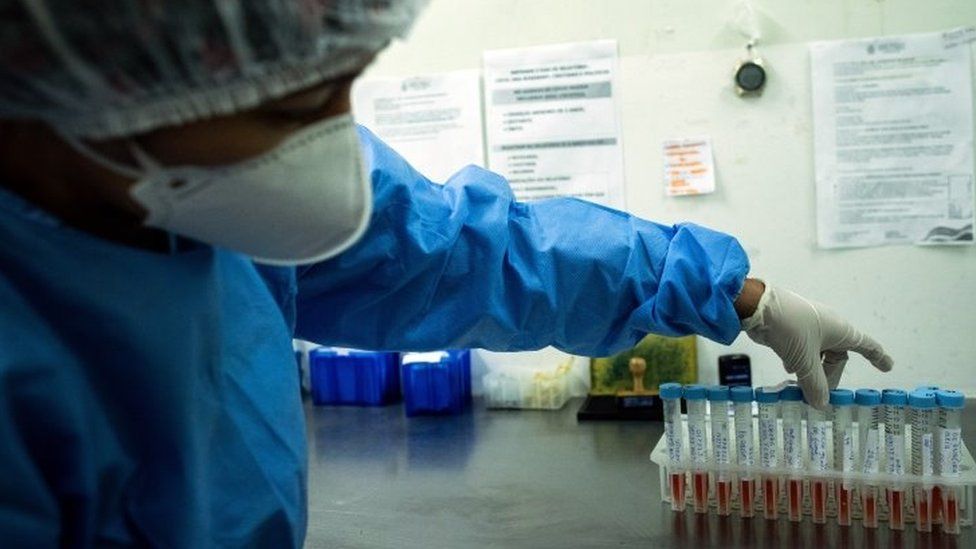
A pharmaceutical professional observes samples of suspected patients with COVID-19 at the Central Laboratory of Amazonas (LACEN), in Manaus, Brazil, 31 March 2021.image copyrightEPA
image captionThe Brazil variant was first detected in people who had travelled to Manaus

The P.1, or Brazil, variant has become a cause for concern is because it is thought to be much more contagious than the original strain.

P.1 was first detected in travellers to Japan from the city of Manaus, in the Brazilian Amazon, and sequenced in early January.

It has mutations on the spike protein, that part of the virus which attaches to human cells, and it is these mutations which are thought to make it more transmissible.

The variant is thought to have emerged in Amazonas state in November 2020, spreading quickly in the state capital Manaus, where it accounted for 73% of cases by January 2021, according to figures analysed by researchers in Brazil.

Preliminary data suggested it could be up to twice as infectious as the original strain, while more recent research puts that figure even higher, at 2.5 times as transmissible.

How widespread is it?

As genetic sequencing is not widespread throughout the region, it is hard to determine how widely the variant has spread. However, the risk has always been deemed high, as Brazil shares borders with 10 countries.

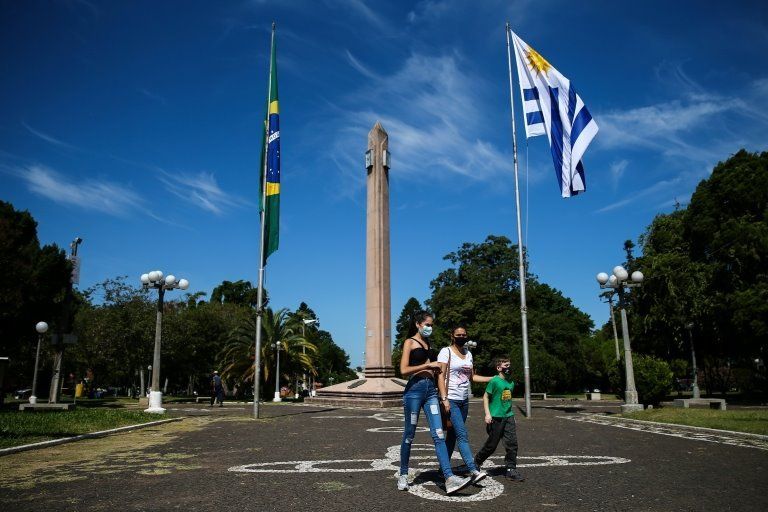
People walk on the International Square, amid the coronavirus disease (COVID-19) pandemic, at the border of Brazilian city Santana do Livramento and Uruguayan city of Rivera, Uruguay March 19, 2021image copyrightReuters
image captionCountries bordering Brazil are particularly concerned about the spread of the variant

On 25 March, Peru‘s health minister said that 40% of cases in the capital, Lima, were caused by the Brazil variant, and on Monday he said that cases had been detected “almost everywhere in Peru”.

Cases of the variant have also been confirmed in Uruguay and Paraguay, both of which registered record numbers of daily deaths on Monday.

In Paraguay, health officials said that half of the cases on the border with Brazil were caused by the variant.

Bolivia has also registered cases of the variant and last week ordered the closure of its border with Brazil for at least a week, with a lockdown ordered for the border regions where the cases occurred.

Venezuela‘s President Nicolás Maduro has also blamed a recent spike in cases and deaths on the spread of the Brazil variant.

In Argentina, health officials have also confirmed the presence of the variant. However, doctors said on Monday that genome sequencing suggested that President Alberto Fernández, who tested positive for Covid on Saturday, did not contract one of the new variants.

And while vaccination is going ahead speedily in Chile and Uruguay, it has been slow in many other countries of the region.

The director of the Pan-American Health Organization, Carissa Etienne, has warned that the situation constitutes “an active public health emergency”.

====================================================

Brazil: Hospitals Overwhelmed as Virus Kills 4,000 in a Day

April 7, 2021

Wearing a mask to curb the spread of the new coronavirus, Brazil’s President Jair Bolsonaro arrives for a ceremony to deliver affordable homes built by the government, in a neighborhood of Brasilia, Brazil, Monday, Apr. 5, 2021. (AP Photo/Eraldo Peres)

SAO PAULO (AP) — Brazil reported a 24-hour tally of COVID-19 deaths exceeding 4,000 for the first time Tuesday, becoming the third nation to go above that daily threshold.

Many governors, mayors and judges are reopening parts of the economy despite lingering chaos in overcrowded hospitals and a collapsed health system in several parts of the country.

Brazil’s health ministry said 4,195 deaths were counted in the previous 24 hours, with the nation’s pandemic toll quickly approaching 340,000, the second highest in the world. Only the U.S. and Peru have had daily death tolls higher than 4,000.

Sao Paulo state, Brazil’s most populous with 46 million residents, registered almost 1,400 deaths in the latest count. Health officials said the figure was partly due to the Easter holiday, which delayed the count.

Local authorities nationwide argue that numbers of cases and hospitalizations are trending downward after a week of a partial shutdown.

Miguel Lago, executive director of Brazil’s Institute for Health Policy Studies, which advises public health officials, said reopening is a mistake that he fears will bring even higher death numbers, though he thinks it unlikely to be reversed.

“The fact is the anti-lockdown narrative of President Jair Bolsonaro has won,” Lago told The Associated Press. “Mayors and governors are politically prohibited from beefing up social distancing policies because they know supporters of the president, including business leaders, will sabotage it.”

Bolsonaro, who has long downplayed the risks of the coronavirus, remains fully against lockdowns as damaging to the economy.

COVID-19 patients are using more than 90% of beds in intensive care unit in most Brazilian states, though figures have been stable since the past week. Still, hundreds are dying as they wait for care and basic supplies such as oxygen and sedatives are running out in several states.

Less than 3% of Brazil’s 210 million people have received both doses of coronavirus vaccines, according to Our World in Data, an online research site.

Over the weekend, justices of Brazil’s Supreme Court started a tug of war about the reopening of religious buildings, which were closed by many local authorities despite a federal government decision to label them as part of essential services.

Some churches welcomed their faithful on Easter Sunday, but others were stopped by mayors and governors. Their reopening will be settled at the high court Wednesday, but some local councils, such as Belo Horizonte, voted Tuesday to keep religious buildings open.

Also on Tuesday a Rio de Janeiro judge allowed schools to reopen as Mayor Eduardo Paes wanted. Hours later, the mayors of Campinas and Sorocaba, two of the most populous cities in Sao Paulo state, agreed to reopen business with a drive-thru purchase system after a 10-day halt.

Professional soccer executives in Sao Paulo said they expect to play games this week after a 15-day interruption, promising local prosecutors they will follow stricter health protocols.

The post So. America Now Center of Coronavirus Infections appeared first on The St Kitts Nevis Observer.

AstraZenica COVID Vaccine…What You Should Know, New Variants Replace Old One

Experts warn of impact after advice changes in response to 79 blood clot cases out of 20m vaccinations. Under-30s in UK should be offered alternative to AstraZeneca Covid vaccine, say officials.

Experts warned of damage to confidence in the UK’s vaccine programme after 10 million adults under 30 were told they will be offered an alternative to the Oxford/AstraZeneca jab following concerns over rare blood clots.

Healthy 18- to 29-year-olds who are not at high risk of Covid should have the option of a different jab if one is available in their area, the government’s joint committee on vaccines and immunisation (JCVI) said, weeks after some European countries suspended the use of Oxford/AstraZeneca jabs in younger people.

For older people, the benefits of the vaccine – the most widely used in the UK – far outweigh the risks, the JCVI added. The UK has recorded 79 rare blood clots cases, 19 of whom died, out of 20m AstraZeneca jabs administered.

England’s deputy chief medical officer, Prof Jonathan Van-Tam, called the move “a course correction” and said there should be little or no impact on the vaccine rollout timeline, though he warned that under-30s could face short delays in getting inoculated.

Boris Johnson tweeted: “We will follow today’s updated advice, which should allow people of all ages to continue to have full confidence in vaccines, helping us save lives and cautiously return towards normality.”

The recommendation came as it was confirmed that the European regulator is examining whether other vaccines using similar technology to the AstraZeneca jab pose any risk.

There had been three cases of venous thromboembolism blood clots with low platelets involving the Johnson & Johnson jab, a European Medicines Agency (EMA) official said.

Symptoms of the rare brain blood clots include severe headaches and blurred vision, and most cases occur within two weeks of a jab – but such events are treatable if medical help is sought, experts said.

Possible link between AstraZeneca vaccine and blood clots, says EU regulator - video


02:13
Possible link between AstraZeneca vaccine and blood clots, says EU regulator – video

In the UK up to 31 March, there were 79 reports of these rare blood clots with low platelets – some but not all of them in the brain, it was revealed on Wednesday. Of those affected, 19 people died, although it is not known if the blood clots were the cause in every case.

More were women – 51 – and they were all aged 18-79. Three were under 30. But the recommendation of an alternative vaccine for that age group is because their risk from Covid itself is very low.

In older age groups, the experts believe, the benefits of vaccination significantly outweigh the rare side-effect risk, but in younger people “it is more finely balanced”.

Dr June Raine, CEO of the Medicines and Healthcare products Regulatory Authority (MHRA), said the risk was “extremely small” and the authority had not yet concluded that the vaccine was responsible.

“The evidence is firming up. While it is a strong possibility, more work is needed to establish beyond all doubt that the vaccine has caused this side-effect,” she said.

“Today’s decision is a severe blow to the public’s vaccine confidence, which is already fragile,” said Dr Chris Papadopoulos, principal lecturer in public health at the University of Bedfordshire. It might be the right decision, but needed to be coupled to efforts to counter vaccine hesitancy, he added.

Prof Martin Hibberd, of the London School of Hygiene & Tropical Medicine, said it was a sensible decision. “However, I would like to see the evidence that the other vaccines are safer.”

The Royal College of Midwives said young people and pregnant women would be concerned.

“Although pregnant women who are clinically extremely vulnerable are eligible for the vaccine, those under 30 have seen their options severely limited, as the Pfizer/BioNTech vaccine is not approved for use for them,” said its executive director, Birte Harlev-Lam.

Pregnant women should discuss vaccination with their doctor. Those who have any history of blood clots should not have the AstraZeneca jab.

It came as the EMA said the rare blood clots would be listed formally as a side-effect of the AstraZeneca vaccine, though it did not announce any restrictions on use. Several EU countries, including France and Germany, have already limited use to citizens aged over 55 or 60, or suspended its use entirely.

Emer Cooke, executive director of the EMA, said: “In the UK, I cannot comment on the decision-making to restrict to a certain age but what I can tell you is there is a lot more use in the younger age groups in the UK than in the EU at the moment and we will certainly take this into account in our further evaluations.”

Asked why European countries have different stances from the UK, Adam Finn from the JCVI said Britain had “extremely detailed data” based on a high number of administered AstraZeneca jabs.

“I think other countries in Europe that have seen clusters of cases … they are not in such a good evidence-driven position to make their judgments,” he said, adding that “the risk-benefit [equation] does vary … from one country to another”.

The EMA said it could not identify the cause of the blood-clotting event, which was mostly, but not entirely, in women under 60.

It is advising that healthcare professionals and people getting the vaccine should be made aware of the issue and the symptoms of the clots, which range from shortness of breath and chest pain to persistent headaches and blurred vision.

“It is of great importance that healthcare professionals and people coming for vaccination are aware of these risks and look out for signs or symptoms,” said Cooke.

Like the EMA, the MHRA is a regulator and an adviser on safety and efficacy to governments.

The UK recommendation that under-30s should be offered an alternative vaccine comes from the JCVI. Its head, Prof Wei Shen Lim, said it had only made the recommendation to government “out of the utmost caution rather than because we have any serious safety concerns”.

Dr Peter Arlett, the head of the EMA data analytics and methods taskforce, said the agency was examining whether other vaccines posed any risk, citing cases of rare blood clots involving the Johnson & Johnson jab.

“There have been three cases with the Johnson & Johnson vaccine of blood clots associated with low platelets which have some similarities to these cases that we’ve been describing today,” he said.

“However, the numbers are extremely small compared with the 5 million patients that have received the Johnson & Johnson vaccine worldwide. This is, however, under close scrutiny, the [committee] is looking at it carefully, and I think it would be fair to say there’s intensive monitoring of this issue across the vaccines.”

A UK government spokesperson said: “The Oxford/AstraZeneca vaccine is safe, effective and has already saved thousands of lives.

“Everybody who has already had a first dose of the AstraZeneca vaccine should receive a second dose of the same brand, irrespective of age, except for the very small number of people who experienced blood clots with low platelet counts from their first vaccination.”

==================================================

What do I need to know about the Oxford/AstraZeneca vaccine?

After a UK recommendation that healthy adults under 30 should have an alternative jab, here’s the latest information and advice

The European Medicines Agency (EMA) said on Wednesday it had found a possible link between AstraZeneca's coronavirus vaccine and reports of very rare cases of blood clots in people who had received the shot
02:13
Possible link between AstraZeneca vaccine and blood clots, says EU regulator – video
Science correspondent and Europe correspondent

Concerns have been mounting over reports of rare but serious blood clots in a small number of recipients of the Oxford/AstraZeneca vaccine, leading to a UK recommendation on Wednesday that healthy adults under 30 should have an alternative jab if they can. We take a look at the latest information and guidance.

What are the potential side-effects from Covid vaccines?

All medications including vaccines have some side-effects. The most common with the Covid jabs are mild and short-lived, including localised soreness, fatigue or aches and headaches.

However the Oxford/AstraZeneca jab has been linked to a small but concerning number of reports of blood clots combined with low platelet counts (platelets are cell fragments in our blood that help it to clot).

These include a rare clot in the brain called cerebral venous sinus thrombosis (CVST). In an unvaccinated population, upper estimates suggest there may be 15 to 16 cases per million people per year. But also highly uncommon is the combination of CVST or other rare clots with low platelets, and sometimes unusual antibodies – and that combination is at the centre of current concerns.

The Medicines and Healthcare products Regulatory Agency (MHRA) said recipients of the Oxford/AstraZeneca jab should look out for new headaches, blurred vision, confusion or seizures that occur four days or more after vaccination.

While headaches are very common post-vaccine, Dr Josh Wright, vice-president of the British Society for Haematology, stressed that those linked to CVST are unusually severe and persistent and progressively worsen over a period of days. Most cases are reported within two weeks of someone having the jab.

The MHRA also flagged shortness of breath, chest pain, abdominal pain, leg swelling and unusual skin bruising as reasons to seek medical advice.

Once identified, the symptoms can be treated. Beverley Hunt, professor of thrombosis and haemostasis at King’s College London and a representative of Thrombosis UK, said the first step would be to give a dose of intravenous gamma globulin – essentially giving concentrated antibodies which block the effect of the antibodies that could be causing the clotting problems. Once the patient is stable this is then followed by giving them anticoagulation agents, but not heparins.

How many cases have there been?

Up to and including 31 March, the MHRA said it received 79 reports of cases of blood clots combined with low platelets, including 19 deaths, following more than 20m doses of the Oxford/AstraZeneca jab. That equates to about four cases for every million vaccinated individuals.

The MHRA added that 44 of the reports and 14 of the deaths related to CVST with a low platelet count. Of the 19 deaths, 11 were in people under the age of 50 and three were in people under the age of 30.

Two cases of blood clots with a low platelet count have also been reported among recipients of the Pfizer/BioNTech jab. “This is a particularly rare and very unique form of abnormal clotting,” said Wright.

The European Medicines Agency is also examining three cases of venous thromboembolism blood clots involving the Johnson & Johnson jab.

The MHRA says blood clots combined with low platelets can occur naturally in unvaccinated people as well as in those who have caught Covid, and that while evidence of a link with the Oxford/AstraZeneca vaccine has become stronger, more research is needed.

How may the vaccine cause these problems?

At present the mechanism by which the jab could cause clotting problems remains unclear. But experts have noticed a similarity to a clotting event sometimes seen among people given the blood-thinning drug heparin, whereby antibodies are generated that result in platelets becoming activated.

“In very rare situations heparin can actually cause this platelet activation problem and lead to blood clots in unusual places. So there are some similarities between these two conditions,” said Wright.

According to Hunt, one possibility is that the Oxford/AstraZeneca vaccine may also trigger the production of antibodies that activate platelets, causing them to form clots. In the process, platelets are used up, resulting in a fall in the platelet count.

What is the current official recommendation?

The MHRA, along with the EMA and the World Health Organization (WHO), have all repeatedly said people should continue taking the Oxford/AstraZeneca shot because its benefits in preventing Covid infection far outweigh any risks.

However on Wednesday the MHRA acknowledged a possible link between the jab and the clots, adding that careful consideration should be given to those who may be at higher risk of certain types of blood clots.

In addition, the UK’s Joint Committee on Vaccination and Immunisation (JCVI) said it was recommending that people aged 18-29 should be offered other Covid vaccines – if available – provided they are healthy and at low risk of Covid. There are about 10 million 18- to 29-year-olds in the UK.

“Although the chance of any person receiving the vaccine experiencing a blood clot with low platelets is extremely small, because the risk of severe Covid in the under-30s with no underlying illness is also small, JCVI feel as a precautionary measure it is appropriate for those in this age group to be offered an alternative Covid vaccine when their turn comes for their first dose of a vaccine,” said Prof Anthony Harnden, deputy chair of the JCVI.

Pregnant women should discuss with their doctors whether to have the Oxford/AstraZeneca jab as pregnancy can increase the risk of blood clots, the MHRA said.

Meanwhile on Wednesday the EMA said the rare clotting syndrome should be listed as a very rare side-effect of the Oxford/AstraZeneca jab after reviewing 62 cases of CVST and 24 cases of splanchnic vein thrombosis, largely from Europe and the UK where 25m doses of the jab have been given. Of these cases, 18 were fatal.

“So far, most of the cases reported have occurred in women under 60 years of age within two weeks of vaccination,” the EMA said, although specific risk factors have not yet been confirmed.

According to data from the MHRA, 51 of the 79 clotting cases and 13 of the deaths were in women, although women were more likely to receive the Oxford/AstraZeneca jab than men.

Should people take aspirin after the vaccine?

There has been no advice that anyone should take medication to prevent rare clotting events. Hunt cautioned against taking aspirin, stressing it is thought the clotting problems are down to an immune response.

“So taking aspirin is not going to be helpful. Taking an anticoagulant probably isn’t going to be helpful, especially if you are going to get a low platelet count, it will increase your risk of bleeding,” she said. “And we know if you take aspirin and you don’t need to take aspirin the benefits aren’t very good and there is a risk that you can bleed spontaneously.”

Does the contraceptive pill increase women’s risk of blood clots more than the Oxford/AstraZeneca jab?

Combined hormonal contraceptives, which contain oestrogen, have been associated with an increased risk of blood clots including CVST, deep vein thrombosis and pulmonary embolism.

According to an EMA review in 2014, the risk of blood clots ranged from five to 12 cases per 10,000 women who take combined hormonal contraceptives for a year, compared with two cases each year per 10,000 women who are not using such contraceptives. “The combined oral contraceptive pill is probably the commonest cause of cerebral sinus thrombosis, so it is a very good comparison,” said Hunt.

Adam Finn, professor of paediatrics at the University of Bristol and a member of the JCVI, said other risk-benefit comparisons can also be made. “We’ve seen data that the annual risk of dying in a car crash if you regularly travel in a car is about 1 in 20,000, with a lifetime risk of about 1 in 240,” he said. “We take those risks for granted.” The faculty for sexual and reproductive health stressed the risk of blood clots from the pill was also low – much smaller than the risk of having a blood clot if they were pregnant.

Should you have a second dose of the Oxford/AstraZeneca jab?

The vast majority of people who had a first dose of the jab, including under-30s, should get their second dose, with some exceptions.

“Anyone who experienced cerebral or other major blood clots occurring with low levels of platelets after their first vaccine dose of Covid-19 Vaccine AstraZeneca should not have their second dose,” the MHRA said. “Anyone who did not have these side-effects should come forward for their second dose when invited.”

All 79 cases detailed by the MHRA occurred after the first dose, but that could be because far more people have received their first dose than their second.

Could other Covid vaccines cause these clotting problems?

Harnden said at present this is unclear. “Because we don’t know what the causal mechanism is yet – and although there is a strong possibility that this is caused by the Oxford/AstraZeneca jab, we are not 100% certain – we can’t really postulate [about] other [vaccine] types at the moment,” he said.

But the occurrence of only two cases of blood clots and low platelets among those vaccinated with the Pfizer jab suggests the problem is linked to the Oxford/AstraZeneca jab, he said.

One possibility is that it is linked to the type of vaccine, with the EMA examining whether other vaccines using similar technology to the Oxford/AstraZeneca vaccine posed any risk.

The Janssen (Johnson & Johnson) vaccine also uses a modified cold virus to introduce the instructions for the spike protein into our cells – but whereas the Oxford/AstraZeneca vaccine uses a chimp adenovirus, the Johnson & Johnson vaccine uses a human cold virus.

Dr Peter Arlett, head of data analytics and methods taskforce, said so far there had been three cases of venous thromboembolism blood clots involving the Johnson & Johnson jab.

“However the numbers are extremely small compared to the 5 million patients that have received the Johnson & Johnson vaccine worldwide. This is, however, under close scrutiny, the [committee] is looking at it carefully, and I think it would be fair to say there’s intensive monitoring of this issue across the vaccine.

==================================================

New COVID Variants Have Replaced Original Virus

(CNN) Canadian public health officials say a rapidly spreading variant likely has now replaced the original Covid-19 virus in many parts of the country, and new variants are making younger people sicker and sending more to the hospital.

“This isn’t the news any of us wanted, but hospitalizations are surging, ICU beds are filling up, variants are spreading and even people who had convinced themselves they didn’t need to be concerned are getting sick,” Canadian Prime Minister Justin Trudeau said at a news conference Tuesday, adding this is a “very serious” third wave of the pandemic.

Trudeau made a pointed appeal to young people, urging them to “stay home” as younger Canadians are getting sicker in this third wave.

Intensive care unit admissions are up 18% in the past week alone, and the new variants are placing a “heavy strain” on hospital capacity, the Public Health Agency of Canada said.

Coronavirus and travel: Everything you need to know

Coronavirus and travel: Everything you need to know

“With increasing rates of infection, we are seeing a greater number of younger adults with Covid-19 being treated in hospital,” said Dr. Theresa Tam, Canada’s chief public health officer. She added that more than 15,000 variant cases have been detected so far, the vast majority of them the B.1.1.7 variant first detected in the United Kingdom.

In many provinces now experiencing a third wave, chief public health officers are reporting that younger patients are getting severely ill with Covid-19, and many of those cases have tested positive for variants of concern, according to Tam.

“Many of them deteriorate quite quickly and have to be admitted to the ICU quite immediately, and then they spend quite a bit length of time staying in the ICU, which means that there’s a capacity impact as well,” Tam said.

While hospitalizations haven’t increased dramatically, more of the patients admitted are now needing critical care as variants are making them more severely ill, she said.

In Toronto, public health officials ordered all elementary and secondary schools to stop in-person learning and shift to remote learning, effective Wednesday, as they try to “reverse the surge of infection that the province currently faces,” Toronto Public Health said.

Biden ramps up vaccine diplomacy efforts as hopes rise that he'll share surplus doses

Biden ramps up vaccine diplomacy efforts as hopes rise that he’ll share surplus doses

Ontario, whose capital is Toronto, is debating new and more restrictive measures, including a stay-at-home order, as its ICU capacity is increasingly strained.

The order will be in place from April 7-18, according to the guidance issued Tuesday, and may be extended.

“Current circumstances require that difficult decisions must be taken locally to protect all those in our school communities, including students, teachers and staff,” Toronto Public Health said.

British Columbia has moved to close the Whistler ski resort and further restrict gatherings in the province, which is now also coping with an outbreak of the virus among NHL hockey players with the Vancouver Canucks.

California says it will fully reopen in June, citing falling Covid-19 case rates

California says it will fully reopen in June, citing falling Covid-19 case rates

The province of Alberta also confirmed it was dealing with new clusters of cases involving the P.1 variant.

This week, Canada surpassed 1 million Covid-19 cases since the pandemic began. Tam called that milestone a “stark reminder” of everything Canadians have been through.

While the B.1.1.7 variant has now likely become the dominant variant in Canada, Tam said her team is also keeping a close eye on a significant outbreak of the P.1 variant, first detected in Brazil and now surging in some western Canadian provinces.

Monday, British Columbia’s health minister said the number of cases of the P.1 variant in his province almost doubled over the Easter holiday weekend.

“The most transmissive variants of Covid-19 are ultimately going to take over,” Adrian Dix said in a Monday update.

CNN’s Elizabeth Stuart and Theresa Waldrop contributed to this report.
 

The post AstraZenica COVID Vaccine…What You Should Know, New Variants Replace Old One appeared first on The St Kitts Nevis Observer.

Global Warming Report: US, UK, EU Banks Dominated by Conflict of Oil Interests

US banks are pledging to help fight the climate crisis alongside the Biden administration, but their boards are dominated by people with climate-related conflicts of interest, and they continue to invest deeply in fossil fuel projects.

Three out of every four board members at seven major US banks (77%) have current or past ties to climate-conflicted companies or organizations – from oil and gas corporations to trade groups that lobby against reducing climate pollution, according to a first-of-its-kind review by climate influence analysts for the blog DeSmog

One of the controversial projects those board members have chosen to back is the new Line 3 tar sands pipeline, currently under construction in northern Minnesota. If completed, the project would allow the Canadian oil giant Enbridge to double the amount of high-polluting tar sands oil it transports through the region to 760,000 barrels per day.

Environmental groups estimate the new Line 3 would add 50 new coal plants’ worth of carbon emissions to the atmosphere every year for the next three to five decades. They say it is incompatible with the Biden administration’s climate and environmental goals, and they argue the project never should have been approved. They add that the Trump administration didn’t independently review the risks of building a tar sands pipeline underneath the headwaters of the Mississippi River, which flows all the way to the US Gulf coast.

Neither Biden nor the banks funding Line 3 have acknowledged these concerns, and time is running out to halt construction. So in recent weeks, Indigenous water protectors in Minnesota have resorted to physically chaining themselves to Enbridge equipment, while activists across the country have been chaining themselves to the doors of the banks who finance the pipeline.

“There’s been a lot of complacency. People have been pursuing comfortable routes of advocacy,” said Tara Houska, whose group Giniw Collective has led several direct actions against Line 3. “I don’t think we’re going to get the answers we need comfortably.”

Enbridge has seven active loans relevant to Line 3, totaling $11.5bn, according to the Rainforest Action Network (Ran). In addition, banks have underwritten bonds to Enbridge totaling $5bn since the autumn of 2019, the group said.

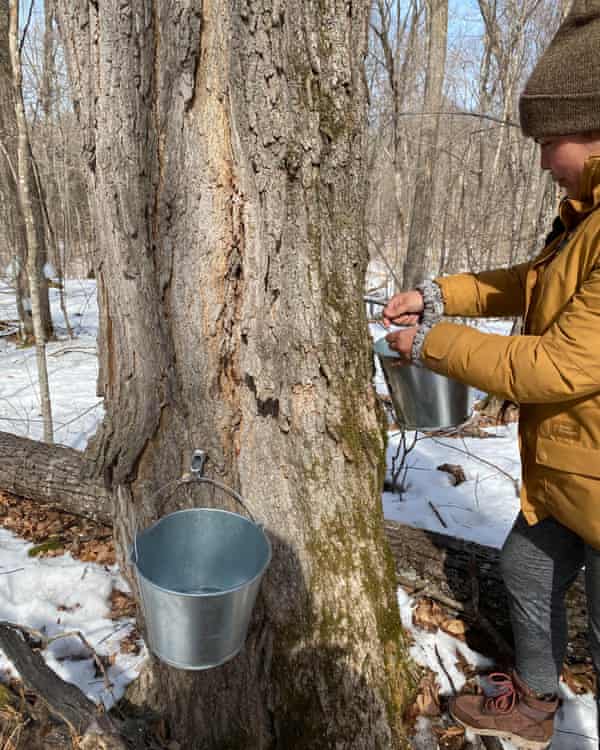
Tara Houska’s group Giniw Collective has led several direct actions against the Line 3 pipeline. Here, she demonstrates how to tap a tree for syrup. She stresses that young people need to stay connected to the land.

Tara Houska’s group Giniw Collective has led several direct actions against the Line 3 pipeline. Here, she demonstrates how to tap a tree for syrup. She stresses that young people need to stay connected to the land. Photograph: Emily Atkin/Heated

From the US, Bank of America, Citigroup, JPMorgan Chase and Wells Fargo have made the project possible with billions of dollars in loans, although it’s impossible to tally precisely how much they have financed for the pipeline specifically. Another five large Canadian banks are also financing Enbridge, according to Ran.

Out of these nine North American banks backing Enbridge, six have recently published net-zero climate goals, pledging to align their investments with the international Paris climate agreement.

“The banks are gorging on doughnuts and then eating an apple afterwards,” said Richard Brooks, the Toronto-based climate finance director for Stand.earth. “We certainly can’t rely on banks or the private sector to lead us into climate safety and lead us toward emissions reductions. We need policy, we need regulation. We need government to act.

DeSmog found Canadian banks have the highest percentage of directors with climate-conflicted ties: 82%. That figure was significant in the UK and elsewhere in Europe as well, at 78% and 61%, respectively.

In February, the group Stop the Money Pipeline began a campaign to demand that banks withdraw their financial support of Line 3.

But despite numerous direct actions across the country, the effort has not been nearly as successful as previous climate campaigns targeted at banks, like the campaign to end funding for drilling in the Arctic national wildlife refuge.

The progressive Minnesota congresswoman Ilhan Omar pointed to previous environmental victories and said activists must keep fighting.

“We were able to stop the construction of the Keystone XL pipeline because activists collectively organized in large numbers to oppose it – we must use that same energy to stop this pipeline from causing irreversible damage,” she said.

Juli Kellner, an Enbridge spokesperson, argued Line 3 was a safety-driven project because it was replacing an older pipeline. She said it had received all its permits after a thorough review process.

“Shutting down existing pipelines does not erase demand. It merely forces the transport of essential energy by less efficient means such as ship, truck and most notably rail,” Kellner said. “It is Enbridge’s responsibility to transport the energy people rely on daily by pipelines – the safest, most efficient means of transporting energy. It is also our responsibility to do what we can to address climate change. That is why we’ve set a target of net-zero emissions by 2050 and laid a credible path to achieving it, including tying compensation of our executives to our performance in this area.”

Much of the US economy is built on fossil fuels, and people with enough experience to be appointed to bank boards are likely to have some connection to climate-conflicted organizations. But the DeSmog analysts said the heavy representation of the industry on boards shows a “lack of creativity” in recruitment and is probably why bank policies aren’t more environmentally progressive.

“Some of these banks have pledges, but it’s about ensuring that they see them through. We’re simply asking the question of: ‘With this person on the board, what’s the likelihood of them seeing them through?’” said Mat Hope, editor of DeSmog UK.

“When it comes to the consumer holding their bank card, we want to put the information out there that lets them know that these are the directors of the boards of the banks they’re banking with.”

DeSmog reviewed the careers of board directors and flagged any connections with high-polluting sectors, including fossil energy, agribusiness, steelmaking and mining. The group also relied on indexes that measure polluting companies, such as the Climate Action 100 list, which includes companies like Nestlé – which has contributed to deforestation. And they reviewed links to trade groups, lobbying firms and thinktanks that have opposed climate action.

JPMorgan Chase tops the list for directors with climate conflicts. All of its 10 directors have current or past ties to companies or organizations contributing to the climate crisis. Wells Fargo comes in second, with 12 out of 13 directors.


Most of the seven banks declined to comment or did not respond to requests for comment. Wells Fargo noted its net-zero commitment and its plans to disclose near-term climate targets, as well as its taskforce on climate-related financial disclosures.

All seven of the banks have potential climate conflicts among at least half the directors on their boards.

For example, Theodore Craver, a director at Wells Fargo, is also on the board of Duke Energy, a power company that owns significant coal and gas generation. Duke has vowed to reach net-zero carbon pollution by 2050, but environmental advocates have argued the company’s plan still includes a large amount of gas. Craver is also the retired CEO of Edison International, another energy company.

Michael Neal, who is on the board at JPMorgan Chase, was vice-chairman of General Electric Company until his retirement in 2013.

Those kinds of connections could be significant obstacles to the Biden administration’s hopes that banks will commit to climate-friendly finance, activists warn.

John Kerry, Biden’s climate envoy, wants banks to commit to more near-term goals, according to Politico. But the White House has also met with environmental and watchdog groups who want the administration to be more aggressive with banks.

The White House did not respond to requests to comment for this story.

Collin Rees, a campaigner for Oil Change International, said advocates have consistently heard there is a desire within the White House to move forward on climate finance regulation, to require banks to have capital requirements and pass stress tests, for example.

“That’s the way we would like to see it approached,” Rees said. “To talk about how we are regulating Wall Street. And to also talk about the fact that they are not only potential sources of clean energy investment, which is good, but also still driving the climate crisis.”

Last week, 145 organizations wrote Kerry a letter urging him to help end “the flow of private finance from Wall Street to the industries driving climate change around the world – fossil fuels and forest-risk commodities”. They asked Kerry to “recognize that Wall Street is not yet an ally”.

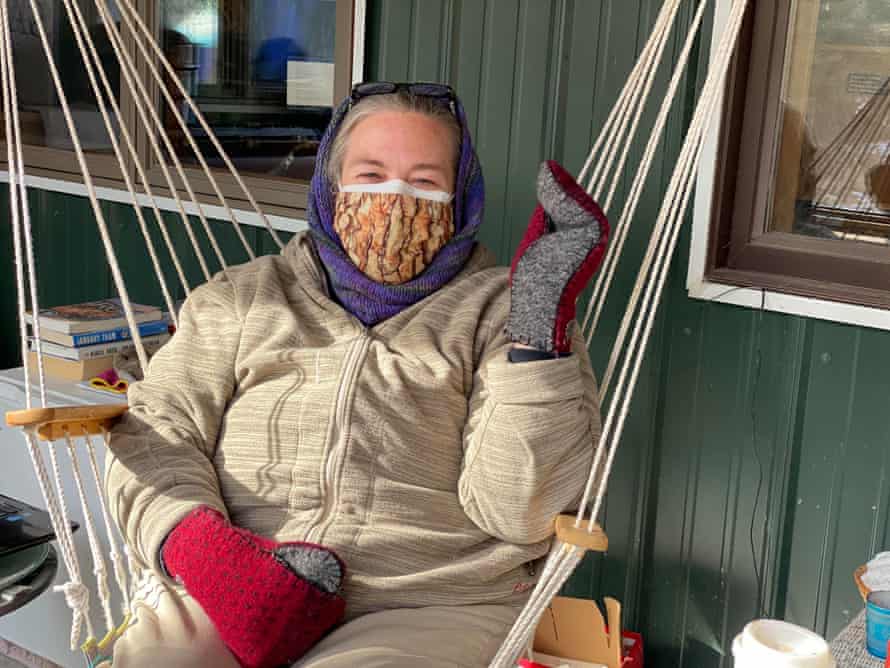
Jami Gaither’s property in Alida, Minnesota, abuts the new Line 3 pipeline construction route.

Jami Gaither’s property in Alida, Minnesota, abuts the new Line 3 pipeline construction route. Photograph: Emily Atkin/Heated

“As long as US firms continue to pour more money into the drivers of climate change, they are actively undermining President Biden’s climate goals,” they said.

In Alida, Minnesota, Jami Gaither, a resident, pointed to a wide trench in the ground that will hold the Line 3 pipeline as the real-world effect of what banks are supporting.

“This is obviously not just for one pipeline,” she said. “How much longer can we keep up this charade, this idea that we can keep going on developing fossil fuels? We’re building a fucking tar sands pipeline at the end of the world.”

Disclosure: DeSmog, the group that conducted the bank analysis, is supported by the Sunrise Project, which is also a contributor to Floodlight. Read more about Floodlight’s editorial independence policies here.


The post Global Warming Report: US, UK, EU Banks Dominated by Conflict of Oil Interests appeared first on The St Kitts Nevis Observer.

Relief for family as man charged with cold case murder of Melbourne siblings

The family of two siblings killed in Melbourne's south-east more than three decades ago has expressed their relief after learning a man had been charged with their murders.

Doris McCartney and Ronald Swann were found dead in their Keith Street home in Moorabbin on October 22, 1989.

Today, Glen William Nash was charged with two counts of murder.

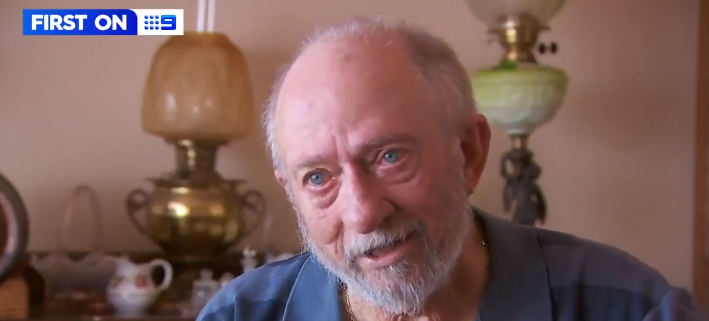
Ms McCartney's devastated son Ian McCartney told 9News the charges had been a long time coming.

LIVE UPDATES: Australia asks for immediate advice on AstraZeneca vaccine

"It's been a long 31 years," Mr McCartney said.

"Most of our family have suffered really badly."

Mr Nash, 58, was arrested this morning in Rowville – a week after a $1 million reward was offered for information on the siblings' alleged murder.

Mr McCartney said he hoped the arrest would bring him and his family closure.

"Just to actually know what the reason is would give us a lot of peace," he said.

Exclusive 9News images captured the man covering half of his face with a baseball cap as he sat in the back of a detective car while being driven to police headquarters.

A friend of Ms McCartney discovered the bodies at the time and contacted police.

Ms McCartney, 71, and Mr Swann, 69, allegedly appeared to have been assaulted.

https://twitter.com/NearyTy_9/status/1380024061867159560?ref_src=twsrc%5Etfw

Nash's arrest follows an "extensive and exhaustive investigation" over the past 31 years.

He was a former player at a local cricket club and would have been 27 years old at the time.

Detective Inspector Tim Day last month said investigators were determined to solve the case and provide answers to the family.

"This is a family that has suffered the loss of two loved ones in the most horrific circumstances, without ever knowing why," he said.

"Over the years we have followed up a number of avenues of enquiry and interviewed several people."

Further lines of enquiry had only emerged recently, Detective Inspector Day said.

Ms McCartney was a widower and her younger brother, a World War II veteran, had moved into her Keith Street home to support her.

READ MORE: Arrests made after large haul of baby formula found in Melbourne

Police have previously said there was no sign of forced entry into the pair's home and nothing had appeared to be taken.

"From all accounts, they lived a quiet life," Detective Inspector Day said.

A number of people had previously been interviewed about the murders, but no one had ever been charged.

Last month Mr McCartney said he thought about the deaths of his beloved mother and uncle every day.

"There's not a day in 31 years that I haven't thought about it," he said.

"Sometimes it's hours, other times it might be five minutes."