MIAMI (AP) — A former representative for commodities giant Gunvor pleaded guilty Tuesday to helping channel more than $22 million in bribes to high-level officials in Ecuador in exchange for lucrative contracts with the state-run oil company.
As part of his plea deal in Brooklyn federal court, Raymond Kohut agreed to forfeit $2.2 million in proceeds from the bribery scheme, which he said ran from at least 2012 to August 2020.
Kohut faces up to 20 years in prison. The 68-year-old Canadian citizen primarily resides in Panama and the Bahamas. He entered his guilty plea from Long Island, New York.
Switzerland-based Gunvor said it was cooperating with the U.S. Justice Department and described Kohut as a “former agent.”
“Gunvor has further taken steps to ban outright the use of agents for business development purposes,” a spokesman, Seth Pietras, said in a statement.
It’s unclear if U.S. prosecutors are also looking into any criminal responsibility for Gunvor, which they identified in court only as a “European trading company.”
But Kohut’s plea follows a number of investigations by Brooklyn prosecutors targeting corruption in Latin America’s commodities markets.
Last December, the U.S. unit of Switzerland-based Vitol Inc., one of the world’s biggest energy traders, agreed to pay more than $160 million to resolve an investigation into bribes paid in Mexico, Brazil and Ecuador over 15 years. A smaller asphalt trader, Sargeant Marine, last year paid $16.6 million in fines after acknowledging that it paid millions in bribes to officials in Brazil, Ecuador and Venezuela for almost a decade.
Swiss authorities in 2019 ordered Gunvor to pay nearly 94 million Swiss francs (dollars) in compensation and fines for failing to stop its representatives from bribing public officials to gain access to oil markets in Congo and Ivory Coast.
In a statement read in court, Kohut said at the time of the bribery scheme he was working in the Bahamas.
He said as part of his job, he approved large payments to two unnamed consultants, one of whom was a citizen of Spain, Ecuador and the U.S. and resided in Miami, with the understanding that some of their fees would be used to bribe Petroecuador officials in exchange for contracts to purchase oil products.
He said some of the payments were wired from Singapore and passed through banks in New York. He also held meetings in Miami with a Petroecuador official.
“I knew what I was doing was wrong and illegal,” Kohut told Judge Eric Vitaliano.
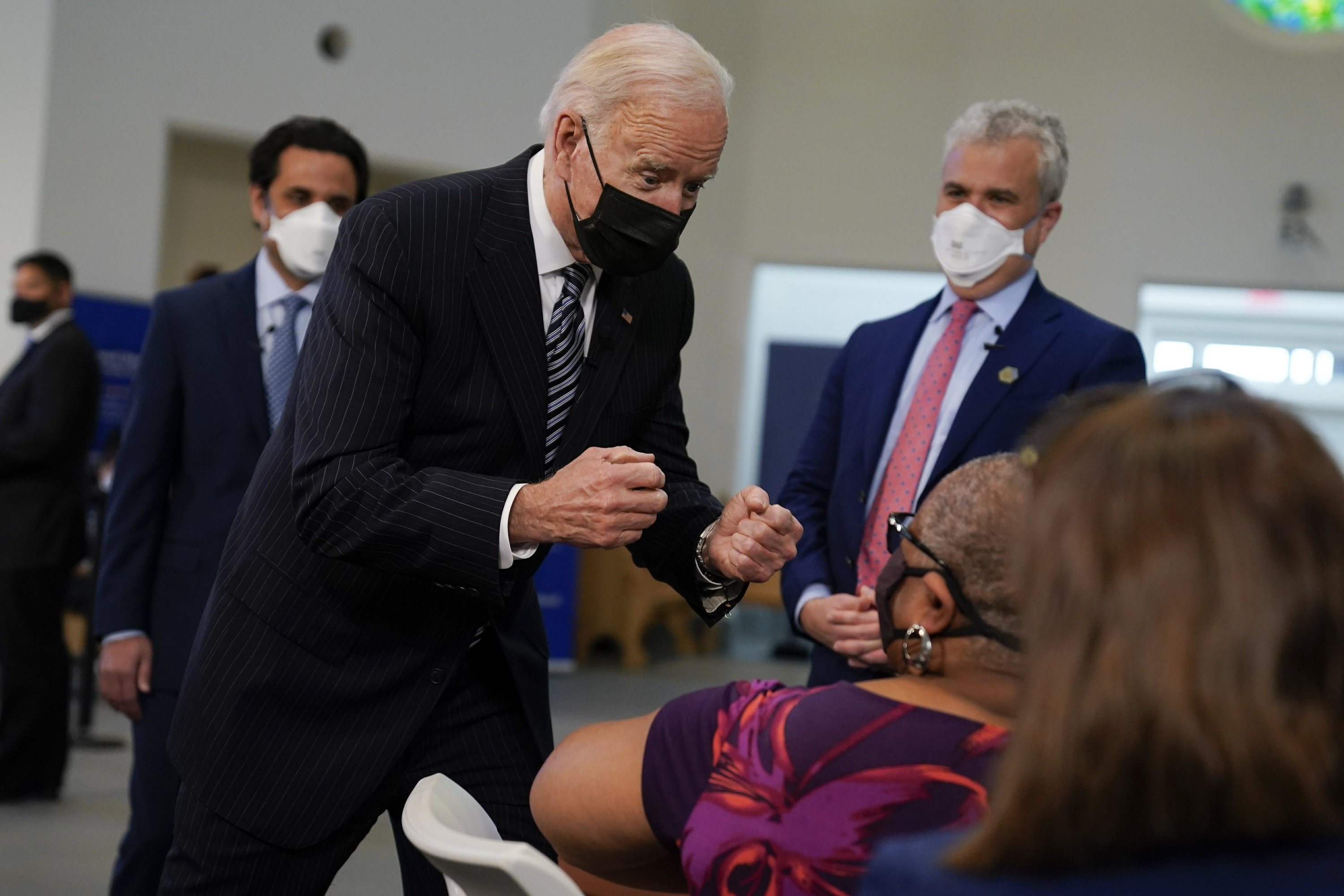
WASHINGTON (AP) — President Joe Biden said he’s bumping up his deadline by two weeks for states to make all adults in the U.S. eligible for coronavirus vaccines. But even as he expressed optimism……Read More
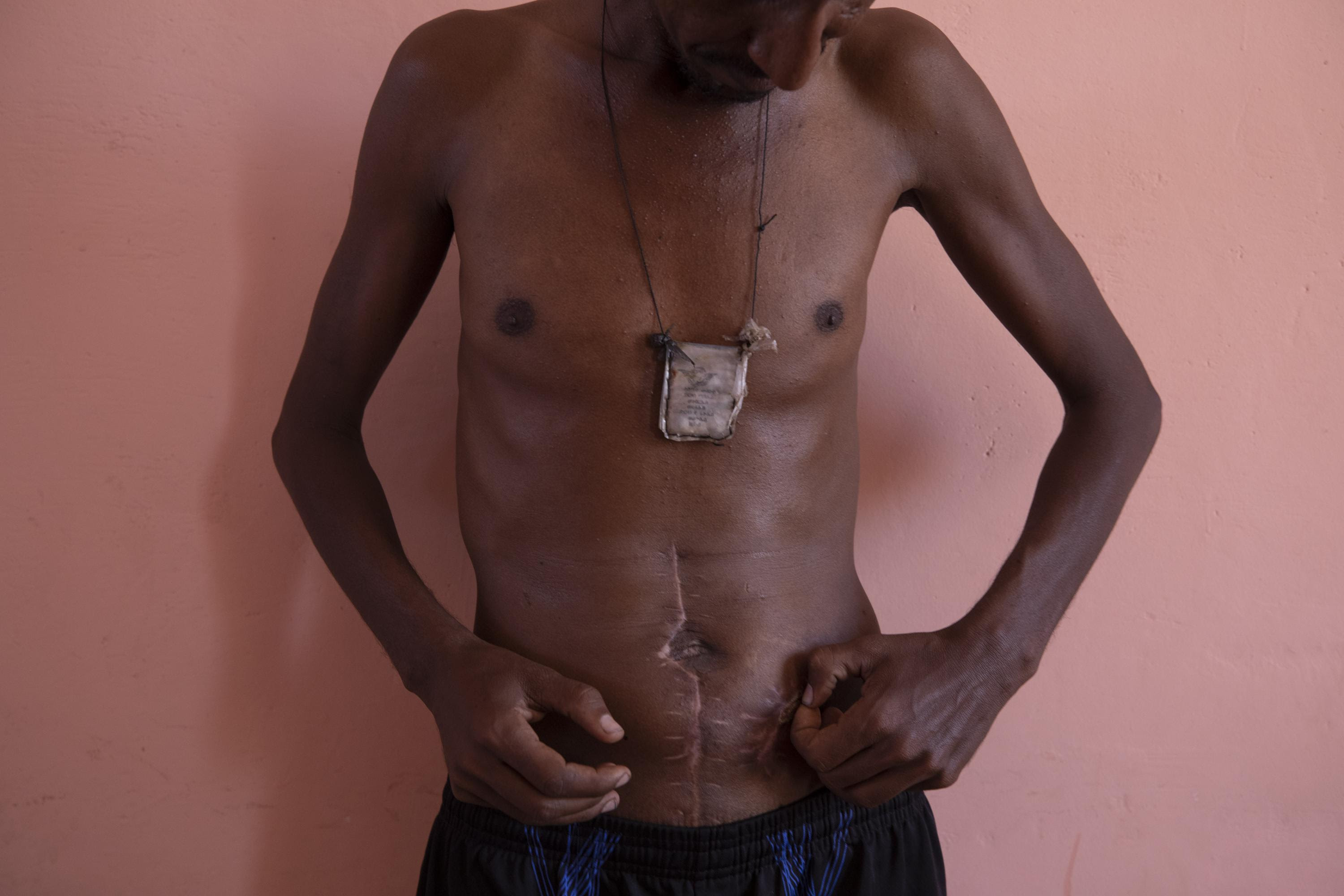
HAMDAYET, Sudan (AP) — The atrocities have been seared into the skin and the minds of Tigrayans, who take shelter by the thousands within sight of the homeland they fled in northern… …Read More
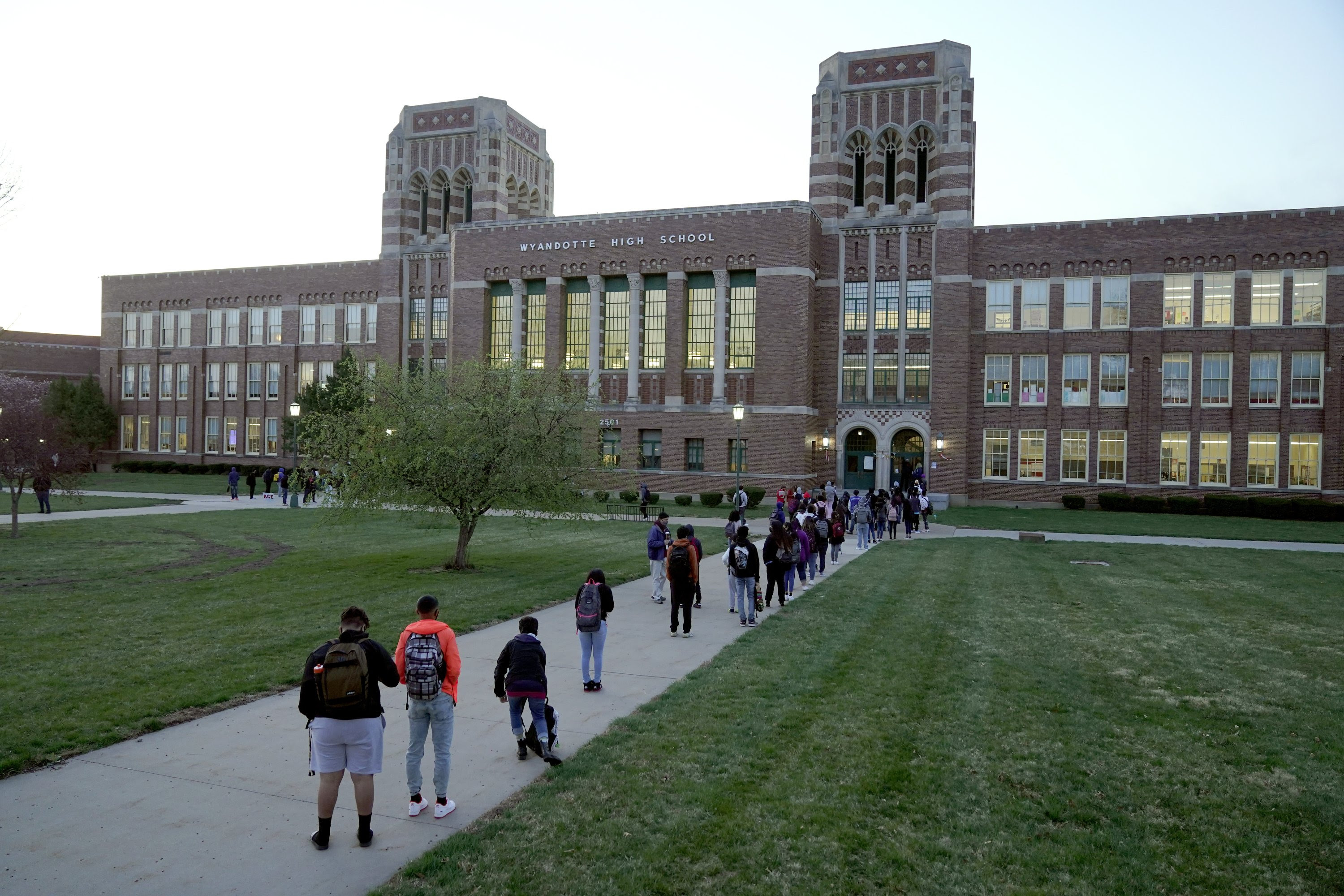
Large numbers of students are not returning to the classroom even as more schools reopen for full-time, in-person learning, according to a survey released Wednesday by the Biden… …Read More
DUBAI, United Arab Emirates (AP) — An Iranian cargo ship believed to be a base for the paramilitary Revolutionary Guard and anchored for years in the Red Sea off Yemen has been attacked, Iranian… …Read More
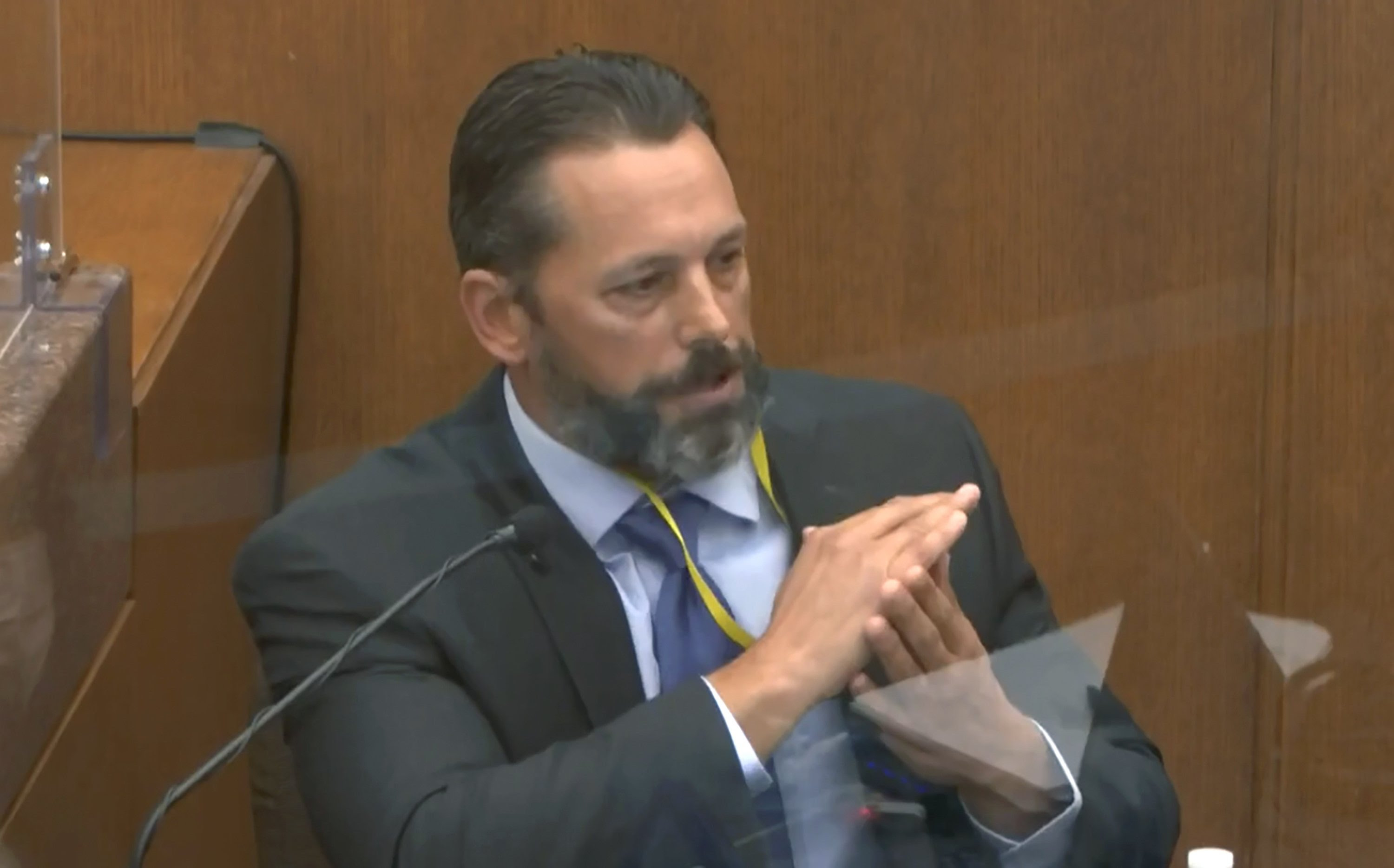
MINNEAPOLIS (AP) — The parade of Minneapolis police officers rejecting a former officer’s actions in restraining George Floyd continued at his murder trial, including a use-of-force instructor who…..Read More
PORTLAND, Maine (AP) — After enduring 40-knot winds and freezing sea spray, jostled health care providers arrived wet and cold on two Maine islands in the North Atlantic lat…Read More
LEMBATA, Indonesia (AP) — The death toll from mudslides in eastern Indonesia has risen to 119 with scores still missing, officials said Wednesday, as rain continued to pound…Read More
CLEMSON, S.C. (AP) — On the sloping side of a cemetery on the campus of Clemson University, dozens of small white flags with pink ribbons have replaced the beer cans that on…Read More
WELLINGTON, New Zealand (AP) — By Day 3 of being confined to his Australian hotel room for quarantine, David Marriott was getting bored. He’d watched a few seasons of “The S…Read More
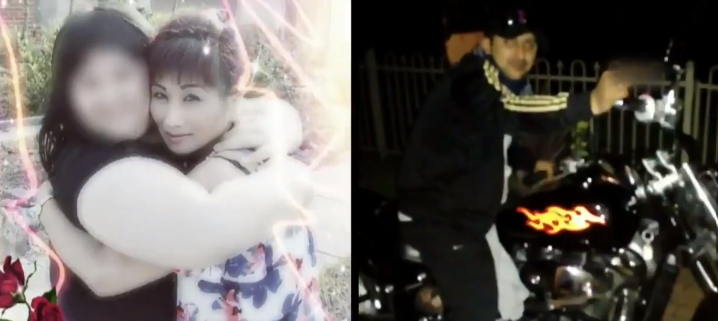
Prosecutors alleged Mr House could not handle the fact his love interest had left him.
He allegedly shot the mother-of-two in the chest, but he says it was self-inflicted.
Ms Ngo used to sell Mr House drugs from her Sunshine North property.
But when the 42-year-old told Mr House they couldn't be together romantically, he allegedly responded with a series of messages, including one stating "I want war".
"You've pushed me over the f—ing edge," he allegedly wrote.
"I'm coming down right now with a couple of Molotov's and a semi-automatic," another message allegedly read.
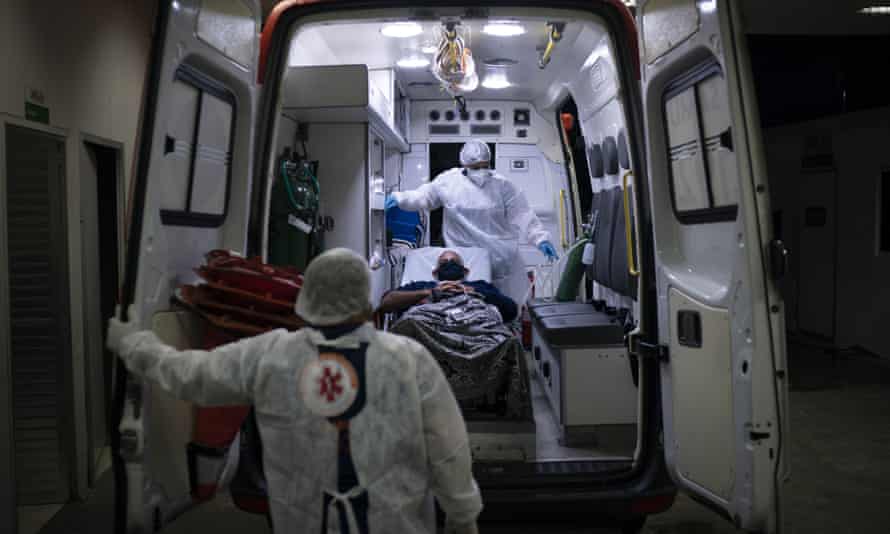
A patient being taken by ambulance to a dedicated coronavirus hospital in Rio de Janeiro state on Tuesday. Brazil’s death toll has climbed to almost 337,000. Photograph: Felipe Dana/AP
Brazil’s coronavirus catastrophe has deepened further after more than 4,000 daily deaths were reported for the first time since the outbreak began in February last year.
At least 4,195 people were reported to have lost their lives on Tuesday, taking Brazil’s total death toll – the world’s second highest after the US – to nearly 337,000.
Brazil also reported 86,979 new infections. Experts fear a record 100,000 Brazilians could lose their lives this month alone if nothing is done.
“It’s a nuclear reactor that has set off a chain reaction and is out of control. It’s a biological Fukushima,” said Miguel Nicolelis, a Brazilian doctor and professor at Duke University in the US, who is closely tracking the virus.
Despite the growing crisis, Brazil’s far-right president, Jair Bolsonaro, continues to resist the idea of a lockdown and downplay the epidemic. “In which country aren’t people dying?” he said last week.
Brazil, which has 212 million citizens compared with the US’s 328 million, is expected to overtake the US weekly average for daily deaths in the coming days.
Many governors, mayors and judges are reopening parts of the economy despite lingering chaos in overcrowded hospitals and a collapsed healthcare system in several parts of the country. Local authorities nationwide claim that numbers of cases and hospitalisations are trending downward after a week of a partial shutdown.
Miguel Lago, the executive director of Brazil’s Institute for Health Policy Studies, which advises public health officials, said reopening was a mistake that he feared would bring even higher death numbers, though he thought it unlikely to be reversed.
“The fact is the anti-lockdown narrative of President Jair Bolsonaro has won,” Lago said. “Mayors and governors are politically prohibited from beefing up social distancing policies because they know supporters of the president, including business leaders, will sabotage it.”
Bolsonaro, who has long dismissed the risks of the coronavirus, remains fully against lockdowns as damaging to the economy.
Covid-19 patients are using more than 90% of beds in intensive care units in most Brazilian states, though figures have stabilised over the past week. Still, hundreds of people are dying as they wait for care and basic supplies such as oxygen and sedatives are running out in several states.
Less than 3% of Brazil’s 210 million people have received both doses of coronavirus vaccines, according to Our World in Data, an online research site.
Over the weekend, supreme court justices started a tug of war about the reopening of religious buildings, which were closed by many local authorities despite a federal government decision to label them as essential services.
Some churches welcomed their faithful on Easter Sunday, but others were stopped by mayors and governors. Their reopening will be settled at the supreme court on Wednesday, but some local councils, such as Belo Horizonte, voted on Tuesday to keep religious buildings open.
Also on Tuesday, a Rio de Janeiro judge allowed schools to reopen as the mayor, Eduardo Paes, wanted. Hours later, the mayors of Campinas and Sorocaba, two of the most populous cities in São Paulo state, agreed to reopen business with a drive-through purchase system after a 10-day halt.
Professional football executives in São Paulo said they expected to play games this week after a 15-day interruption, promising local prosecutors they would follow stricter health protocols.
The Associated Press and Reuters contributed to this report
Oxford/AstraZeneca jab could have causal link to rare blood clots, say UK experts
Evidence ‘consistent with causality’ but vaccination programme must continue, says drug safety specialist
Use of the Oxford/AstraZeneca vaccine should continue but with measures to mitigate risk to women under 55, experts said. Photograph: Ulises Ruiz/AFP/Getty Images
Sarah Bosley
Guardian (UK)
Boris Johnson has sought to reassure people about the safety of the Oxford/AstraZeneca Covid vaccine as a trial in children was paused while regulators investigate rare reports of blood clots, largely in younger women.
The prime minister urged the public to take the jab when it is offered, while scientists stressed the side-effects were extremely rare and the benefits of protection against coronavirus were great.
Some UK drug safety experts believe there could be a causal link between the AstraZeneca jab and rare blood clotting events including cerebral venous sinus thrombosis (CVST).
But they said vaccination programmes must continue, with risk mitigation for women under 55. Doctors have already been alerted to CVST symptoms, which include headache, blurred vision and fainting.
Oxford University is running a trial in more than 200 children and young people aged six to 17 to see whether they could benefit from the AstraZeneca jabs. The trial was paused on Tuesday as a precautionary measure in response to investigations by the Medicines and Healthcare products Regulatory Authority (MHRA) in the UK and the European Medicines Agency (EMA), a university spokesperson said. The regulators are considering whether any action should be taken, with statements expected within days.
The Oxford spokesperson added: “While there are no safety concerns in the paediatric clinical trial, we await additional information from the MHRA on its review of rare cases of thrombosis/thrombocytopenia that have been reported in adults, before giving any further vaccinations in the trial.”
On a visit to the AstraZeneca manufacturing plant in Macclesfield, Cheshire, on Tuesday, Johnson said that getting the vaccine was “the key thing”. The jab has been given to more than 18 million UK adults with just 30 rare blood clotting cases reported, and seven deaths.
“The best thing people should do is look at what the MHRA say, our independent regulator – that’s why we have them, that’s why they are independent,” said Johnson, who has received a first dose of the vaccine himself. “Their advice to people is to keep going out there, get your jab, get your second jab.”
Prof Saad Shakir, the director of the drug safety research unit (DSRU) at Southampton University, said on Tuesday that the evidence accumulated in Europe and the UK of links between the vaccine and the rare blood clots “is consistent with causality”.
While the dangers of coronavirus were so great that vaccination must not stop, he said, measures should be put in place to reduce any extra risk to women under the age of 55, who seemed to be most affected. The DRSU has shared its analysis with the regulators.
Earlier on Tuesday, the EMA denied it had already established a causal connection between the vaccine and the clots, after a senior official from the agency said there was a link. Marco Cavaleri, the EMA’s head of vaccines, had earlier told Italy’s Il Messaggero newspaper that in his opinion “we can say it now, it is clear there is a link with the vaccine … but we still do not know what causes this reaction”.
Across Europe, some countries have already decided to give the AstraZeneca jab only to older people – over-60 in Germany and over-55 in France – while in others, the use of the vaccine is still suspended.
The DSRU at Southampton University looked at cases of thrombosis (blood clotting inside the arteries) linked to thrombocytopenia (a reduction in blood platelets that usually causes bleeding but in rare cases results in clotting) and concluded that they were linked to the AstraZeneca vaccine.
The events are very rare, however. In the UK, as of 24 March, 30 events had occurred resulting in seven deaths from 18.1m doses of vaccine, they said. In Germany, there was one event of cerebral venous thrombosis for every 46,512 women vaccinated and one female death associated with this condition for every 149,860 vaccine doses given to women of any age.
Even for younger people, the risk of death from Covid is higher. In the UK, according to the scientists, it has been calculated that 47,000 vaccines prevent one death from Covid among all people under 50.
Shakir says that all the cases now in the public domain occurred within four to 16 days of vaccination. “So, there is what we call a close temporal relationship, and they don’t seem to be events of Covid, which you get in the first two weeks after vaccination,” he said.
“The second thing is that there is a clear clinical description and similarities between the cases. The thromboses, lowering of the blood platelets, and various haematological changes. All of them are consistent with an event, which occurs very, very rarely, and certainly only with a drug called heparin.”
Heparin is a blood-thinning drug. Very occasionally, it causes a syndrome called HIT – heparin-induced trombocytopenia. A group of German scientists led by the clotting specialist Andreas Greinacher of the University of Greifswald has already pointed out that the blood clotting events reported after the AstraZeneca jab look very similar to HIT.
Shakir said the AstraZeneca vaccine was safe and effective. “It has protected millions of people from Covid-19 and will continue to do so around the world,” he said.
Many vaccines in widespread use have side-effects, he said. A flu vaccine can in rare cases cause Guillain-Barré syndrome, for instance, in which the body’s own immune system attacks the nerves and can cause paralysis. The answer is not to stop using the vaccine, but to mitigate the risk by assessing which people are most likely to get the side-effect, looking at any previous illnesses, medication use and their family history, for instance.
Regulators are now looking at this and also at any symptoms which might enable people experiencing the rare blood clots to be identified early and treated before their condition becomes too severe.
The MHRA said it was still considering the evidence. “People should continue to get their vaccine when invited to do so,” said Dr June Raine, its chief executive. “Our thorough and detailed review is ongoing into reports of very rare and specific types of blood clots with low platelets following the Covid-19 Vaccine AstraZeneca. No decision has yet been made on any regulatory action.”
The US has given 168,592,075 jabs to people as of April 7, Reuters reports.
The tally is an increase of more than a million compared to 5 April, as the Centers of Disease Control and Prevention (CDC) has now distributed 219,194,215 jabs, including Moderna, Pfizer, and Johnson & Johnson’s vaccines.
The program was touted as a "major economic stimulus program" to encourage people to supposed local businesses impacted by coronavirus.
The four $25 vouchers can be used on entertainment such as going to the movies or dining out.
However, the decision to include fast-food restaurants such as McDonald's, which recorded large spikes in profits in 2020 has upset small operators.
City cafe owner Philip Barbaro saw business plunge 80 per cent last year, as office workers stayed at home.
NSW Customer Service Minister Victor Dominello has defended the decision to include larger multinationals, saying: "we don't want to dictate to families what they can spend their money on."
So far, 2.1 million people have downloaded their vouchers and nearly 900,000 have been redeemed.
The state government is happy with the uptake with an average customer spend of $42 – $17 more than the government chips in.
The area with the biggest uptake is the Central Coast, followed by Blacktown, the Northern Beaches and Parramatta.
Those aged 30 to 45 are most likely to have participated.
A Greymouth Lotto player has scooped $1 million tonight.But Powerball was not struck, jackpotting to $10m on Saturday.Tonight’s winning first division ticket was sold at Greymouth New World.Anyone who bought their ticket from…
A Chinese government propaganda sign with slogans reading “Forever following the Party” and “China’s ethnicities, one family” in Aksu, Xinjiang, last month.Credit…Ng Han Guan/Associated Press
The movie is part of Beijing’s wide-ranging new propaganda campaign to push back on sanctions and criticism of its oppression of the Uyghurs.
In one scene, Uyghur women are seen dancing in a rousing Bollywood style face-off with a group of Uyghur men. In another, a Kazakh man serenades a group of friends with a traditional two-stringed lute while sitting in a yurt.
Welcome to “The Wings of Songs,” a state-backed musical that is the latest addition to China’s propaganda campaign to defend its policies in Xinjiang. The campaign has intensified in recent weeks as Western politicians and rights groups have accused Beijing of subjecting Uyghurs and other Muslim minorities in Xinjiang to forced labor and genocide.
The film, which debuted in Chinese cinemas last week, offers a glimpse of the alternate vision of Xinjiang that China’s ruling Communist Party is pushing to audiences at home and abroad. Far from being oppressed, the musical seems to say, the Uyghurs and other minorities are singing and dancing happily in colorful dress, a flashy take on a tired Chinese stereotype about the region’s minorities that Uyghur rights activists quickly denounced.
“The notion that Uyghurs can sing and dance so therefore there is no genocide — that’s just not going to work,” said Nury Turkel, a Uyghur-American lawyer and senior fellow at the Hudson Institute in Washington. “Genocide can take place in any beautiful place.”
In the wake of Western sanctions, the Chinese government has responded with a fresh wave of Xinjiang propaganda across a wide spectrum. The approach ranges from portraying a sanitized, feel-good version of life in Xinjiang — as in the example of the musical — to deploying Chinese officials on social media sites to attack Beijing’s critics. To reinforce its message, the party is emphasizing that its efforts have rooted out the perceived threat of violent terrorism.
In the government’s telling, Xinjiang is now a peaceful place where Han Chinese, the nation’s dominant ethnic group, live in harmony alongside the region’s Muslim ethnic minorities, just like the “seeds of a pomegranate.” It’s a place where the government has successfully emancipated women from the shackles of extremist thinking. And the region’s ethnic minorities are portrayed as grateful for the government’s efforts.
Outside the Id Kah Mosque in Kashgar, Xinjiang, in 2019.Credit…Gilles Sabrié for The New York Times
The musical takes the narrative to a new cringe-inducing level. It tells the story of three young men, a Uyghur, a Kazakh and a Han Chinese, who come together to pursue their musical dreams.
The movie depicts Xinjiang, a predominantly Muslim region in China’s far west, as scrubbed free of Islamic influence. Young Uyghur men are clean-shaven and seen chugging beers, free of the beards and abstinence from alcohol that the authorities see as signs of religious extremism. Uyghur women are seen without traditional head scarves.
The Uyghurs and other Central Asian ethnic minorities, seen through this lens, are also portrayed as fully assimilated into the mainstream. They are fluent in Chinese, with few, if any, hints of their native languages. They get along well with the Han Chinese ethnic majority, with no sense of the long-simmering resentment among Uyghurs and other minorities over systematic discrimination.
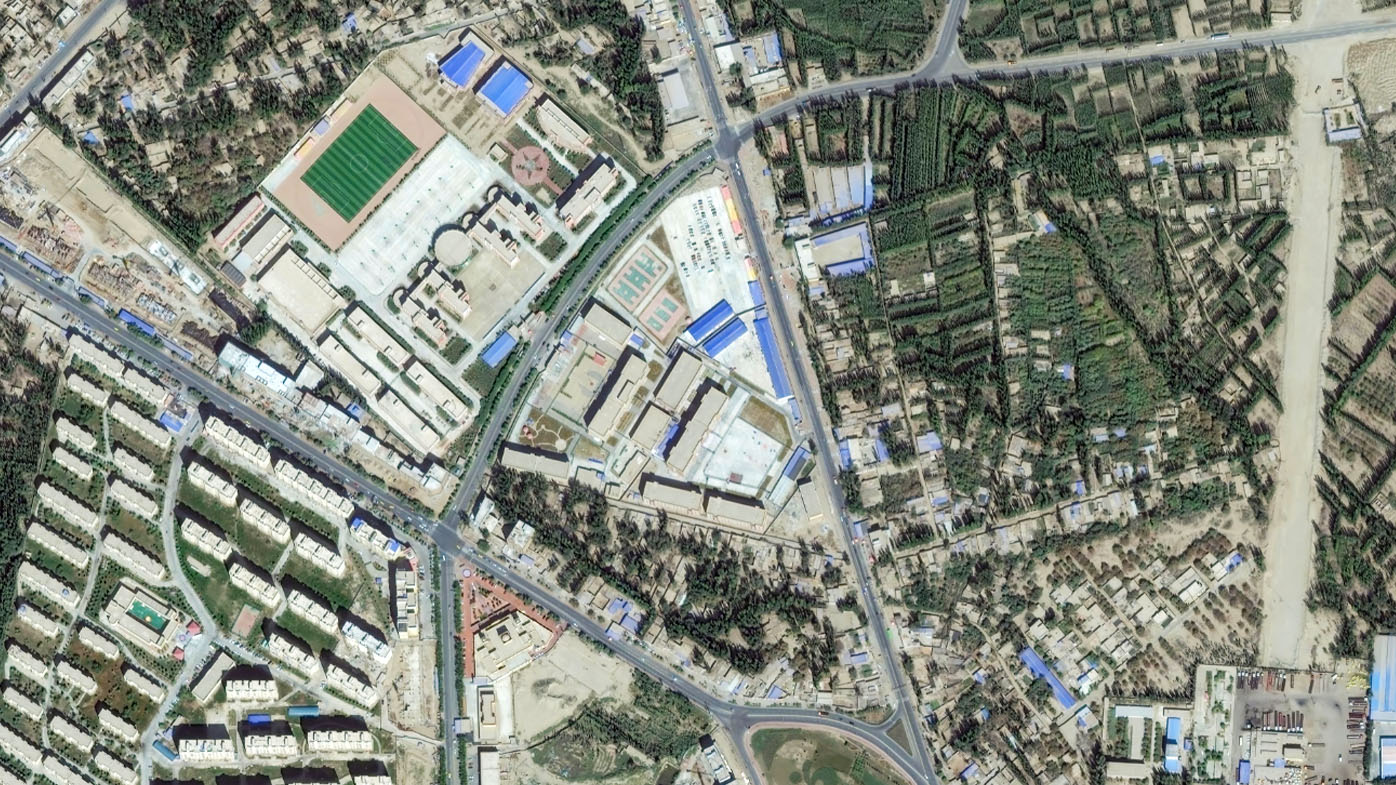
The narrative presents a picture starkly different from the reality on the ground, in which the authorities maintain tight control using a dense network of surveillance cameras and police posts, and have detained many Uyghurs and other Muslims in mass internment camps and prisons. As of Monday, the film had brought in a dismal $109,000 at the box office, according to Maoyan, a company that tracks ticket sales.
A watchtower at a high-security facility near what is believed to be a re-education camp on the outskirts of Hotan, Xinjiang, in 2019.Credit…Greg Baker/Agence France-Presse — Getty Images
Chinese officials initially denied the existence of the region’s internment camps. Then they described the facilities as “boarding schools” in which attendance was completely voluntary.
Now, the government is increasingly adopting a more combative approach, seeking to justify its policies as necessary to combat terrorism and separatism in the region.
Chinese officials and state media outlets have pushed the government’s narrative about its policies in Xinjiang in part by spreading alternative narratives — including disinformation — on American social networks like Twitter and Facebook. This approach reached an all-time high last year, according to a report published last week by researchers at the International Cyber Policy Center of the Australian Strategic Policy Institute, or ASPI.
The social media campaign is centered on Chinese diplomats on Twitter, state-owned media accounts, pro-Communist Party influencers and bots, the institute’s researchers found. The accounts send messages often aimed at spreading disinformation about Uyghurs who have spoken out, and to smear researchers, journalists, and organizations working on Xinjiang issues.
Anne-Marie Brady, a professor of Chinese politics at the University of Canterbury in New Zealand who was not involved in the ASPI report, called China’s Xinjiang offensive the biggest international propaganda campaign on a single topic that she had seen in her 25 years of researching the Chinese propaganda system.
“It’s shrill and dogmatic, it’s increasingly aggressive,” she said in emailed comments. “And it will keep on going, whether it is effective or not.”
In a statement, Twitter said it had suspended a number of the accounts cited by the ASPI researchers. Facebook said in a statement that it had recently removed a malicious hacker group that had been targeting the Uyghur diaspora. Both companies began labeling the accounts of state-affiliated media outlets last year.
The party has also asserted that it needed to take firm action after a spate of deadly attacks rocked the region some years ago. Critics say that the extent of the violence remains unclear, but also that such unrest did not justify the sweeping, indiscriminate scope of the detentions.
Last week, the government played up a claim that it had uncovered a plot by Uyghur intellectuals to sow ethnic hatred. CGTN, an international arm of China’s state broadcaster, released a documentary on Friday that accused the scholars of writing textbooks that were full of “blood, violence, terrorism and separatism.”
A Uyghur child doing his Chinese homework at a bus stop in Hotan, Xinjiang, in 2019.Credit…Giulia Marchi for The New York Times
The books had been approved for use in elementary and middle schools in Xinjiang for more than a decade. Then in 2016, shortly before the crackdown started, they were suddenly deemed subversive.
The documentary accuses the intellectuals of having distorted historical facts, citing, for example, the inclusion of a historical photo of Ehmetjan Qasim, a leader of a short-lived independent state in Xinjiang in the late 1940s.
“It’s just absurd,” said Kamalturk Yalqun, whose father, Yalqun Rozi, a prominent Uyghur scholar, was sentenced to 15 years in prison in 2018 for attempted subversion for his involvement with the textbooks. He said that a photo of Mr. Rozi shown in the film was the first time he had seen his father in five years.
“China is just trying to come up with any way they can think of to dehumanize Uyghurs and make these textbooks look like dangerous materials,” he said by phone from Boston. “My father was not an extremist but just a scholar trying to do his job well.”
By RNZ Auckland District Health Board’s chair and other board members managed to get early Covid-19 vaccinations, even though about 50 per cent of its frontline staff are yet to get the jab.At a meeting last week, some members…
Australia has been warned China will "respond in kind" if Canberra sanctions Beijing over allegations genocide against the ethnic minority Muslim Uyghurs.
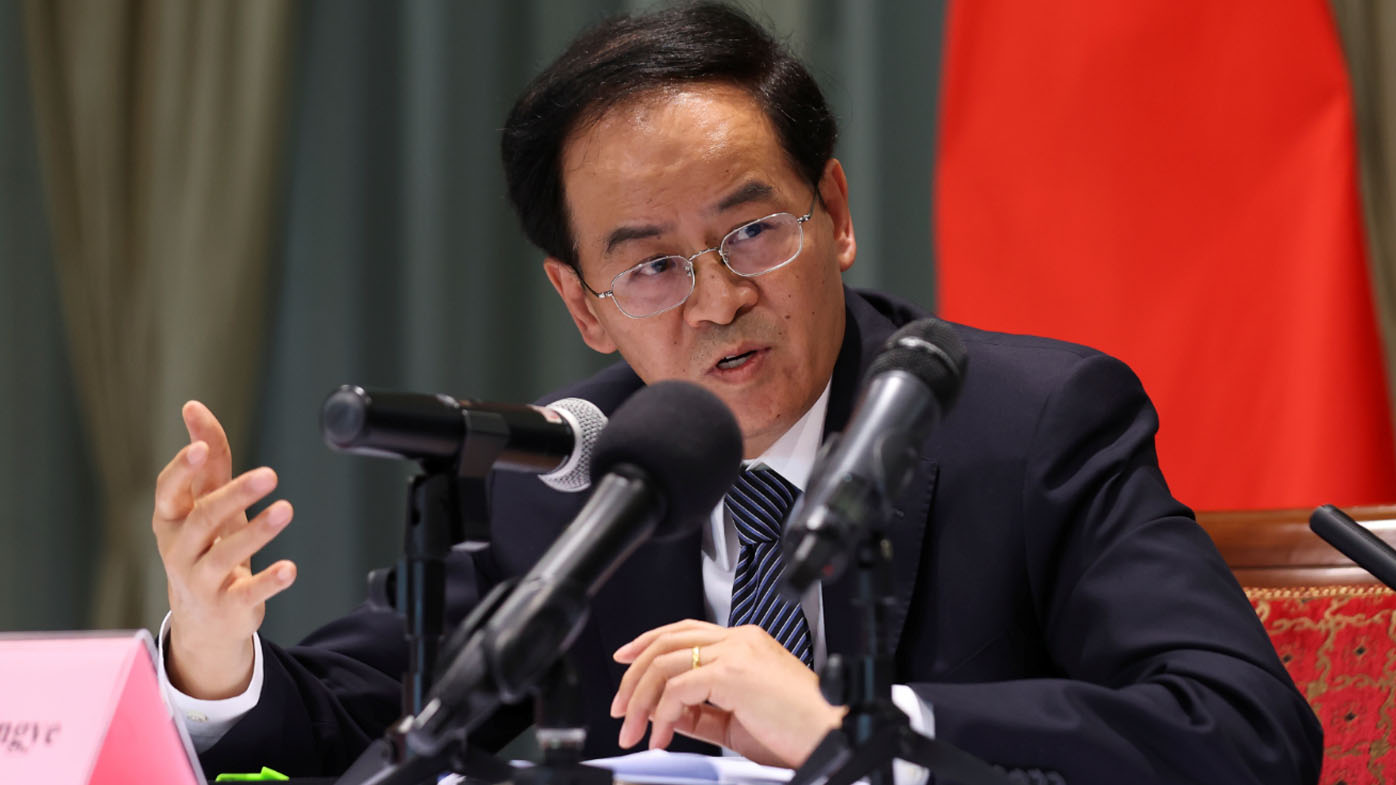
Fronting a bizarre conference, Ambassador Cheng Jingye said China will not "swallow the bitter pill of interfering or meddling in China's internal affairs".
Ambassador Cheng was joined by government officials beamed in via Zoom from Xinjian for a two-hour media conference in Canberra, dismissing allegations of human rights abuses as "fake news" and "lies".
The media event featured heavily-produced propaganda-style videos about how life could look in the autonomous region of north-western China.
Also beamed in were residents of Xinjiang, spruiking life in what was called "a wonderful land", to dispel and dismiss a variety of allegations with have centred on the Chinese government and the people of the autonomous region.
Last month the US, Canada, the European Union and the UK imposed sanctions on Chinese officials, in what they described as "co-ordinated action" designed to send "a clear message about the human rights violations and abuses in Xinjiang".
At the time Australia issued a joint statement with New Zealand stopping short of issuing sanctions but saying "there is clear evidence of severe human rights abuses that include restrictions on freedom of religion, mass surveillance, large-scale extra-judicial detentions, as well as forced labour and forced birth control, including sterilisation".
On Wednesday, the Chinese Ambassador dismissed that view as "lies" and "rumours" warning if Australia follows its international allies it would make an already frosty relationship, colder.
"We will not provoke, but if we are provoked, we will respond in kind," Ambassador Cheng said.
It has been claimed up to one million Uyghurs are being held in what the Chinese government calls re-education camps.
It's a number China has denied and today again rubbished.
Government official Xu Guixiang – who is in Xinjiang – was asked how many people were being held in camps there.
"Xinjiang already has re-education centres there are no things like concentration camps," he responded to Australian journalists.
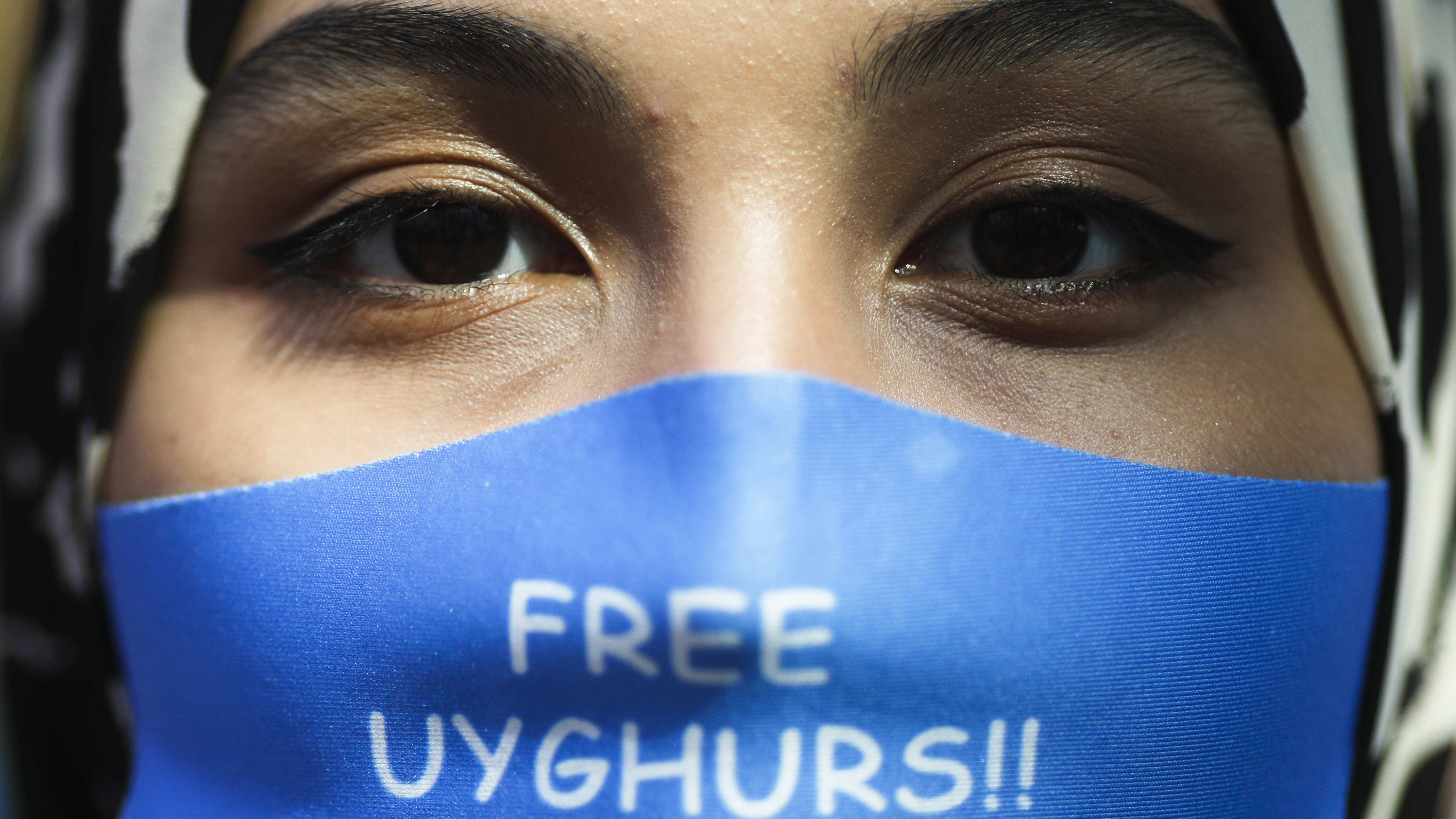
Uyghurs who live in Australia have expressed concerns for family back home.
Marhaba Yaqub Salay has not spoken to her sister in more than two years.
Eight years ago, Marhaba's sister transferred money to her parents in Australia to buy a house.
In April 2019 she was detained accused of "giving material support to terrorist activity".
Marhaba has grave concerns for her welfare.
"Australia, please recognise genocide because Uyghur people are suffering from them and CCP (Chinese Communist Party) want to wipe all of us in our homeland," she told 9News.
The Chinese Ambassador did say he wanted a "stable" relationship with Australia after the Chinese government slapped tariffs or bans on Australian coal, wine, barley, lobster, beef and timber.
"We want a positive relationship, but we will have a positive relationship that is consistent with Australia acting in accordance with its values and its national character," Prime Minister Scott Morrison said.
Australia still remains in the diplomatic freezer, with warnings it might get colder down there.
As Queensland Premier Annastacia Palaszczuk today stood to call for a National Women's Summit, new figures have shown just how much harassment is occurring in the state's public service.
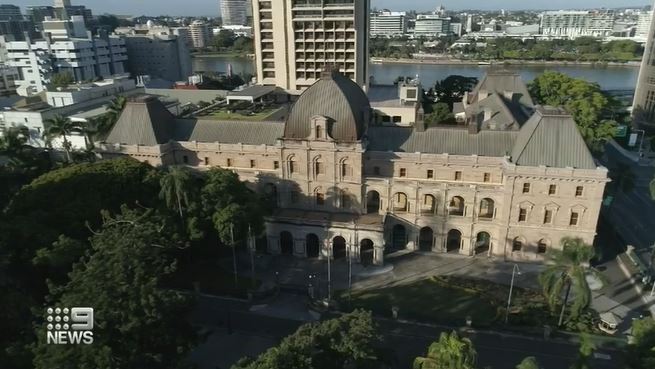
In findings obtained by 9News from the state's Public Service Commission, Queensland's house of highest honours has had more than 405 harassment complaints in a 12-month period.
The figures show that Between July 2019 and June 2020, 140 complaints about inappropriate sexual conduct were reported within the Queensland public service.
Of those complaints, 21 employees were suspended with pay, only 1 was suspended without pay and 6 employees were terminated.
In that same period, 265 bullying and harassment complaints were reported – most of those were internal, but no one was sacked or even suspended without pay.
They're growing figures that have made Kate Flanders from Together Queensland increasingly less shocked and more outraged.
"The public service is not immune to sexual harassment and sexual misconduct complaints – we've noticed sadly an increase in these sorts of issues being raised,' Miss Flanders told 9News.
"I fear having worked in this union for more than 20 years that I am getting less shocked, but more outraged," she added.
 *****@
 *****@
 *****@
 *****@
 *****@
 *****@
 *****@
 *****@
 *****@
 *****@
 *****@
 *****@
 *****@