Kiwis around the country appear keen to make the most of the long Easter weekend as Bookabach reports most of its stock booked out.Figures from the accommodation website show that New Plymouth is the most popular spot in the North…
Category Archives: headline
Contact tracers in 'overdrive' as Qld outbreak reaches critical period
Dozens of venues across two states are in the spotlight as Queensland contact tracers "go into overdrive" to control two distinct coronavirus clusters emerging from a major Brisbane hospital.
The outbreak has sent greater Brisbane, and the Princess Alexandra Hospital itself, into lockdown, raised questions about the vaccination of healthcare workers around the country and wreaked havoc with some Easter holiday plans.
It swelled to more than a dozen people on Tuesday as authorities announced six new cases of community transmission and two historical cases, which are no longer infectious but appear to be linked.
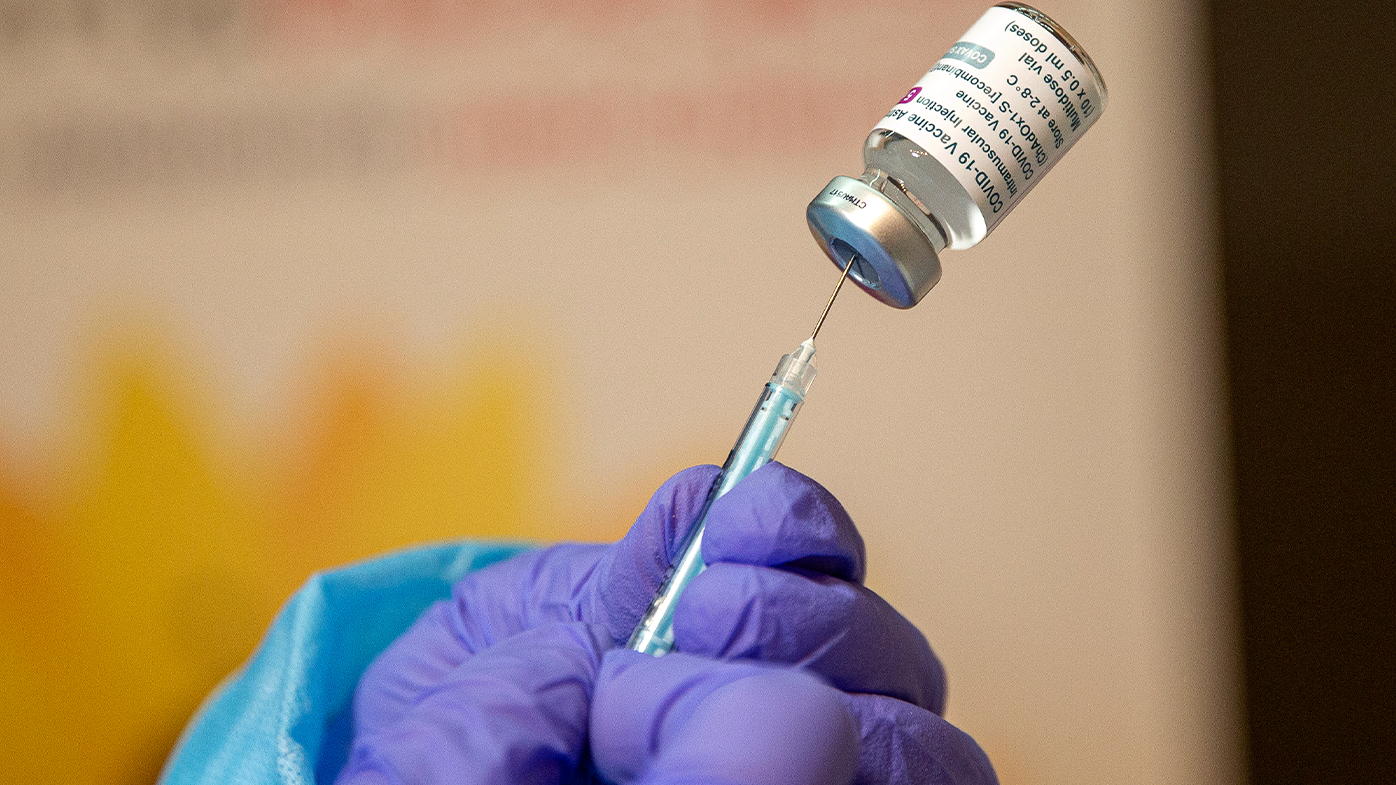
READ MORE: What you can and can't do in Greater Brisbane lockdown
There are now 100 exposure sites and times across Queensland and New South Wales, with high-risk venues including popular Brisbane breweries, cafes and gyms and some of Byron Bay's most popular spots.
The fear of infections spread south of the border after guests and an entertainer who travelled to a hen's party at the tourist hotspot tested positive for the virus.
Queensland authorities described the current phase as "critical" in tracking the outbreak and determining whether further measures would be needed beyond the three-day greater Brisbane lockdown.
But they appeared relieved on Tuesday morning that, despite several infectious people spending quite a lot of time in the community, there were no mystery cases unlinked to the current clusters.
"We don't have community transmission out there that we're not aware of the moment," Premier Annastacia Palaszczuk said, noting contact tracers were going into "overdrive".
"All of our cases are linked to either the first cluster with the doctor who worked at the PA or the second cluster."
The impacts have been wide-ranging as Brisbane's streets emptied and travellers cancelled Easter trips north.
READ MORE: Queensland frontline doctor says people should get used to COVID lockdowns
https://twitter.com/AnnastaciaMP/status/1376820925107081217
Tourism Queensland boss Daniel Gschwind said even non-affected parts of the state were being hit by cancellations and feared the damage to tourism operators could top $100 million.
In Byron Bay, some tourists were heading home early as business owners worried about the potential impact on what one cafe owner described as the biggest weekend of the year.
Chamber of Commerce and Industry Queensland executive Amanda Rohan has reportedly called for the state government to consider extending Good Friday trading hours to make up for lost trade and potential stock losses.
"It really does hit with businesses costs and now with JobKeeper ended yesterday there is no safety net for businesses or their staff," she told Nine newspapers.
READ MORE: Princess Alexandra Hospital in lockdown as questions asked about lack of staff protection
COVID-19 health workers must be vaccinated
In Queensland from Wednesday, only healthcare officials who have received at least one jab can work with COVID-19 patients, and at least one other state is considering following suit.
The mandate follows revelations neither the doctor infected earlier this month nor the nurse who tested positive this week had been vaccinated.
Queensland Chief Health Officer Dr Jeannette Young said she'd been recommending hospitals introduce such a policy for "several weeks" but Health Minister Yvette D'Ath defended not having mandated the policy sooner.
She said thousands more workers had been added to phase 1a of the vaccine rollout as the number of active cases in Queensland hospitals increased, to 78 as of Tuesday, and understaffing wards would also have posed a risk.
Despite almost nine in 10 (about 41,000) frontline Queensland health workers having received at least one vaccine dose, the nurse was not one of them when she worked a shift on the Princess Alexandra Hospital's COVID-19 ward on March 18.
But Dr Young said preliminary information showed she wasn't infected until her shift on March 23, when she wasn't managing COVID-19 patients.
Genomic testing has linked the virus back to a patient who arrived in the hospital on March 22, leaving authorities to investigate whether the nurse was somehow exposed to the infected patient on a non-COVID shift or if another worker transmitted the virus.
"It's just so unfortunate that this outbreak has occurred when it did another month and all of these staff would absolutely have been protected," Dr Young said.
The two clusters
READ MORE: Everything we know about the two Queensland clusters
So far, two separate clusters have been identified, one linked to a doctor who tested positive earlier this month and one to a nurse who tested positive this week.
The nurse travelled to Byron Bay at the weekend for a hens party, where her sister and another five people, including a tradie who was with the group as an "entertainer", became infected.
That brings the cluster to at least eight, including the original hospital patient.
So far, all the infected patients have been Queenslanders but NSW Premier Gladys Berejiklian has warned her state to brace for cases to emerges.
The other cluster, stemming from a PA Hospital doctor whose infection sparked the hospital's first lockdown earlier this month, has also increased to at least eight people.
The original patient had already infected another person in hotel quarantine before the doctor tested positive. It was more than 10 days before a Brisbane tradie tested positive, with four more infections confirmed in the following days.
Two more people tested positive through serology or antibody testing on Tuesday, providing a possible explanation of how the tradesman was exposed to the virus but no confirmed link back to the doctor.
Covid-19 coronavirus: More planning, less 'policy on the hop': Review findings into Govt response to August cluster
The scramble to contain one of last year’s deadly Covid clusters was too reactive, lacked clear lines of accountability, and didn’t seek enough expertise outside the health sector, a review has found.The Rapid Review of the Covid-19…
Wife of swimmer killed by Ports of Auckland boat welcomes health and safety review
The wife of a swimmer killed by a Ports of Auckland boat is heartbroken that workers have died at the city’s wharves and doesn’t want any other families to join such a “devastating club”.Laura McLeod, whose husband Leslie Gelberger…
Chlöe Swarbrick: Hard work is no longer enough to get you a home
OPINION: The argument presented in Parliament and by property investors last week is that the minority of people who own the majority of homes in this country are hard-working. Now, I don’t doubt they worked hard.But capital gains…
Call for tobacco-only stores with country 'way behind' Smokefree 2025 target
Pressure is mounting on the Government to take drastic action to slash smoking levels with its Smokefree 2025 goals looking increasingly unattainable. Smoking levels are dropping but at less than half the rate needed, and the Cancer…
Trust gets mandate to negotiate Taihape Inquiry Area claims
The Mōkai Pātea Waitangi Claims Trust has been given the mandate to represent northern Rangitīkei iwi in the settlement of their land claims.This was a source of relief to trust chairman Utiku Potaka, who was grateful…
Name and meet baby penguin at Kelly Tarlton's
What’s grey and fluffy and lives in a freezer? That could be the start of a joke, but it’s a question for anyone who wants to enter the Sea Life Kelly Tarlton’s name the baby penguin competition.The 6-week-old chick was born to…
Herald morning quiz: March 31
Test your brains with the Herald’s morning quiz. Be sure to check back on nzherald.co.nz at 3pm for the afternoon quiz. To challenge yourself with more quizzes, CLICK HERE.
MMA fighter who watched George Floyd's death says he called police on the police
The teenager who shot the harrowing video of George Floyd under the knee of the Minneapolis police officer now charged with his murder has testified that she began recording because "it wasn't right, he was suffering, he was in pain."
Darnella Frazier, 18, said she was walking to a convenience store with her younger cousin when she came upon the officers.
She sent the younger girl into the store because she didn't want her to see "a man terrified, scared, begging for his life."
READ MORE: 'The very life was squeezed out of him': George Floyd trial begins
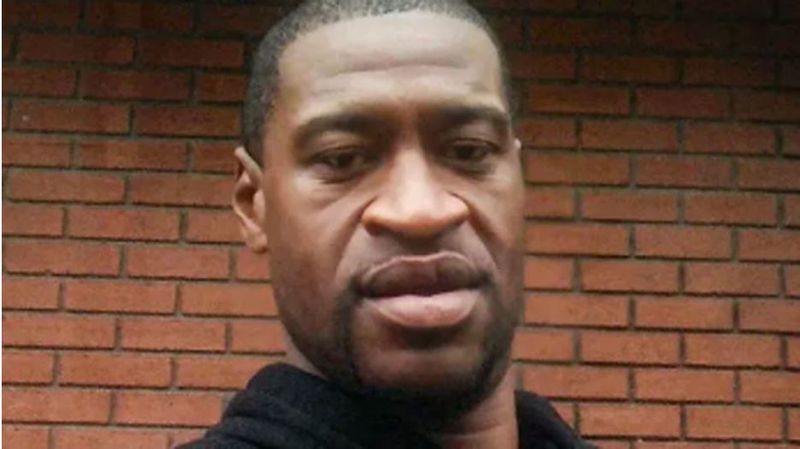
Ms Frazier grew emotional at times on Tuesday (Wednesday AEDT), breathing heavily and crying as she viewed pictures of officer Derek Chauvin kneeling on Floyd last May.
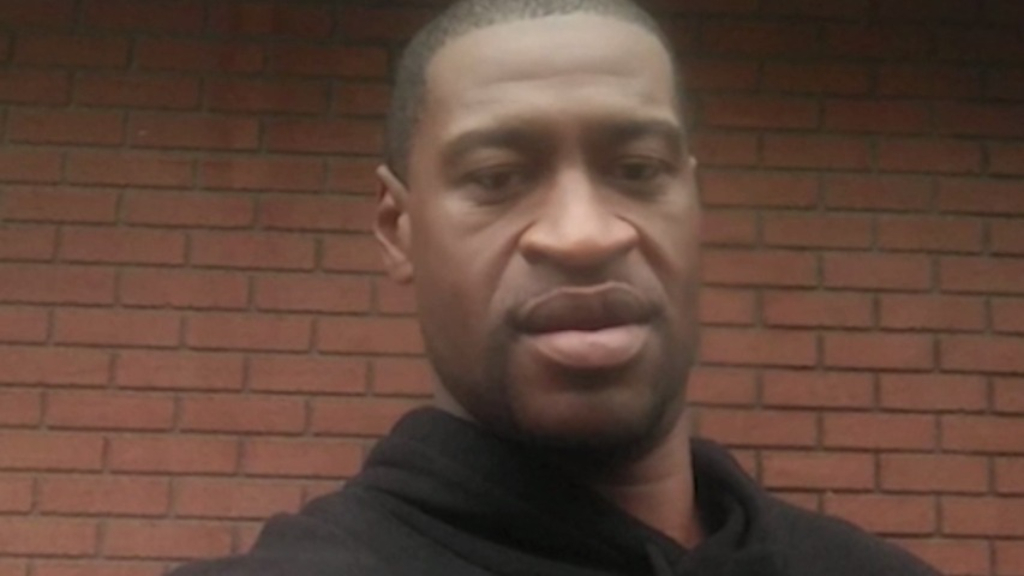
Mr Floyd's death and the video of him pleading for his life and onlookers angrily yelling at Mr Chauvin to get off him triggered sometimes-violent protests around the world and a reckoning over racism and police brutality in the U.S.
One of the bystanders, who identified herself as a Minneapolis firefighter, pleaded repeatedly with officers to check Floyd's pulse, but Mr Chauvin continued to kneel on Floyd's neck, and he and fellow officer Tou Thao wouldn't let onlookers get close, Ms Frazier said.
"They definitely put their hands on the Mace and we all pulled back," she told the jury.
Ms Frazier said of the defendant: "He just stared at us, looked at us. He had like this cold look, heartless. He didn't care. It seemed as if he didn't care what we were saying."
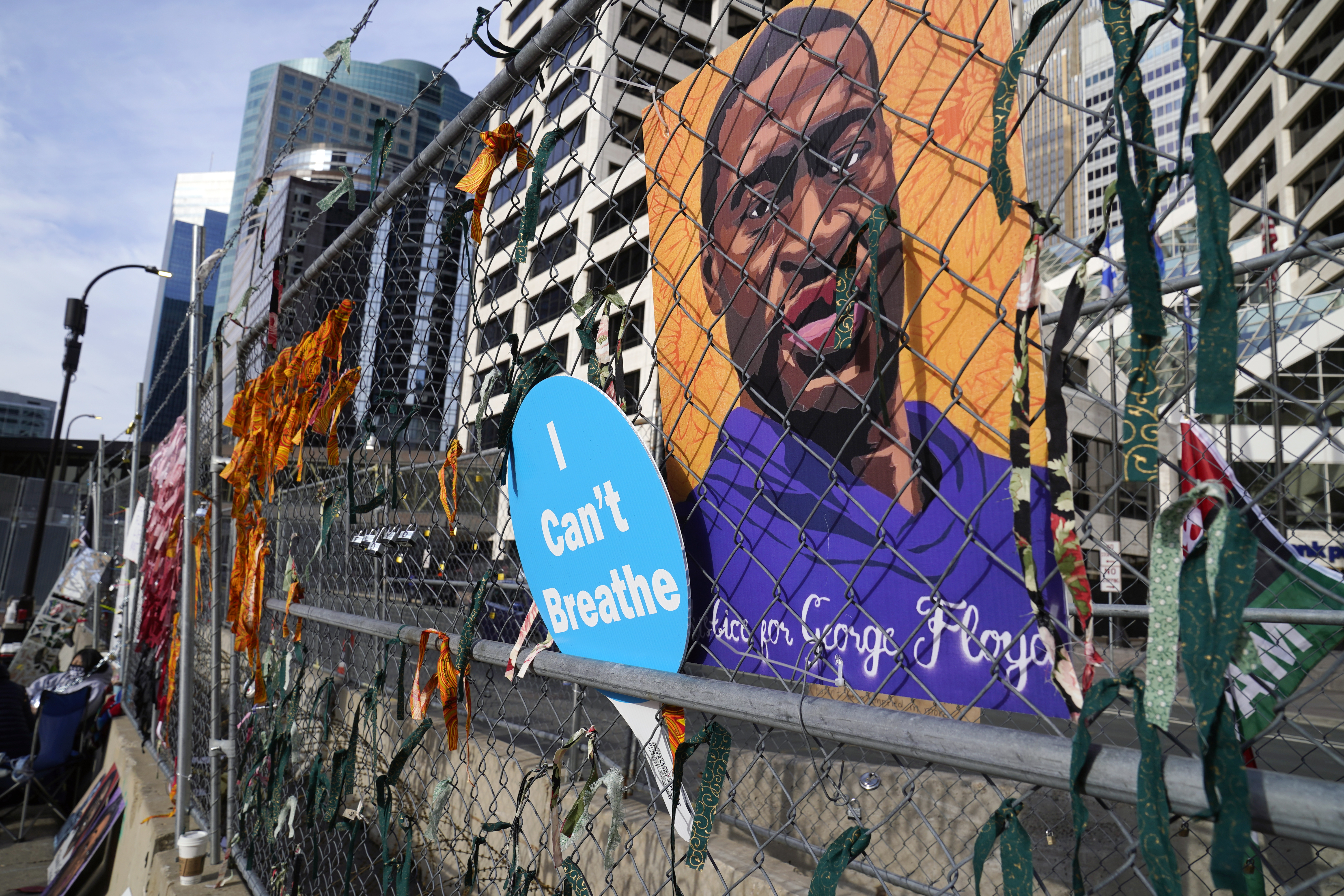
Defence attorney Eric Nelson sought to show his client and his fellow officers found themselves in an increasingly tense and distracting situation, with the growing crowd of onlookers becoming agitated and menacing over Mr Floyd's treatment.
But when Ms Frazier was asked by a prosecutor whether she saw violence anywhere on the scene, she replied: "Yes, from the cops. From Chauvin, and from officer Thao."
When asked to identify the officer, Mr Chauvin stood up in the courtroom and took off his mask, appearing sombre as he looked down and away before putting his mask on.
'I believe I witnessed a murder', MMA fighter says
Earlier on Tuesday, a man who was among the onlookers shouting at the officer to get off Mr Floyd testified that he called 911 after watching the former officer officer's actions on May 25, 2020.
"I called the police on the police," Donald Wynn Williams II testified Tuesday. "I believed I witnessed a murder."
Mr Williams, whose testimony began Monday afternoon (Tuesday AEDT) and continued on Tuesday morning (Wenesday AEDT), is the third witness in Chauvin's criminal trial. He was one of the most vocal bystanders in the widely seen video of Mr Floyd's final moments, repeatedly calling for officers to get off his neck.
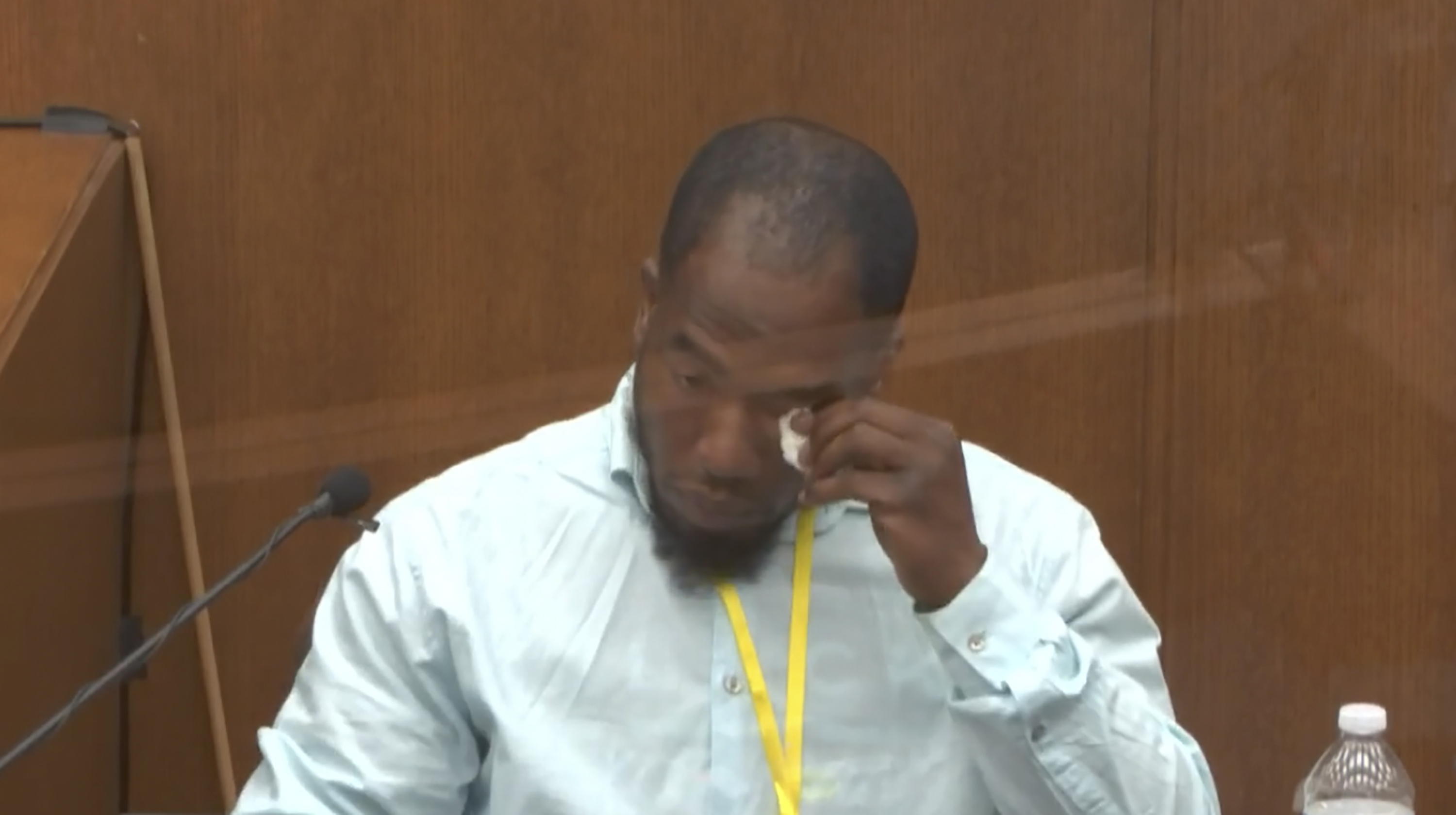
Relying on his own MMA experience, he said that Mr Chauvin performed a "blood choke" on Mr Floyd and adjusted his positioning several times to maintain pressure on the neck.
Mr Williams had gone fishing with his son earlier in the day, and he decided to go to the Cup Foods store in Minneapolis to "get some air" after watching several caught fish suffocate and die.
When he came upon Mr Floyd's arrest nearby, he watched the man gasp for air and saw his eyes roll to the back of his head — "like a fish in a bag," he explained.
He said he wanted to get the former officer off Mr Floyd but didn't physically intervene because former Minneapolis Police officer Tou Thao was directing him to stay away.
Witnesses called the police
After watching Mr Floyd leave in an ambulance, the witness called 911 to report what he had seen.
Mr Williams is the second witness to say they reported the police's behaviour to the police.
On Monday, a Minneapolis 911 dispatcher testified she was able to watch live video of Mr Floyd's arrest at the time and called a police sergeant afterward to voice her concerns about the arrest.
"My instincts were telling me that something's wrong. Something was not right. I don't know what, but something wasn't right," Jena Scurry said she thought as she watched the video.
"It was an extended period of time."
READ MORE: George Floyd's family hold prayer service on eve of murder trial
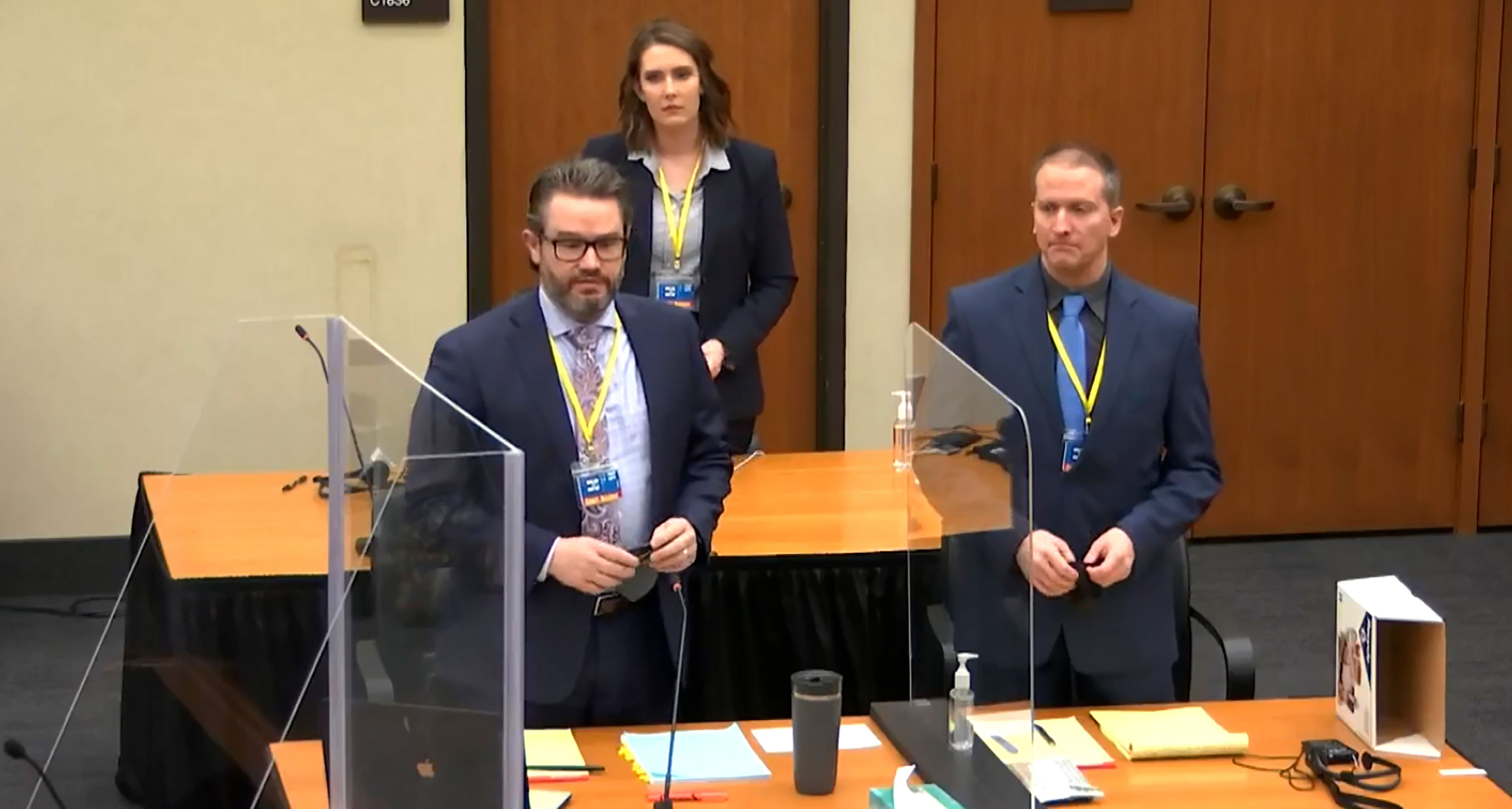
The testimony in Mr Chauvin's trial comes 10 months after Mr Floyd's death launched a summer of protest, unrest and a societal reckoning with America's past and present of anti-Black racism and aggressive policing.
Mr Chauvin, 45, has pleaded not guilty to second-degree unintentional murder, third-degree murder and second-degree manslaughter charges.
In opening statements on Monday, prosecuting attorney Jerry Blackwell said Mr Chauvin used excessive and unreasonable force when he knelt on Floyd for 9 minutes and 29 seconds — a number different than the infamous 8:46 timing that has become a symbol of police brutality. The defence accepted the new timing as accurate.
Mr Blackwell played the harrowing video and audio of the death recorded by a bystander to bolster his argument and offered jurors a clear and simple case against the defendant.
"You can believe your eyes that it's a homicide," he said.
"You can believe your eyes."
In response, defence attorney Eric Nelson argued the case was more complicated than just that video.
He said Mr Chauvin was following his police use-of-force training and argued Mr Floyd's cause of death was a combination of drug use and preexisting health issues.
"The use of force is not attractive, but it is a necessary component of policing," he said.
Witness testimony in the trial is expected to last about four weeks, followed by jury deliberations.
The second-degree murder charge alleges Mr Chauvin intentionally assaulted Mr Floyd with his knee, which unintentionally caused Floyd's death.
The third-degree murder charge alleges he acted with a "depraved mind, without regard for human life" and the second-degree manslaughter charge says Mr Chauvin's "culpable negligence" caused Floyd's death.
He could be convicted of all, some, or none of the charges.
Minnesota's sentencing guidelines recommend about 12.5 years in prison for each murder charge and about four years for the manslaughter charge.