A young woman who grew up in a Kurdish refugee camp and stepped up to help her community during the Christchurch mosque attacks is a finalist in the University of Canterbury Young New Zealander of the Year.On March 15, 2019 Dr Zhiyan…
Category Archives: headline
'Agitation and protest' still needed in queer community, says activist
A relative of a man whose death helped inspire New Zealand gay rights says she’s seen wild change since she joined queer activism in the 2000s. But there’s still a long way to go – and much of the work is close to home. Wellington…
Christchurch service to remember mosque terror attack will focus on unity
The We Are One national remembrance service two years after the March 15 terror attack in Christchurch will be held today.The service starts at 3pm at Christchurch Arena and will be live streamed.The service was due to go ahead…
Herald morning quiz: March 13
Test your brains with the Herald’s morning quiz. Be sure to check back on nzherald.co.nz at 3pm for the afternoon quiz. To challenge yourself with more quizzes, CLICK HERE.
National Assembly meets Thursday, March 18
BASSETERRE, St. Kitts — Notice has been given for a sitting of the National Assembly to be held at the National Assembly Chambers, Government Headquarters, Basseterre, on Thursday, March 18, at 10:00 a.m. The Order Paper and other papers will be disseminated later.
The National Assembly will be broadcast live on ZIZ Radio (96 FM) and participating radio stations. It can also be viewed live on TV Channel 5 in St. Kitts and Channel 98 in Nevis. It will also be streamed live at www.zizonline.com.
Copies of Bills can be found on the website, www.sknis.gov.kn of St. Kitts and Nevis Information Service under the section: Bills.
The post National Assembly meets Thursday, March 18 appeared first on The St Kitts Nevis Observer.
Hastings water leaks: 116 in a month, and that's good!
It’s a map of tiny red dots. But each one represents an event in the past year that’s lost Hastings potentially thousands of litres of precious drinking water.What’s possibly more astonishing is that the year of leaks is not even…
AstraZeneca says 'no evidence' of blood clot risk from vaccine
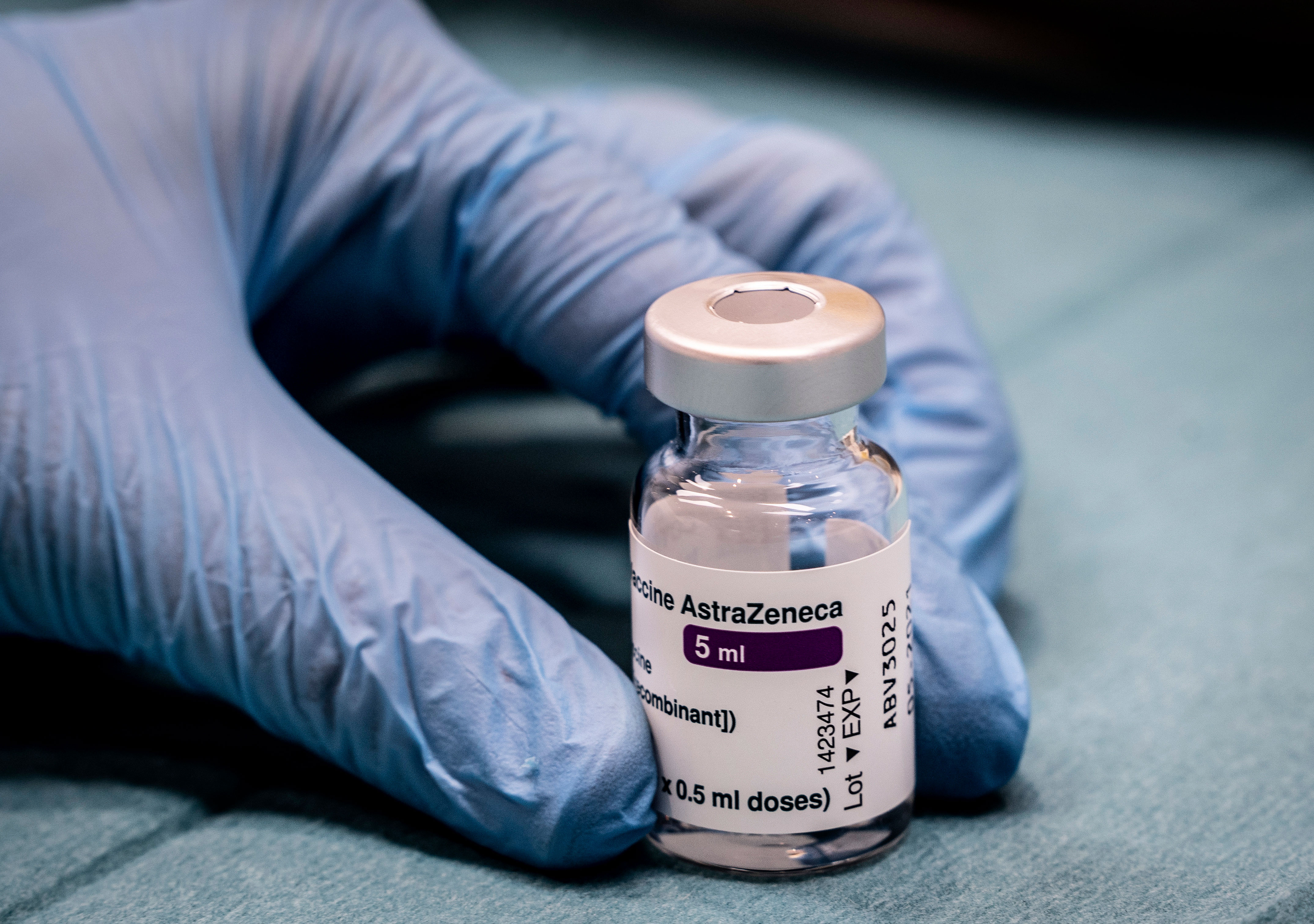
The global roll-out of the Oxford-AstraZeneca Covid-19 vaccine has encountered another hurdle as a handful of countries paused their use of the shot following reports it could be linked to blood clots, despite no clear evidence of a link to the shot.
AstraZeneca has robustly defended its vaccine, saying Friday there was "no evidence of an increased risk" of blood clots, and European and UK medicines regulators have each said the link between the vaccine and blood clots has not been confirmed and that roll-outs should continue.
After a group of European countries — including Denmark, Norway and Iceland —suspended use of the vaccine on Thursday, Thailand's Prime Minister, Prayut Chan-o-cha, cancelled plans to publicly get the AstraZeneca shot on Friday and the country also delayed its roll-out.
READ MORE: Australia's vaccination rollout passes 100,000 mark
"When there is an adverse event, we don't need to be in rush," said Piyasakol Sakolsatayadorn, a senior member of the country's vaccination committee.
Bulgaria has become the latest country to suspend use of the vaccine on Friday pending investigations into safety. Prime Minister Boyko Borissov ordered a halt to all inoculation using the AstraZeneca Covid-19 vaccine until the European Medicines Agency "rejects all doubts" about the vaccine's safety, according to a government statement.
This is all in response to reports of blood clots in a few inoculated people in Denmark, including one fatality. Denmark was the first country to take the precautionary measure, announcing a 14-day break while authorities investigated further.
Norway and Iceland soon followed. The Norwegian Institute of Public Health says the country has also reported cases of blood clots shortly after receiving a Covid-19 vaccination in Norway but "mainly in the elderly where there is often another underlying disease as well."
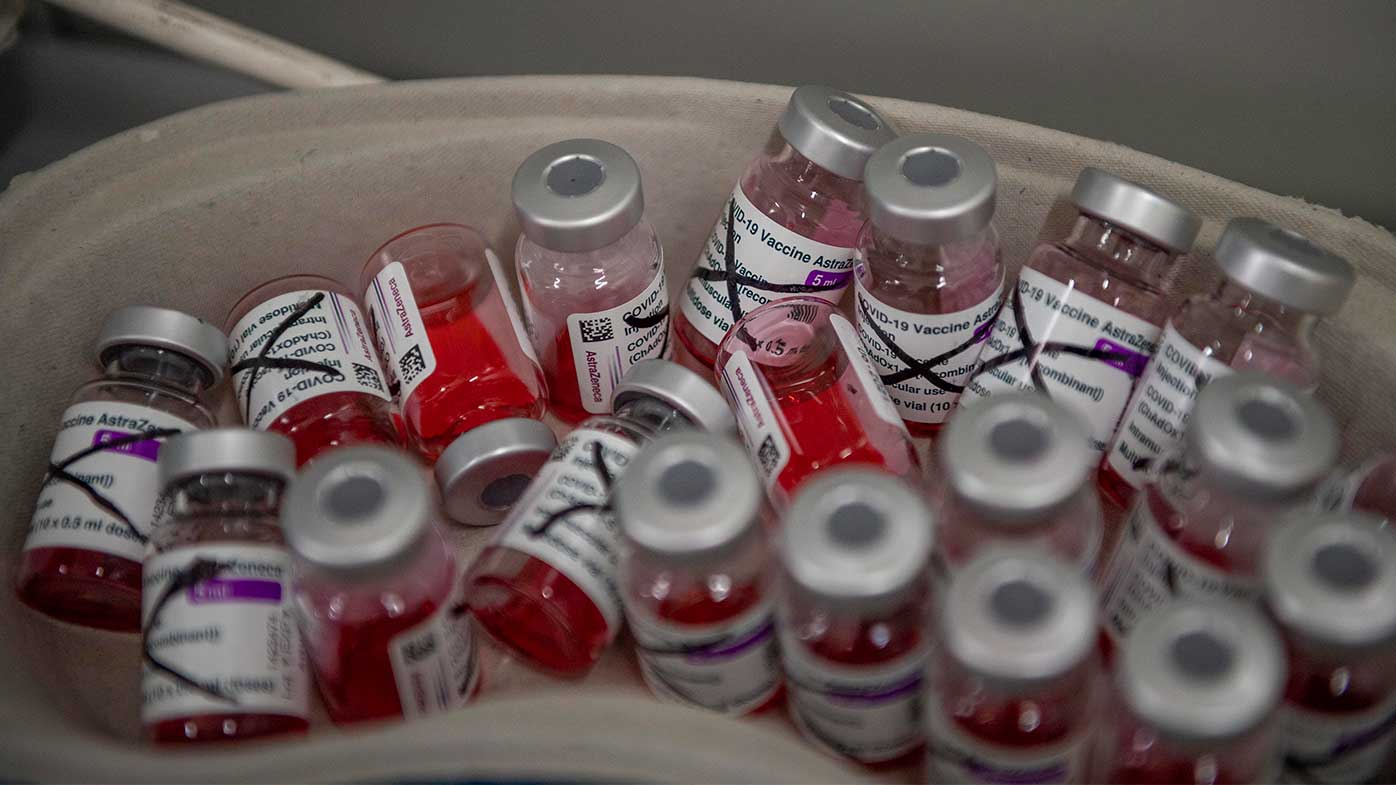
Other countries, including Austria and Italy, have suspended specific batches of the vaccine.
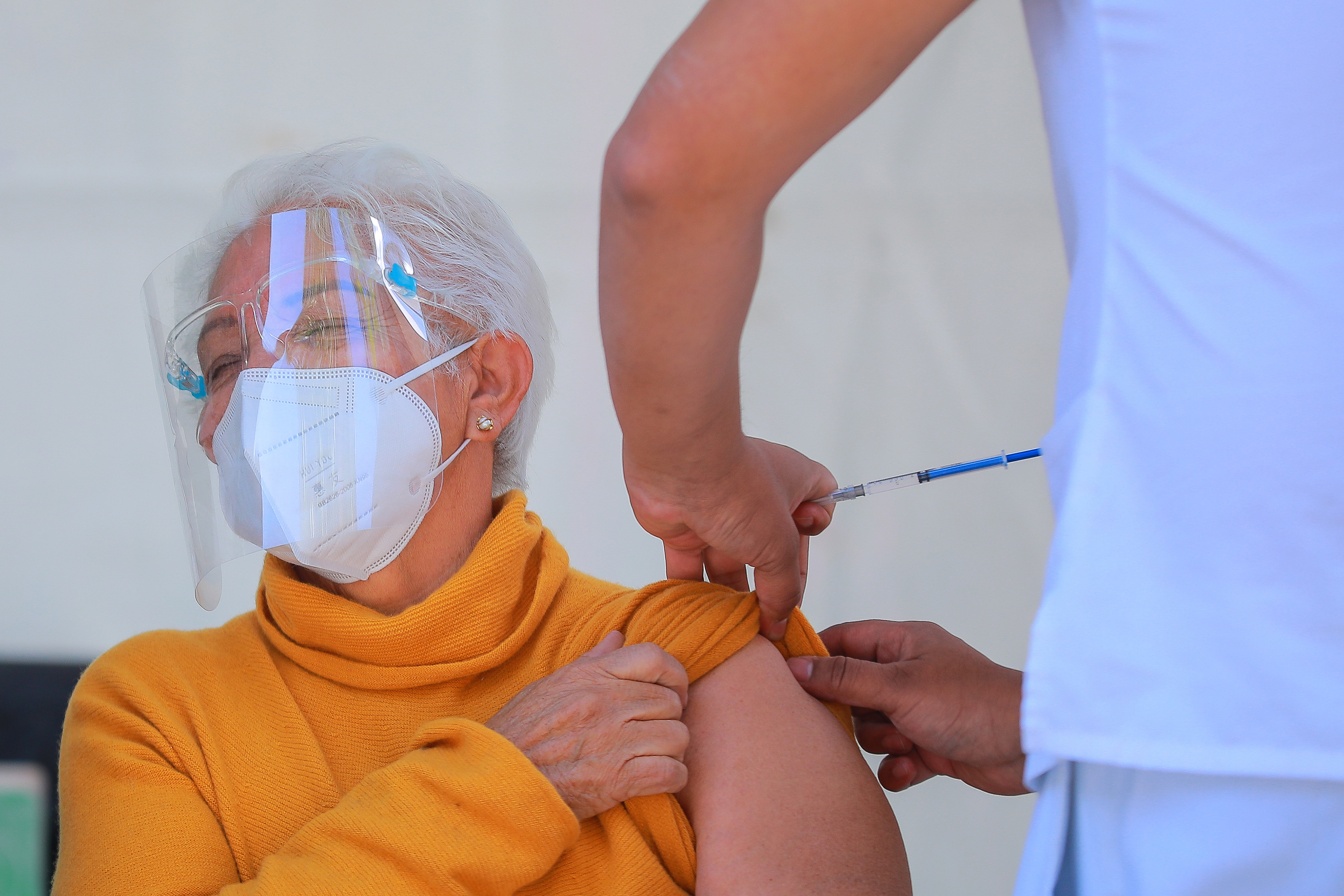
But a number of nations — including Germany, France, the UK, the Netherlands, Mexico and Nigeria — stood by the shot and reassured citizens of its safety.
Health agencies tell countries to keep rolling out
The European Medicines Agency (EMA) said Thursday that it did not recommend suspending use of the AstraZeneca vaccine, stating that there is "no indication" the vaccine caused the blood clots in the people who received the vaccine. The agency told countries they could keep rolling out the shot while investigations take place.
"The vaccine's benefits continue to outweigh its risks and the vaccine can continue to be administered while investigation of cases of thromboembolic events is ongoing," the agency said.
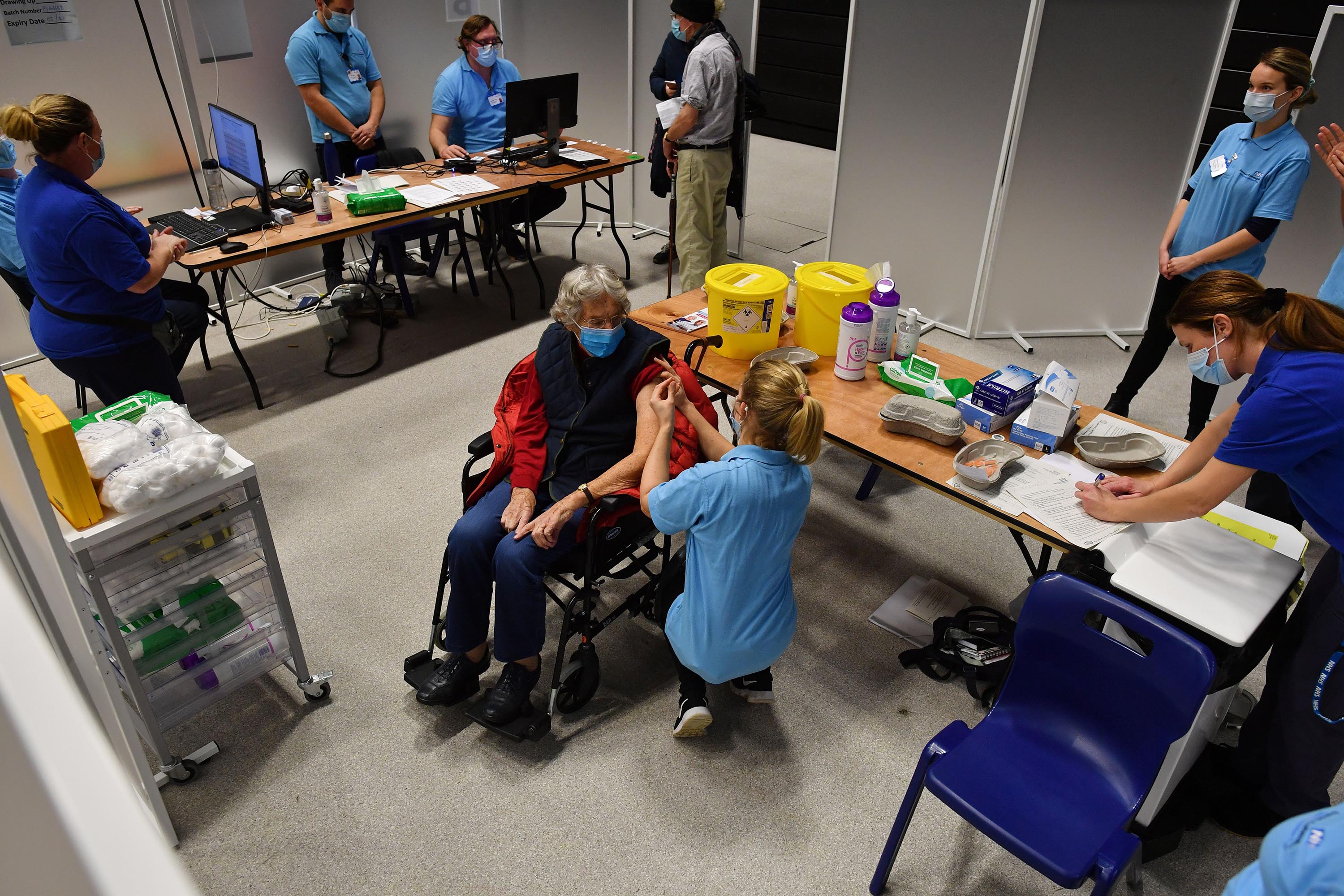
The UK's medicine regulator — the Medicines and Healthcare products Regulatory Agency (MHRA) — also issued a statement Thursday reassuring the public that the vaccine is still safe and that "people should still go and get their COVID-19 vaccine."
The episode nonetheless poses another headache for the pharmaceutical giant, whose vaccine has been beset by political disputes, delivery delays and other concerns.
But the tone across most of Europe was one of calm, as other governments sought to put the reports into context.
"Investigations are carried out systematically each time serious adverse effects are declared," France's health minister Olivier Véran said in his weekly briefing on Thursday. "But what are we talking about? About 30 people out of more than five million Europeans having received an injection."
The UK's MHRA, where 11 million doses of the vaccine have been administered, said blood clots "can occur naturally and are not uncommon." Its vaccines safety lead Phil Bryan added that the reports of blood clots "are not greater than the number that would have occurred naturally in the vaccinated population."
And Germany confirmed late on Thursday that it would stick to its roll-out plans. "We are planning to continue vaccinating with AstraZeneca, just like an overall majority of other European countries," German health minister Jens Spahn said.
'No evidence' of clotting link
AstraZeneca said Friday that its analysis not only shows "no evidence of an increased risk" of blood clots in vaccine recipients, but demonstrates a lower number than in the general population.
"An analysis of our safety data of more than 10 million records has shown no evidence of an increased risk of pulmonary embolism or deep vein thrombosis in any defined age group, gender, batch or in any particular country with COVID-19 Vaccine AstraZeneca," the company said in a statement.

"In fact, the observed number of these types of events are significantly lower in those vaccinated than would be expected among the general population," it added.
Denmark's health leaders had stressed their decision to announce a two-week pause on its use of the vaccine was a precautionary one, reminding people there is "good evidence that the vaccine is both safe and effective" but saying they would "act early" to investigate the reports of clotting.
Spain delayed giving the jab to those aged between 55 and 65 until a review is conducted, but Dutch health minister Hugo de Jonge said Thursday there is "no cause for concern," and no reason to stop using the AstraZeneca vaccine.
Earlier this week, a number of EU nations paused the use of doses that came from a particular batch of AstraZeneca vaccine, after a 49-year-old woman in Austria died of multiple thrombosis on Sunday. The EMA said Wednesday there was "no indication" that vaccination had been behind the cases of clotting or death.
And on Thursday, Italian medicines agency AIFA also banned use of another batch of AstraZeneca vaccines. The agency said it was responding to "some serious adverse events" taking place around the time of vaccinations from one specific batch. It did not say what the events were and said no causal link between the events and the vaccine had been established.
Nigeria, which has started receiving millions of vaccine doses through the COVAX program, defended the vaccine Thursday, saying it is satisfied with the clinical evidence indicating the shot is "safe and effective" and urging its citizens to continue to participate in the roll-out.
Real-world data has also shown that the vaccine is having a significant impact in reducing Covid-19 hospitalisations.
A single dose of the vaccine reduces the risk of hospitalization from Covid-19 by more than 80% in people aged over 80, data from Public Health England showed earlier this month. The vaccine is given in two doses, though countries differ in how far apart they are spreading those shots.
Concerns about the vaccine's safety nonetheless come at an awkward time for AstraZeneca, with disputes over its supplies to the EU still unresolved. After announcing it would pause the vaccine, Denmark's health authority said Thursday the country would now receive approximately 900,000 fewer doses of the shot.
"The fact that AstraZeneca is once again downgrading the number of doses delivered to the EU and thus Denmark is, of course, both unsatisfactory and a serious challenge," Ole Jensen, deputy director at the Statens Serum Institut, said.
Polish officials also announced on Friday that AstraZeneca will reduce the number of coronavirus vaccine doses delivered there.
Human remains found in search for Sarah Everard confirmed to be hers
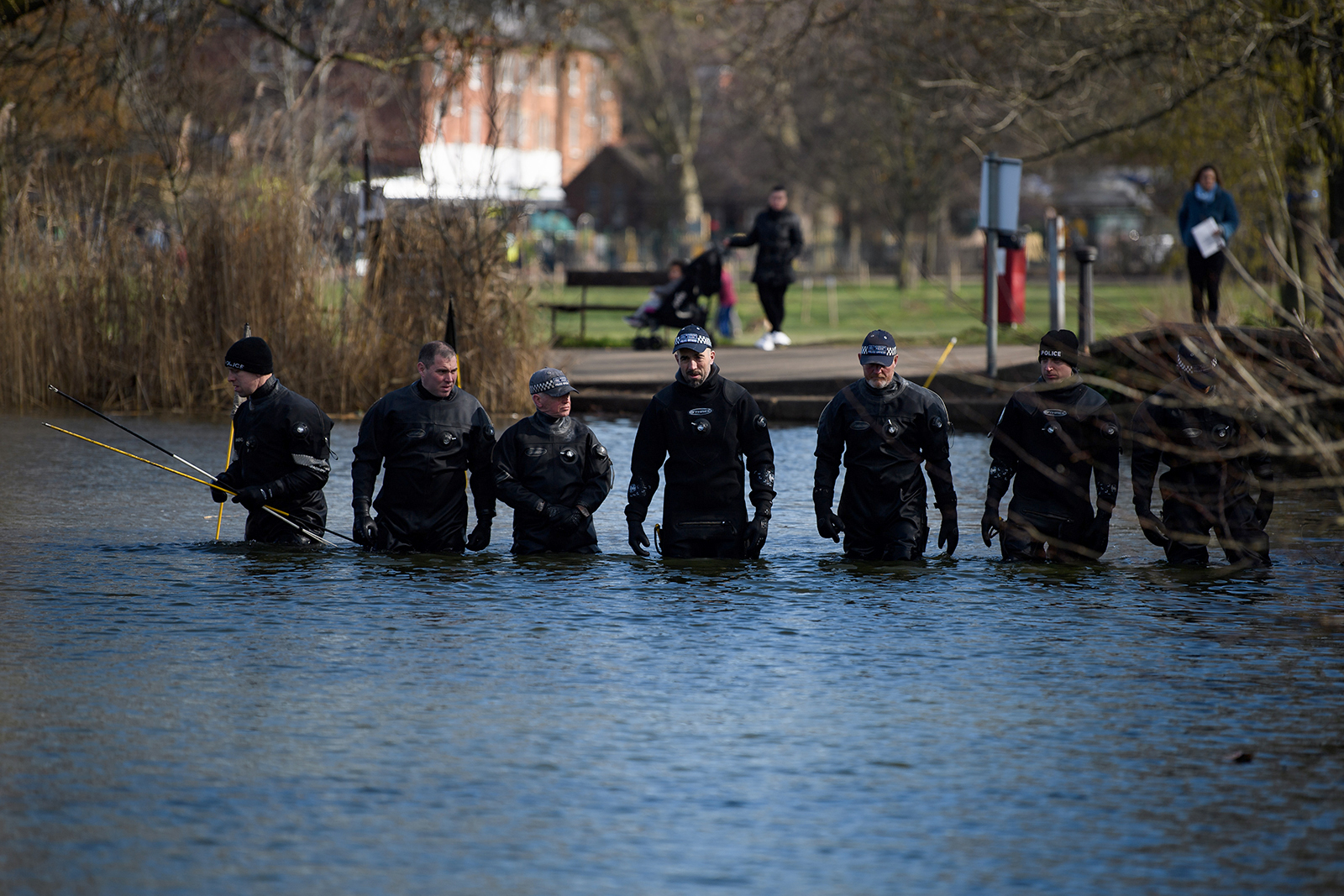
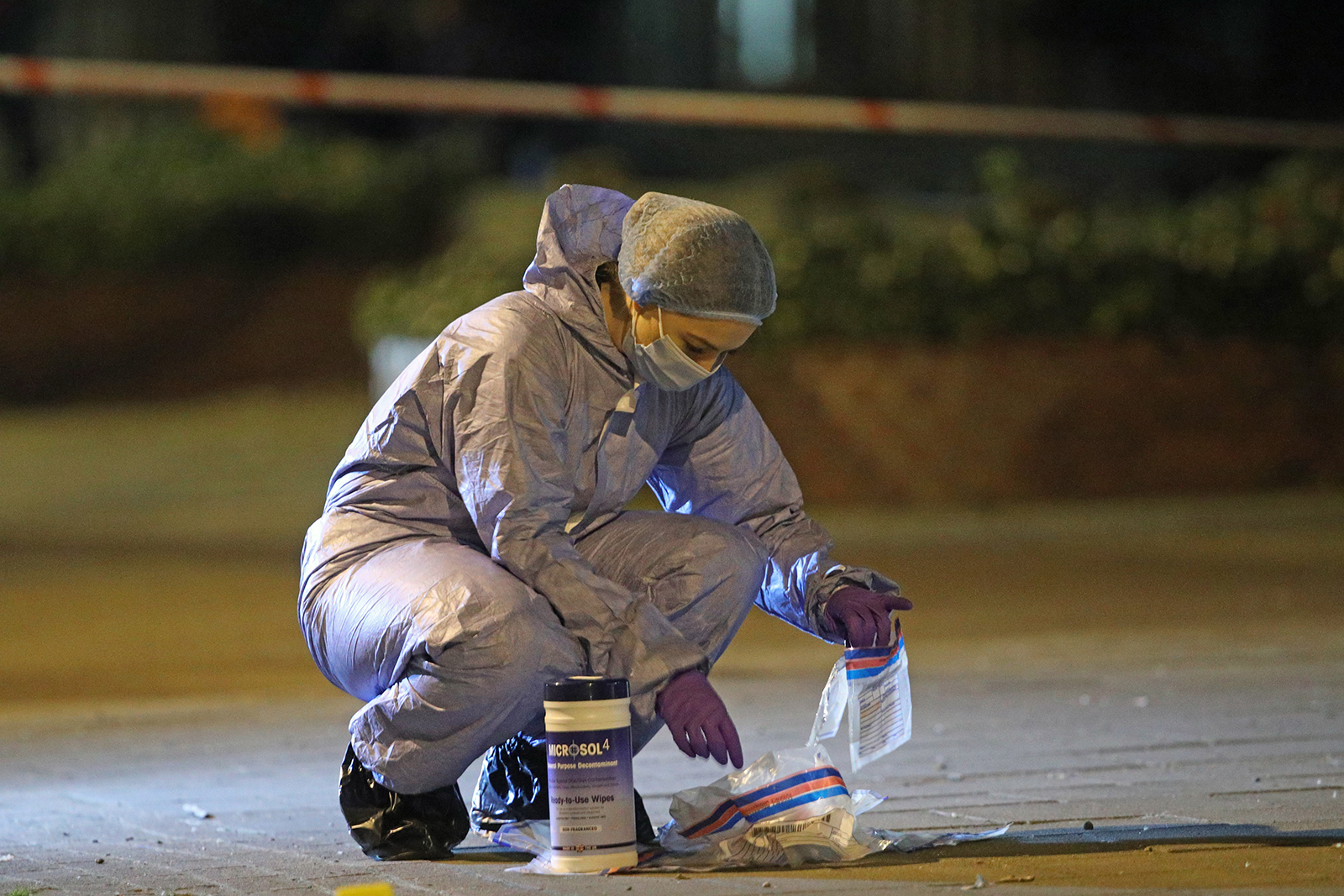
Metropolitan Police have confirmed human remains found in English woodlands are those of Sarah Everard.
Assistant Commissioner Nick Ephgrave on Friday (1am Saturday AEDT) confirmed the body found during searches near Ashford, Kent, earlier this week was that of the 33-year-old.
A serving Met Police officer remains in custody, held on suspicion of kidnap and murder.

"I know that the public feel hurt and angry about what has happened and those are sentiments I share personally," Mr Ephgrave said during a press conference, before addressing the wider topic of women's safety.
Police confirmed Ms Everard's family had been informed of the finding.
Hours earlier the family paid tribute to their "bright and beautiful", "wonderful daughter and sister".
"She was kind and thoughtful, caring and dependable," they said.
"She always put others first and had the most amazing sense of humour.
https://twitter.com/metpoliceuk/status/1370080230862381061?ref_src=twsrc%5Etfw
"She was strong and principled and a shining example to us all. We are very proud of her and she brought so much joy to our lives."
The suspect is a man in his 40s, who works with the Met's parliamentary and diplomatic protection command. He was taken to hospital yesterday suffering head injuries.
Met Police said he was being monitored in a cell by CCTV and received immediate first aid.
After being treated at hospital, the man was discharged and returned to the police station, where he remains.
A woman in her 30s was also arrested in Kent earlier this week, on suspicion of assisting an offender, and was later released on bail until mid-April.
The Independent Office for Police Conduct (IPOC) is investigating whether Met officers responded appropriately to reports of indecent exposure by the man in question, which is alleged to have occurred just days before Ms Everard went missing.
Ms Everard, who is originally from York, was last seen on March 3 in Clapham, south London, when she was on her way home from a friend's house about 9.30pm (local time).
She was wearing a green rain jacket, navy blue trousers with a white diamond pattern and turquoise and orange trainers when she went missing.
A security camera placed in a doorway reportedly captured her walking alone on the south London streets towards her home but police said it was unclear if she ever reached her Brixton home.
Metropolitan Police launched an appeal for the missing woman, leading to more than 120 calls from the public and officers visited 750 homes in the area before making the grim discovery in woodlands near Kent, south of London.

Crystal Announces Bahamas Only Cruises by July
In a joint press conference with Bahamas tourism officials, leaders of the Miami-based luxury line said Crystal would resume sailings on 3 July with a series of week-long, all-Bahamas voyages out of Nassau and Bimini — something that has never been done by any line.r.
The trips will take place on Crystal’s 980-passenger Crystal Serenity.
“This is an exciting day for cruising, for the islands of the Bahamas, for Crystal and for all those who love and miss life-enriching travel,” Crystal’s interim president and CEO, Jack Anderson, said at the start of the 40-minute-long event.
Anderson suggested the sailings would make Crystal the first major cruise line to resume ocean cruises in North America — something that remains to be seen.
Most major cruise lines that operate ocean voyages already have cancelled all North America sailings through the end of May. But some still have sailings on their schedules in June.
Still, those June sailings aren’t necessarily going to happen. Nearly all of them involve travel in U.S. waters, which requires the approval of the U.S. Centers for Disease Control and Prevention (CDC).
The CDC currently isn’t allowing most cruise lines to operate in U.S. waters, and it has laid out a long period of testing and approvals before cruising can resume.
By restarting operations in the Bahamas with an itinerary that does not touch U.S. waters, Crystal is avoiding having to get permission to sail.
Crystal only needs the permission of Bahamian authorities to operate the trips, which it already has.
Related: Royal Caribbean plans new sailings out of Israel in May
“This is a milestone achievement — one we are most honoured to be part of after a year of uncertainty, of despair, of doubt,” Bahamas tourism and aviation minister Dionisio D’Aguilar said during the press conference. “We will remember this moment. Indeed, this may very well prove to be the tipping point for our citizens, for our tourism industry, for our nation.”
Noting that tourism accounts for more than 70% of Bahamas tax revenue, D’Aquilar said the shutdown of travel worldwide over the past year had hit the country hard. A return of cruise ships to the Bahamas “will bring much-needed economic relief,” he said.
Cruise ships in 2019 delivered 5.4 million visitors to the Bahamas, providing a critical source of revenue to the country.
None of the world’s major cruise lines has operated an ocean cruise in North America since the COVID-19 outbreak was declared a pandemic in March 2020. But two small lines that operate very small vessels — UnCruise Adventures and SeaDream Yacht Club — have tried to restart operations in North America since August. Both quickly aborted the attempts due to COVID-19 scares.
UnCruise Adventures, a specialist in adventure cruises, restarted sailings out of Juneau, Alaska, in August with a single, 60-passenger vessel. It halted the restart after just three days when a passenger tested positive for COVID-19. The test was later deemed to have been a false positive.
In November, SeaDream Yacht Club attempted to resume voyages in North America with Caribbean sailings out of Barbados on its small, 112-passenger SeaDream 1. But the yacht-like ship’s first Caribbean voyage did not go particularly well. It ended with a COVID-19 outbreak and a quarantine for passengers.
SeaDream has since cancelled all remaining sailings for the winter season. It doesn’t have any voyages on its schedule until May.
Crystal said it would operate 16 of the week-long Bahamas voyages for a four-month season that would last until 21 October.
Assuming the trips take place, it will mark the first time a cruise ship has been based in the Bahamas in the history of cruising.
The new itinerary for the ship that Crystal announced on Thursday will feature calls at Harbour Island, Great Exuma, San Salvador Island and Long Island, Crystal said.
The line noted that the calls were subject to final confirmation and might also vary due to weather or other conditions.
The line also announced a pre- and post-cruise land program that included stays at Nassau’s SLS Baha Mar and Hilton Resorts World Bimini. Prices for stays at the two properties will start at $359 (£257) and $299 (£214) per guest, respectively, and include transfers between the resort properties and the airports, and all taxes and resort fees.
Crystal Serenity will operate with a number of new anti-coronavirus protocols including social distancing rules, mask mandates and health screenings, the line said. The ship also will operate at a reduced capacity, and all passengers will be required to have been fully inoculated with a COVID-19 vaccine at least 14 days prior to boarding the vessel.
The sailings will be available to book starting on 18 March. Fares will start at $1,999 (£1,434) per passenger.
Crystal’s announcement comes as the line continues to struggle to pay refunds to customers who have had their sailings cancelled over the past year. TPG has been contacted regularly for months by upset and exasperated Crystal customers who have not received refunds for cancelled trips that had been scheduled to take place as far back as the spring of 2020.
Just this week, we heard from a Crystal customer who had been waiting 308 days for a refund.
In a statement sent to TPG that the line also will be posting on its website later today, Crystal apologized for the long delays in refunds and suggested it had recently gotten access to more cash to be able to pay out more money.
“We are pleased to say that during the past month, we have been able to open new channels of access to available collateral that have allowed us to process additional refunds,” the statement said. “We expect to complete 37% of remaining refunds by the end of March with an additional 46% of all remaining refunds to be completed by the end of April, for a total of 95% completed.”
Crystal said in January that it had sent refunds to customers for more than 75% of all cancelled cruises.
“The entire team at Crystal understands and recognizes that those who have not yet received their refunds are frustrated, and we know that we continue to fall short of our service standard and we sincerely apologize for that,” the company said in the statement.
The post Crystal Announces Bahamas Only Cruises by July appeared first on The St Kitts Nevis Observer.
IDB to Help Caribbean Get Corona Vaccines
It has been one year since the first cases of coronavirus (COVID-19) began popping up in the Caribbean. Since then, more than 554,542 infections were record and at least 7,905 people have died.
Close to 200,000 infections are active.
Most countries were economies all but collapsed, as their main income earner tourism was no longer available. These countries were also recovering from the impact of hurricanes from previous years and had to weather an overactive season in 2020.
Now there’s a fight on to get life saving vaccines. To this end the Inter-American Development Bank (IDB) has announced a first-of-its kind initiative that would help Latin American and Caribbean countries better compete to obtain COVID-19 vaccines.
In a statement it says the instrument would help both countries and vaccine makers resolve indemnity obligations, thereby removing a key obstacle to vaccine contract negotiations.
The initiative also aims to help design and implement regulatory reforms that facilitate the acquisition and distribution of vaccines. The IDB is the first multilateral development bank to offer such an instrument to its clients.
Until now, governments in many countries have found it challenging to purchase vaccines while simultaneously figuring out how to satisfy pharmaceutical company concerns about the potential cost of liabilities related to the widespread use of new COVID-19 vaccines.
Today’s announcement is an attempt to empower developing nations in their vaccine discussions and provide them with a unique guarantee instrument aimed at improving the terms and conditions on which vaccines are delivered.
The IDB will complement these efforts with the private sector and seek to collaborate through the work of IDB Invest and IDB Lab.
“Make no mistake about it, the ability to receive and distribute vaccines is a race that will largely determine the economic and social future of countries around the world. Countries in Latin America and the Caribbean must receive the support needed to obtain vaccines that are critical to kickstarting economies in the Americas,” said IDB president Mauricio Claver-Carone.
Concerns over how to reduce the potential cost of liabilities have been a stumbling block for too long for countries desperate to obtain vaccines, end the pandemic and reverse the brutal unemployment and poverty setbacks caused by COVID-19.
This new initiative has the potential to change the reality of many countries and improve access to vaccines, accelerate a recovery for the region, and mitigate risks for pharmaceutical companies that want to do business in Latin America and the Caribbean.
The post IDB to Help Caribbean Get Corona Vaccines appeared first on The St Kitts Nevis Observer.