Category Archives: headline

Former soldier charged with keeping a slave

A former soldier has been charged with slavery offences after being arrested in a Bunnings car park at Armidale on the NSW northern tablelands.

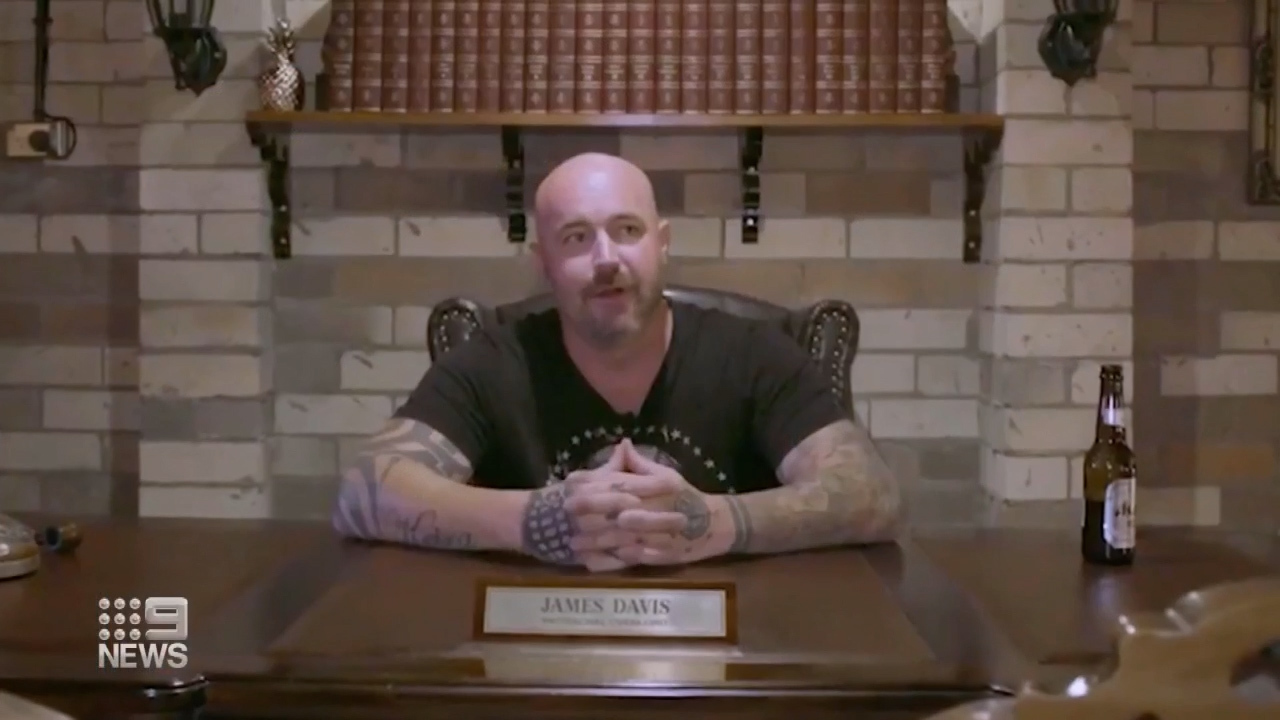
James Robert Davis, 40, has previously been the subject of a documentary boasting about his BDSM lifestyle and being in a relationship with multiple women.

Today, five women who live with him, came to support him at Armidale Local Court where he appeared via video link from the police station.

The court heard Mr Davis was accused of "possessing a slave" and "causing a person live in servitude" at Maroubra in Sydney's east in 2013. 

Yesterday, Australian Federal Police raided the remote property where he lives with his partners, seizing several items as part of an ongoing investigation. 

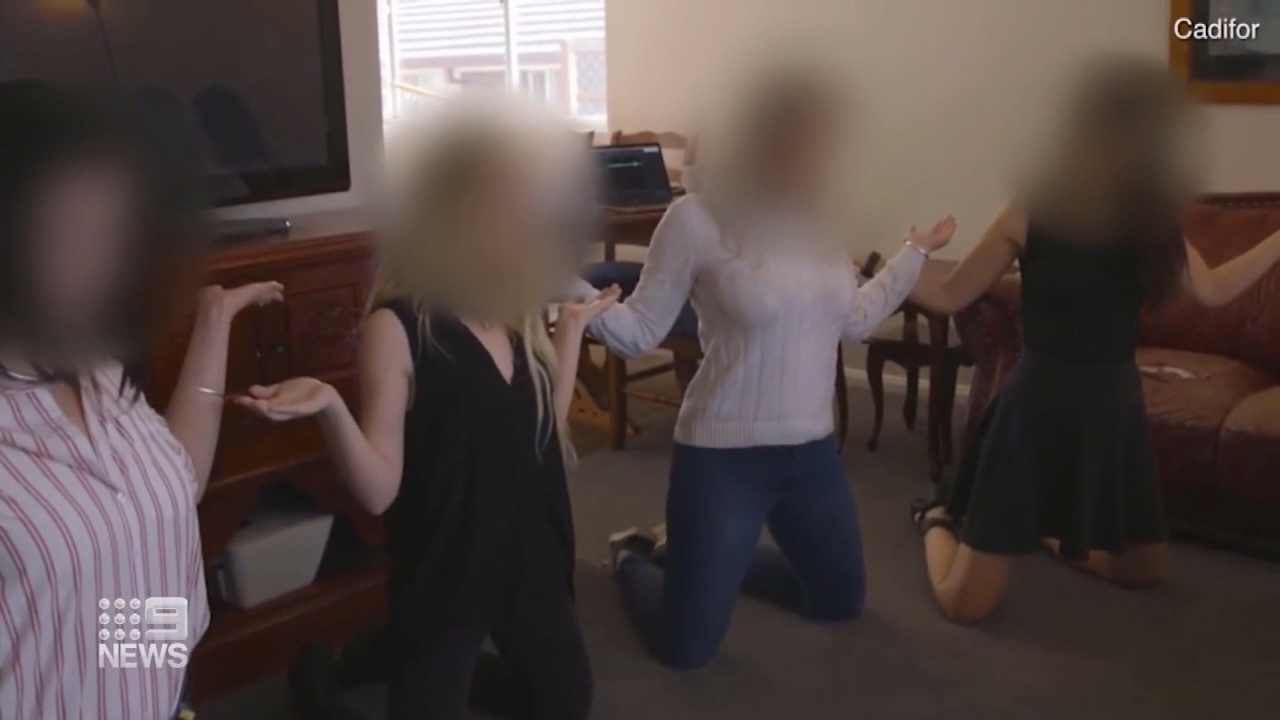
Mr Davis is the leader of a cult like group called the "House of Cadifor", where Mr Davis calls himself the "patriarchal overlord" and all of his partners call him  "master".

"[People] think I must be some kind of abusive oppressor, a misogynist, manipulator, or even a monster," he said in a documentary. 

"But the truth is, I'm just a guy who loves both freedom and commitment, and who was lucky enough to find some incredible women to love, and who love me back.

In videos posted by the group online, the women he lived with bow down when he walks into a room.

"Good morning Master, your owned property Slave 808497061 has missed you, and is here presented ready and waiting to serve you," one woman said to him as he sits back on a couch.

The 40-year-old has previously been very open about his lifestyle, but in recent months he and his partners have deleted their social media accounts.

"I think every man needs a cage in their room. It helps managing extra girlfriends and sleepovers a lot easier," Davis said in the five-part series he filmed about his life. 

Davis did not apply for bail but is expected to apply next week.

Mexican Police Stop 2 Cent. American Immigrant Buses

MEXICO CITY (AP) — Police in southern Mexico said Wednesday they stopped two passenger buses loaded with a total of 210 Central American migrants, a mass-smuggling tactic that had largely fallen into disuse after a government crackdown in 2014.

Federal prosecutors said eight suspected immigrant traffickers were detained aboard the buses in the southern state of Chiapas, near the border with Guatemala.

The vehicles were detected when they stopped at a toll booth, and the passengers could not show legal travel documents. Most of the migrants, 178, were from Guatemala.

In 2014, the government set up a series of checkpoints in southern Mexico to stop, board and inspect passenger buses.

After that, immigrant traffickers turned to cramming migrants into windowless truck freight containers, often hiding them under false cargo loads, or installing platforms to carry migrants stacked above each other.

During the migrant caravans of 2018 and 2019, Mexican authorities briefly tolerated the movement of migrants and in a few cases provided buses to avoid having them hop freight trucks.

The post Mexican Police Stop 2 Cent. American Immigrant Buses appeared first on The St Kitts Nevis Observer.

Brazil Hospitals Buckle in Absence of COVID-19 Plan

RIO DE JANEIRO (AP) — Brazil’s hospitals are faltering as a highly contagious coronavirus variant tears through the country, the president insists on unproven treatments and the only attempt to create a national plan to contain COVID-19 has just fallen short.

For the last week, Brazilian governors sought to do something President Jair Bolsonaro obstinately rejects: cobble together a proposal for states to help curb the nation’s deadliest COVID-19 outbreak yet. The effort was expected to include a curfew, prohibition of crowded events and limits on the hours nonessential services can operate.

The final product, presented Wednesday, was a one-page document that included general support for restricting activity but without any specific measures. Six governors, evidently still wary of antagonizing Bolsonaro, declined to sign on.

Piaui state’s Gov. Wellington Dias told The Associated Press that unless pressure on hospitals is eased, growing numbers of patients will have to endure the disease without a hospital bed or any hope of treatment in an intensive care unit.

“We have reached the limit across Brazil; rare are the exceptions,” Dias, who leads the governors’ forum, said. “The chance of dying without assistance is real.”

Those deaths have already started. In Brazil’s wealthiest state, Sao Paulo, at least 30 patients died this month while waiting for ICU beds, according to a tally published Wednesday by the news site G1. Occupancy of ICUs is above 90% in 15 of 27 capitals, according to the state-run Fiocruz institute. In southern Santa Catarina state, 419 people were waiting for transfer to ICU beds. Neighboring Rio Grande do Sul’s capacity was at 106%. Alexandre Zavascki, a doctor in its capital, described a constant arrival of hospital patients struggling to breathe.
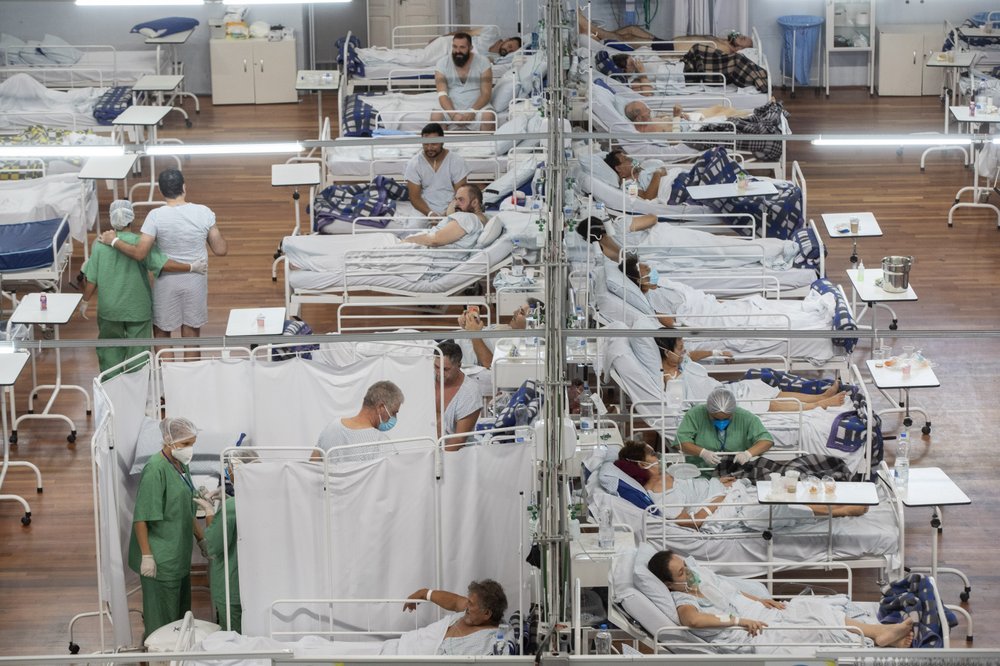
COVID-19 patients lie on beds at a field hospital on the outskirts of Sao Paulo. (AP Photo/Andre Penner)

“I have a lot of colleagues who, at times, stop to cry. This isn’t medicine we’re used to performing routinely. This is medicine adapted for a war scenario,” said Zavascki, who oversees infectious disease treatment at a private hospital. “We see a good part of the population refusing to see what’s happening, resisting the facts. Those people could be next to step inside the hospital and will want beds. But there won’t be one.”

The country, he added, needs “more rigid measures” from authorities.

Over the president’s objections, the Supreme Court last year upheld cities’ and states’ jurisdiction to impose restrictions on activity. Even so, Bolsonaro consistently condemned any such moves, saying the economy needed to keep churning and that isolation would cause depression.

The most recent surge is driven by the P1 variant that first became dominant in the Amazonian city Manaus.

Brazil’s failure to arrest the virus’ spread since then is increasingly a concern not just for Latin American neighbors, but also as a warning to the world, Tedros Adhanom Ghebreyesus, director of the World Health Organization, said in a March 5 press briefing.

“In the whole country, aggressive use of the public health measures, social measures, will be very, very crucial,” he said. “Without doing things to impact transmission or suppress the virus, I don’t think we will be able in Brazil to have the declining trend.”

Last week’s tally of more than 10,000 deaths was Brazil’s highest since the pandemic began, and this week is on track to be even worse after the country posted nearly 2,300 deaths Wednesday — blowing away the prior day’s total that was also a record. At the Vila Formosa cemetery in Sao Paulo, burials are being done one after another, with mourners and cars lined up awaiting their turn.

Aerial view of a burial service for a person who died from complications related to COVID-19 at Sao Paulo’s Vila Formosa cemetery. (AP Photo/Andre Penner)
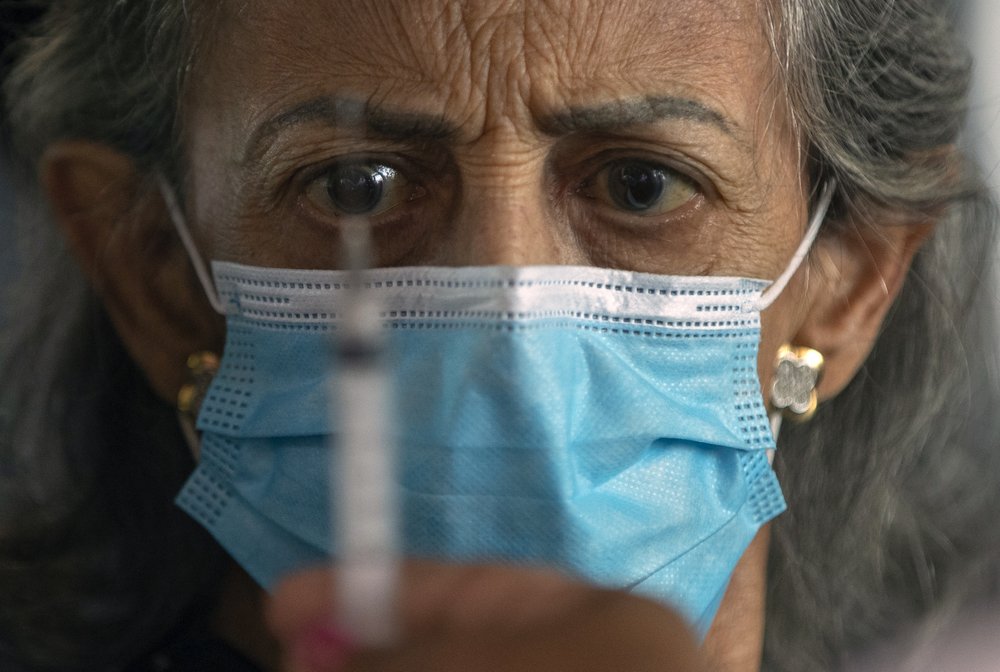
A woman eyes the syringe that will deliver her shot of the Sinovac COVID-19 vaccine. (AP Photo/Andre Penner)

Brazil has decades of experience with mass immunization campaigns, but rollout has been hobbled by delays, some self-inflicted; 5.5% of its population has been vaccinated.

“Governors, like a lot of the population, are getting fed up with all this inaction,” said Margareth Dalcolmo, a prominent pulmonologist at Fiocruz. She added that their proposed pact will remain symbolic unless it is far-reaching and confronts the federal government.

Brazil’s national council of state health secretaries last week called for the establishment of a national curfew and lockdown in regions that are approaching maximum hospital capacity. Bolsonaro again demurred.

“I won’t decree it,” Bolsonaro said Monday at an event. “And you can be sure of one thing: My army will not go to the street to oblige the people to stay home.”

Restrictions can already be found just outside the presidential palace after the Federal District’s governor, Ibaneis Rocha, implemented a curfew and partial lockdown. Rocha warned Tuesday that he could clamp down harder, sparing only pharmacies and hospitals, if people keep disregarding rules. Currently, 213 people in the district are on the wait list for an ICU bed.

Bolsonaro told reporters Monday that the curfew is “an affront, inadmissible,” and said that even the WHO believes lockdowns are inadequate because they disproportionately hurt the poor. While the WHO acknowledges “profound negative effects,” it says some countries have had no choice but to impose heavy-handed measures to slow transmission, and that governments must make the most of the extra time provided to test and trace cases, while caring for patients.

Such nuance was lost on Bolsonaro. His government continues its search for silver-bullet solutions that so far has served only to stoke false hopes. Any idea appears to warrant consideration, except the ones from public health experts.
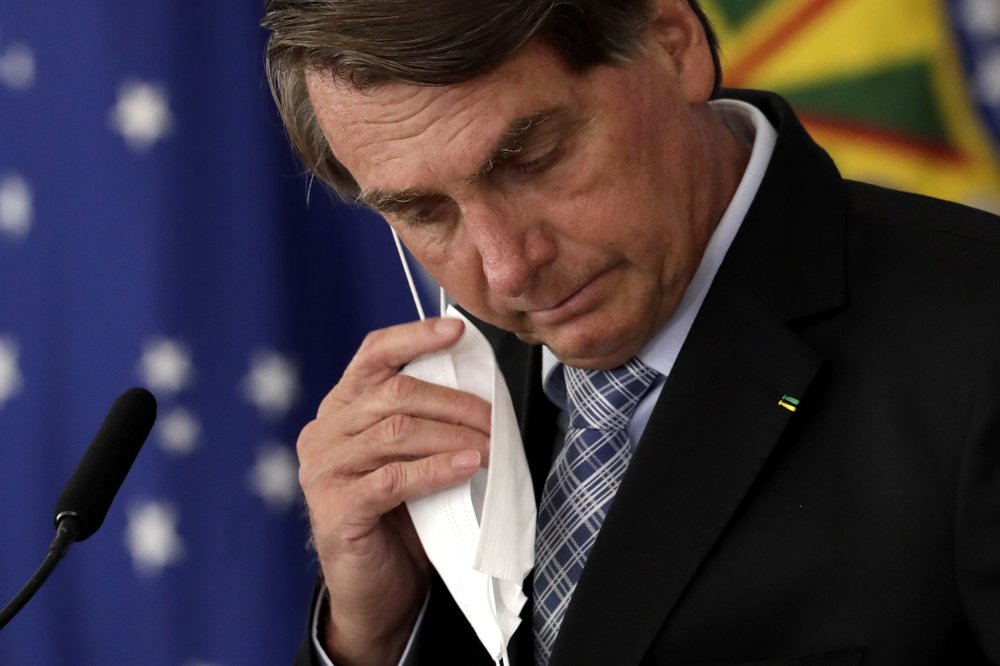
Bolsonaro removes his mask at a ceremony to sign a law expanding the government’s ability to acquire vaccines. (AP Photo/Eraldo Peres.)

Bolsonaro’s government spent millions producing and distributing malaria pills, which have shown no benefit in rigorous studies. Still, Bolsonaro endorsed the drugs. He has also supported treatment with two drugs for fighting parasites, neither of which have shown effectiveness. He again touted their capacity to prevent hospitalizations during a Wednesday event in the presidential palace.

Bolsonaro also dispatched a committee to Israel this week to assess an unproven nasal spray that he has called “a miraculous product.” Fiocruz’s Dalcolmo, whose younger sister is currently in an ICU, called the trip “really pathetic.”

Meanwhile, the city of Araraquara, in Sao Paulo’s interior, has seen new cases turn downward weeks after declaring lockdown amid a crippling surge dominated by the P1 variant. Mayor Edinho Silva told the AP in a message that, without mass vaccination, there was no alternative.

Camila Romano, a researcher at the University of Sao Paulo’s Institute of Tropical Medicine, hopes a test her lab developed to identify worrisome variants, including P1, will help monitor and control their spread. She also wants to see stricter government measures, and citizens doing their part.

“Every day is a new surprise, a new variant, a city whose health system enters collapse,” Romano said. “We’re now in the worst phase. Whether this will be the worst phase of all, unfortunately we don’t know what’s yet to come.”
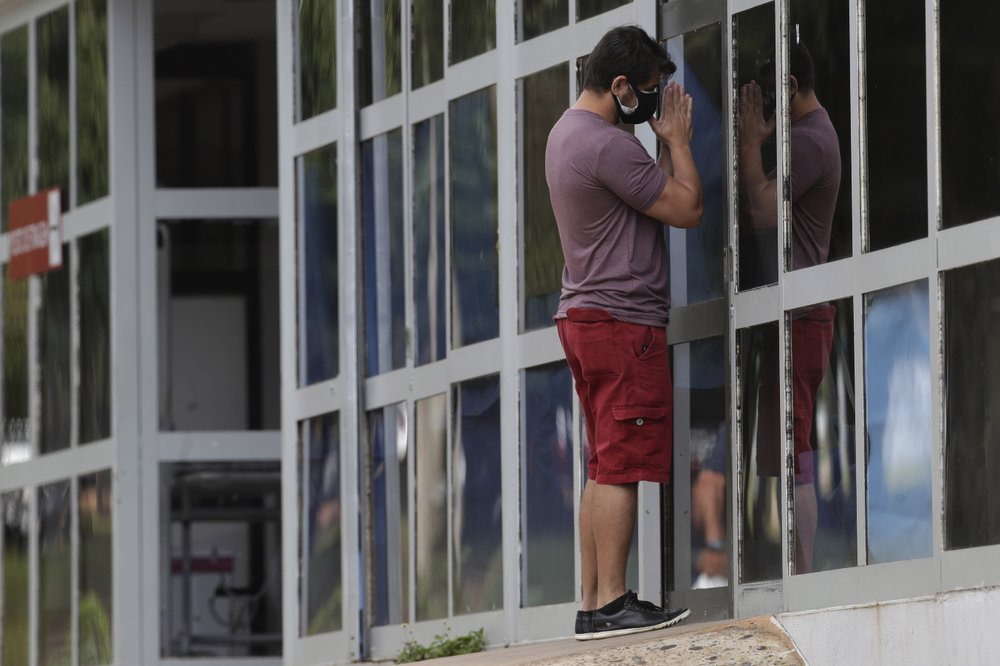
Marcio Moraes prays outside the window of an improvised ICU where his 25-year-old brother was hospitalized in Brasilia. (AP Photo/Eraldo Peres)

___ Álvares reported from Brasilia. Associated Press videojournalist Tatiana Pollastri contributed from Sao Paulo

The post Brazil Hospitals Buckle in Absence of COVID-19 Plan appeared first on The St Kitts Nevis Observer.

Man jailed in first South Australian revenge porn prosecution

A man who shared intimate images and video of his former partner and tried to blackmail her by threatening to spread them more widely has been jailed in a landmark revenge porn prosecution.

On October 13, the 26-year-old foreign national pleaded guilty to two charges, one of which was the first to rely on Commonwealth revenge porn laws passed in 2018.

According to the Australian Federal Police, he faced the District Court of South Australia on Friday and was jailed for two months.

READ MORE: New NSW revenge porn laws would offer extra protection to victims

https://twitter.com/katelambe_/status/1370269468769755139

Authorities in the country where the former partner was living first alerted the AFP in November 2019, sparking an investigation in Australia.

When police examined his phones and computers, they found "four months worth of threatening and offensive messages from the man to the woman".

Police said while some of the videos and images were taken consensually, the Adelaide resident later sent some of them to the woman and her new partner, breaching her trust.

"He also tried to blackmail the woman and threatened to send the intimate content to her family and post it on social media and pornographic websites," the AFP said in a statement released on Friday afternoon.

"The man told his victim that Australian police would not be able to prosecute him because he was not an Australian citizen and she was living in a different country."

The 25-year-old pleaded guilty to two counts of using a carriage service to menace, harass or cause offence, one of which was aggravated by "the distribution of private sexual material".

Police said the man was sentenced to one year and 25 days in prison but would be released after two months on an 18-month good behaviour bond. 

Millions of Aussies facing another private health insurance price hike

Almost 14 million Australians with private health insurance will face a price hike come April 1 – the second in just six months – and the hits keep coming.

The federal government will also decrease its rebate slightly from 25.059 per cent for under 65s on the base tier to 24.608 per cent on April 1, making premiums a little more pricey.

Add to that, the latest APRA report published last month found out-of-pocket expenses for hospital treatment was up 13 per cent on the previous year.

READ MORE: Private Health Insurance changes for 2021 explained

Private health insurance premiums are going up again, with many families facing bigger bills after April 1.

"I think it will be tough for a lot of families," Consumers Health Forum of Australia chief executive Leanne Wells said.

With non-elective surgery wait lists at public hospitals growing exponentially as the pandemic added to the backlog, the number of Australians who took out private health insurance actually grew in the last quarter.

Private health insurers increase their premiums on April 1 each year. But as the pandemic hit last year, many deferred their annual increase to October 1.

This latest price hike of an average 2.7 per cent will add around $122 a year on average to the family policy – the second in six months. Singles will pay around $60 a year more.

APRA found that due to COVID, the health funds had negligible premium growth and weaker investment earnings because of market volatility especially in the first half of 2020 that led to a decline in net profit after tax of 61.2 per cent to $558.2 million.

"We do encourage Australians who are struggling with the cost of private health insurance to consider switching rather than ditching," iSelect spokeswoman Jessie Petterd said.

But it's not all bad news. If you're willing to switch insurers or sign up for the first time to avoid the 1.5 per cent Medicare levy surcharge, there are some decent incentives on offer.

And with the industry facing a big slump in profitability in 2020, they're all clambering for new business – as long as you commit by March 31.

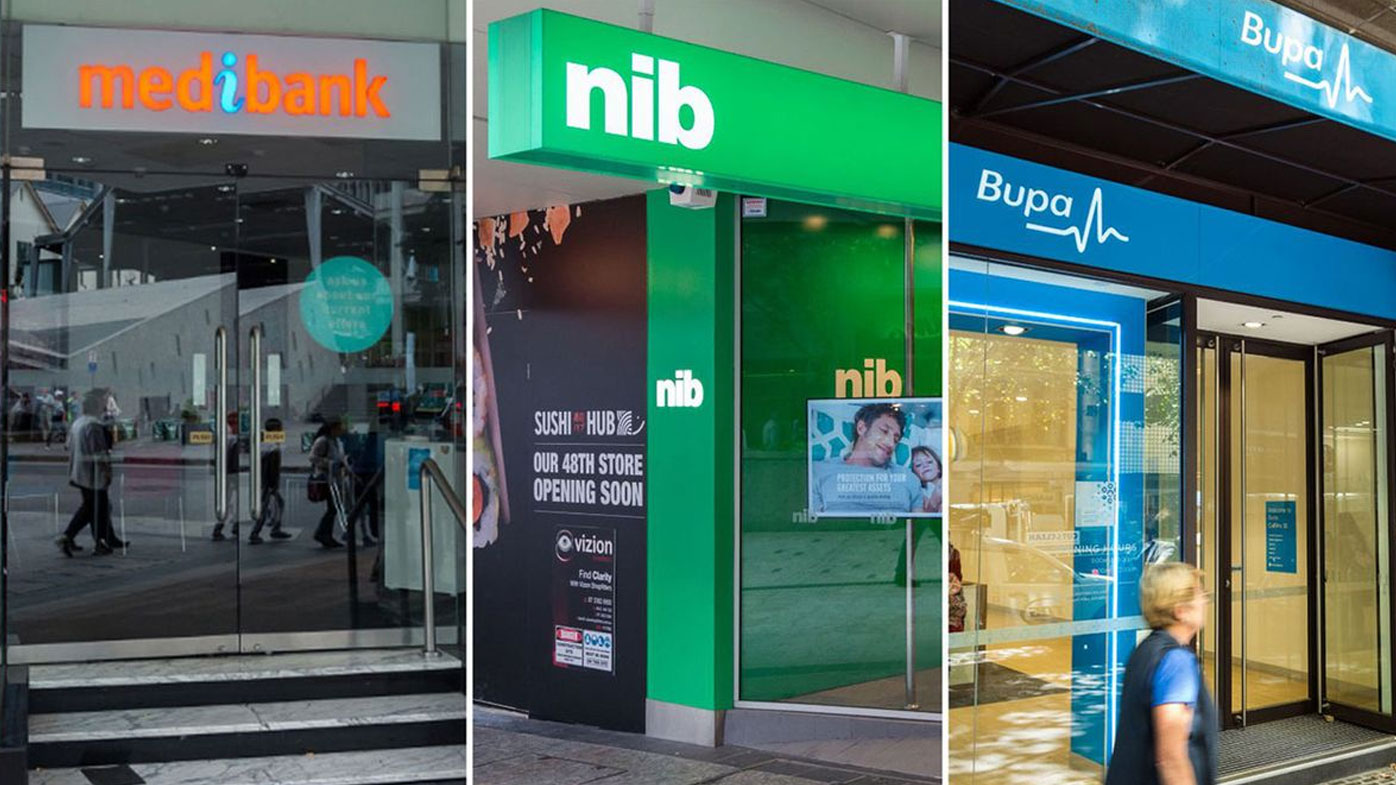
Some funds are offering e-gift cards and frequent flyer points while BUPA, Medibank, hbf, Health Partners and hif are promising six weeks free with waiting periods waived.

Other funds like ahm, nib and Frank are giving one month free.

Ms Wells warned some premiums may cost more in the long run and to not fall for the gimmicks.

She said healthy young families had to weigh up whether private health insurance is worth the cost.

Below are some of the incentives on offer:

  • BUPA: Six weeks free, two and six-month extras waiting period waived
  • Medibank: Six weeks free, two and six-month extras waiting period waived
  • ahm: One month free and two and six-month extras waiting period waived
  • hbf: Six weeks free
  • nib: One month free and two and six-month extras waiting period waived
  • AIA: Up to eight weeks free
  • Cua: Up to $400 e-gift card and 4 per cent off premiums
  • Qantas insurance: up to 140,000 frequent flyer points
  • Australian Unity: Four weeks free and two and six-month extras waiting period waived
  • Health Partners: Six weeks free and instant access to extras
  • hif: Six weeks free and two-month extras waiting period waived
  • Frank: One month free and two and six-month extras waiting period waived
  • TUH Health Fund: Win a year of health insurance premiums in gift cards

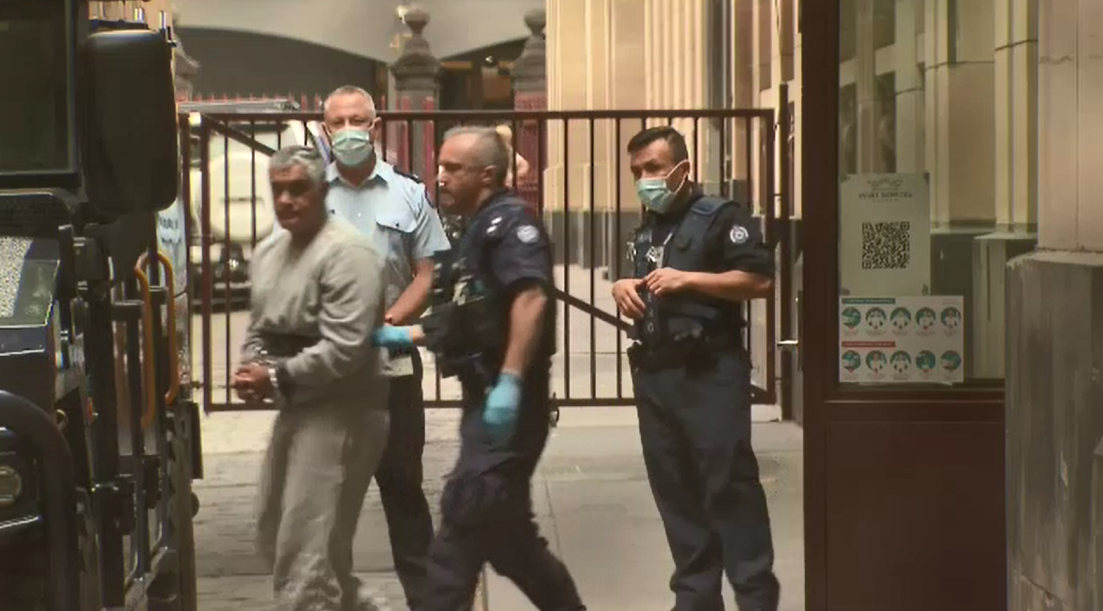
Lawyers push for lenient sentence for Eastern Freeway truck driver

The lawyers of the truck driver who killed four police officers on Melbourne's Eastern Freeway last year have argued he deserves sympathy.

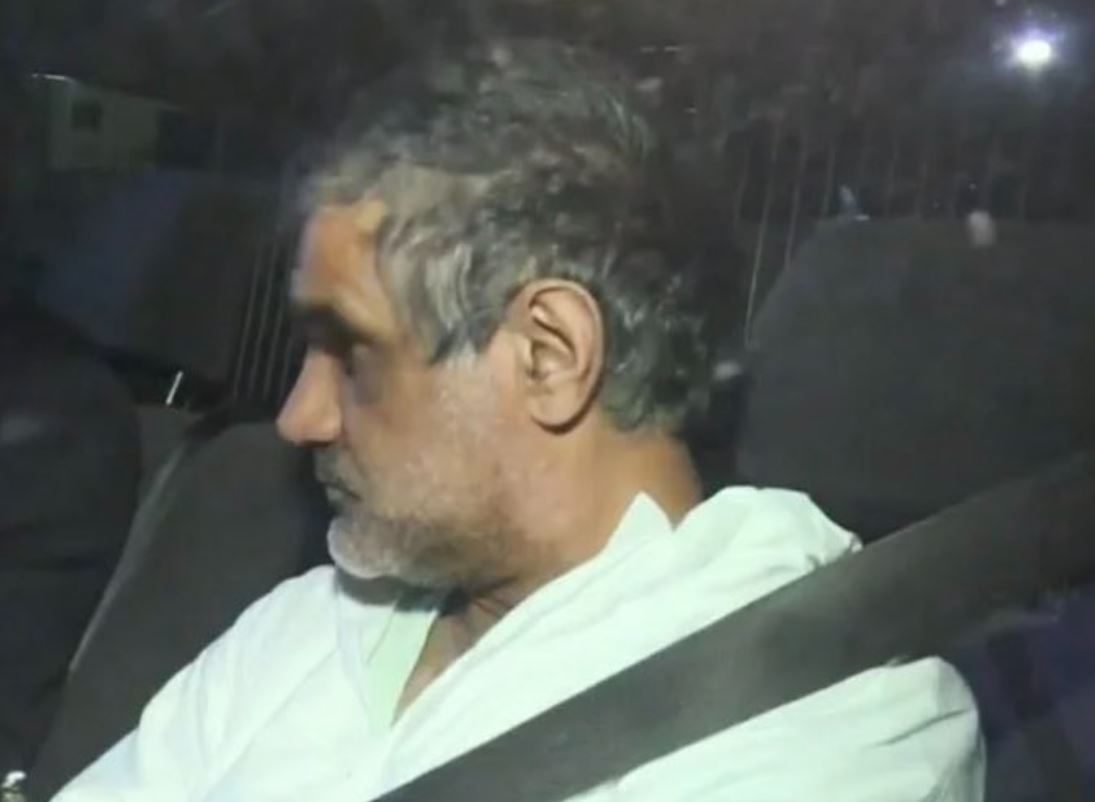
The families of the four fallen police officers had to sit in the same room as Mohinder Singh for a second day as the truck driver's lawyers made a pitch for him to be given a lenient sentence.

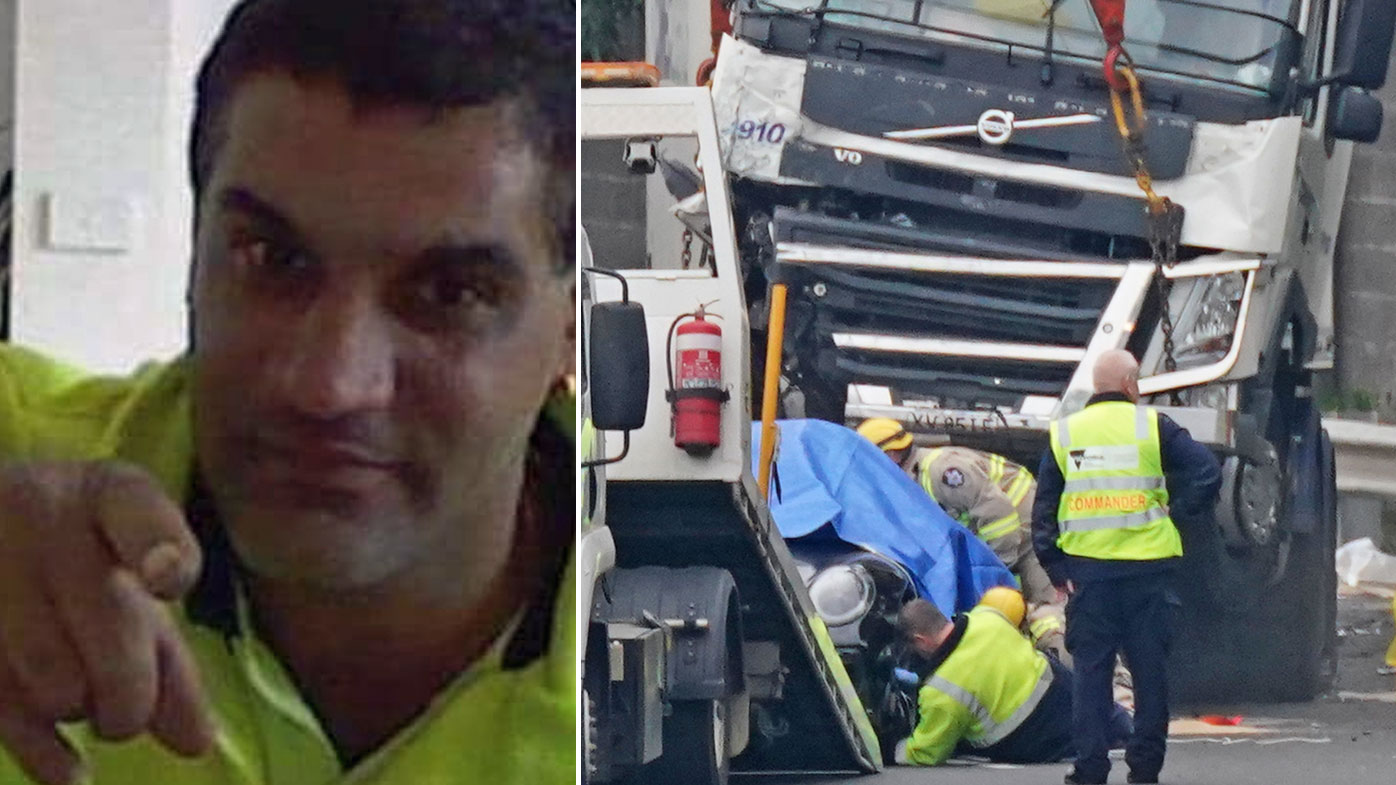
After speaking of their devastating loss yesterday, the families of Lynette Taylor, Kevin King, Glen Humphris and Josh Prestney were told to brace themselves for the details of Singh's life leading up to the crash on April 22 last year.

The driver's lawyers allege Singh was pressured to continue working by his boss at the trucking company, despite raising concerns he was not fit to drive.

Peter Morrissey SC said his client prayed with his boss for 40 minutes, before agreeing to complete one final delivery.

Singh was high on ice at the time and stopped on his route to do a drug deal, before veering into the emergency lane of the Eastern Freeway, colliding with the police officers.

READ MORE: P-plate driver sobs in court after being jailed for killing cyclist

Melbourne crash Mohinder Singh Bajwa

On the day of the crash he was psychotic and driven by delusions he had been cursed by a witch.

A forensic psychiatrist revealed Singh had been on drugs for five years.

Singh's lawyer described him as an interesting character who is worthy of sympathy.

The Cranbourne father still has the support of his wife and two children.

He will be sentenced on April 14.