The coronavirus most likely first appeared in humans after jumping from an animal, a team of international and Chinese scientists looking for the origins of COVID-19 said Tuesday, dismissing as unlikely an alternate theory that the virus leaked from a Chinese lab.
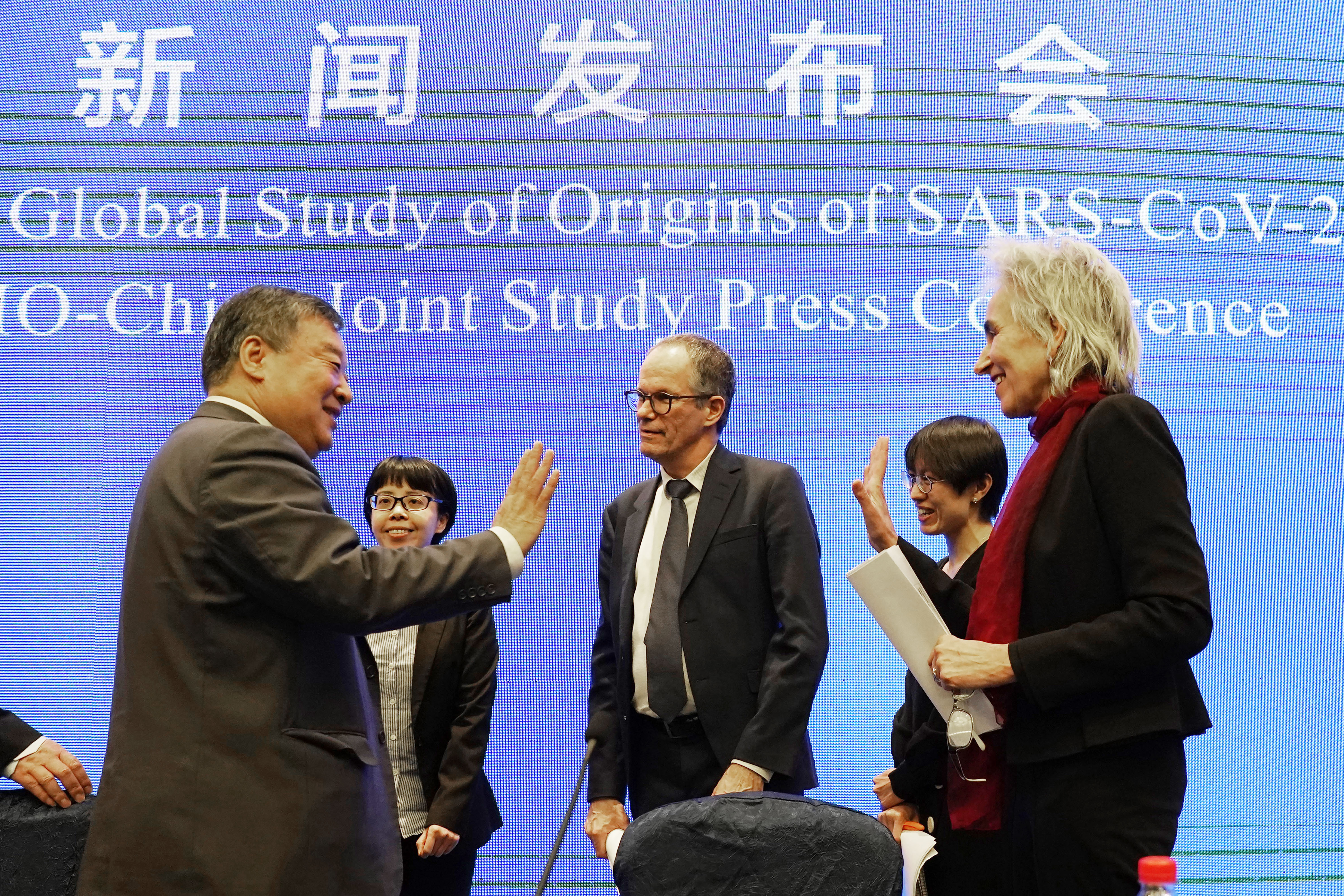
A closely watched visit by World Health Organisation experts to Wuhan — the Chinese city where the first coronavirus cases were discovered — did not dramatically change the current understanding of the early days of the pandemic, said Peter Ben Embarek, the leader of the WHO mission.
But it did "add details to that story", he said at a news conference as the group wrapped up a nearly four-week visit to the city.
READ MORE: WHO team heads to controversial China bat lab
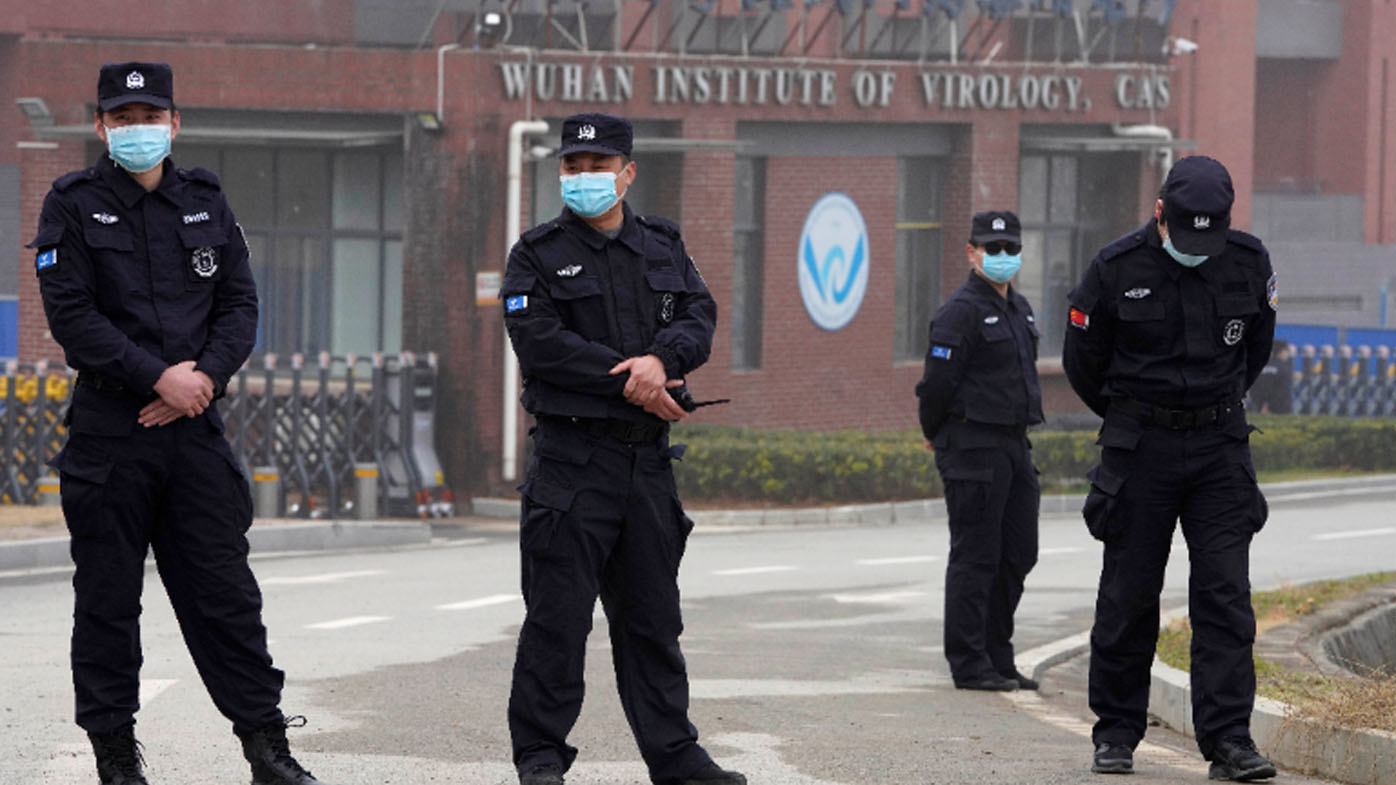
And it allowed the joint Chinese-WHO team to rule out one theory on the origins of the virus. The Wuhan Institute of Virology has collected many virus samples, leading to allegations that it may have been the source of the original outbreak, whether on purpose or accidentally.
But experts now consider the possibility of such a leak so improbable that it will not be suggested as an avenue of future study, said Embarek, a WHO food safety and animal diseases expert.
China had already strongly rejected that possibility and has promoted other theories. The Chinese and foreign experts considered several ideas for how the disease first ended up in humans, leading to a pandemic that has now killed more than 2.3 million people worldwide.
READ MORE: WHO team in Wuhan begin coronavirus investigation after clearing quarantine
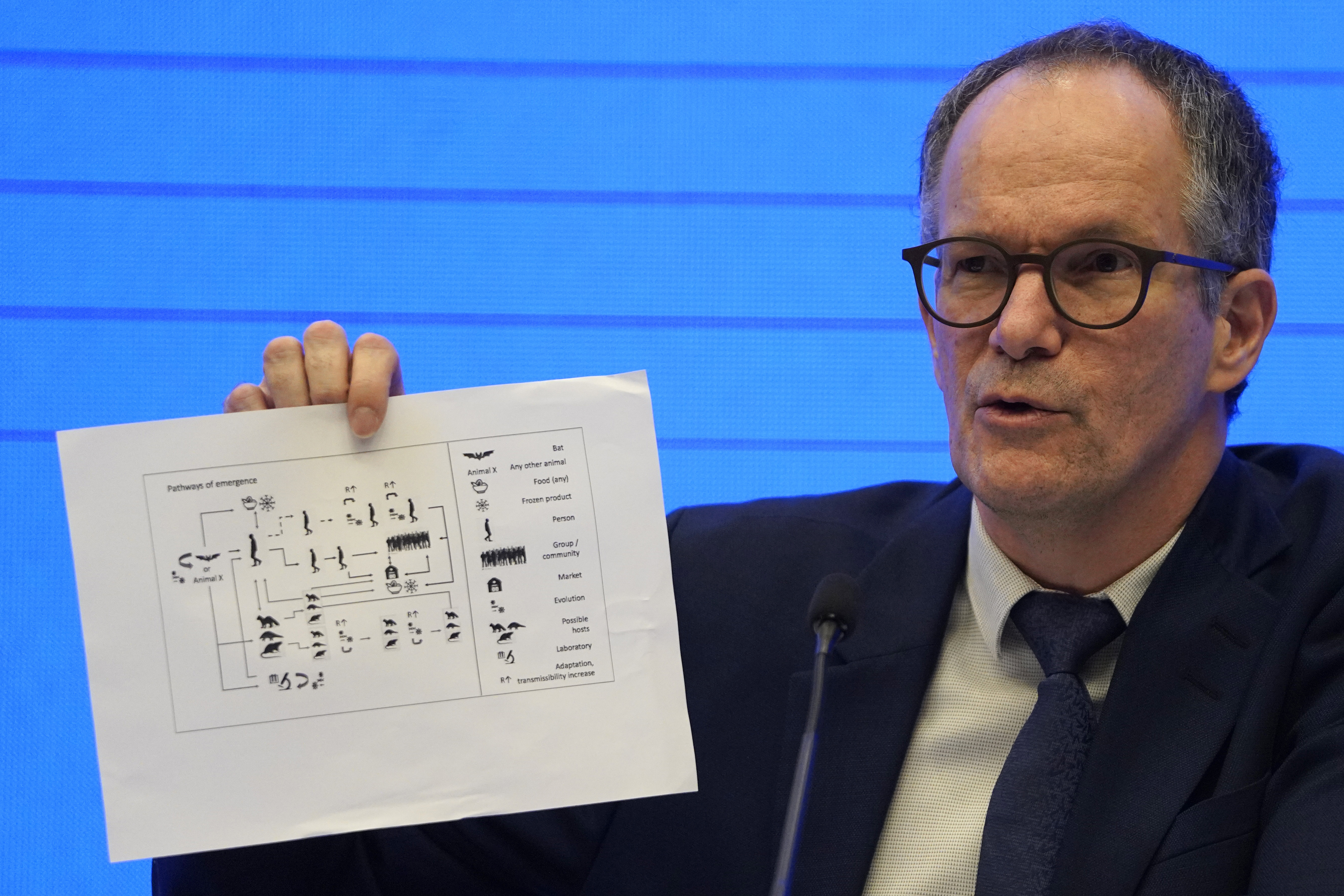
Embarek said the initial findings suggest the most likely pathway the virus followed was from a bat to another animal and then to humans, adding that would require further research.
"The findings suggest that the laboratory incidents hypothesis is extremely unlikely to explain the introduction of the virus to the human population," he said.
The mission was intended to be an initial step in the process of understanding the origins of the virus, which scientists have posited may have passed to humans through a wild animal, such as a pangolin or bamboo rat. Transmission directly from bats to humans or through the trade in frozen food products are also possibilities, Embarek said.
The WHO team's visit is politically sensitive for Beijing, which is concerned about being blamed for alleged missteps in its early response to the outbreak. An AP investigation has found that the Chinese government put limits on research into the outbreak and ordered scientists not to speak to reporters.
The team — which includes experts from 10 countries who arrived on January 14 — visited the Huanan Seafood Market, the site of an early cluster of cases in late 2019.
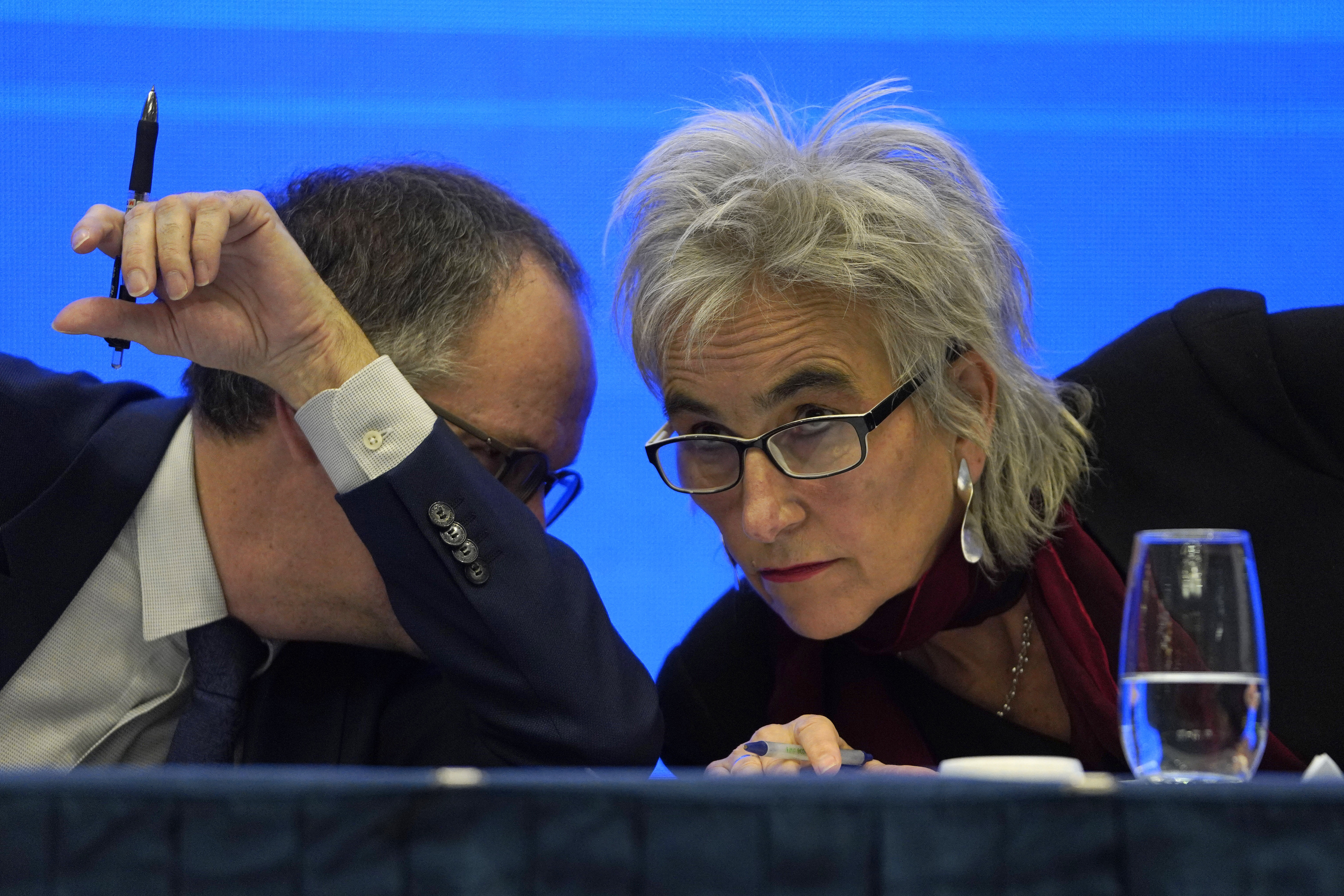
Marion Koopmans, a Dutch virologist on the team, said that some animals at the market were susceptible or suspected to be susceptible to the virus, including rabbits and bamboo rats. And some could be traced to farms or traders in regions that are home to the bats that carry the closest related virus to the one that causes COVID-19.
She said the next step would be to look more closely at farms.
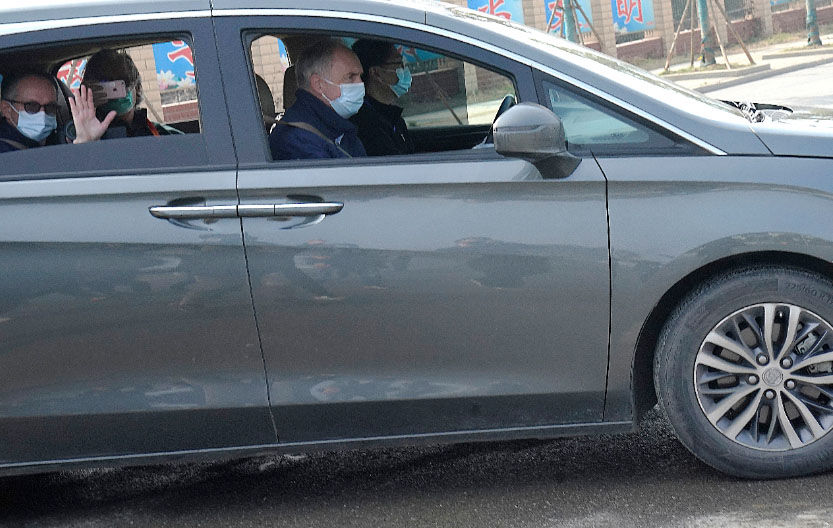
Liang Wannian, the head of the Chinese side, said the virus also appeared to have been spreading in other parts of the city than the market, so it remains possible that the virus originated elsewhere.
The team found no evidence that the disease was spreading widely any earlier than the initial outbreak in the second half of December 2019.
"We haven't been able to fully do the research, but there is no indication there were clusters before what we saw happen in the later part of December in Wuhan," Liang said.
Another member of the WHO team, British-born zoologist Peter Daszak, told The Associated Press late last week that they enjoyed a greater level of openness than they had anticipated, and that they were granted full access to all sites and personnel they requested.
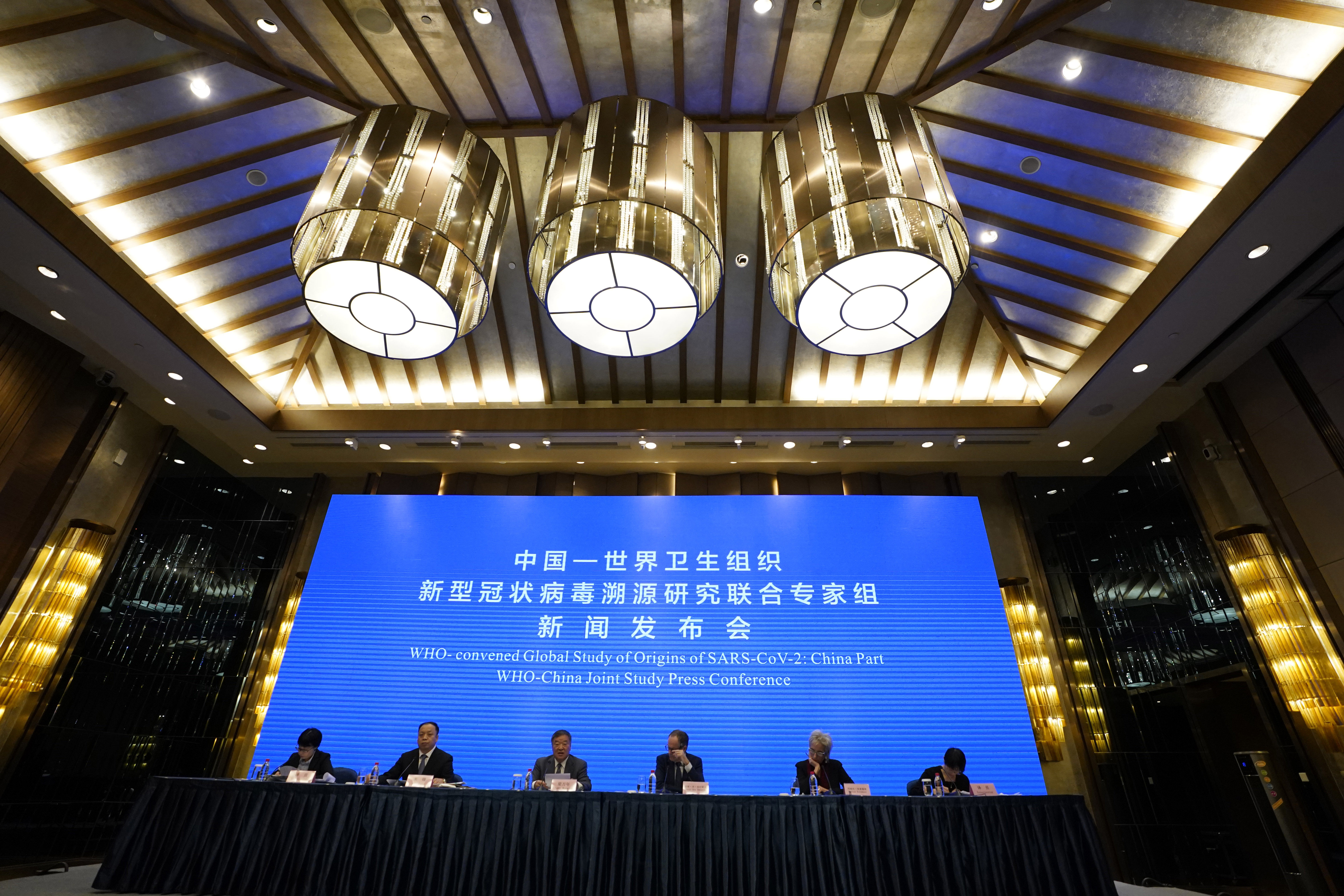
The visit by the WHO team took months to negotiate. China only agreed to it amid international pressure at the WHO's World Health Assembly meeting last May, and Beijing has continued to resist calls for a strictly independent investigation.
While China has weathered some localised resurgences of infection since getting the outbreak under control last year, life in Wuhan itself has largely returned to normal.
