By Yvette McCullough of RNZ The National Party has failed in its attempt to move a motion of no confidence in House Speaker Trevor Mallard.Mallard has been under pressure since it was revealed more than $300,000 of taxpayers’…
Category Archives: headline
Rawiri Waititi: It's not about a tie – it's about Pākehā power
OPINION: In July 2004, Trevor Mallard gave a speech as the coordinating minister for Race Relations. He opined that under the Treaty, Māori were given the same rights as other British citizens. But Māori have no extra…
Man wins appeal to have name struck off Child Sex Offender Register
By RNZ A convicted man has won his appeal in the Supreme Court to have his name struck off the Child Sex Offender Register.The man was sentenced to nine months home detention in early 2018 after pleading guilty to possessing…
Otago lead contamination: Blood tests begin for Waikouaiti residents
A steady stream of Waikouaiti locals were waiting patiently at the East Otago Events Centre this afternoon, as blood testing of the community for lead began.Twelve testing stations had been set up to assess whether a scare involving…
Boat rage: Second person arrested over incident at Tairua Wharf
Whangamata Police have charged a second person following a boat-rage incident at Tairua Wharf last month.Sergeant Will Hamilton said a 52-year-old woman was charged this afternoon with common assault and is due to appear in Thames…
Optical illusion confusion: What happens if you stare at the black dot?
From viral photos like 'the dress' to century-old drawings, these are the optical illusions that have baffled people for years.
New COVID-19 variants require scientific response to adapt vaccines
GENEVA — The emergence of variants of SARS-CoV-2, the virus that causes COVID-19, serve as a powerful reminder that viruses by their very nature mutate, and that the scientific response may need to adapt if they are to remain effective against them.
In light of recent news stories regarding the preliminary data on minimal effectiveness of the AstraZeneca/Oxford vaccine at preventing mild to moderate COVID-19 disease caused by the viral variant B.1.351, it is important to note that primary analysis of data from Phase III trials has so far shown – in the context of viral settings without this variant – that the AstraZeneca/Oxford vaccine offers protection against severe disease, hospitalisation and death. This means it is vitally important now to determine the vaccine’s effectiveness when it comes to preventing more severe illness caused by the B.1.351 variant.
Additional studies will also allow us to confirm the optimal vaccination schedule and its impact on vaccine efficacy. CEPI has announced funding for additional clinical research to optimize and extend the use of existing vaccines, which could include “mix-and-match” studies of different vaccines used in combinations that may improve the quality and strength of the immune response. Such studies could be useful in optimizing the use of available vaccines, including the AstraZeneca/Oxford vaccine.
The WHO Strategic Advisory Group of Experts on Immunization (SAGE) convened today to review evidence on the AstraZeneca/Oxford vaccine, including emerging evidence on performance against viral variants, and to consider the demonstrated impact of the product and the risk-benefit assessment for use cases with limited data. These recommendations for use of the AstraZeneca product are being finalised and will be presented to the WHO Director-General on February 9.
Even though this recent news on effectiveness of the AstraZeneca/Oxford vaccine against the B.1.351 variant is based on a limited study size which focused on low-risk participants and used interval doses that were not optimized for immunogenicity, these results confirm we must do everything possible to reduce the circulation of the virus, prevent infections and reduce the opportunities for the SARS-CoV-2 to evolve resulting in mutations that may reduce the efficacy of existing vaccines. This means that additionally:
• Manufacturers must be prepared to adjust to the SARS-CoV-2 viral evolution, including potentially providing future booster shots and adapted vaccines, if found to be scientifically necessary.
• Trials must be designed and maintained to allow any changes in efficacy to be assessed, and to be of sufficient scale and diversity to enable clear interpretation of results.
• Enhanced genomic surveillance must be backed by rapid sharing of genetic and meta-data to allow for global coordination and response.
• Priority should be given to vaccinating high-risk groups everywhere in order to ensure maximum global protection against new strains and minimize the risk of transmission.
• Governments and donors, as well as development banks, should further support COVAX in order to ensure equitable access and delivery, as well as meet ongoing research and development costs for next-generation vaccines.
• WHO is enhancing an existing mechanism for tracking and evaluating variants that may affect vaccine composition and expanding that mechanism to provide guidance to manufacturers and countries on changes that may be needed for vaccines.
COVAX was set up to ensure global equitable access to safe and effective COVID-19 vaccines. With the world’s largest actively managed portfolio of COVID-19 vaccine candidates, the COVAX Facility offers its self-financing participants and those eligible for support through the Gavi COVAX Advance Market Commitment access to a diverse range of vaccine candidates, suitable for a broad range of contexts and settings.
The ability to deploy vaccines globally to address the evolving pandemic is more critical than ever, as is the importance of coordination to ensure we do not put the impact and value of vaccines at risk. If new vaccines are required, ensuring global access to these is even more essential, as we continue to see that we are all safe only if everyone is safe.
With regards to the AstraZeneca/Oxford vaccine, COVAX has signed advance purchase agreements with AstraZeneca and Serum Institute of India and has published plans to distribute nearly 350 million doses in the first half of the year. We expect a decision this month from WHO on whether the vaccines will be granted emergency use listing (EUL) as well as a SAGE recommendation on its optimal use. Should EUL be forthcoming, we expect the vaccine to play a key role in our effort to protect high risk persons and to help end the acute phase of the pandemic.
The post New COVID-19 variants require scientific response to adapt vaccines appeared first on The St Kitts Nevis Observer.
How a free speech app briefly evaded China's Great Firewall
It flickered brightly and briefly, but a rare window of free speech in Communist China has been slammed shut.
While accessible, thousands of Chinese embraced Clubhouse, a popular audio-based app named now valued at more than $1.3 billion, to talk about topics and issues forbidden by their government.
Clubhouse, which momentarily operated away from the shadow of China's Great Firewall, allowed young Chinese to speak with strangers in Hong Kong, Taiwan and other parts of the world.
READ MORE: Chinese ambassador confronted on live TV with 'not beautiful' footage

Like passing audio notes behind the teacher's back, Chinese users asked about the Tiananmen Square massacre, Hong Kong protests, female orgasm and reports of mass detentions of Uighurs.
But today, scores of Chinese users were reporting they had been blocked from the app.
"We all knew the day was coming when the Firewall would come down on Clubhouse. We were only allowed a few days of freedom," one wrote on the microblog Weibo.
Clubhouse has rocketed in popularity recently, especially after Elon Musk spoke on the platform.
Other celebrity users include Oprah Winfrey, Ashton Kutcher, Drake and Azealia Banks.
Clubhouse operates on a user-only invite system, with The Financial Times reporting invitations in China were trading online at $100 per invite.
According to TechCrunch, Clubhouse's API was blocked on Monday around 7pm Beijing time.
TechCrunch reported Clubhouse rooms titled "How long will Clubhouse last in China" and "Have you been invited to have tea for using Clubhouse?" attracted big crowds before the app was pulled.
"Having tea" is slang for being taken away for interrogation by the police.
Other rooms, which can hold a maximum of 5000 people, were set up to discuss alleged internment camps, coronavirus and relations between Taiwan and mainland China.

READ MORE: Tik Tok rival aims for world's biggest IPO since COVID
The audio shared between users on Clubhouse is not recorded by the platform, making the app difficult for countries such as China to censor.
The Chinese government's Great Firewall curtails free speech, and especially information on taboo topics, on social media platforms such as Facebook and Twitter.
Chinese authorities regularly censor internet search results.
The Clubhouse app was reportedly been downloaded 2.3 million times by January 31.
Task Force issues travel advisory to avoid new variants of COVID-19
BASSETERRE, St. Kitts — In the interest of continuing to protect our borders and the health and wellness of our citizens and residents, the Government of St. Kitts and Nevis, through the National Covid-19 Task Force, has advised that it has implemented a travel advisory in response to the emergence of three new variants of the COVID-19 virus.
These variants have originated in Brazil, South Africa and the United Kingdom (UK). The UK variant of the virus has already appeared in at least three Caribbean Community (CARICOM) territories.
This is cause for concern for the Government of St. Kitts and Nevis; particularly as this UK mutation of the original virus is far more transmissible and carries a higher likelihood of death from the symptoms of COVID-19.
In light of these developments the Federal Government of St. Kitts and Nevis announces the following:
1) Travel advisories have now been issued for the United Kingdom (UK), South Africa and Brazil.
2) Persons intending to travel from these aforementioned destinations are advised not to travel to St. Kitts and Nevis at this time. Moreover, such persons are reminded that travel into the Federation is controlled by the National COVID-19 Task Force. Travellers must be approved by the Ministry of National Security, following the process stipulated on the online platform www.knatravelform.kn.
3) The Federal Government advises all citizens and legal residents returning from any of the aforementioned countries that they will not be denied re-entry into the country but must also process their travel requests through the online platform www.knatravelform.kn.
4) The travel advisories for the United Kingdom, Brazil and South Africa will remain in effect for 30 days, in the first instance, starting from Sunday, February 7.
The Government of St. Kitts and Nevis is committed to keeping its citizens and residents safe and well-informed as it continues to manage this ongoing global public health emergency and minimize its impact on our people.
The post Task Force issues travel advisory to avoid new variants of COVID-19 appeared first on The St Kitts Nevis Observer.
Rescuers looking for 171 people feared dead in India glacier disaster
At least 171 people are missing and 26 have now died in northern India after part of a Himalayan glacier fell into a river sending a devastating avalanche of water, dust and rocks down a mountain gorge, and crashing through a dam.
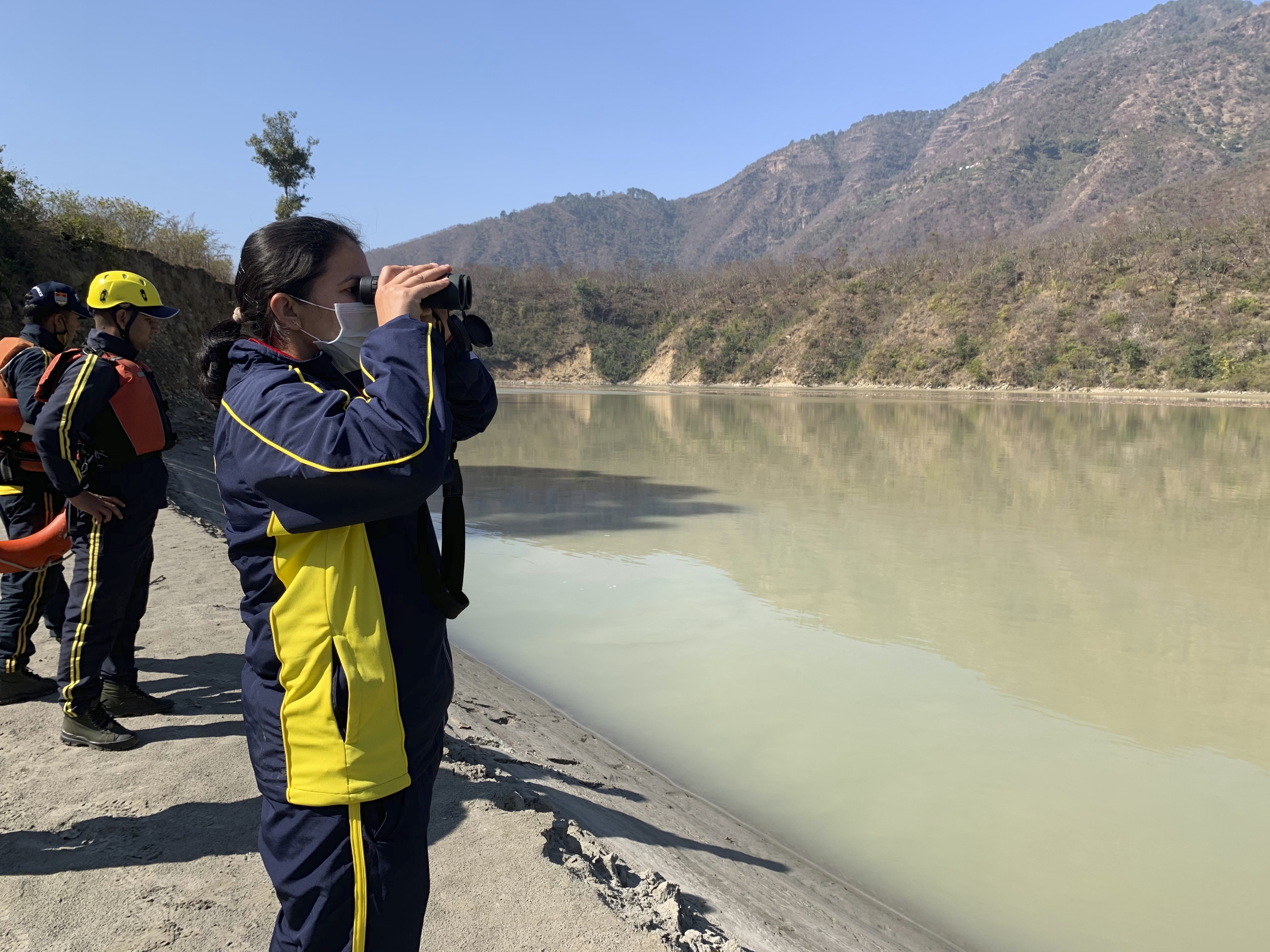
Rescue teams worked through the night to find survivors trapped under the debris.
Most of the missing are workers from two hydroelectric projects in Uttarakhand's Chamoli district, which were hit by the avalanche.
LIVE UPDATES: Melbourne quarantine worker has UK strain of virus
READ MORE: More deaths confirmed after Himalayan glacier breaks in India's north
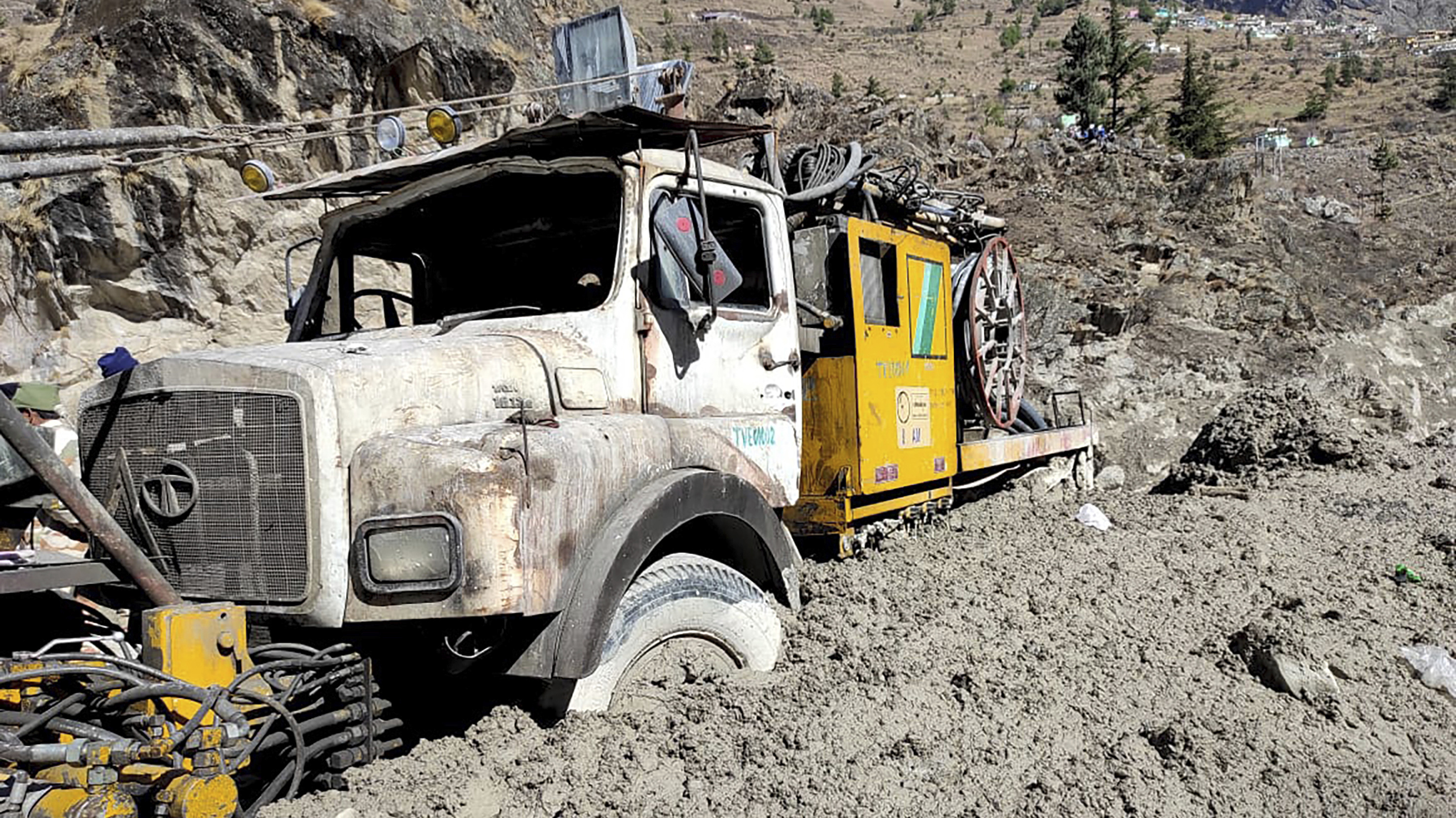
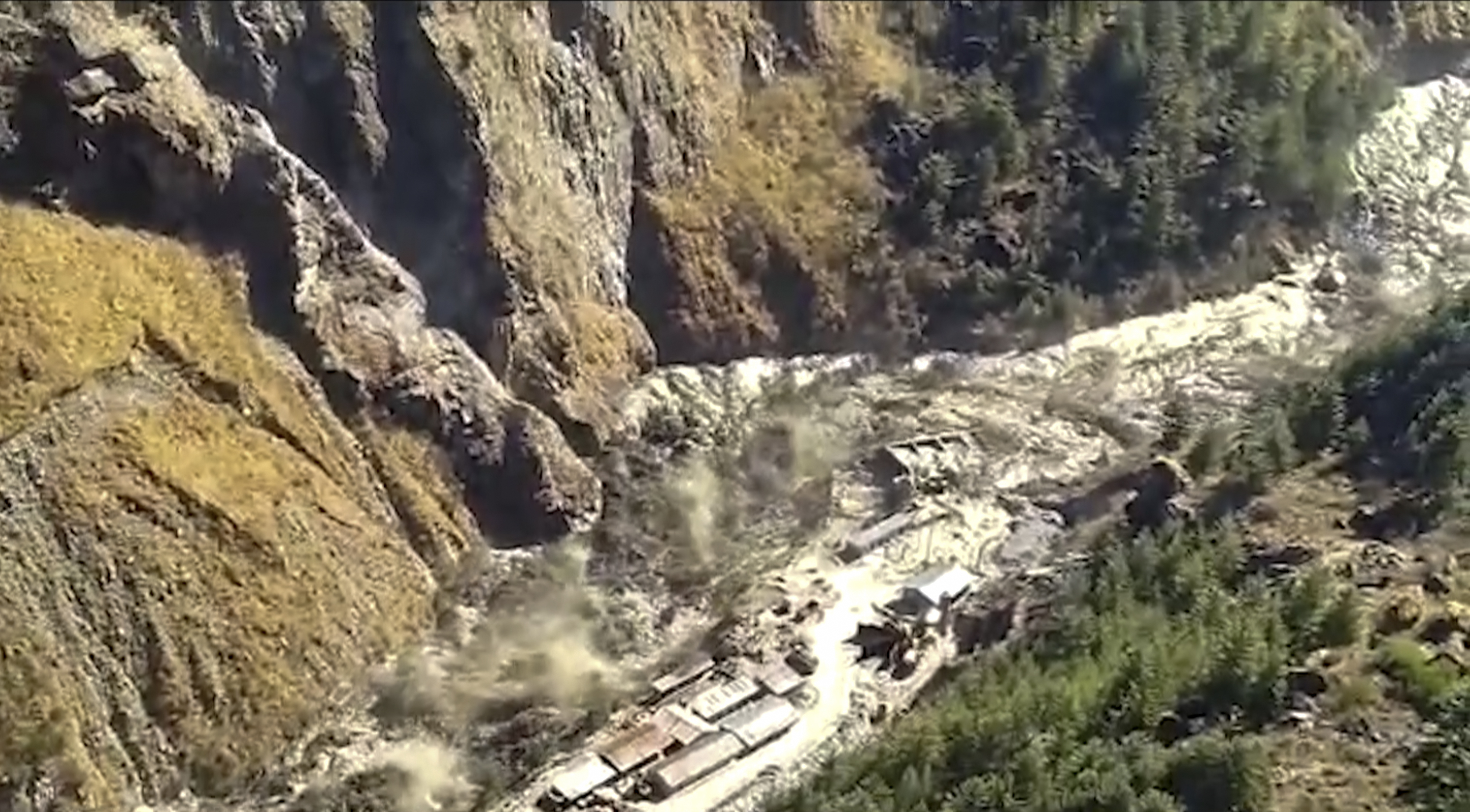
Footage from Sunday's disaster shows a fast-moving wall of water and rocks barreling down a narrow gorge and smashing through a dam at the smaller hydroelectric project before surging downstream, wiping out buildings trees and people.
Ashok Kumar, Uttarakhand's police chief, told CNN on Monday that 26 bodies had been recovered in the affected region.
He said a further 171 people were still missing, including 35 workers who are believed to be trapped inside a tunnel at the larger, state-owned hydroelectric project.
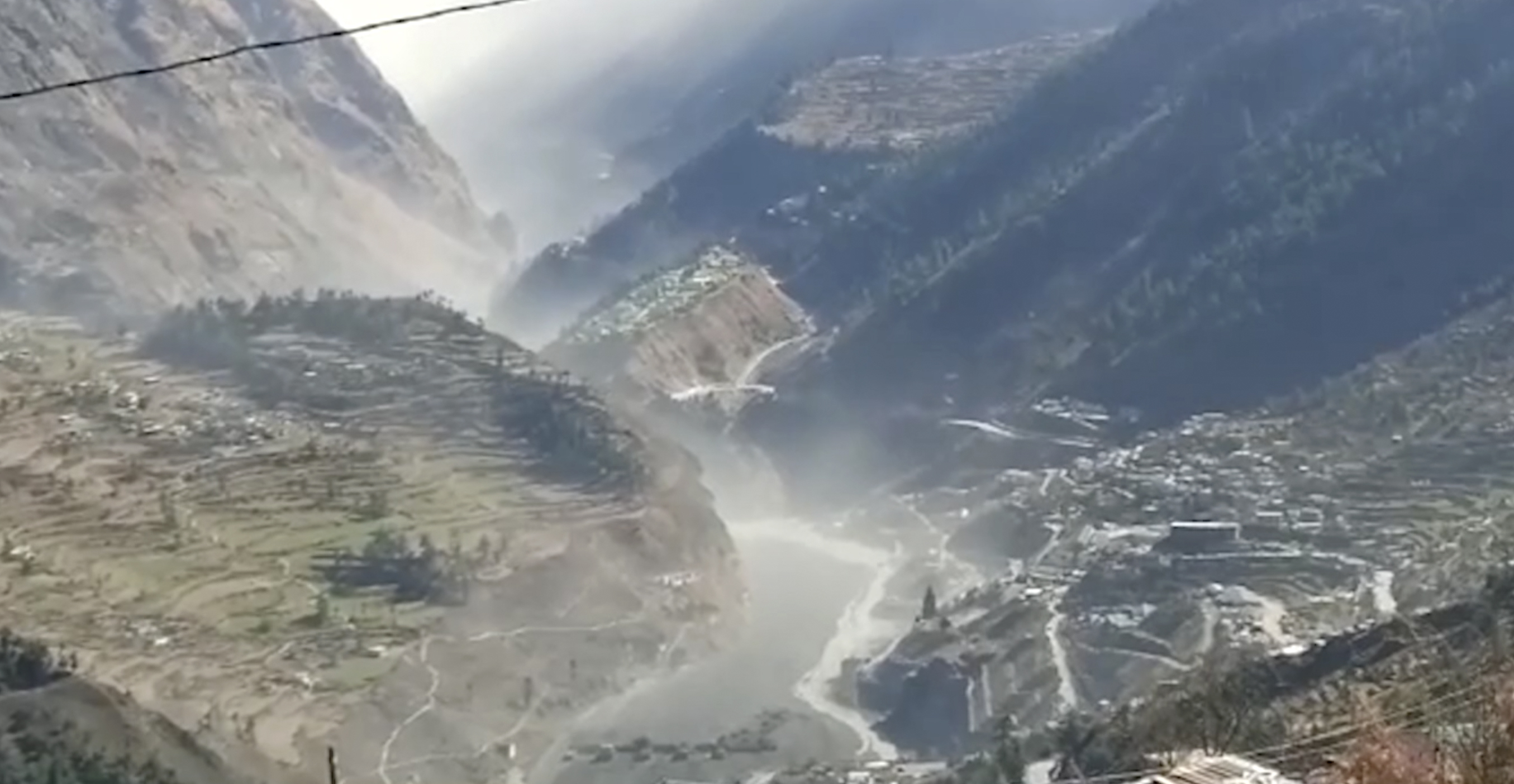
Some 2,500 people in 13 villages were initially cut off by the flash floods sparked by the glacier's collapse, Ashok Kumar, senior official with the Uttarakhand police said on Monday.
Rescuers had reached all 13 villages by Monday afternoon and relief work is now underway in them, Kumar said.
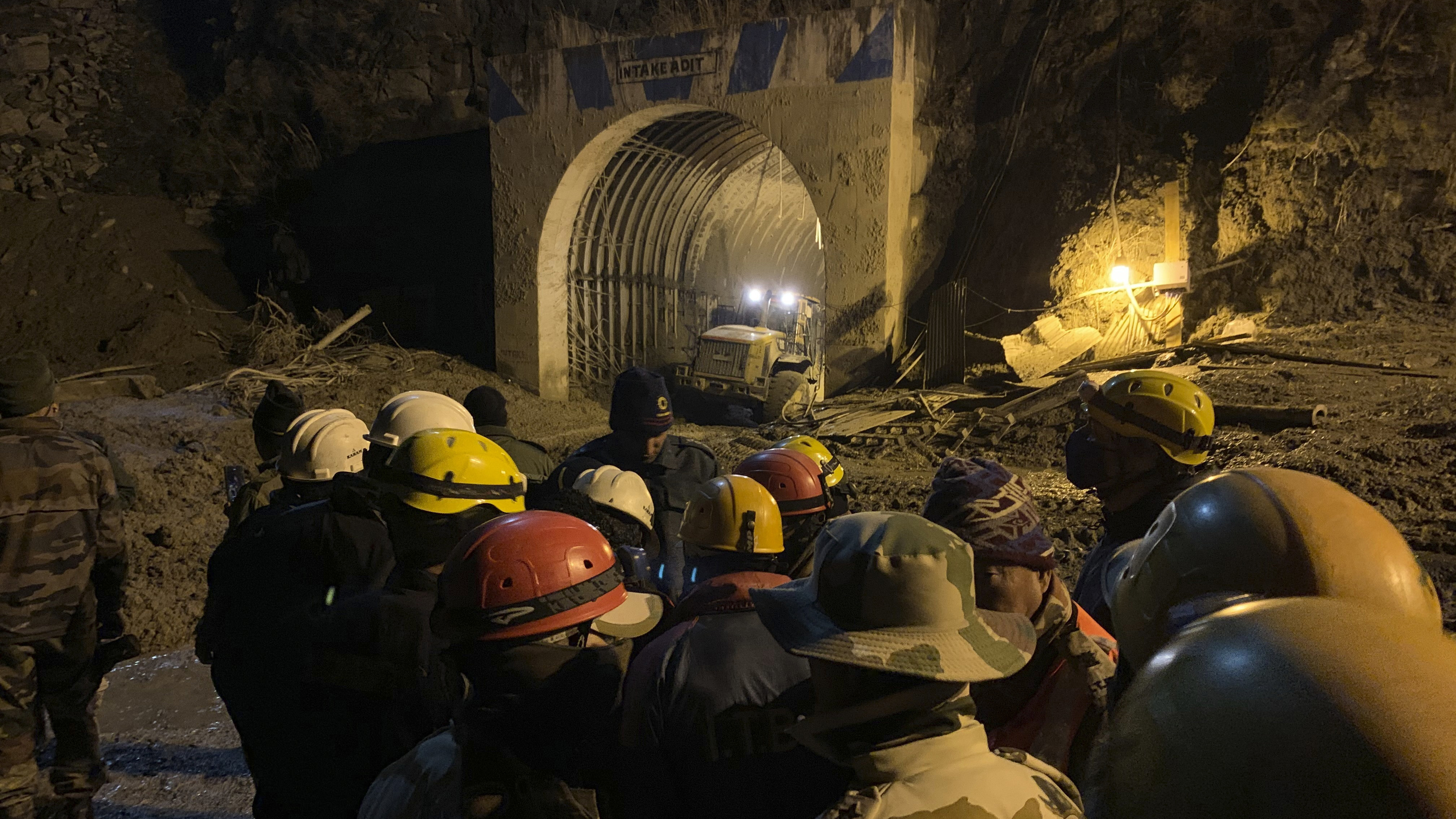
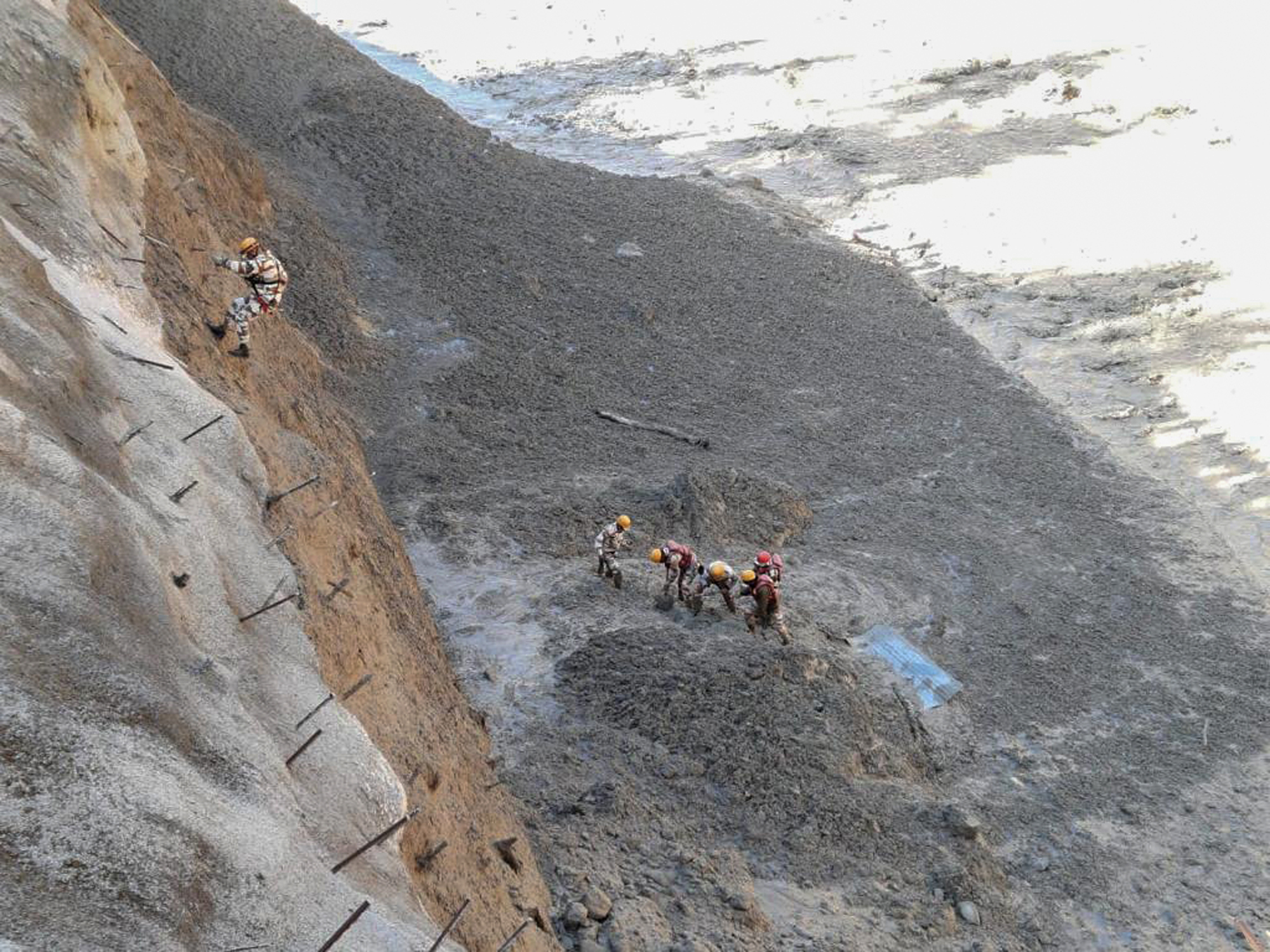
Meanwhile, rescue efforts are focused on clearing sludge and debris from the tunnel where the 35 workers are thought to be trapped.
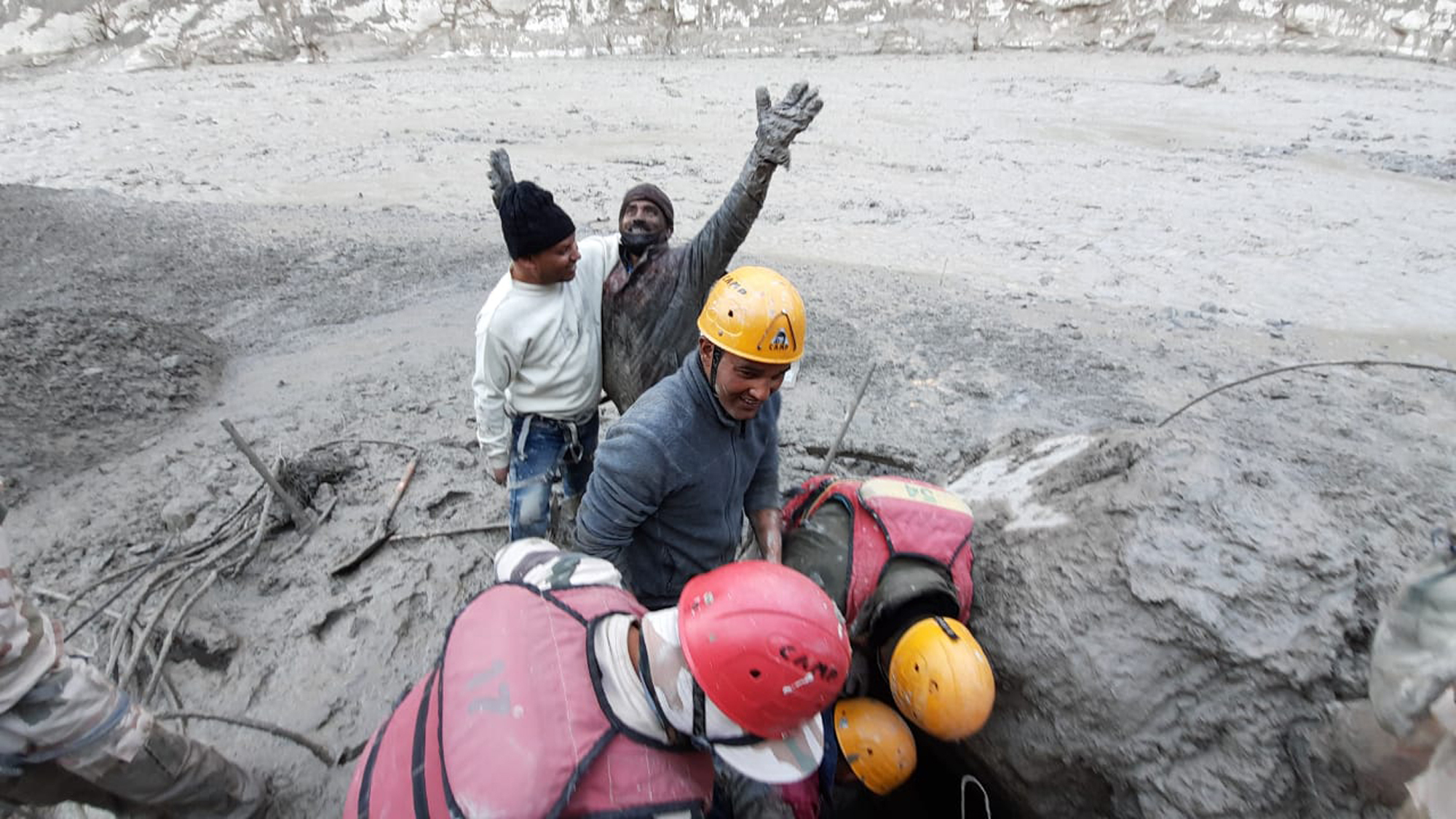
Rescuers managed to clear the mouth of the tunnel on Monday, according to a Twitter post from the Uttarakhand State Press Information Bureau.
The bureau hailed the "tireless efforts of Indian Army personnel," adding that relief operations in the area were still underway.
According to Reuters, teams had managed to drill through 150 meters of the 2.5 kilometre long tunnel, but the sheer volume of debris had slowed progress.
On Sunday, rescuers pulled 12 people out alive from another, smaller tunnel at the same site, according to Kumar.
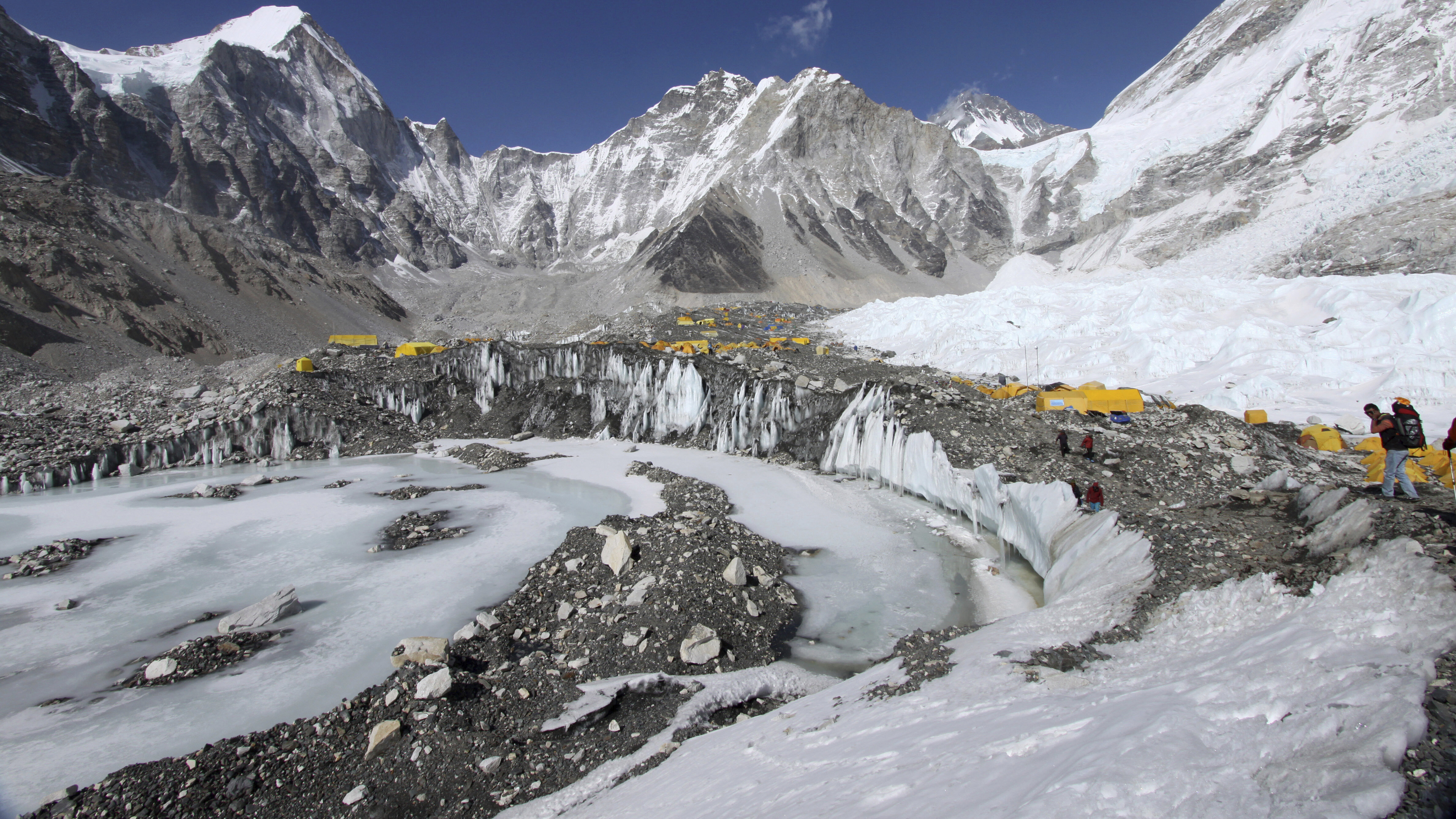
The ecologically sensitive Himalayan region is prone to flash floods and landslides. Himalayan glaciers are also vulnerable to rising global temperatures because of man-made climate change.
As the ice melts, glaciers become unstable and start to retreat. Large glacial lakes can form, and when parts of the glacier in front of it break away they unleash the water trapped behind it causing an outburst of floods.
A 2019 study found that Himalayan glaciers are melting twice as fast as last century, losing almost half a meter of ice each year.
Others have pointed to a high level of construction along the state's rivers, which in recent years have seen an increasing number of hydroelectric dams, projects and infrastructure connecting them, such as roads and new developments.
While environmentalists have long warned that rampant development in the Himalayan state is an ecological catastrophe waiting to happen, authorities described Sunday's landslide as a freak event.
"This was a one-time incident. The glacier broke, and with … debris all came down and flooded the power project here," said Kumar, the Uttarakhand police official.
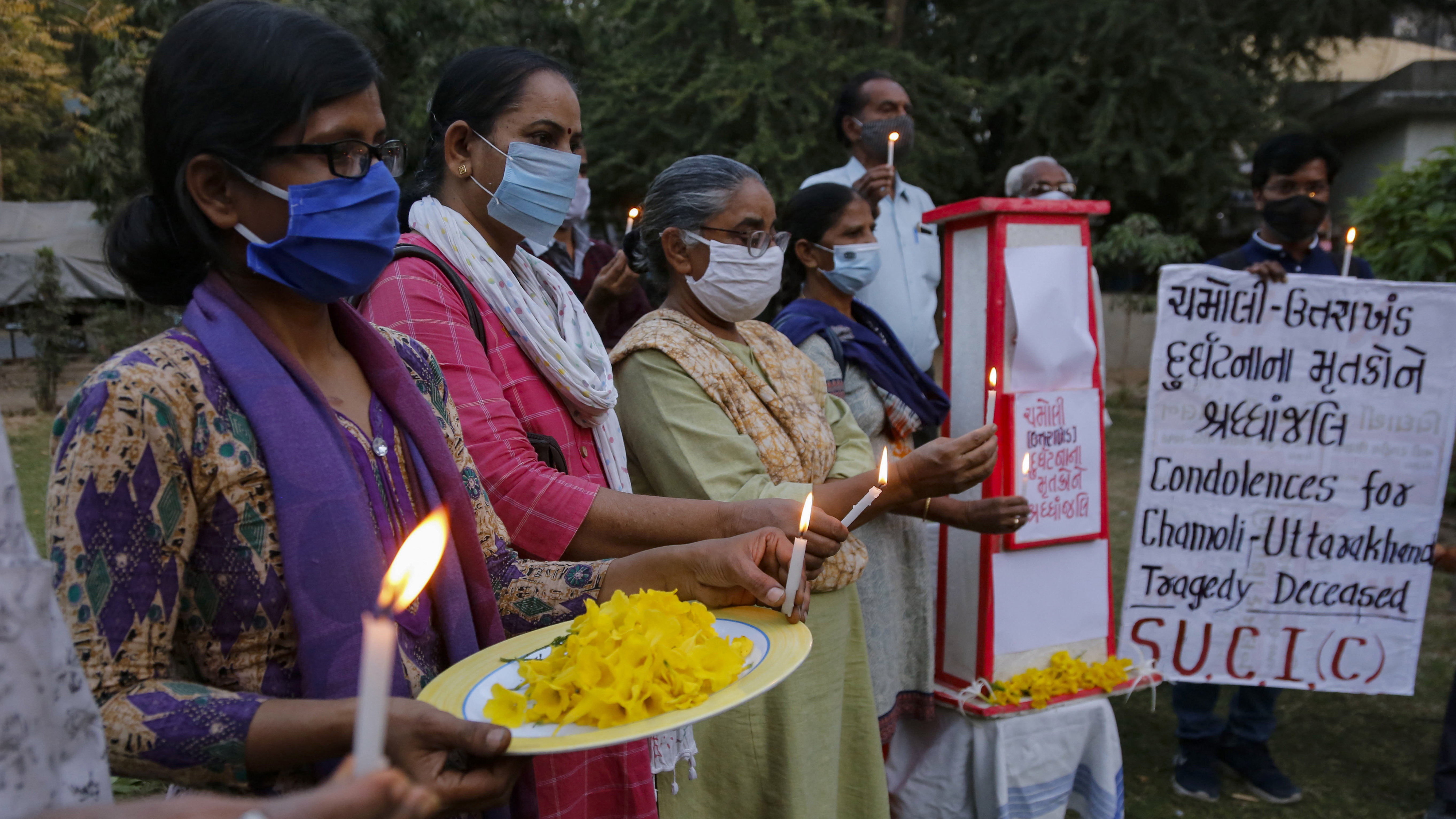
Sunday's floods brought back memories of a similar devastating incident in 2013, when the state was hit by what was dubbed by the area's chief minister as a "Himalayan tsunami."
Nearly 6,000 people lost their lives in those floods, according to Reuters.
Widespread damage
Chief Minister Trivendra Singh Rawat said at a press conference on Sunday that "Uttarakhand has witnessed a terrible disaster" and the state was expecting "significant loss to human lives and infrastructure."
https://twitter.com/tsrawatbjp/status/1358744300738273283?ref_src=twsrc%5Etfw
It was after 10am local time when a piece of the Nanda Devi glacier broke apart, sending torrents of water down the Dhauli Ganga river valley located more than 500 kilometres north of New Delhi, according to authorities.
Most of the destruction was centered on two hydropower projects.
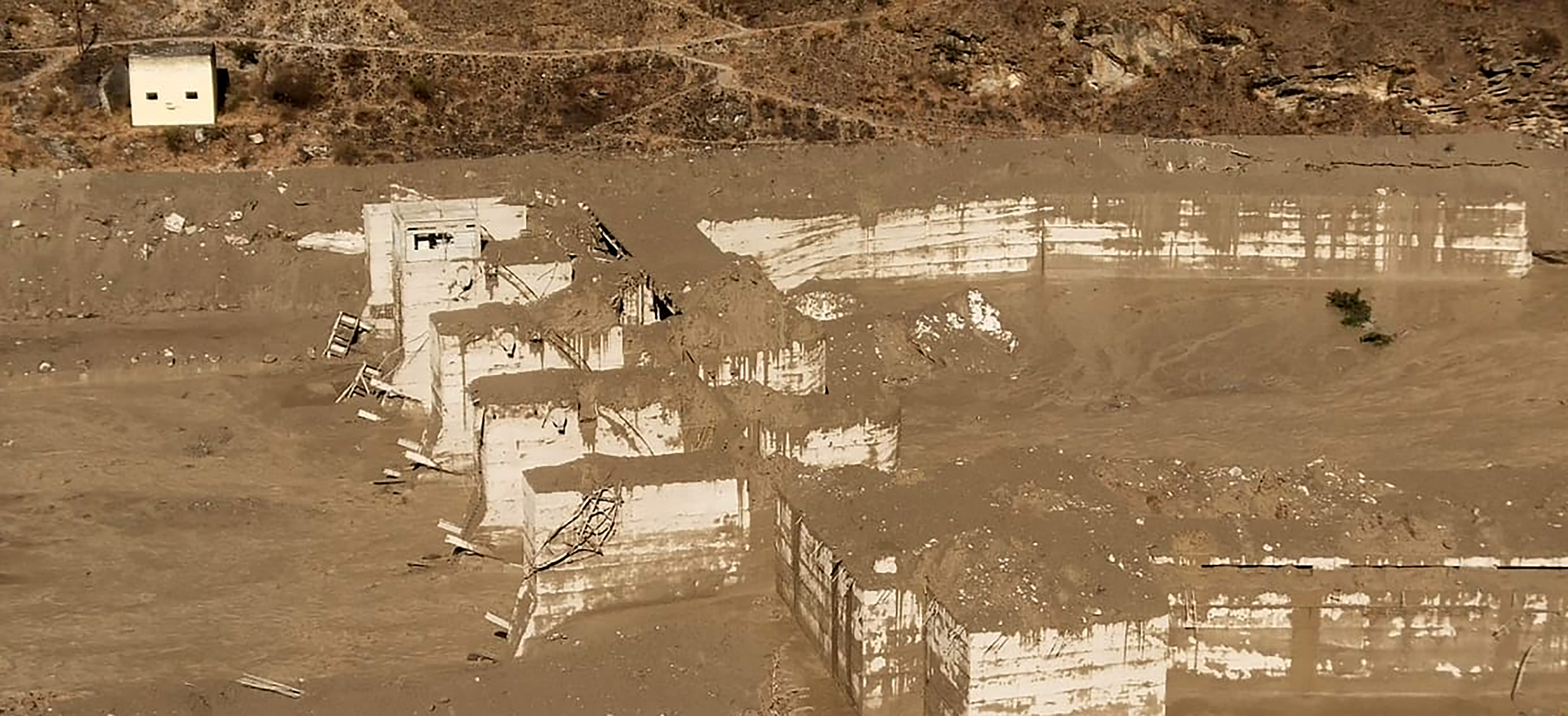
The Rishiganga Power project – a small dam of 13.2 megawatts – was completely washed away in the deluge, India's Ministry of Power said in a statement Monday.
The state's chief minister said 35 people were working at the plant when the waters hit, and "roughly 29 to 30 people are missing."
Rising waters prompted authorities to issue urgent evacuation notices to people living further down the Alaknanda River.
As flash floods surged down the valley, they caused extensive damage to a second and much larger 520 megawatt hydro project under construction about five kilometres away from the other project.
Some 176 laborers were working on the Tapovan Vishnugad hydropower project site, which has two tunnels, and is state-owned by NTPC, India's largest power utility.
More than 30 workers could be stuck in the second tunnel, he warned. Rescuers are battling to reach them but the surrounding road is covered in debris.
A witness told Reuters that the avalanche of dust, rock and water came without warning.
"It came very fast, there was no time to alert anyone," Sanjay Singh Rana, who lives on the upper reaches of the river in Raini village in Uttarakhand, told Reuters by phone.
"I felt that even we would be swept away."
Indian Prime Minister Narendra Modi sent a message of support in the wake of the disaster. "Am constantly monitoring the unfortunate situation in Uttarakhand," he tweeted.
https://twitter.com/narendramodi/status/1358330186337570817?ref_src=twsrc%5Etfw
"India stands with Uttarakhand and the nation prays for everyone's safety there. Have been continuously speaking to senior authorities and getting updates on NDRF (National Disaster Response Force) deployment, rescue work and relief operations."
Avalanche was a 'climate event,' expert says
While experts say it is too early to conclude exactly what led to Sunday's avalanche, they have said human-induced global warming is certainly at play.
Dr Ankal Prakash, Research Director at Indian School of Business' Bharti Institute of Public Policy, said "it looks like a climate change event."
"The prima facie evidence we are seeing is that it's because of the glacial decline and melting because of global warming," said Dr Prakash, who was author on the UN Intergovernmental Panel on Climate Change's landmark report on the Ocean and Cryosphere.
The 2019 report, Prakash said, documented how "climate change has altered the region to an extent that the frequency and magnitude of natural disasters will increase."
The area where the avalanche and flooding occurred is extremely remote and mountainous and it can take days to reach some of the villages dotted throughout the valleys, according to Prakash.
These places "need basic facilities such as infrastructure, water, roads, and sanitation," Dr Prakash said, adding that "we need development here because they are some of the poorest areas."
However, discussion should focus on what kind of development and projects are built, and to assess how damaging they could be to the environment, he said.