Category Archives: headline

Government to spend over $100 million for social safety support to enhance people’s dignity

BASSETERRE, St. Kitts – The welfare of the people is paramount and Prime Minister Dr. the Hon. Timothy Harris has assured that his Team Unity Administration, which cares for the poor and the vulnerable, will in 2021 spend over $100 million in social safety net support to empower the people and enhance their dignity.

“In 2021, we will spend $43 million to help the vulnerable, the indigent and at-risk members in our society,” said Prime Minister Harris as he addressed the Nation on Tuesday February 2. He updated the progress which his government is making in its endeavours to build a stronger and safer future.

“We could add another $60 million which will help maintain over 3,000 persons on the Skills Training Empowerment Programme (STEP),” said Hon. Dr. Harris. “The amount of over $100 million in the social safety net will be used to empower the people and to enhance their dignity.

“You begin to understand how much my government has done to protect our people from abject poverty and to empower them,” he said. “We do care for the poor and vulnerable.”

In addition to the assistance provided through the programmes the Prime Minister outlined, his Team Unity Administration is creating an environment that is conducive for increased employment opportunities. He assured that his government will always look after workers, noting that work gives people enhanced dignity and confidence.

“We will redouble our efforts to expedite the processing of severance claims,” said Dr. Harris. “To date from claims received as of January 31, 1,121 claims have been processed, and 1,093 have been paid out. Claims are being processed on a first come, first served basis.”

Dr. Harris was accompanied by members of the COVID-19 National Taskforce, Chief Medical Officer Dr Hazel Laws; Medical Chief of Staff at the Joseph N. France General Hospital Dr. Cameron Wilkinson; and Chairman of the National Covid-19 Taskforce Abdias Samuel.

The Prime Minister appealed to employers to pay over their deductions from employees’ payroll as soon as possible.

“Non-payment of contributions by employers is a major source of the delay in the processing of severance claims,” explained Dr. Harris. “Our employees must not wait until they are laid off to ask the Social Security to verify that their contributions were paid by their employers. You must do this regularly.”

Dr. Harris said the Government’s priority for 2021 is to continue protecting the people from the worst effects of COVID-19. He noted that the government’s focus will remain on protecting people’s health and jobs, and protecting their way of life from the Covid-19 ravages.

“Working with you, we will see this pandemic through,” concluded Dr. Harris. “We have a plan to come out the other side a stronger and more unified nation with a renewed sense of purpose. Your Team Unity Government comprising the Peoples Labour Party, the People’s Action Movement, and the Concerned Citizens Movement, is working with you to defeat COVID-19, to deliver better services, to protect jobs and to look after working families.”

The post Government to spend over $100 million for social safety support to enhance people’s dignity appeared first on The St Kitts Nevis Observer.

U.S., China Battling for Influence in Caribbean, Latin America

When Alex Almeida surveys his family farm in a rural corner of landlocked Paraguay, he sees mainly fields, punctuated by small houses with sheet-metal roofs and, in the distance, native lapacho trees blooming with bright yellow flowers.

But despite the isolation, there’s only one place in the world the 23-year-old feels truly cut off from. Paraguayan exports of cows and sheep, like the 130 or so Almeida raises, are locked out of the second largest economy in the world, a source of frustration for an ambitious young farmer and student of agriculture.

“The cell phone I’m speaking to you on now is from China,” he tells TIME from Caaguazú, a town some 100 miles east of the capital, Asunción. “The shoes and clothes that I buy and wear, it all comes from China. So why can’t we export food to China?”

The answer is that Paraguay is one of only 15 countries in the world–including nine in Latin America and the Caribbean–that still don’t recognize the government in Beijing.

In 1957, Paraguay’s recently installed right-wing dictator Alfredo Stroessner recognized Taiwan–an island that politically split from the mainland following China’s 1945–49 civil war, but which Beijing considers a breakaway province–as the “one true China.” In response, China limits trade and diplomacy with Paraguay, just as it does with any country that recognizes Taiwan. “It’s a political thing, and for many of us it’s absurd, really,” Almeida says. “Taiwan helps us a lot, sending donations and financing, but it doesn’t serve us at a great scale.”

In April 2020, as COVID-19 began to tear through Latin America, the leftist bloc in the Paraguayan Senate introduced a bill to open relations with Beijing–which would inevitably mean ending recognition of Taiwan. The Senators argued that the pandemic would make Chinese support–in the form of masks and ventilators, but also investment, trade and possibly a vaccine–crucial in the coming years.

In the end, the proposal was voted down, 25 to 16, in a Senate still controlled by the right-wing party Stroessner founded. Still, opposition lawmakers have forged ahead in deepening their institutional ties with China, eliciting what they described as the first-ever Chinese humanitarian aid to Paraguay in June, and vowing to recognize the country if the balance of power in Congress shifts.

The political debate in Paraguay reflects a broader battle raging across Latin America about China’s swelling influence. As countries in the region grapple with a cascade of challenges to their developing economies, they increasingly look not to the North but to the East. Today, China is South America’s top trading partner.

In 2019, Chinese companies invested $12.8 billion in Latin America, up 16.5% from 2018, concentrating on regional infrastructure such as ports, roads, dams and railways. Chinese purchases of minerals and agricultural commodities helped South America stave off the worst privations of the 2008 financial crisis.

And during COVID-19, Latin America is once again reliant on China, whose middle class drives demand for beef from Uruguay, copper from Chile, oil from Colombia and soya from Brazil. These are the commodities that will help Latin America weather the storm–and China will inevitably be the primary customer. “We’d rather not be so dependent on exports to China, but what is the alternative?” Paulo Estivallet, Brazil’s ambassador to China, tells TIME. “It’s just more profitable to sell here than anywhere else.”

A soybean plantation in Rondonia, Brazil. The country exports 80% of its soybean crop to China

A soybean plantation in Rondonia, Brazil. The country exports 80% of its soybean crop to China

For China, the investment brings political returns. In the past four years, the Dominican Republic, El Salvador and Panama have each switched their recognition from Taiwan to China. Gaining these kinds of alliances in Latin America offers Beijing invaluable votes at the U.N. and backing for Chinese appointees to multinational institutions. It also empowers China to embed standard-setting technology companies like Huawei, ZTE, Dahua and Hikvision–all sanctioned by the U.S.–in regional infrastructure, allowing Beijing to dictate the rules of commerce for a generation.

Already, 19 governments across Latin America and the Caribbean have joined Xi Jinping’s signature Belt and Road Initiative (BRI), a $1 trillion transcontinental trade and infrastructure network. Shanghai-based China Cosco Shipping is building a new $3 billion port at Chancay in Peru, while there are ambitious proposals for a transcontinental railway linking South America’s Atlantic and Pacific coasts from Brazil to Chile.

COVID-19 presented another opportunity. By late October, China had provided over 179 billion masks, 1.73 billion protective suits and 543 million testing kits to 150 countries and seven international organizations around the globe.

“The pandemic has opened up a diplomatic opportunity that China did not have before,” says Benjamin N. Gedan, a former South America director on the White House’s National Security Council, now with the Wilson Center. This has not gone unnoticed by Washington; the U.S. State Department’s J-Bureau–charged with “elevating and integrating civilian security in U.S. foreign policy”–has been parsing China’s mask diplomacy to decipher where Beijing is attempting to gain influence, sources involved tell TIME.

Globally, the lines of a new cold war are gaining definition: the U.S., Europe, India and Pacific allies on one side; China, Russia, Pakistan, Central and Southeast Asia on the other. It’s not yet clear where the “silk curtain” will fall in Latin America. But Beijing’s activity has Washington spooked.

“China is a malign influence,” a senior State Department official tells TIME on condition of anonymity. “This is part of the CCP’s global plan to export Chinese ideals and bad practices beyond the Asia-Pacific,” the official says, referring to the Chinese Communist Party. The question now–with a new occupant of the White House–is what the U.S. will do about it.

Lon Tweeten for TIME

The U.S. has long been chary of interlopers in its southern neighborhood. In 1823, the Monroe Doctrine drew a red line regarding European influence in the western hemisphere, and for decades in the 20th century the U.S. fought the Cold War with Soviet Russia on the turf of Latin nations attracted to Marxism. But President Donald Trump viewed Latin America largely through a caustic lens of drug lords, immigrant caravans and gang violence. His sole visit to the region was the 2018 G-20 summit in Buenos Aires.

Now, with Joe Biden in the White House, the battle for influence is likely to flare up once again. As Vice President, Biden visited the region a record 16 times, and he personifies the “good neighbor” approach to the region crafted by FDR. Biden was Barack Obama’s point person on initiatives to combat violence and drugs in Colombia, political corruption in Guatemala and more. “Joe Biden brings a deeper knowledge of Latin America and the Caribbean to the presidency than any U.S. leader since the end of the Cold War,” says Michael Camilleri, director of the Peter D. Bell Rule of Law Program at the Inter-American Dialogue.

U.S. ties run deep across Latin America, but perhaps deeper in Panama, where the U.S. dominated commerce and politics throughout the 20th century, and which has emerged as a battleground in the superpower contest.

The country’s namesake canal, through which trade flows between the Atlantic Ocean and the Pacific Ocean, was completed by the U.S. Army and controlled by Washington for almost the entire century. In the 1940s, the U.S. Department of Commerce helped set up a free-trade zone in Colón, a city near the canal’s entrance. The Colón Free Trade Zone (ZLC) quickly became a gateway for American firms such as Gillette, Coca-Cola and Pfizer to enter the Latin American market.

Yet today, seven decades later, things have changed in the ZLC. Across its 1,000-hectare sprawl of ports, warehouses and offices, Chinese companies dominate. “China accounts for the largest share of imports that come into the zone, 40% of the total,” says Giovanni Ferrari, manager of the zone. Ferrari says the surge of Chinese products began around 2010, and he expects it to grow as China seeks to boost its trade with the rest of the world in the wake of the pandemic. “China has identified the potential of Panama and [the ZLC] as a reference point for distribution.”

China’s growing commercial presence in the ZLC reflects the enthusiasm it has long had for Panama, which remains a strategic linchpin for Washington. In 2017, China Landbridge Group broke ground on a new $1 billion deepwater port and logistics complex on Panama’s Margarita Island, where the Panama Colón Container Port will take over land once occupied by a U.S. military base. Less than a week after work began, the government of Panama suddenly switched diplomatic recognition from Taipei to Beijing, blindsiding–and infuriating–its Washington allies.

“The United States created Panama and then built one of the engineering wonders of the world and gave it to the Panamanians,” says Thomas Shannon, former Under Secretary of State for Political Affairs from 2016 to 2018 and briefly Acting Secretary of State early in the Trump Administration. “One would hope that was a level of a relationship that allowed them to have a conversation with us to try to understand our point of view. But that didn’t happen.”

The U.S. may have “built” the Panama Canal, but Chinese migrant labor helped hew the 51-mile marvel of engineering from the earth, bestowing Panama with a significant ethnic-Chinese population and opportunities for CCP engagement. Even before the 2017 diplomatic switch, “Panama featured very prominently in Ministry of Commerce and other documents [produced by China] to guide Chinese companies to the region,” says Margaret Myers, director of the Asia and Latin America Program at the Inter-American Dialogue.

After 2017, there was a surge in Chinese investment and commercial deals in Panama amid a visit by Xi, with some 16 significant deals put on the table, including grand infrastructure projects.

Eddie Tapiero, a Panamanian economist who worked on the negotiating team for the Panama-China free-trade agreement (FTA), says the aim was to leverage Panama’s strategic position to boost regional trade. If they could persuade the large Neopanamax boats that deliver goods from

China to the U.S. to pass back through the Panama Canal–which can cost $1 million to traverse–instead of taking cheaper return routes via Europe while empty, they could assemble exports from across the continent in large quantities for dispatch to China. “We saw a big opportunity,” says Tapiero. “All that created a lot of enthusiasm, and we advanced rapidly in our relations.”

But in 2018, the U.S. woke up to what was happening in its backyard and began ratcheting up pressure on Panama. The revelations in the 2016 Panama papers, which exposed the shadowy offshore financial dealings of an elite Panamanian law firm, prompted the U.S. Treasury to place Panamanian businessman Abdul Waked on its “Clinton list” of individuals and businesses banned from dealing with Americans, leading to his bankruptcy.

In June 2019, the U.S. Financial Action Task Force added Panama to its “gray list” of countries not sufficiently tackling money laundering. The next month, a new government took office in Panama and adopted a warier stance on China. At least five of the 16 major Chinese infrastructure projects have since been nixed, according to Myers.

Evan Ellis, a professor of Latin American studies at the U.S. Army War College Strategic Studies Institute, who has advised Congress on China’s expansion in the region, says U.S. pressure helped slow Panamanian engagement with China. “It’s never been pressure to say, ‘You are not allowed to engage with China.’ It’s always been, ‘It’s important you maintain transparency, strong institutions, commitment to the rule of law and equal opportunity,’” he says.

The U.S. may have succeeded in putting a pause on the growth of Panama-China ties, but American diplomats say these kinds of setbacks won’t deter China from further geostrategic needling. “For China, the United States has its navy in the South China Sea, a military ally in Taiwan and has been harassing [them] about Hong Kong,” says Shannon. “So isn’t it great to have a dominant position in the greater Caribbean? That way China can show the United States that we can play in your neighborhood just how you play in ours.”

Taxi drivers in Mexico City protest on Oct. 12 over the rise of foreign ride-share apps including Uber and DiDi

Taxi drivers in Mexico City protest on Oct. 12 over the rise of foreign ride-share apps including Uber and DiDi
Alejandro Cegarra—Bloomberg/Getty Images

It wasn’t long after the embarrassment of Panama’s diplomatic switch that the Dominican Republic and El Salvador followed suit. Alarmed American officials in El Salvador, including U.S. Ambassador Jean Manes, began to speak out about what they described as China’s predatory, coercive dealings with the region.

U.S. diplomats helped expose deals that had been secretly negotiated between Chinese officials and the Salvadoran government, including plans for a special economic zone that would cover 14% of the nation’s territory and half of its coast, but which effectively excluded U.S. companies. When antiestablishment candidate Nayib Bukele won El Salvador’s February 2019 presidential election, he criticized his predecessor’s planned deals with China and renegotiated a much smaller package, according to analysts.

According to Ellis, the pushback in El Salvador had a chilling effect on the rest of the region, which until that point “hadn’t realized how much Washington cared” about deepening ties with China. Washington has also been amplifying criticism of Beijing’s early COVID-19 cover-up, faulty PPE and issues like illegal Chinese fishing off Chile, Peru and Ecuador.

Yet China has won influence not by wielding sticks but by deftly distributing carrots. In Brazil, the region’s largest economy, bilateral trade with China rose from $2 billion in 2000 to $100 billion last year. Today, Brazil sends 30% of all exports to China, including 80% of its soybean crop and 60% of its iron ore. These entanglements are typically tightest with nations with goods to sell; China has supplied over $17 billion in financing to Argentina since 2007, according to Inter-American Dialogue, and is the world’s top importer of Argentine soybeans and beef.

China is also now a preferred lender across the region. It hosts two international development banks–the Beijing-led Asian Infrastructure Development Bank (AIIB) and the New Development Bank (NDB) in Shanghai–that are both expanding their remit across the region. “Infrastructure development has shrunk the distance between Asia and Latin America,” AIIB president Jin Liqun tells TIME in his Beijing headquarters.

That said, plenty of Chinese-backed infrastructure projects have left host countries with regrets. In Costa Rica, a $1.5 billion project to modernize and expand an oil refinery in Moín was canceled in 2016 after local officials highlighted that environmental-impact and feasibility studies had been performed by a subsidiary of the Chinese partner, a clear conflict of interest that led to several arrests.

In Ecuador, a hydroelectric dam built by China’s Sinohydro Corp., with help from a $1.7 billion loan from China’s Export-Import Bank, turned into an environmental disaster after it opened in 2016 as upstream erosion from the dam’s basin contributed to oil spills from shifting pipelines. Most of the Ecuadorean officials involved in the project have been convicted of bribery, including a former Vice President, a former Electricity Minister and even a former anticorruption official.

But China’s clout in renewable energy has mostly won it advantages. “No country has put itself in a better position to become the world’s renewable energy superpower than China,” says a recent report by the Global Commission on the Geopolitics of Energy Transformation, chaired by former Iceland President Olafur Grimsson.

In Brazil, China’s State Grid Corp. is the largest power-generation and -distribution company, while China Three Gorges (CTG), the world’s largest hydropower provider, controls 17 out of a total of 48 hydro plants as well as 11 wind farms. “This is a country that has 200 million people, but energy consumption per person is still very small,” says CTG Brazil CEO Li Yinsheng. “So we see huge potential in terms of demand.”

The U.S. is not taking this lying down. In 2018, it launched its América Crece initiative as a direct competitor to Belt and Road. It helps countries attract private investment by establishing transparent rules according to international best practices. In January, the U.S. International Development Finance Corp. unveiled a $1 billion injection into Guatemala’s private sector to spur investment and create jobs, with the aim of catalyzing an additional $4 billion in private investment.

In September 2019, Ivanka Trump traveled to Paraguay to launch a trilateral commitment under the U.S. Overseas Private Investment Corp.–now the U.S. International Development Finance Corp.–that doubles an existing $500 million pledge of support for women and small and medium-size enterprises (SMEs), including a $138 million commitment from Taiwan.

To be sure, the U.S. also has over a century of trade, aid and investment to fall back on. Latin America has historically been the part of the world with the highest approval rating for the U.S., rooted in foreign assistance, law-enforcement cooperation, education and cultural ties. In 2019, China’s trade with the western hemisphere stood at $330 billion, with FDI stock at $180 billion. The U.S.’s was $1.9 trillion and $250 billion, respectively.

But perception is reality, and plenty were skeptical of the previous White House’s outreach in the last two years of Trump’s term. “The only way the Trump Administration saw Latin America is through the prism of competition with China,” says Gedan, of the Wilson Center. Trump’s more controversial moves also had deleterious side effects. Honduran President Juan Orlando Hernández in 2018 criticized U.S. cuts to Central American aid over migration policy, while saying he welcomed the “opportunity” China presented.

If, under Biden, the U.S. continues to push regional players into a corner, it’s no sure thing whom they would choose. “If you press these countries too hard, beware,” says Enrique Dussel Peters, an expert in China–Latin America relations at the National Autonomous University of Mexico. “They might say, ‘Huh, O.K., then I stick with China.’”

A grocery near a satellite-tracking station China opened in Argentina in 2018

A grocery near a satellite-tracking station China opened in Argentina in 2018
Mauricio Lima—The New York Times/Redux

The pandemic has opened up new avenues in the struggle for influence. Latin America and the Caribbean have only 8.2% of the world’s population but, as of late January, 18.2% of COVID-19 cases and 26% of fatalities. Shipments of Chinese aid have elicited fawning praise from previously China-skeptic leaders like Argentina’s President Alberto Fernández, who wrote a letter in January that “thanked China for supporting Argentina’s fight against COVID-19” and backed “building a community with a shared future for mankind, a notion put forward by Xi,” according to China’s state newswire Xinhua.

The U.S. State Department is engaged in its own counter-operation, sources tell TIME. By cross-referencing pure numbers of PPE dispatched by Beijing and private Chinese entities like the Jack Ma Foundation with medical need and existing cordial ties, Washington is learning where China is placing strategic bets and deciding where to send its own coronavirus aid to compete most effectively.

Of course, the prospect of a vaccine would be “an extraordinary diplomatic tool anywhere in the world, especially in Latin America,” says Gedan. China currently has at least four vaccines in advanced development, including SinoVac’s CoronaVac, which is undergoing Stage 3 trials in Brazil. “We will share our vaccine with the world,” SinoVac CEO Yin Weidong tells TIME in his Beijing office. Yet as the Chinese government is a key investor, it gets a say regarding distribution, Yin says.

In theory, every nation in Latin America could access the World Health Organization global vaccination pool known as COVAX (operated locally through the Revolving Fund of the Pan American Health Organization, or PAHO).

But on Jan. 18, WHO chief Tedros Adhanom Ghebreyesus said the world is on the brink of a “catastrophic moral failure” over COVID-19 vaccine distribution as he bemoaned how rich countries had hoarded supplies at the expense of equitable distribution schemes like COVAX. The U.S.’s refusal to join COVAX means the program may lack the necessary funds to meet its goal of 2 billion doses to distribute worldwide by the end of 2021.

China also declined to join COVAX, though it is instead using vaccines to build bridges where it feels most valuable. In September, São Paulo Governor João Doria said Brazil’s federal government had also agreed to buy 60 million doses of CoronaVac, later telling reporters it “is the safest, the one with the best and most promising rates.” On Jan. 6,

Peru’s President Francisco Sagasti announced the purchase of 38 million vaccine doses from state-run Chinese firm Sinopharm. Mexico has signed an advance-purchase agreement with another Chinese developer, CanSino Biologics, for 35 million doses of a single-dose immunization under development.

Admiral Craig S. Faller, who leads the U.S. military’s Southern Command, told a video meeting with members of the Defense Writers Group in December that China is actively making “deals to try to get the vaccine deployed and employed” around the globe, while Washington’s Operation Warp Speed is “looking at taking care of the U.S. first.”

Given delays and doubts regarding COVAX supply, Paraguay in January approved Russia’s Sputnik V vaccine for emergency use, despite questions over the rigor of testing, and it is currently in negotiation with two unnamed pharmaceutical firms about buying supplies directly.

Whether or not a Chinese vaccine makes it into Paraguay will intensify arguments about the merits and pitfalls of politically sidelining Beijing, not least as China starts rewarding its closest allies. On Jan. 21, Pakistan’s Foreign Minister revealed that China has agreed to provide his nation with half a million doses of Sinopharm’s vaccine free of charge, with further supplies promised.

That generosity won’t go ignored in Latin America as the human and economic toll from the pandemic mounts. In January, Sixto Pereira, an opposition Senator in Paraguay who earlier coordinated the Chinese donation of PPE, accused the country’s government in local media of bowing to U.S. pressure in rejecting offers of vaccine support from China.

“We must overcome political and ideological barriers if we’re going to fight the evil of the pandemic,” he says. It may be a simple reading of geopolitics, but it’s a frustration that many in Latin America are feeling as the region navigates not only its path out of COVID-19, but also its road to future trade and development in the emerging world order. “The Berlin Wall fell, the Cold War finished,” Pereira says. “In this globalized world, we don’t want to be any country’s backyard.”

With reporting by Madeline Roache/London

This appears in the February 15, 2021 issue of TIME.

S

The post U.S., China Battling for Influence in Caribbean, Latin America appeared first on The St Kitts Nevis Observer.

CARICOM in Worldwide COVID Vaccine Quest

Caribbean Community countries are shopping around the globe to acquire doses of the COVID-19 vaccine, with some nations eying supplies from Cuba, China and the Middle East while hoping that the World Health Organization (WHO) could also help them obtain the medicine to begin vaccinations in the coming weeks.

The 15-nation bloc has even called for a global summit on the issue “to discuss equitable access and distribution of the COVID-19 vaccines,” saying that “the reality is that small states will find it difficult to compete in the marketplace to ensure equitable access for vaccines.

“The inextricable link economically, socially, and by virtue of travel with our neighbors and the wider international community, makes it imperative for Caricom member states to be afforded access to vaccines as a matter of urgent priority. This action will be mutually beneficial in breaking the transmission of the virus,” the bloc said in a recent statement.

Most of the larger nations, including The Bahamas, Jamaica, Trinidad, Barbados, Guyana and Suriname have stepped up efforts to fly in supplies and some leaders like Prime Minister Mia Mottley of Barbados have moved to lead by example taking the first dose from a small number of supplies the island acquired in the last month.

Trinidadian colleague Keith Rowley has, as well, publicly vowed to also lead the way when doses arrive in his oil and gas-rich twin island republic with Tobago. In most of the countries in the region, leaders have already said that taking the stab in the arm would not be in any way mandatory.

Over the weekend, Guyanese President Irfaan Ali says authorities are working toward eventual herd immunity even as China has offered to donate 20,000 doses of its version of the COVID-19 vaccine.

“We are pursuing all avenues to get as much vaccines to cover the population as quickly as possible. China has confirmed that it will be donating 20,000 doses of vaccines to Guyana. Discussions are ongoing and arrangements to acquire vaccines from these countries will be finalized shortly.” Distribution will be free Ali said.

In neighboring Trinidad, PM Rowley urged locals to prepare to take the vaccine, reminding citizens that they have nothing to fear.

“As long as it is signed off by WHO as the scientific product for this purpose, I have no hesitation in taking it myself or recommending it for my family. There is nothing that you can offer to the world that will get 100% support from the human population and therefore, I will not be fazed by the comments about what vaccines we can and cannot get.”

Meanwhile, the Inter-American Development Bank (IDB) has approved a $20 million loan to The Bahamas to acquire stocks and improve institutional capacity to deal with the pandemic IDB President Mauricio Claver Carone said.

“This will facilitate access to the vaccine, it will also create an executing agency for it that is going to strengthen the Ministry of Health. Of that $20 million, $4.5 million is to be directly allocated to the purchase of the vaccine and the remainder will go toward the infrastructure surrounding its distribution. We feel very confident. We have been working very closely with the Bahamian authorities in order to execute this plan. We don’t want it to be reactive, we want to be proactive.”

The efforts to acquire vaccines comes as several countries including Suriname, St. Vincent, Barbados and The Bahamas have either extended nighttime curfews or have moved to tighten regulations regarding commercial and social activities among their citizens as positive numbers have spiked in the days after the Christmas holidays.

For those largely dependent on tourism, mass cancellations of tourists and business flights from Canada and The United Kingdom have only served to pile on the economic fallout from the pandemic as commercial activities have been severely reduced.

The post CARICOM in Worldwide COVID Vaccine Quest appeared first on The St Kitts Nevis Observer.
Myanmar: Deposed Leader Charged, Opposition to Coup Grows


A convoy of army vehicles patrol the streets in Mandalay, Myanmar, Wednesday, Feb. 3, 2021. In the early hours of Monday, Feb. 1, 2021, the Myanmar army took over the civilian government of Aung San Suu Kyi in a coup over allegations of fraud in November’s elections. (AP Photo)

YANGON, Myanmar (AP) — Myanmar authorities charged the country’s deposed leader, Aung San Suu Kyi, with possessing illegally imported walkie-talkies, her allies said Wednesday, a move that gives the generals who overthrew her legal grounds to detain her for two weeks.

The charge came to light two days after Suu Kyi was placed under house arrest and appeared to be an effort to lend a legal veneer to her detention, though the generals have previously kept her and others locked up for years.

The military announced Monday that it would take power for one year — accusing Suu Kyi’s government of not investigating allegations of voter fraud in recent elections. Suu Kyi’s party swept that vote, and the military-backed party did poorly.

National League for Democracy spokesman Kyi Toe confirmed the charge against Suu Kyi that carries a maximum sentence of three years in prison. He also said the country’s ousted president, Win Myint, was charged with violating the natural disaster management law. A leaked charge sheet dated Feb. 1 indicates they can be held until Feb. 15.

“It was clear that the military were going to look for some legal cases against the leaders of the National League for Democracy and especially Aung San Suu Kyi to actually legitimize what they’ve tried to do,” said Larry Jagan, an independent analyst of Myanmar affairs. “And that is really a power grab.”

Police and court officials in the capital Naypyitaw could not be contacted.

While authorities were working to keep Suu Kyi in detention, hundreds of lawmakers who had been forced to stay at government housing after the coup were told Wednesday to leave the capital city within 24 hours and go home, said a member of Parliament from Suu Kyi’s party who is among the group. He spoke on condition of anonymity because he feared drawing the military’s attention.

Journalists saw lines of cars, with the lawmakers inside, leaving the heavily guarded compound on Wednesday afternoon.

The coup was a dramatic backslide for Myanmar, which had been making progress toward democracy, and highlighted the extent to which the generals have ultimately maintained control in the Southeast Asian country.

In response to the coup, Suu Kyi’s party has called for nonviolent resistance, and residents in Yangon, Myanmar’s largest city, honked car horns and banged on pots and pans in a noisy protest for a second consecutive night Wednesday. Supporters of the military have also staged demonstrations.

Medical workers have also declared they won’t work for the new military government in protest of the coup at a time when the country is battling a steady rise in COVID-19 cases with a dangerously inadequate health system. Photos were shared on social media showing health workers with red ribbons pinned to their clothes or holding printed photos of red ribbons.

Protests against the coup occurred in Japan as well as in neighboring Thailand, where Khin Maung Soo, a Myanmar national, said Wednesday that he was demonstrating to “show the world that we are not happy with what happened.”

He added: “We want the whole world to help us too.”

The takeover marked a shocking fall from power for Suu Kyi, a Nobel Peace Prize laureate who had lived under house arrest for years as she tried to push her country toward democracy and then became its de facto leader after her party won elections in 2015. Suu Kyi had been a fierce critic of the army while in detention, but as a politician, she worked with the generals and even defended their crackdown on Rohingya Muslims.

That shift damaged her international reputation, but Western governments have made clear they consider her the country’s legitimate leader and Monday’s takeover a coup.

“We call on the military to immediately release them all and detained civilian and political leaders, journalists and detained human rights activists and to restore the democratically elected government to power,” U.S. State Department spokesman Ned Price told reporters in Washington.

The foreign ministers of the Group of 7 leading industrial nations issued a statement making similar calls Wednesday, a day after the U.N. Security Council met over the matter. In an interview on Washington Post Live, U.N. Secretary-General Antonio Guterres said the United Nations would work with key international players “to put enough pressure on Myanmar to make sure that this coup fails.”

In Myanmar, the leader of the new government said it planned to investigate alleged fraud in the November elections, a state newspaper reported. While the military has cited the government’s failure to properly investigate alleged voting irregularities as its reason for the coup, the state Union Election Commission had found no evidence of fraud.

Analysts say the landslide victory of Suu Kyi’s party may have surprised the generals — and made them concerned that the party had too much power, even though the military-drafted 2008 constitution ensured it would retain significant control, including with an allocation of 25% of the seats in Parliament.

The state-run Global New Light of Myanmar newspaper also reported that Senior Gen. Min Aung Hlaing, the top leader of the new military government, said coronavirus containment measures taken by Suu Kyi’s government would be continued.

Myanmar has confirmed more than 140,600 cases of COVID-19, including some 3,100 deaths. Its health care infrastructure is one of the weakest in Asia, according to U.N. surveys.

A statement issued Wednesday in the name of the executive members of Suu Kyi’s party said that authorities began raiding the party’s offices in Mandalay and other states and regions on Tuesday and seized documents and laptop computers.

The statement on the Facebook page of party spokesman Kyi Toe said locks were broken at several offices. It denounced the raids as illegal and demanded that they stop.

Associated Press writers Kirsten Grieshaber in Berlin and Edith M. Lederer at the United Nations contributed to this report.

The post Myanmar: Deposed Leader Charged, Opposition to Coup Grows appeared first on The St Kitts Nevis Observer.
Former Ugandan Rebel Leader Convicted of War Crimes

THE HAGUE (Reuters) – Ugandan former rebel commander Dominic Ongwen was convicted on Thursday of war crimes and crimes against humanity, including murder, sexual enslavement, abducting children, torture and pillaging.

Judges at the International Criminal Court said Ongwen, who himself was taken by the Lord’s Resistance Army as a young boy, had acted out of free will in committing the crimes between 2002 and 2005.

“There exists no ground excluding Dominic Ongwen’s criminal responsibility. His guilt has been established beyond any reasonable doubt,” Presiding Judge Bertram Schmitt said.

In a legal first, Ongwen was also convicted for the crime of forced pregnancy.

Reporting by Anthony Deutsch and Bart Meijer; Writing by Anthony Deutsch; Editing by Jon Boyle

The post Former Ugandan Rebel Leader Convicted of War Crimes appeared first on The St Kitts Nevis Observer.
World Faces 4,000 COVID Variants as New Vaccine Combinations Tested

LONDON (Reuters) – The world faces around 4,000 variants of the virus that causes COVID-19, prompting a race to improve vaccines, Britain said on Thursday, as researchers began to explore mixing doses of the Pfizer and AstraZeneca shots.

Thousands of variants have been documented as the virus mutates, including the so-called British, South African and Brazilian variants which appear to spread more swiftly than others.

British Vaccine Deployment Minister Nadhim Zahawi said it was very unlikely that the current vaccines would not work against the new variants.

“Its very unlikely that the current vaccine won’t be effective on the variants whether in Kent or other variants especially when it comes to severe illness and hospitalisation,” Zahawi told Sky News.

“All manufacturers, Pfizer-BioNTech, Moderna, Oxford-AstraZeneca and others, are looking at how they can improve their vaccine to make sure that we are ready for any variant – there are about 4,000 variants around the world of COVID now.”

While thousands of variants have arisen as the virus mutates on replication, only a very small minority are likely to be important and to change the virus in an appreciable way, according to the British Medical Journal.

The so called British variant, known as VUI-202012/01, has mutations including a change in the spike protein that viruses use to bind to the human ACE2 receptor – meaning that it is probably easier to catch.

“We have the largest genome sequencing industry – we have about 50% of the world’s genome sequencing industry – and we are keeping a library of all the variants so that we are ready to respond – whether in the autumn or beyond – to any challenge that the virus may present and produce the next vaccine,” Zahawi said.

VACCINE RACE

The novel coronavirus – known as SARS-CoV-2 – has killed 2.268 million people worldwide since it emerged in China in late 2019, according to Johns Hopkins University of Medicine.

Israel is currently far ahead of the rest of the world on vaccinations per head of population, followed by the United Arab Emirates, the United Kingdom, Bahrain, the United States and then Spain, Italy and Germany.

Britain on Thursday launched a trial to assess the immune responses generated if doses of the vaccines from Pfizer and AstraZeneca are combined in a two-shot schedule.

The British researchers behind the trial said data on vaccinating people with the two different types of vaccines could help understanding of whether shots can be rolled out with greater flexibility around the world. Initial data on immune responses is expected to be generated around June.

The trial will examine the immune responses of an initial dose of Pfizer vaccine followed by a booster of AstraZeneca’s, as well as vice versa, with intervals of four and 12 weeks.

Both the mRNA shot developed by Pfizer and BioNtech and the adenovirus viral vector vaccine developed by Oxford University and AstraZeneca are currently being rolled out in Britain, with a 12-week gap between two doses of the same vaccine.

Vaccine-Virus Transmission: A new study may help answer answer one of the major questions about the campaign to suppress the outbreak. Researchers from Oxford University say AstraZeneca’s vaccine does more than protect people from falling seriously ill — it also has the potential to reduce transmission of the virus. The study also suggested that a single dose of the formula provides a high level of protection for 12 weeks, which may vindicate the British government’s controversial strategy of delaying the second shot so that more people can be quickly given a first dose. Until now, the recommended time between the two doses has been four weeks. Danica Kirka and Lauran Neergaard report.

Britain Hard-Hit Borough: In parts of east London, the pandemic has hit much harder than most places in the U.K. The borough of Redbridge in the outer reaches of the capital had the nation’s second-worst infection rate in January. While case rates have come down, leaders say the borough is still “in the eye of the storm.” Officials say the area’s dense housing, high levels of poverty and large number of workers in public-facing jobs combine to make it more vulnerable. Many of the lower-income essential workers are ethnic minorities, who are among the most at-risk but also hardest to persuade to take up the vaccine, Sylvia Hui reports.

Czech 1M: The Czech Republic has reached 1 million confirmed cases. It is by far the smallest of the 21 countries to surpass the milestone, with the U.S. leading the global table with more than 26 million With a population of 10.7 million, the country has registered 16,683 deaths. Nearly 6,000 people are hospitalized while just over 1,000 are in intensive care, putting the health system under increasing pressure, Karel Janicek reports from Prague. The country was spared the worst of the pandemic in the spring only to see its health care system near collapse in the fall and again in January after the coalition government repeatedly let down pandemic guards despite warnings by experts.

France ICU: The ICU ward at the biggest hospital in southern France is facing a constant, steady flow of virus patients. A 16-year-old was brought in this week, its youngest patient to date. Staff at the La Timone Hospital’s ICU ward in Marseille say they’re just about managing, but the situation could worsen any day. France has lost more than 77,000 lives to the virus. Daniel Cole reports.


The post World Faces 4,000 COVID Variants as New Vaccine Combinations Tested appeared first on The St Kitts Nevis Observer.
Close contacts of infected Aussie Open hotel worker test negative

The family and most social close contacts of the Australian Open hotel quarantine worker who tested positive to coronavirus have returned negative results.

Victoria Health said tonight that 15 out of the 17 close contacts linked to yesterday's case have tested negative, with the final two results expected tomorrow.

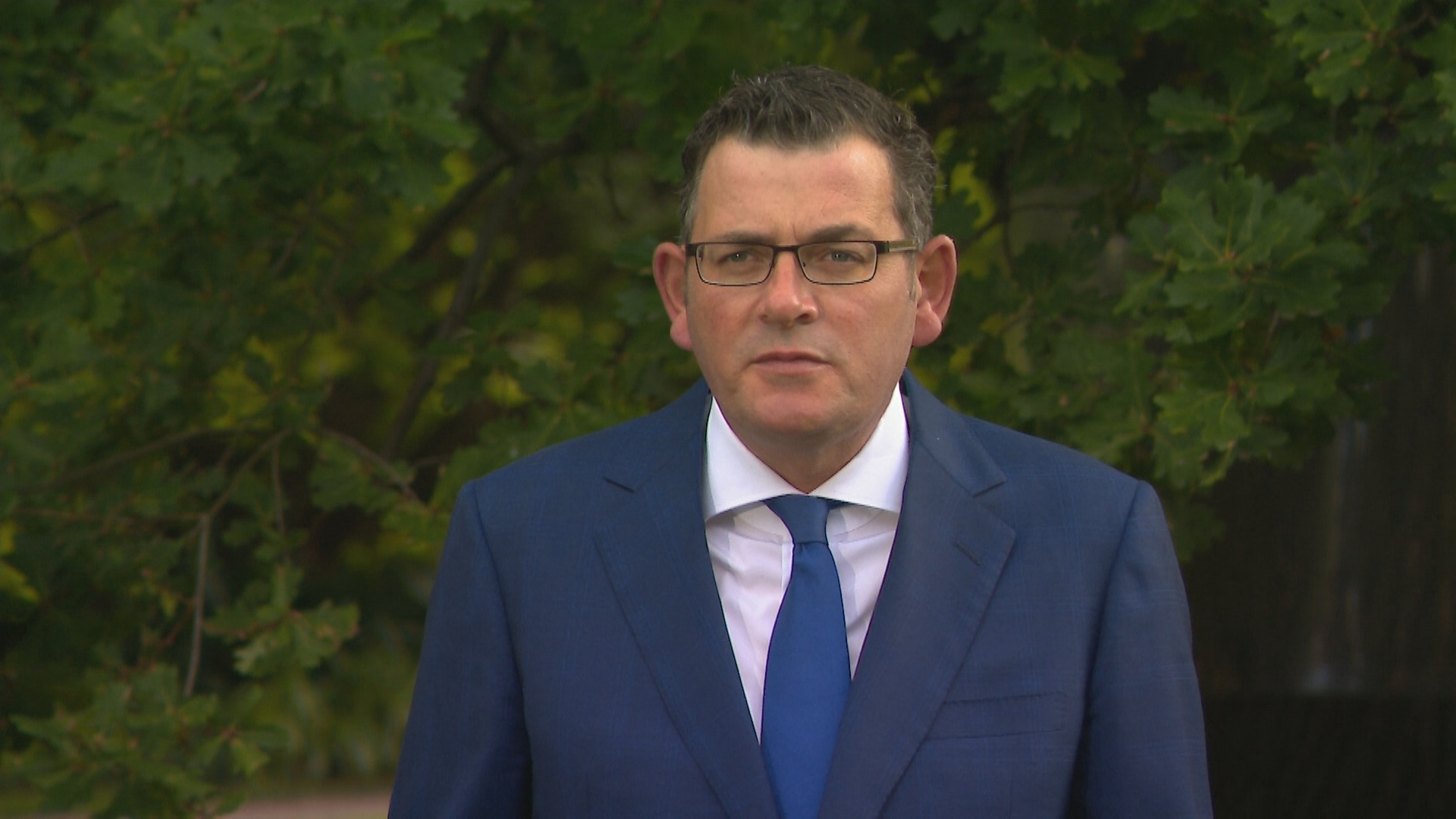
It comes after Premier Daniel Andrews in a press conference this morning said two of the man's close family contacts had also tested negative to the virus.

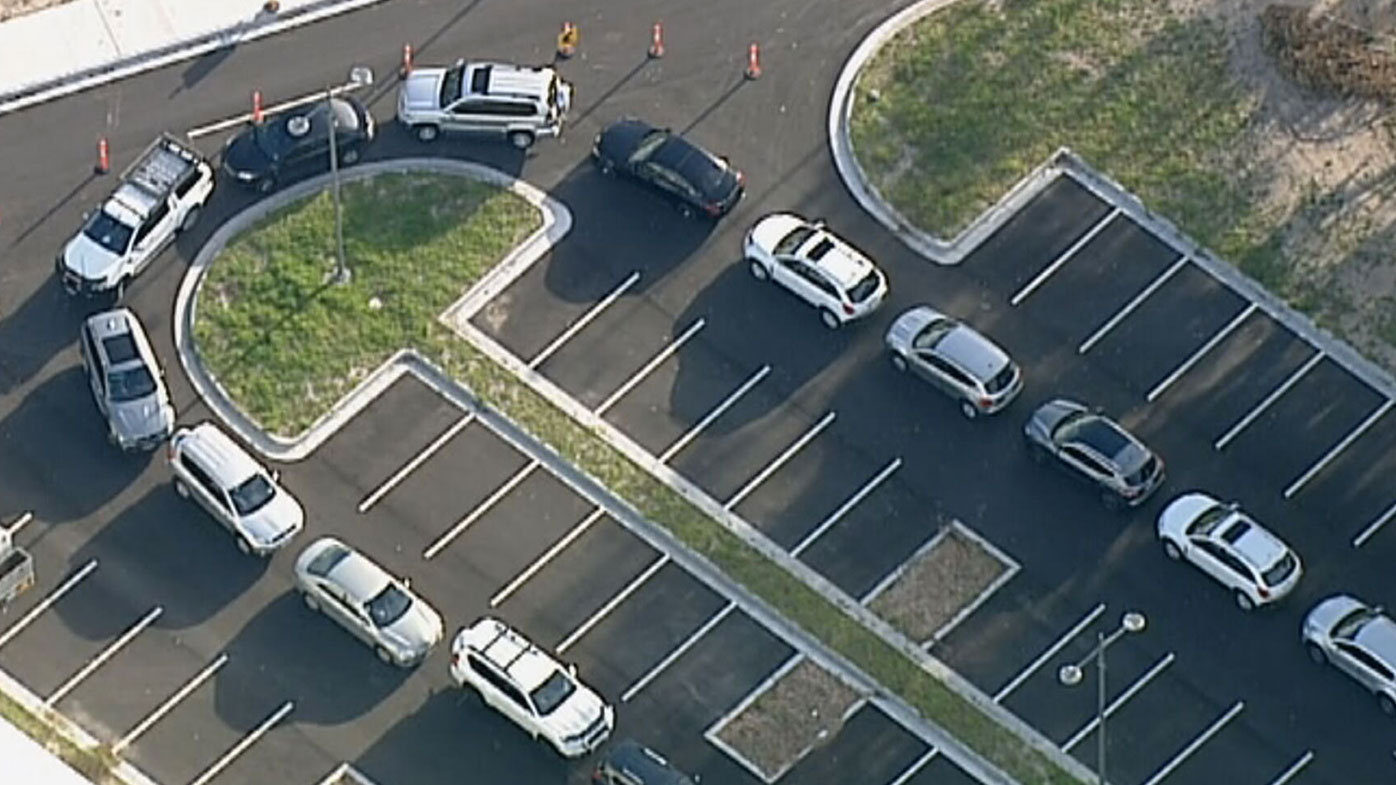
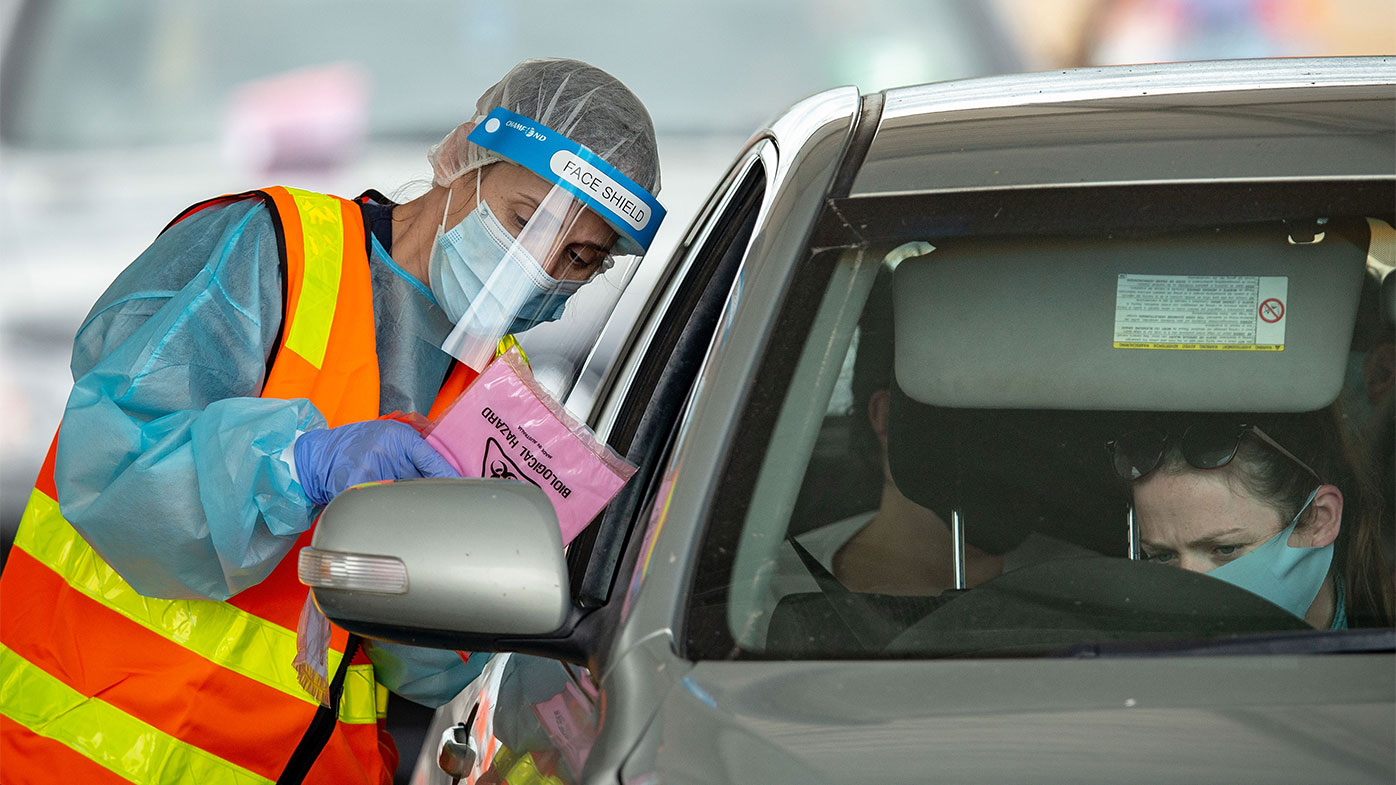
https://twitter.com/VicGovDH/status/1357282302015995904?s=20Cars snake around the car park as people wait to be tested in Keysborough in Victoria.

READ MORE: Australian Open hotel quarantine worker tests positive to coronavirus

Thousands of Victorians swamped testing sites today after news broke the infected 26-year-old Noble Park man had been working as a resident support officer as part of the tennis tournament's quarantine program.

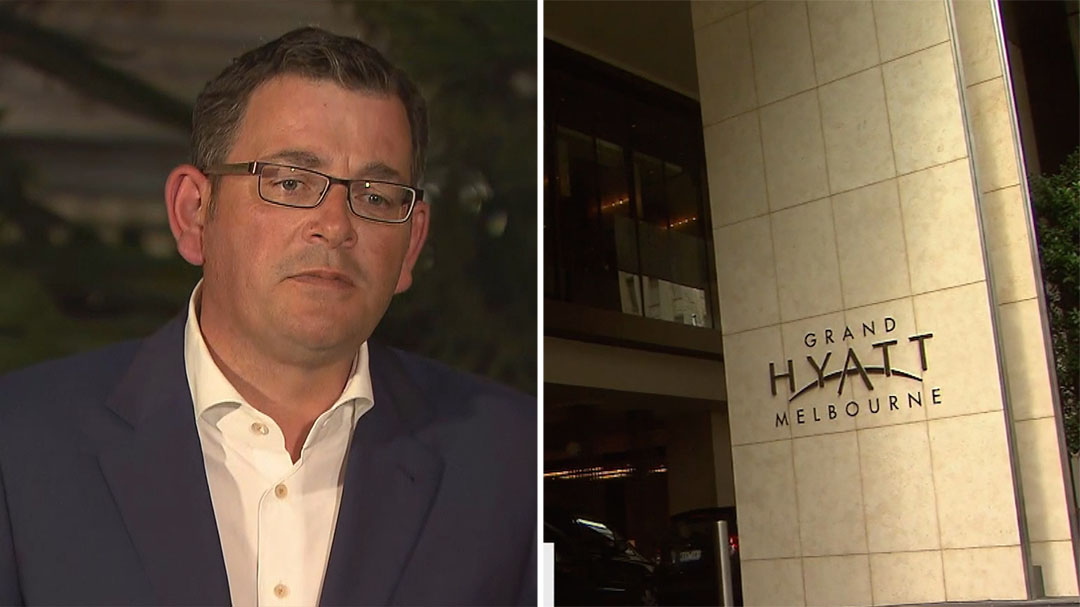
The infected man last worked at the Grand Hyatt on January 29 and undertook a PCR nasal test at the end of his shift, returning a negative test result at the time.

He later developed symptoms and got tested, returning a positive result yesterday.

He is now carrying out his isolation in a health hotel.

There are 20 close primary contacts self-isolating, with hundreds of other secondary contacts also in isolation.

The worker is also a Country Fire Authority volunteer and has attended at least one CFA function.

"We've been through FRV (Fire Rescue Victoria) and CFA, contacting brigades," Mr Andrews said.

"They're doing deep-cleaning. They, in turn, are contacting their members, their staff as well as their volunteers, and we're confident that people will get the information that they need as quickly as possible."

Mr Andrews said health authorities have not yet figured out exactly how the hotel quarantine worker contracted the mutant UK strain of coronavirus.

He said officials were doing "step-by-step painstaking detective work" to figure out how he caught the virus.

"There is no obvious breach. There's no problem where you can say, 'Right. That's probably where it happened'," Mr Andrews said.

"The working theory and the assumption – I think it's a well founded one – is that he's got it in hotel quarantine, despite not having done anything to breach infection control protocols."

Genomic testing is now being conducted.

There were six coronavirus cases at the Grand Hyatt Hotel, but all had been moved into a harder quarantine location once diagnosed.

LIVE UPDATES: Positive news as hotel worker's close contacts test negative

Deputy Chief Health Officer Professor Allen Cheng said Victorian authorities were not ruling out that the hotel quarantine worker caught coronavirus via airborne transmission.

"We have always recognised, particularly in Victoria, that airborne transmission is possible and I think with these new variants of concern, our concern has increased," he said.

"This and the incident at The Park Royal does suggest that very transient contact or airborne spread is possible."

While other guests at the Grand Hyatt are being told to be tested and isolate, Professor Cheng said he did not believe they were at great risk.

"The last case to leave the hotel for the health hotels left on (January) 22nd, so that is now getting close to 14 days since that time," he said.

"So, if there was any exposure, they would be coming up to that period, so we think that risk is relatively low."

The Grand Hyatt has now been deep-cleaned.

Mr Andrews defended the state's quarantine program, insisting a local infection stemming from hotel quarantine was not "a matter of if, but when".

"This is a wildly infectious virus," he said.

"Every person who travels here poses a risk, any hotel quarantine program has risk.

"I think Victorians can take confidence in the fact that every other state and territory is essentially in the process of copying the model that we put in place."

Restrictions reinstated for Victoria following hotel worker case

He called the infected worker a "model employee".

"Whether it is doffing and donning PPE, all the protocols, all the other rules that are followed up of course has provided us with very detailed accounts of where he has been as well as any other information that we have needed," Mr Andrews said.

"We are very grateful to him and further to some questions last note, we can find no problem, no breach of protocol or anything of that nature in terms of his employment."

He urged for anybody with any coronavirus symptoms to get tested immediately.

"I am asking all Victorians who have any symptoms, however mild, getting tested and not delay, not waiting an hour, not waiting until tomorrow, but getting tested today is critically important," he said.

"We cannot have people stampeding through those bases, it must be done slowly, meticulously.

"I don't want a testing site to become a super-spreading site."

https://twitter.com/reid_butler9/status/1357086773386465283

At a testing site in the suburb of Keysborough, cars lined up around the block, prompting officials to begin testing early.

The testing site at Chadstone Golfers Drive has been "temporarily suspended" due to high demand and a two-hour wait, with cars being turned around.

The Wantirna Trash and Treasure Market testing site has also closed.

Hundreds linked to Australian Open isolating

As many as 600 people associated with the Australian Open have been told to isolate after being identified as casual contacts of the hotel quarantine worker.

Tennis Australia CEO Craig Tiley today said 507 players and their teams who underwent quarantine in the Grand Hyatt between January 16 and 29 were immediately notified of the worker's positive result last night.

About 50 staff are being considered as close contacts and must isolate for 14 days.

All of the Australian Open cohort regarded as casual contacts will be tested by tonight and will remain in isolation until health authorities give them permission to leave.

All of the players are expected to test negative, Mr Tiley said.

READ MORE: No 'special treatment' for tennis players as hundreds isolate

Medical professionals conduct COVID-19 tests at a drive through testing clinic in Shepparton.

The tennis boss said he is "absolutely confident" the Australian Open will go ahead as planned on Monday, despite the worker's positive case.

"The probability is very low that there'll be an issue," he said.

"The plan is to continue to play tomorrow as planned. If we have to go through this again, we'll go through this again.

"We have three-and-a-half weeks of tennis to play and we'll go on as scheduled."

Victoria's testing commander Jeroen Weimar said the state was taking a "very risk-averse approach", with a dedicated testing site set up for the tennis cohort.

"They have all been asked to – and instructed – to test and isolate today," he said.

"There will be dedicated test facilities for them to ensure we get their testing results done and that we can then rule them out from the inquiry."

Mr Weimar said health authorities were "not as concerned" about the tennis players being casual contacts.

"But, again, out of an abundance of caution we want to ensure we leave no stone unturned in how we follow-up and deal with anybody who may have had contact with this individual," he said.

READ MORE: VICTORIA COVID RESTRICTIONS TIGHTENED: What you need to know

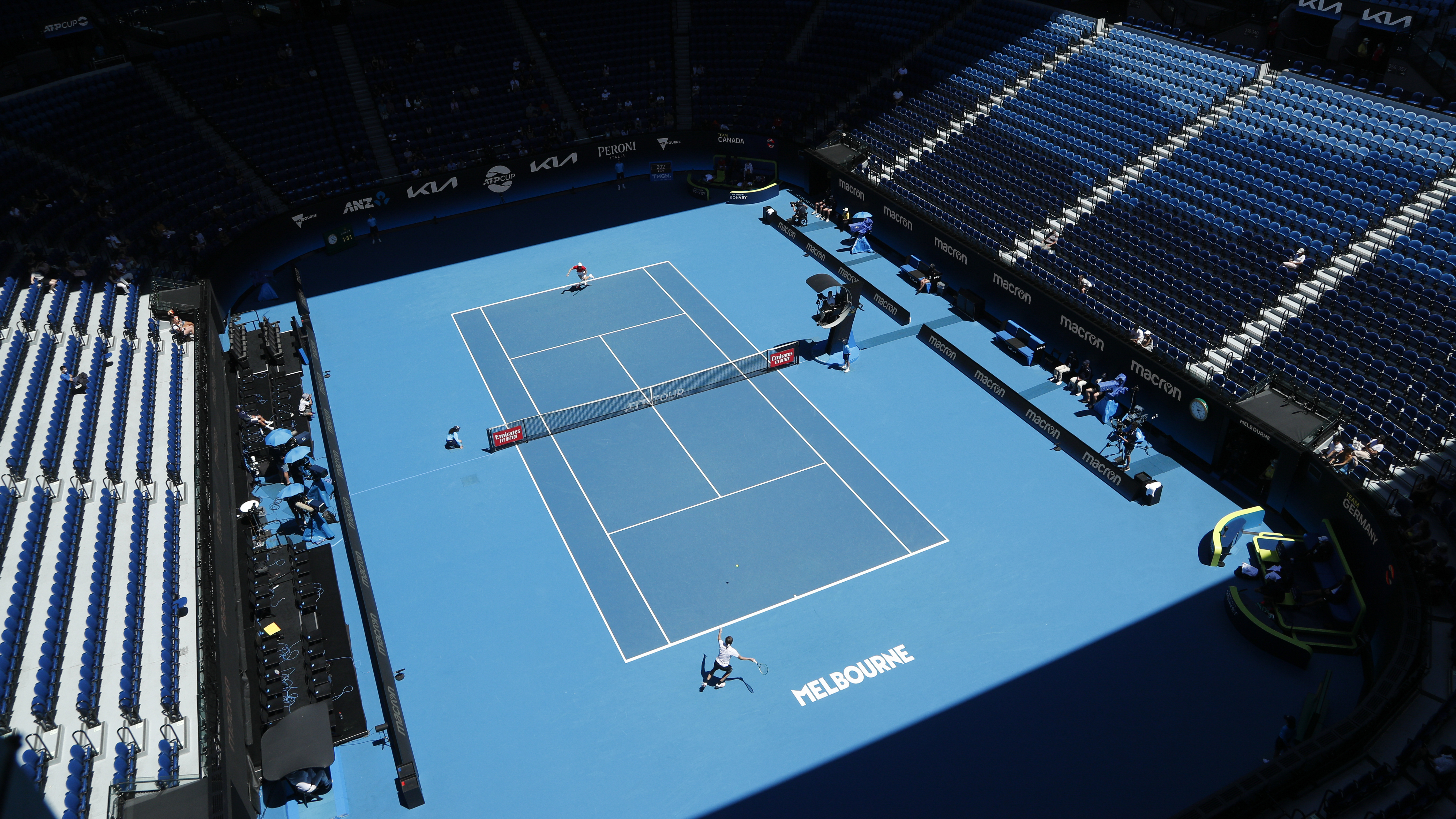
There will be no matches played at Melbourne Park today and Mr Tiley said he expected the Melbourne Summer Series and ATP Cup tournaments to be completed by Sunday.

Mr Andrews reiterated that Australian Open tennis players will not get special treatment.

"I was presented with a list of demands from various tennis players and the answer was no, I think I have well and truly demonstrated they do not get special treatment," he said.

https://twitter.com/ScottMorrisonMP/status/1357089956611547137

Prime Minister Scott Morrison sent a message of hope to Victorians this morning, posting on Twitter he was "confident" the state could quash the outbreak.

"Victorians know what to do," he said.

"If you have symptoms, get tested and isolate until you get the results."

Restrictions reintroduced in Victoria

Restrictions have now been reintroduced across Victoria and a massive contact tracing operation is underway.

Victoria's New Year's Eve or Black Rock cluster restrictions have been reimposed from midnight, Mr Andrews said.

The restrictions mean private gatherings must now be restricted to 15 people in a home, masks must be worn indoors, and the expanded office capacity limits which were due to come into effect on Monday have been paused.

Mr Andrews urged for people to remain calm.

"This is one case. There's no need for people to panic," he said.

"There's no need for people to be alarmed. We Victorians know what to do, and we have proven, as a state, very successful at managing these sorts of outbreaks, these sorts of issues."

READ MORE: Melbourne COVID-19 exposure sites revealed

The state-wide restrictions include:

– The limit on the number of people gathering in a household will be reduced from 30 to 15, meaning the household members plus 15 visitors (excluding children under 12 months of age).

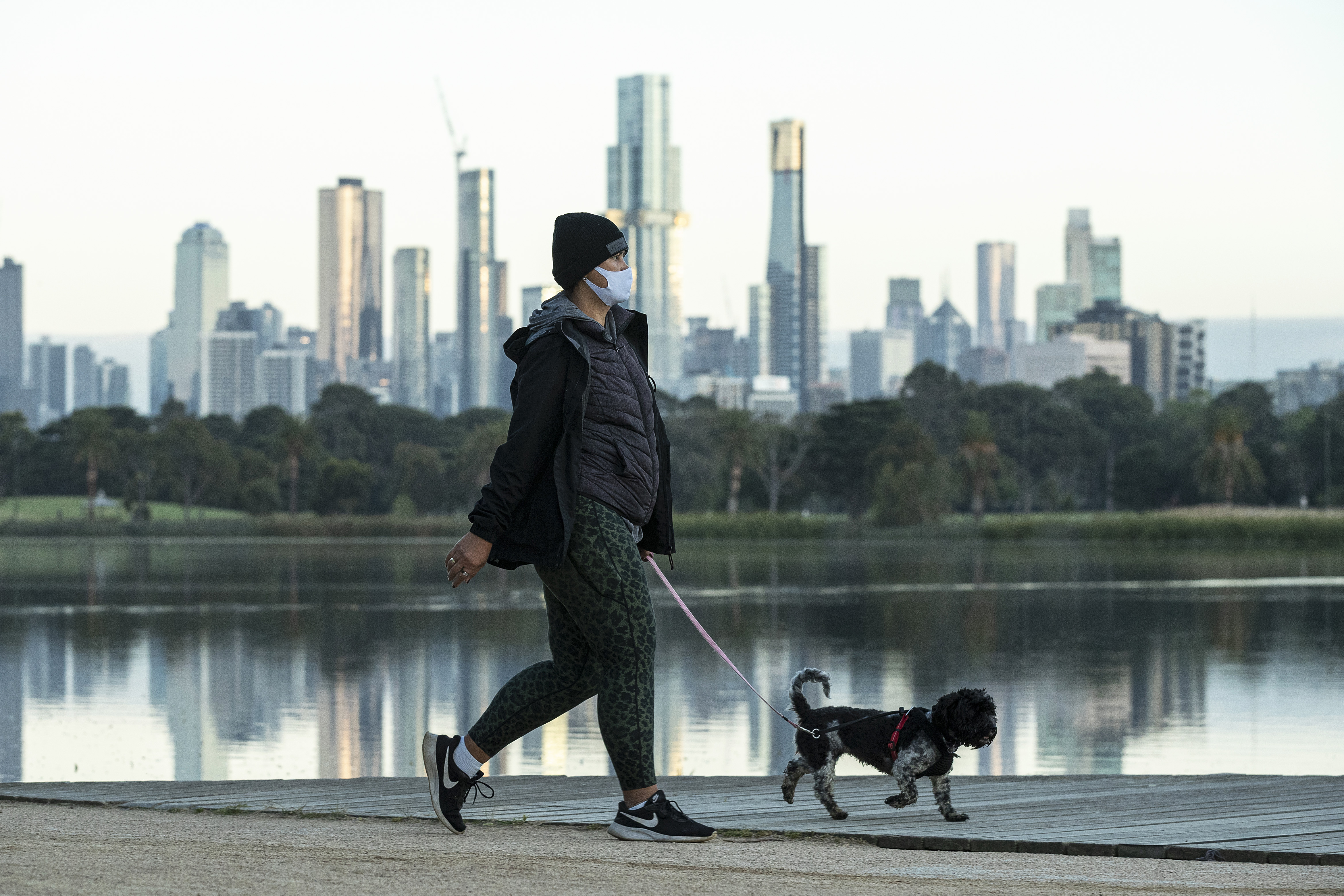
– Masks mandatory in public indoor spaces. If you have visitors in your home, it is strongly recommended that masks are worn during the visit. Masks must be worn in indoor public spaces apart from when eating or drinking. If you are planning to leave your home – take a mask.

– The 75 per cent 'return to work' cap in both public and private sectors scheduled for Monday 8 February will be paused and the current cap of 50 per cent will remain in place.

Exposure sites linked to new case

Friday 29 January

  • Exford Hotel, Melbourne, between 11pm and 11.35pm.
  • Kebab Kingz, West Melbourne, between 11.24pm and 12.15am.

Saturday 30 January

  • Club Noble in Noble Park, between 2.36pm and 3.30pm.
  • Aces Sporting Club (Driving Range), Keysborough, between 10.00pm and 11.15pm.

Sunday 31 January

  • Northpoint Café Brighton, between 8.10am and 9.30 am
  • Kmart Keysborough, Parkmore Keysborough Shopping Centre, between 4pm and 5pm.
  • Kmart Brandon Park, Brandon Park Shopping Centre, between 4.35pm and 5.10pm.
  • Coles Springvale, 825 Dandenong Rd, Springvale, between 5pm and 6pm.

Monday 1 February

  • Bunnings Springvale, between 11.28am and 12:15pm.
  • Melbourne Gold Academy, Heatherton, between 5.19pm and 6.36pm.
  • Lululemon, DFO Moorabbin Airport, between 5pm and 5.45pm.
  • Woolworths Springvale, between 6.30pm and 7.30pm.
  • Nakama Workshop, Clayton South, between 11.15am and 12pm.
  • Sharetea, Springvale, between 6.50pm and 7.30pm.

Son's desperate dash through inferno to help dad save home

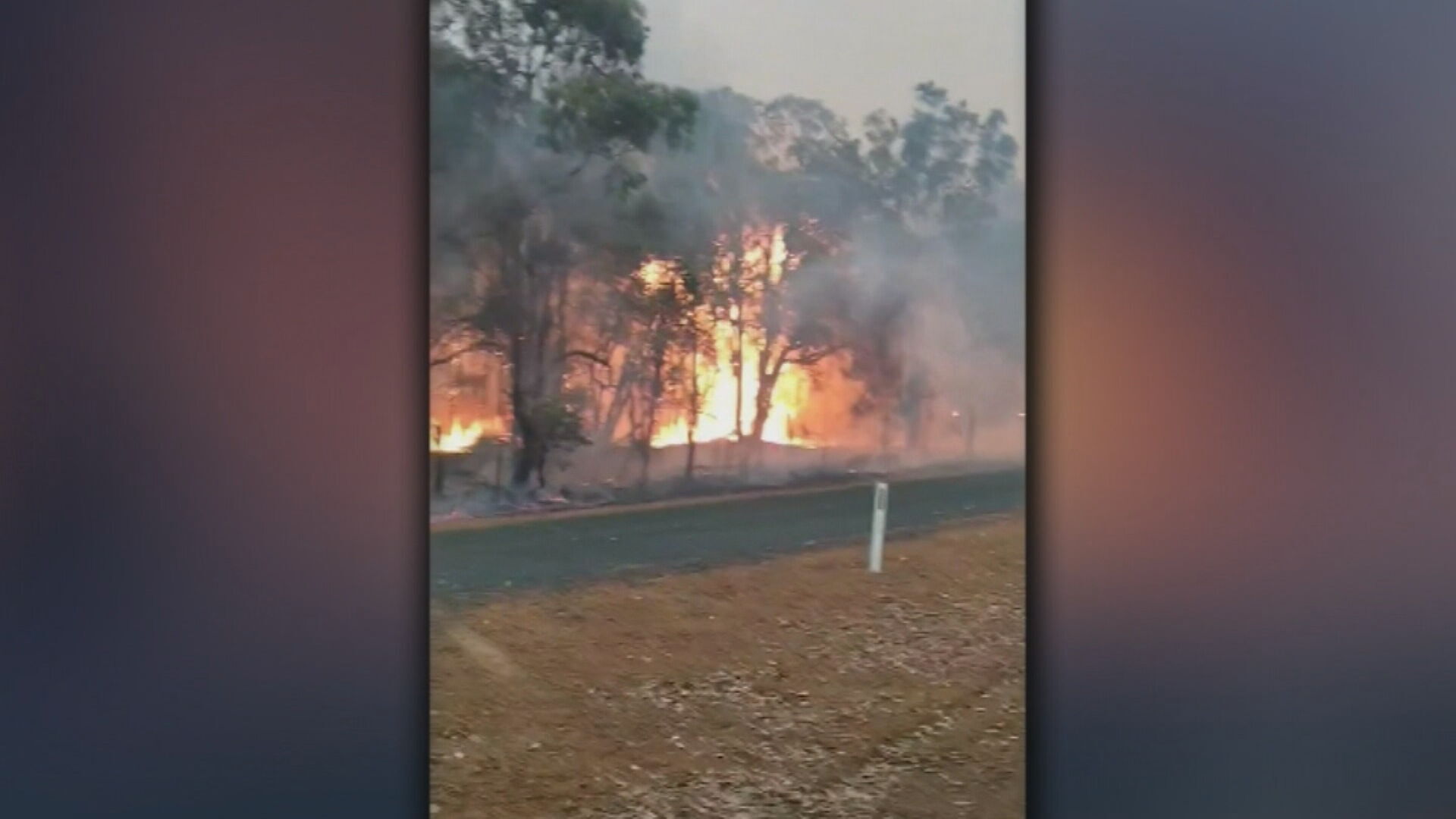
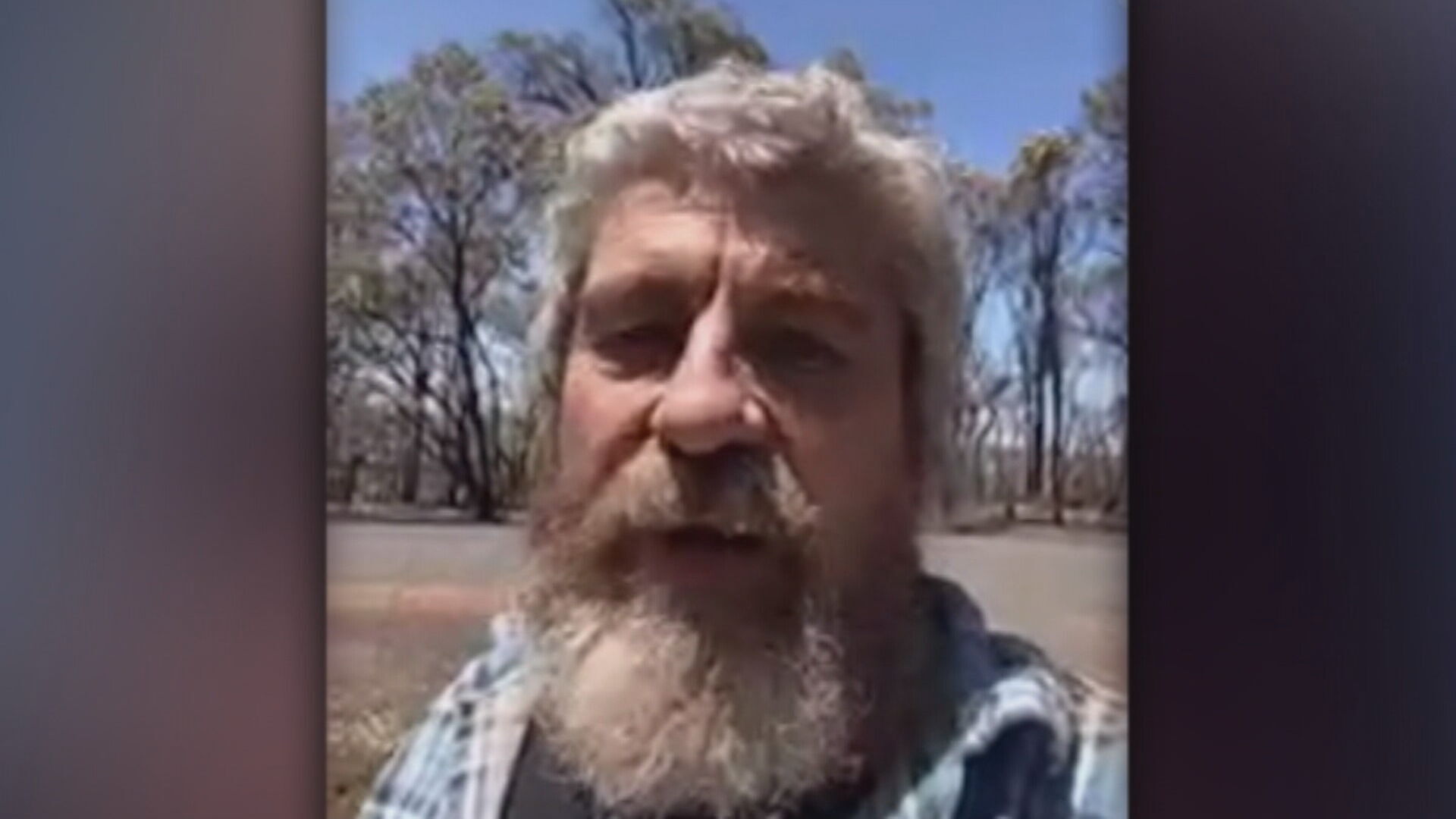
When the flames surrounding their Tilden Park home grew too intense, Steve Curtis told his son Danny the time had come for them to leave.

The bushfire that has destroyed thousands of hectares north-east of Perth, swept around the hill before them and came on their property like a pincer movement on Monday.

Steve and Danny were frantically soaking their property, carrying water with anything they could find.

READ MORE: Fierce winds ground water bombers battling Perth blaze

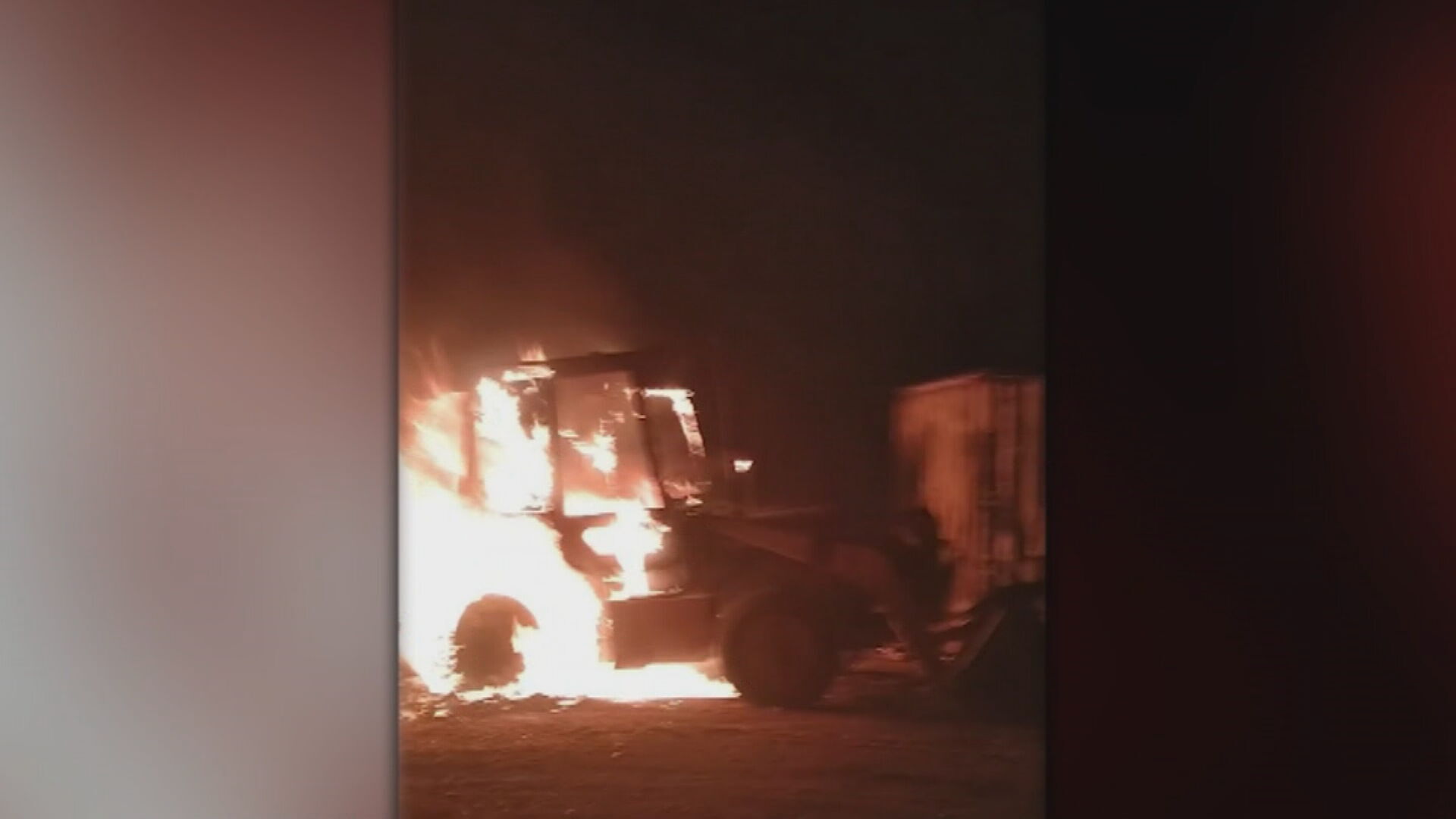
Danny filmed their desperate battle, which seemed doomed.

And when the fire got too close, Steve made the call, and Danny jumped in his car and fled, only to realise his dad hadn't followed.

"We had a pact, more or less, if the flames were getting that big, we were going to leave — he set me up," Danny said.

Steve admitted he hadn't been able to leave the home, but had wanted his son to get out.

READ MORE: Bushfire hero who saved others' horses loses own home

"I thought, I can't leave my house (and) I thought, that's it, he's gone to safety," he said.

But once Danny realised what was going on, he turned his car around and headed straight back.

When he was stopped at a roadblock, he abandoned his car and ran.

"That could have gone south so quickly," Danny said.

"When I got there, it was just, everything surrounding me was just flaming."

Together they managed to fend off the fire, saving their uninsured home.

READ MORE: Emergency relief for bushfire victims

"I can't believe he did that — such a brave lad," Steve said.

The pair know that despite the close call, they are among the lucky ones — both safe and their home standing.

"This has actually brought my spirits back … it's about time I won something, I won my house back," Steve said.

So far, 81 homes have been destroyed in the massive fire, including the Curtis family's neighbour's.

"That's not God, that's nature," Steve said.

"God is the people coming around and helping."

As of Thursday night, a second fire in Western Australia is only eight kilometres away from joining a 130 kilometre wall of flames that continues to threatens homes in the Perth Hills region.

Fierce winds have forced crucial firefighting aircraft battling an monster fire burning in the Perth hills region out of the air as 500 firefighters tackle the blaze from the ground.

The main fire has grown into a 130 kilometre wall of flames.

Authorities fear wind gusts 70km/h could carry embers from the main fire front and spark further blazes.

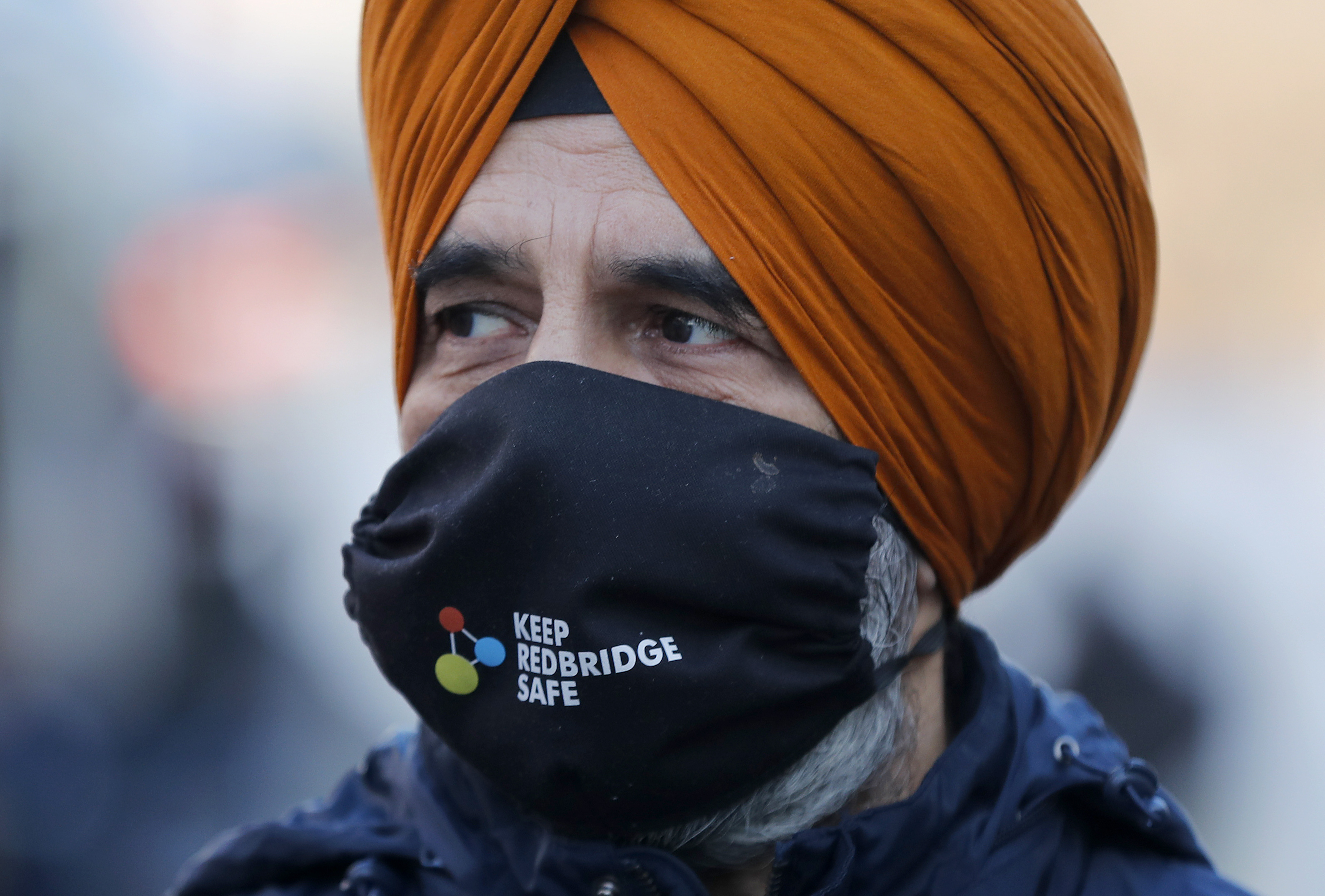
Diverse east London 'eye of the storm' as it grapples coronavirus

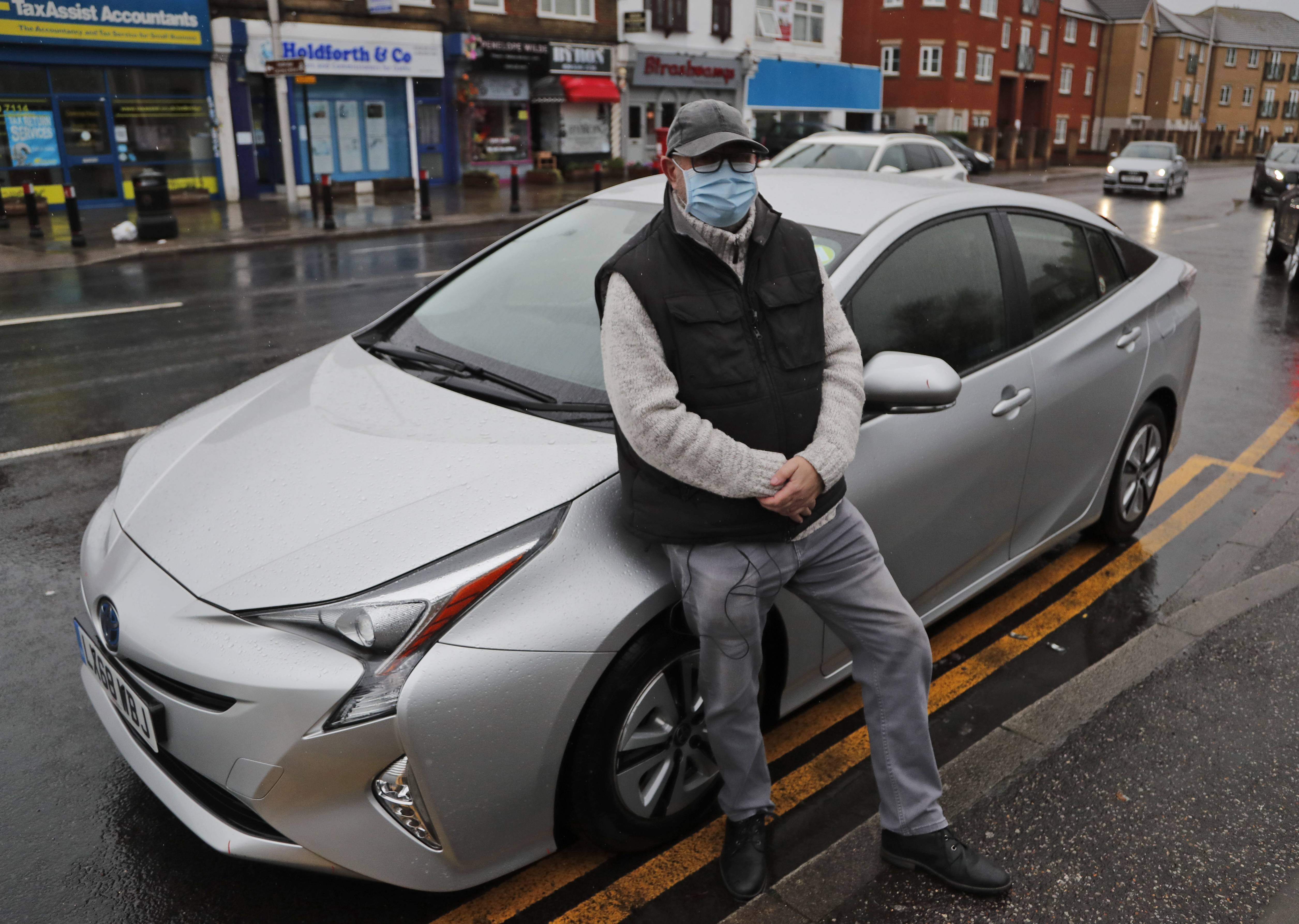
Taxicab driver Gary Nerden knows colleagues who got seriously ill from COVID-19.

He knows the area of east London where he lives and works has among the highest infection rates in the whole of England.

But since Mr Nerden, 57, can't afford not to work, he drives around picking up strangers for up to 12 hours a day, relying on a flimsy plastic screen to keep him safe.

"I've got people telling me they won't wear a mask, saying they're exempt," Mr Nerden said.

"I've got diabetes, I have to look after myself. I wipe the handles, the seat belt, after every customer, but that's all I can do, really."

The taxi driver and his wife, a hospital administrative worker, live in the outer London borough of Redbridge, which in mid-January had the country's second-highest rate of residents testing positive for the coronavirus: 1571 cases per 100,000 people.

Official figures estimated that at one point, 1 in 15 people there had COVID-19 – even after the government imposed a third national lockdown to control a fast-spreading, more contagious variant of the virus.

Redbridge and its surrounding areas, which are positioned on a commuter belt between the capital's northeast and coastal Essex, have been dubbed the "COVID triangle" because they all topped England's worst infection rates in recent weeks.

READ MORE: New study proves delaying second coronavirus vaccine dose effective

While case rates have come down significantly, local leaders said the situation remained critical and the borough was still "in the eye of the storm."

They say the area's large number of essential workers in public-facing jobs, combined with dense housing and high levels of poverty, contribute to why the virus has hit it much harder than most places in the UK.

Those factors also make fighting the pandemic there particularly challenging.

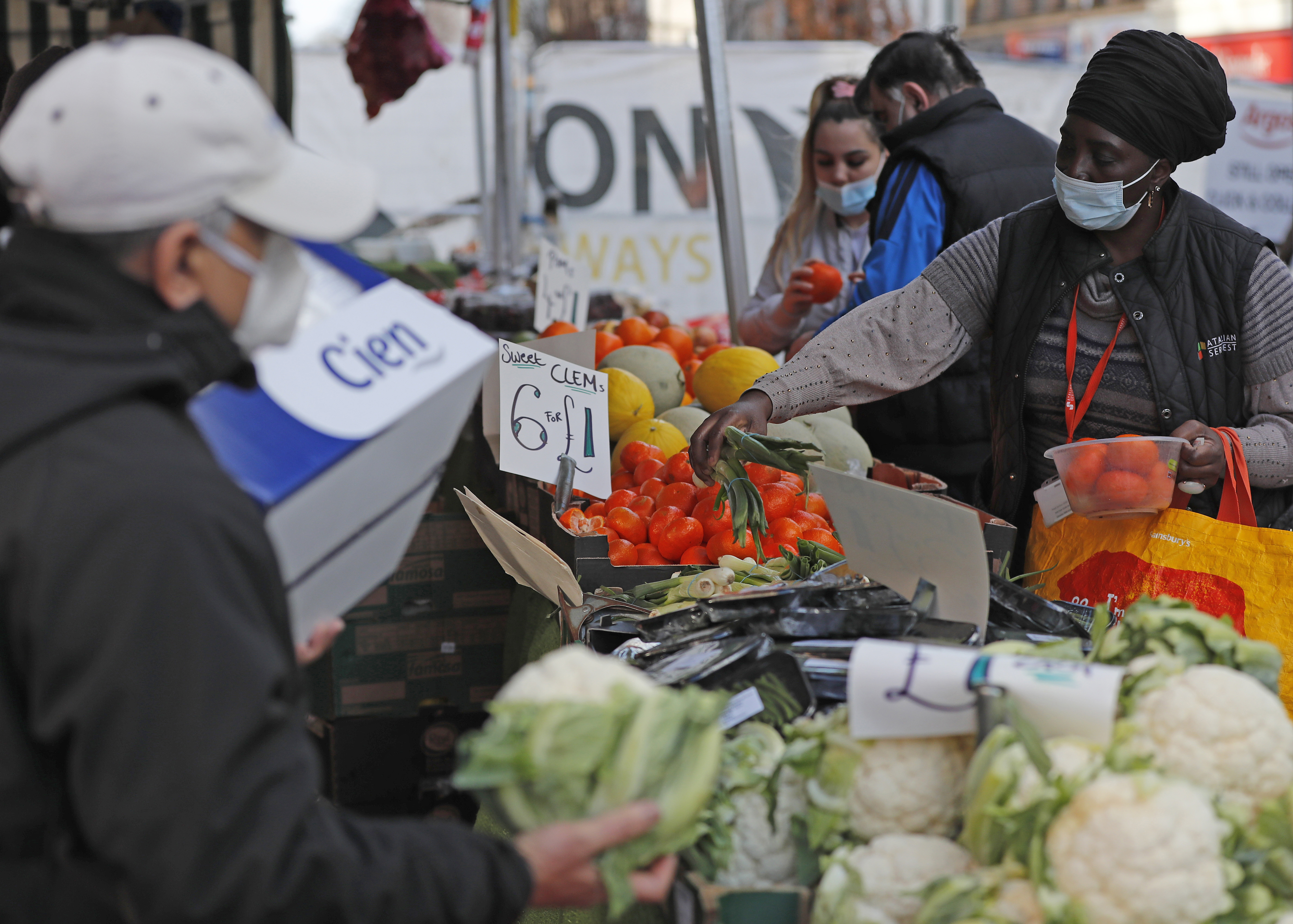
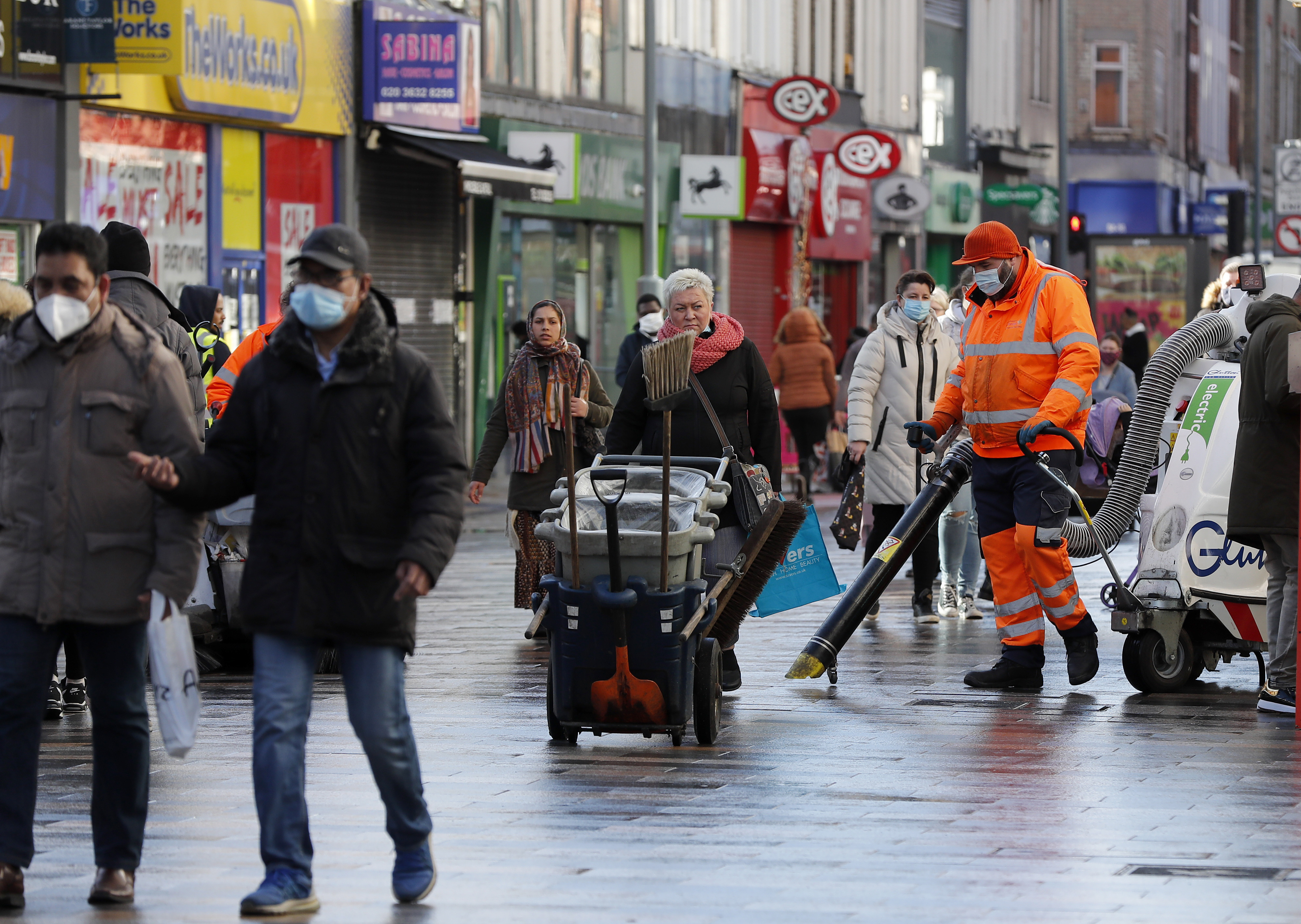
"We have some of the most front-line workers here in the community: the taxi drivers, the NHS (National Health Service) workers, the train drivers going into central London, the commuter workers, the cleaners," Redbridge Council leader Jas Athwal said.

"People are taking their chances – is it about feeding my children, or risking myself with COVID? And of course, they need to feed their children.

"All that accounts for the excess number of virus infections, the deaths, because people are having to go out to do their job."

READ MORE: Coronavirus strain in UK picks up mutation that could impact vaccines

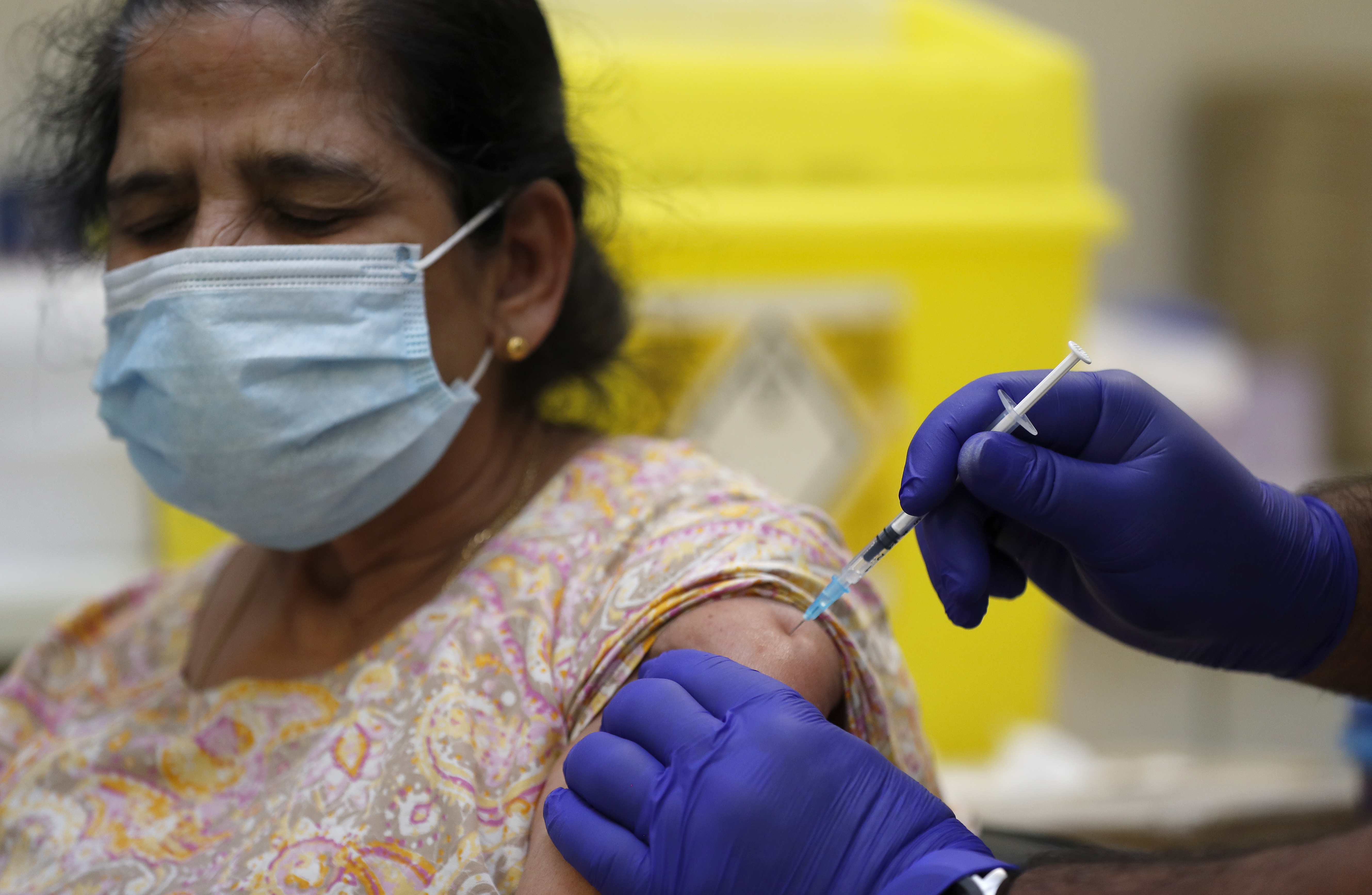
Many of those lower-income workers with high exposure to the virus are from ethnic minority backgrounds, who are among the most at-risk, as well as the hardest to persuade to get vaccinated.

Redbridge's population is among the most diverse in the country, with large Indian, Pakistani and Bangladeshi communities and fewer than 40 per cent of residents identifying as white British.

Numerous studies have shown that the pandemic is causing disproportionate serious illness and deaths among ethnic minorities and those from poorer households.

In the UK, Public Health England found that after accounting for factors like age and sex, people of Bangladeshi heritage were dying from COVID-19 at twice the rate of white Britons.

Black people and other Asian groups also had a 10 per cent to 50 per cent higher risk of death.

Experts say that is due to a combination of factors.

People from minority groups are more likely to live in crowded housing and to take poorly ventilated public transport to go to work.

They are also more likely to have long-term conditions like heart disease and diabetes that increase their risk of becoming seriously ill if they catch the virus.

READ MORE: Italy reopens tourist hotspots after latest lockdown

Khayer Chowdhury, a Redbridge councillor of Bangladeshi descent, said many Asian households in the borough are multigenerational families living together under one roof, giving the virus greater opportunity to spread.

"Our diversity makes us unique, but it also makes us vulnerable," he said.

Britain has lost more than 100,000 lives to the coronavirus, the worst death toll in Europe.

"Here in the community, everybody knows somebody who's passed away," Mr Athwal said.

"The fear is finally starting to hit home."

Officials say a small but increasing number of people are breaking restrictions, partly because of fatigue with lockdown rules.

Enforcement officers have broken up gatherings and "car meets," shutting down and fining clubs and restaurants for hosting parties.

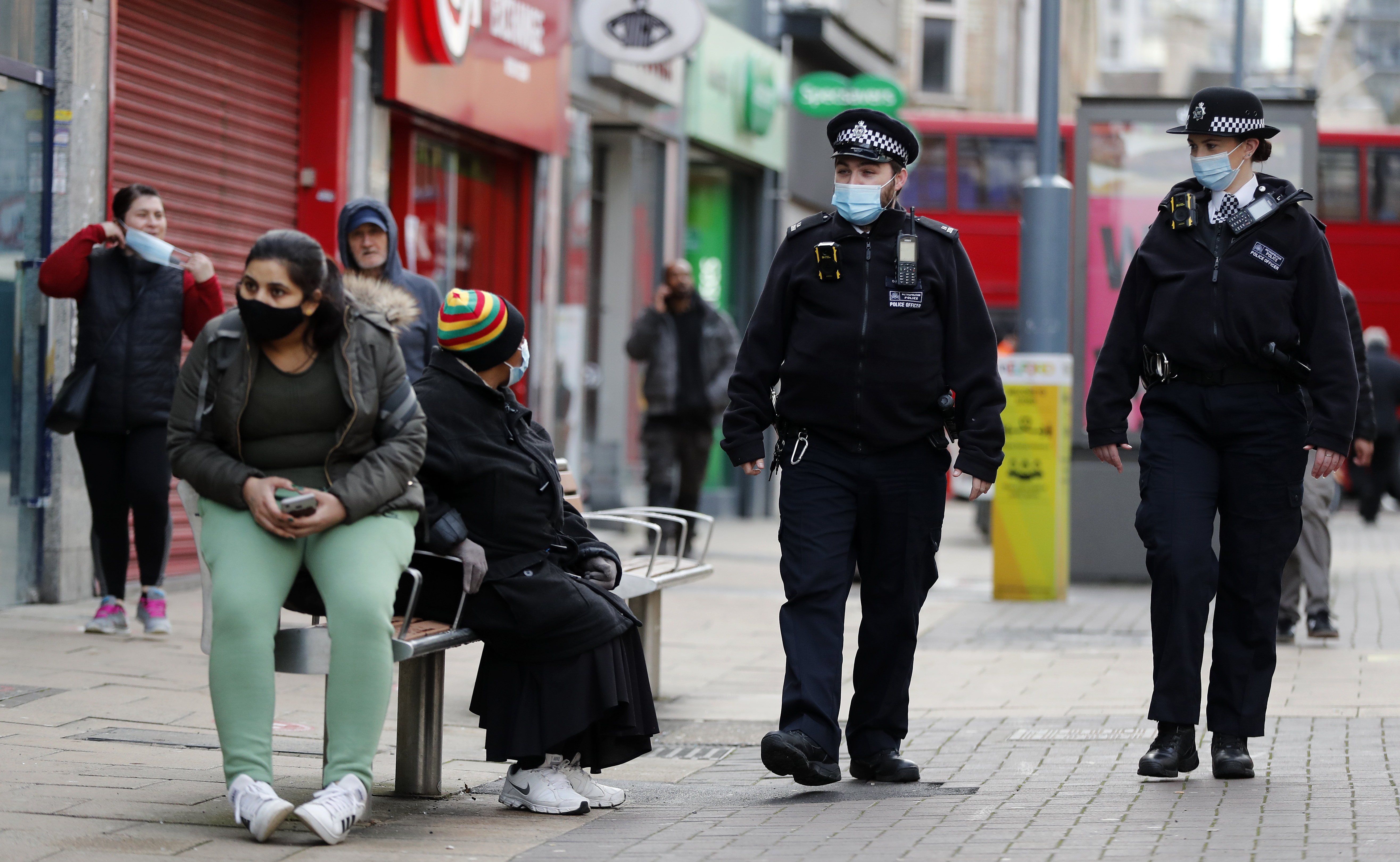
On a recent weekday, a large team of police officers patrolled the main shopping street, which bustled with a steady stream of people despite the government's "stay at home" message.

But the bigger challenge is on the vaccination front.

Several UK-based studies have suggested that vaccine take-up rates for both the coronavirus and other jabs among minorities are significantly lower than that in the general population.

Some researchers say that's caused by longstanding distrust of authorities and disengagement from public health messages, and exacerbated by anti-vaccine posts on social media.

Local resident Salman Khan and his wife said they were not sure they would have the jab if offered, because the pandemic has made them question "whether the government and the news is telling the truth."

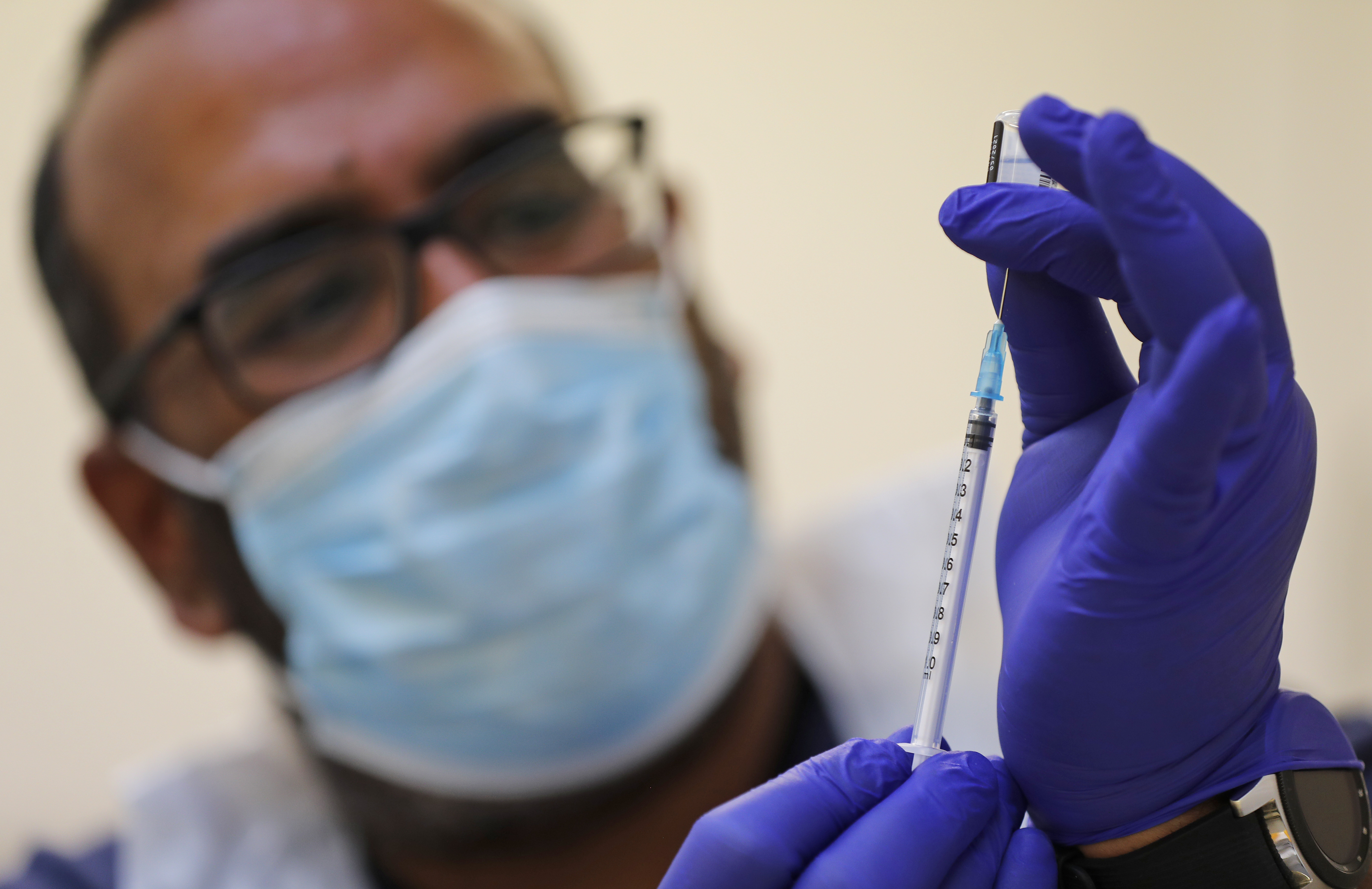
Dr Anil Mehta, a local doctor, said health officials are making every effort to reach the poorest and hardest to reach communities.

This week he is offering vaccine shots out at homeless shelters, hoping to inoculate the area's many refugees and those sleeping rough.

He said he's also taken up the role of "myth-buster," trying to dispel misinformation and conspiracy theories.

"People believe in all sorts of things — this is affecting fertility, or against Black Lives Matter," Mr Mehta said.

"There is a lot of hesitancy, whether they want it, whether they trust us. That's our battle at the moment."