Foreign Affairs Minister Nanaia Mahuta has name-checked newly elected US President Joe Biden in her first major speech in the job, citing New Zealand’s strong relationship with the United States. He was the only world leader Mahuta…
Category Archives: headline
Convicted sex offender Robert Hughes denied parole
Convicted sex offender Robert Hughes has been denied parole because he is an "unacceptable risk to community safety".
The former Hey Dad! TV star was sentenced to at least six years in jail back in 2014 after being found guilty of ten sexual assault charges.
Today the NSW State Parole Authority (SPA) ruled for the second consecutive year that it was not safe to release Hughes, now aged 72.
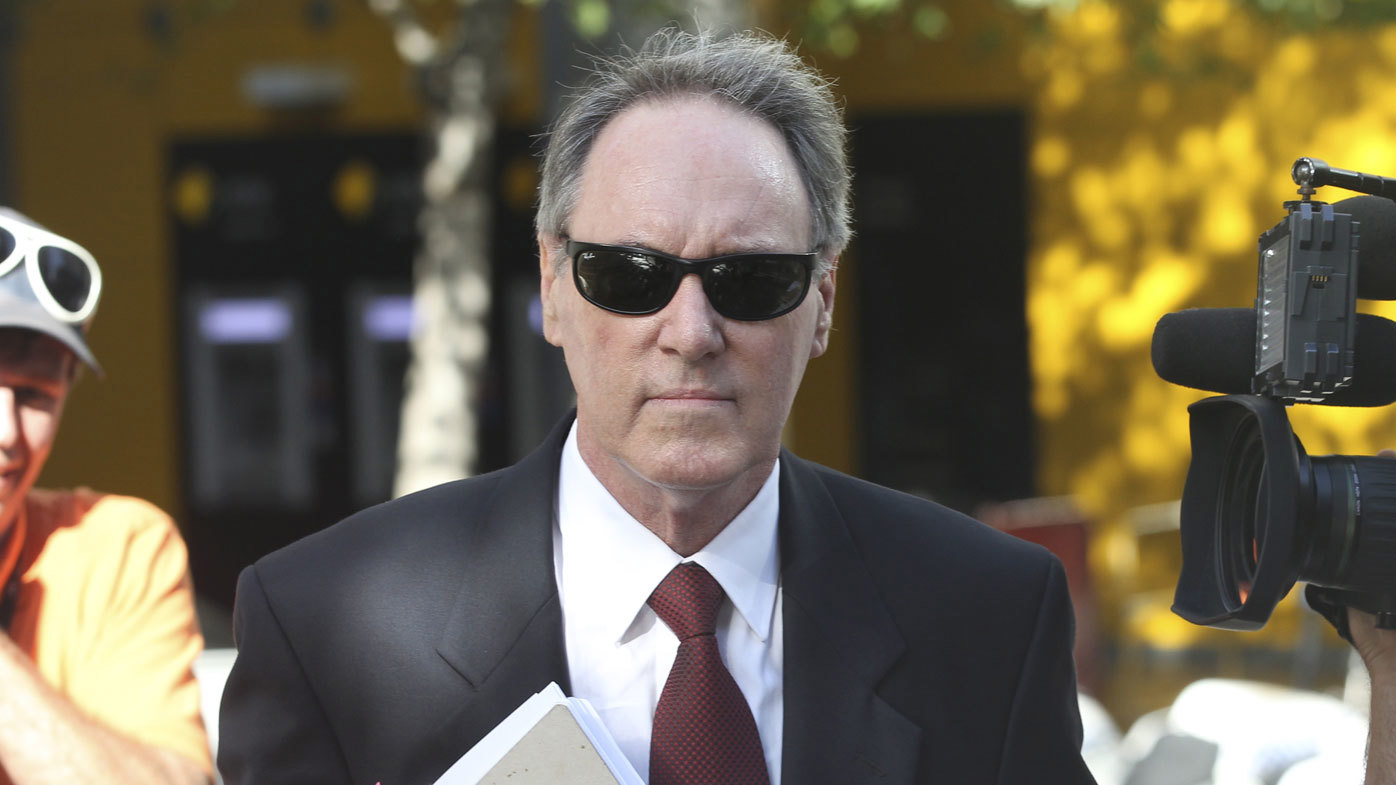
"Hughes renounced his Australian citizenship and would face immediate deportation to his native UK upon release from custody," a statement from the SPA said.
"As NSW and the UK do not have reciprocal arrangements for parolees, if granted parole, Hughes would not be subject to any supervision or monitoring by UK authorities or be compelled to comply with any conditions ordered by the Authority."
Last year Hughes withdrew his application for an international prisoner transfer.
This would have seen him serve more of his sentence in the UK before being released and monitored by authorities there.
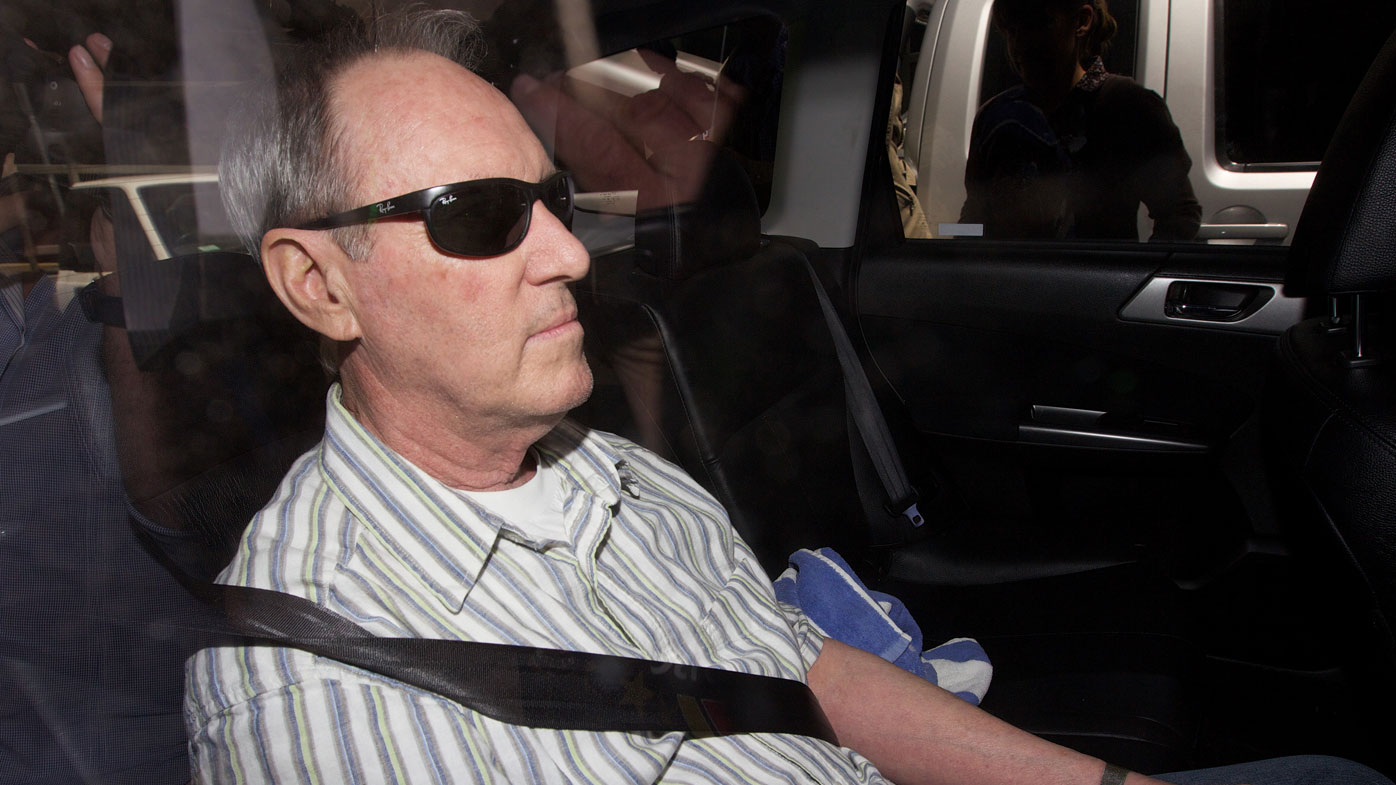
"Today, the SPA again determined releasing him to parole without the possibility of supervision or conditions would not meet the community safety test, as required under the legislation."
In 2014 Hughes was sentenced to a maximum of ten years and nine months in jail after a jury found him guilty of 10 charges relating to sexual and indecent acts perpetrated on four young girls in the 1980s and 1990s.
At the time of his conviction, Judge Peter Zahra described the actor as a sexual predator who systematically exploited young girls and relied on his position to ensure the compliance and silence of his victims.
A 2017 High Court challenge against his conviction was dismissed.
His sentence is due to finish on January 6, 2025.
Nuclear confiict now a 'real possibility', warns top US commander
The US faces a "real possibility" of nuclear conflict with China and Russia, a top military figure has warned.
In a bleak analysis, Admiral Charles Richard, the head of US Strategic Command (STRATCOM) has warned that China and Russia have "begun to aggressively challenge international norms" in "ways not seen since the height of the Cold War".
Admiral Richard pointed to the jump in cyberattacks and "threats in space," as well as heavy investment in advanced nuclear weapons by Russia and China.
READ MORE: North Korean leader cannot denuclearise, expert says
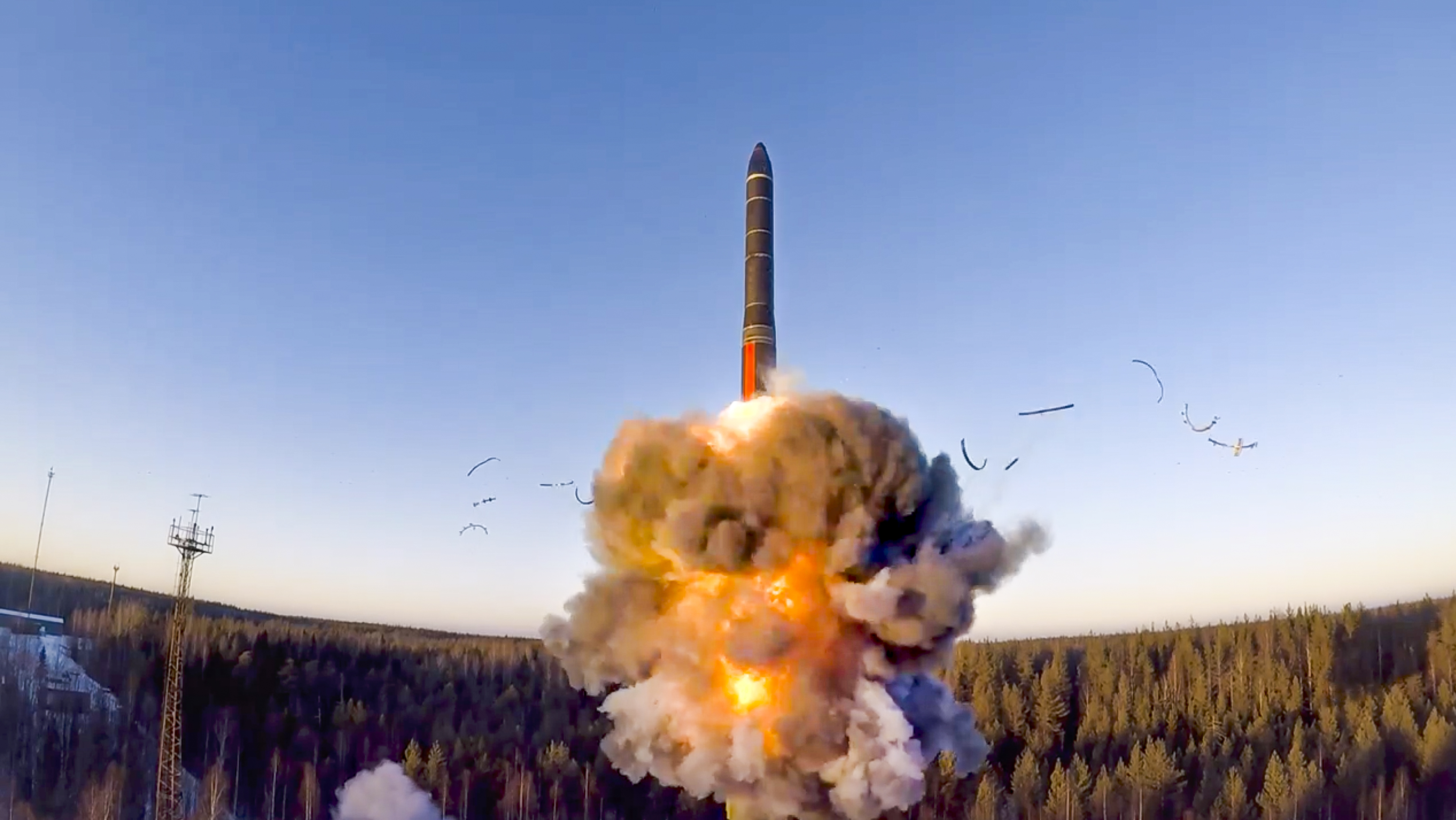
STRATCOM is the arm of the US military responsible for the nuclear deterrent.
"There is a real possibility that a regional crisis with Russia or China could escalate quickly to a conflict involving nuclear weapons, if they perceived a conventional loss would threaten the regime or state," Admiral Richard wrote in the February issue of Proceedings, a US Navy journal.
China and Russia had shown their confidence by threatening neighbouring nations, hounding US forces in neutral territory and widening conflicts to new areas, such as cyberattack.
Beijing has launched a big military spending program on hypersonic and advanced conventional missile systems, and on a nuclear-capable long-range bomber.
The Kremlin's modernisation drive includes new bombers, intercontinental ballistic missiles, submarine-launched ballistic missiles and hypersonic glide vehicles.

Admiral Richard urged the US military to invest in new weapons systems to maintain its edge over China and Russia.
US President Joe Biden has said he is willing to return to diplomacy for maintaining global stability after his predecessor Donald Trump's often unilateral actions.
As one element of that shift, US Secretary of State Antony Blinken announced on Wednesday that the US and Russia had extended the New Start Treaty, limiting their intercontinental nuclear weapons for five more years.
The Trump administration had called the treaty, which would have lapsed on Friday, "deeply flawed" and wanted to renegotiate it.
– Reported with AP
Google relationship 'much more positive' after talks with CEO: PM
Scott Morrison has described this morning's meeting with the global CEO of Google's parent company over Australia's proposed media bargaining code as both "constructive"
The prime minister said the talks had brought the relationship between the Commonwealth and the tech giant into a "much more positive space", while also implying that Australia would nevertheless continue to forge ahead with its plans to introduce the new laws.
The proposed laws would see global tech giants such as Google forced to pay for media content generated in Australia which they repost.
LIVE UPDATES: Plea for testing after Victorian hotel worker contracts COVID-19
It follows a 12-month review into Google and Facebook by the competition watchdog.
There has so far been strong pushback from Google and Facebook over the proposed changes.
Last month, Google threatened to switch off its search function in Australia if the media bargaining code became law.
"If the Code becomes law, Google would have no real choice but to stop providing Search in Australia," Google Australia's managing director Melanie Silva told a Senate hearing.
"That's a worst-case scenario and the last thing we want to have happen — especially when there is a way forward to a workable Code that allows us to support Australian journalism without breaking Search."
Since then, Australians utilising the search engine have found a yellow message come up pointing to a statement from Ms Silva reiterating their position.
It appears that statement has since been taken down.
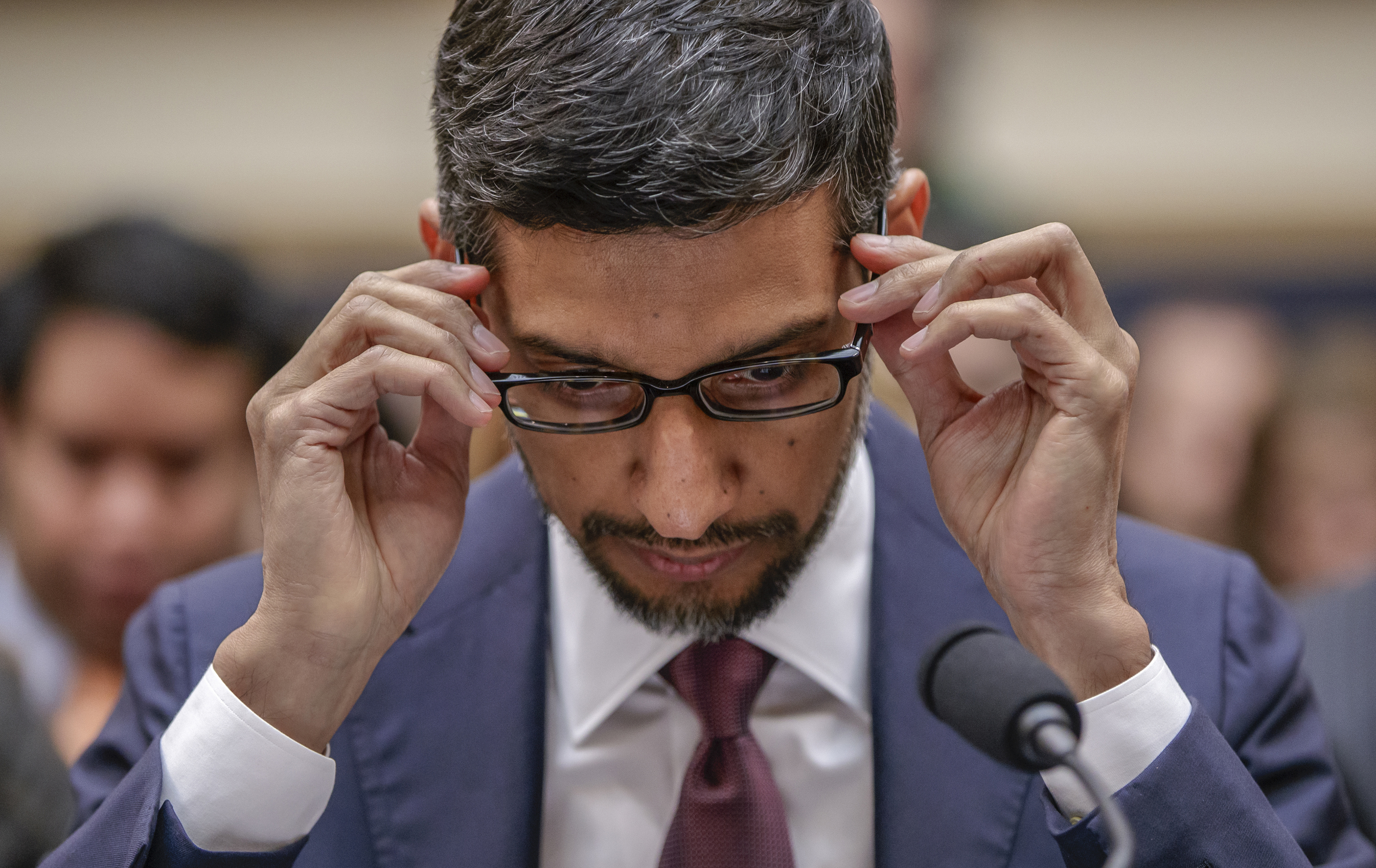
9News understands that Alphabet CEO Sundar Pichai reached out to the Prime Minister for today's meeting, which was conducted via video link.
Speaking at a press conference this afternoon, Mr Morrison described the chat with Mr Pichai as "constructive" but provided few details on what was discussed.
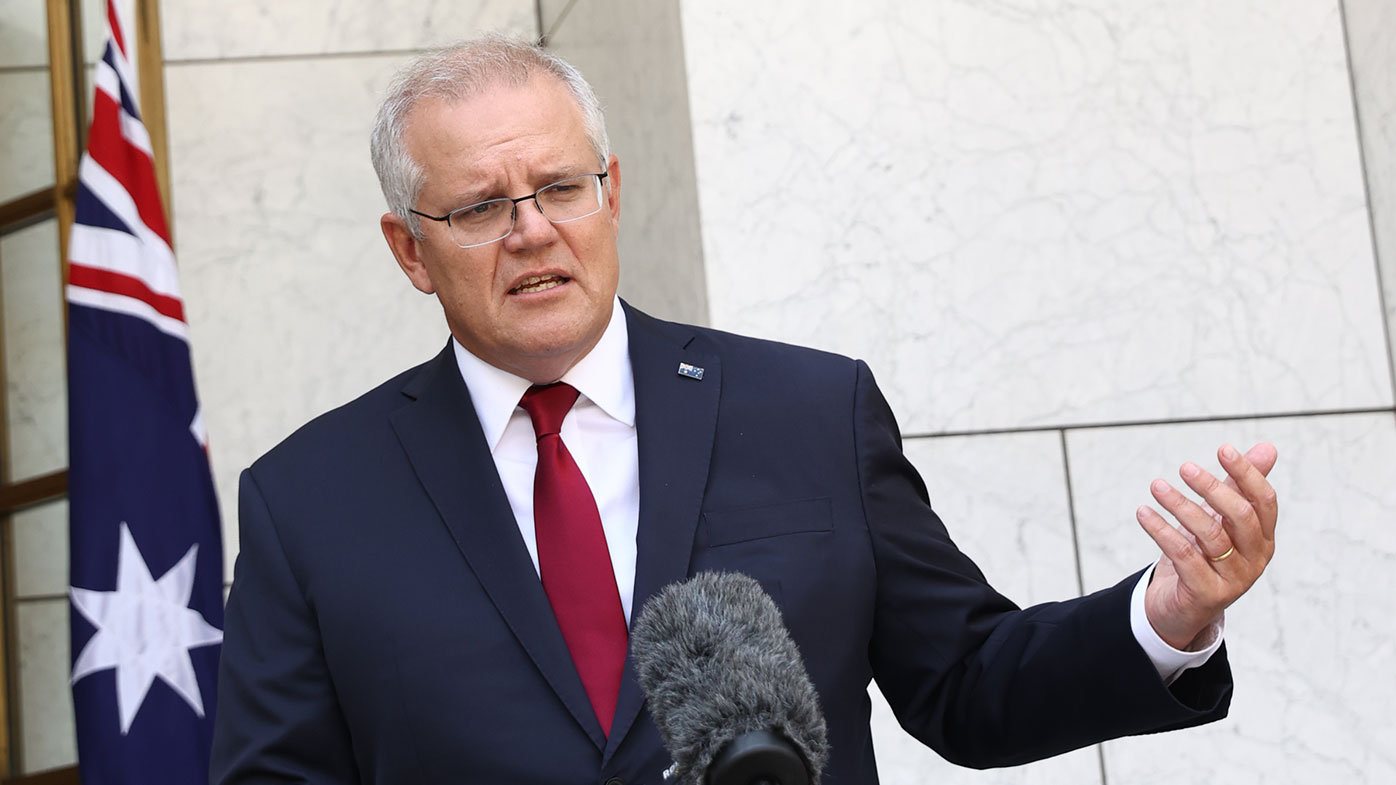
"I have been able to send them the best possible signals that should give them a great encouragement to engage with the process and see them conclude with the various news organisations," Mr Morrison said.
"That is the best way to enable that matter to be settled."
The prime minister said Mr Pichai spoke "very respectfully" as he questioned specific aspects of the media bargaining code.
"I think we have been able to get that into a much more positive space about the ability to continue to provide services here in Australia," he said.
"But at the end of the day, they understand that Australia sets the rules for how these things operate – and I was very clear about how I saw this playing out."
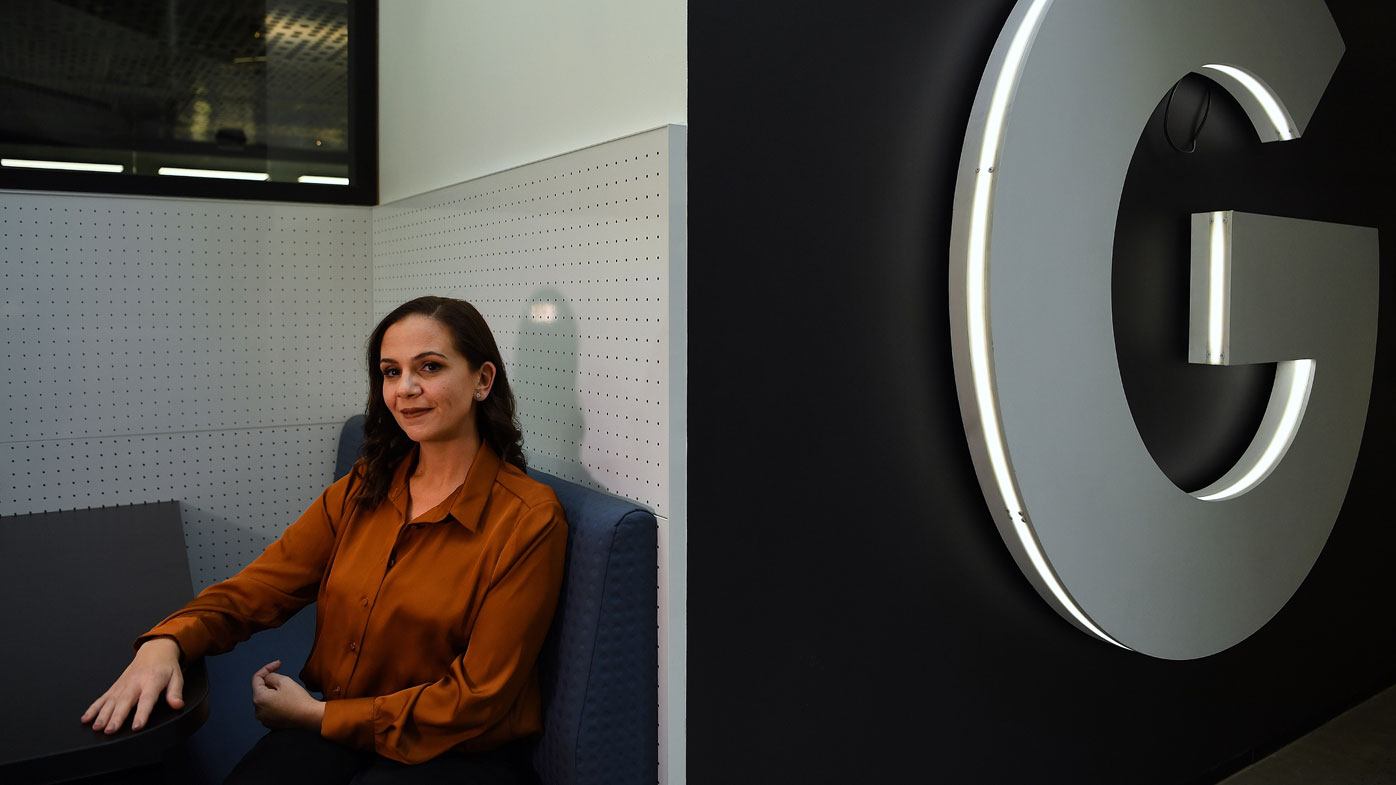
One of the largest companies in the world, Google has an estimated value of more than US$1 trillion – or roughly two thirds of Australia's annual GDP of US$1.5 trillion.
Microsoft has publicly agreed to back the Commonwealth's media bargaining code, suggesting its search engine Bing could fill the gap if Google follows through on its threat to leave the Australian market.
Mr Morrison today publicly supported Microsoft President Satya Nadella's comments advocating tech giants financially support the media sector and public interest journalism.
Google currently controls more than 94 per cent of the market share for search engines in Australia.
Australia secures additional 10 million Pfizer vaccine doses
Prime Minister Scott Morrison says Australia has secured an additional 10 million doses of the Pfizer coronavirus vaccine.
The extra doses bring the country's vaccine number to 150 million.
Mr Morrison hinted that the additional doses will be used to help inoculate residents of nearby Pacific Islands.
READ MORE: AstraZeneca vaccine appears to reduce COVID-19 transmission
"We are still on track to commence later this month," Mr Morrison said.
"That puts us in a very good position, particularly with our sovereign vaccine production capability, ahead of many countries, like New Zealand, which won't commence until April."
Australia's 150 million vaccine doses include 20 million of the Pfizer vaccine, more than 53.8 million doses of the Oxford-AstraZeneca vaccine, 51 million of the Novavax vaccine and 25.5 million units under the COVAX International Facility agreement.
Health Minister Greg Hunt has confirmed the vaccine will be offered for free to all people living on Australian soil, regardless of their immigration status.
"The Government has determined that we will offer vaccines to all people living in Australia to achieve the maximum level of coverage," Mr Hunt said.
READ MORE: New study proves delaying second coronavirus vaccine dose effective

"That means the Government will provide COVID-19 vaccinations free to all visa holders in Australia. And this will include refugees, asylum seekers, temporary protection visa holders, and those on bridging visas.
"People currently residing in detention facilities will also be eligible, including those whose visas have been cancelled."
Secretary of the Federal Health Department, Professor Brendan Murphy, said Australians generally won't be able to choose which COVID vaccine they receive when they go to be inoculated.
READ MORE: Australia's COVID-19 vaccine rollout expanded to include pharmacies
"The initial roll out of vaccines will be from Pfizer, while the main rollout through GPs, pharmacies and other clinics will be the AstraZeneca vaccine," Professor Murphy said.
"In the main, there won't be a choice, and I think both vaccines are extremely good, and I would be very happy to have either of them."
Federation readies national COVID-19 vaccine deployment, implementation plan

BASSETERRE, St. Kitts — With 21,600 COVID-19 vaccines expected to arrive in the next month or two, St. Kitts and Nevis is gearing up to roll out its National Vaccine Deployment and Implementation Plan.
The vaccines developed by AstraZeneca and Oxford University will be available through the COVID-19 Global Access (COVAX) Facility.
“The demand for a jab far exceeds the expected supply,” said Chief Medical Officer Dr. Hazel Laws. “Health authorities will rely on the established plan to notify who will receive a vaccine in this initial phase.”
“Recommendations from the World Health Organization (WHO) will also be considered as the various groups and individuals are identified,” explained Dr. Cameron Wilkinson, Medical Chief of Staff of the Joseph N. France General Hospital.
“The recommendation is that persons at risk be vaccinated first,” said Dr. Wilkinson. “Frontline healthcare workers are the ones who are usually first, and then vulnerable, persons who are in nursing homes who may succumb from the disease.”

Dr. Laws noted that vulnerable persons include individuals suffering from multiple morbidities and other chronic conditions such as diabetes and hypertension. Persons with compromised immune systems are also a priority.
Dr. Laws indicated that vaccinations would likely not be mandatory. However, public education campaigns and other interventions will be employed to ensure that the public has all of the relevant information to make an informed decision about receiving a vaccine.
The post Federation readies national COVID-19 vaccine deployment, implementation plan appeared first on The St Kitts Nevis Observer.
H.E. Ambassador Osborne, RIDU fulfils multiple initiatives with regional integration, diaspora
BASSETERRE, St. Kitts — Multiple purposes are served by the St. Kitts and Nevis’ Regional Integration and Diaspora Unit (RIDU), which was designed to lead the implementation of a range of initiatives connected with the regional integration movement and the diaspora, according to His Excellency Lionel Sydney Osborne, Head of the RIDU, Ambassador to the Caribbean Community (CARICOM), and Organization of Caribbean States (OECS) Commissioner.
RIDU is a unit within the Office of the Prime Minister that bears the responsibility for leading the country’s thrust for deeper integration in the OECS, CARICOM and the Diaspora.
“We are acting in a way similar to a post office, so information from the CARICOM Secretariat and the OECS Commission passes through the ambassador or the commissioner,” explains HE Ambassador Osborne. “One of the things we are required to do is to make sure the information gets to relevant ministries.”
Additionally, Ambassador Osborne said that the unit also “coordinates and manages a reporting system that covers all regional meetings,” as well as “act as a source of information and dissemination.”
He noted that one of RIDU’s goals is to engage in a public awareness campaign so that persons can fully understand and appreciate the work of the unit.
“I think we want to have a programme on the unit because it is not just regional in terms of the regional diaspora, but we also cover globally,” said H.E. Osborne. “Something like that is important so that one can understand how the RIDU is supposed to function.”
RIDU was established to prepare nationals and residents to embrace opportunities and challenges. These are inherent in the integration process with changing circumstances taking place in the Eastern Caribbean’s Small Island States.
Critical issues of focus include: the free movement of people through the OECS and CARICOM; free circulation of goods and services; and closer political integration. RIDU also serves as a vehicle to facilitate closer ties with the Kittitian and Nevisian Diaspora.
The post H.E. Ambassador Osborne, RIDU fulfils multiple initiatives with regional integration, diaspora appeared first on The St Kitts Nevis Observer.
Medical expert describes using dogs to track respiratory illnesses, not COVID-19
BASSETERRE, St. Kitts — Dogs can be useful in tracking people with respiratory illnesses but that they cannot locate someone who is positive with the COVID-19 virus, according to Medical Chief of Staff at the Joseph Nathaniel France (JNF) General Hospital, Dr. Cameron Wilkinson.
“When someone has a respiratory infection, they produce secretions, and animals can be trained to sniff them out,” said Dr. Wilkinson. “There was a study done during which eight dogs sniffed persons who were positive for COVID and had respiratory illnesses to see whether they were able to identify these secretions.
Continue reading Medical expert describes using dogs to track respiratory illnesses, not COVID-19
Rain on the way across nation including WA firegrounds
A wet weekend could be on the way for large parts of the country, with Australia surrounded with lows sitting to the north, south east and west of the country
The combined influence of these four low pressure systems is likely to cause rain in part of every state and territory during the second half of this week and early next week.
There is a severe weather warning in place for parts of Western Australia, located approximately 140km northeast of Carnarvon.
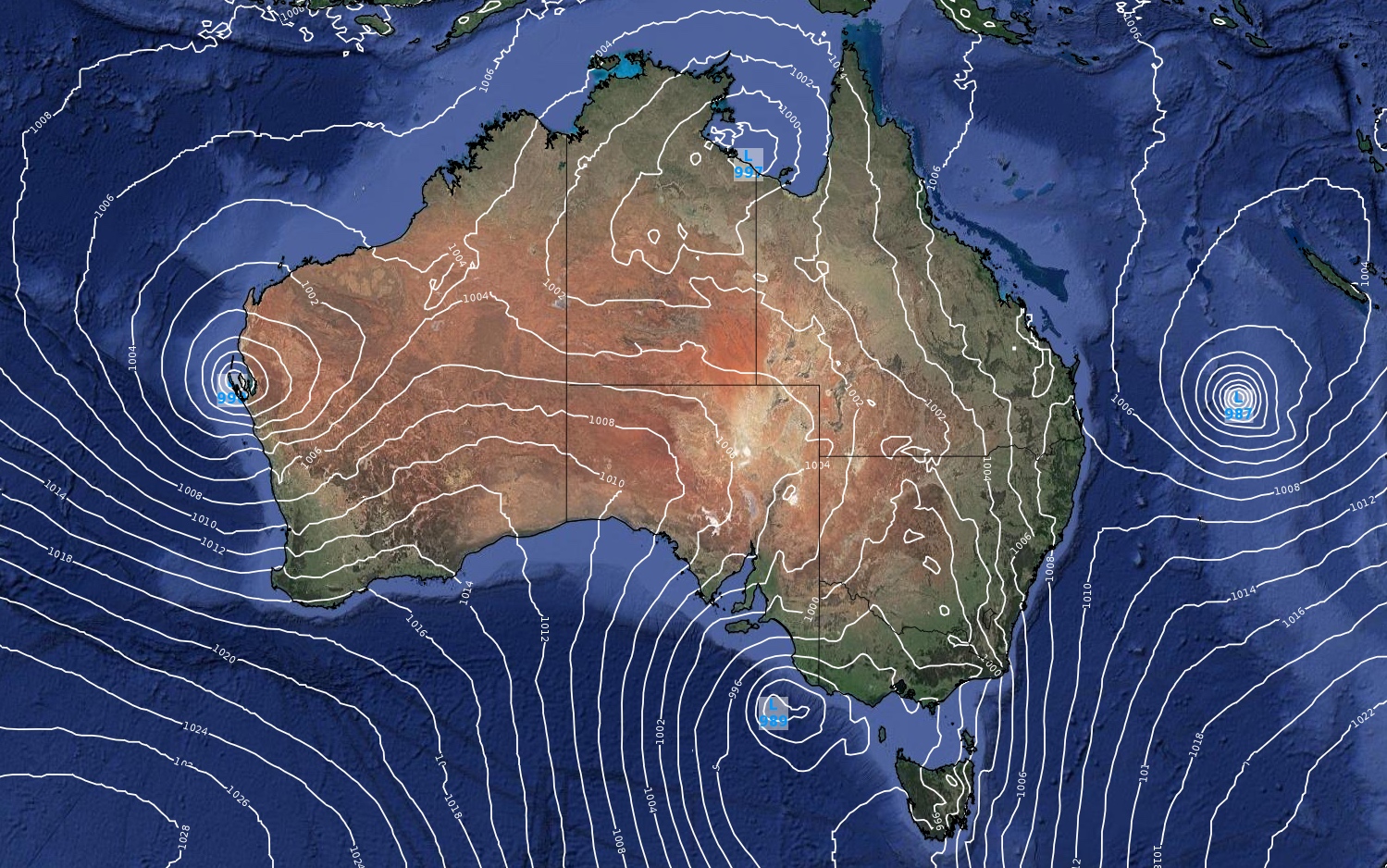
The low is expected to remain over land moving very slowly towards the Gascoyne coast before moving offshore later today.
It is not forecast to develop into a tropical cyclone, however hazardous weather is still likely with warnings for damaging winds and rain about the Gascoyne area. Falls between 50 to 100mm and isolated falls up to 200mm are possible over the western Gascoyne today.
As the system is slow moving, there could be significant accumulated rainfall totals over two to three days. The low may also cause winds averaging 50 to 60 km/h with peak gusts to 90 km/h over coastal areas between Ningaloo and Carnarvon.
This system could deliver much needed rain over the firegrounds outside of Perth this weekend with heavy downpours expected in the southwestern districts of the state.
READ MORE: Residents under threat from huge blaze burning in Perth's north-east
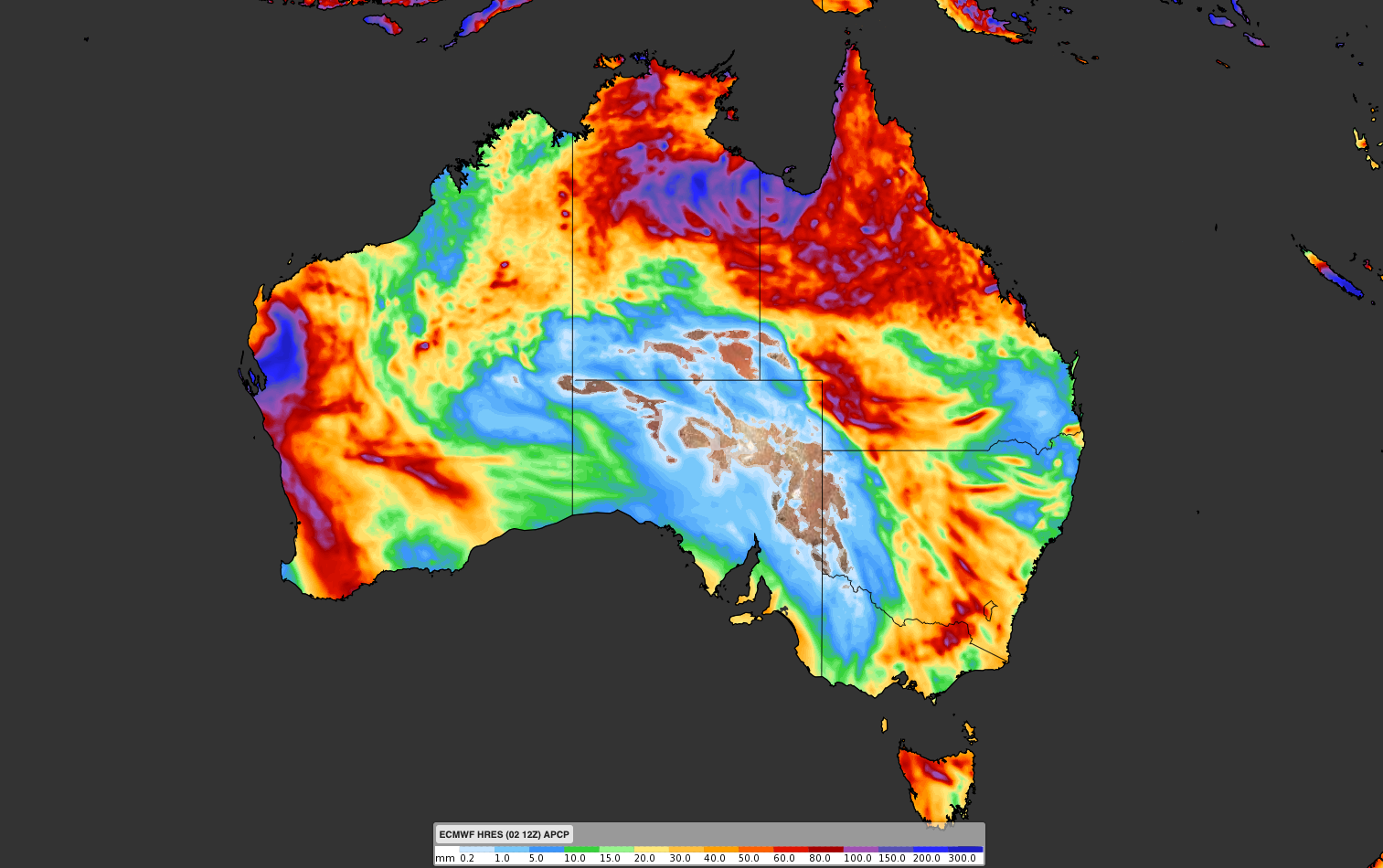
The low in the east is the remnants of Tropical Cyclone Lucas, is expected to remain offshore however will likely contribute to rain in NSW and Queensland on the weekend.
Widespread rain and thunderstorms are likely to develop over the NT and Queensland as this low spins up, with more destructive conditions possible if it becomes a cyclone and approaches land.
READ MORE: Intense snow storm causes 130 car pile-up on Japanese highway
The low in the south will drive a cold front and low pressure trough to barrel across southeastern Australia between today and Sunday.
The system will also cause widespread rain, blustery winds and potentially severe thunderstorms in parts of South Australia, Tasmania, Victoria, the ACT, NSW and Queensland.
Here's your state-by-state weather forecast for Thursday, February 4 2021:
New South Wales and ACT
Mostly sunny, cool-to-mild in the northeast. Mostly cloudy, warm in the southeast. Mostly cloudy, very warm in the southwest. Late thunder, very warm in northwest.
Sydney will be mostly sunny with a slight chance of a shower or thunderstorm in the west. Light winds will strengthen slightly near the coast in the afternoon and temperatures will range between 19C and 29C in the city.
A strong wind warning is in place for the Illawarra Coast, Batemans Coast and Eden Coast.
Victoria
Mostly cloudy, warm in the southwest. Late shower, warm in the southeast. Mostly cloudy, very warm-to-hot in the north.
Melbourne will becoming cloudy with a minimum of 14C and top of 30C.
Queensland
Isolated showers, mild-to-warm in the east. Showers/storms, very warm in the northwest. Late shower/storm, very warm in the southwest.
Brisbane will be partly cloudy with a slight chance of showers near the coast in the morning. Daytime temperatures will range between 21C and 29C.
Western Australia
Sunny, mild-to-warm in the southwest. Windy, cool-to-cold in the south. Showers, warm in the northwest. Late shower, very warm in the northeast.
Perth will be sunny with warnings for smoke over northern suburbs. A minimum of 14C and maximum of 28C is forecast today.
https://twitter.com/BOM_WA/status/1357068686734069761
The low is generating strong winds around the state today with a gale warning in place for the Gascoyne Coast and a strong wind warning for Perth, Ningaloo Coast, Geraldton Coast, Lancelin Coast, Perth Coast, Bunbury Geographe Coast, Leeuwin Coast and Eucla Coast.
South Australia
Late shower, very warm in the southeast. Rain, warm in central. Wind and rain increasing, cool-to-mild in the west. Late shower, mild-to-warm in the north.
Adelaide will be cloud with a very high chance of showers, most likely from late this morning, with heavy falls possible about the hills. Temperatures will range between a minimum of 20C and top of 27C.
Tasmania
Late shower, very warm in the southwest. Showers increasing, very warm in the southeast. Mostly cloudy, mild-to-warm in the northwest. Showers easing, mild in the northeast.
Hobart is in for a cloudy day with a high chance of showers during the morning and afternoon and temperatures between 21C to 26C.
Northern Territory
Showers/storms, warm in the north. Mostly sunny, very warm-to-hot over the interior and south.
Darwin will be partly cloudy with a high chance of showers, most likely in the late morning and afternoon. The chance of a thunderstorm later and temperatures between 25C and 31C.
– Reported with Weatherzone.
Federation maintains 14-day quarantine period for incoming vaccinated individuals
BASSETERRE, St. Kitts — Health authorities in St. Kitts and Nevis have reiterated that all persons travelling to the Federation, including individuals who have received the full doses of COVID-19 vaccines, must quarantine for 14 days before being allowed to integrate freely into the society.
The decision, like all measures taken by the National COVID-19 Task Force, is based on the science said Dr. Cameron Wilkinson, Medical Chief of Staff of the Joseph N. France General Hospital, and Dr. Hazel Laws, Chief Medical Officer.
“We know that the vaccine can help to prevent severe disease and death, but one can still get infected if they have the vaccine and somebody who is vaccinated may be able to transmit the virus to someone who is still vulnerable,” said Dr. Wilkinson.
Dr. Laws said that while millions of persons around the world have received a jab with one of several approved vaccines, there are still many unknowns.
“Data are being collected live,” said Dr. Laws. “I hope in another month or two, we will have the answers to those questions,” referring to any changes that may be made to the length of quarantine for vaccinated persons.
The quarantine measures instituted in March 2020 have been effective in flattening the curve of the novel coronavirus. To date, St. Kitts and Nevis has recorded 39 confirmed cases with no deaths and no serious hospitalizations. There has been no community spread or cluster infections.
The post Federation maintains 14-day quarantine period for incoming vaccinated individuals appeared first on The St Kitts Nevis Observer.