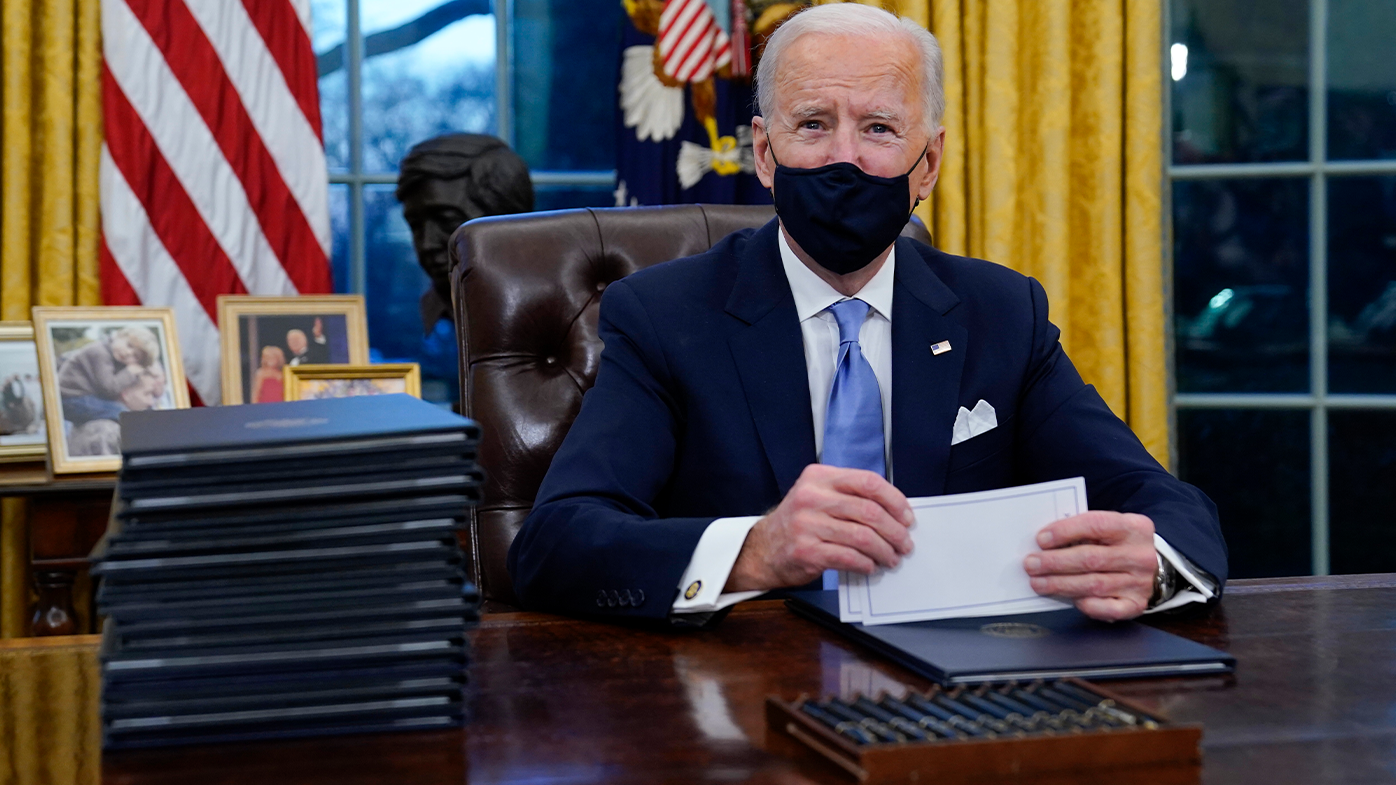
Deep in the deadliest coronavirus wave and facing worrisome new mutations, President Joe Biden will kick off his national COVID-19 strategy to ramp up vaccinations and testing, reopen schools and businesses and increase the use of masks — including a requirement that Americans mask up for travel.
Biden also will address inequities in hard-hit minority communities as he signs 10 pandemic-related executive orders on Thursday. Those orders are a first step, and specific details of many administration actions are still being spelled out.
The new president has vowed to take far more aggressive measures to contain the virus than his predecessor, starting with stringent adherence to public health guidance.
READ MORE: World hopes for renewed cooperation with US under Biden
He faces steep obstacles, with the virus actively spreading in most states, slow progress on the vaccine roll-out and political uncertainty over whether congressional Republicans will help him pass a US$1.9 trillion ($2.45t) economic relief and COVID response package.
"We need to ask average Americans to do their part," said Jeff Zients, the White House official directing the national response. "Defeating the virus requires a coordinated nationwide effort."
Biden officials say they're hampered by lack of cooperation from the Trump administration during the transition. They say they don't have a complete understanding of their predecessors' actions on vaccine distribution. And they face a litany of complaints from states that say they are not getting enough vaccine even as they are being asked to vaccinate more categories of people.
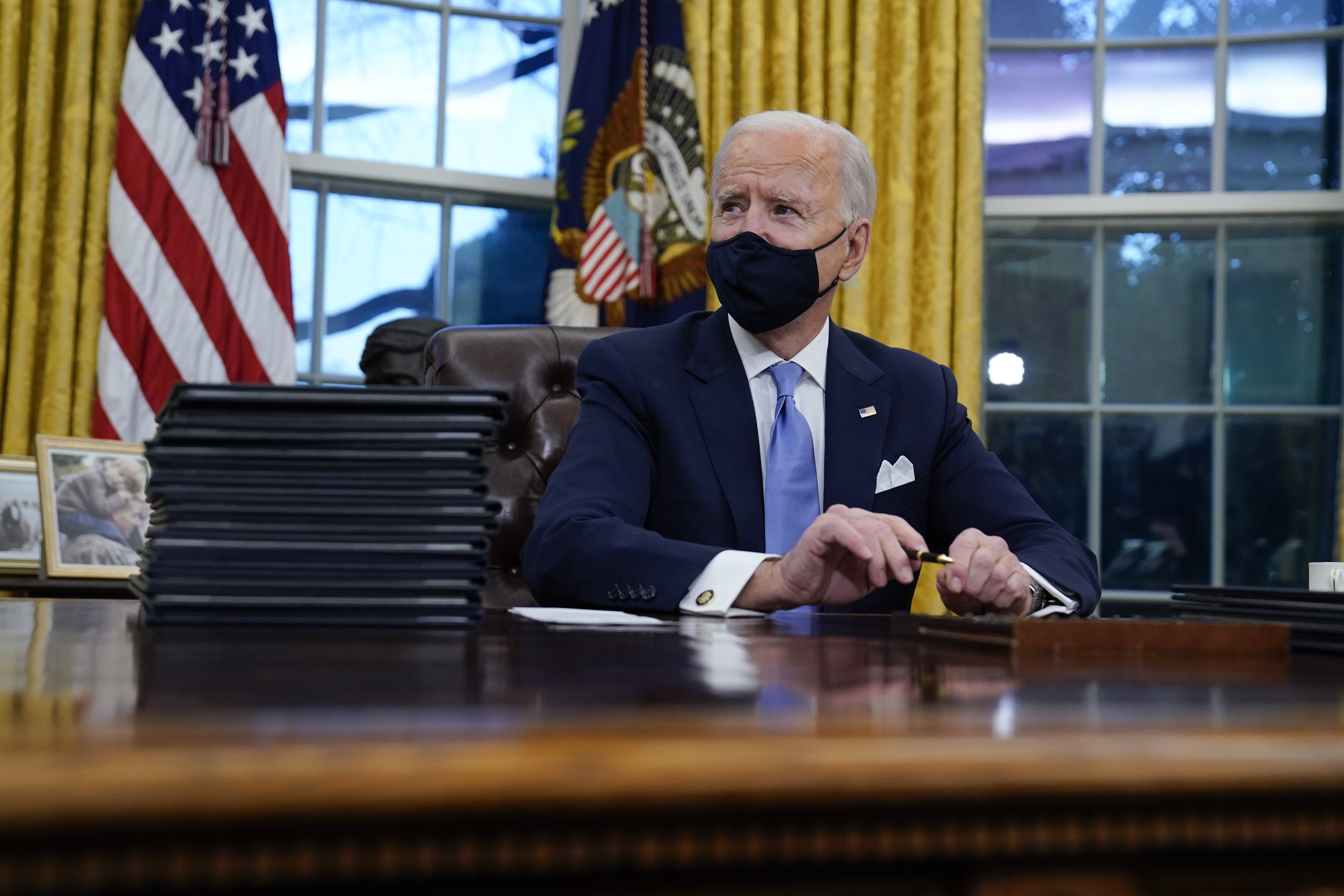
Biden acknowledged the urgency of the mission in his inaugural address.
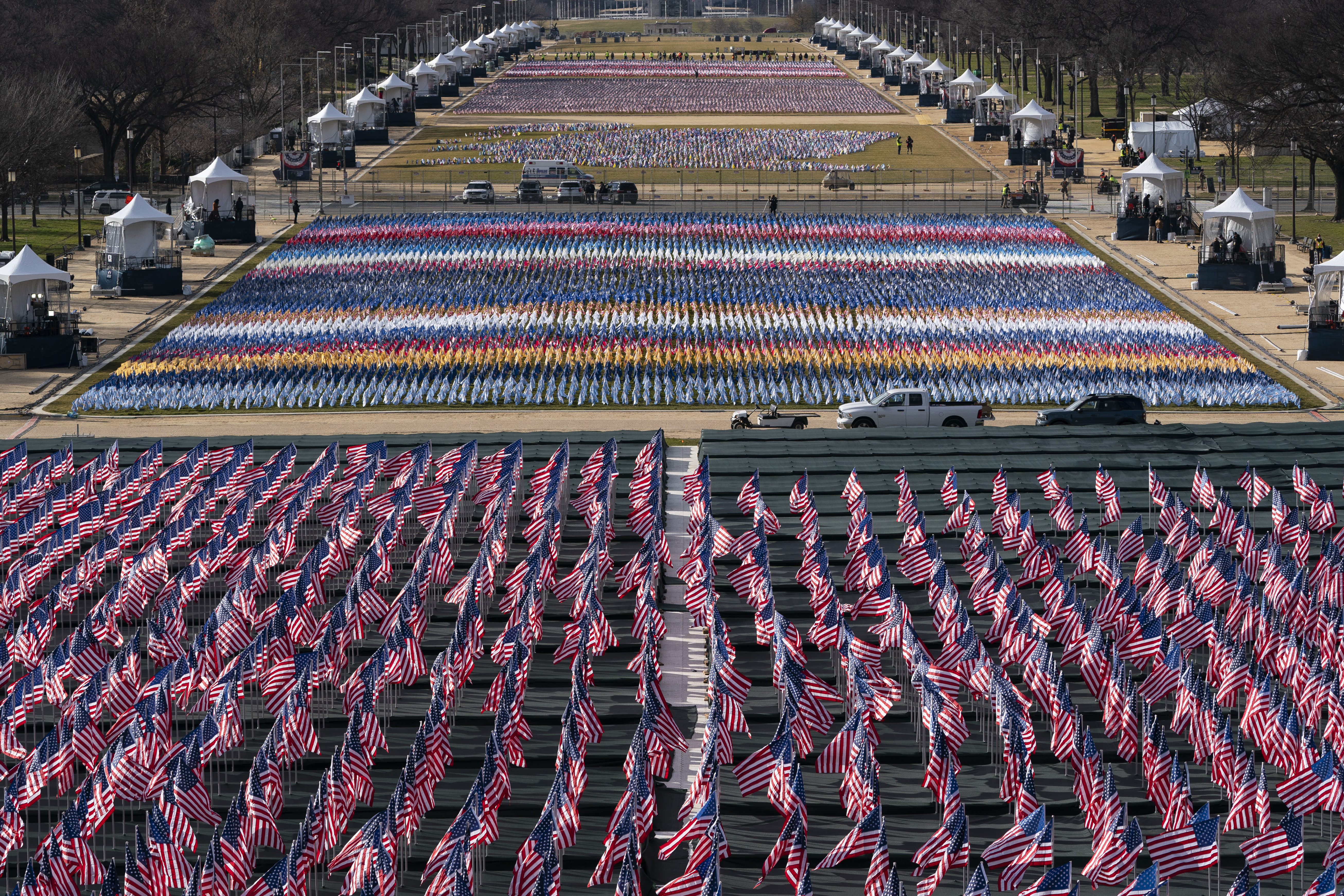
"We are entering what may well be the toughest and deadliest period of the virus," he said before asking Americans to join him in a moment of silence in memory of the more than 400,000 people in the US who have died from COVID-19.
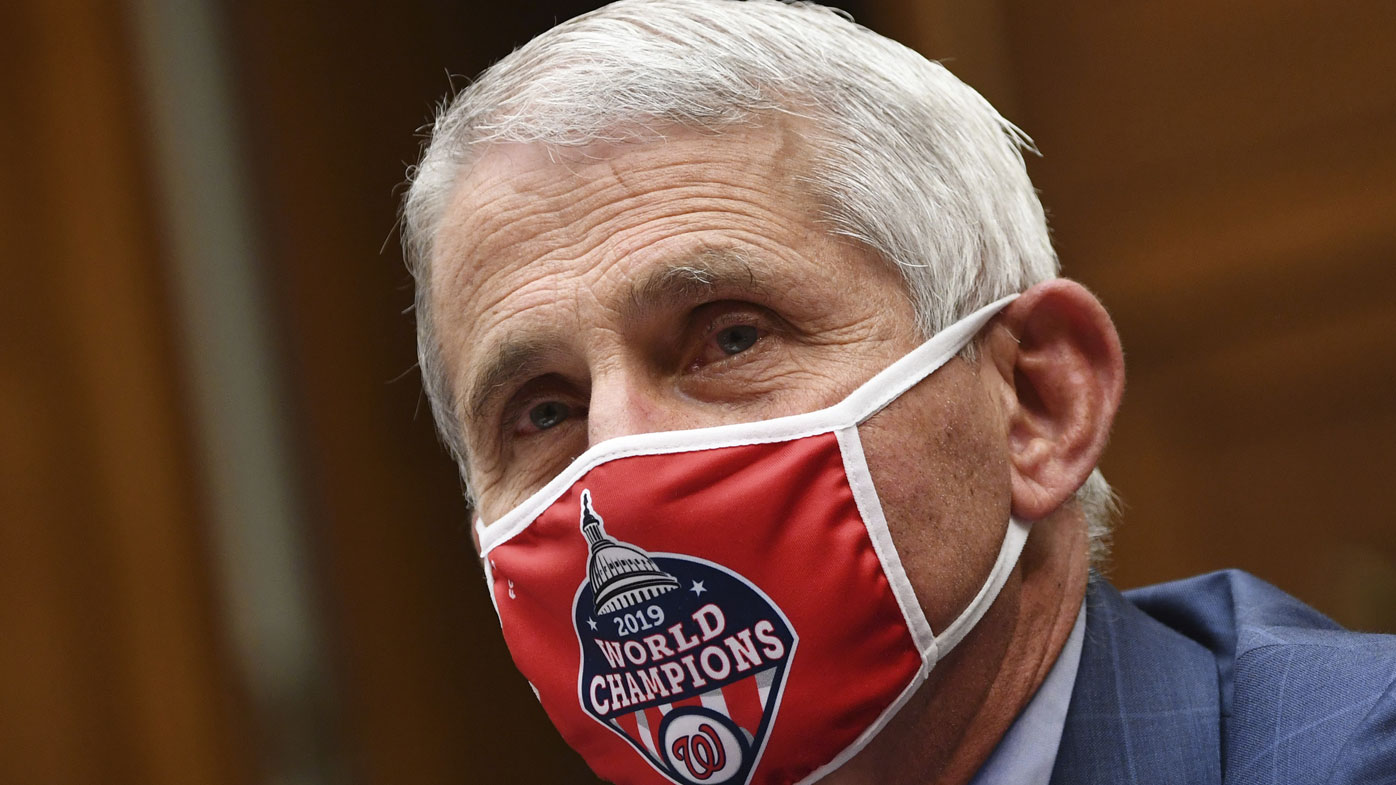
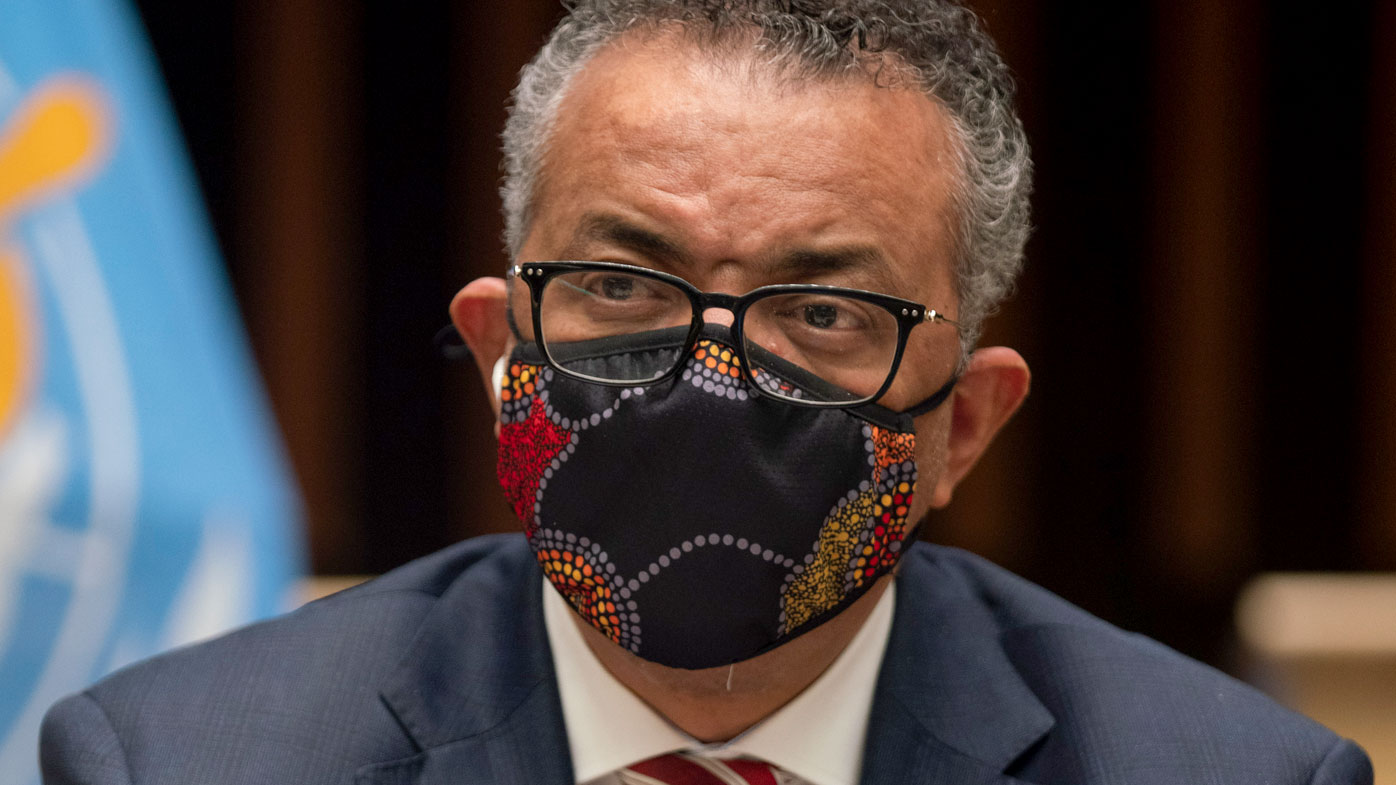
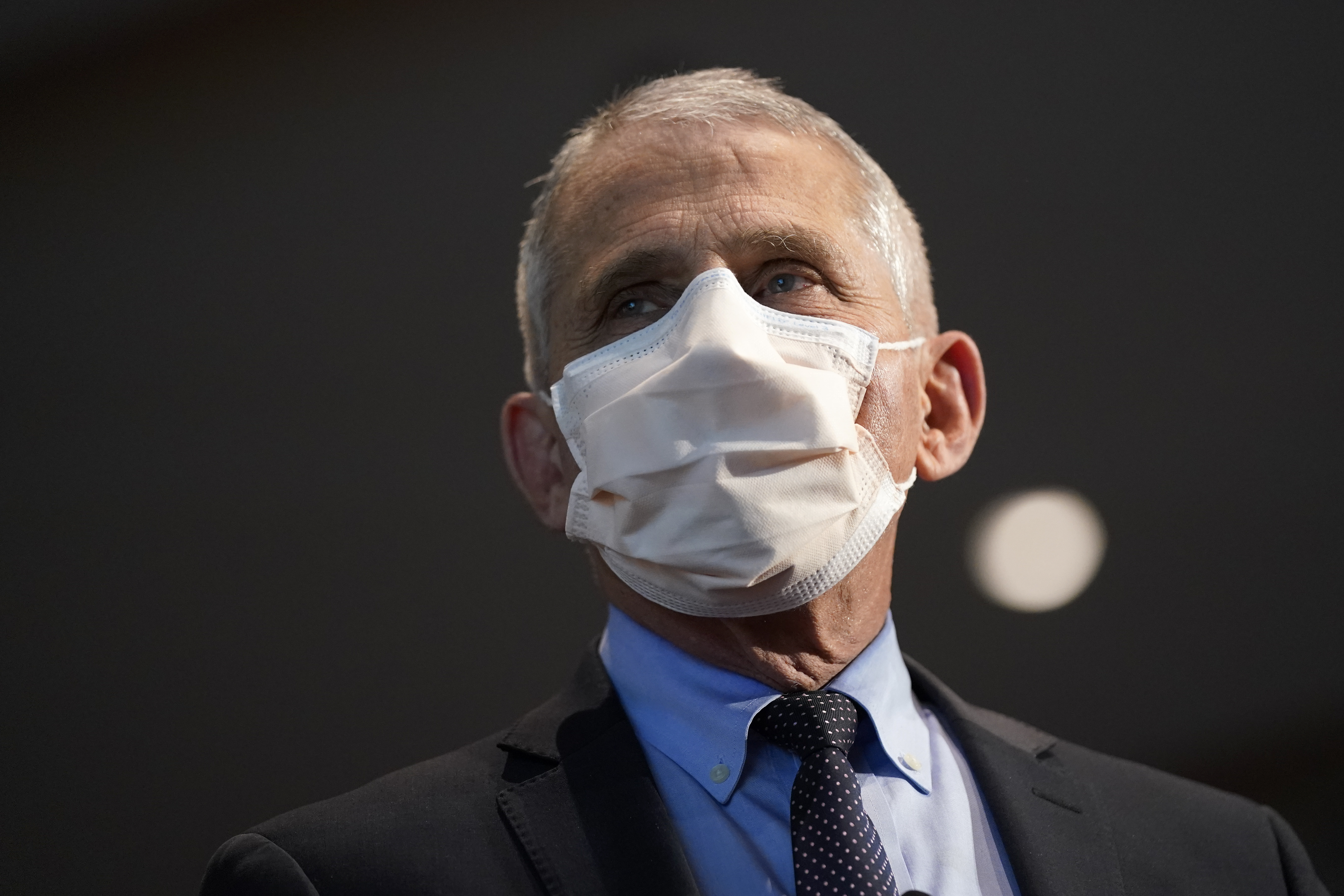
Biden's top medical adviser on COVID-19, Dr. Anthony Fauci, also announced renewed US support for the World Health Organisation after the Trump administration had pulled out of the global body.
Fauci said early on Thursday that the US will join the UN health agency's efforts to bring vaccines, therapeutics and diagnostics to people in need, whether in rich or poor countries and will resume full funding and staffing support for WHO.
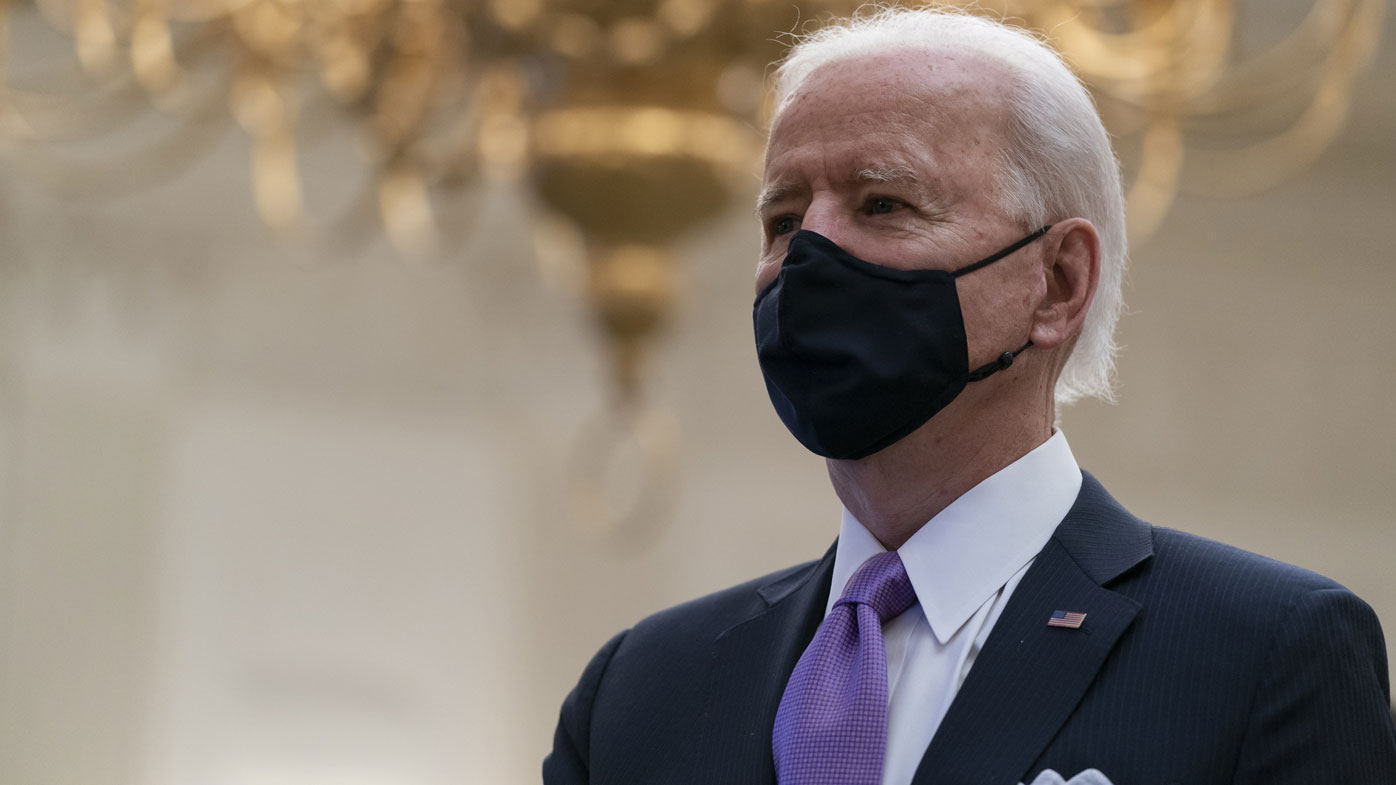
The US mask order for travel being implemented by Biden will apply to airports and planes, ships, intercity buses, trains and public transportation. Travellers from abroad must furnish a negative COVID-19 test before departing for the US and quarantine upon arrival. Biden has already mandated masks on federal property.
Although airlines, Amtrak and other transport providers now require masks, Biden's order makes it a federal mandate, leaving little wiggle room for passengers tempted to argue about their rights.
It marks a sharp break with the culture of President Donald Trump's administration, under which masks were optional, and Trump made a point of going maskless and hosting big gatherings of like-minded supporters. Science has shown that masks, properly worn, cut down on coronavirus transmission.
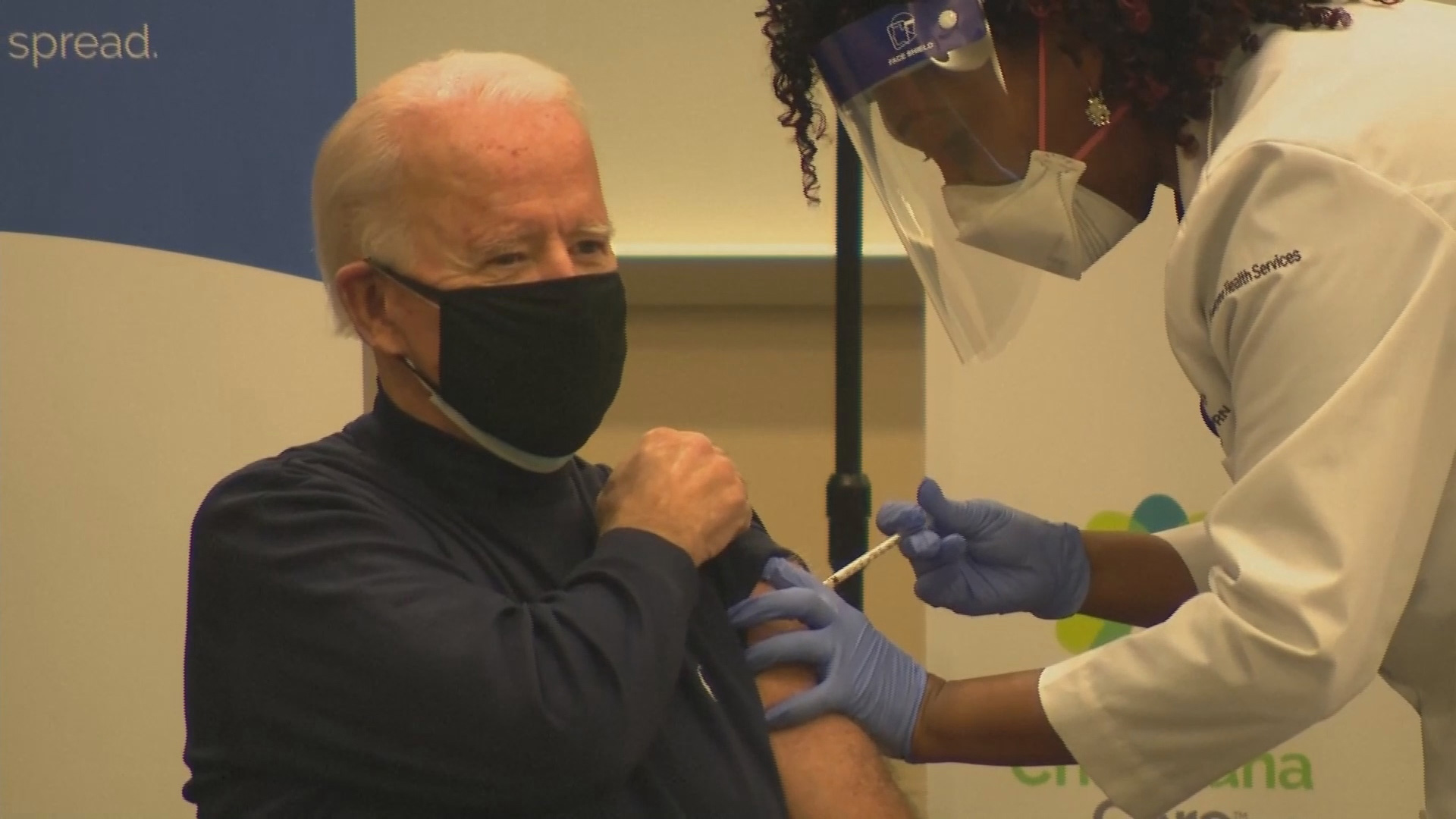
Biden also is seeking to expand testing and vaccine availability, with the goal of 100 million shots in his first 100 days in office. Zients called Biden's goal "ambitious and achievable."
The Democratic president has directed the Federal Emergency Management Agency to begin setting up vaccination centres, aiming to have 100 up and running in a month. He's ordering the Centres for Disease Control and Prevention to begin a program to make vaccines available through local pharmacies starting next month. And he's mobilising the Public Health Service to deploy to assist localities in vaccinations.
There's also support for states. Biden is ordering FEMA to reimburse states for the full cost of using their National Guards to set up vaccination centres. That includes the use of supplies and protective gear as well as personnel.
But some independent experts say the administration should be setting a higher bar for itself than 100 million shots. During flu season, the US is able to vaccinate about 3 million people a day, said Dr. Christopher Murray of the Institute for Health Metrics and Evaluation in Seattle. "Given the number of people dying from COVID, we could and should do more — like what we're able to do on seasonal flu," he said.
Zients said Biden will not follow through on a Trump administration plan to penalise states lagging in vaccination by shifting some of their allocation to more efficient states. "We are not looking to pit one state against another," he said.
Biden has set a goal of having most K-8 schools reopen in his first 100 days, and he's ordering the departments of Education and Health and Human Services to provide clear guidance for reopening schools safely. States would also be able to tap FEMA's Disaster Relief Fund to help them get schools back open.
Getting schools and child care going will help to ease the drag on the US economy, making it easier for parents to return to their jobs and restaurants to find lunch-time customers.
But administration officials stressed that reopening schools safely depends on increased testing.
To ramp up supplies, Biden is giving government agencies a green light to use a Cold War-era law called the Defense Production Act to direct manufacturing.
"We do not have nearly enough testing capacity in this country," Zients said. "We need the money in order to really ramp up testing, which is so important to reopen schools and businesses."
This means that efforts to reopen the economy will hinge on how quickly lawmakers act on the $1.9 trillion ($2.45t) package proposed by Biden, which includes separate planks such as $1,400 ($1800) in direct payments to people, a $15 ($19.36) minimum wage and aid to state and local governments that some Republican legislators see as unnecessary for addressing the medical emergency.
The Biden plan estimates that a national vaccination strategy with expanded testing requires $160 billion ($206b), and he wants another $170 billion ($219b) to aid the reopening of schools and universities. The proposal also calls for major investment in scientific research to track new strains of the virus, amid concern that some mutations may spread more easily and also prove harder to treat.
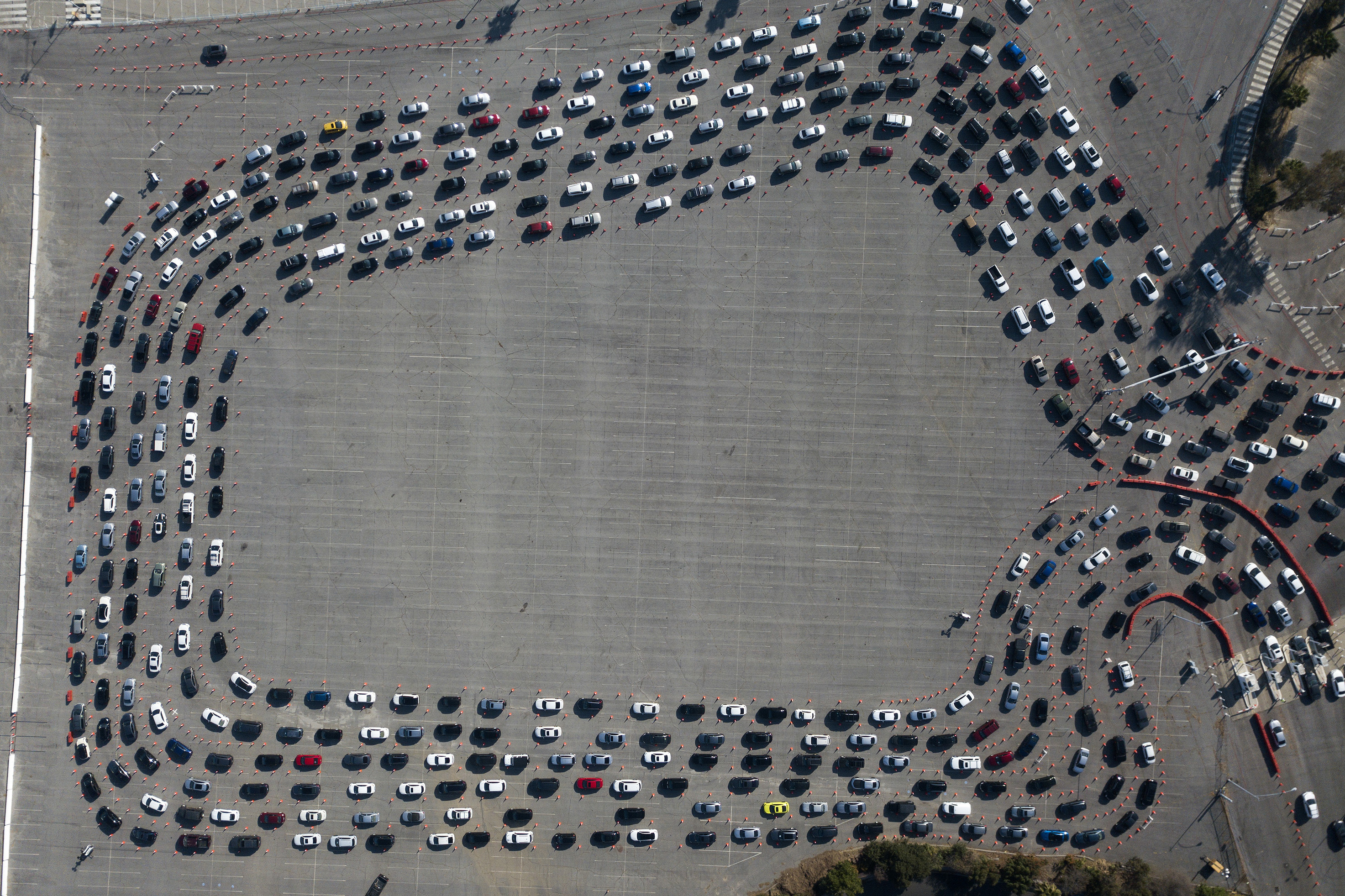
As part of his COVID-19 strategy, Biden will order the establishment of a COVID-19 Health Equity Task Force to ensure that minority and under-served communities are not left out of the government's response. Blacks, Latinos and Native Americans have borne a heavy burden of death and disease from the virus. Surveys have shown vaccine hesitancy is high among African Americans, a problem the administration plans to address through an education campaign.
But Dr. Marcella Nunez-Smith, the top White House health adviser on minority communities, said she's not convinced that race should be a factor in vaccination. Disparities seem to have more to do with risky jobs and other life circumstances.
"It's not inherent to race," she said. "It's from the exposures."