A car that was on fire, blocking State Highway 1 near Wellington, has now been cleared.Emergency services earlier responded to reports of the burning car at Pukerua Bay, heading northbound. Police said the car was blocking both…
Category Archives: headline
A drink-driver fled police on foot in Napier. When police released him, his car had been stolen
A car left parked up for the night after its driver was taken in for drunk-driving and other offences was stolen from the side of the road and hasn’t been seen since, according to a claim made in Napier District Court.On Wednesday…
Colombia locks down while South Africa 'runs out of coffins'
January is beginning as a grim month around the globe as the coronavirus resurges and reshapes itself from Britain to Japan to California.
Mexico City hospitals hold more virus patients than they ever have and Germany reported one of its highest daily death tolls to date on Tuesday.
Even virus success story Thailand is fighting an unexpected wave of infections.
LIVE UPDATES: MCG cricket-goer diagnosed; Western Sydney cluster grows
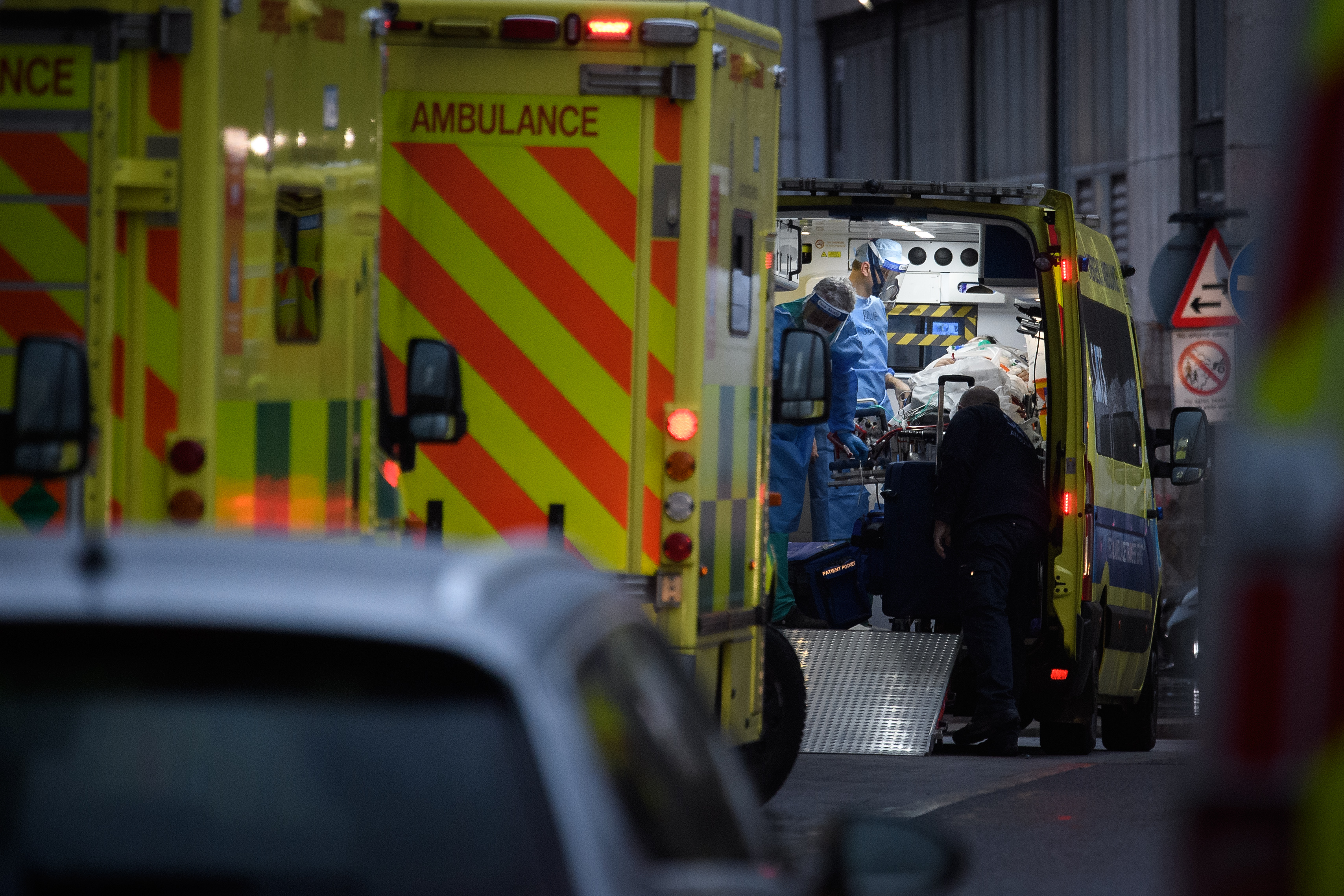
Doctors are facing or bracing for rising numbers of COVID-19 patients after end-of-year holiday gatherings.
More and more countries are reporting cases of a new, more contagious variant of the virus that has already rampaged across Britain.
"We are in a race to prevent infections, bring cases down, protect health systems and save lives while rolling out two highly effective and safe vaccines to high-risk populations. This is not easy. These are the hard miles," World Health Organisation Director-General Tedros Adhanom Ghebreyesus said.
Colombia brings back lockdowns
As the holiday season winds down, Colombia is experiencing a sharp rise in coronavirus infections that has prompted several cities to impose curfews and stay at home measures that had not been implemented for months.
In the capital city of Bogota, the local government locked down three districts that have a population of about 2.5 million people, ordering all businesses except for supermarkets and pharmacies in that part of the city to close.
READ MORE: Grim warning as coronavirus surges around the world
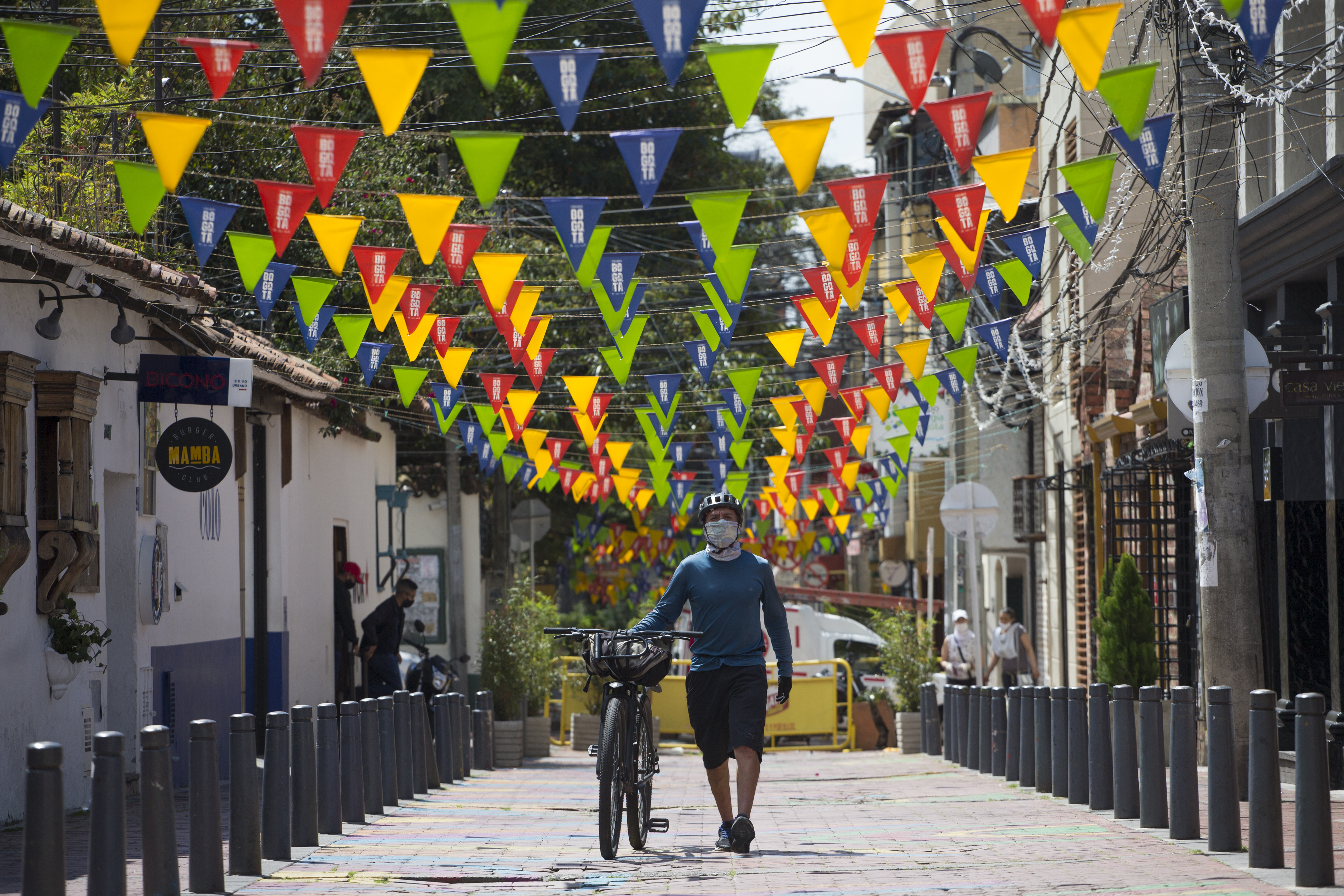
In Medellin, Colombia's second-largest city, authorities announced a curfew that will last from 10pm to 5am every day until next week.
Night-time curfews have also been adopted in the city of Cali and in some towns along Colombia's Caribbean coast where thousands of tourists are still spending their holidays.
Colombia was reporting around 8000 new coronavirus infections per day at the end of November, but transmission appears to have risen in December as people travelled for the holidays, met with their families, and in some cases, held mass gatherings and dance parties, despite a government ban on such activities.
READ MORE: New lockdown underway in England, with one in 50 infected
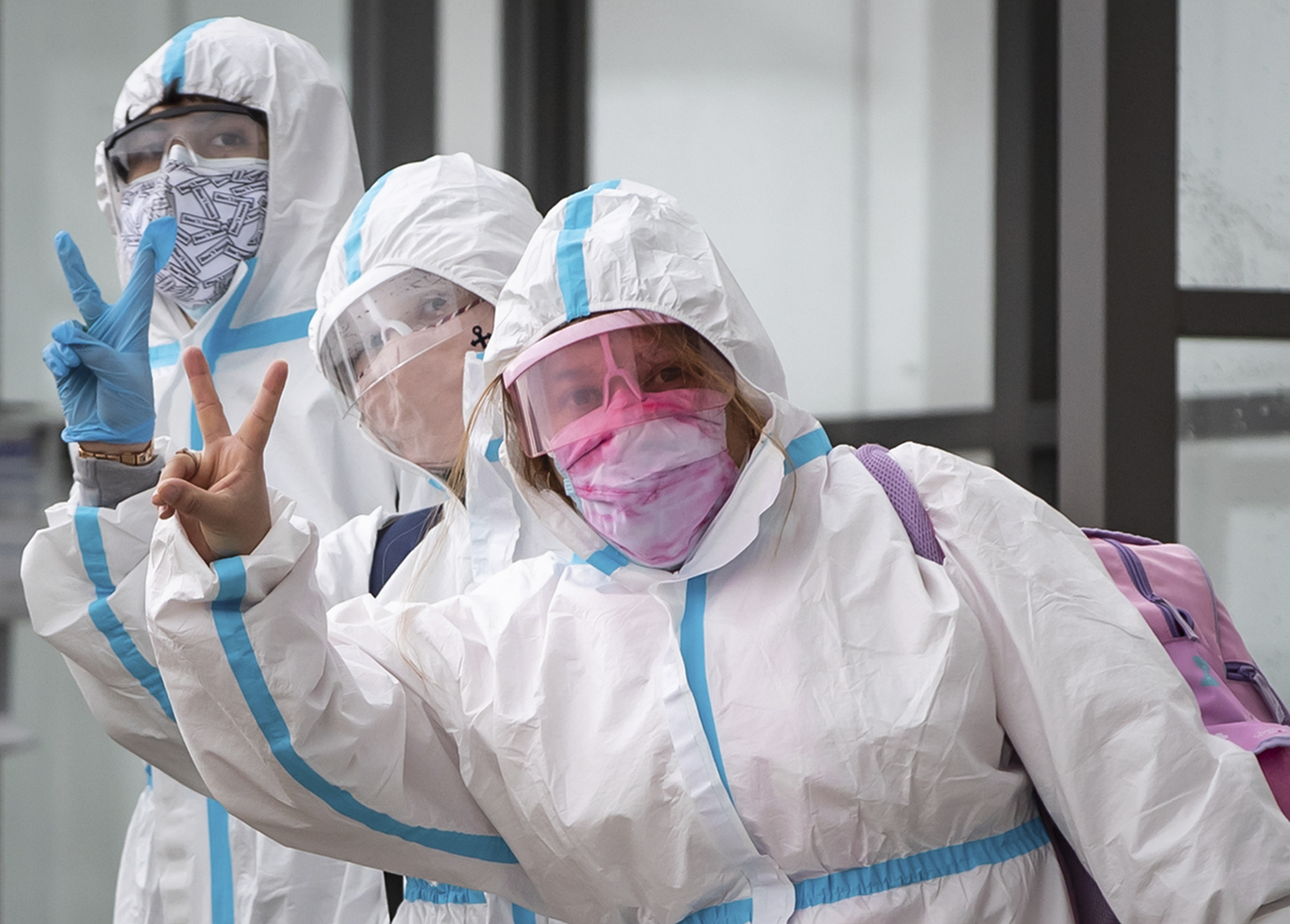
Over the past week, the South American country has been reporting more than 11,000 infections per day, while in some cities ICU wards for coronavirus patients have reached 90 per cent occupancy rates.
In Bogota, 23 hospitals – out of 60 – reported on Monday that their ICU wards were fully occupied.
UK hospitals stagger as new virus variant takes huge toll
Britain is facing a long, bleak winter as cold, wet weather and a more contagious variant of the coronavirus put unprecedented strain on the nation's hospitals and force record numbers of patients to wait 12 hours or more, sometimes on ambulance gurneys, before receiving treatment.
Prime Minister Boris Johnson has ordered a third national lockdown requiring everyone in England to stay at home for at least the next six weeks except for exercise, medical appointments, essential shopping and a few other limited exceptions.

"It's not hyperbole to say that the (National Health Service) is going through probably the toughest time in living memory,″ said Siva Anandaciva, chief analyst of the King's Fund, a UK think tank that focuses on health and social care
Under the latest lockdown, schools and outdoor sports facilities are closed along with bars, restaurants, hair salons, gyms, theatres and most shops.
"The weeks ahead will be the hardest yet, but I really do believe that we are entering the last phase of the struggle," Mr Johnson told the nation Monday night.
"Because with every jab that goes into our arms, we are tilting the odds against COVID-19 and in favour of the British people."
Brazil's death toll soars
Brazil's number of patients in intensive care reached its highest level since August, just as the nation reopened shops and offices after the end-of-year holidays — and the vast country still hasn't approved or received any vaccines.
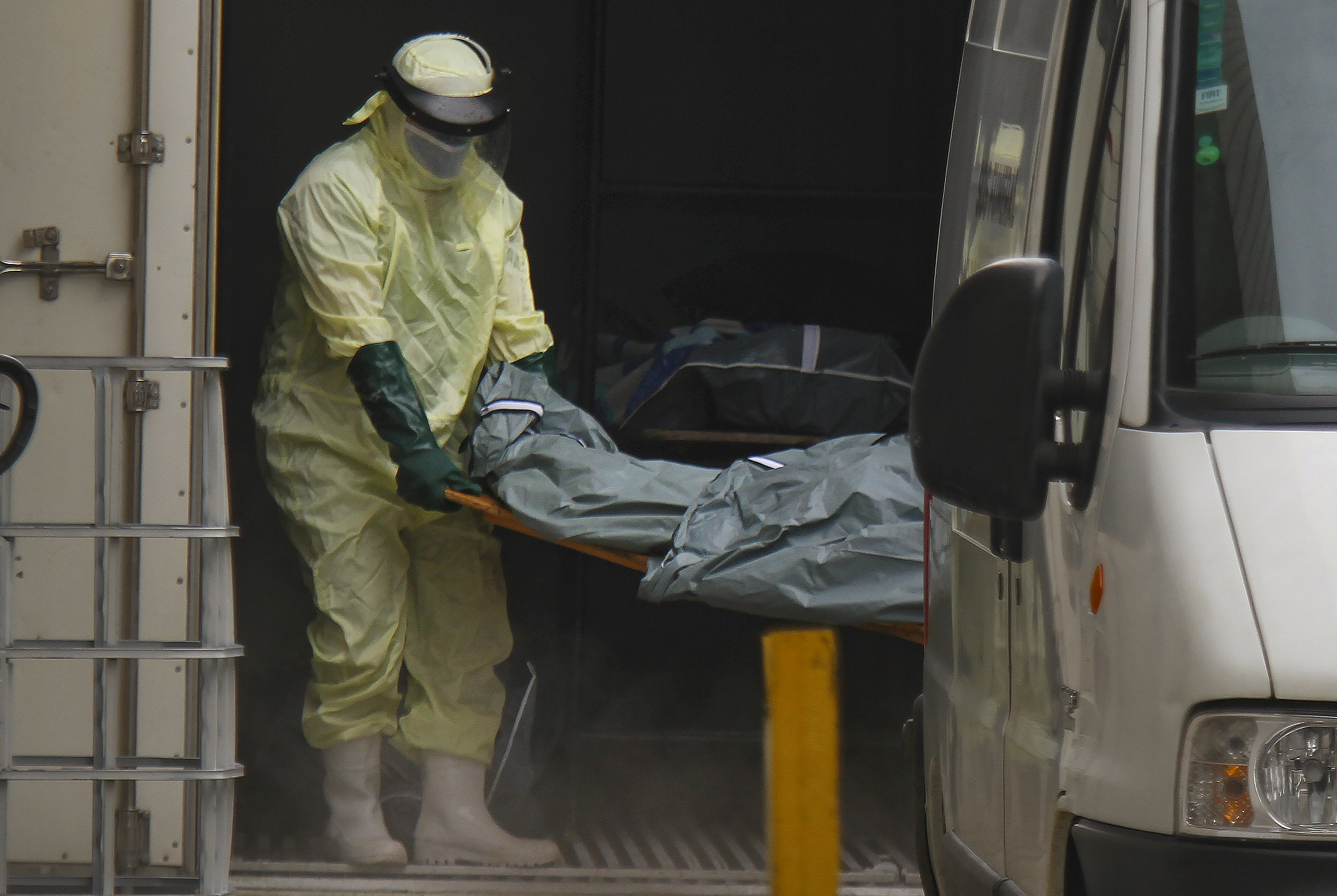
Some Brazilian hospitals reinstalled refrigerated containers outside to hold the corpses of COVID-19 victims.
South Africa 'runs out of coffins'
Zimbabwe reintroduced a curfew, banned public gatherings and indefinitely suspended the opening of schools.
In South Africa, which is seeing yet another fast-spreading variant of the virus and is the continent's hardest-hit nation, authorities re-imposed a curfew, banned liquor sales and closed most beaches.
South Africa's undertakers are struggling to cope with the rise in deaths, National Funeral Practitioners Association of SA President Muzi Hlengwa told state broadcaster SABC.
"It is something that you have never seen before. … We have run out of coffins, we have run out of space at the mortuary," he said.
"We normally have cremations during the day, but now we have cremations even at night."
Thailand facing second wave
Thailand is facing a surge that has infected thousands in the past few weeks, blamed on complacency and poor planning.
The government is locking down large parts of the country, including the capital, Bangkok, and considering tougher measures.
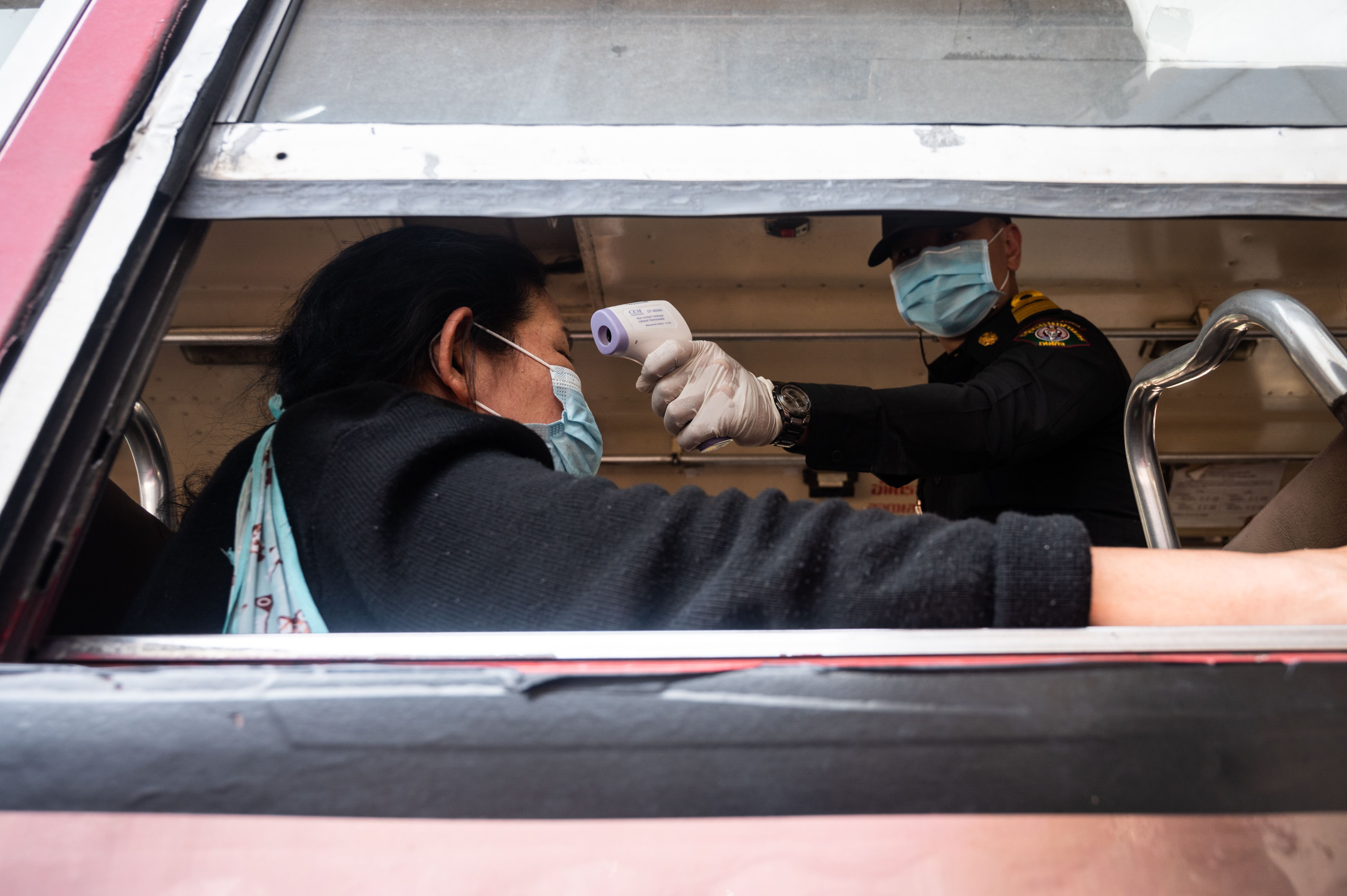
Thailand reported 527 new coronavirus cases, most of them migrant workers who already were isolated, and the government said it was tightening movements of people around the country.
Of the new cases confirmed Tuesday, 439 were migrants, 82 were local transmissions and six were in quarantined travellers, the Centre of COVID-19 Situation Administration said.
The total was a drop from the 745 registered Monday, the all-time high in Thailand, where the first case of the virus outside China was detected last January.
Although it has cancelled public activities and gatherings and shut schools, bars and other places where people gather, the government has not yet taken measures as strict as those that it imposed in March — when it successfully stamped out local transmission.
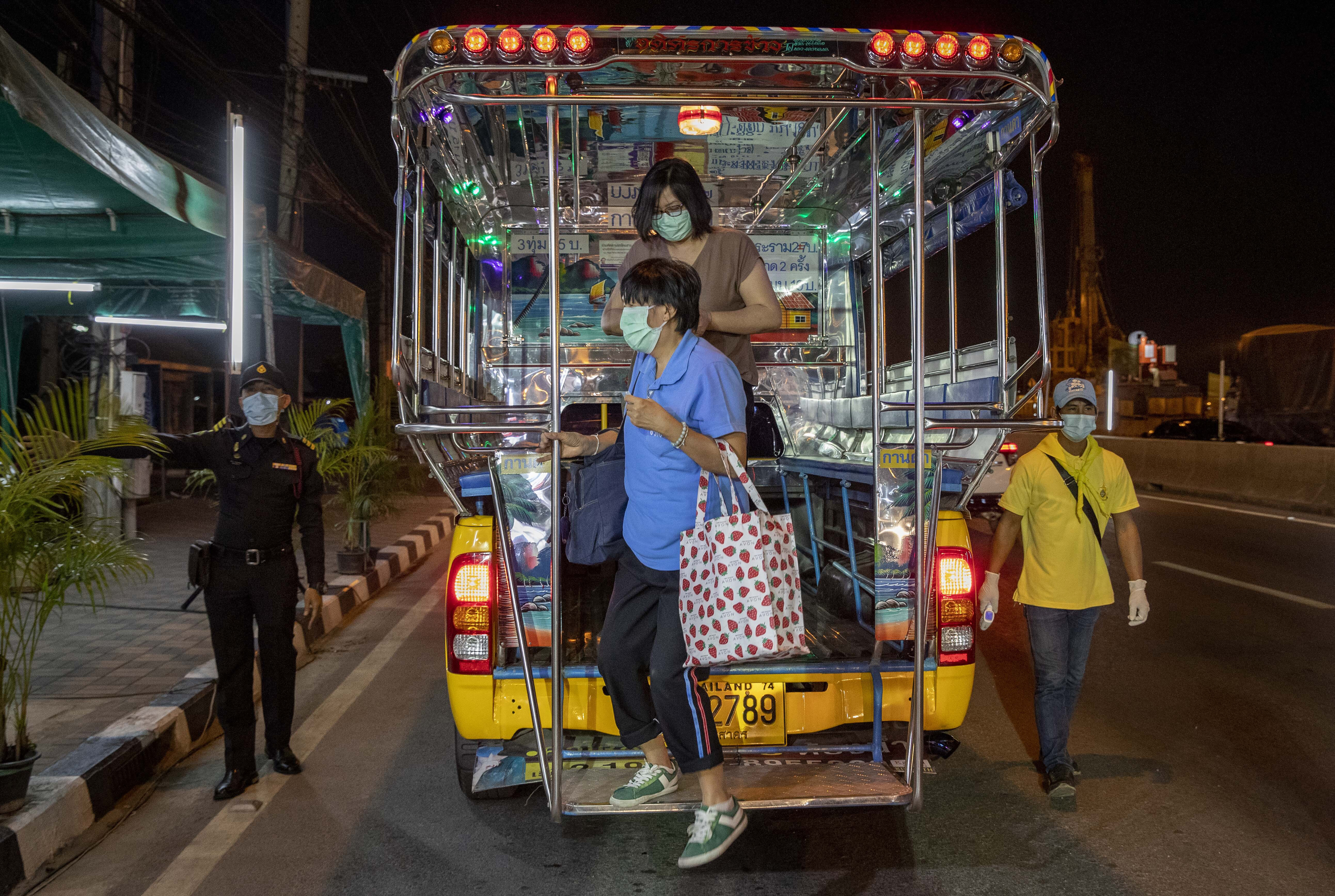
Malls and department stores remain open with social distancing required, and indoor dining at restaurants is allowed until 9pm.
Prime Minister Prayuth Chan-ocha instead implored people to stay home.
"We don't want to lock down the entire country because we know what the problems are, so can you all lock down yourselves?" he said.
"This is up to everyone, if you don't want to get infected just stay home for 14 to 15 days."
Japan to declare state of emergency while India's infections decline
Japan is getting ready to declare a state of emergency this week, beefing up border controls and speeding up vaccine approval after a surge of cases around New Year's Eve.
Yet India offers a glimmer of hope.
Its infection rate is down significantly from a September peak, and the country is kicking off one of the largest inoculation programs in the world, aiming at vaccinating 300 million people by August.
United States lags on vaccinations
In the US, where over 350,000 people have died, some states are struggling to secure enough shots and organise vaccinations.
Distribution hiccups and logistical challenges have slowed the initial coronavirus vaccine rollout in California.
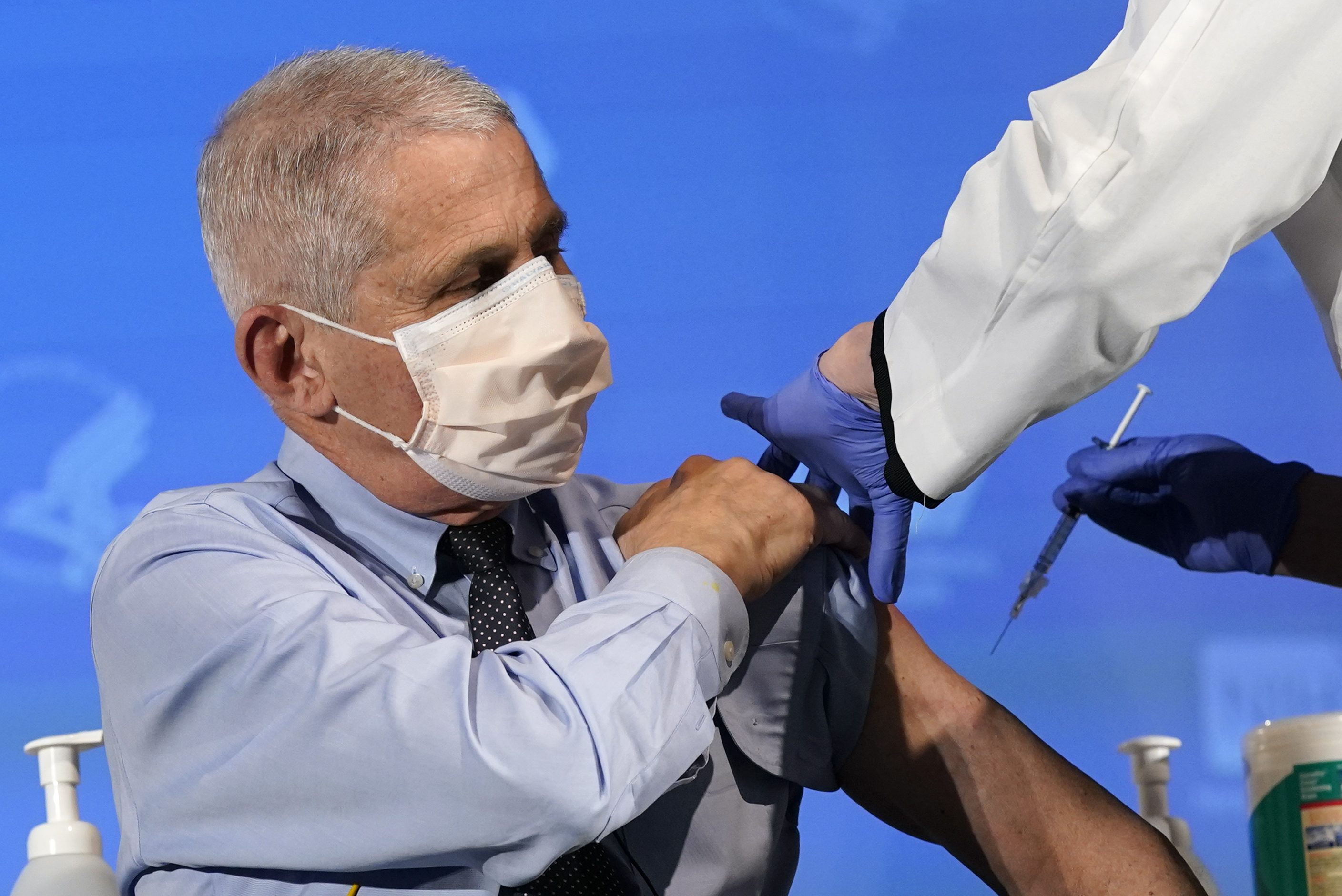
Governor Gavin Newsom said the pace is "not good enough." Only about one per cent of California's 40 million residents have been vaccinated.
About 454,000 doses of the vaccine have been administered — just a quarter of the 1.3 million doses the state has received so far.
The state's death toll on Monday topped 26,500 and confirmed cases neared 2.4 million since the pandemic began.
California's hospitals are swamped with more than 22,000 COVID-19 patients.
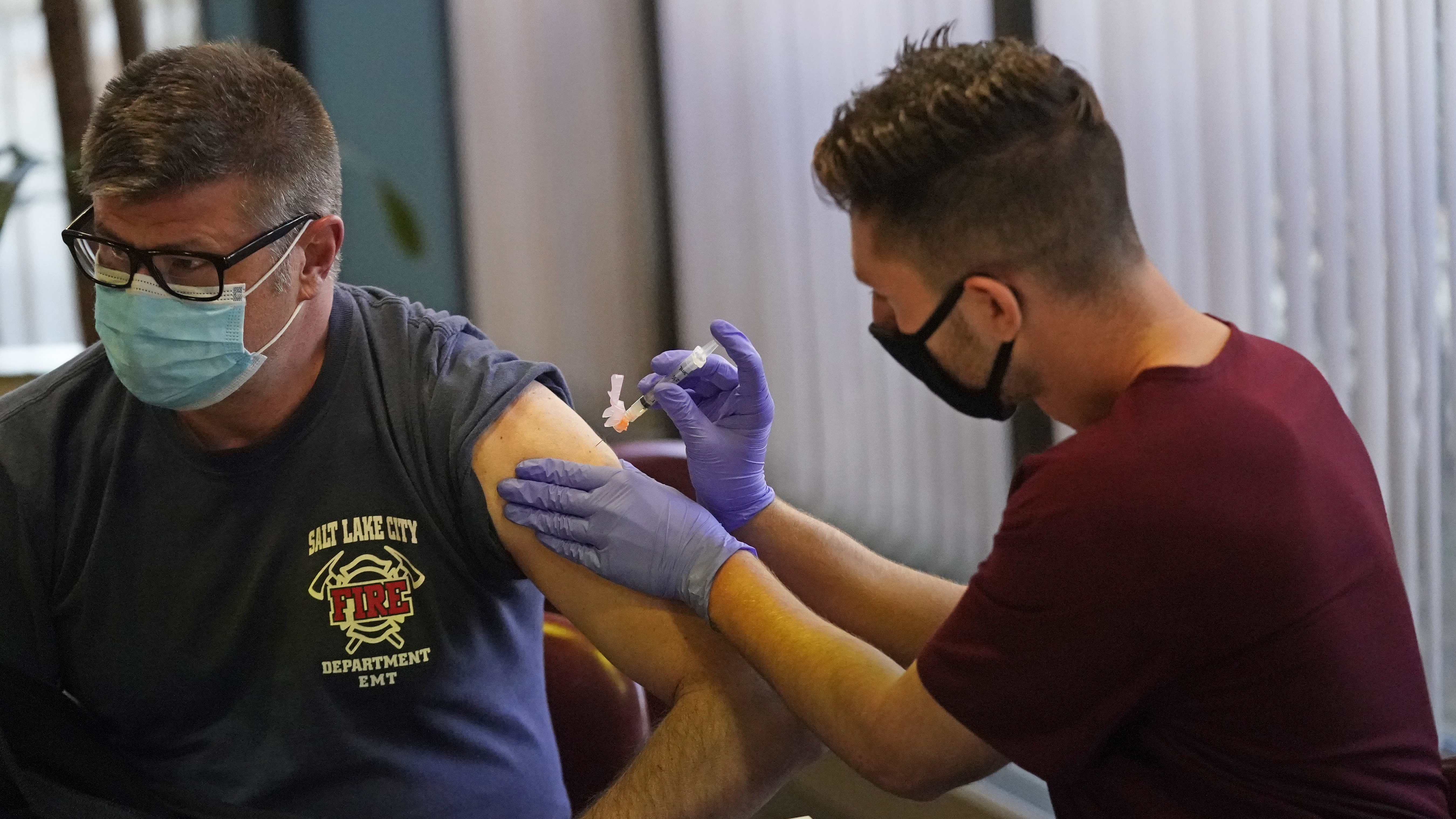
According to data through January 4 from Johns Hopkins University, the seven-day rolling average for daily new deaths in the US rose over the past two weeks from 2,655.3 on December 21 to 2,664.9 on January 4.
The number of COVID-19-related deaths in the US stands at 353,628.
The Netherlands has come under heavy criticism for being the last European Union nation to start inoculations, which it will do Wednesday.
Australia isn't planning to do so until March. And most poorer countries are even further behind.
2021 Calendar of Statutory Holidays/National Observations
The post 2021 Calendar of Statutory Holidays/National Observations appeared first on The St Kitts Nevis Observer.
'Human disaster': One in five tested for COVID-19 in LA are positive
Imagine having cardiac arrest and getting picked up by an ambulance that won't take you to a hospital.
Or having a medical emergency and languishing outside an emergency room for hours.
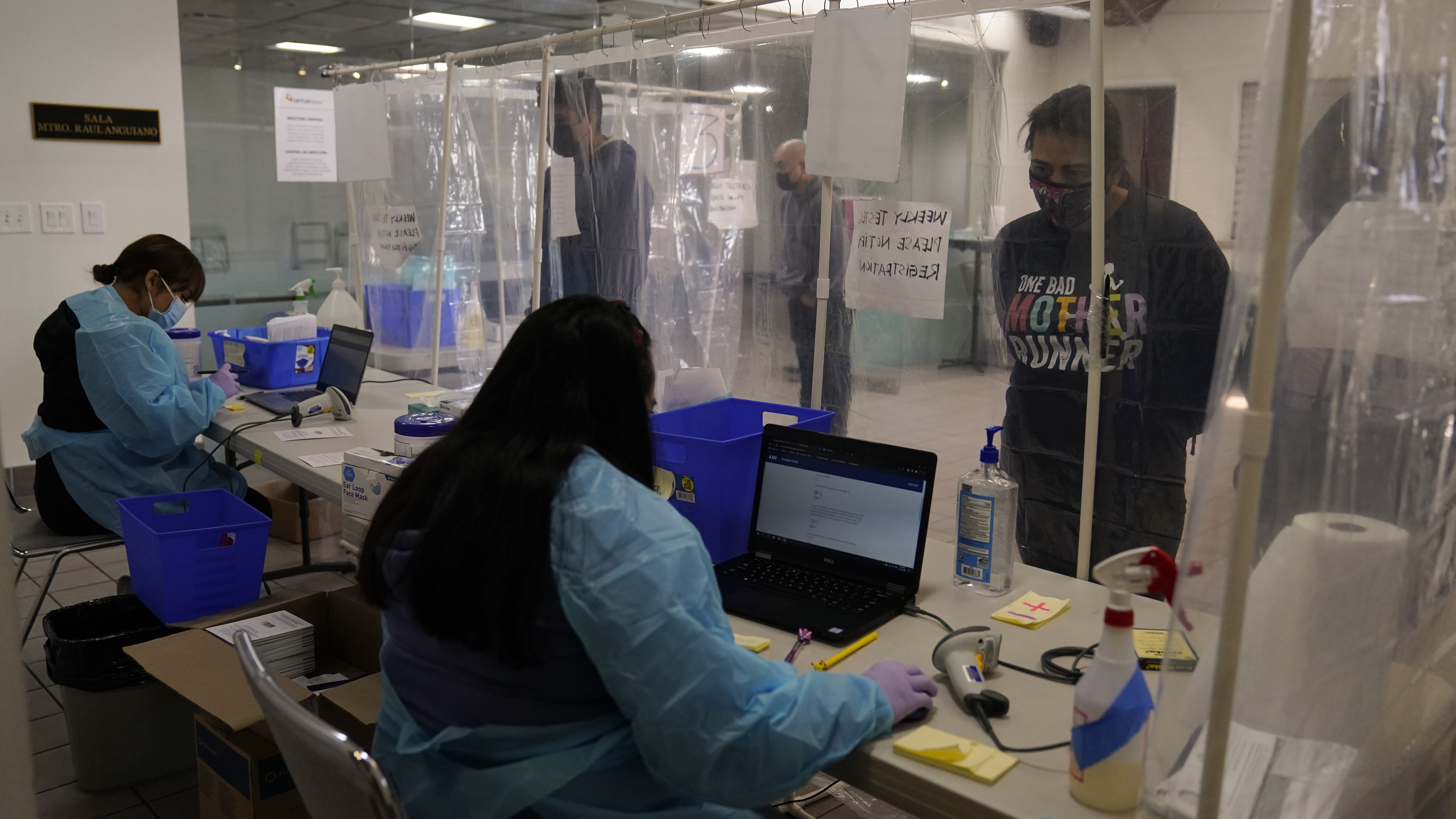
This is what Los Angeles County faces as the onslaught of COVID-19 devastates the community – with one in five people tested for COVID-19 in the region returning positive results.
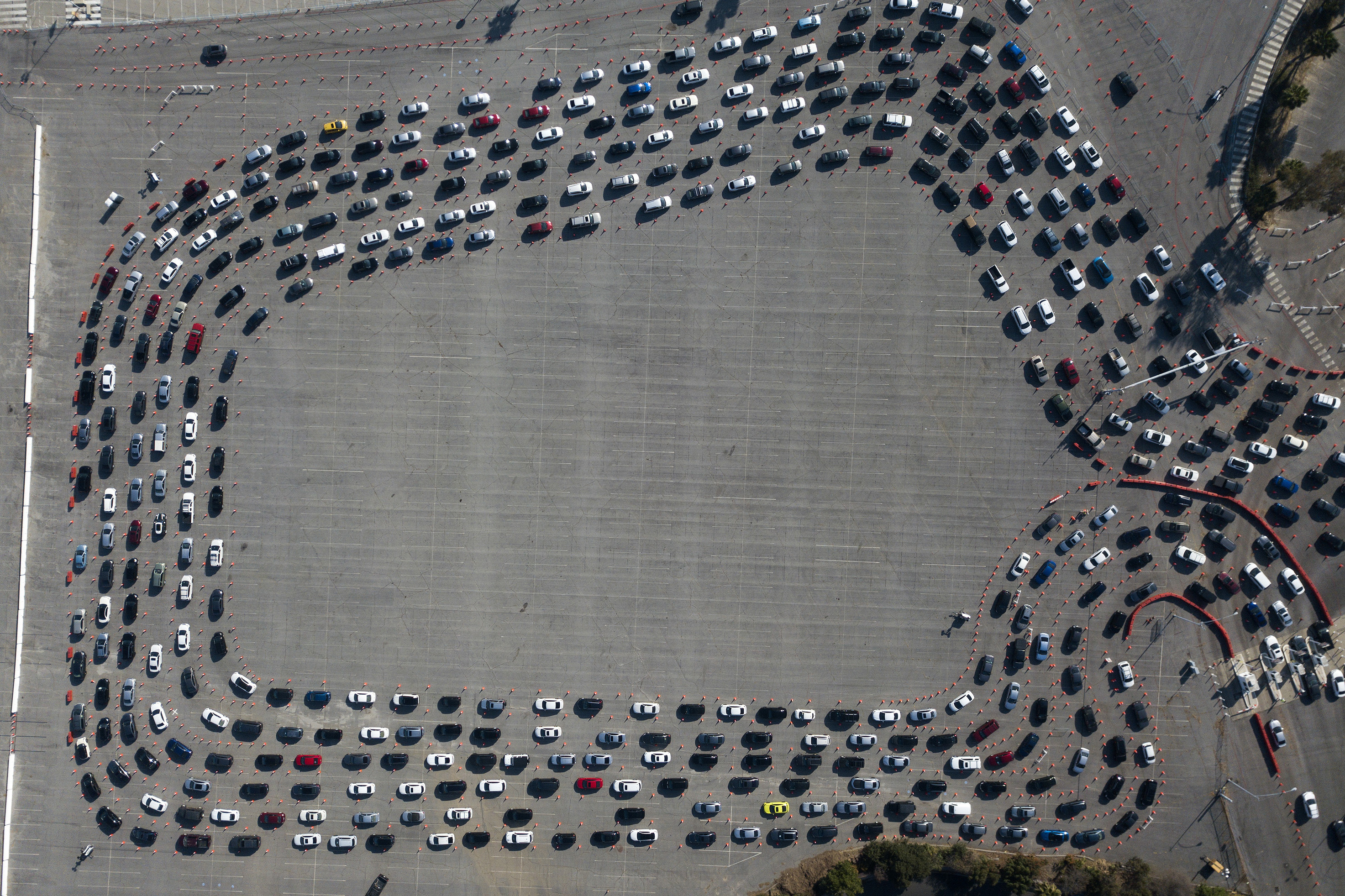
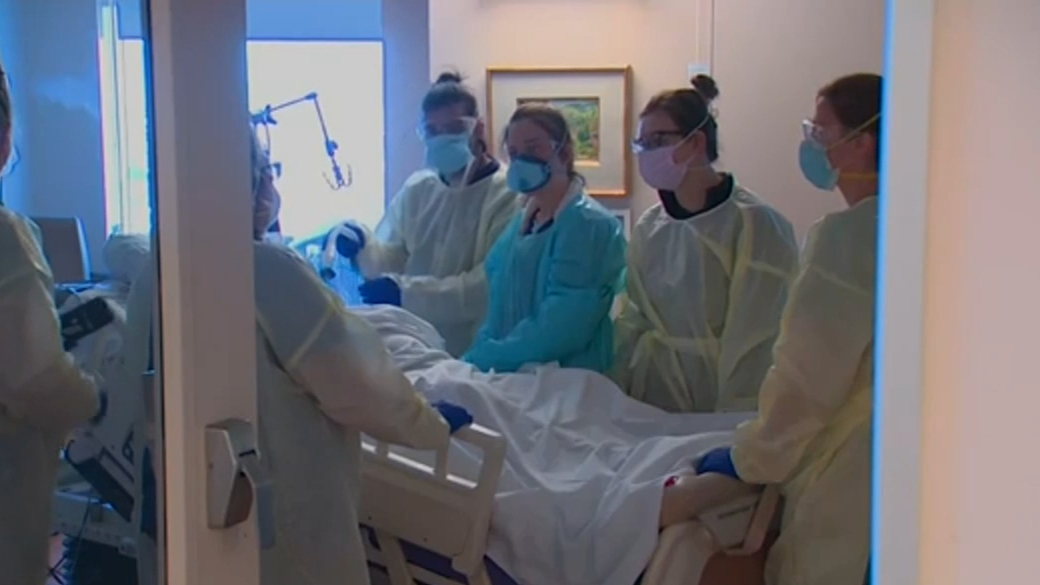
"Hospitals are declaring internal disasters and having to open church gyms to serve as hospital units," County Supervisor Hilda Solis said.
"Our health care workers are physically and mentally exhausted and sick."
Ms Solis called the situation a "human disaster."
More than 7600 people are hospitalised with COVID-19 in just Los Angeles County.
And 21 percent of them are in intensive care units, officials said on Monday.
And every 15 minutes, one person dies from COVID-19, Los Angeles County Director of Public Health Barbara Ferrer said.
Now, ambulance crews in LA County have been told not to take patients with little chance of survival to hospitals.
"This order that was issued by the county emergency medical services really is very specific to patients who suffered from a cardiac arrest and are unable to be revived in the field," Dr Jeffrey Smith, chief operating officer of Cedars-Sinai Medical Centre, said.
"Those patients have a very low rate of survival each if they are transported to the hospital. So at this time, it is deemed to likely be futile."
Who gets taken to a hospital, and who doesn't
The Los Angeles County Emergency Medical Services (EMS) Agency issued a memo last week to ambulance workers.
"Effective immediately, due to the severe impact of the COVID-19 pandemic on EMS and 9-1-1 Receiving Hospitals, adult patients (18 years of age or older) in blunt traumatic and nontraumatic out-of-hospital cardiac arrest (OHCA) shall not be transported [if] return of spontaneous circulation (ROSC) is not achieved in the field," the agency said.
If the patient has no signs of breathing or a pulse, EMS will try to resuscitate the patient for at least 20 minutes, the memo said.
If the patient is stabilised during that time, they would then be taken to a hospital.
But if the patient is declared dead at the scene or no pulse can be restored, paramedics will not take the patient to the hospital.
Patients may or may not get oxygen help
The COVID-19 surge has also led to a shortage of supplemental oxygen, meaning some patients treated by EMS will go without.
"Given the acute need to conserve oxygen, effective immediately, EMS should only administer supplemental oxygen to patients with oxygen saturation below 90 per cent," Los Angeles County EMS said in its memo.
EMS said an oxygen saturation of at least 90 per cent is sufficient to maintain normal circulation of blood to organs and tissues.
The oxygen shortage in the county and San Joaquin Valley prompted the formation of a "task force on oxygen" last week, Governor Gavin Newsom said.
The task force has been working with local and state partners to try to refill oxygen tanks and get them to the hospitals and facilities most in need.
Holiday gatherings and essential work fuel spread
As the nation's most populous state and home to about one in nine Americans, it would make sense that California would have the most COVID-19 cases.
But it's the magnitude of hospitalised patients and the staggering rate of increase that are causing major problems.
As of today, more than 22,000 COVID-19 patients were hospitalised statewide, according to the California Department of Public Health.
More than 27,000 people have died from COVID-19, including 368 new deaths reported just today.
"The increases in cases are likely to continue for weeks to come as a result of holiday and New Year's Eve parties and returning travellers," Ms Ferrer said.
"We're likely to experience the worst conditions in January that we've faced the entire pandemic. And that's hard to imagine."
Experts say other reasons also contribute – including pandemic fatigue, resistance to stay-at-home regulations, the huge number of essential workers and socioeconomic factors affecting poorer and minority households.
Ambulances wait for hours outside hospitals
Even when patients are lucky enough to get to a hospital, they might languish outside for hours if there's no more room.
"The Emergency Medical Services are working very hard to divert ambulances or send them to hospitals that do have potential capacity to receive those patients," Dr Smith, COO of Cedars-Sinai Medical Centre, said.
"There are situations where patients are made to wait in ambulances under the care of the paramedics.
"We want to make sure that time is as short as possible so they can receive the necessary care."
For EMT Jimmy Webb, the wait can last several hours.
"We are waiting two to four hours minimum to a hospital, and now we are having to drive even further … then wait another three hours," Mr Webb told CNN affiliate KCAL.
Local officials have urged the public not to call 911 unless "they really need to," Dr Marc Eckstein, head of the Los Angeles Fire Department EMS bureau, told CNN affiliate KABC.
"One of our biggest challenges right now is getting our ambulances out of the emergency department," he said.
"When our paramedics and EMTs transport a patient to an emergency department, there's a transfer of care that has to take place.
"Patients who are unstable or unable to be safely transferred to the waiting room or to a chair need a bed in the emergency department to be transferred to.
"And those beds are lacking right now."
And more ambulances waiting at hospitals means there are fewer ambulances to respond to other 911 calls – leading to even more delays.
The situation may get worse, Dr Eckstein said.
"I think this next four- to six-week period is going to be critical with our system being taxed," he said.
– Reported with CNN
Governor-General Sir Tapley donates lawnmower to Dorset Park Committee

BASSETERRE, St. Kitts — Governor-General His Excellency Sir S. W. Tapley Seaton, GCMG, CVO, QC, JP, LL.D, solidified his ongoing commitment to the development of the Dorset community by donating a lawnmower on January 5 to use in Dorset Park.
The lawnmower will be used to maintain the community park known as the “See-Saw Park,” where sports and other recreational activities take place. Young men frequently use the facility for friendly and competitive basketball games, while younger children enjoy the playground equipment.

Continue reading Governor-General Sir Tapley donates lawnmower to Dorset Park Committee
Police issue alert for Troy Francis
The post Police issue alert for Troy Francis appeared first on The St Kitts Nevis Observer.
Michael Joseph Graham remembered as alleged murderer to appear in court
A man will appear in the Christchurch District Court this morning charged with murder – the second in the city for 2021. Michael Joseph Graham, 57, died at a house on England St, Linwood, on Sunday. Emergency services were called…
Cabinet proposals leaked on social media before their review, approval
BASSETERRE, St. Kitts -– Certain proposals made by the Ministry during the St. Kitts and Nevis Budget Estimates process in preparation for the 2021 Budget are being circulated in the Public domain via social media channels according to a statement from Osmond Petty, M.B.E., Permanent Secretary, Ministry of National Security.
“The budgetary process affords the various ministries an opportunity to examine expenditure and revenue measures for the upcoming year,” explained Perry. “During the Estimates meetings, each Ministry would normally submit its proposals and recommendations to the Cabinet. This year’s process was no different.
“All of the proposed fees and charges for various licenses and government permits are still before the Cabinet for a determination. The charging of new fees by the Police for processing renewal of firearms licences was inadvertently implemented as this too would require a submission to Cabinet for approval.
“Some of the proposals, if accepted by the Cabinet, will require legislative amendments. Schedules of fees and charges would also be gazetted in the usual course.
“None of the proposals advanced by the Ministry constitutes any new taxes or any increase in taxes. The focus is on fees and charges for various services offered by the Ministry to better align them with the cost of delivering such services to the general public in an efficient manner.
“It is quite unfortunate, irresponsible, and malicious, for a discussion document that was presented to Cabinet as part of the budgetary process to be leaked in social media,” concluded the permanent secretary.”
The Ministry continues to urge the public to look to official government sources for accurate information.
The post Cabinet proposals leaked on social media before their review, approval appeared first on The St Kitts Nevis Observer.
Diesel spill on Dunedin's Baldwin Street
A fuel spill closed the world’s steepest street yesterday.Firefighters were called to Baldwin St, in Dunedin’s North East Valley, about 2.45pm, after reports of a fuel leak running down the street from the top of the hill.Station…