Tag Archives: caribbean

Inconvenient Truth: Droughts Shrink Hydropower, Pose Risk to Clean Energy Push

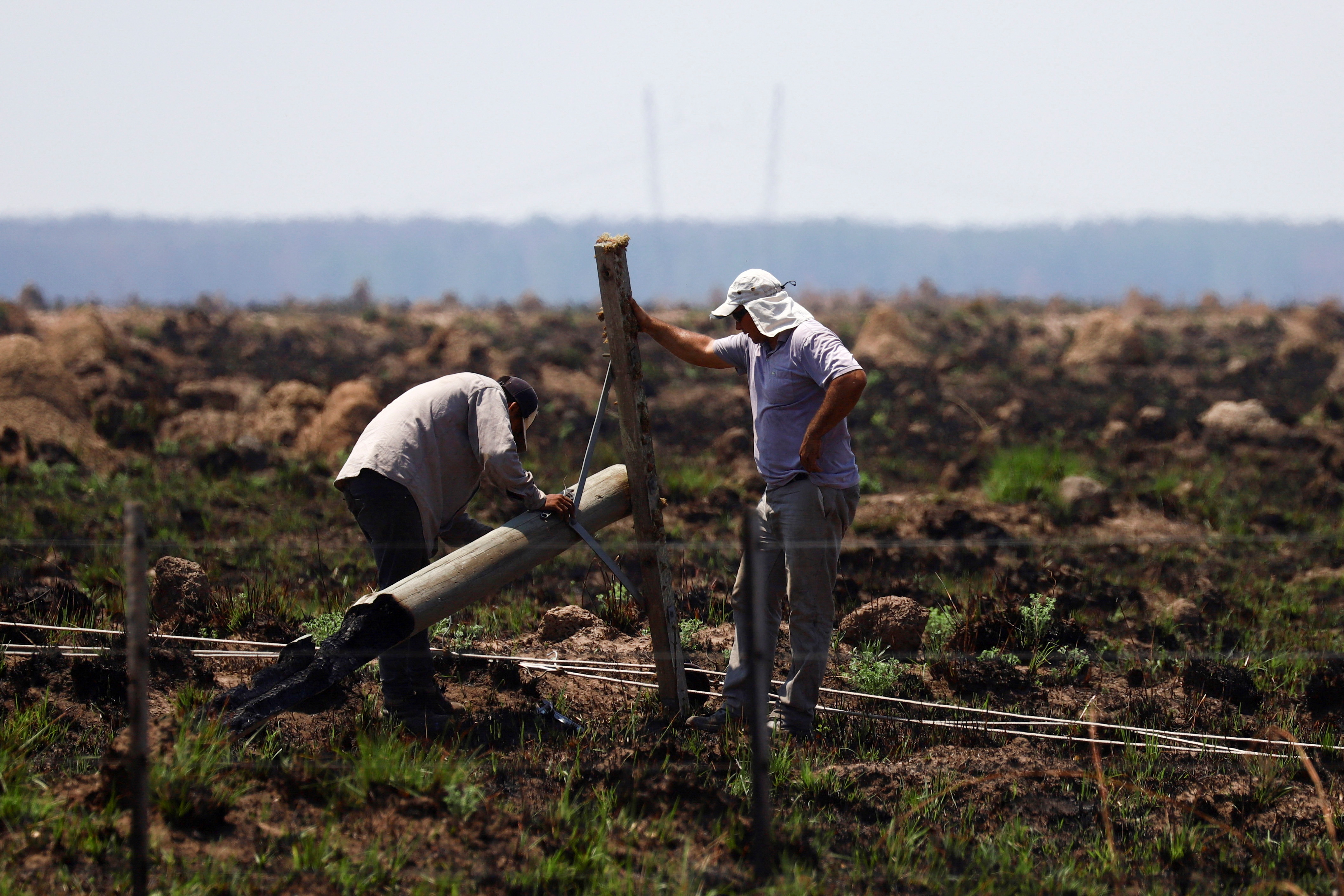
SACRAMENTO, Calif./BRASILIA/SHANGHAI, Aug 13 (Reuters) – Severe droughts are drying up rivers and reservoirs vital for the production of zero-emissions hydropower in several countries around the globe, in some cases leading governments to rely more heavily on fossil fuels.

The emerging problems with hydropower production in places like the United States, China and Brazil represent what scientists and energy experts say is going to be a long-term issue for the industry as climate change triggers more erratic weather and makes water access less reliable.

They also could pose a threat to international ambitions to fight global warming by hindering one of the leading forms of existing clean power. Hydropower is the world’s top source of clean energy and makes up close to 16% of world electricity generation, according to the International Energy Agency (IEA).

This year, climate-driven droughts have triggered the biggest disruptions in hydropower generation in decades in places like the western United States and Brazil. China is still recovering from the effects of last year’s severe drought on hydro production in Yunnan province in the southwestern part of the country.

Elsewhere, too much water is the problem.

Last year in Malawi, for example, flooding and debris from megastorms forced two power stations to go offline, reducing hydropower capacity from 320 megawatts (MW) to 50 MW, according to the IEA.

Those effects have forced power grid operators to rely more heavily on thermal power plants, often fired by natural gas or coal, and to ask businesses to curtail electricity use to prevent outages, according to Reuters interviews with grid operators and regulators.

“When we’re talking about hydropower we’re really talking about making sure we have enough water to get electricity,” said Kristen Averyt, a research professor focusing on climate resilience at the University of Nevada in Las Vegas. “What does that hydro generation get replaced with?”

SHUTDOWN AT LAKE OROVILLE

In California, the State Water Project was forced to shut down a 750-MW hydroelectric power plant at Lake Oroville this month for the first time since it was built in 1967 because of low water levels. In good years, the plant can power half a million homes.

Power facilities at Lake Shasta, the largest reservoir in the federal government’s Central Valley Project in California, were also generating about 30% less power than usual this summer, said Cary Fox, a team leader for the Bureau of Reclamation’s operations in the state.

The lake usually provides about 710 MW during the summer, but in July was producing only 500 MW, Fox said.

At the huge 2,000 MW Hoover Dam on the Colorado River at the border of Nevada and Arizona, production was also down by about 25% last month, the agency said.

One megawatt can power up to 1,000 U.S. homes.

Tight power supplies in California, driven in part by low hydropower production, led Governor Gavin Newsom to issue an order on July 30 allowing industrial power consumers to run on diesel generators and engines that emit more greenhouse gases. [ read more

The order also allowed ships at port to use diesel generators instead of plugging into the grid, and lifted restrictions on the amount of fuel natural gas plants can use to generate power.

Environmentalists have criticized the move, saying it will worsen air quality in California and undermine the state’s efforts to fight climate change.

Tim Welch, director of hydropower research at the U.S. Department of Energy, said the department is researching ways that dams can more efficiently store water during rainy periods so it can be reserved for use during droughts.

Hydropower plants in the United States are capable of producing about 80 gigawatts (GW) of energy, about 7% of total energy production, Welch said.

DROUGHT IN BRAZIL

In Brazil, where hydroelectric power is the top source of electricity at 61%, drought recently cut water flows into hydro dams to a 91-year low, the country’s mines and energy minister said.

To offset the drop in hydropower, the country is seeking to activate thermoelectric plants, mainly powered by natural gas, threatening to drive up greenhouse gas emissions. In July, sector regulator Aneel raised the most expensive electricity rate by 52%, due to the drought crisis.

Severe weather events like the current drought will become increasingly frequent with climate change, and Brazilians will need to change their attitudes about water, said José Marengo, a climatologist at the government’s disaster monitoring center.

“People always thought that water is unlimited, but it really isn’t,” Marengo said.

Brazil Mines and Energy Minister Bento Albuquerque said in an online briefing with reporters that a boom in the construction of power lines to reroute electricity to where it is needed and diversification away from hydro to solar and wind will help the country deal with such events in the future, and prevent the need for water rationing.

Even so, Brazil will remain reliant on hydropower for years. By 2030, the energy ministry predicts 49% of electricity will come from hydro. The country is also maintaining plans to build more hydro plants, exploring potential cross-border dam projects with Bolivia, Guyana and Argentina, as well as building 2 GW worth of small dams domestically.

DAMS – SAVE THE PLANET OR HARM IT?

Last year’s drought in China’s Yunnan province slashed hydro power generation by nearly 30% during the first five months of 2020, according to official data. Output this year remains curtailed by around 10%.

Yunnan usually accounts for roughly a quarter of China’s total hydro generation, and the province is home to several aluminum smelting businesses that require vast quantities of power to operate. The province restricted metal producers’ power use earlier this year, forcing some smelting capacity to be temporarily shut.

More disruptions are expected.

A recent study by researchers in Nanjing looked at the potential impact of climate change and rising temperatures on hydropower generation in Yunnan. Their models showed decreases in rain and snowfall during the October-April drought season and increases in the summer rainy season.

To even out the variability, the researchers proposed more storage capacity – more dams and reservoirs.

But the diversions could worsen droughts elsewhere, according to experts. China’s giant reservoirs on the upper reaches of the Mekong River in Yunnan have already been blamed for reducing downstream flows – affecting water access in Thailand, Cambodia and Myanmar.

Reporting by Sharon Bernstein in Sacramento, California, Jake Spring in Brasilia, David Stanway in Shanghai Editing by Marguerita Choy

The post Inconvenient Truth: Droughts Shrink Hydropower, Pose Risk to Clean Energy Push appeared first on The St Kitts Nevis Observer.
Storm Fred: Power Outages in Dominican Republic, Heads to Florida

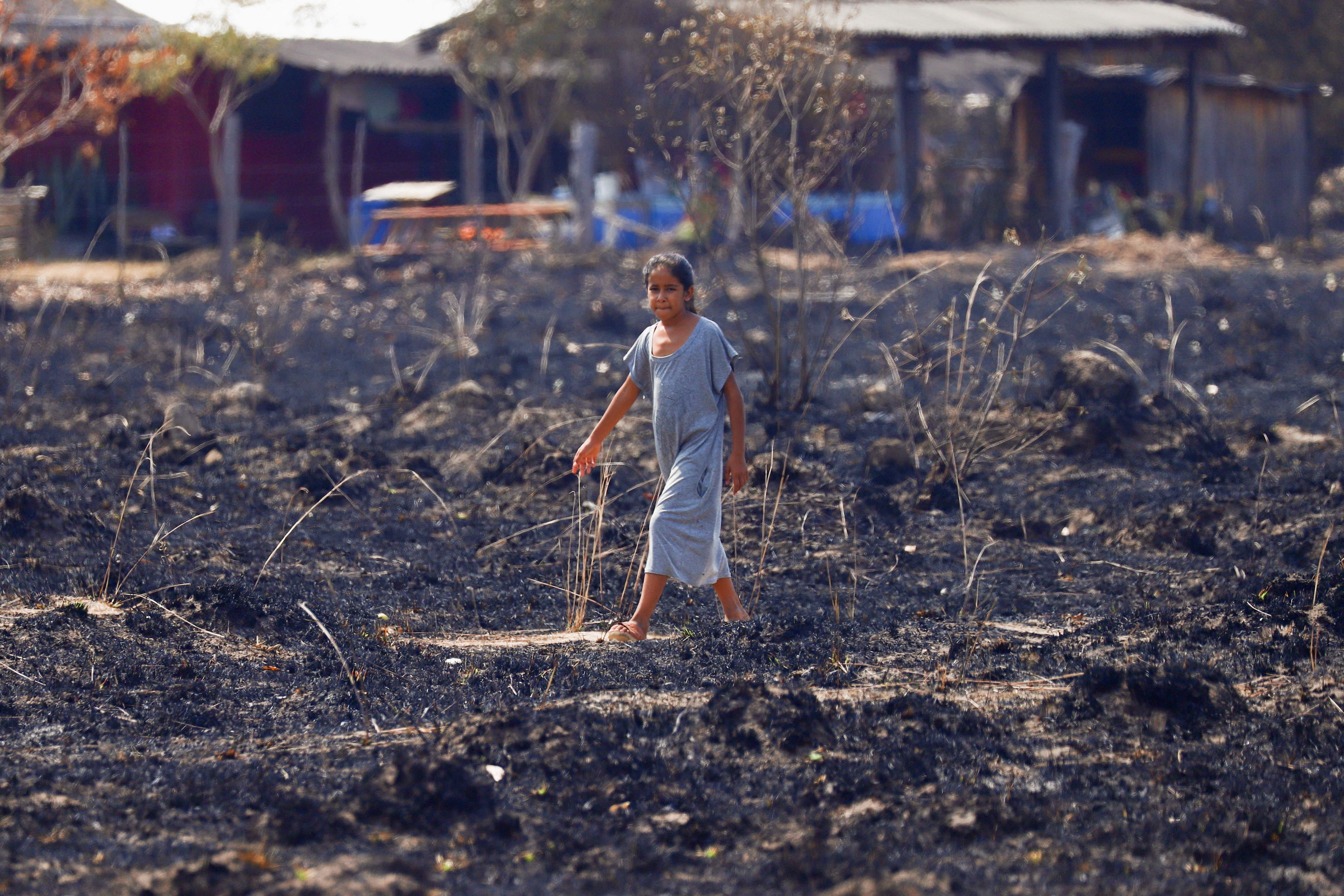
SANTO DOMINGO/HAVANA, Aug 12 (Reuters) – Thousands of people in the Dominican Republic were left without electricity or running water on Thursday in the wake of Tropical Storm Fred, which weakened to a depression as it grazed the northern coast of Cuba on track to Florida.

High winds downed power lines and rain flooded parts of the southern coast, forcing shut parts of the aqueduct, which supplies water across the island. This, along with rubble on the roads, has cut off 41 communities, the Dominican National Emergency Operations Center said.

It was not immediately apparent when running water and power would be returned. No victims have yet been reported, authorities said.

The capital Santo Domingo and five other provinces of the southern coast remained on high alert given forecasts of heavy rain for another day in the wake of Fred, the sixth named storm of the Atlantic hurricane season.

Residents of Santo Domingo suburbs bordering the swollen Ozama and Isabela rivers used mops and buckets to remove water from their homes.

Cuba’s meteorology institute said on Thursday afternoon the depression was advancing in a northwest direction just off the island’s northeast coast with maximum sustained winds of 55 km (34 miles). More rain and storm surges are forecast for the eastern and central regions of Cuba, it said.

Cuba and the eastern Bahamas could expect 1-3 inches (2.5-7.6 cm) of rainfall, the National Hurricane Center (NHC)in Miami said in its 1700 ET forecast.

Fred is expected to move along or just north of eastern and central Cuba tonight and Friday, regaining tropical storm strength as it nears the Florida Keys and southern Florida on Saturday, the NHC said.

There, it would dump 3 to 6 inches of rain, with isolated maximum totals of 8 inches.

Fred is the first named storm in a month in the Atlantic. In early July, Hurricane Elsa killed at least three people and damaged infrastructure and agriculture in Caribbean island nations east of Cuba.

Reporting by Ezequiel Abiu Lopez in Santo Domingo and Sarah Marsh in Havana; Editing by Karishma Singh

The post Storm Fred: Power Outages in Dominican Republic, Heads to Florida appeared first on The St Kitts Nevis Observer.
One Month After Cuba Protests, Hundreds Remain Behind Bars

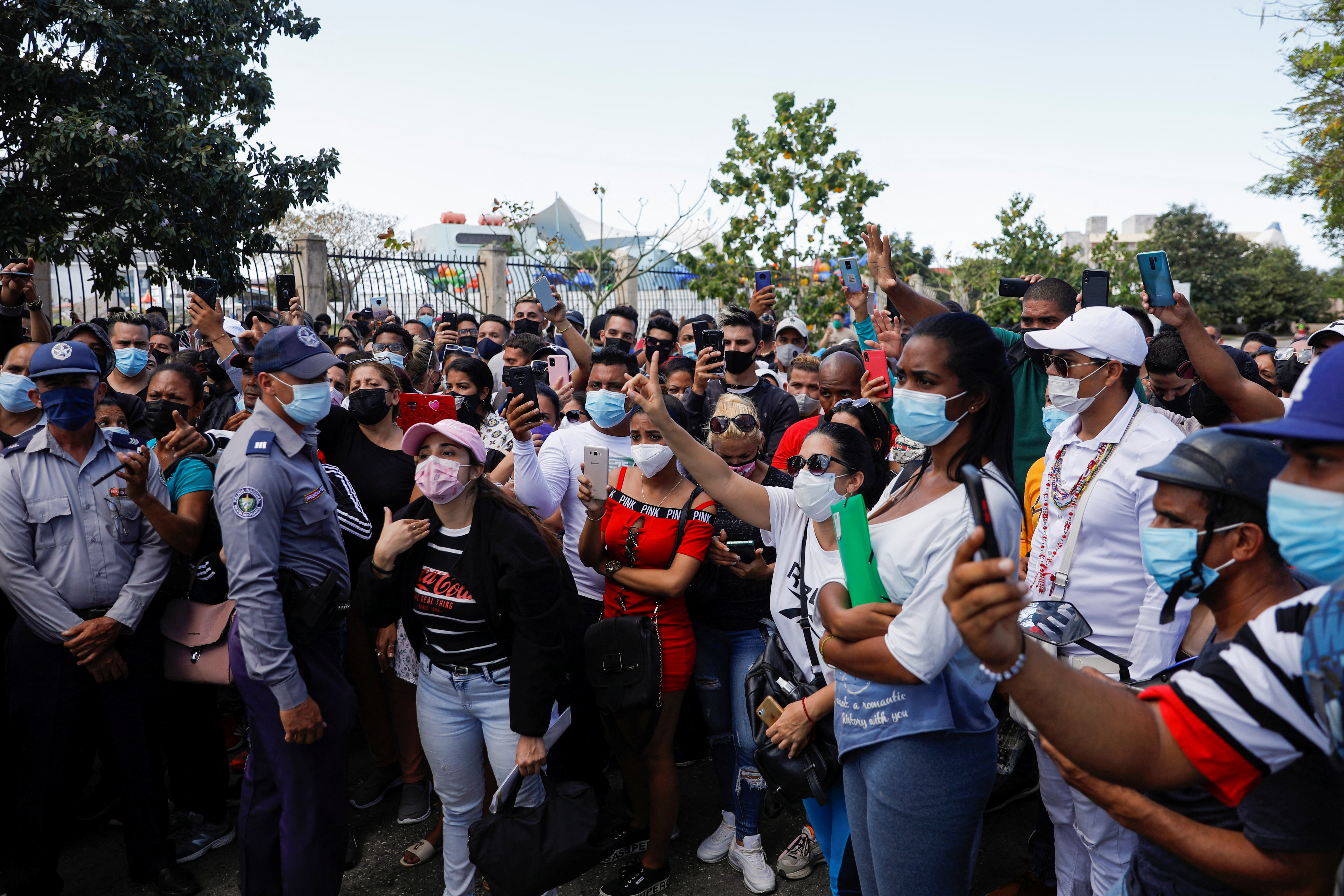
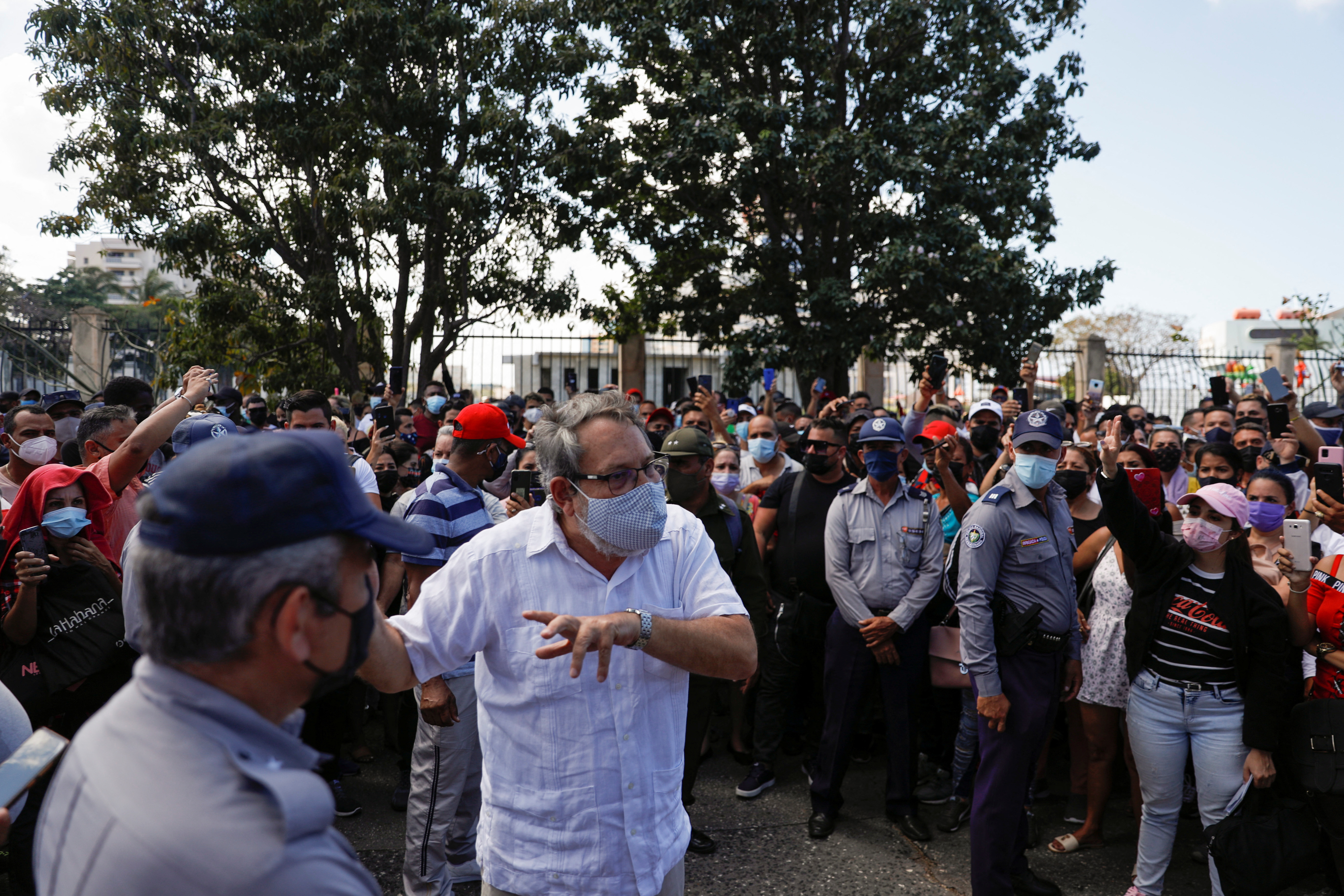
HAVANA, Aug 12 (Reuters) – Hundreds of people, including dozens of dissident artists and opposition activists, remain detained in Communist-run Cuba a month after unprecedented anti-government protests, according to rights groups.

Thousands took to the streets nationwide on July 11 to protest a dire economic crisis and curbs on civil rights. The government said the unrest was fomented by counter-revolutionaries exploiting hardship caused largely by U.S. sanctions.

Rights group Cubalex has recorded around 800 detentions, a number that has risen daily as relatives come forward. Many are still too afraid to report the arrest of family members, said Cubalex director Laritza Diversent.

While 249 people have been released, many to house arrest, most remain in “preventative jail,” she said. The whereabouts of 10 people is unknown.

Dozens have already been sentenced to up to a year in prison or correctional work in summary trials, with simplified procedures and often without the chance of hiring a defense lawyer on time, said Diversent.

“The government’s aim is to make an example of those who protested, to stop others from doing the same,” she said.

The government did not respond to requests for comment for this story.

Cuban authorities have not given a figure for the total number of detained in the recent unrest but say they have so far carried out trials for 62 people, 22 of which had hired a lawyer. All but one have been deemed guilty of crimes including public disorder, resisting arrest, and vandalism, they said.

The protests were largely peaceful, although state media showed some demonstrators looting and throwing stones at police. One person died and several people, including government supporters, were injured, authorities have confirmed.

Several of those sentenced were not protesting, but were caught up in the unrest, according to their relatives.

Yaquelin Salas, 35, says her husband intervened peacefully in the arrest of a woman, calling on police agents to not treat her so aggressively. Now he is serving a 10-month prison sentence on charges of public disorder after a collective trial in which just two of the 12 detained had lawyers.

“What they are doing is totally unfair,” said Salas.

Since Cuba’s 1959 revolution, authorities have tightly controlled public spaces, saying unity is key to resisting coup attempts by the United States, which has long openly sought to force political change through sanctions and democracy initiatives. The White House has said it will do what it can to support Cuban protesters.

FAMILIES ‘SILENCED’

Gabriela Zequeira, 17, one of several minors detained in the protests, said she was sentenced to house arrest for eight months after being arrested while walking home from the hairdressers on July 11.

Upon her admission to jail, where she was kept 10 days incommunicado, she said she was required to put a finger in her vagina to show she was concealing nothing as part of a strip search. Officers kept interrupting her attempts to sleep and one officer made sexual taunts, she said in an interview.

The Cuban government initially said no minors had been detained, a statement later contradicted by state prosecutors.

Some relatives of those detained said authorities were pressuring them to stop speaking out.

“My family has been silenced,” said emigre Milagros Beirut from her home in Spain. She said four of her relatives in Havana and the eastern city of Guantanamo remained behind bars for protesting peacefully. “They’ve been told those detained will receive a stricter sentence if they say anything.”

Dozens of political activists and dissident artists were among the detained, including some who did not participate in the protests but appeared to have been arrested pre-emptively, said Diversent from Cubalex.

Jose Daniel Ferrer, the leader of Cuba’s largest opposition group, and Luis Manuel Otero Alcantara, head of a dissident artists collective, were both arrested on their way to the protests before even arriving, according to their supporters.

Ferrer’s sister Ana Belkis Ferrer said the family had not been able to speak to or see him, a complaint of many relatives of those detained.

“We don’t know if he’s being beaten, if he’s well or not, whether or not he’s doing a hunger strike,” she said.

Another detained activist, Félix Navarro, 68, president of the Party for Democracy, was in hospital with COVID-19, said Diversent. Several of those detained have denounced unsanitary conditions in jail amid one of the worst COVID-19 outbreaks in the world.

Reporting by Sarah Marsh and Reuters TV in Havana, Editing by Rosalba O’Brien

The post One Month After Cuba Protests, Hundreds Remain Behind Bars appeared first on The St Kitts Nevis Observer.
Nevis Announces Scholarships in Turkey

The Ministry of Human Resources in the Nevis Island Administration is pleased to share information regarding the 2021 Turkey Scholarship. This scholarship programme is available to individuals interested in pursuing studies at the bachelor’s, master’s and doctoral levels.

Kindly note that applicants must beyounger than 21 years for the Bachelor’s degree level; younger than 30 years for the Master’s degree level; and younger than 35 years for the Doctoral degree level.

The scholarship covers:

1.Turkish language course for one year;

2.University and programme placement

3.Accommodation

4.Tuition fee

5.A monthly stipend;

6.One-way flight ticket;

7. Health insurance.

Interested persons are asked to apply online via: https://www.turkiyeburslari.gov.tr/en/page/prospective-students/how-to-apply

A hard copy of the application must be delivered to the Ministry of Human Resources on or before Tuesday, August 17, 2021.

The post Nevis Announces Scholarships in Turkey appeared first on The St Kitts Nevis Observer.
NTA Erects Permanent NevisNice Fixture at Pinney’s

CHARLESTOWN NEVIS (August 12, 2021) – The Nevis Tourism Authority (NTA) says a new fixture erected on Nevis outside the Artisan Village at Pinney’s has the whole island talking.

Visitors and locals woke up to a brand-new #NevisNice sign in the early hours of Monday August 2.

The new sign was designed by local artist Vaughn Anslyn as part of a collaboration between the NTA and Nevis Island Administration (NIA).

The NTA says the sign was created with visitors in mind and the permanent fixture came as a surprise to everyone.

The bold and bright sign, spelling #nevisnice, provides persons with the opportunity to take a unique snapshot – capturing their special time in Nevis.

“Both locals and tourists are already engaging with the sign and many are seen snapping selfies and group pictures with the eye-catching installation,” the authority stated in a press release dated August 11, 2021.

Ms. Jadine Yarde, Chief Executive Officer of the NTA explained the rationale behind the sign.

“We are ecstatic to see the #NevisNice sign on display after months of planning. Vaughn Anslyn has designed a brilliant piece of artwork and I’m sure this will become a must-see icon in Nevis that both visitors and locals will enjoy for years to come.

“The sign gives travellers the perfect opportunity to go home with a snapshot from their time on Nevis, as well as providing a sense of pride for all Nevisians. The sign is a symbol for all those that live, work, and visit our beautiful island,” she said.

Located in front of the Nevis Artisan Village, the sign is ready and waiting for all to enjoy. The NTA is encouraging persons to share their photos with the sign on social media, and to use the hashtag #nevisnice.

For more news out of Nevis visit www.nia.gov.kn your window into Nevis.

The post NTA Erects Permanent NevisNice Fixture at Pinney’s appeared first on The St Kitts Nevis Observer.
COVID-19 Outbreak at Royalton Hotel in Antigua, Australia Lockdown, World Stats

by Dillon De Shong

At least 31 employees of the Royalton Hotel in Antigua and Barbuda have tested positive for coronavirus (COVID-19).

The infections were detected in tests carried out on all of the hotel’s 500 employees.

A note from yesterday’s cabinet meeting said that “contact-tracing continues to determine if any employee may have infected family members and others with whom they came into contact.”

Loop Caribbean News contacted the acting Chief Medical Officer Teriann Joseph to confirm whether the source of infection was a guest or staff member but she was unavailable for comment.

Health Minister Molwyn Joseph was at a funeral when Loop Caribbean News contacted him.

He was unaware of the source of infection but said he would contact ministry officials to obtain the information.

Loop Caribbean News also reached out to the hotel for a comment.

The cabinet notes said the government “continues to urge all employees, in both the public and private sectors, to obey the protocols that have been established while on the job and when in public spaces. A three- to six-feet space is to be maintained between all persons; masks are to be worn at all times when away from home; and, frequent hand-washing or hand-sanitizing is to take place.”

News of this cluster of infections came a day after the country recorded 24 new infections in samples tested up to 6 pm on August 10.

The Ministry of Health, Wellness and the Environment said 10 of these cases were recorded on August 9 and 14 were confirmed on August 10.

Of the 44 infections recorded between August 6 and 10, 31 were contracted locally and 11 were imported.

The source of two infections is under investigation.

Since March 2020, Antigua and Barbuda has recorded 1,372 infections of which 74 are active.

==========================================

Australia: Sydney seeks to tighten curbs, Canberra to enter lockdown

Extra Australian military personnel may be called in to ensure compliance with lockdown rules in Sydney, the New South Wales state government said on Thursday, as the highly infectious Delta coronavirus variant spreads into regional areas. Some 580 unarmed army personnel are already helping police enforce home-quarantine orders on affected households in the worst-affected suburbs of Sydney, Australia’s most populous city.

The move comes as Australia’s capital, Canberra, 260 km (160 miles) southwest of Sydney, announced a snap one-week lockdown from Thursday evening after reporting its first locally acquired case of COVID-19 in more than a year. read more

Fortress New Zealand eyes opening to vaccinated travellers

New Zealand plans to allow quarantine-free entry to vaccinated travellers from low-risk countries from early 2022, as it looks to open its borders again after nearly 18 months of pandemic-induced isolation.

Prime Minister Jacinda Ardern said on Thursday that the country is still not ready to open up entirely, but will open in phases from early next year. Despite the phased reopening, the government will stay on its elimination strategy to maintain its hard-won gains as one of the few virus-free countries, Ardern said. read more

Asymptomatic COVID-19 very common

Roughly a third of people with COVID-19 have no symptoms, according to a review of data from more than 350 studies published through April 2021. Asymptomatic infections were more common in children than in the elderly or in people without preexisting medical conditions, said Pratha Sah of the Yale School of Public Health, who led the analysis published on Tuesday in PNAS.

Her team estimates that 46.7% of infected children have no symptoms, she said. “This is especially concerning because settings with close, extensive contact among large groups of younger individuals are particularly susceptible to superspreader events of COVID-19, which may go undetected” if school authorities only watch for symptoms. Senior author Alison Galvani, also of the Yale School of Public Health, noted that asymptomatic individuals can still pass the virus to others. read more

U.S. FDA set to authorize vaccine boosters for immunocompromised

The U.S. Food and Drug Administration is expected to authorize a third booster dose of COVID-19 vaccines by Pfizer Inc and Moderna Inc for people with weakened immune systems, NBC News reported on Wednesday.

The health agency will amend the emergency use authorizations for the two vaccines as soon as Thursday to allow immunocompromised people to get an additional dose, the report said, citing people familiar with the matter. read more

EU looking into new possible side-effects of mRNA shots

Three new conditions reported by a small number of people after vaccination with COVID-19 shots from Pfizer and Moderna are being studied to assess if they may be possible side-effects, Europe’s drugs regulator said on Wednesday.

Erythema multiforme, a form of allergic skin reaction; glomerulonephritis or kidney inflammation; and nephrotic syndrome, a renal disorder characterised by heavy urinary protein losses, are being studied by the safety committee of the European Medicines Agency (EMA), according to the regulator. read more

Compiled by Karishma Singh; Editing by Kim Coghill

============================================

WORLD STATS

Coronavirus Cases:

206,263,033

Deaths:

4,348,337

Recovered:

185,111,814
Highlighted in green
= all cases have recovered from the infection
Highlighted in grey
= all cases have had an outcome (there are no active cases)

[back to top ↑]

Latest News

August 13 (GMT)

Updates

  • 24,975 new cases and 608 new dea

The post COVID-19 Outbreak at Royalton Hotel in Antigua, Australia Lockdown, World Stats appeared first on The St Kitts Nevis Observer.

Constituency #7 Domino League opens on September 28 under strict Covid protocols

BASSETERRE, ST. KITTS, August 12, 2021 (MMS-SKN) — It is back to the domino tables as the 26th annual edition of Federation’s longest running domino league, Constituency Number Seven Dr the Hon Timothy Harris Domino League, opens on Tuesday September 28 at three venues.

The Executive Committee, on Wednesday August 11, met and briefed captains of teams taking part in the league at the old Lodge Community Centre in Lodge Project as to how the 26th edition will be executed under strict Covid-19 protocols.

Present at the meeting were President of the Executive Committee Mr Calvin Farrell, who is also the league’s coordinator, and Vice President Mr Simeon Liburd. Others were Secretary Mrs Octavia Huggins-Sewell, Treasurer Mr Keithly Blanchette, PRO Allington Berridge, and Floor Members Dr Marc Williams, and Mr Steven Gilbert.

Constituency Number Seven Dr the Hon Timothy Harris Domino League is sponsored by Prime Minister of the Federation of St. Kitts and Nevis, and Area Parliamentary Representative for St. Christopher Seven, Dr the Hon Timothy Harris.

Registration of teams taking part in the league this year will start on Wednesday September 15 and will close on Wednesday September 22.

Number Seven Domino League Executive Committee, L-R: Dr Marc Williams, Mr Allington Berridge, Mrs Octavia Huggins-Sewell, Mr Calvin Farrell, Mr Simeon Liburd, Mr Steven Gilbert, and Mr Keithly Blanchette.

Fourteen teams took part in the league last year. They were Tabernacle Domino Club, Unity Domino Club, Lodge Domino Club, Phillips Domino Club, Small Corner Bar Domino Club, Parsons Domino Club, Molineux Domino Club, Christ Church Domino Club, Saddlers Domino Club, Mansion Domino Club, Sylvers Domino Club, Unstoppable Domino Club, Guinness Domino Club, and Giants Domino Club.

While two of the teams, Molineux Domino Club and Christ Church Domino Club, were represented at the meeting on Wednesday August 11, it is nonetheless expected that they will return this year.

This will as a result bring the number of teams taking part in the 26th edition of Constituency Number Seven Domino League to fifteen after Mr Jacob Nisbett, formerly of Molineux Domino Club, announced that he will be playing for his village team, Ottley’s Domino Club which is making a return to the league after a number of years of absence.

Due to limited time available occasioned by the prevailing nightly curfews, this year’s league will be a one round affair as opposed to the two rounds in previous years. Teams will face each other once.

The three venues that were used last year will be used this year. These are the old Lodge Community Centre in Lodge Project, the pavilion at the Edgar Gilbert Sporting Complex in Molineux, and the Tabernacle Community Centre. All games will start at 7:00 p.m. on the dot and because of curfew time, which now starts at 11:00 p.m., there will be no grace period.

There will be mandatory hand sanitising and a non-contact head thermometer will be used to take temperatures of all persons. Covid-19 protocols in place will mean that there will be strict registration of players, and they were advised that they have to give their official names and they must give their proper addresses and telephone numbers. That information will be necessary should there be a need for contact tracing down the road if it will be deemed necessary for whatever reason.

There will only be two games at a time in each of the halls, and the only persons allowed in the hall will be the eight players, the scorers, captains of the teams playing or their representative if the captain is playing, and an executive member.

Use of masks will be mandatory and they must be used properly by the players on the table while they are playing, and there will be limited talking while on the table.

“The captains will go back to the teams and enlighten the members,” said President Mr Farrell. “We will put out a Covid-19 regulation bulletin and each captain will get one. If players are not complying, they will not be allowed to play because we are not going to jeopardise the league as a result of players’ recklessness – the league is bigger than all of us.”

On a sad note, Vice President Mr Simeon Liburd informed the meeting that he had learnt of the passing, that morning, of veteran domino player Mr John Charles who was a founder player turning out for Christ Church Domino Club when the league started. They said they will monitor funeral arrangements being made by the family of the deceased for them to give him a fitting farewell.

Some of the captains of teams taking part in Constituency Number Seven Domino League during the meeting on Wednesday August 11 at the old Lodge Community Centre in Lodge Project.


The post Constituency #7 Domino League opens on September 28 under strict Covid protocols appeared first on The St Kitts Nevis Observer.
Florida: DeSantis Feeling Heat Over COVID-19 Handling


MELBOURNE BEACH, Fla. – Florida Gov. Ron DeSantis (R) is facing growing resistance to his hardline stance against COVID-19 restrictions and mask mandates.

Officials in a handful of Florida school districts are moving to flout DeSantis’s July 30 executive order banning schools from requiring students to wear face masks, even as his administration threatens to withhold pay to superintendents and school board members who defy his orders.

At the same time, a federal judge delivered a blow this week to the governor’s efforts to prevent cruise operators from requiring passengers to show proof of vaccination, ruling in favor of Norwegian Cruise Line Holdings in a lawsuit seeking to block enforcement of the ban.

The efforts to defy DeSantis on his approach to the COVID-19 pandemic comes as Florida scrambles to contain a resurgence in the virus that has transformed the Sunshine State into the new epicenter of the coronavirus outbreak in the United States.

As of Monday, Florida is averaging more than 20,000 new infections each day, according to the Centers for Disease Control’s Covid Data Tracker. The Florida Hospital Association announced on Tuesday that some 14,787 people are hospitalized and nearly 90 percent of the state’s intensive care unit beds are filled. Hospitalizations are now up 145 percent from Florida’s previous peak in July 2020, according to the group.

“The governor – what he’s done, which I think is really almost sinister, is that he has taken this obvious health care challenge and decided to exploit it,” Miami Beach Mayor Dan Gelber, a Democrat, said in an interview on NPR’s “All Things Considered” on Tuesday.

DeSantis and the Republican-controlled state legislature have sought to wrest control of the pandemic efforts from county and municipal officials in recent months, relying on a flurry of legislation and executive orders intended to curb local governments’ authority to impose coronavirus-related restrictions and mandates.

In May, DeSantis signed legislation giving him sweeping authority to invalidate local pandemic emergency measures, including mask mandates and school shutdowns. That legislation also made permanent an executive order that DeSantis signed earlier this year that banned businesses from requiring patrons to show proof of vaccinations.

But it was an executive order signed by DeSantis in late July banning schools from requiring face masks that touched off the recent furor from school districts.

On Tuesday, the Broward County School Board voted to maintain a mask mandate approved just days before the governor’s executive order, becoming the third school district in Florida to flout DeSantis’s order. School leaders in Leon County, which includes Tallahassee, and Alachua County, where Gainesville is located, have taken similar steps.

Students in those school districts are required to provide a doctor’s note to opt out of the masking requirements.

The efforts to defy the executive order have drawn the ire of DeSantis, who has argued that the ban on school mask mandates is intended to protect parents’ right to choose whether their children should wear masks. His office threatened this week to withhold the salaries of superintendents and school board members who intentionally ignore the order.

“Ultimately – Education funding is for the students,” said Christina Pushaw, a spokesperson for DeSantis. “The kids didn’t make the decision to encroach upon parents’ rights. So any financial penalties for breaking the rule would be targeted to those officials who made that decision.”

That was met with defiance from school officials, who said they were willing to proceed with the mandates despite the DeSantis administration’s threats. After the Broward County School Board voted on Tuesday to maintain its mandate, board member Nora Rupert challenged the governor: “Lose our salaries? Bring it.”

The Biden administration has also thrown its support behind the efforts to defy DeSantis’s executive order, telling reporters on Tuesday that it was examining how it could counter the potential pay cuts.

White House press secretary Jen Psaki said that the administration is looking into whether it can use unspent funds from the American Rescue Plan, the massive COVID-19 relief bill approved in March, to pay school officials who have their salaries docked.

“We’re continuing to look into what our options are to help protect and help support these teachers and administrators who are taking steps to protect the people in their communities,” Psaki said.

DeSantis responded to the White House’s suggestion on Tuesday, arguing that the federal government has no right to involve itself in parents’ decision to have their children wear masks or not.

“I think that they really believe government should rule over the parents’ decisions and I think the parents’ decision in this regard should ultimately be what is done,” DeSantis said at a press conference. “The idea that the federal government would get involved in that I think obviously would be very inappropriate.”

There are more battles on the horizon. A circuit judge in Leon County has scheduled a Friday hearing in a lawsuit brought by a dozen parents from several Florida counties challenging DeSantis’s executive order on masking in schools.

It’s not yet clear what effect the COVID-19 surge in Florida could have on DeSantis’s political ambitions.

The Florida governor, who’s up for reelection next year, rose to prominence among conservatives last year for his laissez faire – and at times defiant – approach to the coronavirus pandemic and quickly surged toward the top of the list of potential 2024 Republican presidential candidates.

A Florida Chamber of Commerce poll released last week found DeSantis’s approval above water at 54 percent. The same survey showed him in a strong position against his two main Democratic challengers, Rep. Charlie Crist (D-Fla.) and state Agriculture Commissioner Nikki Fried. He led Crist in the poll by 8 points and Fried by 9 points.

Another survey from St. Pete Polls, however, showed a less certain outlook for DeSantis. Forty-four percent of respondents in that poll said they approve of his job in the governor’s mansion compared to 49 percent who did not. The poll also showed DeSantis narrowly trailing Crist, while he led Fried by 3.3 percentage points.

The same survey from St. Pete Polls found a majority of likely Florida voters – 62 percent – in favor of a mask requirement for children in schools.

Still, DeSantis, who has cast himself as a conservative bulwark against a Democratic-controlled Washington, has continued to rake in massive sums of money to his political committee. In July alone, the Florida governor raised more than $4 million, far outpacing both Crist and Fried.

One Florida Republican strategist said that DeSantis remains the favorite to win reelection next year, noting the goodwill he carries among supporters of former President Donald Trump both in Florida and nationally.

The strategist also noted that DeSantis’s instincts on how to best handle the coronavirus pandemic have played out well for him in the past; as the governor eschewed some of the strictest COVID-19 restrictions last year, the state’s caseloads and death rate remained relatively low compared to other large states.

But, the strategist added, “there’s still a chance that maybe he doesn’t come out on top this time.”

The post Florida: DeSantis Feeling Heat Over COVID-19 Handling appeared first on The St Kitts Nevis Observer.

US Government donates 5.5 Million Pfizer Vaccines to the Caribbean Community (CARICOM)

CARICOM Secretariat, Turkeyen, Greater Georgetown, Guyana – The US Government has generously gifted the Caribbean Community (CARICOM) with 5.5 million doses of Pfizer vaccines.  This is the culmination of efforts initiated by the Prime Minister of Trinidad and Tobago, Dr the Honourable Keith Rowley, who as Chair of CARICOM, wrote to President Joseph Biden of the United States earlier this year requesting a supply of vaccines for the Community.

President Biden subsequently announced that the US was donating a supply of vaccines to the Region as part of its world-wide distribution of 80 million doses. US Vice President Kamala Harris also spoke with Prime Minister Rowley in June confirming the allocation to CARICOM.

15 CARICOM Member States will receive the much-anticipated Pfizer vaccines, with 1.5 million doses being allocated to Haiti and the other 4 million doses for distribution among 14 CARICOM countries.  The donation from the White House also includes 3 million ancillary kits containing needles, syringes, diluent and other supplies which have already been received.

This donation follows months of discussions between the U.S. Department of Health and Human Services, Pfizer, the Caribbean Public Health Agency (CARPHA) and the CARICOM Secretariat. At the beginning of those discussions, the total number of persons vaccinated in CARICOM countries stood at a meagre 515,000, which emphasizes the importance of the donation by the US Government.

CARICOM Secretary General, Ambassador Irwin LaRocque expressed his appreciation to President Biden for his generosity and to his team at the White House for their commitment to delivering the vaccines.  “This end result is due to the hard work put in by the White House staff, the staff of CARPHA , the staff of the Secretariat and the team at Pfizer,” the Secretary-General said. “These vaccines would contribute significantly to the Region’s ability to control this pandemic and place the Caribbean on a path to economic recovery. Importantly it would also allow for schools to be re-opened given that the Pfizer vaccine has been approved for emergency use for children 12 years and over,” Ambassador LaRocque added.

CARPHA Executive Director, Dr. Joy St. John gave the assurance, “As the public health agency leading the regional COVID-19 response, we have worked with Member States to ensure that they are ready to accept the vaccines, especially as it relates to regulatory approval, coordination, planning and delivery, logistics, shipment receipt and procedures”.   Dr. St. John added, “CARPHA was pleased to collaborate with the Pan American Health Organization (PAHO), as they facilitated specialized training on vaccine systems, while we facilitated the special ultra-cold chain training, which Pfizer delivered to the countries receiving the vaccine donation”.

Dr. St. John confirmed that 3 million ancillary kits have already been delivered, with the support of Caribbean Airlines and the CARICOM Regional Security System (RSS). Another tranche of 1 million ancillary kits will be delivered directly by Pfizer along with vaccine shipments.

The post US Government donates 5.5 Million Pfizer Vaccines to the Caribbean Community (CARICOM) appeared first on The St Kitts Nevis Observer.