Tag Archives: caribbean

In Heart of Mexico City, Tourists Embrace Day of the Dead Celebrations

MEXICO CITY, Nov 1 (Reuters) – Foreign tourists and Mexicans taking part in Day of the Dead celebrations flocked to downtown Mexico City on Monday, drawn by elaborate offerings to the departed.

Visitors peered at large altars decorated with chocolate skulls, fruit and freshly-cut marigolds around Zocalo Plaza, Mexico City’s bustling main square built near the ruins of the Aztec Empire’s most holy temples.

Shrines honoring the dead at the Zocalo are part of a tradition that blends Catholic rituals with the pre-Hispanic belief that the dead return once a year from the underworld.

“In people from all cultures, there’s this fear of death, but here you can see them celebrating that,” said Miguel Torres, a tourist from Colombia whose face and lips were painted in deathly black and white.

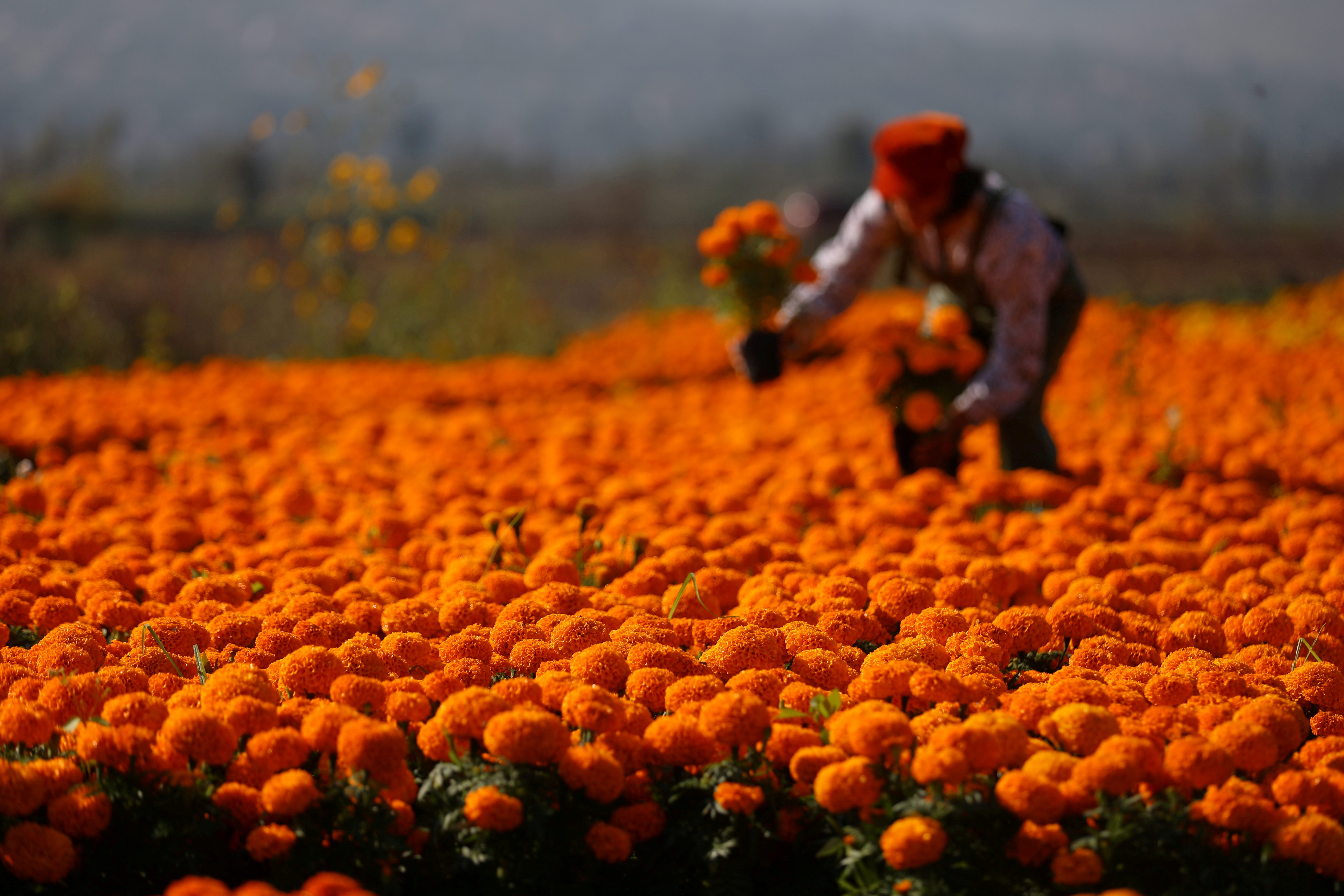
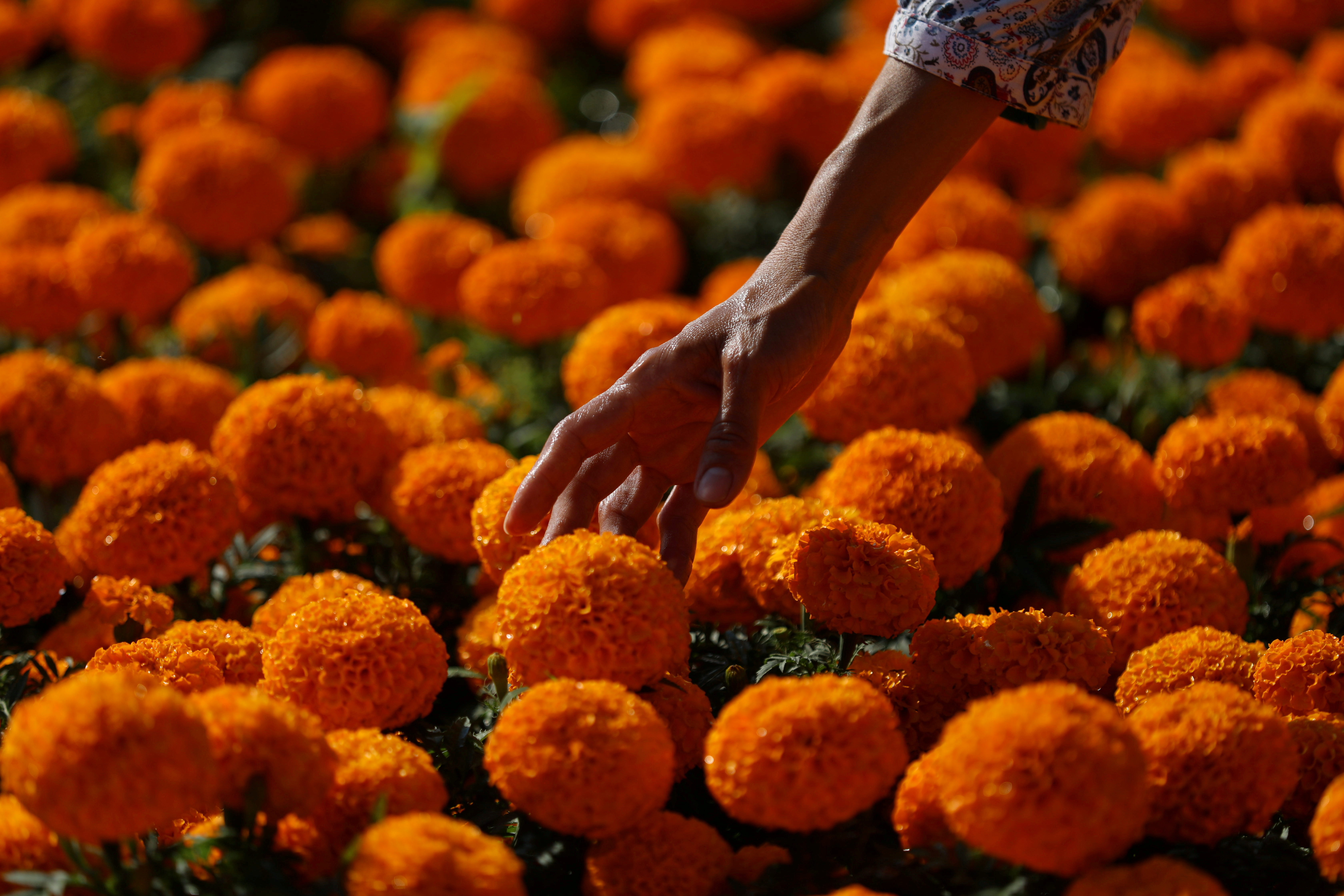
A woman harvests Cempasuchil marigolds to be used during Mexico’s Day of the Dead celebrations at San Luis Tlaxialtemalco nursery, in Xochimilco on the outskirts of Mexico City, Mexico October 28, 2021. REUTERS/Edgard Garrido/File Photo

“It’s important to get to know new cultures and to see that death is a new stage that sooner or later must come to everyone.”

Adorned with traditional Mexican bread as well as bananas, oranges and maize, the altars also had pictures of the elderly who had passed away. Tourists posed for photos next to giant white skulls painted with bright flowery images.

“The skulls, the shamanic part beneath it seems very profound to me, it goes to the roots of what the meaning of death is,” said Dayan Melendez, a U.S. tourist from Colorado.

“For me, it’s very emotional and I think we’re renewing the indigenous culture so it doesn’t scare me.”

Writing by Drazen Jorgic; Editing by Karishma Singh

The post In Heart of Mexico City, Tourists Embrace Day of the Dead Celebrations appeared first on The St Kitts Nevis Observer.

COP26: World Leaders Promise to End Deforestation by 2030


By Georgina Rannard
BBC News

More than 100 world leaders will promise to end and reverse deforestation by 2030, in the COP26 climate summit’s first major deal.

Brazil – where stretches of the Amazon rainforest have been cut down – will be among the signatories on Tuesday.

The pledge includes almost £14bn ($19.2bn) of public and private funds.

Experts welcomed the move, but warned a previous deal in 2014 had “failed to slow deforestation at all” and commitments needed to be delivered on.

Felling trees contributes to climate change because it depletes forests that absorb vast amounts of the warming gas CO2.

UK Prime Minister Boris Johnson, who is hosting the global meeting in Glasgow, will call Tuesday’s deal a “landmark agreement to protect and restore the Earth’s forests”.

“These great teeming ecosystems – these cathedrals of nature – are the lungs of our planet,” he will say at a COP26 event later where world leaders are meeting to discuss forests and land use.

The two-week summit in Glasgow is seen as crucial if climate change is to be brought under control.

The countries who say they will sign the pledge – including Canada, Brazil, Russia, China, Indonesia and the Democratic Republic of the Congo, the US and the UK (the full list is here) – cover around 85% of the world’s forests.

Some of the funding will go to developing countries to restore damaged land, tackle wildfires and support indigenous communities.

Governments of 28 countries will also commit to remove deforestation from the global trade of food and other agricultural products such as palm oil, soya and cocoa.

These industries drive forest loss by cutting down trees to make space for animals to graze or crops to grow.

More than 30 of the world’s biggest financial companies – including Aviva, Schroders and Axa – will also commit to end investment in activities linked to deforestation.

And a £1.1bn fund will be established to protect the world’s second largest tropical rainforest – in the Congo Basin.

Prof Simon Lewis, an expert on climate and forests at University College London, said: “It is good news to have a political commitment to end deforestation from so many countries, and significant funding to move forward on that journey.”

But he told the BBC the world “has been here before” with a declaration in 2014 in New York “which failed to slow deforestation at all”.

He added that this new deal did not tackle growing demand for products such as meat grown on rainforest land – which would require high levels of meat consumption in countries like the US and UK to be addressed.

Ecologist Dr Nigel Sizer called the agreement “a big deal” – but that some will find the target of 2030 disappointing.

“We’re facing a climate emergency so giving ourselves another 10 years to address this problem doesn’t quite seem consistent with that,” said Dr Sizer, a former president of the Rainforest Alliance.

“But maybe this is realistic and the best that they can achieve.”

2px presentational grey line

What was the failed 2014 agreement?

  • The New York Declaration on Forests was a voluntary and legally non-binding agreement on deforestation in 2014
  • It aimed to half deforestation by 2020, and halt it by 2030 – and 40 governments eventually signed up. But some key countries like Brazil and Russia weren’t among them
  • But the agreement failed, a report in 2019 found, saying deforestation was still continuing at an alarming rate
2px presentational grey line

The deal’s signatories will include a number of key countries.

Indonesia is the world’s largest exporter of palm oil, a product found in everything from shampoo to biscuits. Production is driving tree destruction and territory loss for indigenous people.

Meanwhile, Russia’s huge natural forests, with more than one fifth of the planet’s trees, capture more than 1.5 billion tonnes of carbon annually.

In the planet’s biggest rainforest, the Amazon, deforestation accelerated to a 12-year high in 2020 under Brazilian President Jair Bolsonaro.

Asked whether leaders like Brazil’s Mr Bolsonaro could be trusted to abide by the pledge, the UK’s Environment Secretary George Eustice said “we should be really positive when countries engage”.

“Last time there was an attempt at getting such a commitment on forests [in 2014], Brazil didn’t take part, neither did Russia, neither did China.

“Brazil, they’ve really engaged with us on this agenda. It’s a big step for them.”

But pressed on whether the agreement will be enforceable, Mr Eustice said: “It doesn’t go as far into talking about enforcement mechanisms and so forth, that’s not the nature of these agreements.”

He said what was different about this pledge in particular is that there is “the finance to back [it] up”.

More on Climate Change bottom strapline

COP26 climate summit – The basics

  • Climate change is one of the world’s most pressing problems. Governments must promise more ambitious cuts in warming gases if we are to prevent greater global temperature rises.
  • The summit in Glasgow is where change could happen. You need to watch for the promises made by the world’s biggest polluters, like the US and China, and whether poorer countries are getting the support they need.
  • All our lives will change. Decisions made here could impact our jobs, how we heat our homes, what we eat and how we travel.
More on Climate Change bottom strapline

Ana Yang, executive director at Chatham House Sustainability Accelerator, who co-wrote the report Rethinking the Brazilian Amazon, said: “This deal involves more countries, more players and more money. But the devil is in the detail which we still need to see.”

She said it was a “big building block” in the mission to keep global temperature rises below 1.5C. But many people living in the Amazon, including in its urban areas, depend on the forest for their livelihoods and they need support in finding new incomes, she added.

Tuntiak Katan, from the Coordination of Indigenous Communities of the Amazon Basin, welcomed the deal, saying that funds should be invested in supporting indigenous communities who are able to manage and protect forests.

Mr Katan, an indigenous Shuar from Ecuador, told the BBC indigenous communities globally protected 80% of the world’s biodiversity but faced threats and violence.

“For years we have protected our way of life and that has protected ecosystems and forests. Without us, no money or policy can stop climate change,” he said.

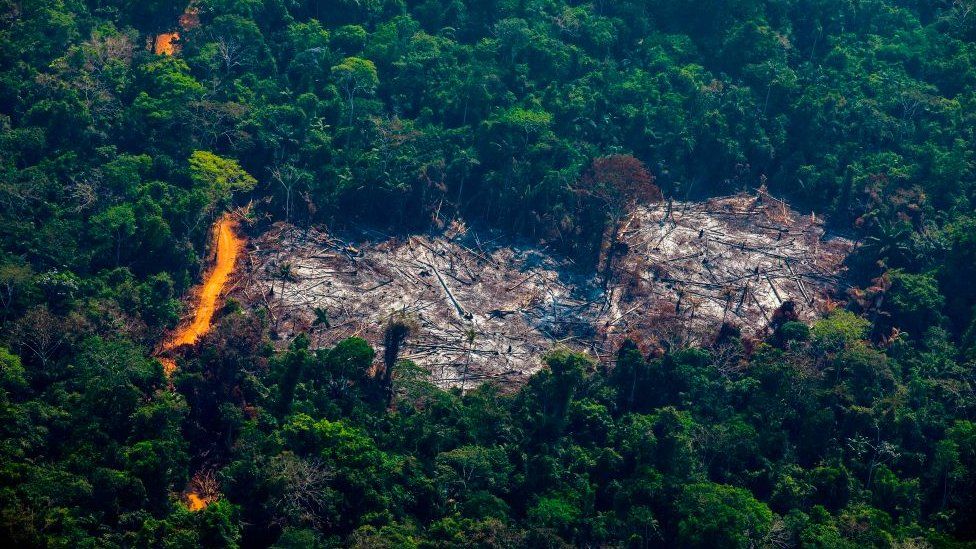
Aerial view of deforestation in the Menkragnoti Indigenous Territory in Altamira, Para state, Brazil
Deforestation has accelerated in the Amazon in recent years

One of the biggest causes of forest loss in Brazil is to grow soy beans, much of which goes to China and Europe for animal feed for pigs and chickens, said Dr Sizer. “We all end up consuming that, unless we’re strict vegetarians and we don’t eat soy. It’s a very serious problem that we’re all connected with.”

Trees are one of our major defences in a warming world. They suck carbon dioxide out of the atmosphere, acting as so-called carbon sinks. They absorb around one third of global CO2 emitted each year.

Currently an area of forest the size of 27 football pitches is lost every minute.

Depleted forests can also start to release CO2. If too many trees are cut down, scientists are worried that the planet will reach a tipping point that will set off abrupt and unpredictable climatic change.

The post COP26: World Leaders Promise to End Deforestation by 2030 appeared first on The St Kitts Nevis Observer.

Demand for Livestock & Quality Meat Increasing at Government Owned Farm in Nevis

NIA CHARLESTOWN NEVIS — The Department of Agriculture on Nevis continues to build its livestock capacity and increase meat production in its quest to ensure food sustainability on the island.
Mr. Rohan Claxton, Livestock Extension Officer with responsibility for Production on the Maddens Stock Farm, says a breeding programme which was introduced in 2016 is bearing fruit.

“We started a breeding programme in 2016. During that year we had a total of 30 breeders… The calves that we got in 2017 we selected them to be replacement heifers along with the nucleus herd the Senepol.

“So to date we have a total of 47 breeders which means this year we expect 47 calves. To date we have 37 calves so we are expecting another 10 calves by year end,” he said at the farm on October 29, 2021. 

Mr. Claxton noted that new breeds were introduced to improve the quality of the cattle and of the meat they produce.

 “The breeds that we introduced [are] the Brown Angus and the Red Angus along with some Brahman bulls that we had previously. So cross breeding is one of the techniques used in order to develop the genetics or breeds on the island.

“Why we chose these breeds? The angus is well known worldwide as a beef producer, grows very fast, and the genetics is very, very excellent. The meat marbling is very good. The texture of the meat is very good. So that is why we are introducing this breed so it can grow fast to reach market weight,” he said.

According to the Livestock Extension Officer, there has been an increasing local demand for beef produced from cattle at the Maddens Stock Farm and as a result they have been concentrating on producing cows to sell to farmers who are interested in improving the genetics with their stock. They also supply the Department of Agriculture’s Abattoir.

 “We normally supply the Abattoir when there is need to because the demand for beef is tremendous. I’m sure many of you went to local restaurants and you realise you are eating local ground beef, and the Abattoir also provides beef patties. The choice cuts, you will see them around in the supermarket.

“So presently the demand for beef has taken off. Some time ago we had cattle we used to call “beef festival” where we used to sell beef for $5.00 when nobody used to take it. Now the demand is there the supply is insufficient. Presently at the Abattoir, it’s $8.50 a pound [and] butchers $10.00 a pound,” he said.

Mr. Claxton said the nucleus herd at Maddens in up in the region of 100 heads and described them as being in pristine condition though rainfall was a challenge throughout the year with the exception of some in September.

However, in the absence of rain they had to resort to feeding them with supplements and to cut grass from elsewhere and transport to the cows to keep them alive.

“We supplement the cows with the spent hops and the Brewers grains. Those grains really, is a mixture of barley… the Brewers grain and the beer hops. So after all extractions … once it is fed in small amounts… gives it high protein high protein performance for the animals to benefit from.

“The main herd we tried to maintain them with the Brewers grains or spent hops and that has been our life saver. If you look at the animals, they are in prime condition because we had some rains during September and then the paddocks with the grasses [have] grown back so now they get some lush green,” he said.

According to Mr. Claxton, when it comes to foraging, each cow must consume at least 20 percent of its body weight. The average body weight of the cows at Maddens is around 800 to 1000 pounds, which means they should consume at least 20 to 30 pounds of grass on a daily basis, in order to get their protein to develop and grow and provide milk for their calves.

The cattle population in Nevis is low, under 300 heads at most. However, in the 60s and 70s the island had more than 7,000 heads of cattle and would export at a time when farmers engaged with mixed farming and cattle rearing.

Mr. Claxton said at that time Nevis exported livestock to St. Baths, St. Eustatius, St. Kitts, Guadeloupe, Martinique and also exported donkeys

The post Demand for Livestock & Quality Meat Increasing at Government Owned Farm in Nevis appeared first on The St Kitts Nevis Observer.

Nevis Physical Planning and Development Control Regs. 2021 Take Effect

NIA CHARLESTOWN NEVIS (October 29, 2021) — The following is a press release from the Department of Physical Planning and Environment in the Nevis Island Administration regarding the Nevis Physical Planning and Development Control Regulations 2021.

The Department of Physical Planning wishes to inform the general public that the Nevis Physical Planning and Development Control Regulations 2021 was passed in the Nevis Island Assembly on October 05, 2021. They were published in the Official Gazette No. 64 of 2021 on October 14, 2021.

The regulations, made pursuant to the Nevis Physical Planning and Development Control Ordinance Cap. 6.09(N) as amended, give specificity as it relates to the requirements for development design and application for permission to develop land.

Kindly note that these regulations come into force with immediate effect. A copy of the gazetted regulations is available for review at the Nevis Public Library in Charlestown and at the Nevis Island Administration’s Legal Department.

For additional information, please contact the Department of Physical Planning at:  Telephone: 463-5521 ext.6302, Email: Ne*****@***oo.com or via mailing address: Main Street, Charlestown, Nevis.

The post Nevis Physical Planning and Development Control Regs. 2021 Take Effect appeared first on The St Kitts Nevis Observer.

‘Appplications for Pinney’s Park Employment Overwhelming’- Nevis Tourism Official

NIA CHARLESTOWN NEVIS (October 29, 2021) — Mr. John Hanley, Permanent Secretary in the Ministry of Tourism on Nevis is describing the response to applications for employment at Pinney’s Park as overwhelming.

The ministry had early in October invited applications for employment in the positions of landscaper, receptionist, public area attendants and security officers as it was in the process of recruiting persons at the park which is due to be officially opened in December 2021.

“In total we received over 300 applications. However only 268 of those made it in before the stipulated deadline. We originally intended to keep the applications open for a period of two weeks, however, after the first two days it quickly became apparent that we were going to have an overwhelming response, and therefore we had to revise the deadline which was originally supposed to be the 22nd of October. We had to revise that to the 13th of October…

“Unfortunately, we can only select a small portion because only a very small team we would be able to employ at the park,” he said.

Mr. Hanley explained that for the time being the ministry’s interest is in persons who meet the requirements in landscaping.

“Our priority at this point in time is the landscapers because we want them to help us get the landscaping at the park ready. Right now, we are just about 80 something percent complete on the landscaping, so we need to get the landscapers on board as quickly as possible to help us to complete the landscaping so that everything is in a pristine condition in time for opening,” he said.

The Tourism official noted that later on they will focus on the other groups of employees

“That would be the security officers, the public area attendants who would be taking care of the bath rooms and the other public facilities and we will also be selecting our receptionist.

“So as time goes by, we will notify the applicants of those who have been successful,” he said.

On September 29, 2021, the ministry announced the appointment of horticulturist Mr. Dane Sandiford to manage the park with effect from October 15,2021. He was selected from a shortlist of 11 candidates.

The two-year Pinney’s Park Project which is more than 80 percent completed, is jointly funded by the Republic of China (Taiwan). It is estimated to cost US$2.7 million. The Nevis Island Administration provided EC$1million (US$.03million), while the remaining US$2.4million was provided through the generosity of the Republic of China (Taiwan).

The Taiwan International Cooperation and Development Fund (ICDF) is overseeing and executing the project which when completed will serve as a a recreational destination for residents and visitors.

On completion, the Pinney’s Park Project will be an 11.5-acre recreational park facility featuring a visitor centre, jogging trails, picnic area, a lawn amphitheater, parking lots and a large open central space suitable for hosting major events.

The post ‘Appplications for Pinney’s Park Employment Overwhelming’- Nevis Tourism Official appeared first on The St Kitts Nevis Observer.

Jamaica, Haiti, SVG to Get Vaccines fron COVAX, Mexico Gets 12m AZ & Sputnik Doses

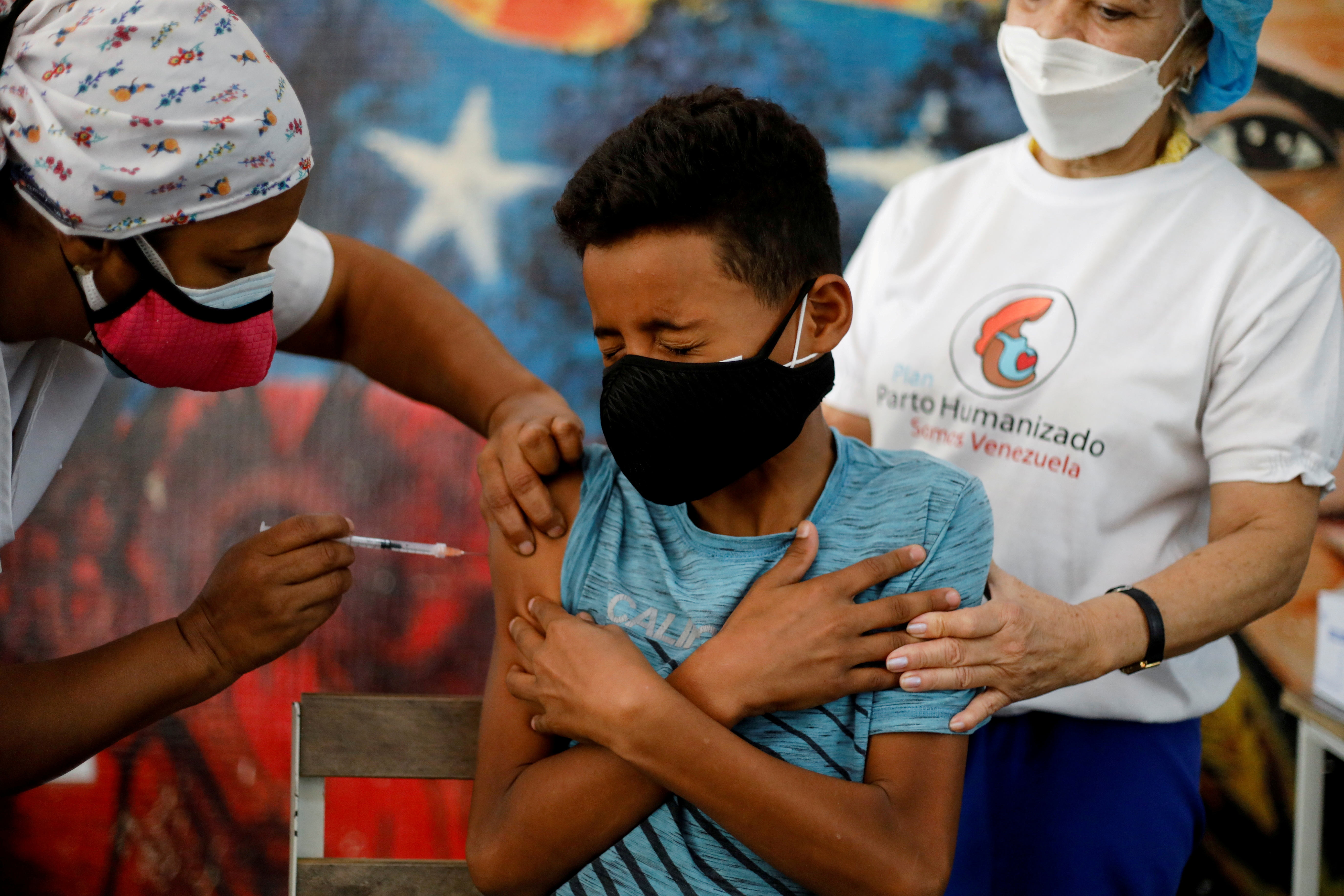
Jamaica, Haiti and St. Vincent and the Grenadines are among four countries due to receive more doses of COVID-19 vaccines through the World Health Organization’s COVID-19 Vaccines Global Access (COVAX) Facility.

The vaccines are expected to arrive in the next few weeks, as part of more than three million doses being dispatched by COVAX to the Pan American Health Organization (PAHO) this week for deployment to member countries that have, to date, vaccinated less than 20 percent of their populations against COVID-19.

Guatemala is the fourth country in Latin America and the Caribbean slated to get more vaccines.

PAHO Assistant Director, Dr. Jarbas Barbosa da Silva Jr., during Wednesday’s COVID-19 media briefing, said details of the latest vaccine provisions have been conveyed to the beneficiary countries to enable their preparations to receive and administer the doses, “and to make sure that [they] are able to protect their most vulnerable groups and save lives”.

He further indicated that vaccine deliveries are expected to pick up during the final months of 2021, “so we can continue to address one of the biggest challenges affecting our region – vaccine inequity”.

“COVAX has agreed that for November and December, vaccine allotments will be sent to the countries with the lowest coverage. This will ensure more protection for those countries. We are working, together with COVAX, to have these countries [prioritized],” the Assistant Director said.

According to PAHO data, nearly 44 percent of people in Latin America and the Caribbean have completed their COVID-19 immunization course.

“Thanks in large part to vaccine donations, made bilaterally or through COVAX, twice as many people in Latin America and the Caribbean are fully vaccinated against COVID-19 [now] than in August of this year,” Dr. Barbosa noted.

He pointed out that while more than half of the people in member countries remain unprotected, “our region has done a great job at accelerating immunization coverage over just a few months”.

CMC

================================================

MEXICO CITY, Oct 30 (Reuters) – Mexico’s health ministry said it had on Saturday received nearly 6 million AstraZeneca vaccine doses against COVID-19 as pressure grows on the government to widen its vaccination roll-out to include children.

The shipment of 5,993,700 doses followed the arrival of almost 6.5 million Sputnik V vaccine doses on Tuesday, easily the two biggest vaccine consignments Mexico has received, according to data on the ministry’s website.

Mexico has fully vaccinated against COVID-19 around 56 million people, or over 43% of the population, according to Our World in Data, a research group at Oxford University.

The government has yet to undertake a broad inoculation program for children, saying only that it would vaccinate up to a million aged between 12 and 17 deemed to be at high risk.

However, media reported this week that a court had ordered health authorities to give more vaccinations to children aged 12-17 just as other countries do so.

Separately, the health ministry reported 3,478 new confirmed coronavirus cases and 325 more fatalities, bringing Mexico’s overall death toll from the pandemic to 288,276 and the total number of cases to 3,805,765.

Officials have said the ministry’s figures likely represent a significant undercount of both COVID-19 cases and deaths.

Reporting by Dave Graham; Editing by Sonya Hepinstall and Daniel Walli

The post Jamaica, Haiti, SVG to Get Vaccines fron COVAX, Mexico Gets 12m AZ & Sputnik Doses appeared first on The St Kitts Nevis Observer.

COVID-19′s Gobal Death Toll Tops 5 Million in Under 2 Years, Corona Summary, World Stats


The global death toll from COVID-19 topped 5 million on Monday, less than two years into a crisis that has not only devastated poor countries but also humbled wealthy ones with first-rate health care systems.

Together, the United States, the European Union, Britain and Brazil — all upper-middle- or high-income countries — account for one-eighth of the world’s population but nearly half of all reported deaths. The U.S. alone has recorded over 740,000 lives lost, more than any other nation.

“This is a defining moment in our lifetime,” said Dr. Albert Ko, an infectious disease specialist at the Yale School of Public Health. “What do we have to do to protect ourselves so we don’t get to another 5 million?”

The death toll, as tallied by Johns Hopkins University, is about equal to the populations of Los Angeles and San Francisco combined. It rivals the number of people killed in battles among nations since 1950, according to estimates from the Peace Research Institute Oslo. Globally, COVID-19 is now the third leading cause of death, after heart disease and stroke.

The staggering figure is almost certainly an undercount because of limited testing and people dying at home without medical attention, especially in poor parts of the world, such as India.

Hot spots have shifted over the 22 months since the outbreak began, turning different places on the world map red. Now, the virus is pummeling Russia, Ukraine and other parts of Eastern Europe, especially where rumors, misinformation and distrust in government have hobbled vaccination efforts. In Ukraine, only 17% of the adult population is fully vaccinated; in Armenia, only 7%.

“What’s uniquely different about this pandemic is it hit hardest the high-resource countries,” said Dr. Wafaa El-Sadr, director of ICAP, a global health center at Columbia University. “That’s the irony of COVID-19.”

Wealthier nations with longer life expectancies have larger proportions of older people, cancer survivors and nursing home residents, all of whom are especially vulnerable to COVID-19, El-Sadr noted. Poorer countries tend to have larger shares of children, teens and young adults, who are less likely to fall seriously ill from the coronavirus.

India, despite its terrifying delta surge that peaked in early May, now has a much lower reported daily death rate than wealthier Russia, the U.S. or Britain, though there is uncertainty around its figures.

The seeming disconnect between wealth and health is a paradox that disease experts will be pondering for years. But the pattern that is seen on the grand scale, when nations are compared, is different when examined at closer range. Within each wealthy country, when deaths and infections are mapped, poorer neighborhoods are hit hardest.

In the U.S., for example, COVID-19 has taken an outsize toll on Black and Hispanic people, who are more likely than white people to live in poverty and have less access to health care.

“When we get out our microscopes, we see that within countries, the most vulnerable have suffered most,” Ko said.

Wealth has also played a role in the global vaccination drive, with rich countries accused of locking up supplies. The U.S. and others are already dispensing booster shots at a time when millions across Africa haven’t received a single dose, though the rich countries are also shipping hundreds of millions of shots to the rest of the world.

Africa remains the world’s least vaccinated region, with just 5% of the population of 1.3 billion people fully covered.

“This devastating milestone reminds us that we are failing much of the world,” U.N. Secretary-General António Guterres said in a written statement. “This is a global shame.”

In Kampala, Uganda, Cissy Kagaba lost her 62-year-old mother on Christmas Day and her 76-year-old father days later.

“Christmas will never be the same for me,” said Kagaba, an anti-corruption activist in the East African country that has been through multiple lockdowns against the virus and where a curfew remains in place.

The pandemic has united the globe in grief and pushed survivors to the breaking point.

“Who else is there now? The responsibility is on me. COVID has changed my life,” said 32-year-old Reena Kesarwani, a mother of two boys, who was left to manage her late husband’s modest hardware store in a village in India.

Her husband, Anand Babu Kesarwani, died at 38 during India’s crushing coronavirus surge earlier this year. It overwhelmed one of the most chronically underfunded public health systems in the world and killed tens of thousands as hospitals ran out of oxygen and medicine.

In Bergamo, Italy, once the site of the West’s first deadly wave, 51-year-old Fabrizio Fidanza was deprived of a final farewell as his 86-year-old father lay dying in the hospital. He is still trying to come to terms with the loss more than a year later.

“For the last month, I never saw him,” Fidanza said during a visit to his father’s grave. “It was the worst moment. But coming here every week, helps me.”

Today, 92% of Bergamo’s eligible population have had at least one shot, the highest vaccination rate in Italy. The chief of medicine at Pope John XXIII Hospital, Dr. Stefano Fagiuoli, said he believes that’s a clear result of the city’s collective trauma, when the wail of ambulances was constant.

In Lake City, Florida, LaTasha Graham, 38, still gets mail almost daily for her 17-year-old daughter, Jo’Keria, who died of COVID-19 in August, days before starting her senior year of high school. The teen, who was buried in her cap and gown, wanted to be a trauma surgeon.

“I know that she would have made it. I know that she would have been where she wanted to go,” her mother said.

In Rio de Janeiro, Erika Machado scanned the list of names engraved on a long, undulating sculpture of oxidized steel that stands in Penitencia cemetery as an homage to some of Brazil’s COVID-19 victims. Then she found him: Wagner Machado, her father.

“My dad was the love of my life, my best friend,” said Machado, 40, a saleswoman who traveled from Sao Paulo to see her father’s name. “He was everything to me.”

___

AP journalists Rajesh Kumar Singh in Chhitpalgarh, India; Cara Anna in Nairobi, Kenya; Rodney Muhumuza in Kampala, Uganda; Kelli Kennedy in Fort Lauderdale, Florida; Colleen Barry in Bergamo, Italy; and Diane Jeantet in Rio de Janeiro contributed.

======================================================

What you need to know about the coronavirus right now

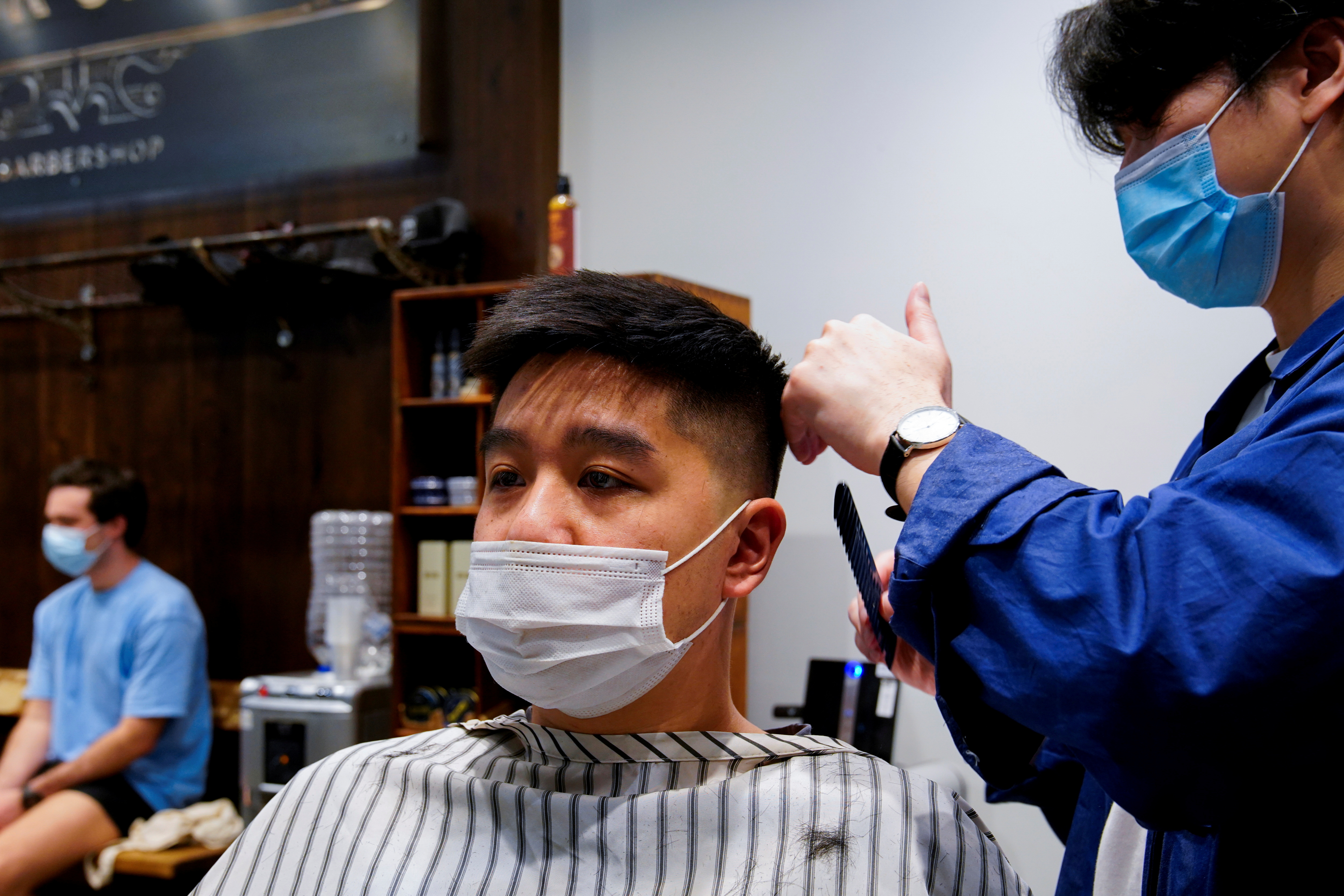
Patrick Vo gets his hair cut on the first day of eased coronavirus disease (COVID-19) regulations, following a lockdown to curb an outbreak, in Melbourne, Australia, October 22, 2021. REUTERS/Sandra Sanders

Nov 1 (Reuters) –

Borders open in Australia, Thailand

Australia eased its international border restrictions on Monday for the first time during the coronavirus pandemic, allowing some of its vaccinated public to travel freely and many families to reunite, sparking emotional embraces at Sydney’s airport. While travel is initially limited to Australian citizens, permanent residents and their immediate families, it sets in motion a plan to reopen the country to international tourists and workers, both much needed to reinvigorate a fatigued nation. read more

Hundreds of vaccinated foreign tourists are scheduled to arrive in Bangkok on Monday, the first wave of visitors to Thailand in 18 months who will not have to undergo quarantine for the coronavirus. Seeking to resurrect its pandemic-ravaged tourism economy, Thailand’s government has given the green light to vaccinated tourists from more than 60 countries, including the United States and China. read more

FDA needs more time to complete review of Moderna teen shot

Moderna Inc said on Sunday it has been told that the U.S. Food and Drug Administration will require additional time to complete its assessment of the company’s COVID-19 vaccine for use in adolescents aged 12 to 17 years.

The FDA informed Moderna that the review may not be completed before January 2022, the company said in a statement, dealing a potential setback to the timing of an emergency use authorization (EUA) for that age group. read more

China outbreak developing rapidly, health official says

China’s latest COVID-19 outbreak is developing rapidly, a health official said, as the authorities demanded high vigilance at ports of entry amid growing infections in northeastern Heihe border city caused by the virus arriving from abroad.

Some 377 domestically transmitted cases with confirmed symptoms were reported from Oct. 17-29, National Health Commission (NHC) data showed. China has tackled a series of outbreaks this year since it largely contained a national spread in early 2020. read more

China says U.S. COVID origins report is without credibility

A declassified U.S. intelligence report saying it was plausible that the COVID-19 pandemic originated in a laboratory is unscientific and has no credibility, Chinese foreign ministry spokesman Wang Wenbin said in a statement on Sunday.

The updated U.S. intelligence briefing, published on Saturday, said that a natural origin and a lab leak were both plausible hypotheses to explain how SARS-CoV-2, the virus responsible for COVID-19, first infected humans, but that the truth may never be known. read more

A joint study by China and the World Health Organization published this year all but ruled out the theory that COVID-19 originated in a laboratory, saying that the most likely hypothesis was that it infected humans naturally, probably via the wildlife trade. read more

Cheap antidepressant shows promise against COVID-19

Fluvoxamine, an inexpensive antidepressant, might help keep patients with COVID-19 from developing severe disease, according to a new study published in The Lancet Global Health on Wednesday.

The researchers suspect the drug is helping by limiting the ability of the virus to cause inflammation. However, more research is needed to determine the impact of fluvoxamine because “composite outcomes” – where a variety of results are lumped together for analysis – are unreliable, according to an editorial by Otavio Berwanger of Hospital Israelita Albert Einstein in Sao Paulo. read more

Compiled by Karishma Singh; Editing by Himani Sarkar
====================================================
WORLD STATS

Coronavirus Cases:

247,560,792

Deaths:

5,017,024

Recovered:

224,211,889
Highlighted in green
= all cases have recovered from the infection
Highlighted in grey
= all cases have had an outcome (there are no active cases)

[back to top ↑]

Latest News

November 1 (GMT)

Updates

  • 441 new cases and 9 new deaths in Nepal [source]
  • 685 new cases and 2 new deaths in Laos [source]
  • 626 new cases and 23 new deaths in Libya [source]
  • 40,402 new cases and 1,155 new deaths in Russia [source]
  • 229 new cases and 7 new deaths in Japan [source]
  • 5 new cases in Ta

The post COVID-19′s Gobal Death Toll Tops 5 Million in Under 2 Years, Corona Summary, World Stats appeared first on The St Kitts Nevis Observer.

WORLD VIEW: Covid Deaths Top 5m, COP26 Meet Opens, Afghan Doctors Dispute, More

Nov. 1, 2021

Alternate text
  • The global death toll from COVID-19 passed 5 million Monday, less than two years into the crisis that has devastated poor nations and humbled wealthy countries.
  • In the Scottish city of Glasgow, world leaders are outlining their commitments to tackle global warming at a United Nations climate summit. Underscoring the challenges the summit faces,
  • The AP looks at a town in eastern India to focus on why it is so hard to say goodbye to coal.
  • In the World Series the Houston Astros have cut the Atlanta Braves’ lead to 3-2
  • The U.S. Supreme Court takes up Texas law banning most abortions
  • In Afghan hospital, unpaid doctors clash with Taliban.
  • Ugandan kids lose hope and education amid COVID-19 pandemic.WORLDF

MIKE CORDER

The Hague, Netherlands

The Associated Press

Advancing the Power of Facts

The Rundown

I'm an image

The global death toll from COVID-19 topped 5 million on Monday, less than two years into a crisis that has not only devastated poor countries but also humbled wealthy ones with first-rate health care systems….Read More

I'm an image

GLASGOW, Scotland (AP) — It’s time for more than 130 world leaders to feel the heat . Over 130 heads of state will traipse to the podium Monday and Tuesday at crucial international climate talks in Scotland …Read More

I'm an image

DHANBAD, India (AP) — Every day, Raju gets on his bicycle and unwillingly pedals the world a tiny bit closer to climate catastrophe. Every day, he straps half a dozen sacks of coal pilfered from mines — up to …Read More

I'm an image

WASHINGTON (AP) — The Supreme Court is taking up challenges to a Texas law that has virtually ended abortion in the nation’s second-largest state after six weeks of pregnancy. The justices are hearing argument…Read More

I'm an image

ATLANTA (AP) — Just in time, Carlos Correa and the Houston Astros broke out the bats. Because if they had waited any longer, this World Series would’ve been over. Staggered by Adam Duvall’s grand slam in the f…Read More

OTHER TOP STORIES

KABUL, Afghanistan (AP) — The Taliban-appointed supervisor of a small district hospital outside the Afghan capital has big plans for the place — to the dismay of the doctor…Read More

RICHMOND, Va. (AP) — Democrat Terry McAuliffe and Republican Glenn Youngkin are set for a final day of campaigning at a frenetic pace ahead of Tuesday’s finale in the compe…Read More

BUSIA, Uganda (AP) — Dressed in his school uniform, Mathias Okwako jumped into the mud and started his daily search for gold, a commodity that may be closer to his grasp th…Read More

CANBERRA, Australia (AP) — Sydney’s international airport came alive with tears, embraces and laughter on Monday as Australia’s border opened for the first time in 20 month…Read More

The post WORLD VIEW: Covid Deaths Top 5m, COP26 Meet Opens, Afghan Doctors Dispute, More appeared first on The St Kitts Nevis Observer.

Guyana Looks to Middle East for Help in Constructing Deep Water Port

A deep-water harbour port in Guyana providing access to the Atlantic Ocean is back on the agenda with renewed interest and assistance from the Middle East.

This project is expected to benefit Guyana and its neighbours Brazil, Suriname and French Guiana.

On Friday, Guyana’s President Mohamed Irfaan Ali announced that during his recent visit to Expo 2020 in Dubai, he had “extensive” discussions with Khalifa Port.

Khalifa Port which is located halfway between Dubai and Abu Dhabi is a state-of-the-art deep-water port built to accommodate some of the world’s largest ships.

Officials from Khalifa Port already had two technical teams in Guyana and are expected to return, President Ali said with their “evaluation”.

“They are looking at a modern state-of-the-art facility operation with cutting edge technology, focusing on efficiency, safety and security,” Ali told the media.

The President said that a team from Khalifa Port is expected in Guyana in another 2-3 weeks to follow up with an evaluation.

“Their initial assessment is one of great optimism,” Ali said, “that is how they described it, they believe that this is a project that can happen, that this is a project that is viable, they are now working on the financial details.”

Asked about funding, Guyana’s President would only say that the government is looking at “private sector investment,” as he added that the Abu Dhabi team will deliver both technical and financial evaluations.

This port is expected to provide the land-lock Roraima region of Brazil with access to the Atlantic Ocean.

This access has seen decades-long discussions as well as bilateral agreements between the South American neighbours.

Guyana’s President said that discussions have started with some of Guyana’s neighbours, “all three countries are strongly committed to the project,” he declared on Friday.

Ali said that a strategic meeting between Brazil, Suriname and French Guiana on the port and other issues is planned for early 2022.

Already there have been transformational projects on riverside lands along the three main rivers. The oil and gas industry has seen the development of onshore facilities.

At least two major, onshore facilities are in the planning stages and would be located in both the Essequibo River and the Demerara Rivers.

Loop is better in the app. Customize your news feed, save articles for later, view your reading history and more. Click the links below to download the app for Android and IOS.

The post Guyana Looks to Middle East for Help in Constructing Deep Water Port appeared first on The St Kitts Nevis Observer.

Bolsonaro Isolated at G-20 Meet, His Security Detail in Punch-Up with Reporters

RIO DE JANEIRO, Oct 31 (Reuters) – Brazilian President Jair Bolsonaro’s security detail allegedly used violence against Brazilian reporters covering his trip to Rome for the Group of 20 major economies meeting, local media reported on Sunday.

The alleged attacks against Brazilian reporters, who Bolsonaro has long accused of treating him unfairly and publishing fake news, capped a grim weekend for the far-right president. Videos from G20 events showed him as an isolated figure, who was not part of the photo taken at the Trevi fountain with world leaders. Out on the streets of Rome, he was loudly criticized for his handling of the country’s brutal pandemic, with critics calling him “genocidal.”

More than 600,000 people have died from COVID-19 in Brazil, the second highest tally in the world after the United States. Bolsonaro has questioned the severity of the virus, shunned lockdowns, sowed vaccine doubts and pushed unproven cures. A Senate panel has recommended he be indicted for nine crimes related to his handling of the pandemic, including crimes against humanity.L1N2RM342

Newspaper O Globo reported that broadcast journalist Leonardo Monteiro of TV Globo was punched in the stomach and pushed by Bolsonaro’s security after asking the president why he didn’t attend any G20 events on Sunday. A video taken by UOL journalist Jamil Chade shows chaotic scenes with security staff jostling the press and Bolsonaro supporters chanting abuse at reporters.

It was not clear if the security officers were Brazilian or Italian. O Globo reported that Italians had been given the job of providing security to Bolsonaro.

The president’s office did not immediately respond to requests for comment on the attacks or why he was missing from the leaders’ photo. The G20 press team also did not immediately respond to requests.

“Globo vehemently condemns the aggression against its correspondent Leonardo Monteiro and other colleagues in Rome and demands a complete assessment of responsibilities,” TV Globo said in a statement.

Videos from the G20 events show Bolsonaro looking isolated.

The former army captain has seen his international support diminish since former U.S. President Donald Trump lost his re-election bid, while Bolsonaro’s skepticism toward COVID-19, vaccines and environmental concerns has won him few friends on the global stage.

In one video taken by Jamil Chade, Bolsonaro is seen striking up a conversation with Italian waiters as global leaders chat among themselves in the other part of the room.

“This video of Bolsonaro walking around alone in the G20 conference hall, while other world leaders are chatting, is painful to watch, but it adequately reflects the collapse of Brazil’s standing in the world,” Oliver Stuenkel, an international relations professor at the Getulio Vargas Foundation, a Brazilian university, tweeted.

Reporting by Gabriel Stargardter; editing by Diane Craft

The post Bolsonaro Isolated at G-20 Meet, His Security Detail in Punch-Up with Reporters appeared first on The St Kitts Nevis Observer.