Tag Archives: caribbean

Astra Zeneca Global Threat, Push for UK Virus Probe, Problem for Homegrown Vaccines, World Stats

European AstraZeneca suspensions threaten global COVID response

European AstraZeneca suspensions threaten global COVID response
© Getty Images

European countries are pausing the use of the Oxford-AstraZeneca coronavirus vaccine over concerns of blood clots, colliding with expert opinion and creating a crisis of faith in the shot that could hamper progress to stop the COVID-19 pandemic.

Sweden and Latvia on Tuesday joined more than a dozen other European countries, including Portugal, Germany and Italy, that have publicly announced they are temporarily suspending use of the vaccine following reports of blood clots.

Europe’s top medical regulator is insisting the vaccine is safe and that the benefits of preventing hospitalization and death from COVID-19 outweigh any possible side effects.

“At present, there is no indication that vaccination has caused these conditions,” Emer Cooke, executive director of the European Medicines Agency, said during a Tuesday press conference. “They have not come up in clinical trials, and they’re not listed as known or expected side events.”

The agency has convened a safety committee of experts from across the European Union (EU) and beyond for an emergency meeting on Thursday to discuss and release the findings of its investigation into reports of rare but dangerous blood clots in the brain and abnormal bleeding.

The overall number of events “seemed not to be higher” in vaccinated people than in the general population, Cooke said. People are going to get blood clots, and just because they occurred shortly after vaccination does not mean there’s a link.

Asked about countries’ decisions to suspend the vaccine, Cooke said they were taken “in the context of the information that is available at the national level, and it is the country’s prerogative to do so.”

The World Health Organization (WHO) has also been quick to back the vaccine’s safety and has encouraged countries to continue using the shot.

Mariângela Simão, a WHO assistant director-general, last week said she thinks people have confused causation with correlation.

“People die every day,” she said. “There will be people who have been immunized who will die of other causes. So far the preliminary data we have seen does not lead to a causal relationship.”

AstraZeneca has also said there is no evidence linking its vaccine to blood clots.

The British pharmaceutical company released a statement after it reviewed 17 million vaccines administered in Europe, saying it found only 15 events of deep vein thrombosis and 22 events of pulmonary embolisms.

But the flurry of suspensions is concerning health experts, who say the decisions do not seem to be supported by medical data. Not only could the pauses set back vaccination efforts across Europe, but they could have ripple effects across the world.

“I think that many of these countries will have done damage to what is a good vaccine” said Amesh Adalja, a senior scholar at the Johns Hopkins Center for Health Security.

Even if the countries resume vaccinating people in a few days, the damage might have been done.

“What people are going to remember is not the fact that this is … not a causal effect. What they’re going to remember is hearing something vaguely about blood clots, and that’s going to undermine confidence in the vaccine, which I think is especially dangerous,” Adalja said.

Hundreds of millions of Europeans are facing the prospect of another strict lockdown as the continent struggles with a new wave of COVID-19 infections and a flawed vaccine rollout. Suspending AstraZeneca’s shots could slow it down even more.

Only about 9 percent of the eligible population across all EU countries has received at least one dose, according to the European Centre for Disease Prevention and Control.

By contrast in the U.S., nearly 22 percent of the population has received at least one shot, with nearly 2.2 million doses getting administered a day.

Many European countries are relying heavily on the Oxford-AstraZeneca vaccine, as it is being sold using a nonprofit model and is far cheaper to make than other COVID-19 vaccines.

It is also the main shot being used by Covax, the global program to deliver vaccines to low- and middle-income countries.

But AstraZeneca has also been plagued with production issues. Last week, the company said it would try to deliver 30 million doses to the EU by the end of March, much less than its contractual obligation of 90 million and down from a previous promise made last month to deliver 40 million doses.

AstraZeneca has not yet filed for authorization with the Food and Drug Administration (FDA) because the FDA wants to wait for U.S. clinical trial results, which could come shortly.

=====================================================

Why home-produced Covid vaccine hasn’t helped India, Russia and China rollouts

Challenge of reaching vast, far-flung populations is combined with a lack of public interest
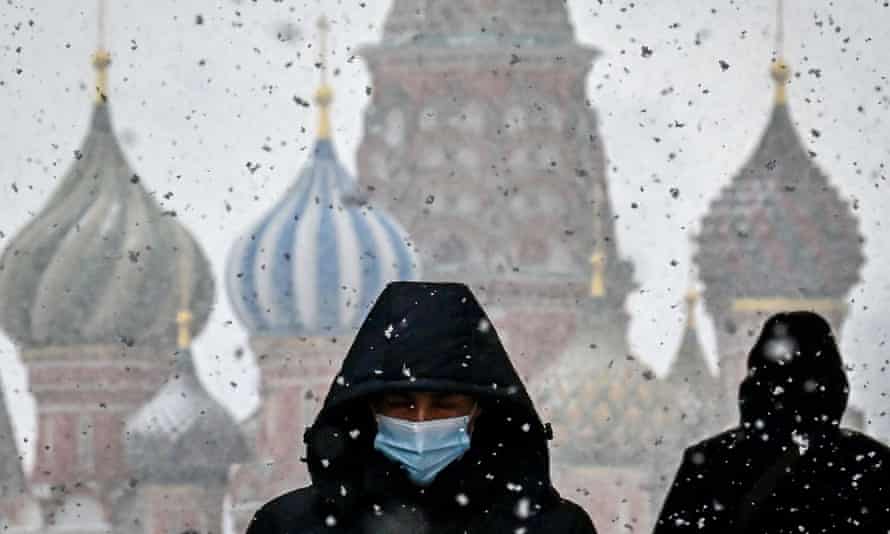
 

A man wearing a facemask in Red Square, Moscow, with the Saint Basil cathedral on the background
Red Square, Moscow. Photograph: Yuri Kadobnov/AFP/Getty
in Beirut, in Moscow and in Taipei

Guardian (UK) The day India started coronavirus vaccinations, Amit Mehra’s name was on the priority list. But he never made an appointment. “I’m not inclined to get vaccinated just because it’s available,” says the 47-year-old Delhi hospital worker.

Two and a half thousand miles away, strolling past a popup inoculation centre near Red Square in Moscow, Magomed Zurabov is similarly reluctant. Suspicious that the pandemic was deliberately engineered, he has no intention of being vaccinated, he says. Instead, he is “taking the necessary precautions”: wearing a mask and using disinfectant.

As vaccinations rates soar in Israel, the UK, the United Arab Emirates and other countries that have monopolised supply, and poorer nations make do with a trickle of doses, a third category are beginning long climbs. Supply is less of an issue in Russia, China or India, all of which produce their own vaccines. But their respective government programmes have had slow starts, and there has been little public clamour to speed things up.

“People have not shown that eagerness and urgency to be vaccinated,” says Ajeet Jain, a doctor at the Rajiv Gandhi Super Speciality hospital in Delhi. “India is going through that phase where the disease is no longer prevalent except in a few states. People are relaxed that the disease is over from their point of view.”
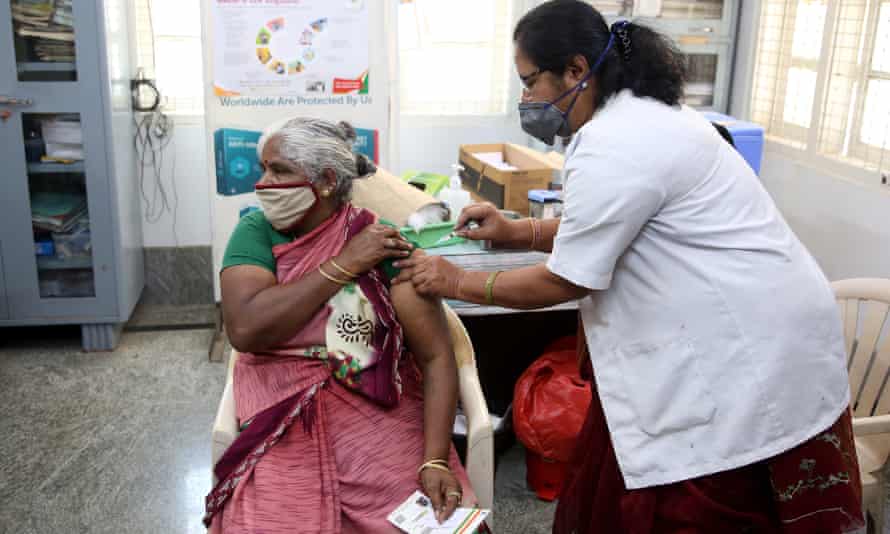
Woman gets vaccinated
A woman receives a dose of a Covid-19 jab at Dasappa hospital in Bangalore, India, this week. Photograph: Jagadeesh Nv/EPA

The experience of India, Russia and China may prove, in time, to be typical. Even once vaccine shortages are alleviated, much of the world could still take years to achieve widespread Covid-19 vaccination, encumbered by the challenges of reaching vast and far-flung populations, lack of interest from the public and other, more pressing health priorities.

Some countries may shake off growing pains: India’s rollout has accelerated in the past fortnight, with private clinics enlisted to help administer shots and new groups, including anyone over 60, invited to make appointments. The programme hit 3m doses a day this week which, if maintained, would put it within reach of its target of vaccinating 20% of the population by August.

Uptake was slower than expected among the 30 million healthcare and frontline workers who were prioritised for the first round of doses, with some hesitant about receiving Covaxin, a locally developed vaccine that was pressed into use before the release of phase 3 trial results. (Interim data has since shown that it is 81% effective.)

“That caused quite a bit of confusion, as a result of which healthcare workers who were supposed to be vaccinated in the first round, and who understood this process a little better than other people, didn’t come forward as much as they should have,” says Dr Shahid Jameel, a virologist and director of the Trivedi school of biosciences at Ashoka University.

India has also held off from deploying its entire workforce of vaccine deliverers to fight Covid-19, keeping about half at work administering jabs for other deadly diseases, Jameel says. “There is a childhood immunisation programme, there is one for pregnant mothers, and they have to go on unhindered despite Covid.”

The most significant impediment may be that, since September, virus rates in India have dropped steeply. And in a country with a median age of about 28, Covid-19 has not proved especially deadly, implicated in about 160,000 recorded deaths, a third of the number of Indians who die from tuberculosis each year. Signs of a second wave taking off in the past week may change the calculation for some.

“Look at death rates in South Asia and you’ll know why people are not dying to get vaccinated,” says Oommen C Kurian, a senior fellow at Delhi’s Observer Research Foundation thinktank. “Their sense of risk is considerably lower than, say, a Londoner.”

The same is true for the average resident of Beijing, though not for demographic reasons. China has employed blunt but effective quarantine measures to contain Sars-CoV-2 successfully, and life in the country has largely returned to normal. Though it authorised its first vaccines for emergency use in July, just 4% of the country has been vaccinated so far.

“One of the most important contributors is this perception that China has a low risk of infection,” said Yanzhong Huan, director of the Center for Global Health Studies at Seton Hall University in New Jersey. “So people think, why bother to get vaccinated? We’re already safe.”

The country aims to inoculate 40% of its population by July, a target that will require administering about 4m shots a day, up from about 640,000 a day on the latest public figures.

But Beijing must also balance commitments to supply at least 463m doses to countries overseas, many of them donations to strategic partners. So far, it is under little pressure to hoard those vaccines for use at home. “People view this as an example of China being a global leader, something that showcases China being a responsible and reliable great power,” Huang says.

Russia has been hit harder by the virus, losing 90,000 lives on official figures thought to be a significant underestimate. But there, too, uptake of the vaccine is tracking well short of government targets of inoculating 60% of the population by mid-year.

A poll of Russians this month found that two-thirds were unwilling to receive the locally developed Sputnik-V shot, in spite of peer-reviewed research suggesting that it is safe and effective. Their scepticism extended to the origins of the coronavirus, with 64% believing that it was a biological weapon, the independent poll said. (Most virologists disagree and say there is no evidence that the virus was engineered.)

Lack of trust in the Russian government is a key hurdle, says Sergei Rybakov, a representative of the Doctors’ alliance, an opposition-linked medical union that has criticised the official response to the pandemic. Though the state has marketed Sputnik-V overseas, including with its own Twitter account, it has done less to promote the vaccine among Russians, he says.

“The task of the state is to show that the vaccine is necessary, the vaccine is safe. In Russia this hasn’t been done to the extent it needs to be,” Rybakov said. “You need to show people that not getting the vaccine is more dangerous than getting it.”

Similar hurdles are likely to slow rollouts elsewhere, too, as countries assemble one of the largest logistical operations most have ever undertaken. Even once supplies are secured, some may struggle for years to reach the 70% of the population thought to be required for herd immunity, says Babak Javid, an infectious diseases scientist at the University of California, San Francisco.

They might focus their efforts instead on reaching healthcare workers and the most vulnerable, he says. “You’re not going to eliminate Covid deaths, but you’ll eliminate the likelihood of healthcare infrastructure being overwhelmed.”

=================================================

Pressure mounts on Boris Johnson to launch coronavirus inquiry

Exclusive: scientific advisers and ex-Whitehall chief join bereaved families, medics and ethnic minority leaders in calling for inquiry
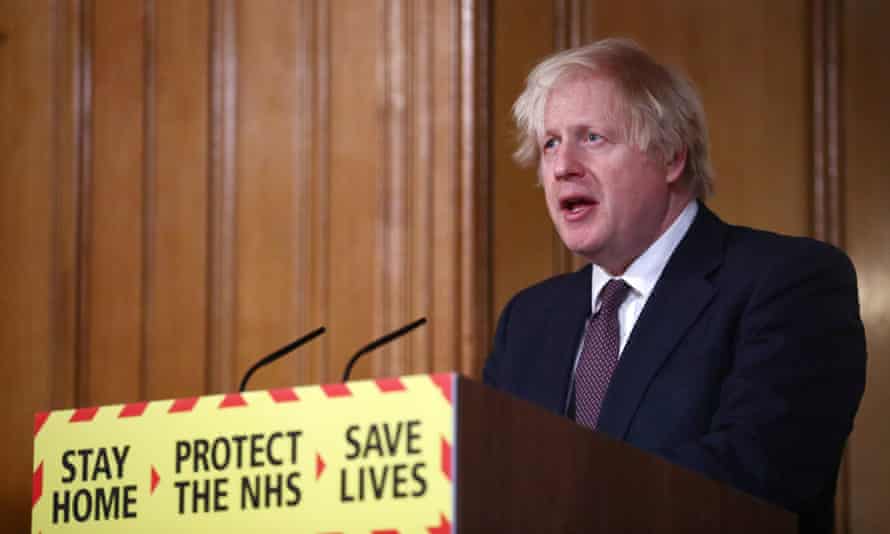
A dozen influential figures told the Guardian they supported a public inquiry.
A dozen influential figures told the Guardian they supported a public inquiry. Photograph: Hannah McKay/PA

Guardian (UK) Senior doctors, government scientific advisers and a former head of the civil service have spoken out in favour of a public inquiry into the UK’s handling of Covid-19, raising pressure on Boris Johnson to finally launch the process as the UK’s coronavirus fatalities rose to almost 126,000.

Thousands of bereaved families, nurses and ethnic minority leaders also backed calls for an inquiry into everything from lockdown tactics to test and trace after the UK’s handling of the pandemic resulted in the worst death toll per capita of any of the world’s large economies.
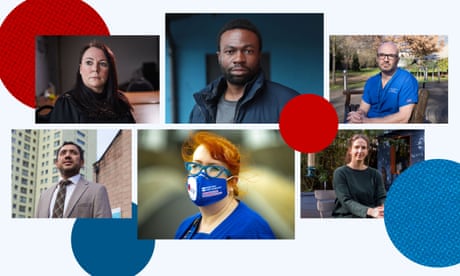
‘Somebody has to answer for this’: voices from the frontline on why we need a Covid inquiry
Read more

Lord Kerslake, the head of the civil service under David Cameron, and Prof John Edmunds, a leading scientific adviser to the government on Covid, are among a dozen influential figures who have told the Guardian they support a public inquiry. Kerslake said it could save lives and it would be “criminal not to learn the lessons”.

“We can’t rule out the possibility that we will hit this problem again,” he said, adding the inquiry should begin by summer.
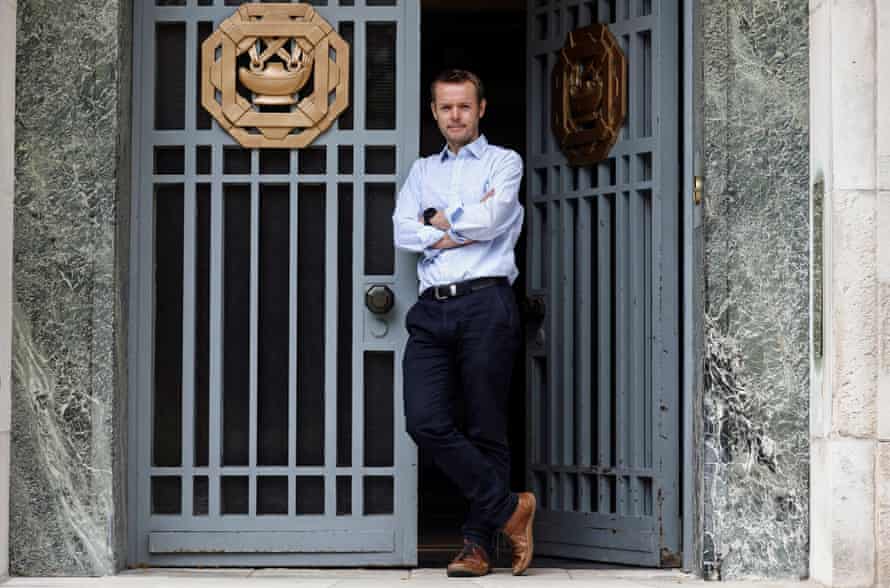
Professor John Edmunds leaning against a door
Prof John Edmunds, who supports a public inquiry. Photograph: Simon Dawson/Reuters/Alamy

Edmunds said: “An event of this magnitude needs to be looked at in detail, including – if necessary – compelling witnesses to attend.”

With infections now at their lowest rate since September and close to 25 million people vaccinated with a first dose, others calling for the inquiry to be triggered include Prof Dame Donna Kinnair, the general secretary of the Royal College of Nursing, Zara Mohammed, the secretary general of the Muslim Council of Britain, Chaand Nagpaul, the chair of the British Medical Association council and Diane Mayhew, a co-founder of the Rights for Residents group, which campaigns on behalf of care home residents, about 40,000 of whom died with Covid.

But despite a promise last July by the prime minister to set up an “independent inquiry”, Downing Street is refusing to start the process many consider essential to learn lessons for future pandemics.

“We are focused on protecting the NHS and saving lives and now is not the right time to devote huge amounts of official time to an inquiry,” a government spokesperson said. “There will be an appropriate time in the future to look back, analyse and reflect on all aspects of this global pandemic.”

Other leading scientists calling for an inquiry include Prof Sir Paul Nurse, the director of the Francis Crick Institute and a Nobel Laureate.

Prof Andrew Hayward, an expert in infectious disease epidemiology who also sits on the Scientific Advisory Group for Emergencies (Sage), said in a personal capacity: “Many would argue that much of this could have been avoided if different [or] earlier decisions had been made at various points in the pandemic. These decision-making processes therefore need to be scrutinised and I think they are only likely to become completely clear if people are compelled to give evidence.”

The rising pressure on Johnson comes amid calls from more than 2,800 families bereaved by Covid for an “urgent” statutory inquiry with the power to demand witnesses give evidence and to uncover documents.

The Covid-19 Bereaved Families for Justice group is threatening legal action to force ministers to launch an inquiry, arguing an unprepared government “serially failed to take reasonable steps to minimise the effects of the pandemic, leading to massive, unnecessary loss of life”.

“It’s not just us bereaved families – there are millions of people around the country who want answers,” said Jo Goodman, a co-founder of the group. “Did the prime minister do everything he could to prevent it? Could his government have been better prepared or did it ignore warnings? Were decisions made which cost lives rather than saving them? An urgent statutory public inquiry is essential if we are to learn lessons and save lives now and in the future.”
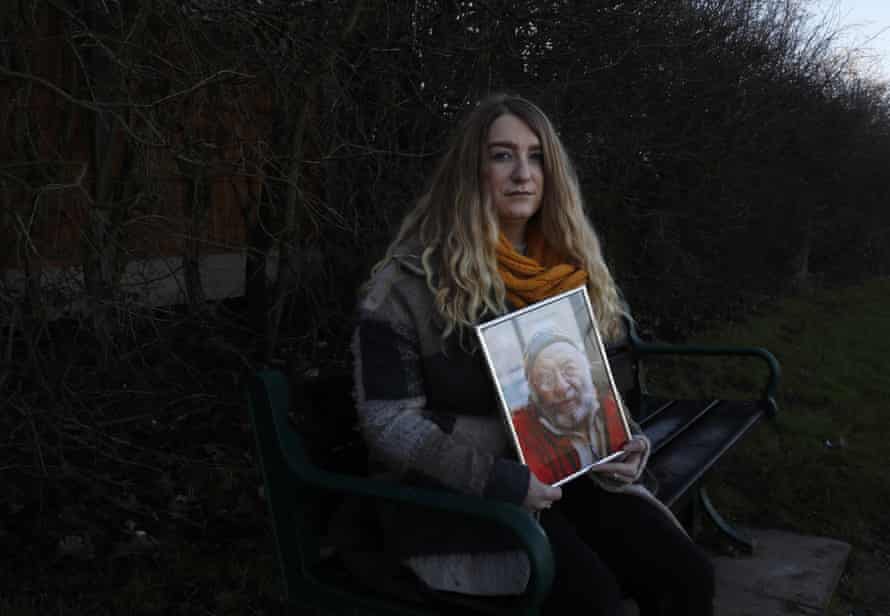
Jo Goodman holds a portrait of her late father, Stuart.
Jo Goodman holds a portrait of her father, Stuart, who died after contracting coronavirus. She co-founded the Covid-19 Bereaved Families for Justice group. Photograph: Alastair Grant/AP

Some senior Conservatives have already indicated they want a public inquiry and the former prime minister David Cameron said earlier this month he expected an inquiry and that “more should have been learned from the experience with Sars and respiratory disease in terms of our own preparedness”. The Commons constitutional affairs select committee, chaired by the Tory backbencher William Wragg, called for an inquiry last summer.

Christinea McAnea, the general secretary of Unison, which represents 1.3 million health staff including porters, cleaners, care workers and nurses, said an independent, judge-led public inquiry should launch as soon as society opens up again – currently scheduled for 21 June.

“If the UK is to heal, people need to understand why things went so disastrously wrong,” she said. “There are key questions to answer about why care homes were left so vulnerable, frontline staff were without safety kit and testing was abandoned in the early stages.”
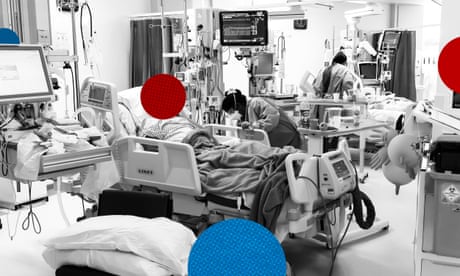
UK’s response to Covid: issues that a public inquiry could examine

The two largest doctors’ and nurses’ membership groups – the British Medical Association (BMA) and the Royal College of Nursing – also backed the calls.

“We have seen suffering at levels people have not experienced,” said the BMA’s Nagpaul. “We have seen livelihoods lost and inequalities exacerbated to levels that have devastated communities. Putting all that together, of course it demands an inquiry.”
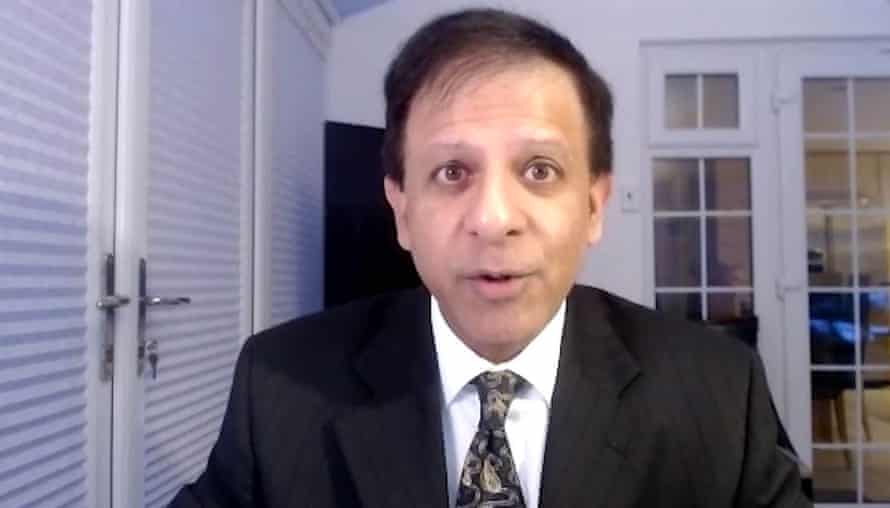
Dr Chaand Nagpaul
Dr Chaand Nagpaul, the chairman of the British Medical Association council. Photograph: BMA/PA

Kinnair said nurses were still experiencing a lack of PPE and that “a full inquiry into the preparation and management of Covid-19 is the only way the government, its agencies and advisers will … truly reflect and learn”.

Prof Andrew Goddard, the president of the Royal College of Physicians, said he expected an inquiry and it should “identify and recommend changes so we can improve preparedness for and management of future crises … [It should] look at how prepared we were and the decisions we took in terms of very practical things, such as stocks of PPE, the size of the NHS workforce and how many critical care beds we have … [as well as] the greater impact of Covid-19 in the UK because of the state of public health.”

Lord Simon Woolley, who until last summer was the chair of the advisory group to the government’s race disparity unit, said he wanted a public inquiry to reach beyond scientific and medical factors to include housing, health, education and employment.

“For black, Asian and minority ethnic communities [Covid] has been utterly devastating,” he said, adding that if an inquiry followed the disease it would expose societal fault lines.

“This inquiry is a once-in-a-generation opportunity to dramatically change the infrastructure,” he said. “Are we going to put a plaster on a gaping wound or are we going to have an infrastructure change that builds to a fairer society?”

====================================================

WORLD STATS

The post Astra Zeneca Global Threat, Push for UK Virus Probe, Problem for Homegrown Vaccines, World Stats appeared first on The St Kitts Nevis Observer.
More Dead Sea Scroll Fragments Found in Desert Cave

Six-millennia-old skeleton of child also unearthed during dig in Judean Desert by Israeli archeologists

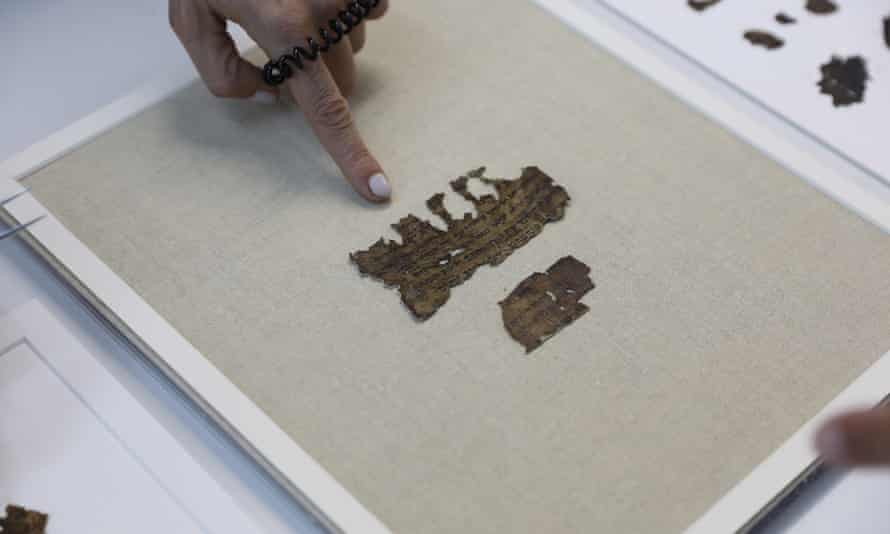
Beatriz Riestra, a researcher of the Israel Antiquities Authority, shows newly discovered Dead Sea scroll fragments.
Beatriz Riestra, a researcher from the Israel Antiquities Authority, points at newly discovered Dead Sea scroll fragments. Photograph: Abir Sultan/EPA
in Jerusalem


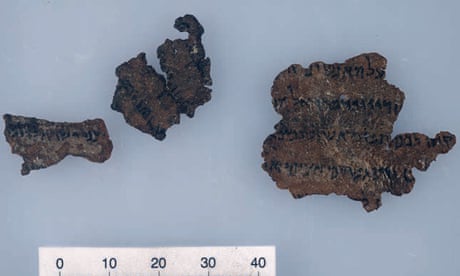
Israeli archaeologists have unearthed two dozen Dead Sea scroll fragments from a remote cave in the Judean Desert, the first discovery of such Jewish religious texts in more than half a century.

“For the first time in approximately 60 years, archaeological excavations have uncovered fragments of a biblical scroll,” the Israel Antiquities Authority (IAA) said in a statement.

More than 20 bits of parchment were found after teams rappelled down an 80-metre cliff and scoured the Cave of Horror, so called due to its precarious position and because 40 skeletons of women, men and children were found there during excavations in the 1960s.

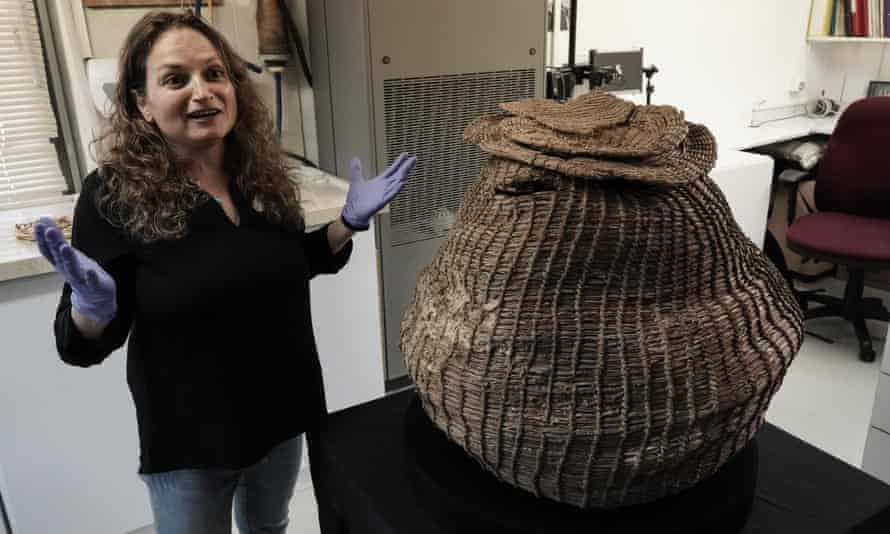
Archaeologists display the huge intact basket, dating to the pre-pottery Neolithic period, that was unearthed in Murabaat Cave in the Judean Desert.


Archaeologists display the huge intact basket, dating to the pre-pottery Neolithic period, that was unearthed in Murabaat Cave in the Judean Desert. Photograph: Nir Alon/Zuma Wire/Rex/Shutterstock

Jewish rebels are believed to have hidden in the canyon south of Jerusalem two millennia ago to escape a Roman advance. The fragments from the Hebrew Bible may have been stashed in the cave during the Bar Kochba Revolt, a Jewish uprising against Roman Emperor Hadrian, between AD132 and AD136.

The IAA said the scrolls it found were Greek translations of the books of Zechariah and Nahum from the Book of the Twelve Minor Prophets, and were radiocarbon-dated to the 2nd century AD. The name of God is written in Hebrew.

One fragment read: “These are the things you are to do: Speak the truth to one another, render true and perfect justice in your gates.”

Following a years-long dig across caves and cliffs, the authority said it had also discovered a six-millennia-old skeleton of a child and a basket it described as the oldest in the world, at over 10,000 years.

The authority had commissioned the operation in 2017 following reports of plundering.

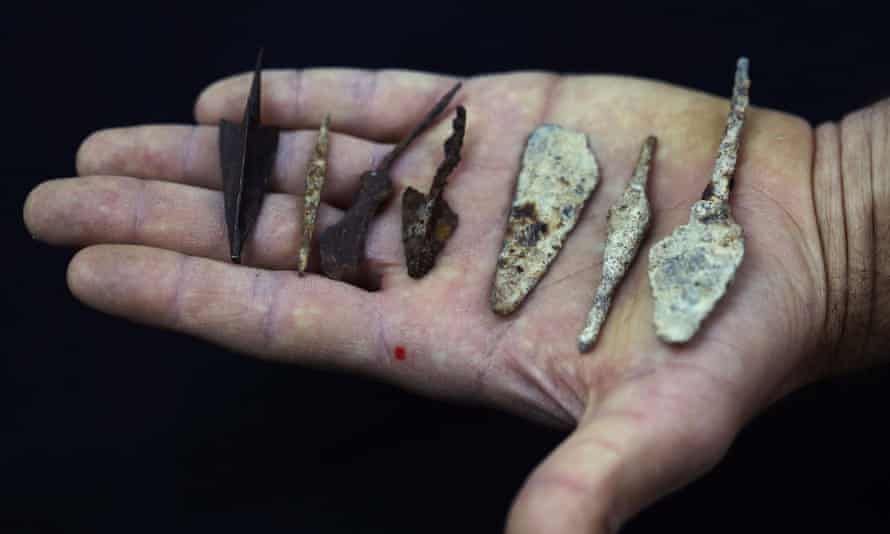
Ancient arrow and spear heads discovered in the Judean Desert caves.
Ancient arrow and spear heads discovered in the Judean Desert caves. Photograph: Ammar Awad/Reuters

IAA director Israel Hasson said the findings were “a wakeup call” for devoting more resources to continue the project and said it had only surveyed half the cliffs so far.

Trade in Dead Sea Scrolls awash with suspected forgeries, experts warn

“We must ensure that we recover all the data that has not yet been discovered in the caves before the robbers do. Some things are beyond value,” Hasson said.

Sections of the dig took place in the occupied West Bank, a part of the Palestinian territories, a common Israeli practice that has led to controversy. The IAA coordinated with the defence ministry, which runs the occupation.

The original Dead Sea scrolls, a collection of Jewish texts, were also found in desert caves in the West Bank. However, they were discovered by nomadic Bedouin shepherds in the 1940s and 1950s.

Those texts included sections of the Hebrew bible 1,000 years older than any previously known copy and revolutionised the understanding of Judaism from which early Christianity emerged.

The post More Dead Sea Scroll Fragments Found in Desert Cave appeared first on The St Kitts Nevis Observer.
US Airlines See Recovery Coming

(Reuters) – U.S. airline executives on Monday pointed to concrete signs of a domestic leisure travel recovery as a slowing pandemic drives spring and summer bookings, pushing shares to their highest level since the coronavirus crisis hit the sector a year ago.

“We certainly are seeing the beginning of what feels like a very large uptick,” said American Airlines Chief Executive Doug Parker, one of several CEOs speaking at a J.P. Morgan conference.

Ted Christie, CEO of budget carrier Spirit Airlines, said the recovery appeared to “have legs.”

Executives cited data showing that U.S. COVID-19 vaccinations are accelerating and have outstripped the number of positive cases, which are on the decline.

As of Sunday, 21% of the U.S. population had received at least one dose of a vaccine.

As a result, people are booking vacations and visits to friends and relatives, helping to slow the pace of expected revenue declines in the first quarter, though business and international travel remain depressed.

Airline shares started dropping dramatically on Feb 21, 2020, as the pandemic spread, reaching a low on May 14 and gradually increasing since then to the current high.

United Airlines expects to halt its cash burn in March, CEO Scott Kirby said, the first major carrier to say it could hit the industry’s milestone. In January, United said an average daily core cash burn of $19 million in the fourth quarter would likely continue in the beginning of 2021.

The positive trend in core cash burn is expected to continue after March, assuming the current bookings trajectory remains in place, Kirby said. Core cash burn excludes debt and severance payments.

Shares of United surged 9% and the Dow Jones U.S. Airlines Index [.DJUSAR] climbed more than 4%.

Delta Air Lines is “cautiously optimistic” that it can halt its cash burn this spring, CEO Ed Bastian said.

Delta said it will use cash for aircraft purchases in the second quarter and expects its first-quarter revenue decline to be at the low end of its forecast for a 60% to 65% decline from the same quarter in 2019, before the onset of the pandemic.

Southwest Airlines estimated lower cash burn in the first quarter and a lower decline in operating revenue for March than previously forecast.

JetBlue Airways also forecast a slowing pace in its first-quarter revenue drop, projecting a decline of between 61% and 64%, compared with the same period in 2019. It had previously forecast a fall in revenue of 65% to 70%.

American, the most leveraged U.S. airline, said it is not looking to raise any more financing after a $10 billion debt deal last week and expects to have more than $17 billion of liquidity at the end of March.

More than 1.3 million passengers were screened in U.S. airports on Friday and Sunday, according to Transportation Security Administration data, the highest number since the pandemic crushed air travel in 2020.

“I do think we’re near the end of the virtual world,” said United’s Kirby.

Reporting by Tracy Rucinski and Sanjana Shivdas; Additional reporting by Ankit Ajmera; Editing by Louise Heavens, Paul Simao, Jonathan Oatis and Aurora Ellis


The post US Airlines See Recovery Coming appeared first on The St Kitts Nevis Observer.
Corona Effect: 2020 Caribbean Tourism Down 65%

BRIDGETOWN, Barbados (CMC) — Tourist arrivals to the Caribbean fell by 65.5 percent in 2020, according to the Caribbean Tourism Organisation (CTO), but it is forecasting a turnaround this year.

In a statement released yesterday, the CTO said the impact of COVID-19 on the travel and tourism industry was particularly evident during the period of April to mid-June, when there was literally no activity in some destinations.

“This was characterised by empty hotels and restaurants, deserted attractions, shut borders, laid-off workers, grounded airlines and crippled cruise lines. While we saw some fluctuations in the levels of visitors for the remaining months of 2020, the influx of visitors has not reached levels even closely comparable to those being experienced prior to March 2020,” it said.

“In fact, some destinations remain closed to visitors, with limited airlift primarily for repatriation of locals and cargo.”There was a 72 per cent slide to 8.5 million cruise visits in 2020, when compared to the 30 million visits in 2019.

Cruise lines plying Caribbean routes remain non-operational due to a strict ban imposed by the US Centres for Disease Control and Prevention (CDC).

The CTO noted that with government restrictions both in the Caribbean and globally reducing and, in many cases, preventing travel for large periods of time, tourist arrivals to the region in 2020 fell to just over 11 million, a decline of 65.5 per cent when compared to the record 32 million tourist visits in 2019.

“Still, this was better than the world average of 73.9 per cent decline during the same period,” it said.

The CTO said a period of virtually no tourism began in mid-March, and the second quarter was the worst-performing with arrivals down by 97.3 per cent. Tourists began visiting again in June as the sector began to reopen.

“Still, the fall-off in stayover arrivals continued through to September — when a gradual reversal began — and continued right up to December. Destination initiatives such as the long-stay work programmes, other promotional activities and efforts of regional organisations such as the CTO, the Caribbean Hotel and Tourism Association and the Caribbean Public Health Agency, contributed to the gradual rise in arrivals,” the regional tourism organisation said.

Like stayover arrivals, cruise was buoyed by the performance in the first three months of 2020, particularly the month of February, when there was a 4.2 per cent rise in visits.

However, a 20.1 per cent fall in the first quarter was followed by no activity for the remainder of the year as ships remained non-operational. The overall result was a 72 per cent slide to 8.5 million cruise visits, when compared to the 30 million visits in 2019.

The limited travel beyond the first two-and-a-half months of the year, resulted in difficulties in compiling visitor expenditure numbers in 2020.

However, based on information derived from international partners such as the United Nations World Tourism Organization (UNWTO), and limited reporting by Caribbean countries, the CTO estimated that across the region visitor expenditure declined by 60 to 80 per cent, in line with the decline in stayover and cruise arrivals.

Preliminary data indicates that the average length of stay for 2020 remained at roughly seven nights, the same as in in 2019.

In its forecast, the CTO said the Caribbean’s performance in 2021 will depend largely on the success of the authorities in the marketplace and the region in combating, containing and controlling the virus.

“Already, there are some encouraging signs like the vaccine roll-out taking place in North America, Europe and the Caribbean,” it said.

“However, this must be tempered by some other factors such as: lockdowns in our key source markets which are expected to continue into the second quarter, international travel confidence not expected to pick up until the summer 2021, a steep fall in the number of people planning to travel abroad and the possible requirement by the authorities in our key markets for their citizens to vaccinate before travelling abroad.”

Taking those factors into consideration, the CTO said its initial forecast is for a 20 per cent rise in arrivals in 2021, with a similar increase in visitor expenditure, when compared to 2020.

The post Corona Effect: 2020 Caribbean Tourism Down 65% appeared first on The St Kitts Nevis Observer.

Three Killed in Bahamas Boat Mishaps, One Missing

A man and two women were killed in separate boating accidents in the Bahamas on Sunday, with one man still missing.

In the first incident, Jay Roberts was riding a jet ski near Anthol Island when he crashed into a Yamaha 190 FSH jet boat that measured 19 feet.

In a statement today, the Royal Bahamas Police Force said the boat’s captain recovered Roberts’ lifeless body from the water and rushed him to land where he was pronounced dead by paramedics.

The second incident occurred around 9pm, a 28 foot ferry collided with a 17 foot Boston Whaler that was carrying eight people.

All of the Boston Whaler’s passengers were thrown overboard.

Officers of the Harbour Island Police conducted a search and found the bodies of Leanna Cartwright and Candice McDonald.

They also rescued five people who were taken two hospital for treatment. Three of them were later discharged. The search continues for one man who remains missing.

The post Three Killed in Bahamas Boat Mishaps, One Missing appeared first on The St Kitts Nevis Observer.

Global Economic Survey Has High Hopes for Caribbean

A new survey indicates that many economic chiefs in the Caribbean believe global economic growth will improve in 2021.

Sixty-nine percent of Caribbean business leaders are optimistic about the growth of the global economy this year,  while 67 percent of them cite cyber threats as the number one concern. Oddly, the pandemic is in third place with 61 percent concerned.

These were among the findings of PwC’s 24th Global CEO Survey which polled 5,050 CEOs in 100 countries and territories in January and February 2021. CEOs from The Bahamas, Barbados, Bermuda, Jamaica and Trinidad and Tobago were included in the survey.

Overall 76 percent of business leaders globally are predicting that economic growth will improve in 2021, which is up from 22 percent in 2020 and 42 percent in 2019. This represents the highest level of optimism since the survey started asking this question in 2012.

According to Leighton McKnight, PwC Jamaica territory leader, “despite the challenges brought on by the global pandemic, CEOs are reporting record-high optimism about the global economy. Caribbean CEOs are a bit less optimistic than the global trend, but still very positive in their outlook considering how much has changed in the last 12 months.”

“Caribbean CEOs are also poised to scale up their businesses with 63 percent planning to pursue organic growth, 75 percent planning to improve operational efficiencies and 59 percent planning to launch a new product or service.”

Along with cyber threats and health crises, Caribbean business leaders also cited the spread of misinformation and tax policy uncertainty as serious concerns.

Rising digitization is increasing the risks posed by cyber threats. A significant increase in cybersecurity incidents in 2020 including ransomware attacks, has resulted in cyber threats leaping up the list, the report said.

Misinformation which has had an impact on elections, reputation, and public health – further contributing to a decline in trust across society was a concern for 28 percent of CEOs, up from 16 per cent in 2020.

In 2020, tax policy uncertainty ranked outside the top ten concerns for CEOs, with only 19 percent of CEOs concerned. This year, it leaped to seventh place (31 percent globally), with CEOs undoubtedly watching government debts accumulate and realizing that business taxes will likely need to rise, the report said.

Other findings of the survey are that 36 percent of CEOs said they are “very confident” about their organization’s prospects for revenue growth over the next 12 months, up from 27 percent of CEOs in 2020.

Also, 55 percent of Caribbean CEOs plan to use automation and technology to make their workforce more competitive, compared to 36 percent globally. This is more than double the share of CEOs who said the same in 2016.

Another finding is that 35 percent of business leaders are looking to the United States as the number one market for growth over the next 12 months, while 28 percent are looking to China as their leading market. In 2020, the US was only one percentage point ahead of China.

PwC is a network of firms in 155 countries with over 284,000 people delivering assurance, advisory and tax services.

The post Global Economic Survey Has High Hopes for Caribbean appeared first on The St Kitts Nevis Observer.

West Indies Sweep Sri Lanka Series 3-0

West Indies One-day captain Kieron Pollard, (captain), 5th from right, and his teammates – Evin Lewis, Shai Hope, Jason Mohammad Darren Bravo, Nicholas Pooran, Jason Holder, Fabian Allen, Anderson Phillip, Alzarri Joseph, Akeal Hossein, celebrate winning the three-match CG Insurance ODI series against Sri Lanka 3-0 at the Sri Viv Richards Ground in Antigua on Sunday. CWI Media/Philip Spooner

NORTH SOUND, Antigua – Stylish left-hander Darren Bravo stroked his first One-Day International hundred in five years to propel West Indies to a comfortable five-wicket win over Sri Lanka and a clean sweep of the three-match series on Sunday.

The 32-year-old top-scored with 102 off 132 deliveries while irrepressible opener Shai Hope struck 64 off 72 balls and captain Kieron Pollard an unbeaten 52 off 42 deliveries, as West Indies, reeled in a target of 275 at the Vivian Richards Cricket Stadium with nine deliveries to spare.

Bravo had previously gone 13 innings without a half-century, during which time he averaged a paltry 18, but his fourth ODI century saw him turn the page on that depressing run of form as he hit five fours and four sixes.

“I think today was an important day for me,” said Bravo after he was adjudged Man-of-the-Match.

“I tried my best today. It wasn’t the most fluent but at the end of the day, we got the job done which is the most important thing,”

For the home side, the result marked their third whitewash in their last five series following similar achievements against Ireland and Afghanistan and was also payback for the 3-0 drubbing they received on Sri Lankan soil last year.

The clean sweep also follows on the heels of a chastening 3-0 result in Bangladesh last month when an inexperienced side was soundly thrashed.

“This gives us the confidence we can do certain things. We’re going to build on this … we’re looking to continue to work hard and continue to improve as we go forward,” said an obviously contented Pollard.

Number eight Wanindu Hasaranga had earlier lashed a cavalier unbeaten 80 off 60 balls and Ashen Bandara, a supportive 55 not out, to help pull Sri Lanka’s innings around to 274 for six off their 50 overs.

Sent in, the visitors had slumped to 151 for six in the 32nd over after being undermined by left-arm spinner Akeal Hosein’s three-wicket haul, before the pair put on an invaluable 123 in an unbroken seventh-wicket partnership to ensure West Indies were given a serious target to chase.

Their stand was vitally important after Sri Lanka were guilty of wasting an opening stand of 68 between in-form Danushka Gunathilaka (36) and captain Dimuth Karunaratne (31).

The left-handed Gunathilaka had stroked half-dozen fours in a 38-ball knock when he top-edged a pull at fast bowler Alzarri Joseph onto his helmet and was taken at a point in the 14th over.

Karunaratne followed with two runs added in the next over after striking one four and a six, missing a swipe at part-time off-spinner Jason Mohammed and losing his leg stump.

Pathum Nissanka then produced a breezy 24 off 25 balls in a 31-run stand for the third wicket with veteran Dinesh Chandimal (16) to get Sri Lanka up to 101 without further loss.

However, once Hosein hit Nissanka in front to earn an lbw decision in the 21st over, Sri Lanka lost four wickets for 50 runs to lose their way.

Hasaranga came to his side’s rescue, clubbing seven fours and three sixes – including three fours and a six off the final over from pacer Jason Holder – while Bandara punched three fours and a six as Sri Lanka gathered 89 runs from the last 10 overs.

For the first time in the series, West Indies went without a solid start as left-hander Evin Lewis played down the wrong line to a full-length delivery from pacer Suranga Lakmal (2-56) and was bowled for 13 in the fifth over and Jason Mohammed missed a drive at a Wanindu Hasaranga googly and was bowled for eight in the 10th.

However, Bravo then anchored the innings, posting 109 for the third wicket with Hope before adding a further 80 for the fifth wicket with Pollard.

He started slowly with only three runs from his first 13 balls and never really quickened his pace, reaching his half-century off 81 balls in the 30th over. His second fifty required only 49 balls and he brought up three figures with a boundary to fine leg off leg-spinner Hasaranga in the 45th, before perishing seven balls later, driving a Lakmal full toss to cover.

Hope, already with a hundred and a fifty in the series, counted three fours and two sixes before holing out to long-on in the 32nd over off seamer Thisara Perera.

When Nicholas Pooran missed a sweep and was lbw to part-time off-spinner Danushka Gunathilaka in the 35th-over, West Indies needed a partnership and Pollard arrived to blast four fours and a six to ensure there were no late stumbles.

SCORES

SRI LANKA 274 for six off 50 overs (Wanindu Hasaranga 80 not out, Ashen Bandara 55 not out, Danushka Gunathilaka 36, Dimuth Karunaratne 31; Akeal Hosein 3-33)

WEST INDIES 276 for five off 48.3 overs (Darren Bravo 102, Shai Hope 64, Kieron Pollard 53 not out; Suranga Lakmal 2-56)

(CMC)

The post West Indies Sweep Sri Lanka Series 3-0 appeared first on The St Kitts Nevis Observer.

Caymans on Money Laundering Hit List

The Financial Action Task Force has released an updated list of jurisdictions under increased monitoring, which includes the Cayman Islands, Burkina Faso, Morocco and Senegal.

The organisation said jurisdictions on this list were actively working with it to address ‘strategic deficiencies’ in their anti-money laundering and terrorist financing regimes swiftly within agreed timeframes and subject to extra checks.

The Guernsey Financial Services Commission has now amended its handbook on countering financial crime and terrorist financing to reflect FATF’s updated list.

The amendments include the removal of the Cayman Islands from the list of equivalent jurisdictions and its addition to the list of countries and territories which may present a higher risk of money laundering and terrorist financing.

An instruction has also been issued to all specified business setting out steps to be taken before the end of September in respect of business relationships they have which are connected to the Cayman Islands. Similar action is also being taken in the other Crown Dependencies, said the GFSC.

These steps include reviewing relationship risk assessments for all existing business relationships where the Cayman Islands is a relevant risk factor and apply full customer due diligence measures if previous concessions have been used. Mitigation measures should also be taken where the level of risk has changed.

The GFSC also said it recognised there may be ‘exceptional circumstances’ where the amended requirements cannot be completed – but that specified businesses should ‘terminate’ the business relationship where customer due digilence cannot ultimately be completed and consider whether a disclosure should be made to the financial intelligence service, which is part of the Bailiwick’s economic crime division.

‘The commission will review the action taken by specified businesses to comply with this instruction during on-site inspections and by other supervisory means as necessary,’ added the GFSC.

The post Caymans on Money Laundering Hit List appeared first on The St Kitts Nevis Observer.

Associated Press World View: EU’s Vaccine Issues, Pope on Same Sex Marriage, New Dead Sea Scrolls,More

March 16, 2021

Alternate text

The European Union’s slow coronavirus vaccine rollout faces another setback as ever more countries suspend use of AstraZeneca’s vaccine after reports of blood clots in some recipients. However, much of Asia shrugged off the concerns, saying there is no evidence to link the two. After the Vatican says clergy cannot bless same-sex unions, LGBTQ Catholics in the U.S. express their hurt. And an AP exclusive reveals how an ex-Marine once held in an Iranian jail is fighting espionage allegations.

Also this morning:

  • China approves a fourth COVID-19 vaccine
  • New bars offer drinks without the booze
  • ‘Mank’ leads Oscar nominations

VANESSA GERA

The Associated Press

Warsaw, Poland

The Rundown

I'm an image

BERLIN (AP) — The German government said Tuesday it will postpone a virtual summit on the country’s vaccination efforts until after the European Medicines Agency has met over reports of dangerous……Read More

I'm an image

BANGKOK (AP) — Thailand’s prime minister received a shot of the COVID-19 vaccine manufactured by AstraZeneca on Tuesday, as much of Asia shrugged off concerns about reports of blood clots in some……Read More

I'm an image

LGBTQ Catholics and their allies in the U.S. welcomed Pope Francis’ endorsement of same-sex civil unions, the first time he’s done so as pontiff, while some prominent members including a bishop… …Read More

WASHINGTON (AP) — After Amir Hekmati was released from Iranian custody in a 2016 deal trumpeted as a diplomatic breakthrough, he was declared eligible for $20 million in compensation from a… …Read More

I'm an image

BOSTON (AP) — U.S. guidelines that say students should be kept 6 feet apart in schools are receiving new scrutiny from federal health experts, state governments and education officials working to……Read More

OTHER TOP STORIES

TAIPEI, Taiwan (AP) — China has approved a new COVID-19 vaccine for emergency use, one that was developed by the head of its Center for Disease Control, adding to its arsenal…Read More

JERUSALEM (AP) — Israeli archaeologists on Tuesday announced the discovery of dozens of new Dead Sea Scroll fragments bearing a biblical text found in a desert cave and belie…Read More

NEW YORK (AP) — David Fincher’s “Mank” has led nominations to the 93rd Academy Awards with 10 nods, and for the first time, two women — Chloé Zhao and Emerald Fennell — were …Read More

There’s something missing from a new wave of bars opening around the world: Alcohol. Aimed at the growing number of people exploring sobriety, the bars pour adult drinks like…Read More

The post Associated Press World View: EU’s Vaccine Issues, Pope on Same Sex Marriage, New Dead Sea Scrolls,More appeared first on The St Kitts Nevis Observer.

Mozambique: Islamist Militants Beheading Kids-Report

Nearly a million people face hunger because of the conflict, Save the Children says 

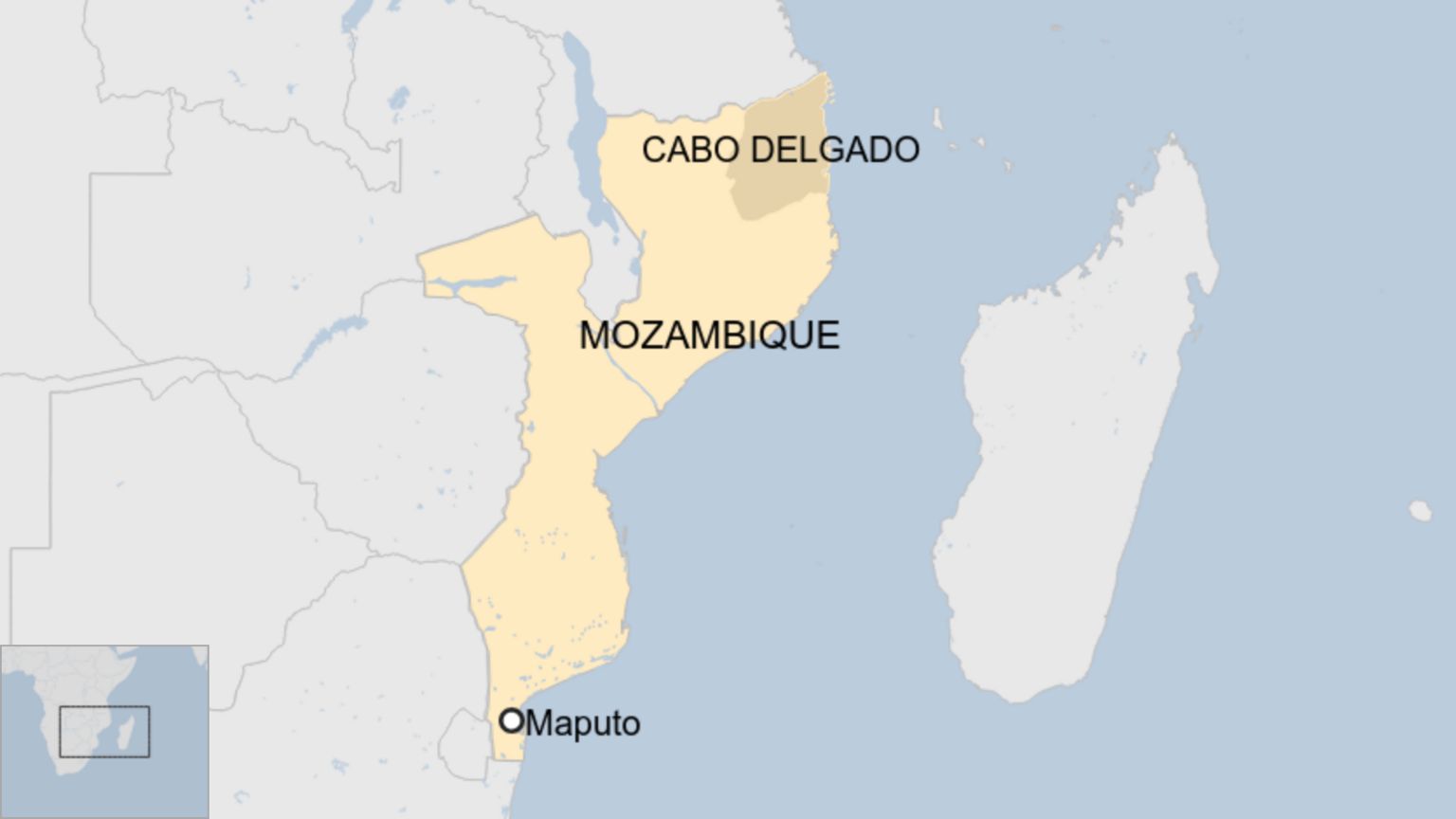
BBC- The aid agency Save the Children says Islamist militants are beheading children as young as 11 in Mozambique’s northern province of Cabo Delgado.

One mother told the agency she had had to watch as her 12-year-old son was killed in this way close to where she was hiding with her other children.

More than 2,500 people have been killed and 700,000 have fled their homes since an Islamist insurgency began in 2017.

The militants are linked to the Islamic State (IS) group.

In its report, Save the Children said it had spoken to displaced families who reported gruesome scenes in the gas-rich province.

One mother, whose name was withheld to protect her identity, said her eldest child had been beheaded near where she and her other children were hiding.

“That night our village was attacked and houses were burned,” she said.

“When it all started, I was at home with my four children. We tried to escape to the woods but they took my eldest son and beheaded him. We couldn’t do anything because we would be killed too.”

Map of Mozambique

Another woman said her son had been killed by militants while she and her other three children had been forced to flee.

“After my 11-year-old son was killed, we understood that it was no longer safe to stay in my village,” she said.

“We fled to my father’s house in another village, but a few days later the attacks started there too.”

Chance Briggs, Save the Children’s country director in Mozambique, said the reports of attacks on children “sicken us to our core”.

“Our staff have been brought to tears when hearing the stories of suffering told by mothers in displacement camps,” he said.

The United Nations special rapporteur on extra-judicial executions described the militants’ actions as “cruel beyond words”.

Who are the militants?

The insurgents are known locally as Al-Shabab, although they have no known links to the Somali jihadi group of the same name.

They have publicly sworn allegiance to IS. IS says it has carried out a number of attacks in Mozambique, and appears to be promoting its involvement there as part of a “franchise” operation.

The US state department has designated the insurgents a terrorist organisation.

The group has rarely given any indication about its motive, leadership or demands.

In a video last year, one militant leader said: “We occupy [the towns] to show that the government of the day is unfair. It humiliates the poor and gives the profit to the bosses.”

The man spoke about Islam and his desire for an “Islamic government, not a government of unbelievers”, but he also cited alleged abuses by Mozambique’s military, and repeatedly complained that the government was “unfair”.

Chance Briggs told the BBC World Service it was difficult to determine exactly what was behind the violence.

“Mozambique is the eighth poorest country in the world. Cabo Delgado is the poorest province in Mozambique and yet there’s tremendous mineral resources there and there’s a sense by some that the resources are not being shared equally so that seems to be a driver of the conflict,” he said.

“But frankly speaking there’s no manifesto and so it’s hard to understand the exact motivations but what we see is that the insurgents are trying to drive people out. They co-opt young people in to joining them as conscripts and if they refuse they are killed and sometimes beheaded. They chase people away. It’s really hard to see what is the end game.”

What else has been happening in Cabo Delgado?

It is not the first time that there have been reports of beheadings in the region.

Last November, state media reported that more than 50 people had been beheaded at a football ground in Cabo Delgado.

In April last year, dozens more were beheaded or shot dead in an attack on a village.

Human rights groups say security forces have also carried human rights abuses, including arbitrary arrests, torture and killings, during operations against the jihadists.

Mozambique’s government has appealed for international help to quell the insurgency.

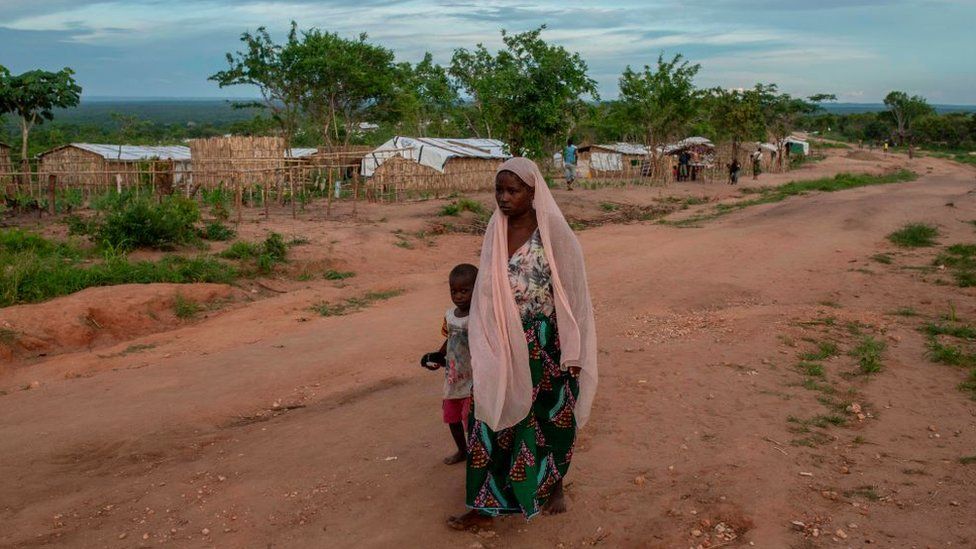
A woman and her child walk in the community of Ntocota, Metuge District in Pemba, Cabo Delgado Province on February 22, 2021
Thousands in Cabo Delgado have been forced to flee their homes

On Monday, US embassy officials in the capital Maputo said American military personnel would spend two months training soldiers in Mozambique, as well as providing “medical and communications equipment”.

“Civil protection, human rights, and community involvement are central to US co-operation and are critical to effectively combating Islamic State in Mozambique,” an embassy statement said.

The post Mozambique: Islamist Militants Beheading Kids-Report appeared first on The St Kitts Nevis Observer.