Tag Archives: caribbean

Associated Press World View: Pandemic & Children, Biden & Vaccines, Prince William on Meghan, More

The Rundown

I'm an image

PARIS (AP) — By the time his parents rushed him to the hospital, 11-year-old Pablo was barely eating and had stopped drinking entirely. Weakened by months of self-privation, his heart had slowed……Read More

I'm an image

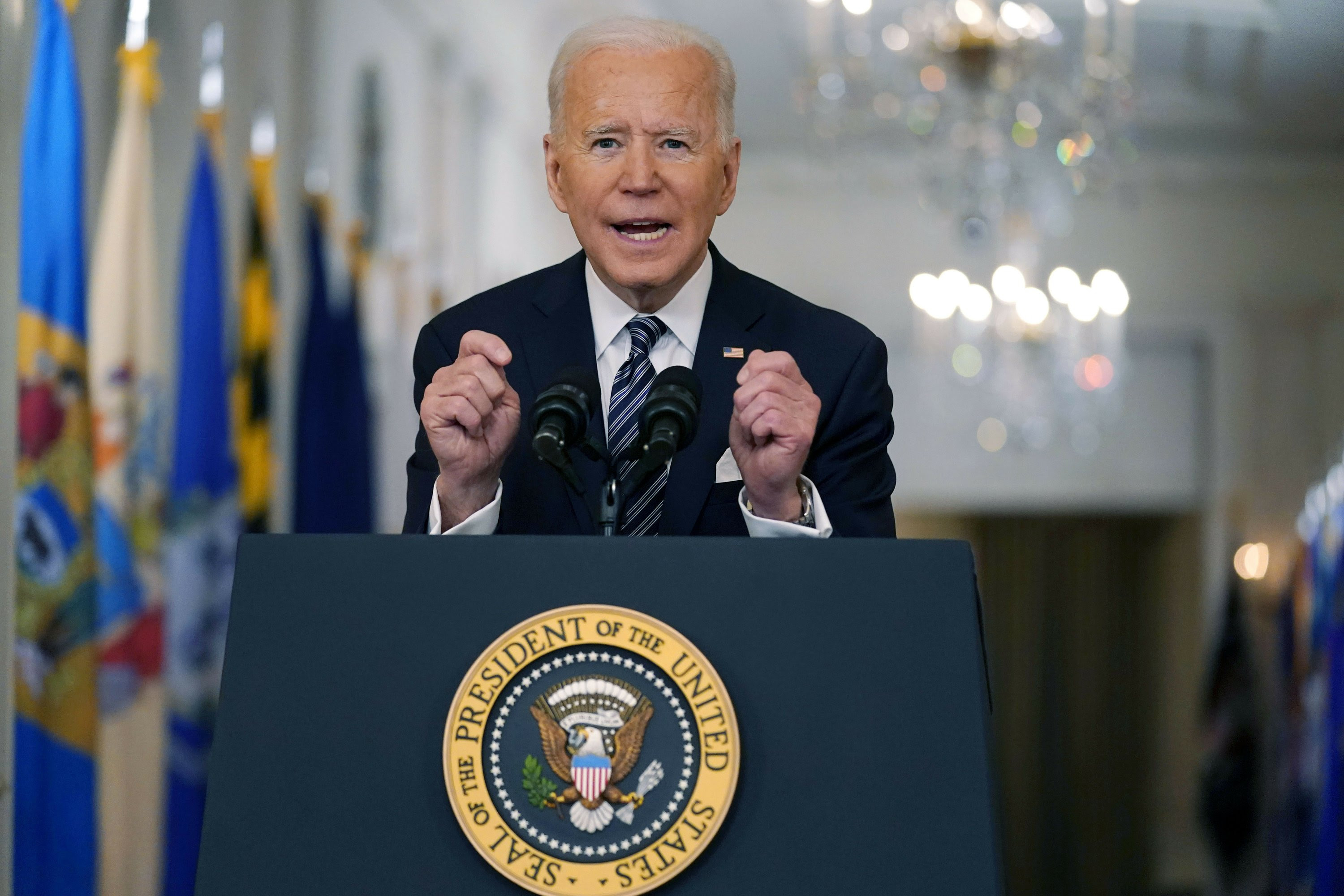
WASHINGTON (AP) — One year after the nation was brought to a near-standstill by the coronavirus, President Joe Biden pledged in his first prime-time address to make all adults eligible for… …Read More

I'm an image

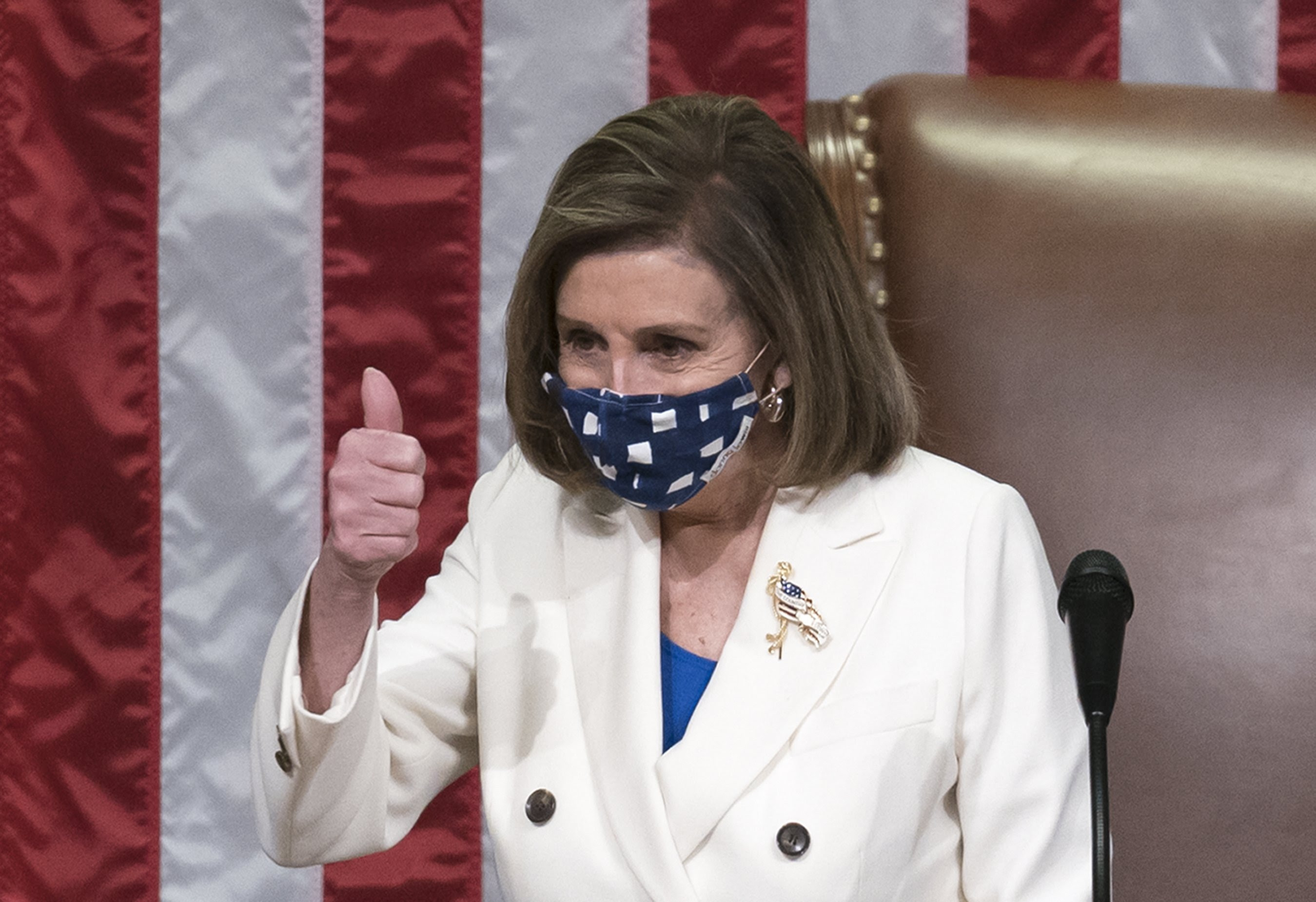
WASHINGTON (AP) — President Joe Biden’s $1.9 trillion COVID-19 relief package is being hailed by Democrats and progressive policy advocates as a generational expansion of the social safety net,… …Read More

I'm an image

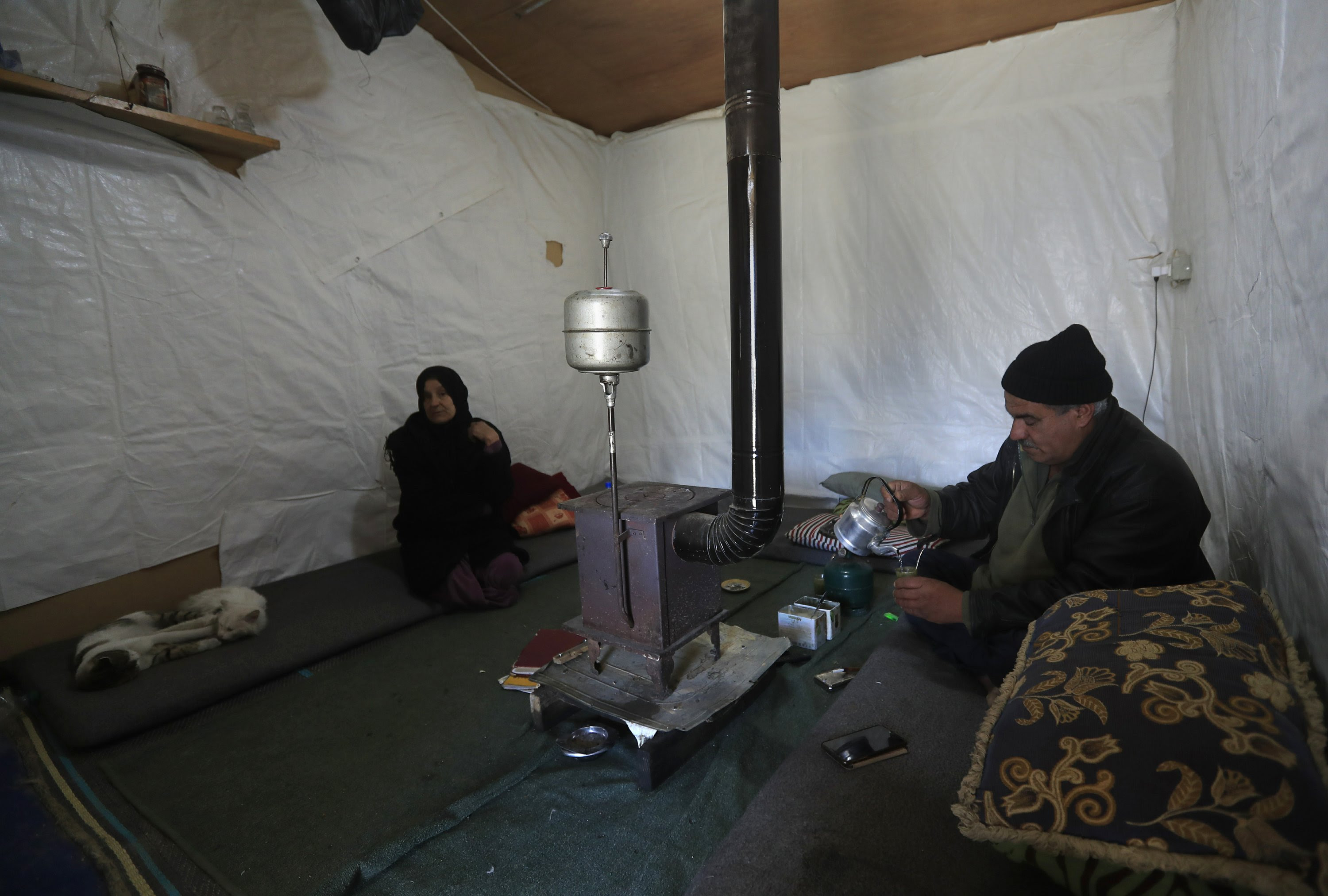
BAR ELIAS, Lebanon (AP) — Mohammed Zakaria has lived in a plastic tent in eastern Lebanon’s Bekaa Valley for almost as long as war has raged in his native Syria. He and his family fled… …Read More

I'm an image

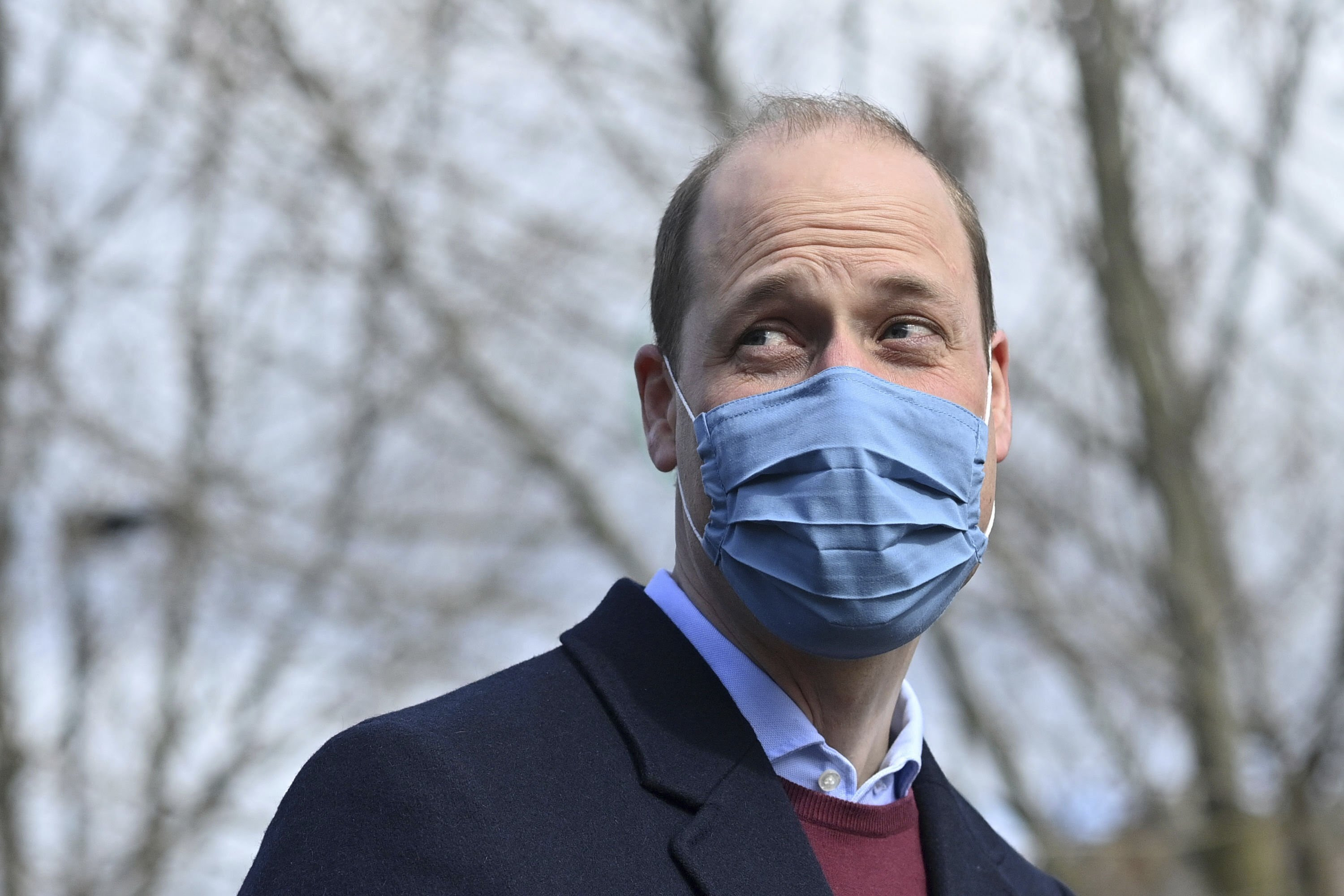
LONDON (AP) — Prince William insisted Thursday that his family is not racist as he became the first member of Britain’s royal family to speak out about accusations of bigotry made by Prince Harry…..Read More

OTHER TOP STORIES

With vaccination against COVID-19 in full swing, social platforms like Facebook, Instagram and Twitter say they’ve stepped up their fight against misinformation that aims to…Read More

ANSAN, South Korea (AP) — For the first time in years, Choi Bok-hwa didn’t get her annual birthday call from her mother in North Korea. Each January, Choi’s mother had climb…Read More

DHAKA, Bangladesh (AP) — A Bangladeshi satellite television station has hired the country’s first transgender news anchor, saying it hopes the appointment will help change s…Read More

Ken is turning 60, two years after his best friend Barbie did. Mattel launched a reproduction of the original Ken doll on Thursday to commemorate his 1961 debut. That slende…Read More

The post Associated Press World View: Pandemic & Children, Biden & Vaccines, Prince William on Meghan, More appeared first on The St Kitts Nevis Observer.

US Needs to Slash Greehouse Gases to Meet 2050 Goal

WASHINGTON (Reuters) – The United States needs to set a target to slash its greenhouse gas emissions between 57% and 63% below 2005 levels by 2030 in order to achieve the Biden administration’s longer-term goal of net-zero emissions by 2050, according to a new analysis released on Thursday.

Climate Action Tracker (CAT) analyzed President Joe Biden’s plans to decarbonize the electricity sector, commercial buildings and new vehicle fleet and found that in order for the United States to do its share to limit the rise of global temperatures to 1.5 degrees Celsius – the goal of the Paris Agreement – it needs to cut at least 57% of its emissions by the end of the decade.

The analysis comes before the United States is due to announce its new Paris Agreement pledge for 2030 known as a Nationally Determined Contribution ahead of a climate leaders’ summit the country will host on April 22.

European Union officials and environmental groups are calling on Washington to reduce emissions at least 50% this decade below 2005 levels.

“Having the U.S. taking such strong action would reverberate across the world, and result in other countries also stepping up to adopt the kind of targets they need to make global net zero a reality,” said Bill Hare of Climate Analytics, a co-partner of the CAT with the NewClimate Institute.

Other environmental groups including the Union of Concerned Scientists (UCS) joined the World Resources Institute, Environmental Defense Fund, Natural Resources Defense Council have coalesced around a 50% reduction target for 2030.

Biden’s climate team, led by National Climate Adviser Gina McCarthy and Climate Envoy John Kerry, is working with all government agencies and holding meetings with utilities and car companies as it crafts its new goal.

The CAT report says that the Biden administration plan to decarbonize the U.S. power sector by 2035 is consistent with a Paris Agreement pathway but it needs to strengthen plans to slash emissions in buildings and vehicles.

(Reporting by Valerie Volcovici; Editing by Marguerita Choy)

The post US Needs to Slash Greehouse Gases to Meet 2050 Goal appeared first on The St Kitts Nevis Observer.

Novavax’s Incredible 96% Efficacy Against COVID

Novavax has reported that data from a pivotal Phase III trial of its vaccine candidate, NVX–CoV2373, in the UK showed an efficacy of 96.4% against mild, moderate and severe disease caused by the original Covid-19 strain.

A protein-based vaccine candidate, NVX-CoV2373 is engineered from the genetic sequence of SARS-CoV-2.

The Phase III trial enrolled over 15,000 subjects aged between 18 and 84 years.

Data showed that the vaccine’s efficacy was 96.4% against the original virus strain and 86.3% against the B.1.1.7/501Y.V1 variant circulating in the UK.

The primary efficacy endpoint showed an overall vaccine efficacy of 89.7%. Of 106 cases detected, ten were in the vaccine arm while 96 in the placebo arm.

The randomised, observer-blinded, placebo-controlled South Africa Phase IIb clinical trial of NVX-CoV2373 had two cohorts. One cohort analysed efficacy, safety and immunogenicity in 2,665 healthy adult subjects while the second cohort analysed safety and immunogenicity in 240 medically stable, HIV-positive adults.

Data showed that the efficacy of 55.4% was observed among the HIV-negative trial participants in a region where the vast majority of strains are B1.351 escape variants.

In both trials, the vaccine showed 100% protection against severe disease, including hospitalisation and death and also achieved statistical success criteria.

The vaccine was well-tolerated with reduced levels of severe, serious (SAEs) and medically attended adverse events at day 35 balanced between the vaccine and placebo arms in the UK and South African trials.

Novavax president and CEO Stanley Erck said: “We are very encouraged by the data showing that NVX-CoV2373 not only provided complete protection against the most severe forms of disease, but also dramatically reduced mild and moderate disease across both trials.

“Importantly, both studies confirmed efficacy against the variant strains.”

Last month, Novavax concluded enrolment in its pivotal Phase III PREVENT-19 study of Covid-19 vaccine candidate, NVX-CoV2373, in the US and Mexico.

In a separate development, ImmunityBio has announced the development of a novel hAd5 ACE2 Decoy therapeutic vaccine for neutralising the SARS-CoV-2 virus, including the E484K and N501Y mutations.

The hAd5 ACE2 Decoy candidate is based on modified ACE2 receptors that would compete with ACE2 on respiratory tract cells for binding of the virus.

The post Novavax’s Incredible 96% Efficacy Against COVID appeared first on The St Kitts Nevis Observer.

Puerto Rico Sees a Surge in Tourism During Pandemic

Low-cost flights have enticed travelers, but relaxed restrictions have led to large gatherings, fights and Covid rule-breaking.
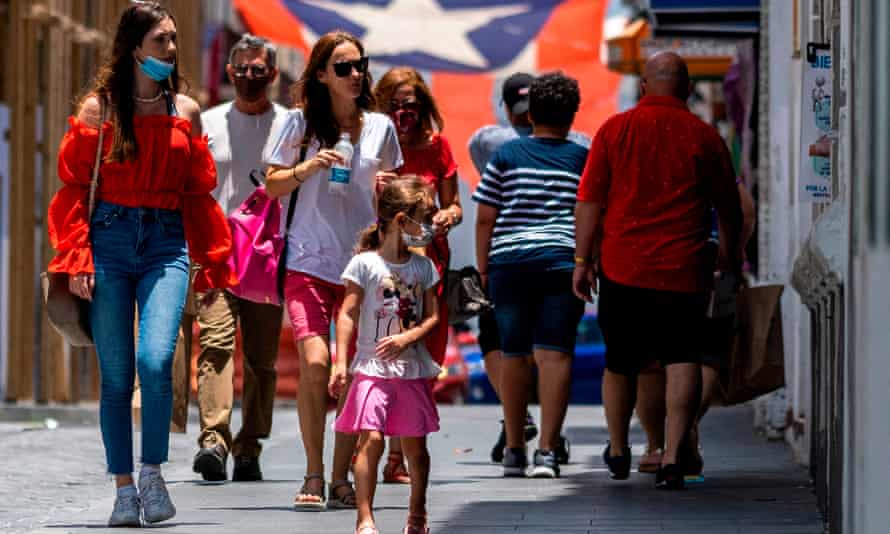
Tourists walk down a street in Old San Juan, Puerto Rico.
Tourists walk down a street in Old San Juan, Puerto Rico. Photograph: Ricardo Arduengo/AFP/Getty Images
At the Condado Vanderbilt Hotel in San Juan, Puerto Rico, Christian Correa clocked in to work the night-shift as a doorman and braced for the worst.

Correa, who is also a bellman at the hotel, has seen a surge in tourists coming to the US territory in the last three months and the hotel has been busy. Although he used to enjoy high season before the pandemic, recently, many tourists arriving to Puerto Rico have enraged local residents and hospitality workers as the island eases its Covid-19 restrictions.

“The tourists think they can do whatever they want,” says Correa, 24, who’s also a student at the University of Puerto Rico. “We’ve seen fights, parties in the rooms and aggressive behavior.”

Should you book a holiday for 2021 yet? And what about refunds?

Low-cost flights to Puerto Rico have enticed many travelers to choose the island as a vacation spot during the pandemic. A one-way flight to Puerto Rico from Florida booked two days in advance could be as low as $62.

Hotel occupancy reached 60% during Presidents’ Day holiday weekend in February, according to the island’s destination marketing organization, Discover Puerto Rico. It was the highest number since Christmas, and hotels expect to reach the same occupancy rates for the forthcoming spring break.

“We are certainly seeing the effects of increased traveler confidence coinciding with vaccine distribution in the US,” said Brad Dean, CEO of Discover Puerto Rico.

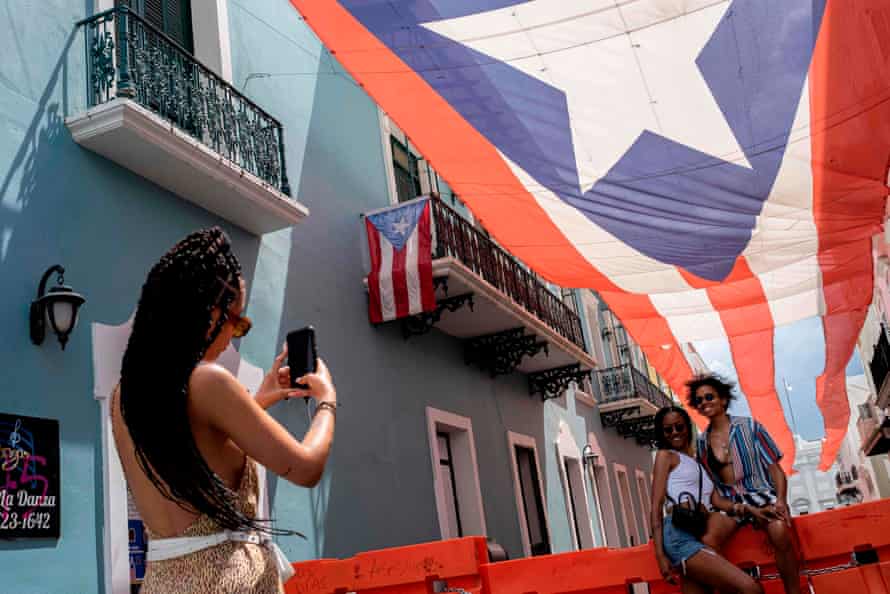
Tourists take pictures in front of the governor’s mansion in San Juan, Puerto Rico.
Tourists take pictures in front of the governor’s mansion in San Juan, Puerto Rico. Photograph: Ricardo Arduengo/AFP/Getty Images

For José Silva, owner of El Chicharrón restaurant, tourists arriving in the last weeks have put him on edge due to the large crowds without face masks forming on the weekends. His restaurant is located in La Placita de Santurce, a popular tourist area. Silva says the police close the streets around the area on weekends, making it hard for Ubers or taxis to pick up tourists after bars and restaurants close.

“We’ve asked the police to help keep everyone distanced and look for an alternative for this area,” says Silva.

In Old San Juan, another popular tourist area, Cristina Colón has been questioning whether her job as a waitress in Pirilo Pizza is worth the money as she sees a rise in clientele who don’t want to abide by the Covid-19 precautions.

“I’m not only concerned with my physical health, but my mental health too,” says Colón. “I’m nervous about myself and for the friends and family I surround myself with because I have no idea where this person who doesn’t want to wear a mask is coming from.”

Puerto Rico went into lockdown last March. Though restrictions were eased slightly over the summer, and former governor Wanda Vázquez reopened beaches fully in September, they were closed again from November until January.

Those restrictions hit the hospitality industry hard. “The executive orders implemented by Wanda Vanquez put the hotel industry under threat,” said Joaquín Bolívar, the president of Puerto Rico’s Hotel and Tourism Association.

Several hotels fluxed within single-digit occupancy percentages. “Some hotels were questioning their survival,” says Bolivar.

Now, Puerto Rico is under curfew from 12am to 5am and indoor establishments can operate at 50% capacity as the newly-elected governor Pedro Pierluis has increasingly been easing restrictions since January. Beaches are also open for recreational use.

The combination of US residents wanting to escape cold weather, cheap flight tickets and easing restrictions on the island has been bringing tourists en masse.

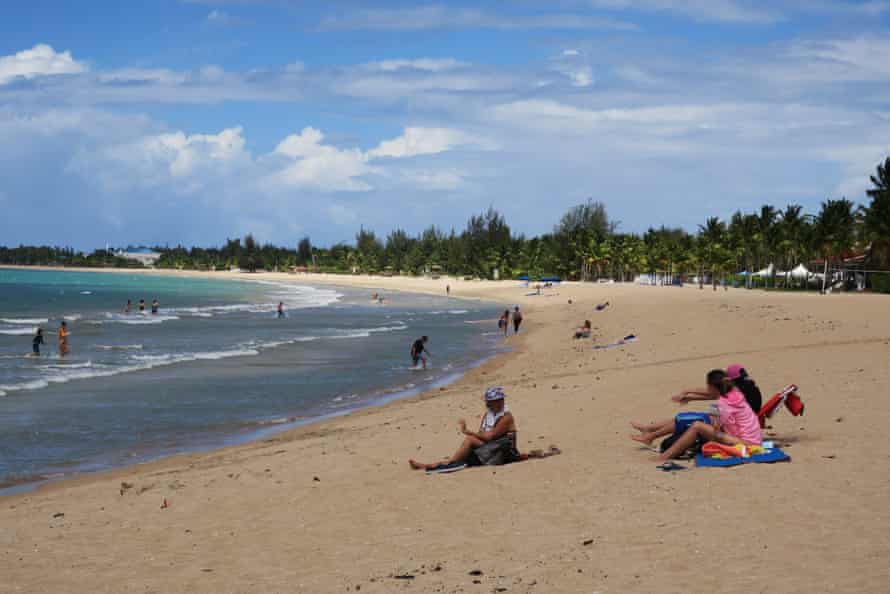
People enjoy Pine Grove beach in Isla Verde, Puerto Rico.
People enjoy Pine Grove beach in Isla Verde, Puerto Rico. Photograph: Jorge Muniz/EPA

With restrictions having relaxed, Bolivar admits hotels have experienced issues with some guests, but said many incidents, such as large gatherings and excessive noise, occur mostly in Airbnbs.

“We’re seeing a lot of tourists in the streets not wanting to cooperate with the executive order,” says Bolivar. “The association has brought the claim to the government, municipal government and the police.”

Videos circulating on social media show aggressive tourists starting fights, disrespecting local workers and residents, and disregarding Covid-19 precautions, including not wanting to wear face masks and having large gatherings as the travel influx to the island continues.

In February, one video showed tourists assault a woman in a wheelchair after they were told to wear masks. The women, who were staying at an Airbnb in San Juan, threw their drinks at the resident’s face and told her to speak English. Airbnb removed the guest from the platform due to the incident.

Another incident includes an alleged sexual assault by a US tourist against a 23-year-old resident in Rincón, located in the western region of Puerto Rico. Last month, the Sex Crimes and Child Abuse Division in Puerto Rico filed charges against the North Carolina resident, Devin Sanders. The Guardian tried to reach Sanders’ lawyer for comment, but the number for his office was disconnected.

With spring break coming up and the spread of new variants still on the rise, Discover Puerto Rico is encouraging travelers to participate in outdoor activities, such as visiting El Yunque national rainforest or the beaches. Bolivar expects hotel rooms to sell out.

Correa, at the Condado Vanderbilt, says he hasn’t seen a descent of guests at the hotel since Presidents’ Day weekend and thinks it will stay that way for spring break. He expects to keep running into misbehaving guests and continue calling the guests’ attention for walking the halls without a mask and reminding them there’s a curfew in place.

“They never believe me when I tell them there’s a curfew,” says Correa. “Minutes after they go outside late at night looking for a party, they come back and ask, ‘Is the curfew thing actually real?’”

The post Puerto Rico Sees a Surge in Tourism During Pandemic appeared first on The St Kitts Nevis Observer.

Antigua: Caribbean COVID Variant Found in UK

A new Covid variant from Antigua has been found in the UK after two people returned from the Caribbean.

Public Health England (PHE) said the strain shares some traits of other variants but would not be categorised as concerning for now.

The health authority said today the variant, known as VUI-202103/01 (lineage B.1.324.1) was designated a variant under investigation
on March 4.

The two cases were found in the South East of England.

“The variant contains the spike mutations E484K and N501Y, both usually associated with Variants of Concern (VOC), however it does not feature specific deletions that would lead to a designation as a VOC,” PHE said in a statement

Clinical staff wear Personal Protective Equipment (PPE) as they care for a patient ITU at Royal Papworth Hospital

efficacy.

The post Antigua: Caribbean COVID Variant Found in UK appeared first on The St Kitts Nevis Observer.

US: Biden Wants Nation Vaccinated by July 4th

President Joe Biden has said he is hopeful that America can “mark independence” from Covid-19 on 4 July if people get vaccinated.

In his first primetime address as president, Mr Biden said he would order states to make all adults eligible for vaccinations by 1 May.

Current measures prioritise people by age or health condition.

Mr Biden was speaking exactly a year to the day after the outbreak was classified a global pandemic.

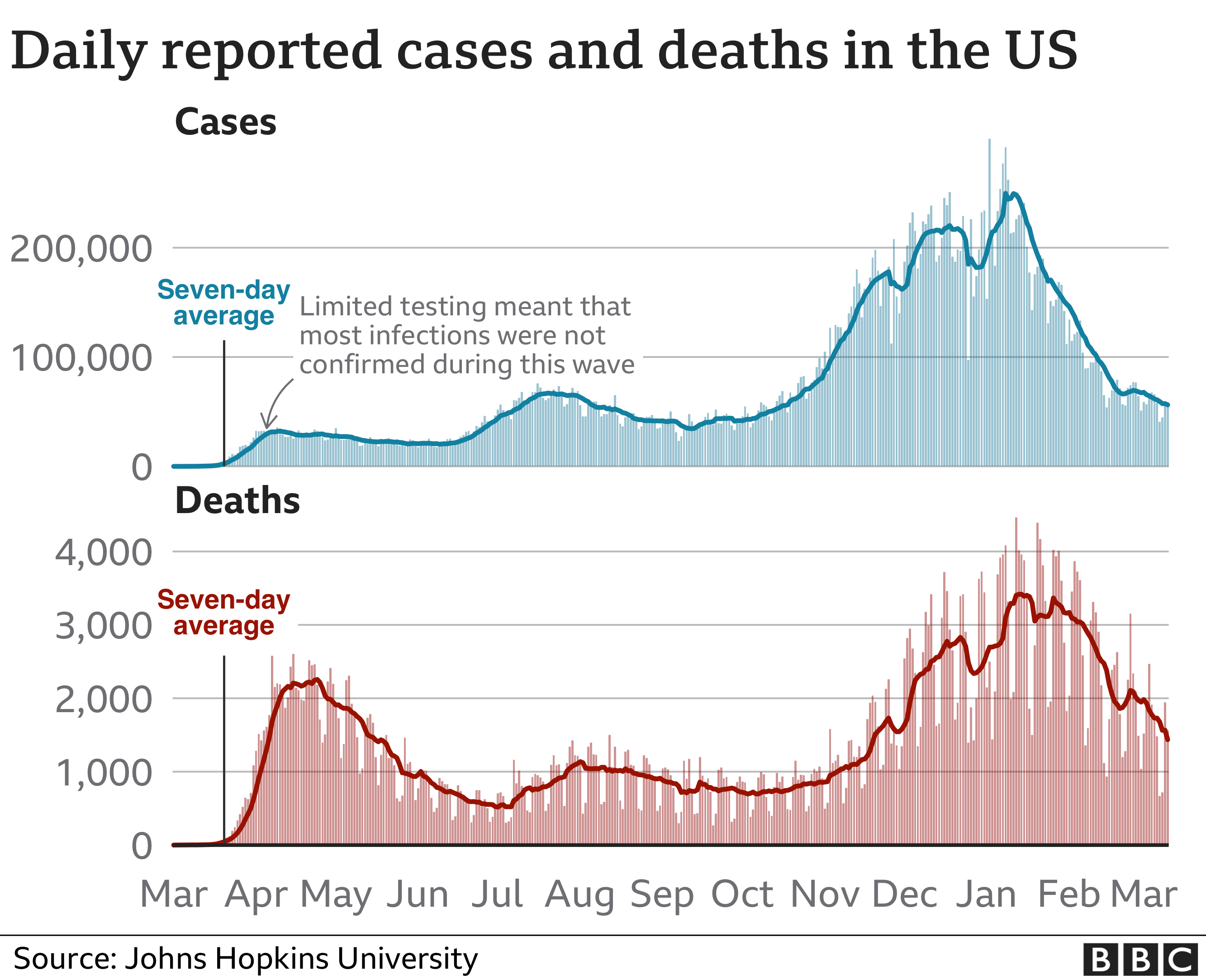
Half a million Americans have since died – more than the death toll from World War One, World War Two, and the Vietnam War combined.

Schools have been closed, businesses shuttered and people kept apart.

In his speech, President Biden set a timetable for when small groups could potentially meet again.

“If we do this together, by 4 July, there is a good chance you, your family and friends can get together in your backyard or in your neighbourhood and have a cookout or a barbecue and celebrate Independence Day,” Mr Biden said.

He predicted that the country would be able to not only celebrate Independence Day but also “independence from this virus”.

Chart showing US cases and deaths
Presentational white space

The US health system is complex and individual states are in charge of public health policy. While the federal government is responsible for getting the vaccine distributed to the states, it has largely relied on them to handle the distribution.

But as part of the plans to expand vaccinations, President Biden said the number of places where people could be immunised would be increased, with veterinarians and dentists among those also allowed to vaccinate people.

Mobile units will travel into local communities to provide vaccinations in underserved communities, he said.

Mr Biden previously set a target of 100 million vaccinations by his 100th day in office, but in his address on Thursday, he said this target would be reached on day 60.

He was speaking shortly after signing a $1.9tn (£1.4tn) economic relief bill, which marks an early legislative victory for his administration. It includes a $1,400 direct payment to most Americans, along with other measures to help people out of poverty and provide additional funding to local and state governments.

Despite the good news on vaccinations, Mr Biden warned that the “fight is far from over”.

He called on people to maintain social distancing measures, hand washing and wear a mask.

“Beating the virus and getting back to normal relies on national unity,” he said.

Mr Biden said last month he hoped that life would return to “normal” by Christmas 2021. Dr Anthony Fauci, the top US infectious diseases expert, described this timetable as “reasonable”.

The president’s caution is at odds with some states such as Texas and Mississippi, which are relaxing restrictions in order to boost their economies.

line
Analysis box by Anthony Zurcher, North America reporter

One year ago, the United States joined the world in facing a brutal truth. The coronavirus pandemic was going to fundamentally alter everyday life. Businesses shuttered. Citizens sheltered in their home. Life ground to a halt.

On Thursday night, in his first prime-time televised address to the nation, President Joe Biden said there was light at the end of the tunnel.

The big news from his speech was that all adult Americans would be eligible for a vaccine by the beginning of May – a pace, he boasted, that was the best in the world.

His most important message, however, may have been his urging that all Americans should get the jab when it’s their turn. “I know they’re safe,” he said.

A recent opinion poll showed that nearly half of Republicans are sceptical of the vaccine. If their doubt becomes inaction, Mr Biden’s promises – widespread school openings, an ability to travel and Independence Day celebrations – will go unrealised.

His speech was part promise, part warning. Get vaccinated, continue social distancing, wear masks – or else.

“America is coming back,” he said. But, he added, Americans needed to do their part.

line

This time last year, there were 1,000 confirmed cases of Covid-19 in the US and about 30 people had died.

All US major sport was cancelled and then-President Donald Trump suspended travel from Europe, saying he hoped the US would be open again for Easter 2020. This prediction was repeatedly revised.

The pandemic has now left more than 529,000 people dead in the US and has infected more than 29 million.

In his speech, President Biden criticised the Trump administration by saying the virus was initially met with “denials for days, weeks, then months, that led to more deaths, more infections, more stress, more loneliness”.

He also denounced “vicious hate crimes” against Asian Americans, who he said had been “attacked, harassed, blamed and scapegoated” for the pandemic. Mr Trump repeatedly referred to coronavirus as the “China virus”.

The post US: Biden Wants Nation Vaccinated by July 4th appeared first on The St Kitts Nevis Observer.

Mexican Police Stop 2 Cent. American Immigrant Buses

MEXICO CITY (AP) — Police in southern Mexico said Wednesday they stopped two passenger buses loaded with a total of 210 Central American migrants, a mass-smuggling tactic that had largely fallen into disuse after a government crackdown in 2014.

Federal prosecutors said eight suspected immigrant traffickers were detained aboard the buses in the southern state of Chiapas, near the border with Guatemala.

The vehicles were detected when they stopped at a toll booth, and the passengers could not show legal travel documents. Most of the migrants, 178, were from Guatemala.

In 2014, the government set up a series of checkpoints in southern Mexico to stop, board and inspect passenger buses.

After that, immigrant traffickers turned to cramming migrants into windowless truck freight containers, often hiding them under false cargo loads, or installing platforms to carry migrants stacked above each other.

During the migrant caravans of 2018 and 2019, Mexican authorities briefly tolerated the movement of migrants and in a few cases provided buses to avoid having them hop freight trucks.

The post Mexican Police Stop 2 Cent. American Immigrant Buses appeared first on The St Kitts Nevis Observer.

Brazil Hospitals Buckle in Absence of COVID-19 Plan

RIO DE JANEIRO (AP) — Brazil’s hospitals are faltering as a highly contagious coronavirus variant tears through the country, the president insists on unproven treatments and the only attempt to create a national plan to contain COVID-19 has just fallen short.

For the last week, Brazilian governors sought to do something President Jair Bolsonaro obstinately rejects: cobble together a proposal for states to help curb the nation’s deadliest COVID-19 outbreak yet. The effort was expected to include a curfew, prohibition of crowded events and limits on the hours nonessential services can operate.

The final product, presented Wednesday, was a one-page document that included general support for restricting activity but without any specific measures. Six governors, evidently still wary of antagonizing Bolsonaro, declined to sign on.

Piaui state’s Gov. Wellington Dias told The Associated Press that unless pressure on hospitals is eased, growing numbers of patients will have to endure the disease without a hospital bed or any hope of treatment in an intensive care unit.

“We have reached the limit across Brazil; rare are the exceptions,” Dias, who leads the governors’ forum, said. “The chance of dying without assistance is real.”

Those deaths have already started. In Brazil’s wealthiest state, Sao Paulo, at least 30 patients died this month while waiting for ICU beds, according to a tally published Wednesday by the news site G1. Occupancy of ICUs is above 90% in 15 of 27 capitals, according to the state-run Fiocruz institute. In southern Santa Catarina state, 419 people were waiting for transfer to ICU beds. Neighboring Rio Grande do Sul’s capacity was at 106%. Alexandre Zavascki, a doctor in its capital, described a constant arrival of hospital patients struggling to breathe.
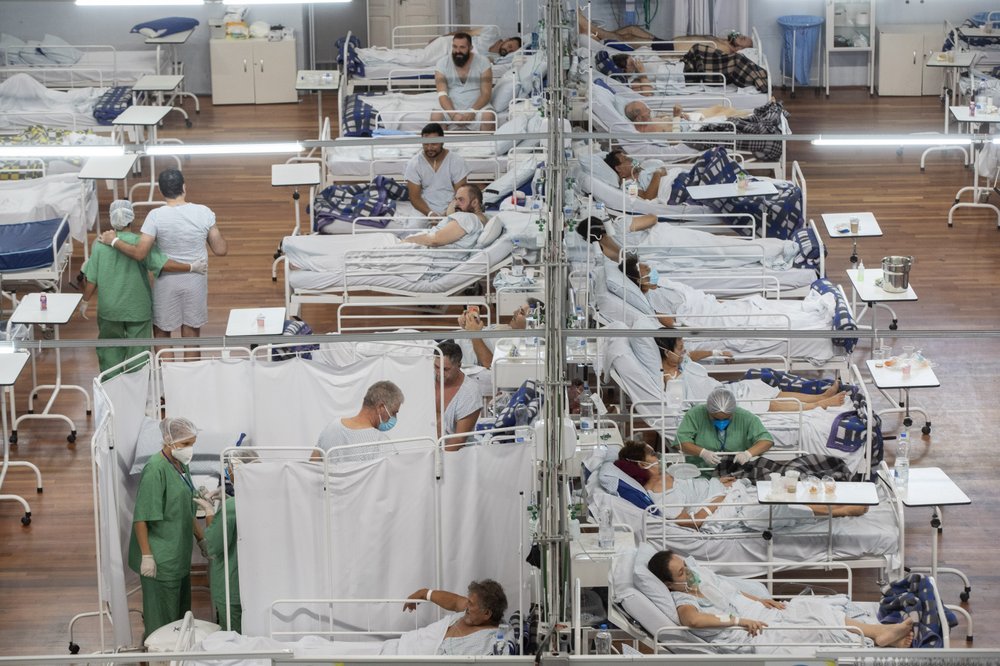
COVID-19 patients lie on beds at a field hospital on the outskirts of Sao Paulo. (AP Photo/Andre Penner)

“I have a lot of colleagues who, at times, stop to cry. This isn’t medicine we’re used to performing routinely. This is medicine adapted for a war scenario,” said Zavascki, who oversees infectious disease treatment at a private hospital. “We see a good part of the population refusing to see what’s happening, resisting the facts. Those people could be next to step inside the hospital and will want beds. But there won’t be one.”

The country, he added, needs “more rigid measures” from authorities.

Over the president’s objections, the Supreme Court last year upheld cities’ and states’ jurisdiction to impose restrictions on activity. Even so, Bolsonaro consistently condemned any such moves, saying the economy needed to keep churning and that isolation would cause depression.

The most recent surge is driven by the P1 variant that first became dominant in the Amazonian city Manaus.

Brazil’s failure to arrest the virus’ spread since then is increasingly a concern not just for Latin American neighbors, but also as a warning to the world, Tedros Adhanom Ghebreyesus, director of the World Health Organization, said in a March 5 press briefing.

“In the whole country, aggressive use of the public health measures, social measures, will be very, very crucial,” he said. “Without doing things to impact transmission or suppress the virus, I don’t think we will be able in Brazil to have the declining trend.”

Last week’s tally of more than 10,000 deaths was Brazil’s highest since the pandemic began, and this week is on track to be even worse after the country posted nearly 2,300 deaths Wednesday — blowing away the prior day’s total that was also a record. At the Vila Formosa cemetery in Sao Paulo, burials are being done one after another, with mourners and cars lined up awaiting their turn.

Aerial view of a burial service for a person who died from complications related to COVID-19 at Sao Paulo’s Vila Formosa cemetery. (AP Photo/Andre Penner)
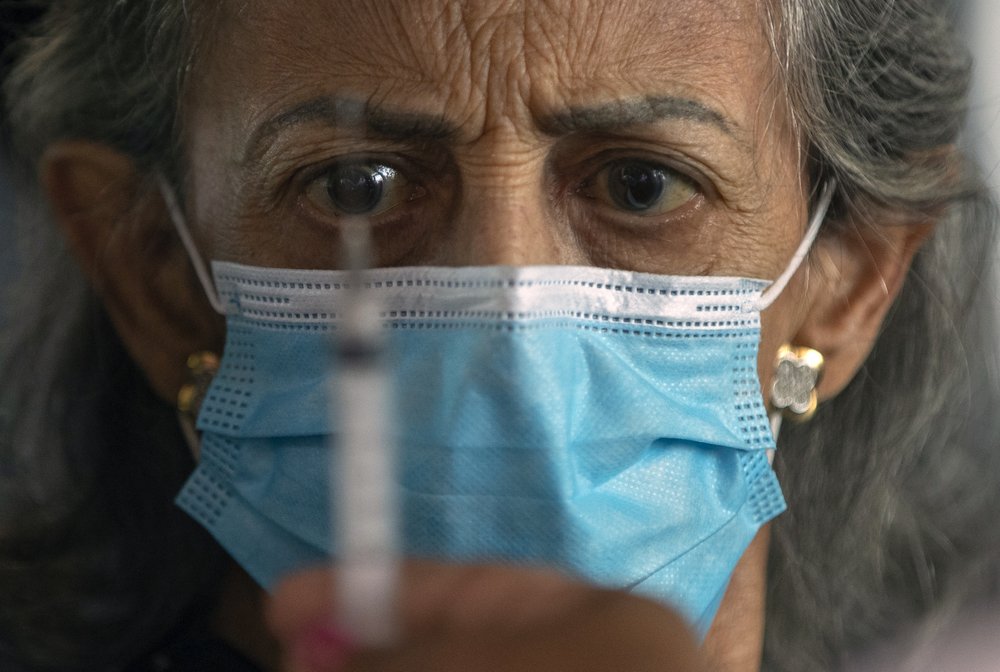
A woman eyes the syringe that will deliver her shot of the Sinovac COVID-19 vaccine. (AP Photo/Andre Penner)

Brazil has decades of experience with mass immunization campaigns, but rollout has been hobbled by delays, some self-inflicted; 5.5% of its population has been vaccinated.

“Governors, like a lot of the population, are getting fed up with all this inaction,” said Margareth Dalcolmo, a prominent pulmonologist at Fiocruz. She added that their proposed pact will remain symbolic unless it is far-reaching and confronts the federal government.

Brazil’s national council of state health secretaries last week called for the establishment of a national curfew and lockdown in regions that are approaching maximum hospital capacity. Bolsonaro again demurred.

“I won’t decree it,” Bolsonaro said Monday at an event. “And you can be sure of one thing: My army will not go to the street to oblige the people to stay home.”

Restrictions can already be found just outside the presidential palace after the Federal District’s governor, Ibaneis Rocha, implemented a curfew and partial lockdown. Rocha warned Tuesday that he could clamp down harder, sparing only pharmacies and hospitals, if people keep disregarding rules. Currently, 213 people in the district are on the wait list for an ICU bed.

Bolsonaro told reporters Monday that the curfew is “an affront, inadmissible,” and said that even the WHO believes lockdowns are inadequate because they disproportionately hurt the poor. While the WHO acknowledges “profound negative effects,” it says some countries have had no choice but to impose heavy-handed measures to slow transmission, and that governments must make the most of the extra time provided to test and trace cases, while caring for patients.

Such nuance was lost on Bolsonaro. His government continues its search for silver-bullet solutions that so far has served only to stoke false hopes. Any idea appears to warrant consideration, except the ones from public health experts.
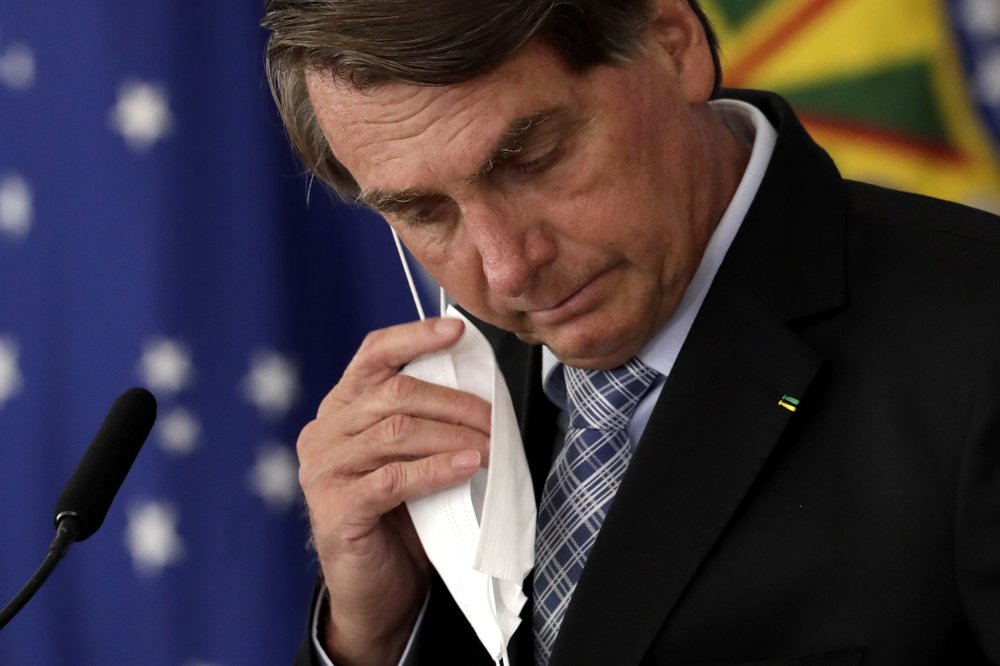
Bolsonaro removes his mask at a ceremony to sign a law expanding the government’s ability to acquire vaccines. (AP Photo/Eraldo Peres.)

Bolsonaro’s government spent millions producing and distributing malaria pills, which have shown no benefit in rigorous studies. Still, Bolsonaro endorsed the drugs. He has also supported treatment with two drugs for fighting parasites, neither of which have shown effectiveness. He again touted their capacity to prevent hospitalizations during a Wednesday event in the presidential palace.

Bolsonaro also dispatched a committee to Israel this week to assess an unproven nasal spray that he has called “a miraculous product.” Fiocruz’s Dalcolmo, whose younger sister is currently in an ICU, called the trip “really pathetic.”

Meanwhile, the city of Araraquara, in Sao Paulo’s interior, has seen new cases turn downward weeks after declaring lockdown amid a crippling surge dominated by the P1 variant. Mayor Edinho Silva told the AP in a message that, without mass vaccination, there was no alternative.

Camila Romano, a researcher at the University of Sao Paulo’s Institute of Tropical Medicine, hopes a test her lab developed to identify worrisome variants, including P1, will help monitor and control their spread. She also wants to see stricter government measures, and citizens doing their part.

“Every day is a new surprise, a new variant, a city whose health system enters collapse,” Romano said. “We’re now in the worst phase. Whether this will be the worst phase of all, unfortunately we don’t know what’s yet to come.”
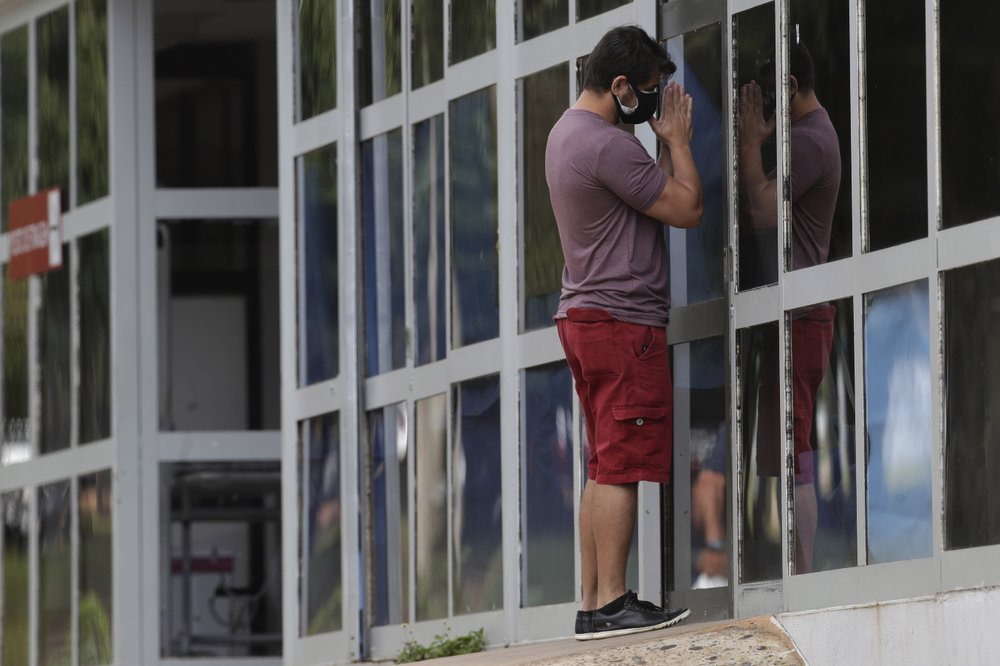
Marcio Moraes prays outside the window of an improvised ICU where his 25-year-old brother was hospitalized in Brasilia. (AP Photo/Eraldo Peres)

___ Álvares reported from Brasilia. Associated Press videojournalist Tatiana Pollastri contributed from Sao Paulo
The post Brazil Hospitals Buckle in Absence of COVID-19 Plan appeared first on The St Kitts Nevis Observer.

Foreign Affairs Minister meets International Partners in another round of talks

BASSETERRE, St. Kitts — Minister of Foreign Affairs, the Honourable Mark Brantley, met in separate virtual settings recently with some of the Federation’s international allies. The meetings, held from March 2 – 11, 2021, form part of the Ministry’s drive to ensure that restrictions of travel and other exigencies posed by the COVID-19 pandemic do not impede bilateral discussions with cherished international partners.

During this period, Minister Brantley met with ambassadors representing the Federal Democratic Republic of Ethiopia, the Republic of France, the Kingdom of The Netherlands, the Kingdom of Belgium, and the European Union.

Among others, some important matters discussed were the proposed removal of visa requirements between Saint Kitts and Nevis and Ethiopia, cooperation on climate change and its impacts, inoculation against COVID-19, and naming and shaming of uncooperative jurisdictions (blacklisting).

The different representatives reiterated their governments’ commitments to ensuring cooperation with Saint Kitts and Nevis for the mutual benefit of all.
.

The post Foreign Affairs Minister meets International Partners in another round of talks appeared first on The St Kitts Nevis Observer.