Hospitals are full’ as Argentina COVID-19 cases hit 3 million
Reuters
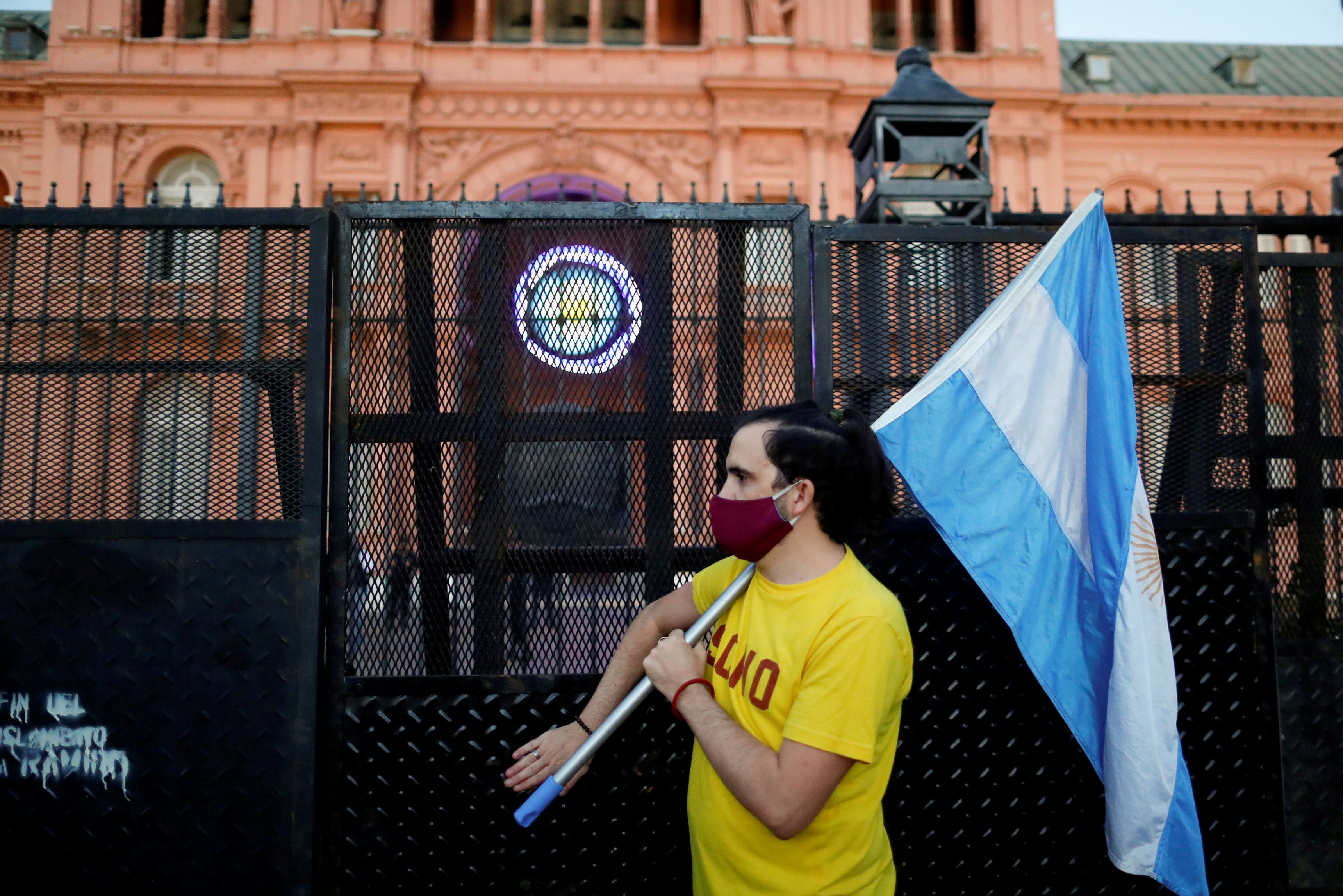
A demonstrator holds an Argentinian flag as they protest against Argentina’s President Alberto Fernandez’s lockdown measures to curb the spread of the coronavirus (COVID-19) disease, outside Casa Rosada presidential palace in Buenos Aires, Argentina, April 17, 2021. REUTERS/Agustin Marcarian/
Argentina coronavirus cases hit 3 million on Sunday since the pandemic began, as medical workers said hospitals were full to capacity despite toughened government measures to bring down the spread of infections.
The country’s health ministry said there were 11,394 new cases over the last 24-hour period, bringing up the grim new milestone, with 156 new deaths taking fatalities to 64,252.
The government of President Alberto Fernandez this week unveiled a new round of tougher restrictions as a second wave of infections has battered the country, filling up intensive care units and setting new daily records for cases and deaths.
But medical staff said it was still not enough.
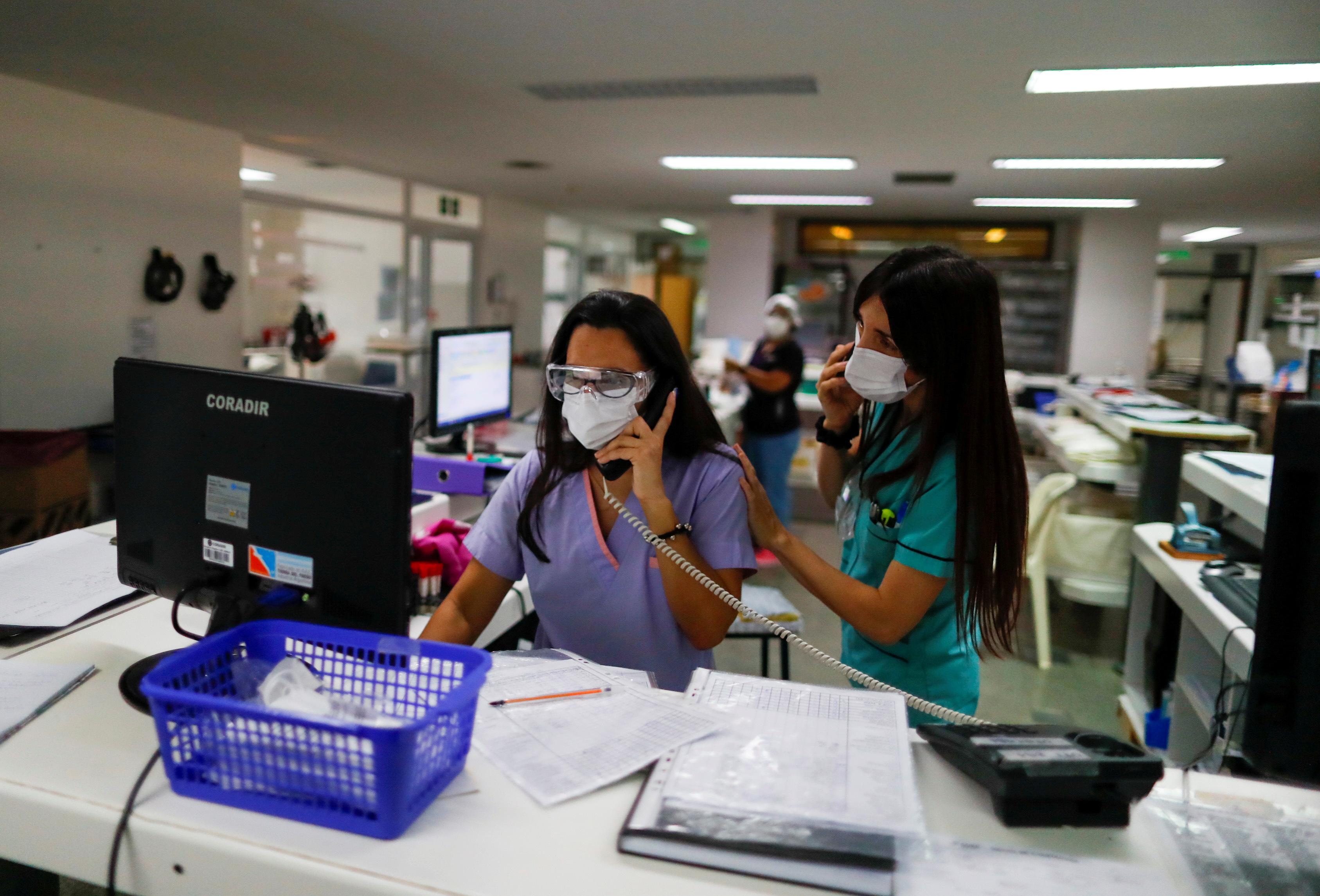
“People need to be a little more aware and know that the hospitals are full and that health personnel are exhausted,” said Luciana Berti, a 41-year-old surgical assistant.
The South American grains producer, which has gone through three straight years of recession, exacerbated by the pandemic, is balancing the need to stem the spread of the virus while protecting a fragile economic recovery.
Marcela Cid, owner of a business on the outskirts of Buenos Aires, said that Argentines were increasingly “locked into a situation” that while necessary, was of little help to anyone trying to move beyond the pandemic.
Argentine pediatrician Carlos Kambourian said that the key would be speeding up a stalled vaccination campaign. Otherwise, he warned, hospitals would be overwhelmed. Intensive care beds are around 68.1% occupied nationally, government data show.
“Today the health system does not support one more patient,” Kambourian said. “It is already overflowing.”
“We can continue to extend measures every 15 days from here until two years from now if we don’t do what needs to be done, which is to test and vaccinate, test and vaccinate,” he said.
==================================================
Mexico looks for U.S. help as AstraZeneca admits Latin American vaccine delay
Reuters- Dave GrahamAdriana Barrera
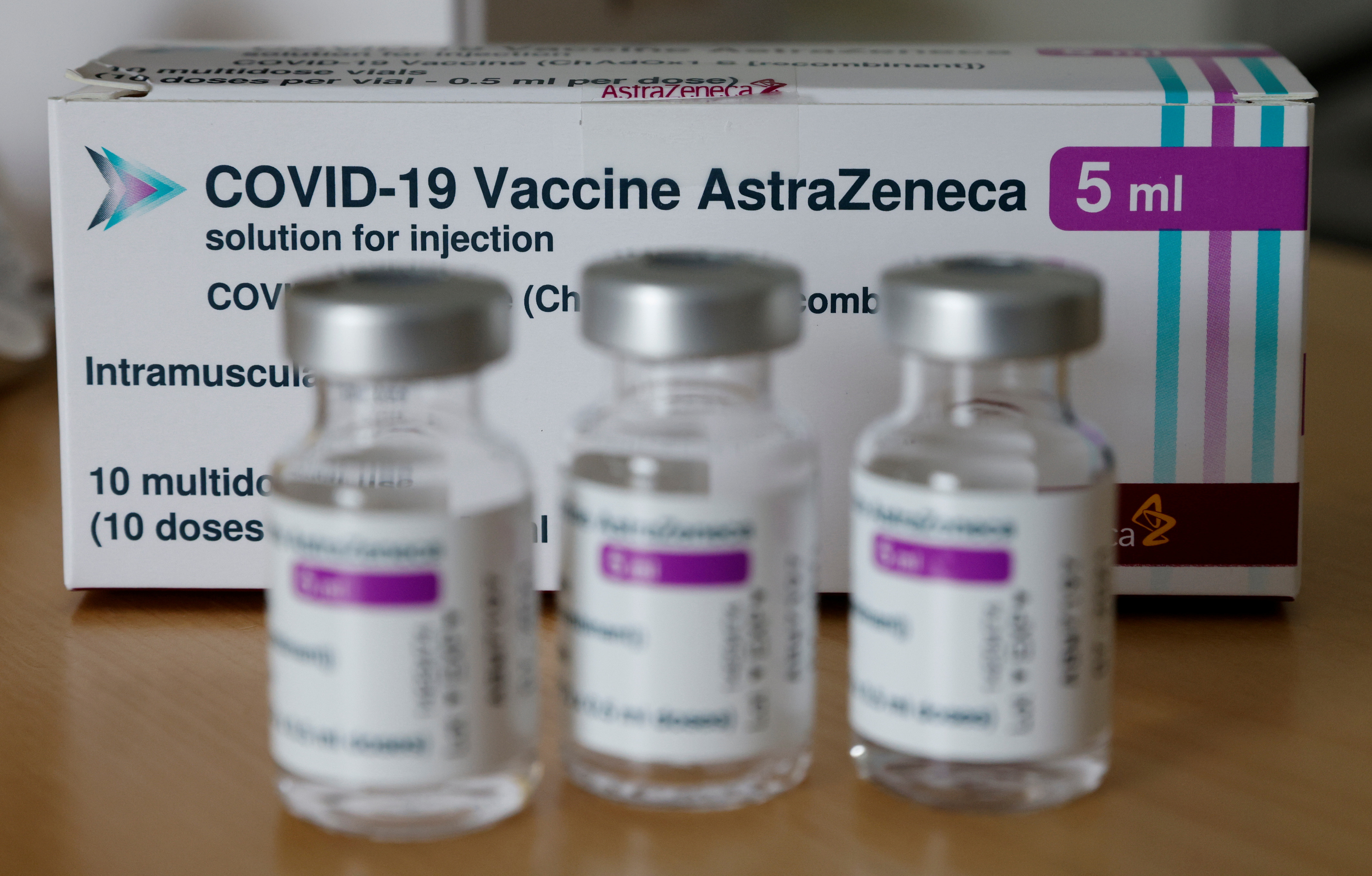
A woman receives a dose of the AstraZeneca coronavirus disease (COVID-19) vaccine, during a mass vaccination program in Monterrey, Mexico April 12, 2021. REUTERS/Daniel Becerril
Mexican President Andres Manuel Lopez Obrador said on Friday the United States would probably send his country 5 million more doses of AstraZeneca’s (AZN.L) COVID-19 vaccine, as the company admitted production in Latin American had suffered multiple setbacks.
Mexico is struggling with behind-schedule local AstraZeneca production and shortfalls in deliveries from foreign suppliers and has asked the United States to help with more vaccines. read more The request is in addition to some 2.7 million AstraZeneca doses Washington sent to Mexico in March.
“It’s probable that they’ll help us with a loan, while the AstraZeneca plant in Mexico gets up and running,” Lopez Obrador said at a regular news conference.
The U.S. State Department did not respond to a request for comment.
Under a deal reached last year, the mAbxience laboratory in Argentina manufactures the active ingredient of the vaccine and ships it for bottling to a factory in Mexico owned by a company called Liomont. The shots are to be delivered across Latin America, excluding Brazil, which has a separate production deal.
Argentina has delivered cargos of the active ingredient to Mexico, but Liomont’s commercial production has slipped from an original target of March. In a statement shared with Reuters on Friday, AstraZeneca said deliveries of the shots would now begin before the end of June.
AstraZeneca said it regretted the setbacks, which it attributed to limited access to critical supplies, lower-than-expected process yields from initial vaccine batches, and longer times to meet internal “site qualifications” for those batches.
“This will delay the launch of our vaccine in countries across Latin America to be supplied from this supply chain,” AstraZeneca said, without giving more details of what had caused the problems.
The Mexican government has said the Liomont factory has undergone major upgrades to produce the AstraZeneca vaccine, and that it has taken longer than expected for the factory to win regulatory approvals. read more
Liomont referred a request for comment to AstraZeneca.
An additional site in the United States will help meet the target of 150 million doses for the region, excluding Brazil, this year, AstraZeneca said, but 80% of the shots will still be bottled at the Mexico plant.
The problems have affected vaccination programs in the region. Argentina’s government this week formally requested a report on production from AstraZeneca. read more
In Mexico, the problems have been compounded by deliveries of far fewer Sputnik V doses from Russia than had been agreed, and lower volumes than expected of Pfizer Inc’s (PFE.N) coronavirus vaccines.
Reuters reported that Pfizer will ship doses made in its U.S. plant to Mexico for the first time.
====================================================
Chilean regulator sees no clouds over Sputnik vaccine despite Brazilian rejection
Aislinn Laing
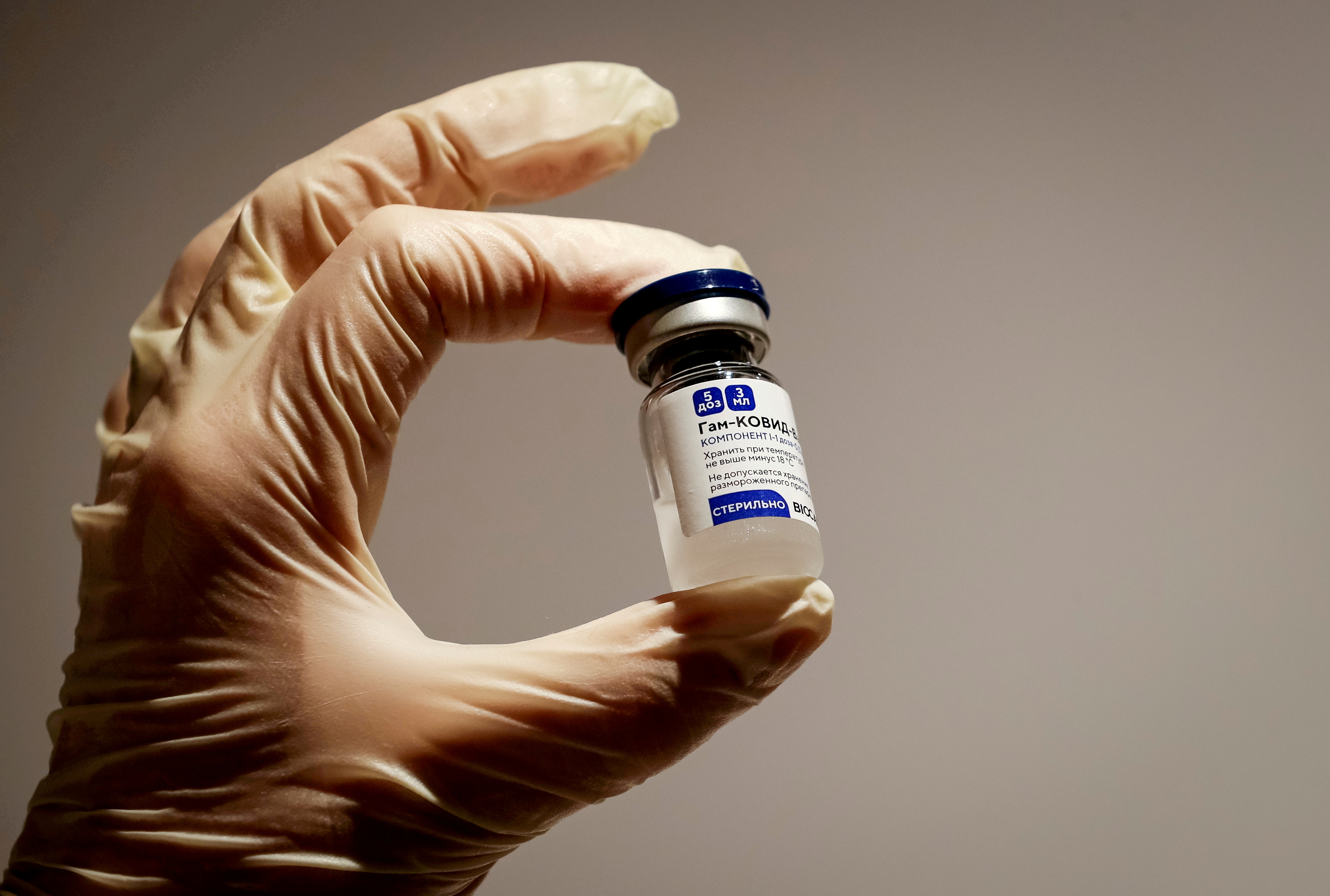
A medical specialist holds a vial of Sputnik V vaccine against the coronavirus in a department store in Moscow, Russia, January 18, 2021 REUTERS/Shamil Zhumatov/File Photo/File Photo
Reuters- The director of Chile’s health regulator said he sees no evidence of safety issues with Sputnik V, the COVID-19 vaccine developed in Russia, despite its rejection by the Brazilian health regulator this week over a lack of information about its safety.
Heriberto Garcia, the director of Chile’s Public Health Institute (ISP), said Chile was seeking clarity from the vaccine’s developers about the potential presence of an adenovirus that could reproduce, possibly creating a negative reaction in recipients. This was the basis for Brazil’s health regulator, Anvisa, rejecting the vaccine on Monday. read more
But he added that real-world data from Argentina and Mexico, where Sputnik V is already being rolled out, showed instances of significant effects among recipients of the vaccine were no greater than those among Chilean citizens who have received the Pfizer-BioNTech (PFE.N), (22UAy.DE) or Sinovac (SVA.O) equivalents.
He said that even if Sputnik V’s developers supplied information suggesting the presence of “replication-competent adenoviruses” (RCA), the ISP would not necessarily reject it.
“We have to balance the benefit of getting vaccinated versus not getting vaccinated,” he told Reuters in a Zoom interview. “If the virus replicates, you’re going to get at most a common cold. If you don’t get vaccinated, you could get COVID-19.”
Adenoviruses – a category of viruses that can cause a range of illnesses in humans like the common cold – are sometimes repurposed as viral vectors for vaccines. However, global health guidelines warn against “replication-competent adenoviruses” that could multiply inside a patient’s body, possibly creating a negative reaction.
Chile is in the final stages of negotiating a deal to buy 4 million doses of Sputnik V as it races to vaccinate 80% of its target population – 15 million people – by July.
Moscow’s Gamaleya Institute which developed Sputnik V said in a statement to Reuters on Friday that no RCA was detected in any of the batches of the Sputnik V vaccine.
Anvisa’s five-strong board voted unanimously not to approve the Russian vaccine, saying it had identified “inherent risks” and “serious” defects, and cited a lack of information guaranteeing its safety, quality and effectiveness. read more
The Russian Direct Investment Fund (RDIF), which markets the Sputnik V vaccine abroad, has rejected Anvisa’s comments, saying the shot’s safety and efficacy had been assessed by regulators in 61 countries which approved it for use.
The Gamaleya Institute has said Sputnik V is 97.6% effective against COVID-19 in a “real-world” assessment based on data from 3.8 million people.
The European Union’s regulator, the European Medicines Agency (EMA), is evaluating the shot and its manufacturing process, with a decision on its use expected in May or June.
The ISP’s Garcia said discussions with RDIF had begun a month ago and were “100% positive” so far.
He said he was confident RDIF could supply the extra documentation the ISP had asked for before it began considering Sputnik V for approval for emergency rollout.
“I doubt that there is a problem but we as a regulator need that information so we as a health authority can reassure our population,” he said.
He said Brazil’s rejection of Sputnik V over missing documentation was “valid” but that the ISP would avoid a similar issue by insisting on all the necessary documentation about Sputnik V before formally considering it for use in Chile.
“This avoids generating mistrust about vaccines which won’t get us anywhere,” he said.
RDIF has claimed that Anvisa could have been “politically motivated” to reject Sputnik V. Garcia said there could be no similar claim toward Chile. read more
“The pressure that I have, that we all have, is to end this pandemic soon and for that we know that vaccines are a good tool,” he said. “So we are doing everything possible to have as many vaccines as possible and balance the risks with the benefits.”
===================================================
WORLD STATS
Coronavirus Cases:
153,527,802
|
Country,
Other |
Total
Cases |
New
Cases |
Total
Deaths |
New
Deaths |
Total
Recovered |
Active
Cases |
Serious,
Critical |
Tot Cases/
1M pop |
Deaths/
1M pop |
Total
Tests |
Tests/
1M pop |
Population |
|
World |
153,527,802 |
+47,579 |
3,217,267 |
+1,097 |
131,578,065 |
18,732,470 |
111,601 |
19,696 |
412.7 |
|
|
|
| 1 |
USA |
33,180,441 |
|
591,062 |
|
25,823,800 |
6,765,579 |
9,466 |
99,754 |
1,777 |
448,984,680 |
1,349,834 |
332,622,037 |
| 2 |
India |
19,925,604 |
+5,889 |
218,959 |
+14 |
16,293,003 |
3,413,642 |
8,944 |
14,321 |
157 |
291,647,037 |
209,621 |
1,391,308,838 |
| 3 |
Brazil |
14,754,910 |
|
407,775 |
|
13,278,718 |
1,068,417 |
8,318 |
69,006 |
1,907 |
43,818,216 |
204,931 |
213,819,510 |
| 4 |
France |
5,652,247 |
|
104,819 |
|
4,636,940 |
910,488 |
5,585 |
86,434 |
1,603 |
76,694,164 |
1,172,798 |
65,394,155 |
| 5 |
Turkey |
4,875,388 |
|
40,844 |
|
4,480,381 |
354,163 |
3,532 |
57,293 |
480 |
47,744,338 |
561,071 |
85,094,968 |
| 6 |
Russia |
4,831,744 |
+8,489 |
111,198 |
+336 |
4,450,289 |
270,257 |
2,300 |
33,097 |
762 |
130,000,000 |
890,492 |
145,986,759 |
| 7 |
UK |
4,420,201 |
|
127,538 |
|
4,221,582 |
71,081 |
185 |
64,828 |
1,871 |
156,302,824 |
2,292,382 |
68,183,590 |
| 8 |
Italy |
4,044,762 |
|
121,177 |
|
3,492,679 |
430,906 |
2,524 |
66,980 |
2,007 |
59,114,826 |
978,925 |
60,387,482 |
| 9 |
Spain |
3,524,077 |
|
78,216 |
|
3,206,273 |
239,588 |
2,308 |
75,349 |
1,672 |
46,199,597 |
987,806 |
46,769,913 |
| 10 |
Germany |
3,425,598 |
|
83,826 |
|
3,040,700 |
301,072 |
5,049 |
40,777 |
998 |
55,490,413 |
660,540 |
84,007,647 |
| 11 |
Argentina |
3,005,259 |
|
64,252 |
|
2,676,197 |
264,810 |
5,371 |
65,990 |
1,411 |
11,245,454 |
246,928 |
45,541,400 |
| 12 |
Colombia |
2,893,655 |
|
74,700 |
|
2,700,594 |
118,361 |
6,006 |
56,368 |
1,455 |
14,944,628 |
291,122 |
51,334,635 |
| 13 |
Poland |
2,805,756 |
+2,525 |
68,105 |
+37 |
2,529,844 |
207,807 |
2,593 |
74,203 |
1,801 |
14,459,033 |
382,393 |
37,811,953 |
| 14 |
Iran |
2,534,855 |
|
72,484 |
|
1,988,165 |
474,206 |
5,443 |
29,861 |
854 |
16,101,399 |
189,679 |
84,887,747 |
| 15 |
Mexico |
2,348,873 |
+1,093 |
217,233 |
+65 |
1,867,191 |
264,449 |
4,798 |
18,060 |
1,670 |
6,654,713 |
51,166 |
130,061,146 |
| 16 |
Ukraine |
2,085,938 |
+2,758 |
44,750 |
+154 |
1,681,815 |
359,373 |
177 |
47,937 |
1,028 |
9,487,141 |
218,026 |
43,513,767 |
| 17 |
Peru |
1,810,998 |
|
62,126 |
|
1,688,091 |
60,781 |
2,654 |
54,296 |
1,863 |
11,269,734 |
337,883 |
33,353,981 |
| 18 |
Indonesia |
1,677,274 |
|
45,796 |
|
1,530,718 |
100,760 |
|
6,079 |
166 |
14,703,659 |
53,287 |
275,932,862 |
| 19 |
Czechia |
1,634,619 |
+504 |
29,365 |
+10 |
1,562,295 |
42,959 |
458 |
152,404 |
2,738 |
18,530,196 |
1,727,664 |
10,725,578 |
| 20 |
South Africa |
1,584,064 |
|
54,417 |
|
1,507,778 |
21,869 |
546 |
26,431 |
908 |
10,699,021 |
178,522 |
59,931,112 |
| 21 |
Netherlands |
1,507,615 |
|
17,172 |
|
1,270,524 |
219,919 |
810 |
87,823 |
1,000 |
12,274,847 |
715,045 |
17,166,540 |
| 22 |
Canada |
1,234,181 |
|
24,300 |
|
1,126,138 |
83,743 |
1,422 |
32,463 |
639 |
31,756,698 |
835,308 |
38,017,972 |
| 23 |
Chile |
1,210,920 |
|
26,561 |
|
1,143,565 |
40,794 |
3,318 |
62,895 |
1,380 |
13,182,710 |
684,710 |
19,252,980 |
| 24 |
Iraq |
1,074,930 |
|
15,536 |
|
957,200 |
102,194 |
578 |
26,236 |
379 |
9,408,134 |
229,629 |
40,971,011 |
| 25 |
Philippines |
1,062,225 |
+7,255 |
17,525 |
+94 |
975,234 |
69,466 |
750 |
9,587 |
158 |
11,901,873 |
107,423 |
110,794,784 |
| 26 |
Romania |
1,057,655 |
|
28,282 |
|
995,506 |
33,867 |
1,253 |
55,287 |
1,478 |
8,285,525 |
433,112 |
19,130,218 |
| 27 |
Belgium |
995,562 |
+2,128 |
24,291 |
+33 |
868,327 |
102,944 |
824 |
85,590 |
2,088 |
12,622,262 |
1,085,158 |
11,631,725 |
| 28 |
Sweden |
973,604 |
|
14,048 |
|
812,942 |
146,614 |
392 |
95,905 |
1,384 |
8,482,276 |
835,544 |
10,151,798 |
| 29 |
Israel |
838,576 |
+22 |
6,366 |
|
830,922 |
1,288 |
104 |
91,173 |
692 |
14,237,834 |
1,547,996 |
9,197,590 |
| 30 |
Portugal |
837,277 |
|
16,977 |
|
796,721 |
23,579 |
85 |
82,313 |
1,669 |
10,515,374 |
1,033,773 |
10,171,837 |
| 31 |
Pakistan |
834,146 |
+4,213 |
18,149 |
+79 |
728,044 |
87,953 |
5,377 |
3,716 |
81 |
11,928,095 |
53,143 |
224,453,453 |
| 32 |
Hungary |
784,111 |
+1,219 |
27,908 |
+106 |
528,201 |
228,002 |
572 |
81,341 |
2,895 |
5,429,737 |
563,260 |
9,639,833 |
| 33 |
Bangladesh |
761,943 |
|
11,579 |
|
687,328 |
63,036 |
1,078 |
4,588 |
70 |
5,498,979 |
33,115 |
166,056,388 |
| 34 |
Jordan |
712,901 |
|
8,897 |
|
688,519 |
15,485 |
729 |
69,298 |
865 |
6,727,600 |
653,957 |
10,287,526 |
| 35 |
Serbia |
691,920 |
|
6,409 |
|
642,359 |
43,152 |
153 |
79,459 |
736 |
3,853,869 |
442,571 |
8,707,919 |
| 36 |
Switzerland |
659,974 |
|
10,634 |
|
590,565 |
58,775 |
238 |
75,795 |
1,221 |
6,911,371 |
793,735 |
8,707,402 |
| 37 |
Austria |
622,110 |
|
10,245 |
|
589,534 |
22,331 |
476 |
68,747 |
1,132 |
32,383,974 |
3,578,627 |
9,049,274 |
| 38 |
Japan |
597,225 |
|
10,296 |
|
527,233 |
59,696 |
1,050 |
4,734 |
82 |
11,968,449 |
94,873 |
126,152,546 |
| 39 |
Lebanon |
528,208 |
|
7,324 |
|
464,660 |
56,224 |
560 |
77,679 |
1,077 |
4,011,613 |
589,955 |
6,799,864 |
| 40 |
UAE |
523,795 |
|
1,593 |
|
504,251 |
17,951 |
|
52,433 |
159 |
44,517,421 |
4,456,249 |
9,989,887 |
| 41 |
Morocco |
511,856 |
|
9,028 |
|
498,415 |
4,413 |
198 |
13,732 |
242 |
6,278,157 |
168,429 |
37,274,817 |
| 42 |
Saudi Arabia |
419,348 |
|
6,979 |
|
402,664 |
9,705 |
1,351 |
11,891 |
198 |
17,031,714 |
482,968 |
35,264,673 |
| 43 |
Malaysia |
415,012 |
|
1,533 |
|
383,140 |
30,339 |
345 |
12,687 |
47 |
9,540,805 |
291,668 |
32,711,147 |
| 44 |
Bulgaria |
405,194 |
|
16,492 |
|
340,442 |
48,260 |
662 |
58,684 |
2,389 |
2,528,642 |
366,224 |
6,904,630 |
| 45 |
Ecuador |
387,299 |
|
18,740 |
|
329,582 |
38,977 |
617 |
21,678 |
1,049 |
1,294,163 |
72,438 |
17,865,843 |
| 46 |
Slovakia |
383,228 |
+130 |
11,807 |
+41 |
364,301 |
7,120 |
321 |
70,164 |
2,162 |
2,676,393 |
490,016 |
5,461,852 |
| 47 |
Panama |
365,104 |
|
6,238 |
|
354,974 |
3,892 |
105 |
83,524 |
1,427 |
2,408,437 |
550,974 |
4,371,239 |
| 48 |
Belarus |
361,063 |
|
2,562 |
|
351,816 |
6,685 |
|
38,221 |
271 |
5,887,035 |
623,183 |
9,446,725 |
| 49 |
Greece |
346,422 |
|
10,453 |
|
306,498 |
29,471 |
811 |
33,373 |
1,007 |
8,165,612 |
786,635 |
10,380,439 |
| 50 |
Nepal |
336,030 |
|
3,325 |
|
283,994 |
48,711 |
|
11,363 |
112 |
2,504,476 |
84,690 |
29,572,148 |
| 51 |
Croatia |
335,173 |
|
7,182 |
|
314,839 |
13,152 |
240 |
82,068 |
1,759 |
1,822,875 |
446,338 |
4,084,069 |
| 52 |
Kazakhstan |
327,995 |
+2,496 |
3,733 |
+16 |
280,342 |
43,920 |
221 |
17,296 |
197 |
10,307,341 |
543,530 |
18,963,698 |
| 53 |
Azerbaijan |
321,380 |
|
4,561 |
|
293,689 |
23,130 |
|
31,461 |
446 |
3,262,655 |
319,388 |
10,215,343 |
| 54 |
Georgia |
312,954 |
+509 |
4,163 |
+12 |
294,252 |
14,539 |
|
78,577 |
1,045 |
4,225,674 |
1,060,991 |
3,982,763 |
| 55 |
Tunisia |
311,743 |
|
10,868 |
|
262,602 |
38,273 |
521 |
26,149 |
912 |
1,323,656 |
111,030 |
11,921,634 |
| 56 |
Bolivia |
307,561 |
+1,034 |
13,021 |
+12 |
253,406 |
41,134 |
83 |
26,052 |
1,103 |
1,184,786 |
100,359 |
11,805,509 |
| 57 |
Palestine |
297,638 |
|
3,272 |
|
275,392 |
18,974 |
146 |
57,241 |
629 |
1,748,434 |
336,255 |
5,199,729 |
| 58 |
Paraguay |
282,543 |
|
6,572 |
|
233,453 |
42,518 |
508 |
39,212 |
912 |
1,109,043 |
153,917 |
7,205,473 |
| 59 |
Kuwait |
276,586 |
|
1,578 |
|
260,008 |
15,000 |
208 |
63,979 |
365 |
2,343,069 |
541,988 |
4,323,100 |
| 60 |
Dominican Republic |
267,455 |
|
3,493 |
|
227,924 |
36,038 |
189 |
24,451 |
319 |
1,410,731 |
128,969 |
10,938,541 |
| 61 |
Ethiopia |
258,384 |
|
3,726 |
|
200,508 |
54,150 |
883 |
2,202 |
32 |
2,586,083 |
22,042 |
117,323,008 |
| 62 |
Denmark |
252,912 |
|
2,490 |
|
240,569 |
9,853 |
37 |
43,536 |
429 |
38,718,735 |
6,665,034 |
5,809,233 |
| 63 |
Moldova |
251,335 |
|
5,838 |
|
240,824 |
4,673 |
199 |
62,426 |
1,450 |
995,385 |
247,232 |
4,026,121 |
| 64 |
Costa Rica |
250,991 |
|
3,231 |
|
203,009 |
44,751 |
380 |
48,899 |
629 |
974,477 |
189,850 |
5,132,885 |
| 65 |
Lithuania |
250,337 |
+655 |
3,956 |
+5 |
224,942 |
21,439 |
223 |
93,048 |
1,470 |
2,840,441 |
1,055,763 |
2,690,416 |
| 66 |
Ireland |
249,838 |
|
4,906 |
|
232,281 |
12,651 |
41 |
50,131 |
984 |
4,512,912 |
905,531 |
4,983,721 |
| 67 |
Slovenia |
241,672 |
|
4,263 |
|
227,883 |
9,526 |
152 |
116,234 |
2,050 |
1,180,616 |
567,829 |
2,079,177 |
| 68 |
Egypt |
229,635 |
|
13,469 |
|
172,342 |
43,824 |
90 |
2,209 |
130 |
2,715,258 |
26,124 |
103,937,253 |
| 69 |
Guatemala |
228,684 |
|
7,558 |
|
205,365 |
15,761 |
5 |
12,571 |
415 |
1,265,849 |
69,587 |
18,190,819 |
| 70 |
Armenia |
217,008 |
+145 |
4,149 |
+10 |
200,472 |
12,387 |
|
73,119 |
1,398 |
993,612 |
334,790 |
2,967,870 |
| 71 |
Honduras |
213,970 |
+803 |
5,334 |
+16 |
79,096 |
129,540 |
566 |
21,321 |
532 |
631,929 |
62,969 |
10,035,572 |
| 72 |
Qatar |
206,948 |
|
472 |
|
192,551 |
13,925 |
341 |
73,705 |
168 |
1,913,127 |
681,360 |
2,807,805 |
| 73 |
Uruguay |
202,492 |
|
2,724 |
|
173,769 |
25,999 |
556 |
58,124 |
782 |
1,820,840 |
522,662 |
3,483,782 |
| 74 |
Venezuela |
200,067 |
|
2,172 |
|
180,301 |
17,594 |
317 |
7,052 |
77 |
3,359,014 |
118,406 |
28,368,540 |
| 75 |
Bosnia and Herzegovina |
198,461 |
|
8,551 |
|
159,223 |
30,687 |
|
60,808 |
2,620 |
907,054 |
277,919 |
3,263,731 |
| 76 |
Oman |
195,807 |
|
2,043 |
|
176,833 |
16,931 |
276 |
37,553 |
392 |
1,550,000 |
297,265 |
5,214,205 |
| 77 |
Bahrain |
179,297 |
|
651 |
|
167,852 |
10,794 |
98 |
102,433 |
372 |
4,124,188 |
2,356,156 |
1,750,388 |
| 78 |
Libya |
177,871 |
|
3,039 |
|
163,716 |
11,116 |
|
25,596 |
437 |
961,088 |
138,305 |
6,949,039 |
| 79 |
Nigeria |
165,153 |
|
2,063 |
|
155,109 |
7,981 |
11 |
785 |
10 |
1,912,628 |
9,092 |
210,372,768 |
| 80 |
Kenya |
160,422 |
|
2,763 |
|
108,861 |
48,798 |
190 |
2,930 |
50 |
1,679,779 |
30,679 |
54,753,700 |
| 81 |
North Macedonia |
152,685 |
|
4,936 |
|
133,473 |
14,276 |
124 |
73,290 |
2,369 |
724,668 |
347,846 |
2,083,303 |
| 82 |
Myanmar |
142,838 |
|
3,209 |
|
131,981 |
7,648 |
|
2,611 |
59 |
2,579,427 |
47,144 |
54,714,033 |
| 83 |
Albania |
131,238 |
|
2,397 |
|
110,920 |
17,921 |
18 |
45,645 |
834 |
637,851 |
221,848 |
2,875,170 |
| 84 |
S. Korea |
123,728 |
+488 |
1,834 |
+1 |
113,356 |
8,538 |
164 |
2,412 |
36 |
8,915,326 |
173,768 |
51,306,055 |
| 85 |
Estonia |
122,943 |
+179 |
1,172 |
+4 |
112,480 |
9,291 |
57 |
92,628 |
883 |
1,298,160 |
978,060 |
1,327,281 |
| 86 |
Algeria |
122,522 |
|
3,270 |
|
85,398 |
33,854 |
28 |
2,753 |
73 |
230,861 |
5,187 |
44,508,817 |
| 87 |
Latvia |
119,953 |
+203 |
2,154 |
+10 |
109,281 |
8,518 |
84 |
64,190 |
1,153 |
2,311,233 |
1,236,805 |
1,868,713 |
| 88 |
Norway |
113,469 |
|
756 |
|
88,952 |
23,761 |
36 |
20,795 |
139 |
5,212,177 |
955,209 |
5,456,585 |
| 89 |
Sri Lanka |
111,753 |
|
696 |
|
97,848 |
13,209 |
|
5,201 |
32 |
2,733,805 |
127,224 |
21,488,197 |
| 90 |
Cuba |
108,693 |
|
664 |
|
102,339 |
5,690 |
113 |
9,601 |
59 |
3,677,091 |
324,807 |
11,320,836 |
| 91 |
Montenegro |
97,619 |
|
1,505 |
|
93,874 |
2,240 |
69 |
155,412 |
2,396 |
377,946 |
601,698 |
628,132 |
| 92 |
Kyrgyzstan |
96,337 |
+277 |
1,622 |
+3 |
89,921 |
4,794 |
72 |
14,566 |
245 |
999,519 |
151,129 |
6,613,663 |
| 93 |
Ghana |
92,601 |
|
779 |
|
90,248 |
1,574 |
7 |
2,929 |
25 |
1,081,113 |
34,200 |
31,611,160 |
| 94 |
Uzbekistan |
92,006 |
+363 |
653 |
+1 |
87,965 |
3,388 |
23 |
2,716 |
19 |
1,377,915 |
40,679 |
33,872,676 |
| 95 |
Zambia |
91,693 |
|
1,253 |
|
90,082 |
358 |
48 |
4,875 |
67 |
1,409,851 |
74,952 |
18,809,998 |
| 96 |
China |
90,697 |
+11 |
4,636 |
|
85,738 |
323 |
5 |
63 |
3 |
160,000,000 |
111,163 |
1,439,323,776 |
| 97 |
Finland |
87,345 |
+117 |
914 |
|
46,000 |
40,431 |
31 |
15,744 |
165 |
4,500,853 |
811,270 |
5,547,911 |
| 98 |
Cameroon |
72,250 |
|
1,107 |
|
67,625 |
3,518 |
385 |
2,667 |
41 |
1,257,949 |
46,430 |
27,093,330 |
| 99 |
Thailand |
71,025 |
+2,041 |
276 |
+31 |
40,984 |
29,765 |
954 |
1,015 |
4 |
8,124,896 |
116,159 |
69,946,261 |
| 100 |
Mozambique |
69,984 |
|
815 |
|
66,931 |
2,238 |
43 |
2,188 |
25 |
521,012 |
16,292 |
31,980,047 |
| 101 |
El Salvador |
69,465 |
+131 |
2,134 |
+2 |
65,015 |
2,316 |
31 |
10,665 |
328 |
919,566 |
141,178 |
6,513,517 |
| 102 |
Luxembourg |
67,397 |
|
797 |
|
63,661 |
2,939 |
34 |
106,230 |
1,256 |
2,673,110 |
4,213,318 |
634,443 |
| 103 |
Cyprus |
66,372 |
|
313 |
|
39,061 |
26,998 |
71 |
54,641 |
258 |
4,930,468 |
4,059,041 |
1,214,688 |
| 104 |
Singapore |
61,235 |
+17 |
31 |
|
60,786 |
418 |
|
10,399 |
5 |
9,536,636 |
1,619,480 |
5,888,704 |
| 105 |
Afghanistan |
60,288 |
|
2,642 |
|
53,391 |
4,255 |
1,124 |
1,520 |
67 |
406,816 |
10,259 |
39,655,375 |
| 106 |
Namibia |
48,654 |
|
643 |
|
46,238 |
1,773 |
37 |
18,865 |
249 |
388,574 |
150,661 |
2,579,129 |
| 107 |
Botswana |
46,934 |
|
712 |
|
44,960 |
1,262 |
1 |
19,629 |
298 |
999,041 |
417,827 |
2,391,038 |
| 108 |
Ivory Coast |
46,114 |
|
286 |
|
45,582 |
246 |
|
1,713 |
11 |
594,288 |
22,077 |
26,919,483 |
| 109 |
Jamaica |
45,867 |
|
784 |
|
21,293 |
23,790 |
22 |
15,433 |
264 |
333,911 |
112,354 |
2,971,955 |
| 110 |
Uganda |
41,973 |
+68 |
342 |
|
41,598 |
33 |
24 |
894 |
7 |
1,022,436 |
21,784 |
46,934,679 |
| 111 |
Senegal |
40,433 |
|
1,110 |
|
39,158 |
165 |
11 |
2,363 |
65 |
482,800 |
28,219 |
17,109,288 |
| 112 |
Mongolia |
39,381 |
+911 |
119 |
+2 |
22,932 |
16,330 |
119 |
11,854 |
36 |
2,727,169 |
820,898 |
3,322,177 |
| 113 |
Zimbabwe |
38,281 |
|
1,570 |
|
35,634 |
1,077 |
12 |
2,545 |
104 |
418,716 |
27,835 |
15,042,890 |
| 114 |
Madagascar |
37,630 |
|
666 |
|
32,747 |
4,217 |
332 |
1,331 |
24 |
185,806 |
6,570 |
28,280,626 |
| 115 |
Malawi |
34,096 |
|
1,148 |
|
32,069 |
879 |
12 |
1,745 |
59 |
233,278 |
11,939 |
19,539,351 |
| 116 |
Sudan |
33,104 |
|
2,349 |
|
26,795 |
3,960 |
|
741 |
53 |
232,965 |
5,212 |
44,698,003 |
| 117 |
Maldives |
30,745 |
|
74 |
|
25,068 |
5,603 |
90 |
56,058 |
135 |
732,650 |
1,335,846 |
548,454 |
| 118 |
Malta |
30,319 |
|
416 |
|
29,642 |
261 |
|
68,514 |
940 |
871,099 |
1,968,474 |
442,525 |
| 119 |
DRC |
29,965 |
|
768 |
|
26,250 |
2,947 |
|
326 |
8 |
149,736 |
1,631 |
91,812,419 |
| 120 |
Australia |
29,838 |
+12 |
910 |
|
28,655 |
273 |
1 |
1,159 |
35 |
16,910,269 |
656,805 |
25,746,244 |
| 121 |
Angola |
26,993 |
|
602 |
|
23,913 |
2,478 |
27 |
801 |
18 |
500,089 |
14,834 |
33,711,240 |
| 122 |
Rwanda |
25,253 |
|
337 |
|
23,442 |
1,474 |
1 |
1,910 |
25 |
1,320,731 |
99,917 |
13,218,237 |
| 123 |
Cabo Verde |
24,368 |
|
223 |
|
20,899 |
3,246 |
23 |
43,435 |
397 |
154,030 |
274,555 |
561,017 |
| 124 |
Gabon |
23,075 |
|
139 |
|
19,629 |
3,307 |
19 |
10,168 |
61 |
731,109 |
322,178 |
2,269,268 |
| 125 |
Syria |
22,898 |
|
1,603 |
|
17,171 |
4,124 |
|
1,283 |
90 |
103,566 |
5,801 |
17,852,965 |
| 126 |
Guinea |
22,304 |
|
145 |
|
19,776 |
2,383 |
24 |
1,661 |
11 |
434,198 |
32,336 |
13,427,670 |
| 127 |
Réunion |
20,381 |
|
148 |
|
18,659 |
1,574 |
36 |
22,629 |
164 |
101,244 |
112,413 |
900,640 |
| 128 |
Mayotte |
20,094 |
|
170 |
|
2,964 |
16,960 |
3 |
72,210 |
611 |
171,277 |
615,507 |
278,270 |
| 129 |
French Guiana |
19,543 |
|
101 |
|
9,995 |
9,447 |
20 |
64,056 |
331 |
216,365 |
709,175 |
305,094 |
| 130 |
French Polynesia |
18,758 |
|
141 |
|
18,597 |
20 |
3 |
66,456 |
500 |
26,355 |
93,370 |
282,263 |
| 131 |
Eswatini |
18,458 |
|
671 |
|
17,748 |
39 |
3 |
15,774 |
573 |
187,111 |
159,901 |
1,170,171 |
| 132 |
Mauritania |
18,448 |
|
455 |
|
17,725 |
268 |
14 |
3,883 |
96 |
235,531 |
49,576 |
4,750,861 |
| 133 |
Cambodia |
15,361 |
+841 |
106 |
+3 |
5,430 |
9,825 |
|
908 |
6 |
928,777 |
54,920 |
16,911,475 |
| 134 |
Guadeloupe |
14,555 |
|
198 |
|
2,242 |
12,115 |
18 |
36,371 |
495 |
180,000 |
449,796 |
400,181 |
| 135 |
Somalia |
13,915 |
|
713 |
|
5,847 |
7,355 |
|
856 |
44 |
111,801 |
6,876 |
16,260,156 |
| 136 |
Mali |
13,915 |
|
489 |
|
8,733 |
4,693 |
|
671 |
24 |
256,512 |
12,372 |
20,733,348 |
| 137 |
Guyana |
13,518 |
|
299 |
|
11,383 |
1,836 |
14 |
17,117 |
379 |
124,340 |
157,448 |
789,720 |
| 138 |
Burkina Faso |
13,319 |
|
157 |
|
13,053 |
109 |
|
623 |
7 |
179,998 |
8,420 |
21,377,692 |
| 139 |
Tajikistan |
13,308 |
|
90 |
|
13,218 |
0 |
|
1,370 |
9 |
|
|
9,715,298 |
| 140 |
Andorra |
13,282 |
|
127 |
|
12,753 |
402 |
18 |
171,673 |
1,642 |
193,595 |
2,502,262 |
77,368 |
| 141 |
Haiti |
13,094 |
|
254 |
|
12,148 |
692 |
|
1,137 |
22 |
60,085 |
5,217 |
11,518,248 |
| 142 |
Togo |
13,010 |
|
123 |
|
11,269 |
1,618 |
|
1,542 |
15 |
312,269 |
37,001 |
8,439,570 |
| 143 |
Belize |
12,668 |
|
323 |
|
12,218 |
127 |
1 |
31,386 |
800 |
117,641 |
291,462 |
403,624 |
| 144 |
Curaçao |
12,210 |
|
111 |
|
11,711 |
388 |
22 |
74,156 |
674 |
95,915 |
582,528 |
164,653 |
| 145 |
Hong Kong |
11,787 |
+2 |
210 |
|
11,445 |
132 |
3 |
1,562 |
28 |
11,193,673 |
1,483,060 |
7,547,688 |
| 146 |
Trinidad and Tobago |
11,313 |
|
174 |
|
8,633 |
2,506 |
8 |
8,062 |
124 |
132,776 |
94,619 |
1,403,272 |
| 147 |
Martinique |
11,253 |
|
75 |
|
98 |
11,080 |
33 |
30,006 |
200 |
157,145 |
419,029 |
375,022 |
| 148 |
Papua New Guinea |
11,206 |
|
115 |
|
9,475 |
1,616 |
|
1,233 |
13 |
93,283 |
10,265 |
9,087,763 |
| 149 |
Djibouti |
11,157 |
|
146 |
|
10,816 |
195 |
|
11,158 |
146 |
149,918 |
149,925 |
999,951 |
| 150 |
Lesotho |
10,733 |
|
318 |
|
6,267 |
4,148 |
|
4,977 |
147 |
80,556 |
37,357 |
2,156,408 |
| 151 |
Congo |
10,678 |
|
144 |
|
8,208 |
2,326 |
|
1,896 |
26 |
92,500 |
16,428 |
5,630,629 |
| 152 |
Aruba |
10,650 |
|
99 |
|
10,402 |
149 |
14 |
99,399 |
924 |
148,931 |
1,390,008 |
107,144 |
| 153 |
South Sudan |
10,602 |
+4 |
115 |
|
10,312 |
175 |
|
938 |
10 |
152,551 |
13,497 |
11,302,997 |
| 154 |
Bahamas |
10,519 |
|
209 |
|
9,561 |
749 |
4 |
26,538 |
527 |
87,822 |
221,563 |
396,375 |
| 155 |
Suriname |
10,489 |
|
207 |
|
9,414 |
868 |
26 |
17,747 |
350 |
51,213 |
86,653 |
591,013 |
| 156 |
Benin |
7,821 |
|
99 |
|
7,580 |
142 |
35 |
631 |
8 |
590,214 |
47,651 |
12,386,150 |
| 157 |
Equatorial Guinea |
7,694 |
|
112 |
|
7,279 |
303 |
7 |
5,339 |
78 |
123,169 |
85,471 |
1,441,054 |
| 158 |
Nicaragua |
6,898 |
|
182 |
|
4,225 |
2,491 |
|
1,031 |
27 |
|
|
6,690,175 |
| 159 |
Iceland |
6,472 |
|
29 |
|
6,253 |
190 |
4 |
18,864 |
85 |
600,005 |
1,748,827 |
343,090 |
| 160 |
CAR |
6,411 |
|
88 |
|
5,112 |
1,211 |
2 |
1,308 |
18 |
40,907 |
8,349 |
4,899,541 |
| 161 |
Yemen |
6,341 |
|
1,233 |
|
2,875 |
2,233 |
23 |
209 |
41 |
25,932 |
854 |
30,370,813 |
| 162 |
Gambia |
5,901 |
|
175 |
|
5,419 |
307 |
3 |
2,386 |
71 |
73,324 |
29,652 |
2,472,848 |
| 163 |
Seychelles |
5,873 |
|
28 |
|
5,101 |
744 |
|
59,410 |
283 |
21,504 |
217,531 |
98,855 |
| 164 |
Niger |
5,251 |
|
191 |
|
4,857 |
203 |
18 |
211 |
8 |
99,421 |
3,988 |
24,929,381 |
| 165 |
San Marino |
5,066 |
|
90 |
|
4,917 |
59 |
4 |
149,039 |
2,648 |
61,499 |
1,809,273 |
33,991 |
| 166 |
Chad |
4,828 |
|
170 |
|
4,430 |
228 |
|
287 |
10 |
114,046 |
6,782 |
16,815,789 |
| 167 |
Saint Lucia |
4,560 |
|
74 |
|
4,368 |
118 |
2 |
24,739 |
401 |
40,466 |
219,534 |
184,327 |
| 168 |
Gibraltar |
4,283 |
|
94 |
|
4,186 |
3 |
1 |
127,156 |
2,791 |
234,943 |
6,975,121 |
33,683 |
| 169 |
Sierra Leone |
4,062 |
|
79 |
|
3,078 |
905 |
|
501 |
10 |
152,747 |
18,831 |
8,111,620 |
| 170 |
Channel Islands |
4,055 |
|
86 |
|
3,956 |
13 |
1 |
23,145 |
491 |
454,413 |
2,593,711 |
175,198 |
| 171 |
Burundi |
4,038 |
|
6 |
|
773 |
3,259 |
|
331 |
0.5 |
90,019 |
7,389 |
12,183,630 |
| 172 |
Barbados |
3,866 |
|
44 |
|
3,800 |
22 |
|
13,439 |
153 |
154,599 |
537,420 |
287,669 |
| 173 |
Comoros |
3,839 |
|
146 |
|
3,675 |
18 |
|
4,338 |
165 |
|
|
884,970 |
| 174 |
Guinea-Bissau |
3,736 |
|
67 |
|
3,327 |
342 |
9 |
1,862 |
33 |
63,774 |
31,783 |
2,006,557 |
| 175 |
Eritrea |
3,671 |
|
10 |
|
3,492 |
169 |
|
1,023 |
3 |
23,693 |
6,605 |
3,587,258 |
| 176 |
Vietnam |
2,962 |
|
35 |
|
2,549 |
378 |
|
30 |
0.4 |
2,598,753 |
26,499 |
98,068,510 |
| 177 |
Liechtenstein |
2,940 |
|
57 |
|
2,792 |
91 |
6 |
76,925 |
1,491 |
39,109 |
1,023,287 |
38,219 |
| 178 |
New Zealand |
2,622 |
+4 |
26 |
|
2,571 |
25 |
|
524 |
5 |
2,029,196 |
405,669 |
5,002,100 |
| 179 |
Monaco |
2,457 |
|
32 |
|
2,371 |
54 |
1 |
62,244 |
811 |
51,953 |
1,316,132 |
39,474 |
| 180 |
Timor-Leste |
2,444 |
|
4 |
|
1,183 |
1,257 |
|
1,825 |
3 |
68,962 |
51,491 |
1,339,297 |
| 181 |
Bermuda |
2,393 |
|
28 |
|
1,820 |
545 |
28 |
38,544 |
451 |
239,584 |
3,858,968 |
62,085 |
| 182 |
Turks and Caicos |
2,390 |
|
17 |
|
2,343 |
30 |
2 |
61,043 |
434 |
55,521 |
1,418,052 |
39,153 |
| 183 |
Sao Tome and Principe |
2,310 |
|
35 |
|
2,244 |
31 |
|
10,380 |
157 |
12,999 |
58,412 |
222,539 |
| 184 |
Sint Maarten |
2,230 |
|
27 |
|
2,187 |
16 |
1 |
51,524 |
624 |
26,359 |
609,020 |
43,281 |
| 185 |
Liberia |
2,099 |
|
85 |
|
1,949 |
65 |
2 |
407 |
16 |
95,315 |
18,485 |
5,156,222 |
| 186 |
St. Vincent Grenadines |
1,882 |
|
11 |
|
1,731 |
140 |
2 |
16,919 |
99 |
45,375 |
407,924 |
111,234 |
| 187 |
Saint Martin |
1,745 |
|
12 |
|
1,399 |
334 |
7 |
44,499 |
306 |
27,588 |
703,524 |
39,214 |
| 188 |
Isle of Man |
1,590 |
|
29 |
|
1,548 |
13 |
1 |
18,617 |
340 |
44,761 |
524,084 |
85,408 |
| 189 |
Caribbean Netherlands |
1,559 |
|
16 |
|
1,532 |
11 |
|
58,995 |
605 |
10,040 |
379,929 |
26,426 |
| 190 |
Antigua and Barbuda |
1,232 |
|
32 |
|
1,014 |
186 |
1 |
12,494 |
325 |
16,700 |
169,363 |
98,605 |
| 191 |
Mauritius |
1,211 |
|
17 |
|
1,106 |
88 |
|
951 |
13 |
358,675 |
281,638 |
1,273,531 |
| 192 |
Taiwan |
1,145 |
+8 |
12 |
|
1,058 |
75 |
|
48 |
0.5 |
539,626 |
22,623 |
23,852,786 |
| 193 |
Bhutan |
1,111 |
|
1 |
|
993 |
117 |
|
1,427 |
1 |
711,726 |
914,011 |
778,684 |
| 194 |
St. Barth |
974 |
|
1 |
|
462 |
511 |
|
98,364 |
101 |
26,385 |
2,664,613 |
9,902 |
| 195 |
Laos |
966 |
+33 |
|
|
60 |
906 |
|
131 |
|
179,135 |
24,328 |
7,363,377 |
| 196 |
Diamond Princess |
712 |
|
13 |
|
699 |
0 |
|
|
|
|
|
|
| 197 |
Faeroe Islands |
664 |
|
1 |
|
662 |
1 |
|
13,546 |
20 |
253,211 |
5,165,674 |
49,018 |
| 198 |
Cayman Islands |
543 |
|
2 |
|
526 |
15 |
|
8,182 |
30 |
90,031 |
1,356,604 |
66,365 |
| 199 |
Tanzania |
509 |
|
21 |
|
183 |
305 |
7 |
8 |
0.3 |
|
|
61,141,886 |
| 200 |
Wallis and Futuna |
444 |
|
7 |
|
44 |
393 |
1 |
40,094 |
632 |
15,256 |
1,377,641 |
11,074 |
| 201 |
Brunei |
227 |
|
3 |
|
218 |
6 |
|
515 |
7 |
121,153 |
274,742 |
440,970 |
| 202 |
British Virgin Islands |
194 |
|
1 |
|
191 |
2 |
|
6,382 |
33 |
38,203 |
1,256,719 |
30,399 |
| 203 |
Dominica |
174 |
|
|
|
172 |
2 |
|
2,412 |
|
14,936 |
207,056 |
72,135 |
| 204 |
Grenada |
160 |
|
1 |
|
158 |
1 |
|
1,416 |
9 |
26,331 |
233,104 |
112,958 |
| 205 |
New Caledonia |
124 |
|
|
|
58 |
66 |
|
431 |
|
30,081 |
104,526 |
287,785 |
| 206 |
Fiji |
121 |
+2 |
2 |
|
68 |
51 |
|
134 |
2 |
54,988 |
60,972 |
901,862 |
| 207 |
Anguilla |
95 |
|
|
|
29 |
66 |
|
6,285 |
|
20,821 |
1,377,506 |
15,115 |
| 208 |
Falkland Islands |
63 |
|
|
|
62 |
1 |
|
17,677 |
|
7,202 |
2,020,763 |
3,564 |
| 209 |
Macao |
49 |
|
|
|
49 |
0 |
|
75 |
|
4,483 |
6,827 |
656,700 |
| 210 |
Saint Kitts and Nevis |
45 |
|
|
|
44 |
1 |
|
841 |
|
13,691 |
255,844 |
53,513 |
| 211 |
Greenland |
31 |
|
|
|
31 |
0 |
|
545 |
|
20,669 |
363,558 |
56,852 |
| 212 |
Vatican City |
27 |
|
|
|
15 |
12 |
|
33,624 |
|
|
|
803 |
| 213 |
Saint Pierre Miquelon |
25 |
|
|
|
25 |
0 |
|
4,333 |
|
5,318 |
921,664 |
5,770 |
| 214 |
Montserrat |
20 |
|
1 |
|
19 |
0 |
|
4,004 |
200 |
1,313 |
262,863 |
4,995 |
| 215 |
Solomon Islands |
20 |
|
|
|
20 |
0 |
|
29 |
|
4,500 |
6,421 |
700,842 |
| 216 |
Western Sahara |
10 |
|
1 |
|
8 |
1 |
|
16 |
2 |
|
|
609,508 |
| 217 |
MS Zaandam |
9 |
|
2 |
|
7 |
0 |
|
|
|
|
|
|
| 218 |
Vanuatu |
4 |
|
1 |
|
3 |
0 |
|
13 |
3 |
23,000 |
73,460 |
313,095 |
| 219 |
Marshall Islands |
4 |
|
|
|
4 |
0 |
|
67 |
|
|
|
59,523 |
| 220 |
Samoa |
3 |
|
|
|
2 |
1 |
|
15 |
|
|
|
199,514 |
| 221 |
Saint Helena |
2 |
|
|
|
2 |
0 |
|
328 |
|
|
|
6,092 |
| 222 |
Micronesia |
1 |
|
|
|
1 |
0 |
|
9 |
|
|
|
116,027 |
|
Total: |
153,527,802 |
+47,579 |
3,217,267 |
+1,097 |
131,578,065 |
18,732,470 |
111,601 |
19,696.2 |
412.7 |
|
|
|
Highlighted in green
= all cases have recovered from the infection
Highlighted in grey
= all cases have had an outcome (there are no active cases)
[back to top ↑]
The post Argentina Hospitals Full, Mexico Has Vaccine Troubles, World Stats appeared first on The St Kitts Nevis Observer.

 image copyrightGetty Images