With two days left of Fieldays, attendees might want to check out award-winning sites.
Tag Archives: oceania
Prime Minister Christopher Luxon and Chinese Premier Li Qiang hold joint press conference at Government house
Luxon raised concerns about foreign interference in today’s meeting with Chinese Premier.
Where Australia ranks among the world’s most-resilient workforces
Australian businesses had a problem with a lack of career progression , upskilling opportunities, and flexible work options according to the report which compared thirteen countries.
How grandfather fatally ingested rare poison remains ‘unclear’ after investigation
How a grandfather consumed a fatal dose of the hard-to-come-by poison strychnine will remain a mystery after a coroner investigated his death.
Douglas Thrift, 71, was found unresponsive at his rural home in Denham, in the NSW Hunter region, on the afternoon of December 1, 2018 after he returned from playing a round of golf.
The "highly unusual" discovery of strychnine in his system at the time of death sparked a major police investigation.
READ MORE: Wife-killer Chris Dawson loses appeal
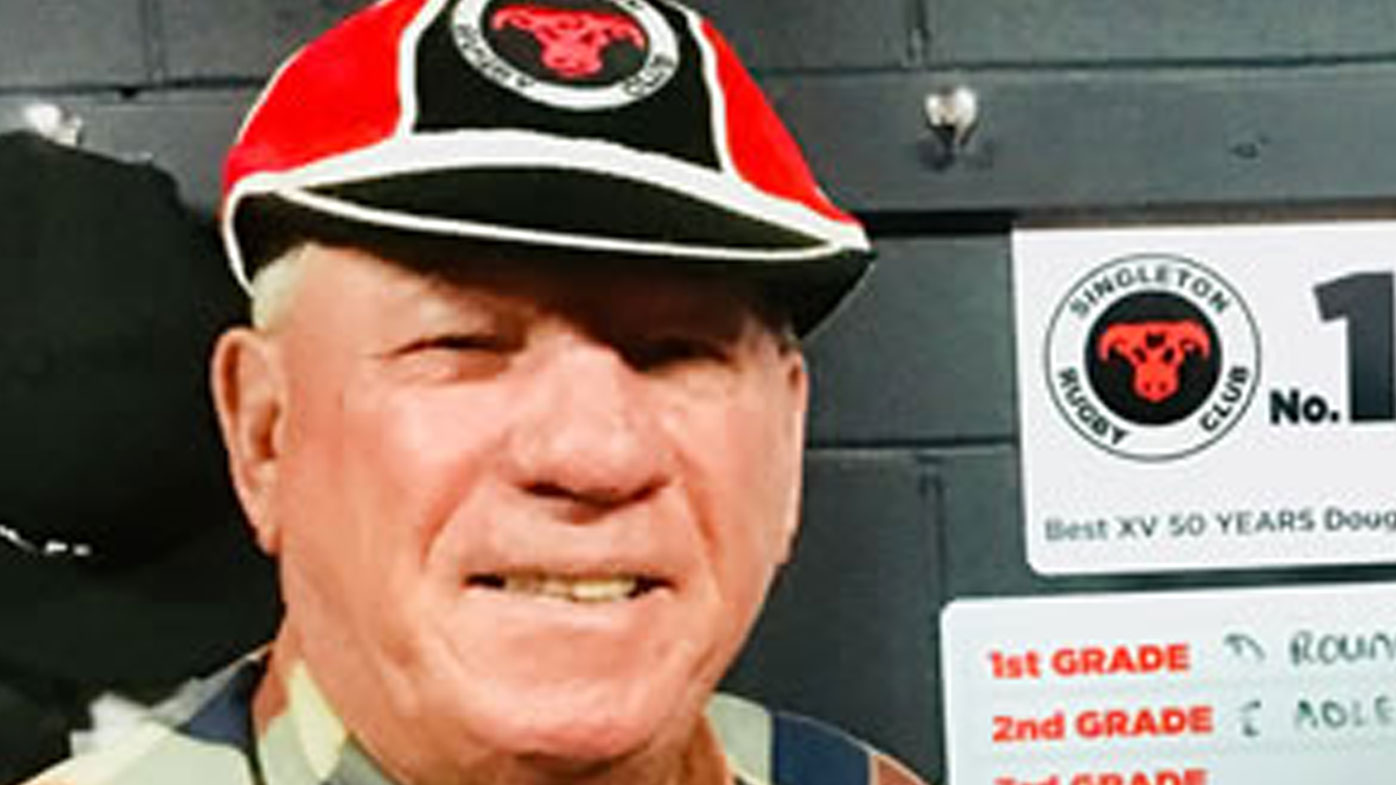
That probe was unable to determine whether the poison was consumed willingly or administered by a third party.
An inquest in May probed factors including Thrift's relationship with his wife and three sons, and his long-term struggles with alcohol.
Deputy State Coroner Carmel Forbes concluded it was not possible to determine the manner or circumstances of Thrift's death beyond the cause being strychnine toxicity.
"The circumstance surrounding Thrift's death and how he came to ingest strychnine remain unclear," she said in findings delivered on Wednesday.
Police were initially unable to locate the poison at his property and it was more than four years later that officers conducting a search under coronial orders found a dusty bottle of the toxin in a shed near his home.
Examination of the bottle found Thrift's DNA on the mouth and rim, but attempts to obtain a viable fingerprint were unsuccessful.
"Given the bottle's proximity, the fact that strychnine is so otherwise unavailable and the fact that Mr Thrift's DNA is on the rim and mouth of the bottle, I am satisfied that on the balance of probabilities that this bottle is the source of the strychnine that (he) ingested," Forbes said.
"The question remains did he intentionally take the strychnine to end his life."
The inquest was told Thrift suffered from depression and had attempted to take his own life previously in 1984 and 2009.
READ MORE: Commissioner speaks after officers charged with assault of 92-year-old
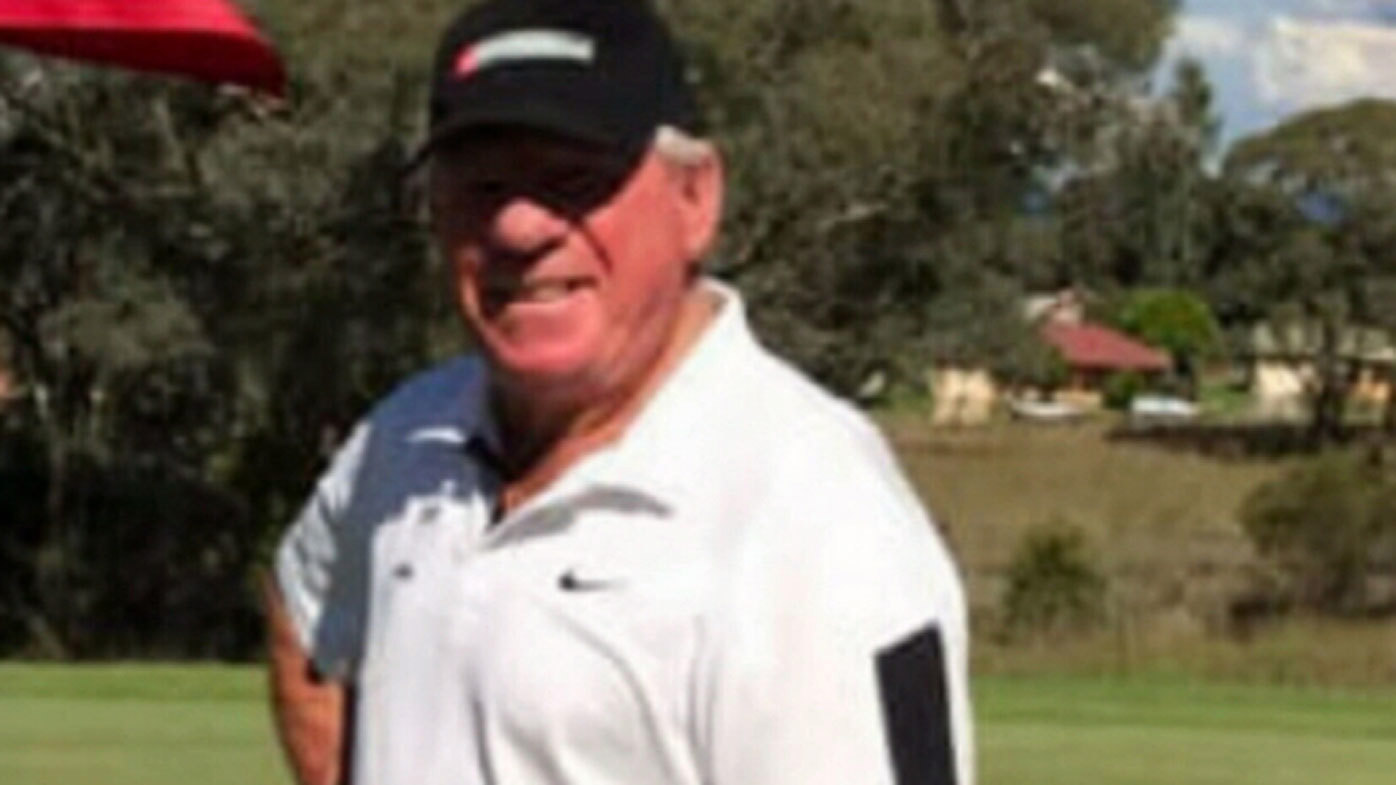
Both of those incidents were believed to be related to his alcohol use and its effect on his relationships.
"This history is significant in the fact that in this prior attempt it was in the context of intoxication, a fear of losing his wife because of his drinking and it was impulsive," the coroner said.
In an interview with police, Ms Thrift told officers when her husband returned from playing golf she could "smell grog on him".
"I said something to him about drinking," she told investigators.
"He lent forward and held my face and said, 'I'm here for a good time, not a long time', then he went and laid down."
While it was possible Thrift had taken his own life while under the influence of alcohol, the coroner said there were also a number of factors that did not support that conclusion.
These included that he had left no note or given any indication he was despondent and that he had made plans for the future, including purchasing $100,000 worth of farming equipment.
The coroner refrained from commenting about other ways Thrift could have consumed the poison due to the possibility of new evidence coming to light in the future.
Readers seeking support can contact Lifeline on 13 11 14 or beyond blue on 1300 22 4636.
Tear gas, car fires and bloody clashes as Argentinians revolt
Cars were set ablaze and anti-government protesters dragged through the streets metres from where politicians argued over the austerity measures.
France preparing for potential terror threats at ‘bold’ opening ceremony
"Bold, original and unique."
That is how the International Olympic Committee (IOC) is describing the Paris 2024 opening ceremony, which will see 10,500 athletes parading down the Seine river on 94 boats for a six-kilometre stretch on July 26.
It is the first time an opening ceremony will be held outside of a stadium in the Olympic Games' 128-year history.
READ MORE: Why is Australia so successful at the Olympics?

The ambitious ceremony is open to all in Paris for free and 1.5 billion people are expected to watch it on television and online.
But the daring ceremony comes with the complex task of protecting the huge crowds and athletes from a possible terrorist attack, something that's easier to do when it's contained inside a stadium.
How is France preparing for potential terrorism threats?
Victoria University Professor Ramón Spaaij told 9news.com.au the Paris 2024 security plans were similar to recent Games but this event would "take it to the next level".
"It's the largest, most elaborate kind of security planning outside of war," Spaaij said.
"The Olympics require and justify really extraordinary security measures.
"The Olympics are both a really highly symbolic value to the organising country and the organising city, but also, of course, to potentially extremist organisations."
READ MORE: Will Russian athletes compete at Paris 2024?
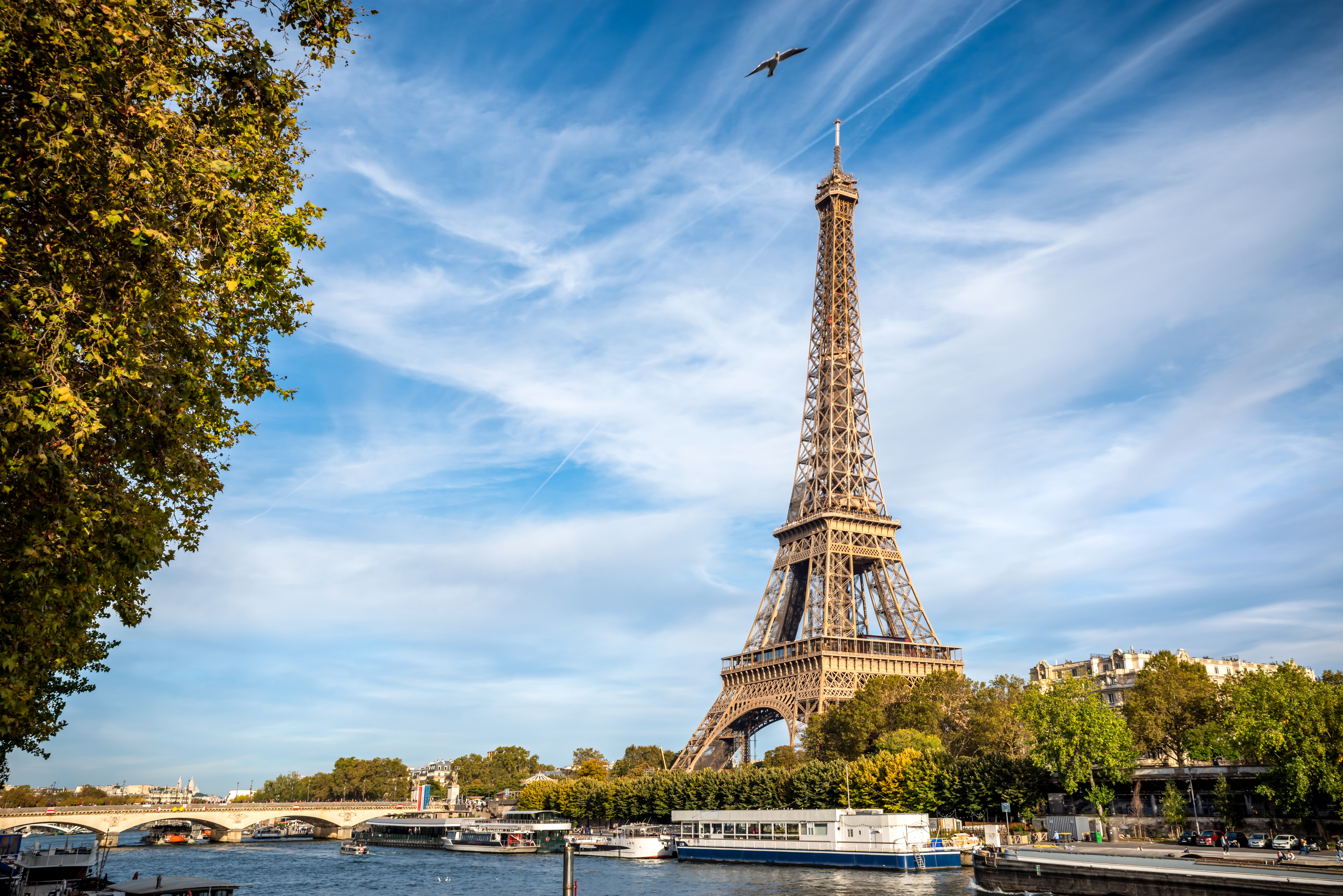
The country plans to deploy 45,000 police and security officers, 20,000 private security personnel and around 15,000 military each day of the Olympics, according to Reuters.
Spaaij said military-style displays at big events, like in London 2012, were often used to demonstrate to would-be terrorists to leave the event alone.
Spaaij said they would also have "cutting-edge" surveillance software and drones.
'Anti-terrorism perimeter'
French President Emmanuel Macron said authorities will have an alternative plan in case of a terrorism threat at the opening ceremony.
"If we think there are security risks, we'll have plan B, and even plan C," Macron said in an interview with CNN affiliate BFMTV with 100 days to go.
The president added that authorities will put a security perimeter around the ceremony site days, if not weeks, before the start.
Special anti-terrorism measures are being put in place, which include subjecting people who work and live at buildings along the Seine to have background security checks," the Associated Press reports.
Paris police chief Laurent Nunez said the opening ceremony parade would be inside a high security "anti-terrorism perimeter".
Earlier in March, French Interior Minister Gérald Darmanin announced that the attendance capacity at the ceremony – the first to be held along a river – will be halved due to security reasons.
About 104,000 people in stands will line the river, with a further 220,000 on raised roadways.
READ MORE: The Paris 2024 mascot is a hat. Here's why it was chosen
'Be alert, not alarmed'
Some researchers debate whether a strong policing and military presence made people feel safer or more aware of the potential risks.
Spaaij said a potential attack was more likely to occur at smaller places like shopping malls near venues.
"Be alert, not alarmed," he said to any Australians heading to Paris 2024.
"So be vigilant and have your eyes wide open, be smart, familiarise yourself with protocols, things like that.
"But don't live in fear otherwise you're better off not going."
Tributes for ‘exceptional mum’ and baby killed in crash
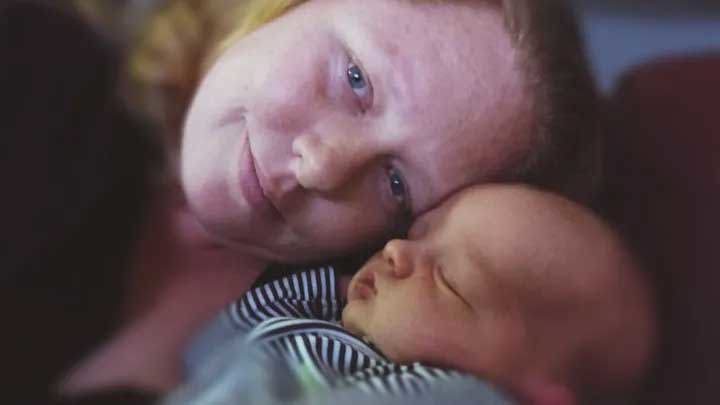
Grieving family and friends have paid tribute to a mother and baby who died in a car crash on the Sunshine Coast last Friday.
Amy Maher, 33, and her three-month-old baby son Arlo died after the car she was driving struck trees off Caboolture River Road in Upper Caboolture.
Maher died at the scene while Arlo was rushed to the Queensland Children's Hospital in a critical condition, but died on Sunday afternoon.
READ MORE: Body of missing British TV presenter Michael Mosley found on Greek island
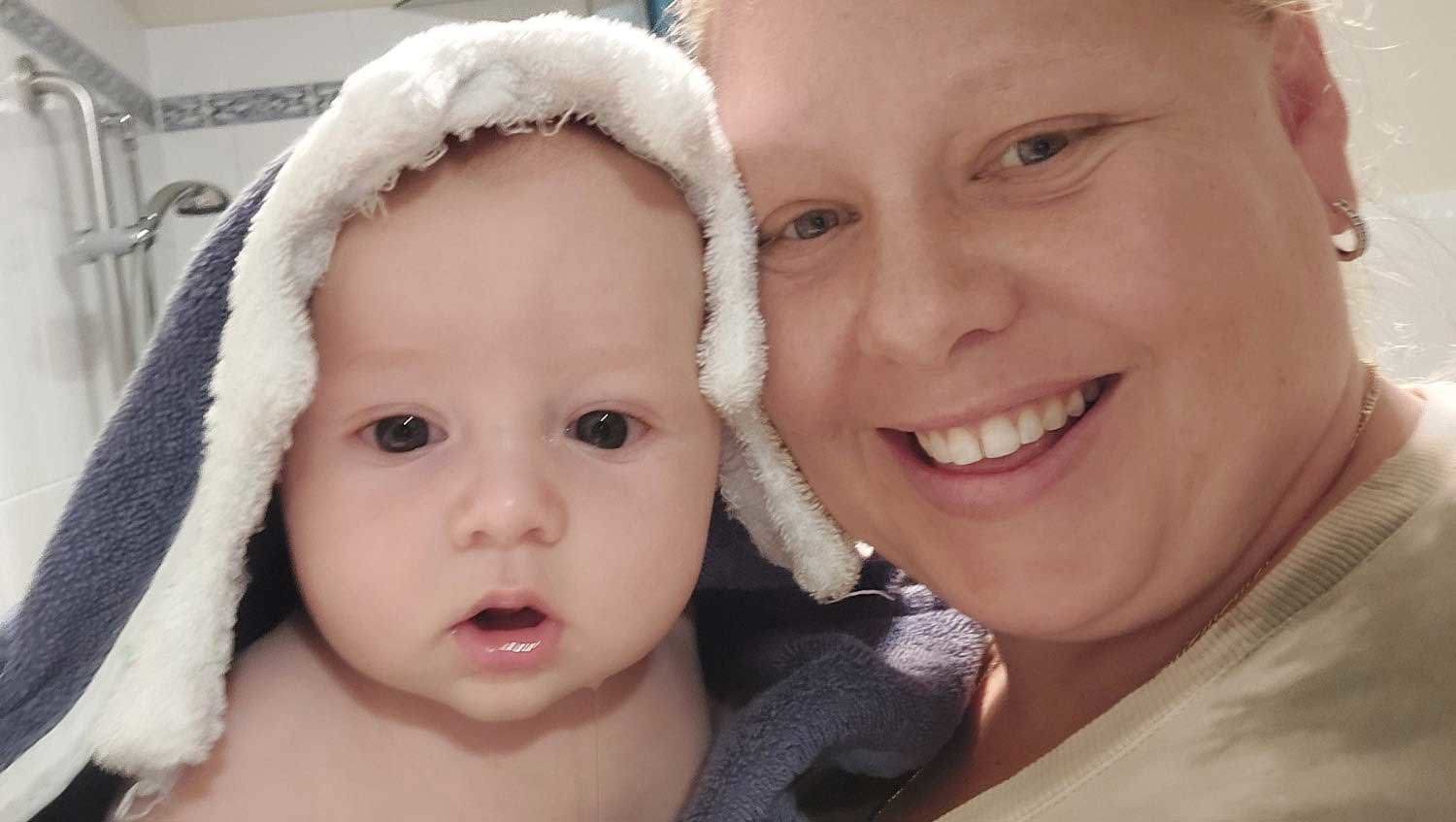
A GoFundMe crowdfunding page has been started by Maher's sister-in-law Jade Baulch to help support the family.
Baulch described Maher as an "exceptional mother and loving wife".
"Amy's love knew no bounds for her husband, Alan, and their children, Abby, Alex and Arlo," Baulch wrote.
"This unimaginable loss has left Alan and his children devastated.
"As they navigate this incredibly challenging time, we want to support them in any way we can."
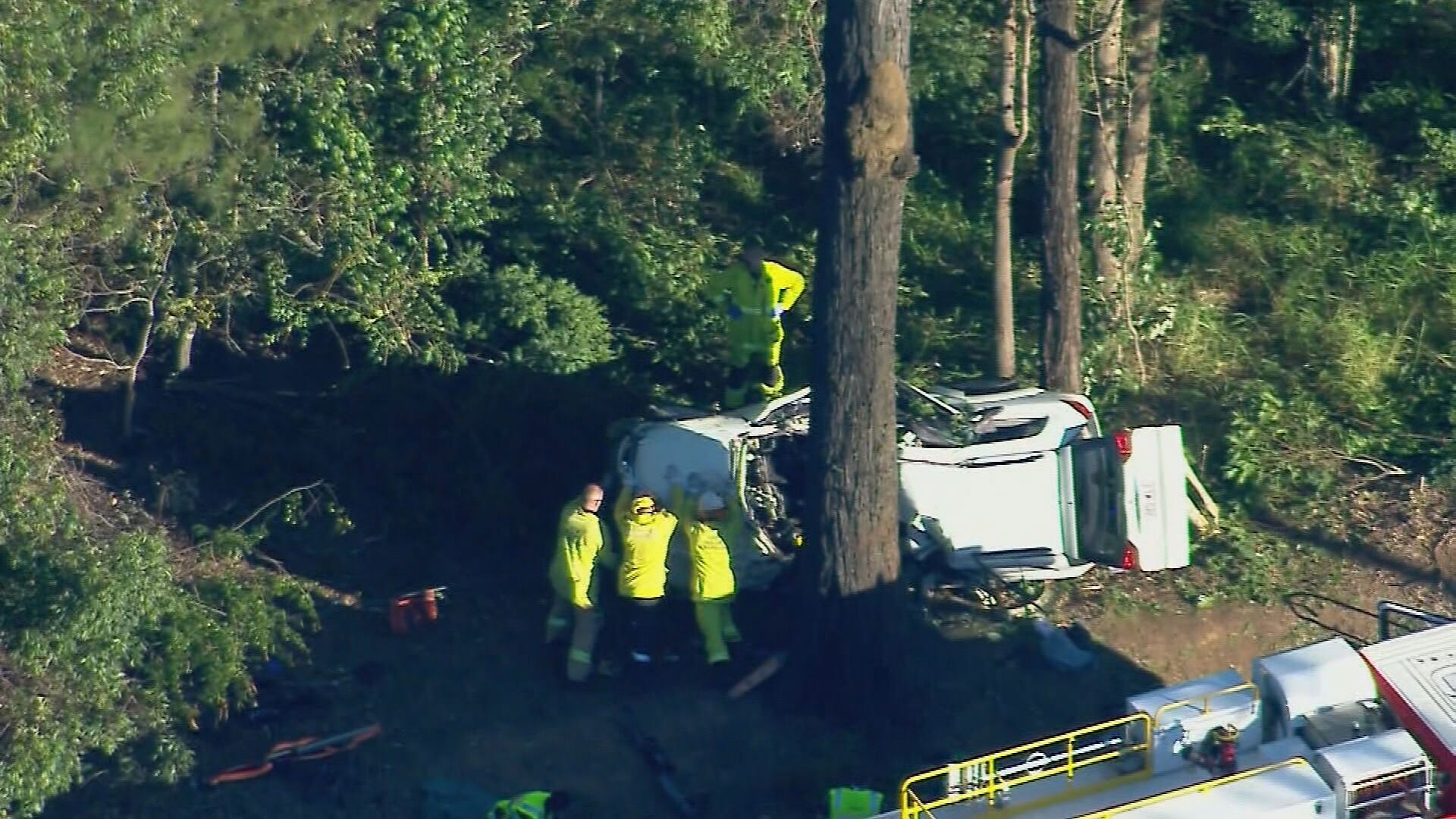
Meanwhile, police are calling for any witnesses to the crash to come forward.
The Forensic Crash Unit, which is investigating the fatalities, is looking for dashcam or CCTV footage.
FOLLOW US ON WHATSAPP HERE: Stay across all the latest in breaking news, celebrity and sport via our WhatsApp channel. No comments, no algorithm and nobody can see your private details.
New species of ancient flying reptile discovered in Aussie outback
A collection of fossilised bones more than 100 million years old found in Queensland belong to a previously unknown species of ancient flying reptile, new research has revealed.
The bones were unearthed in western Queensland in 2021 by local fossil museum curator Kevin Petersen.
Now, a new study of the bones by Curtin University researchers has determined they belong to a new genus and species of pterosaur – a formidable flying reptile that lived among the dinosaurs.
READ MORE: Lehrmann caused $13,000 in damages to Sydney property: landlord
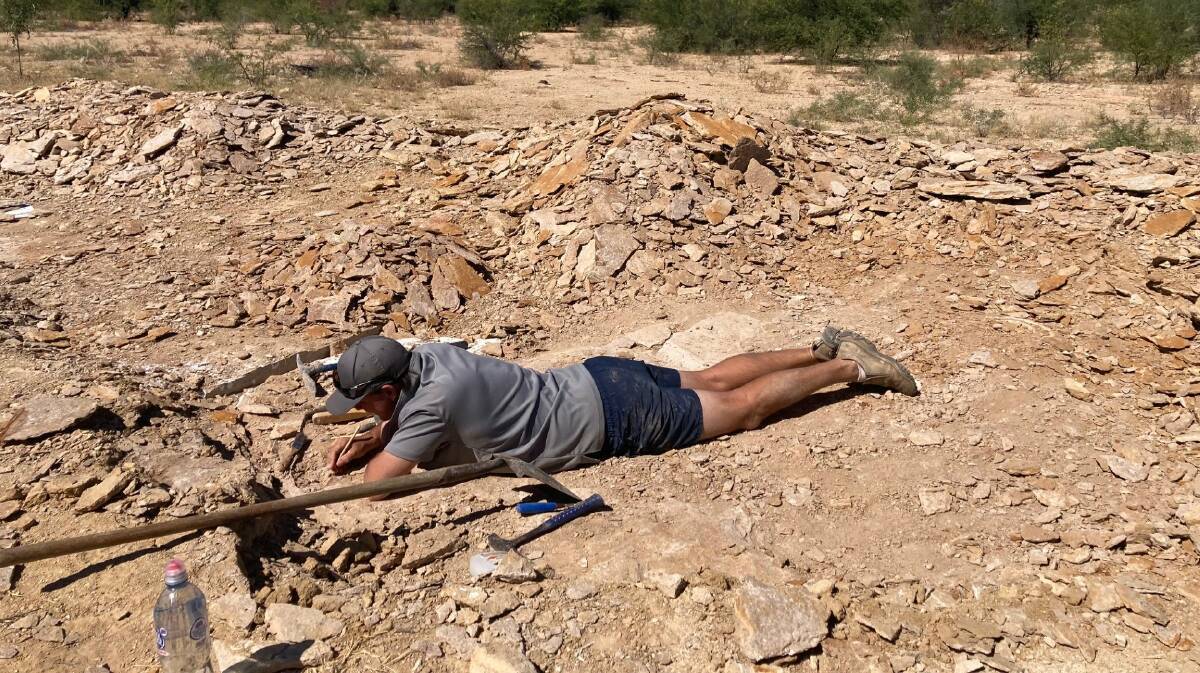
Based on the shape of its skull, the arrangement of its teeth and the shape of the shoulder bone, a research team led by PhD student Adele Pentland, from Curtin's School of Earth and Planetary Sciences, identified the specimen as an anhanguerian.
The anhanguerian is a group of pterosaurs known to have lived across the world, including in what is now Brazil, England, Morocco, China, Spain and the United States.
"With a wingspan of approximately 4.6 metres, Haliskia would have been a fearsome predator around 100 million years ago when much of central western Queensland was underwater, covered by a vast inland sea and globally positioned about where Victoria's southern coastline is today," Pentland said.
READ MORE: How space travel affects astronauts' health
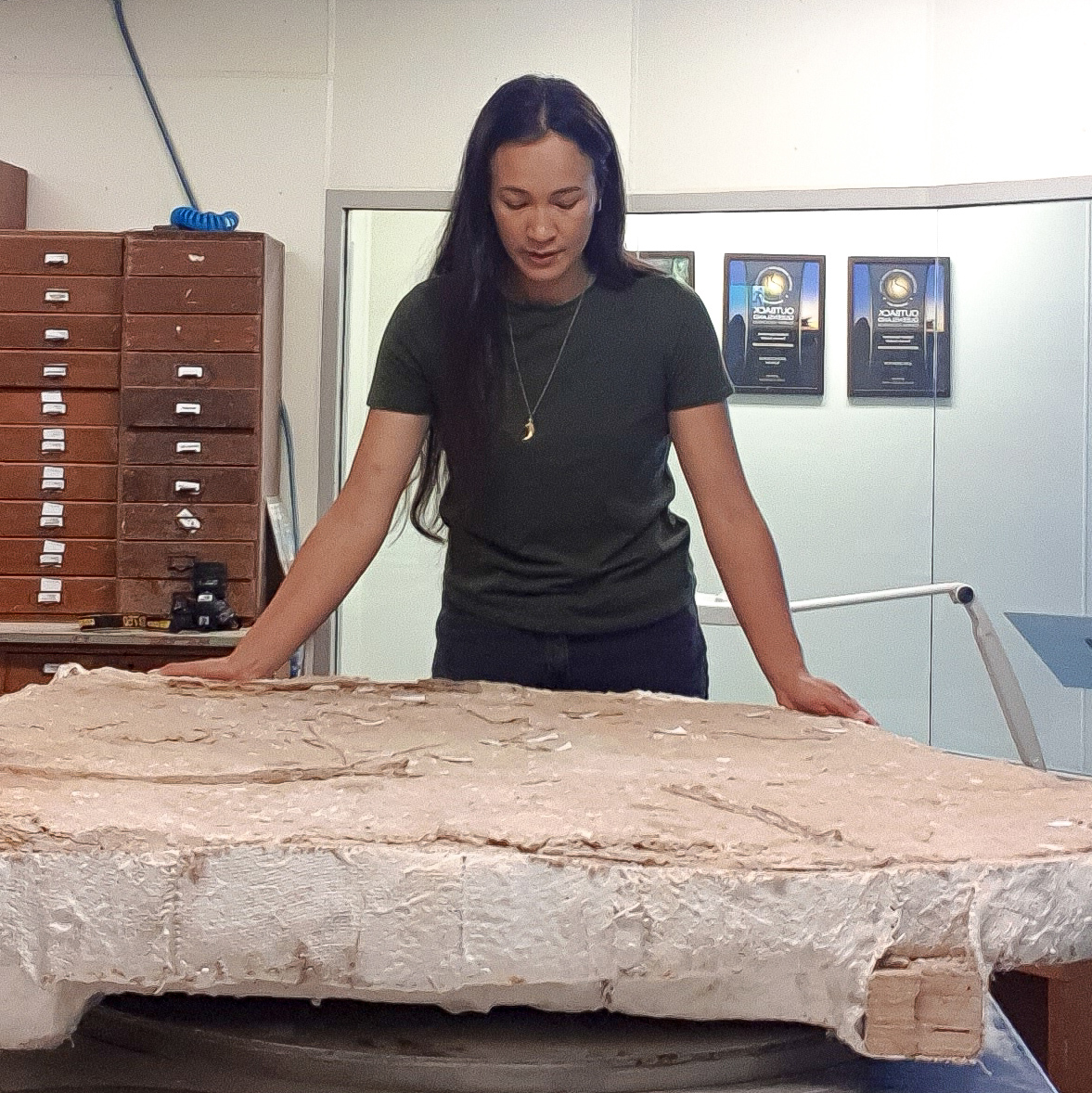
The specimen is 22 per cent complete, making it the most complete specimen of a pterosaur discovered in Australia to date.
"The specimen includes complete lower jaws, the tip of the upper jaw, 43 teeth, vertebrae, ribs, bones from both wings and part of a leg," Pentland said.
"Also present are very thin and delicate throat bones, indicating a muscular tongue, which helped during feeding on fish and cephalopods."
The pterosaur remains are set to go on display at Petersen's museum, the Kronosaurus Korner in north-west Queensland, alongside a number of significant marine fossil specimens.
READ MORE: Almost 80 per cent of Australians looking to change job
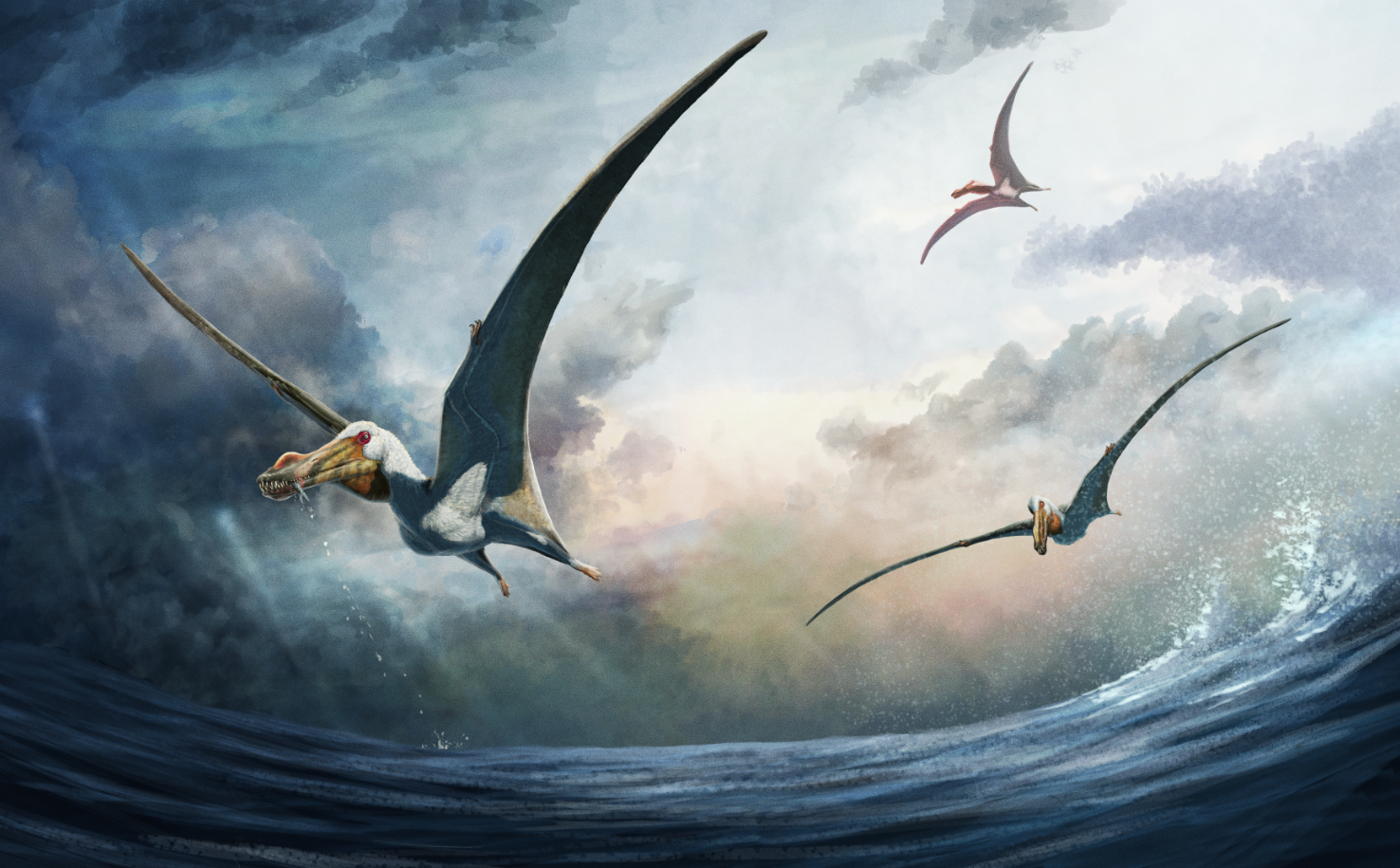
Petersen said the discovery was an exciting boost for science, education and regional tourism.
"I'm thrilled that my discovery is a new species, as my passion lies in helping shape our modern knowledge of prehistoric species," he said.
The research has been published in Scientific Reports – Nature today.
‘A lot of abuse’: Ordeal of freed Hamas hostages revealed
The family of one of the hostages rescued in an Israeli operation over the weekend has said that he experienced psychological abuse at the hands of his Hamas captors during the eight months that he was held in Gaza.
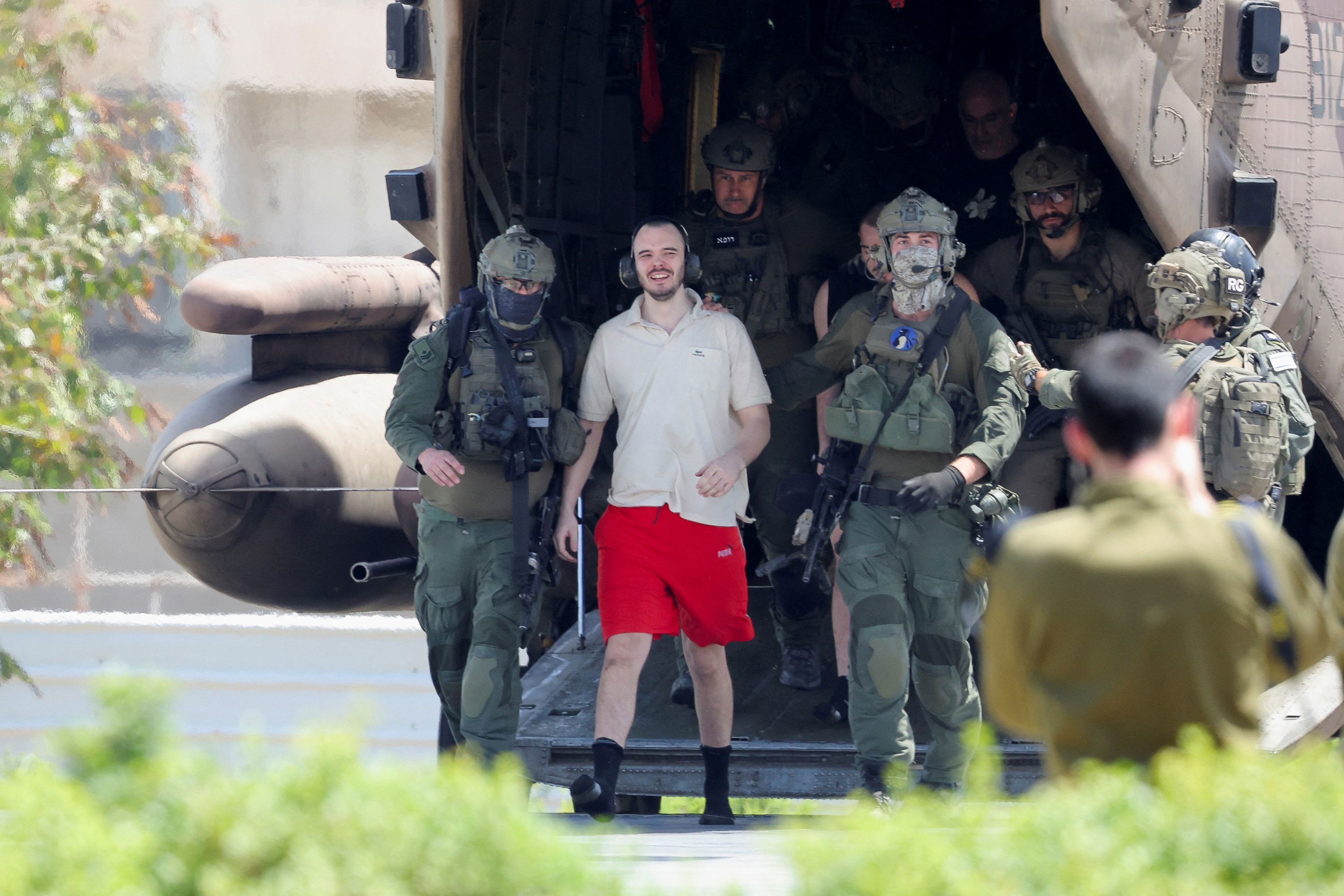
Andrey Kozlov, 27, was rescued alongside Noa Argamani, Almog Meir Jan and Shlomi Ziv during a raid on the Nuseirat refugee camp in central Gaza on Saturday. The operation was only the third Israeli rescue of hostages held in Gaza and has been celebrated in Israel.
But it left a trail of devastation, with authorities in Gaza saying at least 274 Palestinians were killed in the raid and the ensuing firefight with Hamas militants.
READ MORE: Some of Hamas' proposed changes to cease-fire plan in Gaza workable, some not
Kozlov and the others were held in two civilian buildings in the densely packed territory. The Israel Defence Forces (IDF) has said that the raid was carried out in the two buildings simultaneously for fear the captors would kill some of the hostages if they knew an operation was unfolding.
A Russian citizen, Kozlov moved to Israel almost two years ago. He was working as a security guard at the Nova music festival on October 7 when he was kidnapped and taken into Gaza.
In an interview with CNN, Kozlov's family revealed some details of their son's ordeal, including that he initially believed the Israeli forces who saved him had been sent to kill him.
Kozlov's father, Mikhail Kozlov, said his son was "very scared" because Hamas militants had for months falsely said that "Israel wanted to kill them all" claiming "they were a problem for Israel".
READ MORE: One person shot dead on US bus that led officers on peak hour chase
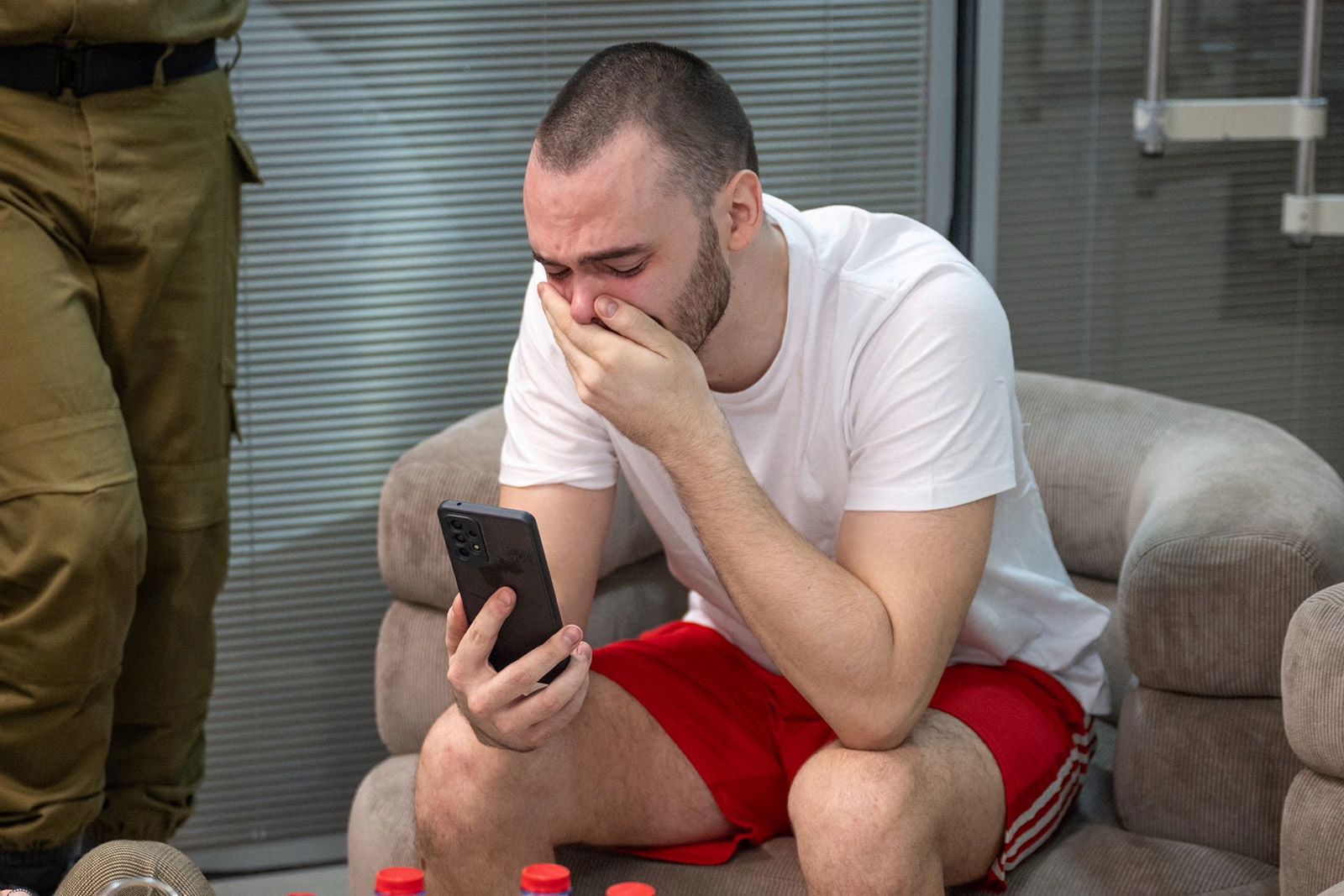
"He was told that Israel wants to kill him. He didn't understand why the IDF came. He was afraid that the IDF came to kill him. It took him some time to realise that they came to rescue him."
Mikhail said his son would not reveal all the ways he'd been mistreated, saying "he wasn't seen as a human by them."
"I would say that they would punish him for any behaviour that they considered was wrong," he said.
"One of the examples that Andrey gave us… is that at the hottest time of the day they would cover him with blankets.
"It is a very difficult ordeal. To be dehydrated during heat."
READ MORE: Pharma bro Martin Shkreli accused of digitally copying rare rap album

His brother, Dmitry, said "they were trying not to leave [physical] marks … But they would still punish him this way or the other. Very often for trivial things."
"He was told not to speak in Hebrew, you need to whisper and [even that] in English."
Describing their reunion, Mikhail said: "The first meeting was very touching… We expected to have a vibrant meeting and some joy, but instead, he knelt down and burst into tears and that was very moving for us."
Dmitry said his brother felt indebted to Israel. "He says that he doesn't understand what he has done to deserve this generosity towards him, because he hasn't done anything. So he feels obliged to pass this goodness on to the next person and help get others [hostages] out."
With the rescue of the four hostages, 116 remain in Gaza from the October 7 attacks, of which 41 are believed to be dead.
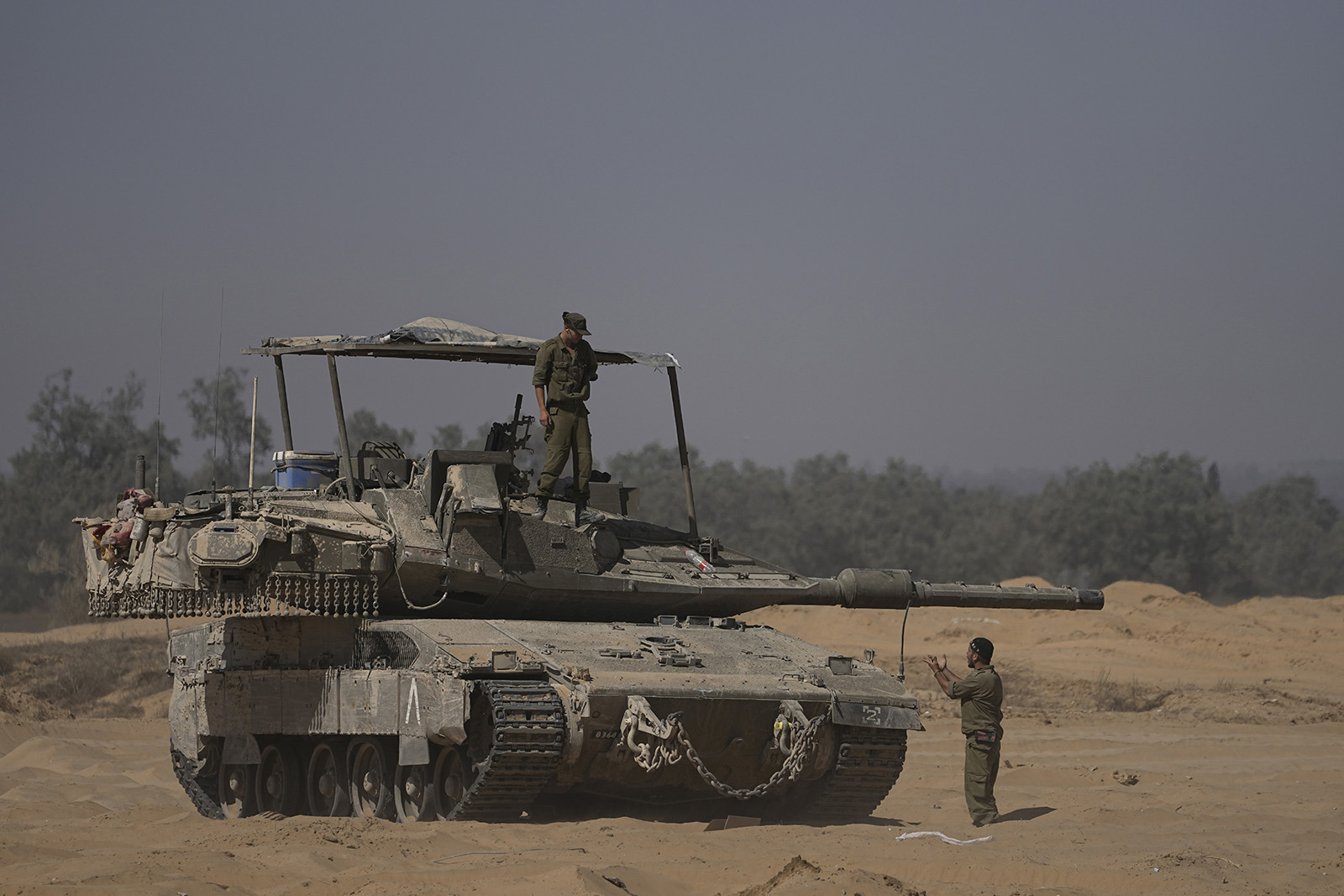
Mikhail said that he was in favour of securing the release of the remaining hostages by any means – by negotiation, or further military action.
"If it can be a deal, if a deal can help to release them, then be it," he said.
"If it's possible to carry such an operation again, then it should be an operation for the release of these hostages. We need to use any means to return these people back to their families."
'A lot of abuse, almost every day'
The doctor in charge of medical treatment for the four Israeli hostages rescued Saturday said they were beaten while in Hamas captivity in Gaza.
"It was a harsh, harsh, experience, with a lot of abuse, almost every day," Dr Itai Pessach told CNN.
"Every hour, both physical, mental and other types, and that is something that is beyond comprehension."
Pessach said the eight months spent in captivity "left a significant mark on their health" and despite appearing in good condition initially, they are all malnourished. "They had no protein, so their muscles are extremely wasted, there is damage to some other systems because of that."
He said the hostages told him they were moved several times, dealing with a number of different guards. The supply of food and water was unstable.
"There have been periods where they got almost no food whatsoever, there were other periods where it was a little better, but all in all, the combination of the psychological stress, malnutrition or not getting enough food or not getting the right kind of food, medical neglect, being limited to space, not seeing the sun and all of the other things have significant effect on health."
The testimony is the latest insight into conditions Hamas keeps hostages in. Other hostages have previously outlined their ordeals.

Keren Munder, her mother and her nine-year-old son – who were among scores of hostages released under a temporary truce last year – endured days with only pita bread to eat, according to her cousin Merav Mor Raviv.
Munder and her mother both lost between six and eight kilograms in weight.
Another hostage, 72-year-old Adina Moshe, endured "horrible" conditions while she was held captive, according to her nephew, who added that she didn't have access to basic facilities like a shower.
Israel launched its war in Gaza following the Hamas attacks of October 7, when militants killed about 1200 people and took more than 250 hostage. Since then, the Israeli campaign has killed more than 37,000 people, according to the ministry of health in Gaza, and triggered a humanitarian crisis.
Concerns over food insecurity and famine are growing, with a UN report warning recently that more than one million people, half of Gaza's population, are "expected to face death and starvation" by mid-July.
FOLLOW US ON WHATSAPP HERE: Stay across all the latest in breaking news, celebrity and sport via our WhatsApp channel. No comments, no algorithm and nobody can see your private details.
‘Profoundly moving’: Wreck of Shackleton’s last ship found
The wreck of the last ship belonging to Sir Ernest Shackleton, a famed Irish explorer of Antarctica, has been found off the coast of Labrador in Canada, 62 years after it went missing.
The wreck was found by an international team led by the Royal Canadian Geographical Society.
The Quest was found using sonar scans on Sunday evening, sitting on its keel under 390 metres of churning, frigid water, the society said. Its towering mast is lying broken beside it, likely cracked off as the vessel was sucked into the depths after it struck ice on May 5, 1962.
READ MORE: Singapore Airlines passengers found out about compo offer on Facebook


Shackleton's death aboard the ship in 1922 marked the end of what historians consider the "heroic age" of Antarctic exploration. The explorer led three British expeditions to the Antarctic, and he was in the early stages of a fourth when he died. He was 47.
The Quest's discovery was "profoundly moving", John Geiger, leader of the Shackleton Quest Expedition said on Wednesday.
"It's just such a great story. It links Canada to this most-famous-of-all polar explorers."
Geiger called it a a very important ship historically.
The Norwegian-built ship, used for Arctic research and sealing after Shackleton's death, appears to be in "incredible condition", though it was damaged when it slammed into the seabed, Geiger said.
READ MORE: Adelaide doctors fear dire hospital crisis is 'just the beginning'
https://twitter.com/RCGS_SGRC/status/1800834220421714235
Now that it has been found, the next step will be sending down remotely operated vehicles to capture images of its remains.
In 2022, researchers discovered another wreck of Shackleton's. The Endurance was found in 3000 metres of icy water, a century after it was swallowed up by Antarctic ice.
A team of marine archaeologists, engineers and other scientists used an icebreaker ship and underwater drones to locate the wreck at the bottom of the Weddell Sea, near the Antarctica Peninsula.
The expedition Endurance22 embarked from Cape Town, South Africa, in early February in a ship capable of breaking through one-metre-thick ice.
The team, which included more than 100 researchers and crew members, deployed underwater drones that combed the seafloor for two weeks in the area where the ship was recorded to have sunk in 1915.
https://twitter.com/RCGS_SGRC/status/1800178481655058772
Shackleton never achieved his ambition to become the first person to cross Antarctica via the South Pole. In fact, he never set foot on the continent during the failed Endurance expedition, though he did visit Antarctica during earlier voyages.