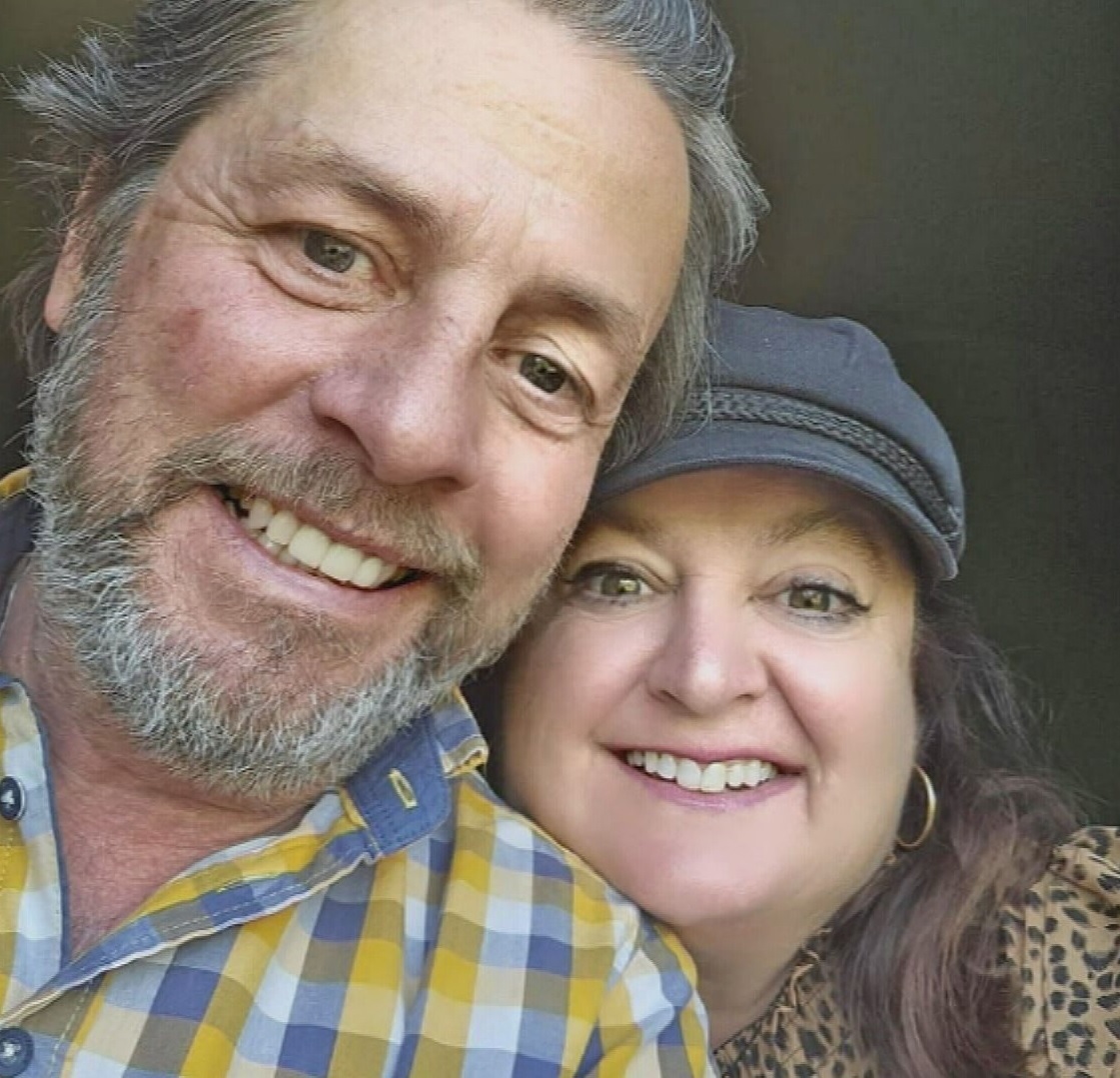
Jarryd Hayne has been released from jail and reunited with his family after being granted bail following the former NRL star's rape convictions being quashed for a second time.
But the prospect of a fourth trial still looms for the 36-year-old as he awaits his next court date.
Hayne has been behind bars for more than a year after a jury found him guilty in April 2023 of two counts of sexual intercourse without consent.
READ MORE: Damaging winds, heavy rain to impact south-eastern states


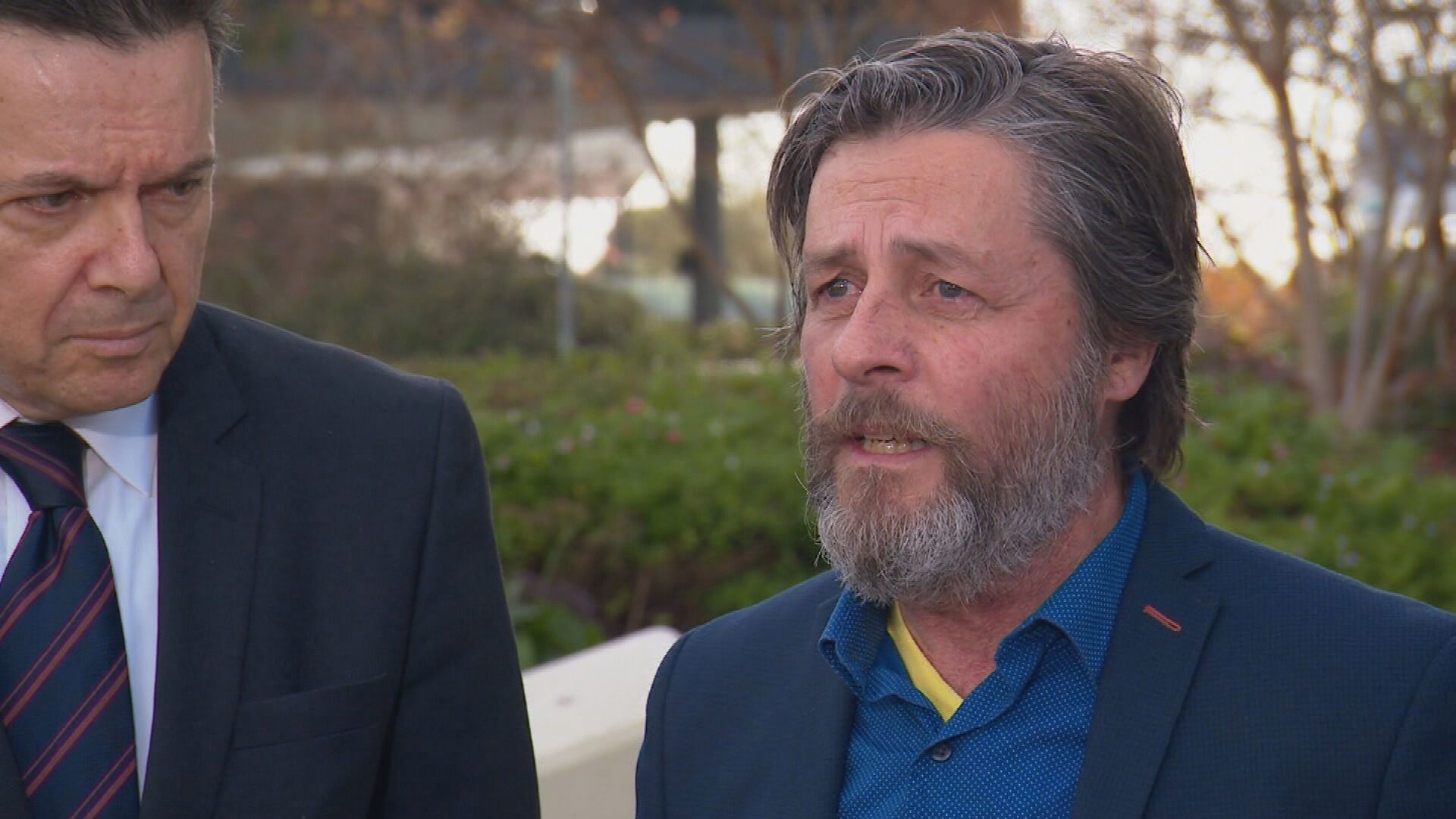
His lawyer Lauren MacDougall declined to comment about the prospect of another trial as she left the NSW Court of Criminal Appeal on Wednesday after a successful bid to overturn the April finding.
"He's really, really looking forward to getting home to his family," she said.
Prosecutors did not oppose Hayne's bail on Wednesday afternoon, but need time to consider holding another trial before returning to court on July 26.
"Any decision about a possible retrial will be made in accordance with the prosecution guidelines," a spokeswoman for the Office of the Director of Public Prosecutions said in a statement.
The state's highest court quashed Hayne's convictions, ruling the trial judge erred by not allowing further cross-examination of the complainant over her communications with third parties regarding the night of the alleged sexual assault.
The appeal court ruled the judge did not properly direct the jury regarding allegations from Hayne's lawyers the complainant had lied about the contact, exacerbating the earlier error in not allowing her to respond to questions about it.
Hayne's third ground of appeal, arguing the now-quashed guilty verdicts were unsafe or unreasonable, was not upheld, despite convincing one judge.
"I am of the view there is a significant possibility that an innocent person has been convicted," Justice Deborah Sweeney said in the court's published reasons.
READ MORE: At least 50 female students targeted as AI-generated nude photos circulate
But she was overruled by Justices Stephen Rothman and Anthony Meagher.
Justice Meagher did not support any grounds of the appeal.
"I am comfortably of the opinion that it was open to the jury to be satisfied beyond reasonable doubt (Hayne) was guilty," he said.
Hayne was accused of raping a woman with his hands and mouth at her Newcastle home on the night of the 2018 NRL Grand Final.
Three separate criminal trials were told the woman, who cannot be identified, changed her mind about having sex with Hayne after realising he had a taxi waiting outside.
He was sentenced to four years and nine months in jail, but had already served some of that time before his earlier successful appeal.
Justice Rothman said there was good reason for no fourth trial, noting it was unlikely to occur before Hayne's three-year non-parole period expired in May 2025.
Justice Sweeney was of a similar view given the matter's history.

"To put (Hayne) on trial for a fourth time would not be in the interests of justice," she said.
Hayne's barrister, Tim Game SC, told April's appeal hearing messages the woman sent to Hayne and others, deleted from her phone, amounted to deliberate concealment of evidence.
The ex-player's defence team argued the woman should have been cross-examined on why she allegedly told police, "If those messages get out, I'm f***ed and he will get off".
Judge Graham Turnbull, who oversaw Hayne's third trial in the NSW District Court, refused requests for the woman to be cross-examined further, saying her anticipated answers, and their ultimate absence, would not create any real unfairness.
But Justices Sweeney and Rothman ruled Hayne's lawyers should have been able to question the complainant further and the jury left to consider her evidence and credibility.
Hayne's quashed convictions followed a hung jury in his first trial in 2020 and a previous appeal overturning guilty verdicts from his second trial in 2021.
Support is available from the National Sexual Assault, Domestic Family Violence Counselling Service at 1800RESPECT (1800 737 732).
FOLLOW US ON WHATSAPP HERE: Stay across all the latest in breaking news, celebrity and sport via our WhatsApp channel. No comments, no algorithm and nobody can see your private details.