Tag Archives: oceania

High-end steakhouse chain to close Australian restaurants

A chain of high-end steakhouses has been shut down after the company that runs them went into voluntary administration.

Botswana Butchery's venues in Sydney, Canberra and Melbourne stopped trading yesterday, administrators BDO Australia said in a statement.

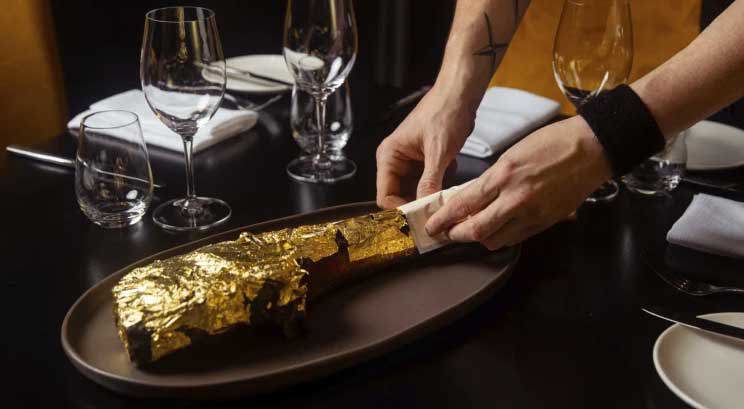
The venues were known for selling expensive cuts of meat, with one $500 dish boasting a 1.6-kilogram wagyu tomahawk covered in gold leaf.

READ MORE: Customers have five days until Macquarie Bank transitions to cashless

The gold leaf wagyu steak dish at the Botswana Butchery's Sydney restaurant, which is now closed.

The restaurants were owned by hospitality business Good Group Australia, which went into administration last month.

Two other restaurants owned by Good Group Australia, White + Wongs in Sydney and Melbourne have already been closed down.

Duncan Clubb and Andrew Sallway, from BDO Australia, said the Botswana Butchery restaurants were running at a loss.

"Due to the significant cash losses being incurred in operating the restaurants, the group's shareholders are no longer able to fund the ongoing trading and restructuring costs," they said in the statement.

The Botswana Butchery chain opened its first store in Queenstown, New Zealand in 2007, before adding another in Auckland.

Its Sydney restaurant opened in October 2021, and Melbourne a year later.

The Canberrra venue had only been open a few months before its closure.

BDO Australia said the company's New Zealand venues remain unaffected.

Customers with pre-paid restaurant vouchers or pre-paid reservations would be provided with a full refund or voucher for the group's New Zealand restaurants, Clubb and Sallway said.

Botswana Butchery's demise comes at the same time as news of Sydney fine dining restaurant Tetsuya's closure after 35 years in business.

Why the budget’s predicting lower inflation but same old interest rates

The federal budget will bring down inflation far faster than anyone expects, but it won't do anything to reduce interest rates.

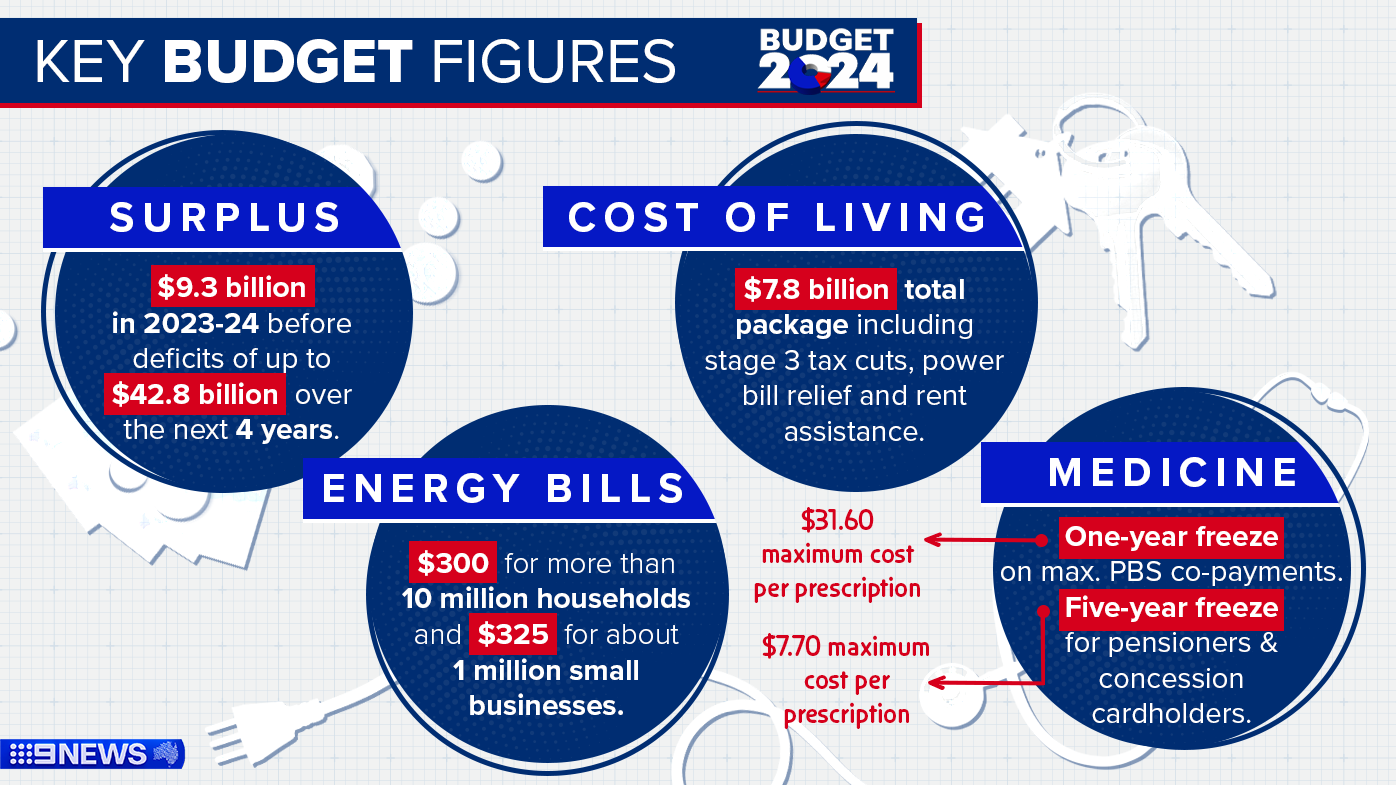
While Treasury says the consumer price index (CPI) is due to come back under 3 per cent by the end of the year and drop another half a per cent in 2025 on the back of $300 in energy relief for every household, medicine price restraints and increased rent assistance, there's no interest rate flow-on expected.

That doesn't seem to make much sense, but it's nonetheless there, inked in black and white into the budget papers.

ANALYSIS: RBA governor is the real audience for this year's budget

ENERGY BILL RELIEF: $300 for every household, $325 for small businesses

RATE CUTS?: Single sentence spells bad news for mortgage holders

"The cash rate is assumed to gradually ease from around the middle of 2025 to reach 3.6 per cent by the middle of 2026," they state.

Conventional wisdom says inflation and rates go hand in hand – the RBA uses hikes to bring high CPI under control, moderates them once inflation is back in the 2-3 per cent target range, and then turns to lower rates when spending needs a boost.

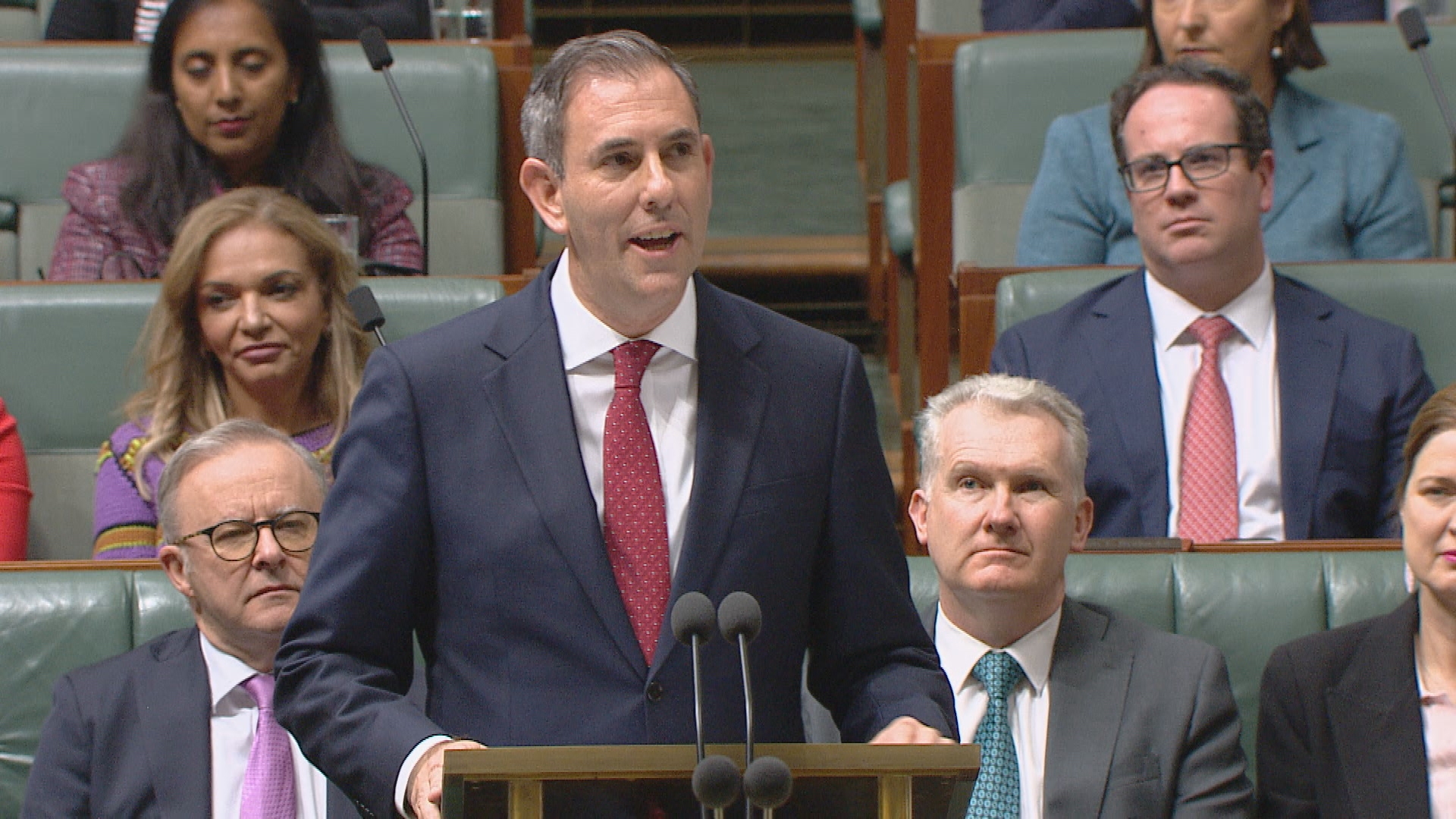
Treasurer Jim Chalmers mentioned that relationship today, telling the National Press Club that cost-of-living relief will "also help keep inflation expectations anchored, which means we are supporting monetary policy".

So why the difference in the budget?

Much as Reserve Bank Governor Michele Bullock is Chalmers' intended audience, as 9News National Affairs Editor Andrew Probyn wrote last night, she and her board are likely to take a longer-term look beyond a one-year, $300 sugar-hit.

TWO-MINUTE GUIDE: What's in the federal budget

WINNERS AND LOSERS: Who benefits and who's hard done by?

READ MORE: Wealthiest Australians could benefit most from $300 energy bill relief

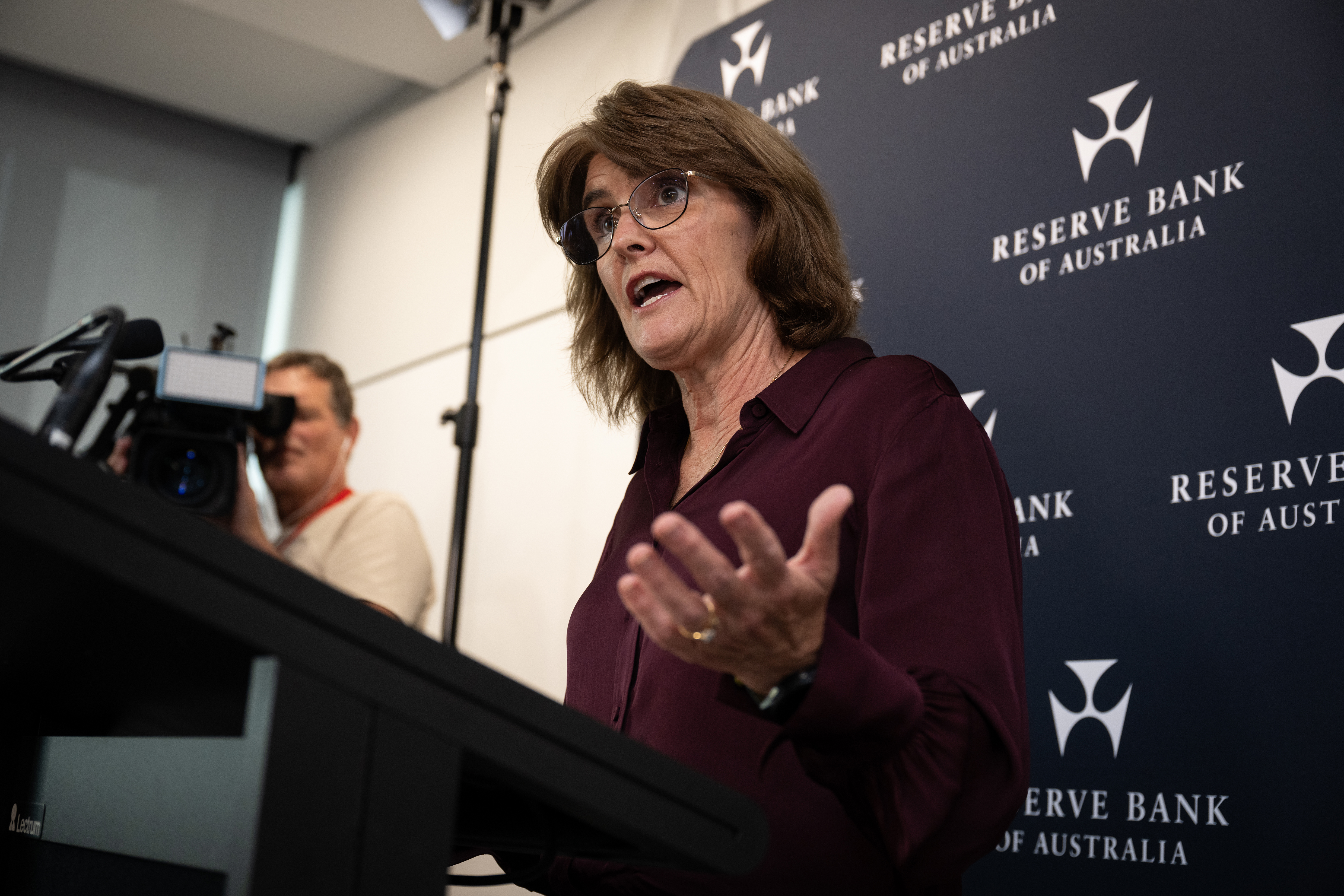
Reserve Bank of Australia Governor Michele Bullock.

"Even if these measures do help to bring inflation down to within striking distance of the 2-3 per cent target band by the end of 2024, the RBA is unlikely to view this as enough to start cutting the cash rate," CreditorWatch chief economist Anneke Thompson said. 

"The RBA will look through these short-term impacts, much like they do with volatile items like fuel and fruit and vegetables."

That's a view fellow economists share.

"Given the RBA looks at the trim measure of inflation, the changes to electricity bills probably won't have much impact on the RBA's decision-making process," Dr Susan Stone from the University of South Australia said.

THE KEY FIGURES: The graphs that tell the story of the federal budget

READ MORE: Bowel cancer screening age lowered amid surge in young onset cases

COST OF LIVING EXPLAINER: Everything in the budget to help the cost of living

Treasurer Jim Chalmers at the National Press Club.

For his part, Chalmers has played the straightest of bats to questions about the budget's rates prediction.

"It's a good opportunity to remind everyone that the interest rate assumptions in the budget are just informed by the Bloomberg survey of market economists," he said when asked if he agreed that the first rate cut won't come for another 12 months.

"The Treasury has to make an assessment… an assumption about the future trajectory of interest rates.

"The fairest most appropriate way to do that is to let the survey of market economists inform that."

Not that there's much political harm in what appears to be a fairly conservative assumption.

You only need to look back to former Reserve Bank governor Philip Lowe to see how poorly even perceived wayward interest rates forecasts are received.

RENT ASSISTANCE: The increase to rent assistance explained

BUDGET FOR WOMEN: What's in the budget for women?

READ MORE: Budget's fast-track passport promise explained

The budget is "a mechanical manipulation of the CPI which, if it works, will deliver an electoral benefit" for the government, Probyn wrote.

Incorrectly predicting a pre-Christmas or early-2025 rates cut would have the opposite effect when Australia heads to the polls in the next 12 months.

"What happens to inflation and interest rates post-budget could make or break the government's electoral fortunes," UTS Institute for Public Policy and Governance chief economist Tim Harcourt said. 

READ MORE: Treasurer confident 'responsible' budget will fight inflation

FOREIGN AID: Where our money is going overseas

WEIRD STUFF: The things you might have missed in the budget

Chalmers said today that throttling high inflation and helping households immediately was the budget's "primary purpose", but Thompson says there is another factor that will help get the CPI back to target.

"It will be a non-budget measure – reining in population growth – that will have the biggest impact here," she said. 

"And the good news is, the forecasts for population are showing much lower growth over the next few years.

"The federal government has a great deal of control here, and has already made it clear that it is reducing student visa numbers dramatically. 

"For mine, this is where the inflation fight will be won or lost, and it appears that we are finally now on the right path."

Serial killers’ accomplice to be released under strict conditions

An interim supervision order has been imposed on Snowtown murders accomplice Mark Ray Haydon, before his prison sentence expires next week.

In the South Australian Supreme Court on Wednesday, lawyers for Haydon, 65, did not oppose an application for the interim order by the state government.

The government applied to have Haydon declared a high-risk offender with ongoing conditions when his sentence ends on May 21.

READ MORE: Bowel cancer screening age lowered amid surge in young onset cases

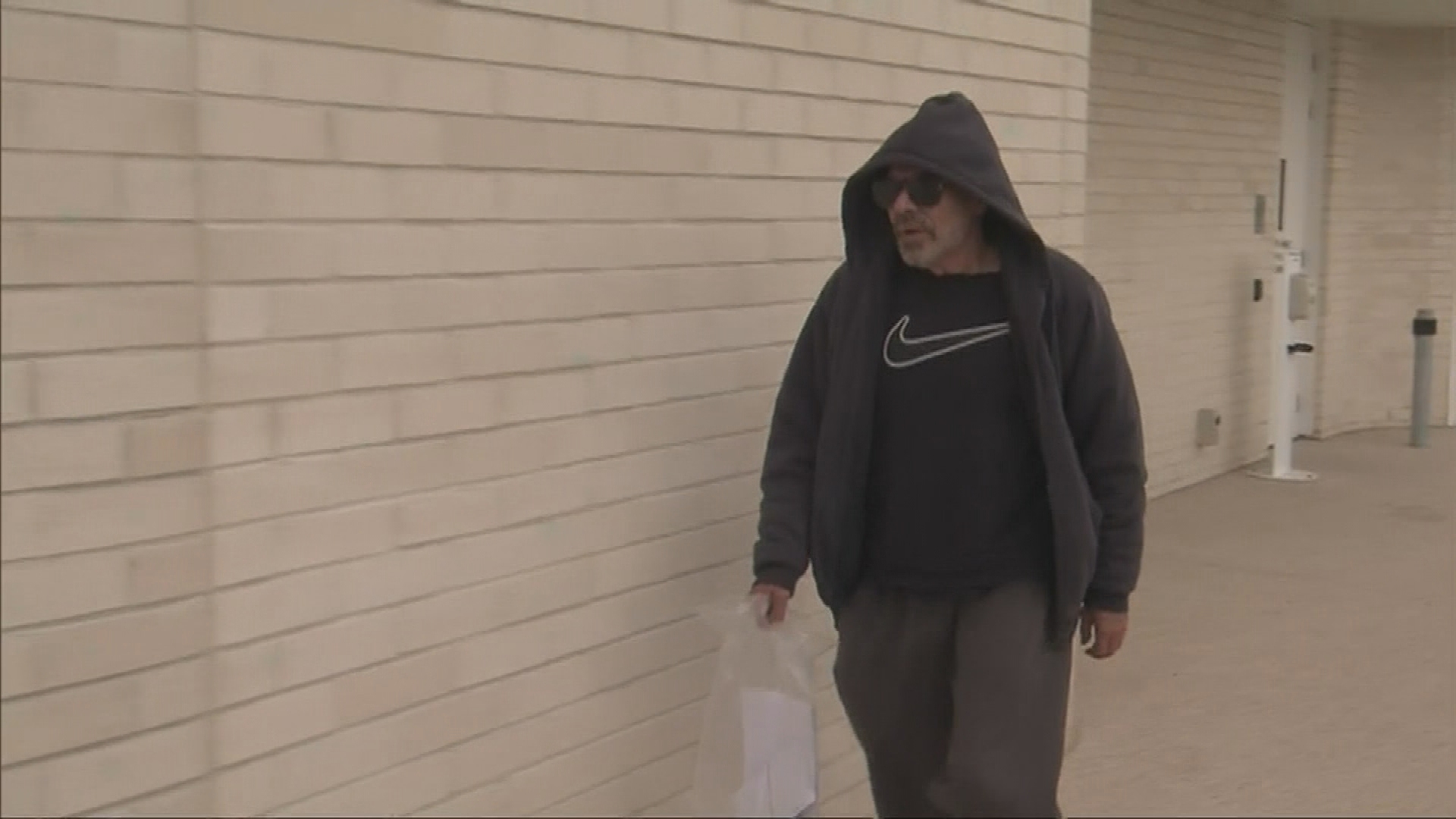
Snowtown: Mark Haydon, the 65-year-old accomplice to the Snowtown murders took his first steps into freedom two weeks ago after 25 years behind bars.

But a report on his mental health relevant to that application will not be ready before June or July.

Haydon was set to be released without supervision after spending a quarter of a century behind bars for his role in the gruesome South Australian murder spree that resulted in the deaths of 12 victims, including his wife Elizabeth.

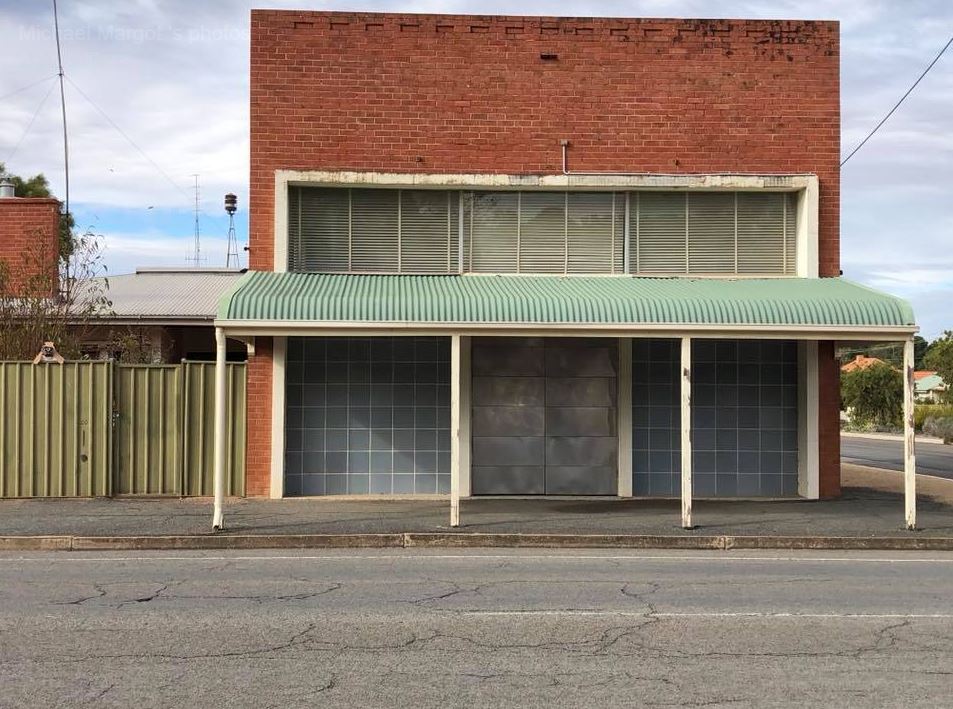
Her body and seven others were found in plastic barrels in the vault of a disused bank in Snowtown, north of Adelaide, in May 1999.

The SA parole board granted Haydon's parole in February, saying he was well-behaved during his years in custody.

READ MORE: Jury hears mum's tearful call to police after Charlise's disappearance

He was moved to the Adelaide Pre-release Centre and has been allowed into the community on day release.

The interim order imposes conditions modelled on Haydon's parole order, including living at an approved address, reporting weekly to a community corrections officer, abstaining from alcohol and illegal drugs, not contacting victims or their families, not communicating with the media or co-offenders, and undertaking recommended treatment after a psychological assessment.

Haydon must also wear an electronic transmitter and adhere to a 9pm-6am curfew.

Asked on Wednesday by Justice Tim Stanley if he understood the conditions, Haydon replied: "Ah yes, I do".

READ MORE: Judges expected to consider Dawson murder appeal

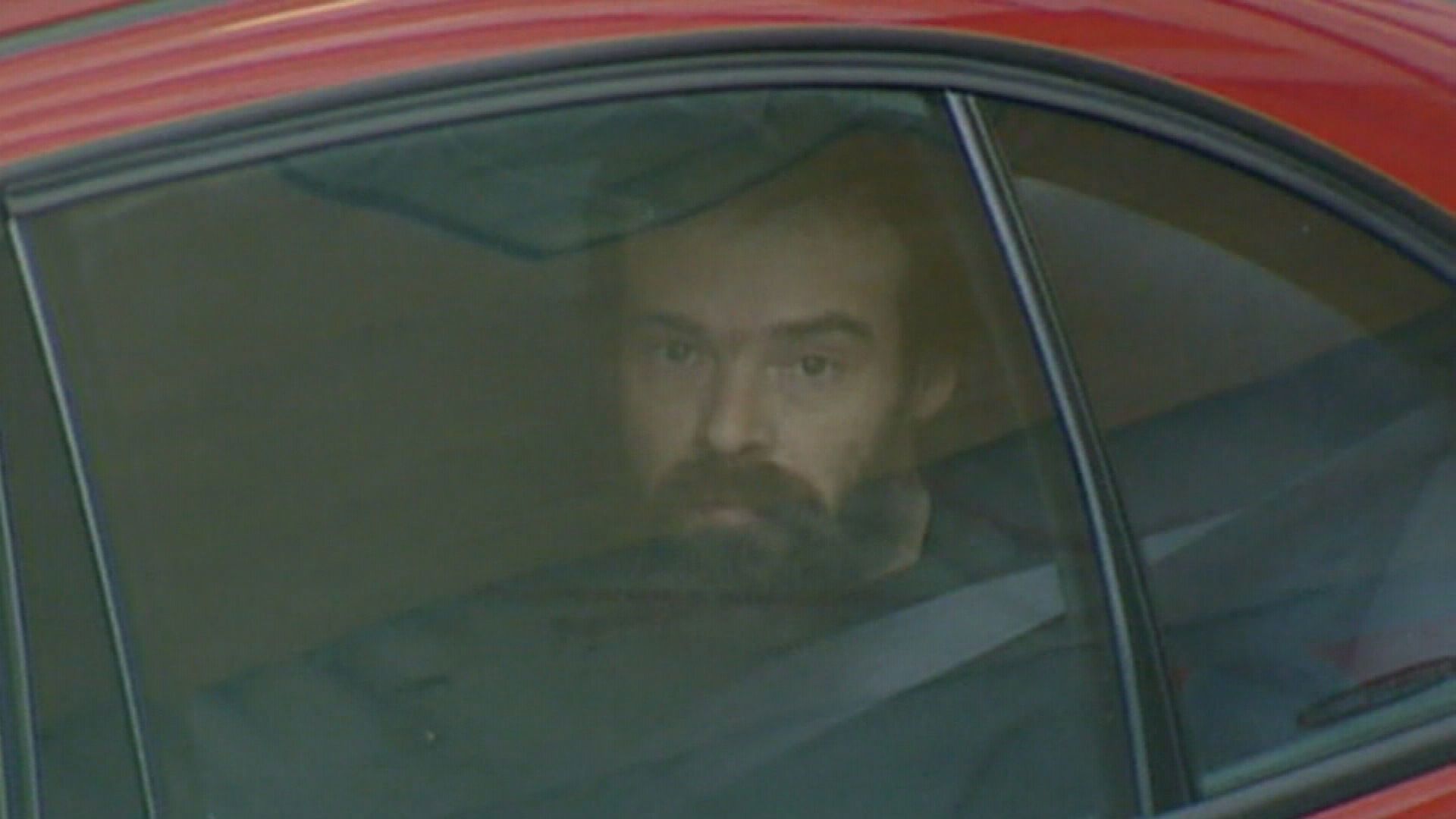
Snowtown serial killing accomplice Mark Haydon

The matter will return to court when the mental health report is available.

John Bunting and Robert Wagner were found guilty of the murders in 2003.

Both are serving life sentences with no chance of parole.

Haydon was found to have assisted his friends cover up their crimes by storing the bodies of murder victims in barrels in his shed, and later renting the infamous Snowtown bank.

What you need to know about $300 energy relief for every household

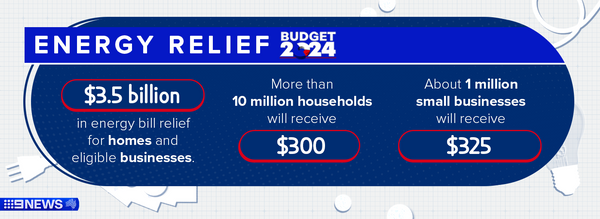
Every household in the country will get a $300 discount on their energy bills under a $3.5 billion cost-of-living package included in the federal budget.

Small businesses will also benefit from the Energy Bill Relief Fund, with around a million eligible organisations to get $325 off their power bills.

"From July 1, Australians will receive an energy rebate of $300 – and one million small businesses will get a bit more," Treasurer Jim Chalmers said.

TWO-MINUTE GUIDE: What's in the federal budget

ANALYSIS: RBA governor is the real audience for this year's budget

READ MORE: Everything in the budget to help the cost of living

"The ABS has shown how cutting energy bills directly cuts inflation too.

"Keeping the lights on for families and businesses – and keeping downward pressure on inflation."

WINNERS AND LOSERS: Who benefits and who's hard done by?

READ MORE: The things you might have missed in the budget

Who's eligible for the rebate?

Unlike last year's budget, which included energy bill relief for about 5 million vulnerable households, there's no eligibility criteria this year – all of Australia's more than 10 million households will get the rebate.

About 1 million small businesses – the same as last year – will also be eligible for a $325 rebate.

READ MORE: What's in the budget for women?

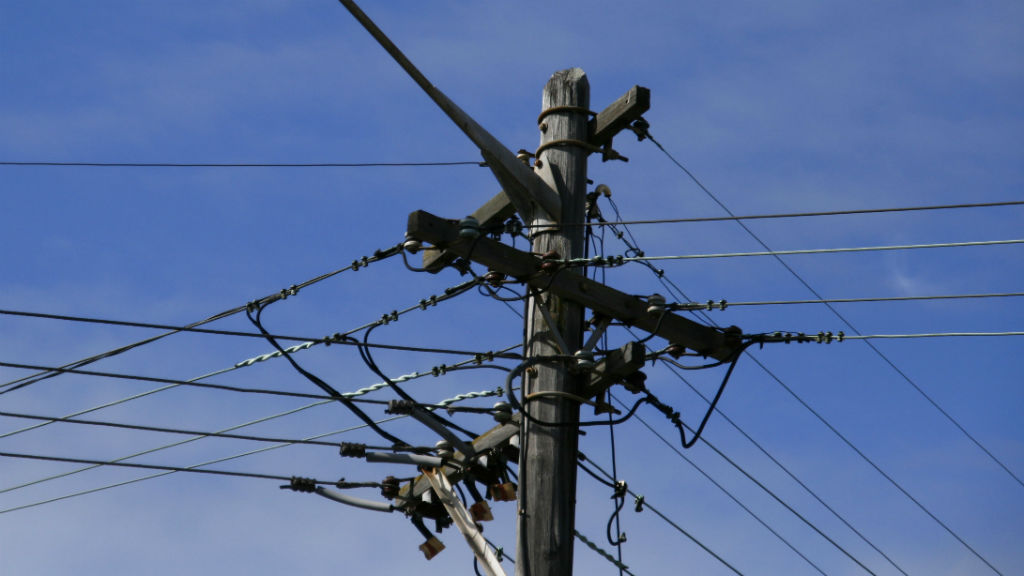
Power poles and wires in NSW will be leased by the state government. (AAP)

How do I get the rebate?

The rebate will be automatically applied to your energy bills after July 1.

It won't come all in one lump though – the rebates will be spread out, with households getting $75 a quarter over the 2024-25 financial year.

Is this going to add to inflation?

According to the government, no – quite the opposite, in fact.

The policy is the budget's main push to combat both cost-of-living pressures and inflation in a single blow.

READ MORE: The increase to rent assistance explained

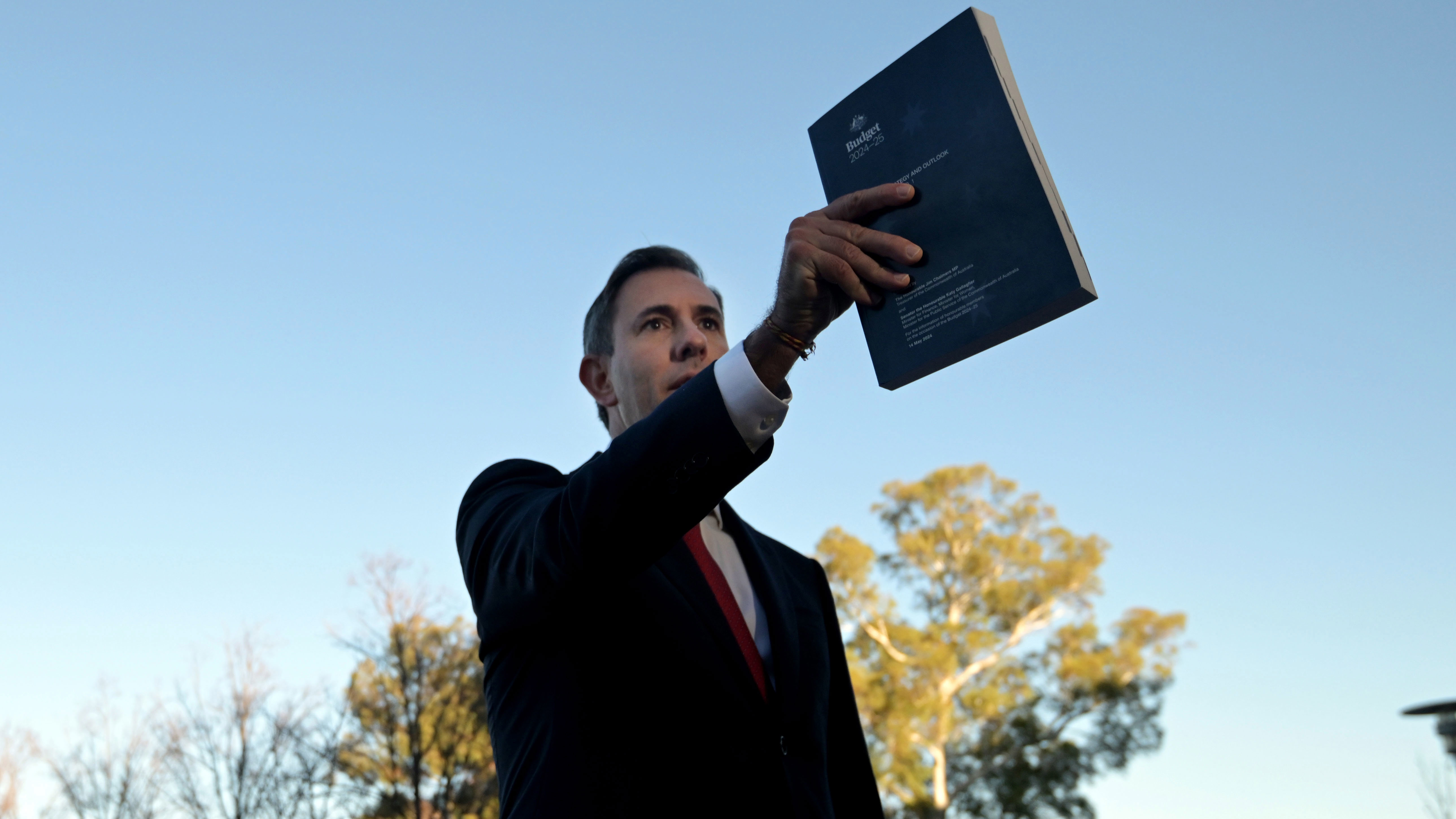
Treasurer Jim Chalmers

According to budget papers, because the relief is a rebate rather than a direct cash payment, the move will bring inflation down by 0.5 per cent this year alone.

That's the lion's share of the 0.6 per cent drop to under 3 per cent by the end of the year predicted by Treasury, whose forecasts are far more optimistic than the Reserve Bank's.

READ MORE: Single sentence spells bad news for mortgage holders

The RBA last week said it expected inflation to not fall under three per cent until the end of next year, but was not able to take any budget measures into its modelling.

The $300 rebate is an extension of last year's energy relief, which Chalmers said had lopped about 13 per cent off electricity price increases.

"From the June quarter 2023 to the March quarter 2024, household energy bill relief directly reduced growth in CPI electricity prices by 12.9 percentage points," budget papers state.

Australia now on La Niña watch

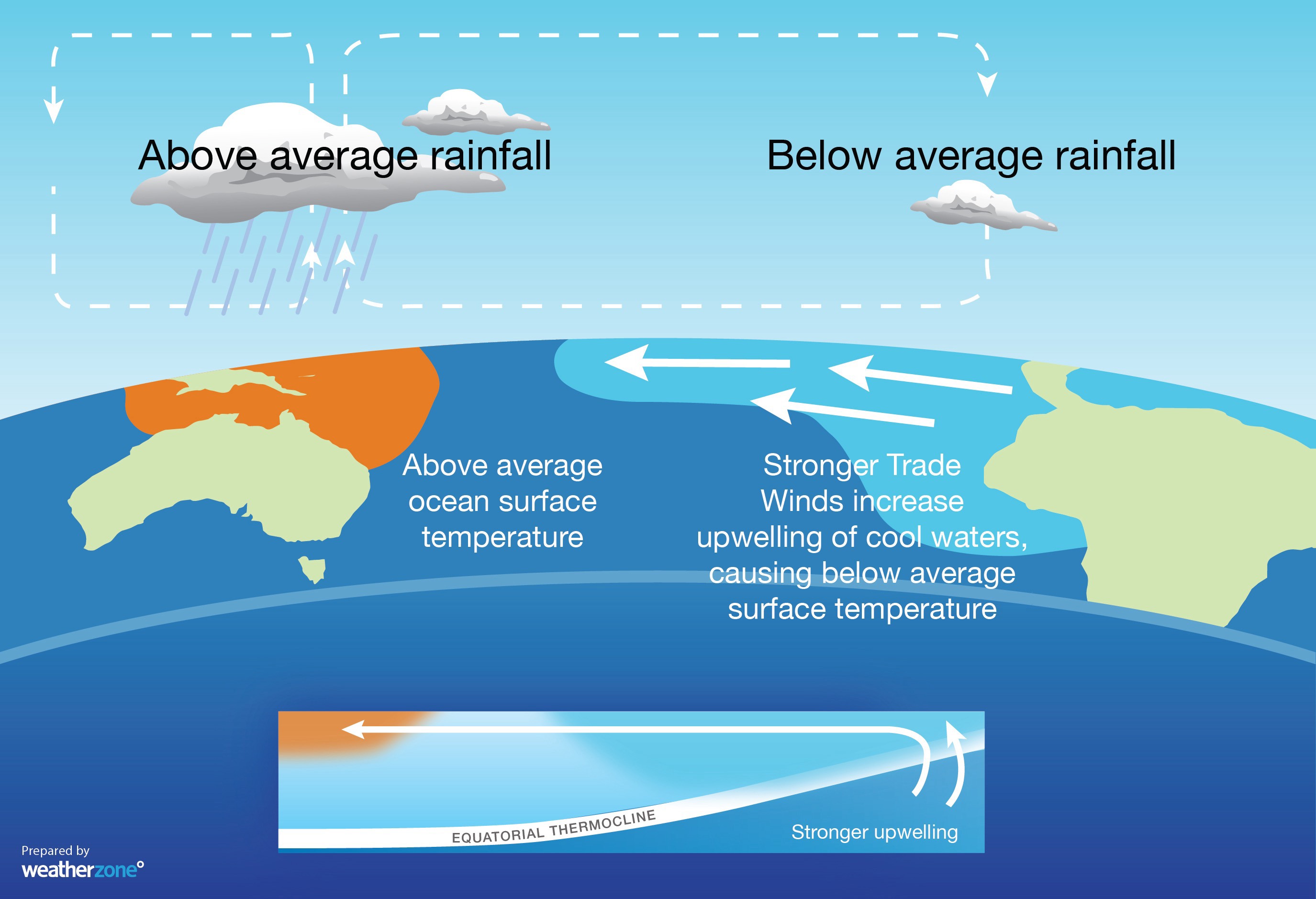
The Bureau of Meteorology is on La Niña watch just a month after the summer's El Niño ended.

The Bureau declared the southern oscillation index (SOI) to have returned to neutral in mid-April, tying off the El Niño that developed over summer.

El Niño years are followed by La Niña years about 40 per cent of the time, and in about 10 per cent of years an El Niño year has been followed by another El Niño year.

READ MORE: 'Inappropriate' behaviour shuts down Dublin to New York City portal

Half the time, El Niño years are followed by neutral years, and the Bureau initially forecast ongoing warmer temperatures in coming months.

But yesterday, BoM said there were some "early signs" a La Niña might form in the Pacific Ocean later in the year.

"When La Niña Watch criteria have been met in the past, a La Niña event has subsequently developed around 50 per cent of the time," the Bureau said in its Climate Driver Update.

"There is about an equal chance of neutral ENSO (El Nino Southern Oscillation) conditions in the same outlook period."

READ MORE: Thousands call on council to reverse same-sex parenting book ban

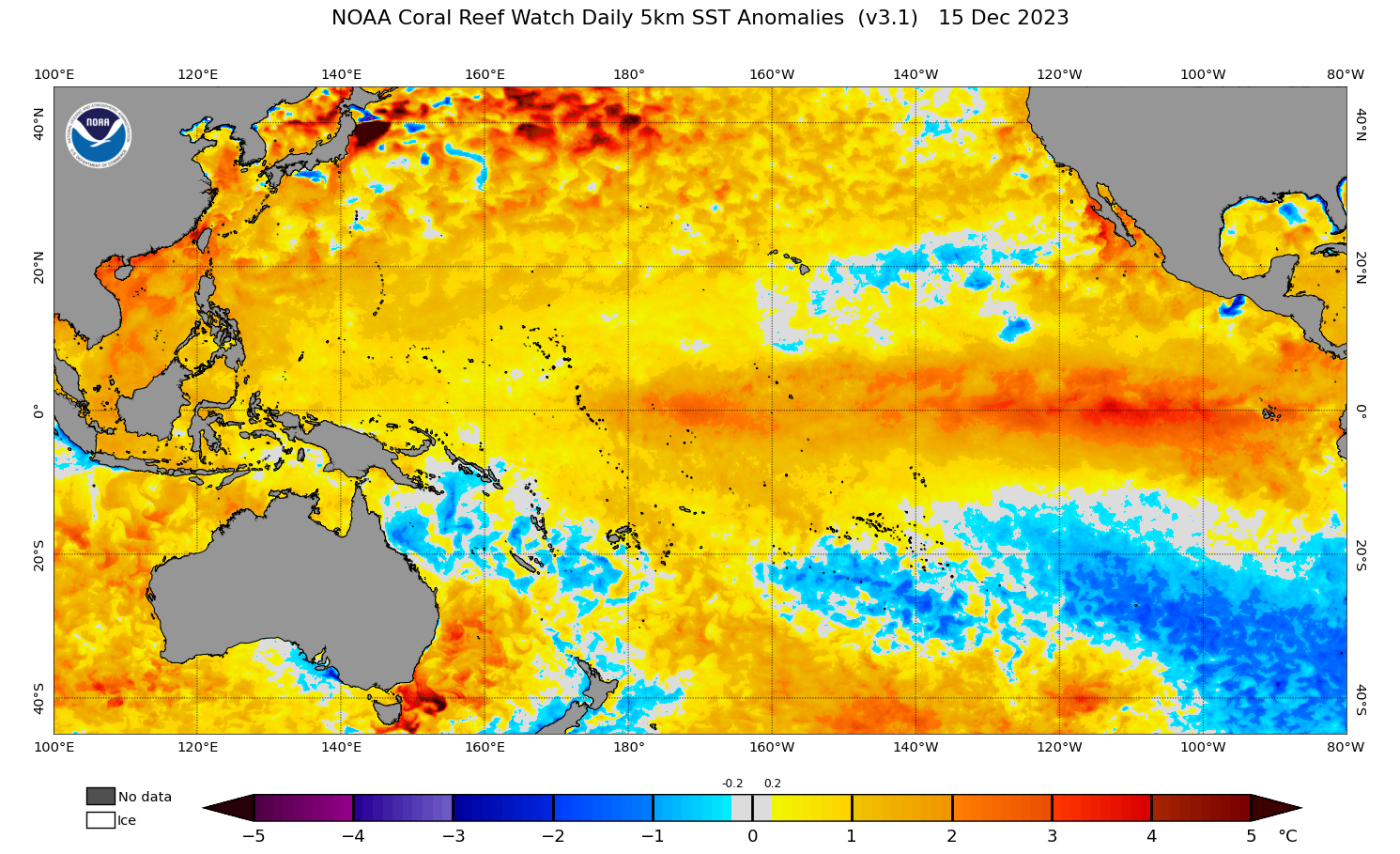
The Bureau said that sea surface temperatures in the central Pacific had been steadily cooling since December.

"The Bureau's modelling suggests that ENSO will likely remain neutral until at least July 2024," the update read.

"It is important to emphasise that early signs of La Niña are most relevant to the climate of the tropical Pacific, and that the long-range forecast for Australian rainfall and temperature provides better guidance for local climate."

A La Niña weather event, which Australia experienced three consecutive times before the recent El Niño, is associated with cooler temperatures and heavier rainfall.

FOLLOW US ON WHATSAPP HERE: Stay across all the latest in breaking news, celebrity and sport via our WhatsApp channel. No comments, no algorithm and nobody can see your private details.

‘Inappropriate’ behaviour shuts down Dublin to NYC portal

That didn't take long.

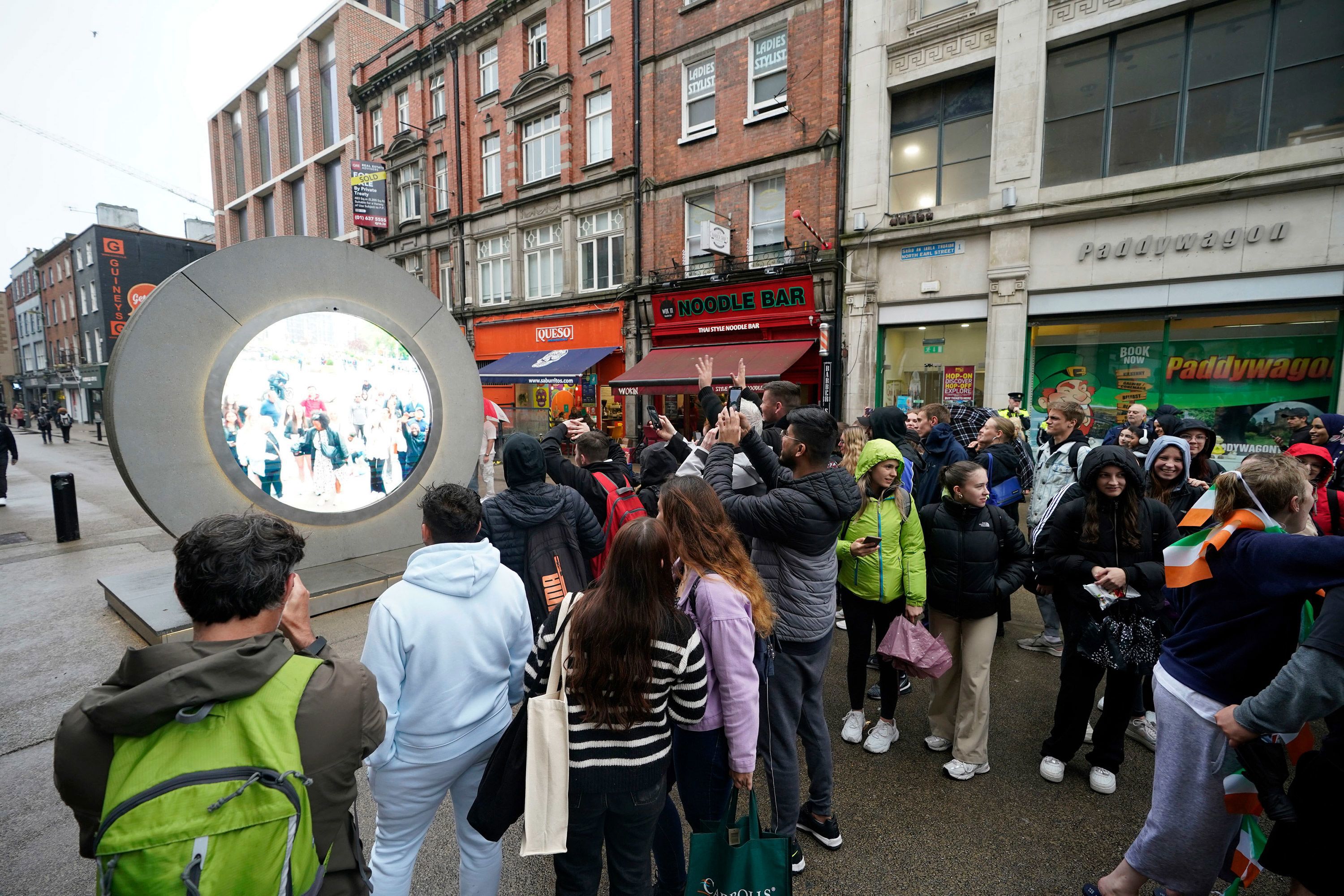
Less than a week after two public sculptures featuring a livestream between Dublin, Ireland and New York City debuted, "inappropriate behavior" in real-time interactions between people in the two cities has prompted a temporary shutdown.

The two sculptures, "The Portals," are round, lens-like installations with a 24/7 video link to allow residents and visitors in the two cities to interact with each other.

TWO-MINUTE GUIDE: What's in the federal budget

New Yorkers greet people in Dublin during the reveal of New York City's Portal on May 8.

Social media videos have shown people flashing body parts to people on the other side.

The installation does not include audio.

The creators of the sculptures are now "investigating possible technical solutions to inappropriate behaviour by a small minority of people in front of the Portal," according to a statement from the Dublin City Council.

"Dublin City Council had hoped to have a solution in place today, but unfortunately the preferred solution, which would have involved blurring, was not satisfactory," the city council said late Tuesday.

The team behind the sculptures, Portals.org, is looking at other options.

The city council planned to switch off the live stream at 10 pm local time Tuesday and said that Portals.org expected to be able to turn it on again later this week.

COST OF LIVING EXPLAINER: Everything in the budget to help the cost of living

People view the live stream between Dublin and New York, in Dublin, Ireland, on May 13.

"We are delighted by how many people have been enjoying the Portal since it was launched last week," the statement said.

"It has become a global phenomenon and it is important to note that the overwhelming majority of people interacting with the Dublin Portal have behaved appropriately."

Organisers in New York also underlined that the inappropriate behaviour has come from "a very small minority" of visitors.

"In New York, we have had a set of protocols in place since the Portal's launch, including 24/7 on-site security and barriers to prevent people from stepping onto the Portal," said a statement from Flatiron NoMad Partnership, one of the project's organisers in New York.

While the creators and their partners in both cities work on "additional solutions to limit such behaviour appearing on the live stream," the New York Portal will be turned off for a few days starting at 5 pm local time Tuesday, according to Flatiron NoMad Partnership.

READ MORE: Inmate sprung from French prison van during ambush in which two guards killed

On the Dublin side, the portal is installed facing the capital city's main street, O'Connell Street.

In New York, the portal sculpture is located on the Flatiron South Public Plaza at Broadway, Fifth Avenue and 23rd Street.

The Portals are the brainchild of Lithuanian artist Benediktas Gylys.

The project's intention, according to Daithí de Róiste, Dublin's Lord Mayor, was to expand global connections.

"One of my key aims as Lord Mayor is to make the City more inclusive.

"The Portals project embodies this, bringing together technology, engineering and art to bring communities from across the world closer together and to allow people to meet and connect outside of their social circles and cultures," de Róiste said in a news release on May 8 announcing the project's debut.

ENERGY BILL RELIEF: $300 for every household, $325 for small businesses

The Lord Mayor noted the "deep historical and cultural bond" between the two cities.

In July, Dublin expects to connect to destinations in Poland, Brazil and Lithuania, according to de Róiste's statement.

"I would encourage Dubliners and visitors to the City to come and interact with the sculpture and extend an Irish welcome and kindness to cities all over the world," de Róiste's May 8 statement said.

De Róiste said the portals project is part of events lined up to coincide with Dublin's 2024 EU Capital of Smart Tourism Designation.

The Dublin-New York city pairing isn't the first real-time bridge between cities through these sculptures.

The first Portals, according to the organisation's website, linked Vilnius, Lithuania, with Lublin, Poland, in 2021.

Wealthiest Australians could benefit most from $300 energy bill relief

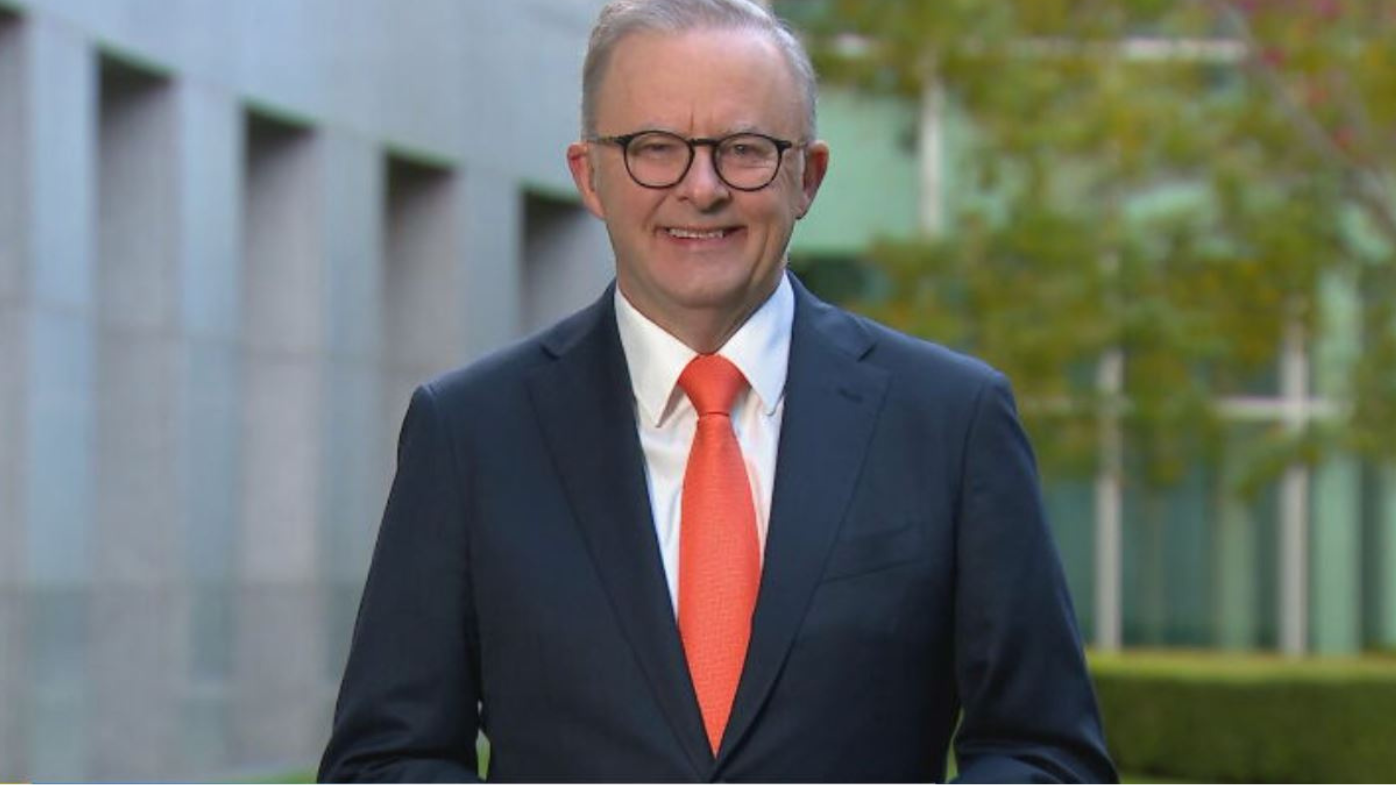
Prime Minister Anthony Albanese has failed to explain if Australians who own multiple homes will receive multiple $300 discounts on energy bills announced in the federal budget.

Power cost relief was a central part of the federal government's $3.5 billion cost-of-living package included in yesterday's budget.

But today it is causing the government a political headache over whether people owning more than one home will receive multiple $300 discounts.

READ MORE: Everything in the budget to help the cost of living

Anthony Albanese May 15, 2024

Today presenter Karl Stefanovic pressed Albanese this morning whether wealthy Australians who own more than one property, such as mining magnate Gina Reinhart, needed the energy price relief. 

But the Prime Minister this morning struggled to explain the issue.

"Well, this is household bill relief of $300 for every household, every household gets it," he said.

He failed to clarify whether people owning holiday or rental homes would receive multiple discounts.

Treasurer Jim Chalmers said energy bill relief will go to the person whose name is on the power bill.

WINNERS AND LOSERS: Who benefits and who's hard done by?

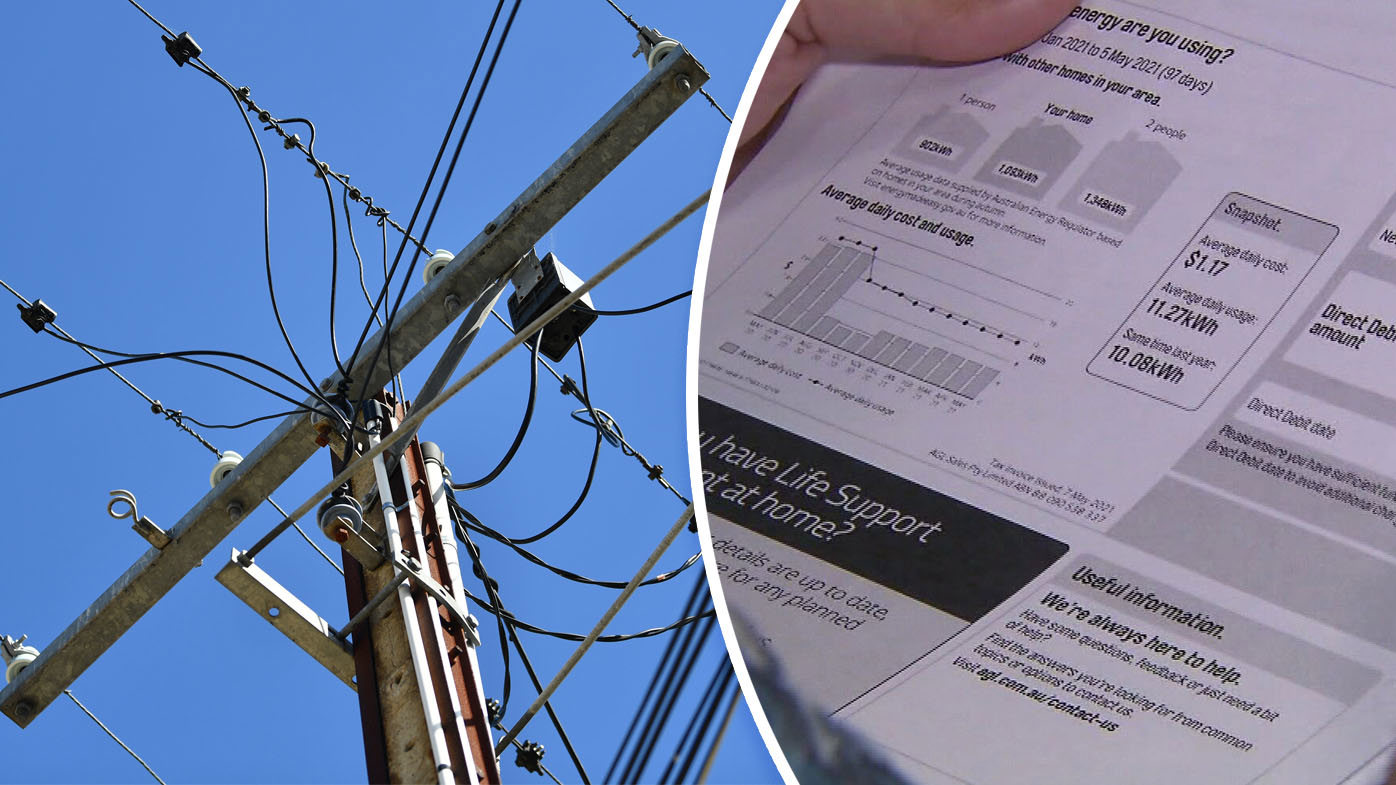
Electricity lines and a power bill.

He said energy companies don't have enough information to "slice and dice" the energy discounts.

"They don't have the information, on people's incomes," he said.

"And so we'd have to design and create a whole new system which would take longer and take money and take, a lot of effort .. instead is we're providing this energy bill relief to every household."

Energy bill relief, tax cuts but JobSeekers left out

The federal budget is being touted by Treasurer Jim Chalmers as being for "every Australian".

But as ever, some are better off than others.

So who should be celebrating and who will feel hard done by?

These are our winners and losers.

ANALYSIS: RBA governor is the real audience for this year's budget

TWO-MINUTE GUIDE: What's in the federal budget

Winners

Taxpayers: All 13.6 million taxpayers in Australia will receive a tax cut on July 1 through the already legislated stage 3 cuts, first delivered by the previous Coalition government and revised by Labor earlier this year.

All households: Every household in Australia will receive $300 off their energy bill through a rebate.
Federal budget energy relief

Small businesses: Around one million small businesses will receive $325 off their power bills. The $20,000 instant asset write-off scheme has also been extended, while 457 "nuisance tariffs" will be abolished.

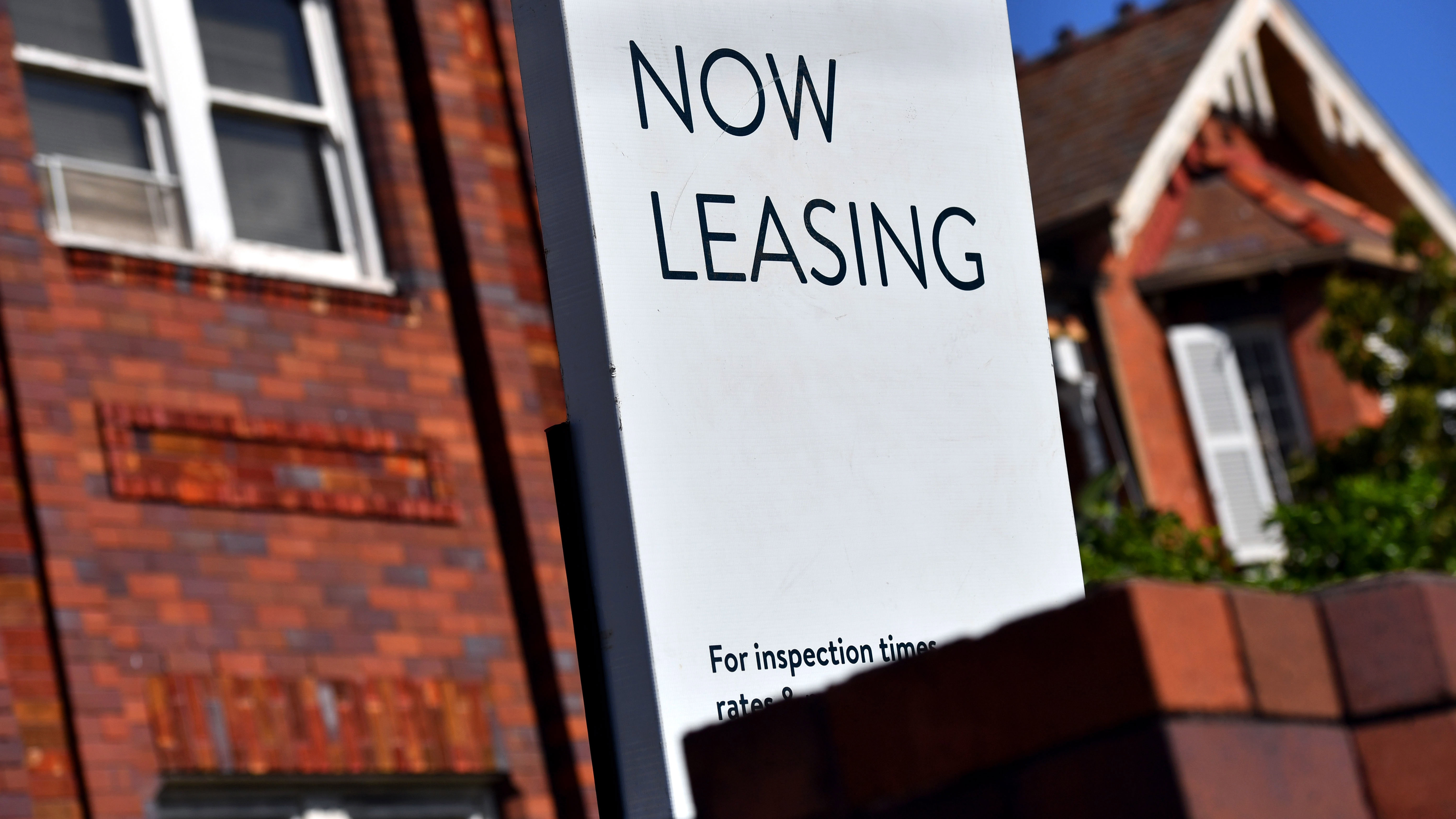
Renters: Commonwealth Rent Assistance will be increased by a further 10 per cent, on top of a 15 per cent increase last year – the first back-to-back increase in more than 30 years. The government says nearly 1 million households will benefit.

ENERGY BILL RELIEF: $300 for every household, $325 for small businesses

RENT ASSISTANCE: The increase to rent assistance explained
A "now leasing" sign at a property listed for rent in Sydney.

People on JobSeeker with limited work capacity: JobSeeker recipients able to work up to 14 hours a week are now eligible for the higher rate, an increase of $54.90 a fortnight. The change is expected to benefit 4700 people.

People who use medicines listed on the PBS: The maximum co-payment for prescriptions on the Pharmaceutical Benefits Scheme will be frozen for a year at $31.60. For those on the aged care pension and concession card holders, that maximum co-payment will be frozen for five years at $7.70 per prescription.

Pensioners: In addition to the five-year freeze for PBS medicines for people on the aged care pension, pensioners will benefit from the deeming rate being frozen for another year. Used to estimate how much people earn on financial assets and means-test welfare payments, it's been set in stone since 2022 rather than shifting at the start of each financial year. By extending the freeze until the end of June next year, the government says 870,000 people, including 450,000 age pensioners, will be better off.

BUDGET FOR WOMEN: What's in the budget for women?

Students: Students are some of the big winners tonight, thanks in large part to measures the government has already announced.

Chief among them is the change to student debt reindexation, which has been backdated ton last year and will wipe about $3 billion off the nation's collective HECS-HELP debt.

There's also Commonwealth Prac Payment – up to $319.50 per week for students during their clinical and professional placements in an attempt to combat "placement poverty" that will start in mid-2025.

Parents: The government is spending $1.1 billion to pay superannuation on government-funded paid parental leave for parents of babies born or adopted on or after July 1, 2025.

READ MORE: Single sentence spells bad news for mortgage holders
The key figures from the 2024 federal budget

Losers

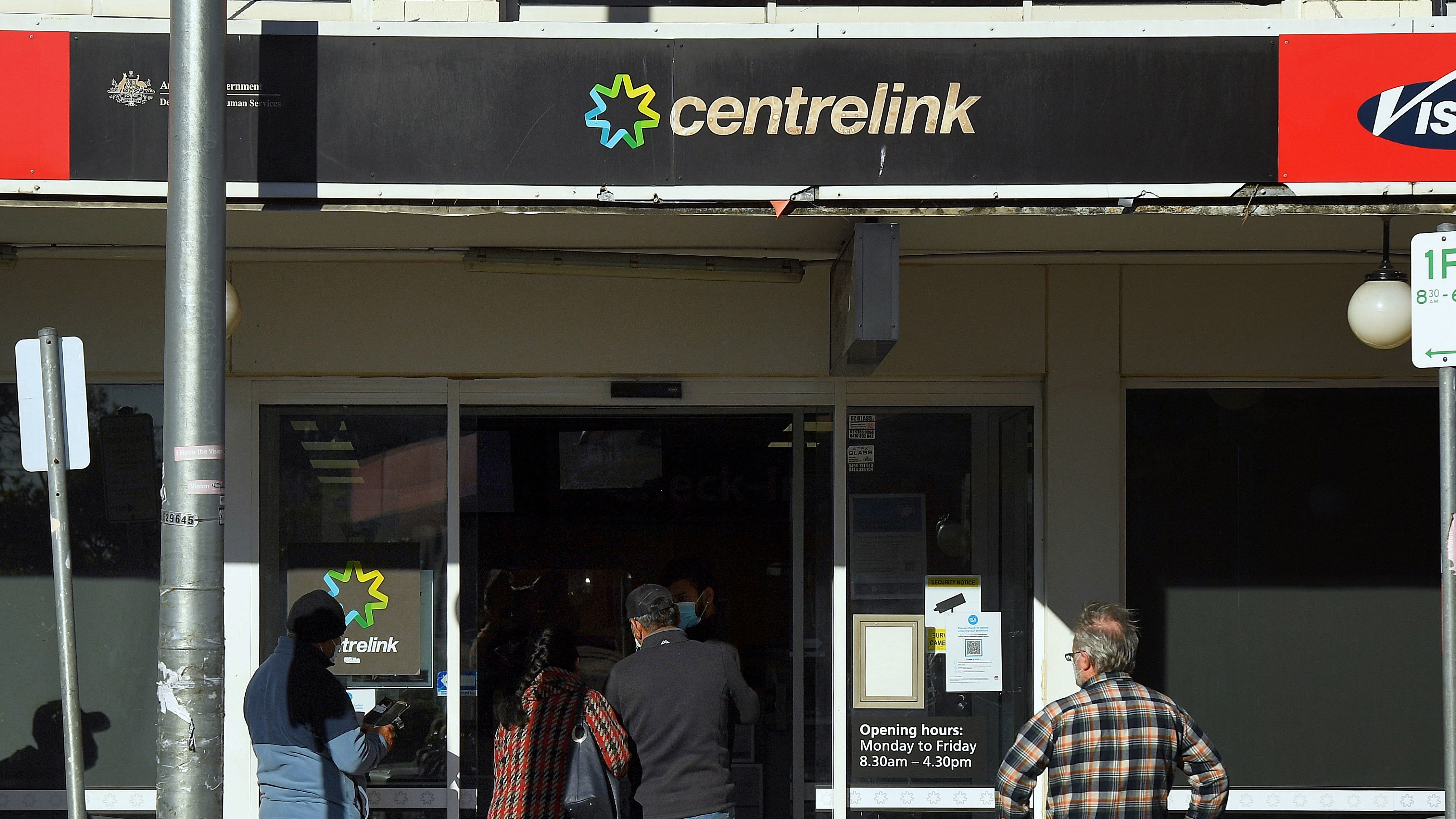
All other JobSeeker recipients: Chalmers' responses to questions about potential welfare increases in the lead-up to the budget had sparked speculation that the maximum JobSeeker rate would be increased.

The government's Economic Inclusion Advisory Committee (EIAC) had called for JobSeeker to be pushed up to 90 per cent of the aged care pension, and the treasurer had said the budget would include steps "conscious of its recommendations" when asked about a JobSeeker boost.

But instead of lifting the maximum rate, the government opted instead to make less than 5000 existing recipients eligible for the highest payment – a not-so-whopping 0.06 per cent of all JobSeeker recipients.

As for the other 99.4 per cent, they'll stay on the same payment, which the EIAC described as "well below all poverty lines used in Australia".

FOREIGN AID: Where our money is going overseas
People queue outside Centrelink.

The major supermarkets: The country's biggest supermarkets have been firmly in the government's eye this year amid complaints about soaring grocery prices.

An interim report by economist and former Labor minister Craig Emerson earlier this year recommended the supermarket code of conduct be changed from the current voluntary, punishment-less agreement to a mandatory system with proper financial penalties.

The government says it will take that advice and make the code mandatory, and will also strengthen Australia's mergers regime to increase competition in the sector.

"Because more competition means more choices, lower prices, better services and better jobs," Chalmers said.

READ MORE: Everything in the budget to help the cost of living
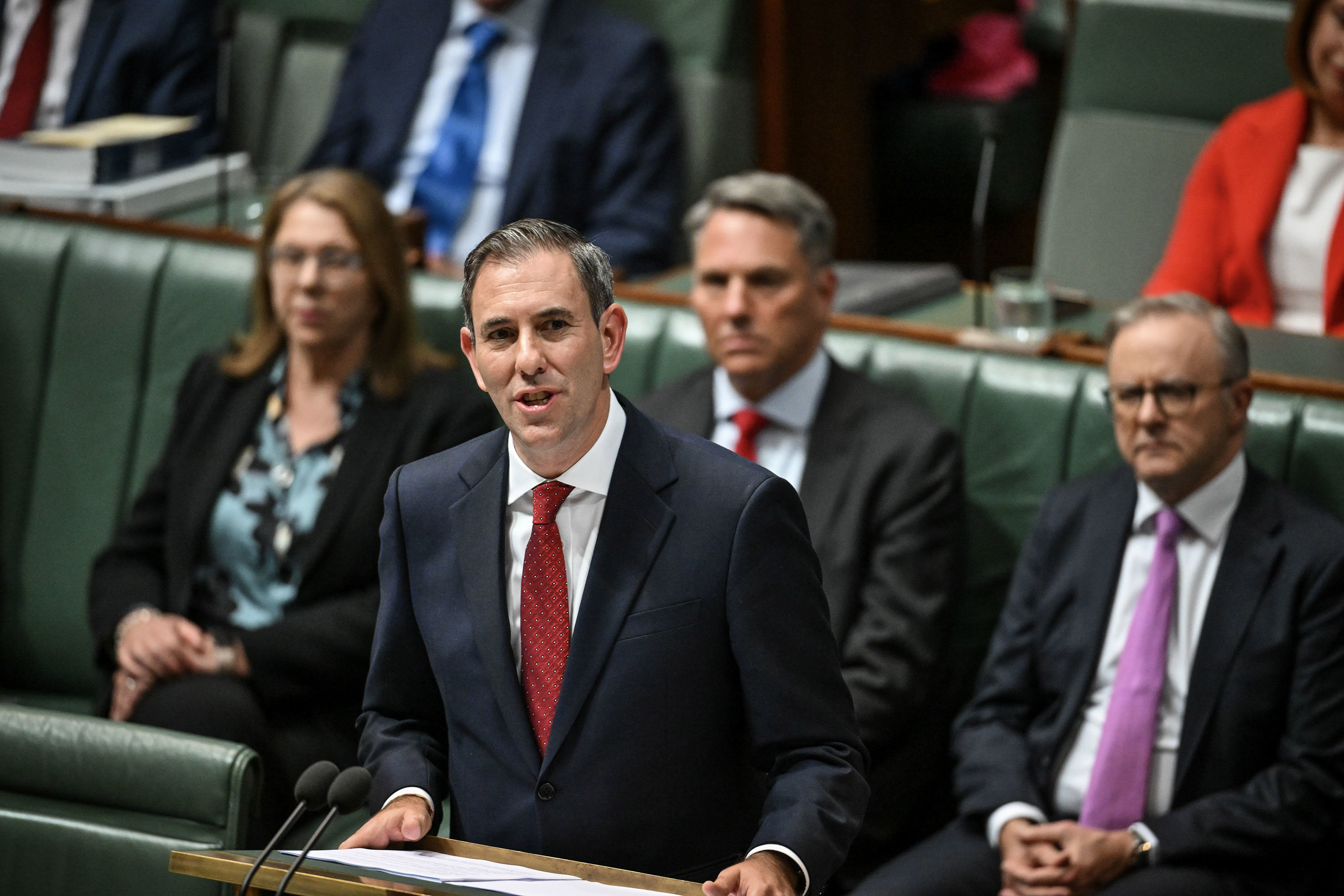
Federal budget 2024

Alcohol producers: Local breweries and distilleries hoping for the federal government to hit pause on the alcohol excise will be disappointed by tonight's budget.

Australia has one of the highest alcohol taxes in the world, which increases twice a year in line with inflation.

That's been a contributing factor in the particularly high number of craft breweries collapsing and falling into administration in recent months, leading the Independent Brewers Association to call for the government to freeze the beer excise for two years "to help our industry survive". Spirits and Cocktails Australia had previously called for a spirit excise freeze after it passed $100 per litre of alcohol last year.

WEIRD STUFF: The things you might have missed in the budget
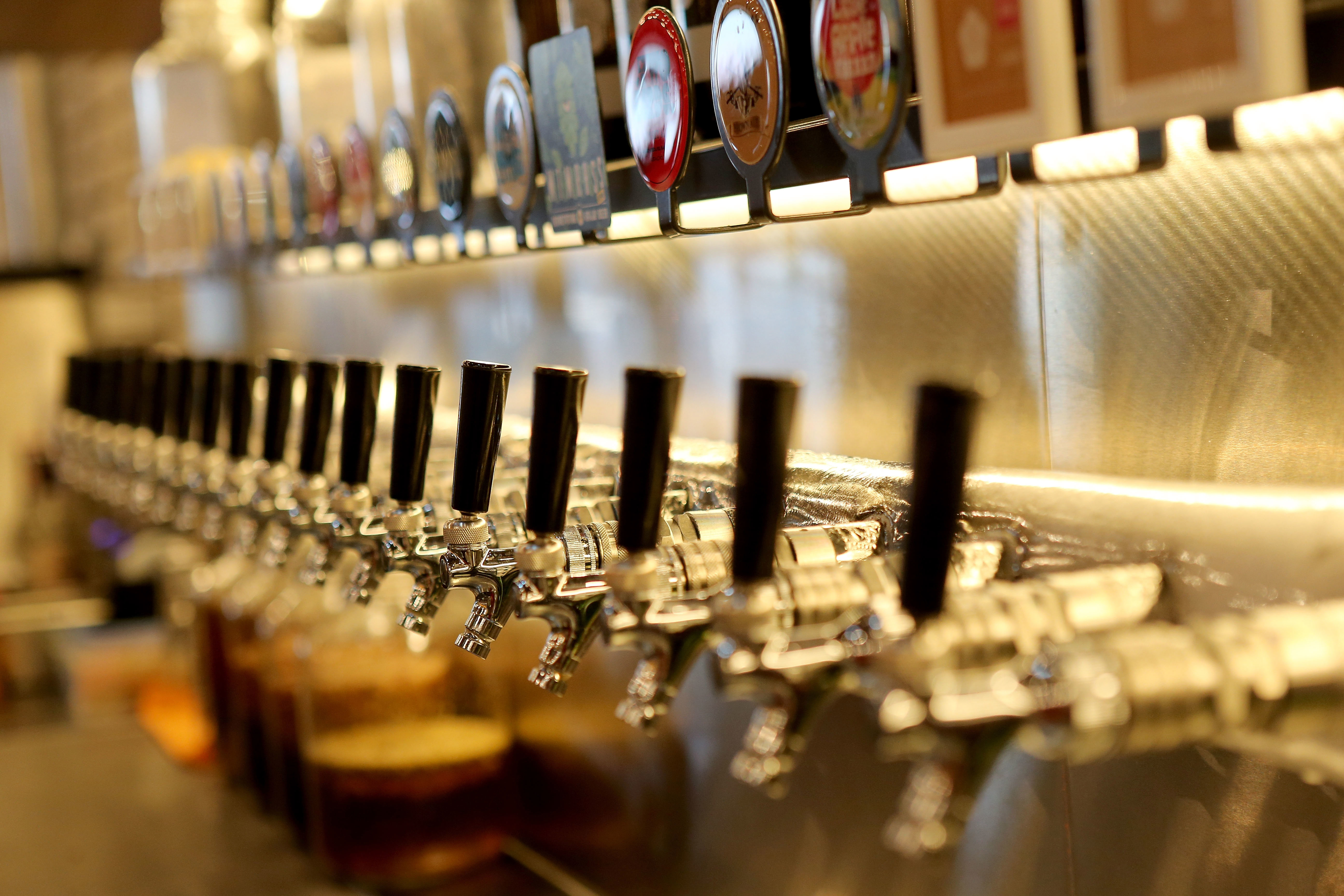
Beer taps.

But the government hasn't heeded those calls, and is set to receive an increasing amount of excise payments in the coming years – $2.63 billion for beer and $3.34 billion for spirits this financial year, rising up to $3.17 billion and $4.17 billion respectively in 2027-28.

NDIS fraudsters: It's one of Australia's most valued support schemes, but the NDIS has been marred by reports of fraud and spiralling costs.

The government is looking to crack down on that, with $468.7 million for the NDIS in the budget, including $214 million to combat fraud as well as design reforms to the scheme in co-ordination with people who have a disability.
What’s in the federal budget for women?

Super on paid parental leave and anti-domestic violence measures are at the heart of the federal budget's investment into women, but it doesn't end there.

Treasurer Jim Chalmers has tonight unlocked billions of dollars in funding to support new mothers, those fleeing abusive relationships, women's healthcare and career opportunities.

"Our government is the first in history with more than 50 per cent women and we are 100 per cent committed to women's equality, opportunity and safety," he said as he delivered the bill to parliament.

Let's take a look at what women will receive under the new budget.

READ MORE: Your two-minute guide to the federal budget: Energy bill relief, rent assistance, and freeze on cost of medicines

Super on paid parental leave

Starting off with a headline pre-budget announcement, $1.1 billion has been allocated to pay superannuation on paid parental leave.

Women, who Labor said earn 25 per cent less super on average compared to men, will be paid super on 20 weeks of government-funded leave.

Those on an average $70,000 salary are set to be paid $2500 on their super and retire with a balance about 1.15 per cent higher.

"When it comes to those first months of your child's life, you can't put a price on being there. And you shouldn't pay a price for being there," he said.

About 180,000 families are set to benefit under the scheme, which Chalmers claimed will make the super system fairer and reduce the gender gap.

It will apply for parents of babies born or adopted on or after July 1, 2025.

Anti-domestic violence measures

Nationwide outcry over the alleged murders of dozens of women this year has prompted a $925.2 million Leaving Violence Program.

The funding will be poured into the program over five years starting from July 1, 2025, to help survivors, and their children, flee domestic violence.

Up to $5000 of financial support, which will be indexed each year to match inflation, is available to all, including migrants regardless of their visa status.

"Violence against women is a national shame and it requires national action," Chalmers said.

The program will put $6.5 million aside for an online age verification trial to stop young people viewing inappropriate and violent content and also address gender-based violence issues in higher education.

A further $1 billion, under the $11.3 billion housing package, will fund urgent crisis and transitional housing for those fleeing domestic violence.

READ MORE: All the cost-of-living relief for Aussie households

Treasurer Jim Chalmers

Improved sexual and reproductive healthcare

Access to women's sexual and reproductive healthcare is set to improve after a $56.1 million boost to initiatives over the next four years.

Delivering free period hygiene products to rural and remote Aboriginal and Torres Strait Islander communities and training GPs to provide better menopause care are some of the measures outlined in the budget.

The budget said the funding will improve sexual and reproductive healthcare for women over the "life-course", including miscarriages, pre-term or early-term births, stillbirths, early pregnancy and menopause.

Tax cuts

While the stage 3 tax cuts will apply to every taxpayer, more women are anticipated to be better off under the Albanese government's rejigged scheme.

Chalmers said 84 per cent of taxpayers, and 90 per cent of women, will receive a bigger tax cut this financial year.

"This is about rewarding the hard work of our nurses and teachers, truckies and tradies," he said.

"Our tax cuts are better for families, communities, women, and young people, and better for business and the economy."

Wage growth

$30 million will be invested over two years to fund wage increases in female-dominated industries like childcare, teaching and nursing.

"In child care, aged care, and across the care economy, the majority of workers are women," Chalmers said.

"Lifting wages in these industries has helped bring the gender pay gap to a historic low."

Teaching, nursing, midwifery and social work students will also be paid $319.50 per week while they are on placement to combat "placement poverty".

Career opportunities

The federal government is investing $55.6 million over four years to provide women opportunity in male-dominated industries like clean energy, construction and manufacturing.

The Building Women's Careers program will be established under the funding to "drive structural and systemic change in work and training environments".

"The program will fund partnerships between training providers, community organisations, employers, and unions to improve women's access to flexible, safe and inclusive work and training opportunities," the budget papers read.