A collaborative network based in Tairāwhiti is investigating health benefits
Tag Archives: oceania
Tourist who crashed campervan wanted compo for ‘mental suffering’
The campervan had to be towed after the tourist collided with a parked car.
Flat Bush homicide: Hells Angels member Andrew Lamositele-Brown, accused of Petau Petau’s murder, testifies
‘Everything was just a mess,’ the murder defendant testified in court today.
Coromandel’s SH25a bridge taking shape
In total the steel girders will support 1560 tonnes of concrete and asphalt
Man under police guard in hospital after Canberra woman 'stabbed to death'
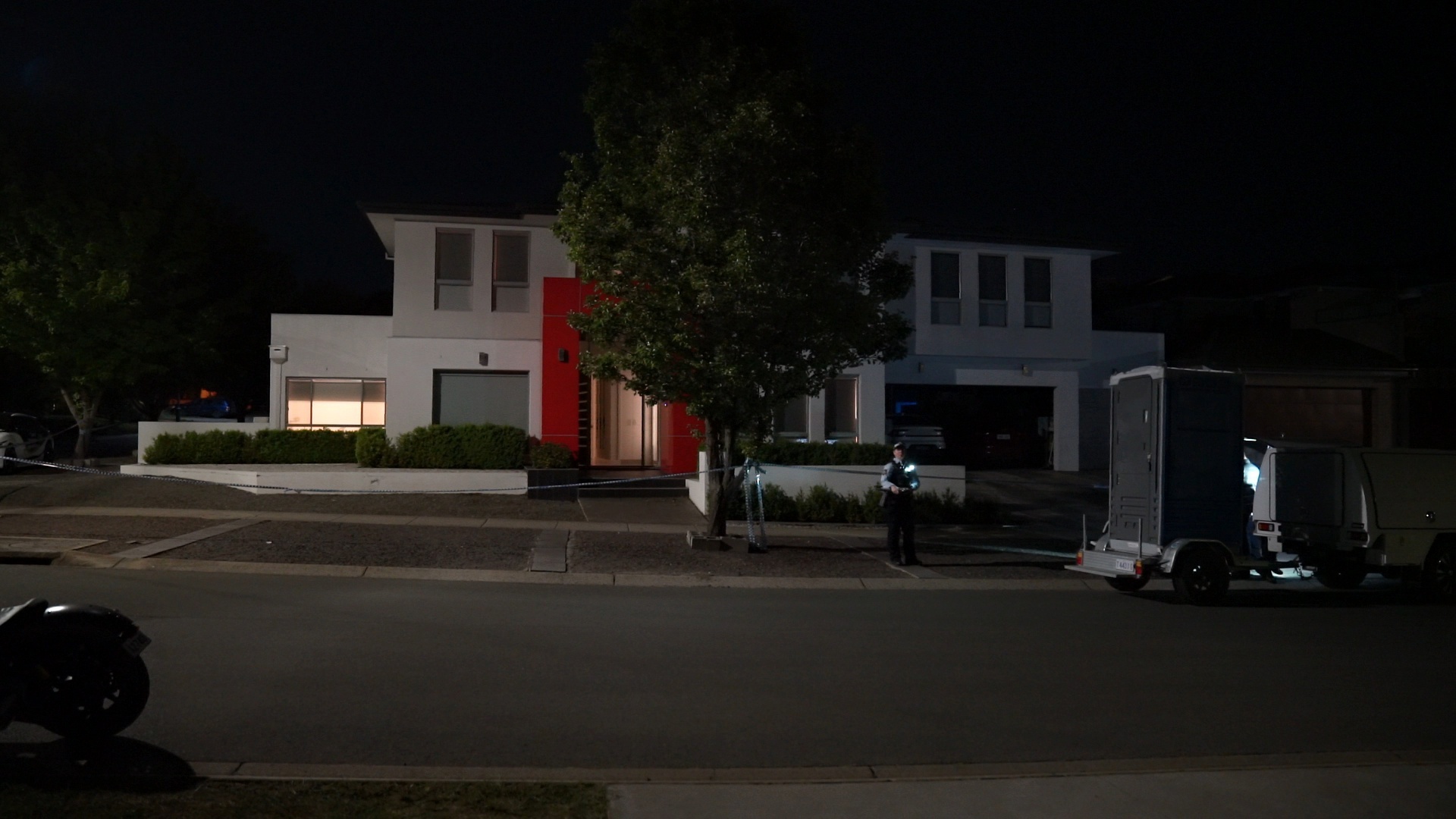
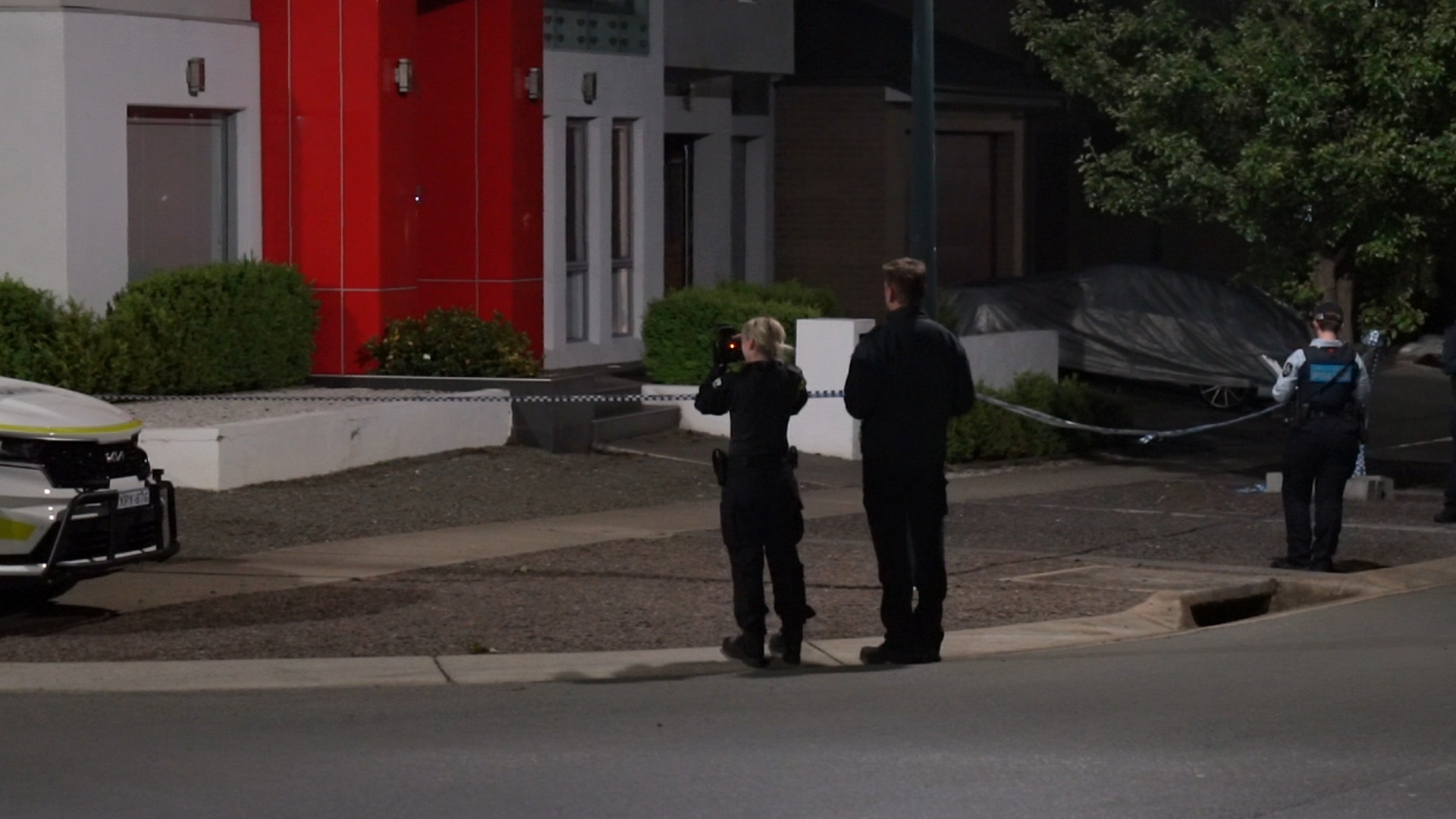
Police are treating the stabbing death of a 65-year-old woman inside her Canberra home yesterday as murder, authorities have confirmed.
Emergency responders were called to the Kinloch Circuit home in Bruce, a northern Canberra suburb, at around 5.40pm yesterday.
There they found the woman with stab wounds, as well as an injured 70-year-old man.
READ MORE: Hero four-year-old shielded siblings from horror shed fire
The woman was declared dead at the scene and the man was taken to hospital in a serious condition.
He remains there under police guard.
Police have not yet been able to speak to him regarding the alleged attack.
The home remains a crime scene as police investigate the circumstances of the incident.
Anyone with information in relation to this matter is urged to contact Crime Stoppers on 1800 333 000 or via www.crimestoppers.com.au
Support is available from the National Sexual Assault, Domestic Family Violence Counselling Service at 1800RESPECT (1800 737 732).
Drink-driver Samantha Allen’s jail term quashed, replaced with home detention for fatal crash
She was driving drunk when she caused a crash that killed a young woman.
ABC to pay defamed commando more than $400k but won't apologise
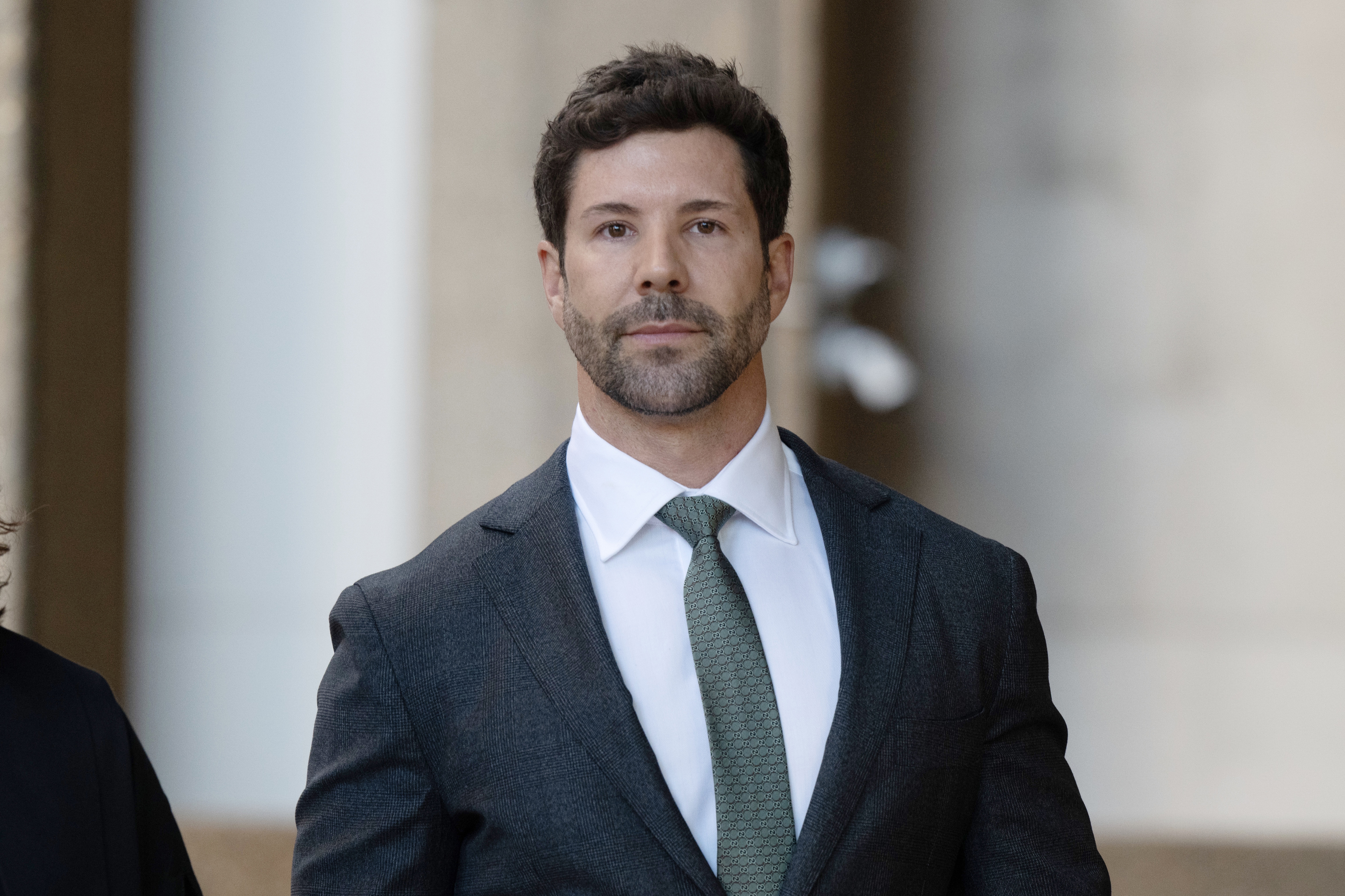
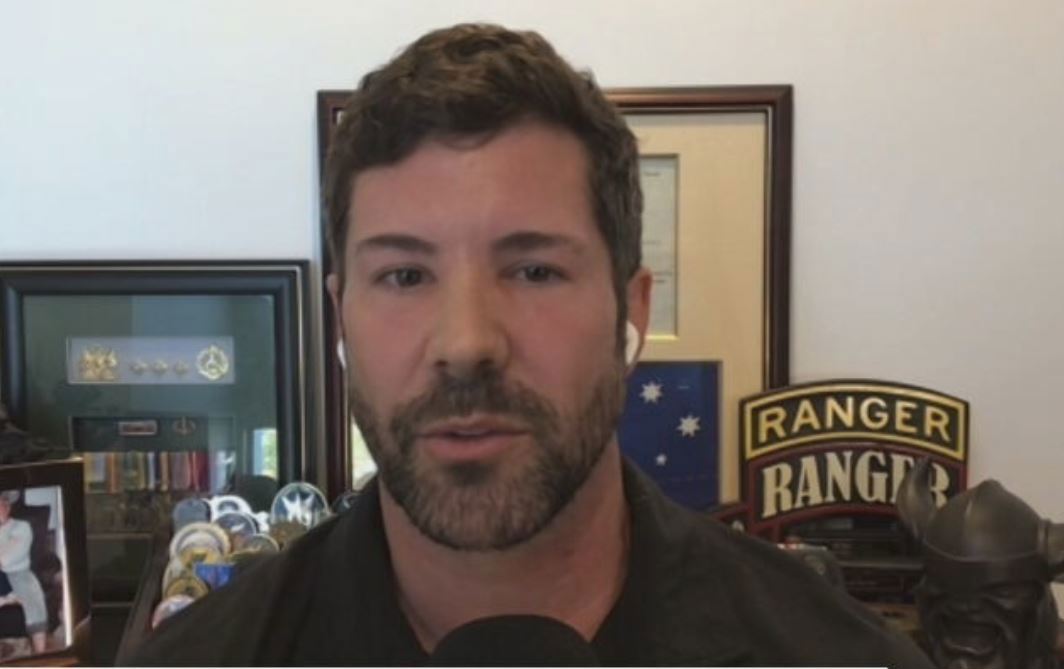
An ex-commando defamed by the ABC will receive more than $400,000 despite giving false evidence in court, but he shouldn't expect an apology from the broadcaster.
A court heard on Tuesday the broadcaster would have been on the hook for less money if it had left it to the judge to determine payment of Heston Russell's legal bills after a defensive mindset within ABC Investigations led to his defamation.
The former army commando was defamed in reports alleging members of the platoon he led in Afghanistan executed a prisoner because the detainee would not fit on a helicopter.
The allegation came via a US marine, who heard a "pop" over the radio in mid-2012 followed by advice there would be six prisoners on board, not seven.
The claim was published in October 2020 and revived in November 2021, when the ABC reported the Department of Defence had confirmed a criminal investigation into the November platoon, which the department later disputed.
Facing a senate grilling on Tuesday, ABC managing director David Anderson said he was not going to say sorry despite the defamation loss and million-dollar bill for the taxpayer-funded organisation.
READ MORE: Aussie workers repaid half a billion in lost wages
"If you're asking for me to apologise to Mr Russell, I'm not going to apologise to Mr Russell," he said.
"I am aware of what happens to our returned service women and men … that doesn't prevent us from holding people to account or the defence force to account."
Federal Court Justice Michael Lee ruled earlier in October a defensive attitude within ABC Investigations caused it to publish the defamatory reports, which have now been removed.
"In fighting back against critics and seeking to justify its earlier story, those responsible within ABC Investigations did not do all they should have done prior to publishing the November article conveying, as it did, such serious allegations," he said in his judgment.
READ MORE: Local business baffled by Commonwealth Bank policy change
The matter returned to court on Tuesday, when a final payout figure of $412,315 was confirmed, accounting for interest on top of the $390,000 Russell was awarded.
He will also have his legal costs paid, however Lee said he would have made a different order to the one the broadcaster consented to after finding the former commando had given deliberately false evidence to the court.
"It is obvious, but worth remarking, that it is fundamental to the just resolution of disputes that a witness tells the truth," Lee said.
It would have been contrary to the overarching purpose of the court to allow Russell to recover the cost of legal practitioners and the court's time spent dealing with his false evidence.
However, it would also be an inappropriate use of discretion to reduce the amount he could recover in light of the broadcaster's expressed consent, Lee said.
Russell's solicitor sent an offer to ABC's lawyers offering to settle for $99,000 plus legal costs and the removal of the articles from publication in September 2022.
His costs will now be paid by the broadcaster on an ordinary basis up until the offer to settle, with indemnity costs thereafter.
Lee said he had seen some speculation on figures around $2 million, requesting a schedule of costs incurred be provided as he assesses the figure himself.
Liberal senator Sarah Henderson said the litigation "has ended up costing several million dollars, at least, of taxpayers' money".
The ABC destroyed Russell's reputation, which he had to fight to restore, and the broadcaster's reputation as a trusted news source had been undermined in the process, she said during senate estimates.
Anderson said between $700,000 and $800,000 had been spent defending the lawsuit.
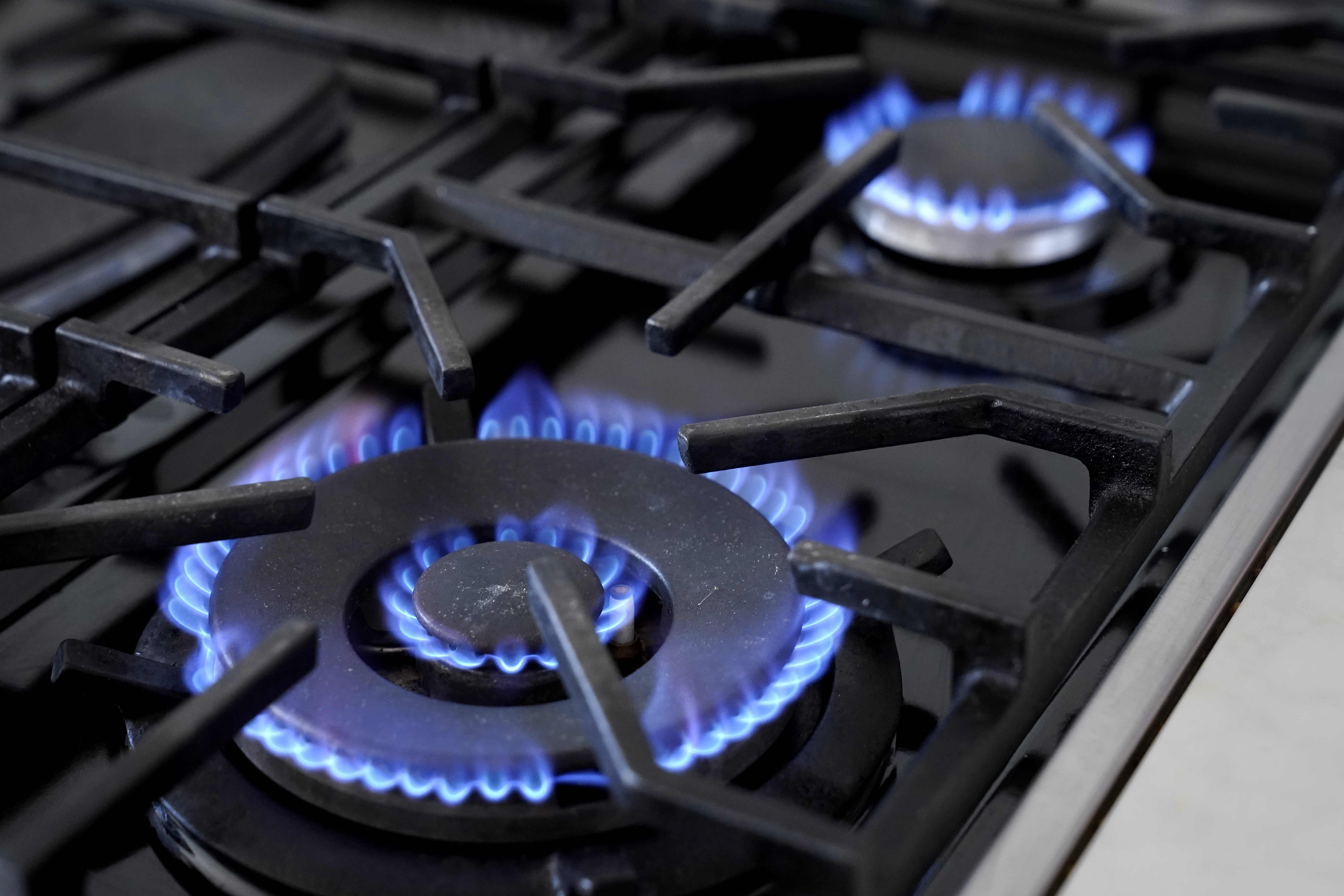
Our two biggest cities just got closer to banning gas stoves
The local councils of Australia's two largest cities have moved closer to phasing out the use of gas stoves after signing on to a global movement to push kitchens towards electrification.
The City of Sydney and City of Melbourne have both agreed to build no council facilities with fossil fuel connections by the end of the decade, and to phase out all fossil fuel use in their buildings by 2040 after becoming supporters of the Global Cooksafe Coalition (GCC) yesterday.
The two councils also committed to exploring planning controls that could see the use of gas stoves in new buildings outlawed, similar to legislation already in place in the ACT and Victoria.
READ MORE: Gas stoves are in homes all over Australia. And the evidence says they're making kids sick
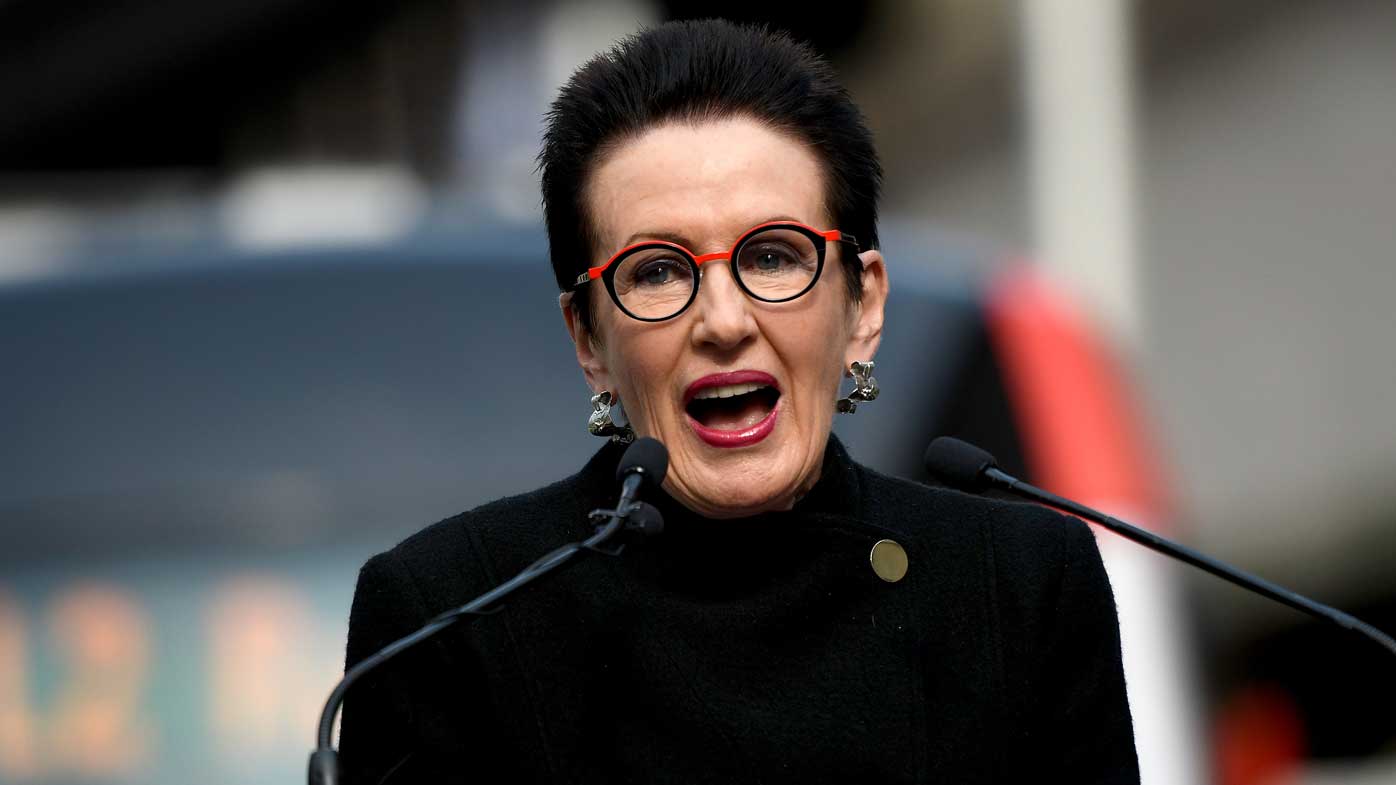
"We are in a climate emergency and we need to do everything we can, urgently, to lower our emissions," Sydney Lord Mayor Clover Moore said.
"The City of Sydney is committed to net zero emissions in our area by 2035 and reducing fossil fuel use is critical if we are to reach that target.
"That's why we're investigating constructive ways we can continue our transition away from gas use, including changes to the city's planning controls to ensure kitchens in new commercial and residential developments can run on renewable electricity."
The commitment follows a motion in September when Sydney councillors voted in favour of staff "investigating additional options to reduce gas use, including changes to planning rules".
READ MORE: Rapid melting in West Antarctica is 'unavoidable,' study finds
The City of Melbourne, meanwhile, also launched its Retrofit Melbourne plan that will help all buildings in the council area to become "zero carbon ready" – that is, highly energy efficient and powered solely by renewables – by 2040.
Retrofitting existing buildings is not only necessary for our environment and emissions reduction targets," Lord Mayor Sally Capp and councillor Elizabeth Mary Doidge said.
"It offers inspiring and updated facilities for our city's employees, boosts property values for better tenant attraction and retention, and enables a range of co-benefits including healthier and more comfortable buildings, and precinct revitalisation.
"Addressing the issue of decarbonisation, just in the existing mid-tier commercial building sector, means Melbourne needs to retrofit about 80 properties each year to meet our climate goals.
"Currently, we average seven."
READ MORE: Aussie workers get half-a-billion dollar pay day
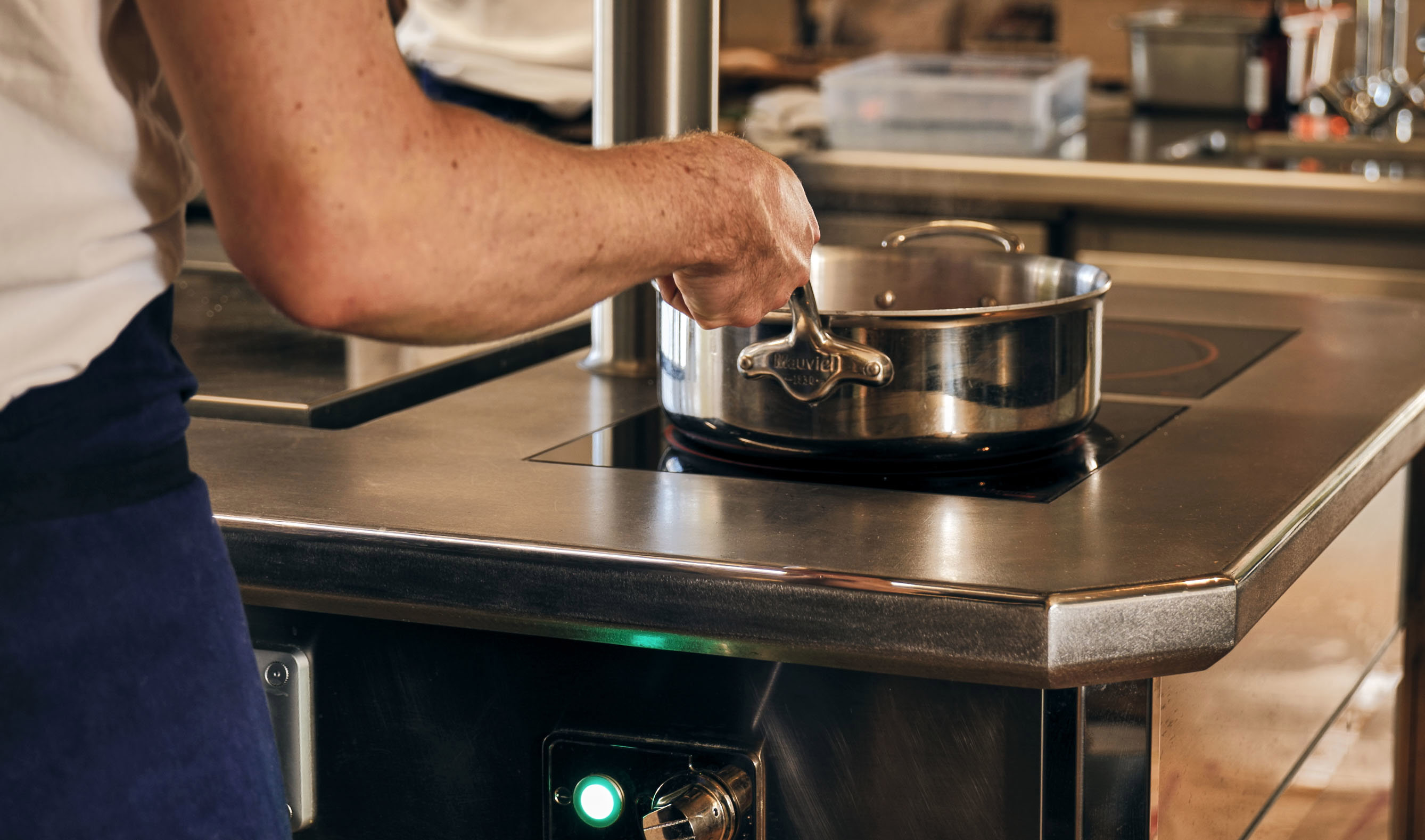
The GCC is an alliance of chefs, doctors, property developers, climate bodies and other groups aiming to completely phase out gas cooking by 2045 due to the health, energy efficiency, cost and climate benefits provided by electrification.
It welcomed the support of the two councils, and called on other governments to move quickly in a similar direction.
"We're delighted that the City of Sydney and the City of Melbourne have joined with us and our property partners to work towards fossil fuel free kitchens in our cities," Australian program manager Virginia Jones said.
"It's now time that our leaders, across all levels of government, recognise the urgency of these types of reforms."
Mongrel Mob members on trial for murder of Tāneatua man who wouldn’t give them drugs
Mobsters accused of killing man who wouldn’t give them drugs and attacking two others.
Anthony Albanese invites NRL boss Peter V'landys for dinner at the White House
Peter V'landys will attend a state dinner hosted by US President Joe Biden at the White House, as a guest of Anthony Albanese.
The Prime Minister extended the invitation to the ARLC chair and NSW Racing boss last month, reported The Sydney Morning Herald.
Albanese is in the US as part of a four-day visit to discuss AUKUS and the unfolding conflict in the Middle East.
READ MORE: Bushfires threaten homes in two Queensland towns
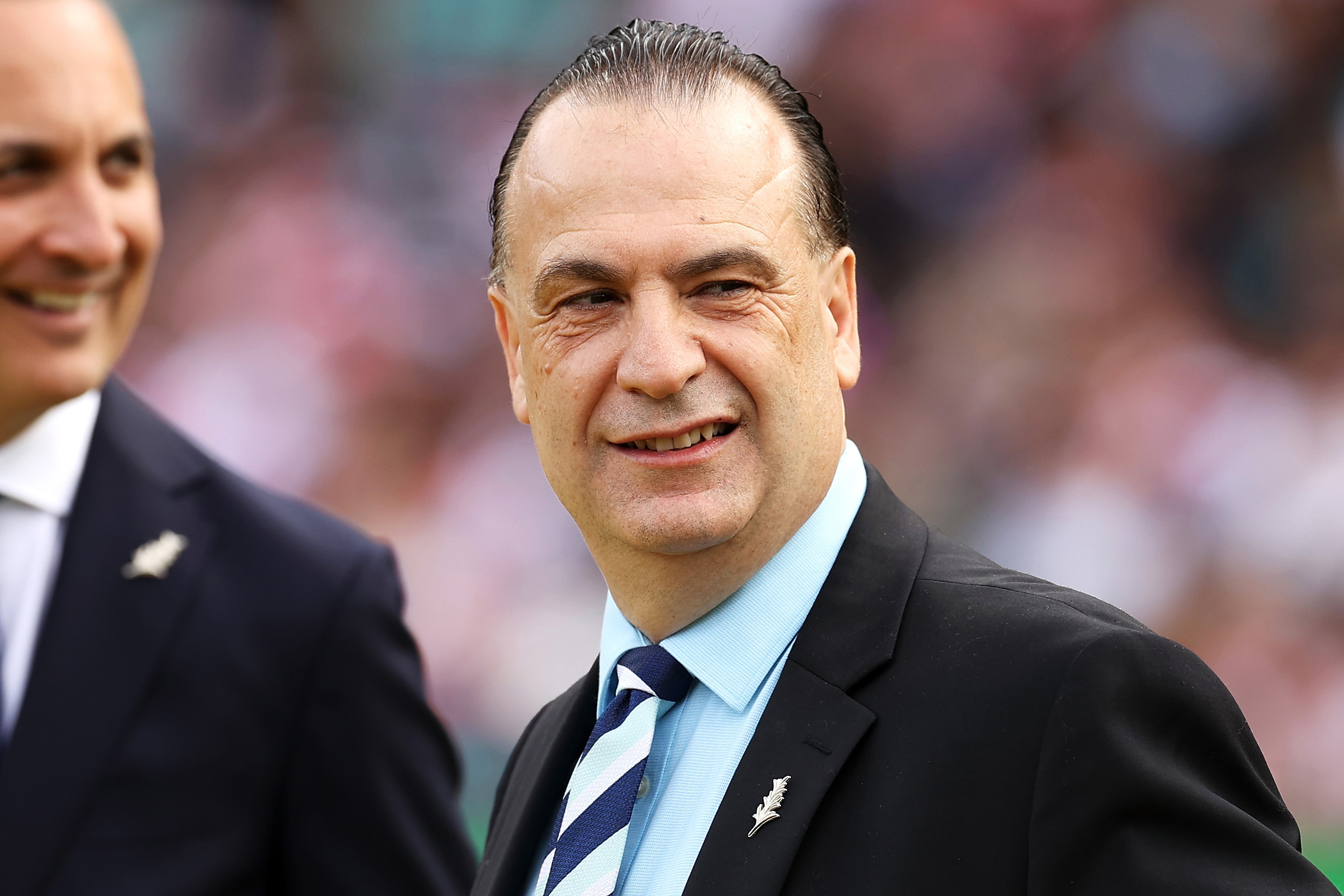
The avid Rabbitohs fan will bring V'landys to the White House to mix with some of America's most influential people ahead of the NRL's opening season in Las Vegas next year.
State dinners have honoured visiting heads of governments or reigning monarchs over the last 150 years.
Fellow ARL Commissioner and former Queensland premier Peter Beattie has endorsed the trip, telling the publication the move was a rare and great opportunity for rugby league.
"This is a networking opportunity from the gods. Anyone who is anyone will be there," Beattie said.
"There's no doubt Peter has the personality that gets him through the door, but it will open up even more doors for the game."
READ MORE: Bushfires threaten homes in two Queensland towns
Beattie, who once attended a state dinner during his stint in politics, said the rugby league has tried to crack into the US market before and failed.
"But we've never tapped on the door of the biggest power players in the country that you need to be successful in the US market. Peter V'landys is doing that," he said.
The NRL is preparing to open next year's competition with a double-header in Las Vegas.
The historic event will be held at the Allegiant Stadium, the same venue which will host the Super Bowl.
The South Sydney Rabbitohs, Brisbane Broncos, Manly Sea Eagles and Sydney Roosters have been picked to kick off the opener.