Tag Archives: oceania

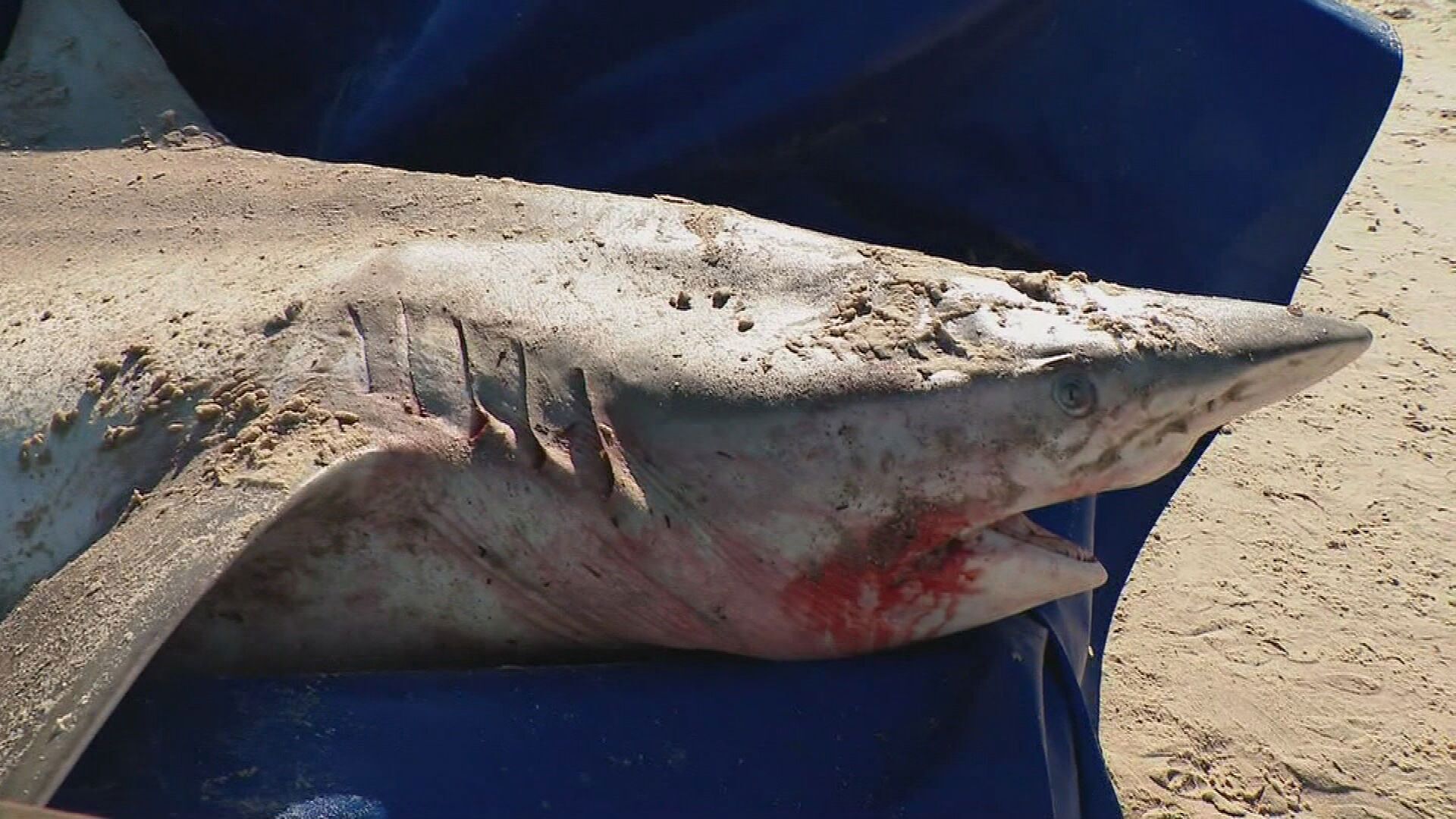
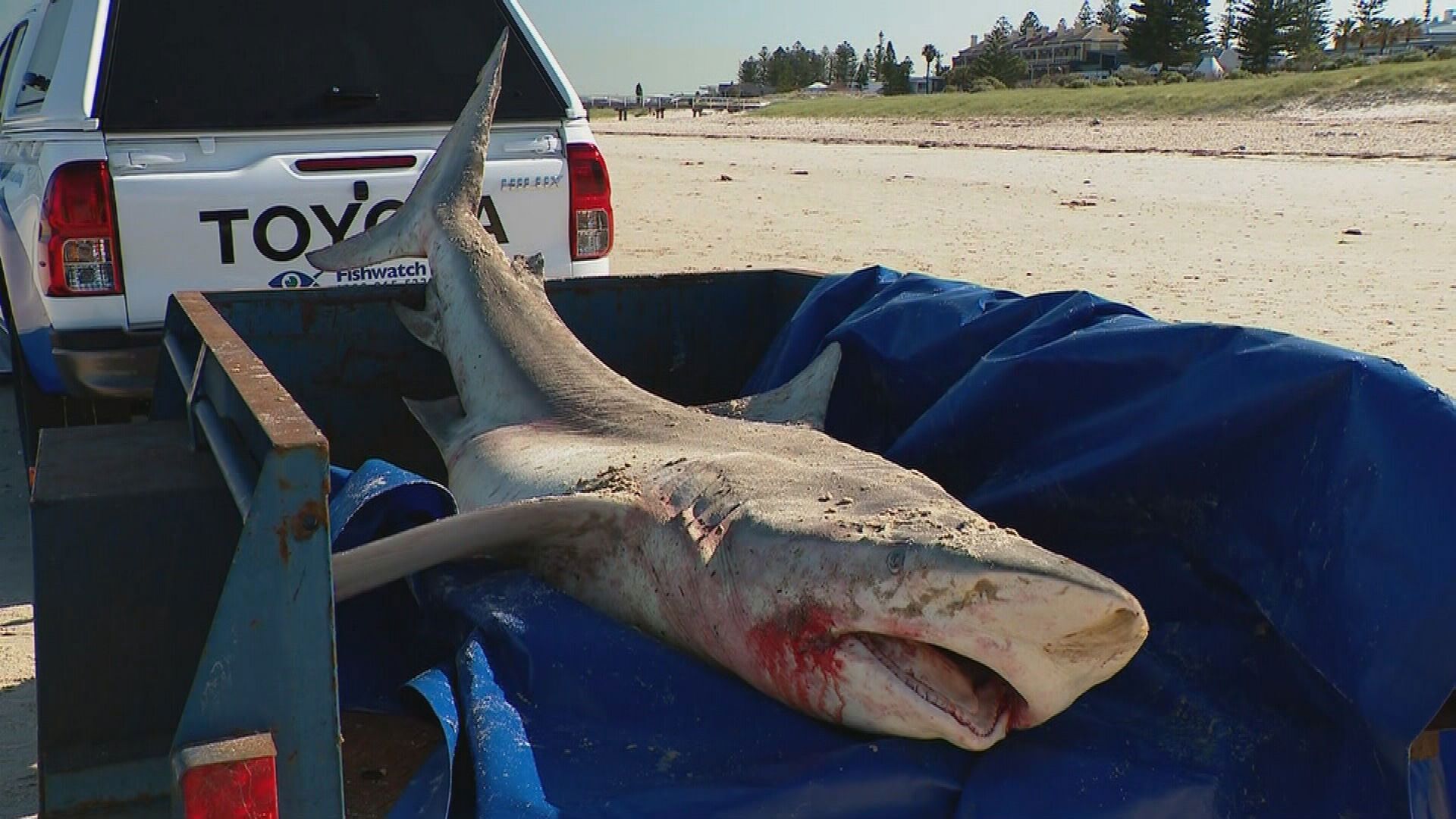
Dead shark washes up on Adelaide beach

Mystery surrounds a shark's death after it was seen on an Adelaide beach yesterday.

The shark washed up south of the jetty on Grange Beach.

Fisheries officers came to collect the carcass, which was identified as that of a bronze whaler.

READ MORE: Jail threat for ex-Qantas boss if he dodges Senate inquiry

Adelaide sharkAdelaide shark

The carcase was taken away for an autopsy.

It will then be handed over to the SA Research and Development Institute.

According to South Australia's Department of Primary Industries and Regions, bronze whalers are most commonly seen and caught off the state's coast between spring and autumn.

They can grow to 3.2m in length and live for up to 32 years.

These mysterious 'fairy circles' are way more common than we thought

Round discs of barren dirt known as "fairy circles" look like rows of polka dots that can spread for kilometres over the ground.

The phenomenon's mysterious origins have intrigued scientists for decades — and they may be far more widespread than once thought.

Fairy circles were previously spotted only in the arid lands of Southern Africa's Namib Desert and the outback of Western Australia.

READ MORE: 'Black day' for the Netherlands after fatal hospital shooting
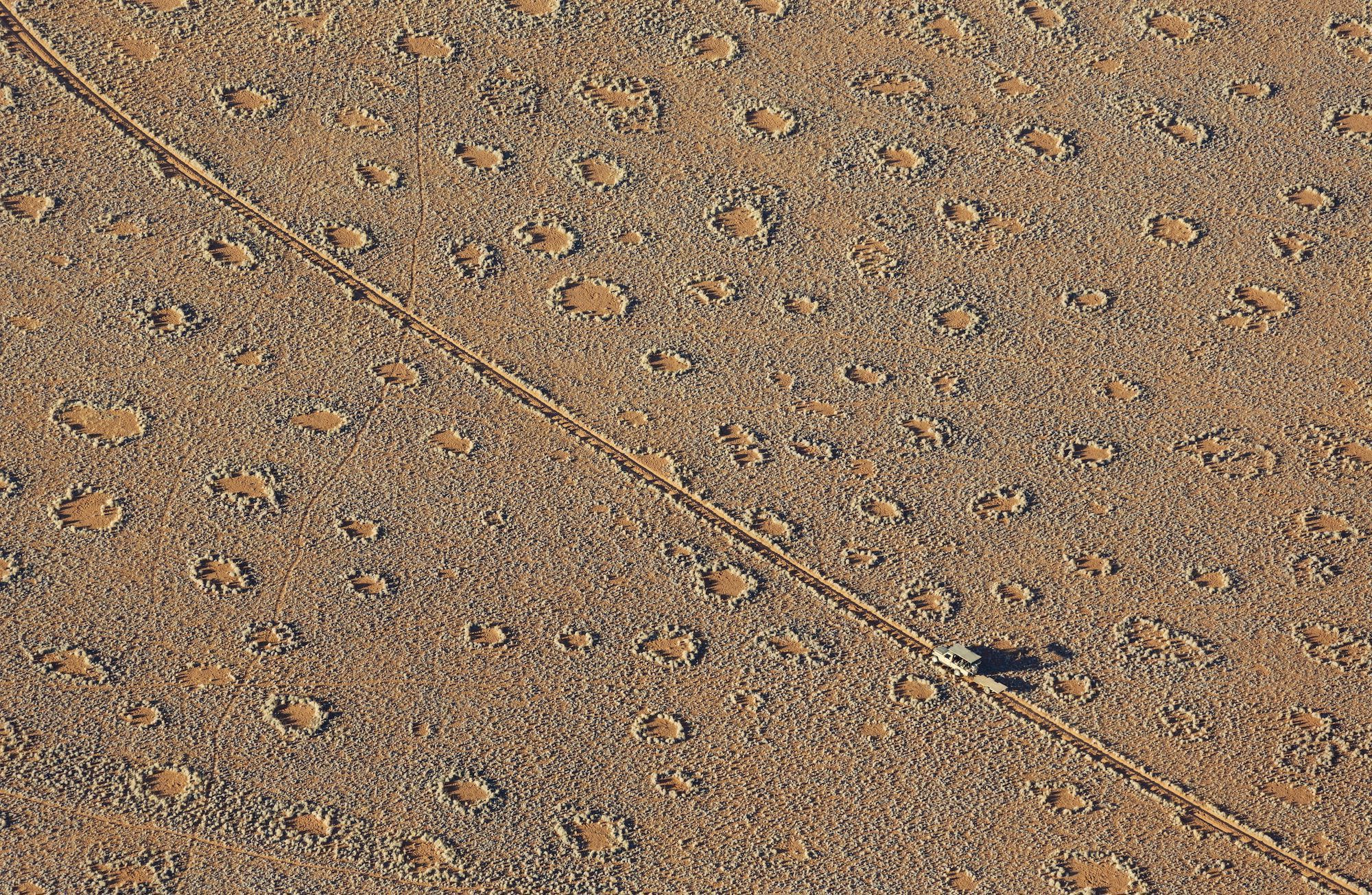
But a new study has used artificial intelligence to identify vegetation patterns resembling fairy circles in hundreds of new locations across 15 countries on three continents. This could help scientists understand fairy circles and their formation on a global scale.

For the new survey, published Monday in the journal Proceedings of the National Academy of Sciences, the researchers analysed datasets containing high-resolution satellite images of drylands, or arid ecosystems with scant rainfall, from around the world.

The search for patterns resembling fairy circles used a neural network — a type of AI that processes information in a manner similar to that of a brain.

"The use of artificial intelligence based models on satellite imagery is the first time it has been done on a large scale to detect fairy-circle like patterns," said lead study author Dr Emilio Guirado, a data scientist with the Multidisciplinary Institute for Environmental Studies at the University of Alicante in Spain, in an email.

Hundreds of potential fairy circle sites

First, the study authors trained the neural network to recognise fairy circles by inputting more than 15,000 satellite images taken over Namibia and Australia. Half of the images showed fairy circles, and half did not.

The scientists then fed their AI a dataset with satellite views of nearly 575,000 plots of land around the world, each measuring about one hectare.

READ MORE: Dumbledore actor Sir Michael Gambon dies aged 82
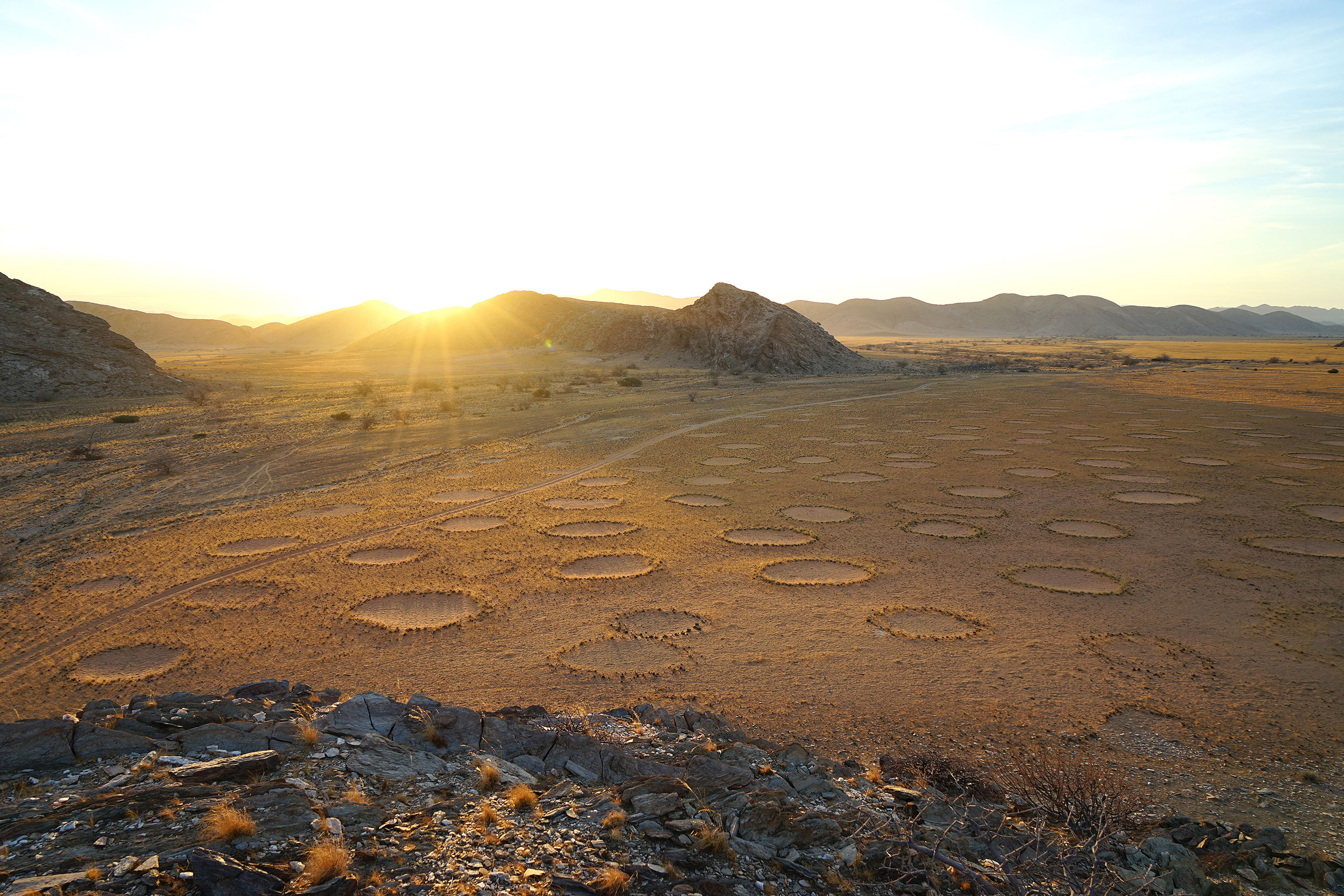
The neural network scanned vegetation in those images and identified repeating circular patterns that resembled patterns of known fairy circles, evaluating the circles' sizes and shapes as well as their locations, pattern densities and distribution.

Output of this analysis then required a human review, Guirado said.

"We had to manually discard some artificial and natural structures that were not fairy circles based on photo-interpretation and the context of the area," he explained.

The results showed 263 dryland locations where there were circular patterns similar to fairy circles in Namibia and Australia.

These arid spots were distributed across Africa (the Sahel, Western Sahara and the Horn of Africa) and were also clustered in Madagascar and Midwestern Asia, as well as central and south-west Australia.

READ MORE: 'My whole world': Trio killed in 'confronting' crash

Circle pattern recognition

Fairy circles aren't the only natural phenomenon that can produce round, repeated bare spots in a landscape. One factor that sets fairy circles apart from other types of vegetation gaps is a strongly ordered pattern between the circles, said Dr Stephan Getzin, a researcher in the department of ecosystem modelling at the University of Göttingen in Germany.

Getzin and colleagues published a November 2021 paper defining fairy circles and what made them unique, emphasising details of the overall pattern structure, he told CNN in an email. And according to Getzin, who was not involved in the latest study, the newfound patterns fall short.

"Fairy circles are defined by the fact that they have, in principle, the ability to form a 'spatially periodic' pattern", which is "significantly more ordered" than other patterns — and none of the patterns in the survey clear that high bar, Getzin said.

READ MORE: Embattled Chinese property giant's shares suspended from trading 
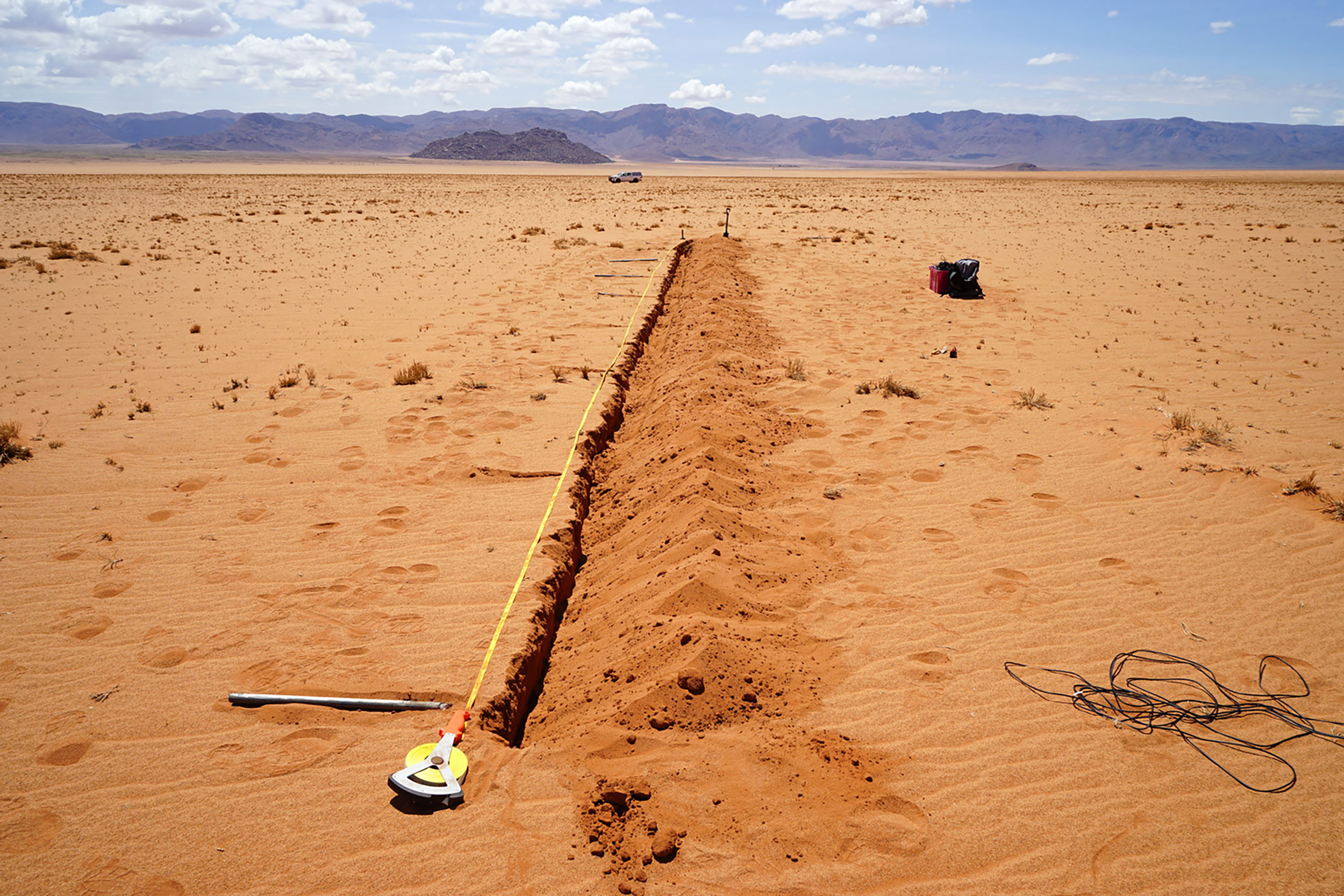
But in fact, there is no universally accepted definition of fairy circles, Guirado said. He and his coauthors identified potential fairy circles — gauging the size and shape of individual circles, as well as the patterns they formed collectively — by referencing guidelines established across multiple published studies. The metrics of those spatial patterns, in fairy circles old and new "are virtually the same", he said.

Of the new locations that were identified, some passed muster with Dr Fiona Walsh, who as part of an international team has investigated fairy circles in the Australian outback.

"Pattern distribution in Australia appears to be congruent with some of what we previously reported," said Walsh, an ethnoecologist at the University of Western Australia. Walsh was not involved in the new survey.

Fairy circles' mysterious origins

The study authors also compiled environmental data where circles were spotted, collecting evidence that might hint at what causes them to form.

The researchers determined that fairy circle-like patterns were most likely to occur in very dry, sandy soils that were high-alkaline and low in nitrogen.

The scientists also found the fairy circle-like patterns helped stabilise ecosystems, increasing an area's resistance to disturbances such as floods or extreme drought.
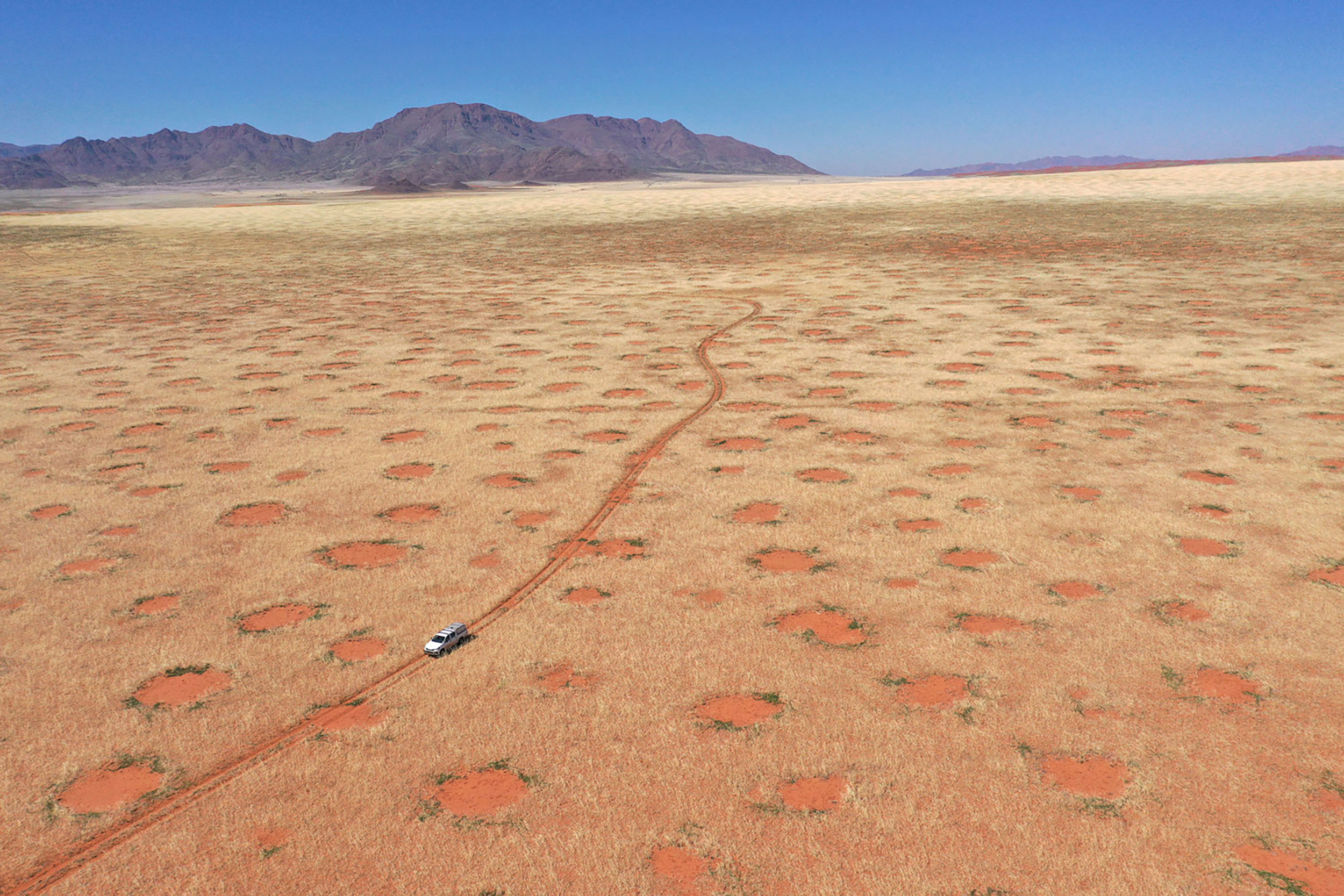
But the question "What shapes fairy circles?" is complex, and factors that create fairy circles may differ from site to site, the study authors reported.

Getzin previously wrote that certain climate conditions, along with self-organisation in plants, generated fairy circles in Namibia, and while insects such as termites take advantage of the dry patches, their activities don't directly produce the patterns, he said in the email.

Walsh, however, said that Australia's fairy circles are inextricably linked to termite activity. Their team's research, conducted in close collaboration with indigenous peoples, determined that in Western Australia and in the Northern Territory, termites are intrinsic to the functioning of fairy circles, called "linyji" in the Manyjilyjarra language, and "mingkirri" in the Warlpiri language, she told CNN in an email.

"Aboriginal people illustrated these patterns at least since the 1980s and said they knew of them for generations, probably millennia earlier," Walsh said.

"In Australia, termites do not simply 'play a role'," she added.

"They are the primary mechanism and interpretations need to be centred on termite-grass-soil-water dynamics."

Many questions about fairy circles have yet to be answered, and the authors of the new study are optimistic that their global atlas will open a new chapter in the study of these peculiar barren spots.

"We hope that the information we publish in the paper can provide scientists around the world with new areas of study that will solve new puzzles in the formation of fairy-circle patterns," Guirado said.
'Iconic' nearly 200-year-old English tree felled in middle of night

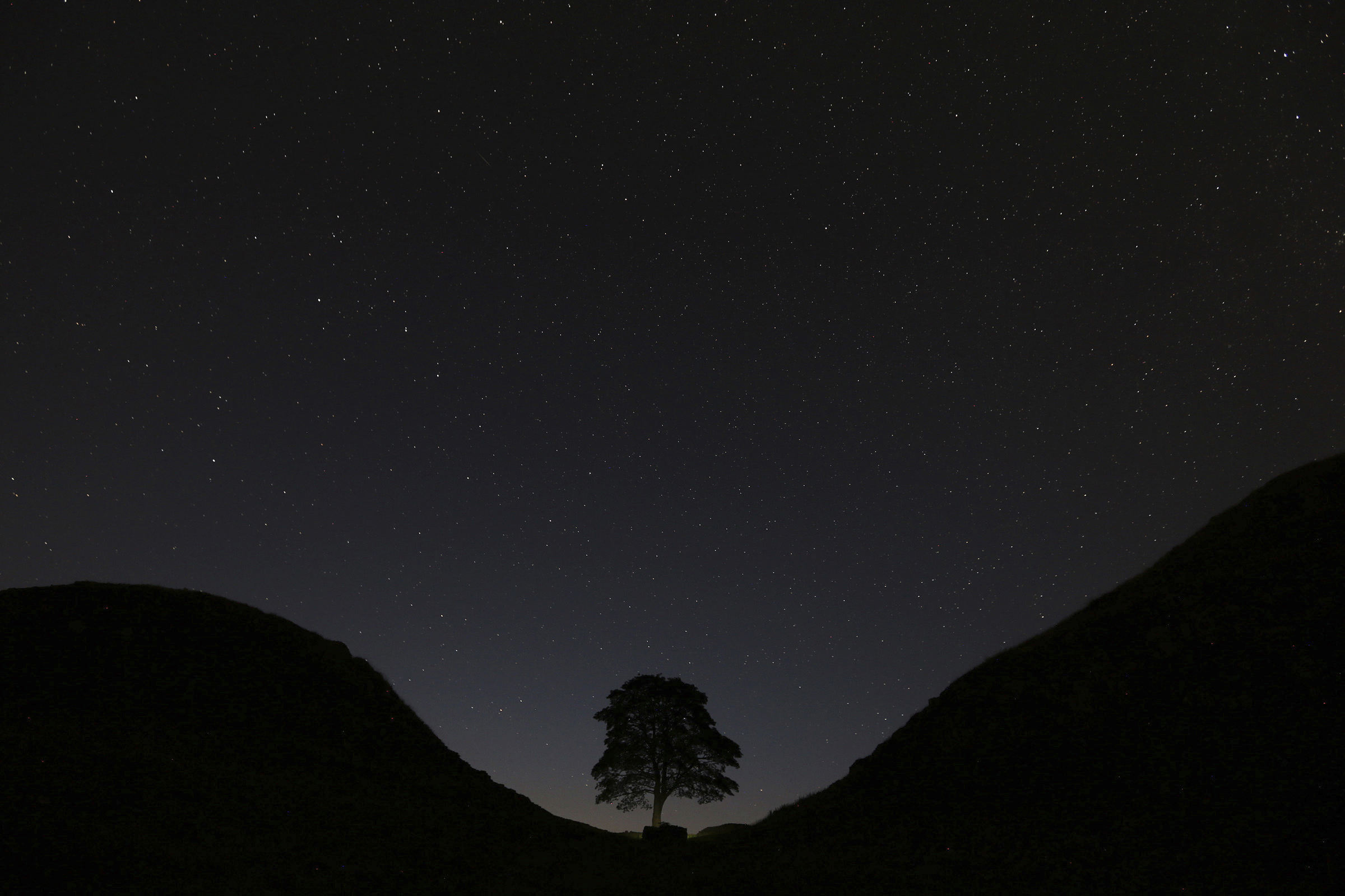
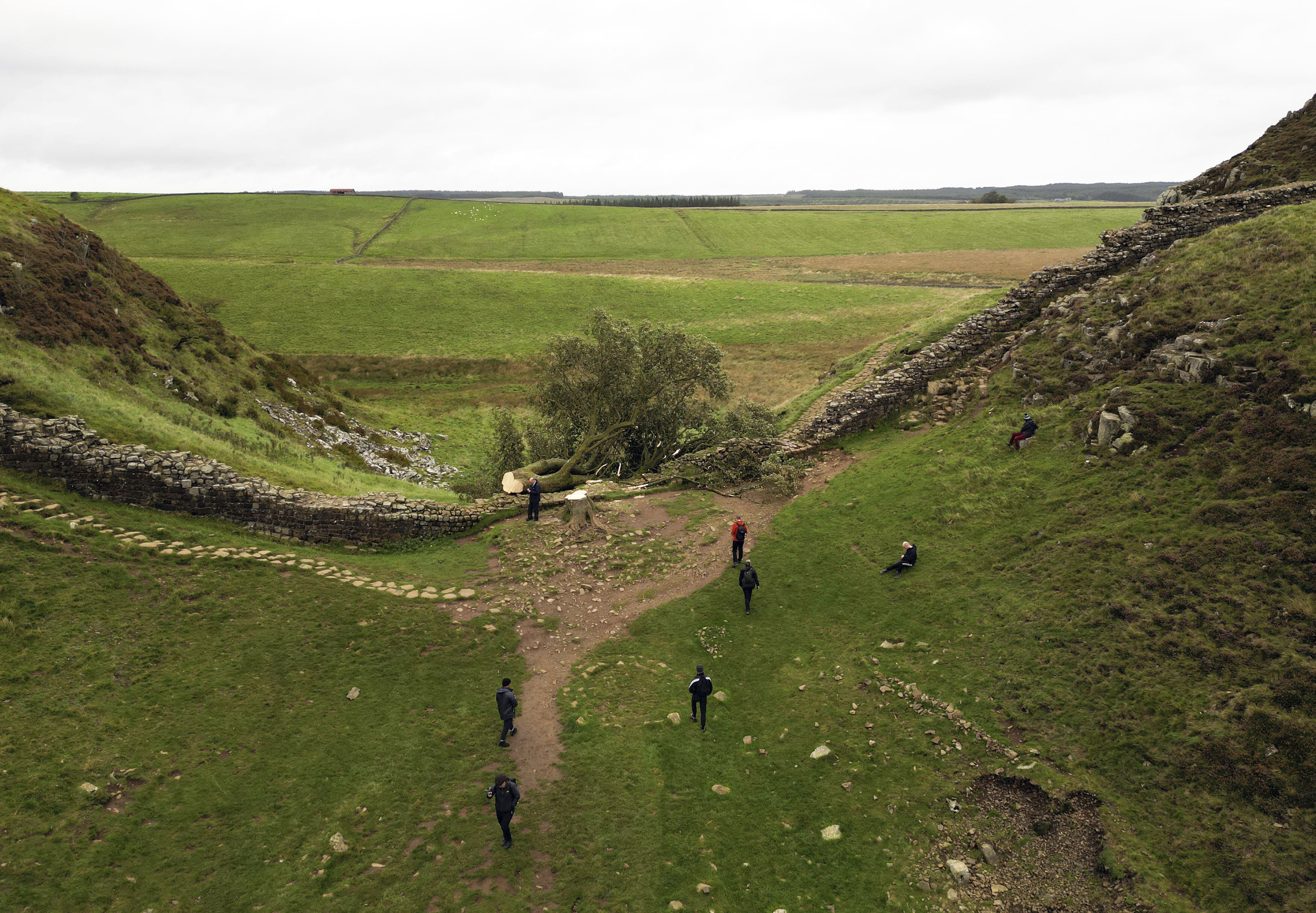
A 16-year-old boy has been arrested in northern England in connection with what authorities describe as the "deliberate" felling of a famous tree that had stood for nearly 200 years next to the Roman landmark Hadrian's Wall.

Thousands of visitors each year walk along Hadrian's Wall, a UNESCO World Heritage Site that guarded the Roman Empire's northwestern frontier.

Many have paused to admire and photograph the tree at Sycamore Gap, a beloved icon of the landscape that was made famous when it appeared in Kevin Costner's 1991 film Robin Hood: Prince Of Thieves.

READ MORE: Dumbledore actor Sir Michael Gambon dies aged 82

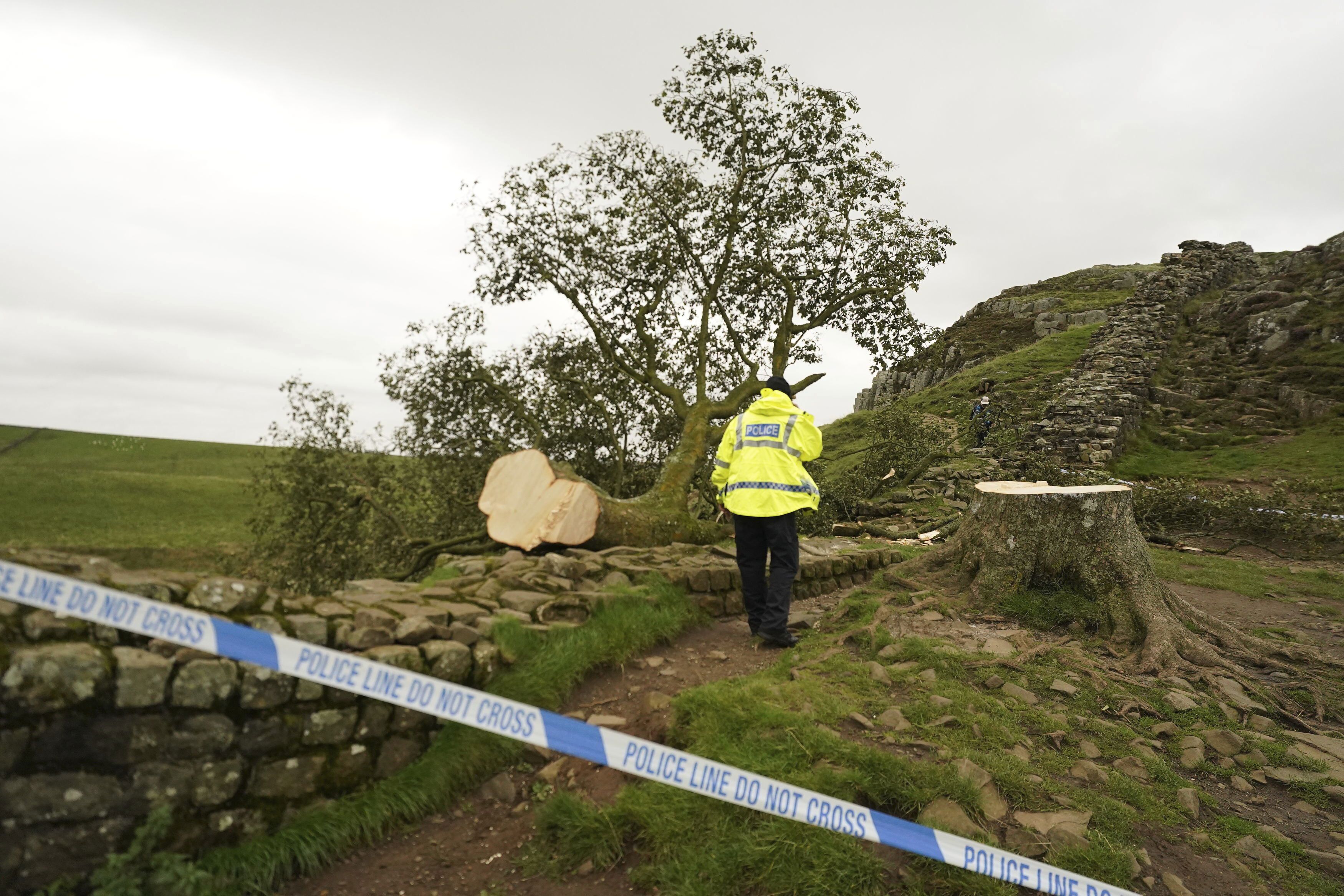
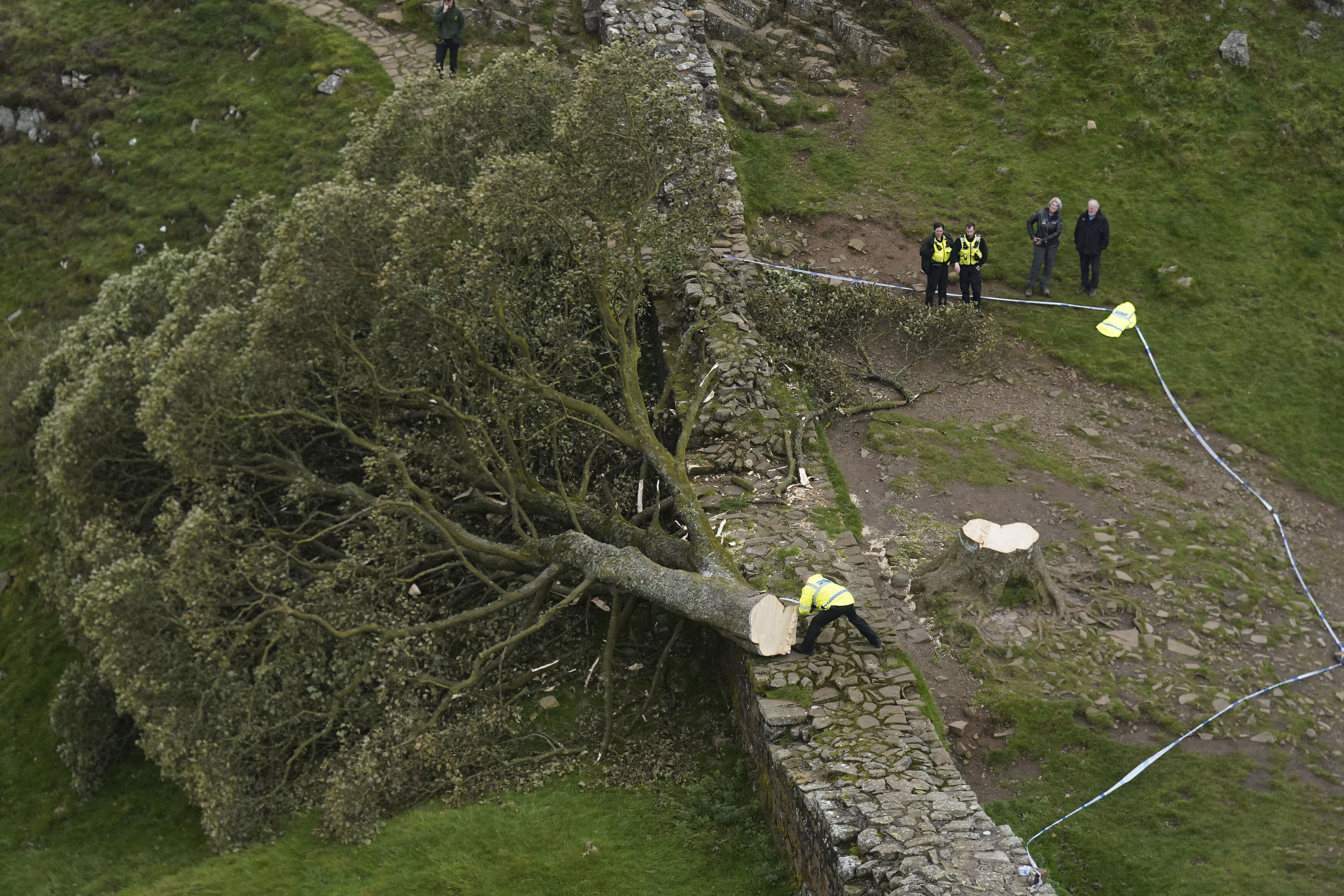
Photographs from the scene on early Thursday showed that the tree was cut down near the base of its trunk, with the rest of it lying on its side.

Northumbria Police said the teen was arrested on suspicion of causing criminal damage.

He was in police custody and assisting officers with their inquiries, the force said.

"The tree is a world-renowned landmark and the vandalism has caused understandable shock and anger throughout the local community and beyond," police said in a statement.

"This is an incredibly sad day," police superintendent Kevin Waring said.

"The tree was iconic to the North East and enjoyed by so many who live in or who have visited this region."

READ MORE: 'My whole world': Trio killed in 'confronting' crash

The Northumberland National Park authority asked the public not to visit the felled tree, which was voted English Tree of the Year in 2016.

Alison Hawkins, who was walking on the Hadrian's Wall path, was one of the first people who saw the damage early Thursday.

"It was a proper shock. It's basically the iconic picture that everyone wants to see," she said.

"You can forgive nature doing it but you can't forgive that."

US soldier set free from North Korea filmed in Texas

The American soldier who sprinted into North Korea across the heavily fortified border between the Koreas more than two months ago has arrived back in the United States, video appears to show.

North Korea abruptly announced on Wednesday that it would expel Private Travis King. His return was organised with the help of ally Sweden and rival China, according to the White House.

While officials have said King, 23, is in good health and the immediate focus will be on caring for him and reintegrating him into US society, his troubles are likely far from over.

READ MORE: Dumbledore actor Sir Michael Gambon dies aged 82

King, who had served in South Korea, ran into the North while on a civilian tour of a border village on July 18, becoming the first American confirmed to be detained in the isolated country in nearly five years.

At the time, he was supposed to be heading to Fort Bliss, Texas, following his release from prison in South Korea on an assault conviction.

He has been declared AWOL from the Army. In many cases, someone who is AWOL for more than a month can automatically be considered a deserter.

Punishment for going AWOL or desertion can vary, and it depends in part on whether the service member voluntarily returned or was apprehended. King's handover by the North Koreans makes that more complicated.

Video aired on Thursday by a Texas news station appeared to show King walking off a plane in San Antonio. Dressed in a dark top and pants, he could be seen speaking briefly with people waiting on the tarmac. He shook hands with one before being led into a building.

READ MORE: 'My whole world': Trio killed in 'confronting' crash

Emails seeking comment were sent to Lackland Air Force Base in Texas, the Air Force and the Army.

Officials earlier said he would be taken to Brooke Army Medical Centre at Fort Sam Houston. He is expected to undergo psychological assessments and debriefings, and he will also get a chance to meet with family.

He will be in military custody throughout the process since his legal situation is complicated.

Many questions remain about King's case, including why he fled in the first place and why the North — which has tense relations with Washington over Pyongyang's nuclear program, support for Russia's war in Ukraine and other issues — agreed to turn him over.

READ MORE: Embattled Chinese property giant's shares suspended from trading 

The White House has not addressed North Korean state media reports that King fled because of his dismay about racial discrimination and inequality in the military and US society.

The North's official Korean Central News Agency reported that King made such complaints but verifying that is impossible.

On Wednesday, Swedish officials took King to the Chinese border, where he was met by US Ambassador to China Nicholas Burns, the Swedish ambassador to China, and at least one US Defence Department official.

He was then flown to a US military base in South Korea before heading to the US.

His detention was relatively short by North Korean standards.

Men filmed hauling television on scooter in Sydney's Inner West

Two men on a scooter have been filmed hauling what appears to be a television in Sydney's Inner West.

The passenger clung to the flat screen while the driver navigated a corner along Addison Road in Marrickville.

The set-up caught the eye of the people in the car behind as the bike was driving east away from Livingstone Road.

READ MORE: Crane collapses at new Sydney Fish Market

Two men on a scooter have been filmed hauling what appears to be a television in Sydney's Inner West.

New South Wales Police is investigating the incident.

Unsecured loads have the potential to cause death or injury on the roads.

According to NSW law, loads must be restrained by an appropriate method in a way that does not make the vehicle unstable or unsafe.

Loads must also be secured in a way that makes them unlikely to fall or dislodge.

Overhanging and unsecured loads can attract a $439 fine and the loss of three demerit points.