Labour was savaged in several polls this week.
Tag Archives: oceania
Obituary: Peter Seymour Dalziel’s lasting legacy of passion and commitment to his community
Peter was an integral part of the Stratford community and will be greatly missed.
Former NZ First immigration minister Tuariki Delamere loses breach of contract appeal
Tuariki Delamere’s appeal against High Court order to pay disgruntled former client fails.
Election 2023: Act Party loses fifth candidate in two months after Brent Miles withdraws
Other candidates resigned after making controversial comments on COVID-19 vaccines.
Election 2023: Māori Party want to abolish prisons by 2040, separate tikanga justice system to address inequities
The incarceration rate for Māori is seven times that of non-Māori.
Plans to build charity hospital for Wellington region and offer free medical services
Hospital will aim to provide free medical services but is still in the planning stages.
Amazing snow conditions after heavy snowfalls
It wasn't enough to save a disappointing snow season, but Friday's heavy snowfalls sure made for some great photos on Saturday morning.
Around 15 to 20 centimetres of snow fell on Friday in the mountains of Victoria, New South Wales and Tasmania as a strong cold front on Friday moved through the region, bringing wild winds.
For the resorts that were already closed, it wasn't enough to get them back open, but at Australia's largest ski resort Perisher, conditions on the slopes improved dramatically, even if locals know the fresh snow will soon melt away.
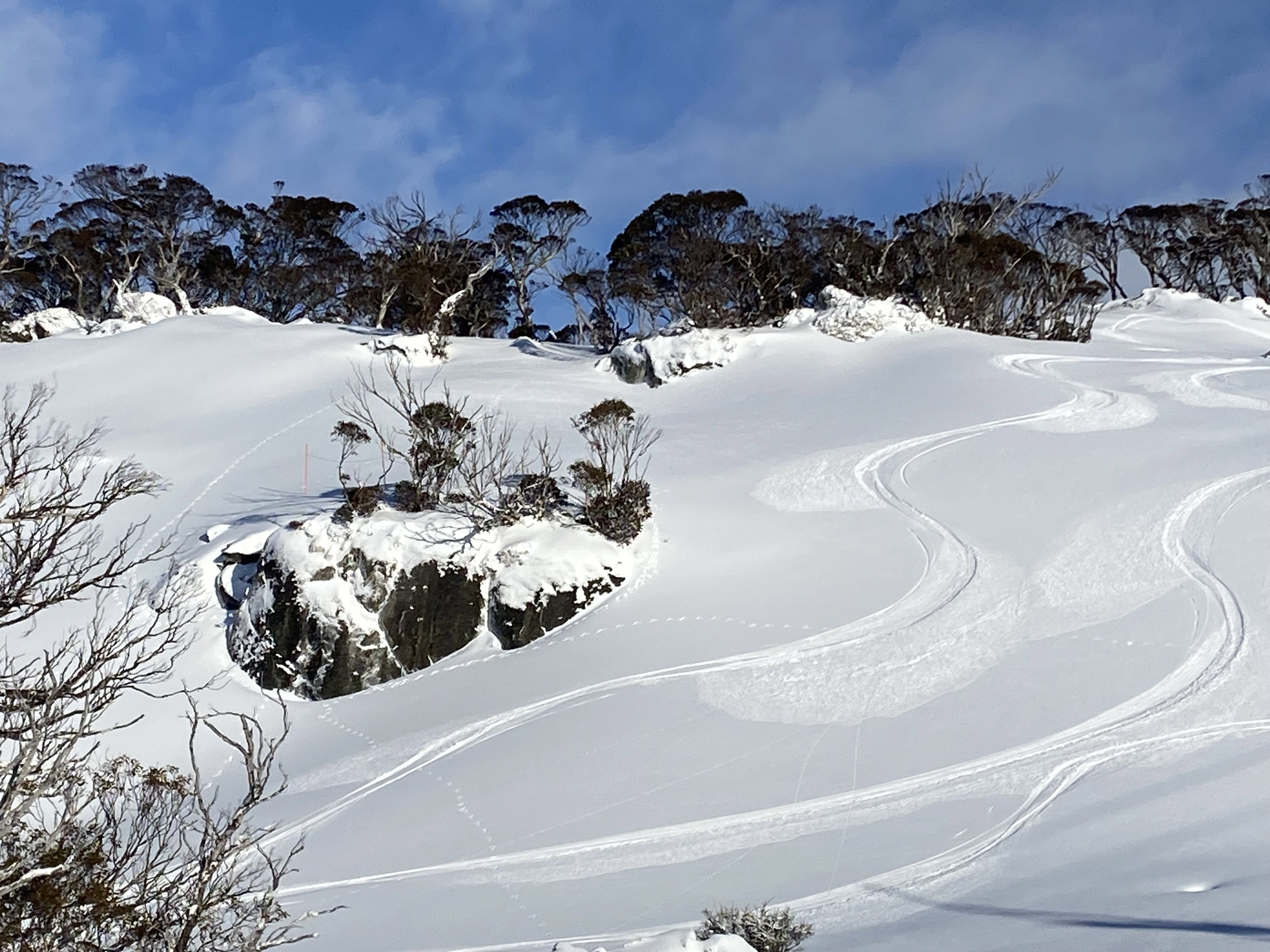
Perisher still has 20 lifts open, while nearby Thredbo has 10 open, with four lifts still running at Charlotte Pass.
In Victoria, Mt Buller, Falls Creek and Mt Hotham are all still open with limited runs due to rain earlier this week and the generally poor season.
But conditions are also greatly improved there on the runs have that managed to stay open thanks to Friday's snowfalls.
READ MORE: Aussie ski areas shut in one of the 'earliest ever closures'
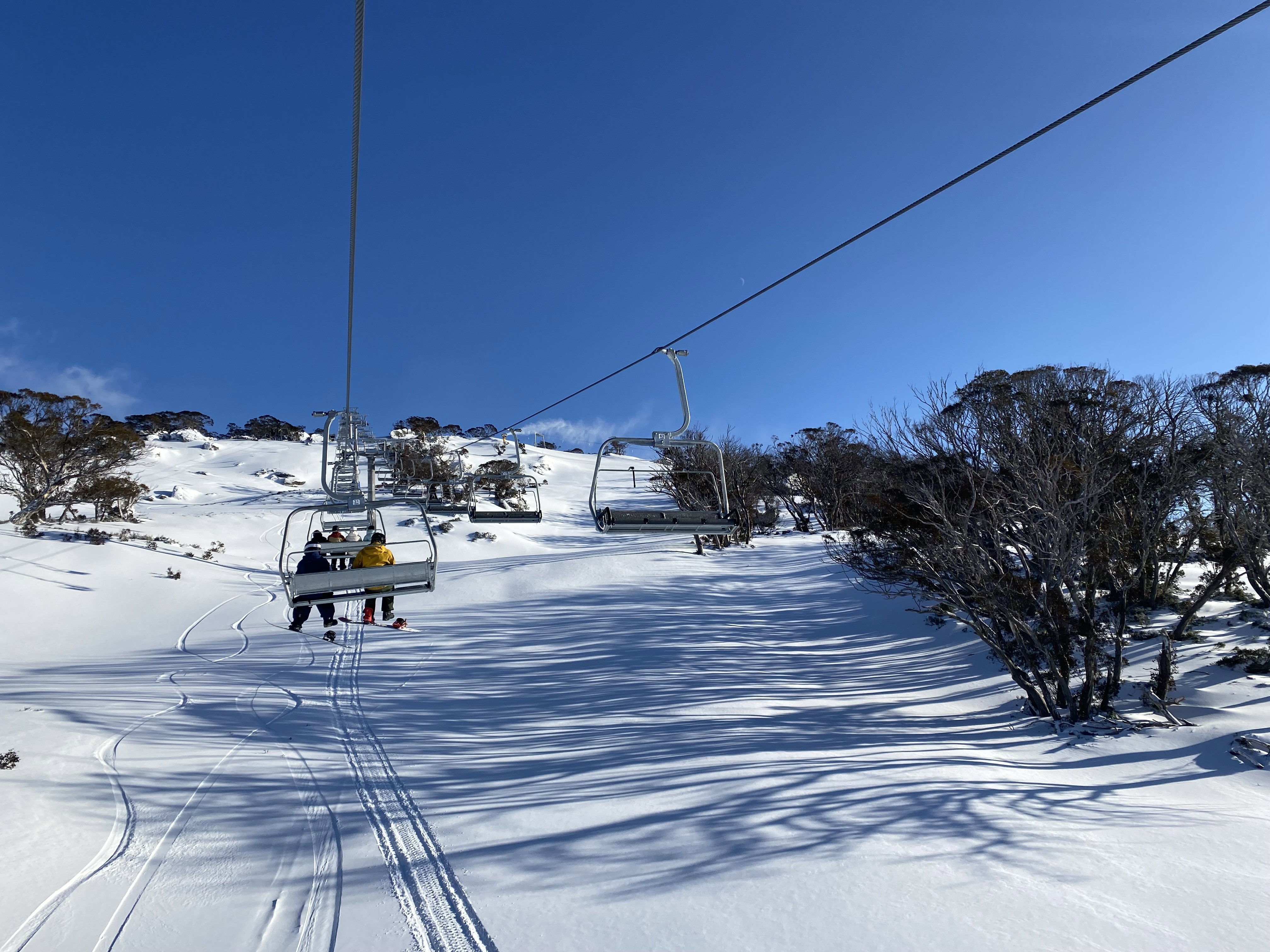
The snow season officially ends on the first weekend in October, however there is still no guarantee that most resorts will make it that far with their limited snow base.
Driver of fatal Bourke street crash was “ranting and uttering” when arrested
The man who allegedly ran over a group of pedestrians, killing one and injuring five others, was found standing on top of his car "ranting and uttering" before he was arrested, Victoria Police have said.
The 26-year-old driver of a white Toyota sedan turned left onto Bourke Street from Elizabeth Street and veered onto the right-hand side of the road, hitting a group of pedestrians, before accelerating and crashing into a Hyundai and a Mazda.
Investigators are still trying to determine if the incident was deliberate or reckless, Police Chief Commissioner Shane Patton said.
"He did make some comments which will be important for what that means for the investigation, and whether there was intention or not behind the incident," Patton said.
READ MORE: Hundreds wrongly hit with double demerits in seatbelt fine blunder

Three pedestrians, a 26-year-old man from Yarra South, a 23-year-old woman from China and a 35-year-old woman from Docklands, were struck by the Toyota at a tram stop on Swanston Street.
The 26-year-old man is suffering a suspected broken pelvis and head injuries. The 35-year-old woman has a broken arm and head injuries, while the 23-year-old woman is suffering from a neck fracture, broken pelvis and head injuries.
All three are in a serious but stable condition.
The 76-year-old driver of the Hyundai was killed whilst two people in the Mazda, which is believed to have been an Uber, were taken to hospital.
Two police officers who were nearby arrested the Toyota driver, who was standing on the roof of the car "ranting," Patton said.

He also confirmed that the incident has no terror links.
The driver has been deemed unfit for police interview following a mental health assessment and remains under police guard at the Royal Melbourne Hospital.
Premier Dan Andrews also offered his condolences and thanked the members of the public who rushed to assist those injured.
"I wanted to send out our deepest sympathies to the family of the 76-year-old man who has died in this incident," Andrews said while addressing the media.
"Can I [also] thank those many many Victorians who were on the scene who offered their hand or love or support."
Melbourne resident Joey Tam witnessed the collision as she was leaving her workplace on Bourke Street.
"I heard a lot of people screaming, […] I saw a body fly up and hit the ground," she told Weekend Today hosts Jayne Azzopardi and Clint Stanaway.
"I felt really helpless at the time because this has happened again, and you can't stop someone doing something silly on the streets."
"I feel unsafe as someone who works on Boukre Street, I cross that road every day."

Tam also witnessed the 2017 attack on Bourke Street Mall, which killed six and left 37 others injured when now-convicted murderer James Gargasoulas ran over dozens of pedestrians.
Areas between Bourke Street, Swanston Street and Exhibition Street remain closed.
Earlier, Ambulance Victoria said there had been five people injured; one was taken to the Royal Melbourne Hospital in a serious condition, two to the Alfred in a stable condition, and one to St Vincent's in a stable condition.
Man facing sexual assault charges for allegedly attacking three women
A New South Wales man will face charges in court today over allegedly sexually and physically assaulting several women.
The 34-year-old man was arrested at 6am on Friday in Penrith following reports of sexual violence against three women in Woodstock, Coffs Harbour and Sydney.
Police will allege that the man repeatedly sexually abused all three women while in relationships with them between 2016 and 2022.
READ MORE: Sexual predator jailed for 22 years for raping two teens
He was taken to Penrith Police Station where he was charged with 26 offences, including attempt to stalk/intimidate, common assault, sexual intercourse without consent, assault occasioning actual bodily harm, destroy or damage property and aggravated sexual assault inflicting actual bodily harm.
He was refused bail at Parramatta local court today.
Investigations are still underway.
This remains 'smallest country in the world' after adventurer claims fort abandoned
When it comes to David and Goliath stories, the tug of war between the tiny micronation of Sealand and Great Britain is tough to beat.
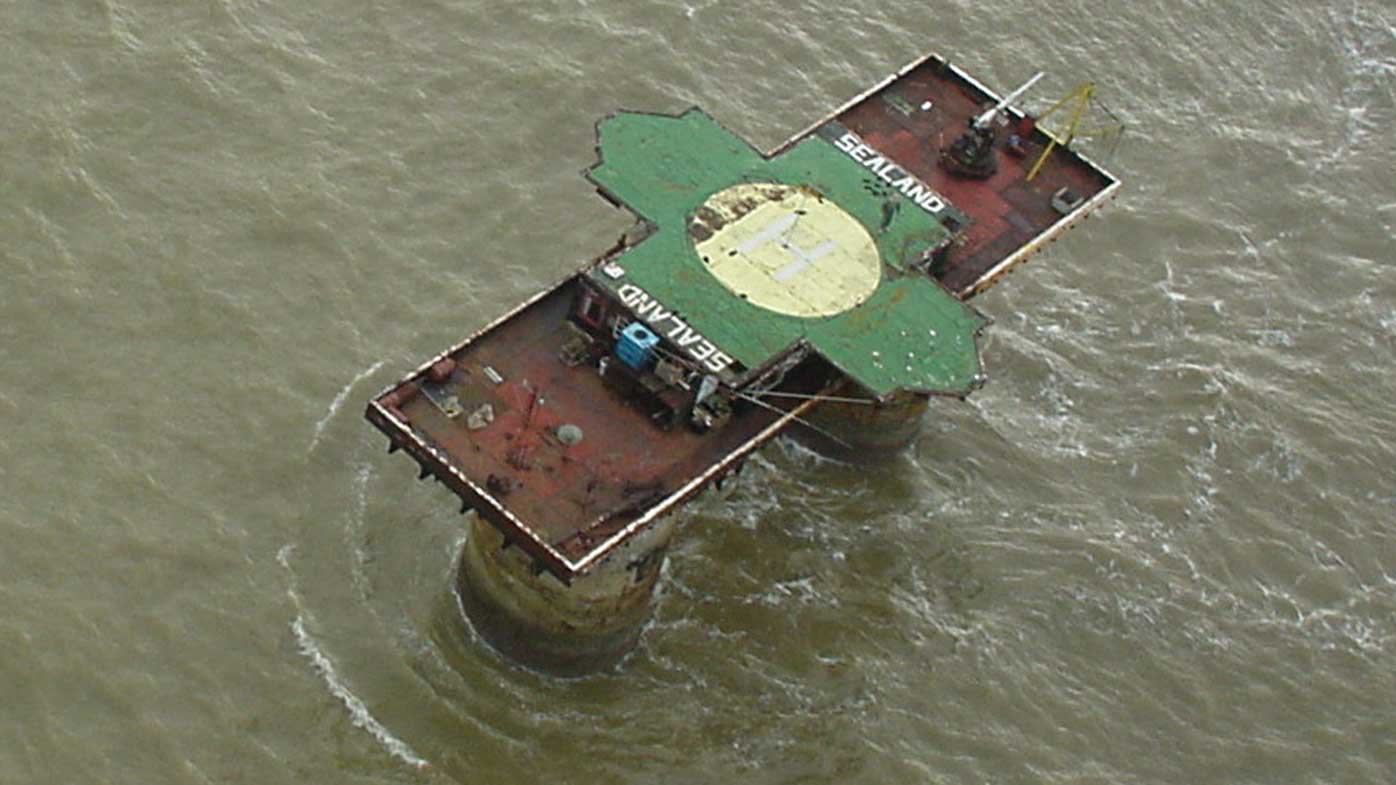
Measuring around the size of two tennis courts, and located in the North Sea about 12km east of Suffolk, the oddity of Sealand claims to be the world's smallest country.
Since 1966, the Principality of Sealand has somehow repelled the clutches of its powerful neighbour, England, whose mighty empire was built on the back of awesome naval power and once covered a quarter of the planet's land mass.
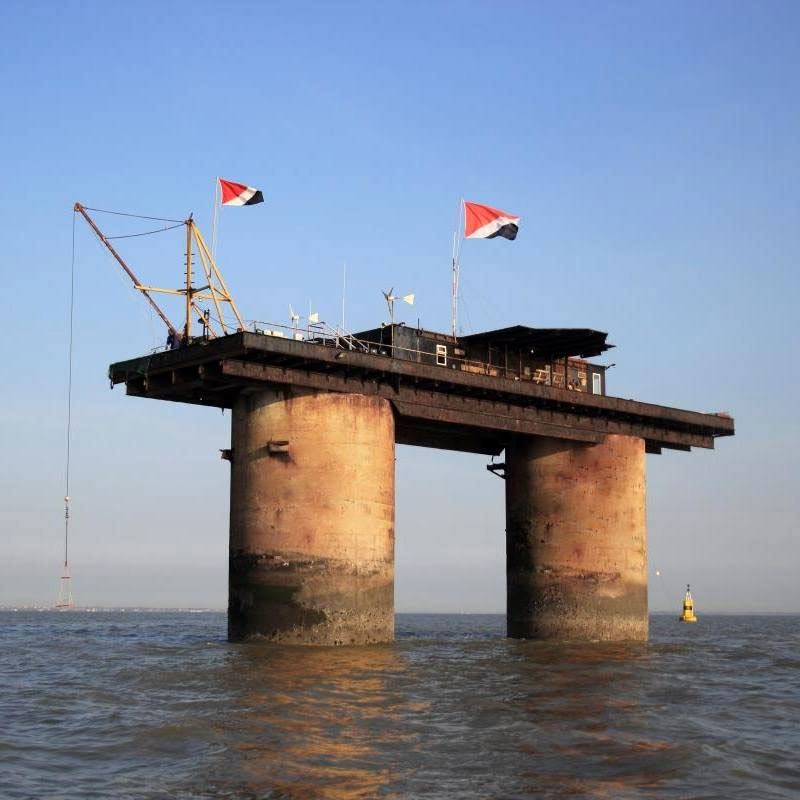
After former British army major Roy Bates planted his flag on an old World War II sea fort nearly six decades ago, which he then established as Sealand, the English never managed to get him off, no matter how hard they tried.
"It was definitely a cock a snook to the British government," Roy's son Michael Bates tells 9news.com.au, tipping his hat to a lesser known name given to the derisive hand gesture where someone holds their thumb to the tip of the nose and waggles their fingers.
"It symbolises freedom, doesn't it?" he says, reflecting on what Sealand, and its colourful history, represents.
Before Michael's now deceased father claimed it as sovereign territory and anointed it Sealand, the hulking two-legged steel platform was simply known as HM Fort Roughs.
Built in 1943 to repel the Germans in World War II, around 150 Royal Navy personnel occupied the fort throughout the war to help defend vital shipping lanes.
READ MORE: Inside North Korea's 'Hotel of Doom', the abandoned 330m oddity
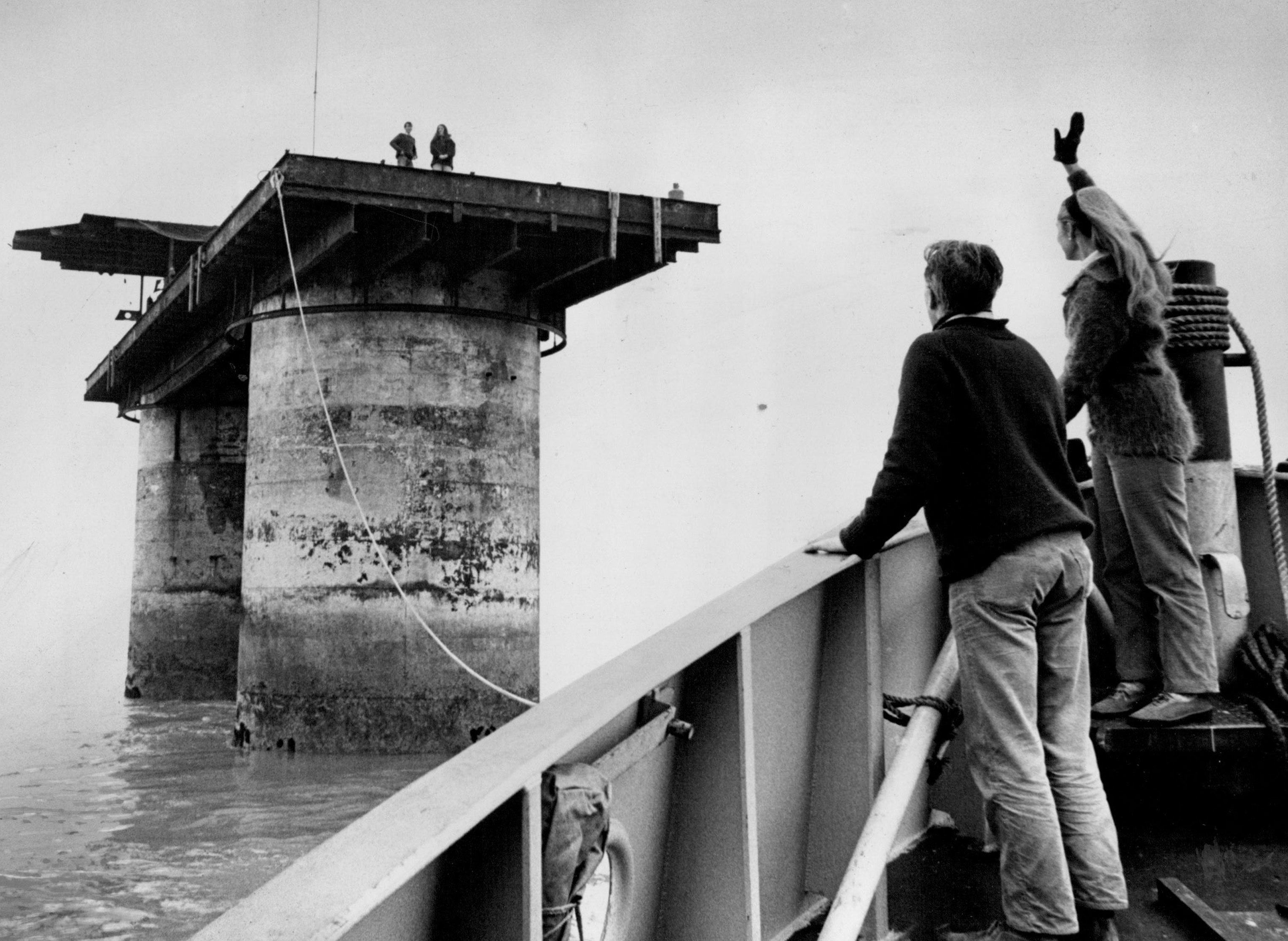
The last navy man left the structure in 1956, and government put the fort on the backburner, leaving it to sit isolated and empty in some of the most unforgiving seas and weather patterns on the planet.
With the fort abandoned in international waters, outside of Britain's then legal reach of three nautical miles, Bates hatched a plan.
He had a bee in his bonnet, because the government had not long before booted him off another war fort in the North Sea, one called Knock John.
From Knock John, the self-styled renegade Bates had been operating a pirate radio station called Radio Essex, taking on the BBC.
Pirate stations were on the rise, and the UK government wasn't happy about it. Tough new legislation was drafted and officials sought to shut down stations like Radio Essex.
READ MORE: Why the 'tallest tower in the world' has ground to an abrupt halt
Knock John's Achilles heel, for Bates, had been its location. It was positioned in waters inside British jurisdiction, while Fort Roughs was further out to sea.
The other problem for Bates was a rival pirate radio station, Radio Caroline, was already occupying Fort Roughs.
The details of the night have varied a little over the years, but the way Michael Bates tells it to 9news.com.au from his home in Essex, the action took place on a "freezing cold" Christmas Eve in 1966.
Michael, his father and a couple of radio DJs jumped on a boat and journeyed out to Fort Roughs, pulling up underneath the platform.
"There was a little piece of rope hanging down and one of the DJs could climb really well," Michael Bates recalls.
"He climbed up and put a rope ladder down and we all climbed up.
"There were actually a couple of guys from Radio Caroline, we didn't know they we're going to be there, on the fort at the time. And we just told them, 'We're going to be taking you ashore tomorrow'.
"The world was a bit like that in those days, you know?"
READ MORE: The secretive oil-rich emirate where Russia's oligarchs are fleeing
https://www.instagram.com/p/Bm0Micughsg/?utm_source=ig_embed&
The fort has been in Bates family hands since. But not without drama.
Over the next decade, Sealand battled to survive and protect its sovereignty in a string of incidents which only added to the intrigue and legend of the manmade island.
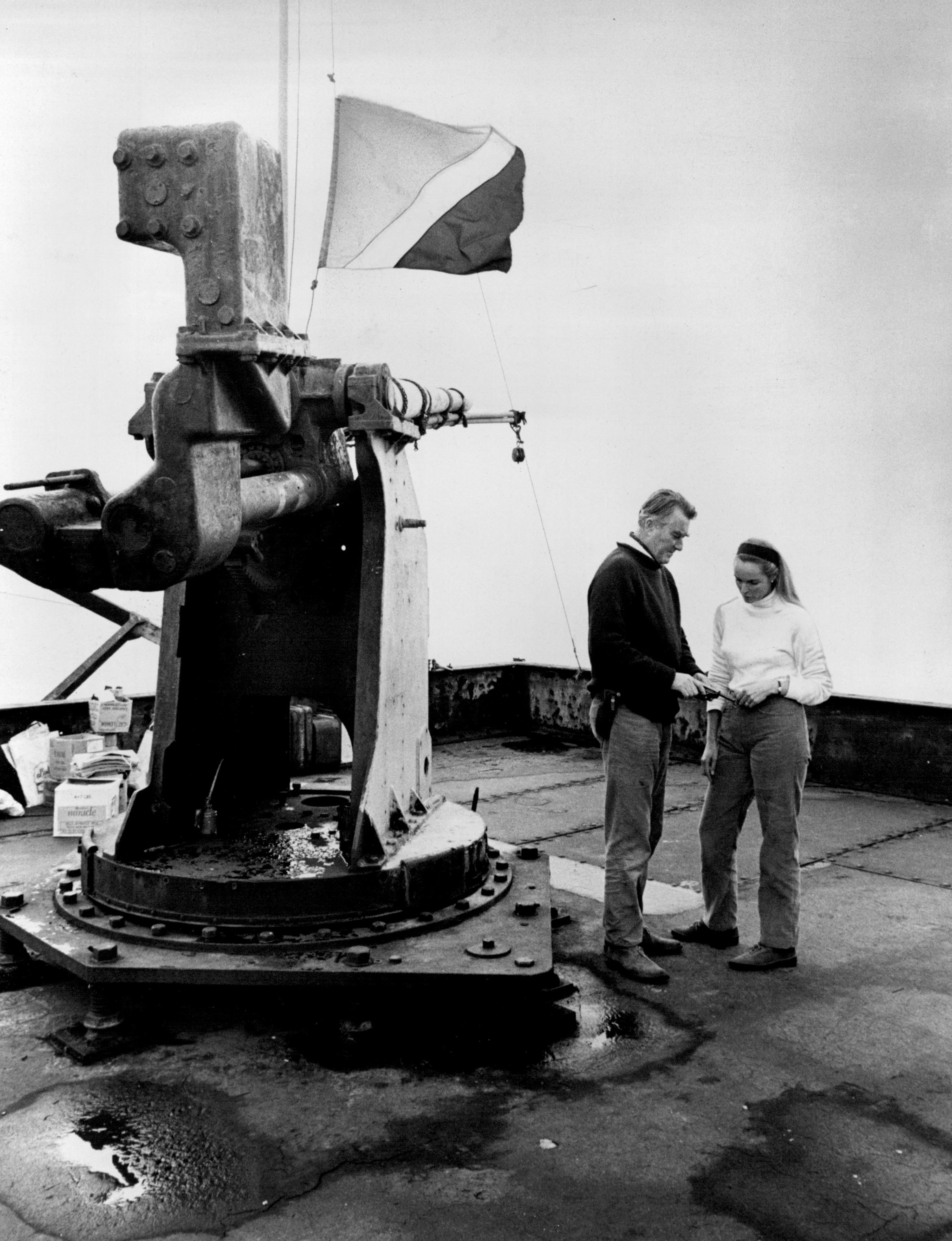
When the British navy sent a boat close by, Michael Bates fired a series of warning shots at it. That scrape ended with the long arm of the law hauling Roy and Michael before a court in England.
But a judge threw out the case, ruling Sealand was outside British territorial waters and therefore beyond the jurisdiction of the court.
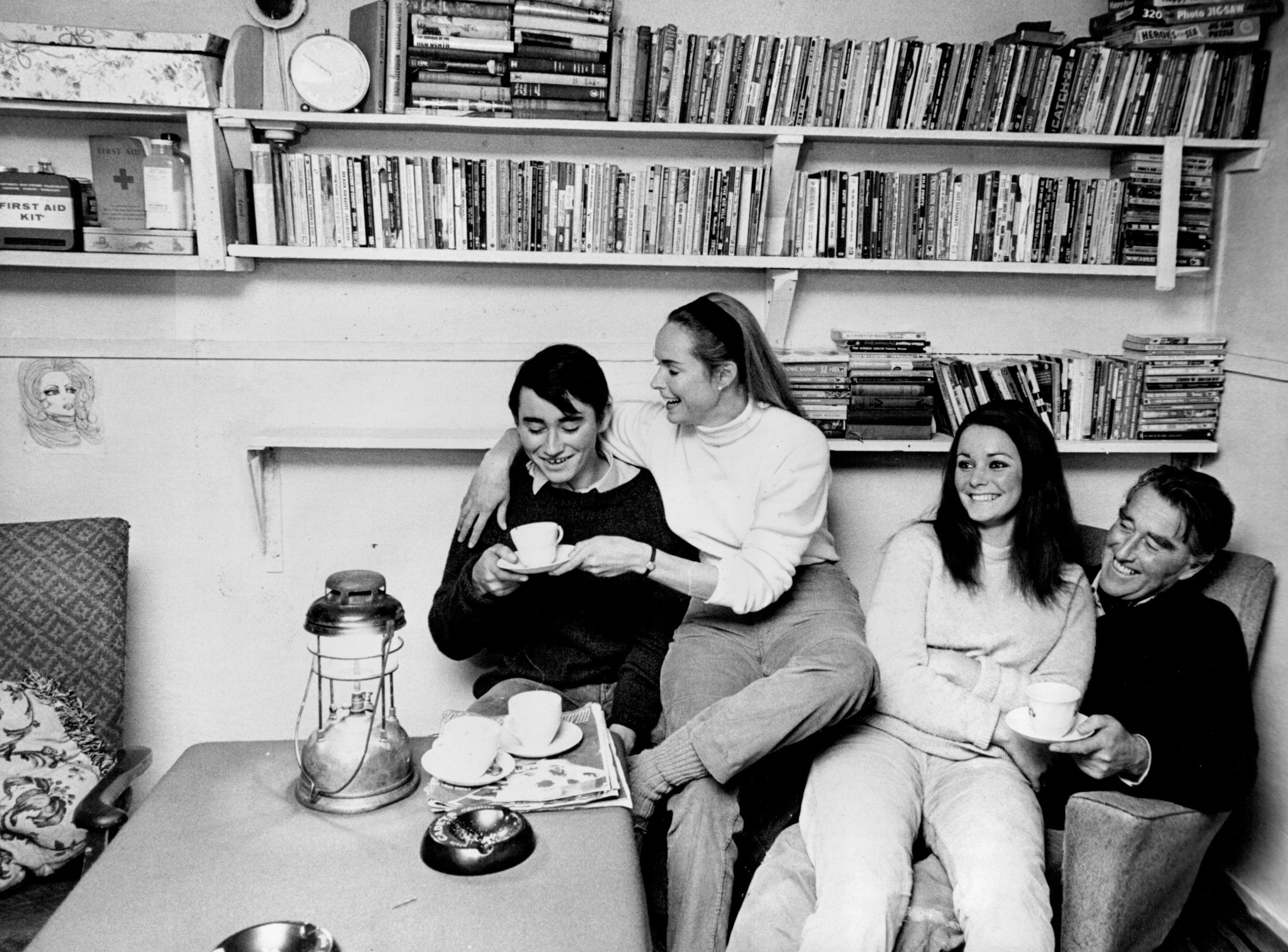
The Bates' seized on the ruling, insisting it effectively recognised Sealand as its own state. And for the past 60 years, the Bates family has run Sealand as if it were a real country, even though it's never been officially recognised as such.
"My dad was a born adventurer," Michael Bates says. In summing up, Bates claimed the judge had said his father should have been born in the Elizabethan era, "you know, like in the days of Francis Drake".
After the court case, Bates senior went all in.
He created a Sealand flag, a national anthem and a motto – E mare libertas, which translates into: "From The Sea, Freedom".
There are Sealand coins and stamps. The principality has its own constitution, and currency, Sealand dollars, pegged to the US dollar. It even has its own national football team. Arriving at Sealand, your passport must be stamped, and your person may be searched.
The twin supporting towers which hold up the platform, and make Sealand a place to live, are divided into seven floors of bedrooms, living rooms and kitchens, and even a chapel and jail cell.
"When you're inside, it's nice and warm and it's fine," Bates says.
"You can hear the sea gurgling around you. You hear ships go past like those old war submarine films where they're all sitting there, waiting for the depth charges to land, and you hear the propellers of the destroyer going 'ding ding ding ding' as it runs by you.
"You hear all that."
Wild storms are an exhilarating experience, and unnerving for the uninitiated.
"Luckily it's built in a fashion that the seas roll around it," Bates says.
"But you get the odd bastard (wave) now and again that will run up the tower and slap underneath, when there's like a Force 12 storm."
There's been more than just the weather to worry about.
In 1978, an attempted coup by a group of German and Dutch mercenaries drew the attention of the BBC and The New York Times, with The Times calling it "the smallest coup d'etat in history".
READ MORE: The $50 billion airline set to shake up global travel
The way Michael Bates tells it, he was the only one on the fort at the time. The would-be invaders flew in by helicopter and dropped down onto the fort, holding him captive for several days. He was marshalled onto a fishing trawler and put ashore in the Netherlands.
"Unfortunately they seem to have not really read their history about my father and my family," Bates says, matter of factly.
"So they didn't quite do the right thing."
After making his way back to the UK, the Bates clan launched their own armed counter offensive, flying back on a helicopter and retaking Sealand.
"We were sliding down ropes out of a helicopter, and we were 100 foot above the North Sea," Bates recalls.
"It was blowing a gale of wind, really rough, and we never even considered wearing large jackets. It's crazy when you look back."
Things are more serene these days.
After the turn of the millennium, Bates briefly flirted with the idea of setting up Sealand as the world's first truly offshore data storage platform, away from regular government and regulations.
But that initiative quickly fizzled out.
Now, the principality's website offers people the chance to purchase Sealandic titles, ranging from Lord or Lady, to a Duke or Duchess.
"They gave it a lifespan of 200 years when they built it," Bates says, when asked what the future holds.
"My sons are running it all now. I've got three grandsons.
"I'm sure we'll just carry on."