He used a sim-swapping scheme and phishing email to get the man’s banking information.
Tag Archives: oceania
Inquiry into fatal police shooting of Kaoss Price completed – shooting was ‘legally justified’
Kaoss Price died after being shot by a police officer in Taranaki last year.
Rugby World Cup 2023: All Blacks announced in Napier, Retallick still sole Hawke’s Bay rep in France
About 1000 All Blacks fans descended on the team announcement in Napier.
Lehrmann inquiry makes 'serious' misconduct findings against top prosecutor
The inquiry into the criminal justice system's handling of Bruce Lehrmann's prosecution for the alleged rape of Brittany Higgins has been handed down.
The probe, headed by Walter Sofronoff KC, was released by the ACT government on Monday after extensive leaks to the media last week.
The report was scathing of the handling of the case by former Director of Public Prosecutions Shane Drumgold, who has since resigned.
READ MORE: Dad and five children killed in 'suspicious' house fire near Brisbane
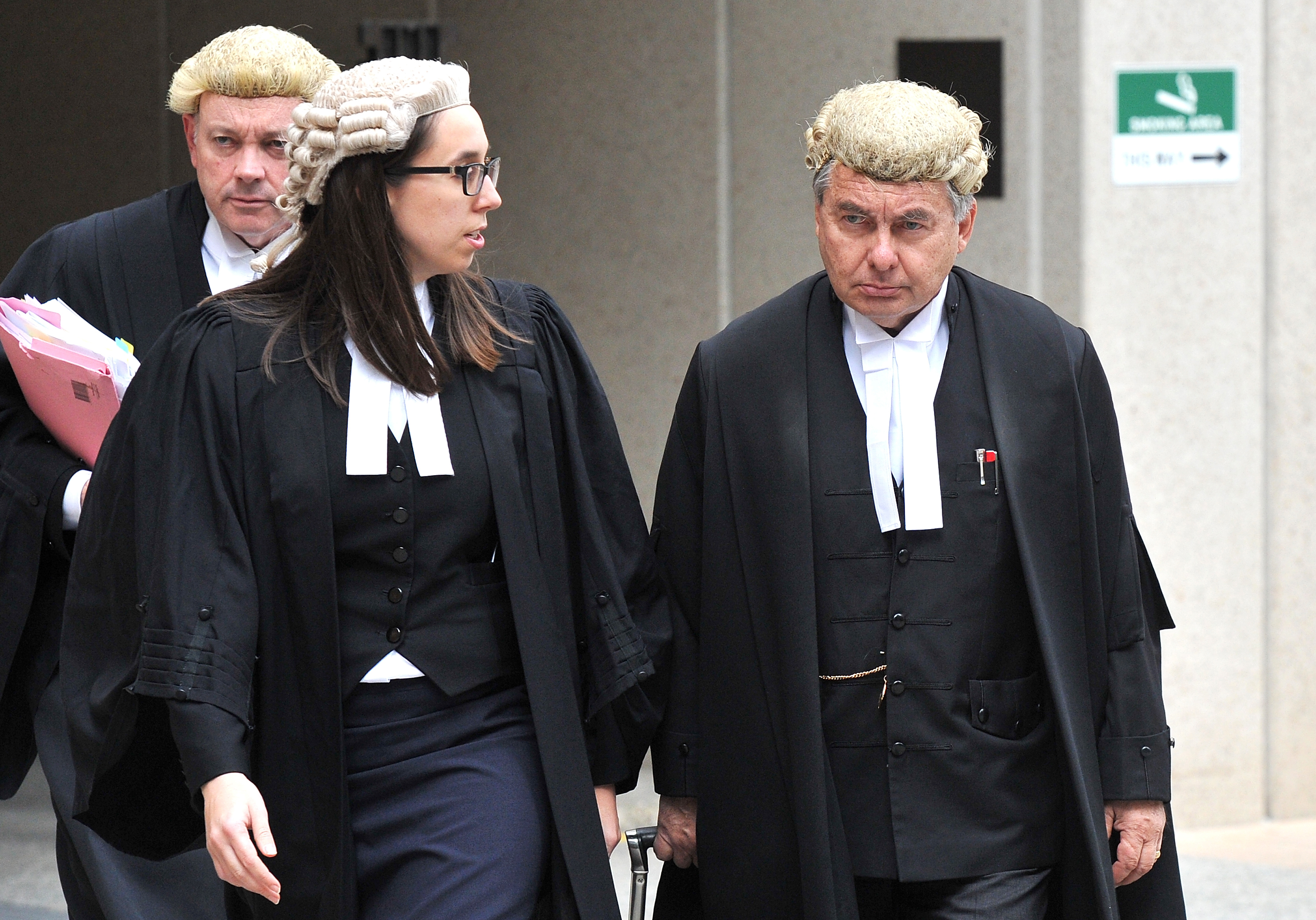
It found several "serious findings" against Drumgold, including that he breached his duty of conduct and at times "lost objectivity and did not act with fairness and detachment" during the trial.
One of the most damning findings was Sofronoff's belief Drumgold "deliberately advanced a false claim of legal professional privilege" and "misled the court" during the case.
This refers to when Drumgold tried to stop the defence from obtaining Detective Superintendent Scott Moller's report on the case – which reportedly found inconsistencies in Higgins' evidence – by creating a non-disclosure affidavit to protect the document.

Drumgold reportedly directed a junior lawyer in his office to make this "misleading" affidavit.
"Drumgold constructed a false narrative to support a claim of legal professional privilege," Sofronoff said.
"He egregiously abused his authority and betrayed the trust of his young staff member to whom he owed a duty to be a mentor and role model."
The report's 10 recommendations
The damning report features nearly 200 pages of findings and 600 pages of appendices but makes the following recommendations:
- The Office of the Director of Public Prosecutions should formulate a policy to "define the threshold to charge" for police officers considering a case.
- To amend the language used in the Victims of Crime Act to include different language to identify the status of an investigation like "when police decide to charge a person with an offence" instead of "a person being charged".
- How counselling notes should be stored by police and when these notes can be disclosed.
- To devise a more consistent approach in compiling briefs of evidence and provide refresher training to all officers on this.
- Whether disclosing protected confidences (counselling communications made in confidence by a victim of sexual assault) should be banned at certain stages of the criminal process, whether people should be banned from reading protected confidence including if they have been given lawful access without the court's permission.
- Modifying disclosure certificates, train Australian Federal Police employees on how to describe material in these certificates, create an easy system to determine and clarify what material falls into the certificate and training on how to best prepare these documents.
- Protocols be formed to "affirm the desirability" of police witnesses being available to legal representatives for a defendant.
- To enact legislation to codify the scope and content of disclosures owned by the prosecution in criminal proceedings.
- Updating the Prosecution Policy to provide a process for recording retrial decisions.
- To review the Collaborative Agreement to include a complaints mechanism against the Office of Director of Public Prosecution and ACT Police.
ACT government supports eight of the ten recommendations in full, condemns early leak
The ACT government said it supports the 10 recommendations made by Sofronoff and agrees with eight of them and two in principle pending further consultation.
"The recommendations contained in the Report offer a pathway forward for the ACT criminal justice system and will further strengthen community confidence in the institutions that support a fair and just system for Canberrans," the government said in a statement.
READ MORE: Schoolgirl killer jailed for at least 24 years
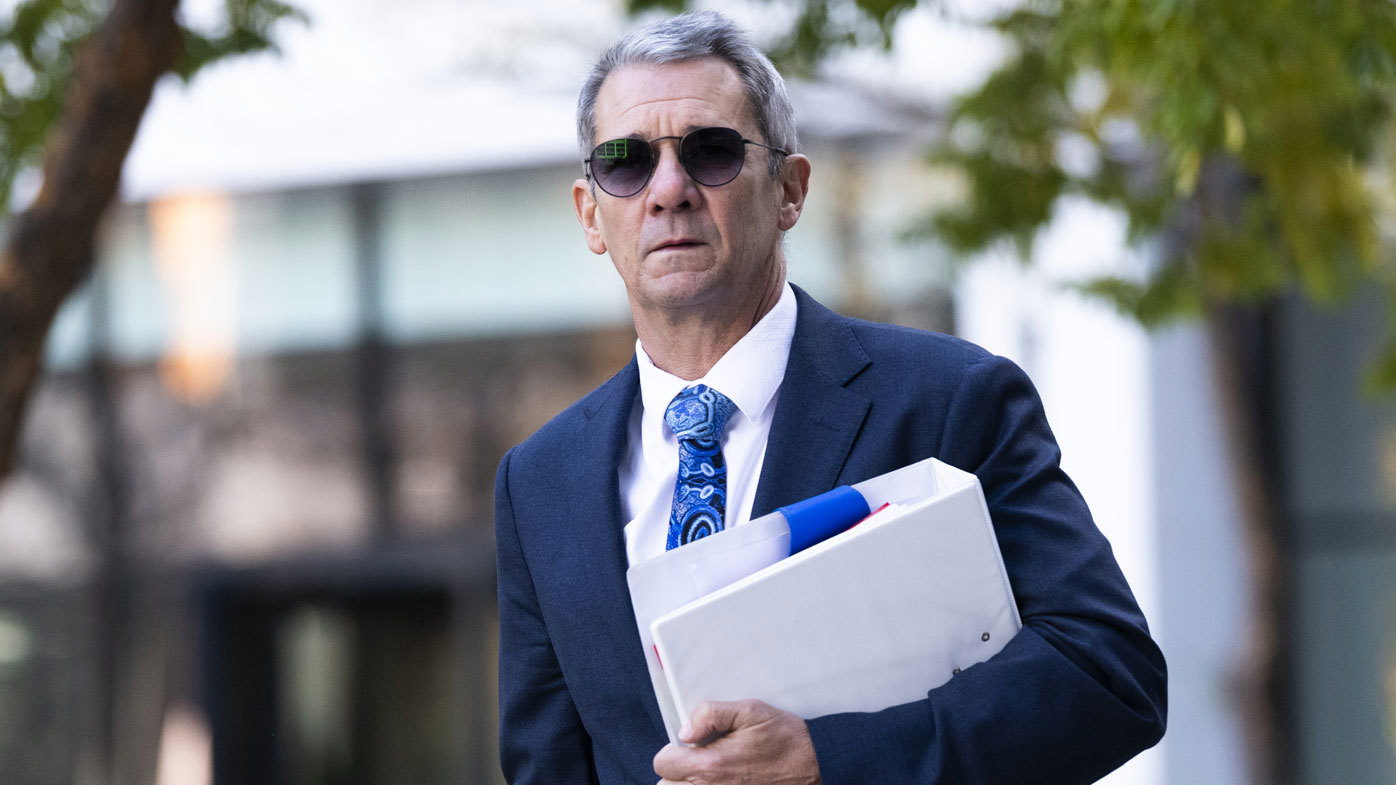
In response to the scathing findings against Drumgold, the government acknowledged his resignation and said a review was conducted into 18 criminal cases he handled since being appointed as DPP.
"This examination has found that Mr Drumgold's practice whilst DPP was appellate, meaning that the facts and evidence had already been determined and what was in issue was the findings or sentence based on those facts," the government said.
The government is also considering whether charges should be laid against Drumgold.
The government has condemned Sofronoff's decision to leak the report to media outlets ahead of its formal release.
"The release of the Report, which was not communicated to or approved by the Government, and possible other communication with journalists through the Board of Inquiry process, has interfered with the due process that should have been afforded to impacted parties," the government said.
"The Government is extremely disappointed that this occurred."
It is investigating whether further action is required if the leak was a breach of the Inquiries Act.
READ MORE: How sea drones are helping Ukraine fight back in the Black Sea

Why was there an inquiry?
The inquiry was established to investigate the criminal handling of Lehrmann's prosecution over the alleged rape of Higgins.
Higgins alleged Lehrmann raped her in Parliament House in 2019.
Lehrmann has always strongly denied this allegation.
The trial ended in a mistrial due to juror misconduct and Drumgold decided against a second trial due to the impact on Higgins' health.
The inquiry was launched, in part, due to allegations from Drumgold that police had pressured him not to prosecute.
Crisis support is available from Lifeline on 13 11 14.
Support is available from the National Sexual Assault, Domestic Family Violence Counselling Service at 1800RESPECT (1800 737 732).
Hawke’s Bay whitebaiting ban extended less than a month out from season
A whitebait ban is in place – and a stalwart is not happy with the timing.
Aussie scouts leave world competition as typhoon looms
Aussie teens competing at the event dubbed the "Olympics for scouts" might have survived the severe heatwave but have been forced to leave as a typhoon bears down on South Korea.
The World Scout Jamboree hosts 158 countries and 43,000 teens who participate in 10 days of camping and other activities.
But a severe heatwave and bad flooding caused a nightmare for participants with hundreds treated for heat-related ailments, even causing the US and UK teams to pull out.
READ MORE: Dad and five children killed in 'suspicious' house fire near Brisbane
The Australians have stuck it out through the severe heatwave.
"We're used to (the heat)," Australia's deputy contingent leader Lloyd Nurthen told 2GB's Deb Knight.
"Fundamentally being prepared isn't just about having the right gear, it's really about adapting and facing challenges face-on.
"Us Aussies have faced this weather head-on."
In the spirit of preparedness, Nurthen praised Australians for wearing their Akubras and sun-safe koala hats when other children weren't so prepared for the severe heat.
"Some kids don't have hats on which is a shame but the Aussies are prepared," he said.
But Typhoon Khanun is a challenge the Australian team won't be facing head-on, as it careens towards South Korea.
READ MORE: Sisters among three who died from deadly mushroom lunch in Victoria

The typhoon has already brought winds of 126km/h and 30cm of rain to Japan.
It left hundreds of thousands of homes without power, damaged properties and left dozens of people injured.
Nurthen said although the jamboree site isn't directly in the firing line of the typhoon, it will cause severe winds.
"We're heading to Seoul, we'll be offsite by Wednesday afternoon. Similar to the UK and US contingents," he said.
"We can cope with the heat very well but a typhoon is a different thing to deal with."
READ MORE: US woman charged with trying to kill husband by poisoning coffee
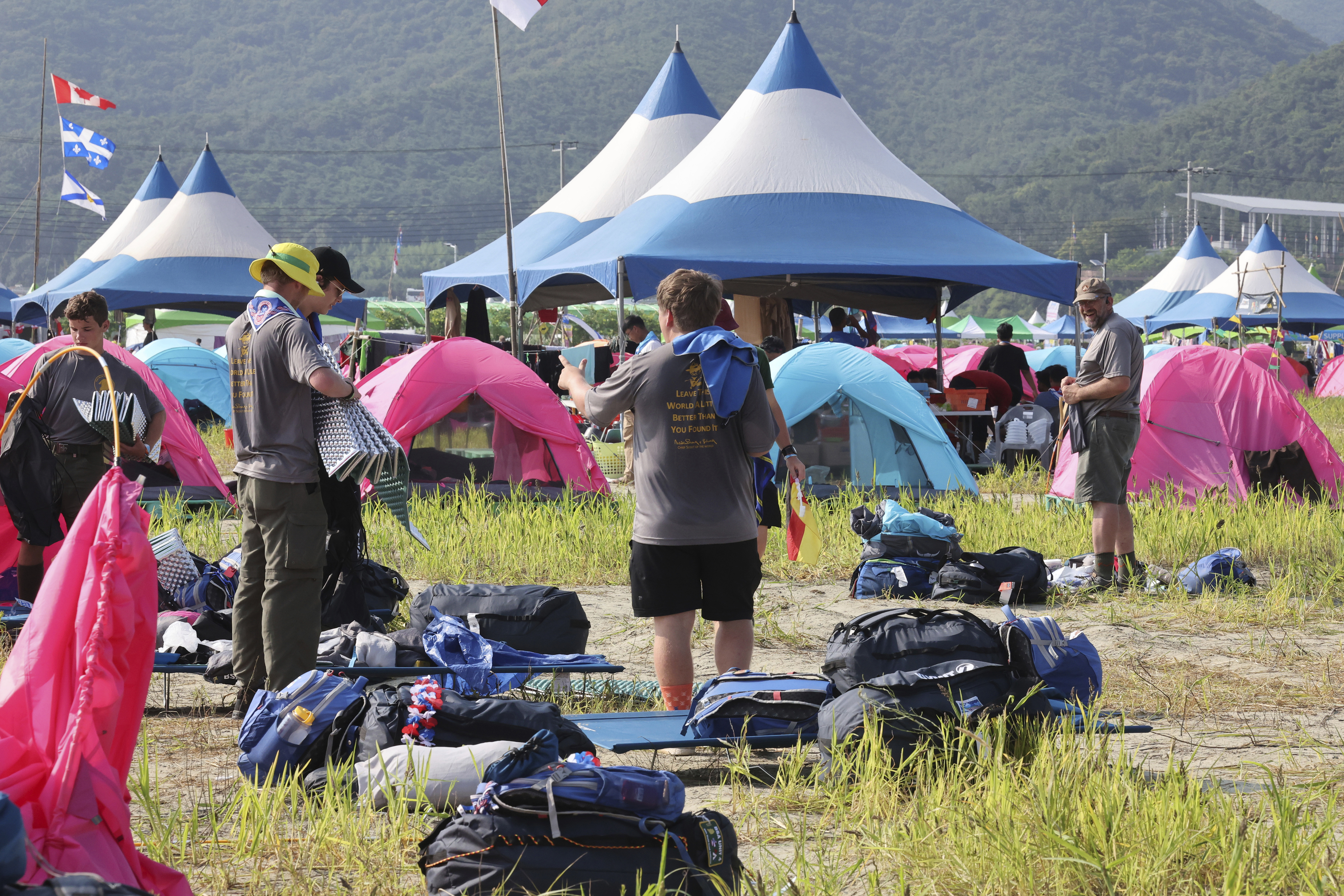
As the event battles a series of extreme weather events, the World Organisation of the Scout Movement asked South Korean organisers to consider ending the event early.
Prime Minister Han Duck-soo said earlier the government is determined to have the event continue until August 12 as the country recorded its hottest summer in years with temperatures reaching close to 40 degrees.
He promised more medical staff, air-conditioned vehicles and structures that provide shade.
Local news reported thousands of scouts had fallen sick as a result of the heatwave.
But it is unclear whether the event will continue as the typhoon is forecast to hit in several days.
Sign up here to receive our daily newsletters and breaking news alerts, sent straight to your inbox.
Auckland ratepayers shell out $2m on big accountancy firms in city’s long-running stadium drama
Sports supremo Raelene Castle has been brought in to break the deadlock.
Researchers find way to avoid sleep apnoea machine
Researchers claim they have developed a way for thousands of Aussies with sleep apnoea to avoid wearing a breathing machine while they sleep.
Adelaide-based Professor Danny Eckert said a combination of therapies they experimented with got "impressive results" among patients who cannot tolerate the often cumbersome Continuous Positive Airway Pressure (CPAP) machine.
CPAP machines deliver constant air pressure through a mask or nose piece to help people breathe while they sleep, but common problems with the device include noise, discomfort, stuffy nose or dry mouth.
READ MORE: Victorian community grieving after three people die from mushroom poisoning at lunch
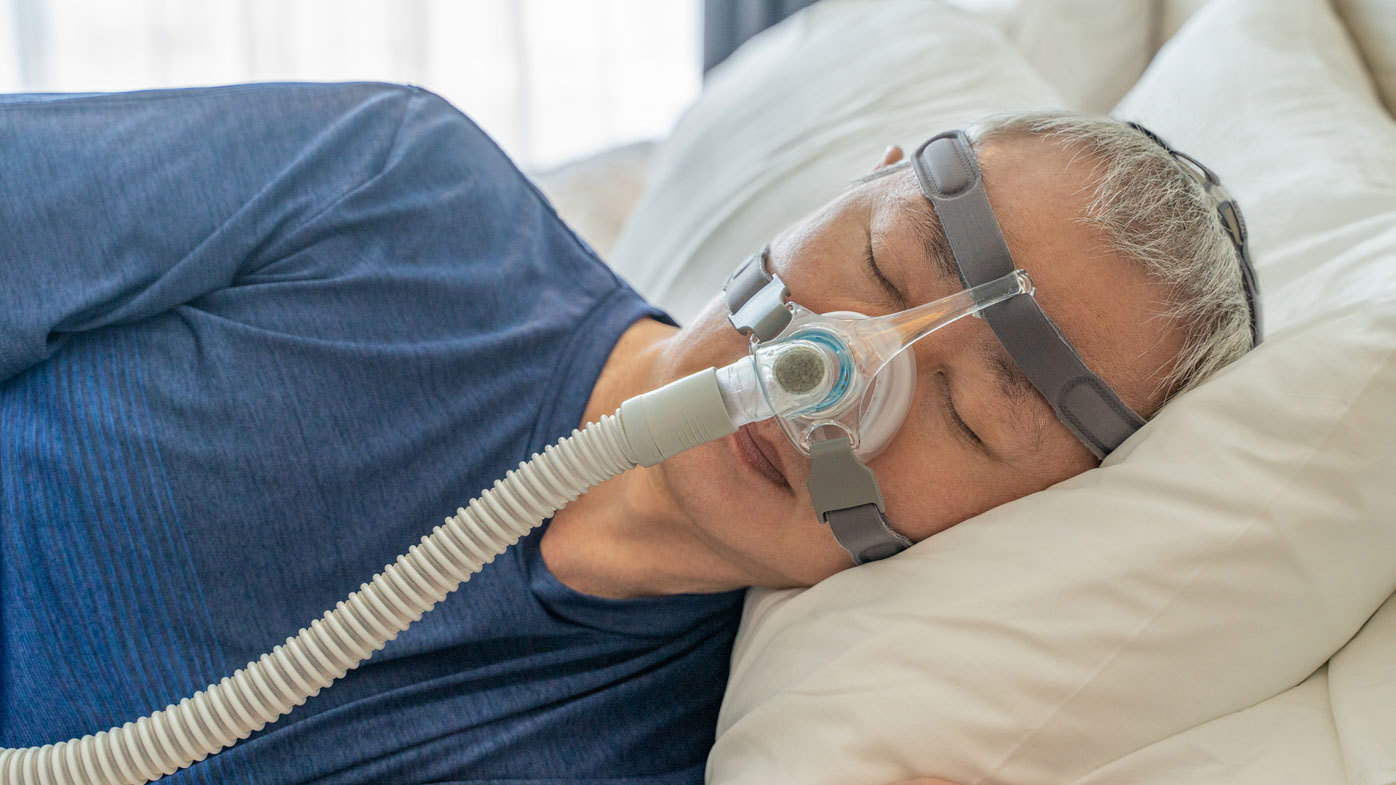
Eckert, a director at the Adelaide Institute for Sleep Health, claimed the CPAP route will "fail" for at least 50 per cent of people with sleep apnoea, a serious medical condition experienced by an estimated 5 per cent of Australians.
As people age, sleep apnoea is more common, especially if they are overweight.
The institute's research found that oral appliances, or dental splints, should be the first step for those with obstructive sleep apnoea.
Rather than patients first being directed to CPAP machines, Eckert said his team "flipped the model on its head" and went immediately to splints, which hold a person's tongue in place so their airway stays open while they sleep.
"This tends to be much better tolerated than CPAP, Eckert said, but added it only works in about 50 per cent of people.
If the dental device did not solve the breathing issues, Eckert's team added alternate therapies such as oxygen therapy.
READ MORE: The egg scam targeting local Aussie Facebook groups
"Novel medications" were also sometimes used, informed by the findings of a detailed sleep study which "tells us exactly" why each person suffers from obstructive sleep apnoea, he said.
Those combinations fixed almost all of the 50 per cent of the remaining patients, he said.
Anyone in the research sample group still struggling to breathe at night was treated with a CPAP machine, "but only as a last resort".
"Using this new approach, we were able to treat almost all participants and only a few required CPAP," Eckert said.
"Essentially, we believe this outlines a whole new way of treating sleep apnoea."
READ MORE: Farmers fight giant green energy masts carving up their land
People with sleep apnoea may snore, wake up gasping and feel tired during the day.
In severe cases, someone's sleep can be interrupted hundreds of times each night with long pauses in breathing.
Sign up here to receive our daily newsletters and breaking news alerts, sent straight to your inbox.
Lower Hutt hit-and-run victim Megan Finlayson ‘beloved’, family say
Megan Finlayson was remembered by her family as someone with “infectious joy”.
Missing Marokopa family: Police boost numbers in Waikato for search, ask locals, hunters for help
Phillips was spotted four times last Wednesday, reinvigorating search efforts.