Tag Archives: oceania

Victoria's first dedicated sobering up centre to open

Victoria's first permanent sobering up centre will open in Melbourne's inner-north in November, when the state's public drunkenness laws are due to be scrapped.

The new 20-bed sobering centre will be run in Collingwood by community health organisation cohealth as part of the government's plan to move towards treating public intoxication as a health issue instead of as a crime.

Victoria's new public drunkenness policy, which came about after Indigenous woman Tanya Day died in custody while intoxicated, will take effect from November 7 – the Melbourne Cup Day public holiday.

READ MORE: Man under guard as detectives probe woman's death

Drink spiking alcohol drugs dating app danger sexual assault

The new approach to drunkenness will see outreach services support people found drunk in public, and if necessary, transporting them to a safe place to sober up, the government has said.

"For many people, this will be their own home or that of a family member, friend, or carer. For others, it will be the sobering centre where they can recover and receive support," according to a government statement.

At the centre, people will be able to safely rest and sober up and have their health and safety needs addressed.

They will also be able to be connected people to alcohol and other drug treatment and specialist services should they need them.

Cohealth deputy chief executive Christopher Turner has said the government's new approach will help keep intoxicated people safe and avoid them having unnecessary contact with police.

"This new service represents a fundamental shift in the way that we as a community respond to public drunkenness, and will save lives, improve people's health and reduce the burden on police and other emergency services," he said.

Cohealth has already run a successful trial of the sobering service in the City of Yarra.

"During the trial we found a real cross-section of the community needed the service and we'll carry that learning to the expanded metro-wide program," Turner said.

"From disorientated young people who've lost their mates late at night to people who've had one too many after-work drinks, and people who are homeless and alcohol-affected, our service will be for everyone."

Sign up hereto receive our daily newsletters and breaking news alerts, sent straight to your inbox.

China removes massive tariffs on barley in trade breakthrough

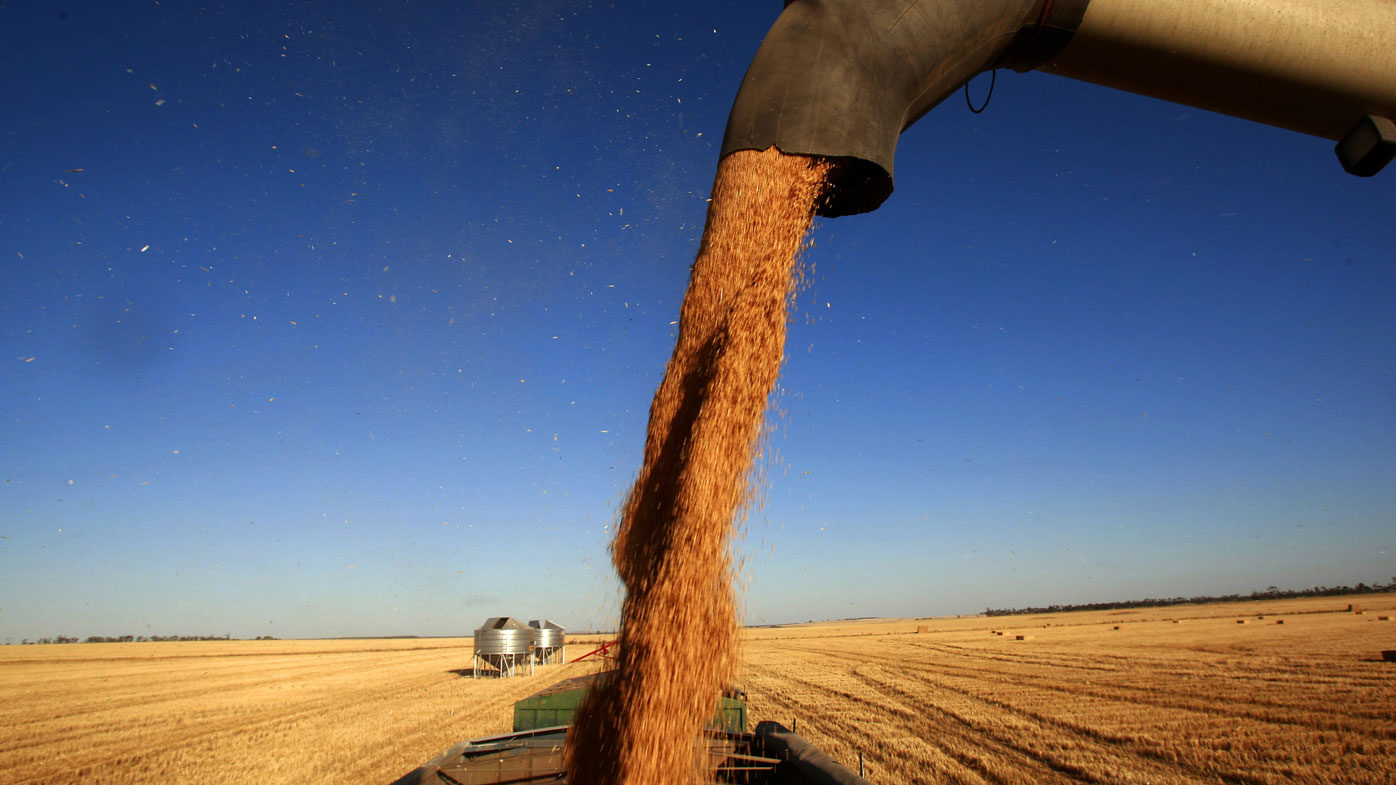
China has agreed to remove its highly restrictive tariffs on the importation of Australian barley in a major boost to the relationship between the two nations.

The tariffs of up to 80 per cent were introduced in 2020 in what was widely seen as retaliation for Australia backing calls for an investigation into the origins of COVID-19, and sparked a trade war with our largest trading partner.

"It is no longer necessary to continue to impose anti-dumping duties and countervailing duties on imports of barley originating in Australia in view of changes in the Chinese barley market," the Chinese Ministry of Commerce said in a statement.

READ MORE: Two winning tickets claim $100 million Powerball jackpot

The breakthrough comes after months of talks from federal Trade Minister Don Farrell, including an official visit to China in May.

"It's another very positive step in the full resumption of normal trade between Australia and China," Farrell said.

"The dialogue, the goodwill, the patience and the persistence have proven effective in helping Australian barley growers and exporters to achieve an expedited outcome.

"We intend to use this process as a template for resolving the issue in respect of wine, which is still ongoing."

In a joint statement with Foreign Minister Penny Wong and Agriculture Minister Murray Watt, Farrell said the barley tariffs were costing the Australian economy just shy of $1 billion.

"Today the Australian government was notified that from tomorrow, China will remove the 80.5 per cent anti-dumping and countervailing duties on Australian barley," the ministers said.

"We welcome this outcome, which paves the way for our barley exporters to re-enter the Chinese market – benefiting Australian producers and Chinese consumers.

"It affirms the calm and consistent approach that the Albanese government has taken.

"Since May 2020, China's duties on Australian barley have effectively blocked exports to that market, worth about $916 million in 2018-19.

"The removal of duties is the result of work by government and industry to resolve this matter."

READ MORE: Aussies could soon get a national digital ID. This is what that means

Wong said the barley industry has been a success story in diversification.

"Our barley producers have increased their exports to the rest of the world during this period from $400 million to $3 billion, an increase in excess of 600 per cent," she said.

Australia had pursued legal action over the tariffs through the World Trade Organisation (WTO) but suspended that in April of this year in an agreement that saw China review the restrictions, eventually leading to Friday's decision.

However, a similar dispute is still running between the two countries in regard to Australian wine.

"We have been clear that we expect a similar process to be followed to remove the duties on Australian wine," the ministers' joint statement said.

"In the meantime, we are continuing to pursue our wine dispute at the WTO and remain confident in a positive outcome."

Business Council of Australia chief executive Jennifer Westacott welcomed the sanction lift.

"This is an important outcome for Australian business, particularly for our world class grain producers," Westacott said.

"This mutually beneficial outcome is a result of prudent diplomacy and we acknowledge the work of the government to achieve this positive outcome.

"The business sector looks forward to the removal of remaining trade impediments and continuing the process of normalising our trade relationship.

"We must maintain an approach of principled realism.

"Trade between China and Australia is mutually beneficial, and business wishes to see Australia continue to benefit from the opportunities offered by the Chinese economy."

Sign up here to receive our daily newsletters and breaking news alerts, sent straight to your inbox.

Amber Haigh's alleged murderers face judge-only trial

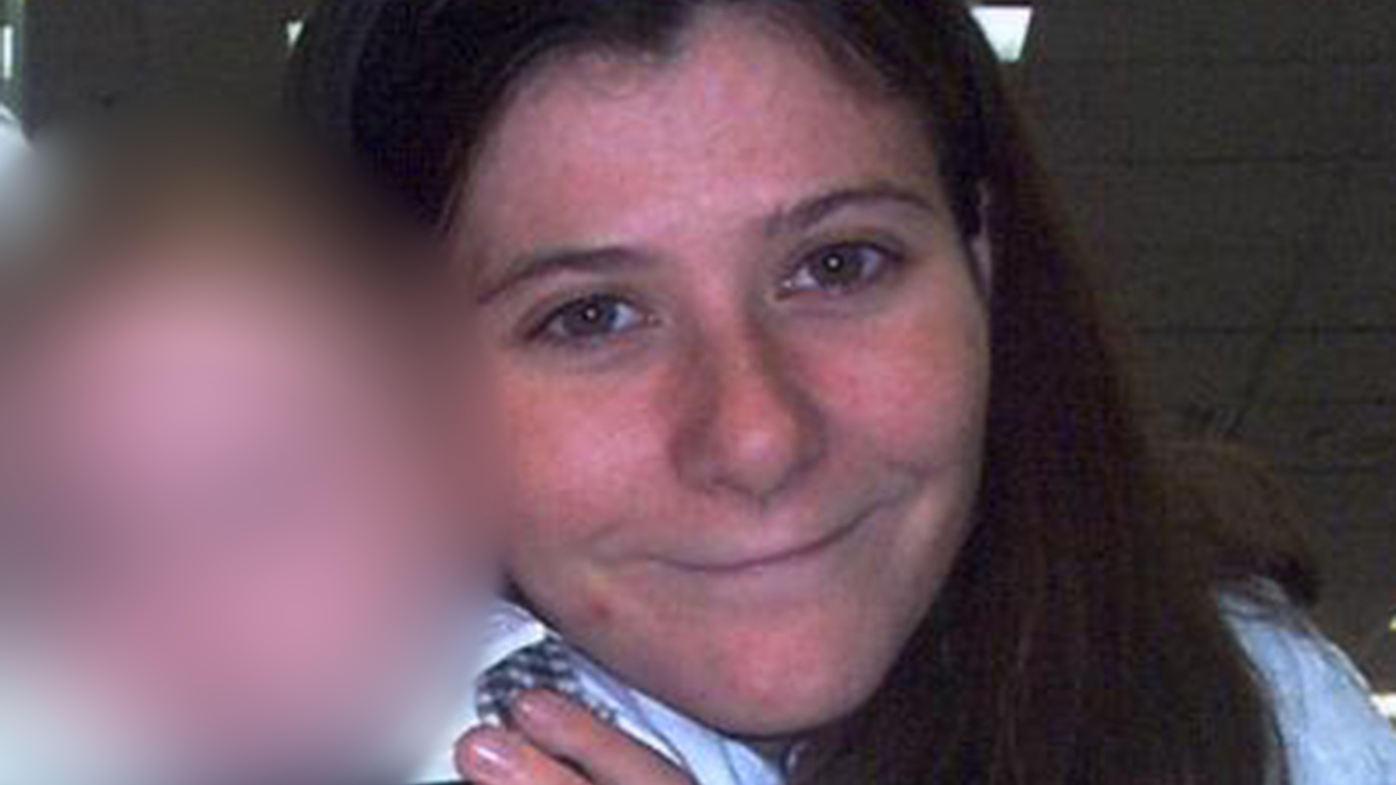
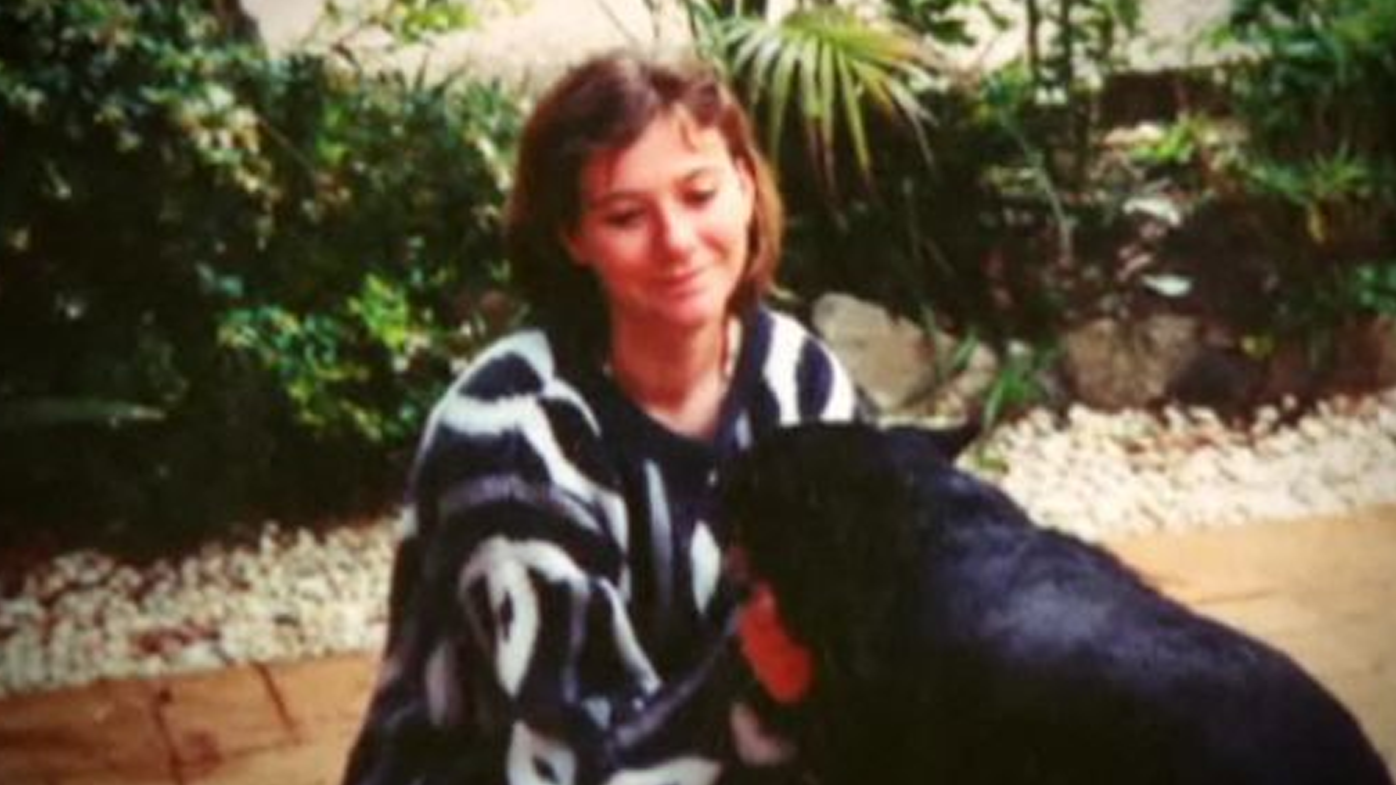
A couple accused of murdering teenage housemate Amber Haigh more than two decades ago will face a judge-alone trial next year.

Robert Samuel Geeves and his wife Anne Margaret Geeves, both 62, pleaded not guilty to murdering the 19-year-old when they faced NSW Supreme Court on Friday via audio-visual link from the Goulburn and Silverwater correctional centres.

Their joint two-month-long trial will take place at the NSW Supreme Court in Wagga Wagga from June 17, 2024.

READ MORE: Two winning tickets claim $100 million Powerball jackpot

Amber Haigh, mother to a six-month-old son, vanished from NSW almost 20 years ago.

Haigh was reported missing on June 19, 2002, after failing to return to her home at Kingsvale in southern NSW, where she and her six-month-old son had been living with the couple.

Police were told the pair dropped the young mother at Campbelltown station on June 5 where she intended to travel by train to Mt Druitt in western Sydney to visit her sick father in hospital.

Later that night, money was withdrawn from her bank account at a Campbelltown ATM.

READ MORE: Aussie state's rare snow fall amid shivering polar blast

Haigh was reported missing on June 19, 2002, after failing to return to her home at Kingsvale in southern NSW.

Her body has never been found.

A 2011 inquest found Haigh died as a result of homicide or other misadventure in June 2002.

The case remained largely untouched for another decade until 2020, when Strike Force Villamar II launched a new investigation.

NSW Police increased the reward for information from $100,000 to $1 million in April.

The pair were arrested and charged at a property in the Riverina town of Harden in May.

Sign up here to receive our daily newsletters and breaking news alerts, sent straight to your inbox.

Stabbing suspect says he was driving around time of the slayings

The man accused of stabbing four University of Idaho students to death late last year was on a long drive by himself around the time of the deaths, his defence attorneys wrote in new court documents filed this week.

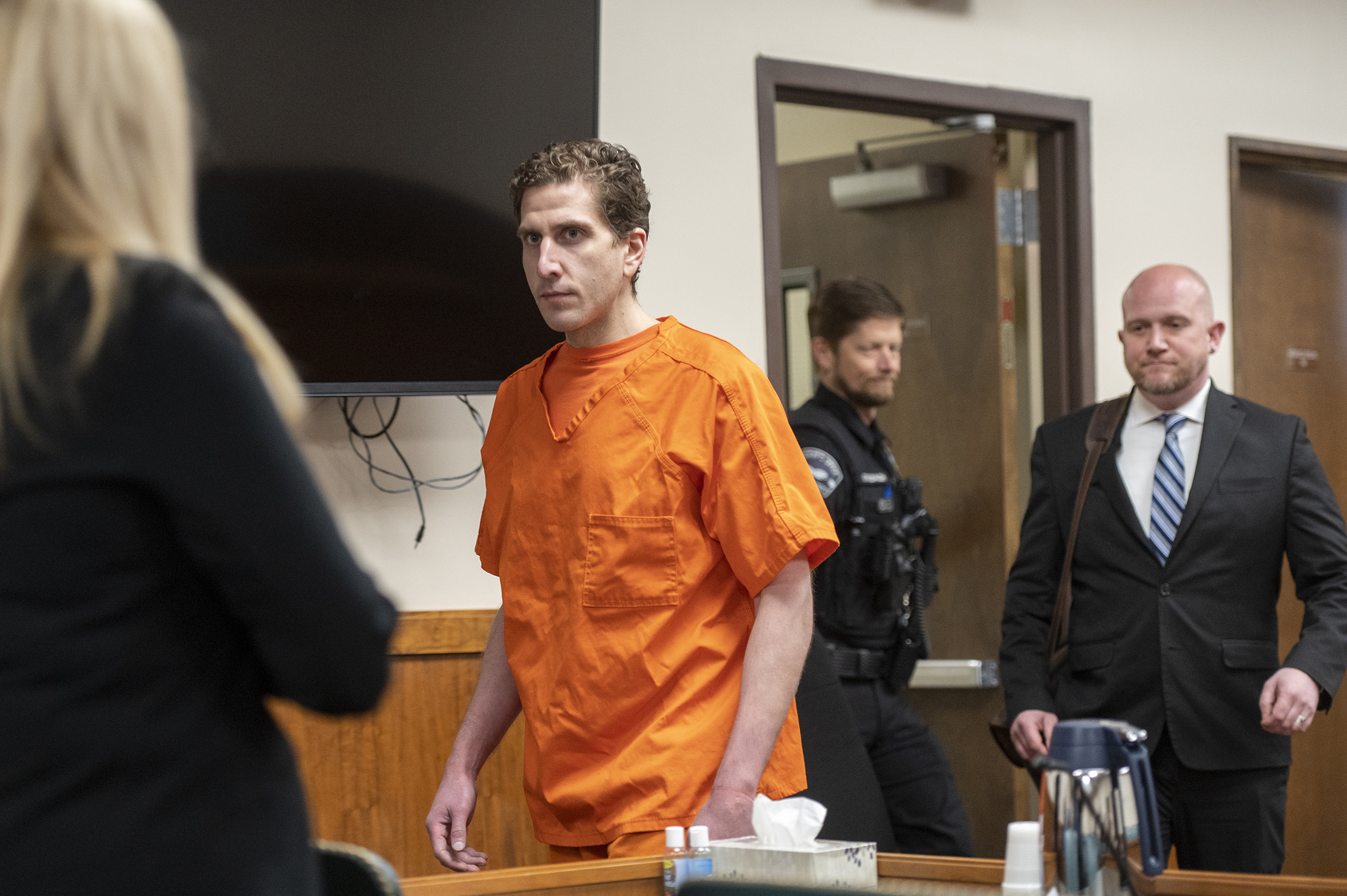
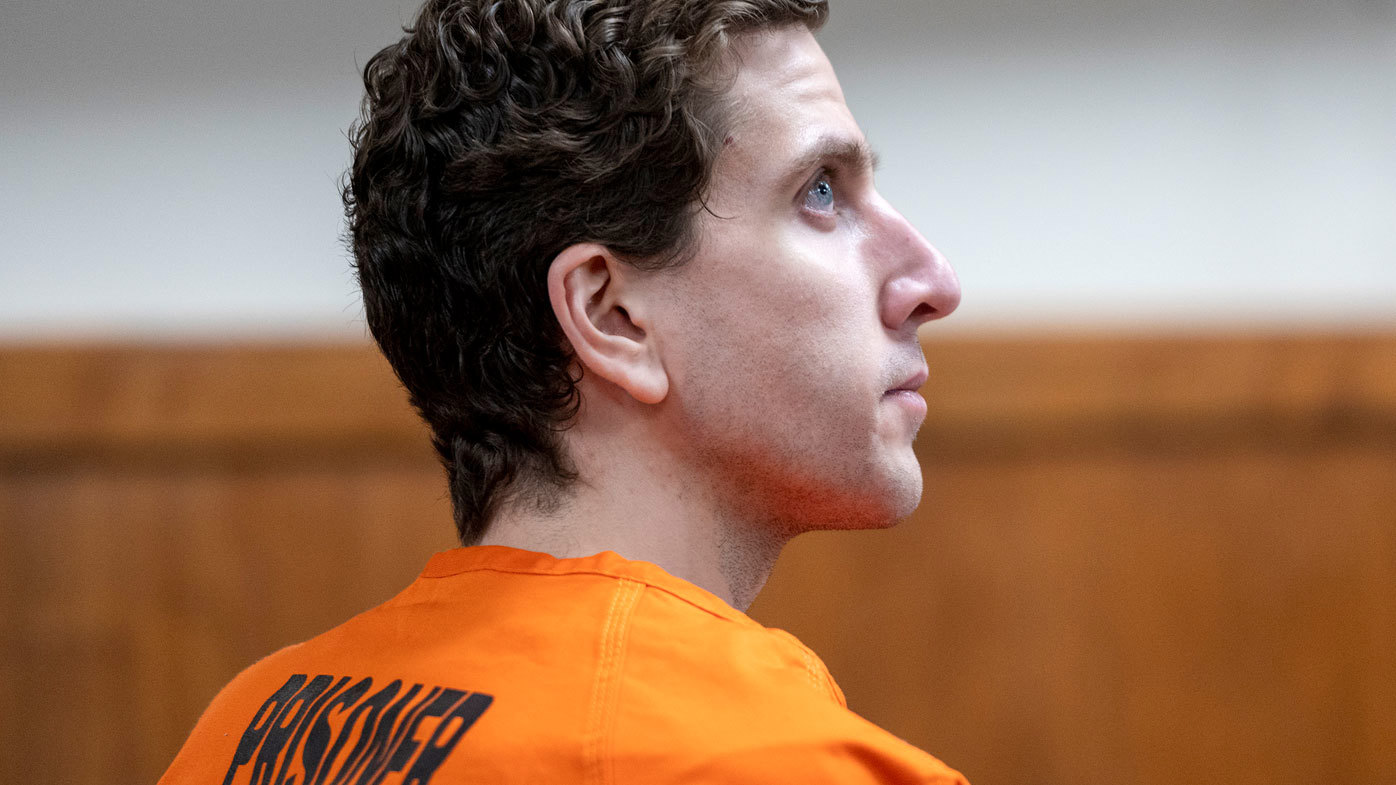
Bryan Kohberger is charged with four counts of murder in connection with the deaths at a rental house near the Moscow, Idaho, university campus last November.

He has exercised his right to remain silent during the court case, so a not-guilty plea was entered on his behalf earlier this year.

READ MORE: Two winning tickets claim $100 million Powerball jackpot

FILE - Bryan Kohberger enters the courtroom for his arraignment hearing in Latah County District Court, May 22, 2023, in Moscow, Idaho. On Wednesday, Aug. 2, attorneys for Kohberger, accused of stabbing four University of Idaho students to death last year, said he was on a long drive by himself around the time of the slayings. (Zach Wilkinson/The Moscow-Pullman Daily News via AP, Pool, File)

Latah County Prosecutor Bill Thompson has said he intends to seek the death penalty, and the case is scheduled for trial this fall, though it could be postponed.

The court document filed Wednesday is the first time Kohberger has said anything about his whereabouts on the night of the stabbings.

His defence team submitted it after prosecutors asked the court to force Kohberger to reveal if he intends to offer an alibi.

"Kohberger has long had a habit of going for drives alone. Often he would go for drives at night," his defence attorney, Anne Taylor, wrote in the document.

READ MORE: Aussie state's rare snow fall amid shivering polar blast

Victims Ethan Chapin and Xana Kernodle, Madison Mogen and Kaylee Goncalves. (Instagram)

"He did so late on November 12 and into November 13, 2022."

Kohberger isn't claiming to be in any specific location at any specific time, according to the document, and may have witnesses who can corroborate that he wasn't at the home where the students were killed.

His defence team is still going over transcripts of grand jury testimony and other evidence from the investigation, his attorneys wrote, so it is too soon to detail exactly who those witnesses might be and what they might be able to testify about.

"The defence has stated all that can be firmly stated at this time," Kohberger's attorneys wrote.

READ MORE: 'Very sad day': Trump speaks after not guilty plea

Bryan Kohberger enters courtroom for his arraignment hearing.

Idaho law requires that defendants notify the prosecution if they intend to present an alibi defence, which is generally a claim that they were somewhere other than at the crime scene and have witnesses who will verify that.

The bodies of Madison Mogen, Kaylee Goncalves, Xana Kernodle and Ethan Chapin were found November 13, 2022, at a home across the street from the University of Idaho campus.

The slayings shocked the rural Idaho community and neighbouring Pullman, Washington, where Kohberger was a graduate student studying criminology at Washington State University.

Sign up here to receive our daily newsletters and breaking news alerts, sent straight to your inbox.

Wife who laced husband's soup with fatal overdose eligible for parole

Judith Ann Venn laced her husband's soup with prescription medication, causing him to overdose, believing it was the only solution to an intolerable situation.

The 69-year-old, who pleaded guilty to the manslaughter of husband Lance Hilton Venn, was sentenced to jail on Friday but is immediately able to apply for parole after nearly three years behind bars.

Venn was not coping as carer of her husband, whose bipolar disorder and manic depressive illness had worsened significantly over the previous 18 months and made him become agitated and aggressive toward others.

READ MORE: Two winning tickets claim $100 million Powerball jackpot

Judith Ann Venn, who pleaded guilty to the manslaughter of her husband.

On the morning of August 14, 2020, Venn was hopeful of some relief in managing her husband of about 40 years as he was due to see a psychologist that day.

But 64-year-old Mr Venn ended up at their daughter's house in the early hours of the morning during one of his nocturnal outings.

Venn cancelled the appointment and when he returned to their home at Alexandra Hills, southeast of Brisbane, overdosed him with a portion of vegetable soup she had made the previous day in which she dissolved 50 prescribed pills.

She cut his wrist when he was unconscious but his cause of death was found to be due to the overdose.

READ MORE: 'Very sad day': Trump speaks after not guilty plea

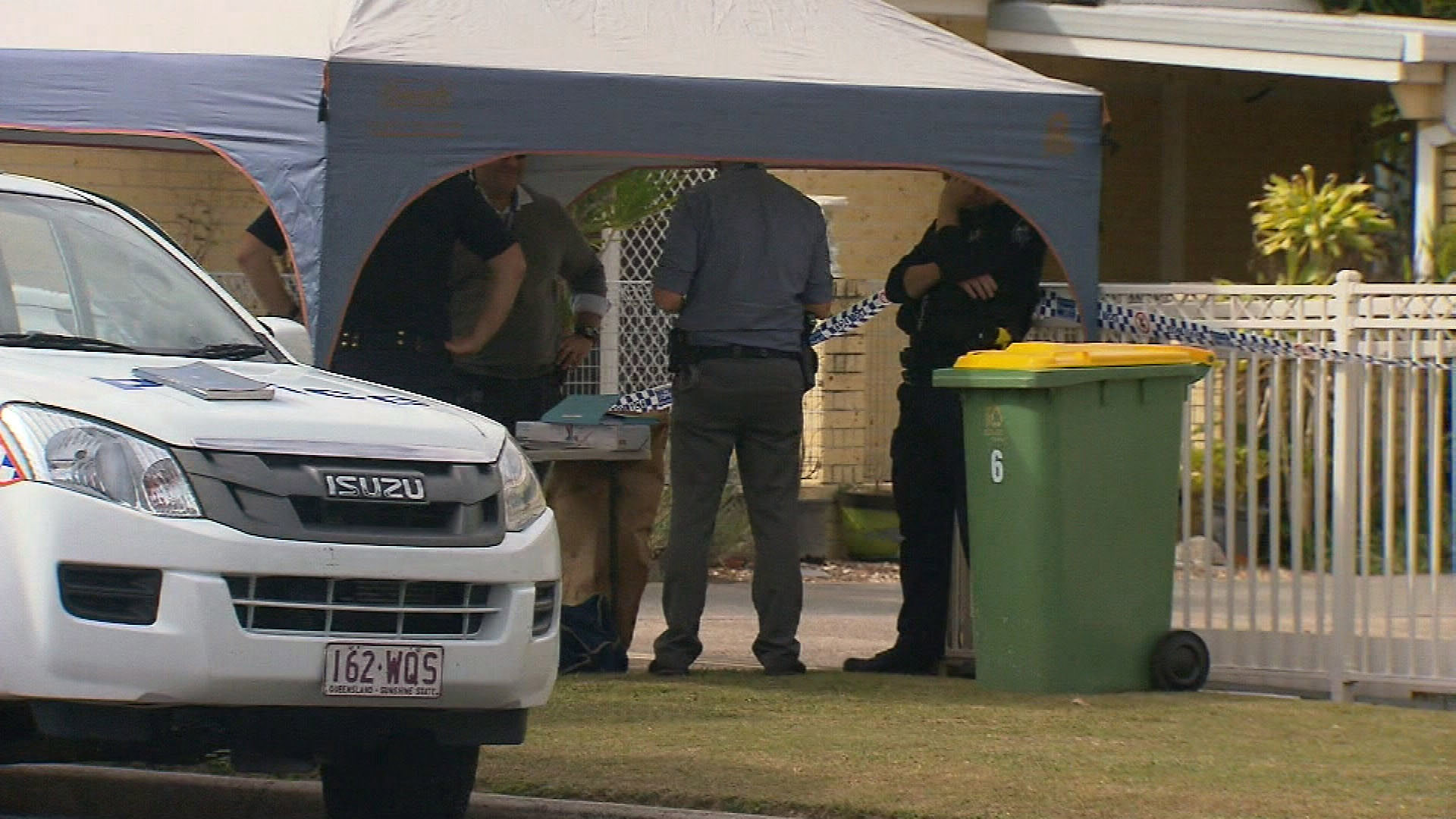
The scene after Lance Hilton Venn was found dead.

Venn wrote a letter saying she did not want her family to live with the stress she experienced and that Mr Venn had pushed her over the edge.

She attempted to take her own life, later telling police she did not want anyone else, particularly their daughters, to have to care for Mr Venn.

Psychiatrists found Venn was suffering from a major depressive disorder, excessive stress and distortions of thinking.

This contributed to last-resort thinking and desperation around the time of the offence.

The court heard Venn minimised and concealed her husband's physical aggression towards her, probably due to shame, loyalty to him and a wish to spare her children from more concern.

Sign up here to receive our daily newsletters and breaking news alerts, sent straight to your inbox.

The worsening of Venn's cognitive distortions characterised by all-or-nothing catastrophic thinking restricted her ability to problem solve or make rational decisions, Brisbane Supreme Court Justice Frances Williams said.

"It was in these circumstances that you were led to believe the only solution to an intolerable and hopeless situation was for you and the deceased to die."

Williams sentenced Venn to eight years and six months behind bars, ordering she be immediately eligible to apply for parole.

The sentence took into account that Venn posed no risk to the community and had suffered physical, verbal and emotional abuse.

"The particular circumstances of the offending arose out of a tragic chain of events including the deceased's mental illness which led to your own mental illness and that you have taken considerable steps towards rehabilitation," Williams told Venn.

Readers seeking support can contact Lifeline on 13 11 14 or beyond blue on 1300 22 4636.

National Domestic Violence Service: 1800 RESPECT (1800 737 732). If you are in immediate danger call triple zero (000).

Aussies could soon get a national digital ID. This is what that means

Verifying your identity is something we all have to do fairly regularly, but it soon could look very different under a new voluntary national digital ID.

You need to prove who you are when applying for a new credit card, rental tenancy, passport, phone service or insurance product – but sharing your identifying documents with multiple companies brings risk, as was exposed in last year's Optus and Medibank hacks.

A national digital ID would – if implemented properly – clamp down on those risks. Here's what you need to know about it.

EXPLAINED: Australia's tax on beer, fuel and tobacco increases every six months. This is why

What is the Australian national digital identity and how would it work?

A national digital identity is a project that was first proposed – but not implemented – by the previous federal Coalition government, and is something the current Labor government is looking to introduce.

In short, it's a system that would allow Australians to quickly and easily identify themselves without needing to provide "points" of identity through existing documents like passports, licences and bills.

"A digital ID would usually be an application in a phone or computer that stores a mathematical representation of an individual that uniquely identifies them, without the possibility of reverse engineering their personal information, such as an address or date of birth," Dr Philip Bos, a security expert and founder of privacy protection software company BlueKee, told 9news.com.au.

READ MORE: Experts' solutions to 'completely unacceptable' rental crisis

"One way the scheme would work is via an app that is opened using the person's biometrics and sending an ever-changing, long mathematical code that identifies one to the other – the user and the business/government agency.

"No personal data would ever need to be transmitted or stored."

Public Service Minister Katy Gallagher said the system will initially be regulated by the Australian Competition and Consumer Commission (ACCC) before a government body specifically focused on digital regulation is introduced.

READ MORE: Smaller tax returns come as a 'slap in the face' to struggling Aussies
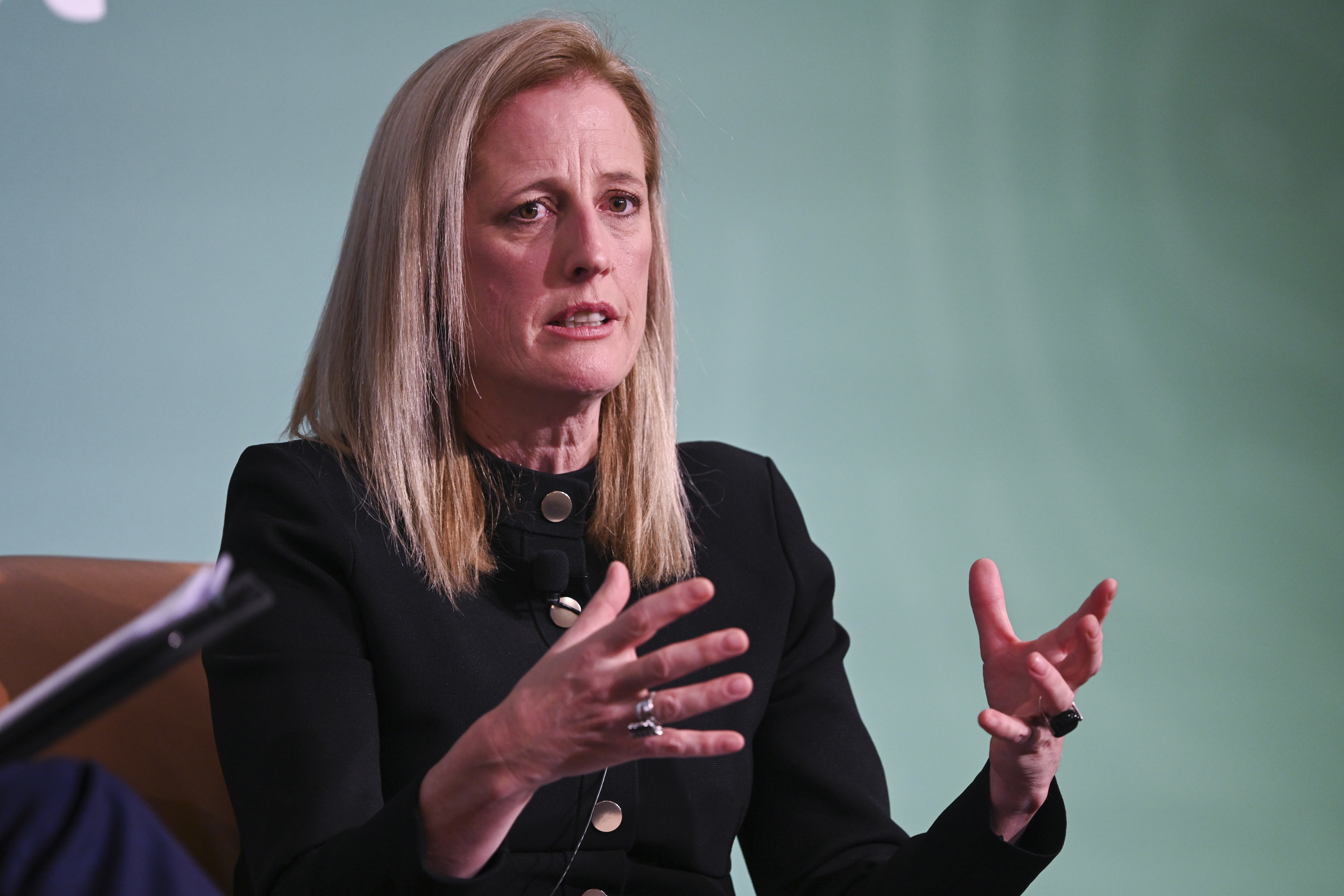
Katy Gallagher at the AFR Government Services Summit

Why create a national digital identity? What are the benefits?

In short? Security.

"The current system is plagued by identity theft, fraud, and a lack of control over personal data," Bos said.

He said current methods of proving identity, in which businesses and other service providers demand too much information, create a "honeypot of data" for hackers to target.

"Currently, when a business requires only proof of age, they ask for much more, such as an address and copying your physical driver's licence," he said.

READ MORE: Your phone in SOS mode could be a sign of something far more sinister

"This 'oversharing' is an unnecessary privacy breach, and dangerous regarding identity fraud, and even physical security.

"Why risk divulging your address to unknown parties, who don't need it for the business transaction being undertaken?"

Conversely, by proving your identity through a digital ID instead of by providing licence and passport details, it means organisations wouldn't be storing that information – so if there is a data breach or hack, you wouldn't be at risk of identity theft.

Gallagher said a digital ID would give Australians more control over their private information.

"What we are doing is citizen-centred," she told the AFR Government Services Summit in late July.

"It is about securing your information and protecting your information, and ensuring that when that information is shared, it's done under a regulated system."

Former NSW Customer Service and Digital Government Minister Victor Dominello is pushing for the introduction of a digital ID in his new role on the Tech Council of Australia board, again citing security benefits.

"[A] fit-for-purpose digital ID would give more control to the individual on what information they share and for how long, significantly enhancing privacy and security settings" he wrote on LinkedIn.

READ MORE: How to report scams in Australia and what you can do to stay safe
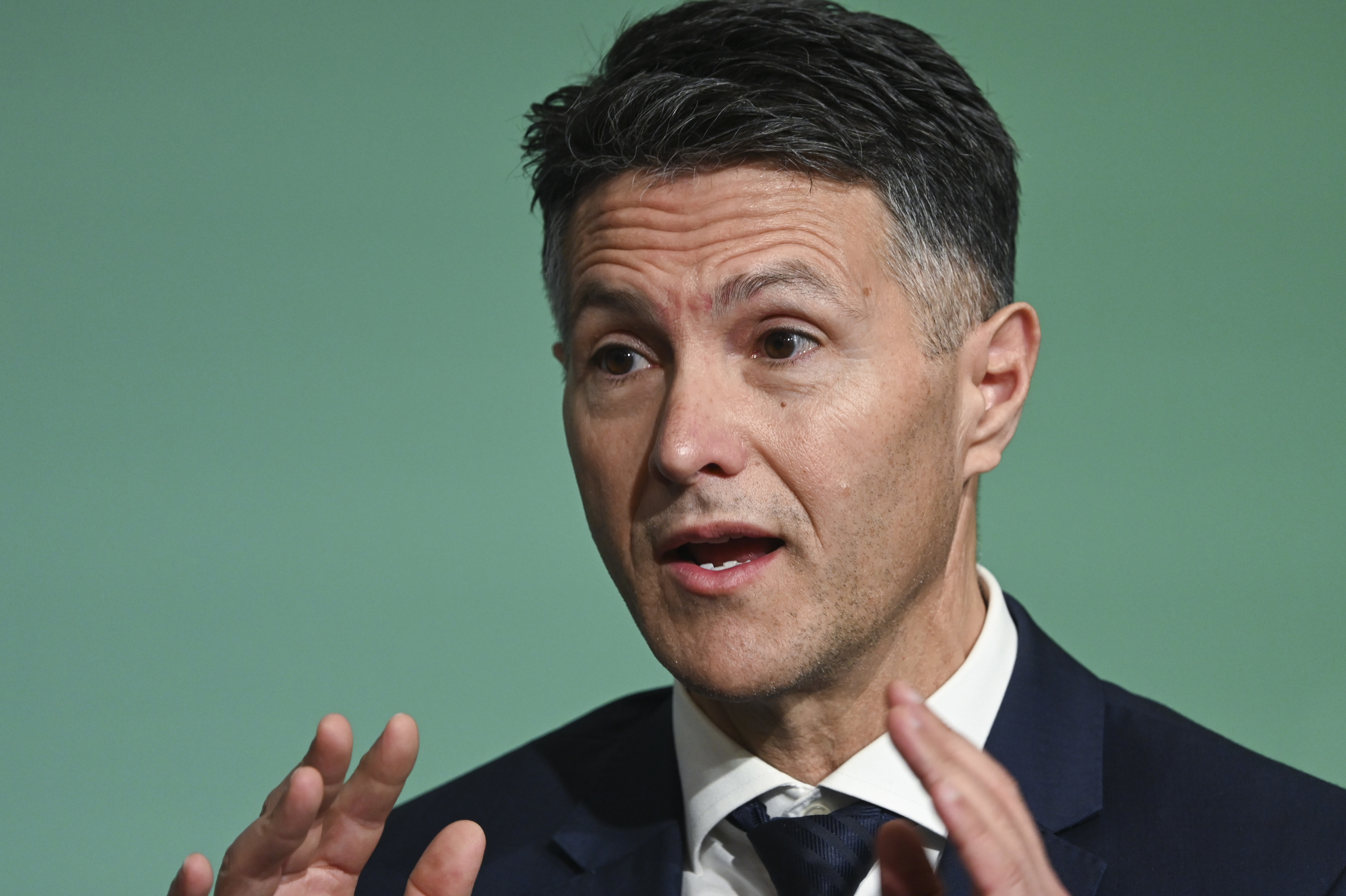
Victor Dominello, Former Minister for Customer Service NSW at the AFR Government Services Summit.

When will the national digital identity be introduced?

Gallagher is hopeful the system will go live midway through 2024.

"Potentially mid-next year," she said when pressed for a launch date at the AFR summit.

"In many ways, what we're doing is enshrining in legislation a system that's unregulated now.

"We've got over 10 million people using myGov ID, states and jurisdictions are developing their own systems as well.

"So I think from the everyday person's point of view, we've got the system it's just not regulated and not in a shape that will allow us to drive it forward and give the interoperability and the economy-wide benefits that come from having a national system.

"But we're very committed to it."

She the project already has cabinet approval and hopes to have an exposure draft in September before a bill is put to parliament by the end of the year.

READ MORE: The ten passwords to avoid at all costs
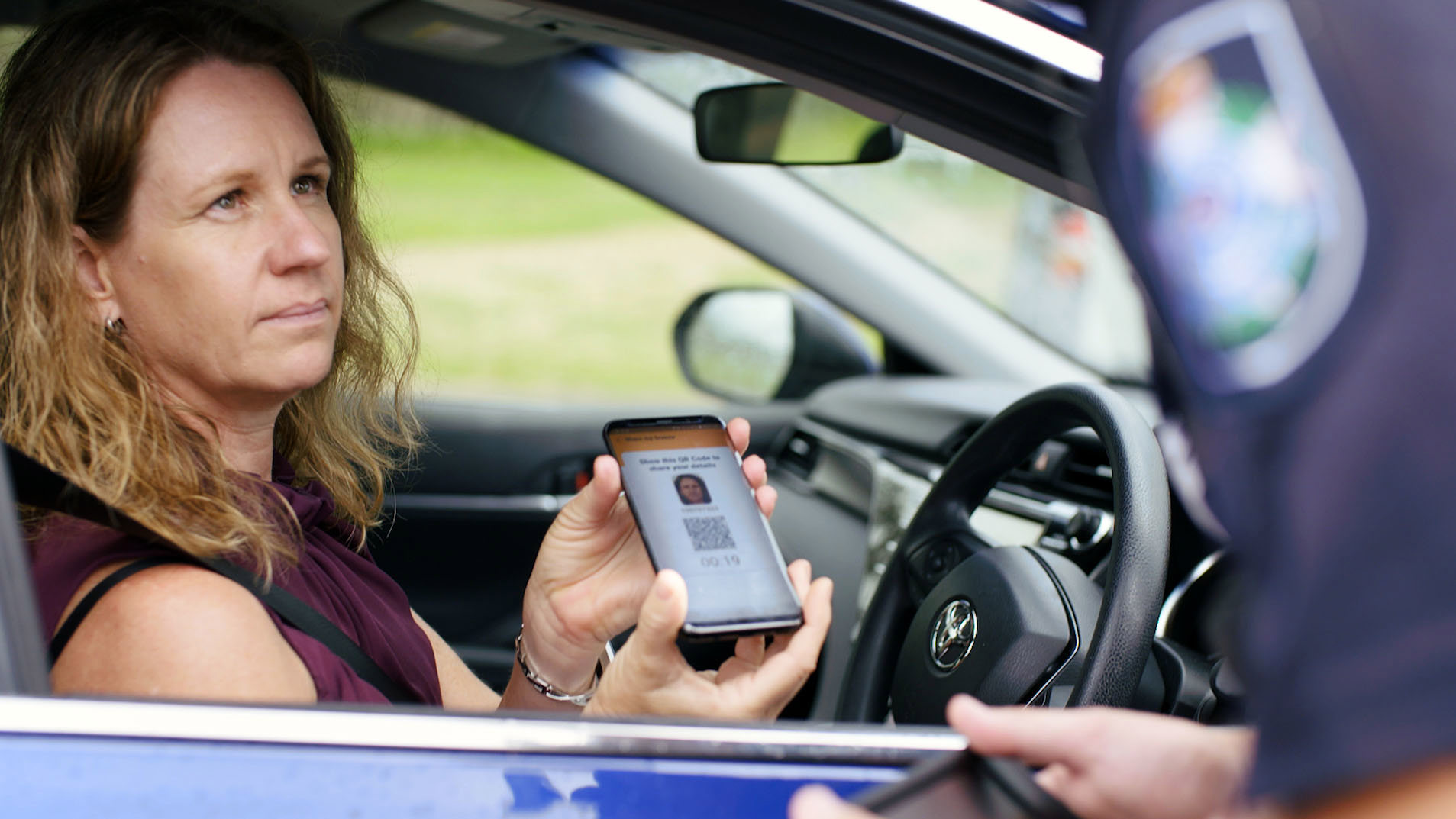
A driver presenting their digital licence app to a Queensland police officer.

Would the national digital ID be compulsory in Australia?

No. Gallagher said the system will be voluntary.

"It's really about you having control as citizens," she said.

"Control of their information that allows them to access government systems in a very easy, secure, voluntary and efficient way."

Sign up here to receive our daily newsletters and breaking news alerts, sent straight to your inbox.

Warning as meningococcal B cases rise

Australians are urged to be on the lookout for symptoms of meningococcal disease as calls for the strain B vaccine to be made free across the country grow.

New South Wales Health issued a warning on Friday after 25 cases of meningococcal disease – mostly strain B of the infection – have been reported this year.

Meningococcal is a rare but serious and sometimes fatal infection with babies, toddlers, teenagers and young adults most at risk.

READ MORE: Two winning tickets claim $100 million Powerball jackpot

New South Wales central coast residents are asked to be on alert for symptoms of meningococcal disease.

"While vaccination of these age groups has reduced the number of infections each year, the vaccines do not protect against all strains of meningococcal bacteria and people of all ages can be infected," NSW Health said.

"All people should be aware of symptoms so they can act fast."

Symptoms include:

  • Sudden fever
  • Headache
  • Neck stiffness
  • Tiredness
  • Joint or limp pain
  • Sensitivity to bright lights
  • Nausea and vomiting
  • High-pitched crying in babies
  • A rash of red-purple spots or bruises, which may appear after the other  symptoms or late in the disease progression

If these symptoms occur, Australians are urged to seek medical assistance as the disease can be fatal within hours if left untreated.

A vaccine for meningococcal B, the strain detected in most NSW cases this year, is free for Aboriginal and Torres Strait Islander children with certain medical conditions in NSW.

A vaccine for meningococcal ACWY is provided for free for babies at 12 months and a second dose is provided to teenagers in year 10.

READ MORE: Aussie state's rare snow fall amid shivering polar blast

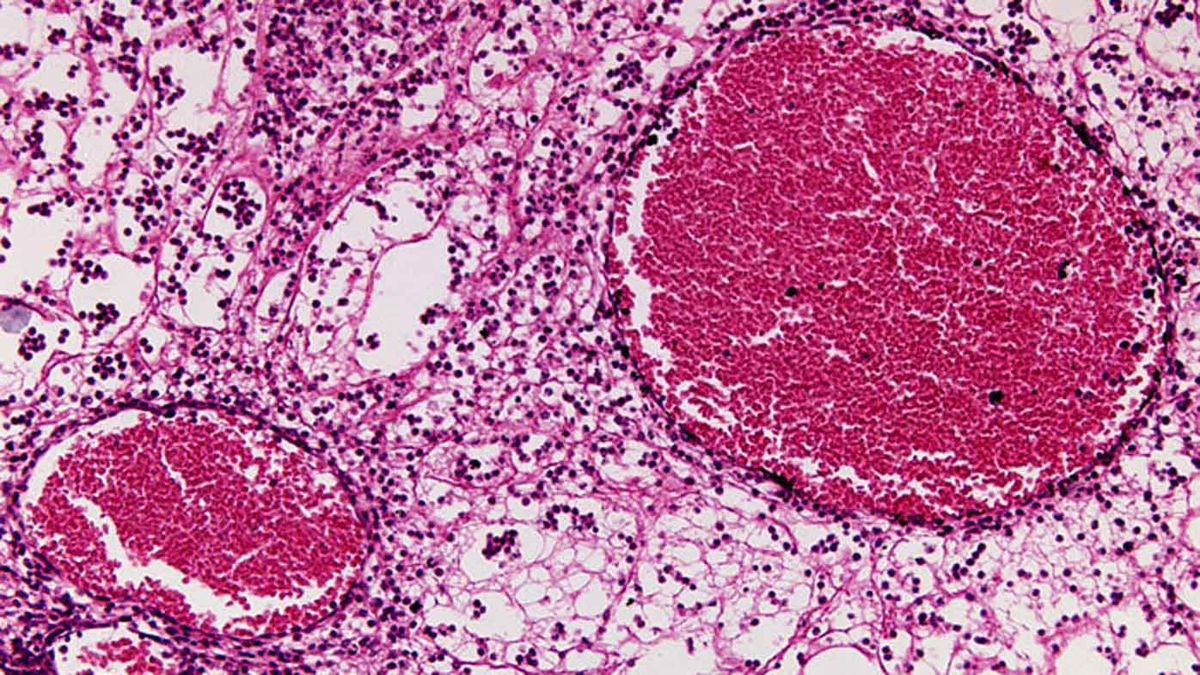
Meningococcal B is now the dominant strain of the disease.

But now Queensland is making meningococcal B vaccines free for Queensland babies, children and teenagers.

Premier Annastacia Palaszczuk said the vaccine would be free and available as part of routine childhood vaccines and in the school immunisation program.

"This is the single biggest investment in a state-funded vaccination program in our State's history," the state's health minister Shannon Fentiman said.

The Royal Australian College of General Practitioners (RACGP) welcomed the free vaccination announcement.

"Meningococcal B must be taken seriously. This is a rare but terrible disease that without urgent care can result in death or disability. Just a few years ago, a two-year-old died from meningococcal B at my practice and it is something that you never forget," RACGP president Dr Nicole Higgins said.

https://twitter.com/ShannonFentiman/status/1687227202029412352

"The B strain is the most common cause of invasive meningococcal disease in children, adolescents, and young adults."

Higgins said there's evidence the b strain is emerging as the more common cause of death and called for the vaccination to be added to the national immunisation program to be made free across all states and territories.

Sign up here to receive our daily newsletters and breaking news alerts, sent straight to your inbox.
Another government pulls pin on hosting Commonwealth Games

Less than a month after the Victorian government announced it was backtracking on its commitment to host the 2026 Commonwealth Games, a Canadian province has pulled the pin on its bid to host the 2030 event.

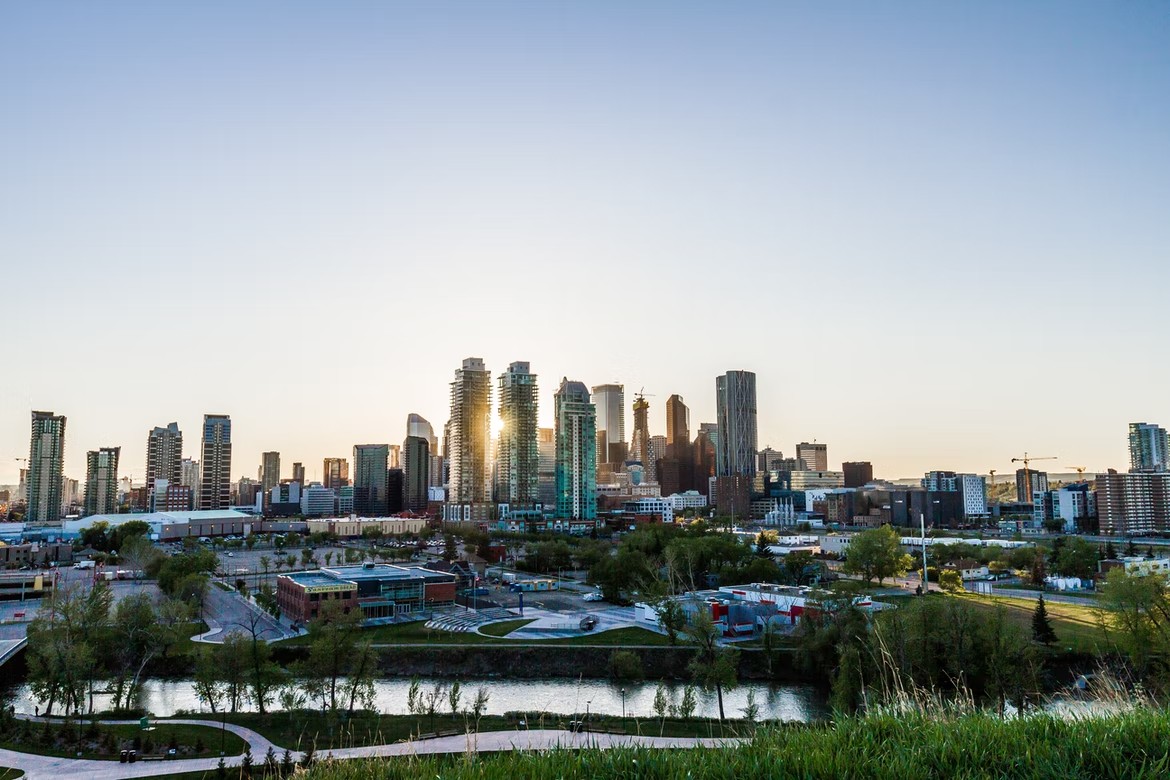
Alberta had been exploring a bid with hosting duties split between the cities of Calgary and Edmonton, as well as the indigenous Tsuut'ina Nation and other areas of the province.

However, the provincial government decided against continuing that bid, with Commonwealth Sport Canada pointing some of the blame at Victoria for the decision.

READ MORE: Andrews throws up $7 billion Games hot potato and no one is catching

"Commonwealth Sport Canada has been informed by the Alberta Government that they have decided to discontinue the exploration of a 2030 Commonwealth Games bid," the governing body said in a statement.

"We believe the recent decision by the Victorian government to withdraw from the 2026 Commonwealth Games was a significant factor in Alberta's decision, as well as an over-dependence on taxpayer's support for the planning and delivery of the Games."

Local media has reported unfeasible financials for the proposed event – similar to the cost blowouts cited by Victorian Premier Daniel Andrews – is behind the decision.

"Alberta has a successful history of hosting major, international multi-sport games in our province and any proposal to host major games is considered with the interests of Alberta taxpayers at top of mind," Tourism and Sport Minister Joseph Schow told Canadian outlet Global News.

"We promised to remain transparent with Albertans about the costs of hosting international sporting events and clearly demonstrating a return on our investment for the people and communities of Alberta.

READ MORE: Two winning tickets claim $100 million Powerball jackpot

"In the case of the 2030 Commonwealth Games, the numbers just didn't add up for our government to commit taxpayers' money with the Games estimated to cost $2.68 billion.

"The corporate sponsorship model and limited broadcast revenues for the Commonwealth Games would have put 93 per cent of financial burden and risks on Albertans."

Alberta's bid would have seen the Commonwealth Games hosted in Canada to mark the 100th anniversary of the inaugural event, which was held in Edmonton under the banner of the British Empire Games.

The province's decision to pull out of the running for the Games further highlights their uncertain future, with financial concerns causing a number of hosting headaches in recent times.

Well before Victoria and Alberta pulled out, the South African city of Durban was stripped of hosting rights for the 2022 Games after a review found a "significant departure from the undertakings" in a number of the original bid's commitments, including funding.

READ MORE: 'Very sad day': Trump speaks after not guilty plea

A view of fireworks during the Birmingham 2022 Commonwealth Games Closing Ceremony at Alexander Stadium on August 08, 2022 on the Birmingham, England. (Photo by Stephen Pond/Getty Images)

The 2022 event was eventually held in Birmingham.

After Victoria's withdrawal, every other Australian mainland state poured cold water on the idea of playing host in 2026, as did New Zealand.

In a statement following Alberta's withdrawal, the Commonwealth Games Federation said it hoped the province will host a future instalment.

"The Commonwealth Games Federation is sorry to hear that Alberta is no longer developing its bid proposal for the 2030 Commonwealth Games," it said.

"We thank all those who worked on Alberta's inspiring and comprehensive plan and we believe the province could be a fantastic host for the Commonwealth Games in the future.

"We had already been reviewing our selection timeline as a result of the recent Victorian Government decision.

"The dialogue with other potential hosts is ongoing."

Sign up here to receive our daily newsletters and breaking news alerts, sent straight to your inbox.