Several parts of the major Canterbury highways are closed due to slips.
Tag Archives: oceania
Concern over nitrous oxide abuse as hospital sees rise in spinal injuries
Six cases have been referred to the neurology department, compared to none last year.
Art Deco: ‘The busiest town’s been in a long time’
Winter Art Deco brought a thrill to the chill. The weather: They were over it.
'Targeted attack': Manhunt underway after triple shooting rocks Sydney
A police manhunt is still underway after three people were shot in what police believe is a "targeted" attack in Sydney's south-west.
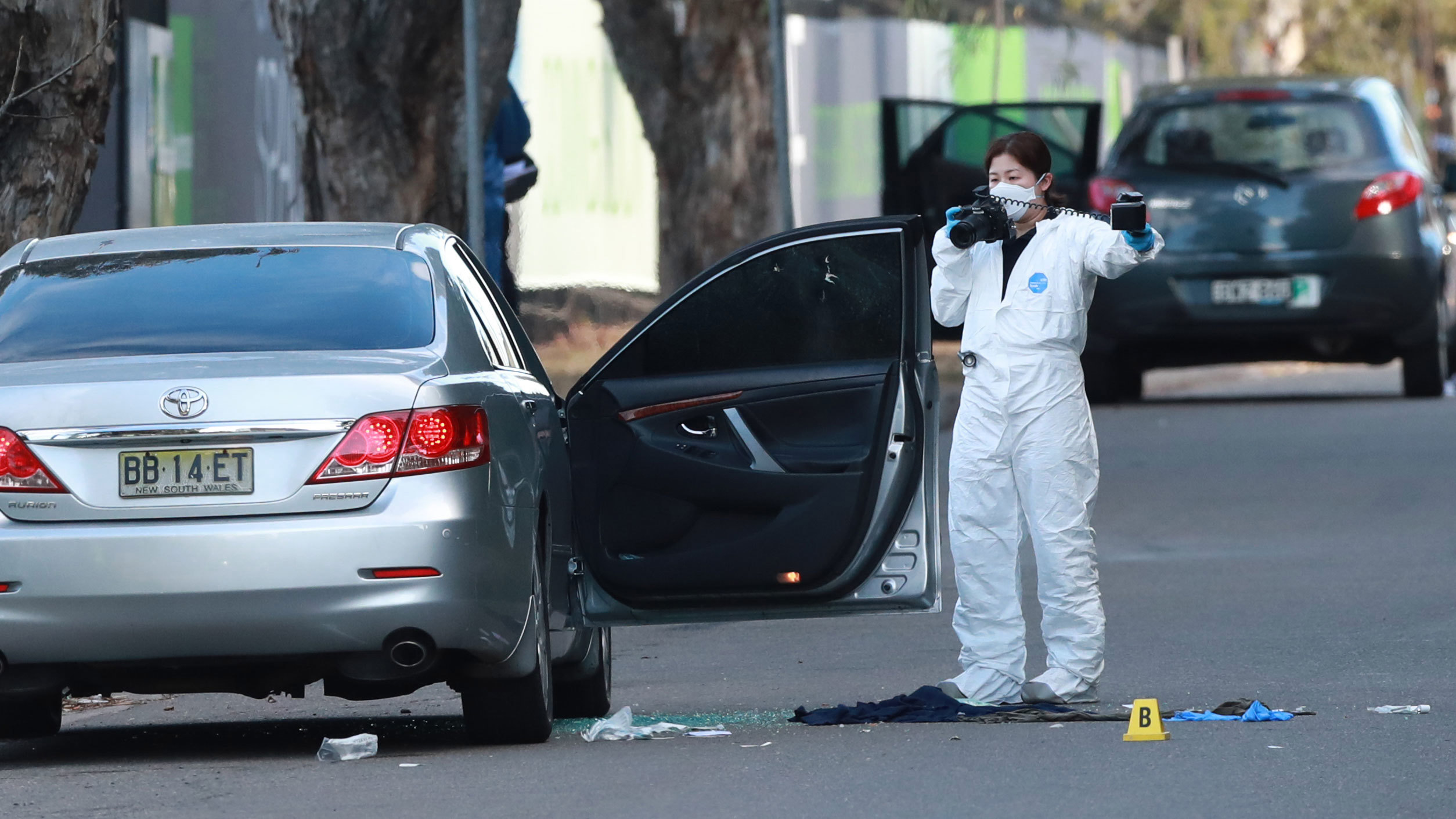
Police said the victims – two men and a woman – were sitting in two separate cars when they were attacked on Mayvic Street in Greenacre shortly after 2.15am.
Superintendent Simon Glasser said multiple shots were fired into both vehicles before at least one shooter fled the scene.
READ MORE: Tech entrepreneur father-of-three presumed dead after 'violent' boat crash
"It's terrible behaviour," Glasser told reporters this morning.
"The investigation is in its infancy, but we do believe it is a targeted attack.
"It's a really serious offence. People shooting at people, it could have resulted in a death.
"We treat it at our highest and we will put all of our resources on it."
READ MORE: Anonymous Sydney photographer captures eruption halfway around world

Paramedics treated a 25-year-old man found injured in one parked car, as well as a 22-year-old man and 19-year-old woman in a separate parked car, before all three were rushed to hospital.
The woman is in a stable condition, while the two men are deemed critical.
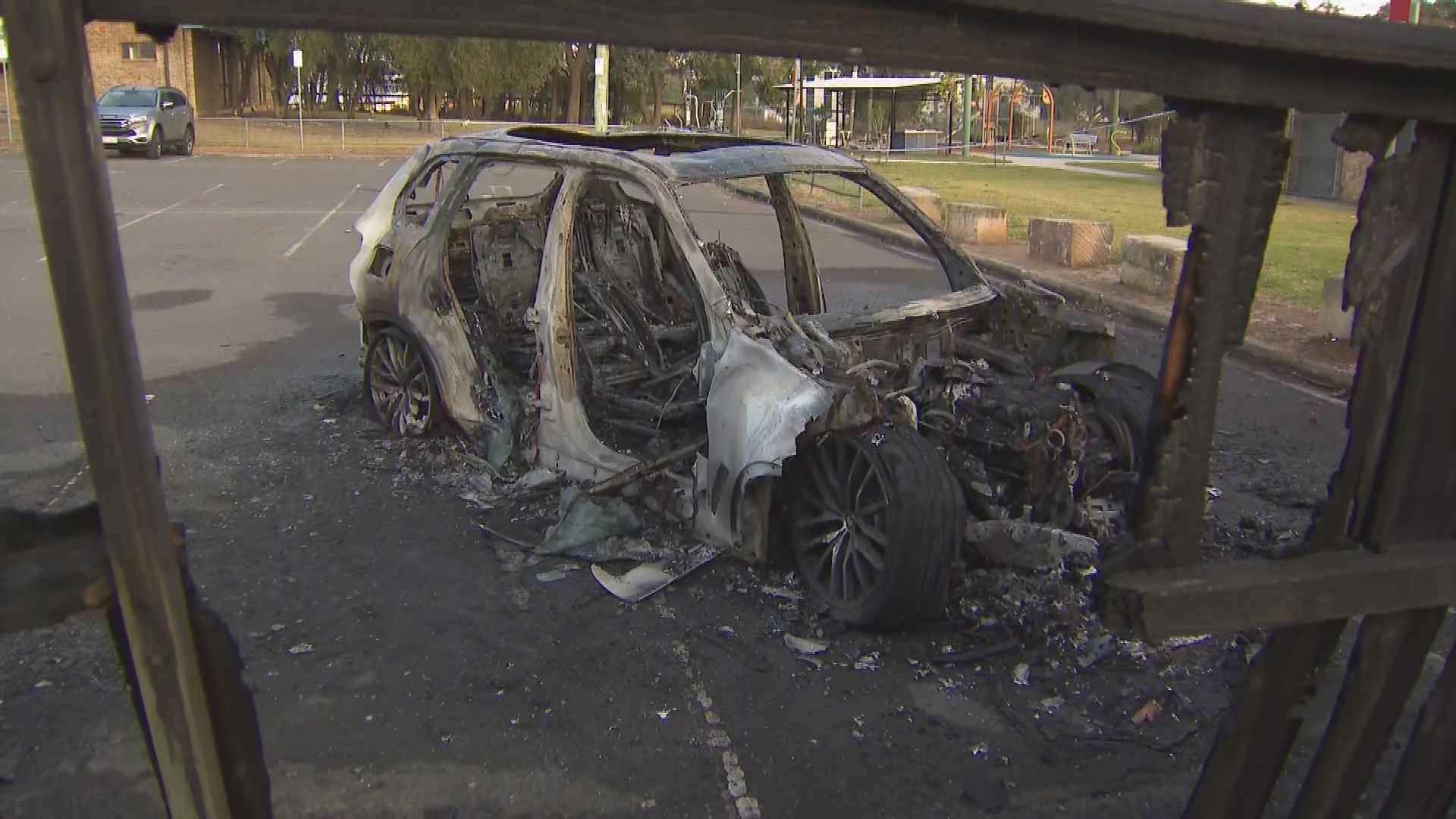
Police are also probing if a car fire on Amy Street at Regents Park is linked to the shooting, which was reported five minutes after the initial incident.
The car fire spread to a wooden fence and tree with Fire and Rescue NSW crews attended to the blaze.
Crime scenes have been established in Greenacre and Regents Park and an investigation has commenced by police.
Detectives are appealing for anyone who was in the vicinity of either location between 2am and 2.30am and has information or dashcam vision they believe to be relevant to the investigation to contact Auburn Police or Crime Stoppers on 1800 333 000.
Sign up here to receive our daily newsletters and breaking news alerts, sent straight to your inbox.
Car fire at major Hamilton shopping centre being treated as suspicious
A video on a local community page showed flames completely engulfing the car.
Queensland snake catcher bemused after call out for 'hissing' beetle
A Queensland snake catcher got a lot less than he bargained for when he got the call to investigate some hissing sounds at a house in Townsville, in Far North Queensland.
James Bindoff, from Townsville Snake Catcher, said he took a call this morning from a very worried local at Heatley.
The caller had heard a loud hissing sound coming from a dog cage outside their property and thought it was coming from a large python.
READ MORE: Three people sitting in parked cars hit in 'targeted' Sydney shooting
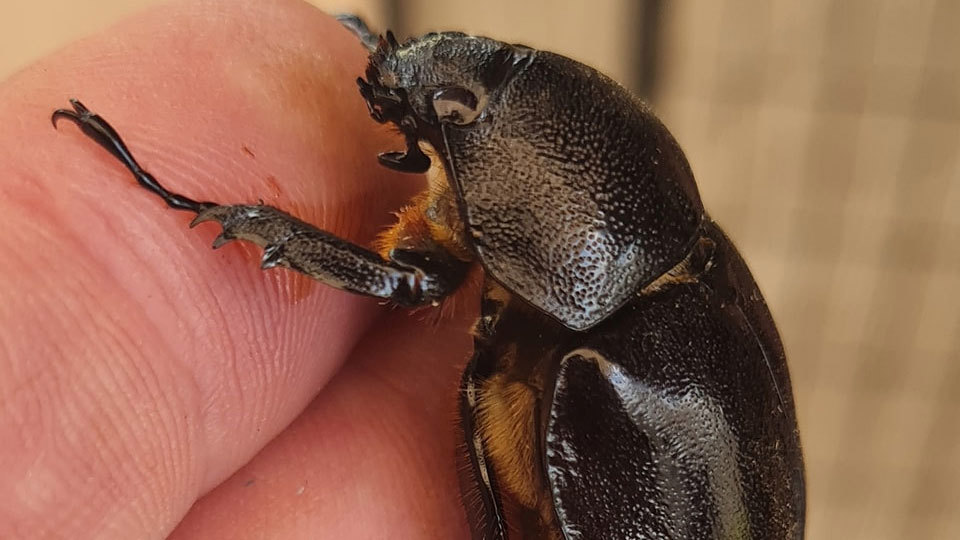
But – when Bindoff went to investigate – there was no reptile in sight, just a very vocal rhinocerous beetle.
"It's a first for me," James Bindoff told 9news.com.au.
"It's only an inch and a half but you can hear it hiss from 10 metres away.
"Which is why they thought it was a big snake."
READ MORE: 'Targeted attack': Triple shooting rocks Sydney
The beetle was relocated to a neighbouring tree to continue its life cycle.
The insects only breed for two to four months during their adult stages and die shortly after laying their eggs in rooting wood, Bindoff explained.
Sign up here to receive our daily newsletters and breaking news alerts, sent straight to your inbox.
Person arrested for kidnapping missing real estate agent in NZ
A person has been arrested for kidnapping Yanfei Bao, but there is still no news on where the missing real estate agent from New Zealand is.
Stuff understands the man was arrested at an airport.
Police said he had been remanded in custody and was due to appear in the Christchurch District Court on Monday.
READ MORE: Wintry blast looming for two Aussie states

"The investigation is ongoing, and several people are assisting police with inquiries," Detective Inspector Nicola Reeves said in a statement.
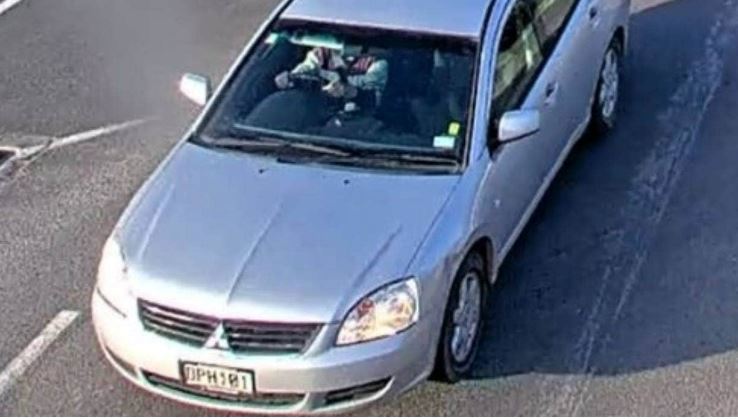
As part of those inquiries, police were seeking sightings of a silver Mitsubishi sedan, registration DPH101.
"We're interested in sightings of the vehicle from mid-week up until last night, but with a particular focus on the vehicle's location on Wednesday 19 July in Wigram, Hornby, Tai Tapu, Halswell, Redcliffs, and New Brighton," Reeves said.
Bao's sister, Huafei, said the family suspected the kidnapping was in relation to a cash buyer who was looking to get $600,000 ($550,949) from China to purchase a property.
From conversations with her sister, Huafei believed money had been tight for Bao.
Huafei was hopeful after hearing that Bao had been kidnapped.
"The thing I hope for most is to find my younger sister, and that she is OK," Huafei sobbed as she spoke to Stuff.
She said she had not slept and was feeling numb as she waited for news of her sister.
READ MORE: Three people sitting in parked cars seriously injured in 'targeted' Sydney shooting
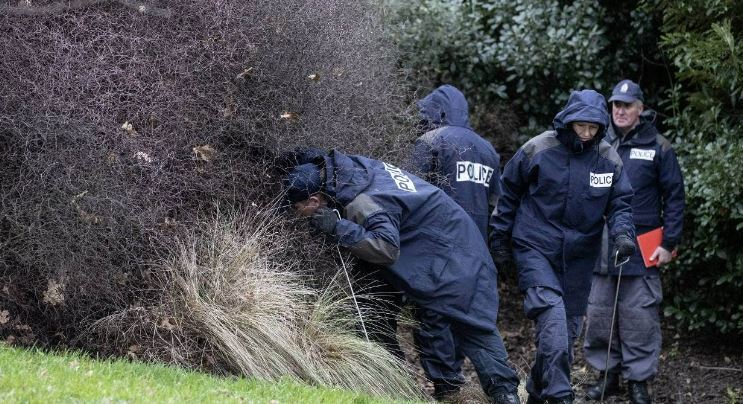
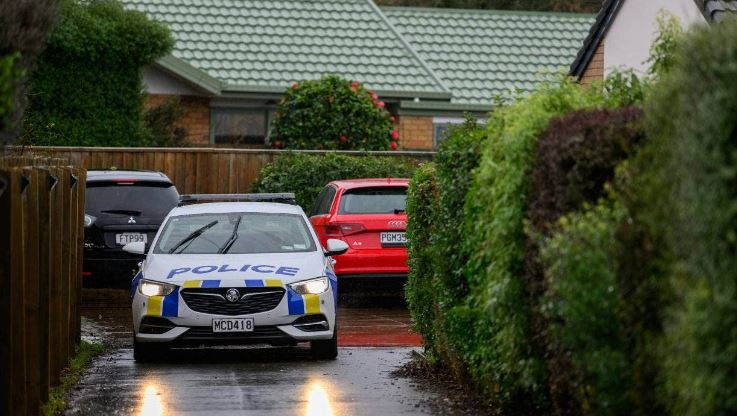
Meanwhile, police continue to investigate a house linked to Bao's disappearance in suburban Christchurch.
In a development overnight, police confirmed they had seized a vehicle of interest in relation to the investigation, and had searched two properties, one in Bryndwr and one in Wigram.
Several people were assisting officers, police said.
The large bungalow at Iriquois Place in Wigram is down a driveway. It has a garden shed out front.
A resident earlier told Stuff they had seen Bao's car parked in the street on Tuesday afternoon, a day before Bao disappeared. He said he saw the same car on Wednesday morning parked in a similar place.
He believed he had seen a grey coat rolled up in the passenger seat.
On Sunday morning, a resident, who didn't want to be named, said he had only seen the people in the Iriquois Place house police were looking at a few times.
He said they said hello in a foreign language, and he thought the house was a flat people ran some businesses out of.
READ MORE: Man charged with murder after alleged stabbing death in Newtown
Previously, Stuff reported Bao spoke to a friend 45 minutes after she was last seen.
REINZ chief executive Jen Baird said real estate companies took the safety of their staff "very seriously".
"I am sure this situation will sharpen that focus. Everyone in the real estate industry has Yanfei's family, friends and colleagues in their thoughts and we are hoping and praying that she is found safe and well."
At 11.16am on Wednesday, Bao rang her friend Jin Tian and had a four-minute conversation with her.
During the conversation, Bao asked Tian how someone she was working with could transfer the money from China to pay cash for a house.
A screenshot showing the date, time and duration of the call was seen by The Press.
READ MORE: Hayley saw her uncle kill her nan and cousin. An app launched today might have saved them
Tian told The Press, in an exclusive interview, the conversation was in Mandarin and Bao sounded normal with nothing to indicate anything was wrong.
Bao had been going door to door for work at 10.30am on Vickerys Rd when she went missing in the Wigram suburb on Wednesday.
Detective Inspector Nicola Reeves said on Friday that one of her phones was found several kilometres west on the southern motorway near Blakes Rd.
At a press conference on Friday, Reeves said police were "growing increasingly concerned" for Bao and were treating her disappearance as unexplained.
Police had received 40 tips from the public, and were assessing the information.
Bao's distraught family, speaking from China, said they were heartbroken.

Bao's sister, Huafei Bao said: "My mum has been crying since, and passed out a couple of times and my dad is heartbroken. We are just ordinary people. What can we do? We are so far away."
Police contacted Huafei on Saturday night to ask for Bao's ex-husband's details in China, but have not received any further updates on Sunday morning.
Anyone with information that could help police's investigation is asked to report it.
This article originally appeared on Stuff and is republished here with permission.
Sign up here to receive our daily newsletters and breaking news alerts, sent straight to your inbox.
Football Ferns’ security boosted after Pullman Hotel fire, CJ Bott describes dash from blaze
The Football Ferns were forced to evacuate their Auckland CBD hotel last night.
Election 2023: Green Party launches campaign with wealth tax priority as it warns Labour not to ‘take support for granted’
The party officially launched its 2023 election campaign in Wellington today.
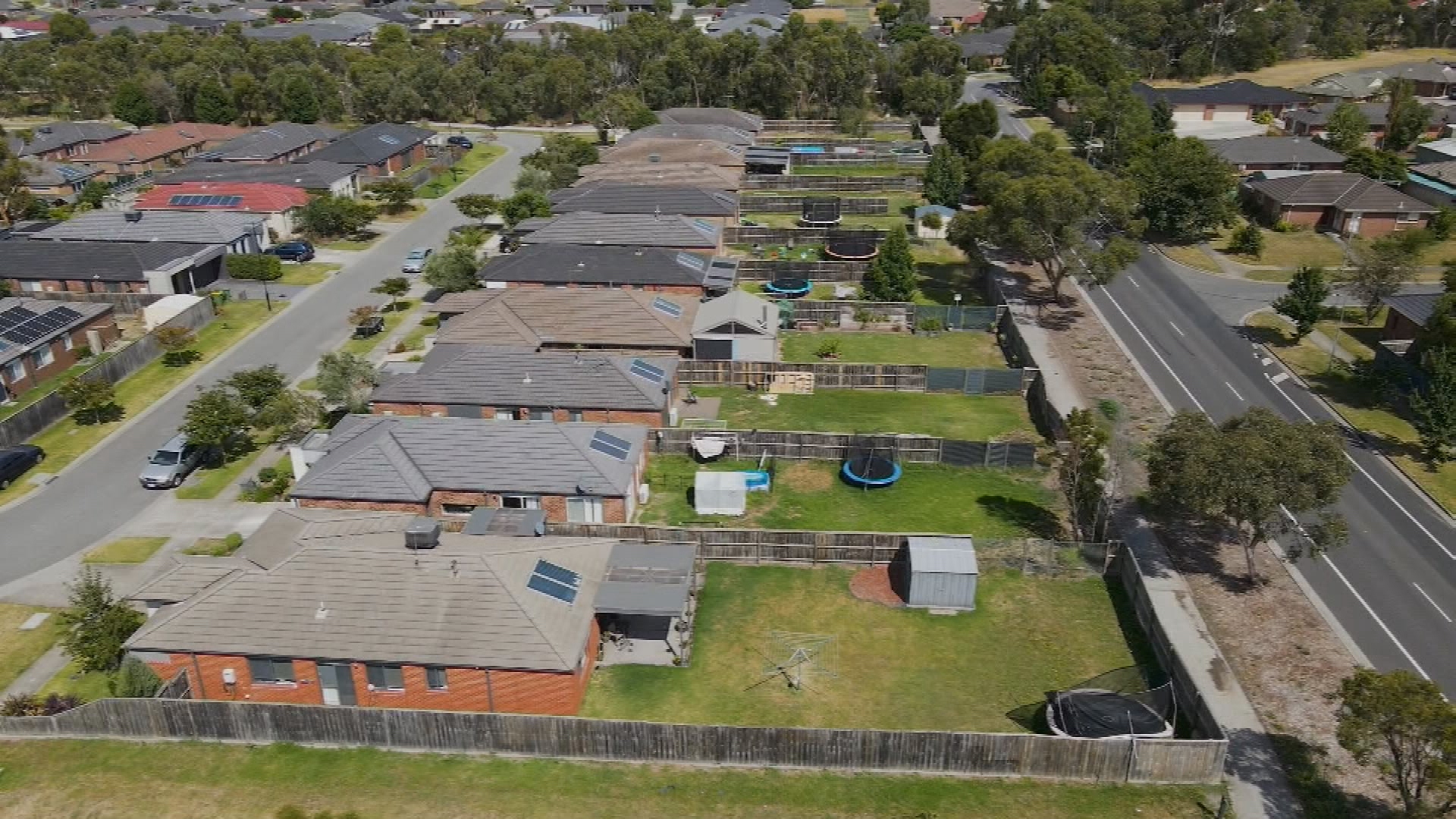
'Reform needed': Premier flags possible changes to housing
The Victorian government is considering a sweep of changes aimed at improving the housing crisis across the state.
Premier Daniel Andrews didn't specify what measures could be introduced to help struggling renters but said "everything was on the table".
It comes as a senior government source with knowledge of the discussions told The Age that limiting landlords to one rent increase every two years was being considered.
READ MORE: Three people sitting in parked cars seriously injured in 'targeted' Sydney shooting
Landlords are currently permitted to raise rent every 12 months.
A tourism levy on short-term stays like Air BnB could also be on the cards.
"We will have more to say in a couple months time. I think when it's all announced and detailed, it will represent one of the biggest shake-ups in terms of delivering more housing," Andrews told media today.
"It won't be everything, there's always more that needs to be done. We obviously believe that reform in this space is needed. It's critically important.
"There is a very long list of different policy approaches, different things we can do."
Sign up here to receive our daily newsletters and breaking news alerts, sent straight to your inbox.