Tag Archives: oceania

I've got the sniffles, how do I know what virus I actually have?

A bad flu season in Australia is being compounded by the spread of RSV and COVID-19 throughout the community.

The respiratory illnesses share many of the same symptoms, making it difficult to tell which one of them you've caught – or if you're just coming down with a common cold.

Here's a bit more information that could help you tell whether you've caught RSV, influenza, COVID-19 or a cold.

READ MORE: How Australian psychiatrists can prescribe psychedelics
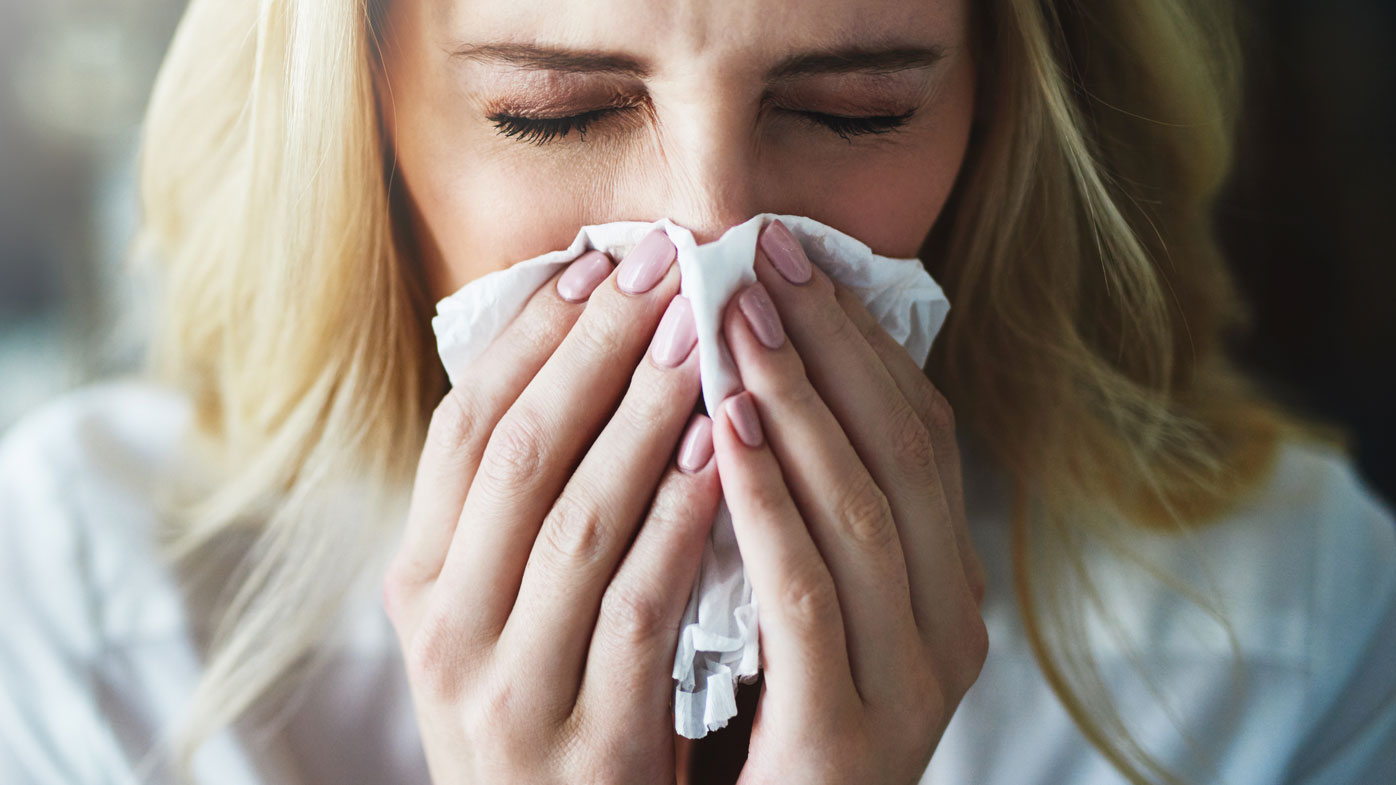
Woman blowing nose

What is RSV?

While most people are already familiar with flu, colds and COVID-19, RSV – or respiratory syncytial virus – isn't the most well-known illness.

It's a highly contagious and common virus. In fact, almost everyone will have contracted it at least once by the time they turn three, according to the Australian Health Department.

RSV will often be mild, but in severe cases it can prove life-threatening, particularly to young children.

EXPLAINED: What is respiratory syncytial virus?

What are the symptoms of COVID-19, flu, RSV and a cold?

Each of the four diseases shares a few common symptoms – things like a runny nose, cough, fever or sore throat can be experienced by someone who's contracted any one of them.

Some of the other symptoms, however, are more closely associated with one or two of the viruses. Fatigue, for example, is common for flu and COVID-19 but not the others.

Here's a general run-down of the symptoms for each, according to information from the Australian Health Department and America's Centres for Disease Control and Prevention (CDC):

COVID-19 Flu RSV Cold
Fever Sometimes Common Common Rare
Cough Common Common Common Common
Sore throat Common Sometimes Sometimes Common
Shortness of breath/wheezing Sometimes No Sometimes No
Fatigue Common Common No Sometimes
Loss of taste/smell Sometimes Sometimes No Sometimes
Body aches Sometimes Common Rarely No
Headache Common Common Sometimes Common
Stuffy/runny nose Common Sometimes Common Common
Diarrhoea Rare Sometimes in children No No
Sneezing Common No Sometimes Common
Vomiting Sometimes Common No Rare

Someone with RSV might develop an ear infection on top of the other symptoms, although this is less common, and lethargy is a symptom that doctors and other medical professionals will look out for in all four.

Similar as the symptoms can be, there are some differences in their onset for the different illnesses.

According to the CDC, flu symptoms tend to appear suddenly and all at once, generally sometime between one and four days after exposure to the virus.

For COVID-19 and RSV, however, symptoms can develop gradually in stages – this can be over the course of between three to 10 days in the case of RSV, and one to 14 days for COVID-19.

READ MORE: Aussie researchers make breakthrough IVF findings
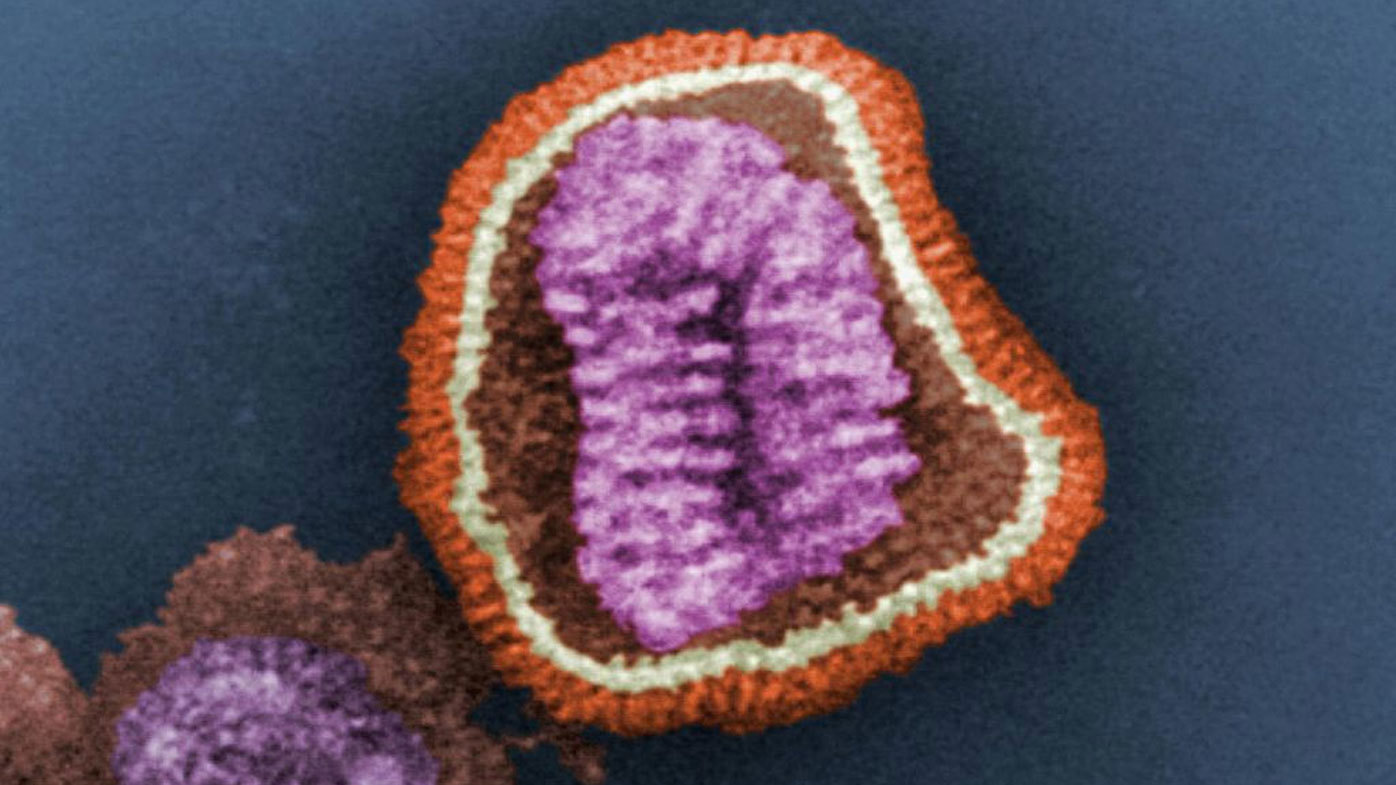
The influenza virus as seen under a microscope.

How long a bout of each illness lasts differs from virus to virus.

An RSV infection, according to the CDC, will usually end after a week or two, and both influenza and a cold can last between a few days to a couple of weeks.

People can also get over COVID-19 in a few days, but are not considered fully recovered until they've been asymptomatic for seven days, which can take weeks, according to the Australian government's Healthdirect service. 

However, if complications or a severe case of any of the illnesses arise, the sickness can last for much longer.

READ MORE: What is the Indigenous Voice to parliament?

So how can you tell if it's RSV, a cold, flu or COVID-19?

Given how similar the symptoms are, you're generally not going to be able to tell which virus you have just by judging them.

The best way to determine what you've caught is, of course, to get in touch with a doctor, who'll often be able to diagnose flu, RSV and a cold through signs and symptoms alone, and to get tested.

Australia's Therapeutic Goods Administration (TGA) approved a triple RAT for use earlier this year, which tests for COVID-19, influenza A and B, and RSV.

A double RAT that checks for COVID-19 and flu is also available.

Both of those viruses, as well as RSV, can be diagnosed through a swab sent to a pathology lab for testing, while a blood test can also be taken to check for RSV.

READ MORE: US approves first vaccine for RSV after decades of attempts
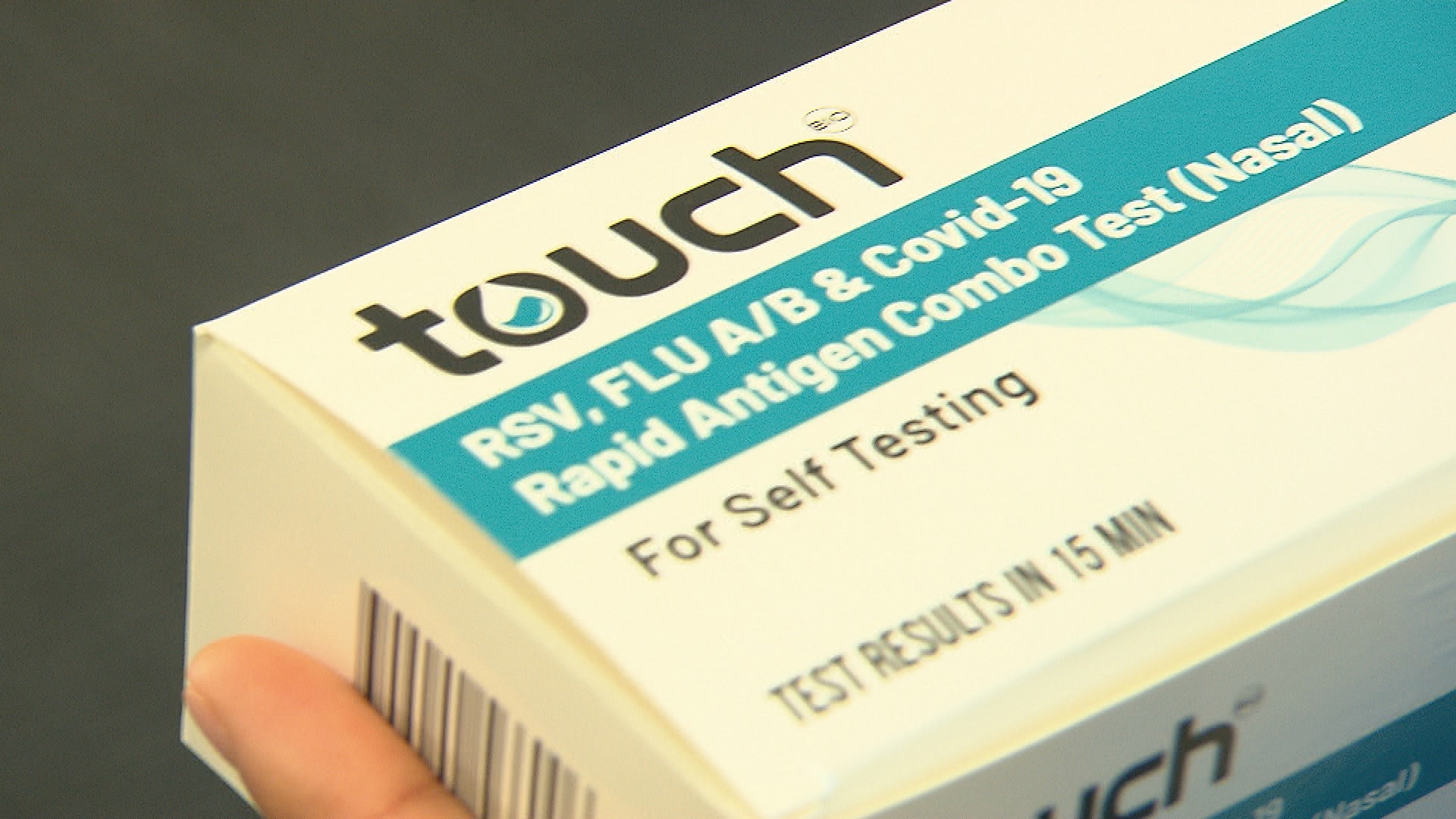
Australians will be able to pick up a rapid antigen test for three viruses in one go, after it was approved by the Theripudic Goods Association (TGA).

Who is more vulnerable to each disease?

As each of COVID-19, influenza, RSV and the common cold are all viral respiratory illnesses, it's no great surprise that there are similarities in the groups that are at risk from them.

Being immunocompromised and having asthma are risk factors for all the diseases, while the federal government also says pregnant women and Indigenous Australians are at higher risk of developing complications from both COVID-19 and flu.

In terms of age groups, severe illness from COVID-19 is generally associated with older people – those aged 65 or over.

RSV, on the other hand, is more typically linked to life-threatening cases in infants, although it can also pose a risk to older people who have existing heart, lung or immune issues, according to the Health Department.

Influenza is a worst-of-both-worlds case – both young children aged five or under and adults aged 65 or older are at risk of developing a serious case.

The common cold tends to affect children more frequently than adults.

"Children may get between five and 10 colds a year, while adults may get two to four colds each year," Healthdirect says.

READ MORE: What the different colours of mould in your house mean

How can I protect myself from the four viruses?

Practising good hygiene, including regularly washing your hands, covering your nose and mouth when sneezing or coughing, cleaning surfaces and throwing out used tissues, can help stop the spread of each of COVID-19, the flu, RSV and the common cold.

Wearing a mask can also help.

READ MORE: The changes coming to your tax return this year
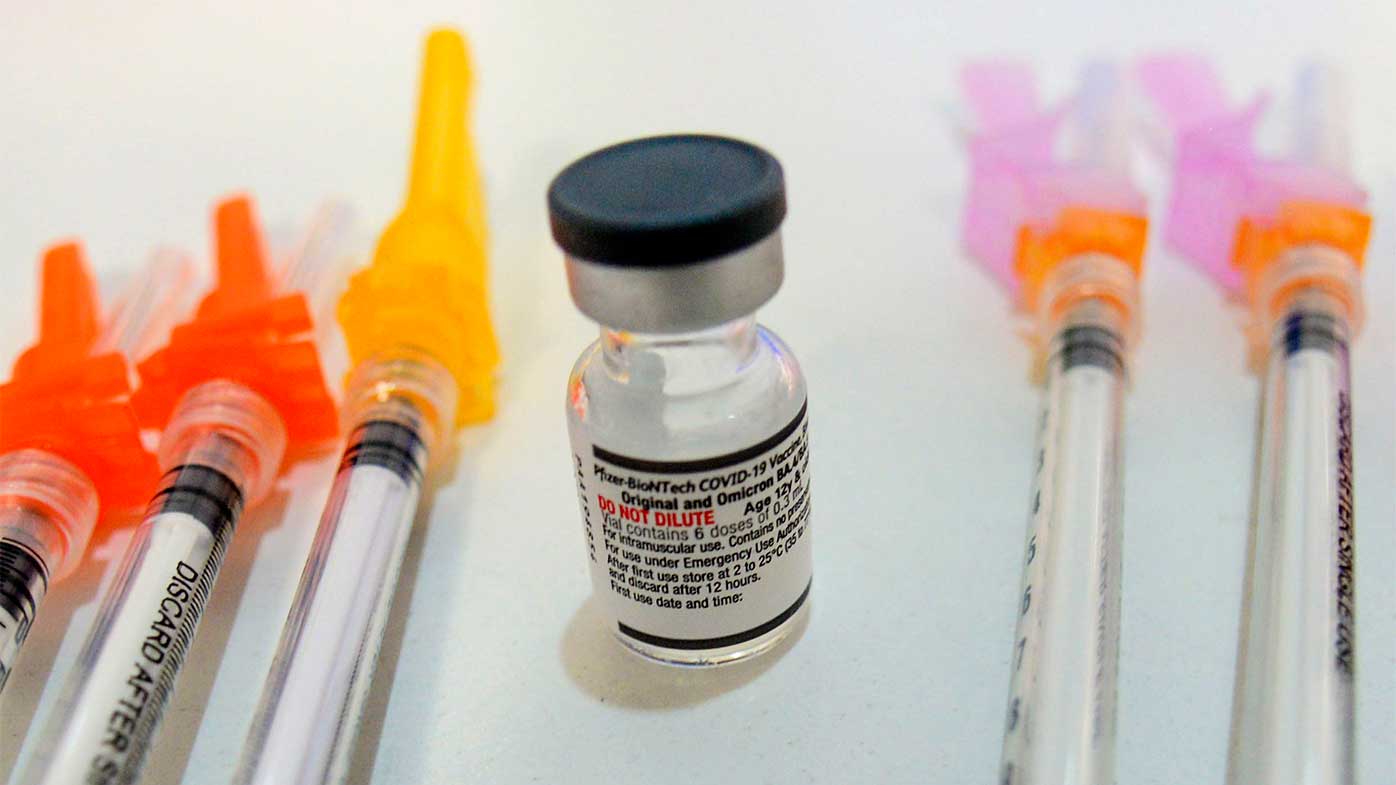
An Omicron-effective Pfizer vaccine has been approved in Australia.

What treatments are available for RSV, flu, COVID-19 and the cold?

Vaccines are available for both COVID-19 and flu. Adults are encouraged to get a COVID-19 booster every six months, while influenza is a seasonal vaccine.

While the USA has approved an RSV vaccine, Australia has not – although there are hopes that one won't be too far away.

Anti-viral medications can be prescribed to at-risk COVID-19 patients, but antibiotics won't work for any of the four diseases, as they're all caused by a virus.

Otherwise, treating each of COVID-19, flu, RSV and the cold at home is quite similar; get lots of rest, drink plenty of fluids and eat healthily.

You can also relieve the symptoms of the viruses by taking over-the-counter medication like paracetamol or ibuprofen.

Sign up here to receive our daily newsletters and breaking news alerts, sent straight to your inbox.

Underbelly actor to perform community work over $61k unpaid fines

Actor Vince Colosimo's fall from grace has played out in court as a magistrate ordered him to perform community work since he cannot afford to pay back more than $61,000 in fines.

The Underbelly star, 56, appeared in Melbourne Magistrates Court on Thursday by video link from his Legal Aid lawyer's offices over a sheriff's warrant, after he failed to pay back almost a decade's worth of driving and voting fines.

Colosimo, who has acted in almost 70 productions on the big and small screen, had been untreated for his ADHD for years which led to him self-medicating with illicit drugs, including methamphetamines, the court was told.

READ MORE: Prominent Melbourne businesses enter voluntary administration

He has been diagnosed with a major depressive disorder, dependence on methamphetamines, generalised anxiety disorder and PTSD.

These issues culminated in Colosimo disregarding his civil obligations, by failing to pay off parking, speeding, traffic, toll and voting fines between 2013 and 2022, which now total $61,858.60, Magistrate Guillaume Bailin said.

Colosimo's lawyer Julia Munster asked the magistrate to dismiss all of the fines as she said her client was vulnerable due to his multiple mental illnesses, and could not afford to pay the amount now owed to Victoria's sheriff's office.

"He suffers from profound mental illnesses, special circumstances do apply to him," she told the court.

She said Colosimo's financial situation was difficult, with no major financial assets to his name and a "precarious" housing and working situation where he has few employment prospects beyond labouring jobs.

"He's living a meagre lifestyle with very limited financial capacity to really to meet his current obligations, let alone anything else," she said.

READ MORE: Man charged for sending online deaths threats to federal MP

Colosimo recently paid $6025 in court fees, but he had to borrow that money, she said.

Munster said the infringements, which include fines for failing to vote in council elections, unpaid tolls and speeding tickets, were initially less than $30,000 but that amount had more than doubled due to additional fees imposed by the sheriff.

Colosimo was facing possible jail time, but Bailin took that off the table on Thursday.

He instead found Colosimo was vulnerable due to his mental illnesses and dismissed $58,000 he owed to the sheriff.

"These illnesses all operated collectively to contribute to the infringement conduct and inattention to civic duties," Bailin said.

Readers seeking support can speak with financial counsellors at the National Debt Helpline on 1800 007 007.

Readers seeking support and information about suicide prevention can contact Lifeline on 13 11 14.

Sign up here to receive our daily newsletters and breaking news alerts, sent straight to your inbox.
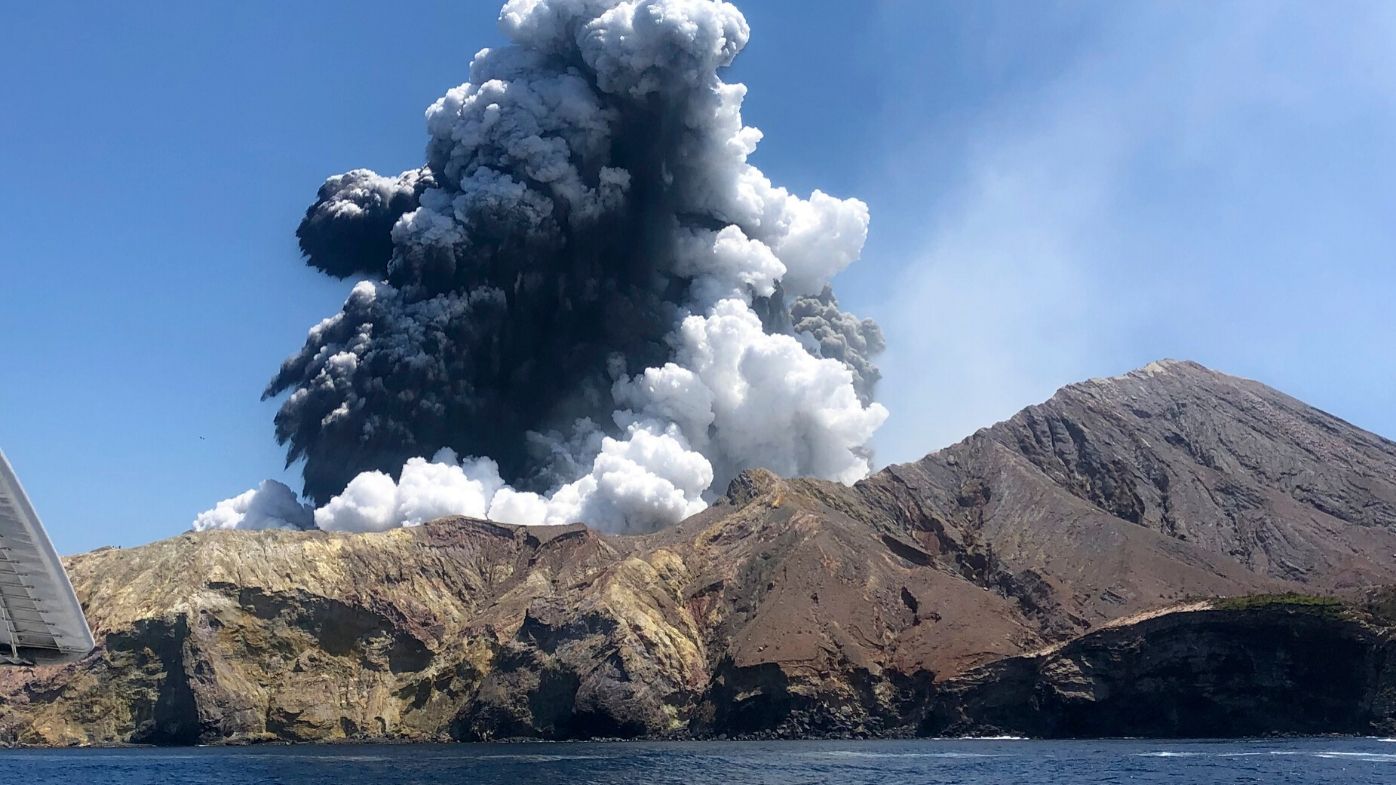
Pilot, passengers saved from White Island blast by sea

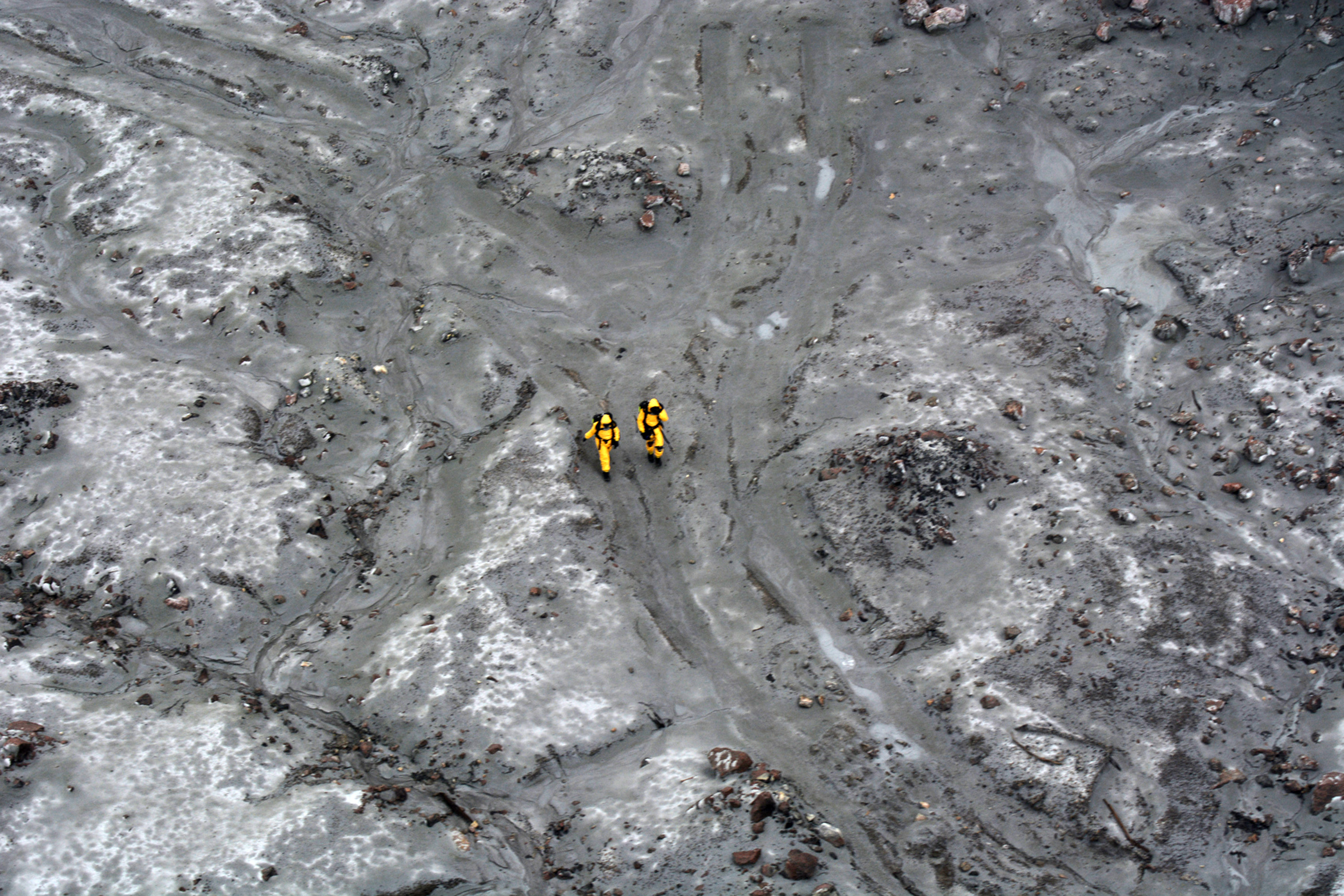
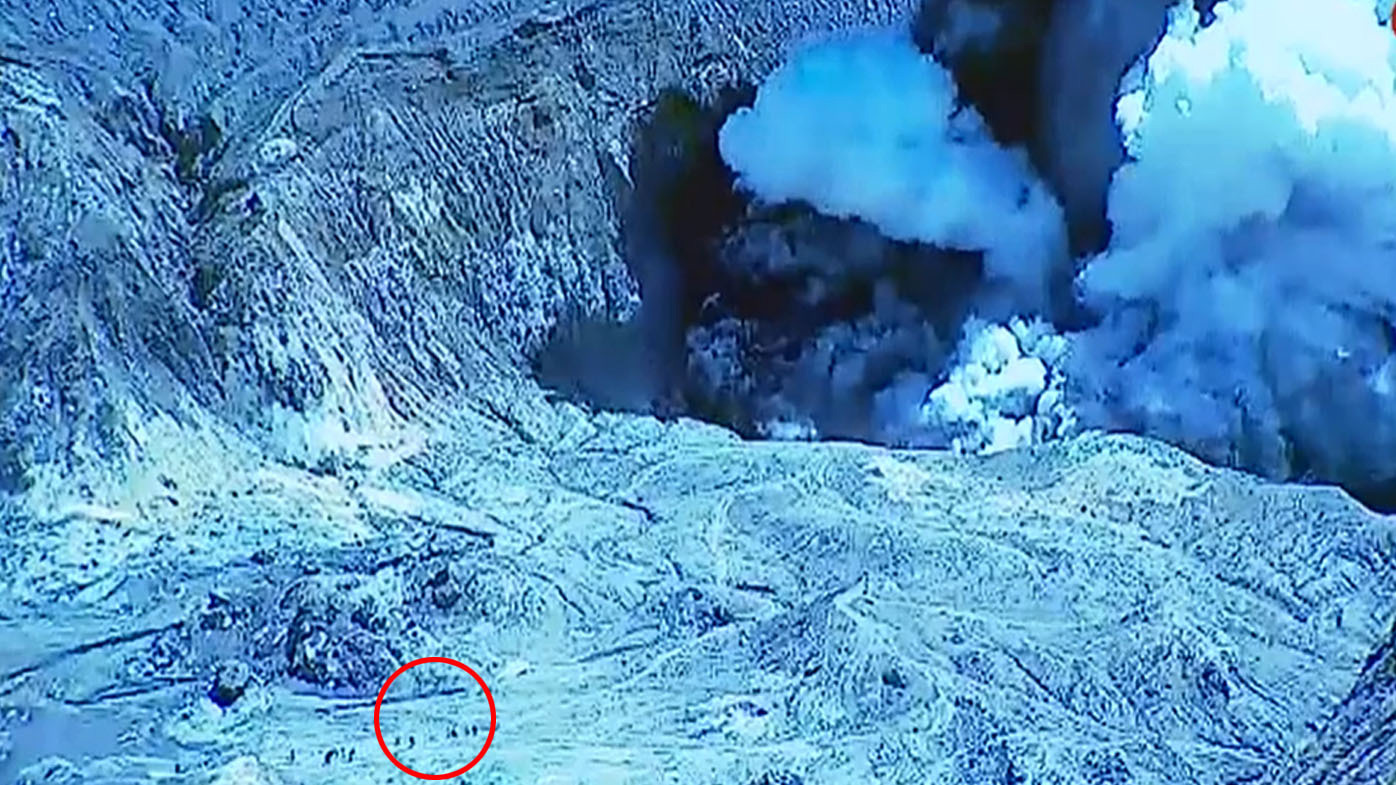
A helicopter pilot who took a group of tourists to White Island on the day of its deadly eruption reportedly heard "a bit of a tut" before they had to run for their lives.

Pilot Brian Depauw took four passengers to the island on December 9, 2019.

A video of an evidential interview Depauw gave police was broadcast in court today as a third day of hearings for a prosecution related to the eruption continued.

READ MORE: BBC presenter named by wife in explicit photo scandal

The island's owners, the Buttle family, ID Tours and Tauranga Tourism Services Limited have been accused of breaching health and safety regulations.

Depauw told police he and his group were walking away from the crater towards the pier when he heard "a bit of a tut", Stuff reported.

One of the passengers asked if they should run, and Depauw turned to see a cloud of ash rising into the air.

Depauw and two of his passengers managed to run the remaining 150-200m to the water, where he said everything went black.

He said he ducked underwater as long as he could.

Speaking in court, Depauw said reaching the sea had saved him.

His other two passengers were unable to reach the water and suffered burns.

First Australian caught in blast speaks

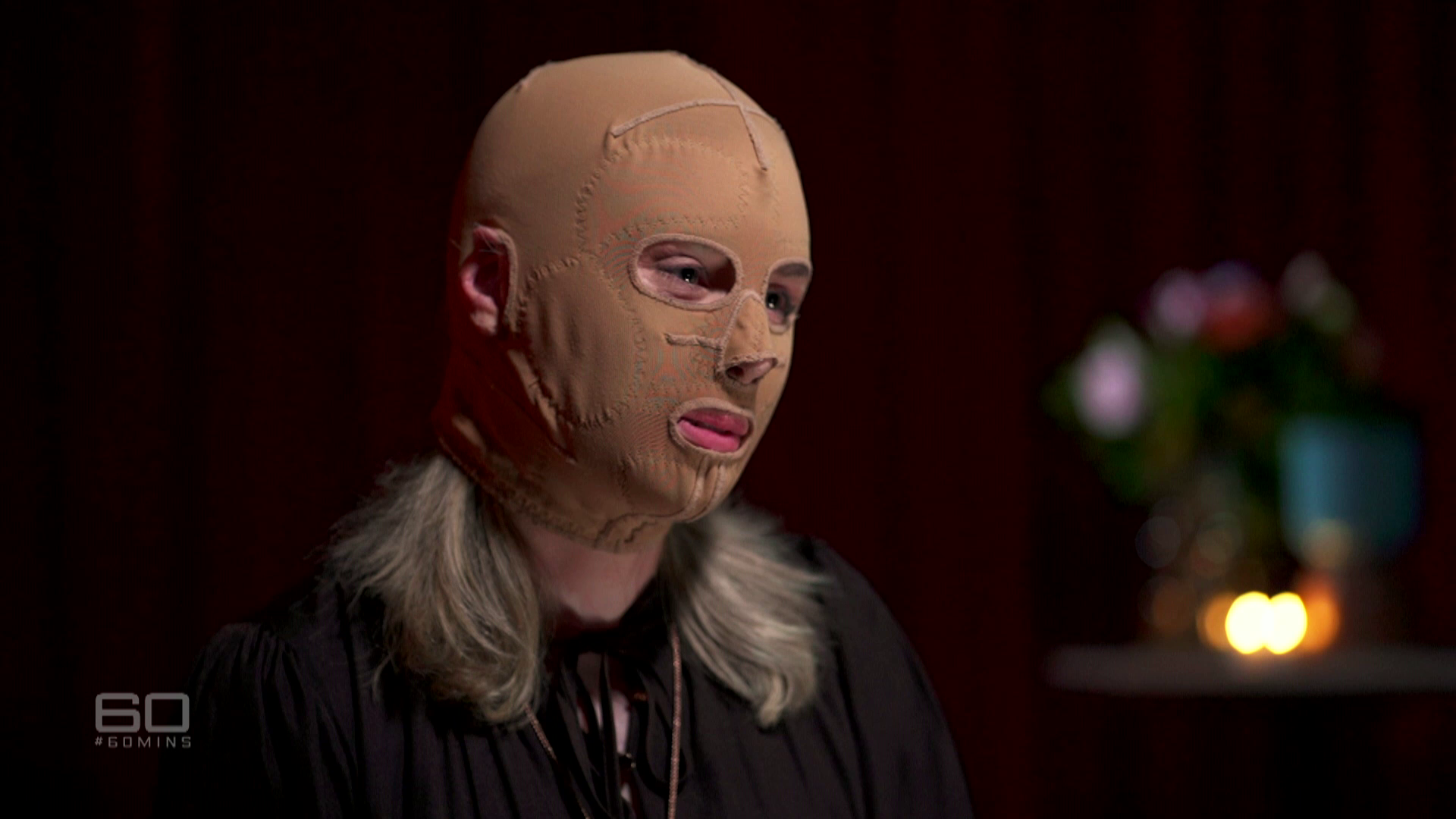
Annie Yongan Lu, from Sydney, gave evidence at the trial via video link from Australia, AAP reported.

Lu was aged 26 when she booked a holiday cruise with her then 56-year-old mother, Alice Xioman Zhang, from Sydney to New Zealand.

"We looked at brochures of day trips and saw White Island and we decided to go," she told police in a 2020 video interview that was played to the court.

Lu said the trip to the island with her mother started exactly like every other excursion from the cruise.

READ MORE: Dentist Googled 'how to make a murder look like a heart attack'

"Nothing was really explained to us going on to the bus or the boat (about) the possibility of an explosion," she said.

Lu said she followed the advice in the brochure's short blurb and wore enclosed shoes with gym leggings and a hooded jumper.

She said their tour group was given a safety briefing once on the island and told to wear hard hats, but gas masks were optional for the sulphur smell.

"They mentioned 'level two' but said it was nothing to worry about … there was no explanation of what level two was," Lu said.

READ MORE: Murder charges over 'brazen' Sydney street shooting

The trial has heard that volcanic activity level two is the highest alert level not involving an eruption.

Lu and her mother stopped for one last photo of the crater when the volcano started to erupt just after 2pm on December 9.

"All of a sudden, I saw these black clouds pop up … I heard, 'Oh my god, everybody run'," she said.

Lu said she realised they could not outrun the eruption and she and her mother dived behind a rock before being hit by two or three waves of heat and pain.

READ MORE: The one symptom that separates RSV from the common cold

"I remember mum screaming my name and everything went black as this big wind that knocked us for six and I was in so much pain and screaming into the gas mask," she said.

After boarding a tour boat with her mother, Lu ran her hands under a tap and saw that her nails were cracking and her skin was bubbling and falling off.

The boat's crew cut off her melted leggings and she moved to the front of the vessel with the most badly injured people.

"I realised I could not bend my legs or sit down … I started freaking out," Lu said.

The trial is also due to hear from Australians Jesse Langford and Stephanie Browitt, who were badly burned and had relatives killed by the eruption.

'Like your skin is melting off'

A video interview Lu gave police months after the eruption was also played in court before she gave evidence.

"It's like your skin is melting off you," Lu told police when asked to describe the pain, Stuff reported.

"Think of a porcupine attacking you.

"The pain never stopped. It just kept going and going and going."

Lu said she had undergone many skin grafts since the eruption, with the most recent being just two weeks ago.

She told the court she had also had to step away from her career in the fashion industry.

Sign up here to receive our daily newsletters and breaking news alerts, sent straight to your inbox.
One student drowned but it could have been much worse

An Adelaide teenager who drowned on a school excursion was not given a life jacket before going fishing on a rocky outcrop that was steep, slippery and covered in black algae, a tribunal has ruled.

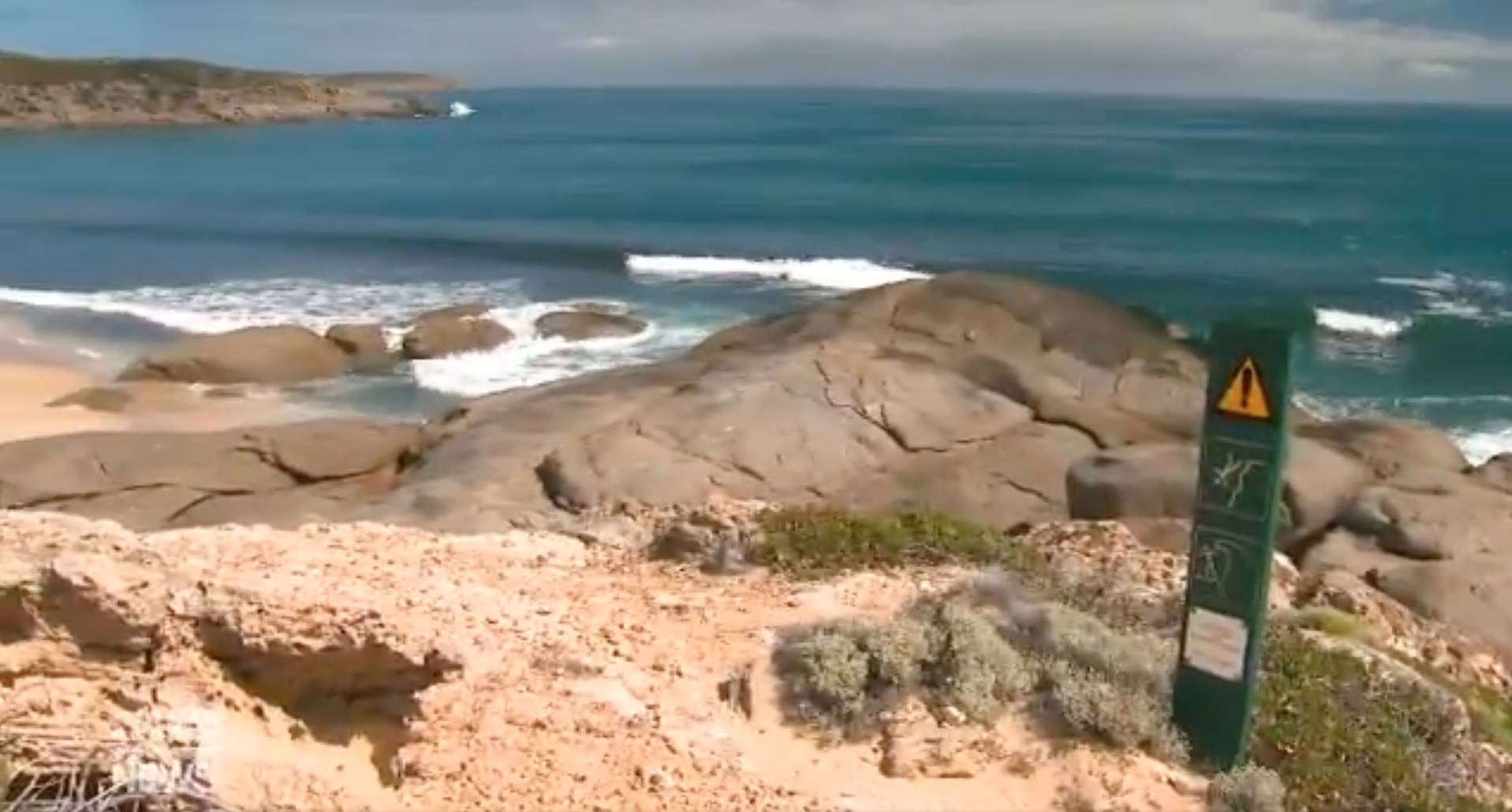
Ahmad Alfarhan, a student from Pinnacle College, either fell or jumped into the water to help some fellow students at Browns Beach, on South Australia's Yorke Peninsula, in March 2021.

The 16-year-old's body was recovered the following day.

READ MORE: Queensland family 'torn apart' after girl dies from flu

The operators of the school pleaded guilty under work health and safety rules to failing to ensure the safety of the students on the two-day camp.

In a judgment published by the South Australian Employment Tribunal this week, deputy president Miles Crawley said when the school group arrived at the national park, almost the first thing the students did was gather their fishing rods and go out onto a rocky outcrop.

"Whilst there, one of the students lost his balance, slipped and fell into the sea," he said.

"Ahmad and another student either slipped or jumped into the sea in an effort to rescue him.

"Two of the boys were able to self-rescue. Ahmad was lost."

READ MORE: The symptom that separates a cold from something sinister

Judge Crawley said Ahmad and his fellow students were not provided with life jackets and non-slip shoes were not considered necessary.

"They had no ropes and instead attempted to rescue the students by tying their jackets together to form a rope and by using the fishing rods," he said.

The judge said the offending involved was serious and the risk of injury or death was real.

He said the college had failed to identify the hazards and risks that rock fishing in that location presented to the students. Rock fishing was not included in a risk assessment.

"There could easily have been a triple fatality," Judge Crawley said.

"Even at it was, the victims of this tragedy extend to Ahmad's family, his classmates, the whole school, and the school community."

The judge imposed a $420,000 fine, discounted from $700,000 because of the early guilty plea.

He also accepted the school's "real and deep" contrition and that it had undertaken a substantial review of its policies and procedures which had created a new and very much improved excursion policy.

Sign up here to receive our daily newsletters and breaking news alerts, sent straight to your inbox.