Tag Archives: oceania

Life in ocean 'twilight zone' could disappear due to climate crisis

One of Earth's largest habitats could see its rich diversity of life reduced by the end of the century due to the climate crisis.

The ocean's mesopelagic zone, also called the "twilight zone," is located between 200 and 1000 metres below the surface.

The marine region, which accounts for approximately a quarter of the ocean's volume, is home to billions of metric tons of organic matter and some of Earth's most stunning biodiversity, despite being beyond the reach of sunlight.

READ MORE: Queensland student in ICU after accidentally consuming rat poison in Taiwan
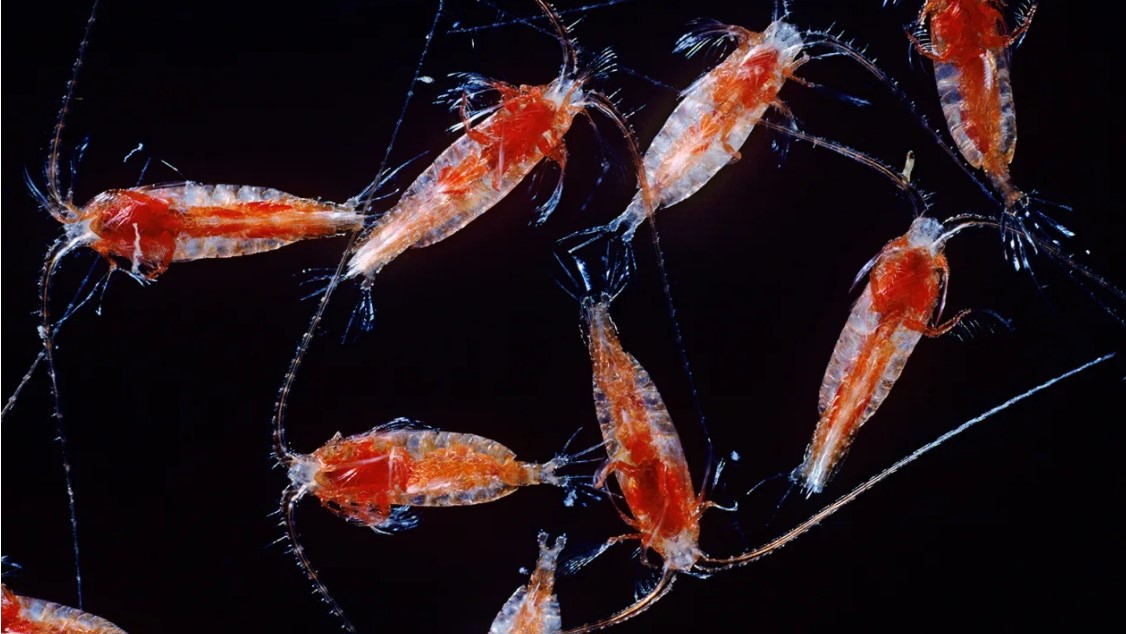
The twilight zone also a crucial habitat for marine life that dives in search of prey, like sharks, or lanternfish that hide in the twilight zone during the day and swim to the surface waters to feed at night.

New research warns that the climate crisis could reduce life in the twilight zone between 20 per cent and 40 per cent by the end of the century. And if greenhouse gas emissions continue, the researchers estimate that the ocean region's life could be severely depleted within 150 years — and recovery may not be possible for thousands of years.

Ancient warm oceans

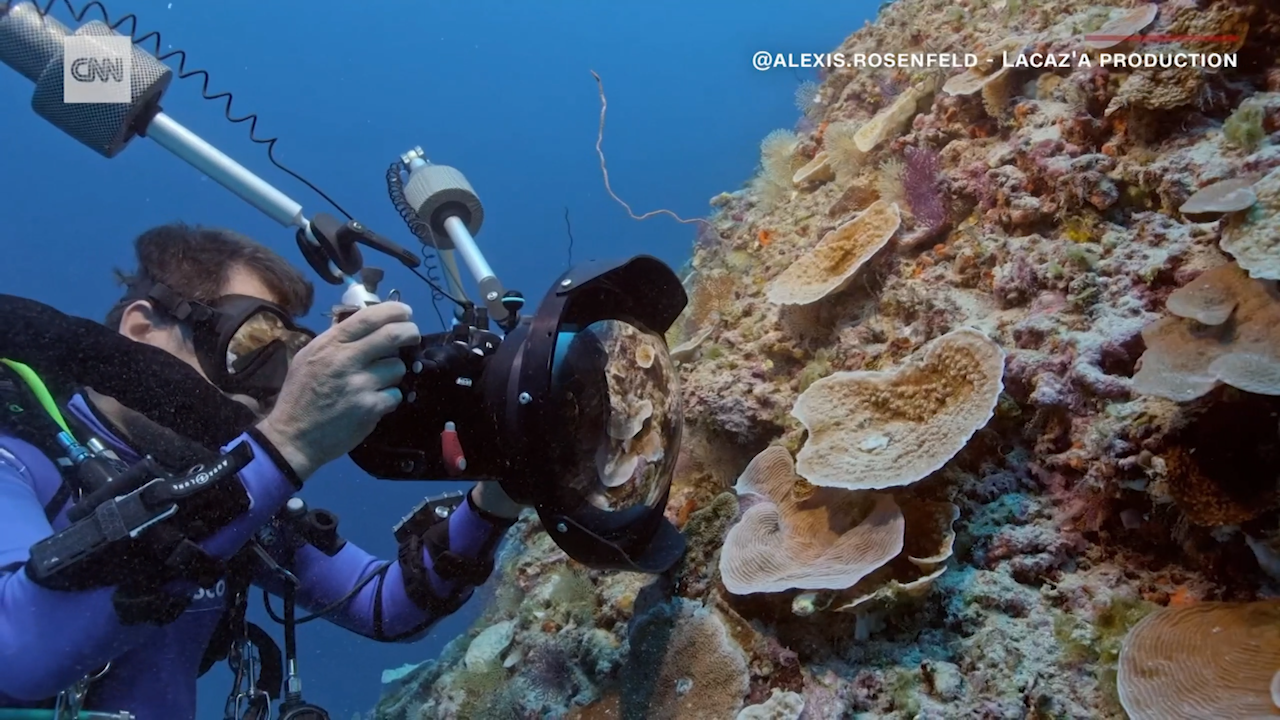
Paleontologists and ocean scientists teamed up to study the impacts on the ocean's twilight zone during previous ancient warming events in order to predict how the habitat may respond in the future due to global warming.

The research team studied cores taken from the seafloor that included evidence of preserved microscopic shells from plankton.

Over time, the calcium carbonate shells accumulate on the seafloor, preserving information about what the environment was like during their lifetime. The tiny shells effectively create a timeline of how the ocean has changed over millions of years.

A study detailing the findings was published Thursday in the journal Nature Communications.

"We still know relatively little about the ocean twilight zone, but using evidence from the past we can understand what may happen in the future," said lead study author Dr Katherine Crichton, a postdoctoral research fellow at the University of Exeter in the United Kingdom, in a statement.

READ MORE: Albanese defends record surge in migrants coming to Australia
The researchers focused on two warm periods that occurred 15 million years ago and 50 million years ago, where even ocean temperatures were "markedly warmer than today," according to the study.

"We found that the twilight zone was not always a rich habitat full of life," said study coauthor Paul Pearson, an honorary professor at Cardiff University in the United Kingdom, in a statement.

"In these warm periods, far fewer organisms lived in the twilight zone, because much less food arrived from surface waters."

Particles of organic matter from the ocean's surface drift down and serve as one of the main food sources for life in the twilight zone.

But past warming events caused the material to be degraded more quickly by bacteria, so less of it reached the ocean region.

Warmer ocean temperatures also increase the metabolic rates of organisms, leading to increased food demand and oxygen consumption, according to the study.

"The rich variety of twilight zone life evolved in the last few million years, when ocean waters had cooled enough to act rather like a fridge, preserving the food for longer, and improving conditions allowing life to thrive," Crichton said.

READ MORE: Man charged after allegedly trucking 136kg of cannabis to Queensland
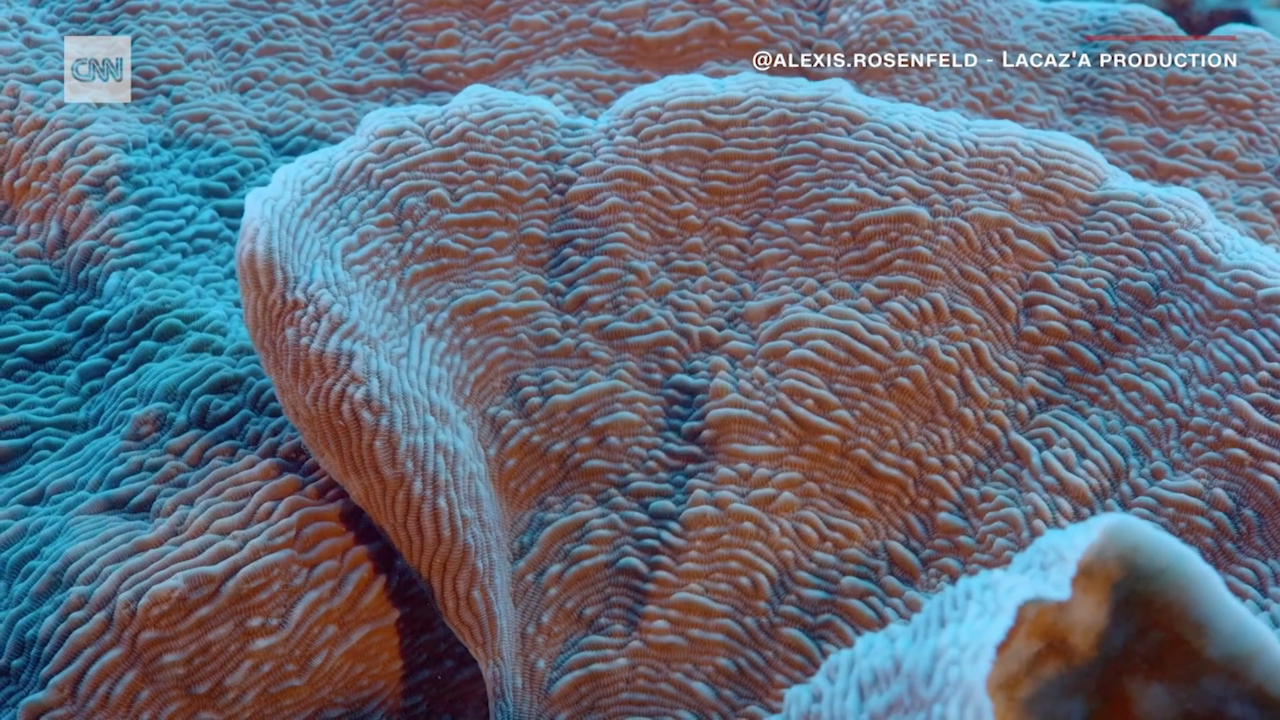
Luiz A. Rocha, curator and Follett Chair of Ichthyology at the California Academy of Sciences, worries that changes are underway that haven't been detected because the twilight zone is so understudied, largely due to a disconnect between funding and the costs of exploring this region.

Rocha, who was not involved in the study, researches the twilight zone and the mesophotic zone just above it, located between 30 and 150 metres below the surface.

"There are no baseline data to compare what we are measuring against, so this study that looks at the composition of the fossil record over time is one of the few ways we can try to understand how we are causing the twilight zone to change," Rocha said.

Predicting the future

Based on what they discovered from the ancient warming events, the researchers combined that data with Earth system mode simulations — modelling of Earth's carbon cycle as it moves through the land, sea and atmosphere.

The team's work revealed what is currently occurring in the twilight zone and how that might change in the future across decades, centuries and even millennia as the world warms.

"Our findings suggest that significant changes may already be underway," Crichton said.

"Unless we rapidly reduce greenhouse gas emissions, this could lead to the disappearance or extinction of much twilight zone life within 150 years, with effects spanning millennia thereafter.

"Even a low-emissions future may have a significant impact, but that would be far less severe than medium- and high-emissions scenarios.

"Our study is a first step to finding out how vulnerable this ocean habitat may be to climate warming."

The researchers used three emissions scenarios based on the total carbon dioxide emissions after 2010.

READ MORE: Australian man faces public lashing after drunk, naked rampage in Indonesia
The low estimate was 625 billion metric tons, medium was 2500 billion metric tons and high was 5000 billion metric tons.

The Global Carbon Budget estimates that the total global carbon dioxide emissions in 2022 was 40.6 billion metric tons. Yearly emissions have been close to that number each year since 2010, so the researchers noted that the low-estimate scenario they used has already been emitted.

The team thinks the medium emissions scenario will have been reached in about 50 years, and the high estimate in just over a century.

"The twilight zone plays an important role in the ocean's carbon cycle because most of the carbon dioxide taken up by phytoplankton ends up there as their remains sink down from the surface ocean," said study coauthor Jamie Wilson, a postdoctoral researcher at the UK's University of Liverpool, in a statement.

"One of the challenges of predicting how this movement of carbon might change in the future is that there are many processes to disentangle in the modern ocean.

"By looking back at the twilight zone in past warm periods we can identify the most important processes and use those to predict the future.

"We found that this natural cycling of carbon is likely already changing and may be perturbed long into the future."
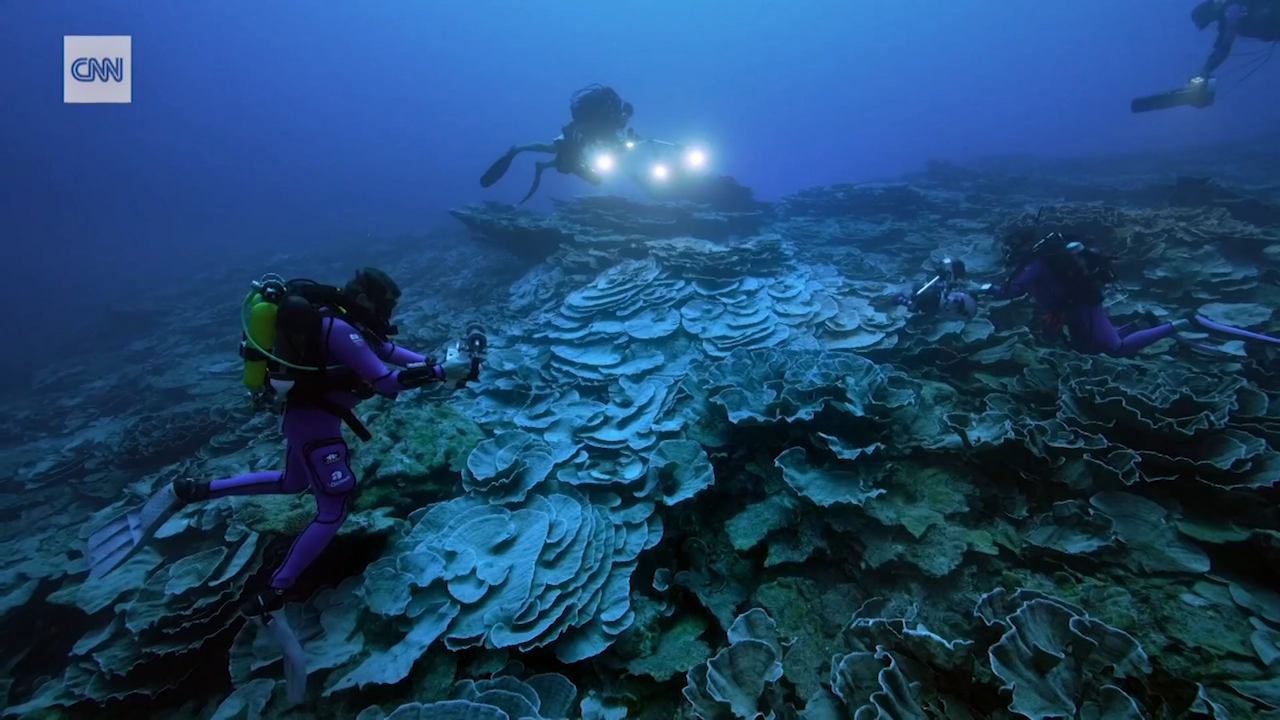
The climate crisis has impacted Earth's oceans in the form of pollution, warming, deoxygenation, acidification and overfishing, according to the study.

These effects have caused conservationists to consider different protective efforts, such as restricting harmful activities in the oceans.

Protecting the twilight zone will be difficult since typical conservation efforts, such as preventing fishing or deep-sea mining, can't apply there, Rocha said.

"A marine protected area for the (twilight zone) makes very little sense because the impacts that are affecting it are global in nature," he said.

"What we really need to protect the (twilight zone) is to stop, or at least slow down, the high rate of change that we are subjecting our planet's climate to."

Sign up here to receive our daily newsletters and breaking news alerts, sent straight to your inbox.


Man allegedly kidnapped after flying from China for business deal

Three men have been charged in Western Australia after they allegedly kidnapped a man for two days, assaulted him and demanded money from his family.

Police say the 68-year-old alleged victim travelled from China to Perth but stopped in Melbourne where he met with a 29-year-old about a proposed business deal. The two then flew to WA on April 23.

When they arrived in Perth, police allege an associate of the 29-year-old drove the pair to a house in Caversham, where a third man was waiting.

READ MORE: 'Why is everything so expensive right now?': You're right, this is the question Aussies are asking

"It will be alleged the 68-year-old man was subsequently held against his will and assaulted a number of times," Western Australia Police said in a statement.

"It will be further alleged members of his family were also contacted, requesting sums of money for his release."

Police said they found the 68-year-old's location and forced entry to the Caversham house.

READ MORE: How a TikTok video propelled Aussie songwriter

"The man was found inside the house with various injuries, and was conveyed to hospital for treatment," they said.

A 29-year-old, 37-year-old and 31-year-old have each been charged with kidnapping and demanding property by written threats.

The 29-year-old and 37-year-old are due to face Midland Magistrates Court again next month.

The 31-year-old man is due to appear in Perth Magistrates Court today.

Sign up here to receive our daily newsletters and breaking news alerts, sent straight to your inbox.
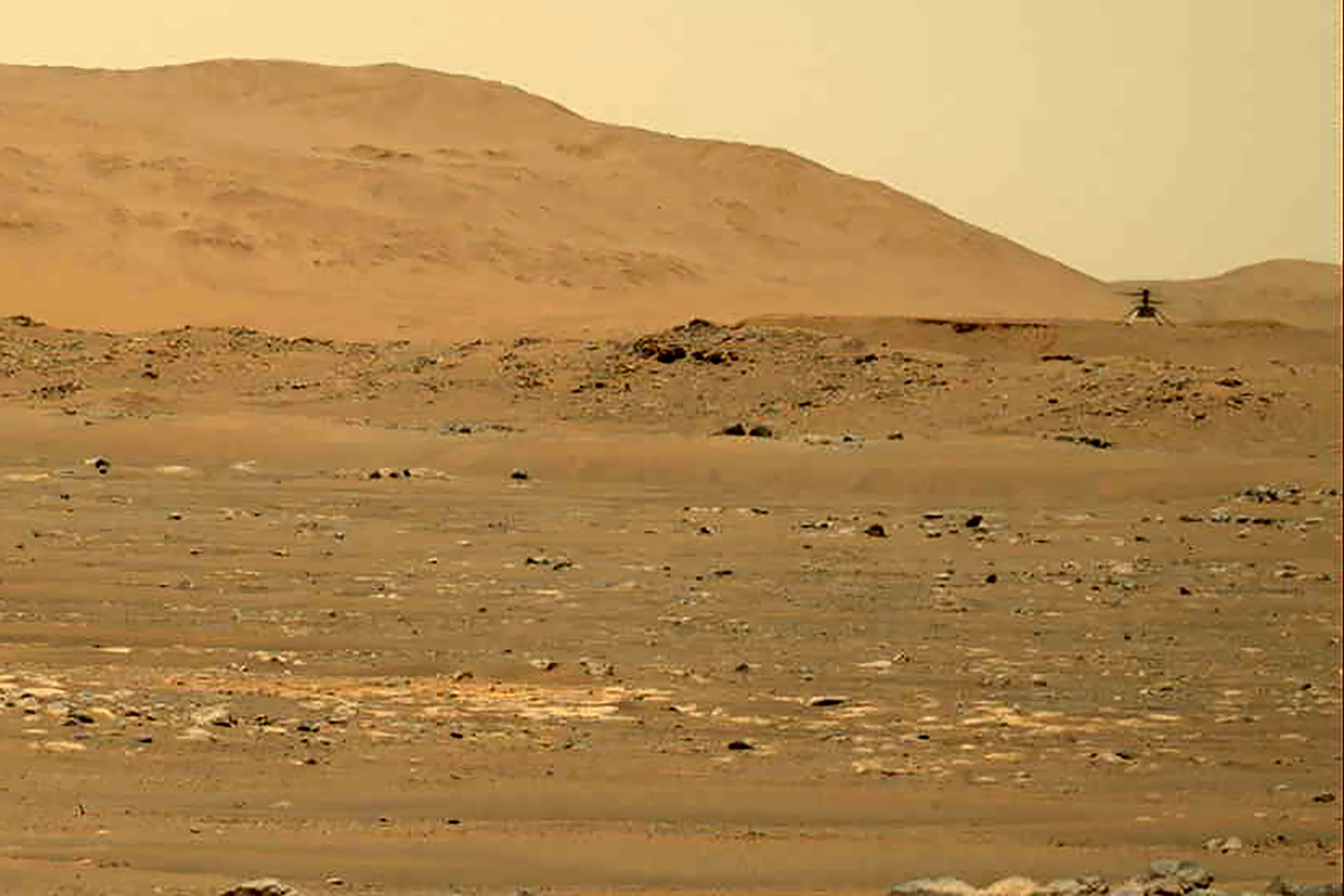
China's Mars rover finds signs of recent water in sand dunes

Water may be more widespread and recent on Mars than previously thought, based on observations of Martian sand dunes by China's rover.

The finding highlights new, potentially fertile areas in the warmer regions of Mars where conditions might be suitable for life to exist, though more study is needed.

Friday's news comes days after mission leaders acknowledged that the Zhurong rover has yet to wake up since going into hibernation for the Martian winter nearly a year ago.

READ MORE: Australian man arrested after drunk, naked rampage in Indonesia

Its solar panels are likely covered with dust, choking off its power source and possibly preventing the rover from operating again, said Zhang Rongqiao, the mission's chief designer.

Before Zhurong fell silent, it observed salt-rich dunes with cracks and crusts, which researchers said likely were mixed with melting morning frost or snow as recently as a few hundred thousand years ago.

Their estimated date range for when the cracks and other dune features formed in Mars' Utopia Planitia, a vast plain in the northern hemisphere: sometime after 1.4 million to 400,000 years ago or even younger.

Conditions during that period were similar to now on Mars, with rivers and lakes dried up and no longer flowing as they did billions of years earlier.

Studying the structure and chemical makeup of these dunes can provide insights into "the possibility of water activity" during this period, the Beijing-based team wrote in a study published in Science Advances.

READ MORE: Albanese defends record surge in migrants coming to Australia

"We think it could be a small amount … no more than a film of water on the surface," co-author Xiaoguang Qin of the Institute of Geology and Geophysics said in an email.

The rover did not directly detect any water in the form of frost or ice. But Qin said computer simulations and observations by other spacecraft at Mars indicate that even nowadays at certain times of year, conditions could be suitable for water to appear.

What's notable about the study is how young the dunes are, said planetary scientist Frederic Schmidt at the University of Paris-Saclay, who was not part of the study.

"This is clearly a new piece of science for this region," he said in an email.

Small pockets of water from thawing frost or snow, mixed with salt, likely resulted in the small cracks, hard crusty surfaces, loose particles and other dune features like depressions and ridges, the Chinese scientists said. They ruled out wind as a cause, as well as frost made of carbon dioxide, which makes up the bulk of Mars' atmosphere.

Martian frost has been observed since NASA's 1970s Viking missions, but these light dustings of morning frost were thought to occur in certain locations under specific conditions.

The rover has now provided "evidence that there may be a wider distribution of this process on Mars than previously identified," said Trinity College Dublin's Mary Bourke, an expert in Mars geology.

However small this watery niche, it could be important for identifying habitable environments, she added.

Launched in 2020, the six-wheeled Zhurong — named after a fire god in Chinese mythology — arrived at Mars in 2021 and spent a year roaming around before going into hibernation last May. The rover operated longer than intended, travelling 1921 metres.

Sign up here to receive our daily newsletters and breaking news alerts, sent straight to your inbox.
Albanese defends record surge in migrants coming to Australia

Prime Minister Anthony Albanese has defended Australia's intake of migrants after revelations a record 400,000 new people will enter the country this year, on net.

The removal of COVID-19 border controls has led to a surge in migrants, half of whom are students, the Sydney Morning Herald reports.

The net migration figure of 400,000 means there are that many more people moving to Australia than leaving the country.

International students account for the bulk of new migrants to Australia.

READ MORE: Albanese announces Hobart stadium, to go with new AFL team

Albanese said in pre-COVID times, students would leave at the end of their degrees and be replaced by new students.

He cited the 60,000 Chinese students enrolled at Australian tertiary institutions.

"Normally, there would be 60,000 coming and 60,000 going," he said.

"The migration to Australia is still, bear in mind, much lower than it would have been and was predicted by the former government."

Albanese said students coming to study in Australia created jobs and economic activity.

He rejected the opposition's accusation that he was building a "big Australia by stealth".

Anthony Albanese has announced $240m in funding for a Hobart stadium precinct.

"They are opposed to everything, aren't they?" he said.

"Is what they're saying – that we shouldn't have students coming here?

"The truth is our migration system that we inherited was a bit of a mess," Albanese said.

"There were a million people in the queue for visas."

As Albanese was speaking at the press conference in Hobart, he was repeatedly heckled by protesters on the issue of housing.

Speaking on Weekend Today, Independent MP Sophie Scamps expressed concerns about bringing more people in during a housing crisis.

"We have a housing affordability crisis and a rental crisis," she said.

"We need to get stuck in to build the medium to high-density housing."

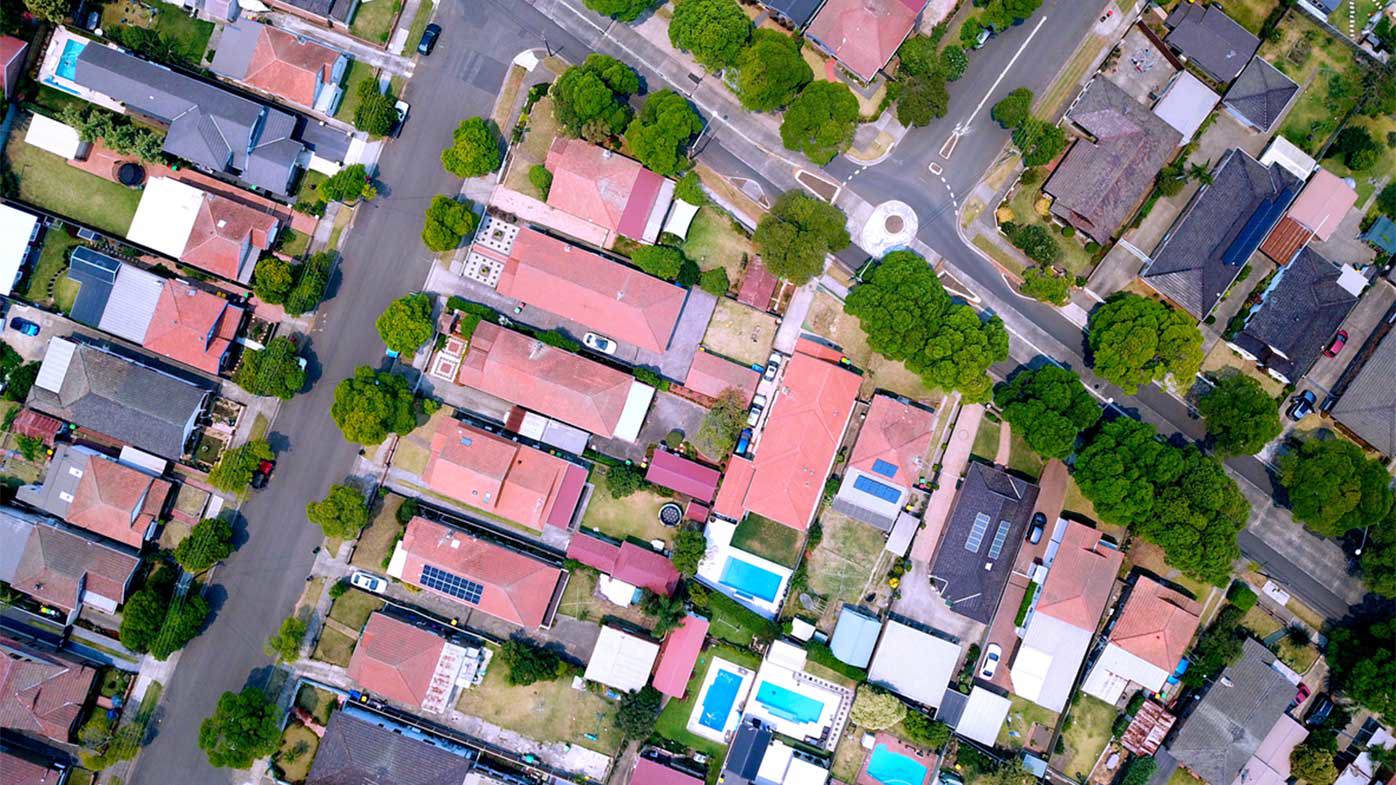
Housing as seen from above.

READ MORE: Aussie faces flogging after naked rampage in Indonesia

But Scamps also cited the dire need for workers in certain industries.

"We think about the nursing shortage, aged care shortage, childcare shortage," she said.

"We need more people to fill those slots."

The 400,000 figure is 165,000 more than the 235,000 estimated in the October budget.

The surge is largely coming from students, after travel restrictions in China were lifted.

Sign up here to receive our daily newsletters and breaking news alerts, sent straight to your inbox.

Man charged after allegedly trucking 136kg of cannabis to Queensland

Police have arrested and charged a man from rural Queensland after allegedly finding more than 100kg of cannabis in the back of a truck on the Gold Coast.

Officers allege a 42-year-old man drove 136kg of marijuana into Queensland from Melbourne, stashing it in the back of a Hino Pantech truck.

Police said they found the drugs behind a number of potted palm trees in the back of the truck after officers performed a vehicle search at 12:45pm on Friday in Elanora.

READ MORE: Australian man faces public lashing after drunk, naked rampage in Indonesia

The 42-year-old driver from Mutdapilly was arrested by police and was charged with one count of possession of dangerous drugs exceeding schedule three (cannabis).

He was due to appear in court today. 

Queensland student in ICU after accidentally consuming rat poison in Taiwan

A Queensland student is being flown back to Australia via a medical rescue flight after an accidental poisoning in Taiwan left him in the intensive care unit.

Alex Shorey, a 24-year-old from Toowoomba, was inadvertently poisoned with rat poison.

A fundraising page said the ingestion of Super Warfarin has left him "fighting for his life" in a hospital in Taipei.

It is believed Alex Shorey accidentally consumed rat poison while eating street food in Taiwan.

READ MORE: What's behind the looming 'x-date' on the US debt limit?

"Whilst we're unsure exactly how this poisoning occurred, it is suspected that Alex may have picked up some food at local street market or along his travels that was either laced with poison, or had somehow been contaminated with super warfarin," the page reads.

"Super Warfarin stops the blood from coagulating, and so Alex's body is haemorrhaging both externally and internally into his muscles and organs."

The University of Queensland student was doing an exchange at Tamkang University in Taipei.

Shorey went into hypovolemic shock on April 18, and went into cardiorespiratory collapse five days ago.

The fundraising page was raising money to fly him back to Australia.

"With fluid on his lungs after an anaphylactic episode, Alex is unable to fly on a commercial flight," the page read.

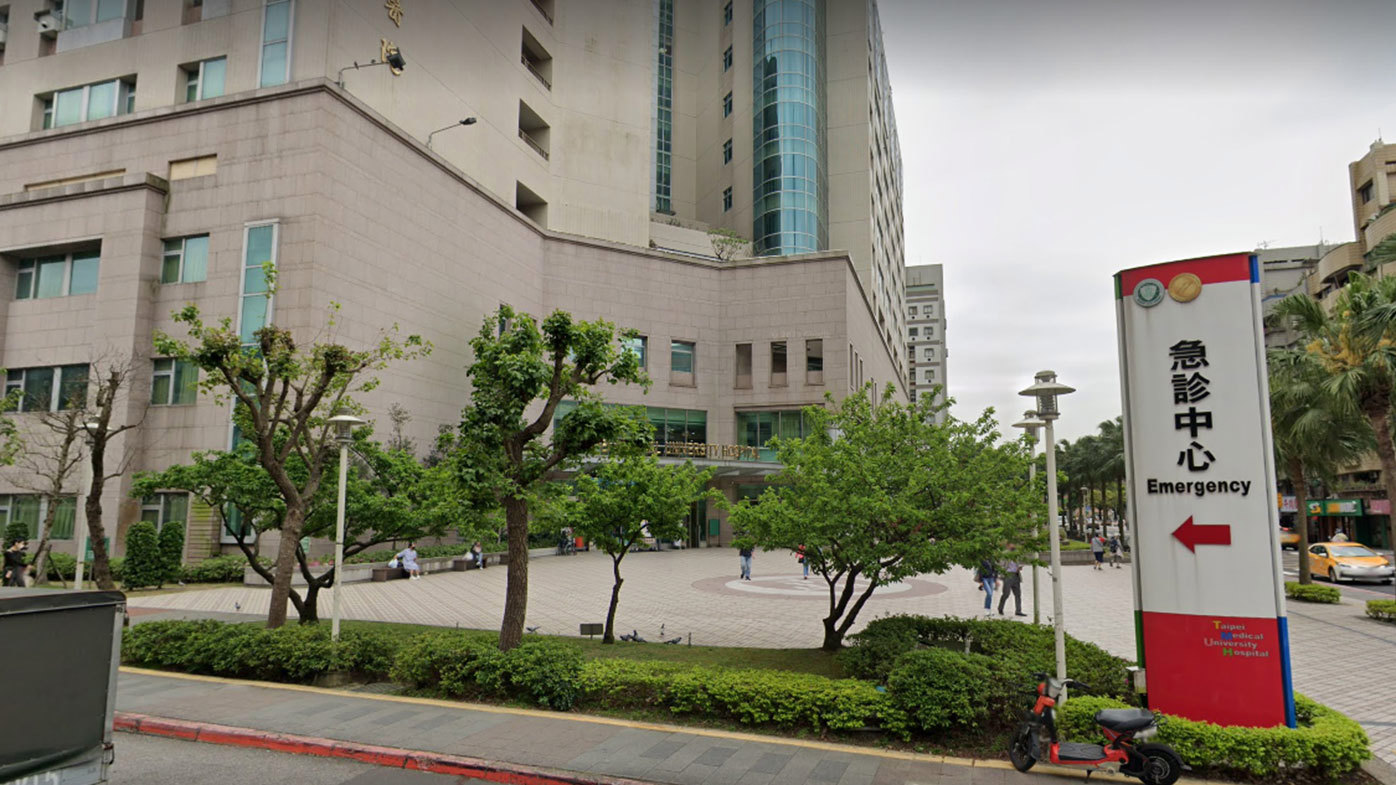
Alex Shorey is being treated at Taipei Medical University Hospital.

READ MORE: Fire erupts at auction yard in Perth

"He needs high pressure oxygen treatment and the support of an ICU team that is only available via a specialised medical flight retrieval service."

The fundraising page has now raised more than $208,000, enough to fly him to Australia with a medical charter plane.

The flight was secured overnight in preparation of flying Shorey to Royal Prince Alfred Hospital in Sydney for treatment.

The fundraising page is now being closed, with any leftover money donated to the Medical Rescue team.

Sign up here to receive our daily newsletters and breaking news alerts, sent straight to your inbox.
Sydney pedestrian dies after alleged hit and run

A pedestrian has died following an alleged hit and run in Sydney's east.

Police say the 77-year-old was hit by a car on Roslyn Street, Rushcutters Bay at 3:30pm yesterday.

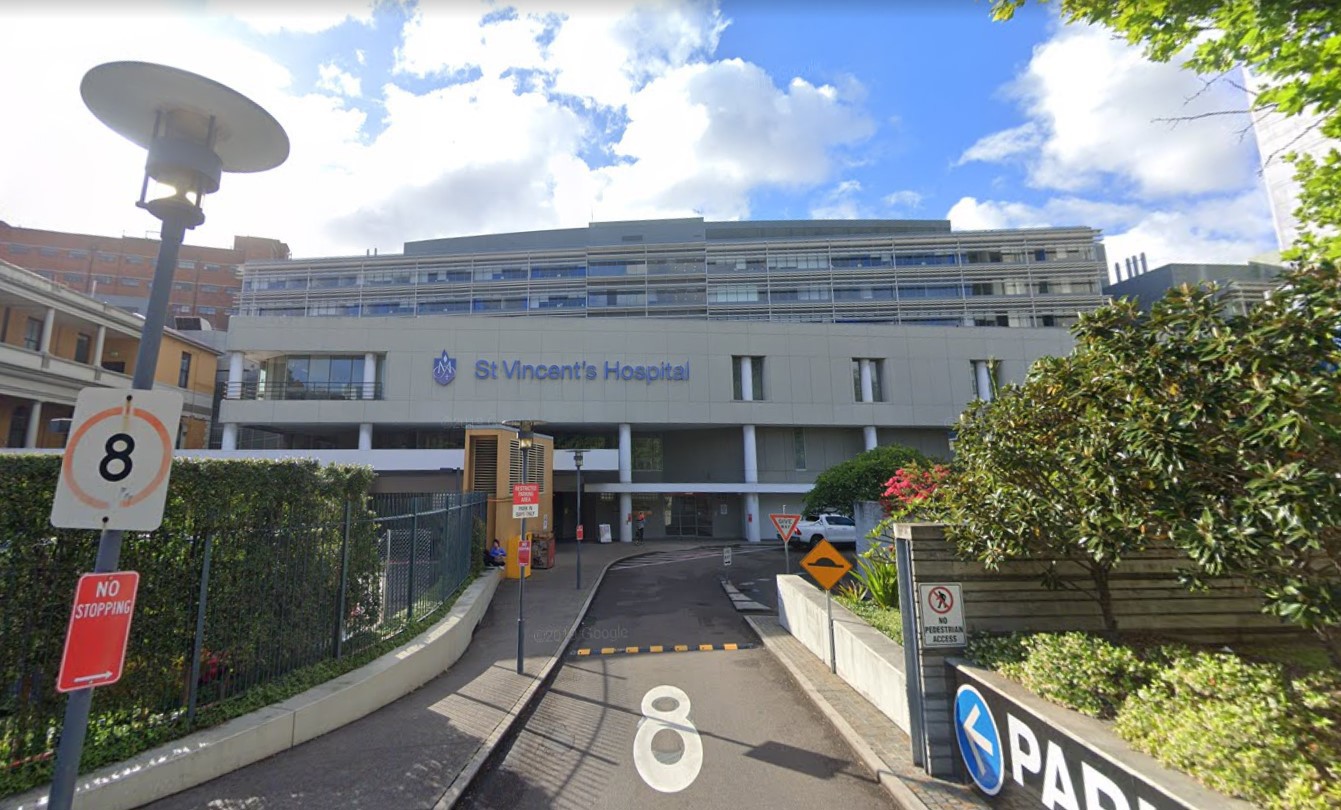
He died early this morning after he was transported to St Vincent's Hospital by a NSW Ambulance in a critical condition.

READ MORE: Fire erupts at auction yard in Perth

The man was taken to St Vincent's Hospital in Sydney, before he passed away from his injuries.

Police allege the car that hit him did not stop.

Police are now investigating the incident, and are asking for any witnesses or anyone who may have dashcam footage to come forward.