Tag Archives: oceania

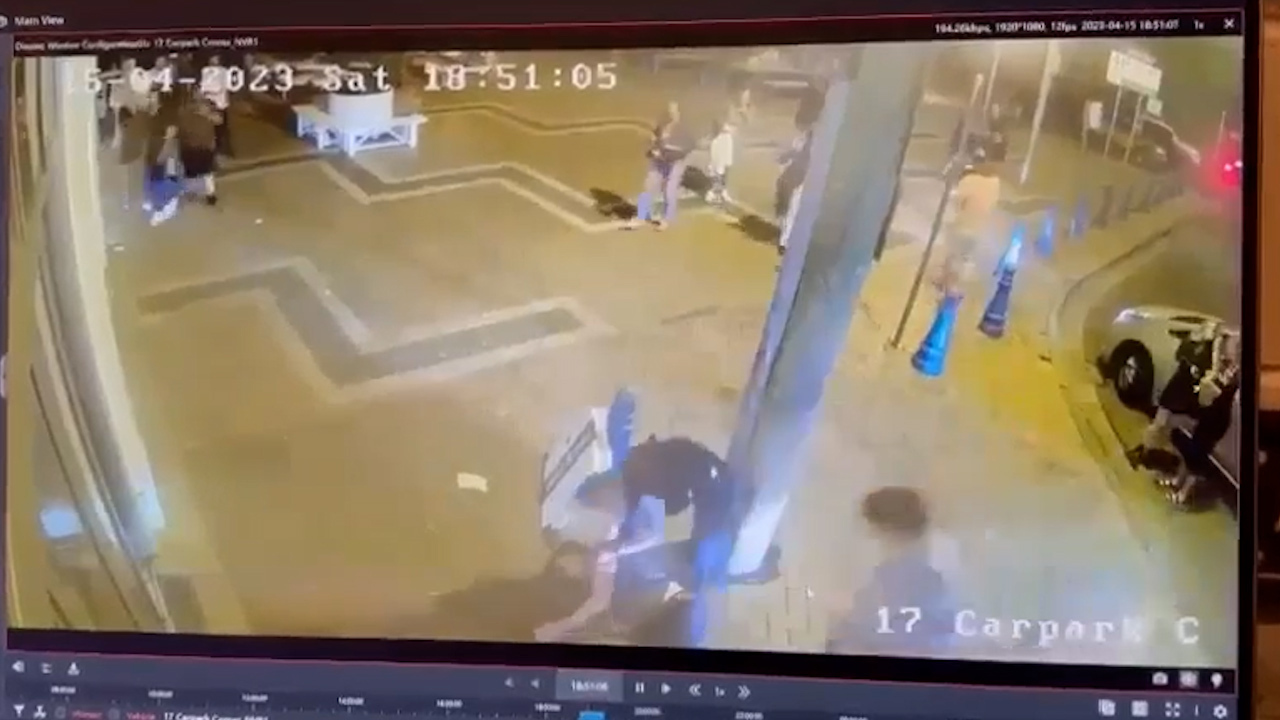
CCTV captures chilling fall as man fails to climb inside Sydney venue

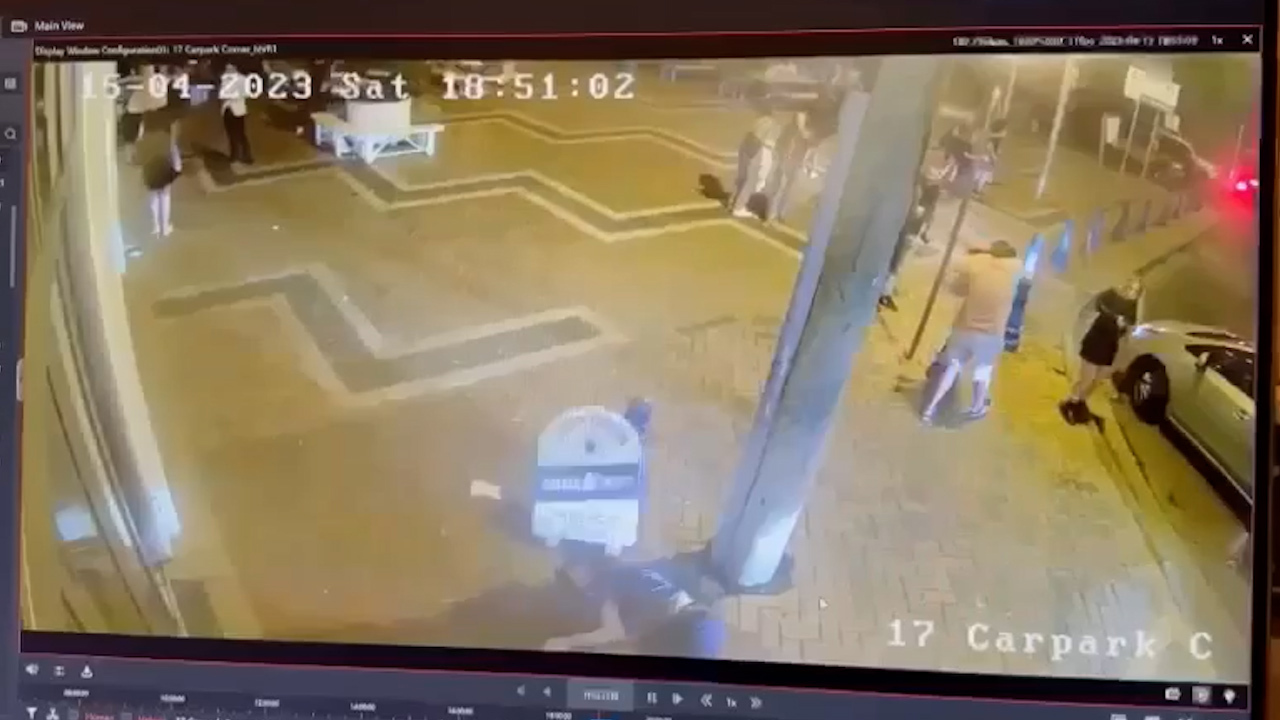
Harrowing CCTV footage has captured the moment a man who was refused entry to a beachside Sydney venue plunged more than three metres during a failed attempt to climb inside.

Police were told the man, aged 20, was denied entry to the Coogee Pavilion in the city's eastern suburbs at 7pm last night, before allegedly deciding to take matters into his own hands.

The vision shows bystanders talking amongst themselves before a body is seen suddenly plummeting from above.

Watch the shocking footage above. 

READ MORE: Three jailed over cocaine package delivery scheme in Sydney

People are then seen rushing to the man's aid while he lays motionless on the ground. 

Miraculously, he escaped mostly unharmed, suffering only minor injuries to his elbow.

Officers – who were in the area tending to an unrelated matter – rendered assistance to the man, before he was transported to St Vincent's Hospital as a precaution.

No charges have been laid.

Investigations are ongoing.

Sign up here to receive our daily newsletters and breaking news alerts, sent straight to your inbox.

How Taiwan could thwart an invasion by China – with America's help

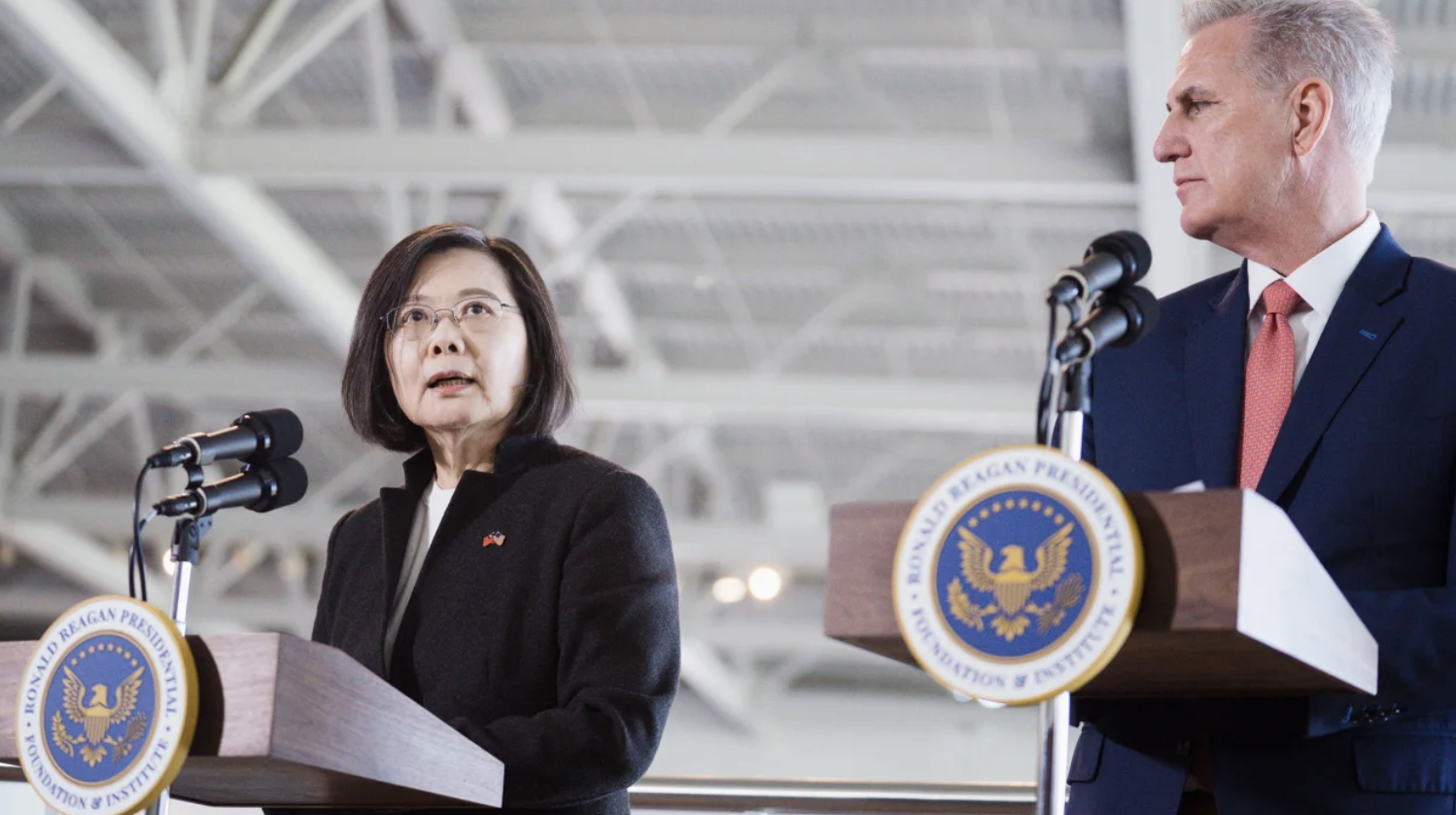
When Taiwan's President Tsai Ing-wen defied warnings from China to meet with US House Speaker Kevin McCarthy in California earlier this month, Beijing's aggressive military response reverberated around the world.

In actions that only fuelled fears that communist-ruled China may be preparing to invade its democratically ruled neighbour, the People's Liberation Army simulated a blockade of the island, sending an aircraft carrier and 12 naval ships to encircle it, and flying over a hundred warplanes into its air defence identification zone during a three-day military drill.

China's ruling Communist Party, which claims Taiwan as part of its territory despite never having controlled it, described the drills as "joint precision strikes" that should serve as a "serious warning against the Taiwan separatist forces."

READ MORE: Military exercises suggest China is getting 'ready to launch a war'
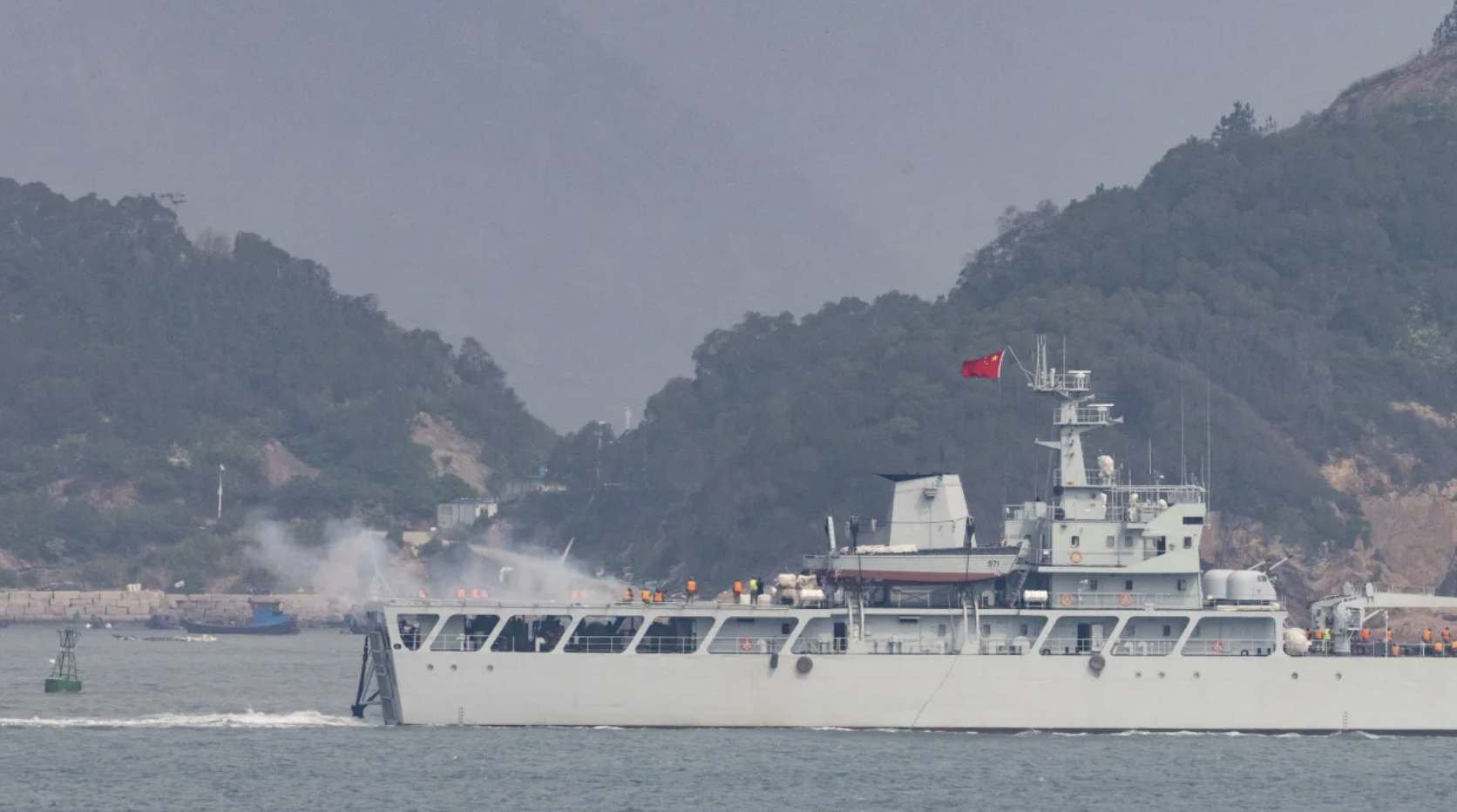
The message, in Taipei's mind, seemed clear.

China appeared "to be trying to get ready to launch a war against Taiwan," the island's Foreign Minister Joseph Wu told CNN's Jim Sciutto.

That blunt assessment will likely have raised doubts in some quarters over whether the island's military preparations for such a scenario are sufficient.

Taipei recently – and very publicly – announced an extension to mandatory military service periods from four months to a year and accelerated the development of its indigenous weapons program to boost its combat readiness.

But analysts say a recent announcement – one that has perhaps gone less remarked upon in the global media – could prove a game-changer: talks between Taipei and the United States to establish a "contingency stockpile" of munitions on Taiwan's soil.

In remarks that were not widely picked up at the time, Defensce Minister Chiu Kuo-cheng told Taiwan's parliament in March that Taipei was in discussions with the US over a potential plan to set up a war reserve stock on the island – a measure made possible by a provision in the 2023 National Defence Authorisation Act (NDAA), signed into law by US President Joe Biden last December.

And while Taiwan has long been a purchaser of weapons from the US, military experts say the creation of such a stockpile could be vital to the island's defence because – as China's recently simulated blockade showed – it could be incredibly difficult to supply the island with additional weapons if war does break out.

Unlike Ukraine, Taiwan has no land borders so any supplies would have to go in by air or sea – delivery methods that would be highly vulnerable to interceptions by the Chinese military.

READ MORE: China carries out 'simulated' precision attacks on Taiwan targets
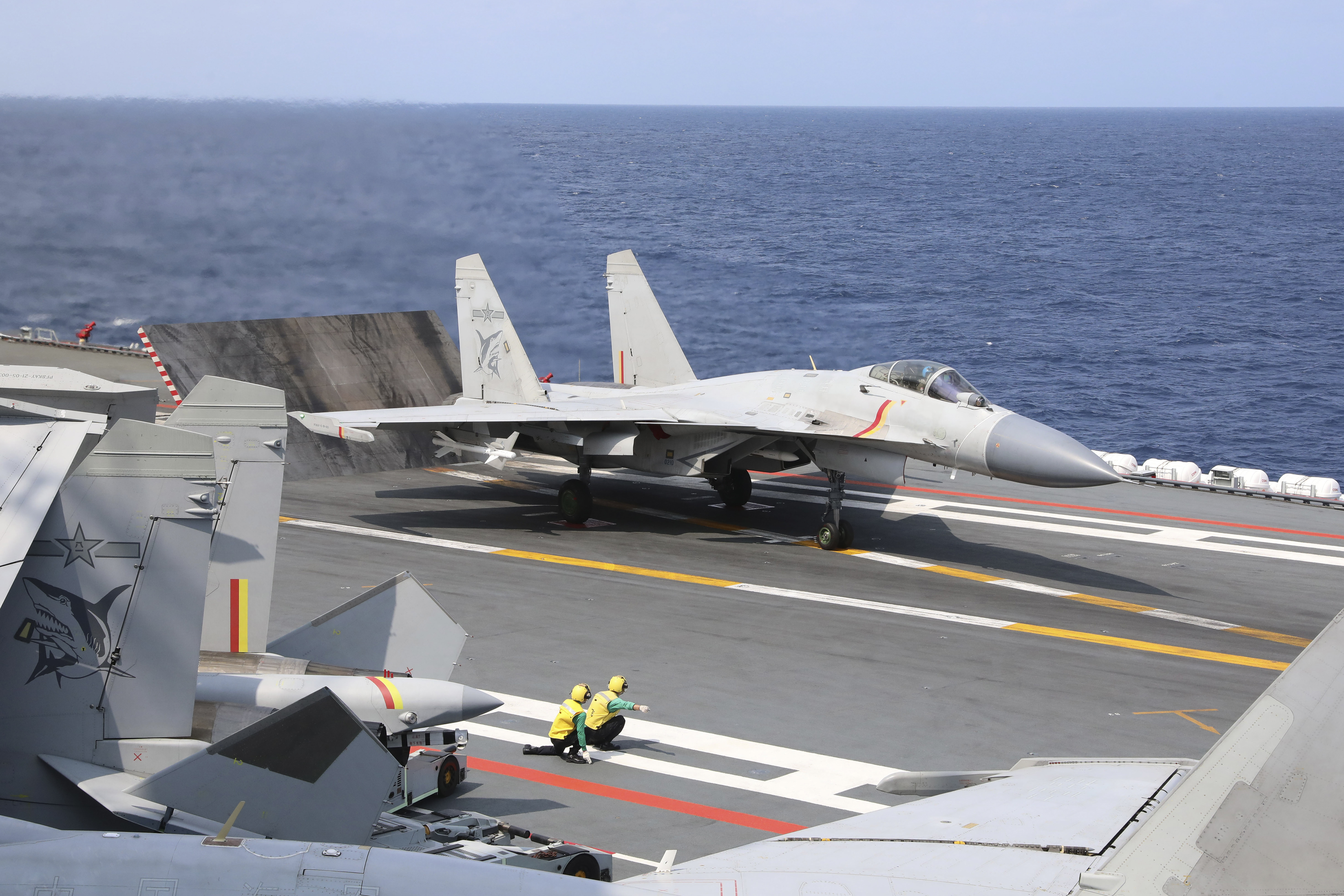
It is therefore vital for Taiwan to stock up ammunition on the island before any conflict begins, said Admiral Lee Hsi-min, who served as Chief of the General Staff for the Taiwanese military between 2017 and 2019.

"Having a war reserve stockpile is crucial and meaningful for Taiwan," he said.

"Even if the United States does not want to intervene directly with military force, those kinds of stockpiles can still be very effective for our defence."

Taiwan has also repeatedly raised concerns about delays in US weapon deliveries amid the war in Ukraine. Following his meeting with Tsai, Speaker McCarthy tweeted: "Based on today's conversations, it's clear several actions are necessary: We must continue arms sales to Taiwan and make sure such sales reach Taiwan on time."

Asymmetric warfare

The talks over the possible stockpile beg the question: What exactly does Taiwan need for its defence?

For decades, the Taiwanese military has been purchasing fighter jets and missiles from the United States, which continues to be the single biggest guarantor of the island's safety despite not having an "official" diplomatic relationship.

Last month, the Biden administration made headlines with its approval of potential arms sales to Taiwan worth an estimated $619 million (A$922 million), including hundreds of missiles for its fleet of F-16 fighter jets.

But Admiral Lee said Taiwan urgently needed to stock up on smaller and more mobile weapons that would have a higher chance of surviving the first wave of a Chinese attack in an all-out conflict – which would likely include long-range joint missile strikes on Taiwanese infrastructure and military targets.

In a high-profile book published last year, titled "Overall Defence Concept," Lee argued that Taiwan should shift away from investing heavily in fighter jets and destroyers, as its military assets were already vastly outnumbered by China's and could easily be paralysed by long-range missiles.

READ MORE: US gains military access to Philippines bases close to Taiwan
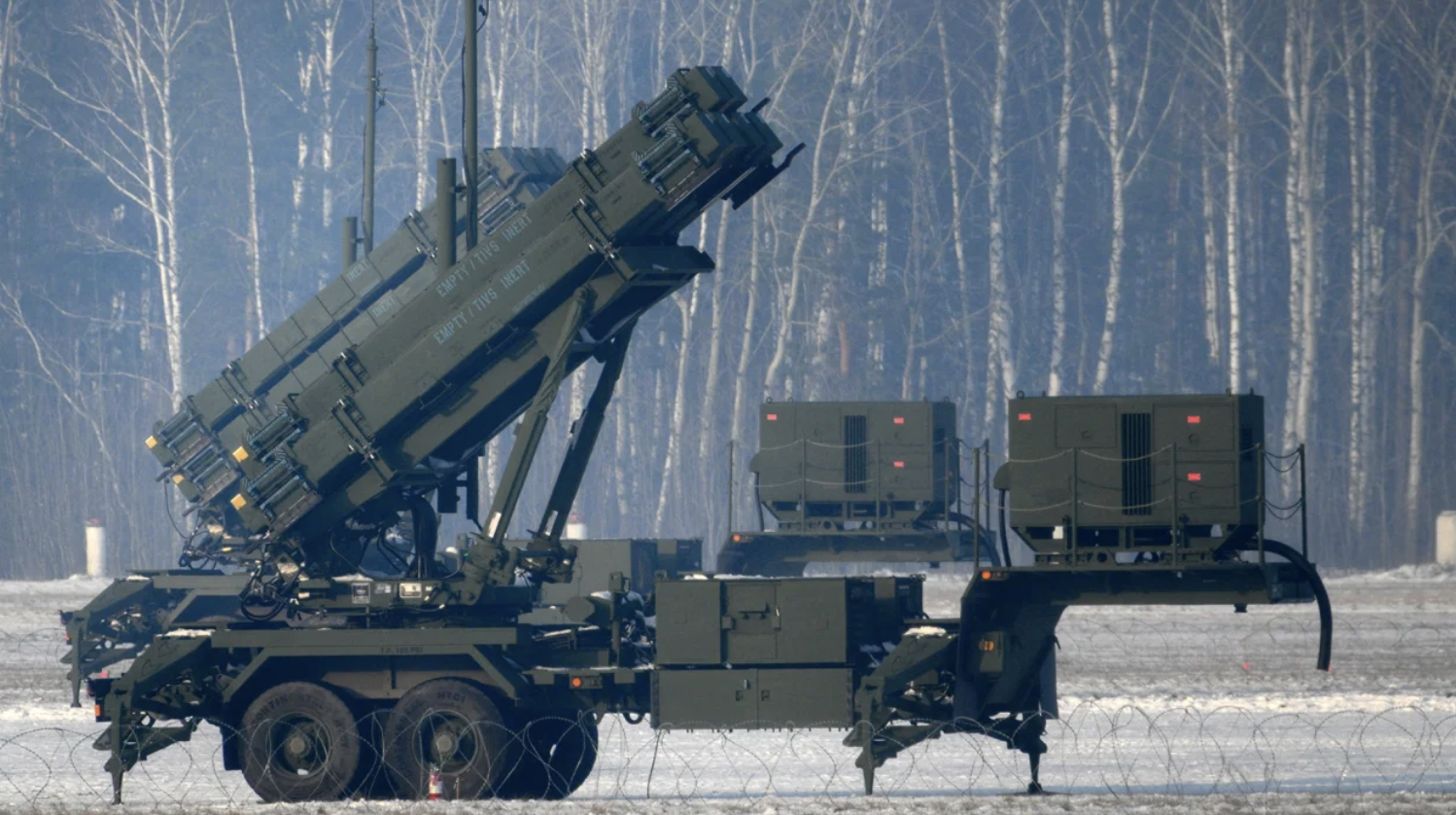
Last year, China's defence budget was $230 billion ($342 billion), more than 13 times the size of Taiwan's spending of $16.89 billion ($23 billion).

So instead of matching ship for ship or plane for plane, Lee argued, Taiwan should embrace an asymmetric warfare model focused on the procurement of smaller weapons – such as portable missiles and mines – that are hard to detect but effective in halting enemy advances.

"In Ukraine, their military has used Neptune anti-ship missiles to sink Moscow's battleships," he said.

"Asymmetric weapon systems will allow us to maintain our combat capabilities. That is because if our enemies want to destroy them, they will need to get closer to us, which makes them vulnerable to our attack.

"If we can establish good enough asymmetrical capability, I believe China won't be able to take over Taiwan by force, even without United States' intervention," he added.

Though the US maintains close unofficial ties with Taiwan, and is bound by law to sell arms to the island for its self-defence, it remains deliberately vague on whether it would intervene in the event of a Chinese invasion, a policy known as "strategic ambiguity."

Portable weapons

Under this year's National Defence Authorisation Act, passed by the US Congress and signed by US President Joe Biden, Taiwan will be eligible to receive up to $1 billion in weapons and munitions from the United States to counter China's growing military threat.

The act also allows for the creation of a regional contingency stockpile, which would enable the Pentagon to store weapons in Taiwan for use if a military conflict with China arises.

In a response to CNN for this article, a spokesman at Taiwan's Ministry of National Defence confirmed it is in discussions with the United States on the definition of a "contingency", the types of munition that can be operated immediately by its armed forces, and the timeline for shipping the items.

The ministry added that the move is aimed only at meeting Taiwan's defensive needs, as opposed to "pre-stocking" munitions on the island.

The US Indo-Pacific Command declined to provide details about the progress of talks on creating the stockpile but said it would continue to enable Taiwan to maintain a sufficient self-defence capability.
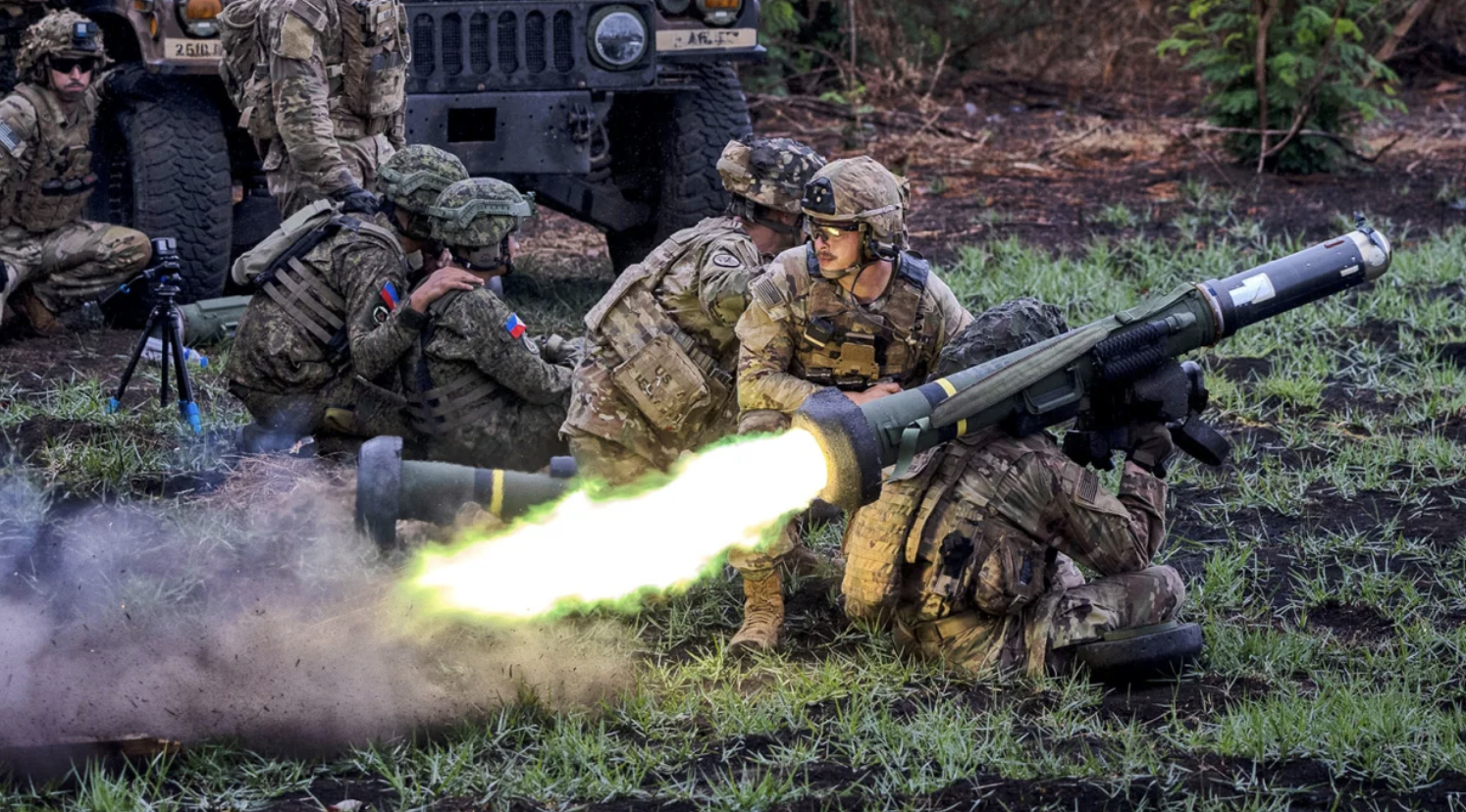
Meanwhile, China's Foreign Ministry told CNN that it "resolutely opposes" any military exchanges between the United States and Taiwan, adding that Beijing will take "all necessary measures" to defend its sovereignty and security interests.

Lin Ying-yu, an assistant professor from Tamkang University who specialises in military affairs, said that if a contingency stockpile were to be created, it should focus on amassing munitions already in use by Taiwan's military to ensure operational effectiveness.

"I think some of the weapons that the US might be willing to provide include the Stinger and the Patriot missiles," he said.

The Stinger is a surface-to-air missile that can be fired by a single soldier, while the Patriot missile defence system is capable of intercepting enemy missiles and aircraft.

Admiral Lee said another weapon that could be stockpiled was the Javelin, a US-made portable anti-tank weapon system that has been widely used by the Ukrainian military to target Russian tanks.

The National Advanced Surface-to-Air Missile System, or NASAMS, could also be useful for targeting Chinese warplanes, he said, as it was capable of firing the medium-range AIM-120 missile from ground level.

Other weapons that should be considered included the loitering munition drone – a so-called "suicide drone" that can be carried by a single soldier and is capable of destroying high-value targets – as well as other anti-armour and anti-ship weaponry, he added.

"If you have a high enough number of these kinds of asymmetrical weapon systems that survive the initial attack, you can keep most of your fighting capabilities intact and stop the enemy from conducting a landing operation," Lee said.

How many is enough?

Another question that arises is how many weapons or missiles Taiwan would need to defend itself against China.

Experts said providing a concrete number was difficult because the possible combat scenarios were so varied.

In his book, Admiral Lee wrote that the Chinese military could resort to different options in attempting to bring Taiwan under its control.

In an all-out war, China could fire long-range missiles to destroy Taiwanese infrastructure and military targets before attempting to send its ground troops across the Taiwan Strait.
Other scenarios with limited military action could include an aerial and naval blockade around Taiwan, or the seizure of Taiwan's small outlying islands that are close to the Chinese coast.

However, Lin suggested the number of missiles that Taiwan likely needs would be in the "tens of thousands."

He said one relatively simple way of calculating the number of missiles required involves estimating the total number of offensive military assets owned by the enemy, and the effectiveness of Taiwan's defensive weapons.

"For example, if our enemy has 1,000 missiles and we have a success rate of 25 per cent, then we will need about 4,000 anti-ballistic missiles."

In addition to weapons, Taiwan's military could benefit from mobile radar systems that would enable it to receive military signals from the US, Lin added.

These would be useful in conducting electronic warfare, as the US military would be able to help identify potential enemy targets even if ground radar systems had been destroyed.

"Even though the United States does not have troops on the ground in Ukraine, it has been able to tell the Ukrainian military where to fire their weapons by sending signals from its electronic warfare aircraft," Lin said.

"We need to make sure we have the necessary equipment to link with US military systems at times of war."

There were other reasons the discussions with the US over the possible stockpile were important, Admiral Lee said, and they went beyond issues of storing up ammunition and spare parts.

"(Having a contingency stockpile) is very crucial, because it sends a signal to China that the United States is determined to assist in our defence," he said.

Sign up here to receive our daily newsletters and breaking news alerts, sent straight to your inbox.
'Determined by postcode': Where Aussies are paying most for GP visits

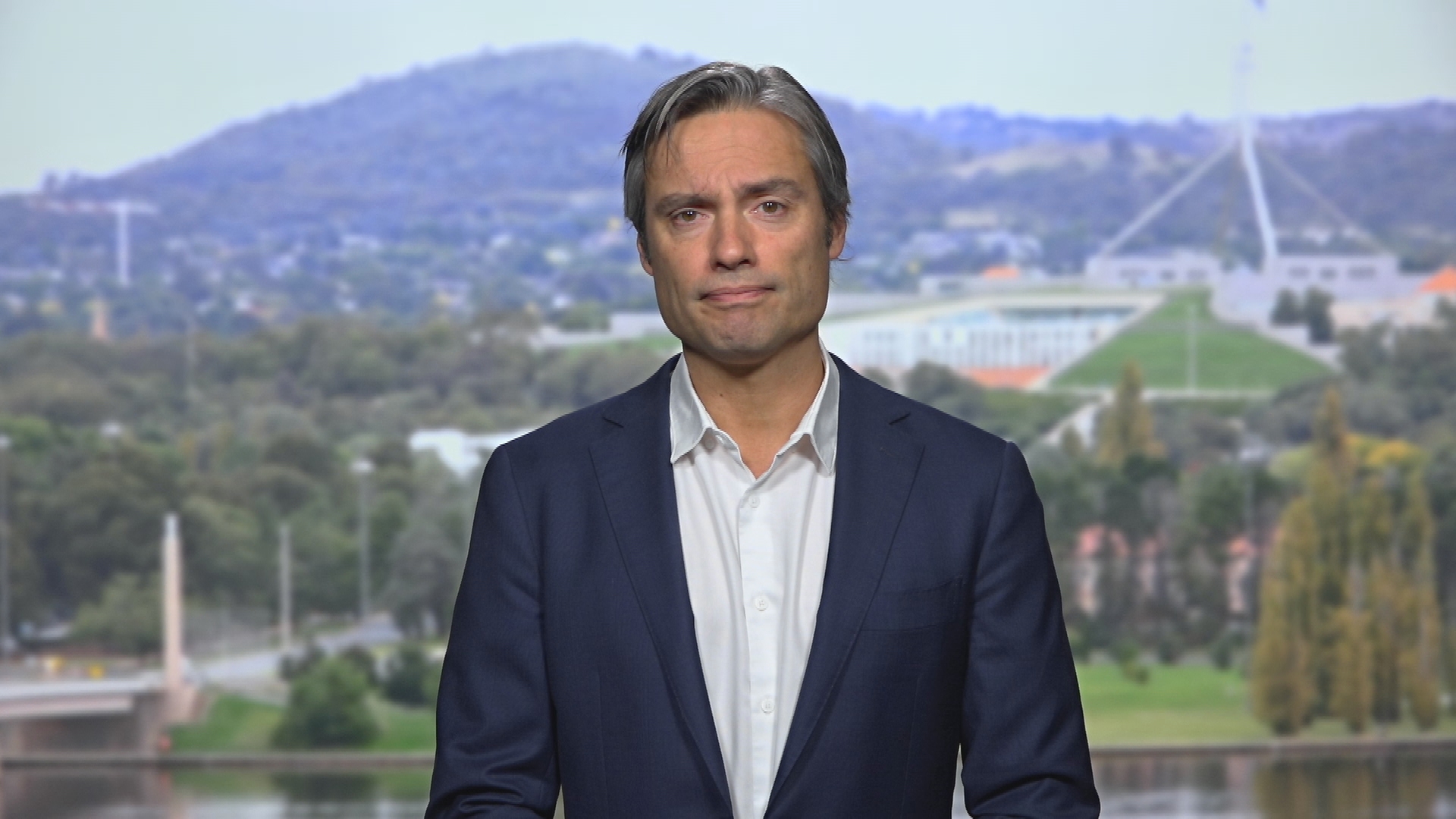
A medical expert says it's "shocking" to see the low rates of bulk billing across Australia after a new survey from GP clinics across Australia found just 35 per cent of adult visits are fully subsidised.

The research broke down where Australians are paying the most for doctor visits.

New South Wales has a total bulk-billing rate of 49 per cent, compared to 34.6 per cent for Victoria and 26.5 per cent for Queensland, Nine newspapers have reported.

Residents in Sydney's eastern suburbs and northern beaches are forking out more than $50 every time they visit the GP.

READ MORE: Olympian Vicki Roycroft in hospital after suspected heart attack

But the worst area for it in NSW is Newcastle, where none of the clinics surveyed said they provided bulk-billing.

Western Sydney is comparatively better off, with residents paying less than $30 for a GP visit.

Medical expert Dr Nick Coatsworth said it was a "shocking statistic" that contradicted government claims.

READ MORE: Microplastics found 'in every single water sample' from Antarctica

"This is a problem in Australia at the moment where the access to healthcare can be determined by your postcode," he said.

"We really need to get away from that. It's sort of eroding our universal healthcare system."

He attributed the decline to cost of living pressures.

"If you consider that the Medicare rebate is $40, maybe you can see three patients in an hour if you're efficient," he said.

"That's $120, and 30 per cent has to go to the practice, leaving the general practitioner with $90 per hour before tax, and work to do as a result of the consultations.

"The numbers just don't add up unfortunately, and so those gaps are starting to emerge."

READ MORE: Three jailed over cocaine package delivery scheme in Sydney

 just 35 per cent of adult visits are fully subsidised.

Premier Daniel Andrews, in discussing Victoria's state-funded primary health care centres today, lashed the Commonwealth government over Medicare's performance.

"Medicare is broken," he said.

"In the midst of a cost of living crisis, you can't find a free, fast and local doctor."

He said it was "not good enough" for bulk billing rates to be falling.

Tasmania and the ACT are the worst off nationally, with under seven per cent of clinics in both jurisdictions offering bulk-billing.

READ MORE: Family shares moving tribute to paramedic killed during break

In other states and territories, South Australia recorded 24.2 per cent, Western Australia 26.6 per cent, and the Northern Territory 20.6 per cent.

The report, from Cleanbill, is set to be forwarded to federal and state MPs, including Health Minister Mark Butler, ahead of this month's National Cabinet meeting.

Sign up here to receive our daily newsletters and breaking news alerts, sent straight to your inbox.
Dozens dead, nearly 200 injured as rival military factions clash in Sudan

At least 25 people were killed and 183 others injured in ongoing clashes across Sudan, the Sudanese Central Medical Committee told CNN on Saturday.

Sudan's paramilitary chief Mohamed Hamdan Dagalo claims to have seized most of Khartoum's official sites after clashes erupted between his armed group and the country's military on Saturday.

"The Rapid Support Forces control more than 90 percent of strategic sites in Khartoum," Dagalo said in an interview with Sky News Arabia, referring to his paramilitary group.

READ MORE: Olympian Vicki Roycroft in hospital after suspected heart attack

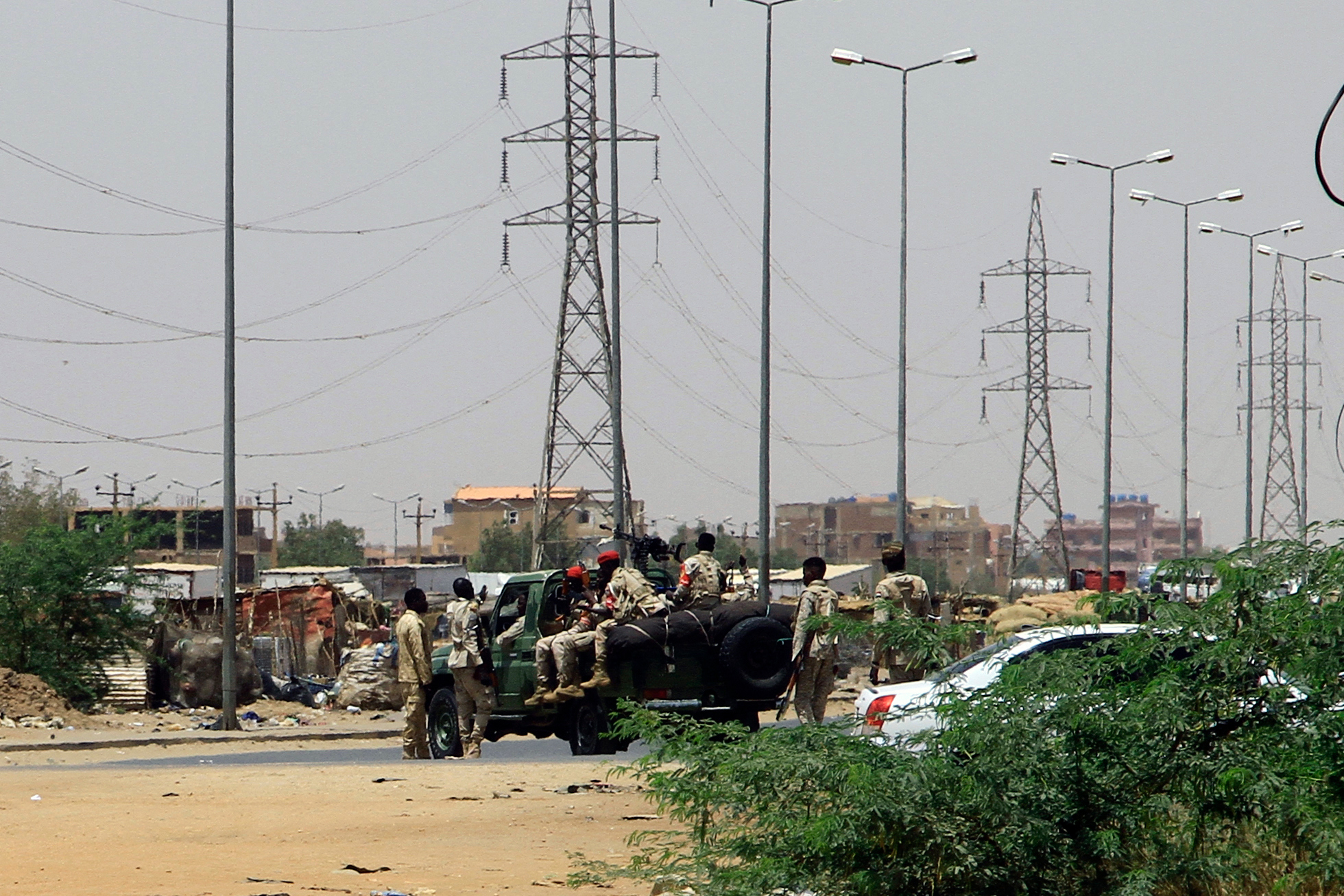
Army soldiers deploy in Khartoum on April 15, 2023, amid reported clashes in the city.

The country's military leader, General Abdel Fattah al-Burhan, disputed Dagalo's claims and said the military has maintained control over government sites.

In an interview with Al Jazeera, Dagalo — also known as Hemedti — described Burhan as a "criminal," accusing him of instigating fighting on Saturday, which led to three civilian deaths and dozens wounded.

Armed clashes were reported throughout Khartoum, including the presidential palace and the capital's army headquarters.

Medical sources at a hospital in central Khartoum told CNN Saturday afternoon the hospital has received dozens of wounded civilians and military personnel in the last several hours.

Sudan's military said the Rapid Support Forces infiltrated Khartoum airport and burned civilian aircraft.

READ MORE: 'One week I was left with $50': Tenants at breaking point plead for help

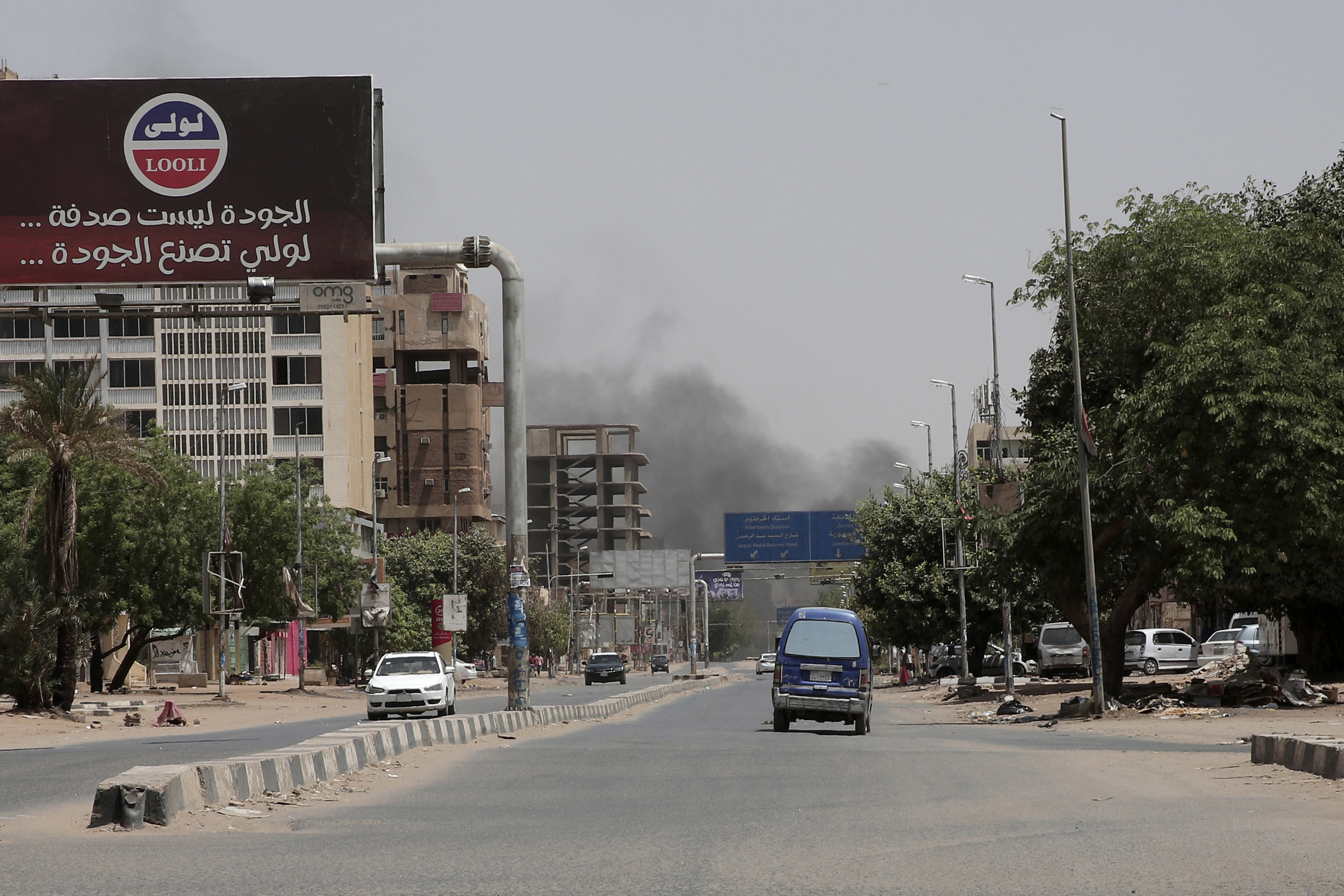
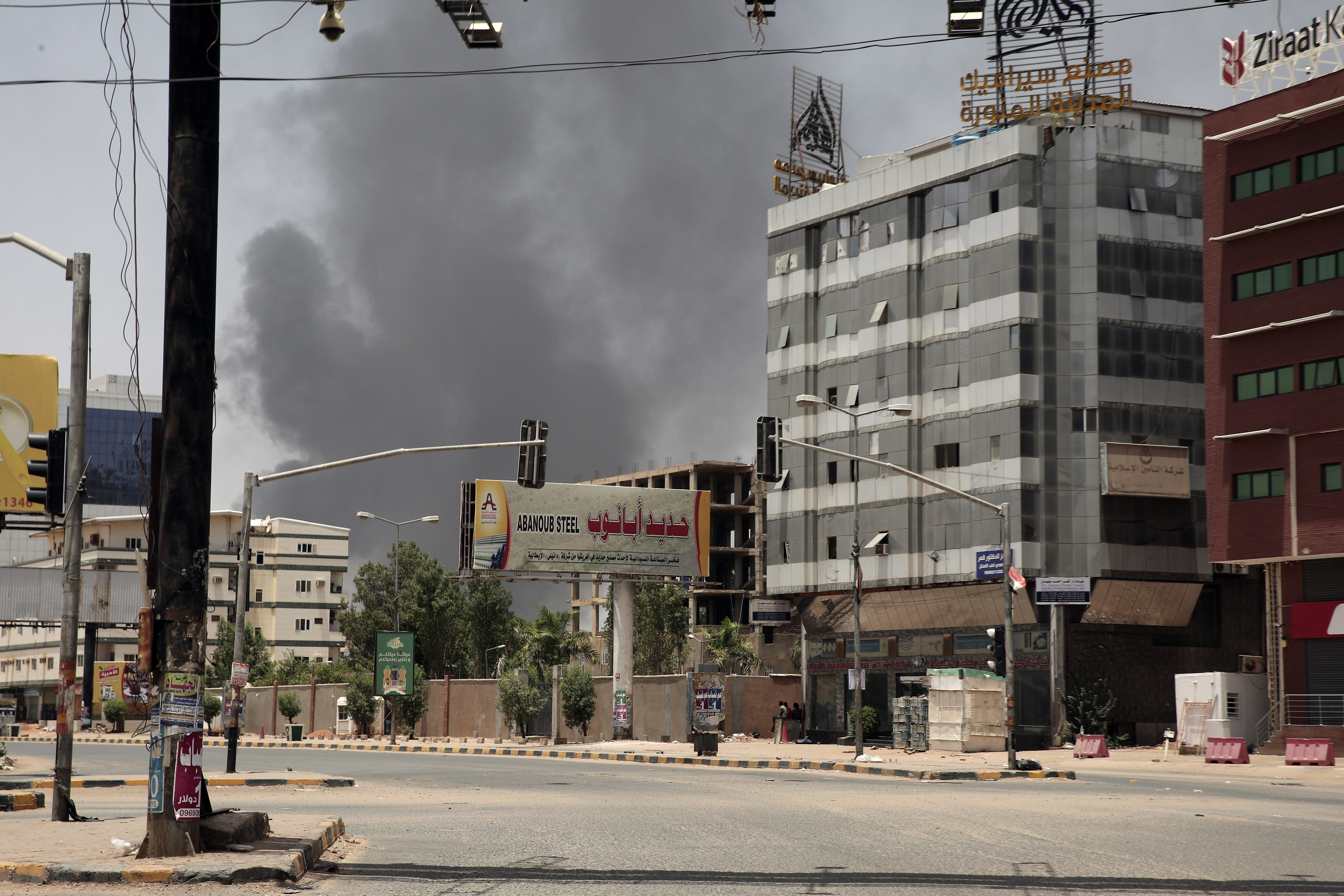
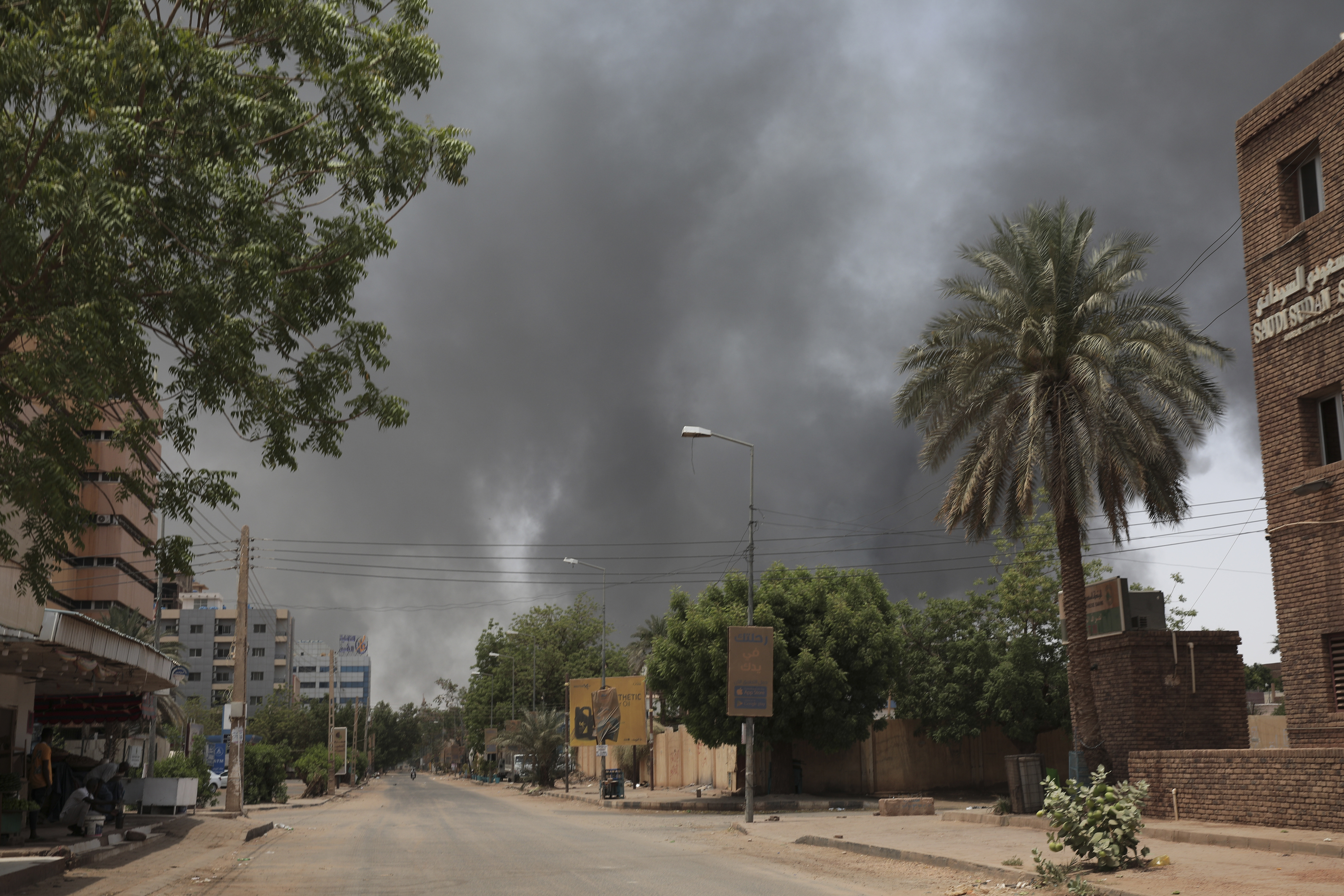
Smoke is seen rising from a neighborhood in Khartoum, Sudan, Saturday, April 15, 2023.

"To our honorable people, the rebellious forces are continuing with their cycles of traitorous plotting and attacks against our country and its national sovereignty. Since this morning, your Armed Forces sons have been fighting with their lives for our nation's rights and dignity," the Official Spokesman of the Armed Forces said in a statement.

Dagalo's meteoric rise to power began when he was a leader of Sudan's notorious Janjaweed forces, implicated in human rights violations in the Darfur conflict of the early 2000s. His group also killed at least 118 people in pro-democracy protests in June 2019 after troops opened fire at a peaceful sit-in.

'Traitorous plotting'

Sudan's army accused the Rapid Support Forces of "traitorous plotting" against the country, and has demanded its dissolution.

There will be "no negotiation or dialogue before dissolving Hemedti's rebel militia," the Sudanese army said in a statement.

It also issued a wanted poster for Dagalo, calling him a "fugitive criminal."

UN Secretary-General António Guterres called on the leaders of the RSF and Sudanese Armed Forces to "immediately cease hostilities."

The African Union also issued a statement urging "the political and military parties to find a fair political solution to the crisis."

The General Command of the Sudanese Army issued a statement calling on civilians to stay indoors as warplanes will be conducting sweeps looking for Rapid Support Forces.

"The Sudanese Air Force will conduct a complete sweep of the rebel Rapid Support militia's presence. The Air Force calling on all citizens to stay inside their houses and not to go out," the statement said.

Meanwhile, US Secretary of State Antony Blinken said the "fragile" situation comes amid negotiations over a civilian-led transition to restore civilian rule in the country.

"The major parties in Khartoum, some weeks ago reached a very important framework agreement on how to proceed with a transition to civilian government. And there's been real progress in trying to move that forward," Blinken said during a news conference in Vietnam.

"It's a fragile situation. There are other actors that may be pushing against that progress. But this is a real opportunity to finally carry forward the civilian-led transition and one that we and other countries are trying to bolster," the US top diplomat added.

Khartoum's State Security Committee late Saturday declared a public holiday in the capital "in order to preserve lives of citizens and their property."

The military has been in charge of Sudan since a coup in 2021, with Burhan and Dagalo at the helm. The 2021 coup ended a power-sharing arrangement, following the 2019 ouster of long-term former President Omar al-Bashir.

Smoke is seen rising from a neighborhood in Khartoum, Sudan, Saturday, April 15, 2023.  Smoke is seen rising in Khartoum, Sudan, Saturday, April 15, 2023.

A CNN investigation also uncovered another link between the two men: their involvement in Russia's exploitation of Sudan's gold resources to fund its Ukraine war, with Dagalo's forces also being key recipients of Russian training and weaponry.

But recent talks have led to cracks in the alliance between the two military leaders. The negotiations have sought to integrate the Rapid Support Forces into the country's military, as part of the effort to transition to civilian rule.

Sources in Sudan's civilian movement and Sudanese military sources told CNN the main points of contention included the timeline for the merger of the forces, the status given to RSF officers in the future hierarchy, and whether RSF forces should be under the command of the army chief — rather than Sudan's commander-in-chief — who is currently Burhan.

The hostilities, sources told CNN, are the culmination of what both parties view as an existential fight for dominance, one with Burhan, they said, seeking support from Sudan's former Islamist rulers, resurrecting the specter of days many Sudanese fought to leave behind.

International concern

Egypt, Saudi Arabia and the United Arab Emirates called on those fighting in Sudan to exercise restraint and work toward a political solution in the county.

UN Secretary-General Antonio Guterres; the European Union's top diplomat, Josep Borrell; the head of the African Union Commission, Moussa Faki Mahamat; the Arab League chief, Ahmed Aboul Gheit; and Qatar all called for a cease-fire and for both parties to return to negotiations to settle their dispute.

Former Prime Minister Abdalla Hamdok, who was ousted in the 2021 coup, warned of a possible regional conflict if the fighting escalates.

He urged the leaders of the military and the RSF to immediately cease hostilities.

"Shooting must stop immediately," he said in a video message posted on his Twitter account.

The US Ambassador to Sudan, John Godfrey, wrote online that he was "currently sheltering in place with the Embassy team, as Sudanese throughout Khartoum and elsewhere are doing."

He urged bother sides to cease fire.

"Escalation of tensions within the military component to direct fighting is extremely dangerous," Godfrey wrote.

"I urgently call on senior military leaders to stop the fighting.

"Meanwhile US Secretary of State Antony Blinken said that the situation in Khartoum is "fragile" when asked by a reporter to comment during a presser in Vietnam.

"We urge all actors to stop the violence immediately and avoid further escalations or troop mobilisations and continue talks to resolve outstanding issues," Blinken later wrote on Twitter.

Meanwhile, the British embassy has warned all UK nationals in the captial city to "remain indoors".

It comes as the BBC reported that a correspondent for BBC News Arabic in Khartoum, Mohamed Osman, was beaten by a Sudanese soldier.

The broadcaster said the army had stopped Osman's car while he was en route to his work and that he was taken to army headquarters in Omdurman.

While explaining his movements to officers, he was hit in the head from behind by a soldier, the BBC said.

Sign up here to receive our daily newsletters and breaking news alerts, sent straight to your inbox.

These two colours should never have been found where they were

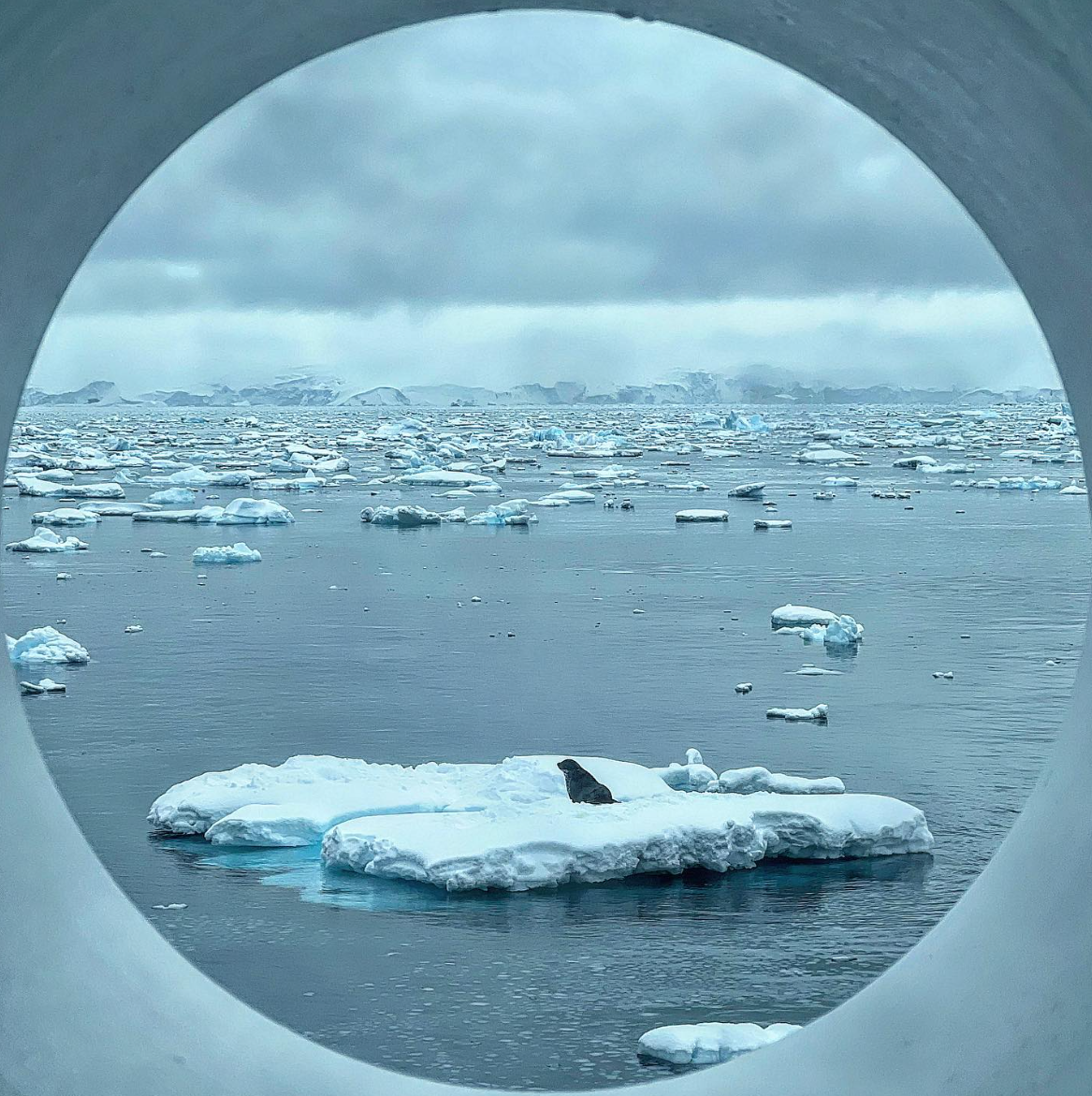
Climate change is just part of the picture human impact is painting on the frozen landscape of Antarctica, a marine biologist says, as she raises concerns about the level of microplastics she's observed firsthand.

Speaking from Freeport in the Bahamas, after a six-month-long stint at the bottom of the world, Emily Cunningham said she was "shocked" by what she saw.

Cunningham told 9news.com.au the research team "found microplastics in every single water sample" they took.

READ MORE: Circulation of deep ocean water in Southern Ocean is slowing

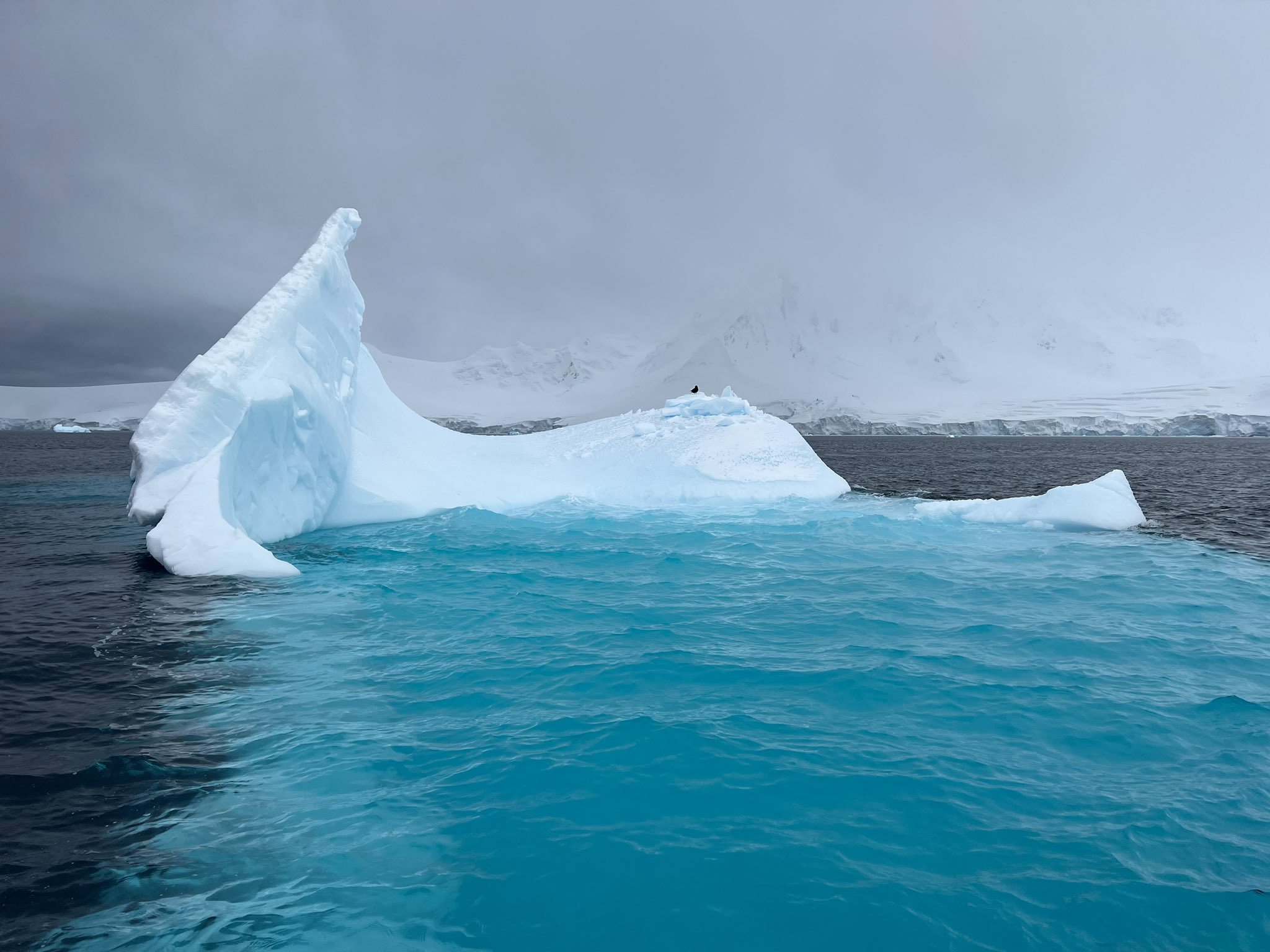
Emily Cunningham spent six months in Antarctica with her partner. Emily Cunningham spent six months in Antarctica with her partner Daniel Moore, another marine biologist.

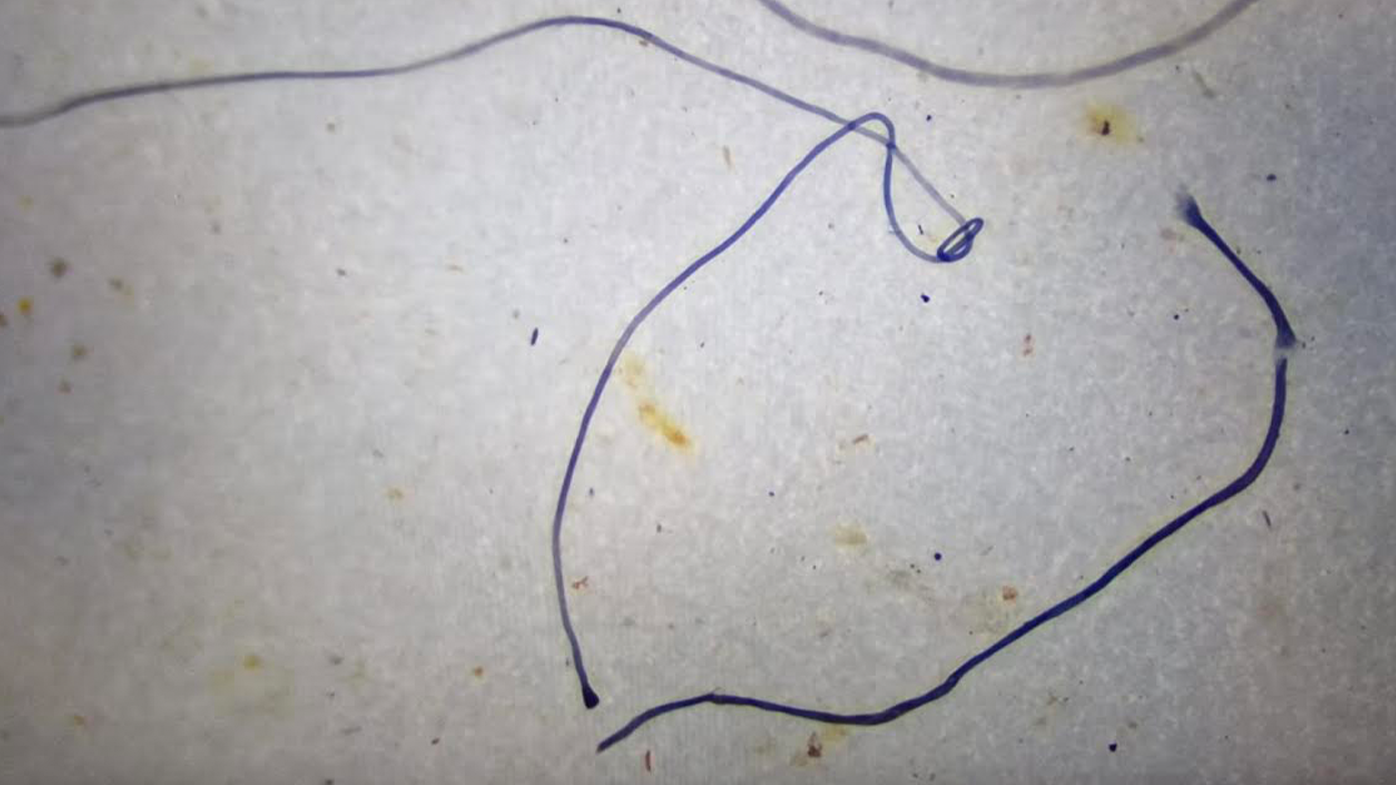
"We found microfibres, fibres that probably come from synthetic clothing, in every sample we took," she said.

"I did a lot of reading around the scale of the issue and microfibres and microplastics have been found in the air, the snow, the seawater and sediment in Antarctica.

"Last year scientists found microplastics in freshly fallen snow."

She said while spectacular Antarctica 'was dying'.

Cunningham explained the tiny plastic particles are so light they can be transported by air, as well as ocean currents.

"There's emerging thought in the scientific community from the data we're gathering that Antarctica might be a sink for microplastic fibres," she said.

"We don't fully understand that process but that is what the evidence is starting to suggest. 

"And what is interesting is the majority of our fibres were red and blue.

"Don't know why, but it was a stark observation across all the samples."

READ MORE: Perth man braves freezing Antarctic winter night to capture spectacle

Emily Cunningham said microfibres and microplastics were found in every water sample the team took.Emily Cunningham said microfibres and microplastics were found in every water sample the team took.

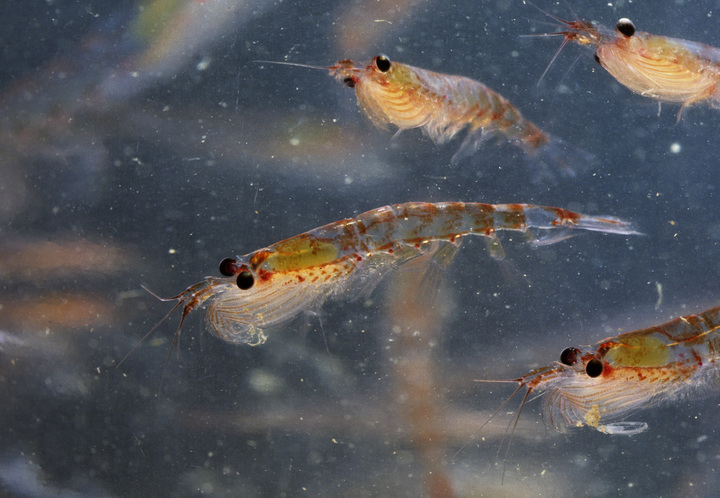
Her comments come weeks after a study, led by researchers from the British Antarctic Survey, found microplastics in krill and salps, small prawn-like crustaceans.

"They were in 60 per cent of animals," she said, adding krill is a foundation of the Antarctic food web.

"Krill are food for penguins, whales, seals – they're at the heart of the Antarctic ecosystem.

"Krill fished in Antarctica forms fish meal, which is fed to farmed salmon.

"It's not a big jump to say, 'Well, if there's microfibres in the krill, then they're going into farmed salmon and ending up on our plate.'"

Everyday human activities are fuelling the decline

Cunningham said one of the ways microfibres and plastics are making their way into the ocean – and ultimately Antarctica – is through washing machines.

She hopes that by 2030, microfibre filters will become mandatory on all new machines.

"France have already made it mandatory from January 1, 2025, and we're calling for a similar legislative change in the UK," she said.

"Current wastewater management infrastructure, nowhere is it designed to collect microfibres, so it just goes straight down and ends up in the ocean.

"We do need that global action on plastics, and the UN Plastics Treaty is giving me some hope.

"(But) in terms of individual action in the short-term, it's about getting a filter, so one that goes in the wash – a guppy bag – or you can buy a filter that sits on the outflow pipe.

"Wash less, and on the eco-setting".

READ MORE: What Australians can expect for summer after El Niño watch issued

Emily Cunningham and her partner spent six months in Antarctica. Antarctic krill.

Another human activity of concern in Antarctica is the fishing of krill.

"It's becoming increasingly concentrated around the Antarctic peninsula and we know krill distribution is rather patchy," Cunningham explained.

"So where there is lots, they concentrate their efforts there.

"The only regulation is a catch limit.

"But in terms of where they fish, there is no legislation at a fine level at least.

"We're seeing increasing overlap between that fishery and krill predators."

'Came as a shock'

Shortly after leaving Antarctica, Cunningham penned a love letter of sorts that went viral, with nearly four million views on Twitter.

She wrote that while Antarctica is undoubtedly spectacular, she had to acknowledge "the canary in the coal mine, (that) this wonderful place is dying".

https://www.instagram.com/p/Cqqz3sVvo3d/

She explained she wrote her now-viral post as her assumptions about the frozen continent were challenged by the visit.

"It felt cathartic, I needed to say those things," she said.

"I'm fairly well aware of these issues but seeing it firsthand was a different matter.

"The assumption other people have – at home, on the ship – is it really is this pristine wilderness.

"It was an assumption I had as well, and climate change tends to dominate the conversation.

"I wanted to pull out some of the other things that came as a shock to me."

Sign up here to receive our daily newsletters and breaking news alerts, sent straight to your inbox.

Japanese PM unhurt after blast during campaign event

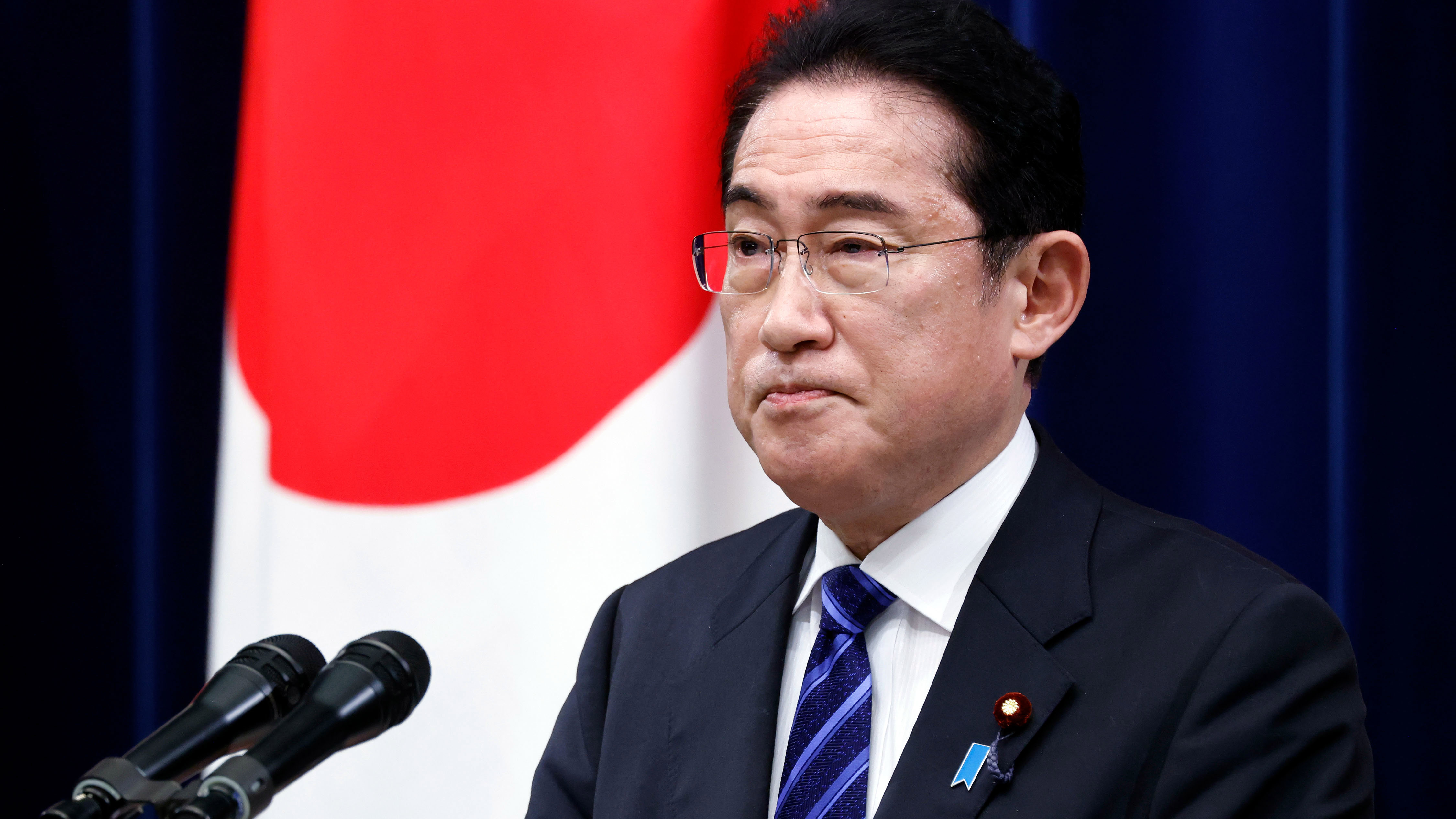
Japanese Prime Minister Fumio Kishida was evacuated unharmed on Saturday after someone threw an explosive device at a campaign event in a western port city, officials said.

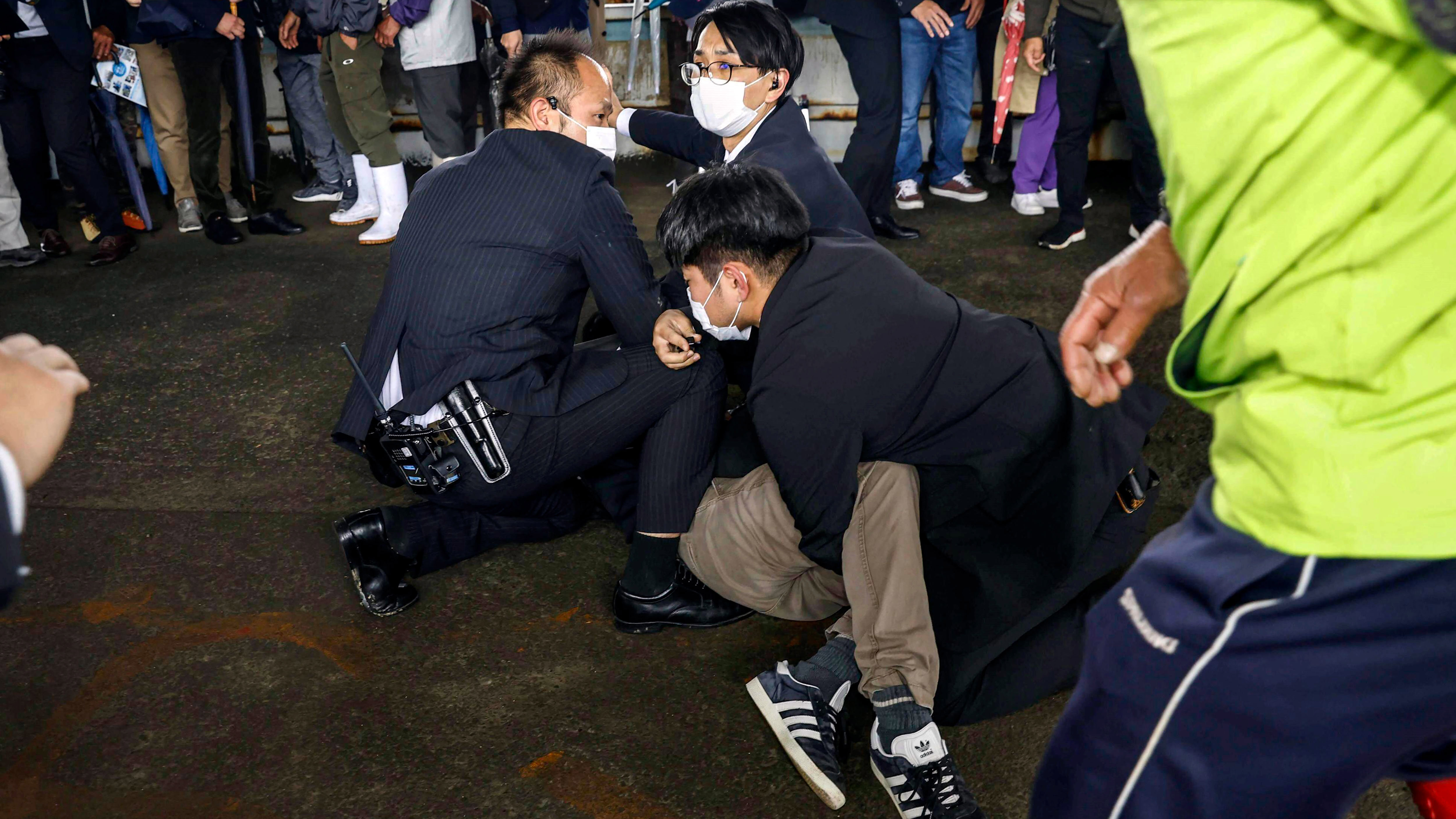
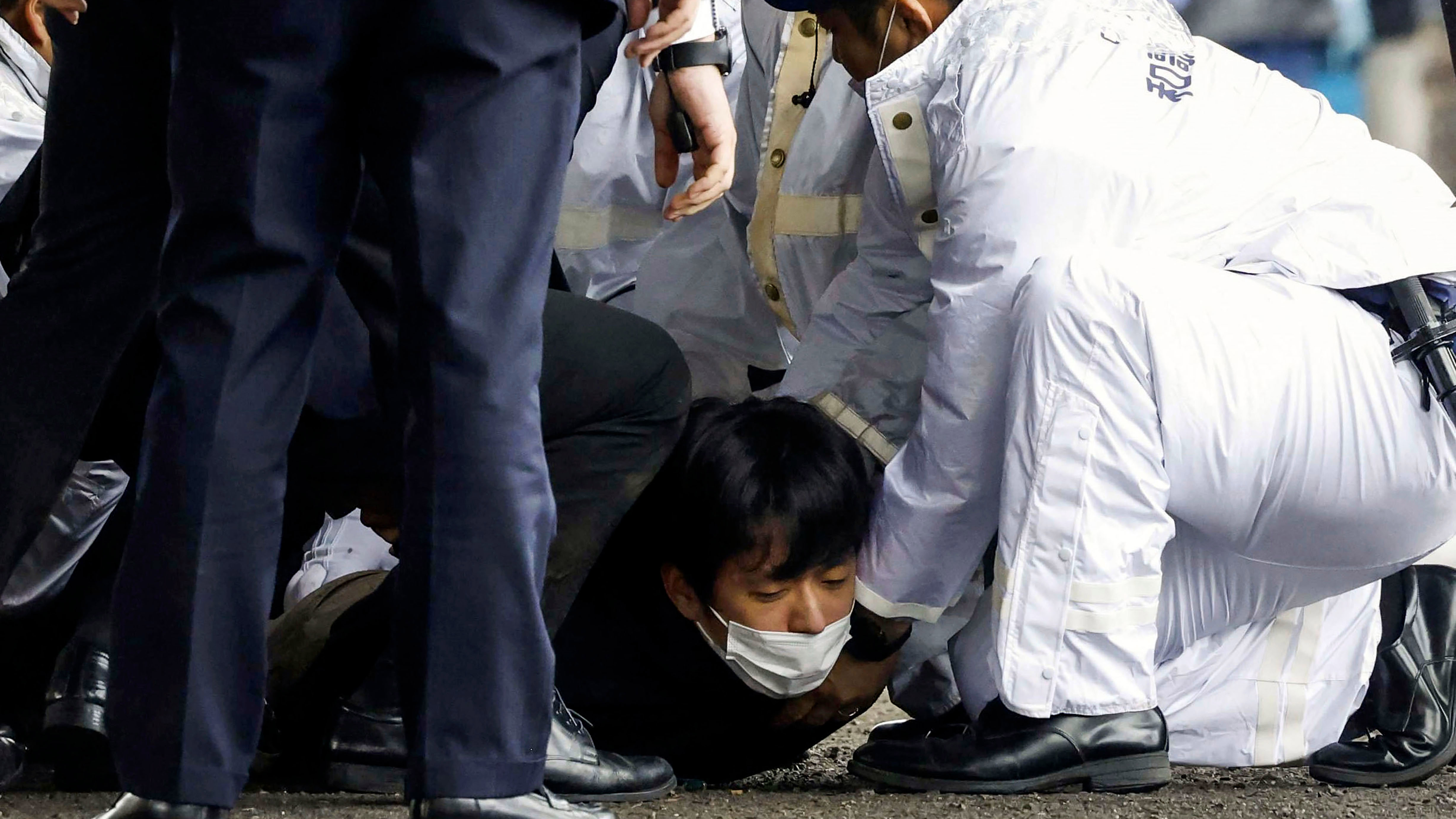
Police wrestled a suspect to the ground as screaming bystanders scrambled to get away and smoke filled the air.

Although no one was hurt, and Kishida planned to continue campaigning on Saturday, the chaotic scene was reminiscent of the assassination nine months ago of former Prime Minister Shinzo Abe, which also came on a campaign tour and continues to reverberate in Japanese politics.

READ MORE: 'Reunited in heaven': Father of missing Beaumont children dies at 97

A man, on the ground, who threw what appeared to be a smoke bomb, is arrested by police.

Kishida was visiting the Saikazaki port in Wakayama prefecture to support his ruling party's candidate in a local election, and the explosion occurred just before he was to begin his speech.

A young man believed to be a suspect was arrested on Saturday at the scene after he allegedly threw "the suspicious object," Chief Cabinet Secretary Hirokazu Matsuno told reporters.

TV footage showed several uniformed and plain clothes police officers gathered around the man, piling onto him and roughly dragging him over the ground.

It wasn't immediately clear what caused the explosion, but some reports said it was a smoke or pipe bomb.

Matsuno refused to comment on the suspect's motive and background, saying police are still investigating.

A man, on the ground, who threw what appeared to be a smoke bomb, is arrested by police.

No injuries were reported in the incident, which came on the eve of a major international forum in Japan.

Kishida was not hurt and planned to continue giving campaign speeches later on Saturday, Matsuno said.

"Elections are the core of democracy and we should never tolerate threats or obstruction by violence, and I believe (continuing on with his campaign schedule) was the prime minister's judgment in that context," Matsuno said.

He said he instructed national police to ensure their utmost effort for the protection of dignitaries who are visiting Japan in the period leading up to the Group of Seven summit in May.

Abe's assassination, which shocked a nation that prides itself on public safety and extremely tight gun controls, came as he delivered a campaign speech in the western city of Nara.

Japanese Prime Minister Fumio Kishida.

Amid a national outcry, police have tightened their protective measures following a subsequent investigation that found holes in Abe's security.

Security has been also ramped up in Japan as senior diplomats from some of the world's most powerful democracies arrive for Sunday's G-7 foreign minister meetings.

Kishida will host a May 19 to 21 G-7 leaders' summit in his hometown of Hiroshima.

One witness Saturday told NHK television that she was standing in the crowd when she saw something come flying from behind.

After a sudden loud noise, she fled with her children.

Another witness said people were screaming and that he saw someone being apprehended right before the explosion occurred.

Saturday's attack comes ahead of nationwide local elections, including several by-elections for vacated parliamentary seats, with voting scheduled for April 23.

In Abe's assassination, the former prime minister was shot with a homemade gun during a campaign speech.

The suspect, Tetsuya Yamagami, has been charged with murder and several other crimes, including violating the gun control law.

Abe's alleged assassin told investigators that he killed Abe, one of Japan's most influential and divisive politicians, because of the former prime minister's apparent links to a religious group that he hated.

In statements and in social media postings attributed to him, Yamagami said he developed a grudge because his mother had made massive donations to the Unification Church that bankrupted his family and ruined his life.

Abe's assassination led to the resignation of top local and national police chiefs and a tightening of security guidelines for political leaders and other prominent people.

Kishida's government was hoping to focus world attention this weekend on the hot spring resort town of Karuizawa, where senior diplomats will gather on Sunday for the so-called Group of Seven foreign ministers' meeting.

The foreign ministers from Japan, the United States, the United Kingdom, France, Germany, Canada, Italy and the European Union are expected to focus on worries over Russia's war in Ukraine, China's increasingly belligerent rise and North Korea's provocative string of weapons' tests.

Sign up here to receive our daily newsletters and breaking news alerts, sent straight to your inbox.
Supermarket giant's credit card customers caught up in cyber hack

Shoppers who applied for a credit card from Coles more than five years ago have been caught up in a large-scale hack.

Anyone who made the application before 2018 may have had their details leaked during the cyber attack on Latitude Financial, which provided credit card services to the supermarket giant until March of that year.

A Coles spokesperson said Latitude has not yet disclosed the number of impacted customers or specific details of the breach.

READ MORE: Latitude Financial insists it won't pay ransom demand by criminals behind cyber attack

"We are disappointed that this cyber incident has taken place and apologise for the inconvenience and uncertainty created," the spokesperson said.

"As a former service provider, Latitude Financial Services has informed Coles Financial Services that historical Coles Credit Card holder data has been affected by the recent cyber incident impacting their business.

"In March 2018, Coles Financial Services moved its Credit Cards to Citibank."

Impacted customers are being contacted by Latitude.

Customers concerned by the hack have been advised to visit Latitude's website for more information.

Sign up here to receive our daily newsletters and breaking news alerts, sent straight to your inbox.