Tag Archives: oceania

Aussie tech company wins Pentagon contract to build hypersonic vehicle

A small Australian technology company has been recruited by the US Defence Department to supply a vehicle to test fearsome hypersonic missiles.

Sydney-based Hypersonix Launch Systems will build a reusable aircraft for the Pentagon that is capable of speeds of between Mach 5 (6174 km/h) and Mach 7 (8600km/h), making it able to outpace conventionally-powered aircraft and missiles.

Flying between Mach 5 and Mach 7 would enable an aircraft to travel the 6580km from Sydney to Perth and back in about one hour. 

READ MORE: Ukraine hints it hit Russian missiles in occupied Crimea
Last year, Australia announced it will work alongside the US and UK to develop an arsenal of hypersonic missiles.

Other countries, including Russia and China, have also joined the race to build them.

Hypersonic missiles can travel at a far lower trajectory than high-arcing ballistic missiles, and pose a major challenge to air defence systems.

Russia's military deployed hypersonic missiles in Ukraine last year, the first known use of the technology in combat. 

But the testing of hypersonic weapons by the US is currently limited to land- and sea-based test ranges and uses expensive, non-recoverable test firings, slowing the development of the emerging technology.

Last September, the Pentagon's Defence Innovation Unit launched a project to build a lower-cost airborne testing platform for hypersonic weapons

READ MORE: How hypersonic missiles work and why the weapon is so feared
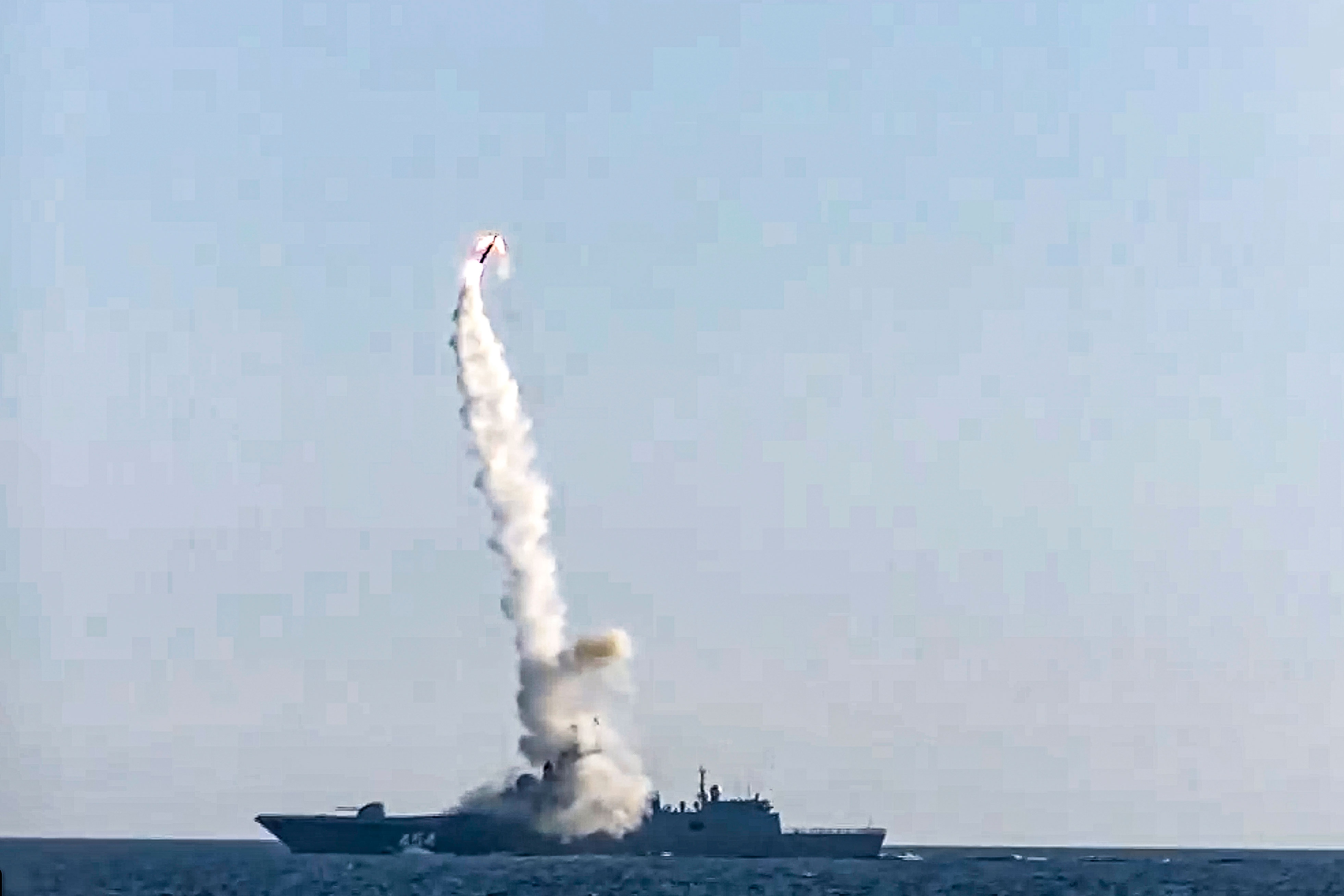
A Zircon hypersonic cruise missile is launched by a Russian navy frigate from the White Sea, in the north of Russia

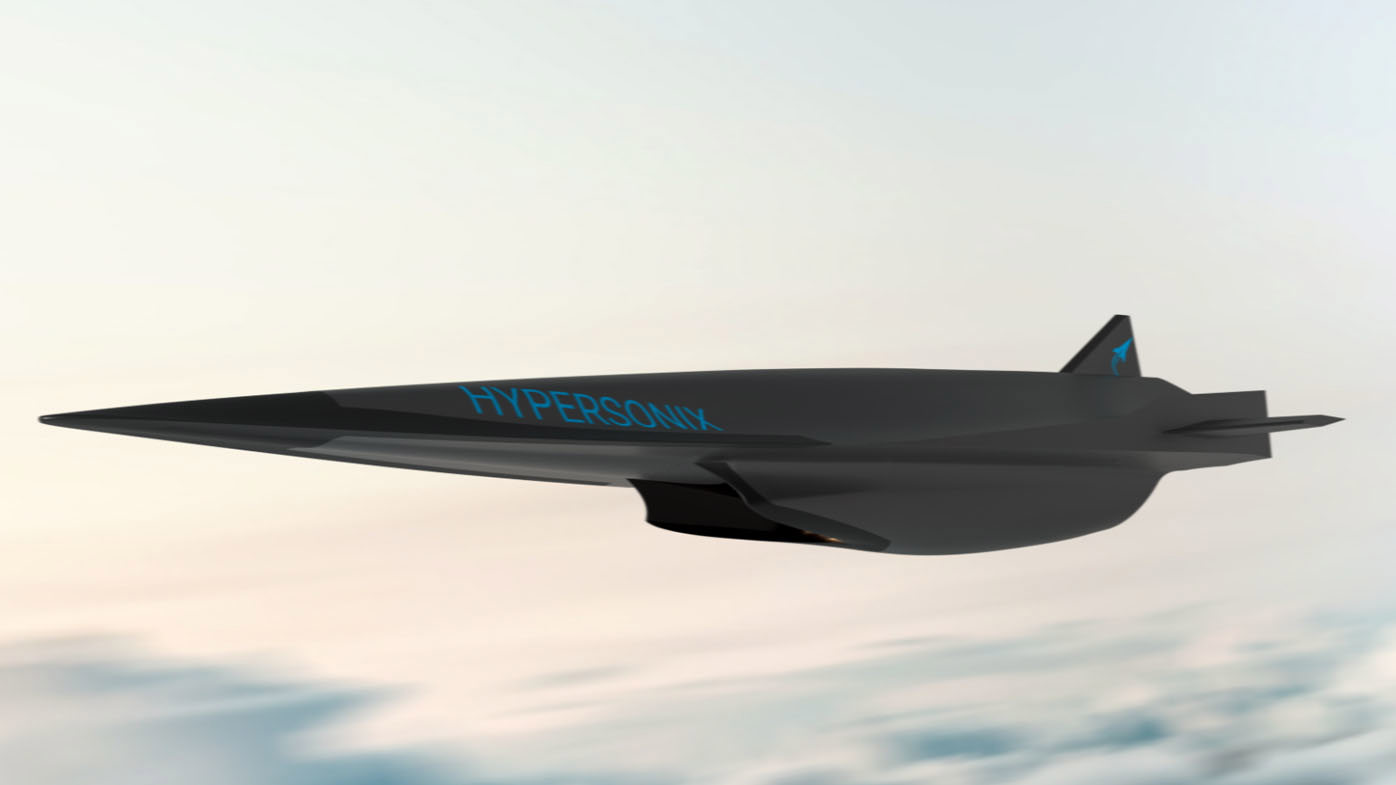
The Hypersonix aircraft chosen earlier this month is the DART AE (Additive Engineering) vehicle, which is largely built using 3D printing and is powered by a hydrogen-fuelled SPARTAN scramjet engine.

The company said it is "capable of flying non-ballistic flight patterns at speeds of Mach 5 to Mach 7 and up to 1000km in range (400 seconds flight time)".

Hypersonix plans to fly the vehicle early next year.

"Our longer-term focus is to capture a slice of the emerging multi-billion-dollar commercial market for the deployment of small satellites, but clearly Australia's strategic defence allies see immediate potential in our technology," managing director David Waterhouse said.

"This is our first major contract and a key step in our commercialisation process – we couldn't be happier.

"This puts Australia one step closer to being a major player in the international space race."

Hypersonix is also working with the Australian government to fly a hypersonic test vehicle.

Sign up here to receive our daily newsletters and breaking news alerts, sent straight to your inbox.
Queenslander finds venomous bedfellow lounging in sheets

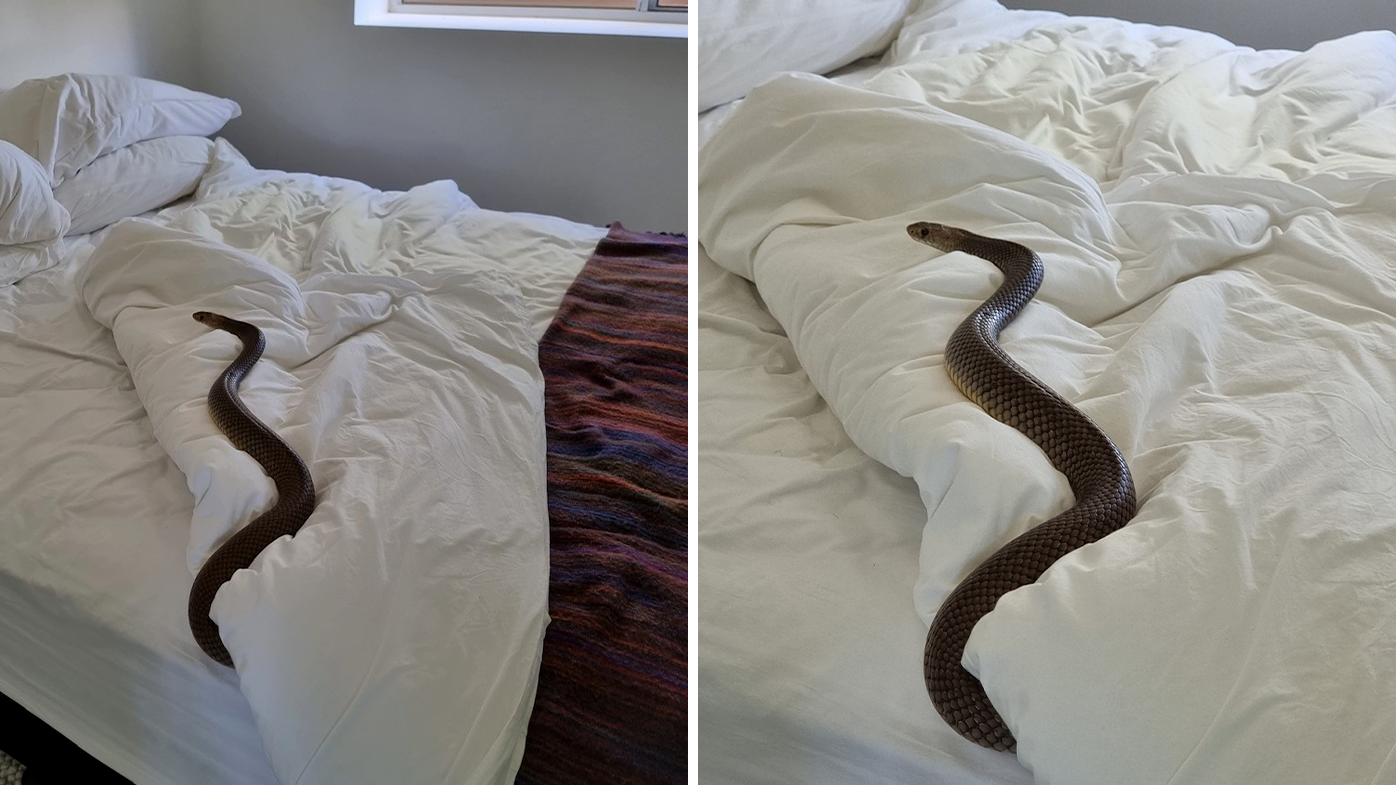
A Queenslander found a strange, and unwanted, bedfellow in their sheets when they stumbled upon a 1.8-metre venomous snake chilling out.

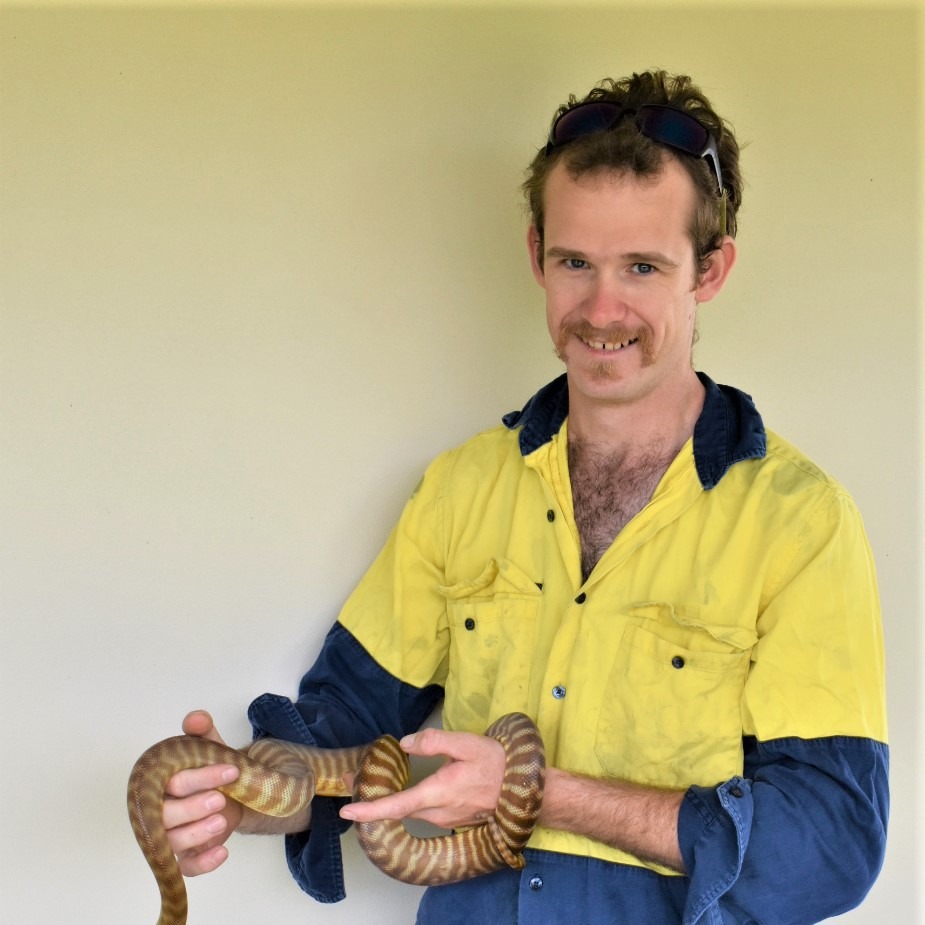
Zach Richards, from Zachery's Snake and Reptile Relocation, was called out to the Maroon property on Monday, explaining it was one of the more unusual removals he's had.

The reptile was an eastern brown snake, which happens to be the world's second most venomous land snake.

READ MORE: Surge in snake hatchlings sparks warning from reptile handlers

The large eastern brown snake was found resting in a Queensland bed.

"I haven't had an eastern brown in a bed before," Richards said.

"I have had a carpet python, and found common tree snakes in toilets, but nothing like this.

"It was a little upset I disturbed its spot for sleeping.

"It was a nice size to match its length, it was reasonably placid."

READ MORE: Brawl between teacher and student filmed at NSW school

Snake catcher Zach Richards is no stranger to handling  reptiles, and issued a message to residents who find one in their home.

Richards shared a message to any homeowner who may encounter a snake on their property, whether it be venomous or not.

"Just leave it alone, and call a professional," he said.

"If it's in a room like a bedroom, shut the door and put a towel under it to stop it escaping."

READ MORE: 'I killed a man': Horrific phone call from Russian solider intercepted

The eastern brown snake was safely relocated into nearby bush.

The incident comes in the midst of snake season, which typically runs from September to April. 

Sign up here to receive our daily newsletters and breaking news alerts, sent straight to your inbox.

Gambler's 'atomic bomb' moment exposed his web of lies

Exclusive: Thomas* calls it his "atomic bomb" moment, the day his mother discovered the scale of his gambling addiction and his house of cards existence caved in.

The revelation that Thomas was buckling under a mountain of debt, had been lying to friends and family for years and even stole from his grandfather, was devastating.

But, with his secret out, there was also relief.

READ MORE: Oxfam urges staff to stop using words 'mother' and 'father'

"It was tough," Thomas recalled of that February day, when the then 28-year-old from Sydney finally confessed everything to his mother.

She listened as Thomas explained how his life had slowly spiralled out of control since he had first played the pokies inside his local RSL just after he'd turned 18.

That frank conversation also prompted Thomas to tell his boss at the financial institution he worked what had been happening to his life.

In a matter of days, he'd checked into rehab, in an attempt to find a way out of the black hole that had consumed him.

"I felt like a zombie," Thomas, who wished to remain anonymous, told 9news.com.au.

"I was so emotionally drained."

Thomas recounted to 9news.com.au a revolving cycle of debt and lies. Bridges were burned. Pressure mounted.

"It was mentally and financially ruining me," he said.

Thomas didn't want to, but as the losses mounted he began to approach friends with hard luck stories of needing extra money to pay for an unexpected car expense, or to help top up a shortfall on rent this month.

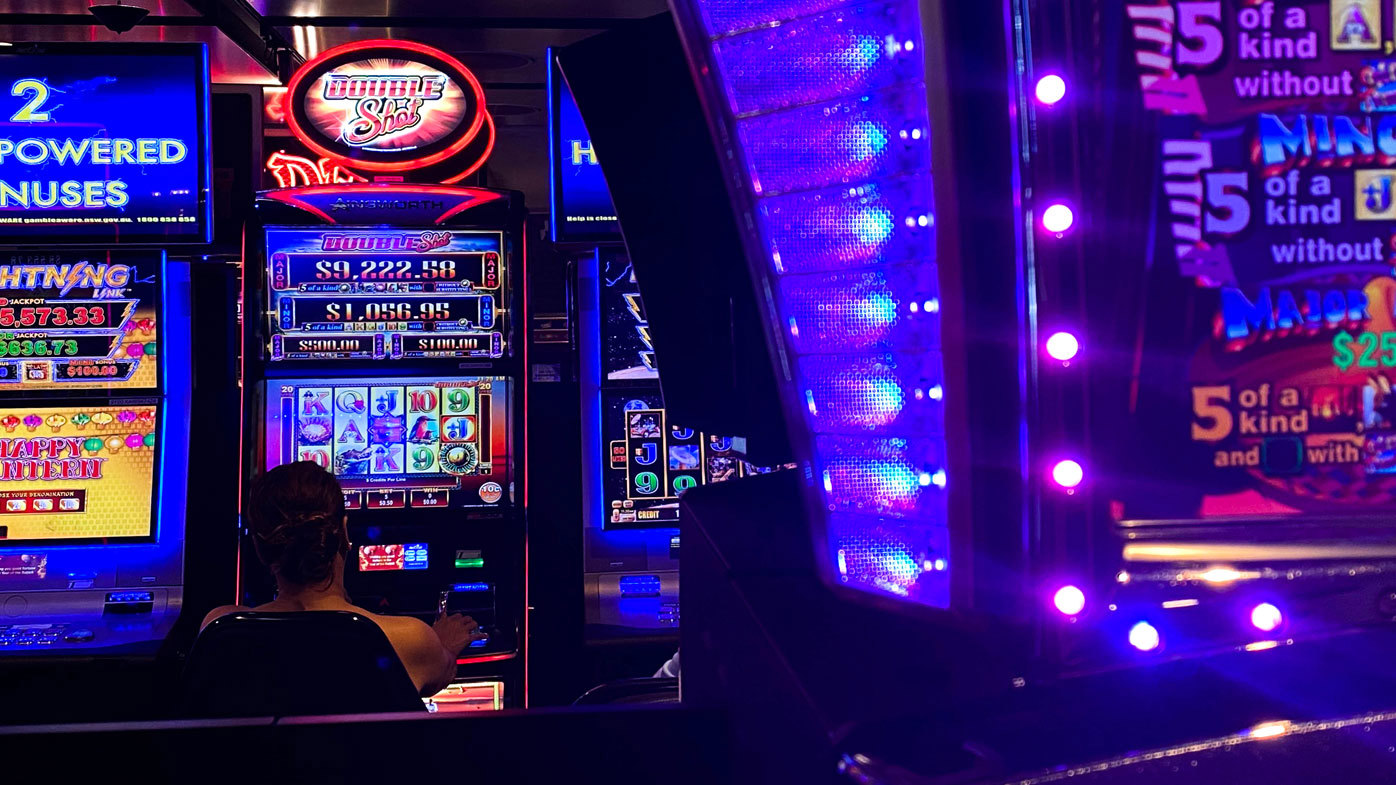
Any money he rustled up went straight into the pokies, and with 86,000 pokie machines in the state, temptation was all around him.

Although Australia has less than half-a-per cent of the world's population it has 20 per cent of its pokies, and 80 per cent of those located outside casinos.

READ MORE: The most banned book in America may face similar fate in Australia

A lone gambler plays the pokie machines in a Sydney venue.

'They made it easy'

"I needed to play," he said.

"I'd borrow $200 and say it was for my rent. It was terrible."

He was also juggling loans issued by quick loan businesses.

After filling out "pretty straightforward" online applications, he said new loans were often approved and funds deposited into his account in a matter of hours.

"I don't know if they look at your statements or anything like that, but you could tell from my statements that I'd be withdrawing money for pokies all the time.

"They made it easy. They made it really easy."

Then, he said, the companies would start to pepper his phone with text messages, offering him new loan deals and more money.

Thomas hesitates when asked to estimate how much cash he's lost over the years.

"I don't know, in all honesty, it's a lot of money."

Pausing, he does more mathematics in his head.

"I just wouldn't even know that figure."

Recent data from Liquor and Gaming NSW help shed some light on the unknown, revealing that gamblers in NSW are losing around $23 million every day.

Pokie machines in NSW pubs and clubs turned over $95 billion in 2020-21.

"There's pokies everywhere," Thomas said.

Have you been affected by gambling? Email

'Not how it used to be'

Thomas is unsure how much the cashless gaming card would have helped him.

"I know it'll be good for the money laundering (but) gamblers are still going to find a way to have a gamble," he said.

"What needs to happen is to reduce the number of pokies in pubs and clubs."

His local RSL, where he played the machines that very first time, had changed over the last 10 years, he said, and illustrated the challenge reform advocates face.

"When I was 18, it didn't have as many pokies," he said.

"Now half the whole RSL is pokies.

"It's not how it used to be."

Thomas, who is in early recovery, said he hoped his story could help others.

"It is an addiction (but) there is help out there," he said.

He urged anyone struggling to "talk to people" and get the issue out in the open.

* Thomas' name has been changed to protect his identity.

If you have a problem with gambling there is help available. Contact Lifeline – 13 11 14 or Gamblers Anonymous – www.gaaustralia.org.au or Gambleaware – 1800 858 858

Three of Aussie mum's children caught up in hospital's devastating bungle

As the number of children impacted by Adelaide's cochlear implant fiasco continues to grow, so too has parents' frustration.

One exasperated mother, who has three children given faulty implants at the Women and Children's Hospital (WCH), is leading calls for action.

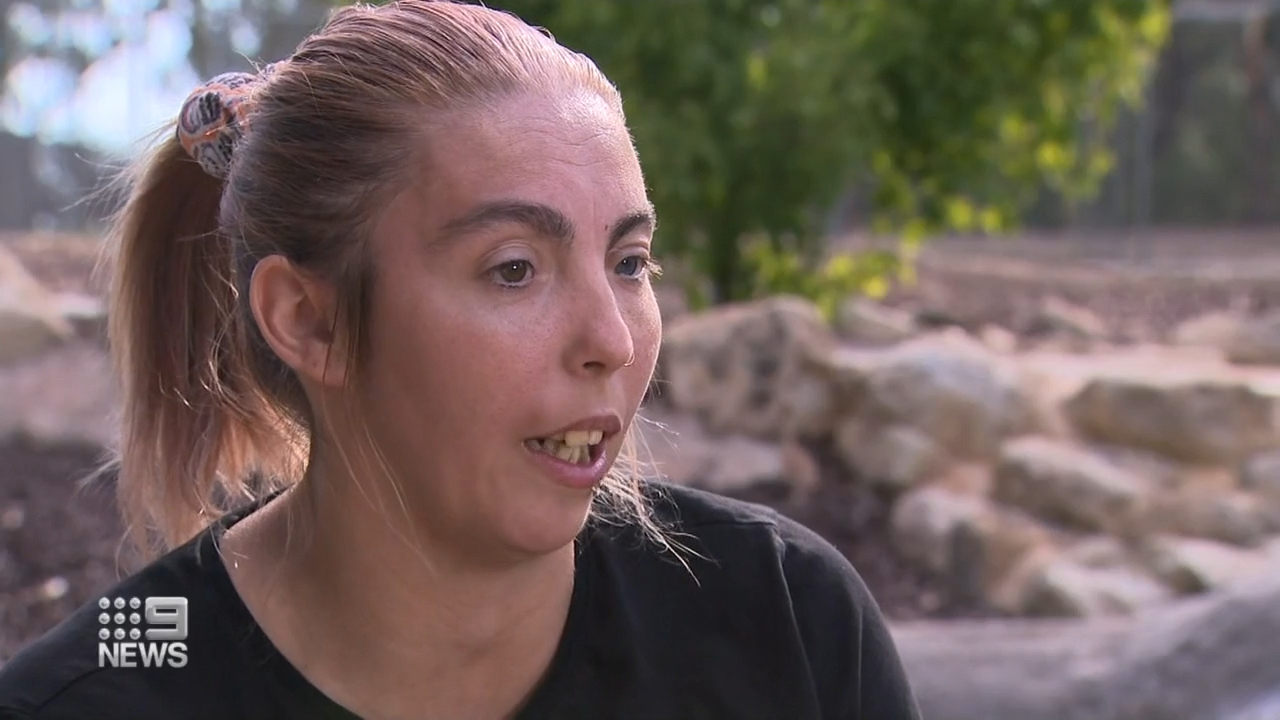
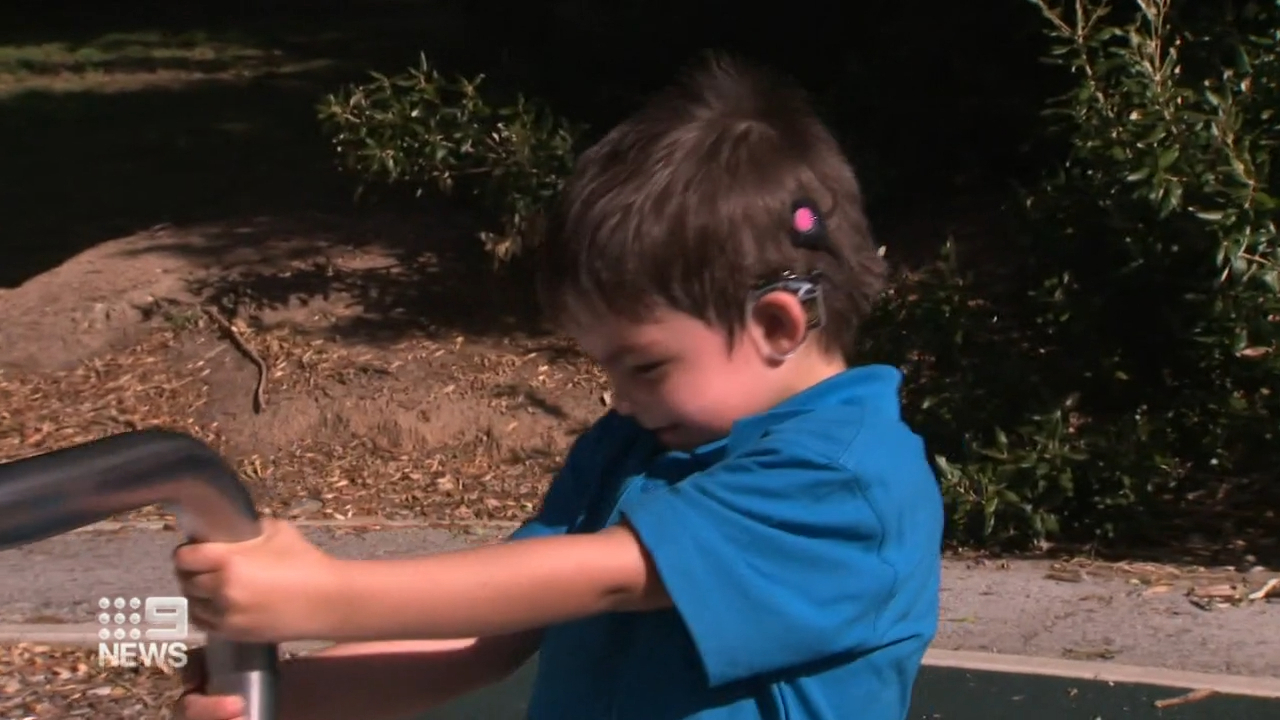
Danielle Ainsworth said her children, Kaiysen, four, Lachlan, six, and Makayla, 12, have all been left to deal with the devastating after effects of the bungle.

READ MORE: Independent review to probe cochlear implant blunder at hospital in Adelaide

"It's frustrating beyond belief that they have been set back and have the high potential to never catch up to their age-appropriate behaviour," Ainsworth said.

The mother's youngest, Kaiysen, has been described as a "giggly boy" – but that's close to the limit of his verbal communication.

The Ainsworths' situation is just one among a number of other cases.

READ MORE: Aussie families save on groceries by foraging for food

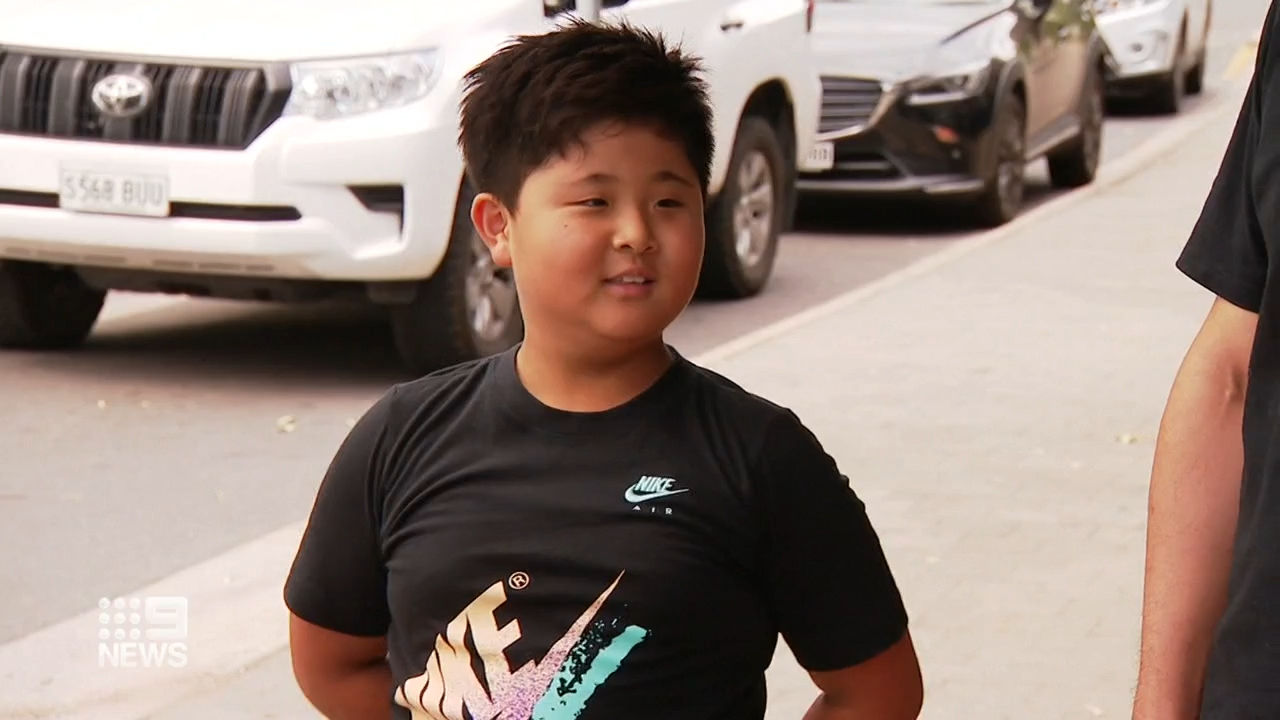
Jun Ting Song, nine, realised his cochlear implants were faulty six months ago.

"It felt like the battery was flat," he said.

So far, 30 South Australian children have been identified by the WCH as receiving implants with programming errors, with that number expected to grow.

Many families are only now just finding out for themselves that they are victims, not having been contacted by the hospital or the government.

READ MORE: TikTok ban looms for Australian government phones

"It's crucial all families who received a cochlear implant at the WCH over the last 10 years be contacted," Opposition Leader David Speirs said.

"We know it (dates back) at least five years, but we need to go back further just to be sure we've got everyone," Health Minister Chris Picton said.

With even the government conceding a giant compensation claim was likely looming, it’s drawn the attention of law firms across the country, many of whom are encouraging families to seek legal advice.

"I don't think financial compensation will ever make up for what's happened," Ainsworth said.

Sign up here to receive our daily newsletters and breaking news alerts, sent straight to your inbox.
Aussie family attacked by monkeys at popular beach in Thailand

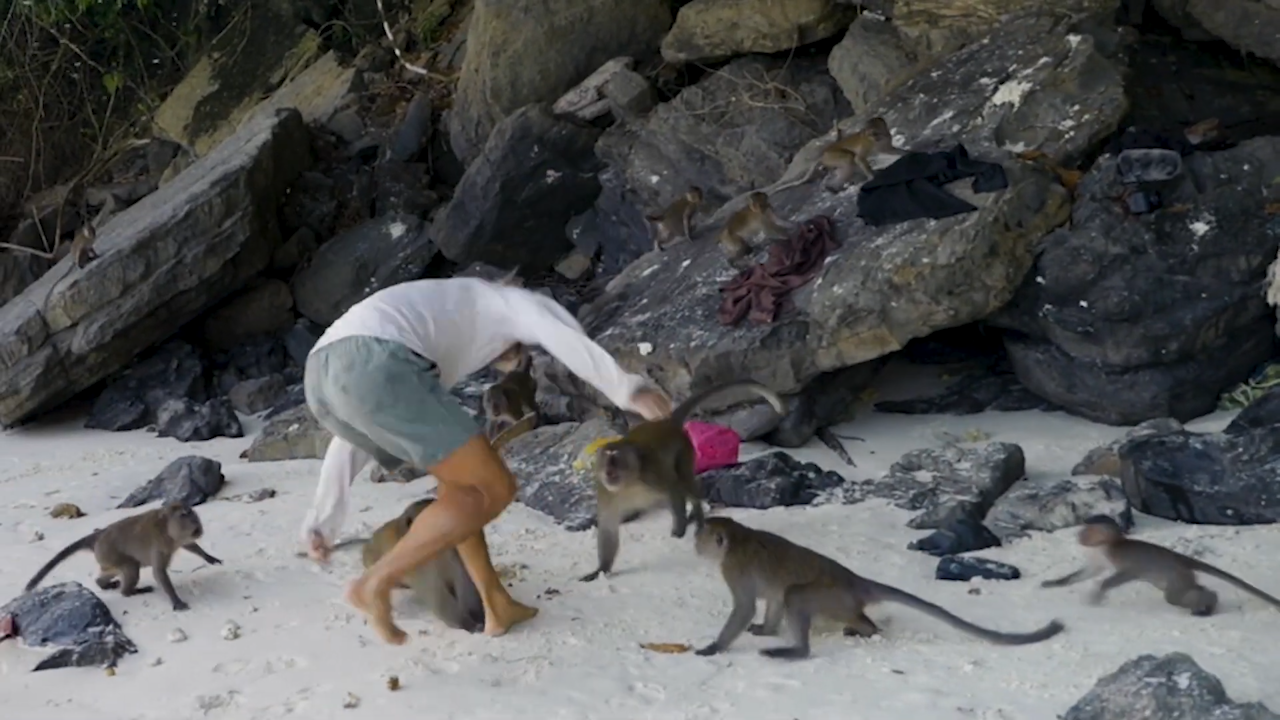
A troop of monkeys has swarmed and attacked an Australian family enjoying a day at a packed Thailand beach.

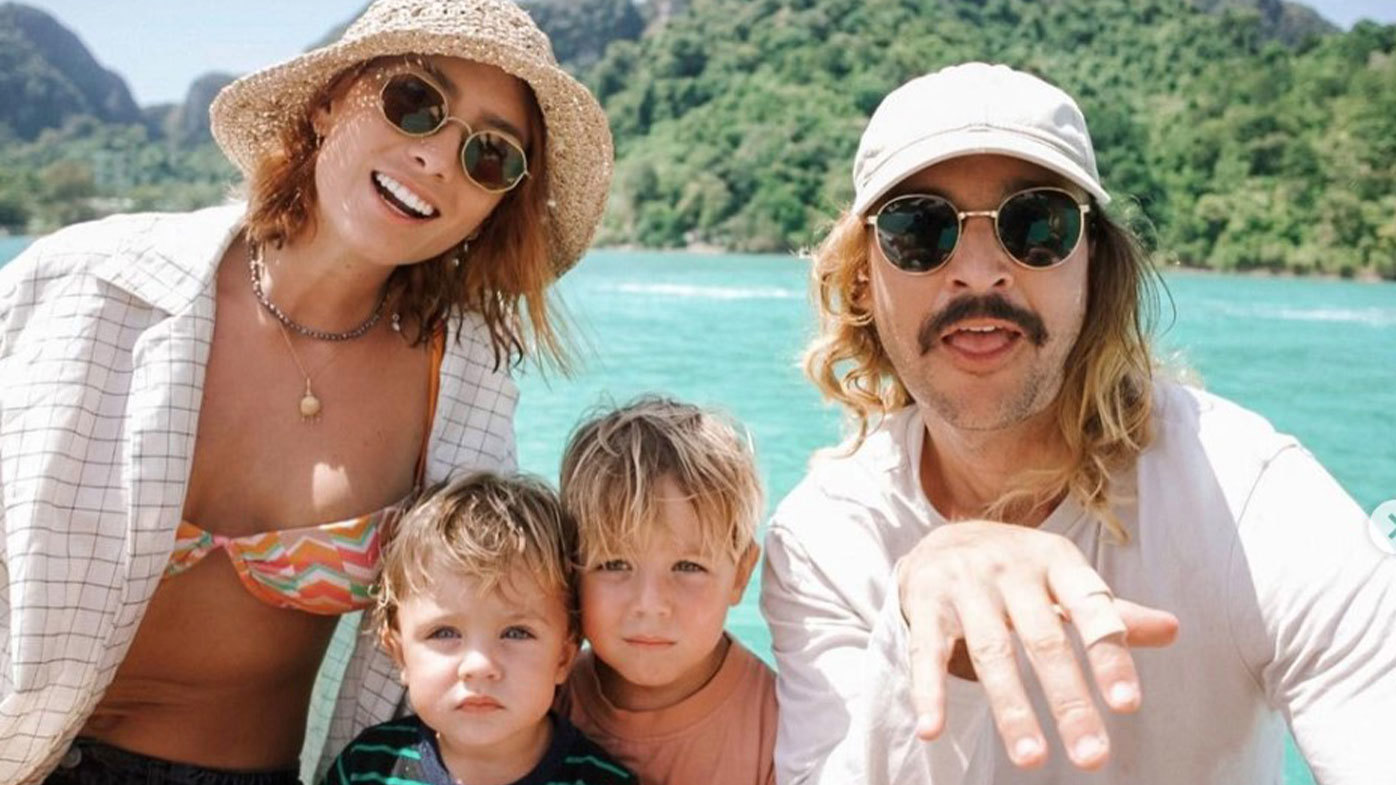
YouTube influencers Riley Whitelum and Elayna Carausu have made social media fame by sailing around the world with their two children Darwin and Lenny – but it hasn't all been smooth sailing.

In their most recent video, the family was exploring Monkey Beach in Ko Phi Phi Don in Thailand.

READ MORE: Alarming prediction for Aussies who vape

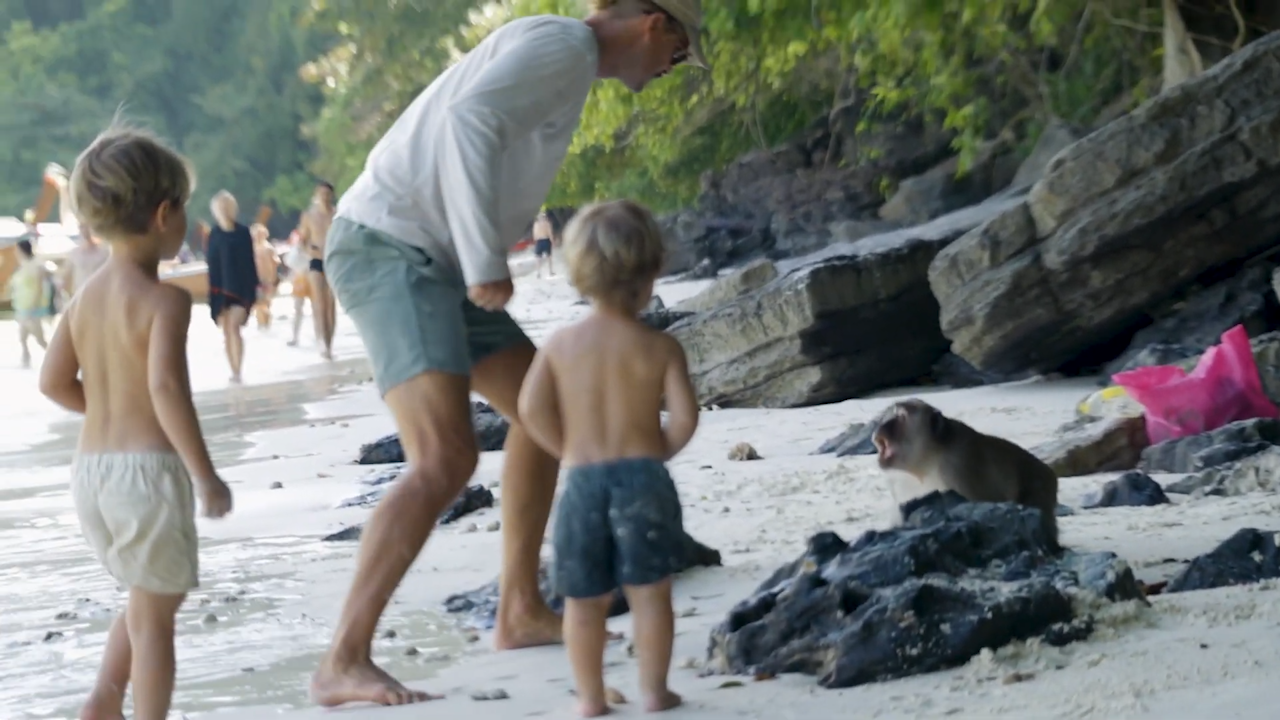
Aussie family attacked by monkeys at Monkey Beach in Thailand.Aussie family attacked by monkeys at Monkey Beach in Thailand.

Whitelum shows his sons the monkeys before the animals try to rifle through their bags, which sparks the 38-year-old to try and shoo them.

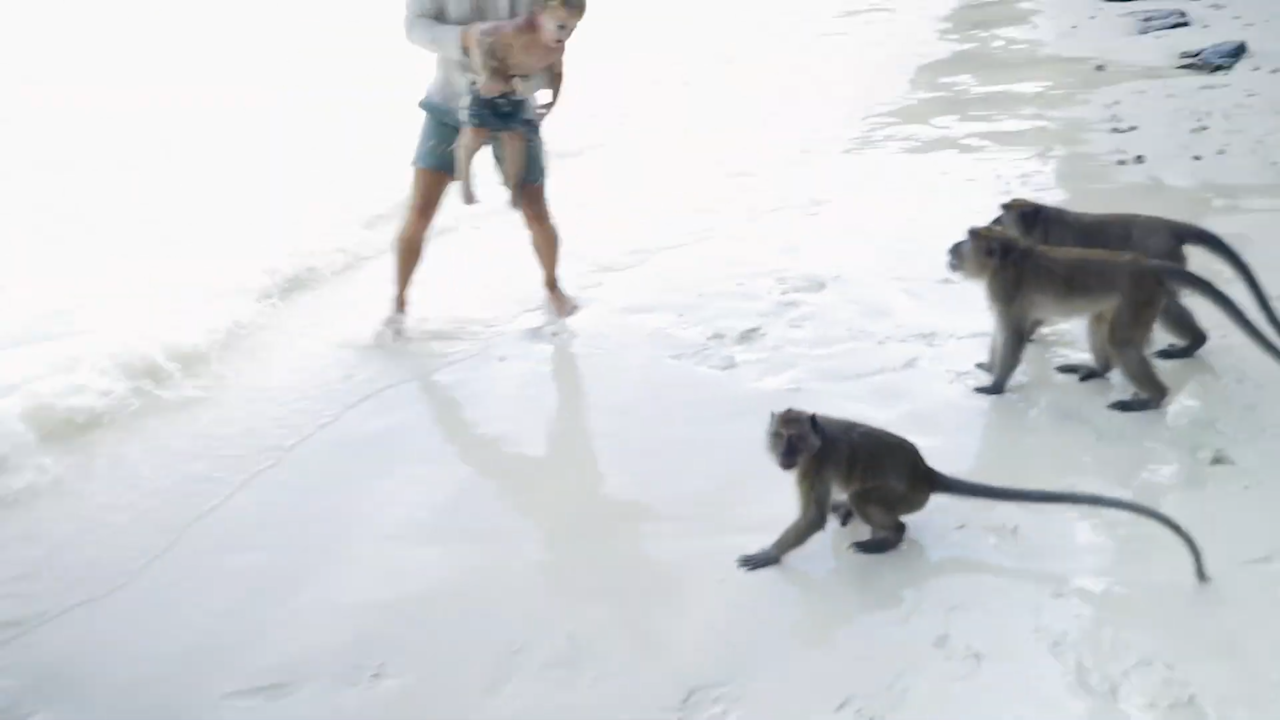
However, this isn't successful and the monkeys become aggressive and start shrieking and trying to bite the family.

Eventually the group scare away the monkeys to collect their belongings but not without some damage.

"I'm not kidding babe, they went for Darwin," Whitelum tells Carausu.

"Lenny literally said 'is it going to get me' and I said 'no mate, no' and then they just went for Darwin.

"I'm really glad the boys didn't get bitten."

One of the friends travelling with the family remarks it's lucky the boys weren't bitten as it could have "scared him for life".

READ MORE: Melbourne mum claims her smartwatch saved her life

Aussie family attacked by monkeys at Monkey Beach in Thailand.Aussie family attacked by monkeys at Monkey Beach in Thailand.

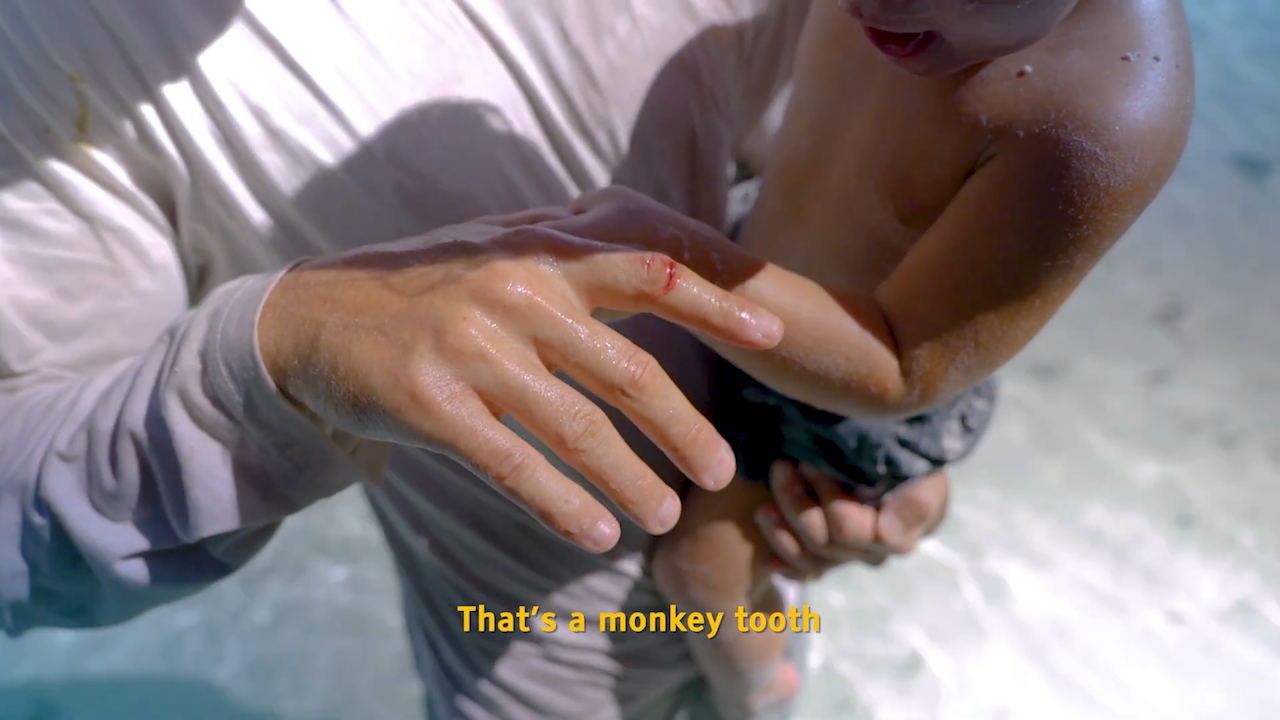
The family didn't escape completely harm-free, Whitelum suffered a bite to the finger and had to receive multiple rabies shots.

"I need to have five or more needles in my wound then four shots over 20 days," he said.

In the video, Whitelum passed out while receiving the enormous number of shots.

While the family was at the hospital staff told them monkey bites are a regular occurrence with one or two patients presenting per day.

READ MORE: Teacher who told boy she was 'willing to risk prison for sex' jailed

Riley Whitelum and Elayna Carausu and children Darwin and Lenny operate Youtube channel Sailing la Vagabonde.

Carausu said the family was unaware the monkeys could be so aggressive while spending time at the picturesque Thai beach.

"Had we known this beach was notorious for monkey attacks, we wouldn't have gone," she said in the video.

Whitelum and Carausu have more than 1.82 million subscribers on their "Sailing La Vagabonde" YouTube and plan to circumnavigate the globe by sailboat after first starting with no experience.

Sign up here to receive our daily newsletters and breaking news alerts, sent straight to your inbox.
Scientists want you to find these alien-like eggs on the beach – here's why

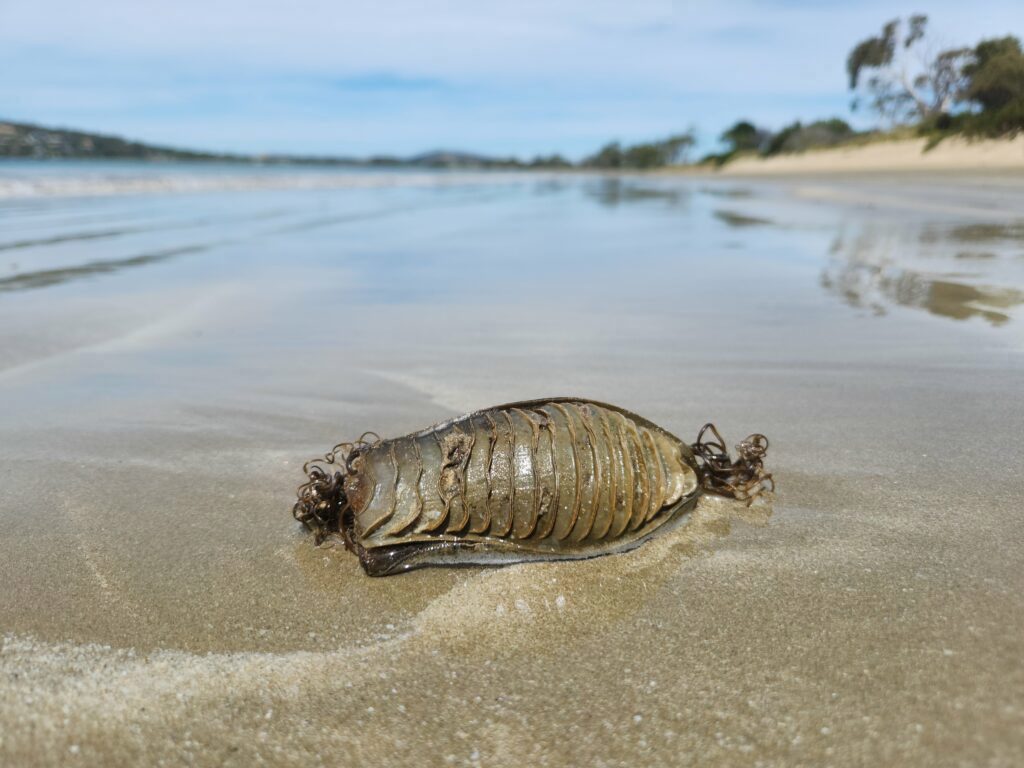
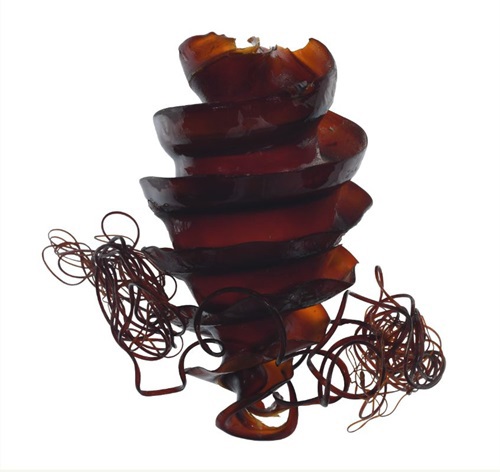
With an almost alien appearance, you'd be forgiven for mistaking this strangely shaped egg for a supernatural creature.

But it's actually a shark egg case, also known as a mermaid's purse, and every day Australians are being called on by scientists to hit the beach and find them.

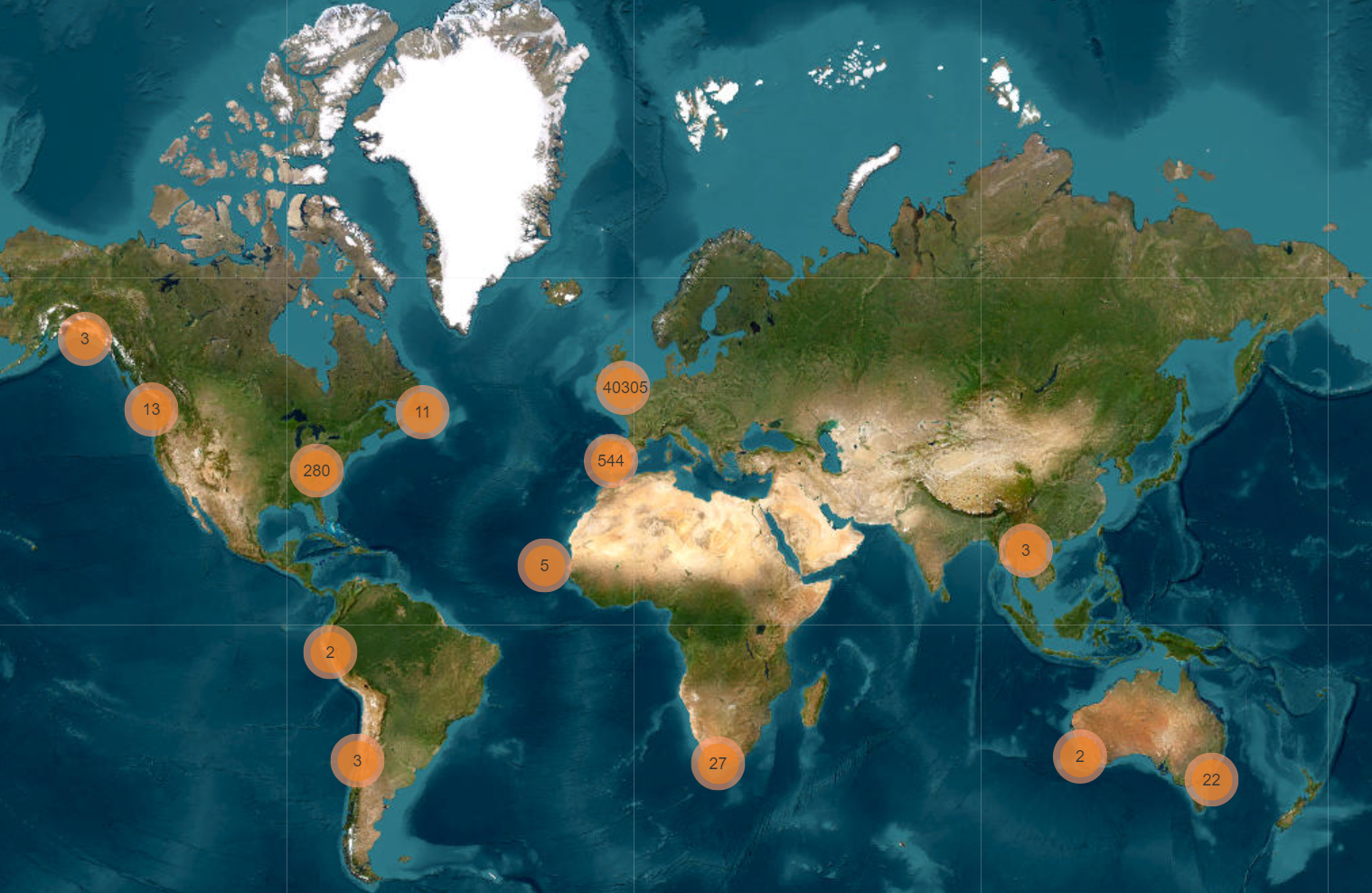
There have already been 380,000 individual egg cases collected around the globe since The Shark Trustlaunched The Great Eggcase Hunt program in 2003 and now leading science research body the CSIRO is joining the search to find out valuable information about egg-laying sharks, skates, chimaeras and rays in Australia.  

READ MORE: Aussie families save on groceries by foraging for food

Australian waters are home to 182 species of shark, 132 species of rays, and at least 10 species of chimaera.

Researchers from the CSIRO are honing in on their eggs, hoping to discover more about where different species live, and if there are any out there that haven't been discovered.

They are operating out of Hobart, with The Shark Trust hoping to catalogue Australia's large diversity of chondrichthyans, or simply put cartilaginous fish.

"With a tailored identification guide created for each state, they really showcase the different catsharks, skate, horn sharks, carpetsharks and chimaera eggcases that can be found washed ashore or seen while diving," senior conservation officer Cat Gordon said.

READ MORE: TikTok ban looms for Australian government phones

What does a shark egg look like and where can find one? 

The appearance of the egg cases will vary depending on the species.

By looking at the size, shape and features of the recorded egg case, you can identify the species that laid it.

Some egg cases have a smooth and simple appearance, while others have ridges, keels or curling tendrils that anchor them to kelp or coral.

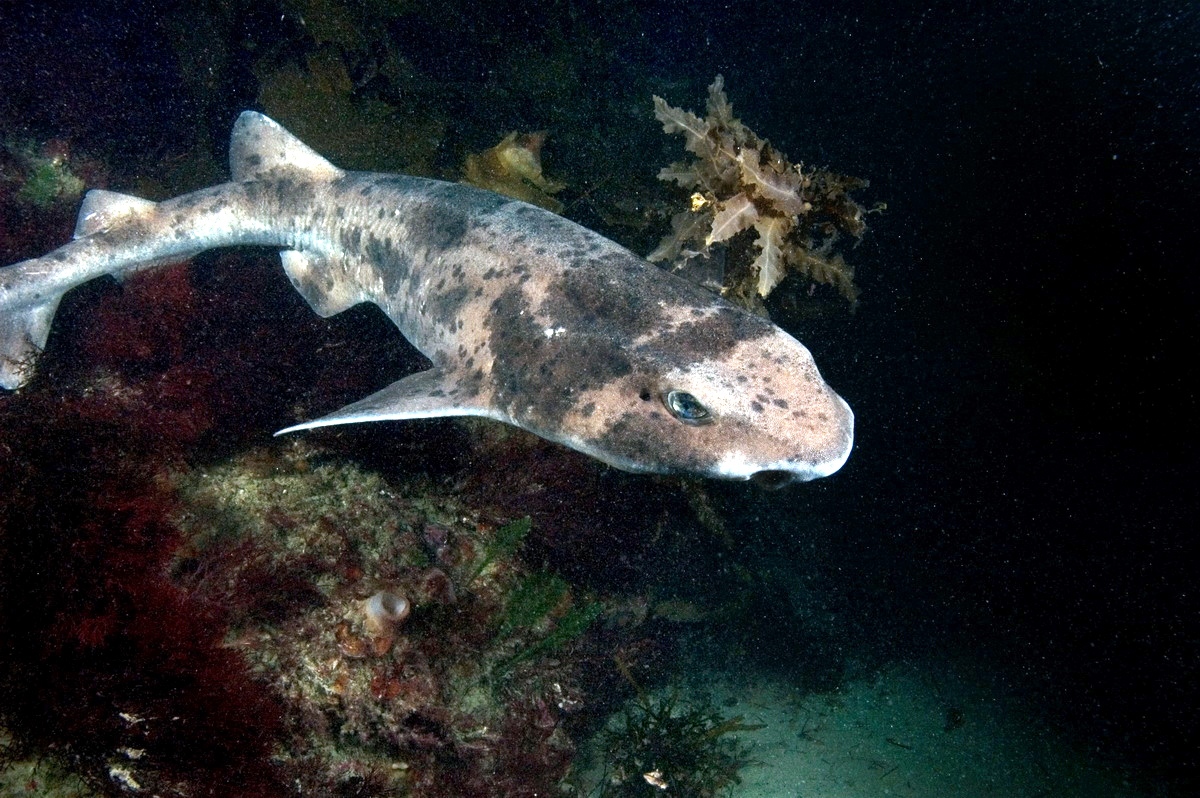
Port Jackson sharks have corkscrew-shaped egg cases that they wedge into rocks.

Mermaid's purses are found close to the ocean and often in seaweed or on the sand.

When egg cases dry out they're very light and can get blown to the back of the beach or trapped in grasses on sand dunes. These are prime locations to search.

Egg cases wash up all year round, but the best egg hunting time is after stormy weather when lots of seaweed and debris have washed up on the beach.

Experts recommend making sure there's not a live animal inside when searching for egg cases, and also to be wary not to damage habitats.

For your own safety, be aware of changing tides and don't go to a location that could be cut off by rising water.

READ MORE: 9000 more Amazon workers set to lose their jobs

How can I get involved?

Contributing to the ongoing research is as simple as taking a photo of your find and submitting it to The Great Eggcase Hunt.

There is a tailored identification guide for each Australian state, so you can match the egg case you found to a species using the program's app.

If you put an egg case in a bucket of fresh water and let it soak for up to two hours, it can be easier to identify a rehydrated egg.

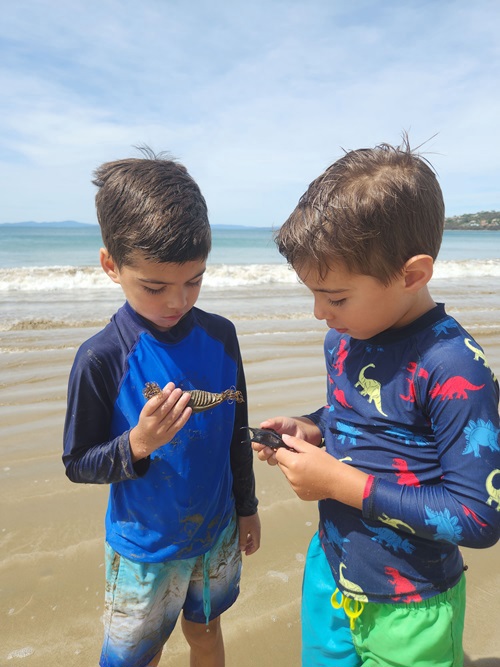
The beachside activity is perfect for children and there are kid-friendly guides available online.

READ MORE: Rupert Murdoch to wed for fifth time after whirlwind romance