Tag Archives: oceania

Temperatures could hit 50C in one state as nation swelters

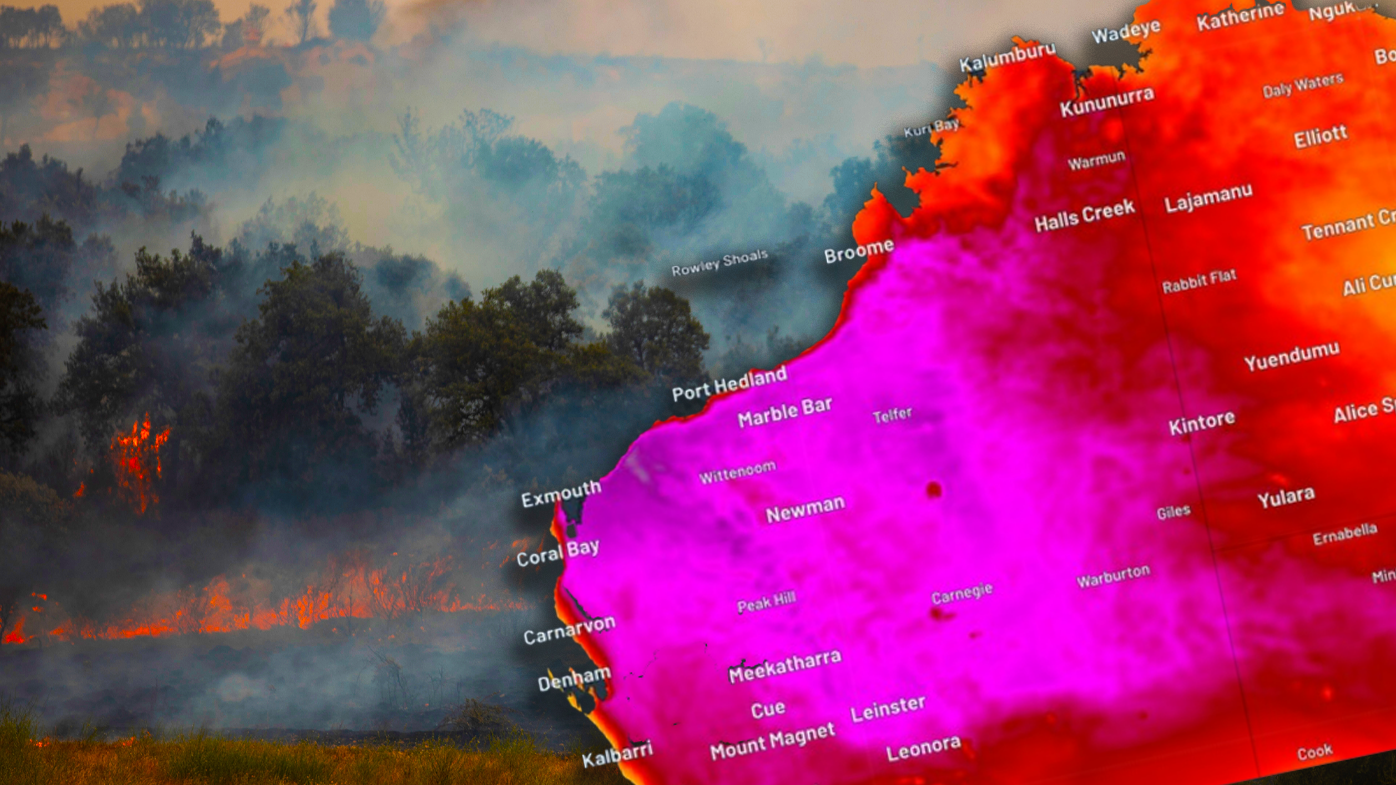
Dangerous conditions have been forecast in Western Australia this weekend with near-record temperatures set to skyrocket above 50 degrees, prompting a bushfire warning from officials.

A "break in the monsoon" is allowing an "intensely hot air mass" to build up over northwestern Australia this week, particularly around the Pilbara district, which is set to cop the brunt of the heat.

The region has already sweltered through a sizzling start to the week, with heatwave conditions also making life uncomfortable for residents in at least four other states.

READ MORE: Driver charged after teen killed in bus crash in Sydney's west
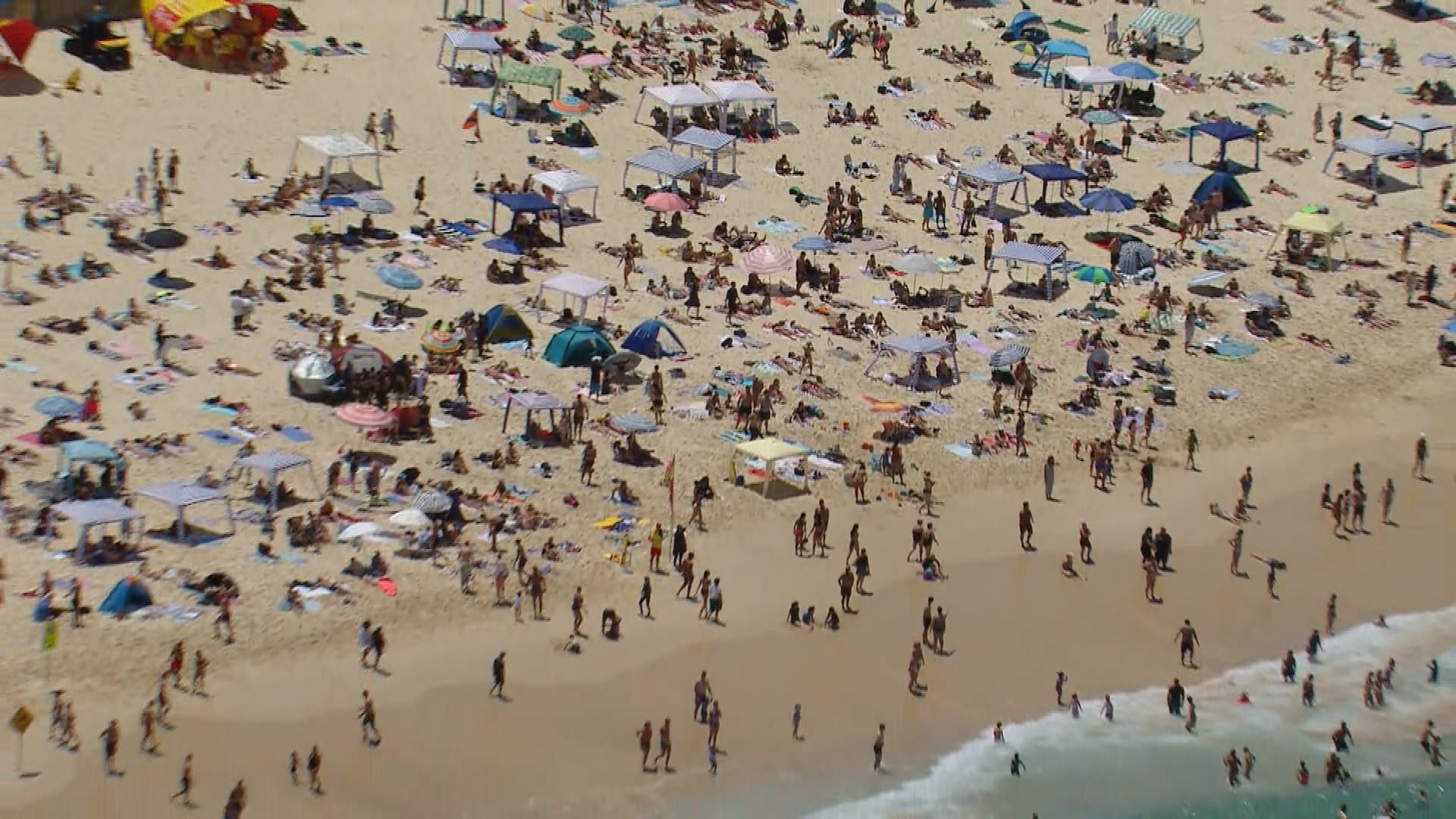
Temperatures soared to 39.7C in Adelaide on Thursday after a warm night in the city with the overnight low staying above 25C.

A heatwave warning is in place for South Australia's north-west pastoral forecast district.

An out-of-control bushfire is threatening homes on the state's Eyre Peninsula amid the heatwave, after temperatures at Port Lincoln reached 40C.

A change is expected to sweep through the state tonight, flicking the winds to a cooler south-westerly.

Earlier in the week, parts of Western Australia set a new record temperature for this time of the year.

"On Monday, the temperature at Learmonth Airport soared to 46.1 degrees, setting a new mark for the highest temperature anywhere on Earth so far in February 2023," Weatherzone said.

"This title may be short-lived though, with another round of temperatures in excess of 45 degrees likely in the west Pilbara later this week.

"Some forecast models suggest that temperatures could reach around 46 to 48 degrees in parts of the Pilbara on Friday or Saturday, possibly nudging 50 degrees in some areas."

If 50 degrees is reported at an official weather station this week, it will mark only the second time the temperature has occurred in Australia in February, after 50.5 degrees was recorded at Mardie on February 19, 1998.

Meanwhile, heatwave warnings remain place in every other Australian jurisdiction except in the Northern Territory. Melbourne is in for a hot day on Friday, with a predicted top of 38C.

In Queensland, which has battled a week of weather extremes already – from floods, storms and bushfires – over 15 severe weather warnings are in place.
READ MORE: Zoe broke her wrist and then found out a pain she'd been enduring for 10 years wasn't normal. She's not alone

A full list of weather warnings for regions across Australia can be viewed here. 

Aussies are urged to practice extreme caution during heatwave conditions and are advised to look out for vulnerable members of the community, including children, the elderly and pets.

"Severe heatwaves can be dangerous for many people, especially older people, babies, children, pregnant and breastfeeding women, people with medical conditions and people who are unwell," The Bureau of Meteorology said.

"Seek a place to keep cool, such as your home, a library, community centre or shopping centre.

"Close your windows and draw blinds, curtains or awnings early in the day to keep the heat out of your home."

READ MORE: Gareth has applied for 60 properties and been knocked back for all

Sign up here to receive our daily newsletters and breaking news alerts, sent straight to your inbox.
Best and worst energy providers in Australia revealed

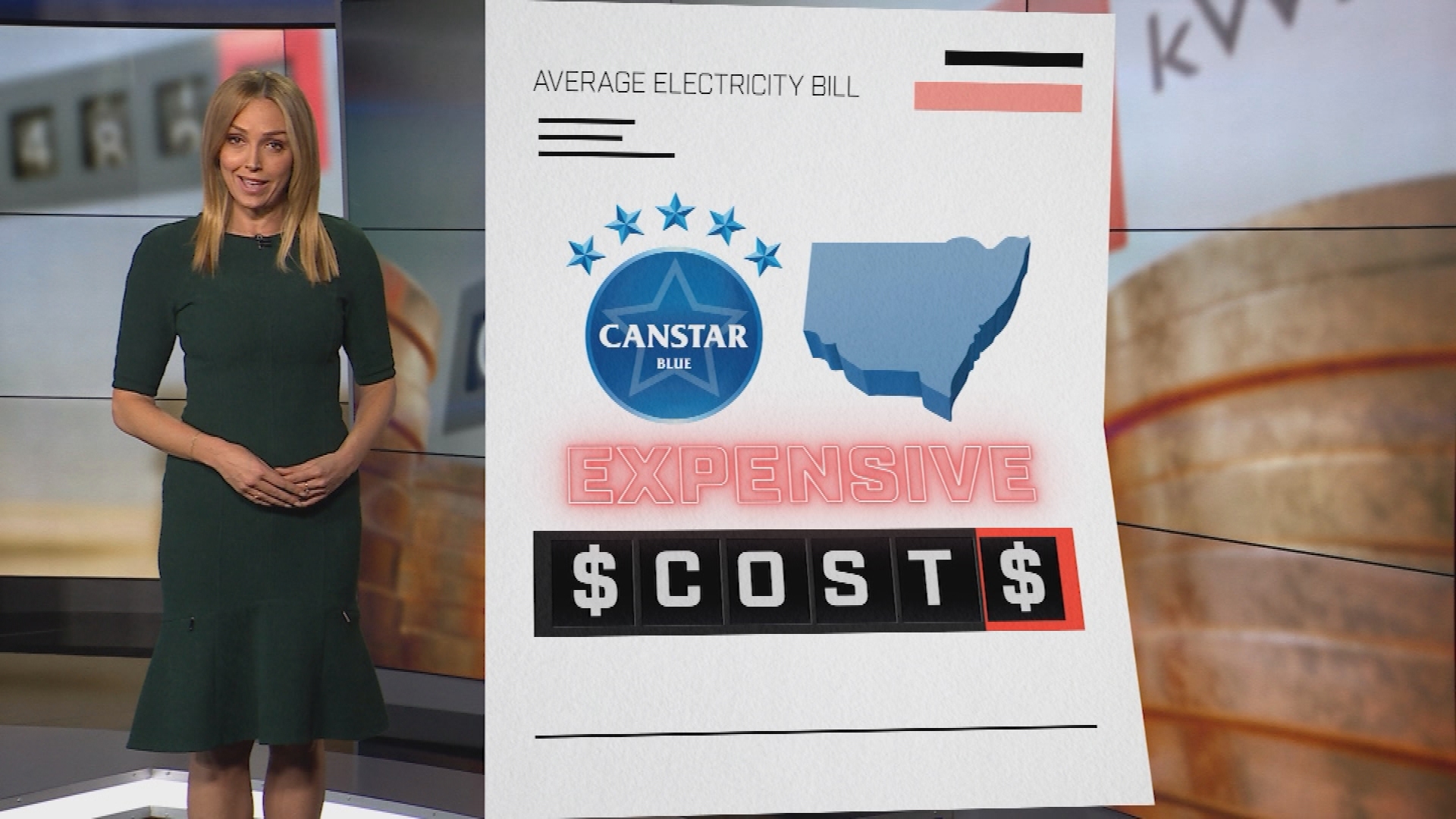
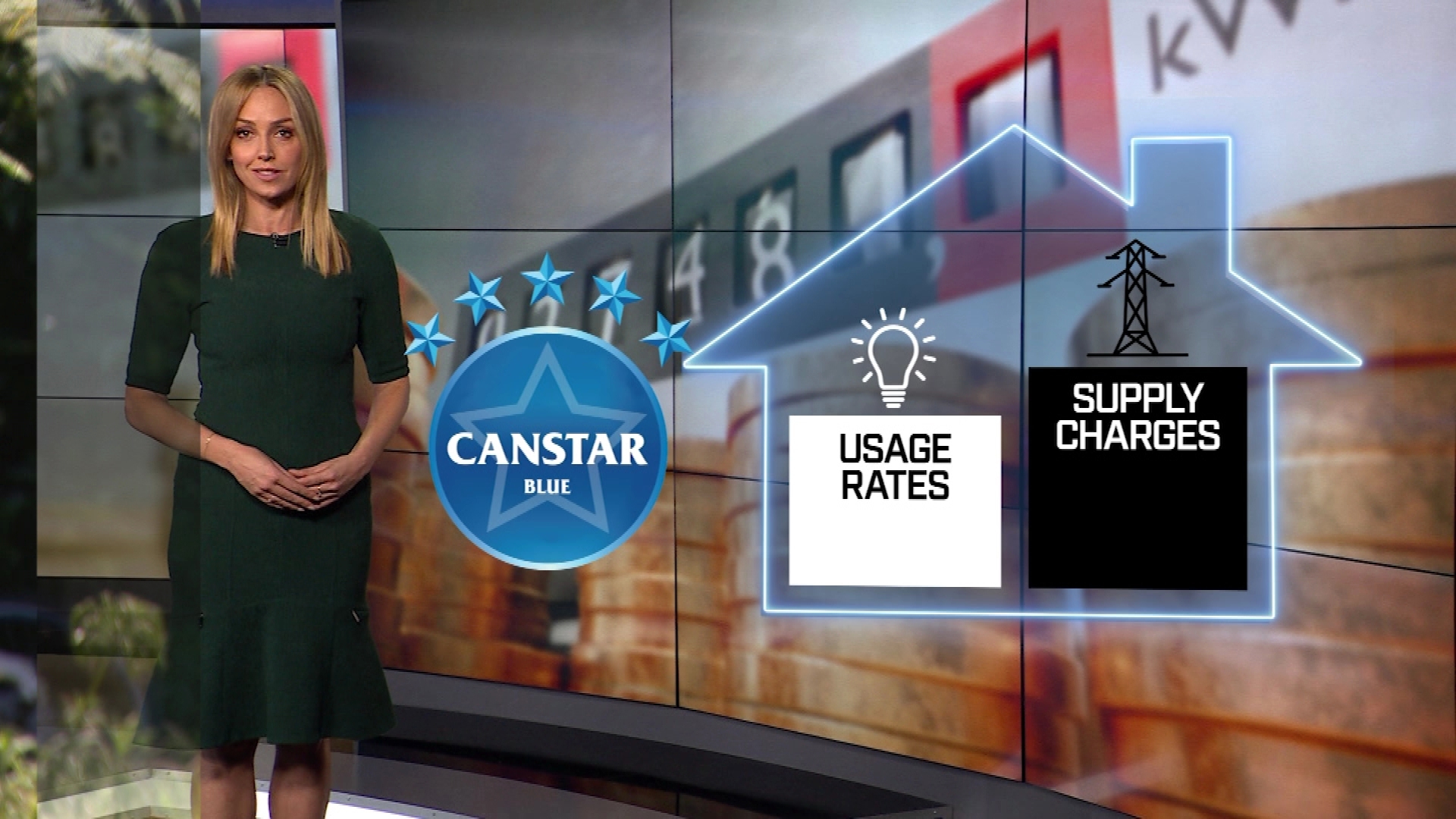
The best and cheapest energy providers in Australia have been revealed in a report by Canstar Blue.

More than 6500 Australians across Queensland, South Australia, New South Wales and Victoria said the best energy providers were Red Energy, Alinta Energy and Energy Australia based on value for money, customer service and the ease of paying bills.

More than half (60 per cent) said they felt as though they were getting a bad deal on their energy plan, but only 13 per cent have switched providers over the last two years, the survey revealed.

READ MORE: Woolworths, Coles unveil major changes to plastic bag policies

The best and cheapest energy providers in Australia have been revealed in a report by Canstar Blue.

Cost of energy

Cost was the most important factor to bill-payers when picking an energy provider.

The annual average cost of energy for 2023 is $1861 nationally, a $444 increase from the same time last year.

Gas prices also spiked nationally, costing $207 more than 2022.

GloBird Energy was the cheapest option in the last 12 months with significantly cheaper energy plans than any other provider, however, they were not voted "the best" in any other category across the four states.

State-by-state breakdown

Queensland had the cheapest average energy bill, costing $276 per month.

Victoria was the second cheapest for energy, costing $290 on average per month.

New South Wales was the second most expensive state for energy, costing $313 per month.

The most expensive state was South Australia, costing $322 per month.

READ MORE: Another of big four banks posts record profits in wake of interest rate hikes

Energy price relief on the way for Australians.

Who is the best energy provider in Australia?

There was not one consistent winner across the four states. Each state had their favourite providers depending on their value for money, ease of bill payment and readability, customer service and overall satisfaction.

Queensland

Queensland voted for Alinta Energy's Home Deal plan as their favourite, while South Australia voted them their least favourite. 

The plan cost Queenslanders $1522 annually, while Alinta Energy had the "most satisfied customers" out of any other provider.

The company was rated five out of five for value for money, customer service, bill and cost clarity, and overall satisfaction.

Red Energy was a close second for the state, and Ergon Energy came in last with three out of five across the board.

READ MORE: What is the fixed rate mortgage cliff, and how is it going to impact the Australian economy?

The best and cheapest energy providers in Australia have been revealed in a report by Canstar Blue.

New South Wales

Red Energy's Living Energy Saver plan was voted the best plan and provider in New South Wales, with the most satisfied customers in the state.

The plan costs Sydney-siders $1428 per year.

Red Energy was rated five out of five stars in almost every category including ease of sign-up, online tools and advice as well as focus on sustainability – for value for money they scored a four out of five.

Alinta Energy came in second, while Dodo Power and Gas was ranked the worst provider for customer satisfaction in the state.

Victoria

Red Energy's Living Energy Saver plan was also voted the best plan and provider in Victoria, specifically for those living in Melbourne.

The company scored fours and fives across the board, with a four out of five rating for value for money, and a perfect score for customer service.

The plan costs $1241 per year.

Tango came in second place for most satisfied customers, while Origin Energy came in last.

READ MORE: Popular almond milk sold at Woolworths in NSW recalled after link to botulism case

Power outlet socket energy electricity bills plugging in cord

South Australia

EnergyAustralia's Flexi Plan was voted the highest for customer satisfaction in South Australia.

They scored perfectly in every category except for value for money, where they scored a four out of five.

The plan costs $1840 per year.

Origin Energy came in second place for most satisfied customers in the state, while Alinta Energy came in last, scoring three out of five across the board.

'Thousands' suffering from lack of long COVID treatments

St Vincent's long COVID clinic will receive long-term funding to help the thousands of Australians suffering from lingering symptoms, but the medical system is struggling to keep up, experts say.

A national long-term treatment plan is being suggested by doctors after funding ran out when the federal and state COVID agreement ended on December 31 last year.

Five to 10 per cent of COVID-19 cases are estimated to develop into long COVID, according to doctors who say the majority are struggling to cope with their symptoms.

READ MORE: Driver charged after teen killed in horror bus crash

St Vincent's long COVID clinic will receive long-term funding to help the thousands of Australians suffering from lingering symptoms, but the medical system is struggling to keep up, experts say.

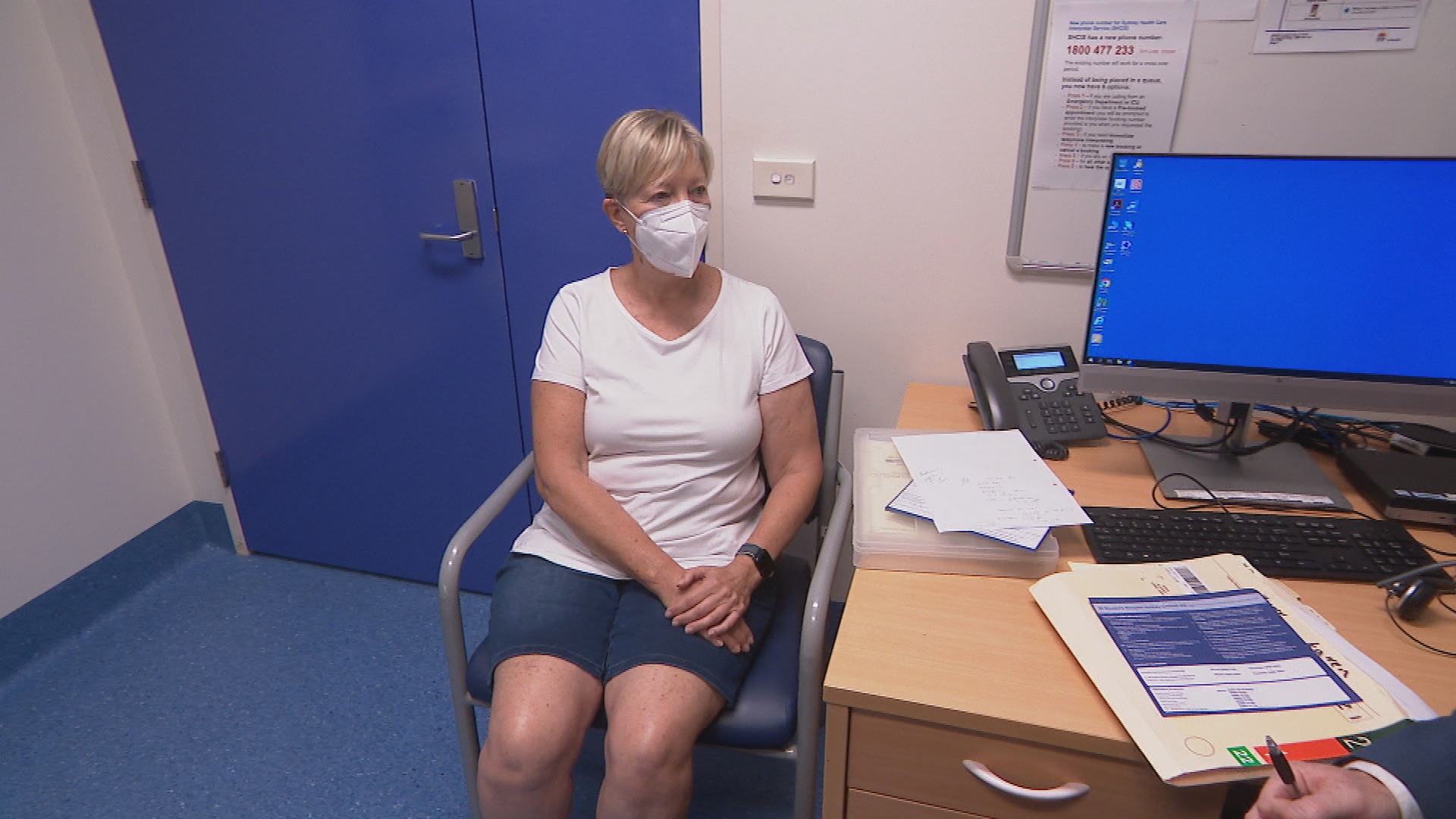
Karen Henry, 62, developed long COVID and also suffers from multiple sclerosis. She said her symptoms make her feel like she is constantly "running on empty".

"You're tired all the time," she said.

"Really short of breath, a lot of pain, a lot of inflammation – I actually ended up in the emergency department at one stage because I was just in so much pain."

Henry is being treated at St Vincent's long COVID clinic, which has had long-term funding approved to help mitigate the six- to 12-month wait times.

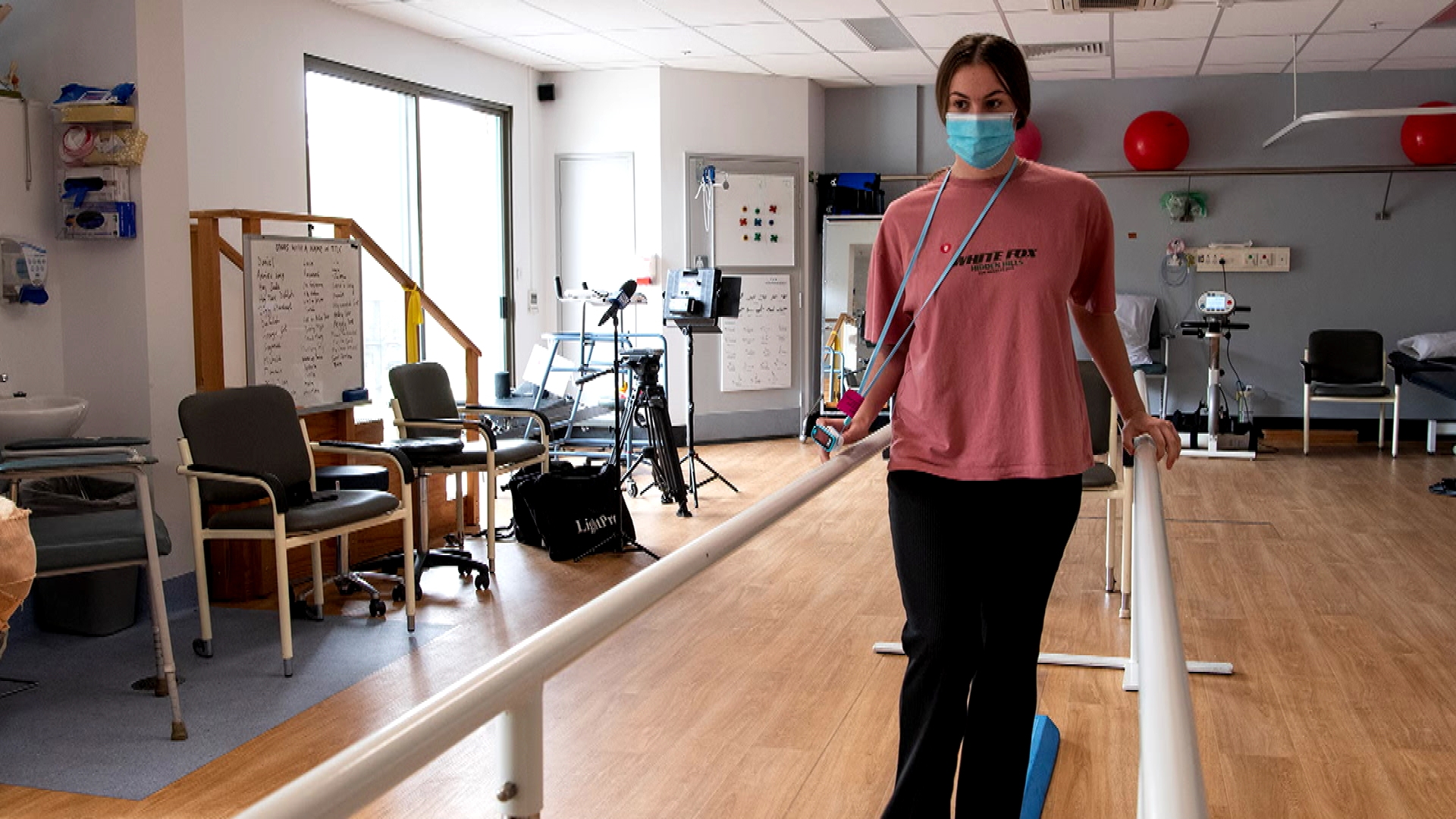
A team of respiratory doctors, nurses, psychologists, physiotherapists and rehab physicians work to treat those at the clinic but can only help 10 patients at a time.

READ MORE: Man found clinging to esky off Aussie coast charged over 365kg haul

St Vincent's long COVID clinic will receive long-term funding to help the thousands of Australians suffering from lingering symptoms, but the medical system is struggling to keep up, experts say.

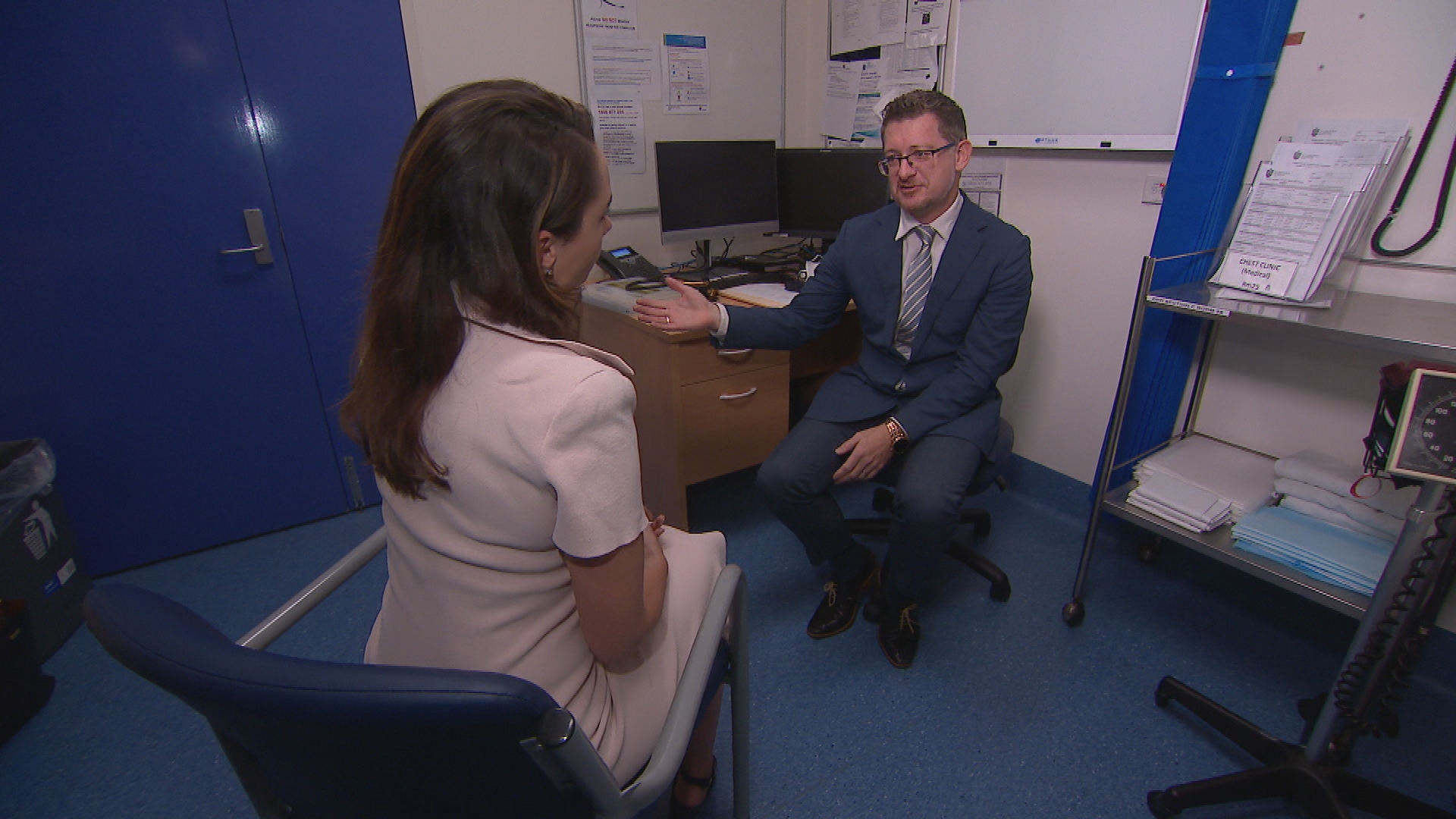
Associate Professor Anthony Byrne, from St Vincent's Clinic, said one funding increase was not good enough.

"There are thousands, if not hundreds of thousands of Australians who are suffering," he said.

"One hospital clinic is not going to see all those patients, so we do need to have a model of care.

"A national registry for long COVID is critical because if we don't have any idea of the size of the problem, how can we possibly manage that problem?

"Every referral is urgent and important."

There is no national long COVID plan or registry, meaning the health system is working from estimates to accurately forecast and prepare for the number of patients who need treatment.

Healthcare professionals say the lack of a national registry puts pressure on the medical system and the limited number of long COVID clinics across Australia.

READ MORE: Almost 900,000 hurtling towards $350 million cliff

St Vincent's long COVID clinic will receive long-term funding to help the thousands of Australians suffering from lingering symptoms, but the medical system is struggling to keep up, experts say.

"When the acute phase happened we worked together, we put tonnes of money into it, we got a vaccine, we got sorted," Steven Faux from St Vincent's long COVID clinic said.

"Now it's the chronic phase and there's just nothing.

"Their lives (patients') start to spiral out of control – they come to us because they're struggling at work, but by the time they come to us they've lost their job."

Federal Health Minister Mark Butler said the government needs to "develop a focused national response" and denied that all long COVID funding had stopped after December 31.

He said the government was funding research into "better understanding the long-term health impacts" of long COVID.