Possible contact with confirmed measles case on bus to and from Tauranga
Tag Archives: oceania
Australia's top 10 richest people for 2023
The collective wealth of Australia's top 50 richest people in 2023 is $308 billion, according to Forbes.
The 'haunting' mission to Titanic's final resting site
The sheer size of the vessel and the shoes were what struck Robert Ballard when he descended to the wreckage of the RMS Titanic in 1986.
That was the year after he and his crew from the Woods Hole Oceanographic Institution helped find the ocean liner that struck an iceberg and sank in the North Atlantic in 1912.
“The first thing I saw coming out of the gloom at 30 feet was this wall, this giant wall of riveted steel that rose over 100 and some feet above us,” he said in an interview from Connecticut on Wednesday, the same day the WHOI released on 80 minutes of never before publicly seen underwater video of the expedition to the wreckage.
“I never looked down at the Titanic. I looked up at the Titanic. Nothing was small,” he said.
READ MORE: Almost 900,000 hurtling towards $350 million cliff
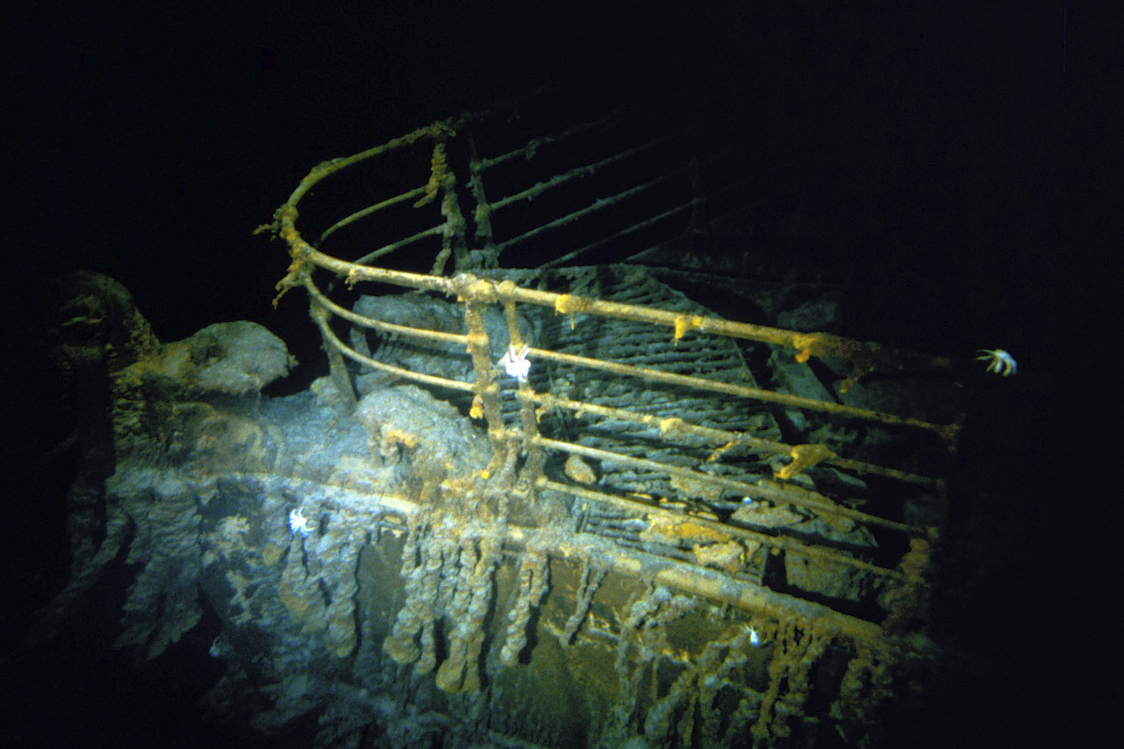
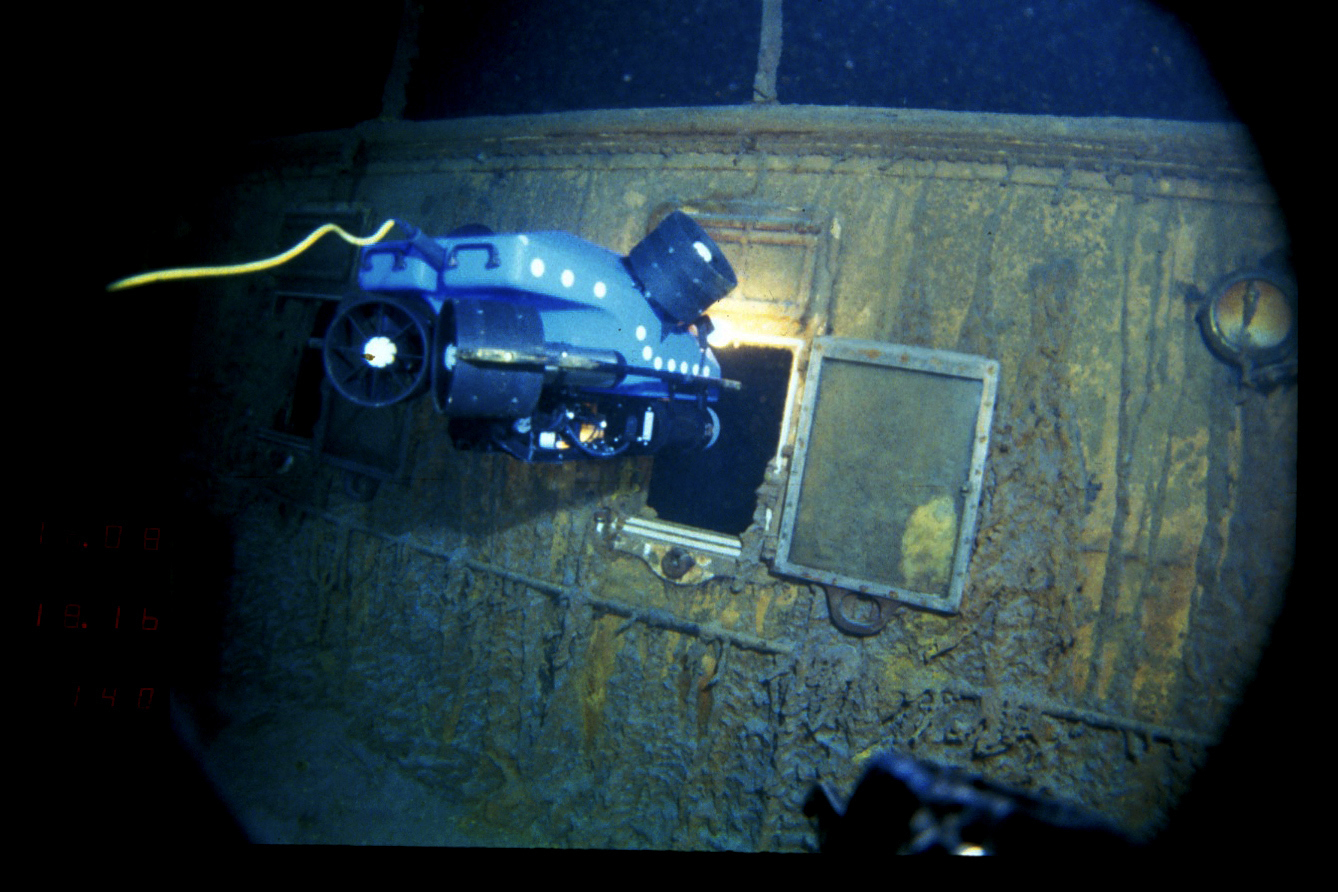
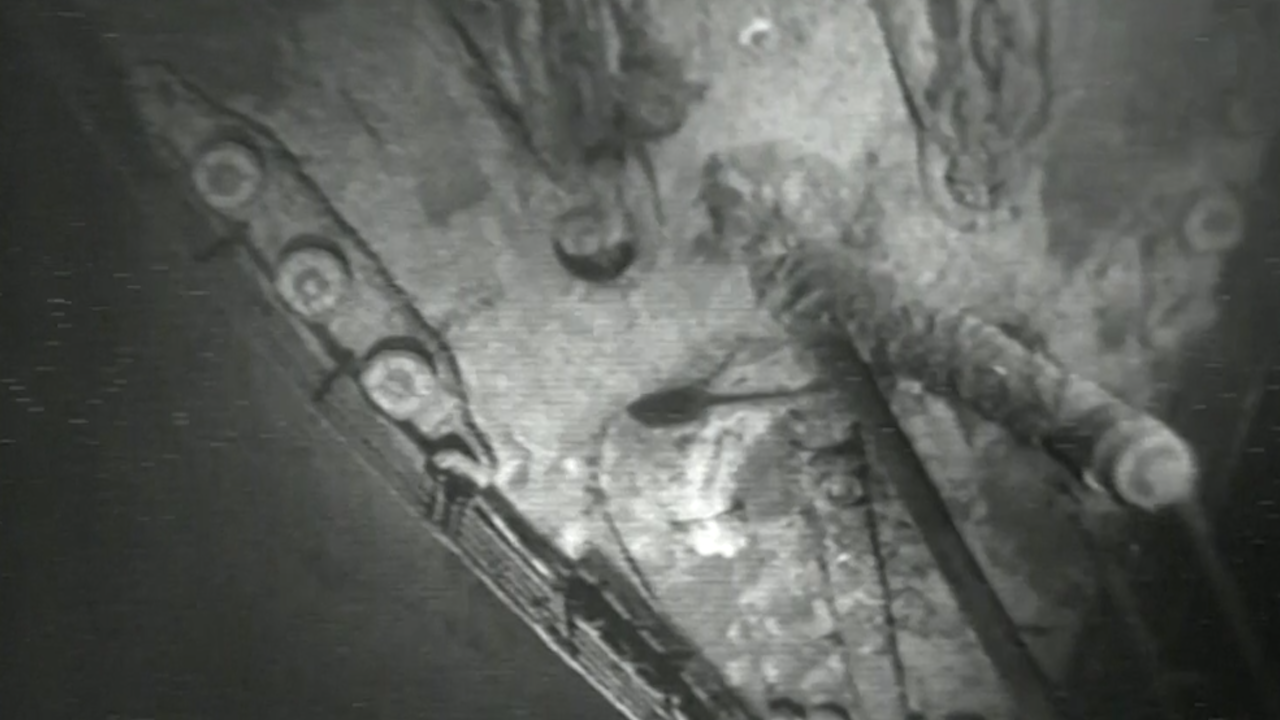
The crew of Alvin, the three-person submersible he was in, headed to the surface when it started taking water into its batteries, and as it rose Ballard saw the Titanic's portholes.
“It was like people looking back at us. It was pretty haunting actually,” he said.
There were no human flesh or bones left, but he saw shoes, including the footwear of what appeared to be a mother and a baby, that looked like tombstones marking the spot where some of the roughly 1,500 people who perished came to rest on the ocean floor.
“After the Titanic sank, those that went into the water that didn’t have lifejackets died of hypothermia and their bodies came raining down,” he said.
The liner sank on its maiden voyage from Southampton, England, to New York City after hitting an iceberg in the early morning hours of April 15, 1912.
READ MORE: Residents bracing for temperature recorded only twice in history
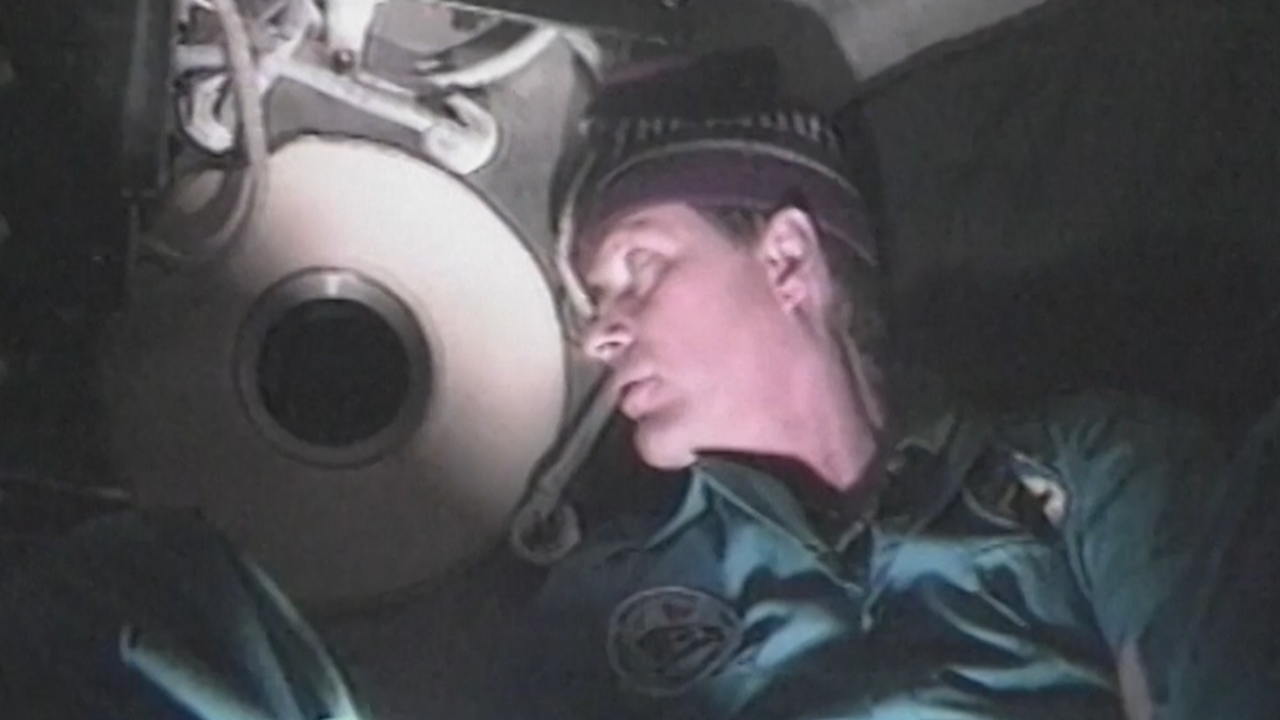
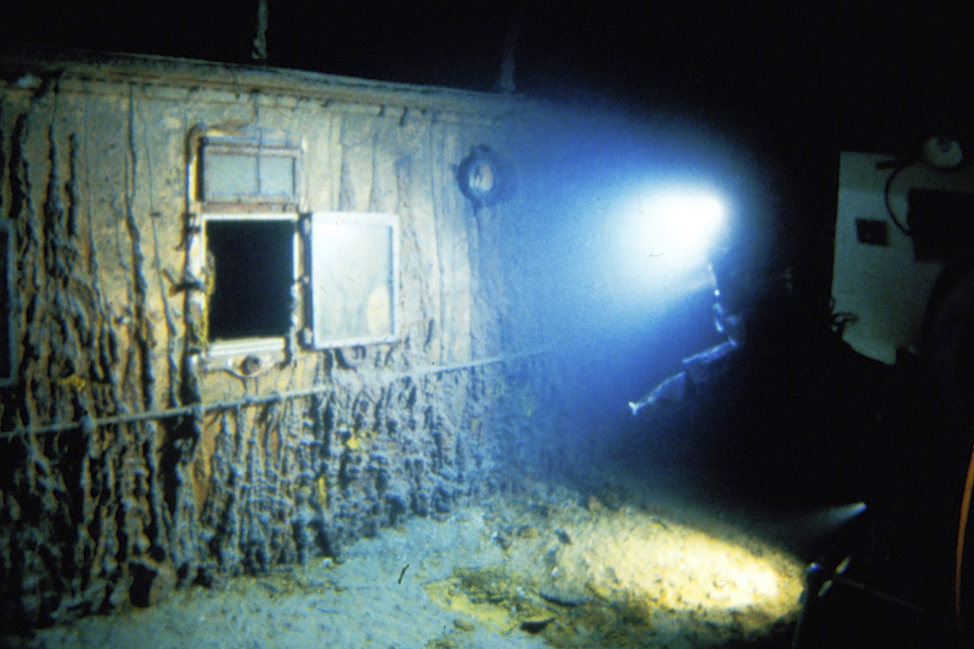
The WHOI team, in partnership with the French oceanographic exploration organisation Institut français de recherche pour l’exploitation de la mer, discovered the final resting place of the ship in 3,780 metres of water on September 1, 1985, using a towed underwater camera.
The newly released footage was from a return expedition the following year.
There had been prior efforts to find the wreck.
But the 1985 discovery and the 1986 trip were made possible by sophisticated underwater vehicles that could withstand the unforgiving conditions, said WHOI engineer Andy Bowen, who helped develop them.
“The water is near freezing temperatures and probably the biggest challenge is the remoteness of the location, and in particular the harsh environment with regard to the pressure our equipment is exposed to,” he said.
READ MORE: Driver charged after teen killed in horror bus crash
Ballard said he went through the gamut of emotions during the 1985 mission.
He was concerned that the public would figure out that he was a Naval intelligence officer who was on a top secret Cold War mission funded by the Navy to study the wrecks of two nuclear submarines that had also gone down in the North Atlantic.
The search for the Titanic was a bit of an afterthought.
“I wasn’t a Titanic groupie," he said. “I was heavily involved in my military program. So I wasn’t expecting to be affected by the discovery."
The ship sank at about 2:20 a.m.
The 1985 discovery using the underwater camera occurred at about 2 a.m.
Ballard recalled one of the crew glancing at the clock and saying: “She sinks in 20 minutes."
“We actually stopped the operation and raised the vehicle to gather my thoughts and I said, ‘I’m going to go outside and just get myself back together' and everyone else followed," he said.
“We had a small memorial service for all those that had died. But we were there, we were at this spot."
READ MORE: Man found clinging to esky off Aussie coast charged over 365kg haul
It was hallowed ground, like at the Gettysburg battlefield, he said.
The video, much of it haunting and grainy interiors of the ship taken by the remotely-operated underwater exploration vehicle Jason Jr., is being released in conjunction with the 25th anniversary release on February 10 of the remastered version of the Academy Award-winning movie, “Titanic".
“More than a century after the loss of Titanic, the human stories embodied in the great ship continue to resonate,” James Cameron, the film's director, said in a statement.
“Like many, I was transfixed when Alvin and Jason Jr. ventured down to and inside the wreck. By releasing this footage, WHOI is helping tell an important part of a story that spans generations and circles the globe.”
The story of the Titanic fascinates people to this day for many reasons, Ballard said. It was at the time the world's largest ocean liner and was supposed to be virtually unsinkable.
Its passengers included some of the world's most wealthy and famous. And in the aftermath, the world heard remarkable stories of heroism and bravery by the crew and passengers.
He said: “I think everyone wonders in their own mind ‘If I were there, what would I have done?’"
Sign up here to receive our daily newsletters and breaking news alerts, sent straight to your inbox.
Wife's tribute to 'extraordinary' firefighter killed in NZ cyclone
The wife of a New Zealand firefighter killed in a landslide during the recent wild weather caused by Tropical Cyclone Gabrielle has released a statement in tribute to her "extraordinary" husband.
Dave Van Zwanenberg was killed after a landslide flattened a house in Muriwai Beach, north-west of Auckland, on Monday night amid the recent storms and flooding on the North Island.
He had been carrying out a rescue operation with a colleague.
READ MORE: Almost 900,000 hurtling towards $350 million cliff
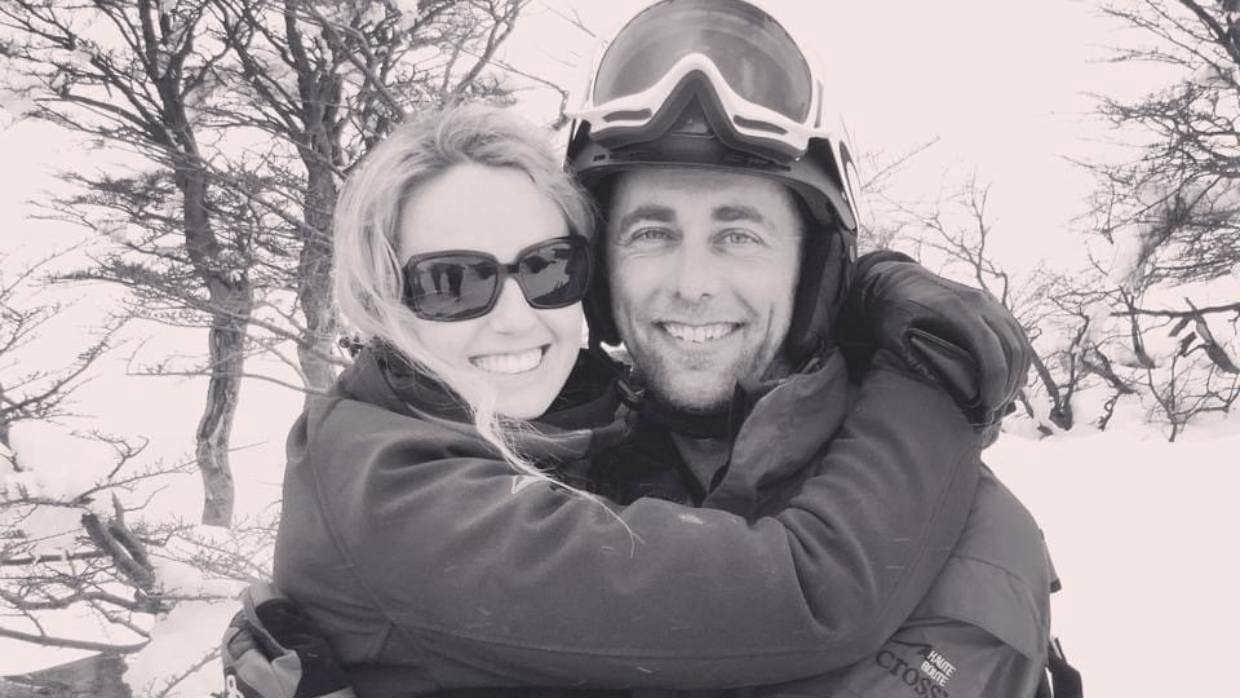
His fellow firefighter was injured but Van Zwanenberg was trapped and later found dead.
His wife Amy said Monday night said his aim that night had been to "help his community".
"Reliability and dependability were his core values, whatever the weather," she said.
"Dave was blessed with the unique abilities so few possess, to not only survive but thrive in extreme environments and circumstances, performing complex tasks and caring for others calmly under pressure."
READ MORE: Residents bracing for temperature recorded only twice in history
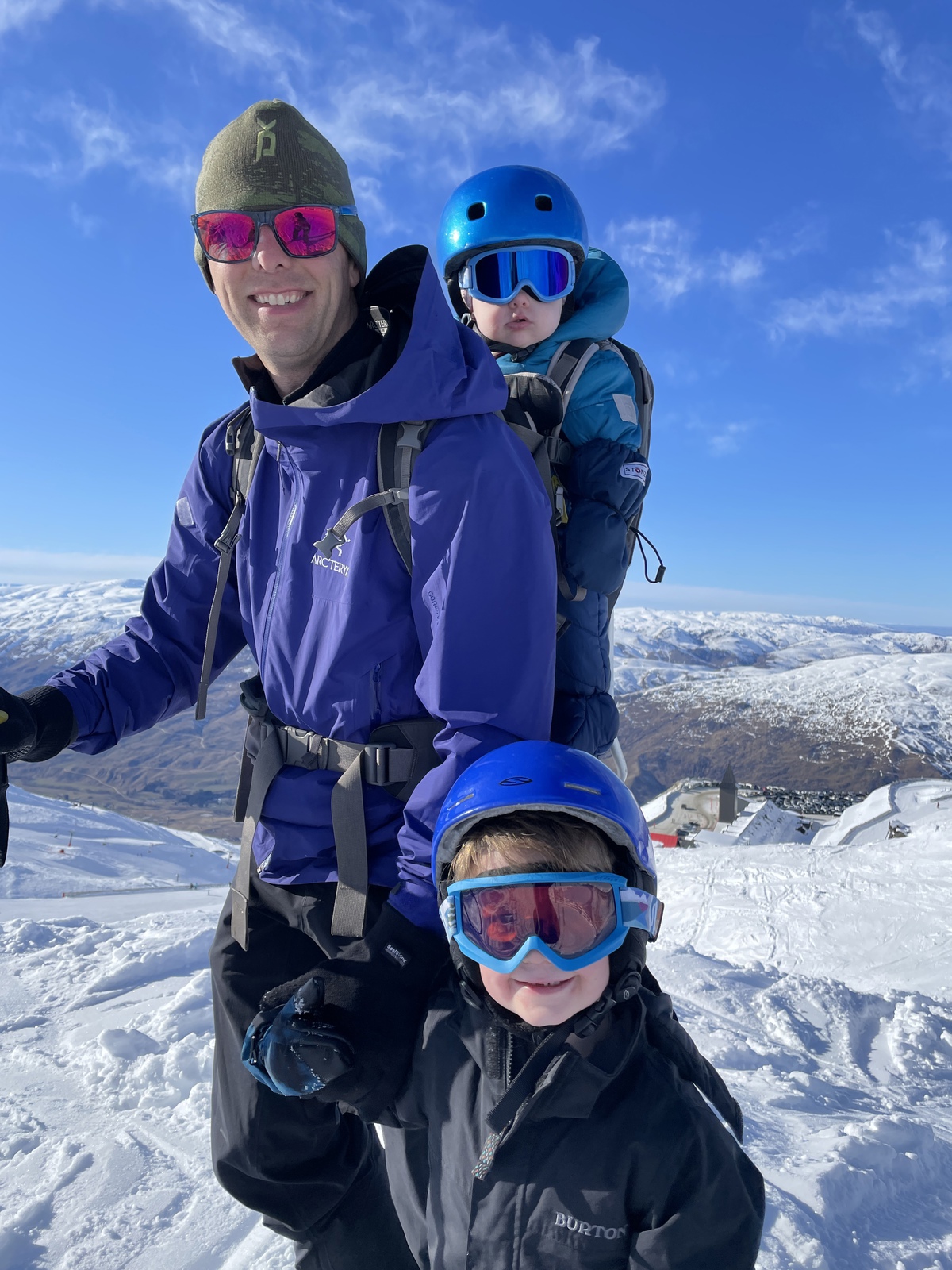
She said Dave would be remembered for "his good humour, his authentic care, his astronomic intelligence and supreme competence at pretty much anything he turned his hand to".
"First and foremost, a family man, Dave was dedicated to spending quality time with his children and building a life to nurture their growth," she said.
She visited the search site yesterday and spoke to some of those who had worked the rescue and recovery missions.
READ MORE: Driver charged after teen killed in horror bus crash
"It was palpable that they had been searching for one of their own, and they devoted themselves to that impossible task with the fervour one does for their own family," Amy said.
"I am deeply grateful to Urban Search and Rescue, the NZ Police and all the fire and emergency crews involved, but especially to Dave's brigade, who have been so deeply affected."
At least four people have been killed in the series of storms, which have wreaked destruction across the North Island.
Police have said they hld grave concerns for others who remain unaccounted for.
Sign up here to receive our daily newsletters and breaking news alerts, sent straight to your inbox.
'I miss their laughs': Dad 'not happy' with sentence for hot car deaths
A Queensland woman has been jailed for nine years for negligently leaving her two young daughters to die in a hot car.
Kerri-Ann Conley, 30, of Waterford West suburb in Logan, pleaded guilty in Brisbane Supreme Court this week to two counts of manslaughter and was sentenced today.
Justice Peter Applegarth said Conley had shown "gross criminal neglect" as her daughters' sole custodian at the time and had made the "inexcusable" decision to leave the children in the car.
READ MORE: Almost 900,000 hurtling towards $350 million cliff
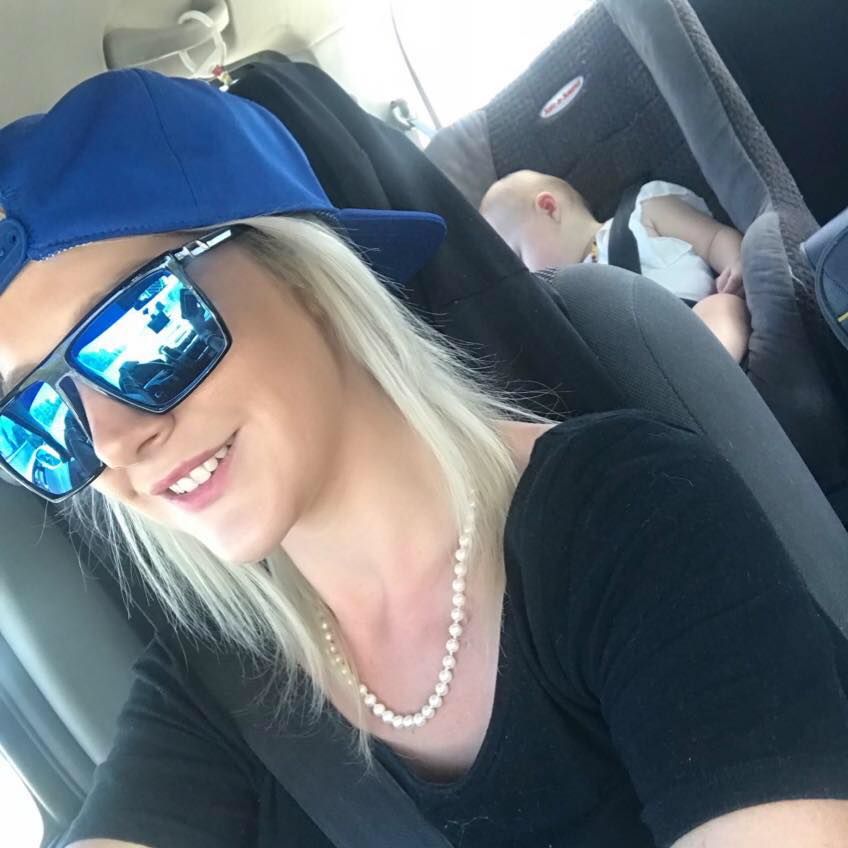
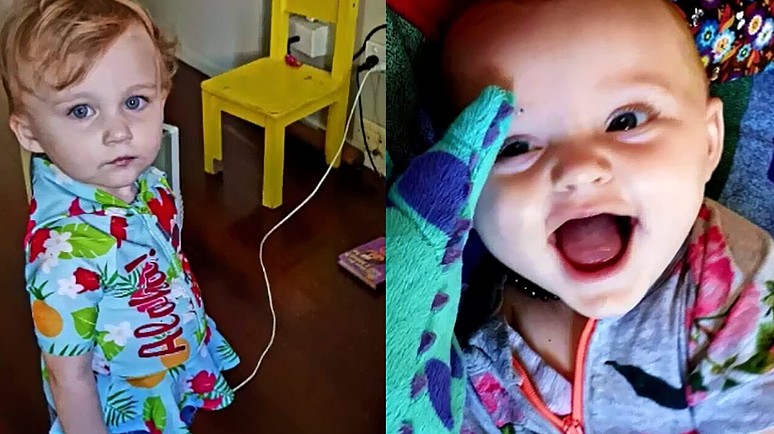
Conley had taken her daughters Darcey-Helen, aged two-and-a-half, and Chloe-Ann, 18 months, to her friend's place at 11.30pm on November 22, 2019 and returned home at about 4am the next day.
Conley left the children in the car seats because she did not want to wake them and went inside her home to sleep.
"You decided to leave the children in the car for a completely inadequate reason … it was not a momentary lapse," Applegarth said.
The car was left in direct sunlight with no shade and all doors and windows closed, leading to the car reaching an estimated temperature of 61.5 degrees by 10.30am.
READ MORE: Residents bracing for temperature recorded only twice in history
"They were uncared for, unheard and unobserved in the dark. The sun had risen by 5am and did you check if the children were crying or upset? No, you did not. You were on your phone until 5.55am," Applegarth said.
He said he could not bear to think about the possibility of the children suffering in the car for hours.
"Their skin was blistered, they were dehydrated. One can only hope they succumbed early in the morning," Applegarth said.
When Conley returned to the car she found the children dead and took them out of the car before trying to dispose of drugs in her house.
READ MORE: Driver charged after teen killed in horror bus crash
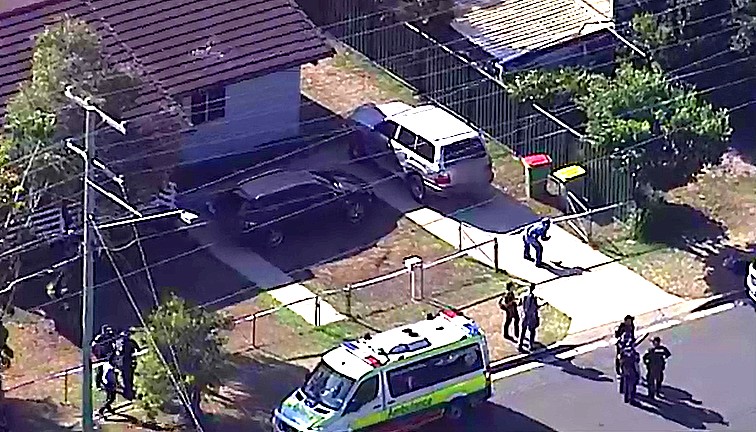
She called Darcey-Helen's father, Peter Jackson, as well as an ambulance and told paramedics she had fallen asleep but gave a false account of her movements to police when they arrived.
Conley also pleaded guilty this week to possessing cannabis and a drug smoking pipe and had admitted to using methamphetamine the day before her daughters' death and passing out when she got home the next day,
"No child should have a mother who uses methamphetamine. You told an undercover police operative that your children always came first. That is a statement only a drug addict could make," Applegarth said.
"Meth also comes first in that race … in this case it led to the death of two young girls."
He said Conley had told the truth that she told police she was an "exhausted single mother who did not have the support that she needed".
READ MORE: Man found clinging to esky off Aussie coast charged over 365kg haul
Jackson was in the court on Tuesday and Thursday to hear what Applegarth described as the distressing and graphic details of his daughter's death.
The judge noted that Conley had an abusive childhood and been diagnosed in custody with a major depressive disorder and psychosocial stress from guilt resulting in nightmares and feeling like she was "eating herself alive".
"I accept you are remorseful and not a day goes by that you don't think about the death of your daughters and the effect this had on others," Applegarth said.
Applegarth said Conley's meth use was ultimately the cause of her daughters' deaths and she had failed to learn of its effects on her parenting from previous drug convictions and had left her children in the car on previous occasions.
Speaking briefly outside court, Jackson said he was "obviously not happy with the sentence".
"I can't help what the other parent does. You can't always be around, unfortunately," he said.
"I miss their laughs, their giggles, everything. They're toddlers, what's not to love about them?"
Conley has already spent nearly three years and three months on remand, most of which was spent in protective custody, and Applegarth declared that period as time served.
Conley will be eligible for parole after November 22, 2024.
Sign up here to receive our daily newsletters and breaking news alerts, sent straight to your inbox.
This is the deadliest snake in the world
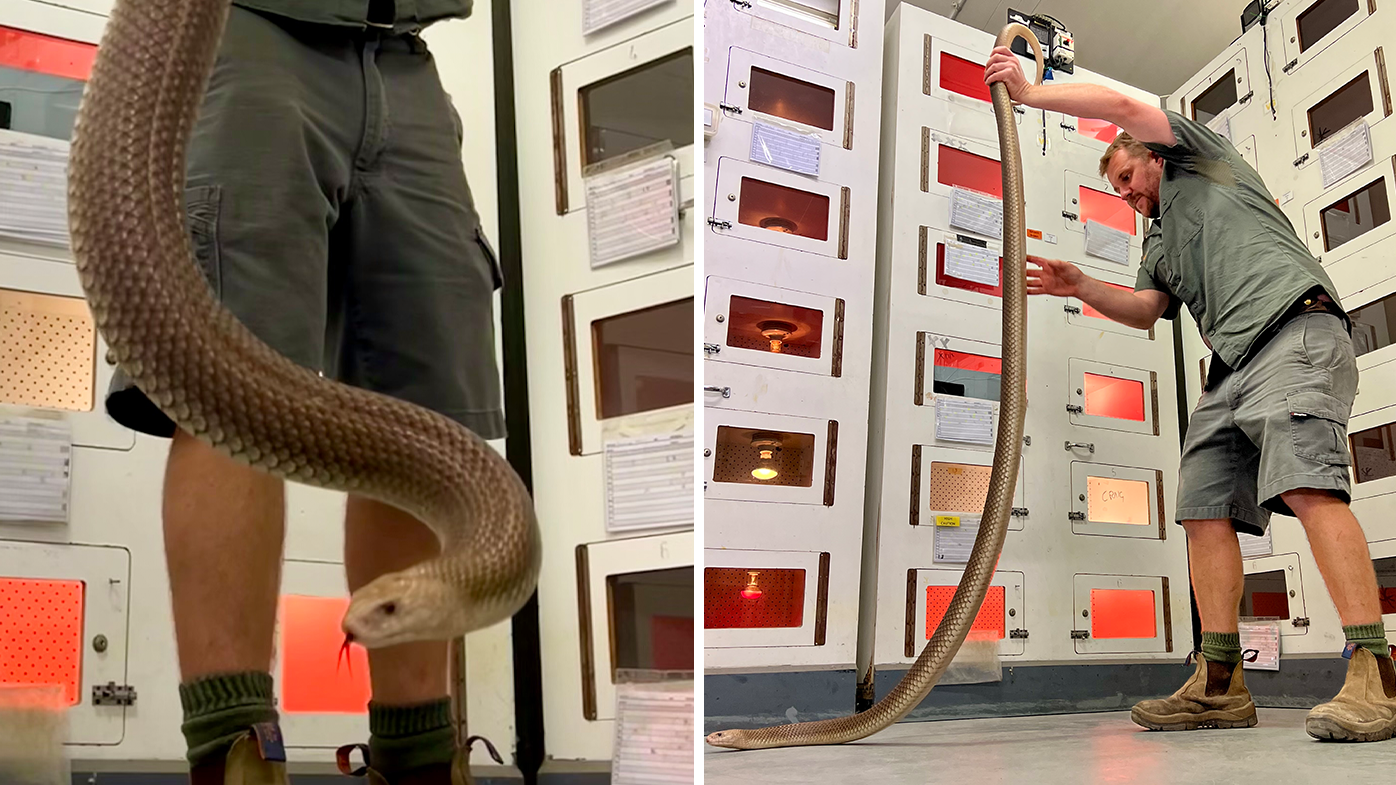
A man who handles Australia's most venomous snakes on the daily has cleared the air and busted popular myths about the reptiles.
Billy Collett – operations manager at the Australian Reptile Park on NSW's Central Coast – has heard many bizarre bushman tales in his career.
He ran 9news.com.au through some of the most outlandish folklore- and one surprising real fact – about the scaled beasts.
READ MORE: Why Australia's deadliest snake is so lethal
"There are so many myths about snakes," he said.
"Australians are just shocking for just making stuff up."
Are Australia's snakes the deadliest in the world?
It's true that Australia has a large proportion of venomous snakes, providing a home to 21 of the 25 most toxic snakes in the world.
But there's a big difference between venomous and deadly.
Scientists believe the saw-scaled viper, found across Africa, Arabia, and south-western Asia to India and Sri Lanka, is the species responsible for the most human deaths worldwide.
READ MORE: Three new spider species discovered in Australian Alps

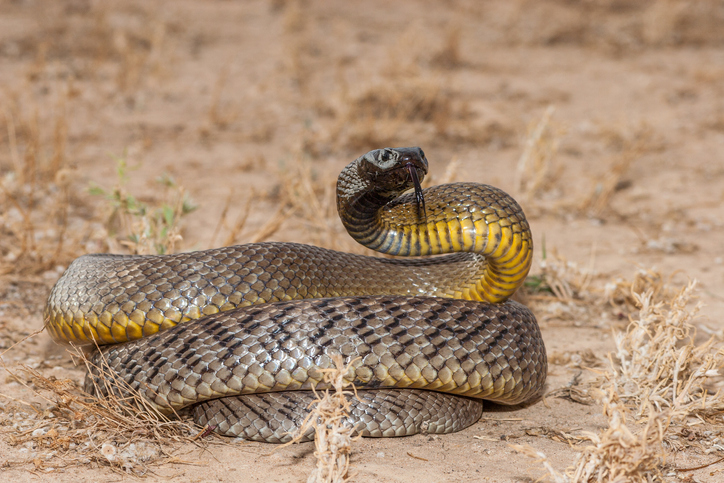
But Collett points out Australia's inland taipan has the most toxic venom of any land snake.
Bites from the inland taipan are relatively rare, however, as they are found in the remote desert and are "most active in the early morning".
On average, Australia has around one to two fatal snake bites per year.
The majority of these are caused by the eastern brown snake.
Are hybrid snakes more venomous?
Collett wanted to "set the record" straight about an outlandish theory about a make-believe venomous hybrid.
"The old myth I've heard a lot is that when a red-bellied snake crosses with a carpet python it's the most venomous snake on the planet," he said, shaking his head.
"I've heard that one so many times.
"These hybrid snakes that scientists apparently don't know about."
Can a snake envenomate you after it's died?
The answer to this one is yes, and it's why you don't want to handle a snake, dead or alive.
"Any snake can envenomate you after it's died," Collett said.
"Muscles can contract in a snake for two hours after it's died."
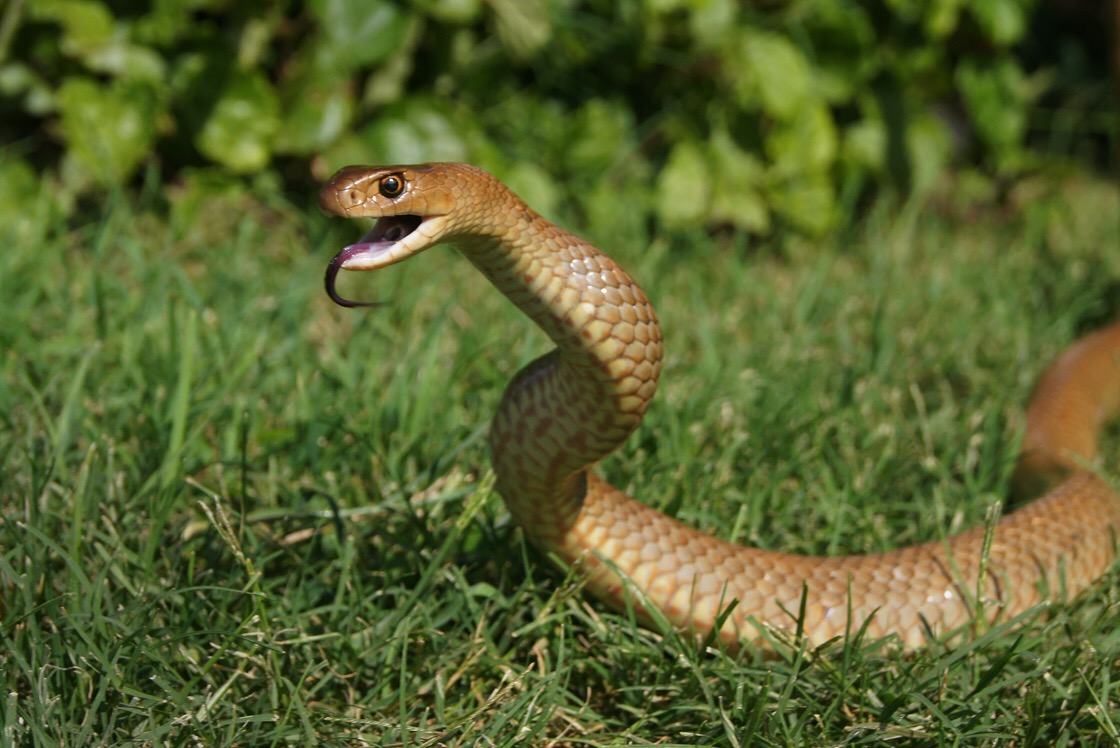
Collett said there's a famous video that proves this
It shows the aftermath after a man picked up a severed rattlesnake head.
"He picks it up and it just smashes him," he said.
"It's just muscle reaction, and the way he's holding it has bitten his hand.
"He's been envenomated by a dead snake."
If a venomous snake eats another, does it make it more toxic?
"No," Collett answered quickly.
"It literally does nothing to the snake."
READ MORE: Horror as unlikely animal 'pops out' of venomous snake's mouth
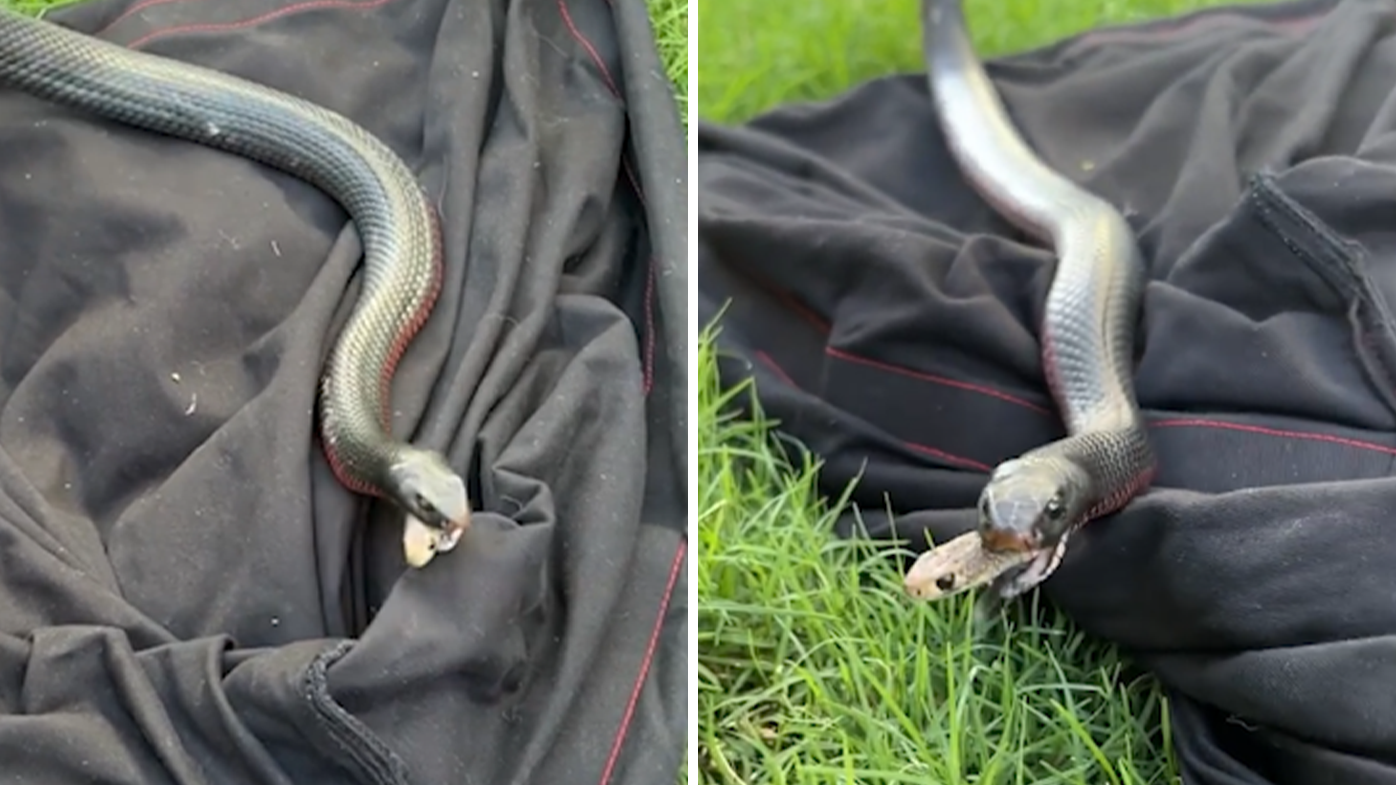
Should venom be sucked from a snake bite?
The answer to this one is another resounding no.
"No, you won't be able to get anything out," Collett said, putting forth a theory as to why this myth was born.
"Someone probably got bitten by a snake, something venomous, sucked their arm, and didn't have symptoms.
"It was most likely a dry bite."
READ MORE: What to do if you encounter a deadly snake, spider or jellyfish
Collett said he's seen reports of "people in the (United) States" also urinating on bites.
"That also doesn't work," he said.
Collett said the best way to treat a snake bite is to apply a pressure immobilisation bandage to the bite site and to stay still until paramedics arrive.
Are snakes deaf or blind?
This is another misconception about the animals.
"Most of them can see, some better than others," Collett said.
"Usually your diurnal snakes can usually see really well.
"But they don't have external ears like we do, so they more so pick up on vibrations but they can still hear."
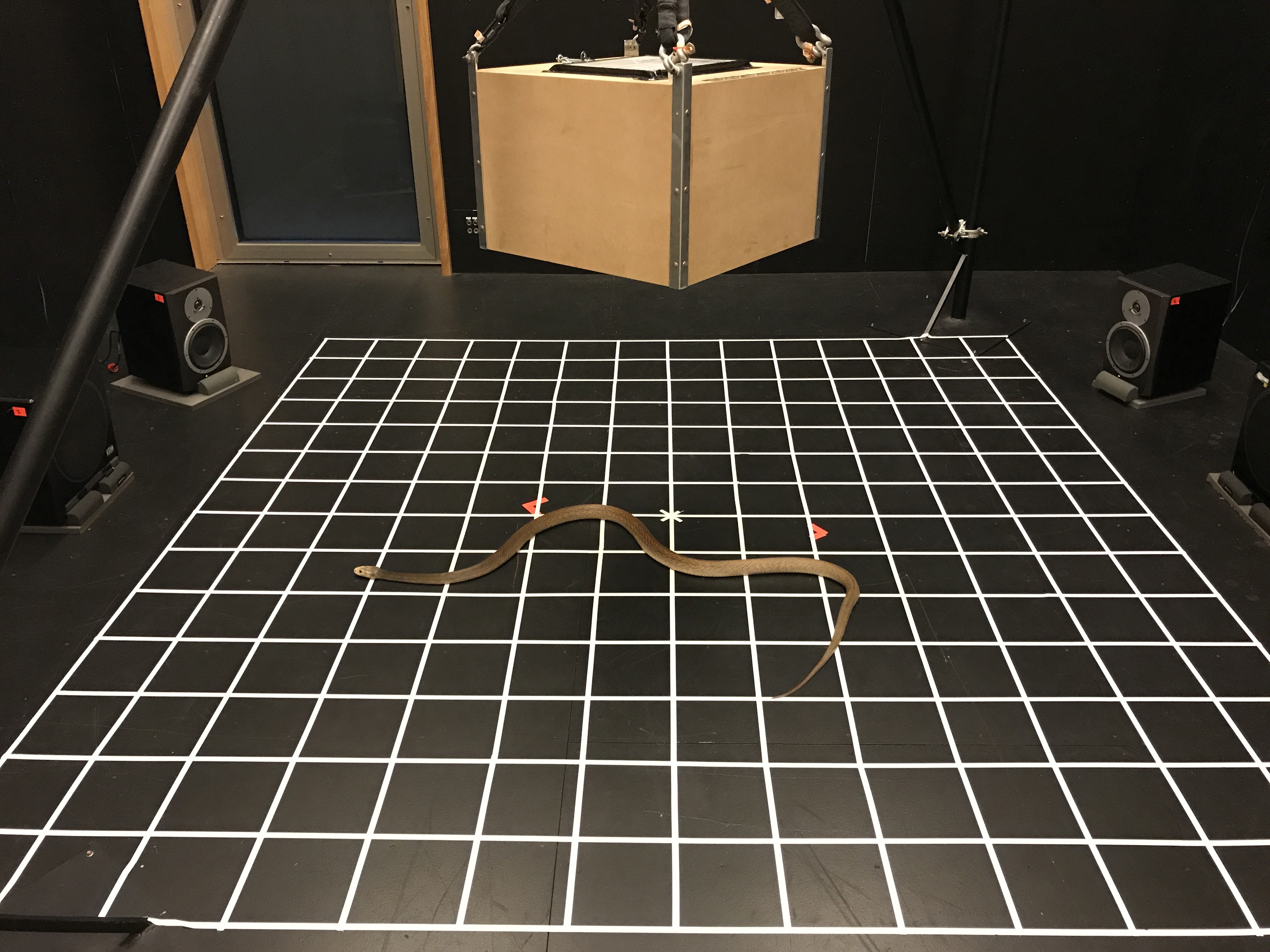
A University of Queensland-led study, published this week, discovered the reptiles can hear more than previously believed
"Our research – the first of its kind using non-anesthetised, freely moving snakes – found they do react to soundwaves travelling through the air, and possibly human voices," Dr Christina Zdenek, from the School of Biological Sciences said.
Sign up here to receive our daily newsletters and breaking news alerts, sent straight to your inbox.
Everything you need to know about Marburg virus
Global health authorities are on alert following an outbreak of the deadly Ebola-like Marburg virus disease in Central Africa.
Equitorial Guinea confirmed its first-ever cases of the highly infectious disease in mid-February, and nine people with the virus suddenly died, sparking an emergency health response, according to the World Health Organisation (WHO).
Neighbouring Cameroon restricted movement across the border following two suspected cases on February 16, and authorities in Gabon are also on high alert.
So what exactly is the disease, and should we be worried about it in Australia? Here's everything you need to know about Marburg virus disease.
READ MORE: Cameroon finds suspected cases of incurable ebola-related virus
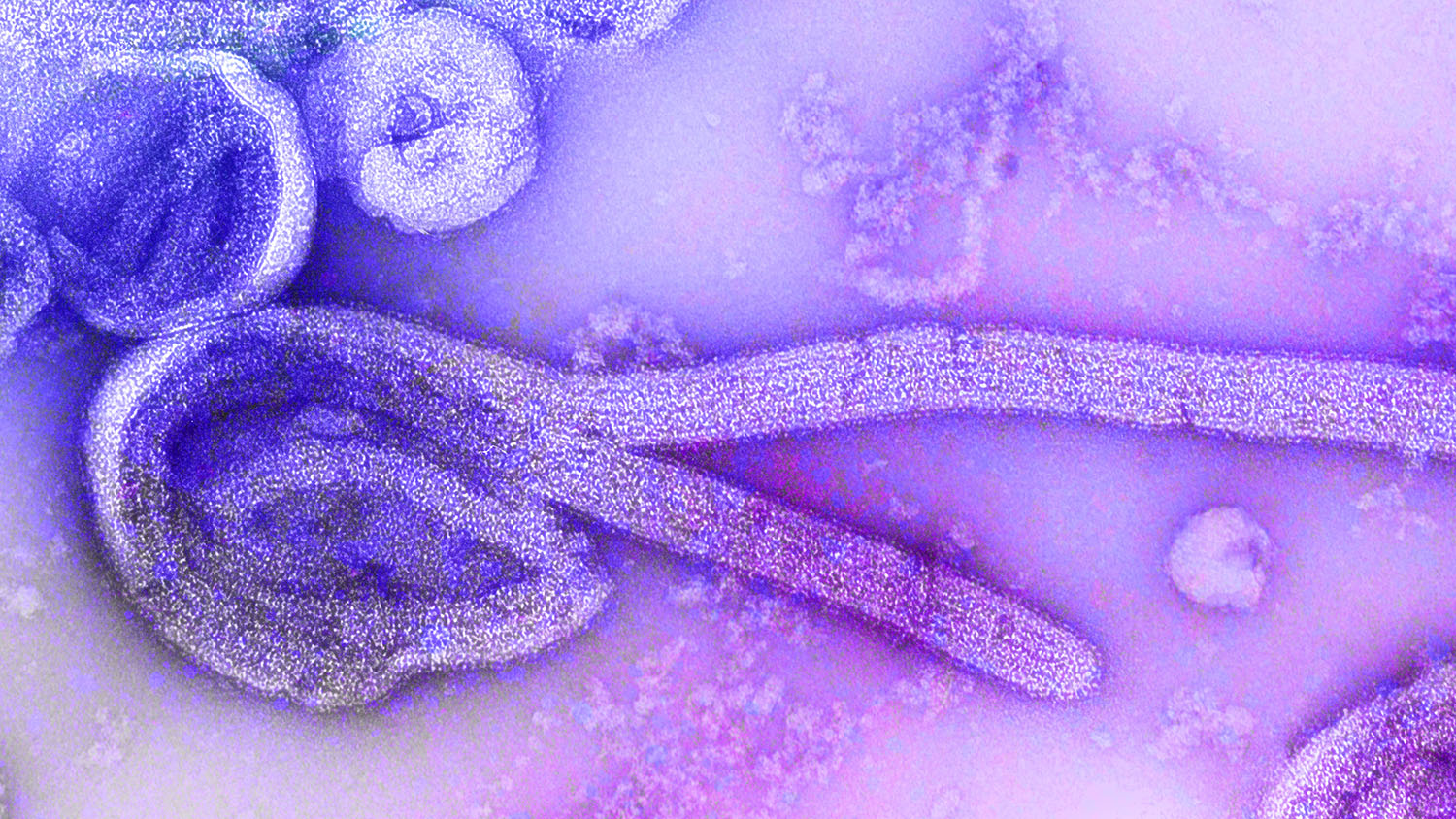
What is Marburg virus?
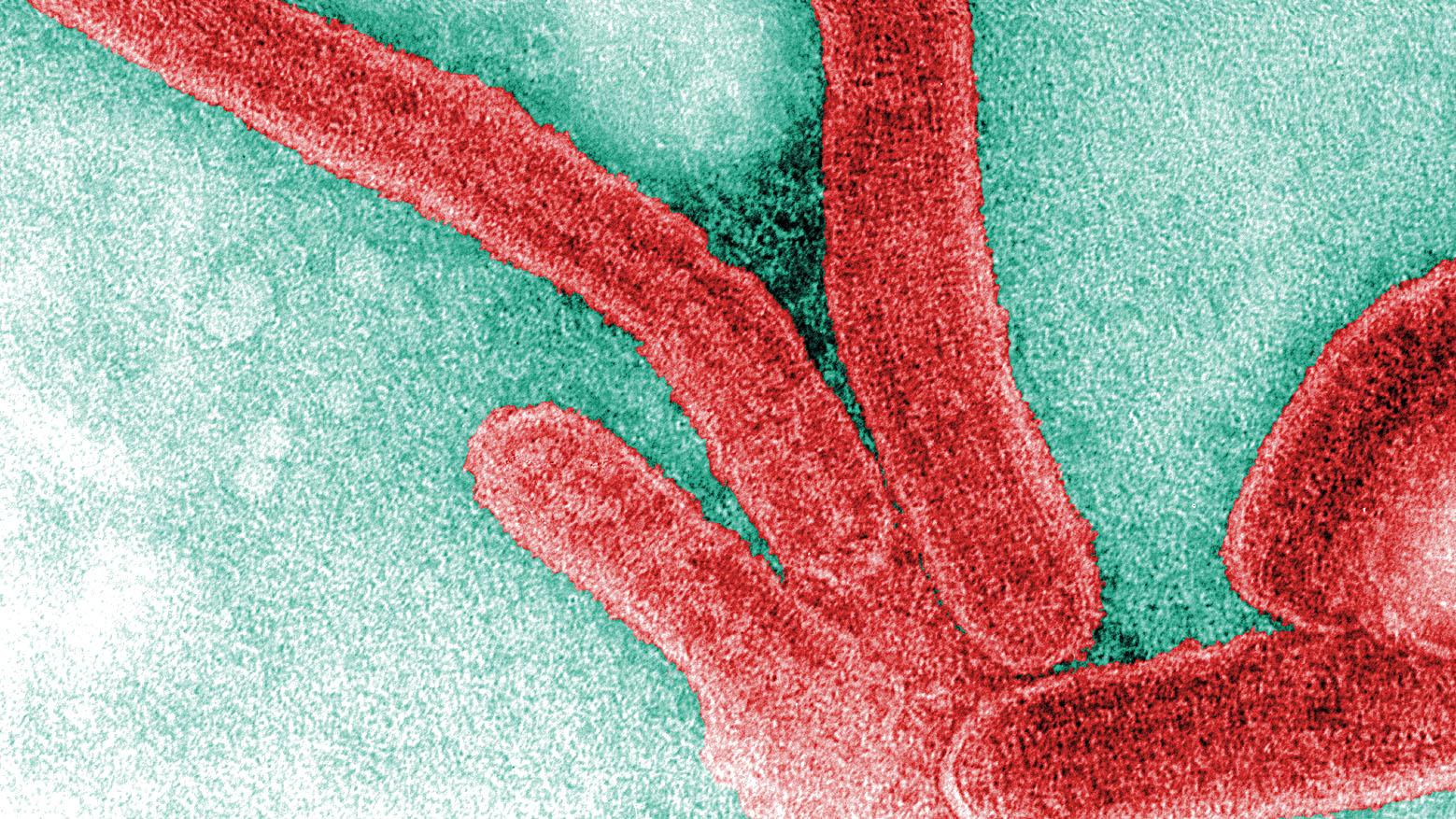
Marburg is a highly infectious viral haemorrhagic fever in the same family as the better-known Ebola disease.
In addition to being highly contagious, the virus is also deadly to humans. In previous outbreaks where there has been more than one confirmed case, the fatality rate has ranged from 23 to 90 per cent.
What are its symptoms?
Marburg virus disease symptoms increase in severity over time.
According to the WHO, the illness, which can last from two to 21 days, "begins abruptly, with high fever, severe headache, and severe malaise", and muscle aches and pains are common as well.
Soon after, the disease can lead to severe watery diarrhoea – which may, in some cases, be bloody – as well as abdominal pain and cramping, nausea and vomiting, extreme lethargy, and a non-itchy rash.
In fatal cases, death usually occurs on the eighth or ninth day of the illness, after patients go into shock following bleeding from multiple areas and severe blood loss.
Other symptoms can include:
- Bleeding from the nose, ears, eyes, gums, rectum and vagina
- Red eyes
- Chest pain and cough
- Sore throat
- Severe weight loss
- Bruising
- Internal bleeding
EXPLAINED: When can you get a fifth COVID-19 booster shot?
How does the disease spread?
The virus is transmitted to humans from fruit bats and can then be spread via human-to-human through direct contact with the bodily fluids of infected people or surfaces and materials contaminated with these fluids.
The World Health Organisation (WHO) said on February 14 that it was increasing its epidemiological surveillance in Equatorial Guinea.
The small Central African country had, by that time, reported nine deaths as well as 16 suspected cases of Marburg virus disease, with symptoms including fever, fatigue, and blood-stained vomit and diarrhea, according to the WHO.
"Surveillance in the field has been intensified," George Ameh, the WHO's country representative in Equatorial Guinea, said.
"Contact tracing, as you know, is a cornerstone of the response.
"We have … redeployed the COVID-19 teams that were there for contact tracing and quickly retrofitted them to really help us out."
During a mid-2022 outbreak of the disease in Ghana, the WHO warned early action was crucial in preventing the spread.
"Without immediate and decisive action, Marburg can easily get out of hand," the WHO's Regional Director for Africa, Dr Matshidiso Moeti, said at the time.
READ MORE: What makes earthquakes such a deadly natural disaster?

What is the treatment for Marburg virus?
Unfortunately, there is no vaccine or proven treatment against the disease.
However, a patient's chances of survival can be improved with care including oral or intravenous rehydration and treatment of specific symptoms, according to the WHO, and the health body is currently evaluating a number of potential treatments which it describes as "promising".
What is the origin of the disease?
Marburg virus was identified in 1967, following two simultaneous outbreaks in Germany and Yugoslavia among lab workers who had handled African green monkeys imported from Uganda.
While the outbreak was traced back to the Ugandan monkeys, the host of the virus is the African fruit bat, Rousettus aegyptiacus. The species is not found in Australia, nor have any cases of the disease ever been recorded here.
Since 1967, there have been 15 outbreaks of the virus, most of which occurred in Central, Eastern and Southern Africa.
The worst outbreak occurred in 2004 and 2005 in Angola, where 227 people died with the disease.
– Additional reporting by CNN and Associated Press
Sydney district joins global list of top nightlife hotspots
Australia's first purple flag district has been named in Sydney, a global tick of approval for a happy nightlife spot.
The CBD York, Clarence and Kent Street (YCK) precinct was awarded the coveted flag, though other pilot programs remain underway around Greater Sydney.
The purple flag program is already in place in London, Stockholm and New Zealand.
READ MORE: Almost 900,000 hurtling towards $350 million cliff
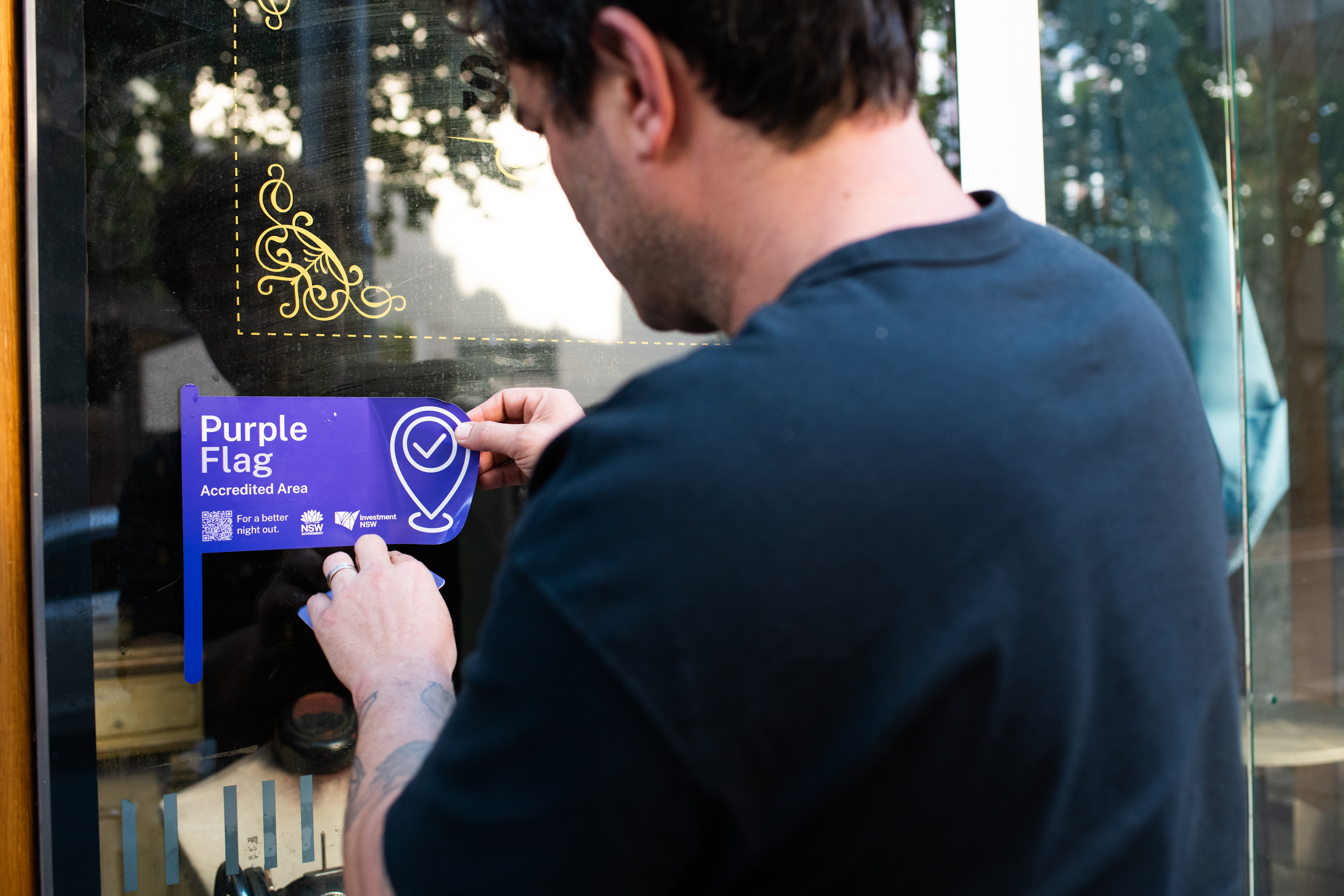
For an area with bars, restaurants, pubs and nightclubs to be given a purple flag it will be assessed against a set of criteria including public transport access, adequate street lighting and entertainment options.
Like the red and yellow flags at Australia's beaches, the flag aims to show where it is safe and protected to go on a night out.
Not only will the flags plug safe after-dark scenes, but they will also identify "well managed" areas for night revellers looking for a range of entertainment options.
READ MORE: Residents bracing for temperature recorded only twice in history
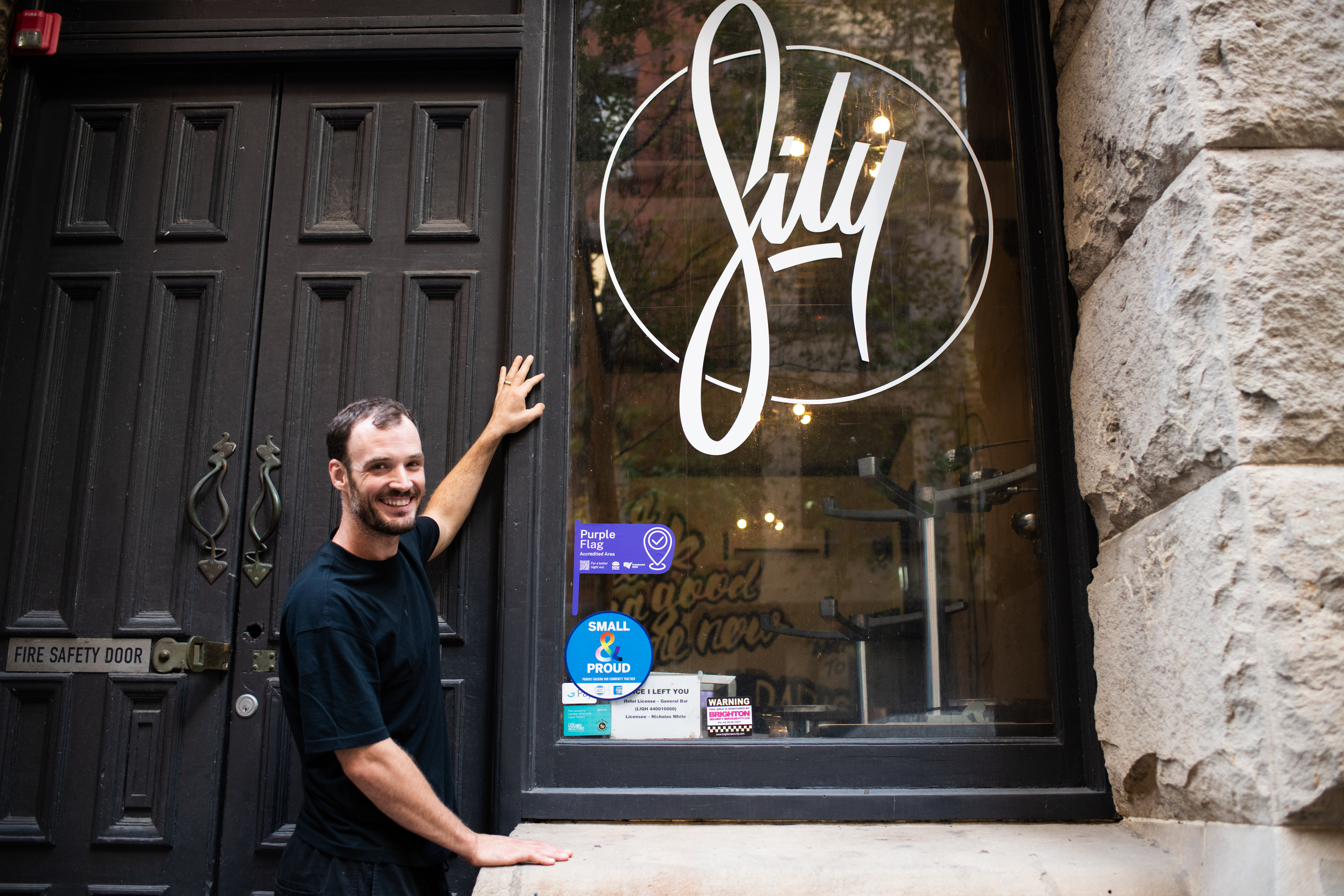
"We are working to deliver a better night out for all and purple flag will boost Sydney's reputation as a global nightlife destination, creating a thriving 24-hour economy across the state as more precincts apply for accreditation," 24-hour economy commissioner Mike Rodrigues said.
"A collaborative and coordinated effort is required to build a vibrant and strong 24-hour economy and the YCK team has shown considered planning and a willingness to innovate in earning purple flag status."
Other Sydney locations involved in the pilot program include Parramatta CBD, Haldon St in Lakemba, and Marrickville.
Purple Flag Working Group member Ash Nicholson said the pilot program would extend to other areas of Sydney this year.
Sign up here to receive our daily newsletters and breaking news alerts, sent straight to your inbox.
Three new spider species discovered in Australia
Three new spider species have been found living in the cool and remote rugged alpine region crossing the New South Wales and Victoria border.
The eight-legged discoveries came during the "Australian Alps Bush Blitz", an 11-day expedition that boasted 15 scientists and five science teachers.
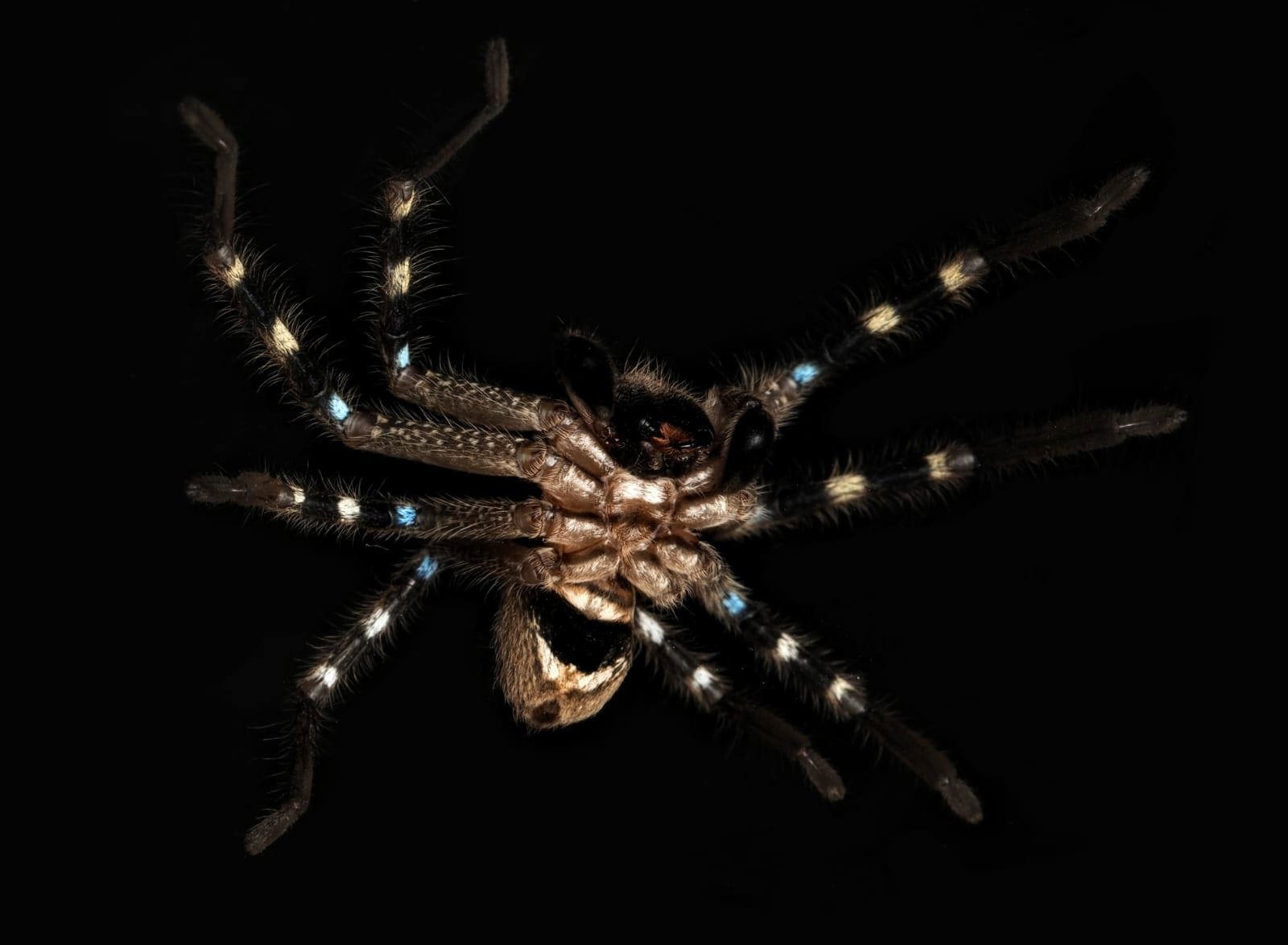
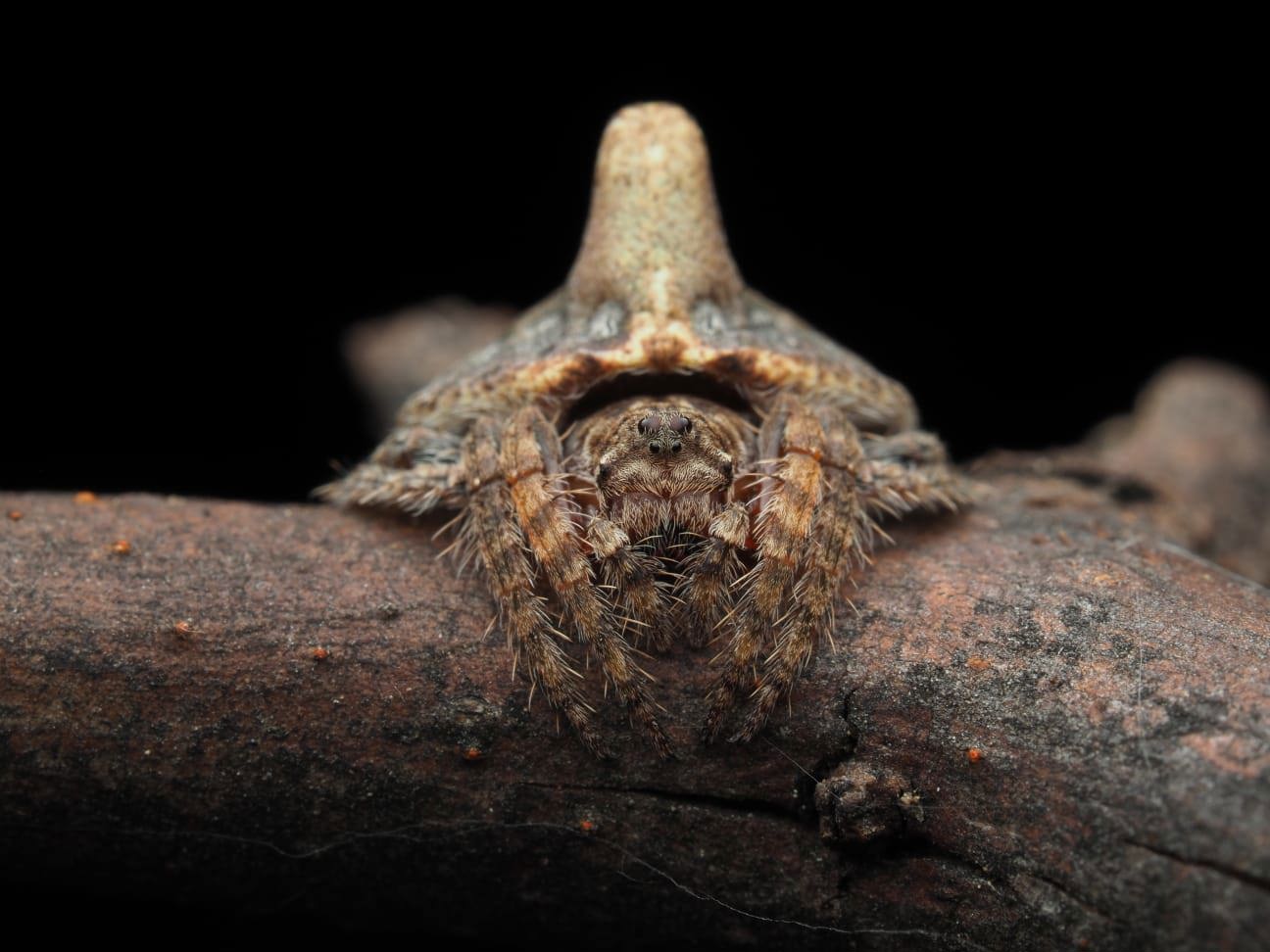
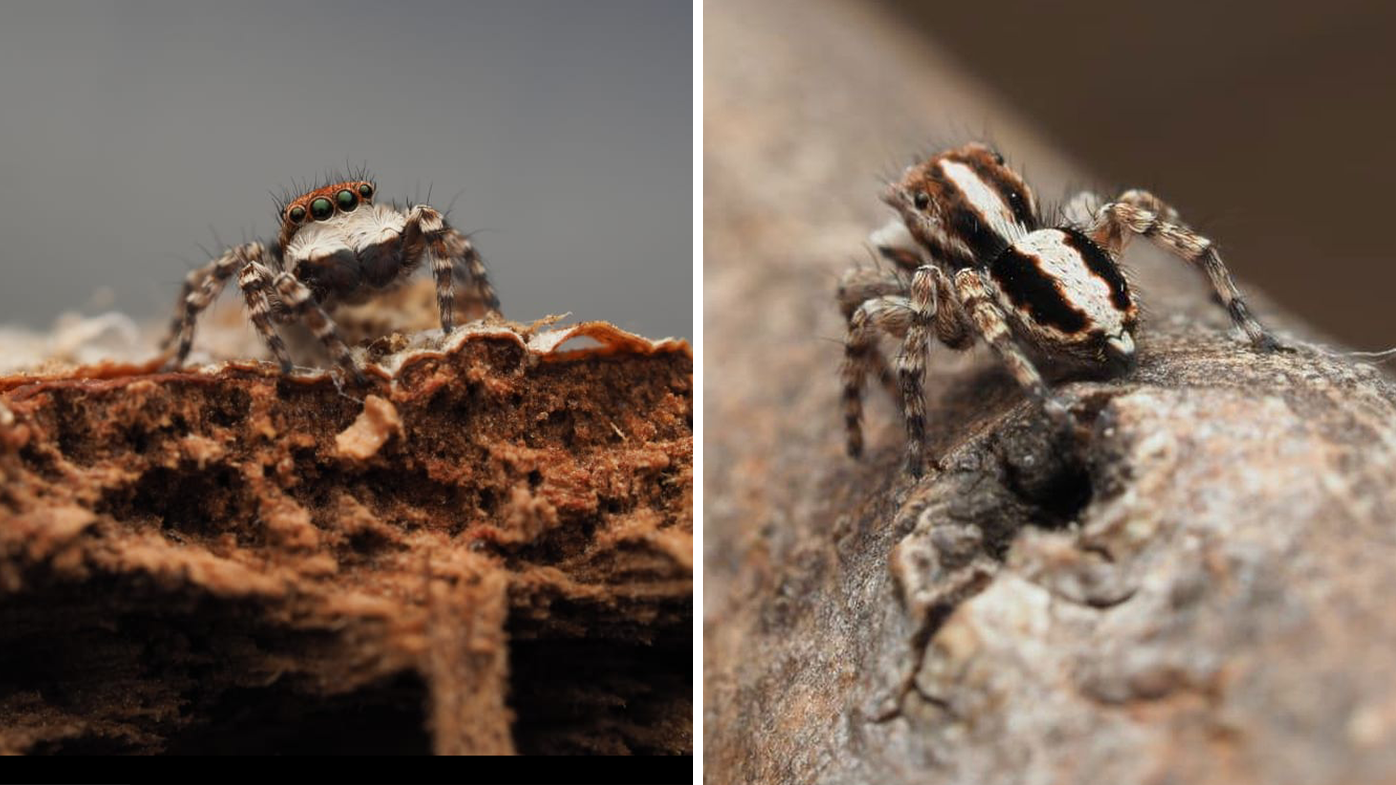
Australia's newest arachnids include a "warrior huntsman" with a shield on its chest, a three-millimeter jumping spider, and a wraparound spider that impersonates a tree branch.
READ MORE: Almost 900,000 hurtling towards $350 million cliff
Sign up here to receive our daily newsletters and breaking news alerts, sent straight to your inbox.
Arachnologist Joseph Schubert of the Museums Victoria Research Institute said the finds illustrate how unique the spider world really is.
"Most people associate spiders with the outback dunny door, but spiders are hugely diverse," he said.
"From the infamous shield huntsman with war paint on his legs and a shield on his chest to frighten off predators, to tiny the jumping spiders that look like eight-eyed puppies.
"Spiders are also experts at camouflage. The wraparound spider is a ferocious nocturnal mini-hunter that impersonates a tree branch during the day to hide from predators."
READ MORE: Residents bracing for temperature recorded only twice in history
The Bush Blitz is a partnership between the Australian Government through Parks Australia, BHP and Earthwatch Australia.
Federal Minister for the Environment and Water Tanya Plibersek said it's possible more new species will be unearthed.
"Around three-quarters of Australia's biodiversity is still waiting to be discovered by science," she said.
"Programs like Bush Blitz are giving us a deeper understanding of Australian habitats so that we can make nature positive decisions for the future."
Sign up here to receive our daily newsletters and breaking news alerts, sent straight to your inbox.
Russian bombers intercepted near US as search for 'spy' balloon wreckage continues
Days after shooting down unidentified aerial objects, the US and Canada scrambled fighter jets to intercept four Russian warplanes as they buzzed North American airspace.
The group of Russian long-range bombers and fighters were detected on Monday by the North American Aerospace Defence Command (NORAD) – the combined US-Canada organisation that provides shared defence of airspace over the two nations – as they approached Alaska.
NORAD said the incident was a routine event and did not pose a threat.
READ MORE: Chinese balloon sensors recovered from ocean by US military
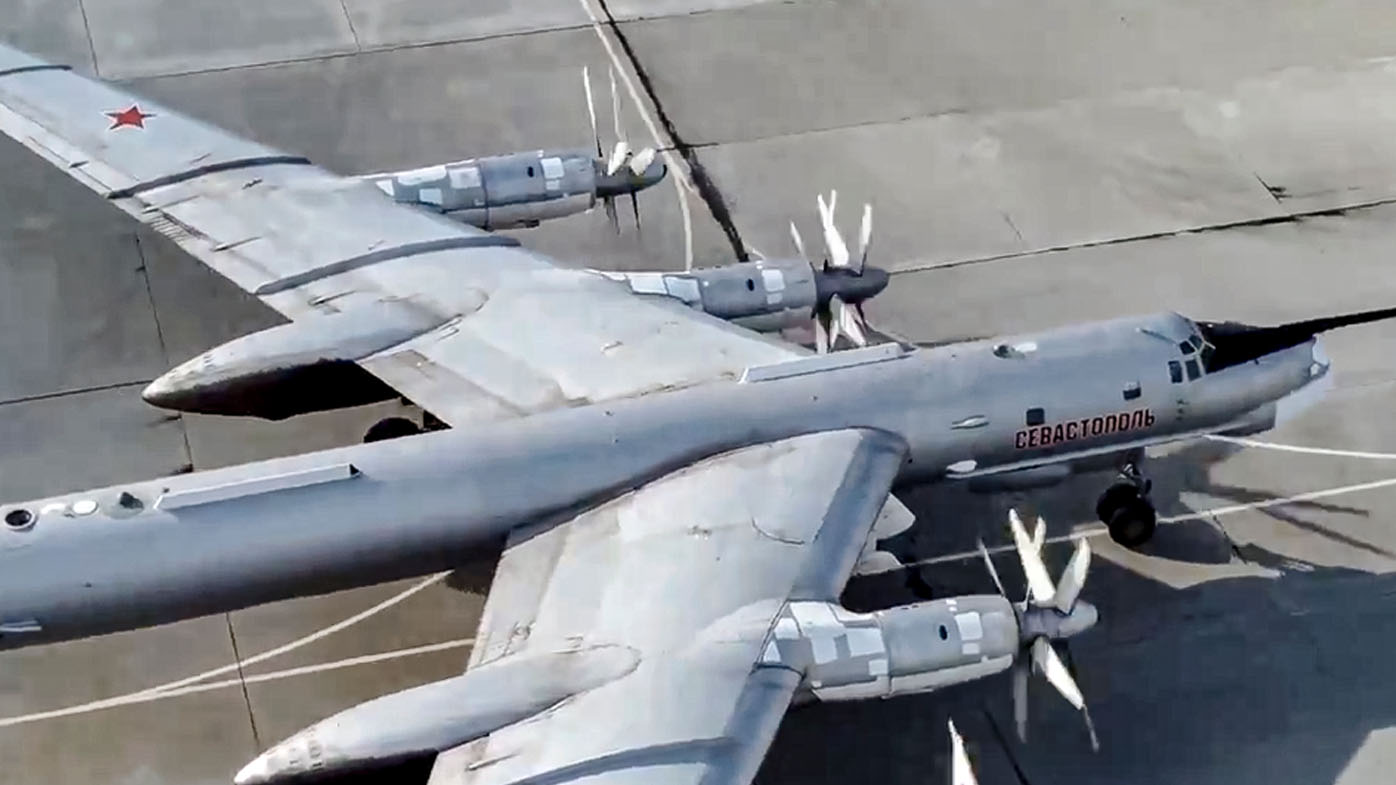
The Russian flight was also not related to the suspected Chinese spy balloons shot down by the US Air Force over North America during recent weeks.
Two American F-16 warplanes intercepted four Russian aircraft – which included a Tu-95 bomber and Su-35 fighter aircraft – near Alaska.
"Russian aircraft remained in international airspace and did not enter American or Canadian sovereign airspace," a NORAD statement said.
It added Russian activity "occurs regularly and is not seen as a threat, nor is the activity seen as provocative".
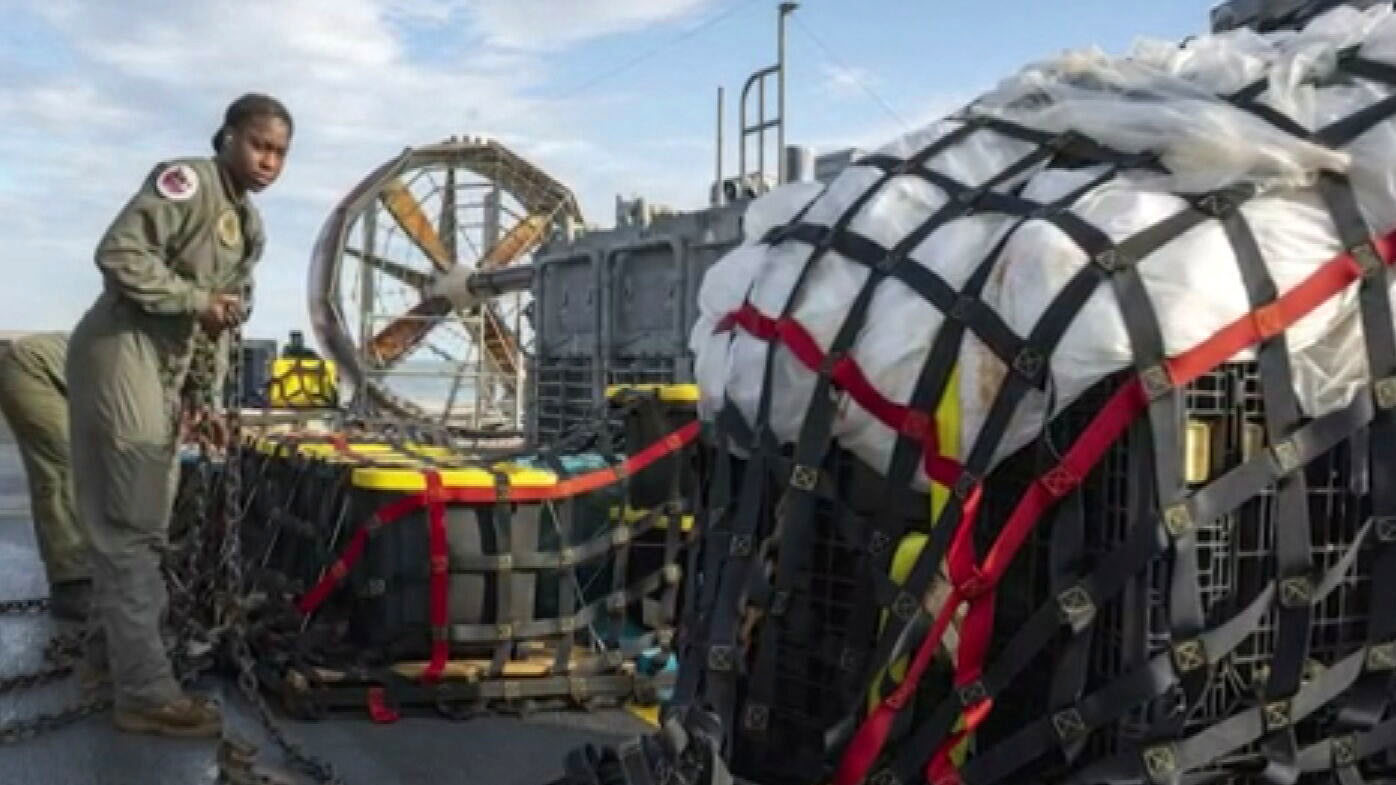
The interception of the Russian aircraft came as the US military confirmed that the sensors from the first suspected Chinese spy balloon had been recovered from the Atlantic Ocean.
READ MORE: No signs aliens behind balloon incidents, White House says
Experts from the FBI are examining the items, which the US says were used to spy on sensitive military sites.
The downing of the balloon on February 4 has been followed by a further three unidentified objects being shot down over North American air space.
The succession of objects, starting with a giant white orb first detected over US skies in late January, has puzzled American officials and stirred curiosity around the world.
Last Friday, NORAD detected and shot down another object near sparsely populated Deadhorse, Alaska.
READ MORE: Temperatures set to soar above 50 degrees in parts of WA
Later that evening, NORAD detected a third object flying at a high altitude over Alaska.
It crossed into Canadian airspace on Saturday and was over the Yukon, a remote territory, when it was ordered shot down by Canadian Prime Minister Justin Trudeau.
On Sunday, the US military confirmed another unidentified object had been shot down by fighter jets over Lake Huron on the US-Canada border.
Trudeau said on Monday the search in Yukon was of a "fairly large area" in dense wilderness.
– Reported with CNN
Sign up here to receive our daily newsletters and breaking news alerts, sent straight to your inbox.