The Finance Minister has meetings with top US officials, plus IMF and World Bank talks.
Tag Archives: oceania
Whangārei Heads crash: Driver’s $25k ute written off by roaming cow
Locals say feral cattle have roamed onto Whangārei Heads Rd for more than a decade.
Double fatal Hamilton crash: 15-year-old victims named
Reef Connor Gurnick, 15, was one of two people killed in the crash.
Shane Jones calls Far North councillor Davina Smolders’ co-governance complaints ‘perverse’, ‘pathetic’
Following a social media firestorm, the council voted to confirm Māori representatives.
‘We may be at the foothills of a new nuclear arms race’
Deputy Prime Minister and Defence Minister Richard Marles has hinted that the world could be on the "foothills" of a new nuclear arms race, revealing this is why the Australian government has expanded its military funding.
Speaking at the National Press Club in Canberra, Marles said the Cold War era of strict nuclear arms control expired this year and the "global rules-based order" nations once operated under has been torn up.
"The Cold War era of nuclear arms control – put in place to limit the risk of catastrophic nuclear confrontation – ended this year with the expiry of the last remaining agreement limiting the number of strategic nuclear warheads deployed by Russia and the United States – the countries with the two largest stockpiles," Marles said.
READ MORE: Fuel prices to hike again after Geelong oil refinery fire slashes output
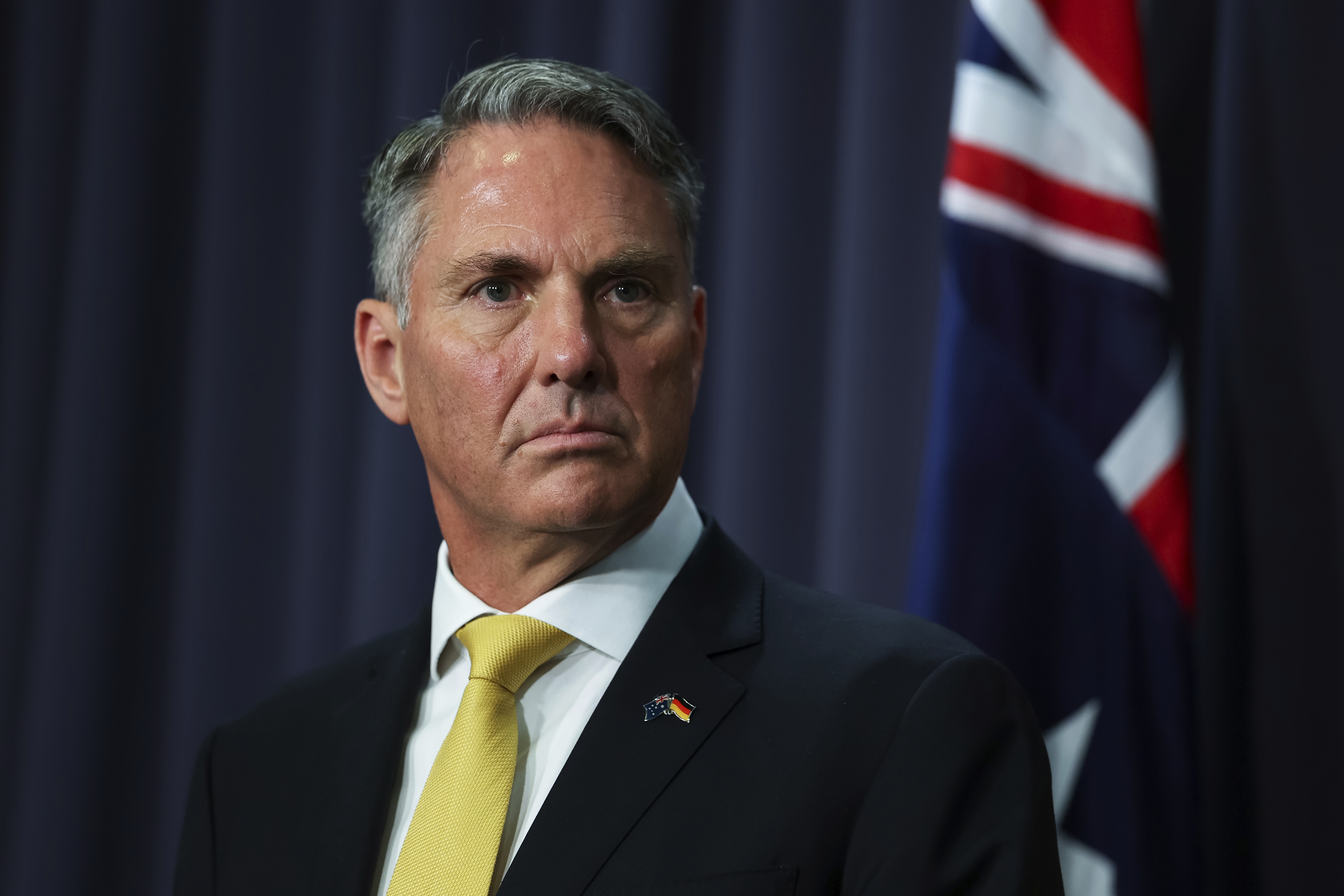
"All nuclear weapon states are growing their arsenals once more, with the biggest growth occurring in China.
"Absent new arms control efforts, we may be at the foothills of a new nuclear arms race.
"This struggle is not abstract. It will drive elevated risks to Australia's security and prosperity over the coming decade."
The defence minister said the looming nuclear threat is why Australia has invested heavily in its long-term military capability.
Marles described Australia's $53 billion defence plan as one that strengthens "self-reliance" into the next decade.
He said military spending under Labor has increased by up to $30 billion over the forward estimates.
This is an extra $117 billion over the next 10 years, Marles added.
"To place this in context, the former Coalition government, which governed during a period when all the trends we are wrestling with today were just as present then, increased defence spending by just $10 billion over the decade," he said.
READ MORE: As war chaos deepens, one nation is playing a unique role
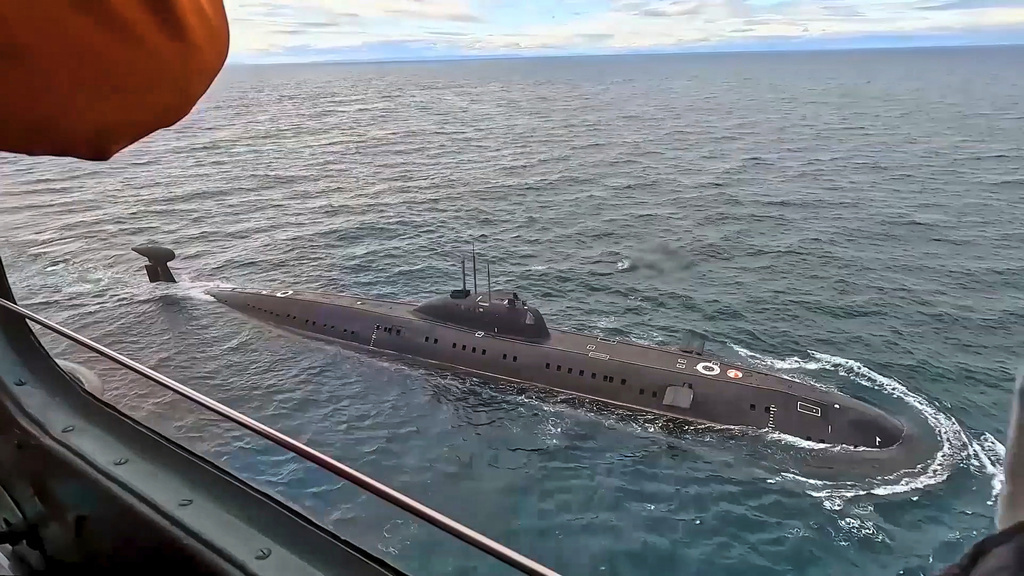
Among the major defence investments made by the government recently has been the acquisition of nuclear submarines.
Marles said "major progress" had been made on the AUKUS agreement.
"The government has undertaken the most ambitious modernisation of Australia's maritime capability since the Second World War," he said.
But fortifying Australia's military in the name of self-reliance "should not be confused with military self‑sufficiency", Marles said, adding that Australia's relationship with allies including the US remains important.
"Alliances, especially with the United States, will always be fundamental to Australia's defence," he said.
READ MORE: Thousands of union tradies to be offered $100 fuel vouchers
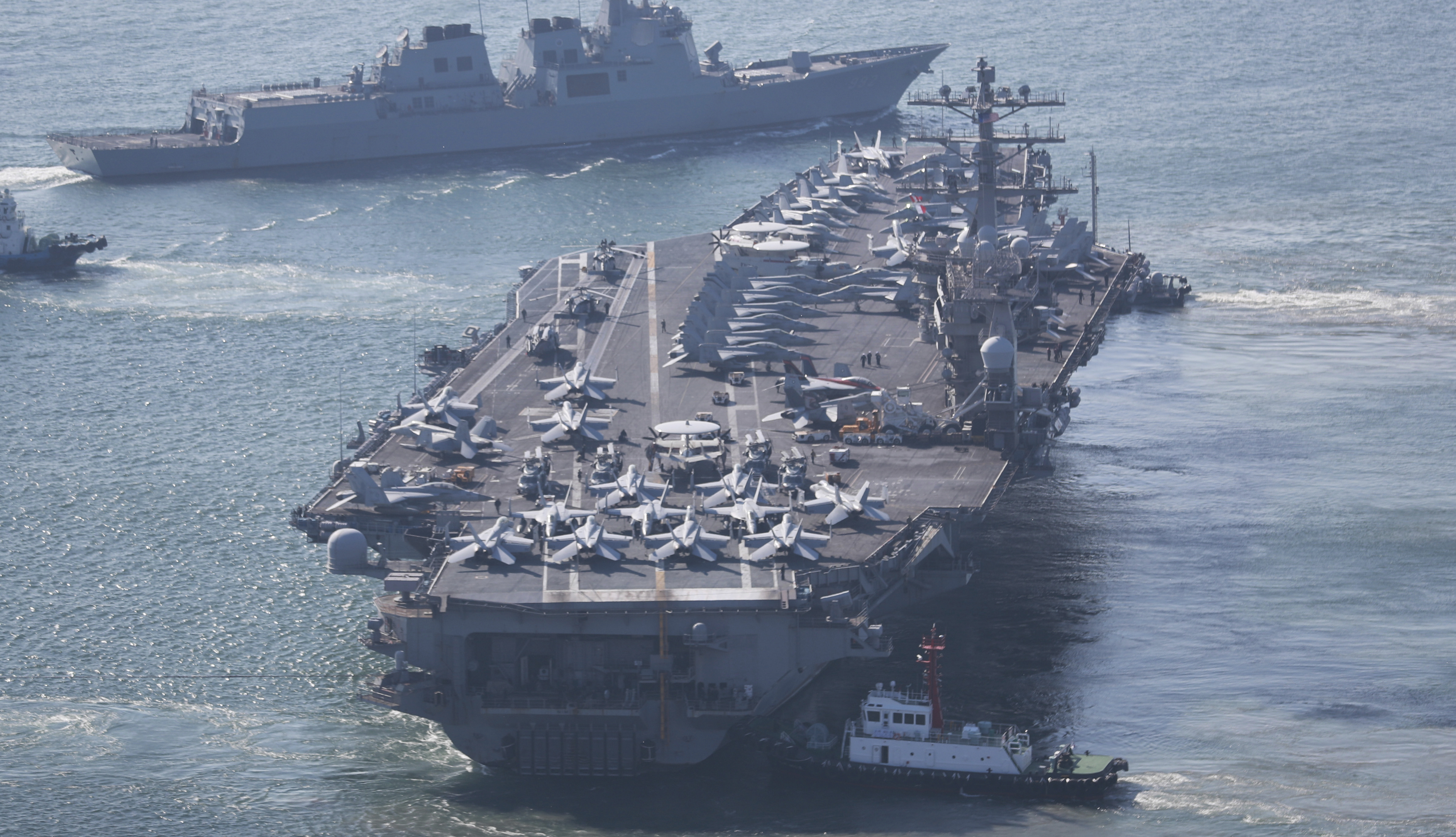
Australia will do 'all within our power' to bring peace
In his opening remarks, Marles insisted Australia was doing everything it could to bring lasting peace to the Middle East.
"The current ceasefire in the Middle East is an opportunity to move back from the brink," he said.
"Open the Strait of Hormuz, restore the global fuel supply chain, and place events on a path to peace.
"For our part, Australia will do all within our power to help make this temporary ceasefire permanent."
NEVER MISS A STORY: Get your breaking news and exclusive stories first by following us across all platforms.
- Download the 9NEWS App here via Apple and Google Play
- Make 9News your preferred source on Google by ticking this box here
- Sign up to our breaking newsletter here
‘Could happen right away’: Fuel prices to hike again after oil refinery fire
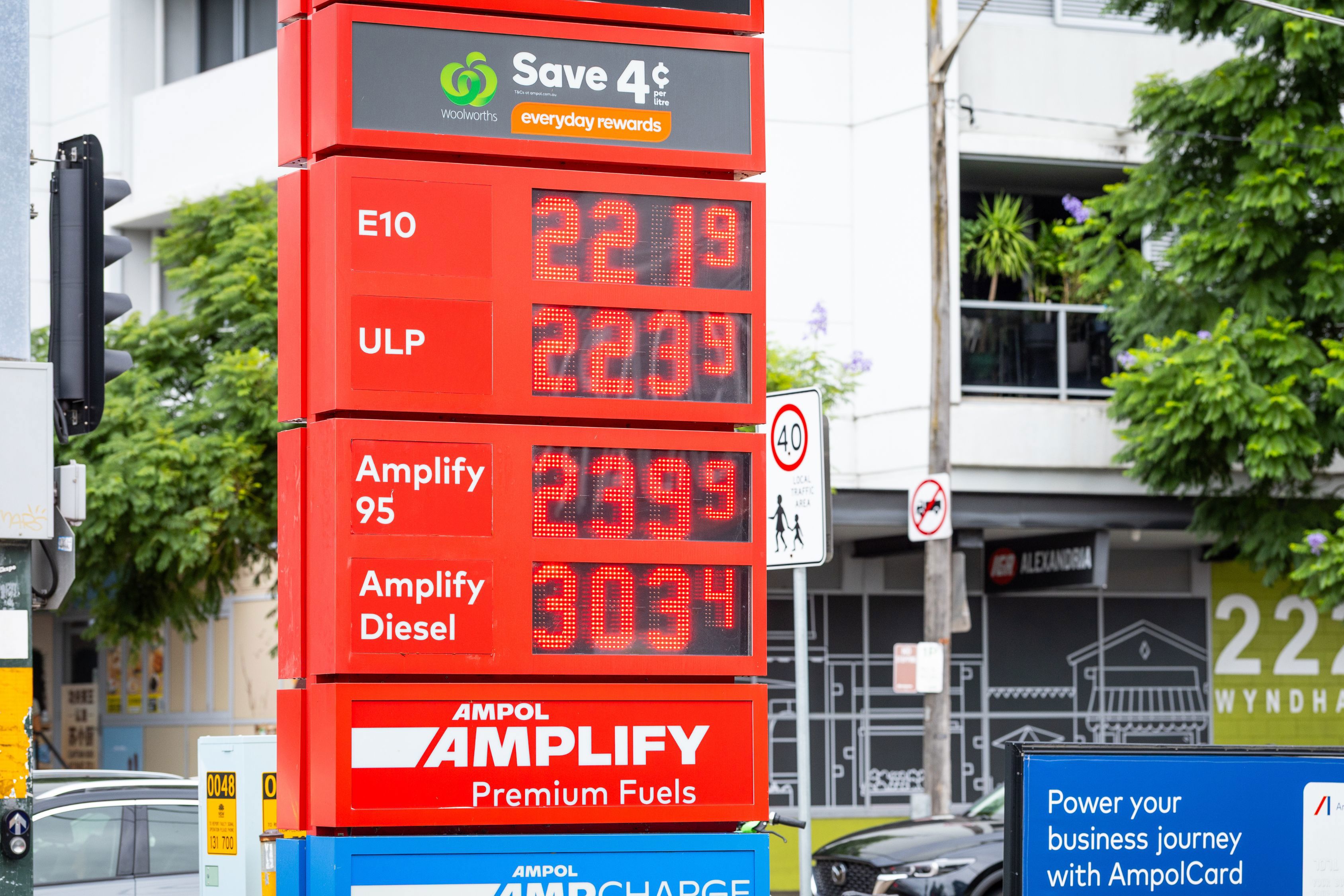
A fire has ripped through one of Australia's two critical oil refineries, stoking fears that a fresh supply shortage will grip motorists and drive up prices at the pump once again.
The Viva Energy oil refinery in Geelong, Victoria suffered damage in an explosive fire which began about 11pm yesterday, with production output expected to be slashed to "minimum rates" following the blaze.
When at full capacity, the refinery can produce up to 120,000 barrels of oil per day, including petrol, diesel, LPG and jet fuel.
READ MORE: Thousands of union tradies to be offered $100 fuel vouchers
LIVE UPDATES: Energy minister admits worst possible outcome of refinery blaze
It supplies over 50 per cent of Victoria's and 10 per cent of Australia's fuel.
Experts have warned the incident will likely result in a supply chain and price shock in Victoria and beyond.
"Initially it's going to have an effect because there will be less supply, [we] should see a pickup in price," Senior Lecturer from the School of Economics at The University of Sydney Dr Luke Hartigan told Nine.com.au.
"It's not a positive thing to have that out of commission now."
"Under normal conditions usually these things do take time, but considering what's been happening it could happen right away."
The impact will be felt initially in Victoria, where Viva Energy supplies most of its fuel.
Fuel prices and shortages may also worsen as national output shrinks at the refinery, Hartigan said.
"If you think about what happened with the Strait of Hormuz, that is 20 per cent [of global oil supply], and you can see that effect around the world," Hartigan said.
"Even in a small part, when you've got restricted supply, it means it could have an effect."
READ MORE: As war chaos deepens, one nation is playing a unique role
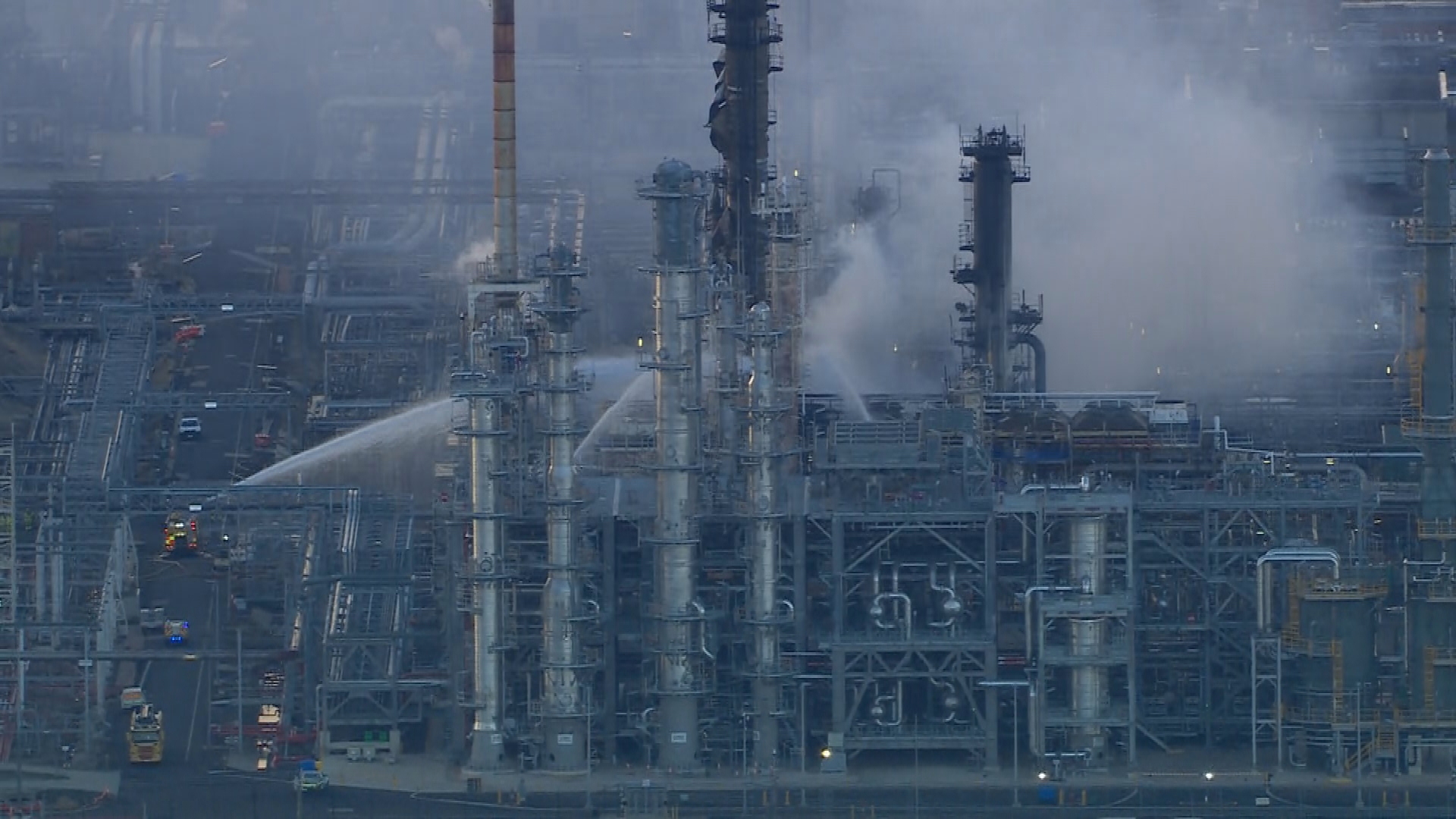
Hartigan said the fire will likely "dull the benefits" of the federal government's efforts to ease supply and price pain, including the temporary excise reduction.
Swinburne's Professor of Transport Technology and Sustainability Hussein Dia said any positive progress made by the Victorian state government may be reversed, including the impacts of offering free public transport for the month of April.
"It's not just a shock to supply, but it is a loss of flexibility, and that's what's going to put upward pressure on prices, despite what the government has been doing," Dia said.
"This was unexpected, and the government has been trying to shield consumers by the cutting of the fuel excise, and in Victoria, we have the free public transport."
Dia said fuel prices in Victoria will likely grow, but said it might not be a "dramatic" spike at the pump tomorrow.
"The system was already under pressure and now it's operating with less buffer, and that will likely show up in prices over time," he added.
The flow-on effect of the Geelong fire could also touch the supermarket supply chain if Victorian farmers lose even more access to diesel.
"There's less access to food because if trucks can't get diesel, then they can't deliver food," Hartigan said.
"There's the worry that there's an impact on pricing… and that there is less supply of diesel now because that refinery is [partially] offline."
READ MORE: Australia signs key deal with Brunei amid fuel crisis, recession fears
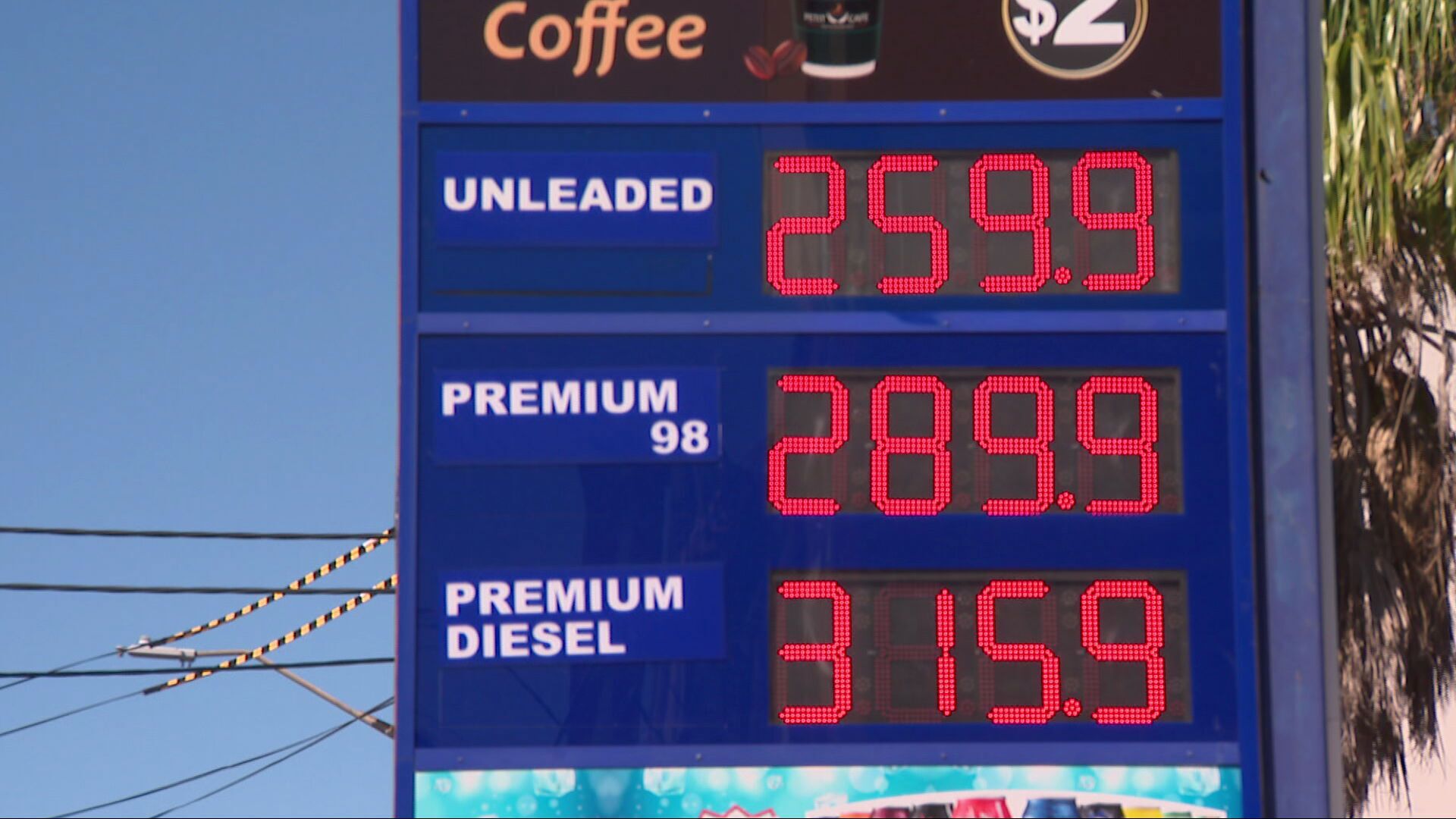
Energy Minister Chris Bowen earlier said the blaze will worsen Australia's national fuel supply as the refinery slashes its production, describing it as "not a positive development".
"There will be an impact on production," Bowen told Today.
"At this point, production of jet fuel and diesel is continuing at the refinery at reduced levels for safety reasons as a precaution. At this point, the impact is mainly on petrol production."
Australia's only other operating oil refinery, the Ampol Lytton Refinery in Brisbane, may need to fill in the gaps left by Viva Energy's reduced output.
The Brisbane refinery also provides about 10 per cent of Australia's fuel.
The remainder is imported from overseas, including the Middle East and Singapore.
"It will be a delicate balance between trying to get it to work a bit longer but not trying to work it too hard," Hartigan added.
NEVER MISS A STORY: Get your breaking news and exclusive stories first by following us across all platforms.
- Download the 9NEWS App here via Apple and Google Play
- Make 9News your preferred source on Google by ticking this box here
- Sign up to our breaking newsletter here
The former Australian pollie who first posted Trump’s Jesus AI image
The AI-generated image Donald Trump posted that depicted him as Jesus Christ was originally posted by a prominent Australian commentator.
A very similar image was posted nine weeks ago by Nick Adams, a former deputy mayor of Ashfield City Council in Sydney.
"America has been sick for a long time. President Trump is healing this nation," Adams wrote when posting the image to Instagram.
READ MORE: Proposed team of experts to decide if Trump is fit for office
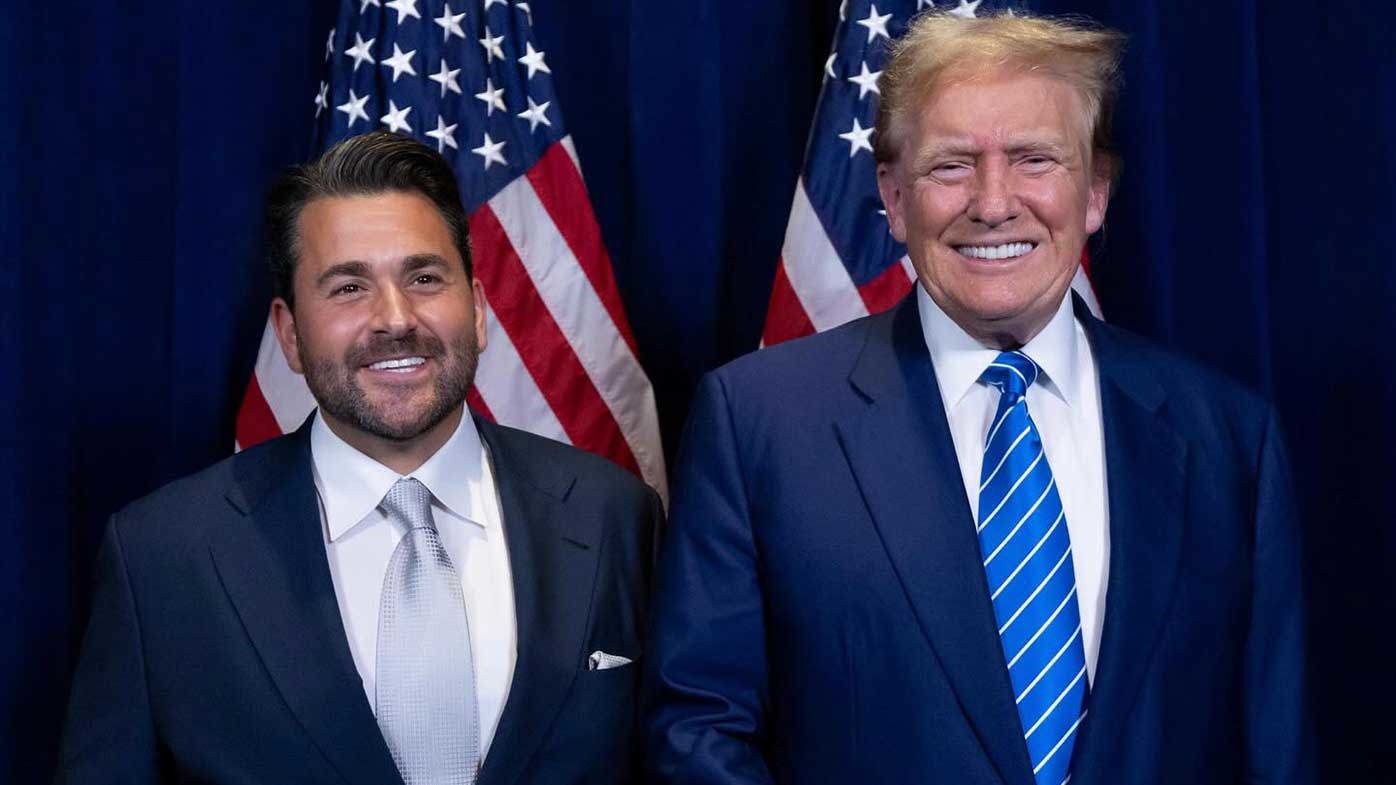
He later deleted the post.
It is not known if Adams was responsible for generating the AI image.
There are slight differences between the two images. In Adams' post, one man in the background is wearing a hat that reads "Veteran".
In Trump's image, the wording on the hat is indecipherable.
In Adams' picture, it appears to be a group of soldiers hovering above the clouds. In Trump's, the figures are less clear and one appears to have horns and wings.
Another AI-generated image Adams posted in February also depicts Trump as Jesus Christ, blessing a man with his touch while surrounded by people in what appears to be New Testament-era clothing.
"President Trump is healing this nation and its people on a biblical scale," wrote Adams.
"The devil hates this!"
READ MORE: Trump learns the fate of $14 billion lawsuit over Epstein birthday letter

Since moving to the United States, Adams has become a prominent Trump backer and commentator.
Adams, born Nicholas Adamopoulos, was nominated by Trump to be America's ambassador to Malaysia.
But that nomination was later withdrawn and he was named Special Presidential Envoy for American Tourism, Exceptionalism, and Values, a role that was created for him.
Adams renounced his Australian citizenship in 2021.
Axios reported today that Trump's housing finance chief Bill Pulte was the person who brought the Jesus meme to the president's attention before he posted it.
Trump, who rarely backs down from criticism, made the rare move of deleting the post after copping flak from Christians across the world.
READ MORE: JD Vance criticises Pope Leo for not 'being careful speaking about theology'

But he rebuffed accusations he was likening himself to Jesus, instead claiming he thought he was being depicted as a doctor.
The post came as Trump lashed out at Pope Leo XIV after the pontiff espoused the importance of seeking peace.
"Pope Leo is WEAK on Crime, and terrible for Foreign Policy," Trump wrote.
"I don't want a Pope who thinks it's OK for Iran to have a Nuclear Weapon."
The president accused the pope of "catering to the radical left".
The pope had not criticised the president by name.
""I will not enter into debate. The things that I say are certainly not meant as attacks on anyone," Pope Leo said.
"The message of the Gospel is very clear: 'Blessed are the peacemakers'."
READ MORE: Trump's Defence Secretary quotes fake Pulp Fiction Bible verse
NEVER MISS A STORY: Get your breaking news and exclusive stories first by following us across all platforms.
- Download the 9NEWS App here via Apple and Google Play
- Make 9News your preferred source on Google by ticking this box here
- Sign up to our breaking newsletter here
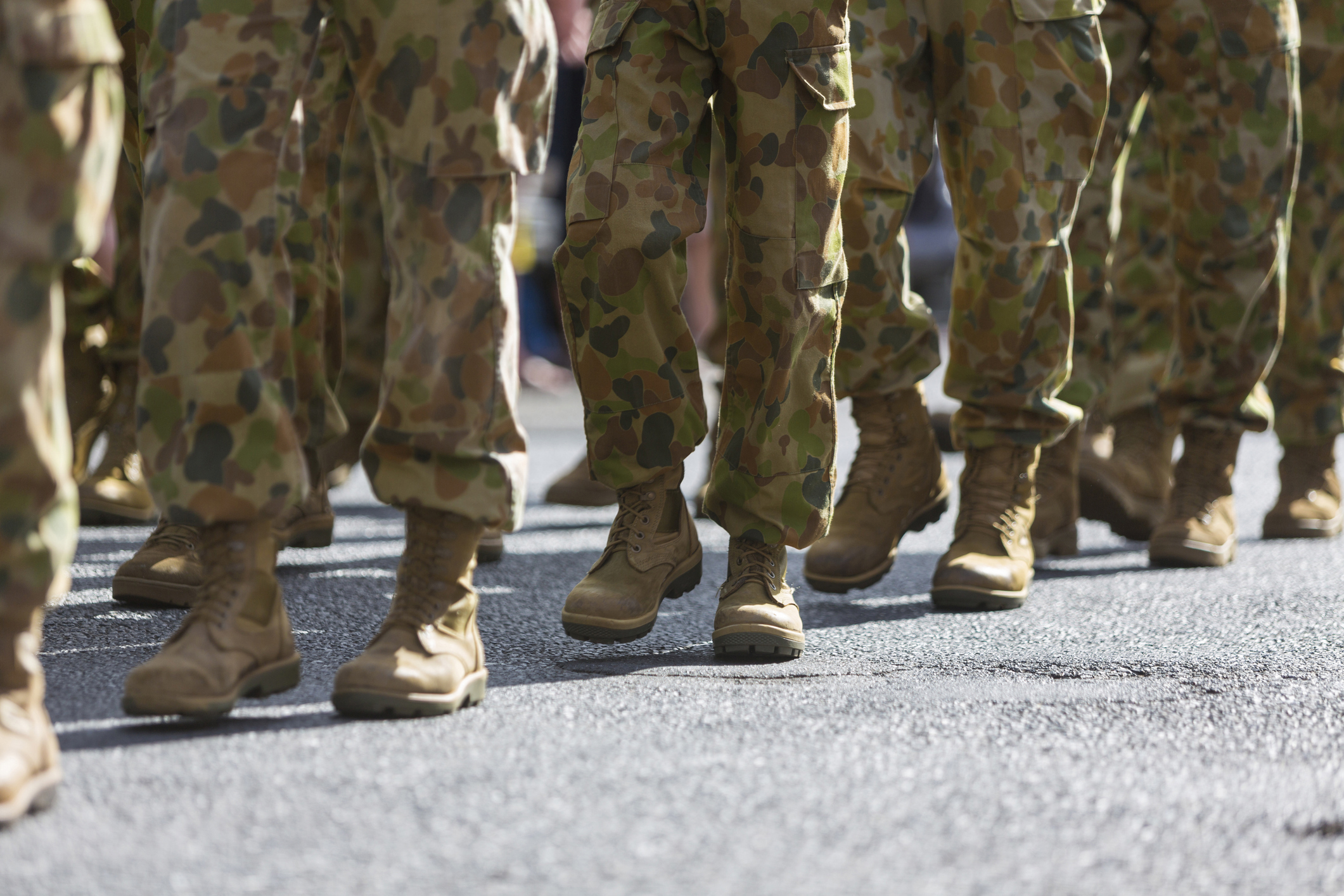
Anzac Day is almost here, but not everyone gets a long weekend
Anzac Day is on the horizon but because it falls on a Saturday this year, the weekend will look a little different in each state and territory.
Some jurisdictions only honour the April 25 public holiday, regardless of whether it falls on a weekday or weekend.
Others give everyone an extra day off on the Monday after Anzac Day when it falls on a Saturday or Sunday.
LIVE UPDATES: Refinery fire to have 'catastrophic' impact on Aussie fuel supply
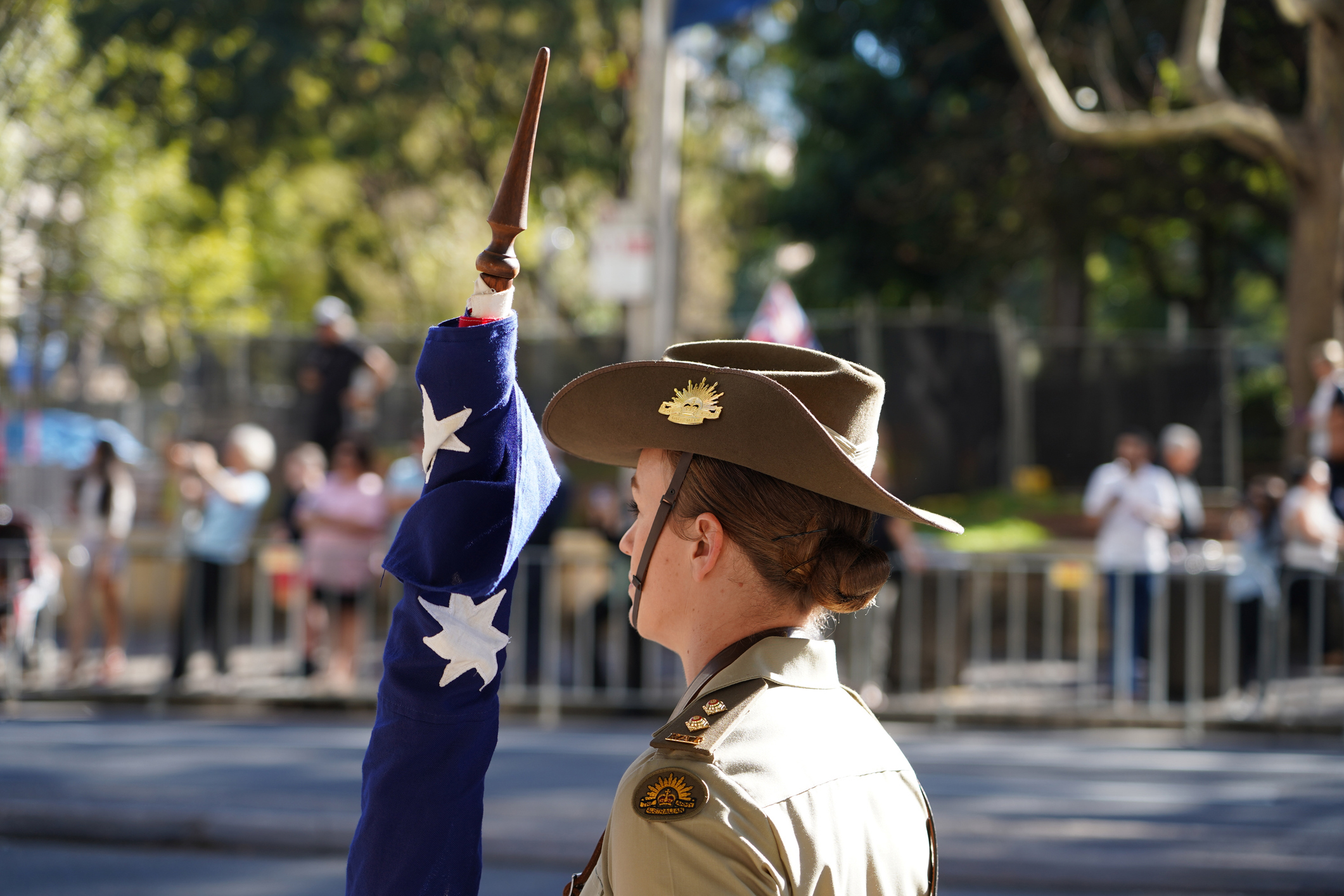
A few states have changed their rules this year, so here's everything you need to know about who gets the extra day off this Anzac Day.
NSW
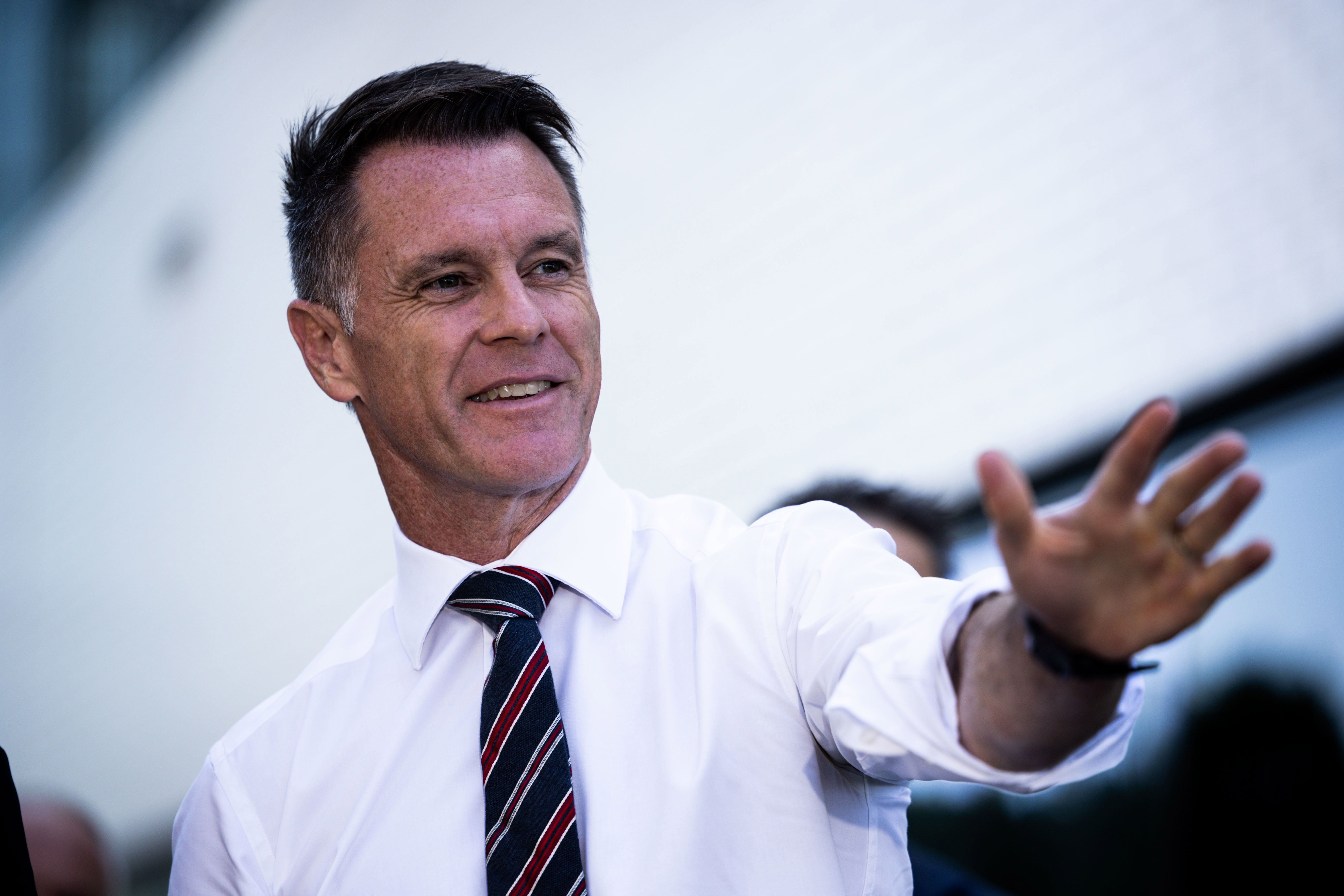
Saturday April 25 and Monday April 27 will both be public holidays in NSW this year.
In the past, NSW didn't get an extra public holiday if Anzac Day fell on a weekend.
Premier Chris Minns changed that rule in February when he announced the state would trial a bonus day off on the Monday after Anzac Day for 2026 and 2027.
The April 25 public holiday falls on a weekend this year and next.
NSW residents will also get Monday April 27, 2026 and Monday April 26, 2027 off.
Penalty rates still apply on April 25 and trading restrictions that apply on Anzac Day will not apply to the additional Monday holidays.
READ MORE: Police hunt inmate wrongly released from NSW prison
ACT
The Australian Capital Territory will get two public holidays on Saturday April 25 and Monday April 27.
Like NSW, the ACT previously only honoured the Anzac Day public holiday on April 25 but will adopt a bonus Monday public holiday this year.
It is unclear if it will continue with the extra public holiday in 2027.
WA
WA also gets public holidays on Saturday April 25 and Monday April 27.
This isn't new for the state, which has been giving people a bonus Monday public holiday when Anzac Day falls on a weekend for years.
READ MORE: 'Looksmaxxing' influencer Clavicular breaks silence after suspected overdose during livestream
Victoria, Queensland, Tasmania, SA, and the NT
Unfortunately for the rest of the country, NSW, the ACT and WA are the only jurisdictions offering an extra public holiday this year.
Victoria, Queensland, Tasmania, SA, and the NT only observe the April 25 public holiday, even when it falls on a weekend.
This year, the Anzac Day holiday will be on Saturday April 25.
Next year it falls on Sunday April 25.
READ MORE: Where double demerits won't apply over the Anzac Day weekend
NEVER MISS A STORY: Get your breaking news and exclusive stories first by following us across all platforms.
- Download the 9NEWS App here via Apple and Google Play
- Make 9News your preferred source on Google by ticking this box here
- Sign up to our breaking newsletter here
Melbourne community divided over council’s new bin rules
Exclusive: A Melbourne community is being torn apart by the local council's divisive plan to slash red bin collection services from weekly to fortnightly next year.
Merri-bek City Council, about 5km from Melbourne CBD, has been rolling out changes to its kerbside bin services to cut costs for rate payers and reduce the amount of waste going to landfill.
The next big change is slated for July 2027, when Council plans to reduce rubbish collections to every two weeks.
LIVE UPDATES: Refinery fire to have 'catastrophic' impact on Aussie fuel supply
The council has been running a fortnightly collection trial in parts of Hadfield, Brunswick and Brunswick West, which it told nine.com.au has received "mixed reviews".
"Some have found the change challenging, while others have adjusted quickly," a Merri-bek City Council spokesperson said.
"Despite the mixed views, most households did manage to make the change."
The amount of waste sent to landfill was reduced by nearly 20 per cent in the six-month trial, or about three kilos per household each fortnight.
It also saved the council money.
If rolled out council-wide, the swap from weekly to fortnightly collections could save Merri-bek City Council more than $1 million based on the trial a spokesperson said.
They did not say how much ratepayers specifically would save.
Have you got a story? Contact reporter Maddison Leach at our breaking newsletter here
Adelaide mum denied $22k parental leave due to ‘unfair’ rule
A new Adelaide mum has called out a "deeply unfair" law that led to her application for the federal government's paid parental leave being rejected.
Nandini Hutchens said she applied for paid parental leave soon after her daughter was born in October last year, expecting no issues.
She was therefore shocked when, on Christmas Eve last year, she was told she was not eligible for paid parental leave, which is equivalent to 24 weeks' pay at the national minimum wage ($22,750 before tax).
READ MORE: Fuel shock sends consumer confidence plummeting to near-COVID low

Hutchens was informed her application had been rejected because of a waiting period for "newly-arrived residents", which states that successful applicants must have been a permanent Australian resident for two years.
Hutchens moved to Australia from India eight years ago, in 2018, to complete her masters degree in physiotherapy at university.
From 2019, she has worked full-time in South Australia as a physiotherapist.
Hutchens said the pandemic meant vital examinations connected to her skilled visa application were delayed, and she was not granted permanent residency until December 2024.
The new mum said it was unfair to exclude her under rules for "newly arrived residents" when she had been working in Australia for seven years.
"The key here is newly-arrived, and I am not newly-arrived," she told nine.com.au.
"I know I became a resident less than two years ago, but I have been doing my bit. I've been paying the same tax as my colleagues do.
"It feels deeply unfair to contribute to a system that supports other families, yet be excluded from the same support myself."
As an Australian, Hutchens' husband, Corey, is eligible to apply for paid parental leave under the government's scheme; however, he said his work situation meant he was unable to.
"I run my father's business, and I'm the only one who runs it all, so I can't take the time off," he said.

The couple have just bought a house and said they were relying on the paid parental leave to help them pay the mortgage when they dropped down to one income.
Hutchens is able to get six weeks' paid paternity leave through her employer, but said the money would not stretch far.
"We were depending on the government money to pay for everyday expenses," she said.
"Now, any luxuries are out of the question. We have to save for the necessities."
Hutchens said it was also likely she would need to return to work earlier than she planned.
Meanwhile, Hutchens has started an online petition calling on the government to start assessing the applicants on a case-by-case basis when applying the newly arrived resident's waiting period.
"Exceptions should be made on a case-by-case basis," she said.
"If I had just got the residency and came here a month ago, then I understand why I wouldn't be eligible.
"But if I have been here for so long, and I have contributed to the economy for over two years, which is supposed to be the two-year rule, then I should be eligible."
A spokesperson for the Department of Social Services said: "The Newly Arrived Resident's Waiting Period applies to most Australian Government payments, including the Paid Parental Leave (PPL) scheme."
"This reflects the long-standing principle that migrants are expected to support themselves when they are first granted permanent residency in Australia."
NEVER MISS A STORY: Get your breaking news and exclusive stories first by following us across all platforms.
- Download the 9NEWS App here via Apple and Google Play
- Make 9News your preferred source on Google by ticking this box here
- Sign up to our breaking newsletter here