Tag Archives: oceania

'They took my big love': Ukraine woman searches for answers

Tetiana Boikiv peered from the doorway of the cellar at the Russian soldiers questioning her husband about his phone.

“Come up,” her husband, Mykola Moroz, called to her. “Don’t be afraid.”

Moroz — Kolia to his friends — was trying to explain that the surveillance video they’d found was from his job as an electrician, all taken before the Feb. 24 invasion.

READ MORE: A Ukrainian POW was making plans — then the prison blew up

In this photo provided by Tetiana Boikiv, she, centre, and Mykola "Kolia" Moroz celebrate their wedding in Ozera, Ukraine on Aug. 16, 2020.

“I am a religious person,” Kolia said. “I haven’t hurt anyone.”

But the two soldiers and their commander weren’t listening. They put a bag over his head. Despairing, Boikiv demanded to know what they would do with the man she called her big, big love.

“Shoot him,” one of the soldiers replied. They took him away.

She would never see Kolia again.

While atrocities in the nearby town of Bucha have captured the world’s attention and become case number one for Ukraine’s prosecutors, the slaughter there was not an aberration. Rather, it was part of a trail of violence that spread far and wide, often under the radar of prosecutors, to ordinary villages like Zdvyzhivka, a half hour north of Bucha.

Much of the violence was systemic, not random, conceived and implemented within the command structures of the Russian military, an investigation by The Associated Press and the PBS series Frontline found.

Troops were instructed to block and destroy vestiges of “nationalist resistance,” according to Russian battle plans obtained by the Royal United Services Institute, a prominent defence and security think tank in London.

They did so with consistent brutality, hunting potential enemies on Russian intelligence lists and torturing and killing volunteer fighters, veterans and civilians suspected of assisting Ukrainian troops.

The AP and Frontline interviewed dozens of witnesses and survivors, and reviewed audio intercepts and surveillance camera footage to document what happened.

These cleansing operations — zachistka, in Russian — took on a sharper edge as the line between civilians and combatants blurred. Ukraine has made it breathtakingly easy for anyone with a cell phone connection to report the position of Russian troops, and many civilians do.

READ MORE: Russia's defence chief warns of 'dirty bomb' provocation
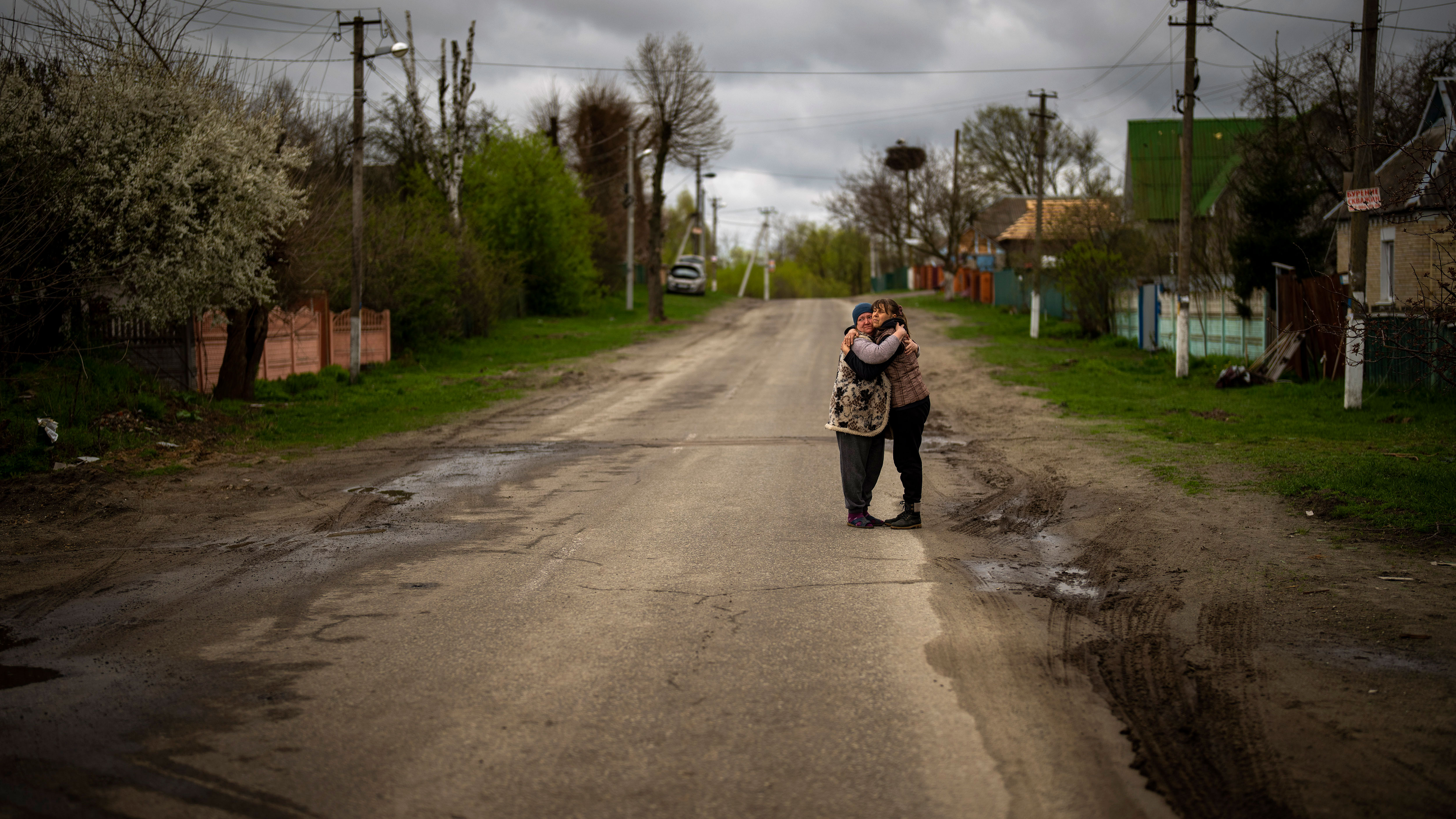
Tetiana Boikiv, 52, right, meets and hugs her neighbour, Svitlana Pryimachenko, 48, during a funeral service for her husband, Mykola "Kolia" Moroz, 47, in the Ukrainian village of Ozera, near Bucha.

As Russian soldiers fought to suppress what has effectively become a crowdsourced resistance, they’ve swept up many civilians who have done nothing at all.

Ukrainian prosecutors say they will address every crime committed in this war, but they are scrambling to triage more than 40,000 war crimes investigations. Right now, their most pressing priorities are cases with promising evidence and high body counts, places like Bucha that gripped the public imagination.

Kolia would die in a garden not far away, possibly at the hands of troops commanded by the same man who led the Bucha operation, but his death has gone largely unnoticed.

That left Boikiv on her own to find her missing husband and struggle to make sense of his death.

___

Each time a new body turned up in Zdvyzhivka — a bucolic village an hour north of Kyiv that Russians turned into a major forward operating base for their assault on the capitol — Father Vasyl Bentsa’s phone would ring.

The village priest had taken it upon himself to document the deaths.

On March 30, as Russian troops withdrew, the bodies of two unknown men, marked by torture, were found in the back garden of one of the biggest, ritziest houses in town. Bullets had ripped through the red wood fence nearby and casings littered the ground. By the next morning, when Bentsa arrived, three more bodies had appeared in the same spot.

There were no police, no prosecutors, no ballistics experts, no Ukrainian military around to call for help. There were just five men who needed names.

“We did not know at all who to contact,” Bentsa said. “To leave the bodies like that for a long time was stupid. Clearly, we all know physiology — the human will decompose and smell. What would we do with them?”

Father Bentsa put on medical gloves and searched through the pockets of the corpses, looking for identification. He found none.

READ MORE: Friend recalls 'wonderful couple' killed in Russian drone attack on Kyiv
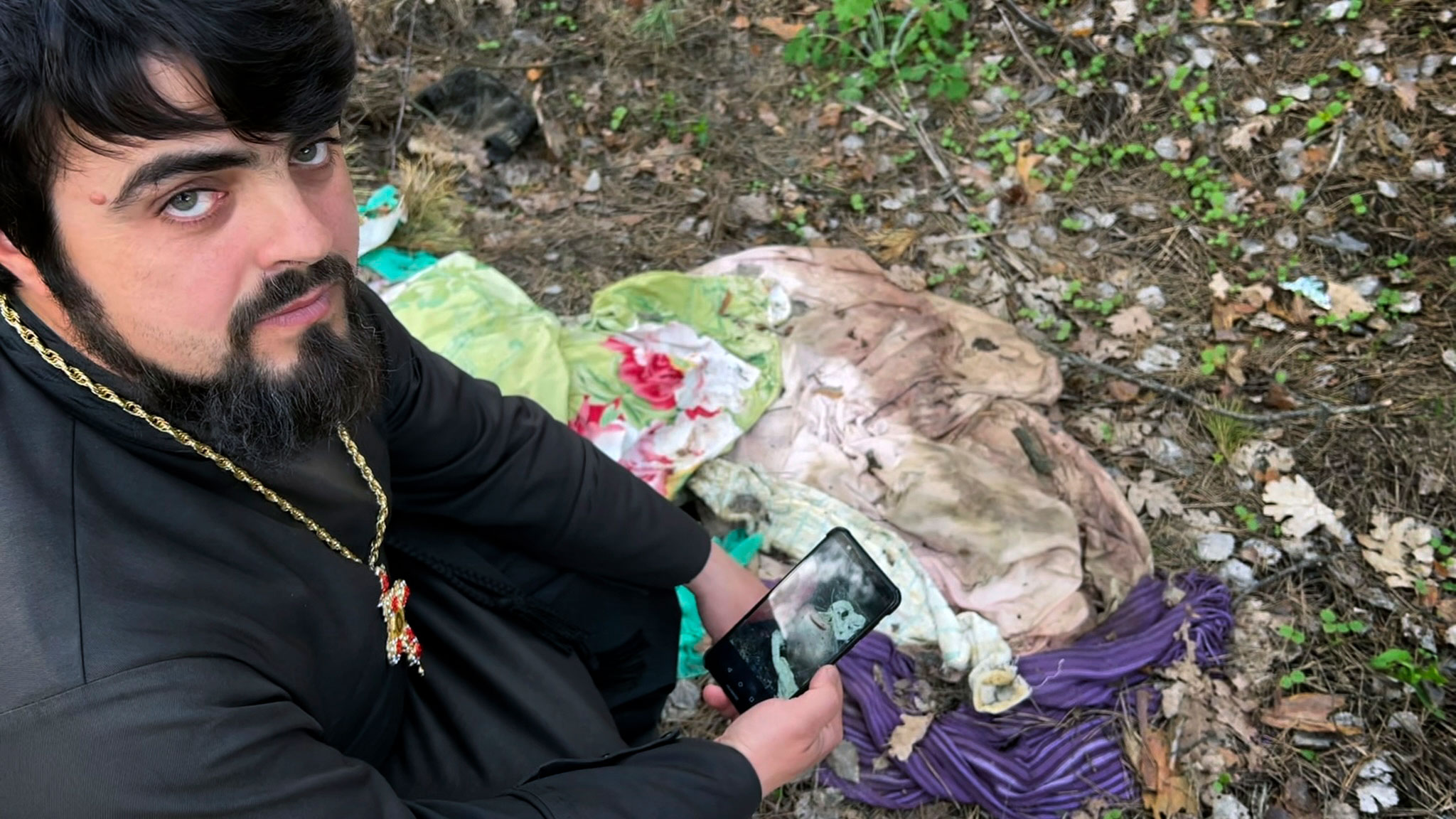
Father Vasyl Bentsa matches photos he made when he discovered the bodies of five men tortured and shot by Russian troops in Zdvyzhivka, Ukraine, including Mykola "Kolia" Moroz, 47, with potential evidence of the crime left in the forest where the men were buried.

It didn’t seem like the men had been dead very long. A woman from town who helped remove the blindfold from one of the corpses got fresh blood on her hands.

Bentsa snapped photographs and helped haul the bodies to a graveyard at the edge of the forest. He buried them together in a sandy pit, taking care to mark the spot with a rough wooden cross. “March 31, 2022,” he scratched into the wood. “5 unknown men.”

“It’s a good thing someone had a pen,” he said.

___

Fifteen minutes south, in Ozera, Boikiv kept hoping Kolia would reappear.

They’d met at the botanical garden in Kyiv on a church outing for singles. Boikiv had moved from her home in the city to the village of Ozera just a few months before Russia’s invasion to build a new life with Kolia.

Their house had bright blue doors and rough wood siding painted in cheerful blues and green. Friends said Kolia had golden hands and could fix anything. Their backyard was stacked with construction materials to replace the roof, add brick cladding and build a new barn.

Kolia got up before dawn to bring Boikiv fresh flowers from the fields. When they were apart, he sent her photos of flowers on her phone.

“He was like a child deep inside,” said Boikiv, who goes by Tania.

He liked to collect small, beautiful things — stones, stamps, postcards, pieces of glass. In the evenings they’d take turns cooking. He baked better apple pie than she did.

“Once Kolia said to me, Tania, what’s the point in living for oneself? It’s when you have somebody next to you, you can feel happy,” she recalled. “Somebody to live for, somebody to bake for, somebody to work for.”

After the Russians left, word went round that a priest from Zdvyzhivka had photos of people who’d been killed.

As soon as the roads were clear of landmines, Boikiv and two neighbours went to talk with him. They found Father Bentsa in a large, hushed room filled with gilded Orthodox icons, where he had just finished mass.

Bentsa scrolled through the images of the dead on his phone.

At the third man, Boikiv froze. There was Kolia, dressed in his own clothes, with his own face, bloodied and beaten but intact. His hands were curled into fists and his body was fixed in a fetal position. The joints of his legs were bent at strange angles. One eye was swollen shut, and his skull had been crushed.

“My Kolia! Kolia!” she cried, grabbing the priest’s phone.

Father Bentsa told her police had exhumed Kolia and four others from their common grave six days earlier.

Boikiv and her neighbours drove home in silence.

Where was Kolia now?

___

Two other men from Ozera were also swept up by Russians looking for spotters and died together in the garden with Kolia. One actually was a spotter, reporting detailed information about the location of Russian troops to the Ukrainian military.

On March 21 — six days after Kolia was taken — Serhii Kucher heard someone hollering his name outside the house he’d taken refuge in, just around the corner from Boikiv’s. When he walked outside, he saw his friend — a local driver named Andrii Voznenko — kneeling, shirtless in the cold, surrounded by Russians.

Kucher said a soldier held a gun to Voznenko’s head and he confessed to acting as a spotter.
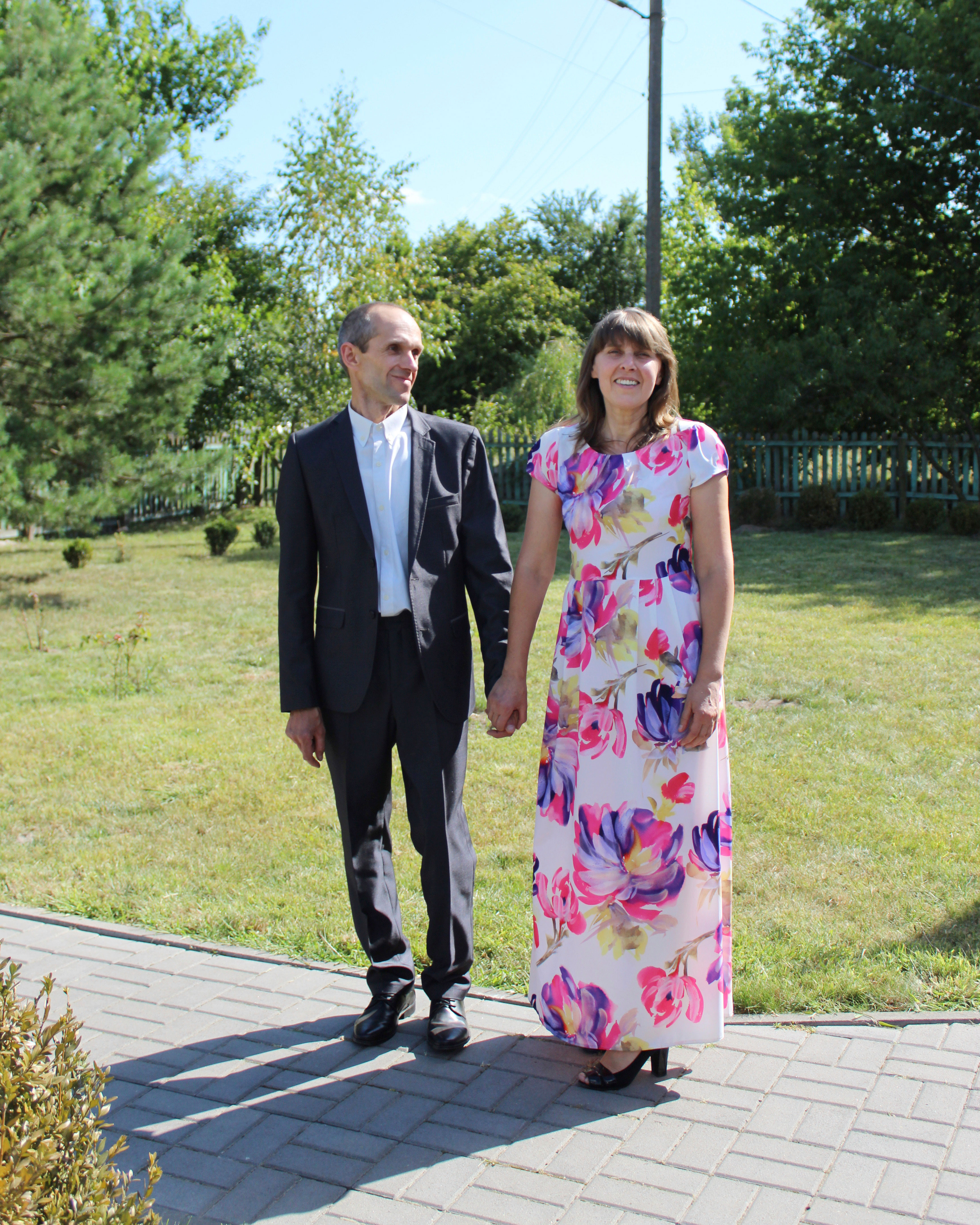
In this photo provided by Tetiana Boikiv, she and Mykola "Kolia" Moroz stand together on their wedding day in Ozera, Ukraine on Aug. 16, 2020.

The soldiers demanded to know if Kucher was a spotter too and forced him to strip so they could search him for tattoos. They threatened to shoot him in the knees.

“They searched the house, every room, every crevice,” Kucher said. “They threatened that if any data gets sent from anywhere within the village, ‘We will come back and shoot you on sight.’

Around 1pm, the Russians put a bag over Voznenko’s head and drove him away. Two other eyewitness corroborated Kucher’s account. They never saw Voznenko alive again.

Ivan Boiko, an Ozera local who works for the emergency services of Ukraine, told AP and Frontline that Voznenko was skilled at identifying Russian planes and vehicles.

“I was sending all of this information to the headquarters of the Armed Forces of Ukraine, and the Ukrainian Army was hitting these positions,” Boiko said.

Boiko said he lost contact with Voznenko around March 10, nearly two weeks before the Russians picked him up.

The day after Voznenko was taken, another Ozera man, named Mykhailo Honchar, was picked up. Eyewitnesses said Russian soldiers blindfolded him, bound his hands and legs and took him away after finding electronics equipment in his backpack.

In Syria and during the Arab Spring, civilians used their phones to document conflict. But never before has a government mobilised technology to gather information in such an organised, widespread way, as President Volodymyr Zelenskyy called on every citizen to help the war effort.

With a touch of the button from the start screen of Diia, Ukraine’s e-government app, anyone can report Russian troop movements via a Telegram bot set up by the Ministry of Digital Transformation. Mykhailo Fedorov, the Minister of Digital Transformation, said on Twitter in April that in just five weeks the bot had collected 257,000 reports on military hardware, troops and war criminals.

The Security Service of Ukraine created its own Telegram bot and sent out SMS messages encouraging people to report Russian troop movements: “We will win together!”

“It does concern me because you are effectively turning citizens into intelligence assets,” said Eliot Higgins, the founder of Bellingcat, an investigative group that has been working with crowdsourced documentation of atrocities for years. “It creates a risk for those civilians. … Do we really want a government putting civilians in that position?”

Oleksiy Danilov, the head of Ukraine’s National Security and Defence Council, acknowledged the risks for civilians, but said the volunteers felt empowered by contributing to the defence of their country.

“The engagement of the locals was very important,” Danilov said. “They risked their lives. They were helping their country.”

Under the laws of war, civilians who pose a security threat can be detained, and soldiers could target civilians actively participating in hostilities, international human rights lawyers say. But under no circumstances is it legal to torture and kill civilians or combatants held as prisoners of war.

The degree of crowdsourced intelligence in Ukraine presents new legal questions.

“This really is a novel kind of issue,” said Clint Williamson, a former U.S. Ambassador-at-Large for War Crimes Issues. “It’s not contemplated under international humanitarian law.”

But, he added, the Ukrainian government has every right to mobilise the population.

“It is still the choice of each individual as to whether they participate,” he said.

Russian soldiers were sloppy about deciding who would live and who would die. Perhaps fear or rage clouded their judgment. Perhaps they didn’t really care that much.

Three people picked up and tortured by Russian soldiers near Kyiv admitted to the AP, relatives or friends that they had been passing information about Russian troop positions to Ukrainian authorities. Two were later killed.

The day before Kolia was abducted, drone footage shows a fiery cloud bloom from the woods just outside Ozera as a Ukrainian rocket hit Russian artillery munitions. The strike was so accurate that it was “perfectly logical” for Russians to suspect a spotter who gave information, said Pierre Vaux, an expert in digital investigations at the Centre for Information Resilience in London who analysed the video.

But it looks like Kolia told the truth about not being involved. Cell phone tower records for Kolia’s mobile phone numbers obtained by The AP show that his phone was last active on Feb. 25 — making it extremely unlikely that he sent in coordinates from the occupied town in the 18 days before his abduction.

___

Boikiv’s first stop in her effort to find Kolia was the Bucha morgue.

By the time she arrived, spring was settling in over Bucha. Daffodils bloomed in front of ravaged houses. As the sun warmed the earth back to life, the bodies of Bucha began to stink.

The thick, sticky stench of the dead lingered around the morgue for weeks. The only immediate relief came from the scent of fresh cut pine wood in a small room packed with coffins.

Anna Dolid, a psychologist on duty at the morgue, tried to ease things by explaining, step by step, the process of reclamation when evidence of crimes must be gathered. All corpses needed to be exhumed so proper investigations could be done. There would be autopsies at one of a half dozen local morgues, and only then could a body be handed over for burial.

People watched in horror as loved ones were dug up from their yards.

“It was chaos. No one understood what was happening,” Dolid said.
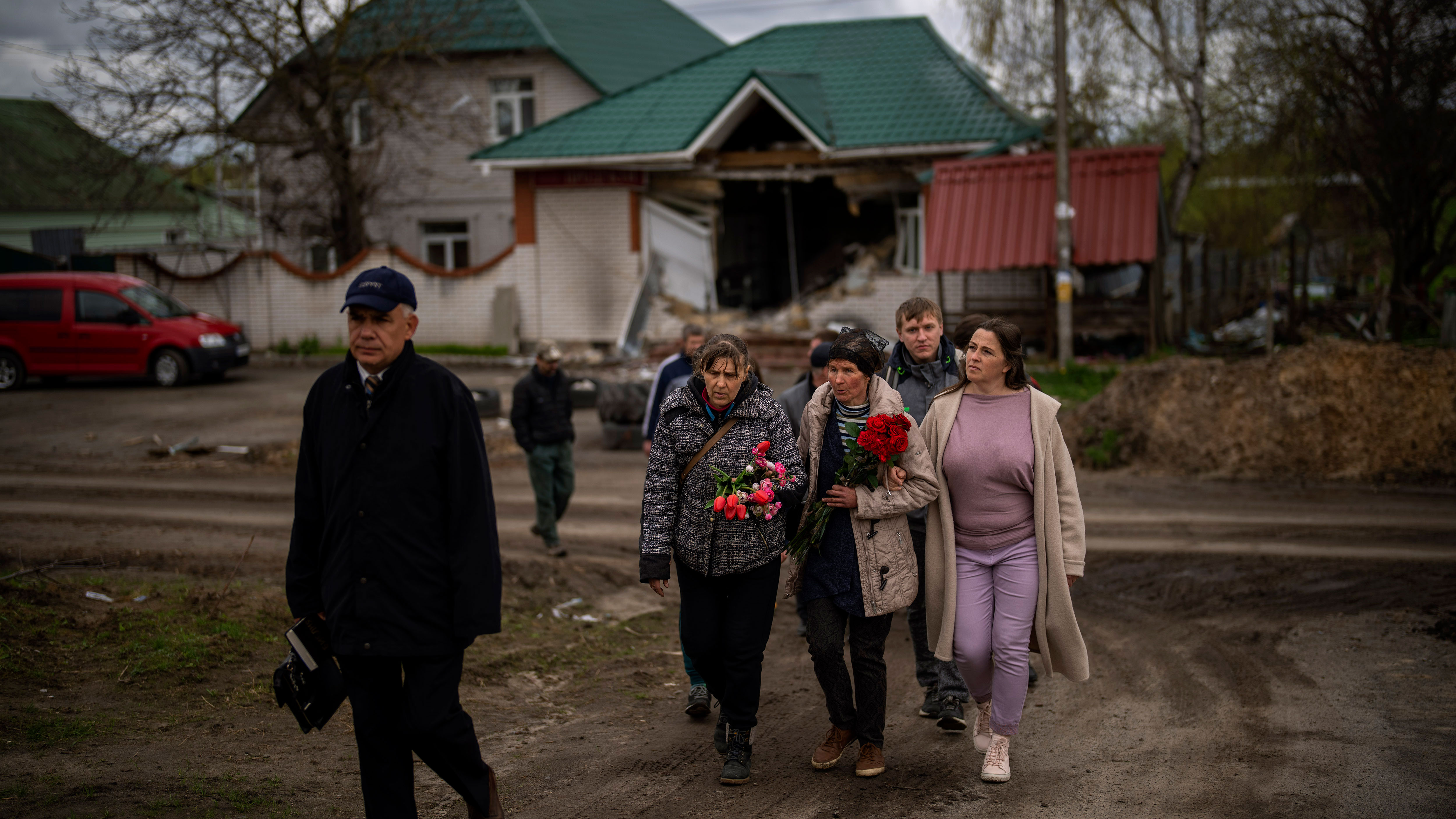
Tetiana Boikiv, 52, centre, walks with friends and neighbors during a funeral service for her husband, Mykola "Kolia" Moroz.

She kept smelling salts on hand to revive those who fainted from the trauma and handed out rafts of prescriptions for sedatives.

The question that rips through people’s grief, Dolid said, is why. Why did this happen? “It takes years to search for answers to these questions,” she said.

If Boikiv couldn’t get a why, she would settle for a where. But Kolia’s name wasn’t on the lists of bodies at the morgue. There were three large refrigerated trucks parked outside. Her Kolia was probably inside one of them.

Boikiv’s friend from church opened each body bag and peered in at each dead face. He called her over once in a while to examine possible matches. She said they went through dozens of bodies.

They did not find Kolia.

A few days later, she got word that two unidentified bodies from Zdvyzhivka had come in. But the Bucha morgue was farming out overflow corpses to a half dozen other morgues. By the time Boikiv got back to Bucha, the Zdvyzhivka bodies were at the bottom of a stack of body bags in a refrigerated truck about to leave for the nearby town of Bila Tserkva.

Boikiv began to weep. If she couldn’t hitch a ride on the truck, she threatened, she would climb in the back with all the dead people. She couldn’t let Kolia slip away again. The driver made space for her in the cab.

When the truck was unloaded in Bila Tserkva, Boikiv peered in at the corpses from Zdvyzhivka. They were in such poor shape that it was hard to be sure. A nurse told Tania to look not just at the clothes, but also at the teeth.

“I opened the mouth and looked at the teeth,” she said, flinching at the memory. “It wasn’t him.”

She kept looking, then spotted Kolia’s shoe peeking out from a partially open bag.

By the time Boikiv set eyes on her husband again, Kolia had been dead for a month. His eyeballs had liquified into a kind of white jelly. His skin was stretched and dry, disintegrating. The stench was piercing.

“I asked the nurse what’s with the eyes,” Boikiv said. “She told me the eyes rot first.”

She recognised her husband by the shape of his skull and his beard. She peered into Kolia’s mouth and looked at his fillings.

“I didn’t want to bring someone else to my house,” Boikiv explained. “Even without the eyes, I could tell it was my husband.”

___

The day of the funeral, friends from church trickled into the yard and stood around Kolia’s coffin. The sky threatened rain.

“We will meet again, Kolia,” Boikiv said, running her work gloves along the top of the casket. “I will give him a hard time for not listening to me, and not leaving when we had a chance. And how much time was I searching for him? How much I’ve travelled.”
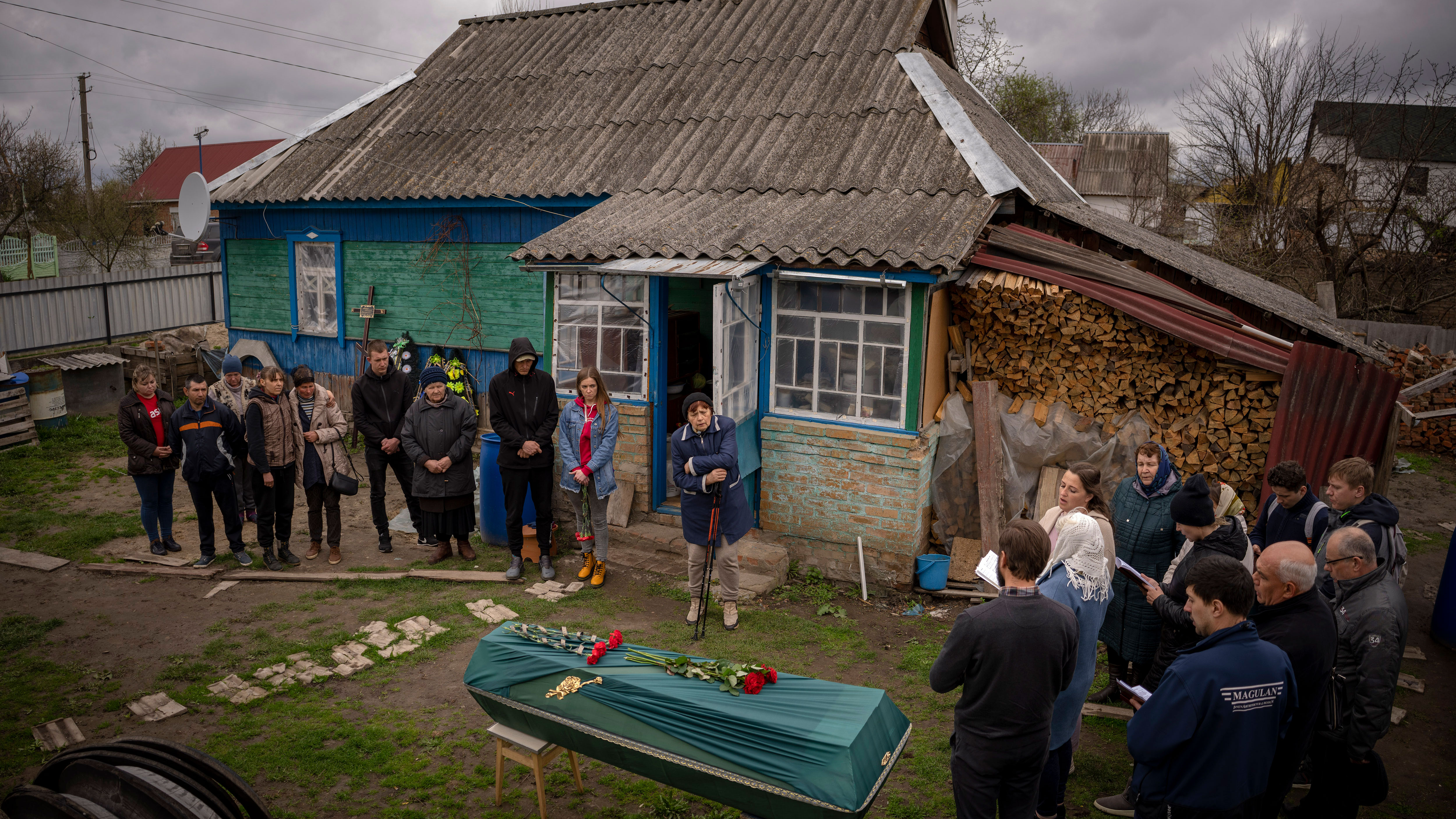
Friends and neighbours of Mykola "Kolia" Moroz, 47, gather during a funeral service at his home in the Ukrainian village of Ozera, near Bucha, on Tuesday, April 26, 2022.

She felt a stab of panic. “I double-checked if it’s him or not,” she said in a low voice. “I am calm. I am calm.”

The mourners sang, deep and slow, about coming closer to God, finding a place without sorrow. Under low slate clouds, they walked in a short procession to the cemetery behind the church.

Overhead, majestic storks circled instead of warplanes. As Boikiv went back home, neighbours embraced and sat together in front of their fences. They had survived, so far. They would bury their dead and life, somehow, would begin again.

“Everything is beautiful here. But Kolia is gone,” Boikiv said, looking at a row of tall red tulips her neighbour had planted. Fat, warm drops of spring rain splattered the dirt.

“They took my big love,” she said.

___

All that’s left now is the search for justice. For those who have lost loved ones, it is everything, and it is also nothing.

Around the time of the funeral, Father Bentsa knelt on the forest floor next to the pit where he had buried Kolia, Voznenko and Honchar. He still doesn’t know the names of the other two men found in the garden. Police had left things behind when they took away the corpses, and Bentsa matched them with his photographs of the mangled bodies.

Here, Honchar’s purple scarf.

There, the bloody cloth that bound Voznenko’s eyes.

Kolia’s black winter hat.

“Maybe one day it will be useful,” he said. “If I bury them in the ground and there are no pictures, there’s no evidence, no investigation.”

How does one death – as deep a loss as the next – jump the line in the search for justice?

All across Ukraine, gardens and courtyards and basements were filling up with bodies. It was far from clear whether Kolia’s would count.

The early signs did not reassure Boikiv. The only official documentation of his death she had was a slim strip of paper summarising the autopsy, which struck her as deeply inadequate. It said her husband died of multiple gunshot wounds on March 25, 2022.

Boikiv had seen the photographs of Kolia’s body and doubted it was bullets that killed him.

She gave a statement to Ukrainian authorities, but she said she hasn’t heard from anyone since. She thinks she’d be able to identify the soldiers who took him, but no one has come around to ask. Most of what she learned about her husband’s last days came from Father Bentsa.

If she believed that finding Kolia would bring her a measure of relief, it didn’t turn out that way. Her search was over, but Kolia was still gone, and her house rang with silence.

She said the people responsible for her husband’s death should be identified and punished. But she’s not optimistic that will happen. Nor is she convinced it would matter much.

“You will not bring him back,” she said. “It won’t change anything.”

She sat at home in the darkening light surrounded by reminders of what she has lost. The bed she’d brought to share with Kolia. The water from the well Kolia dug. The little blue and white plastic butterflies Kolia pinned to their buckling wallpaper.

She was thinking of leaving Ozera, but then who would eat the fruit from Kolia’s garden?

“I understand that everything is in the hands of God," she said. "And the time will come when people will be punished for this. The judgment day is awaiting them.”
Tumbleweeds trap couple in their home

Strong winds that battered Southern Colorado in the US over the weekend, downed power lines and tree limbs.

But for one couple living in Fountain, the wind brought out so many tumbleweeds, they can't even get out of their own driveway.

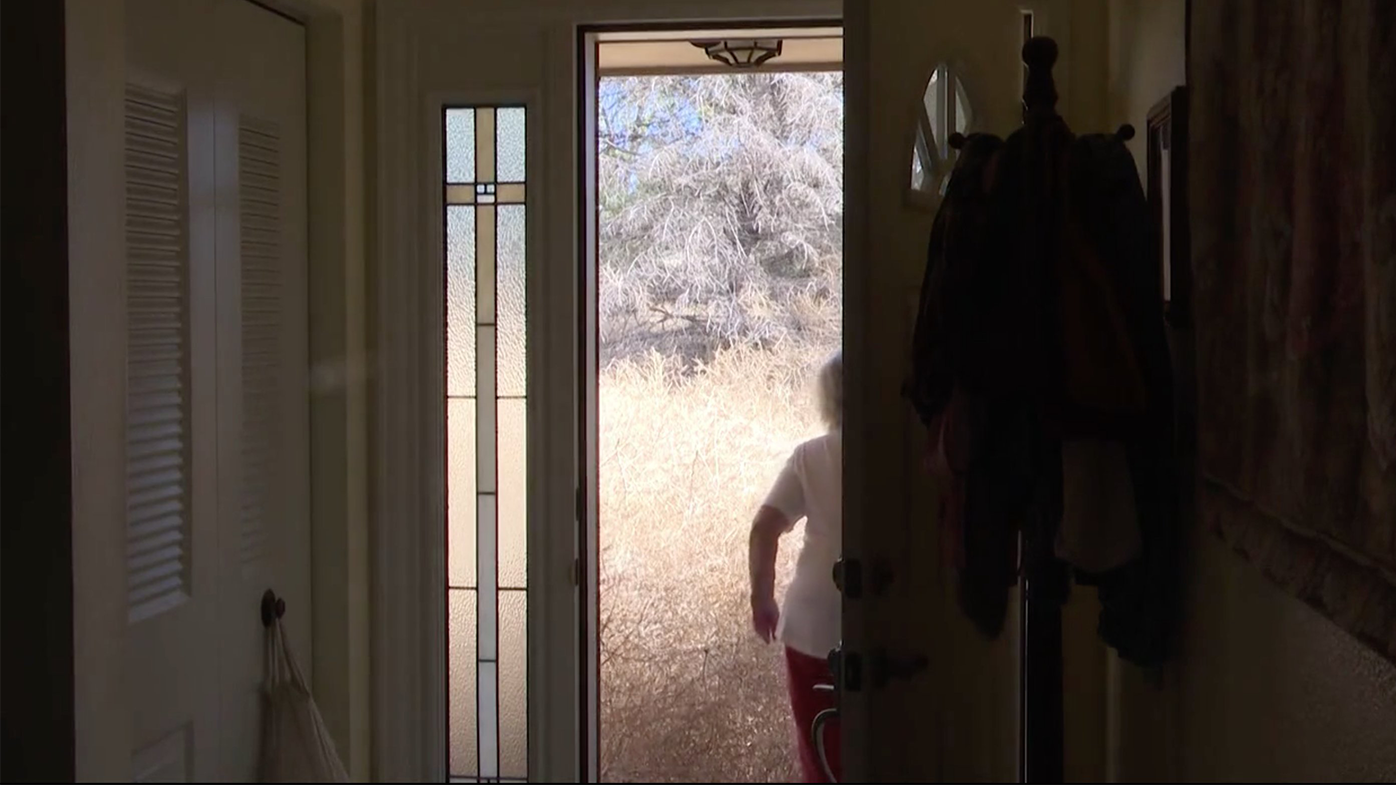
"We couldn't even get out of here, this was all full," Marlies Gross said, pointing at the tower of tumble lurking at her front door.

"I looked out of my bathroom window and a tumbleweed kept on jumping up on the window."

READ MORE: 'Bitterly cold' weather system brewing

Tumbleweeds trap a Fountain couple in their home.

This isn't personification, Gross soon realised her home was actually enclosed by tumbleweeds.

"Horrible! Look at that from the deck!" she says, noticing all of her exits are blocked.

"I opened the front door and it's whole tumbleweeds. It was full of tumbleweeds."

Gross says she tried to leave her driveway, but she couldn't see the road in front of her.

"I almost ran into the neighbour's fence because I didn't know where I was," she said.

READ MORE: Behind the budget numbers: When life will actually get cheaper

READ MORE: Federal Budget 2022: Winners and Losers

Her neighbours spent hours Sunday morning, helping clear the road for Gross and her husband.

"You had to fight yourself through the tumbleweeds, which were above the car. You had to push yourself into it."

But even after the help, the sight from her back porch is a sea of tumble.

"You kind of almost, you know, you feel helpless," she said, "I thought it was a bad dream."

It's not a dream though, it's her reality.

It's a reality with unknown next steps and a whole lot of tumbleweeds.

Gross says she and her husband are working on contacting their insurance provider and also El Paso County to get help clearing them out.

But, now they're just hoping the wind doesn't blow even more tumbleweeds into this area, making the situation even worse.

"We still can't walk anywhere. I don't know how what we're going to do, how we get rid of those tumbleweeds. Oh, it's horrible."

'Bitterly cold' weather system set to blast nation

The "dynamic" low pressure system that hammered Queensland, NSW and Victoria is heading south towards Tasmania – but forecasters are now warning of another weather event brewing in Antarctica.

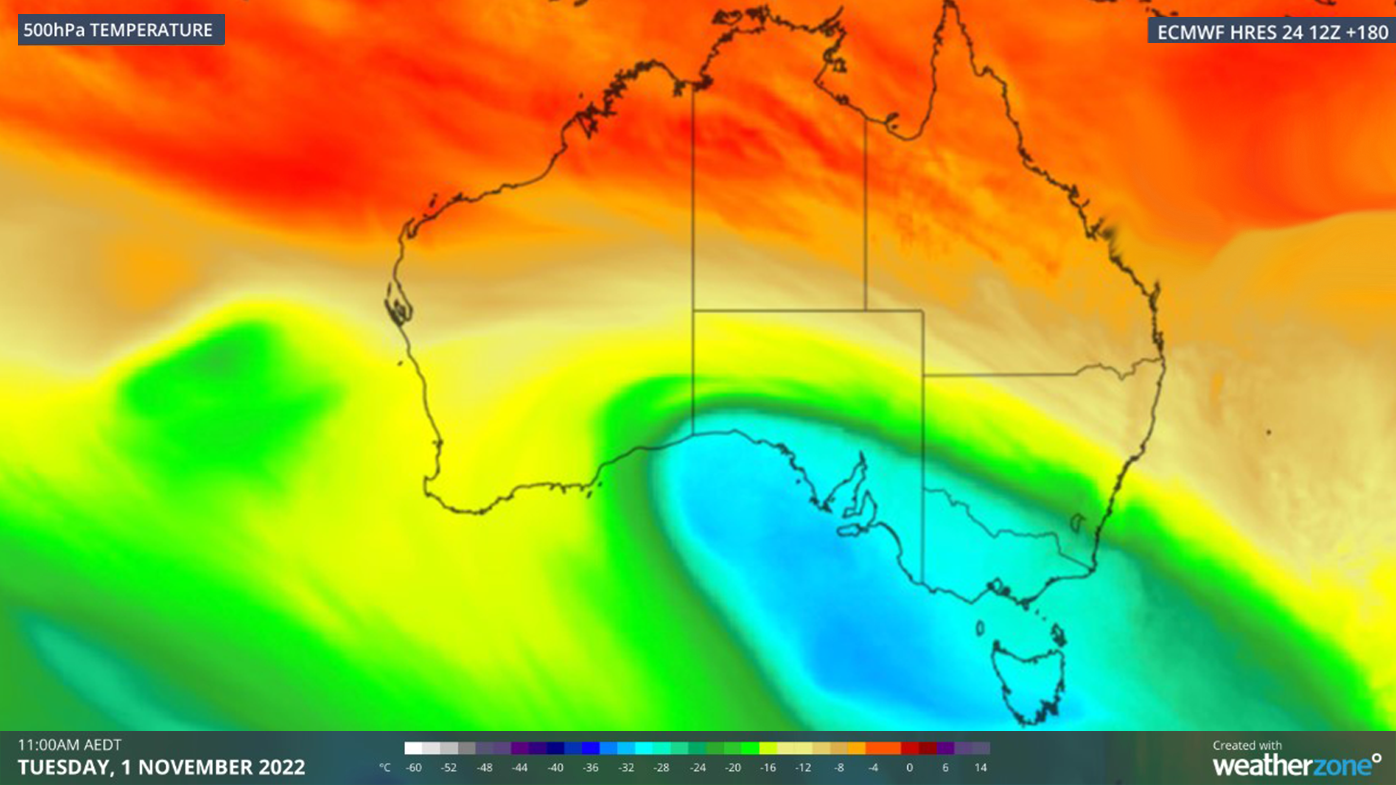
Weatherzone said the south eastern states will be hit with a "bitterly cold polar blast," which will set temperatures plummeting. It will bring a combination of strong winds, showers and potentially even small hail – just in time for Melbourne Cup.

"It's going to be a very chilly and occasionally wet week, with temperatures five to six degrees colder than average for the time of year, much more typical of August," Weatherzone meteorologist Brett Dutschke said.

READ MORE: Federal Budget 2022: Winners and Losers

This image shows the 500 hPa temperature at 11am AEDT on Tuesday, according to the ECMWF-HRES model.

The warning comes after Melbourne's north-east was smashed by an isolated weather event last night.

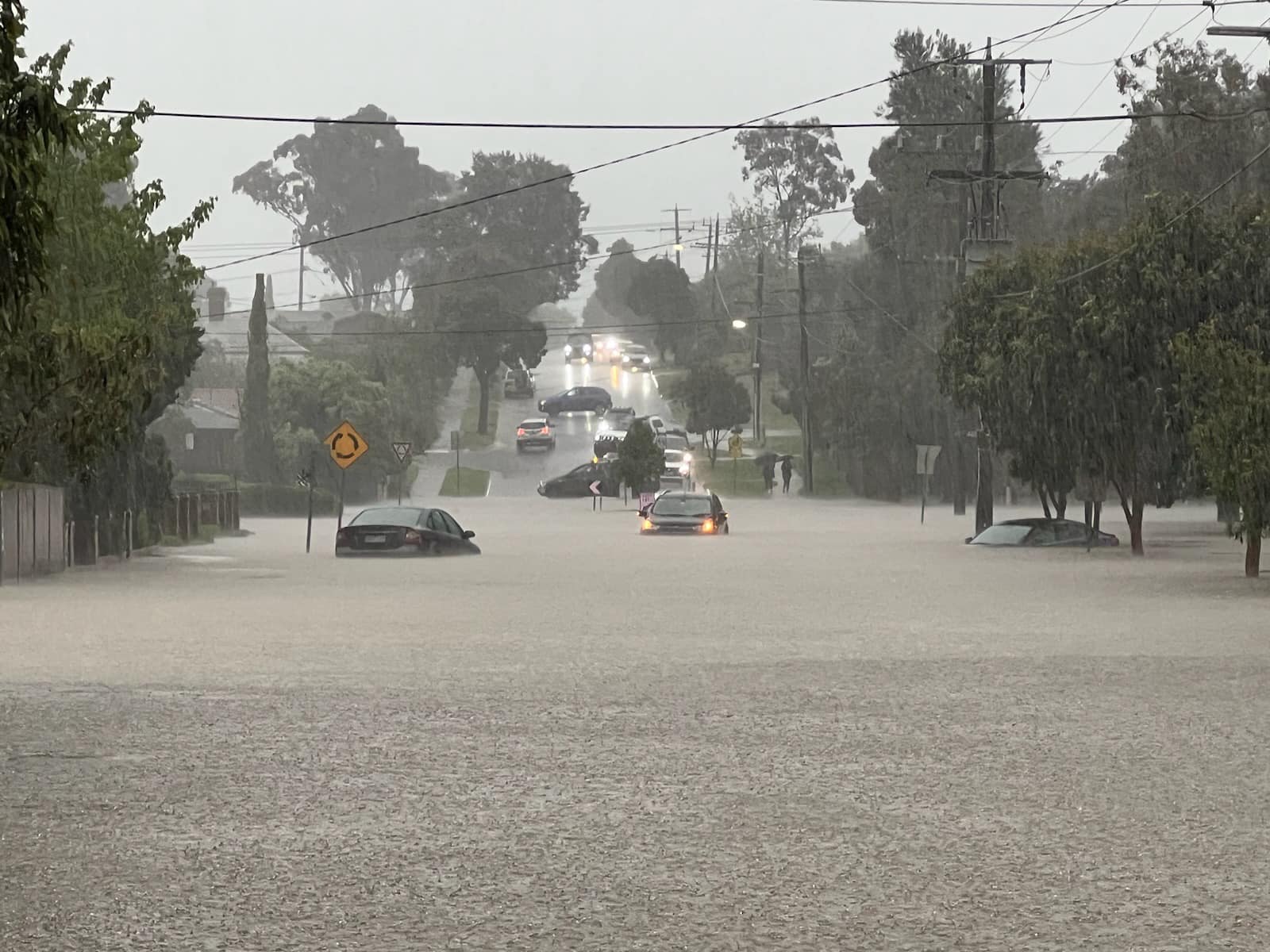
Heavy rain, lasting about two hours, caused flash flooding across Lilydale, a suburb less than 50km from Melbourne CBD.

The system resulted in about 200 calls for help and 11 flood rescues.

Local "Aaron" said he's never seen anything that rivals the flash flooding event. 

"It was close to a war zone, honestly. It was mess everywhere," he told Today.

"Things floating around and debris everywhere. It was a big mess really.

"We've been here close to 20 years and nothing like this at all. It's unprecedented really."

READ MORE: Hidden budget line offers grim warning for every Australian

The State Emergency Service (SES) in the Melbourne suburb of Lilydale received more than 130 requests for assistance within an hour on Tuesday night.

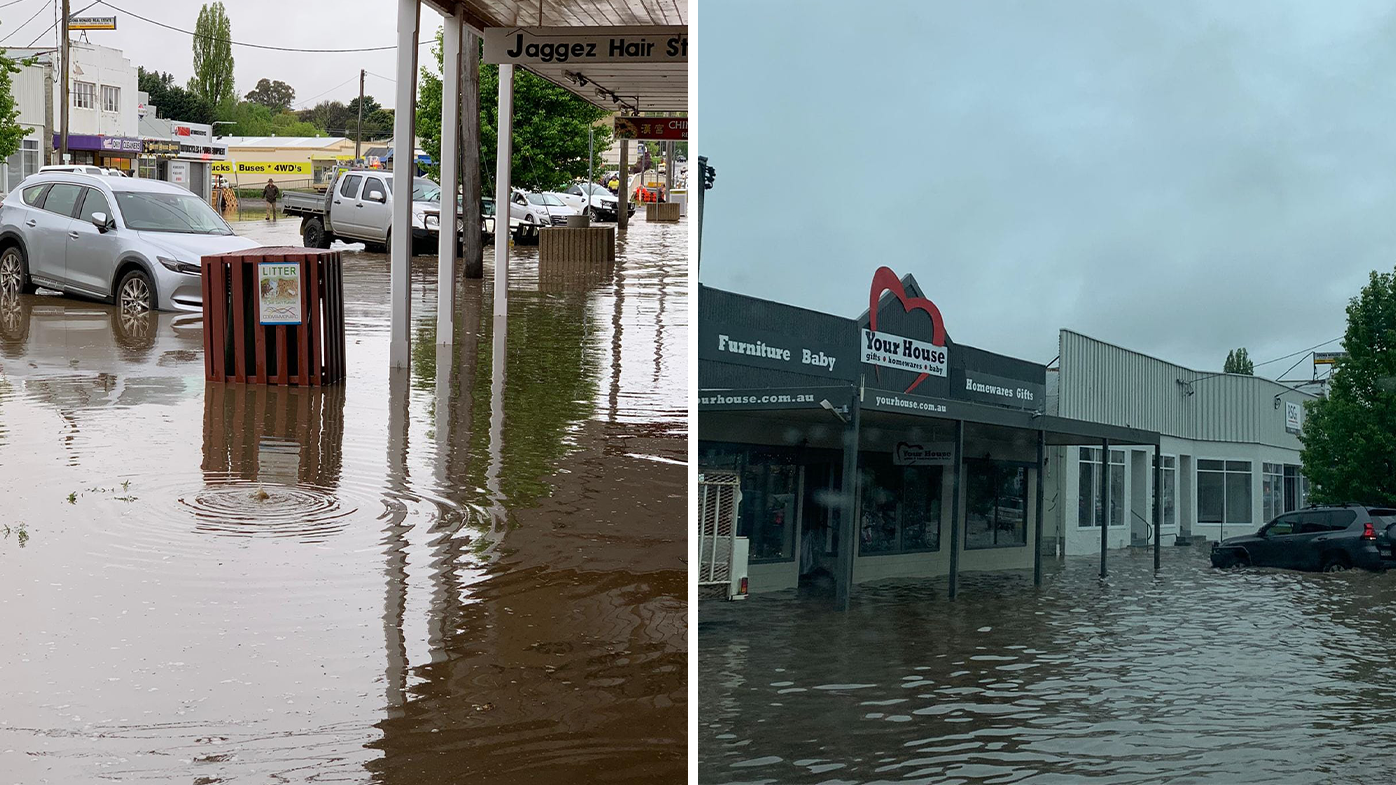
Similar scenes played out in the NSW town of Cooma after a thunderstorm passed through.

Homes were isolated and roads closed as the town filled with shin-deep water.

According to reports this is starting to recede. 

READ MORE: Behind the budget numbers: When life will actually get cheaper

Flash flooding is seen outside NSW SES' Cooma-Monaro Unit after a thunderstorm passed through.

The low pressure system responsible for the wild weather is now tracking south through Victoria and into Tasmania, and is said to be "deepening".

The system will cause wind and rain to increase over Tasmania during the next 48 hours.

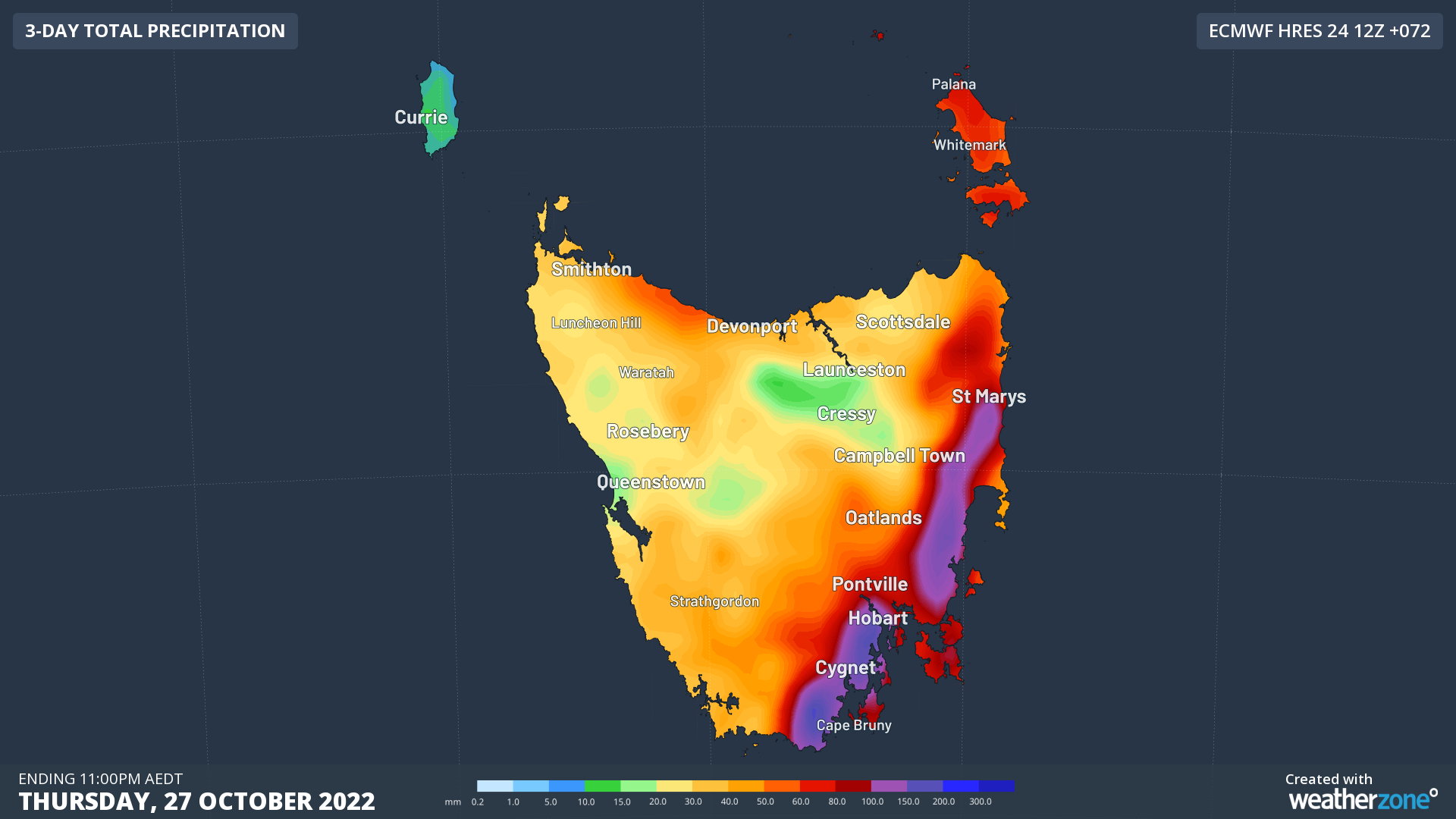
"Some areas in the state's east could see 100 to 200 mm of rain during the next 2 to 3 days," Weatherzone said.

"A flood watch is also in place for the state's North, North East, Derwent and South East Catchments."

READ MORE: 'The shire of catastrophe': Flooded town to remain divided for months

Forecast accumulated rain during the 72 hours ending at 11pm AEDT on Thursday, October 27.

Residents in Victoria can expect to see more showers over the next few day before the system starts to dissipate.

However there is an end to the wet weather in sight, with the Bureau of Meteorology (BoM) confirming La Nina will weaken in early 2023, with the Indian Ocean Dipole "rapidly decaying" in late Spring.

The forecast comes as widespread flooding continues across NSW and Victoria.

Prime Minister Anthony Albanese said on Tuesday that 25,000 Australians have received Commonwealth relief funding linked to the latest deluge.

In NSW, 107 flood warnings are current across the state – as of 6am – with 77 for Victoria.

Of these, 20 and 6, are at emergency level respectively. 

The interview: Jim Chalmers and Charles Croucher

Treasurer Jim Chalmers has described his cost-of-living federal budget as one "for Australians who battled through hard times and still believe in a better future".

But he admitted to 9News political editor Charles Croucher there are "difficult times to navigate" ahead.

TWO-MINUTE GUIDE: What you need to know

On energy bills rising

"One of the reasons why this budget is so responsible is because we do have an inflation challenge and a bigger and bigger part of that will be what is happening in global energy markets and what that means for the price of electricity," Chalmers said.

"A lot has happened since that modelling was released.

"It remains the case, though, that renewable energy is cheaper and cleaner energy.

"It hasn't helped that we have had a decade of energy policy chaos.

"We need to have put that right."

The Labor government's first budget of this term is heavily geared to cost-of-living relief and frugal spending.

Household spending falling

"We are predicting a slowdown in the economy," Chalmers said.

"A big reason for that is because consumption comes off a bit.

"That is partly a consequence of higher interest rates eating into household budgets but there are other causes of that as well.

"So one of the reasons why we are providing this cost of living relief, one of the reasons why we are investing in a stronger more resilient economy, is because we have got a big inflation challenge and that has guided the very, very responsible approach we have taken in this budget."

WHAT IT MEANS FOR YOU: The budget for everyday Aussies

$120 million to find NDIS rorts

"We want to make sure that every dollar spent in the NDIS is making life easier for vulnerable Australians with a disability," Chalmers said.

CHEAPER MEDICINES: PBS co-payment slashed from January 1

His message to the public

"This budget is for Australians who battled through hard times and still believe in a better future," Chalmers said.

"I'm optimistic about the future of our economy and the future of our country but we have some difficult times to navigate.

"In the meantime Australians are good at getting through hard times and we hope the budget helps them."

Watch the full interview above.

How the budget is tackling climate change: Price cuts on EVs, cheaper insurance

A hefty $1.2 billion package to restore the Great Barrier Reef and price cuts on electric cars led a raft of climate and energy initiatives in the second federal budget of 2022.

Environment Minister Tanya Plibersek described the packages as "a down payment on strong action".

"We don't have time to waste if we are going to reverse the decline," she said.

WINNERS AND LOSERS: Who benefits from Labor's first budget in office?

The Labor government's first budget of this term is heavily geared to cost-of-living relief and frugal spending.

Labor is continuing its push toward expanding Australia's renewable energy sector, pledging a grid made up of 82 per cent renewables by 2030.

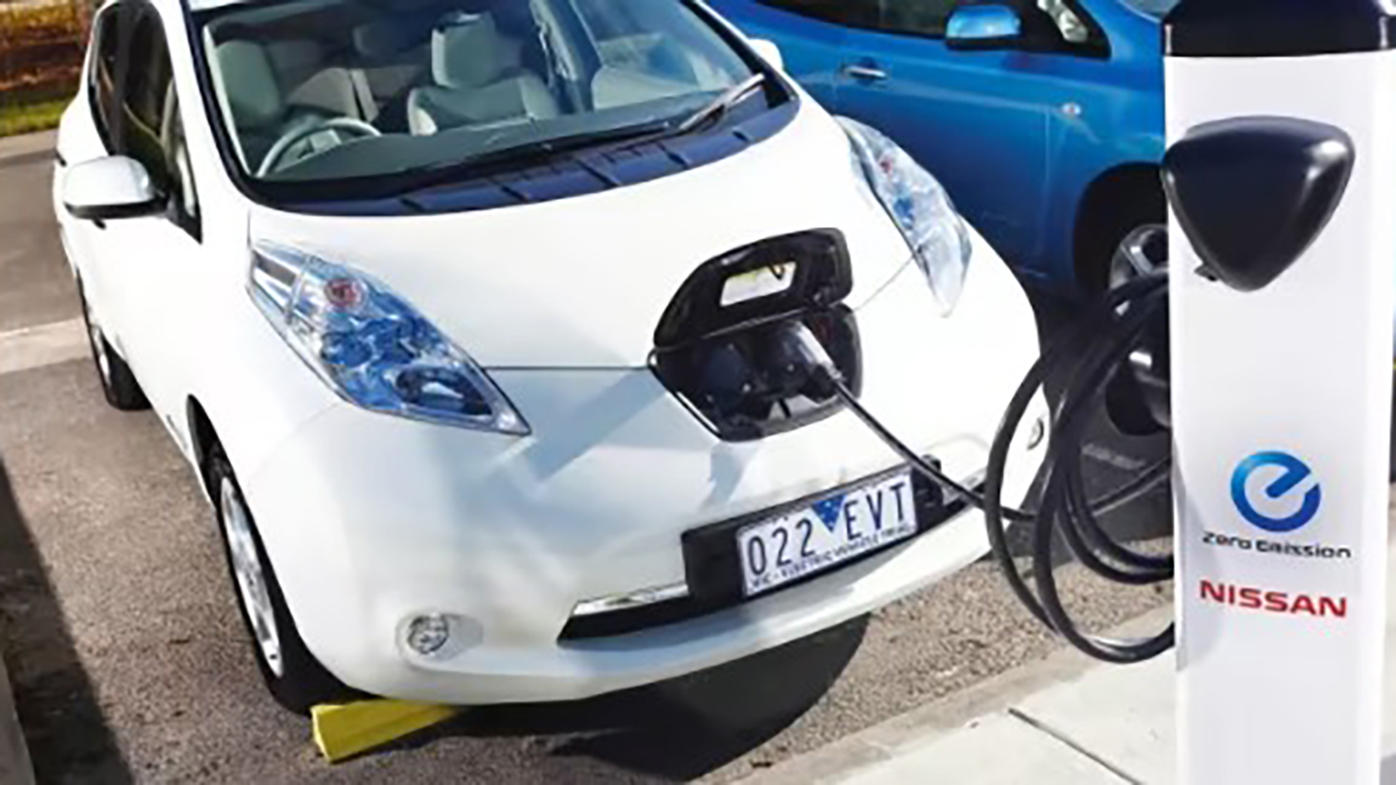
A $500 million Driving the Nation Fund will aim to drive down transport emissions, including by including charging stations for electric cars at 117 highway sites around the country.

A $345 million electric car discount will exempt eligible cars from the fringe benefits tax, and the five per cent import tariffs.

This would save an employer up to $9000 a year on a $50,000 car, or $4700 for a person using a salary sacrifice arrangement.

Any electric car buyer could also save $2500 from the axing of the tariff.

TWO-MINUTE GUIDE: What you need to know

Hundreds of millions in disaster preparation

The government noted that the most recent floods across Australia's south-east would knock off 0.25 per cent from GDP growth in the December quarter – not to mention the damage done to communities and people.

As well as $3 billion in place for disaster recovery, the government will look to bring in 5000 more volunteers for Disaster Relief Australia with an investment of $38.3 million.

Up to $200 million a year will go to projects such as flood levees, sea walls, cyclone shelters, evacuation centres and fire breaks.

A $22.6 million investment over four years will also go towards reducing the cost of insurance in disaster-prone communities.

WHAT IT MEANS FOR YOU: The budget for everyday Aussies

Record investment in reef care

The $1.2 billion for the reef is described as a record investment, with projects aiming to minimise the impact of commercial fishing, enhance water monitoring and accelerate the restoration of the ecosystem.

The government also aims to add about 4.8 million hectares to Australians natural reserves, rendering them protected territory.

CHEAPER MEDICINES: PBS co-payment slashed from January 1

A further $224.5 million will be dedicated to saving threatened native species.

The government has set a target of protecting 30 per cent of Australia's land and oceans by 2030, with $14.7 million going to First Nations-led action to identify sites at risk.

'Solid and sensible': Your two-minute guide to the federal budget

Treasurer Jim Chalmers has promised “responsible, not reckless” relief to cost-of-living pressures as he handed down Labor’s first federal budget in nearly a decade.

Vowing to deliver a “stronger, more resilient and more modern economy”, the budget is being billed as “solid and sensible” and “suited to the times we are in and the conditions we confront”.

The major new measures are being pitched as help to ease the rising cost of living caused by inflation, falling real wages, housing affordability, natural disasters and supply chain issues exacerbated by the war in Ukraine. 

WINNERS AND LOSERS: Who benefits from Labor's first budget in office?

The Labor government's first budget of this term is heavily geared to cost-of-living relief and frugal spending.

“This budget makes hard decisions for hard times,” Chalmers said in his budget speech tonight.

New policy levers include an increase to parental leave, childcare reform, an ambitious plan to build one million extra homes by 2025 and slashing the cost of medicines.

“This is a $7.5 billion package that helps put some money back in people’s pockets, boosts productivity, and grows the economy – but it’s carefully targeted and carefully timed, so that it avoids placing additional pressure on inflation,” Chalmers said.

In a welcome boost to be felt from January 1, Australians who use medicines on the Pharmaceutical Benefits Scheme (PBS) will see the maximum general co-payment slashed from $42.50 to $30, saving $12.50 per script for 3.6 million people.  

CHEAPER MEDICINES: PBS co-payment slashed from January 1

THE BUDGET FOR WOMEN: What's in there?

The bottom line – and what’s to come

A boom in commodity prices and a significant windfall in tax receipts has seen the deficit fall to $36.9 billion, which is $41.1 billion better than forecast in the March pre-election budget. 

The deficit is forecast to rise to $44 billion in 2023-24, $51.3 billion the following year before falling to $49.6 billion in the final year of the forward estimates in 2025-26. 

That increase in tax paid to the government – revised up from earlier forecasts by a whopping $54.4 billion in this financial year and $142 billion over the next four years – is mostly company tax. 

The soaring cost of Australian minerals has also boosted the government’s coffers via company tax but is expected to taper back towards normal levels in the coming years.

Almost all of that extra cash – 99 per cent over the next two years and 92 per cent over four – will be returned to the budget rather than spent.

The budget is underpinned by looming global economic turbulence and, Chalmers said, Australia “cannot escape it completely”.

Real wages aren’t expected to grow until 2024, with inflation expected to peak at 7.75 per cent later this year before falling to 3.5 per cent in 2023-24. 

The rising cash rate is forecast to peak at 3.35 per cent in the first half of 2023, continuing the mortgage strain for stretched households. 

While Australia’s economy is set to grow by 3.25 per cent this financial year, it will then slow to 1.5 per cent in 2023-24. 

Australia’s gross debt is expected to tip over the eye-watering $1 trillion mark next financial year.

1 million new homes

A landmark agreement between every level of government will aim to tackle Australia’s housing affordability crisis by building one million new homes over five years.

The National Housing Accord is designed to incentivise the construction of cheap housing in popular regions and will start from 2024.

The Albanese government will contribute $350 million to the scheme, promising to deliver 10,000 affordable homes over five years from 2024.

The funding will also incentivise superannuation funds and other institutional investors to make investments in social and affordable housing by covering the gap between free-market rents and those incentivised by the government.

All state and territory governments have agreed to sign up to the accord, collectively pledging to match the federal government’s promise of 10,000 affordable homes.

Half a million TAFE and university places

The Albanese goverment aims to provide 480,000 fee-free TAFE places and community-based vocational education places, with a focus on industries facing a skills shortage. 

It kicks off on January 1, 2023, with a $1 billion one-year National Skills Agreement to create the first 180,000 places – targeted to First Nations applicants and “priority areas” such as the care sector.

The government will also create 20,000 new university placements over 2023 and 2024. 

“The additional places will provide more opportunities for Australians to study in areas of skills shortage such as nursing, teaching, engineering and technology,” the budget papers state. 

“Places will be allocated to people from low socio-economic backgrounds, rural and remote areas, First Nations people, students who are first in family to attend university and people with disability.”

Childcare and parental leave help

New families and prospective parents are big winners in the first budget from the Albanese government, with major boosts to parental leave and childcare.

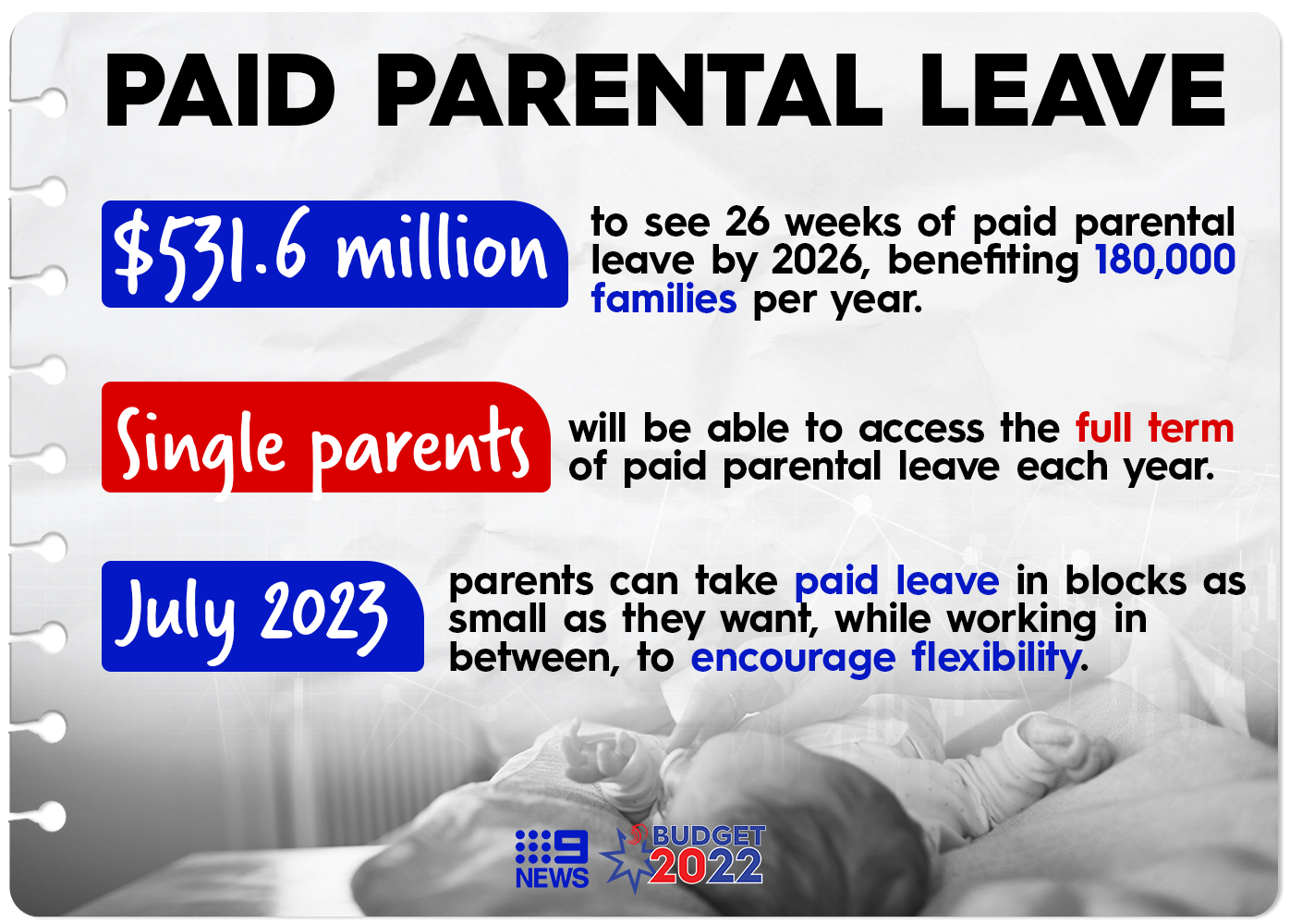
Paid parental leave will be expanded by six weeks through to 2026-27, with two more weeks being added in each financial year – from 20 in 2023-24 to 26 in 2023-27.

Both parents will be able to share the leave, and from July 2023, they can even split it day-by-day.

They can also take paid leave on the same days and single parents will have access to the full allotment.

Eligibility will also be expanded with the introduction of a $350,000 family income test.

The government claims the new rules, backed by a $531.6 million investment, will benefit over 180,000 families each year.

CHILDCARE AND PARENTAL LEAVE: The changes explained

A $4.7 billion investment in childcare over four years from 2022-23 aims to make it more affordable for 96 per cent of families.

The vast majority of that package – $4.6 billion – will increase childcare subsidies for families earning less than $530,000.

From July 2023, the subsidy will lift from 85 per cent to 90 per cent for families with a combined income of less than $80,000.

That subsidy will drop by one per cent for each additional $5000 of annual income, until it ticks down to zero at $530,000.

For example, a couple with a combined income of $120,000 would receive an 82 per cent subsidy, up from the current 71 per cent.

A further $33.7 million over the same four years willl go towards providing First Nations children with a minimum of 36 hours a fortnight of subsidised early education and care from July next year.

Cheaper medicines

From January 1, 2023, the maximum co-payment under the PBS – which has doubled since 2000 – will be cut from $42.50 to $30 per script, a 29 per cent reduction.

The government estimates the move will save around 3.6 million Australians more than $190 million in out-of-pocket costs.

Pensioners who want to work can now earn more

Those on the age and service pensions can now earn an extra $4000 as a one-off this financial year before their payments are reduced. 

The credit will see the amount pensioners can earn climb from $7800 to $11,800. 

Climate change

A hefty $1.2 billion package to restore the Great Barrier Reef and price cuts on electric cars led a raft of climate and energy initiatives in the second federal budget of 2022.

Environment Minister Tanya Plibersek described the packages as "a down payment on strong action".

"We don't have time to waste if we are going to reverse the decline," she said.

Labor is continuing its push toward expanding Australia's renewable energy sector, pledging a grid made up of 82 per cent renewables by 2030.

A $500 million Driving the Nation Fund will aim to drive down transport emissions, including by including charging stations for electric cars at 117 highway sites around the country.

The $345 million electric car discount will exempt eligible cars from the fringe benefits tax, and the five per cent import tariffs.

CLIMATE CHANGE: The plan to tackle disasters and boost EV funding

This would save an employer up to $9000 a year on a $50,000 car, or $4700 for a person using a salary sacrifice arrangement, while any electric car buyer could also save $2500 from the axing of the tariff.

The recent floods have also put government preparedness and response to natural disasters into sharp focus. 

As well as $3 billion in place for disaster recovery, the Albanese government will look to bring in 5000 more volunteers for Disaster Relief Australia with an investment of $38.3 million.

Up to $200 million a year will go to projects such as flood levees, sea walls, cyclone shelters, evacuation centres and fire breaks.

A $22.6 million investment over four years will also go towards reducing the cost of insurance in disaster-prone communities.

The government also aims to add about 4.8 million hectares to Australians natural reserves, rendering them protected territory.

A further $224.5 million will be dedicated to saving threatened native species.

The government has set a target of protecting 30 per cent of Australia's land and oceans by 2030, with $14.7 million going to First Nations-led action to identify sites at risk.