Most people assume that in order to land a six-figure job you'd need to have a degree under your belt. But according to the Bureau of Statistics, that's not the case.
Tag Archives: oceania
Auckland Mayor Wayne Brown tells AT he wants a 'complete change in approach'
Auckland Transport (AT) has been told to have a “complete change in approach” by Mayor Wayne Brown.In a written directive to acting AT chairman Wayne Donnelly, Brown said he seeking a “complete change in approach” by the transport…
South Auckland foodbank burglary: Woman charged after food stolen from Dave Letele's organisation
Police have arrested a 20-year-old woman following a burglary at a South Auckland foodbank run by Dave “Buttabean” Letele.A police spokesperson said they were notified of a burglary at a foodbank on Hobill Ave around 4.40pm on Sunday.A…
Man accused of stealing possessions from storm-damaged home granted bail
A man arrested and charged in relation to the burglary of a storm-damaged home in Nelson has been granted bail after a night in custody. Jackson Ormond made a brief appearance in Nelson District Court yesterday charged with the…
Sydney man jailed after murdering sister in 'vicious' hammer attack
A Sydney man will spend a maximum of 21 years in jail for a "vicious, violent and brutal" drug-induced attack in which he killed his sister over two years ago.
In the NSW Supreme Court on Wednesday, Justice Peter Garling ordered Lucas Christian Delaney be imprisoned for bludgeoning his sister Gabriella Delaney with a hammer at their home in Sydney's west in June 2020.
"(The murder) was constituted by a vicious, violent and brutal assault for no reason at all on his sister in their own home. It caused extensive facial and bodily injuries," the judge said.
READ MORE: Colossal 2000km storm raises alarm for at least three states
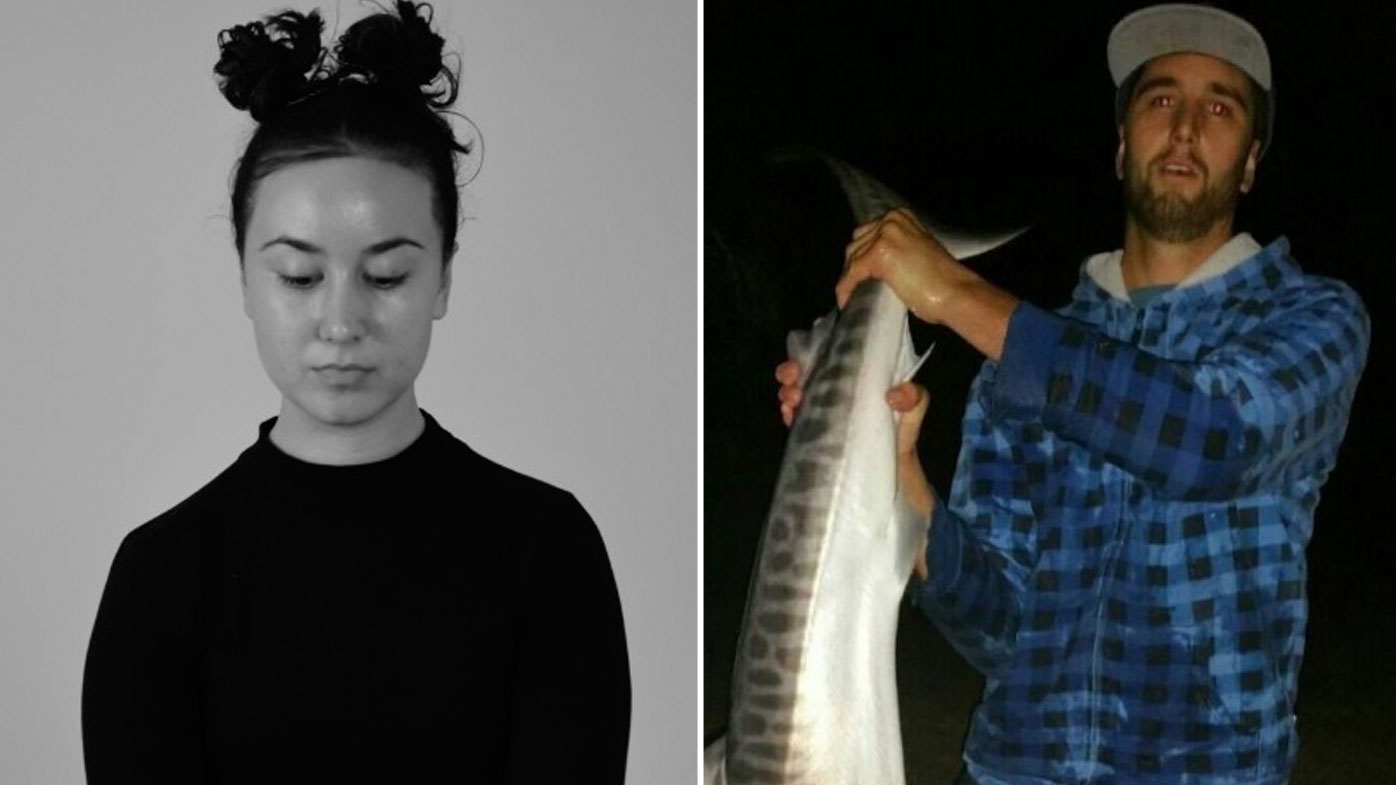
After the murder, the 33-year old wrapped his sibling's body in a blanket, putting it on the bed and then placing other objects on top of it.
He then spent four days staying at various locations, smoking cannabis and ice, before checking himself into Cumberland Hospital for mental health treatment.
Aaron Delaney eventually found his sister's body in the flat on June 8.
His brother was arrested the following day.
While no motive was provided for the brutal killing, Justice Garling found mental health played no role in the tragedy. Instead, substance use was to blame.
"I find that at the time of the offence, the offender was impaired solely by the temporary effect of ingesting a substance, namely cannabis or methamphetamine or both."
He rejected Delaney's claims he had been hallucinating at the time of the attack and that he thought he was beating up a demon who would walk through furniture and walls.
Instead, Delaney was criminally responsible for the murder, the judge ruled, saying he had tried to conceal the body, had moved between locations after the killing, and had lied to family members about the whereabouts of his sister.
While Delaney had written a letter expressing his regret and remorse, this did not convince the court that he had taken responsibility for his actions as he had not given sworn evidence under oath.
The judge found Delaney had a difficult upbringing amidst violence, drug and alcohol use, and had been diagnosed with schizophrenia and substance misuse disorder as an adult.
The sentence, which includes a non-parole period of 15 years and nine months, was discounted by 25 per cent after Delaney made an early guilty plea to the murder.
READ MORE: Fears grow for Iranian athlete who climbed without hijab

READ MORE: Why mozzies are more attracted to some people than others
During a sentencing hearing in September, family members spoke of the heartbreak they felt over the loss of their sister, who provided unconditional love and support.
"You took away the person who meant the most to me," sister Rebecca Delaney said to Lucas who was sitting in the dock at the time.
Delaney will be eligible for parole on March 8, 2036.
Before and after photos reveal devastating impact of floods
The devastating impact of the recent floods in Victoria and NSW have been revealed by 'before' and 'after' shots of towns hit by flooding in the two states.
'Petrified': Aussies with long COVID fear end of isolation rules
Australians with long COVID say they fear more people will develop the condition now and they are at risk of reinfection now people with the virus don't need to isolate.
Bethany Wormald, 46, who has long COVID, is "petrified" of catching the virus again in case it makes her even more ill.
Wormald has an appointment at Sydney's long COVID clinic, but not until December.
READ MORE: People in NSW no longer required to register positive COVID-19 tests
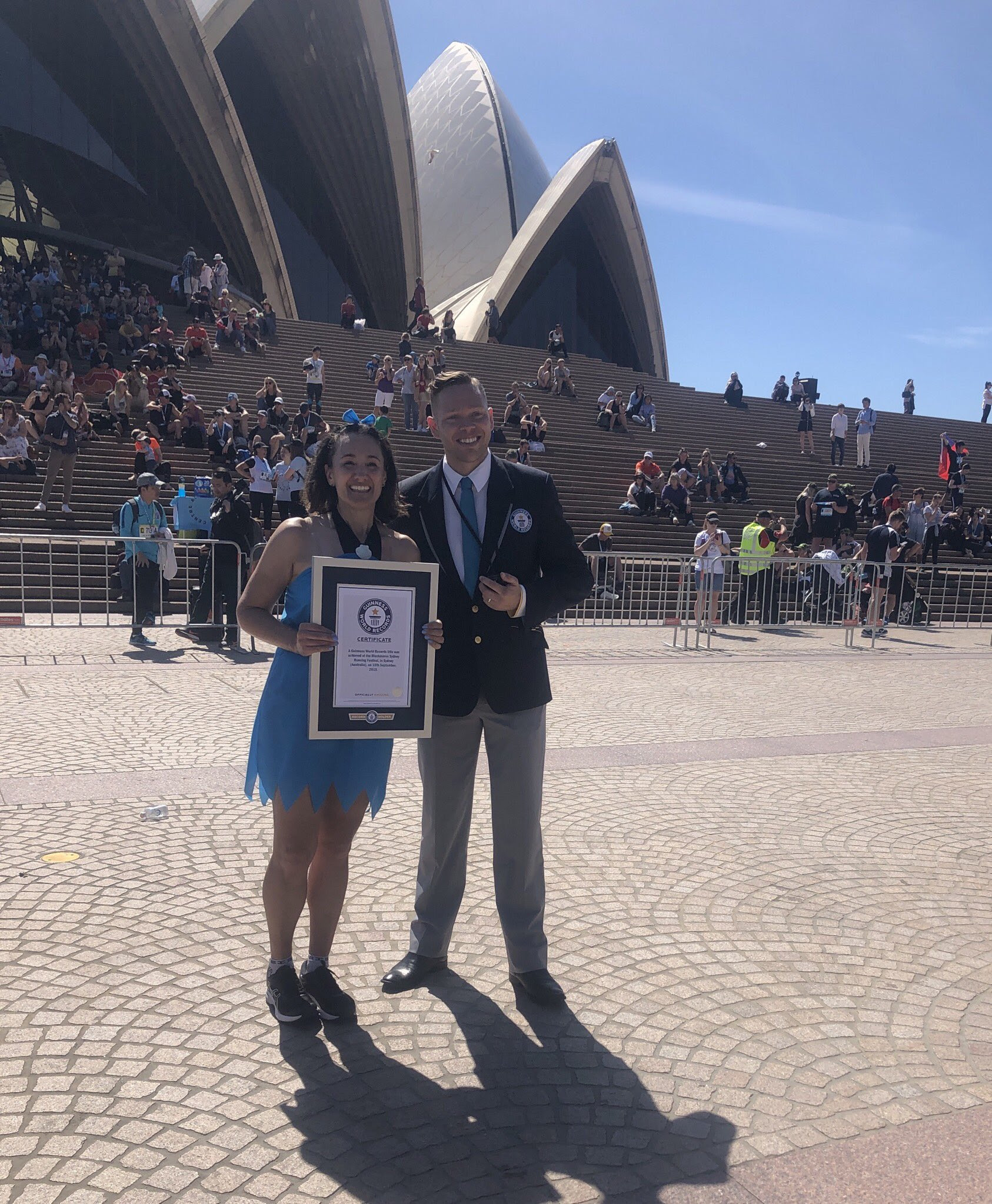
She has been on the waiting list since June.
"On the one hand governments are scrapping isolation and mask requirements but on the other hand they're not increasing resources to handle long COVID sufferers," she claimed.
Long COVID is officially recognised by the World Health Organisation.
It's classed as a condition suffered by those who've had COVID-19, which lasts for at least two months.
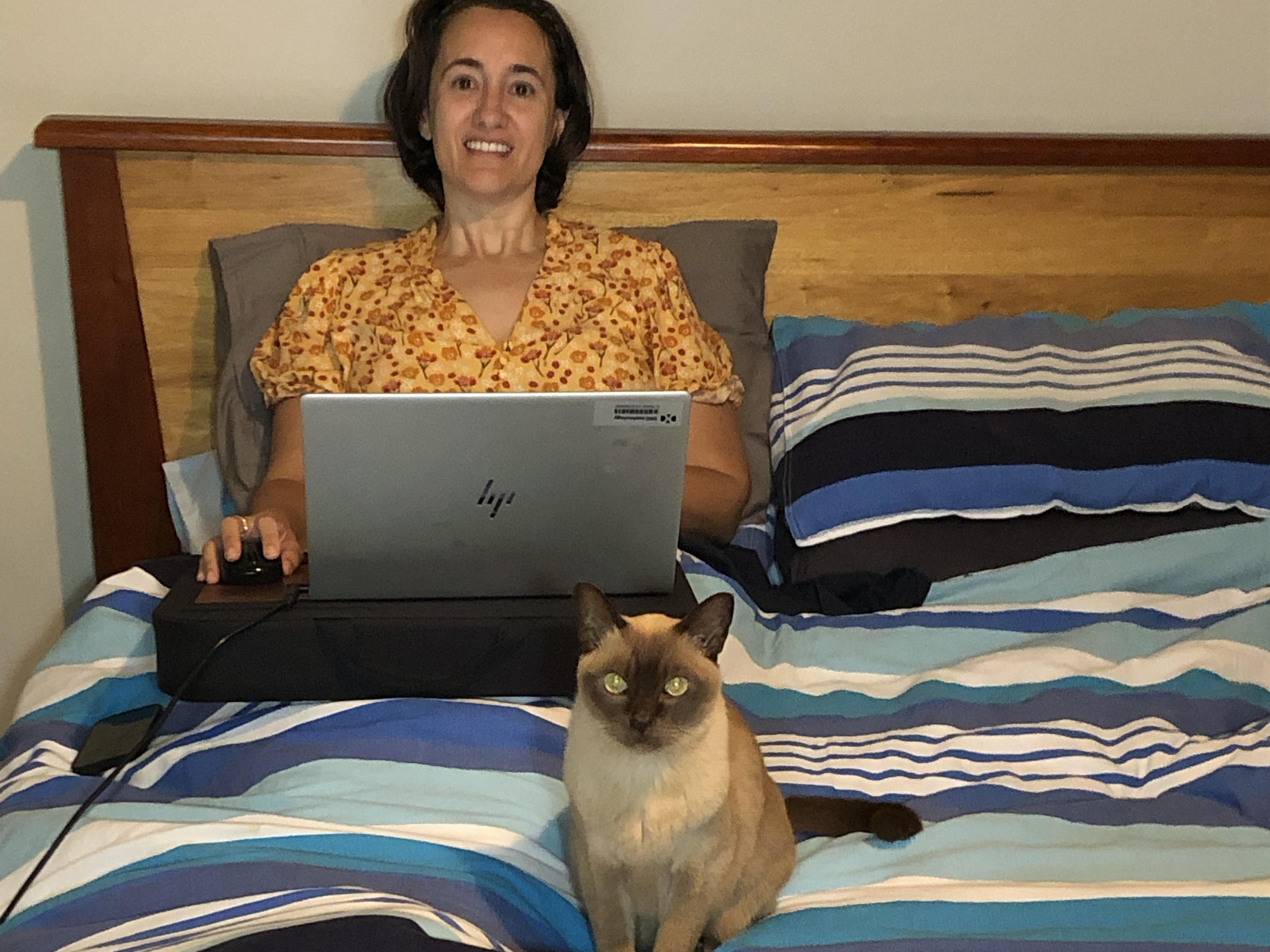
Symptoms include fatigue, shortness of breath and cognitive dysfunction, or "brain fog".
It's not known exactly how many Aussies have it – but it is thought to be at least 500,000 based on estimated figures.
Wormald, who had COVID-19 six months ago, used to be a runner, even setting a Guinness World Record for finishing a marathon dressed as a TV character, Betty Rubble from The Flintstones.
But now, thanks to what she has been told is long COVID, the stepmother spends 23 hours a day in bed or on the couch in Fingal Bay, NSW.
READ MORE: 'I feel like I've died': Desperate pleas of women with long COVID
She has had to cut her hours working in communications from 40 to just 12 a week.
Wormald, who had three vaccinations for COVID-19, said she's worried about the removal of rule and thinks the government is creating "a predictable problem".
Her fatigue is so bad she struggles just to walk around her house, and has to rely on her husband for most things.
"I have trouble having the strength to sit up," she said.
"It is awfully hard to deal with."
She also has postural orthostatic tachycardia syndrome which means her heart rate surges when she stands up.
Meanwhile, single mother-of-two, clinical psychologist Ruth Nelson, 42, has had COVID-19 twice, and ended up in hospital for weeks both times.
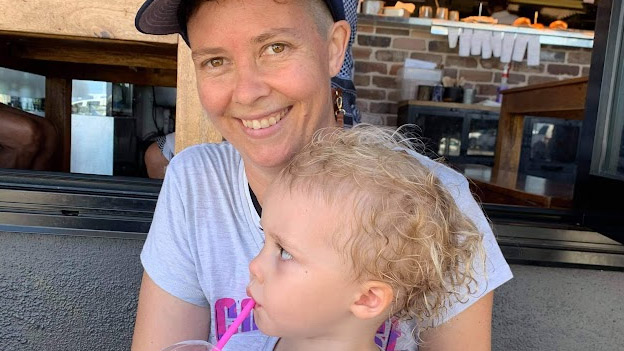
She developed long COVID after the first infection, and says her symptoms worsened after she got it again.
Nelson, who is triple-vaccinated, lists her ongoing long COVID symptoms as fatigue, chest pain, palpitations, brain fog, headaches, nerve pain and other problems, and dizziness and fainting.
She has to use a walking stick to get around.
The inner west Sydney mother is back at work this week after working from home for months and using up all her sick leave.
She said she's "terrified" about having to mix with people again amid the scrapping of rules.
While she praised the Sydney long COVID clinic she goes to, she's seen little progress.
READ MORE: Source of COVID-19 on Ruby Princess disputed in class action court hearing
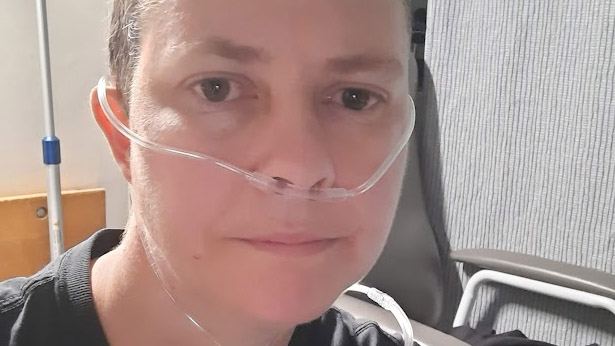
"With COVID the second time, the long COVID is worse," she said.
Even having a shower now is a mammoth task she has to break down into easy parts, she said.
It's a far cry from her life before.
"I'd take the kids camping, go for road trips, drive up to see my mum in Queensland, kids swimming lessons, karate," she said.
She said her outlook changes depending on how she is feeling.
"I assume I will get better… and at the same time I accept the reality I'm going to catch COVID again and that's just going to be my life," she said.
Thoracic doctor, Associate Professor Anthony Byrne from St Vincent's Hospital in Sydney, said reinfection with COVID-19 can make long COVID worse, but there's only limited data available.
"There was a survey sent out to people in the UK with Long COVID and it found those with repeat infection, there was a worsening of symptoms in most of them," Byrne said.
He also said that with so many different vaccine variants, and many places in the world having low vaccination rates, herd immunity against COVID-19 is unlikely.
He said he thought the government move to cut fines for failing to isolate is appropriate – but the messaging isn't great.
"There's a big difference between what's the rule and what's mandatory and what's sensible," he said.
"If you're unwell with an infectious disease maybe you shouldn't go to work."
He urged the federal and state governments to ensure long COVID clinics are properly resourced, saying people are waiting "months and months and months" for appointments.
"It's really frustrating, I think what needs to happen and hopefully what is happening with the parliamentary inquiry is there's some decisions about resourcing those clinics."
The federal government said Chief Medical Officer Paul Kelly had advised national cabinet mandatory isolation could be removed due to "low community transmission and high hybrid immunity from both vaccination and recent infection as well as ready access to vaccines and treatments".
A government spokesperson said a national response for the management of long COVID in Australia is being prepared by the Department of Health and Aged Care and the chief medical officer.
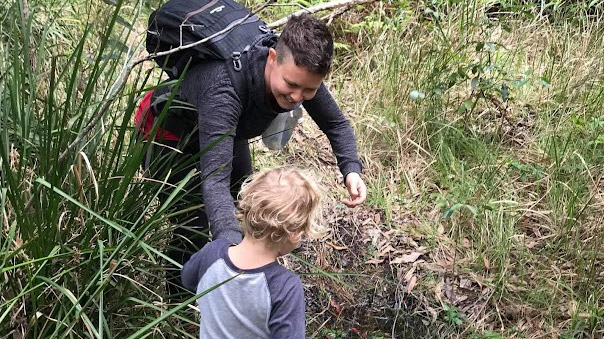
Submissions are also being sought on an inquiry into long COVID and repeated COVID infections to the House Standing Committee on Health, Aged Care and Sport.
The spokesperson added people with post-COVID conditions can access existing Medicare Benefits Schedule (MBS) items for the treatment.
The government has also tasked the Royal Australian College of General Practitioners to update guidelines on caring for long COVID patients.
"The government also funded the establishment of the Australian National COVID-19 Clinical Evidence Taskforce in April 2020," he said.
"This taskforce is developing clinical guidelines to provide recommendations regarding management and treatments for COVID-19 as well as the management and care of people with post-COVID conditions.
"The department is also working with states and territories to better understand the prevalence of long COVID in Australia."
Latest studies on long COVID impact
It's not known how many Australians have long COVID, but one new international study estimates around six per cent of people who have had COVID-19 still have health issues three months later.
On average, the study which used data from 22 countries, found long COVID symptoms persisted for nine months in hospitalised patients and four months in patients who didn't need hospital treatment for their initial infection.
It found 15 per cent of patients continued to have symptoms a year later.
READ MORE: 'Shadow of my former self': Tracey Spicer on suffering from long COVID
The official number of Aussies who have had COVID is now 10.3 million, meaning more than 600,000 could have ongoing symptoms.
People who test positive no longer need to record their infection with authorities.
A study in Scotland found 1 in 20 people had not recovered from having COVID-19 between six and 18 months later.
Those who needed hospital treatment for their initial illness were worst affected.
Plus, figures released in August revealed 31,000 Australians were off work every day with the debilitating condition.
The same report also showed Australia lost three million working days in the first six months of 2022 due to the illness.
Contact journalist Sarah Swain: ss****@******om.au
China headhunting Aussie military pilots
The Defence Department is investigating reports China has been luring former Royal Australian Air Force pilots with lucrative payments to pass on their experience to the Chinese military.
Defence Minister Richard Marles said today he was "deeply shocked" by the reports.
"When our ADF personnel sign up to the Defence Force, they do so to serve their country and we are deeply grateful of that."
READ MORE: Xi signals continuity at China Communist Party congress
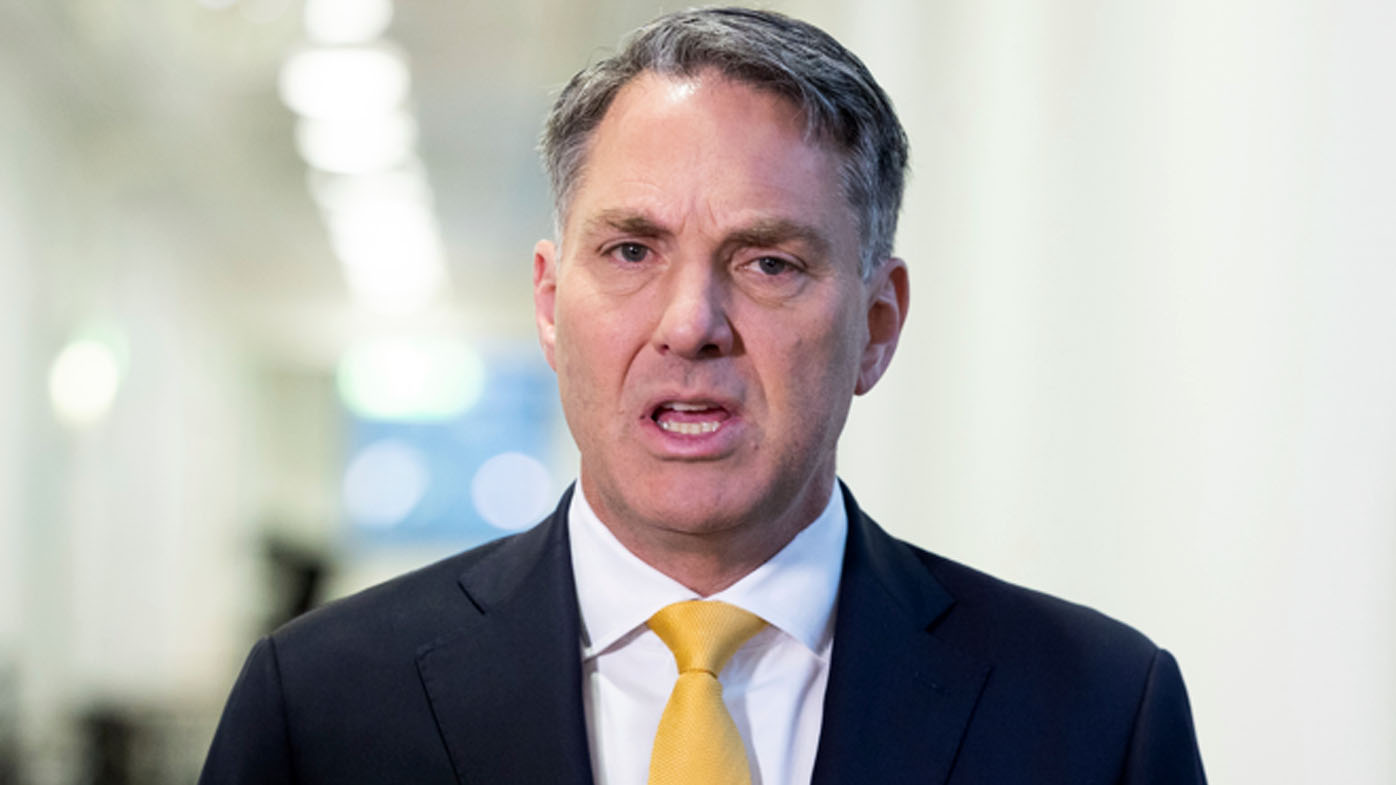
"I would be deeply shocked and disturbed to hear that there were personnel who were being lured by a pay check from a foreign state above serving their own country.
"I have asked the department to investigate these claims and come back to my office with clear advice on this matter."
Today's announcement followed confirmation by the UK government that up to 30 former British military pilots had been recruited by the Chinese Liberation Army Air Force for training purposes.
One Western official told the BBC the UK pilots had been paid financial packages worth £240,000 ($380,000).
The UK Ministry of Defence (MoD) said that numerous others have been approached, including British personnel who are currently serving.
READ MORE: UK spy chief says China's tech aims are a 'threat to us all'
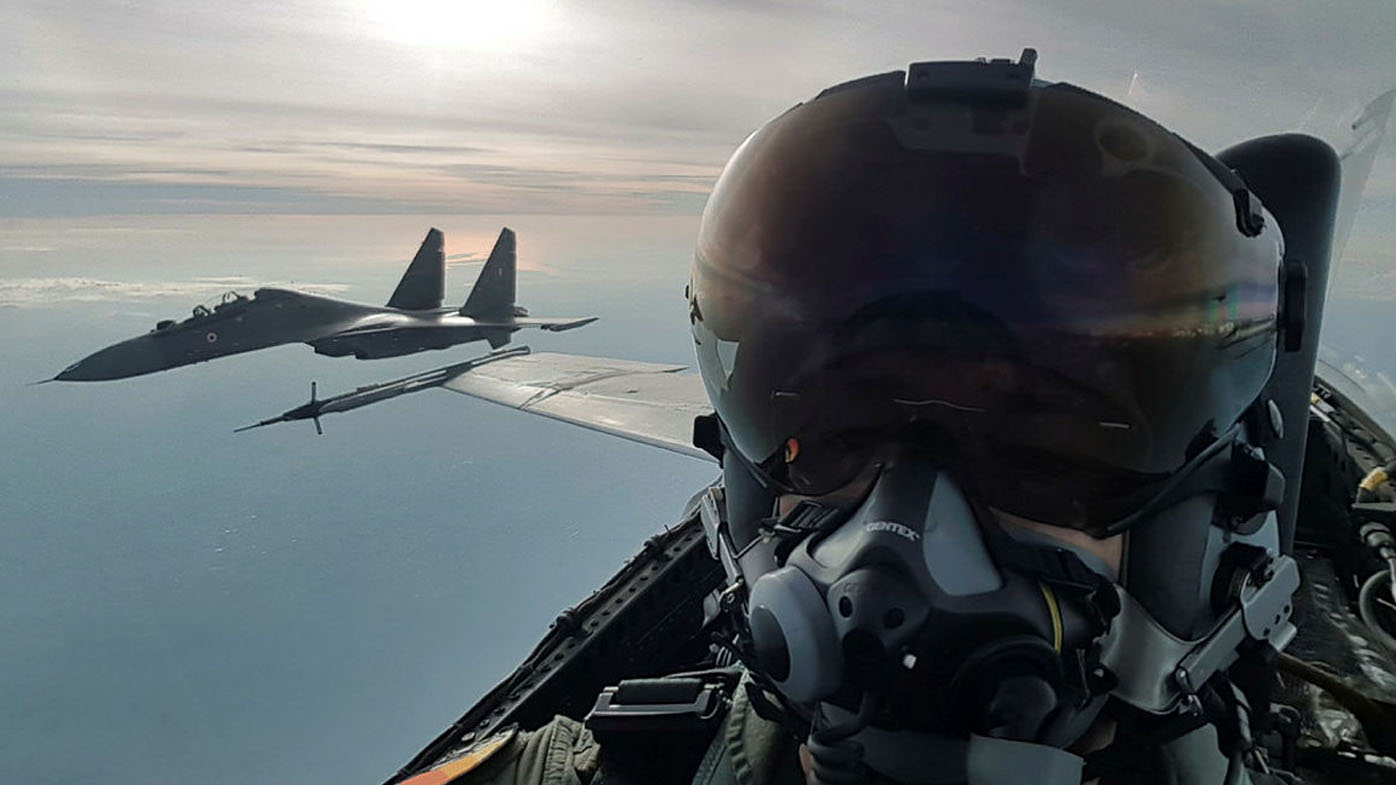
China is using third parties to find British and other western pilots to directly train Chinese pilots, as well support state-owned defence industry companies and research institutions, the MoD said.
"We are taking decisive steps to stop Chinese recruitment schemes attempting to headhunt serving and former UK Armed Forces pilots to train People's Liberation Army personnel in the People's Republic of China," an MoD spokesperson said.
The MoD said there was no evidence to suggest that any former UK pilots have passed on any information which would violate the Official Secrets Act.
Britain's Minister of State for the Armed Forces James Heappey said the government is currently looking to change the law to punish military pilots who pass on their expertise to the Chinese army.
– Reported with CNN
READ MORE: Worry grows for Iranian athlete who climbed without hijab
'Massive blackouts' as Russians wipe out Ukraine power stations
Thirty per cent of Ukraine's power stations have been destroyed in just over a week, leading to "massive blackouts" across the country, President Volodymyr Zelensky said today, as the Kremlin steps up attacks on critical energy infrastructure.
"No space left for negotiations with Putin's regime," Zelensky tweeted.
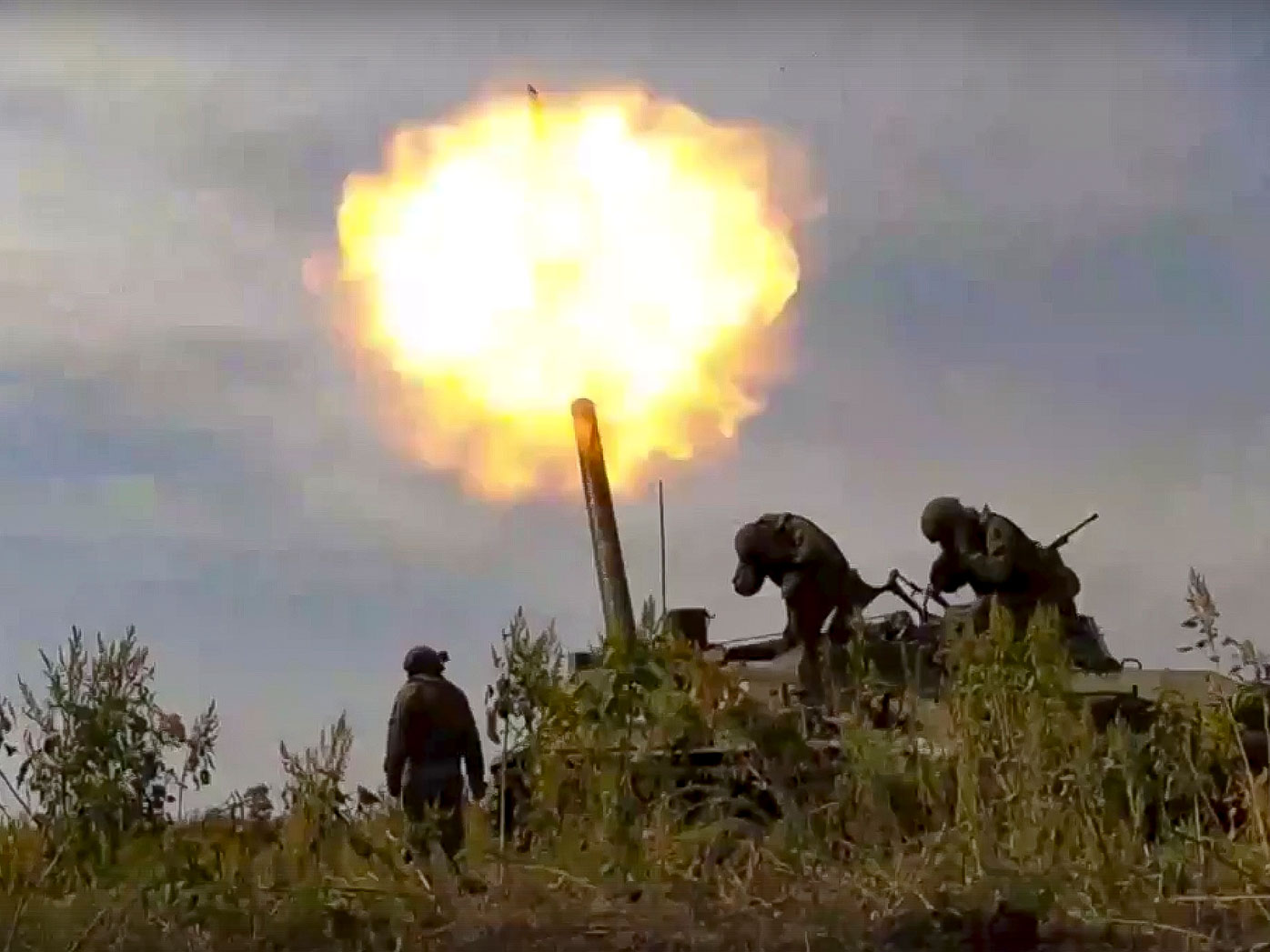
Depriving people of water, electricity and heat as winter begins to bite, and the broadening use of so-called suicide drones that nosedive into targets have opened a new phase in Russian President Vladimir Putin's war.
READ MORE: Colossal 2000km storm raises alarm for at least three states
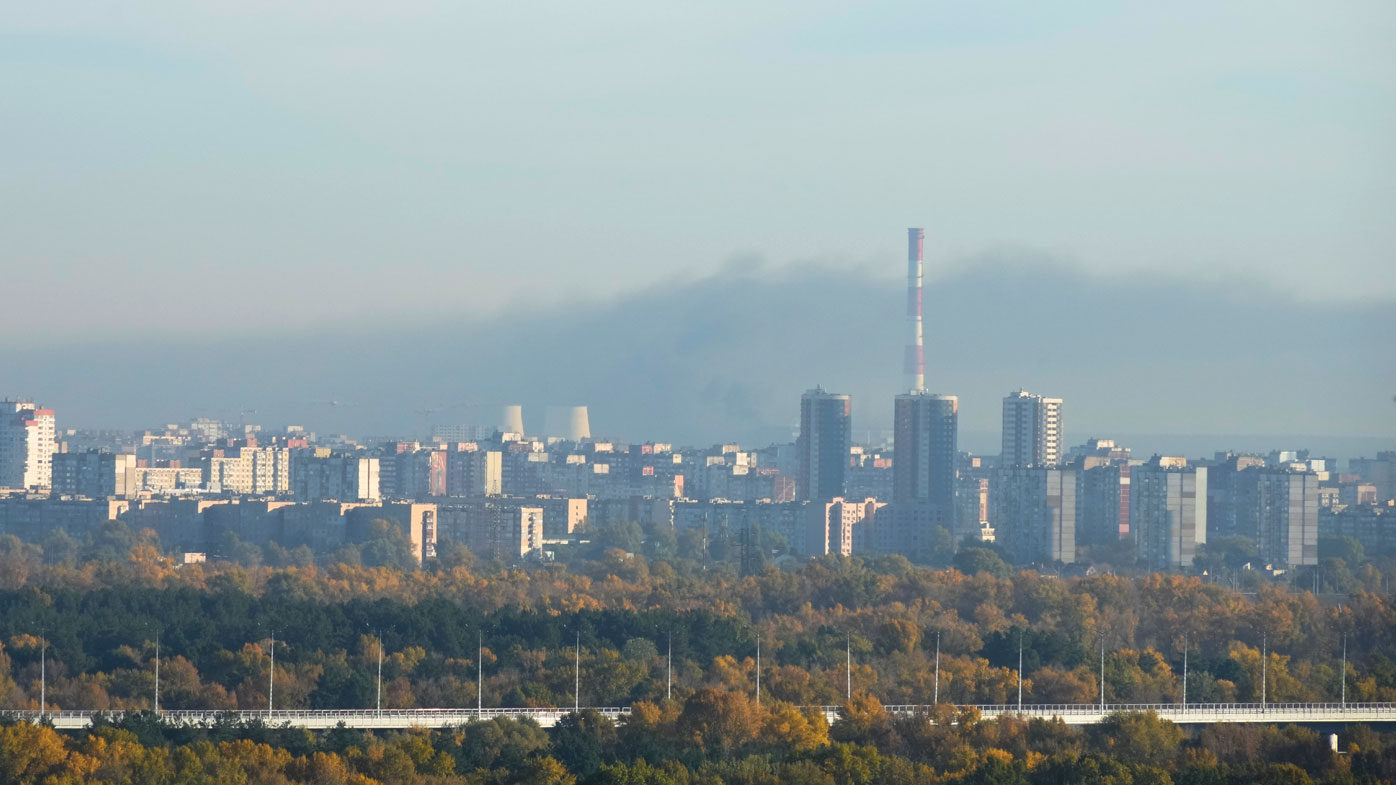
The bombardments appear aimed at wearing down the notable resilience Ukrainians have shown in the nearly eight months since Moscow invaded.
Russia's Defence Ministry confirmed that the country's military had launched high-precision strikes on "energy systems" in Ukraine.
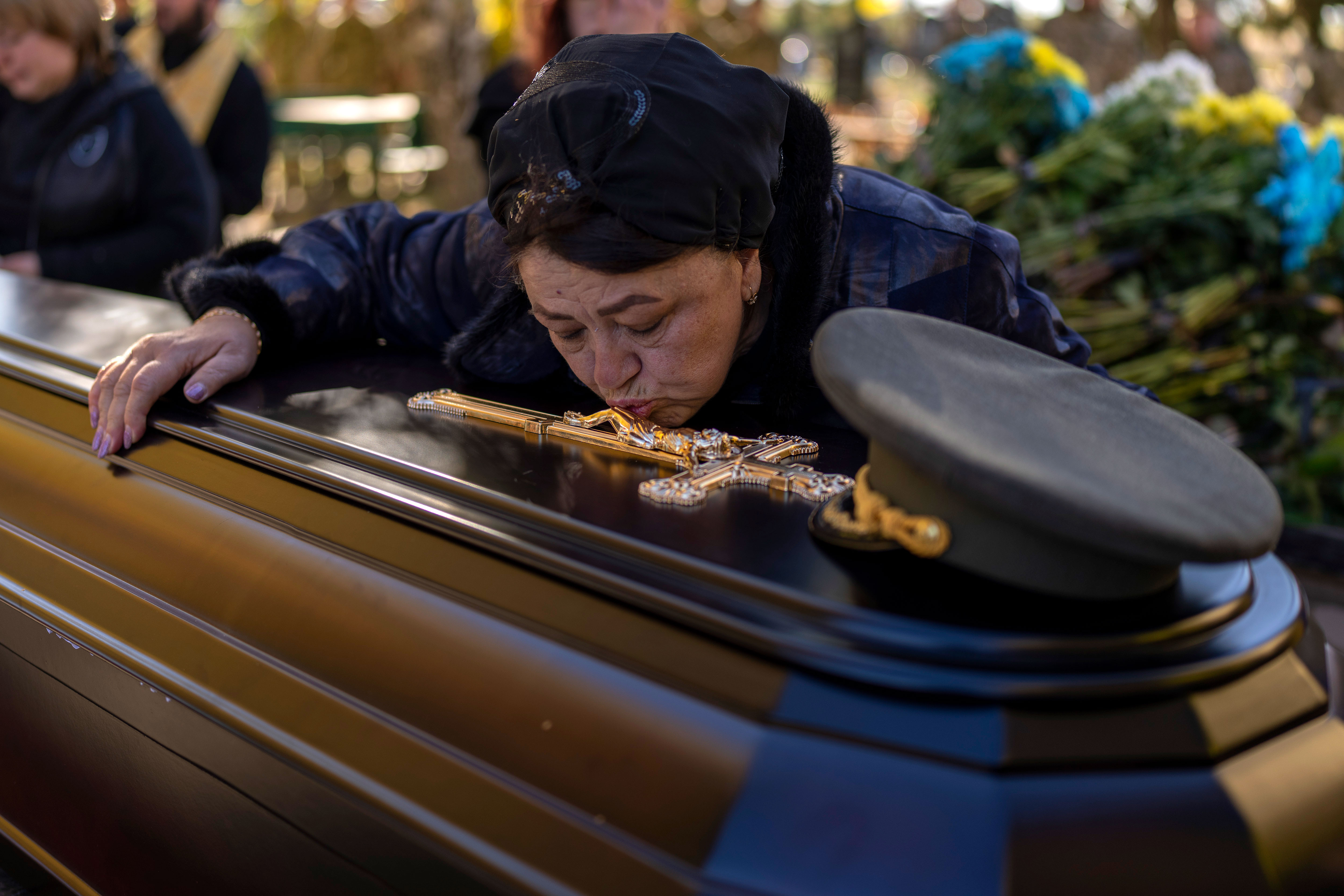
The death toll in Kyiv continues to climb this week.
At least five people were killed yesterday following Russian attacks with Iranian-made "kamikaze" drones and at least three people died in separate strikes today.
EXPLAINED: Killer drones vie for supremacy over Ukraine
'Save water as much as possible'
READ MORE: Fears grow for Iranian athlete who climbed without hijab
Moscow has targeted key Ukrainian power facilities in recent days, leaving areas in at least three cities without power.
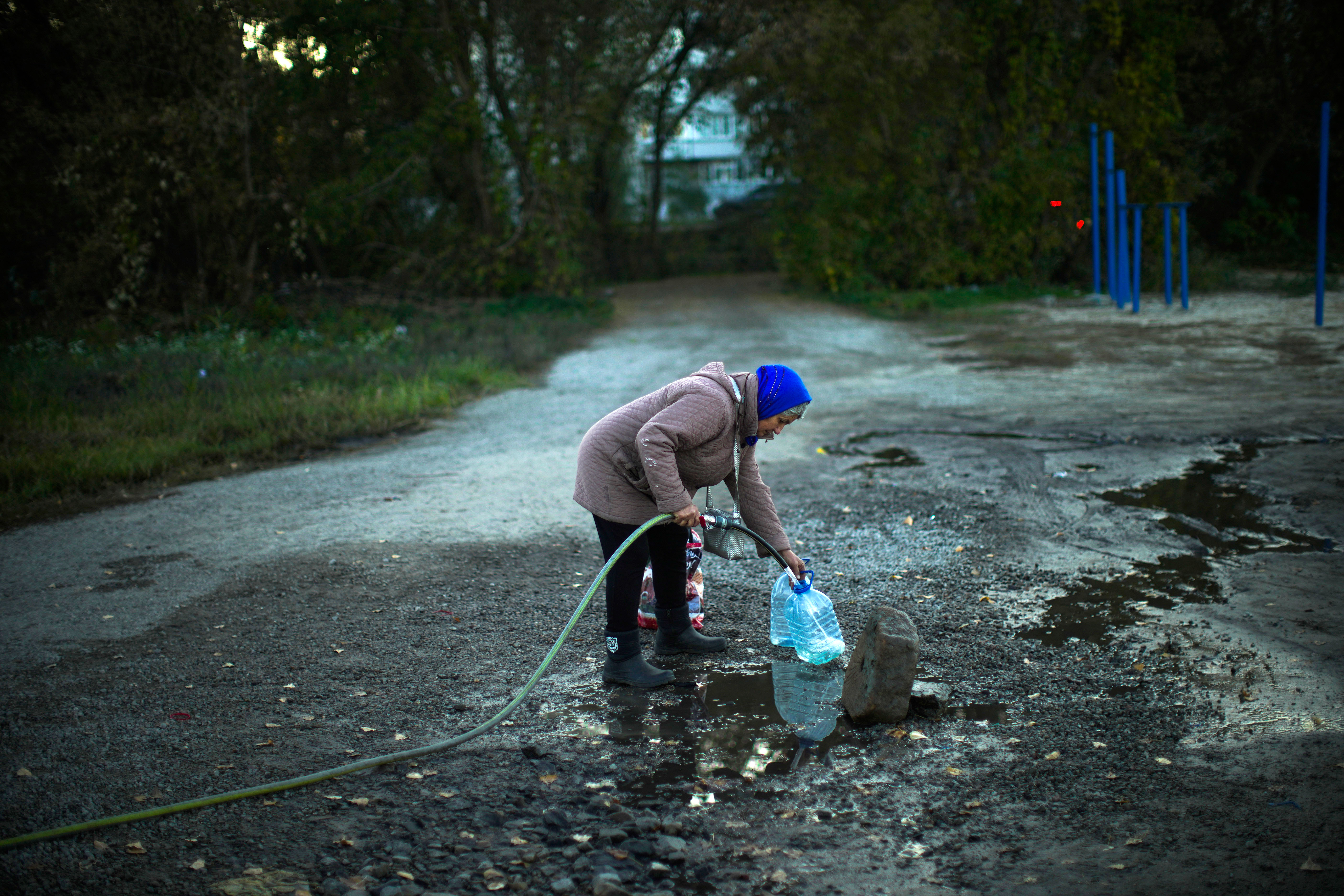
A residential neighbourhood in the capital Kyiv is experiencing power cuts and water outages, local energy company DTEK said on Facebook Tuesday.
In Dnipropetrovsk region, at least three areas, experienced electrical outages and a water pumping facility lost power after Russia launched two missiles at an energy facility, causing "fire and severe destruction," according to local authorities.
A CNN team in Dnipro saw from a distance the aftermath of a hit on a power plant in Dnipro and smoke rising from the facility.
Further west, the mayor of Zhytomyr said in a statement that the city was experiencing power and water cuts, with hospitals running on back up energy.
READ MORE: China headhunting Aussie military pilots triggers urgent investigation
READ MORE: Why mozzies are more attracted to some people than others
Residents in the Ukrainian capital were also urged by local officials to limit electricity and water usage, after two key infrastructure complexes were hit today.
The World Health Organisation warned of a "humanitarian emergency" as Putin's military assault on Ukraine approaches the "brutal" winter months.
"Too many people in Ukraine are living precariously, moving from location to location, living in substandard structures or without access to heating.
"This can lead to frostbite, hypothermia, pneumonia, stroke and heart attack," WHO's Hans Henri P. Kluge said last week.
"The destruction of houses and lack of access to fuel or electricity due to damaged infrastructure could become a matter of life or death if people are unable to heat their homes."
With CNN and AP
Record-breaking bony fish weighing nearly 3000 kilograms found
A giant sunfish believed to be the world's heaviest bony fish has been discovered in the Azores archipelago, Portugal, weighing a whopping 2,744 kilograms.
Researchers said the animal was found dead, floating near Faial Island in the central North Atlantic in December.
Although found last year, details of the discovery have only recently been published in the Journal of Fish Biology.
READ MORE: Storm band stretching more than 2000 kilometres fuels flooding fears
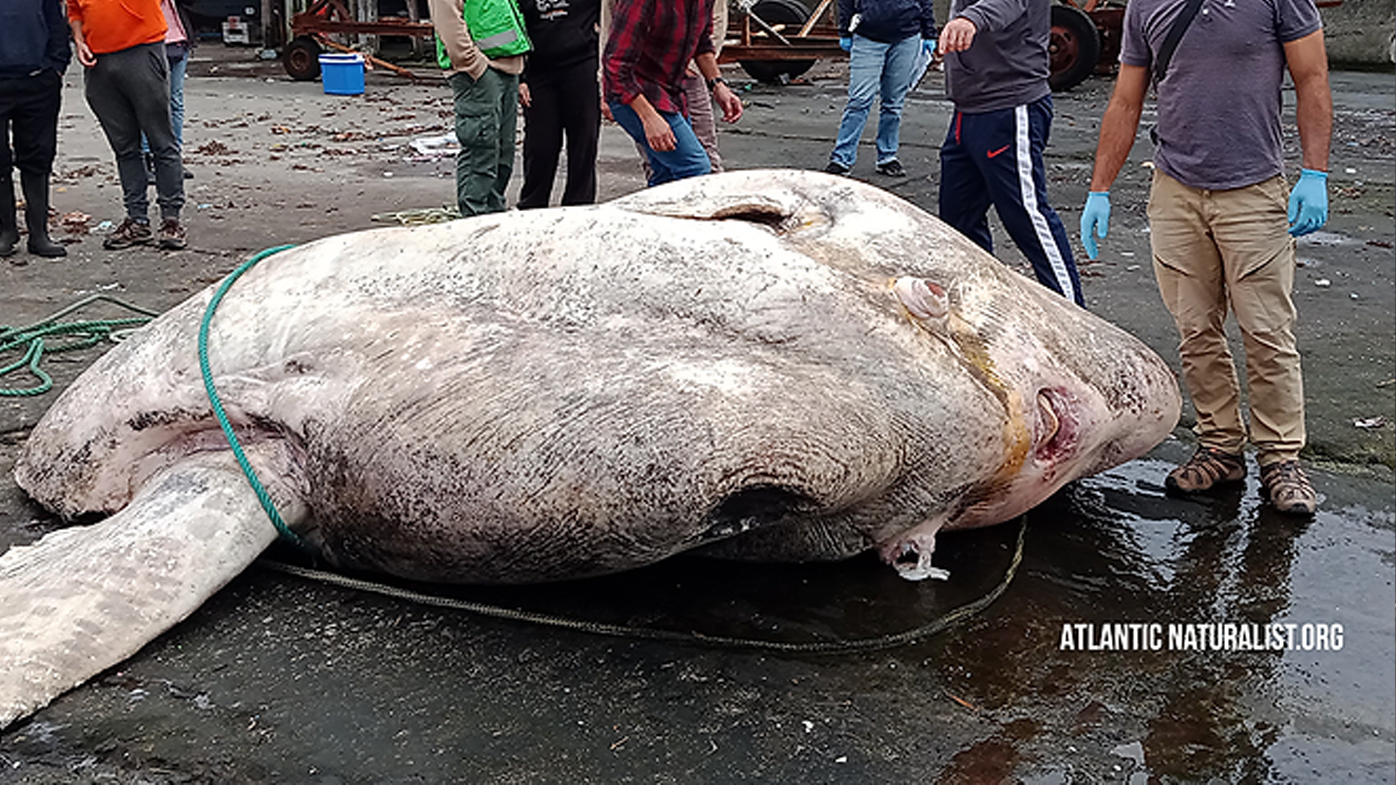
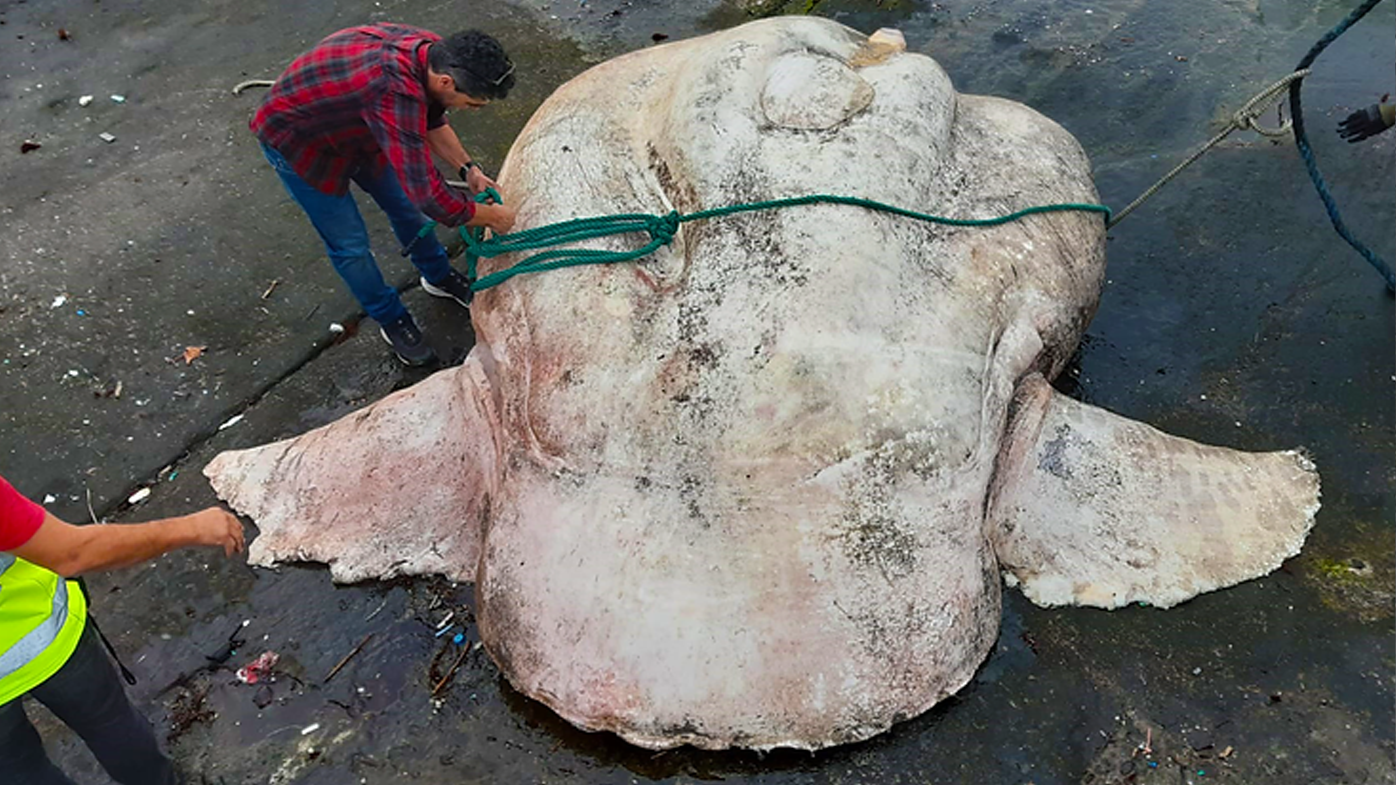
Studied by researchers from the Atlantic Naturalist Association and the Azores University for biometrical and morphological data, both in Portugal, the fish was pulled to shore where the animal was weighed, measured and tissue sampled for DNA testing.
There are around 29,000 species of bony fish, which have a skeletal bone structure, making them the majority of the world's fish species.
The carcass is more than 400 kilograms heavier than the previous world record holder for heaviest bony fish – a 2,300-kilogram female giant sunfish caught off Kamogawa in Japan in 1996.
The sunfish was weighed with a crane scale dynamometer – a device designed to weigh loads typically hoisted by a – after being raised above ground using a forklift truck.
The animal was 3.25 metres long and had a height of 3.59 metres.
Measured around its center (mid-body), it had a maximum width of 86 centimetres, researchers said.
The sex has not been determined.
READ MORE: Ukraine's power, water supplies under Russian attack again
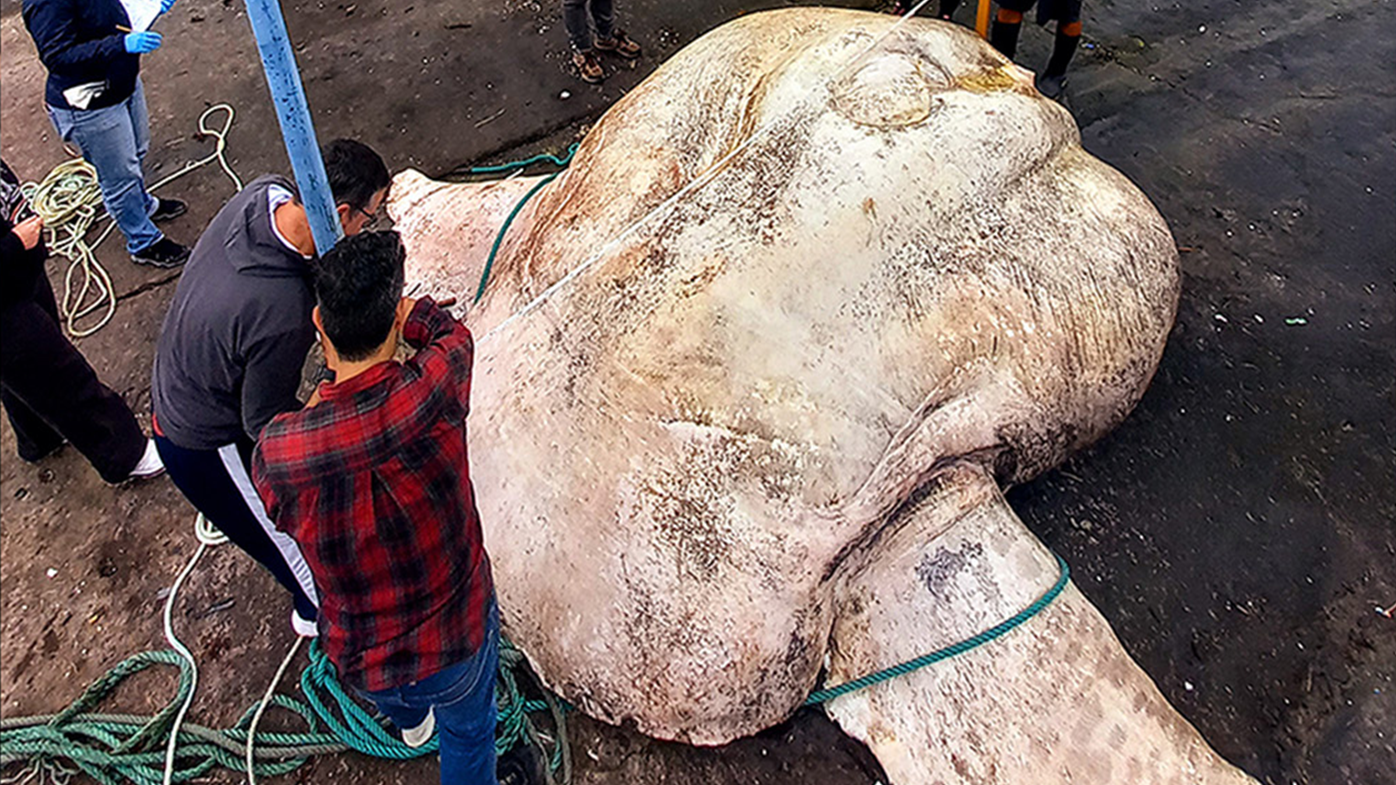
José Nuno Gomes-Pereira, lead author of the paper and postdoctoral researcher from the Atlantic Naturalist Association, told CNN Tuesday that it was saddening "to see the animal in this situation as it must have been a king of open ocean."
The "tremendously big" sunfish has been buried in the Natural Park of Faial Island, he added.
Gomes-Pereira said that the finding was a "sign that the oceans are still healthy enough to sustain the heaviest species existing, but a warning for more conservation in terms of pollution and boat traffic near oceanic islands."
Giant sunfish (Mola alexandrini) were first recognised as their own species in 2018 and are known to weigh twice as much as the second heaviest fish species, the ocean sunfish (Mola mola), according to a news release from the Atlantic Naturalist Association last Thursday.
READ MORE: Research suggests why mosquitoes are more attracted to some people
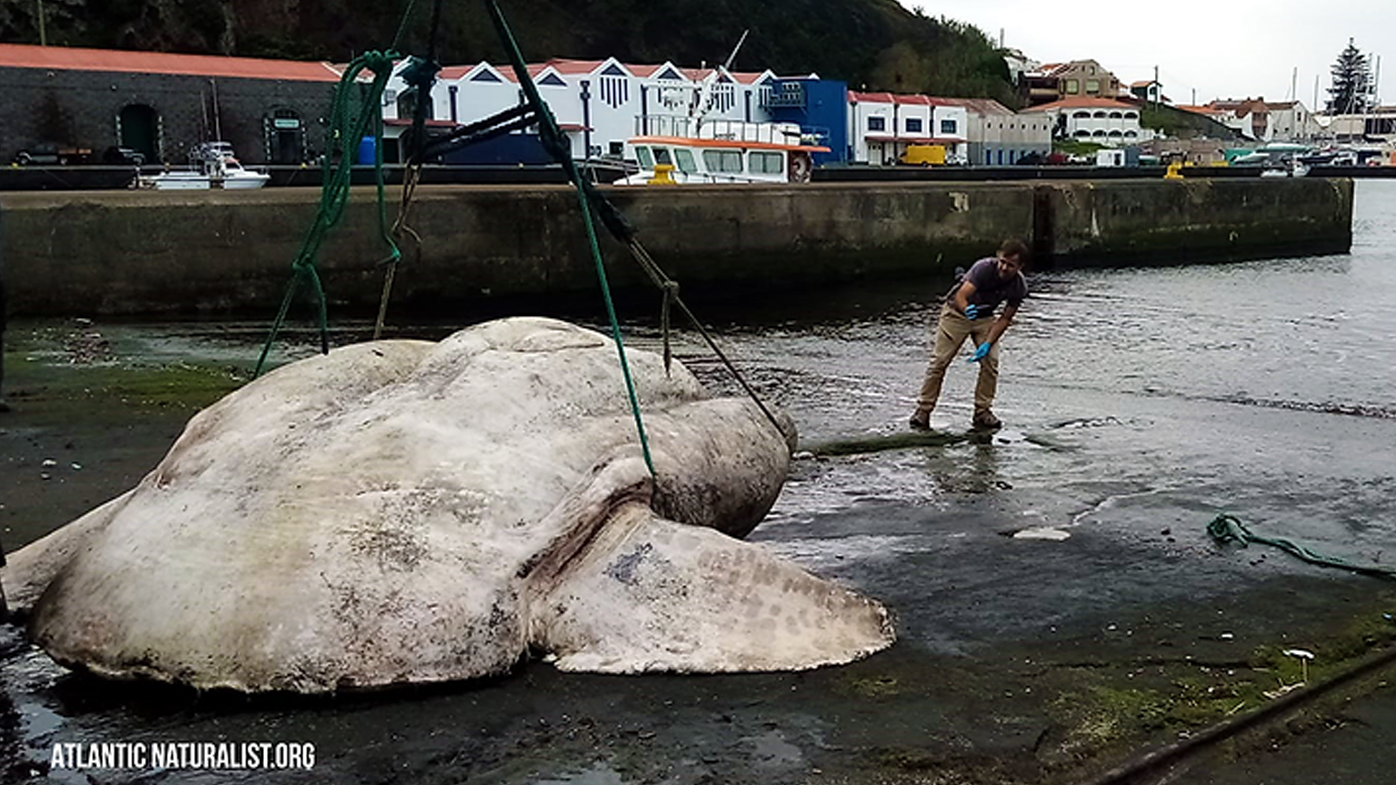
Gomes-Pereira said the dead sunfish had a "contusion" – a bruise – on its front, which may have caused the animal's death.
However, it is unknown if the impact was pre- or post-mortem. The wound was embedded with a red paint normally used to coat the keels of boats, the journal article added.
With little data available on large specimens such as the sunfish, the researchers believe further study is required to understand their physiology and marine ecosystems in general.
The world's heaviest fish species is the whale shark (Rhincodon typus), according to Guinness World Records, with the heaviest found in Pakistan in 1949, weighing 21.5 metric tons.
READ MORE: Bizarre item washes up on Queensland beach