You may remember the powerful voice of Pikiteora Mura-Hita, a past winner and fan-favourite presenter of the classic Whakaata Māori show Homai Te Pakipaki.Nowadays she’s a rumaki teacher at Pukekohe North Primary School but…
Tag Archives: oceania
Whakaata Māori becomes first indigenous broadcaster for Softball World Cup 2022
Whakaata Māori will be the official broadcaster of the WBSC Men’s Softball World Cup 2022.Starting on Tuesday with the announcement of the Blacks Sox team to play in the world cup, Whakaata Māori will live stream all 50…
New Plymouth family say unruly Kāinga Ora neighbours force mum to use hotels
By Robin Martin of RNZ A New Plymouth family says Kāinga Ora tenants living next door to their elderly mother are making her life a misery and the agency just fobs off their complaints.The woman, who is about to turn 80,…
Fifa Women's World Cup draw: Everything you need to know
Football stars and dignitaries are set to flock to Auckland’s Aotea Centre for tonight’s glitzy 2023 Fifa Women’s World Cup draw.Held at 7.30pm, the ceremony will be when the Football Ferns – and the 28 other teams who have already…
Trump ordered to testify in US Capitol riots investigation
The House committee investigating the January 6 attack on the US Capitol issued a subpoena on Friday to Donald Trump, exercising its subpoena power against the former president who lawmakers say "personally orchestrated" a multi-part effort to overturn the results of the 2020 election.
The nine-member panel issued a letter to Trump's lawyers, demanding his testimony under oath by November 14 and outlining a request for a series of corresponding documents, including personal communications between the former president and members of Congress as well as extremist groups.
"We recognise that a subpoena to a former President is a significant and historic action," Chairman Bennie Thompson and Vice Chair Liz Cheney wrote in the letter to Trump. "We do not take this action lightly."
READ MORE: Donald Trump's former adviser Steve Bannon jailed for four months
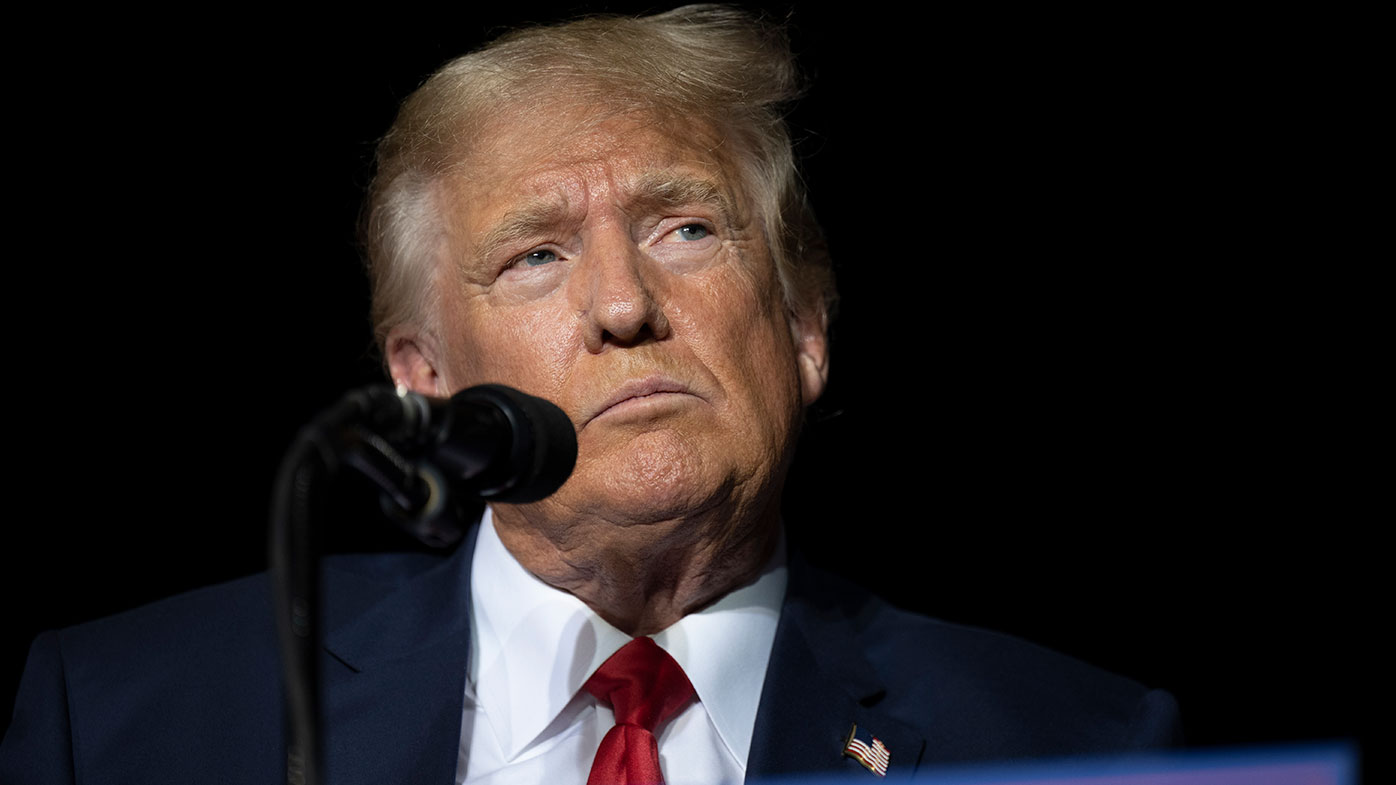
It is unclear how Trump and his legal team will respond to the subpoena. He could comply or negotiate with the committee, announce he will defy the subpoena or ignore it altogether. He could also go to court and try to stop it.
The subpoena is the latest and most striking escalation in the House committee's 15-month investigation of the deadly January 6, 2021 insurrection, bringing members of the panel into direct conflict with the man they have investigated from afar through the testimony of aides, allies and associates.
READ MORE: Italy gets first female prime minister
The committee writes in its letter that it has assembled "overwhelming evidence" that Trump "personally orchestrated" an effort to overturn his own defeat in the 2020 election, including by spreading false allegations of widespread voter fraud, "attempting to corrupt" the Justice Department and by pressuring state officials, members of Congress and his own vice president to try to change the results.
But lawmakers say key details about what Trump was doing and saying during the siege remain unknown. According to the committee, the only person who can fill the gaps is Trump himself.

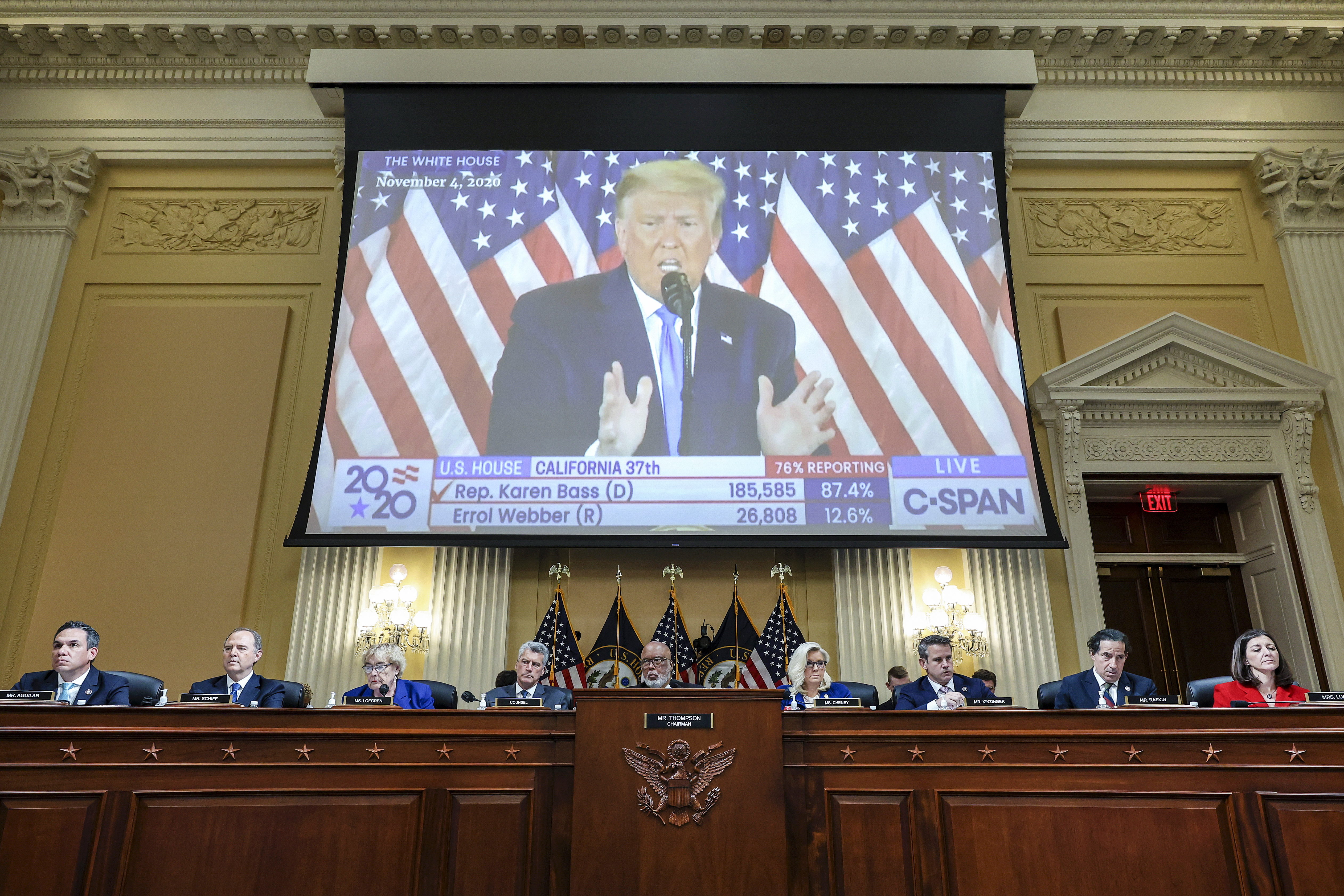
The panel — comprised of seven Democrats and two Republicans — approved the subpoena for Trump in a surprise vote last week. Every member voted in support.
The day after, Trump posted a lengthy memo on Truth Social, his social media website, repeating his false claims of widespread election fraud and expressing his "anger, disappointment and complaint" that the committee wasn't investigating his claims. He made no mention of the subpoena.
Rotorua tourism report: Negative perceptions blamed for $17 million loss
“Disastrous.” That’s how one local MP describes a new report that shows Rotorua has lost about $17 million in tourism spending in three months due to “negative perceptions”. The report also reveals wariness about visitors’ safety…
Mauao authorities apologise after Adrian Shuen's memorial seat removed without his family's knowledge
A bereaved family says their grief has been reignited after authorities removed their 19-year-old memorial seat on Mauao without telling them.Adrian Shuen died in 2003 after a heart attack at work at Bakels in Mount Maunganui. He…
Russian threats revive old nuclear fears in central Europe
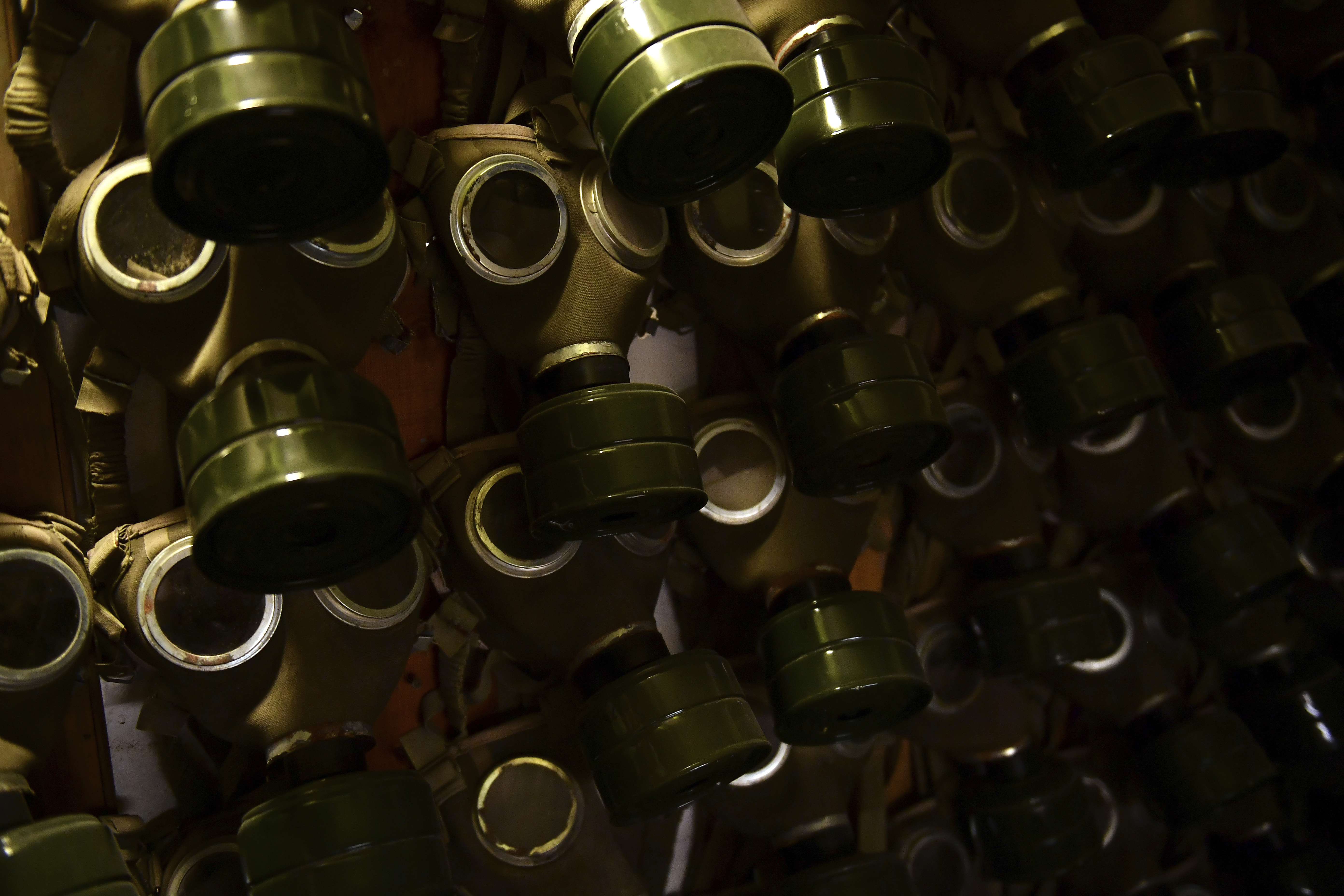
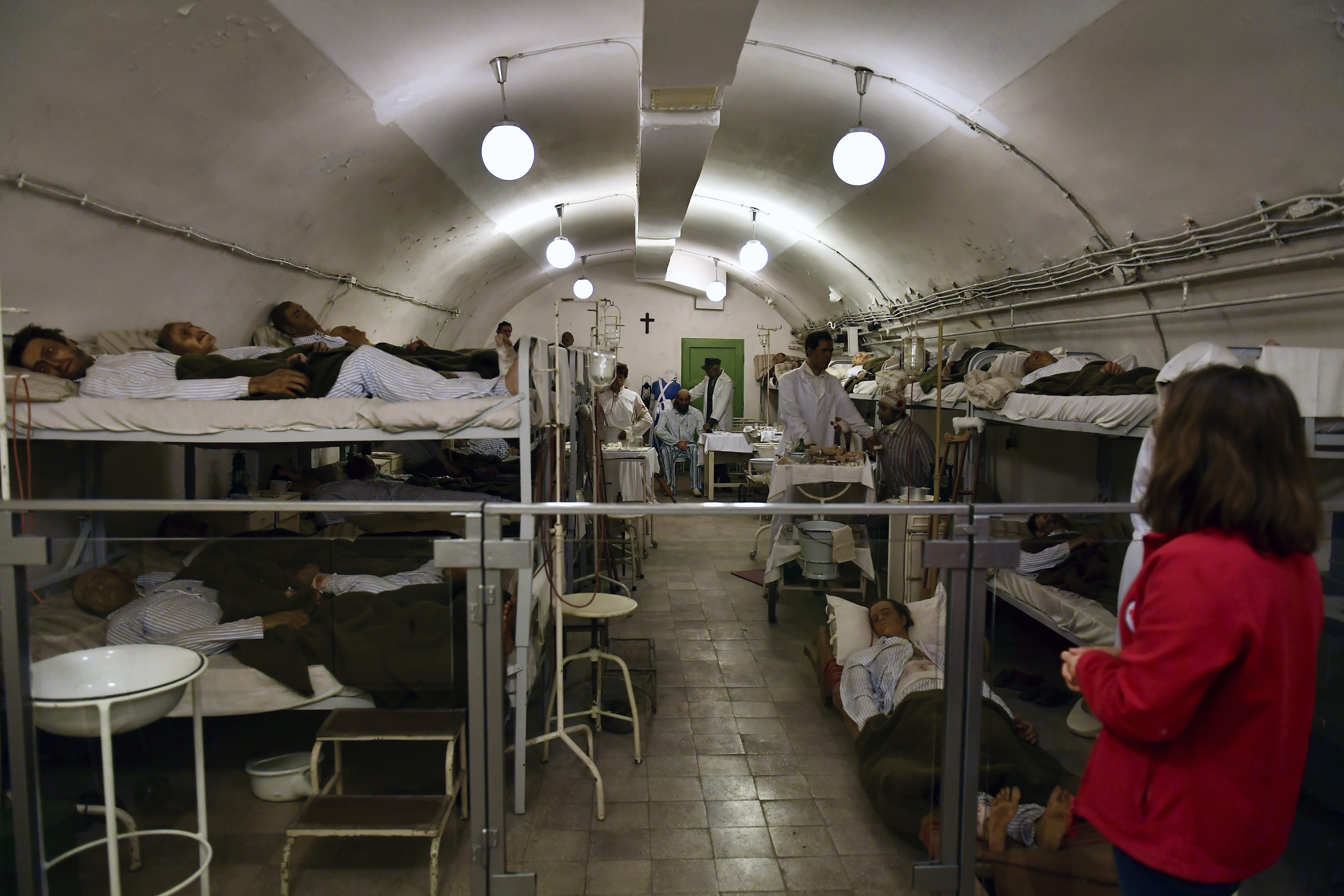
Two stories beneath a modern steel production plant on Warsaw's northern edge lies an untouched Cold War relic: a shelter containing gas masks, stretchers, first aid kits and other items meant to help civil defence leaders survive and guide rescue operations in case of nuclear attack or other disasters.
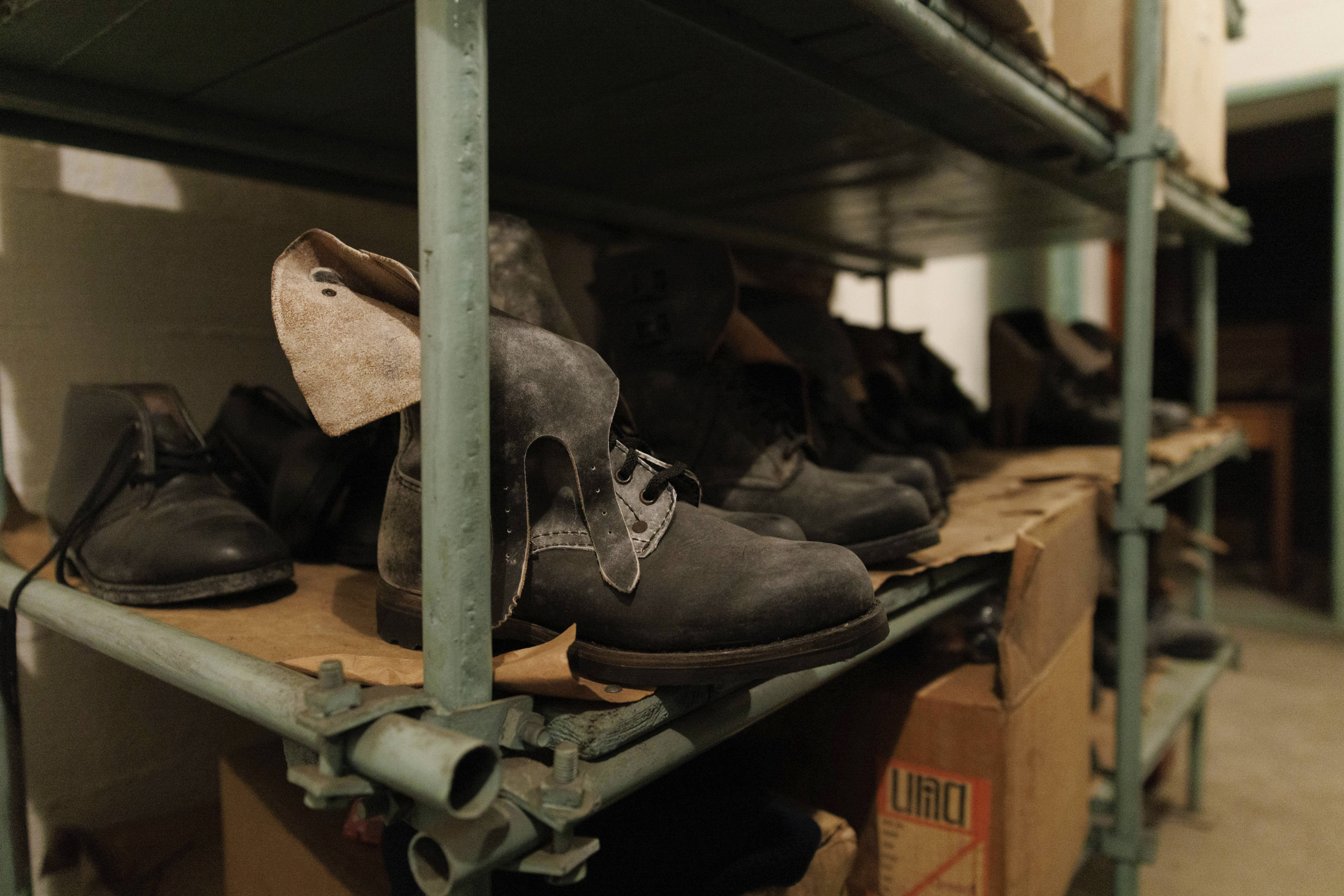
A map of Europe on a wall still shows the Soviet Union — and no independent Ukraine. Old boots and jackets give off a musty odour. A military field switchboard warns: "Attention, your enemy is listening."
Until now, nobody had seriously considered that the rooms built in the 1950s — and now maintained as a "historical curiosity" by the ArcelorMittal Warszawa plant, according to spokeswoman Ewa Karpinska — might one day be used as a shelter again. But as Russia pounds Ukraine, with shelling around a nuclear power plant and repeated Russian threats to use a nuclear weapon, the Polish government ordered an inventory this month of the 62,000 air raid shelters in the country.
READ MORE: Man jailed for life over 'gruesome' murder after victim's body fed into woodchipper
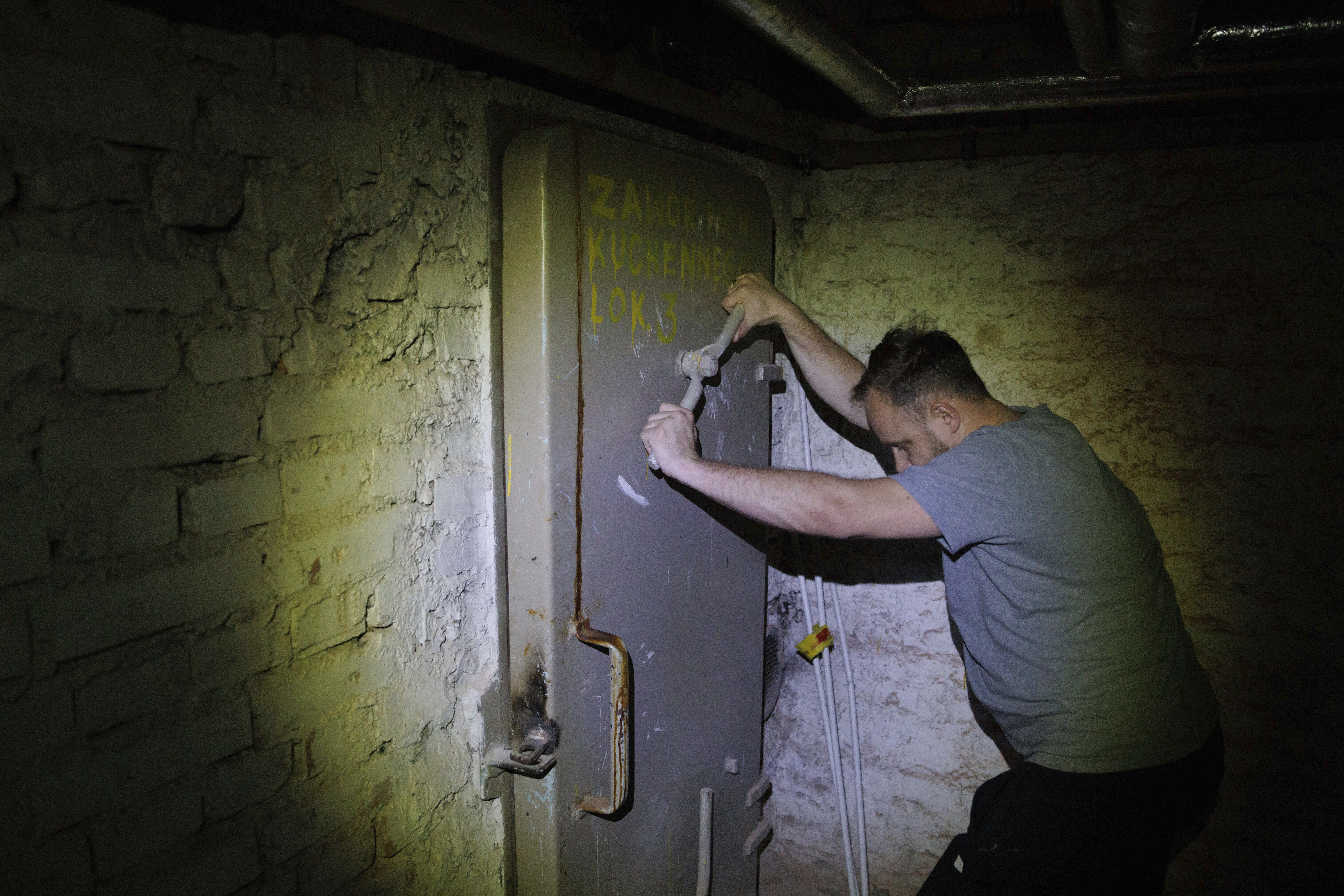
The war has triggered fears across Europe, and these are especially felt in countries like Poland and Romania that border Ukraine and would be highly vulnerable in case of a radiological disaster.
After the Polish government order, firefighters visited the steel plant's shelter last week and listed it in their registry. Warsaw's leaders said the city's subway and other underground shelters could hold all its 1.8 million residents and more in the case of an attack with conventional weapons.
The ArcelorMittal Warszawa plant's Karpinska is suddenly receiving inquiries about the shelter. Following Russian President Vladimir Putin's threats to carry out a tactical nuclear attack, "everyone is worried," she said. "I believe that he will not (stage a nuclear attack), that it would be completely crazy, but nobody really believed he would start this war."
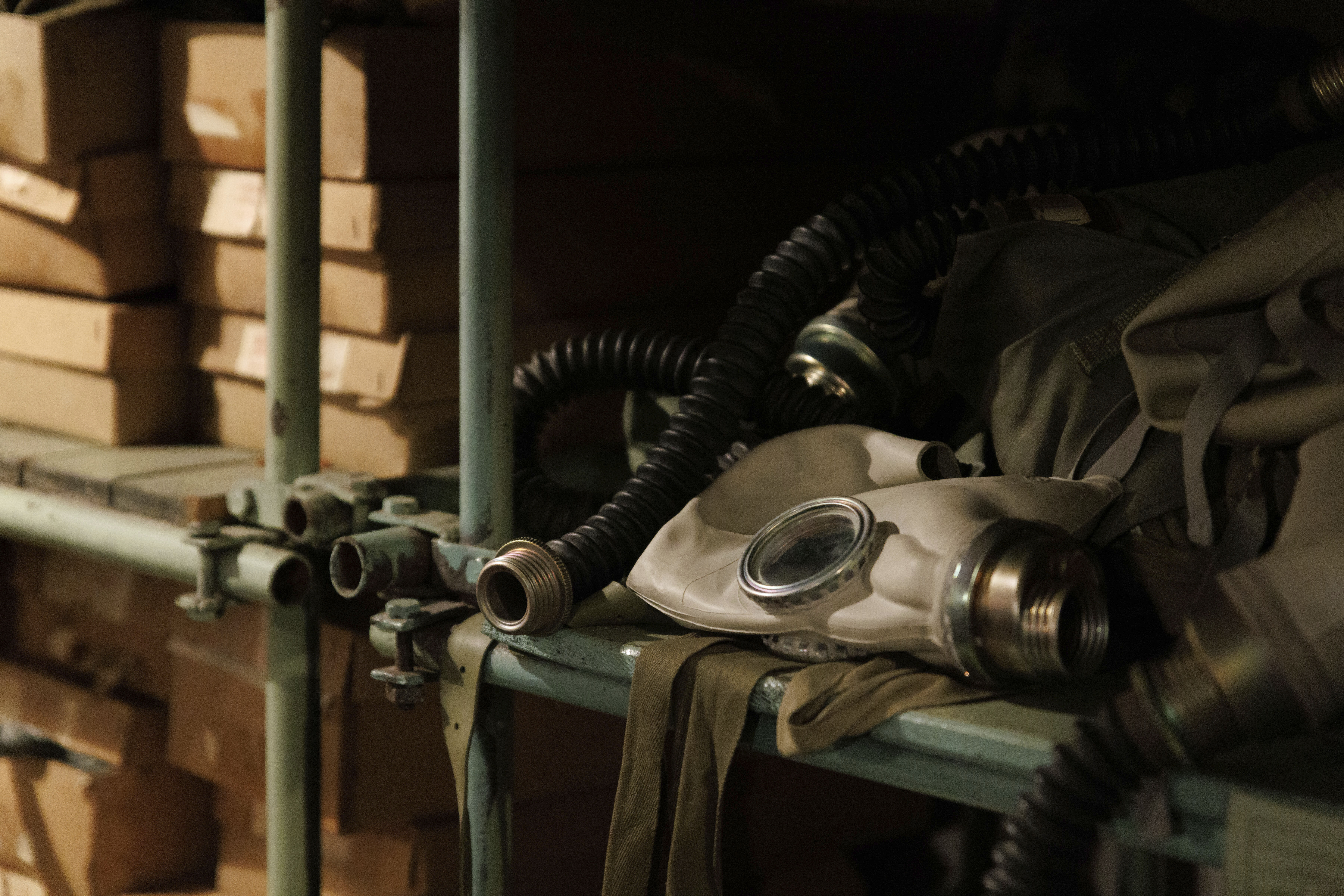
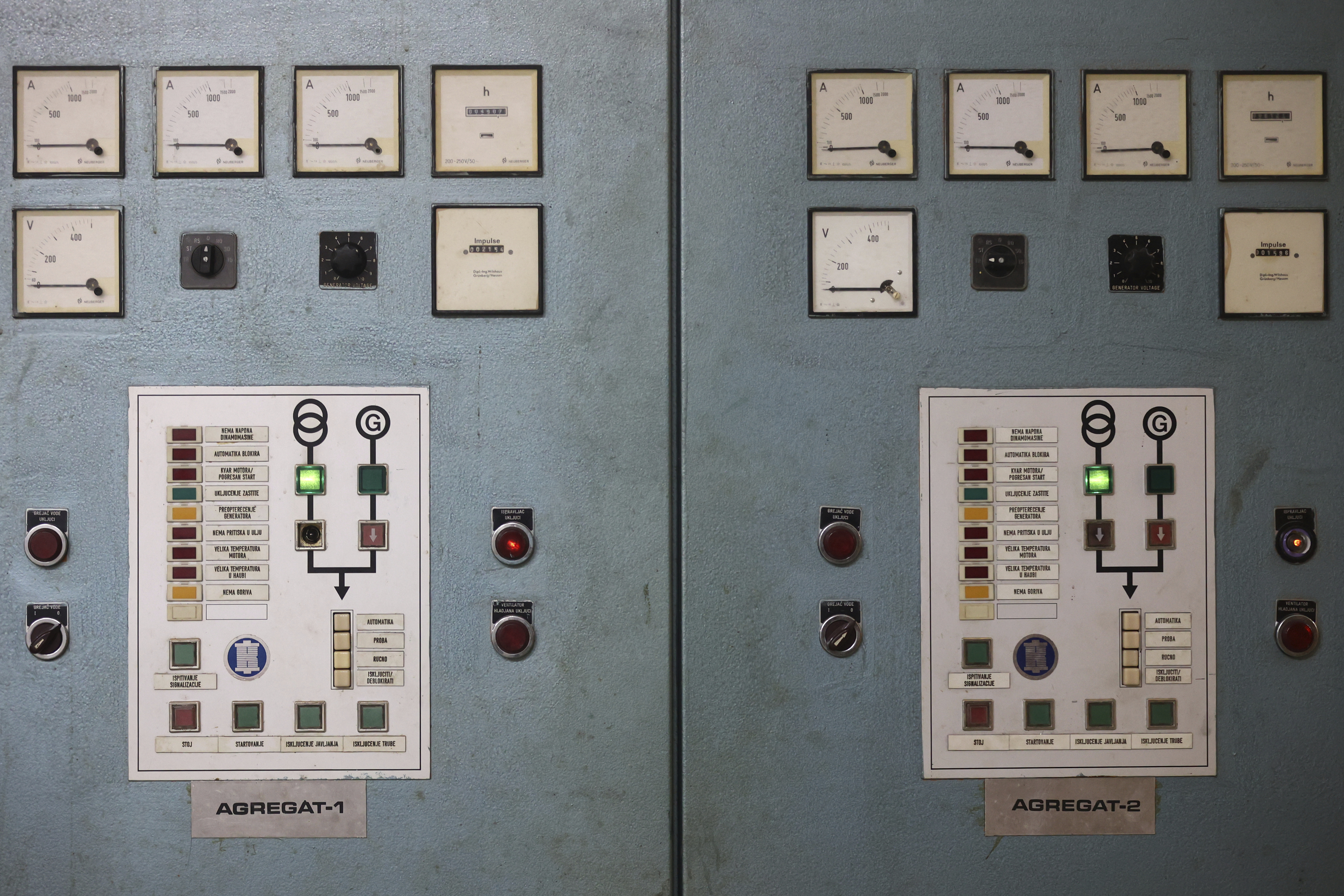
Amid fighting around Ukraine's Zaporizhzhia nuclear plant, Poland also drew up a plan to give potassium iodide tablets to local fire stations, which would distribute them to the population if needed. There has been a rush elsewhere in Europe on potassium iodide — which protects the thyroid gland in the neck in case of radiation exposure — including in Finland where the government urged the population to buy them.
During the Cold War there were hundreds of thousands of shelters in Europe. Some dated from the buildup to World War II, while communist-era authorities also ordered that new residential and production facilities include underground shelters.
READ MORE: Putin declares martial law in annexed regions of Ukraine
Finland, which borders Russia, along with Sweden and Denmark, have maintained their shelters in order. Finland, for instance, maintains shelters in cities and other densely populated areas capable of accommodating around two-thirds of the population. A few of them are designed to withstand detonation of a 100-kiloton nuclear bomb.
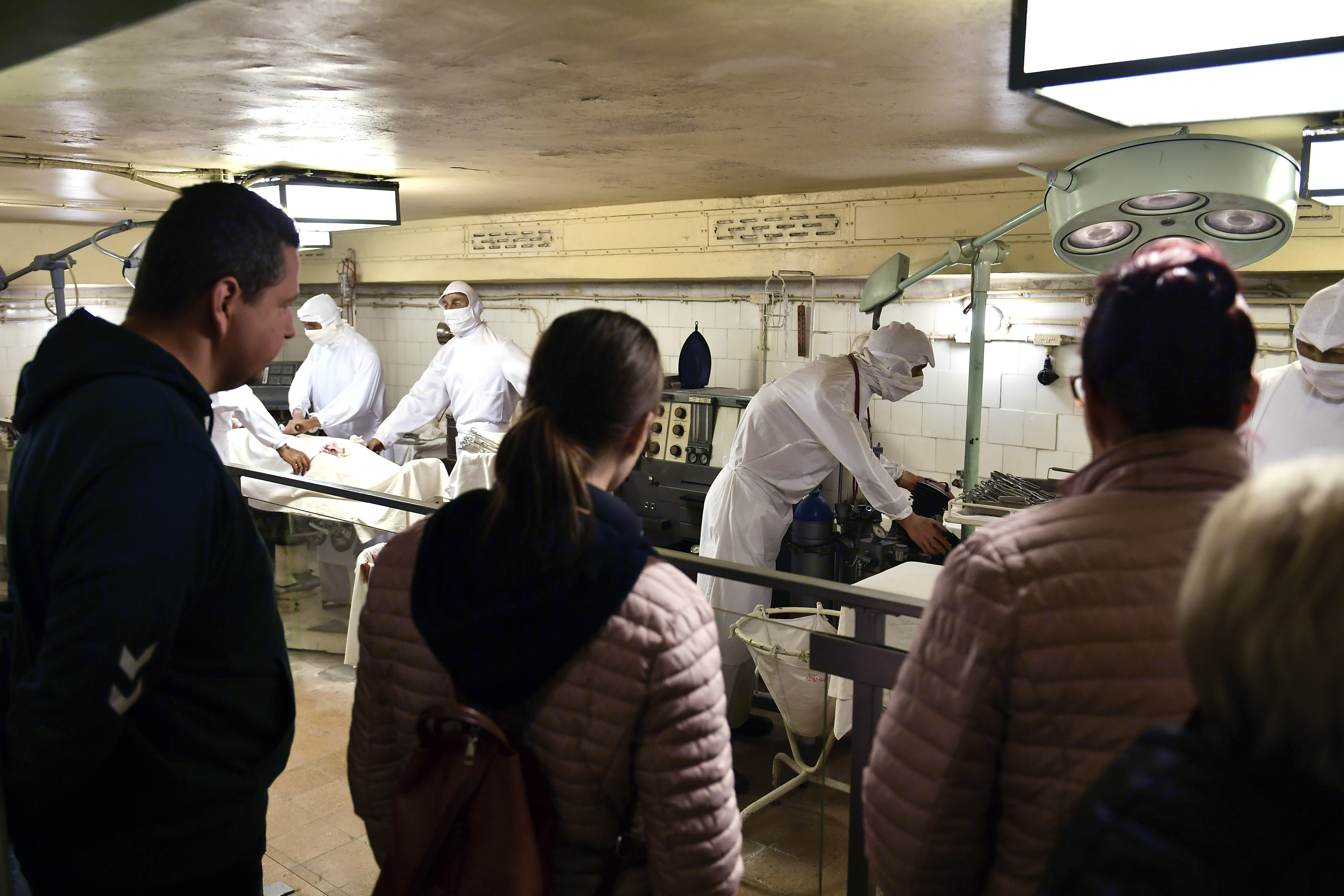
While some countries still maintain their Cold War underground shelters, after the collapse of the Soviet Union some were transformed into museums — relics of an earlier age of nuclear fears that would offer no real protection today.
Bomb shelters were a key element in the former Yugoslavia's preparedness doctrine against a nuclear attack.
READ MORE: Russia evacuates civilians from Kherson as Ukrainian forces advance
The most famous of all, in a mountainous area 60 kilometres from Sarajevo in Bosnia, is a vast underground fortress built to protect military and political leaders. Known then only to the Yugoslav president, four generals and a handful of soldiers who guarded it, the Konjic site was turned in 2010 into a modern art gallery.
"From the military-political and geopolitical standpoint, the global environment right now is unfortunately very similar to what it was like (during the Cold War), burdened by a very heavy sense of a looming war", said Selma Hadzihuseinovic, the representative of a government agency that manages the site.
She said the bunker could be returned to service in a new war, but with nuclear weapons having become far more powerful it would not be "as useful as it was meant to be when it was built".
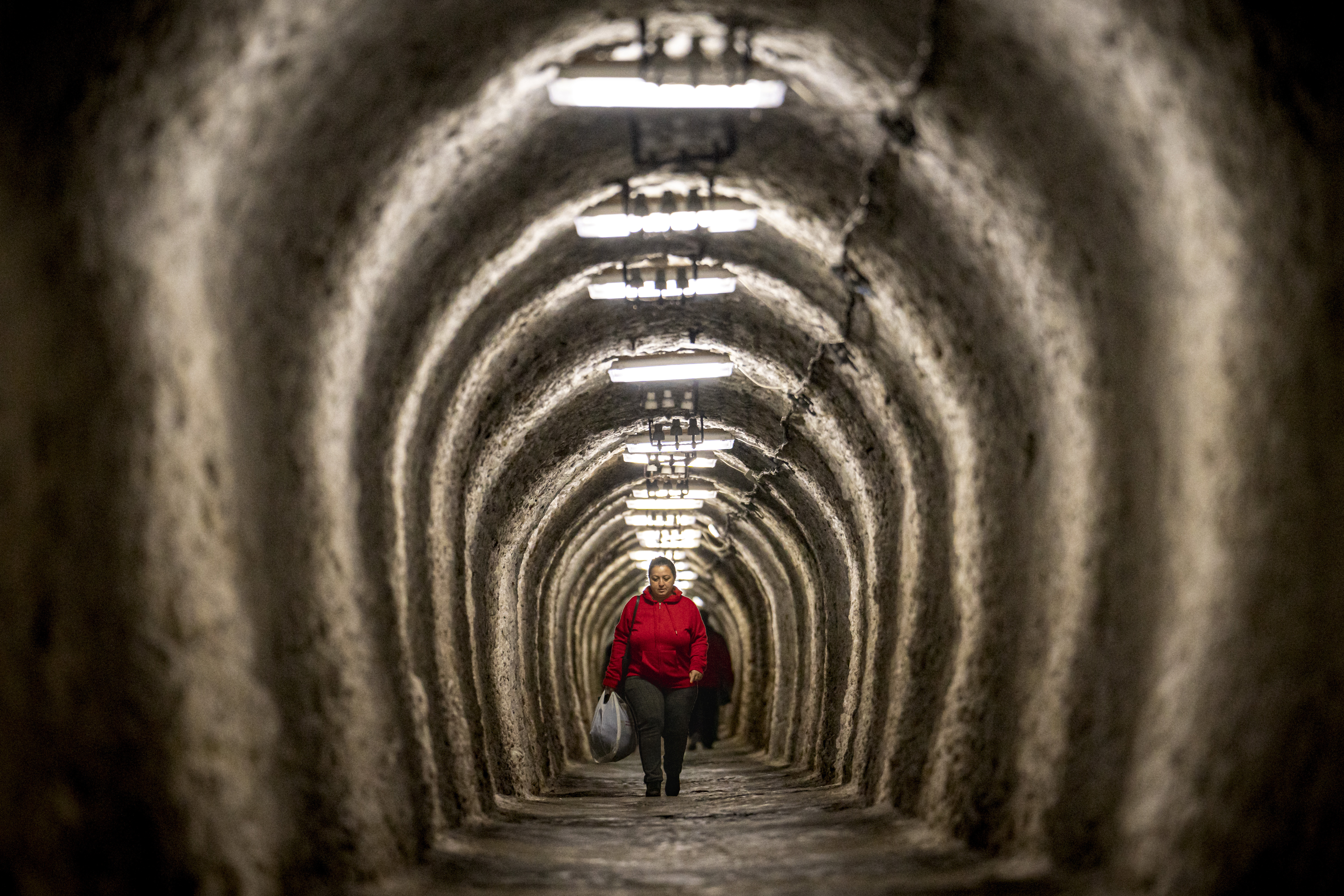
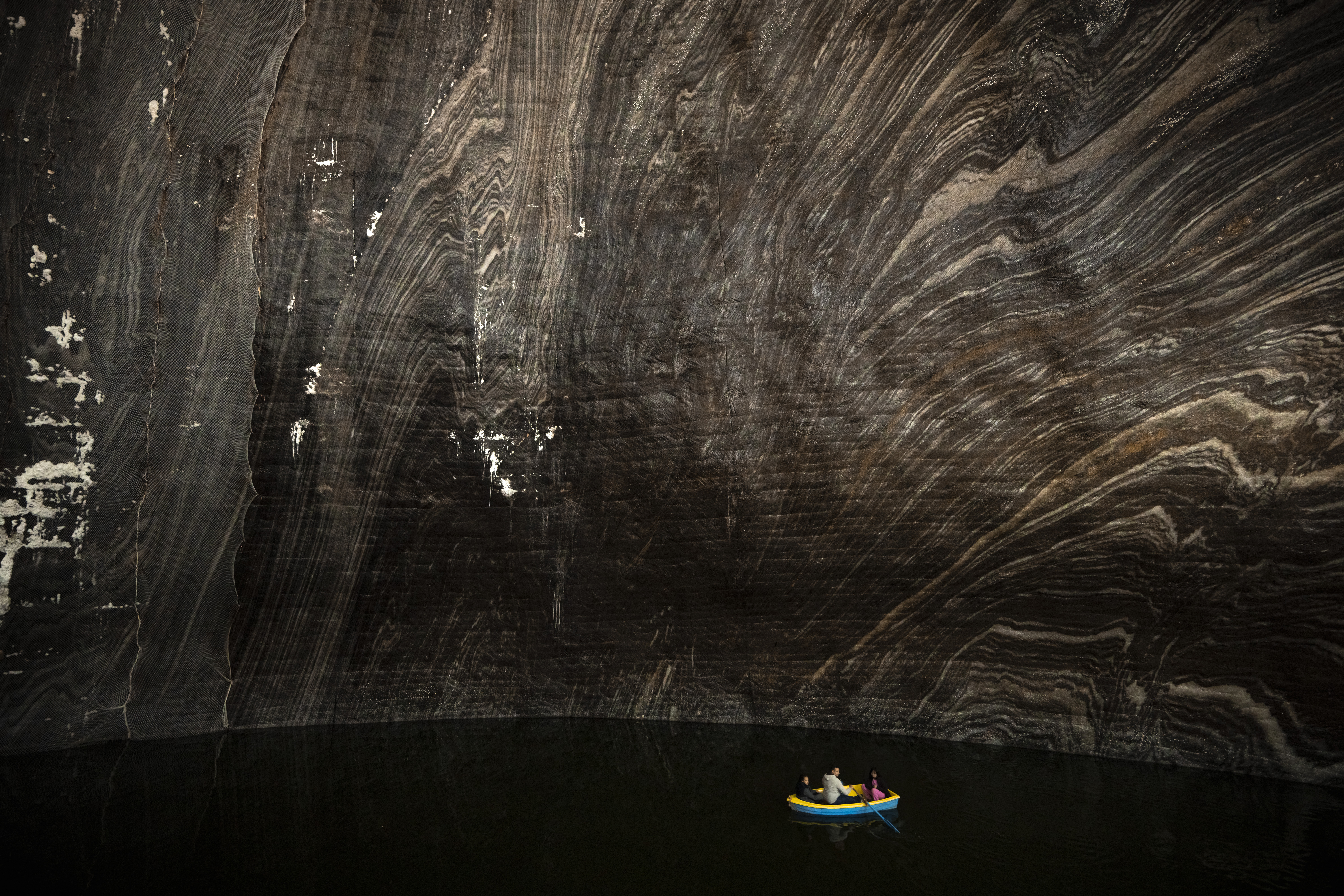
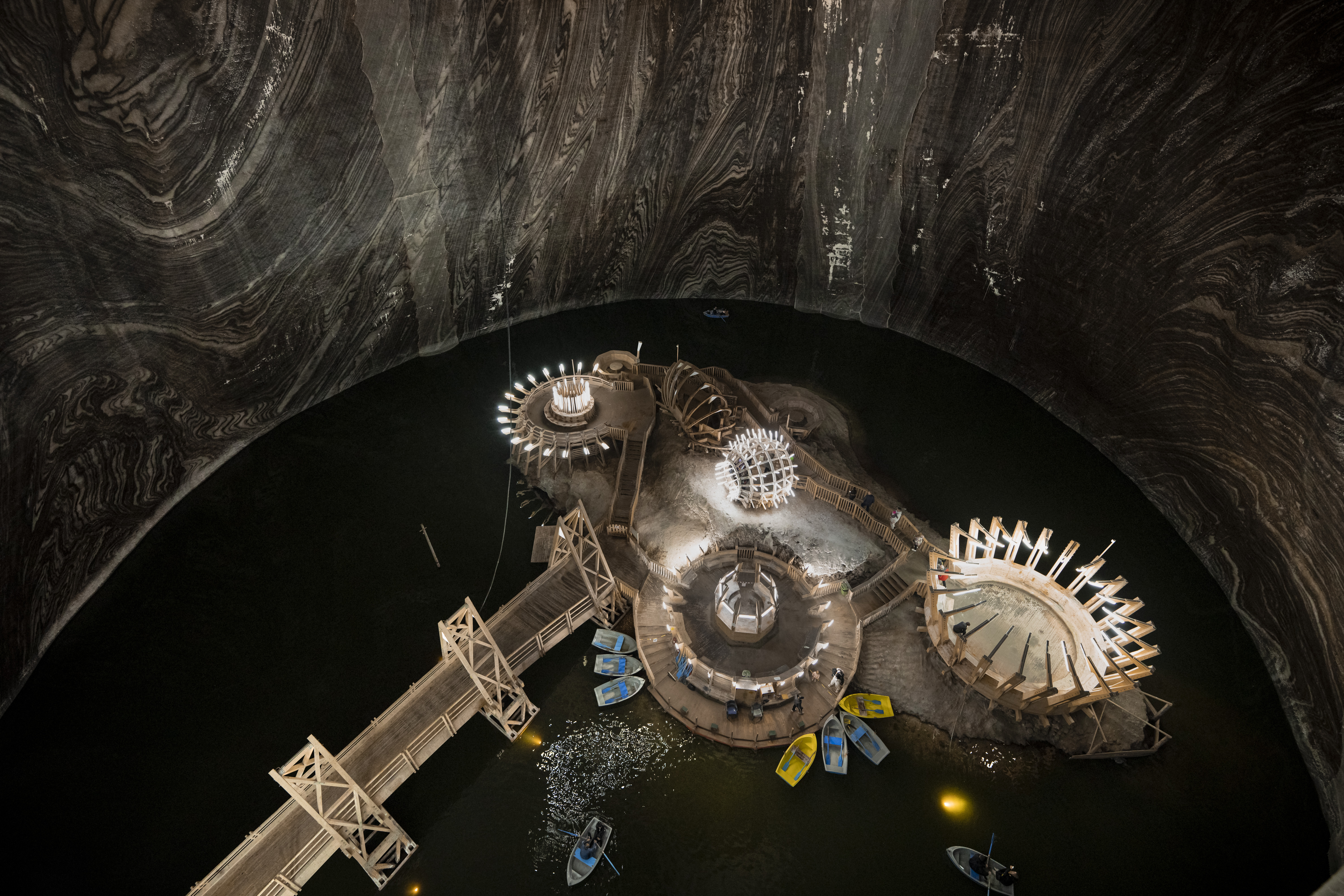
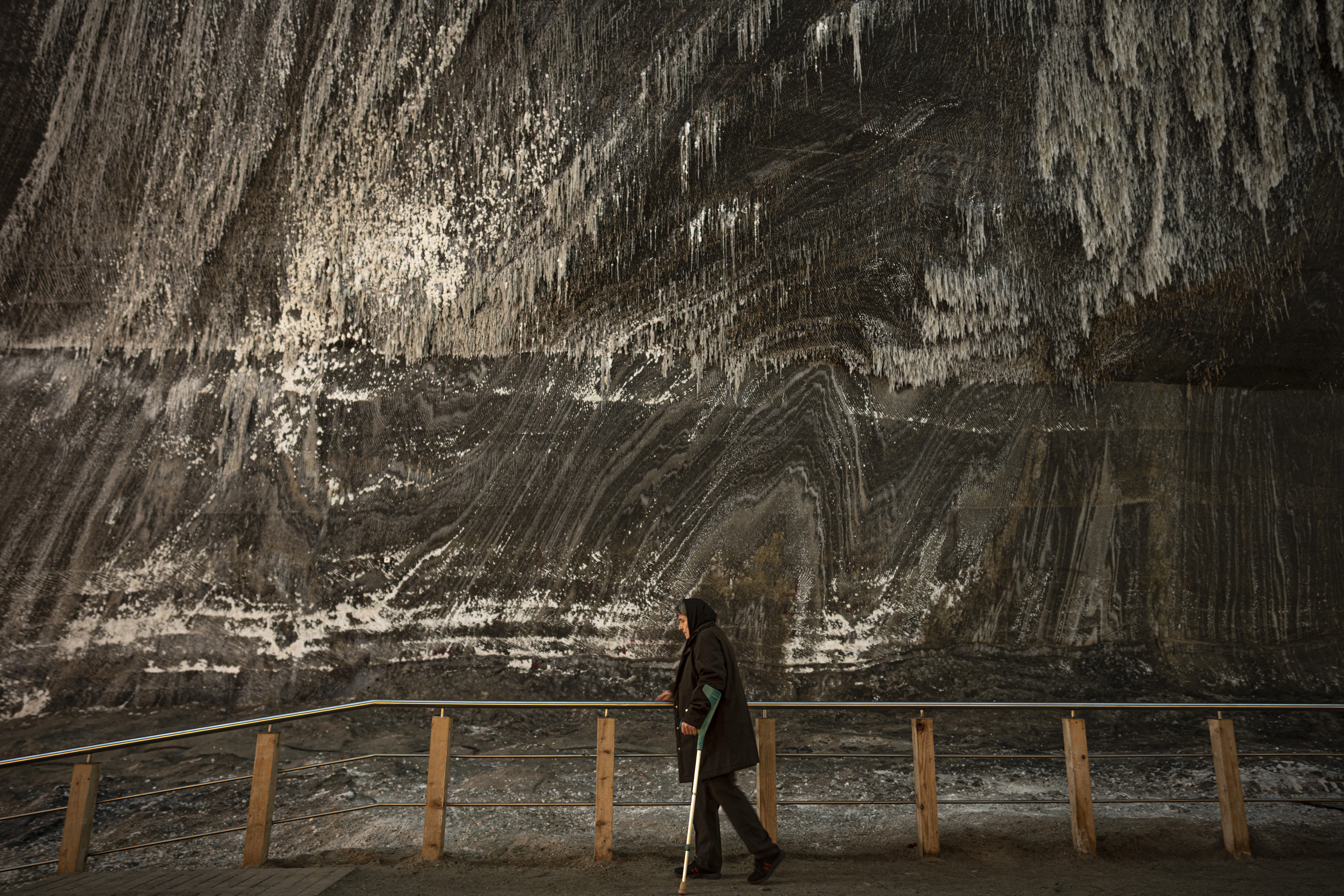
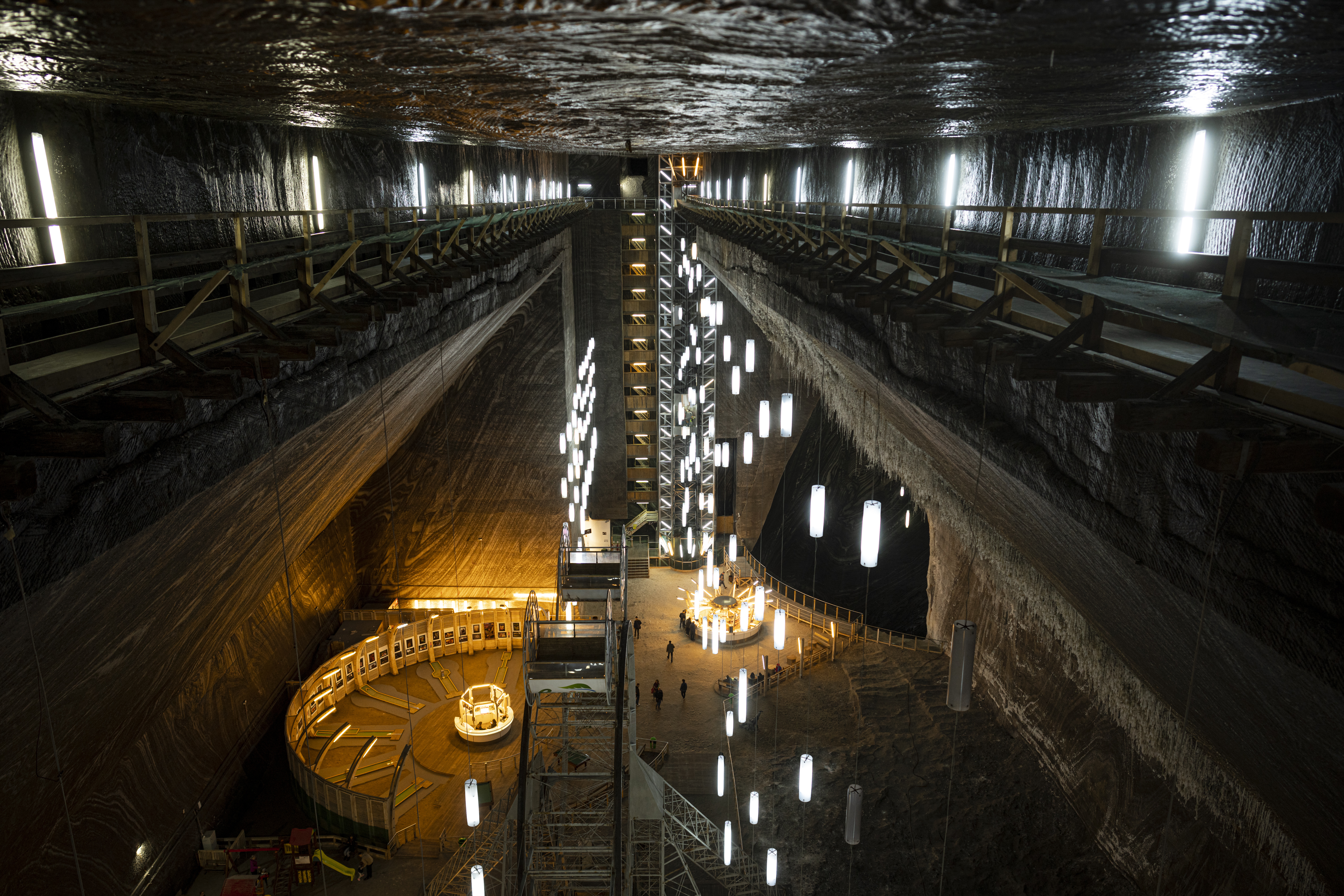
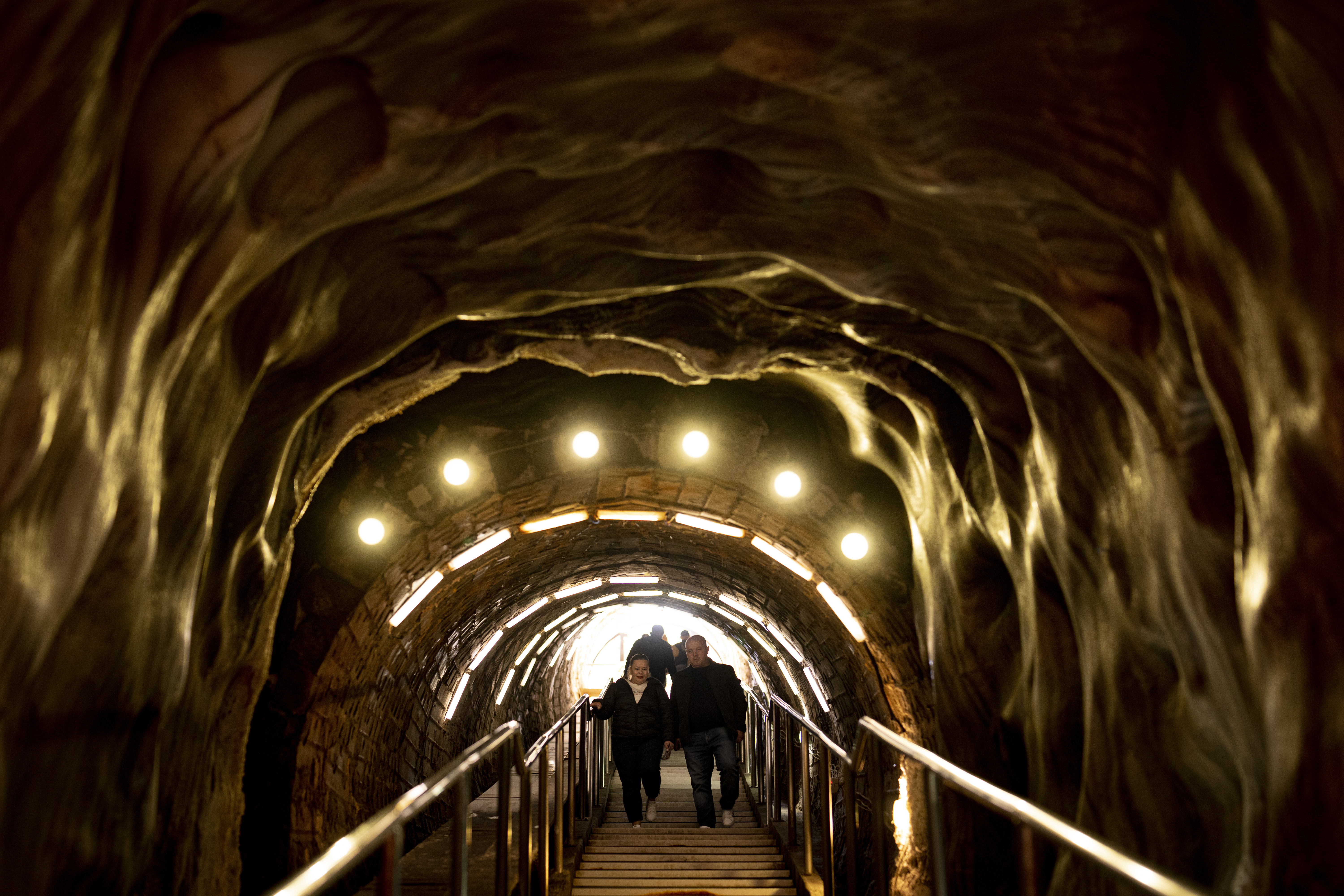
In Romania, an enormous former salt mine, Salina Turda, now a tourist attraction, is on a government list of potential shelters.
Many urban dwellers also go past shelters every day without realising it while riding subways in cities like Warsaw, Prague and Budapest.
READ MORE: Why Aussie waters have become ideal hunting ground for great whites
"We measured how many people could fit in trains along the entire length of the metro, in metro stations and other underground spaces," said Michal Domaradzki, director of the security and crisis management for the city of Warsaw. "There is enough space for the entire population."
Attila Gulyas, president of the Hungarian capital's Urban Transport Workers' Union, has been involved in regular drills of the city's metro lines. He was trained to shelter thousands of people as chief of the Astoria station at Budapest's metro line 2.
"The system is still in place today, it works perfectly, it can be deployed in any emergency" Gulyas said.
"Up to 220,000 people can be protected by the shelter system in the tunnels of metro lines 2 and 3."
But with Russia waging an energy war against Europe and power costs soaring, for many the chief worry is how to get through the winter.
Sorin Ionita, a commentator with the Expert Forum in Bucharest, Romania, said many consider a Russian nuclear strike improbable as it would not "bring a big military advantage to the Russians."
Still, Putin's threats add to a general sense of anxiety in a world in tumult.
Just days after the Russian invasion began, Czechs bought potassium iodide pills as a precaution of sorts against a nuclear attack. Experts say these might help in a nuclear plant disaster but not against a nuclear weapon.
Dana Drabova, the head of the State Office for Nuclear Safety said that in such a case, the anti-radiation pills would be "useless."
Police arrest second man after death of Darcy Strickland in Flaxmere
A second person has been arrested in relation to the death of Darcy Strickland in Flaxmere earlier this month.Police officers found the 19-year-old man at a Flaxmere property, which they had since searched, Detective Senior Sergeant…
National public ticketing payment system for buses, trains, ferries to be introduced
A nationally consistent payment system for public transport fares will be rolled out around the country, starting in Canterbury in 2024, the Government says.The change means people can use a single payment system when travelling…